
Notes on eating well
Practical notes on eating, training and keeping track.
-
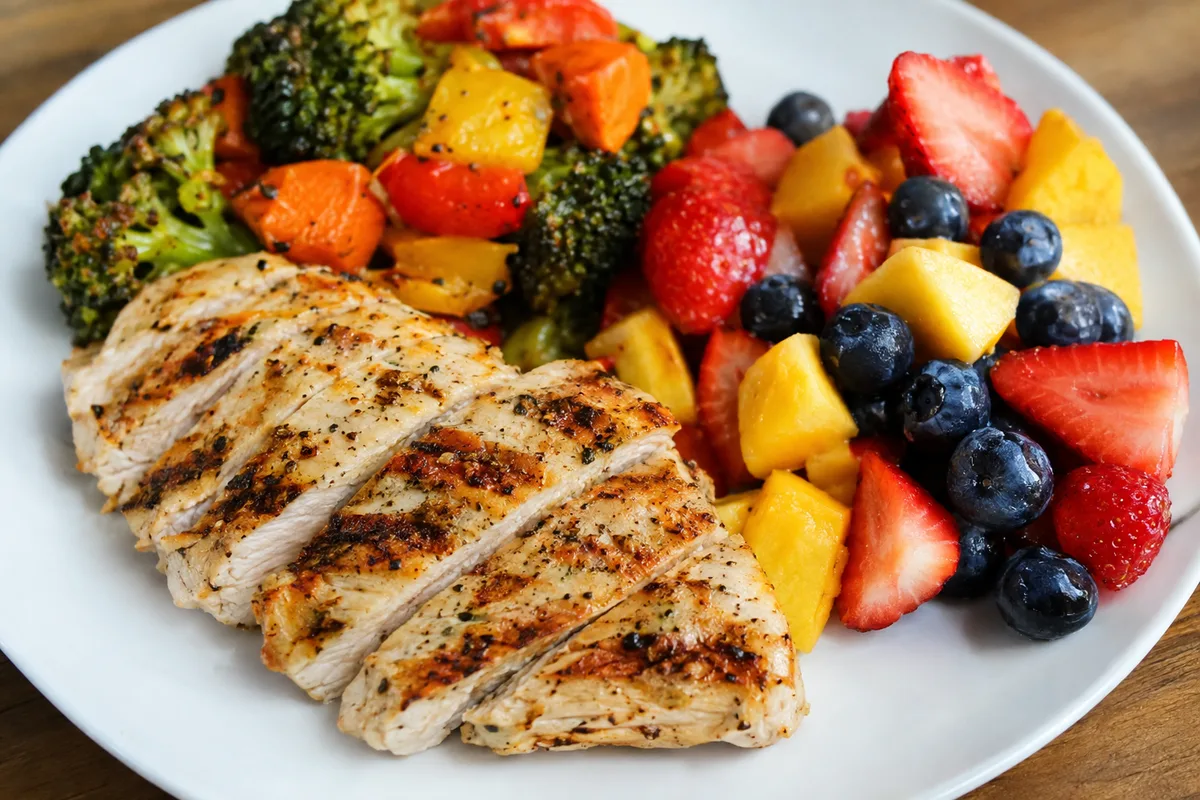
Will Eating Only Chicken, Vegetables and Fruit Help You Lose Weight?
Eating only chicken, vegetables and fruit may reduce your calorie intake, but those foods do not guarantee weight loss. Here is how to assess the idea using the food and portion information you already track.
-
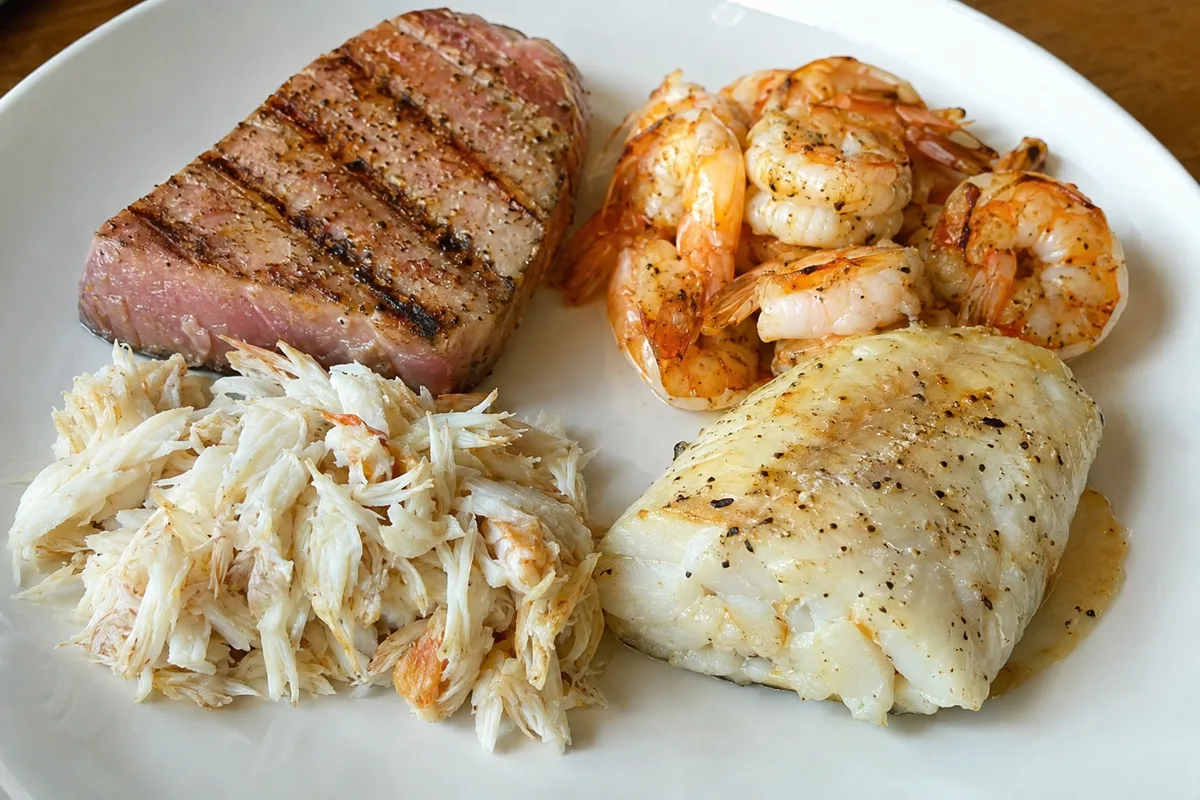
Which fish and seafood give you the most protein?
Lean fish, tuna and many shellfish pack a large amount of protein into a serving. This guide explains the strongest choices and how preparation, packing liquid and portion size affect your food log.
-
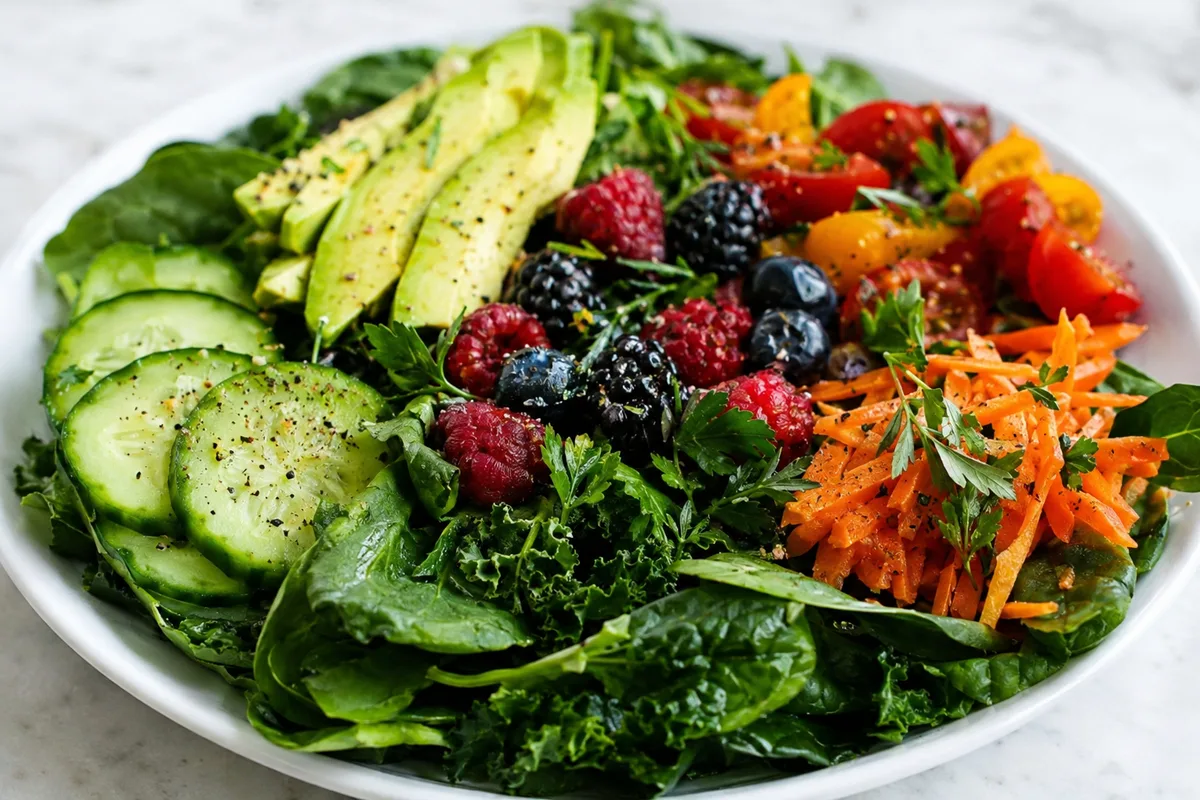
How to Choose the Best Greens Powder for Your Food Log
Greens powders can add a convenient mix of dried plant ingredients, but they are not all alike. This guide explains what to check and how to decide whether one adds anything useful to the food you already track.
-
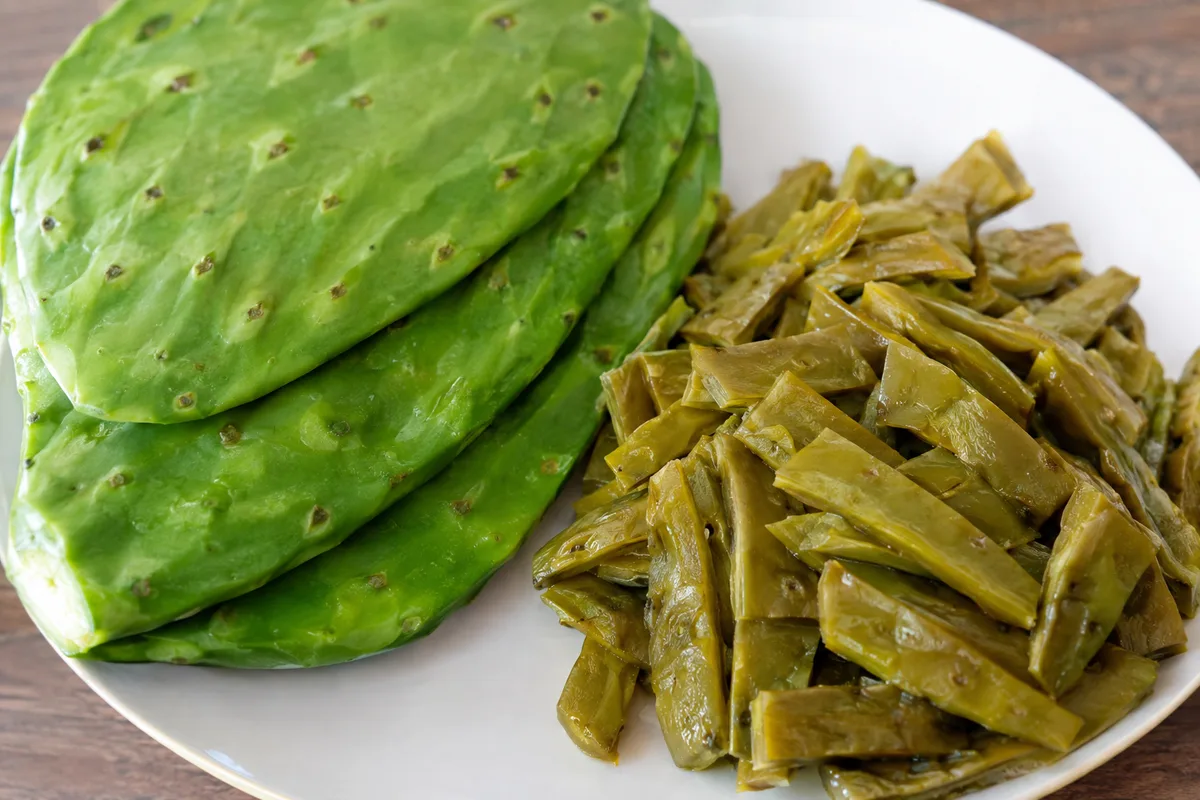
Nopal Benefits: What Cactus Pads Can Add to Your Diet
Nopal is the edible pad of the prickly pear cactus, valued for its fresh flavour, fibre and versatility. This guide explains its practical benefits, how to prepare it and what to record in your food log.
-
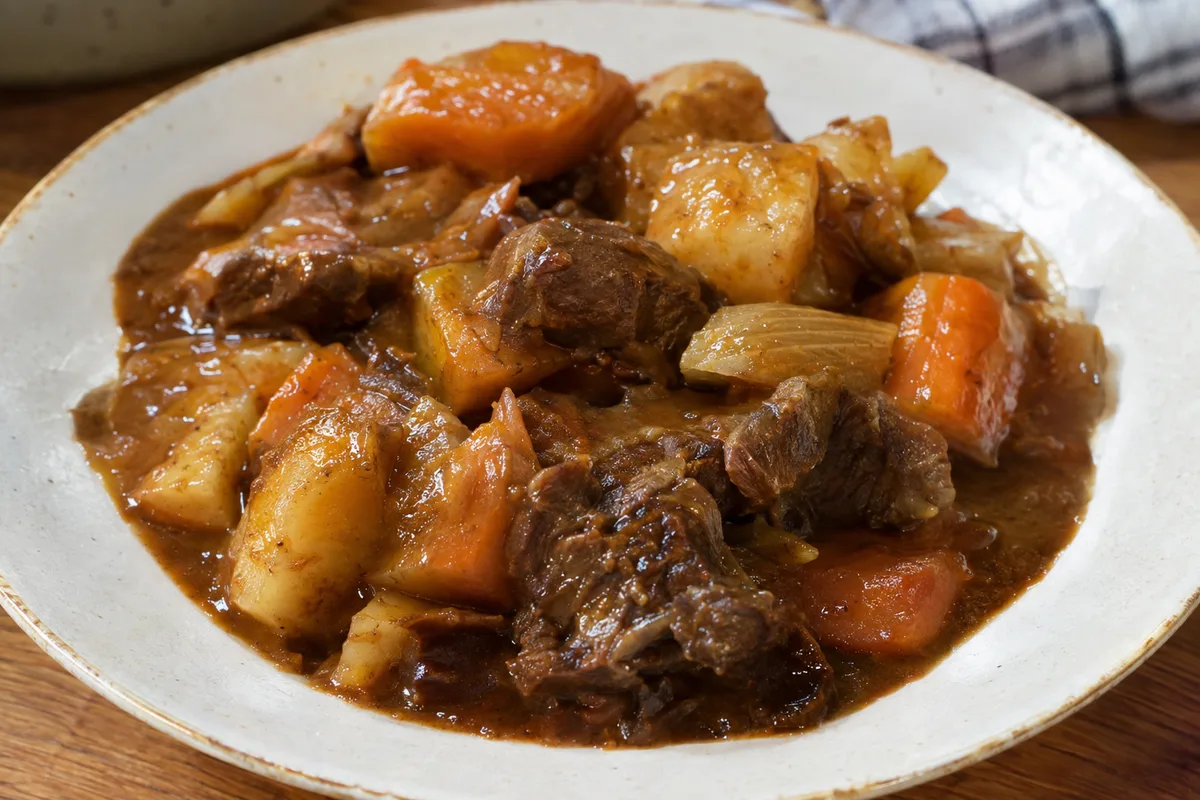
How to Convert Slow Cooker Time to Oven Time
There is no exact formula for turning Crock Pot cooking time into oven cooking time, because ingredients and dishes behave differently. This guide explains how to choose an oven setting, estimate a checking time and keep the food moist while it cooks.
-
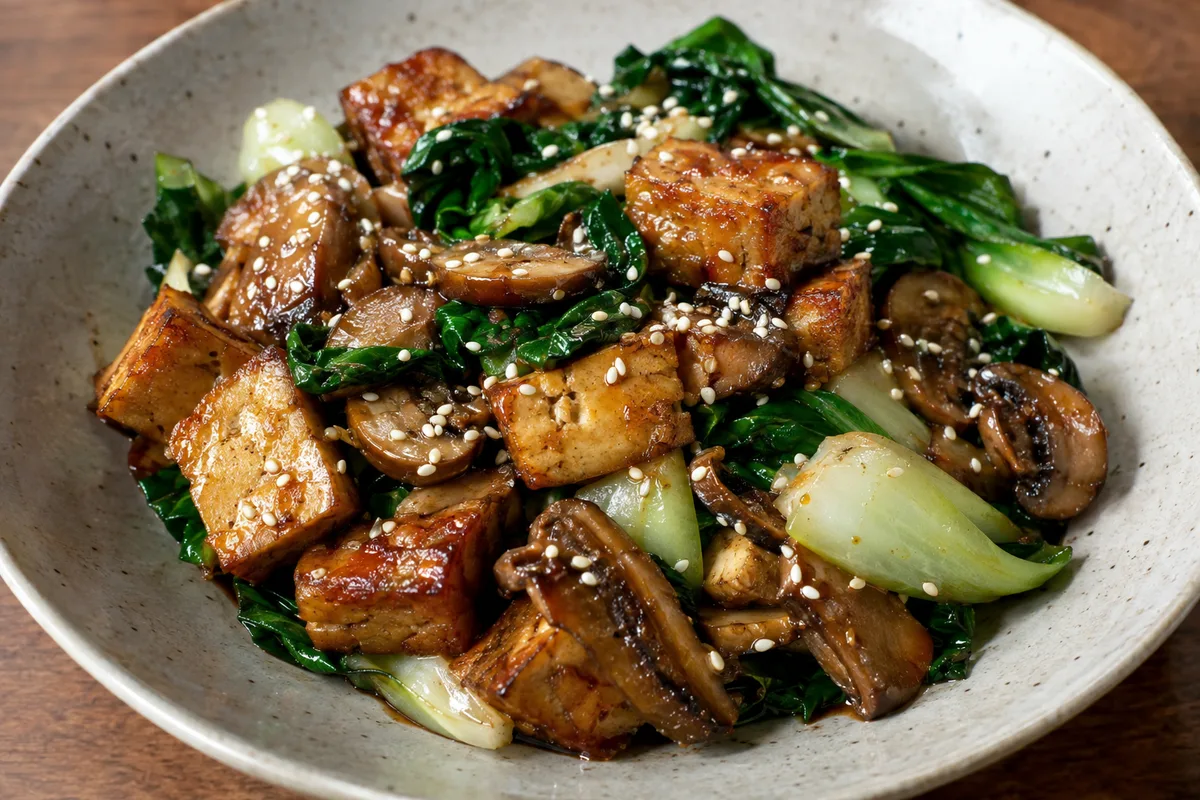
Low-Carb Vegetarian Foods That Add Useful Protein
Vegetarian protein does not always come with a large serving of carbohydrate. This guide explains which foods can fit a lower-carb approach and how to build and track balanced meals with them.
-
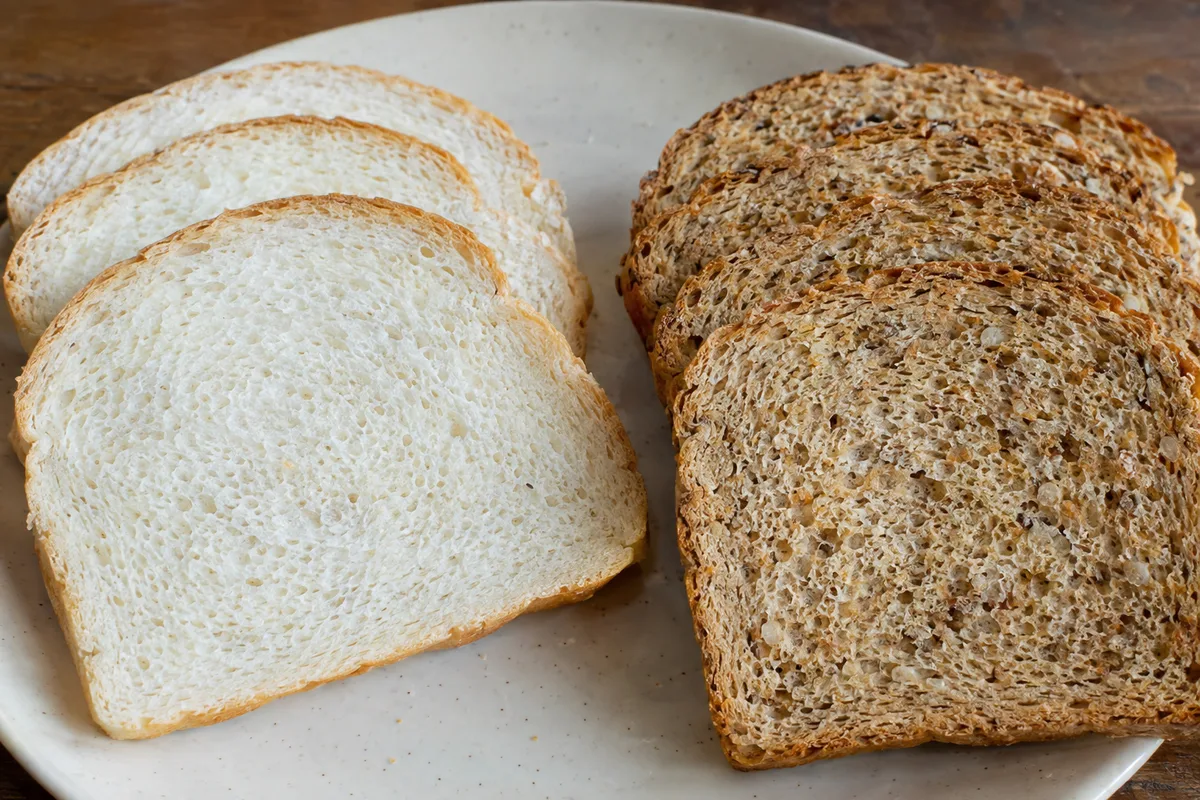
Wholemeal or white bread: what changes in your carbohydrate log?
White and wholemeal bread both contain carbohydrates, but they differ in how the wheat grain is used. Here is how to compare them accurately and record the bread you actually eat.
-

How Many Calories Does Muscle Really Burn?
Muscle burns calories around the clock, although its resting demand is often overstated. This guide explains what changes as you gain muscle and how to reflect that in your food tracking.
-

Does Agave Nectar Fit a Low-Carb Diet?
Agave nectar may sound different from ordinary sugar, but it still contributes carbohydrate to your day. This guide explains what it contains, how to track it and when another option may suit you better.
-
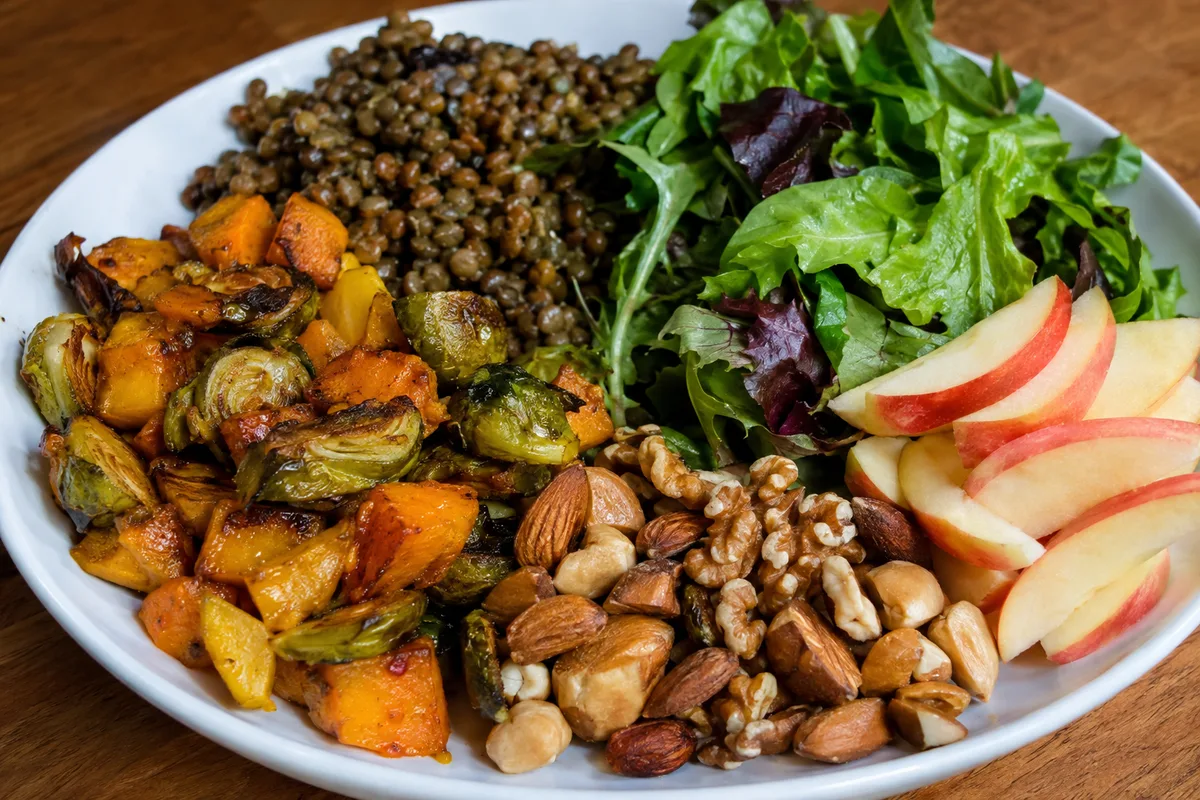
The alkaline diet explained: what food can and cannot change
The alkaline diet sorts foods by the acidic or alkaline effect they are said to leave after digestion. This guide explains what that means, what happens inside the body and how to assess the diet while tracking your food.
-
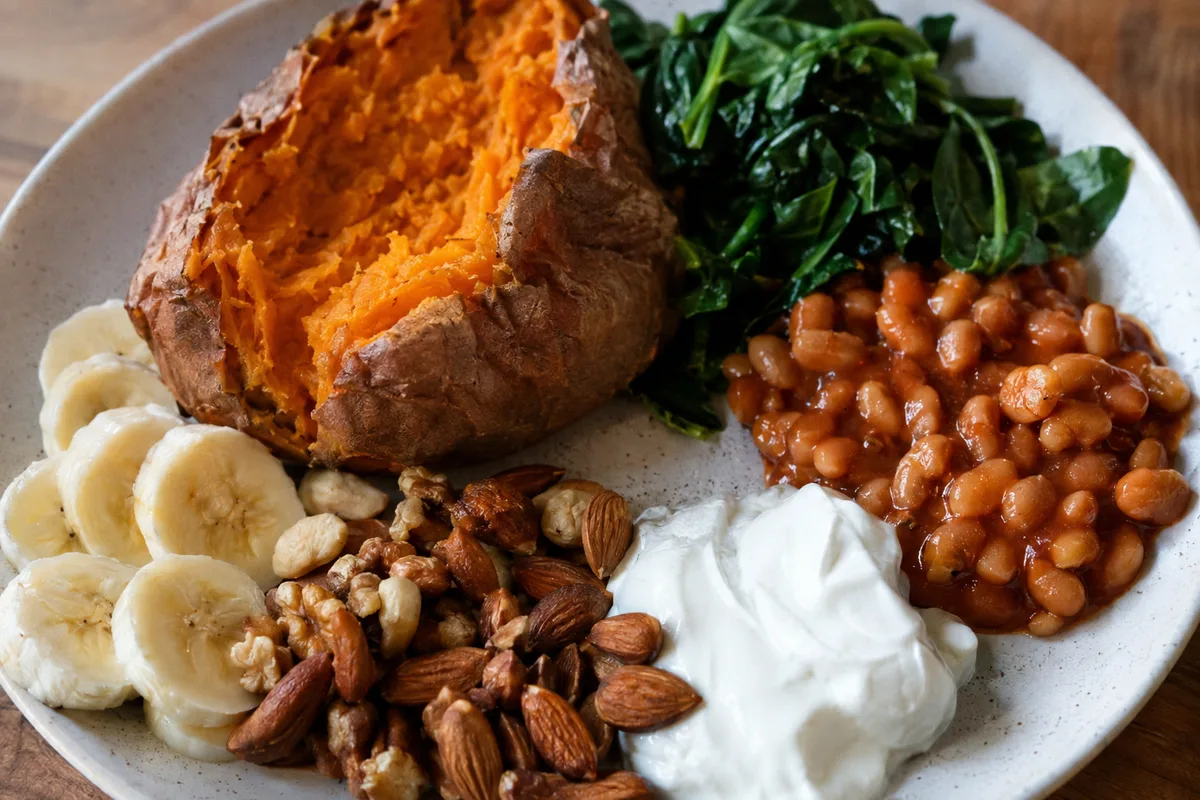
What Is the Best Form of Electrolytes?
Electrolytes come from everyday foods as well as drinks, powders and tablets. This guide explains how each form fits into food tracking and how to choose one for the situation.
-

How Long Does It Take to Firm Your Arms with 5 lb Weights?
There is no single timetable for making arms look firmer with 5 lb weights. This guide explains what affects progress, how to train effectively and what to look for beyond the mirror.
-
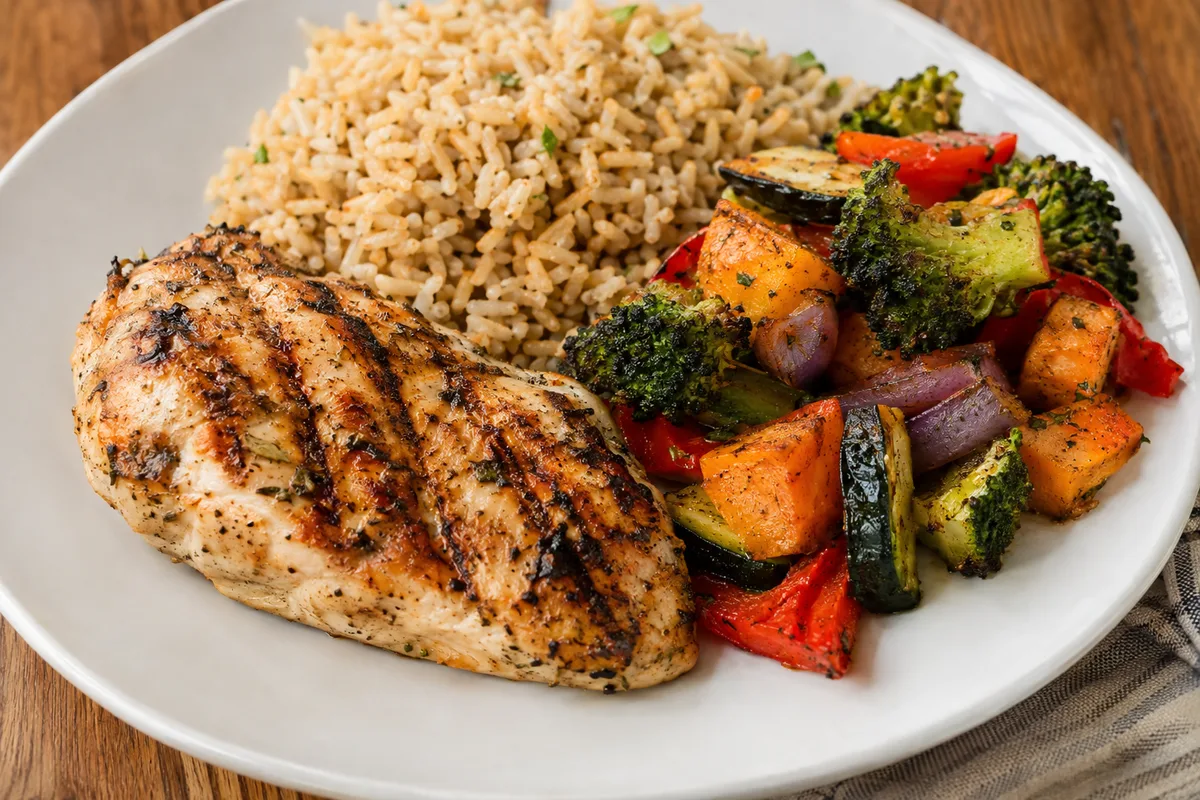
How Long Does It Take to Lose 60 Pounds?
Losing 60 pounds, or about 27 kilograms, usually calls for a long-term approach rather than a short push. This guide explains what affects the pace, how to use your food log and when to adjust your plan.
-
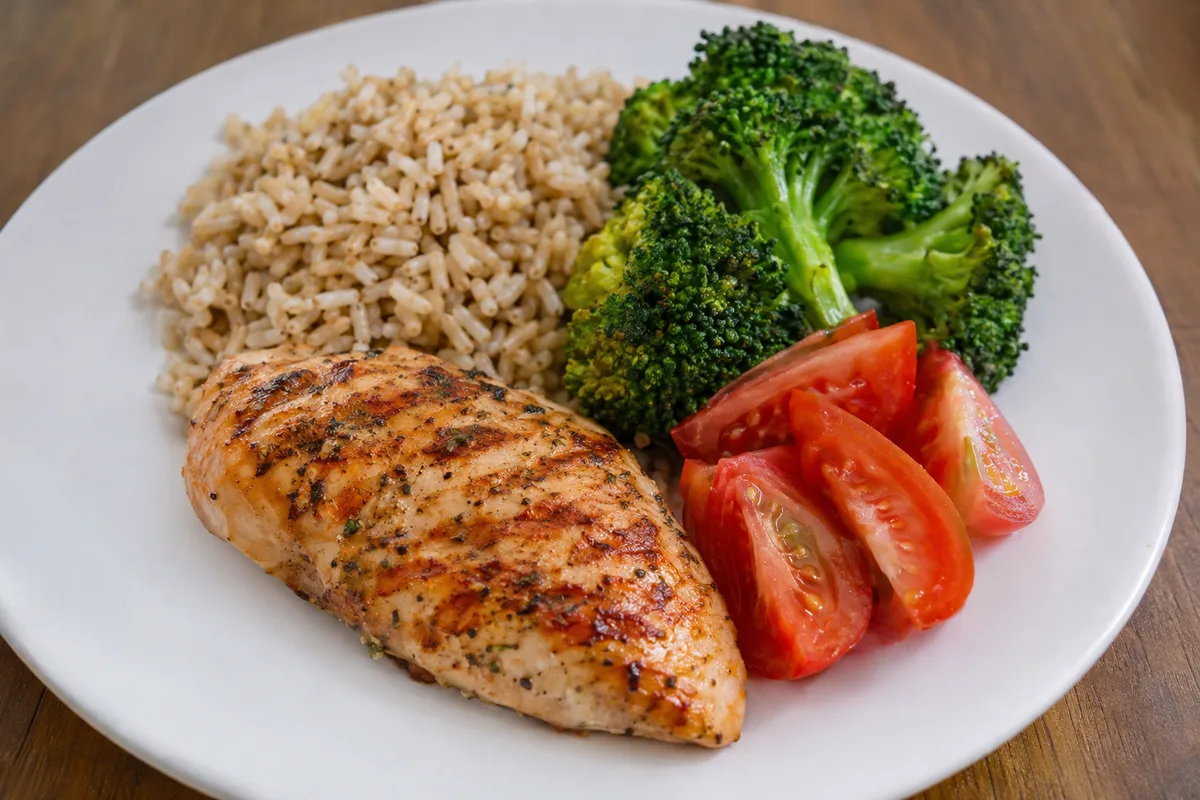
How Much Water Weight Can You Lose in a Week?
A weekly change on the scale may include water, stored carbohydrate, food in the digestive system and body tissue. This guide explains why water weight shifts, how to read your food log and why trying to force fluid loss is unhelpful.
-
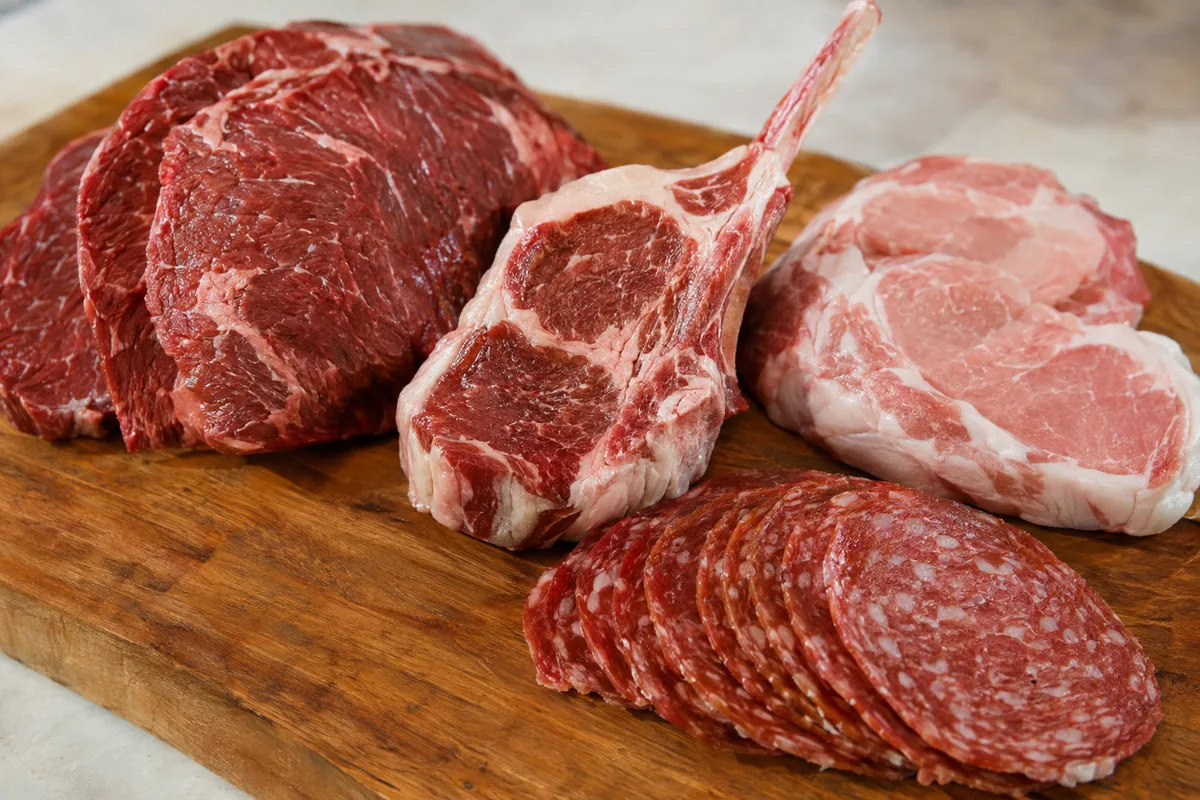
Red meat: how much is too much?
There is no single red meat limit that suits every person, but your food log can show whether it is crowding out other useful foods. This guide explains what counts as red meat, how to review your pattern and where processed meat fits in.
-

What Is a Coregasm, and Why Can Exercise Trigger One?
A coregasm is an orgasm or orgasm-like sensation that happens during exercise, often without sexual thoughts or direct touch. This guide explains what may cause it, which movements can trigger it and how to handle it comfortably.
-
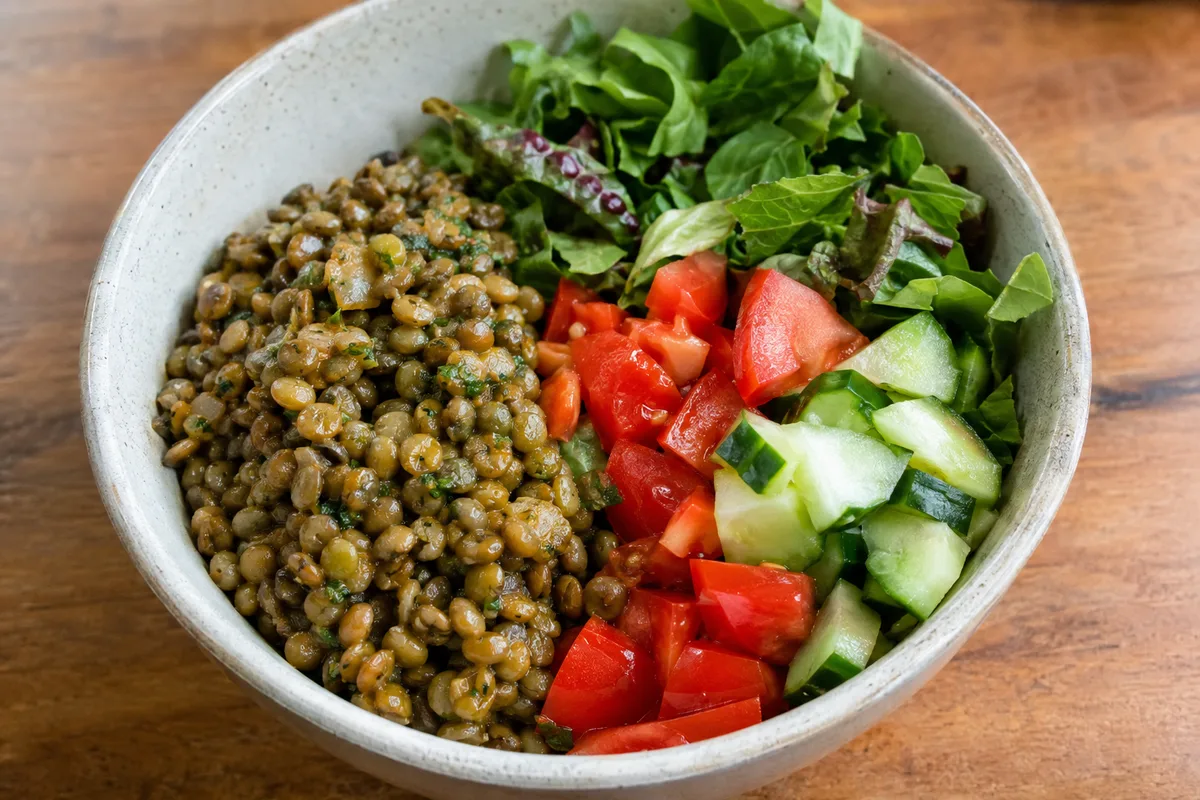
Green lentils: a practical guide to their nutrition
Green lentils provide plant protein, fibre, carbohydrate and a range of vitamins and minerals. This guide explains what that means for your food log and how to build satisfying meals around them.
-

What Stevia Can Offer When You Track Your Food
Stevia is a sweetener made from compounds found in the leaves of the stevia plant. This guide explains its practical benefits, how it affects food tracking and what to check before using it.
-

How to Choose an Electrolyte Drink Powder That Fits Your Goals
Electrolyte powders can replace minerals lost through sweat, but not every workout or day requires one. This guide explains how to compare ingredients, added sugar and serving sizes while keeping weight goals in perspective.
-

Which Restaurant Breads Are Usually Highest and Lowest in Calories?
Restaurant bread can range from a small plain roll to a large piece filled or coated with fat and cheese. This guide explains which choices are usually higher or lower in calories and how to log them sensibly.