
Red meat: how much is too much?
There is no single red meat limit that suits every person, but your food log can show whether it is crowding out other useful foods. This guide explains what counts as red meat, how to review your pattern and where processed meat fits in.
What counts as red meat
Red meat includes beef, lamb, pork, goat and venison. It can be fresh, minced, frozen or used in a mixed dish such as a stew. The name refers to the type of meat, not how cooked it looks on the plate.
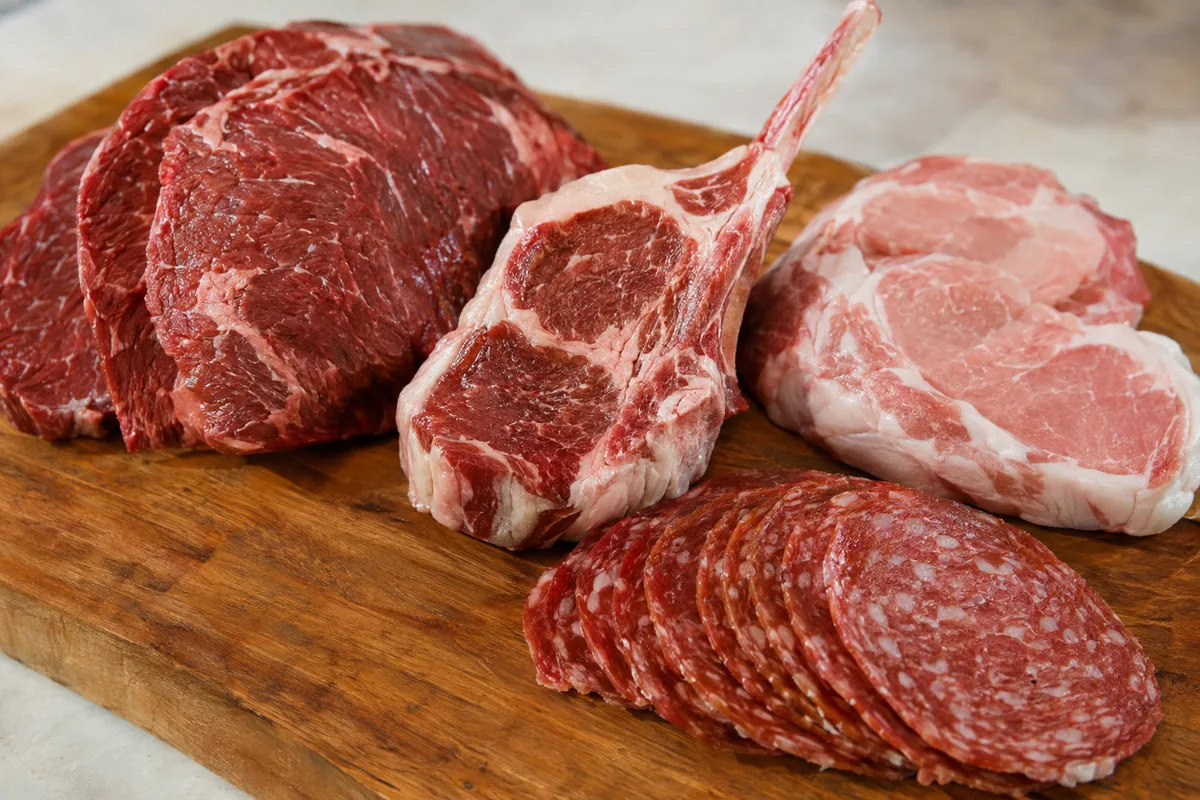
Processed red meat has been preserved or changed through methods such as curing, smoking or adding salt. Examples include bacon, ham, salami and many sausages. It is useful to record processed and unprocessed meat separately because general eating guidance treats them differently.
- Beef steak, mince and burgers
- Lamb chops and lamb mince
- Pork chops and roast pork
- Bacon, ham and salami
- Sausages made mainly from red meat
There is no perfect number for everyone
How much is too much depends on your usual portion, how often you eat it and what the rest of your diet contains. National recommendations also differ, so use the current guidance where you live if you want a specific weekly amount. Personal dietary requirements may call for individual advice.
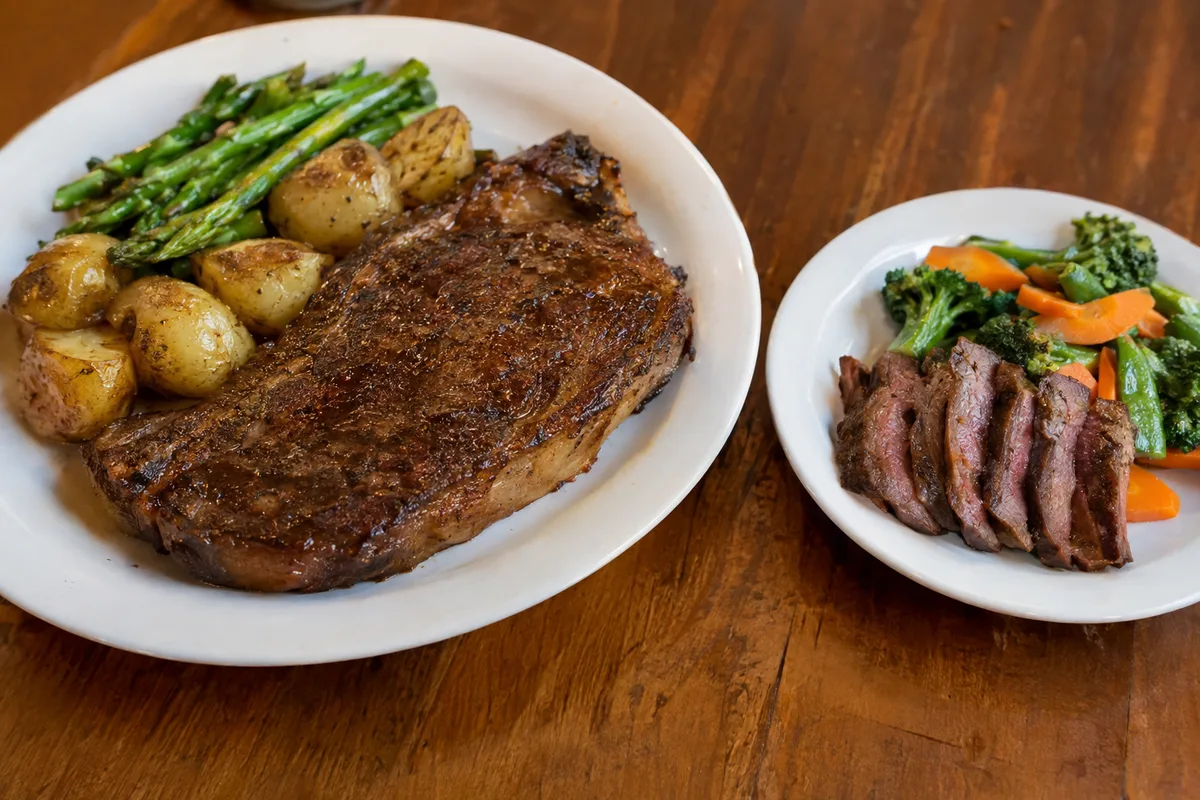
One large serving is not the same pattern as several red-meat meals spread across the week. Your average intake over time is more useful than judging a single lunch or dinner. Look for repetition rather than trying to make every day identical.
- Check how many meals included red meat
- Note whether each serving was small, moderate or large
- Separate fresh meat from processed meat
- Review several typical weeks rather than one unusual day
Use your food log to spot the pattern
Start by marking every meal in your log that contains red meat. Include smaller amounts in sandwiches, pasta sauces, pies, soups and takeaway meals. These can be easy to miss when meat is not the main item on the plate.
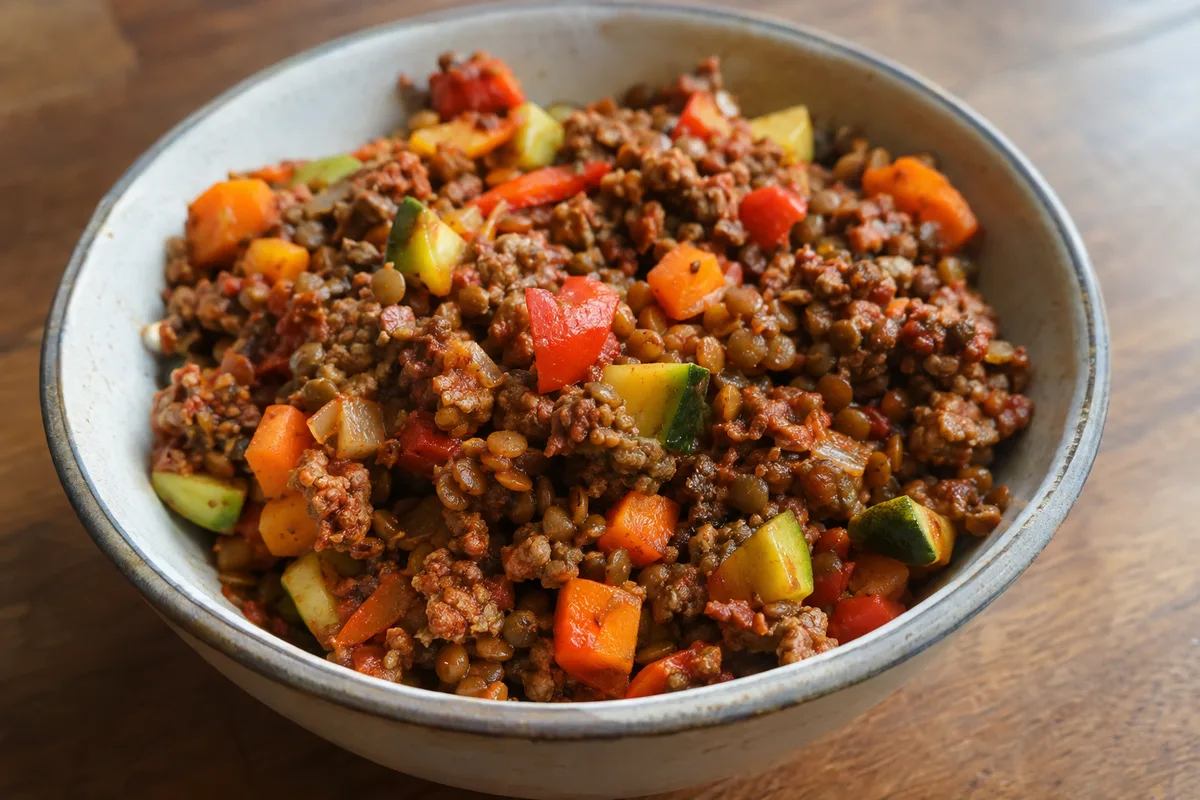
Next, look at what those meals replaced. If red meat repeatedly takes the place of fish, beans, lentils, eggs or poultry, your diet may have less variety than it appears to have. A pattern can be worth adjusting even when individual portions seem reasonable.
- Tag entries as fresh red meat or processed meat
- Record the portion in a way you can repeat consistently
- Count mixed dishes as well as obvious meat portions
- Notice which other protein foods appear during the week
- Compare ordinary weeks with weekends or social occasions
Portion size changes the picture
A portion can look very different depending on the cut and the meal. A thick steak, a mound of mince and a few strips in a stir-fry should not be logged as equal servings. Use the package information, recipe amount or your usual household measure when available.

You do not need perfect measurements for the log to be useful. A consistent description such as half a pack, one chop or a small handful of strips can help you compare meals. If your portions are usually large, reducing the amount while keeping the meal satisfying may be more practical than removing red meat entirely.
- Use less mince and add beans or lentils
- Serve sliced meat with plenty of vegetables
- Choose a smaller piece and add a filling side
- Keep the same recipe but increase the vegetable share
Pay particular attention to processed meat
Processed meat deserves its own line in your tracker rather than being grouped with all protein foods. It can appear at breakfast, lunch, dinner and in snacks, which makes the total pattern easy to overlook. Regular small servings may add up to frequent exposure across the week.
Try identifying the situations in which processed meat is the automatic choice. A sandwich filling, cooked breakfast or pizza topping can often be varied without changing your entire eating routine. The aim is to make it an occasional choice rather than the default at several meals.
- Swap ham in a sandwich for egg, chicken or mashed beans
- Replace bacon at breakfast with eggs, mushrooms or beans
- Choose vegetable or chicken toppings instead of salami
- Use herbs, spices and browned vegetables to add savoury flavour
Build a more varied week
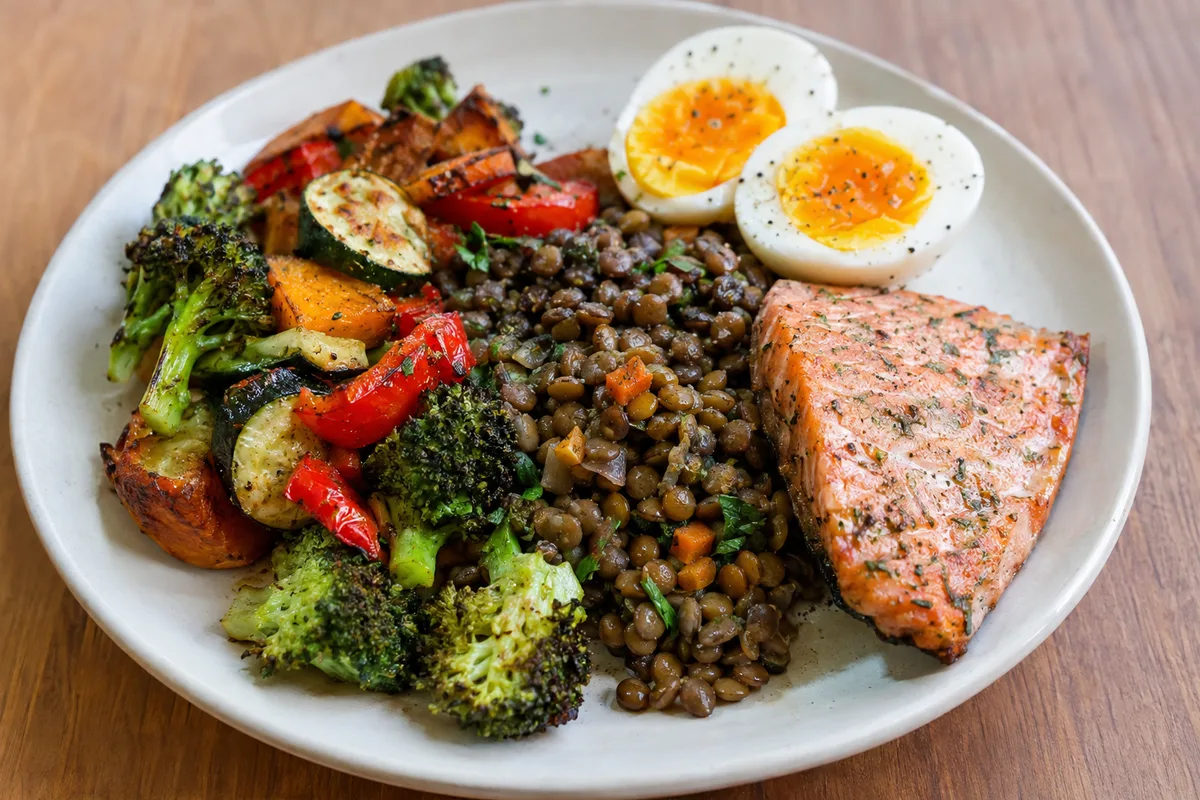
Reducing red meat works best when you know what will take its place. Protein can come from fish, poultry, eggs, beans, lentils, peas, tofu and other foods. Choose replacements that suit your meals rather than forcing the same option into every recipe.
Make one manageable change, then check your log again after a few ordinary weeks. You might reduce portion size, change some processed-meat meals or add more meat-free dishes. If the pattern becomes more varied and red meat no longer dominates, you are moving in a useful direction.
- Plan one bean or lentil meal
- Use fish or poultry in a familiar recipe
- Add eggs or tofu to a vegetable dish
- Keep red meat for meals where you value it most
- Review the pattern regularly rather than judging one day