
Sassafras tea: claimed benefits, real risks and what to track
Sassafras tea is often promoted as a soothing herbal drink, yet evidence for specific benefits is limited. This guide explains what it contains, possible side effects and how additions affect your food log.
What sassafras tea is
Sassafras tea is traditionally made by steeping the root or root bark of the sassafras tree in hot water. The drink usually has a sweet, woody aroma that is sometimes compared with root beer. Its exact strength and composition depend on the plant material, preparation method and steeping time.
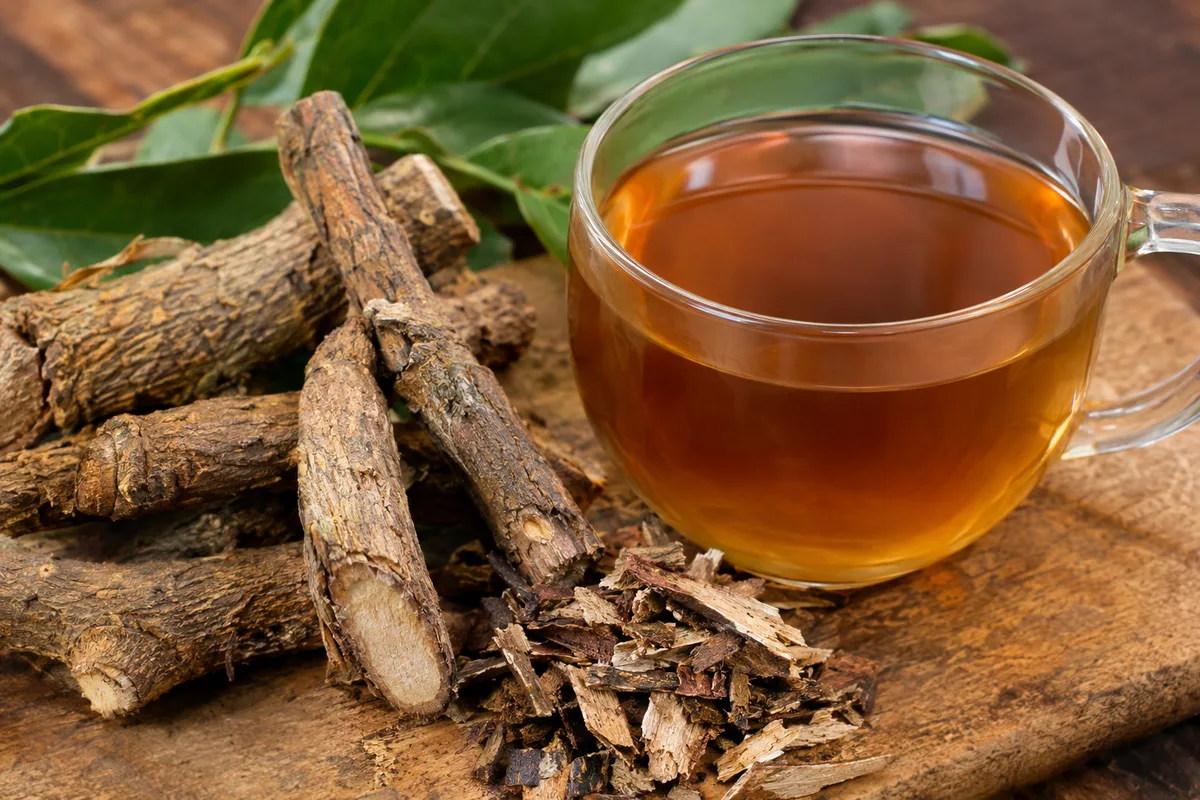
The root and bark naturally contain safrole, an aromatic oil that gives sassafras much of its distinctive character. Safrole is also the main reason for safety concerns around traditional sassafras tea. Products described as safrole-free have been processed differently and are not the same as a homemade root or bark infusion.
- Root or root-bark tea may contain safrole
- Longer or stronger steeping can change the amount extracted
- Leaves and roots have different culinary uses
- A safrole-free label describes processing, not a proven health benefit
What the claimed benefits mean
Traditional uses include drinking sassafras tea for comfort, digestion or general wellbeing. These uses are part of its history, but they do not show that the tea produces a reliable health effect. Good evidence for specific benefits from drinking it is lacking.
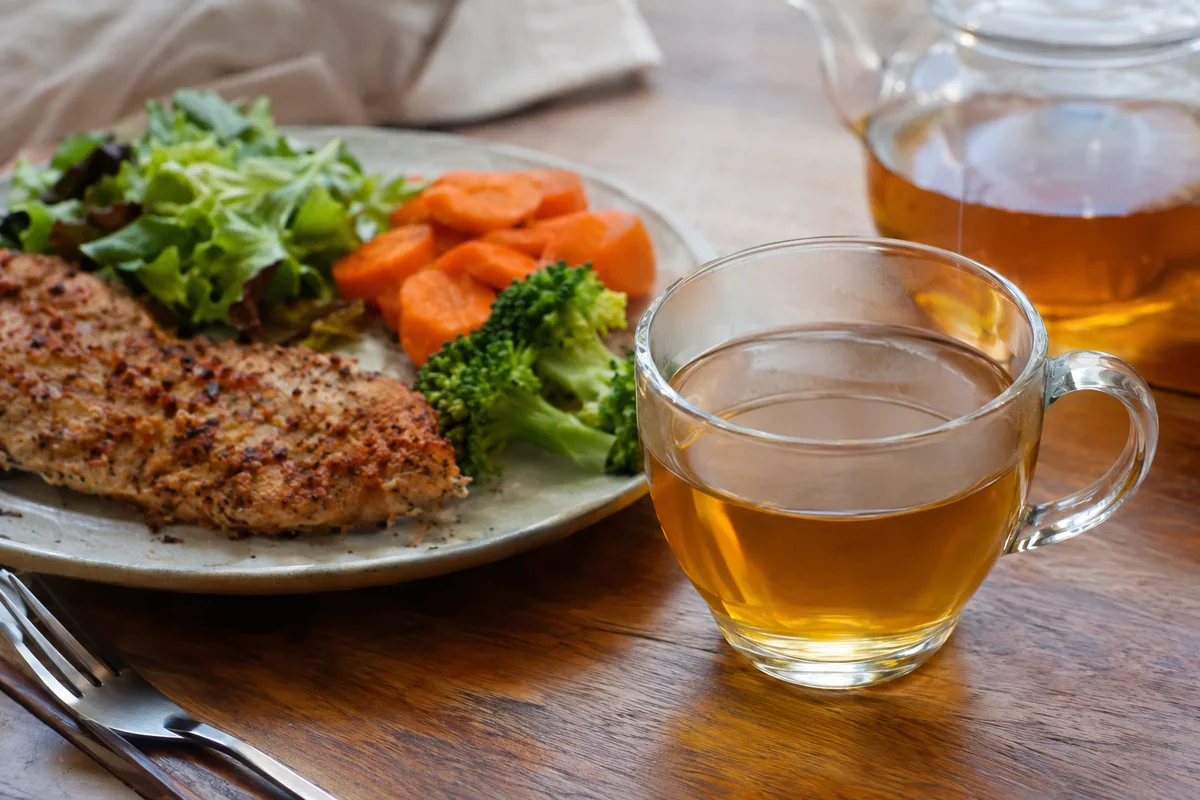
Like other unsweetened herbal infusions, the drink provides fluid and may feel warming or relaxing. That experience can be enjoyable without being a medical benefit. Sassafras should not be treated as a remedy or used in place of professional support.
- A pleasant taste can make a hot drink satisfying
- An unsweetened infusion adds fluid without sugar
- A warm drink may fit a calming routine
- Traditional use is not the same as proven effectiveness
Why safrole is a concern
Safrole can harm the body when exposure is high enough or continues over time. Safety concerns come from evidence that it can damage genetic material and place strain on the liver. The amount in homemade tea is difficult to judge because plants and brewing methods vary.
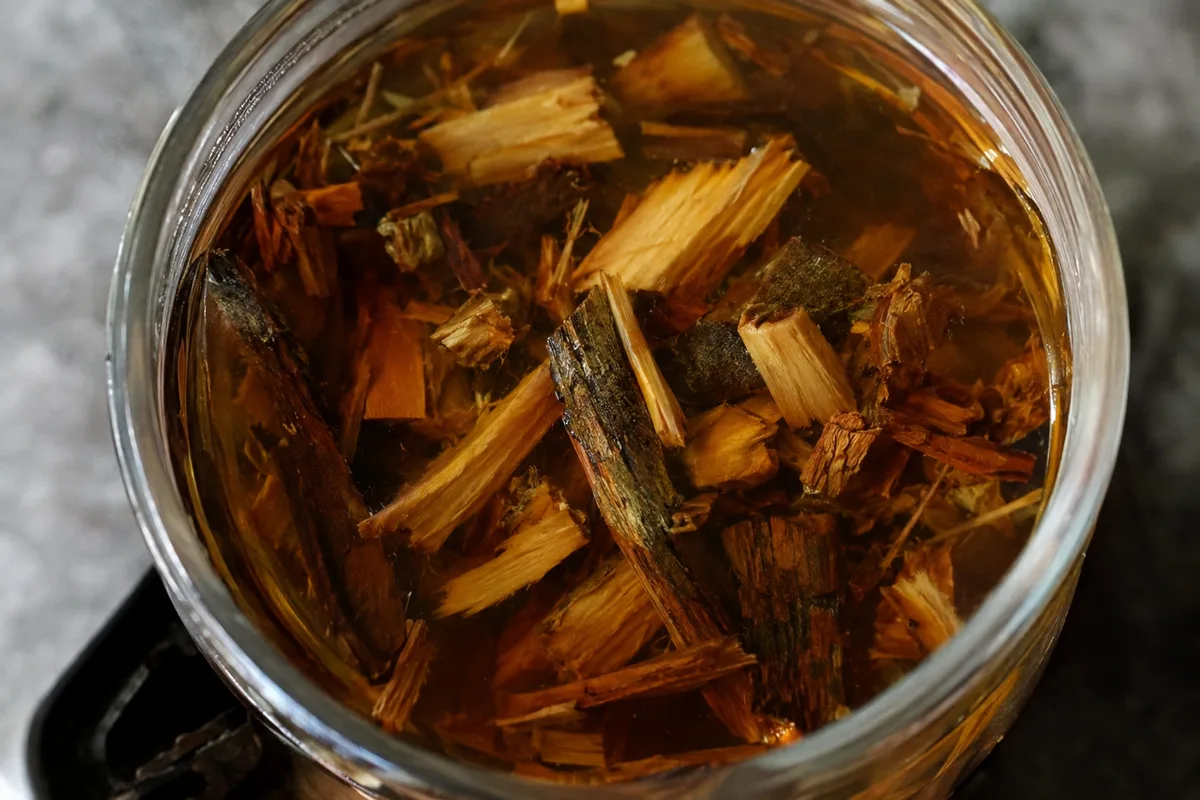
Heating the root in water does not reliably remove safrole. A mild taste also does not confirm that exposure is low. For that reason, traditional sassafras root or bark tea is not a good choice for regular drinking.
- The natural source does not make safrole harmless
- Smell and flavour cannot show how much is present
- Homemade preparation offers no reliable dose control
- Repeated exposure matters as well as the amount in one serving
Possible short-term side effects
Sassafras tea may cause unwanted effects such as nausea, vomiting, dizziness or sweating. Larger or more concentrated amounts can lead to more serious reactions, including confusion, unusual heart rhythm or loss of coordination. Individual sensitivity varies, so there is no dependable serving that suits everyone.
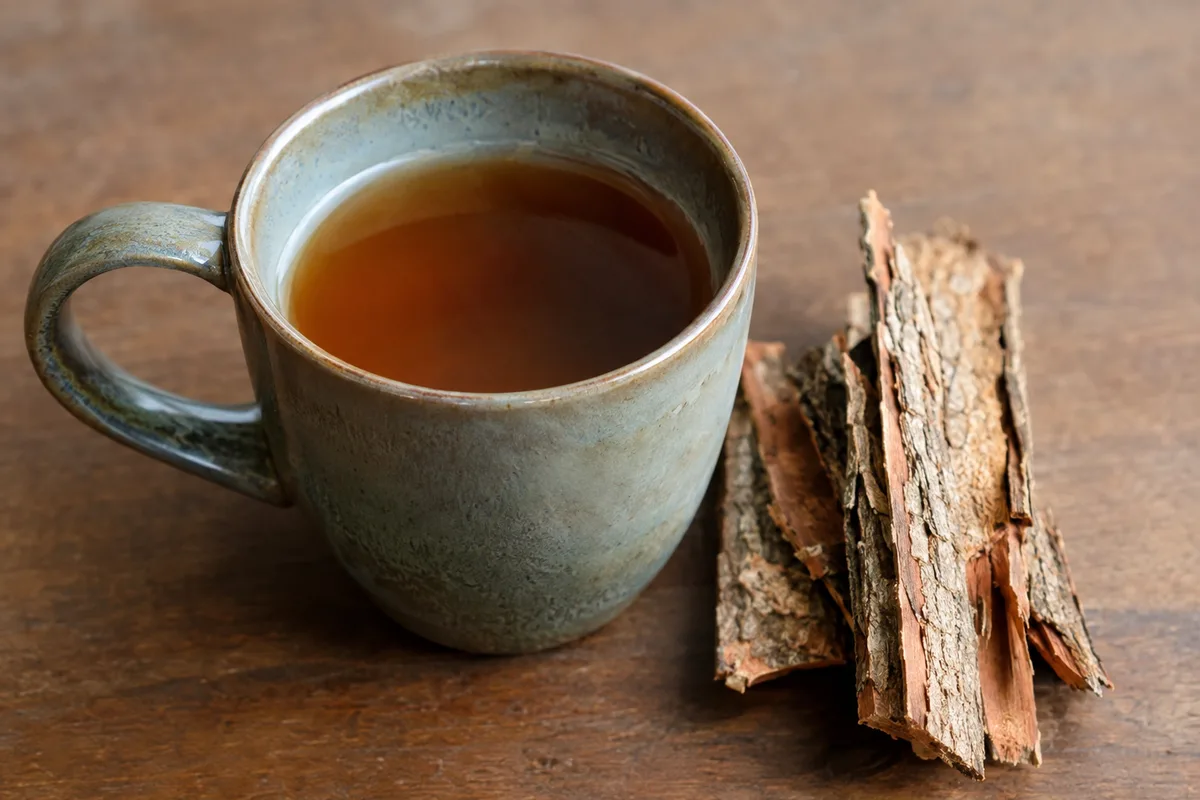
Stop drinking it if you feel unwell after taking it. Urgent medical help is appropriate for severe symptoms, fainting, breathing difficulty, marked confusion or a racing or irregular heartbeat. Keep details of the plant material and preparation available so a healthcare professional can assess what was consumed.
- Nausea or vomiting
- Dizziness or sweating
- Confusion or poor coordination
- A racing or irregular heartbeat
When extra caution is needed
Sassafras tea is unsuitable during pregnancy or breastfeeding because its safety has not been established and concentrated plant compounds may cause harm. It should not be given to children. Anyone with liver concerns or an upcoming procedure should seek professional guidance before using herbal preparations.
Herbal drinks can also affect how medicines work or add to their unwanted effects. This is relevant even when the tea is homemade or only used occasionally. A pharmacist or other qualified professional can check for interactions without relying on online claims.
- Pregnancy or breastfeeding
- Children and young teenagers
- Existing liver concerns
- Regular medicine use
- A planned medical or dental procedure
How to record it in your food diary
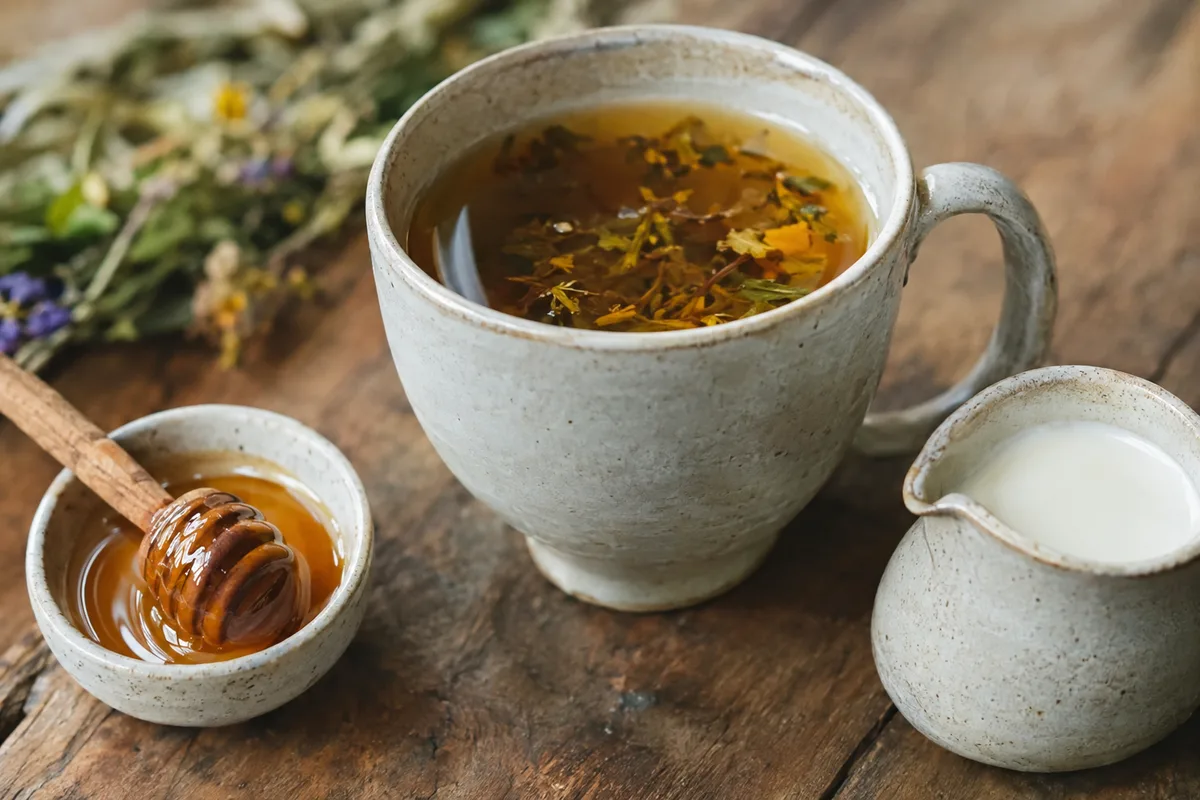
Plain herbal infusions usually contribute little food energy, but the exact entry depends on what was brewed and added. Log sugar, honey, syrup, milk or cream separately because these additions may contribute more energy than the infusion. If you do not know the recipe, record the drink and note the estimated additions rather than aiming for false precision.
Also note whether the tea was made from root, bark or a product described as safrole-free. This detail matters more for safety than for calorie tracking. If you want a warm drink without this concern, choose a familiar caffeine-free infusion made from ingredients intended for ordinary food use.
- Record the amount you drank
- Add each sweetener or milk separately
- Note whether root, bark or processed tea was used
- Save the packet or recipe details
- Record any symptoms and when they began