
Seaweed health claims: what is worth knowing
Seaweed is often promoted as a nutrient-packed food, but its nutritional content can vary widely. This guide explains the main health claims and how to include seaweed sensibly when tracking what you eat.
Start with the type of seaweed
Seaweed is a broad name for many edible plants and algae from the sea. Nori sheets, wakame, dulse and kelp do not have the same texture, flavour or nutrient profile. A claim made about one variety may not apply to another.
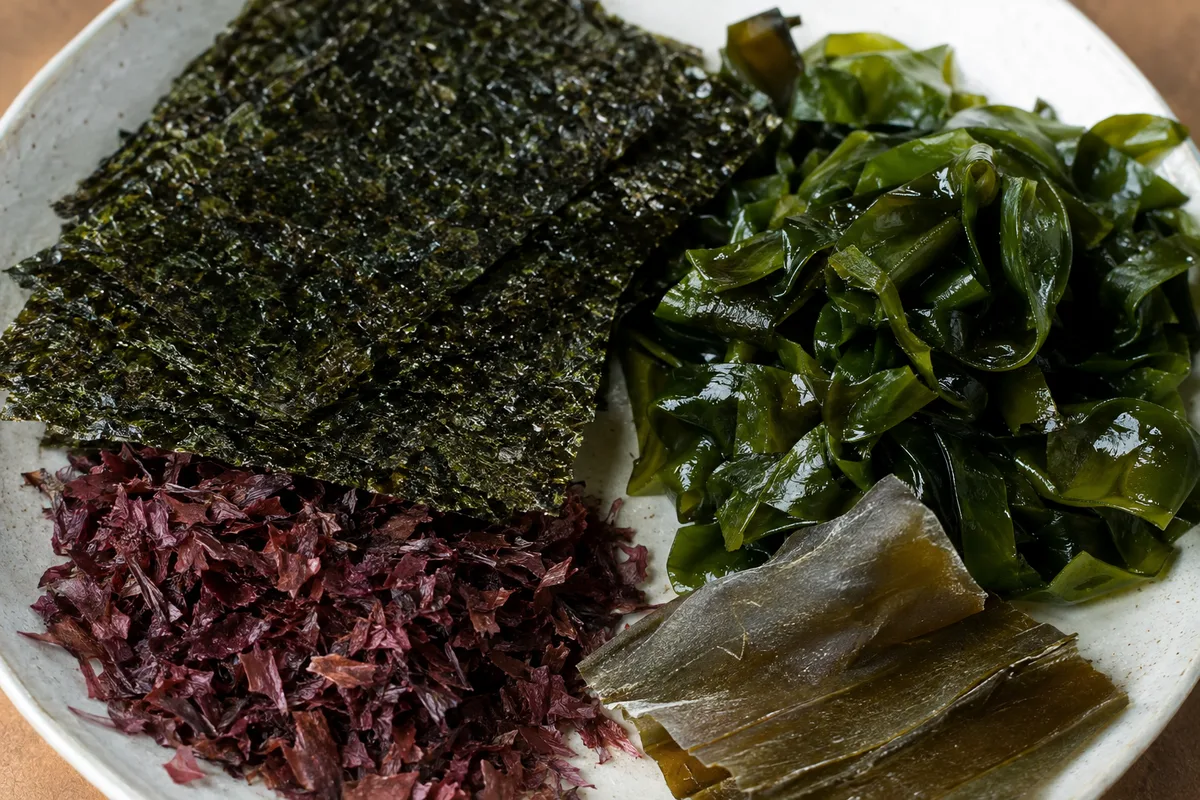
The way seaweed is sold also matters. Plain dried seaweed is different from seasoned sheets, pickled salads or fried snacks with added oil, sugar and salt. When comparing foods, check the full product description rather than relying on the word seaweed.
Descriptions such as superfood or nutrient-rich do not explain how much you would actually eat. Seaweed is often used in small portions, so the amount of a nutrient in a normal serving matters more than an impressive figure given for a much larger amount.
- Identify the variety, such as nori, wakame, dulse or kelp
- Check whether it is dried, soaked, seasoned, pickled or fried
- Compare nutrition information using the portion you actually eat
- Read the ingredients for added oil, sugar and salt
Minerals are a strength, but amounts vary
Seaweeds can provide minerals, although the type and amount depend on the variety, growing waters and processing. Iron, calcium and magnesium may appear on labels or in food databases. These figures should not be treated as interchangeable across every seaweed product.
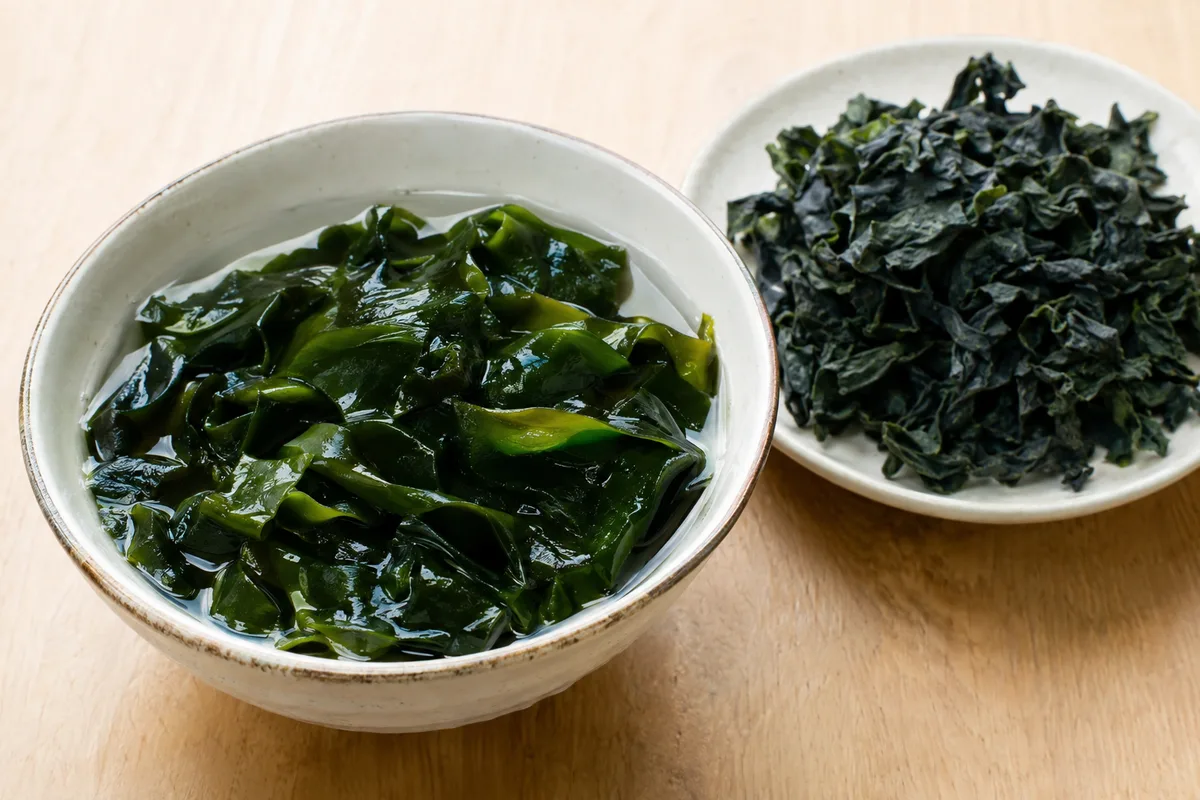
A food containing a mineral is not automatically a major source in practice. The portion may be small, and the body does not absorb every mineral equally from every food. Seaweed is therefore better viewed as one part of a varied diet than as a replacement for a broad range of foods.
When logging seaweed, choose a database entry that matches the form you ate. Dried and rehydrated seaweed can have very different values per gram because soaking adds water. A product label is usually more relevant than a generic entry when the seaweed has been seasoned or prepared.
- Match the exact seaweed variety where possible
- Distinguish dried weight from rehydrated weight
- Use the product label for seasoned or mixed foods
- Avoid applying one variety’s mineral figures to all seaweeds
Iodine needs particular attention
The best-known seaweed claim concerns iodine, a mineral used by the thyroid. Some seaweeds can contain a concentrated amount, but the level varies greatly between varieties and batches. Kelp and kombu may be especially concentrated, while other types may provide much less.
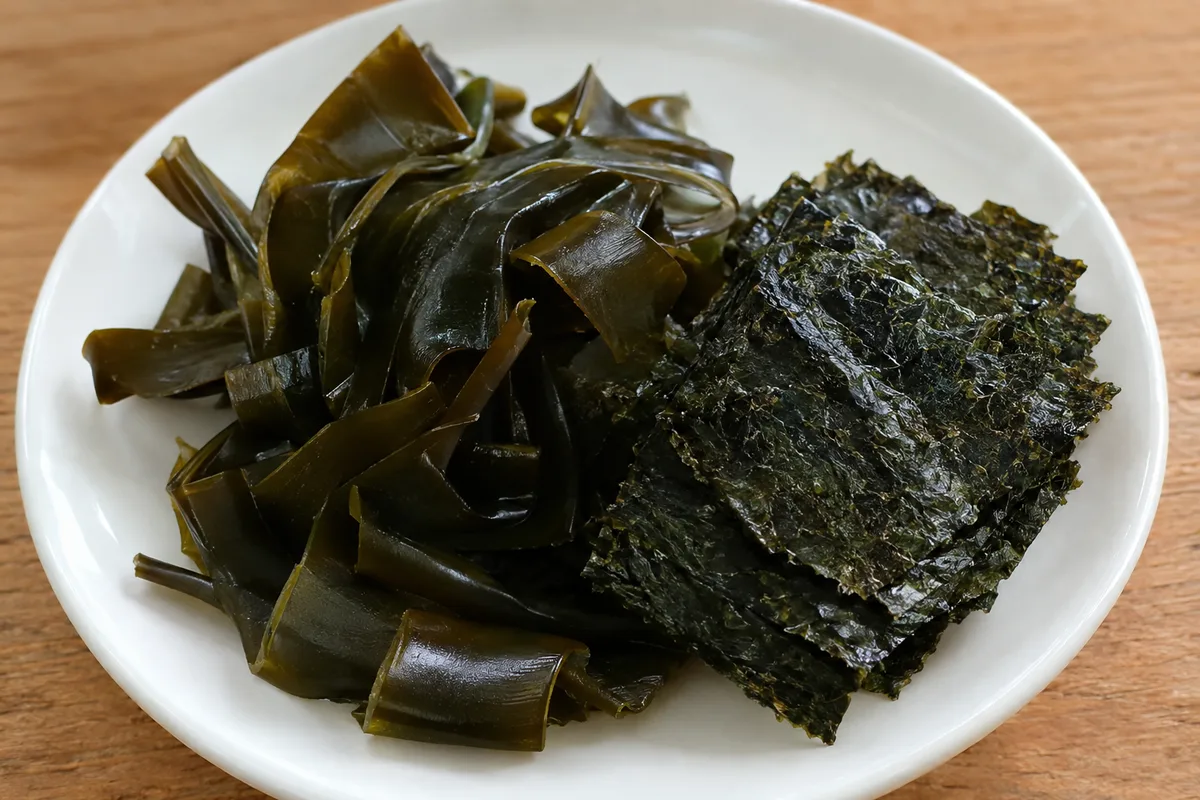
More is not always better. Regularly eating highly concentrated seaweed can make iodine intake difficult to judge, particularly when the package does not state an amount. Boiling and other preparation methods may change the content, but they do not make every serving predictable.
Check whether iodine is listed per portion and keep the portion size realistic in your food log. If no iodine figure is provided, do not invent one from a different brand or variety. Anyone who has been advised to monitor iodine intake should follow guidance from a qualified health professional.
- Look for an iodine amount on the label
- Note the seaweed variety and serving size
- Be cautious about frequent large portions of kelp or kombu
- Do not assume that all batches contain the same amount
Fibre, protein and fullness claims need context
Seaweed contains fibre, but the amount you receive depends on the portion. A small sprinkle can add flavour and texture without making a large contribution to daily fibre intake. Larger servings may contribute more, but should still sit alongside vegetables, fruit, pulses and wholegrains.
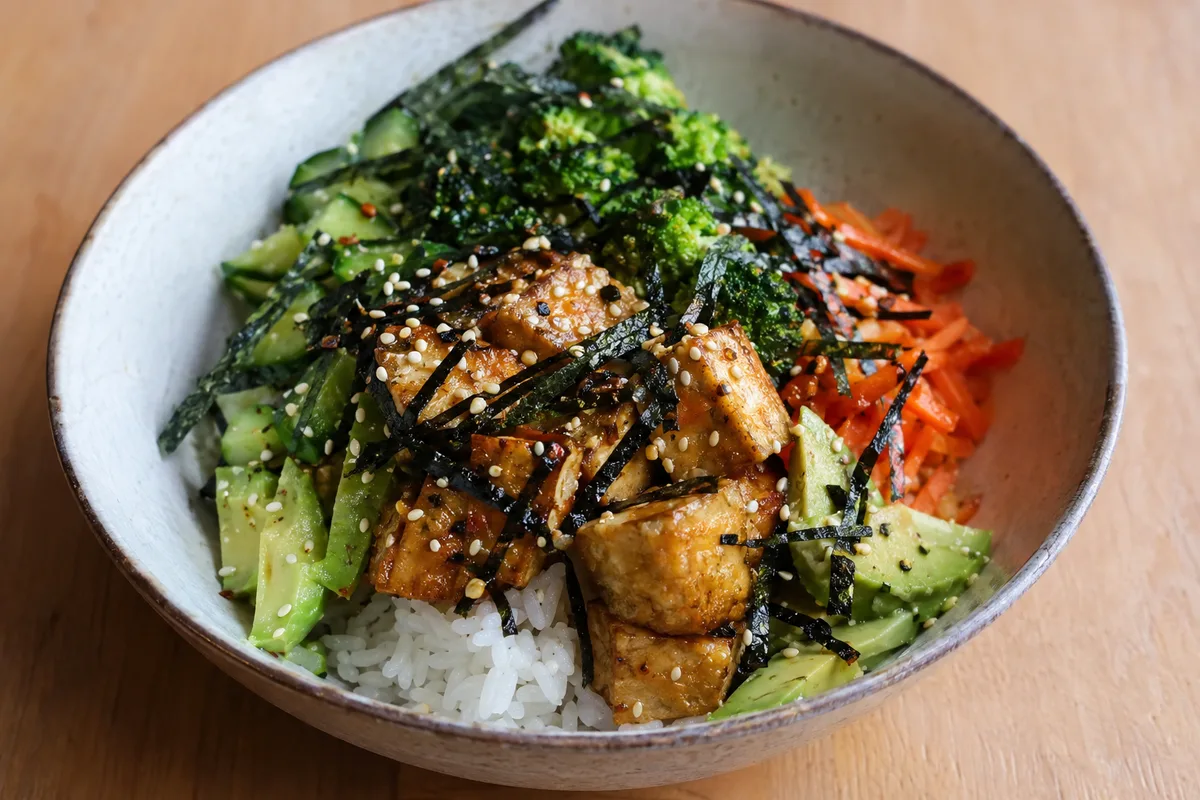
Some packaging also highlights protein. Seaweed may contain protein by weight, especially when dried, yet a typical serving can be small. It is rarely sensible to treat a garnish or a single nori sheet as the main protein part of a meal.
Claims about fullness or weight control should be viewed in the context of the whole meal. Seaweed does not cancel out the energy in oils, sauces, noodles or other ingredients served with it. Your response also depends on portion size, eating pattern and personal appetite.
- Pair nori with rice, vegetables and a clear protein source
- Add wakame to a meal that already includes varied plant foods
- Count oils, dressings and sauces separately when tracking
- Judge fibre and protein from the serving, not from values per large reference amount
Salt and added ingredients can change the picture
Seaweed naturally has a savoury taste, and packaged products may also contain added salt. Seasoned snacks, soups and ready-made salads can differ considerably from plain seaweed. The nutrition panel helps separate the qualities of the seaweed from those of the finished product.
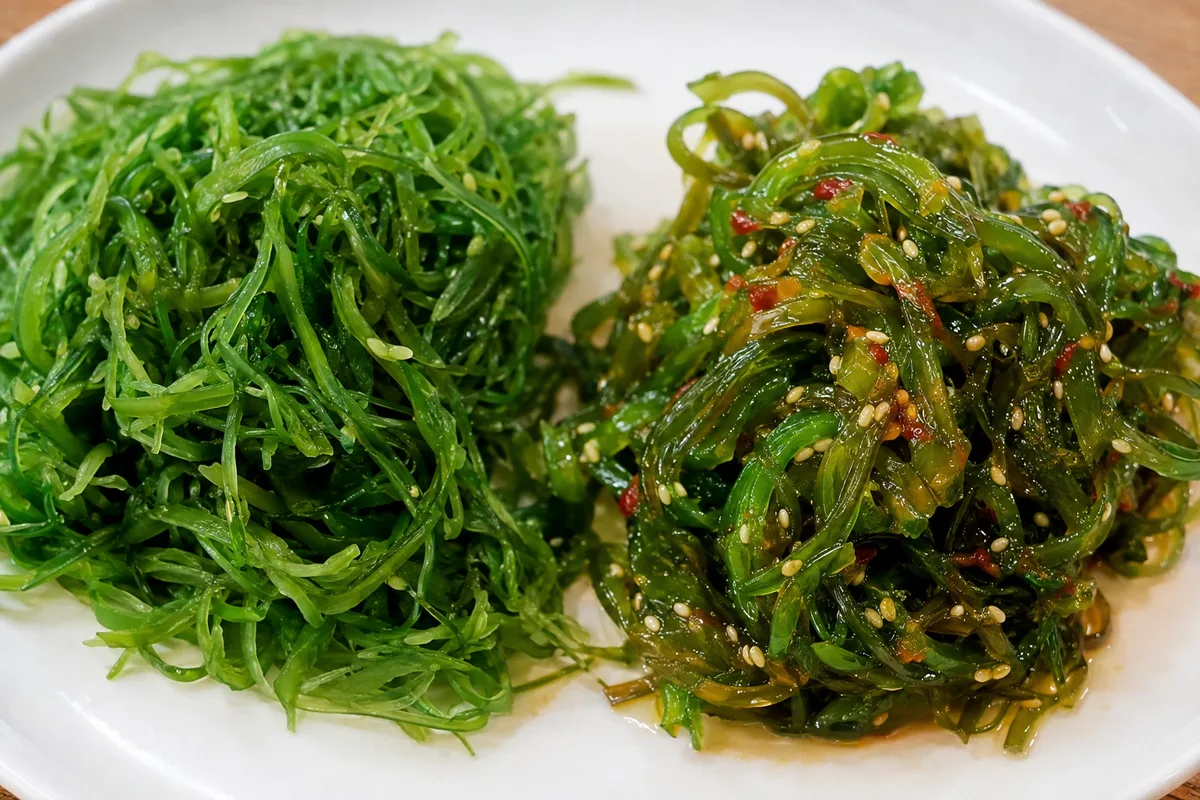
Rinsing or soaking may remove some surface salt from certain products, but the result is difficult to calculate. If accurate tracking matters, use the label value for the prepared product unless the instructions provide different information. Remember to log dressings and broths as well as the seaweed.
Seaweed can also take up substances from the water where it grows. Responsible production, clear sourcing and appropriate food testing are therefore relevant. Avoid eating seaweed gathered from an unknown or potentially polluted location.
- Compare salt values between similar products
- Check for added oils, sweeteners and flavourings
- Follow the package preparation instructions
- Choose products with clear variety and source information
How to assess a seaweed claim in your food log
Begin with the exact food and the amount you ate. Record whether the portion was weighed dry, drained or prepared, because water changes its weight without adding energy. Use the label when available and save the entry if it is a food you eat regularly.
Next, identify what the claim actually promises. Contains a nutrient is different from providing a meaningful amount in your usual portion. Broad statements about cleansing, metabolism or effortless weight change do not give you useful information for tracking.
Seaweed can add flavour, colour and variety to meals without needing to carry a dramatic health promise. Treat it as an ingredient rather than a nutritional shortcut. The most useful entry in your log is the one that matches the variety, preparation and portion on your plate.
- Record the variety and product name
- Choose dry, soaked or prepared weight correctly
- Check the claimed nutrient per serving
- Include seasonings, sauces and cooking oil
- Review how the seaweed fits into the whole meal