
A Simple Meal Plan While Taking GLP-1
Changes in appetite can make your usual meal routine feel less predictable while taking GLP-1. This guide shows how to plan simple meals, track what works and adjust portions without forcing food.
Start with a flexible daily pattern
A meal plan does not need fixed calorie targets or complicated recipes. Begin with regular opportunities to eat, then choose portions that match your appetite. The right amount depends on your body, routine and guidance from your care team.
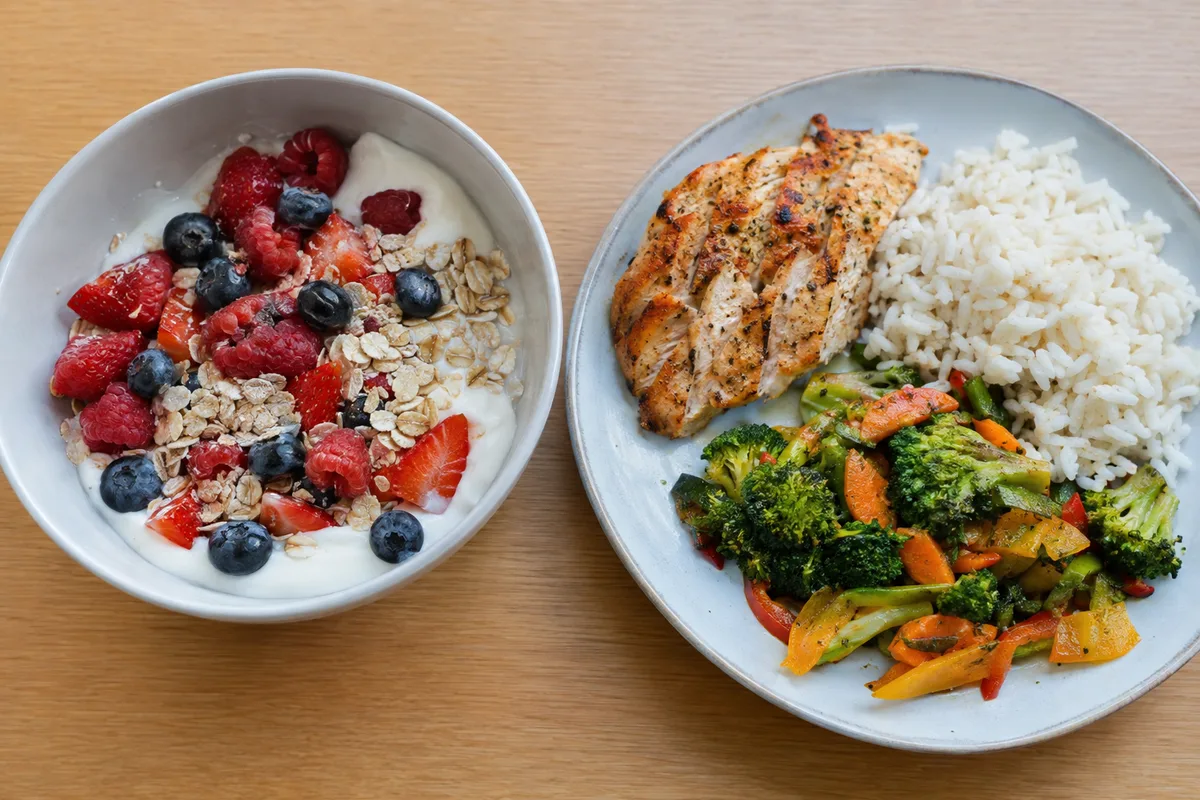
Your day might include breakfast, lunch and an evening meal, with a snack if you need one. If a full meal feels difficult, split it into two smaller eating occasions. Use your food log to check whether long gaps leave you tired, overly hungry or less able to eat a balanced meal later.
- Breakfast: protein-rich food with fruit or a wholegrain carbohydrate
- Lunch: a protein source, vegetables and a carbohydrate
- Evening meal: protein, vegetables and a carbohydrate, served as a manageable portion
- Optional snack: a small combination of protein, fruit, vegetables or wholegrains
Build each meal around protein
Protein can be useful when your appetite is smaller because it gives a meal a clear nutritional base. Include a protein source early when assembling your plate rather than leaving it as an afterthought. You do not need to eat a large serving at once.
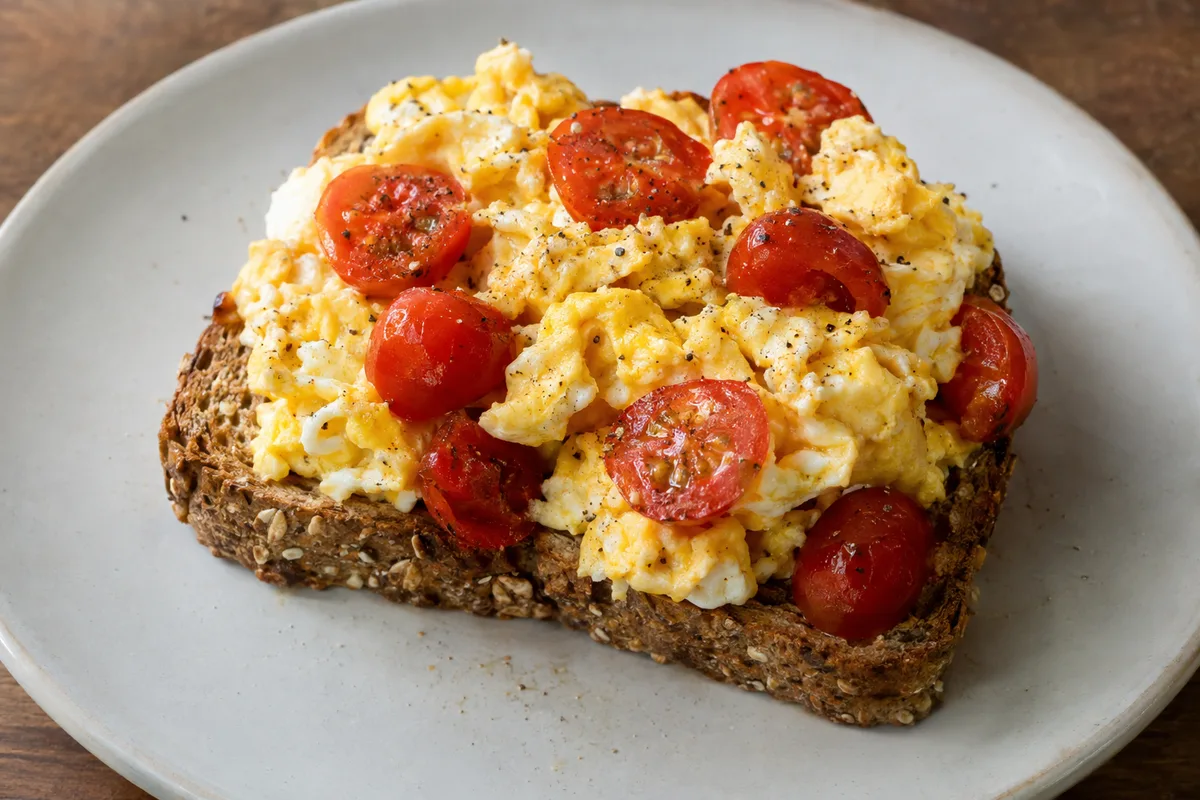
Choose foods you already enjoy and can prepare easily. Softer options may feel more manageable on days when heavier meals are unappealing. Track the protein food rather than assuming every meal contains enough for your individual needs.
- Eggs with wholegrain toast and tomatoes
- Plain yoghurt with oats and berries
- Chicken, tofu or beans with rice and cooked vegetables
- Tuna, cottage cheese or hummus in a soft wrap
- Lentil soup with a slice of wholegrain bread
Add fibre gradually
Vegetables, fruit, beans and wholegrains provide fibre and add variety to meals. A sudden jump in fibre may feel uncomfortable, especially if you are eating less or not drinking regularly. Increase it gradually and note how different foods feel.
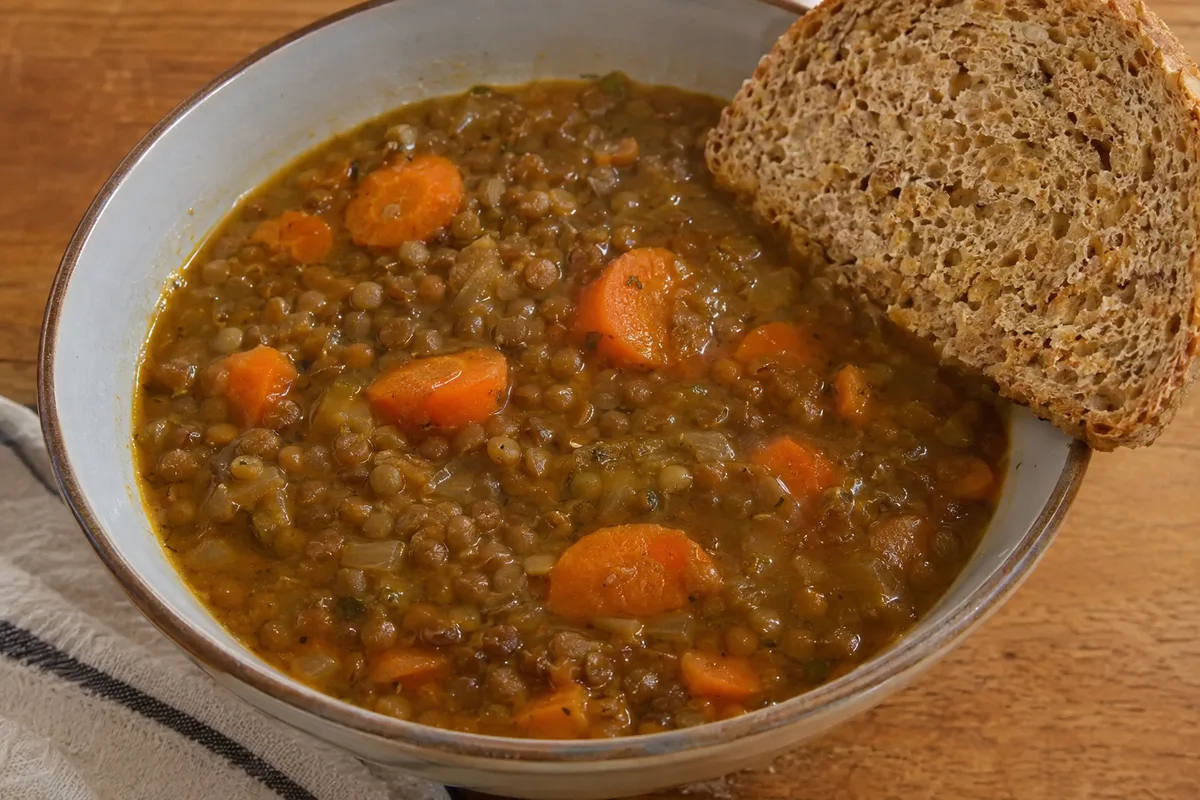
Cooked vegetables and soft fruit can be easier to manage than a large raw salad. Beans, lentils and wholegrains also contribute fibre, but portions can stay modest when appetite is low. Your food log can help you see whether fibre is spread across the day or concentrated in one meal.
- Add berries or sliced banana to breakfast
- Choose cooked carrots, courgettes or green beans with a main meal
- Mix a small amount of beans or lentils into soup, rice or mince
- Swap refined bread, pasta or rice for a wholegrain version when it suits you
Keep meals simple and comfortable
Rich, greasy or very large meals may be harder to manage when appetite and digestion feel different. Try smaller servings, eat slowly and pause before deciding whether to have more. This is not a rule about forbidden foods, but a way to learn what feels comfortable.
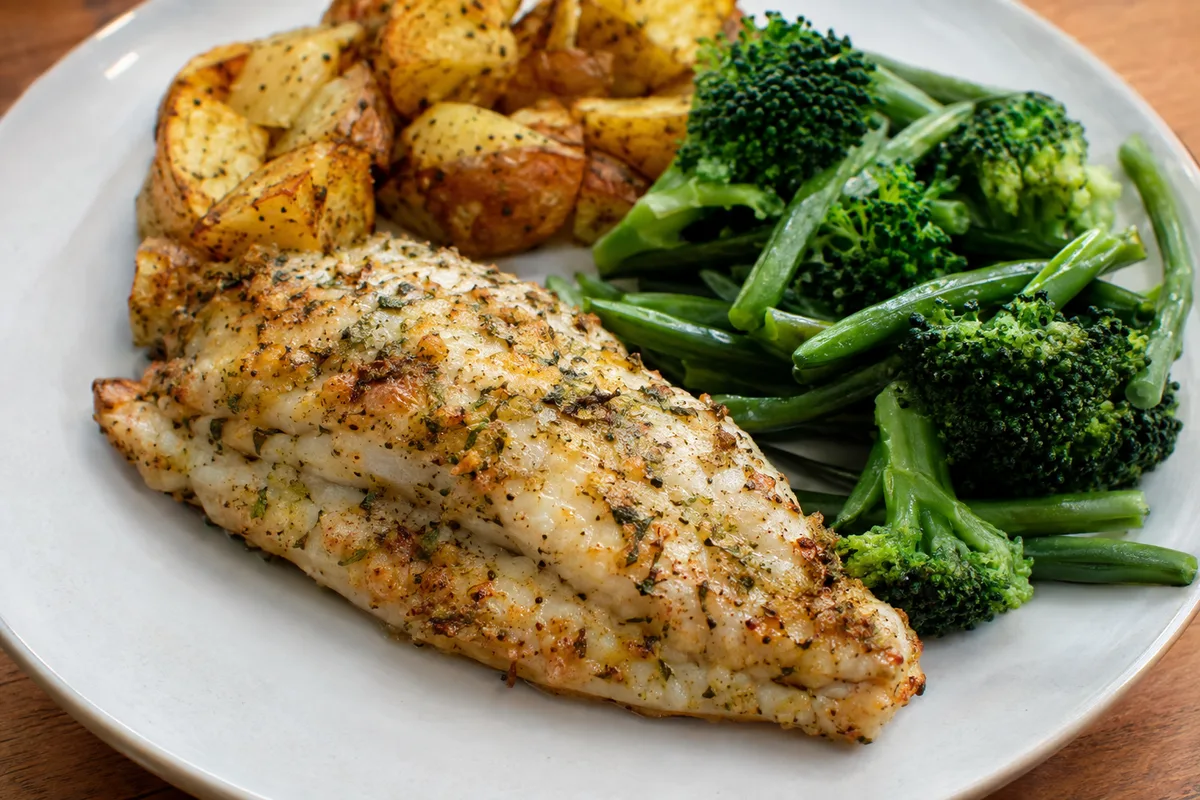
Simple cooking methods make it easier to judge ingredients and record them accurately. Baking, grilling, poaching and steaming can keep meals straightforward. Sauces and added fats can still fit, but record them because they may be easy to overlook.
- Baked fish, potatoes and steamed vegetables
- Vegetable omelette with toast
- Chicken and rice soup
- Tofu with noodles and cooked vegetables
- Porridge with yoghurt and soft fruit
Plan fluids and optional snacks
Drinking can be easy to forget when hunger cues are quieter. Sip fluids across the day rather than relying on a large drink with a meal. The amount you need depends on the person, the weather and activity levels.
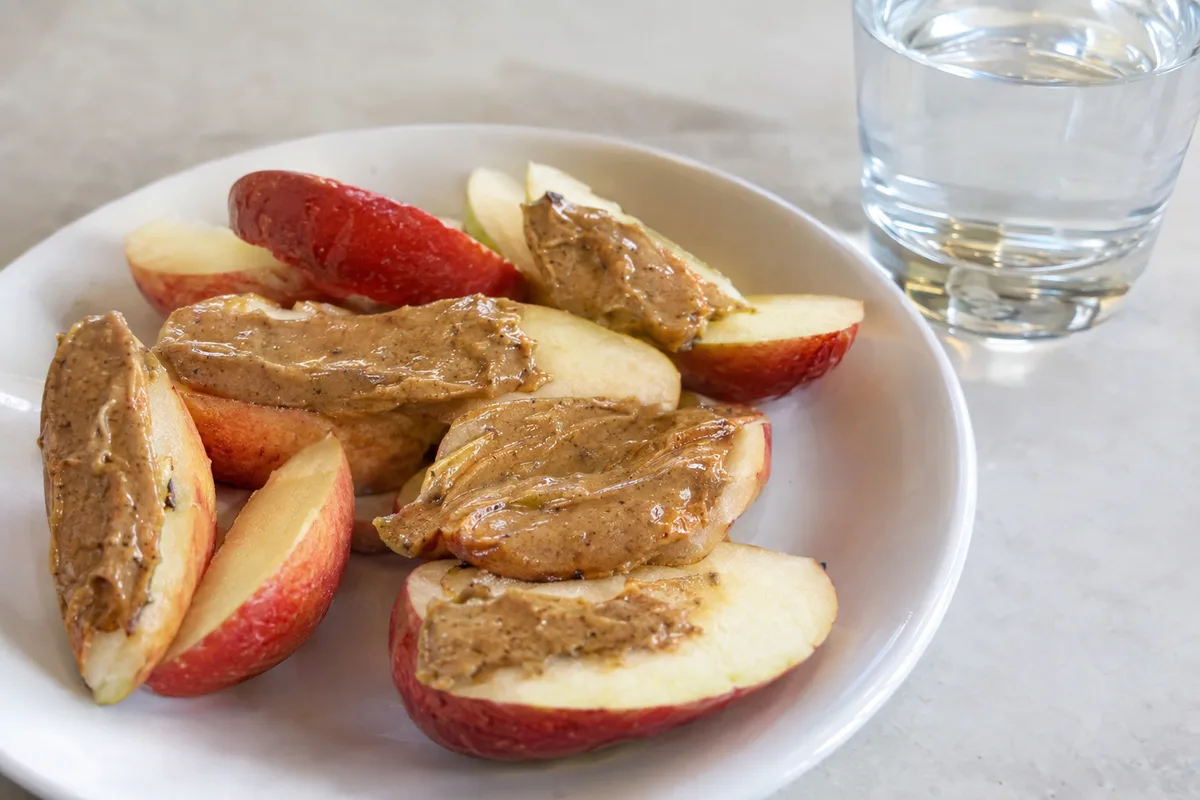
A snack is optional rather than compulsory. Use one when it helps bridge a long gap, supports your overall intake or fits your care team's guidance. Choose a small, simple snack and record it as you would any other food.
- Plain yoghurt with fruit
- Apple slices with nut butter
- Wholegrain crackers with cottage cheese
- A boiled egg with cucumber
- A small bowl of soup
Use your food log to adjust the plan
Your log can record more than calories. Note meal timing, approximate portions, fluids and how comfortable you felt afterwards. These details can reveal patterns that a calorie total alone does not show.
Review several days rather than reacting to one unusual meal. Keep meals that are practical and comfortable, then adjust foods or portions that repeatedly do not suit you. If you are struggling to eat or drink, or discomfort continues, contact your care team for individual guidance.
- Check whether each main meal included a protein source
- Look for fruit, vegetables, beans or wholegrains across the day
- Notice long gaps between meals
- Record drinks as well as food
- Note which portion sizes felt manageable