
SlimFast diet plan: the practical pros and cons
The SlimFast plan replaces some ordinary meals with branded shakes, bars or similar products while keeping one main meal and planned snacks. Here is how that structure can affect convenience, food tracking, nutrition, flexibility and longer-term eating habits.
How the SlimFast plan works
SlimFast is a structured meal-replacement plan rather than a way of choosing every meal from ordinary foods. Depending on the version followed, part of the day is built around shakes, bars or other portioned products. A main meal and planned snacks complete the daily pattern.

For someone who already logs their food, the packaged items can be straightforward to record because the serving information is printed on the label. The main meal still needs to be logged from its ingredients and portions. Your total intake will depend on the products, snacks, drinks and meal you choose.
The fixed pattern is intended to reduce the number of food decisions made during the day. That can feel useful when time is short, but it also means accepting less choice at some meals. Reading the current plan instructions and product labels matters because ranges and serving guidance can change.
- Check how many meals the chosen plan replaces
- Log milk or other additions used in a shake
- Record snacks, drinks and the main meal separately
- Compare your full day with your usual nutrition goals
Possible advantages
The clearest advantage is convenience. A ready-portioned meal replacement takes less planning than choosing ingredients, preparing a meal and estimating several portions. It may also make a busy breakfast or lunch more predictable.

The routine can simplify food logging. Rather than entering every ingredient, you can use the nutrition details for the stated serving and add anything served with it. This may reduce guesswork, although label information should still be checked against the exact product and portion.
A planned main meal leaves room for ordinary food each day. It can include vegetables, a protein source, a starchy food and a small amount of fat. Building that meal carefully matters because it contributes variety, texture and nutrients that packaged replacements may not provide in the same way.
- Less meal preparation during part of the day
- Clearly stated portions on packaged products
- A repeatable routine for busy days
- Room for one balanced main meal
Possible drawbacks
Meal replacements can become repetitive, particularly if you prefer savoury meals, varied textures or eating the same food as other people. Drinking a meal may also feel less satisfying than chewing a plate of food, even when both are recorded in your diary. Fullness is personal, so notice how long each option keeps you comfortable.

The plan may offer fewer chances to practise everyday skills such as assembling a lunch, judging a useful portion or adapting a meal from what is available. Those skills become important when meal replacements are used less often. A plan that works only when a particular item is available may be awkward during travel, social meals or changes in routine.
Packaged products are not automatically a complete answer to food quality. Fibre, protein, added sugars and other nutrition details vary between products and flavours. The overall pattern matters more than treating a label claim as proof that the whole day is balanced.
- Limited variety at replaced meals
- Fewer shared meals made from ordinary food
- Possible hunger or dissatisfaction between meals
- Dependence on having the planned product available
- Less practice planning flexible everyday meals
Making the main meal count
The main meal has a large job to do because it brings ordinary foods, colours and textures into the plan. Start with vegetables or salad, then add a protein source and a portion of potato, rice, pasta, bread or another starchy food. Include some fat for flavour and satisfaction rather than assuming it must be removed completely.

Your food diary can show whether the meal is varied or whether the same gaps appear repeatedly. Look beyond the total energy figure and review fibre, protein and the range of foods eaten across the week. Exact needs and suitable portions depend on the person, their appetite, body size and activity.
Cooking methods and extras can change what is recorded. Oils, dressings, sauces, cheese and drinks are easy to miss because they may not look like separate parts of the meal. Log them without judgement so your diary reflects what you actually ate.
- Vegetables or salad in more than one colour
- Beans, lentils, eggs, fish, meat or another protein source
- Potatoes, wholegrain rice, pasta, bread or another starchy food
- Oil, nuts, seeds or another source of fat
- Water or another drink logged accurately
Using your food diary to judge the plan
A diary can help you assess more than whether you stayed within a target. Add short notes about hunger, energy, concentration, enjoyment and how practical the plan felt. These details can reveal whether the routine suits your real day rather than only looking tidy on paper.
Review several typical days instead of judging the plan from one unusually easy or difficult day. Check whether snacks are becoming larger because meal replacements leave you hungry, or whether drinks and additions are being missed. Also notice whether the main meal is carrying too much pressure to provide both satisfaction and variety.
It can help to compare the plan with your usual eating pattern. Ask what genuinely became easier, what felt restricted and which habits you would want to keep. The answer may differ between working days, weekends and social occasions.
- How hungry you felt before the next meal
- Whether you enjoyed the taste and texture
- How easy the plan was around work and family meals
- Whether fibre, protein and food variety were consistent
- Which parts could work without meal replacements
Planning beyond meal replacements
A useful eating plan should have a clear route back to flexible meals made from ordinary foods. If meal replacements are reduced, replace them with simple meals that have a similar role in your day rather than leaving an empty space. Breakfast, lunch and snack options can be practised gradually while you continue logging them.
Keep the helpful structure if it suits you. Regular meal times, planned snacks and repeatable breakfasts can remain useful without relying on one branded range. The aim is to build choices you can manage at home, at work and when plans change.
SlimFast may appeal if convenience and clear portions are your main priorities, but it may be a poor fit if variety, shared meals and cooking are important to you. There is no single plan that suits every appetite, schedule or preference. Use your diary to judge practicality and nourishment together, not simply whether you followed the rules.
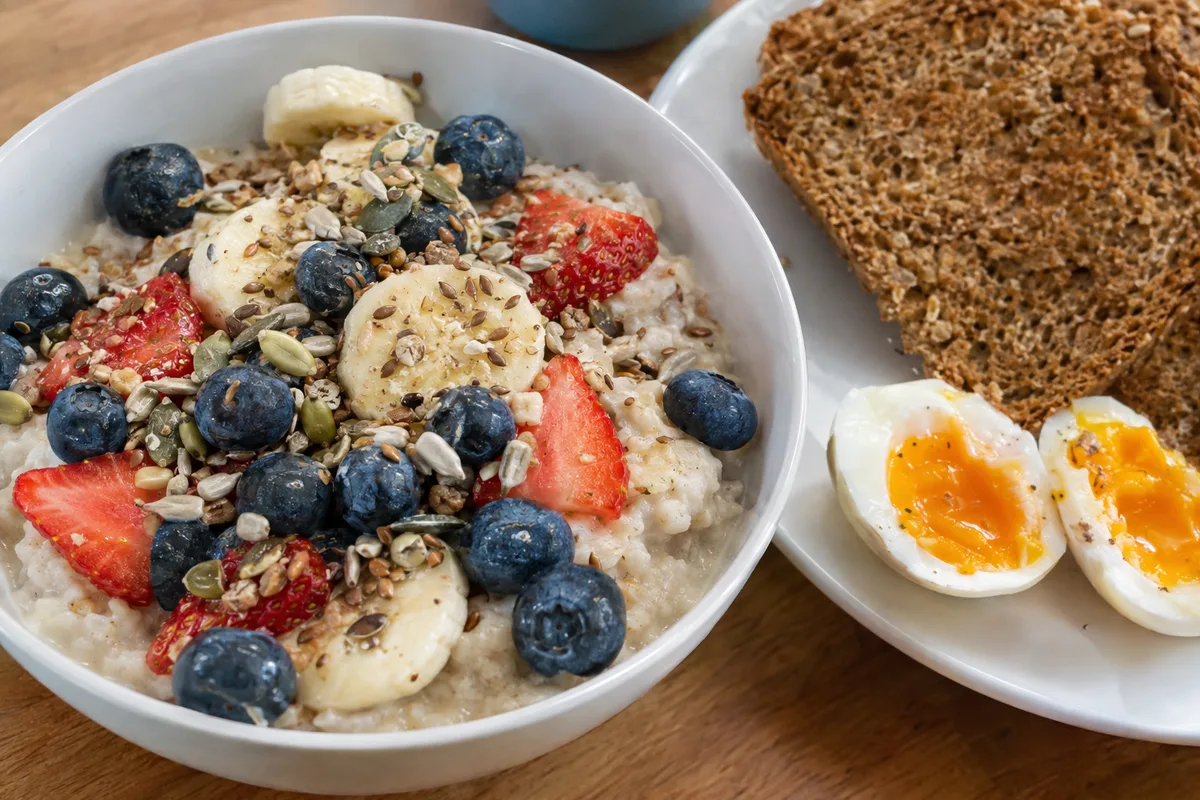
- Porridge with fruit and yoghurt
- Eggs on wholegrain toast with tomatoes
- A bean and grain salad with colourful vegetables
- Soup with bread and a protein-rich side
- Leftovers portioned for the next day's lunch