
The apple cider vinegar diet: what it can and cannot do
The apple cider vinegar diet adds vinegar to a normal eating routine in the hope that it will support appetite or weight management. Here is what that means in practice, where any benefit may come from and why acidity matters.
What the apple cider vinegar diet actually is
There is no single, agreed apple cider vinegar diet. Most versions involve having diluted apple cider vinegar around a meal or using it in foods such as dressings and sauces. The rest of the eating plan varies, so results depend mainly on what and how much a person eats overall.

Apple cider vinegar is made by fermenting apple sugars until they become acetic acid. This acid gives vinegar its sharp taste and is often presented as the active part of the diet. Fermentation does not turn vinegar into a food that cancels out the energy in a meal.
For someone who already tracks food, vinegar should be logged like any other ingredient. Check the label because flavoured vinegar drinks, dressings and sauces may contain added sugar or other energy-providing ingredients. Record the amount actually used rather than treating every vinegar-based product as identical.
- Vinegar mixed into a salad dressing
- Vinegar stirred into a sauce or marinade
- Diluted vinegar served alongside a meal
- Sweetened vinegar drinks, logged according to their label
How it is supposed to work
The main idea is that vinegar may make a meal feel more satisfying or influence how quickly food leaves the stomach. These effects are not predictable, and feeling less hungry at one meal does not always mean eating less across the day. Vinegar does not directly remove body fat.

Any useful effect may instead come from a change in routine. A sharp dressing can add flavour without relying on a rich sauce, while pausing to prepare it may make a meal feel more deliberate. Those changes can support a planned intake, but vinegar itself is not a substitute for an overall eating pattern that suits your goal.
Body weight changes when energy intake and energy use remain out of balance over time. If vinegar is simply added to the same meals, there may be no meaningful change to that balance. If it helps replace a more energy-dense ingredient, the swap may matter more than the vinegar.
- Compare the meal with what you would otherwise have eaten
- Track any ingredients mixed with the vinegar
- Notice whether hunger changes later, not just immediately
- Judge the routine over time rather than from one meal
Possible advantages
Apple cider vinegar can bring acidity to food, which may make vegetables, beans and grain dishes taste brighter. That can be useful when building satisfying meals from ingredients that already fit your targets. The benefit is culinary rather than a special fat-burning effect.

It can also work in place of part of a richer dressing or sauce. Whether that lowers the meal's tracked energy depends on the complete recipe and serving size. Oil, sweeteners and other additions still count even when vinegar is the main flavour.
A repeated meal-time habit may help some readers pay closer attention to what they are eating. However, the same structure could come from planning meals, preparing a dressing or taking time to eat without vinegar. It is best viewed as an optional ingredient, not an essential part of weight management.
- Use acidity to lift a bean and vegetable salad
- Mix vinegar with herbs for a simple dressing
- Add it to a marinade for vegetables or protein foods
- Stir it into a savoury sauce rather than drinking it
Drawbacks and common problems
Vinegar is strongly acidic. Drinking it neat can irritate the mouth and throat, and repeated contact can wear tooth enamel. Dilution reduces the concentration but does not make careless use risk-free.

Some people find that vinegar causes nausea, discomfort or an unpleasant burning feeling. Taking more is not a sensible response when a smaller amount has produced no noticeable benefit. Stop using it if it repeatedly makes eating or digestion uncomfortable.
A vinegar routine can also distract from the parts of the food log that matter more. Meal size, snacks, drinks, cooking fats and consistency across the week usually reveal more than one fashionable ingredient. Restrictive rules around vinegar may make an otherwise workable plan harder to follow.
- Do not swallow vinegar neat
- Avoid holding or swishing it around the mouth
- Do not treat discomfort as proof that it is working
- Check sweetened vinegar products for added ingredients
- Seek professional advice if medicines or existing health concerns could make vinegar unsuitable
How to include it in a tracked diet
Start by deciding what role vinegar has in the meal. It may be a flavouring, part of a dressing or a replacement for another ingredient. This makes the food log clearer and prevents the vinegar habit from being treated as a separate weight-loss programme.
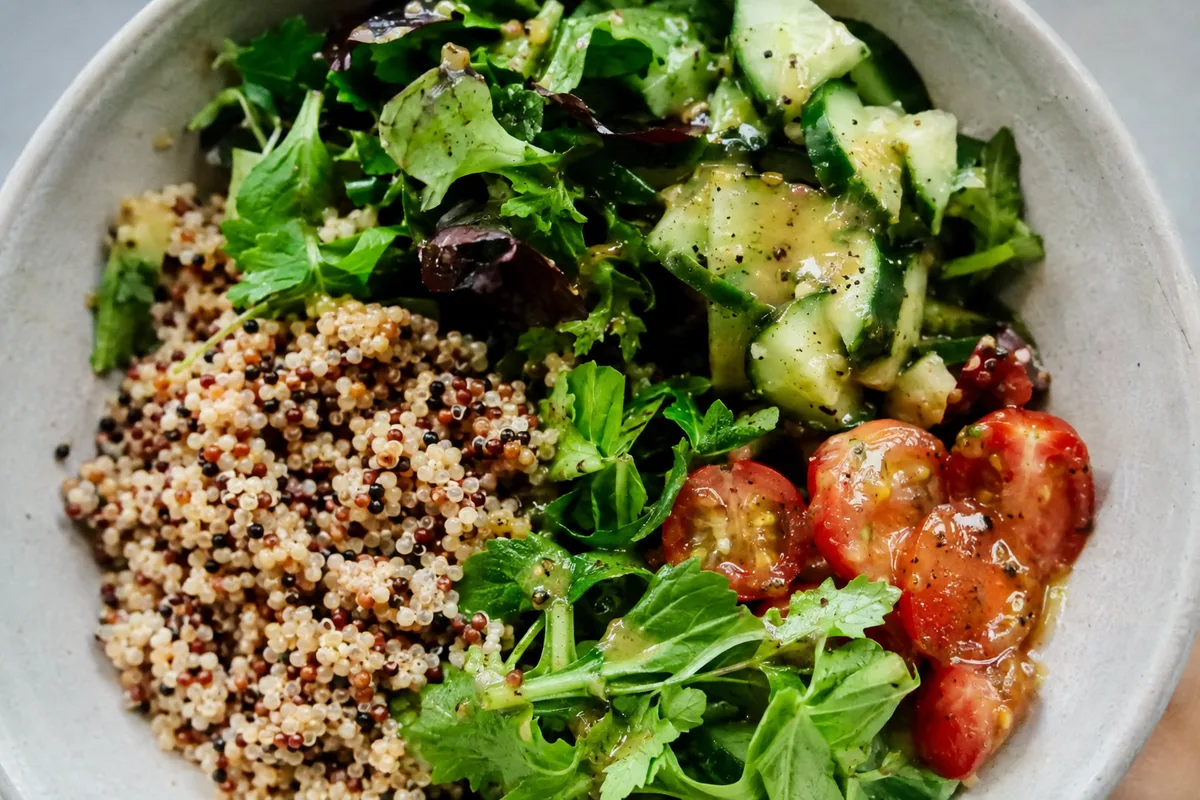
Log the full recipe rather than vinegar alone. A dressing made with oil, sweetener, yoghurt or other ingredients has a different energy content from diluted vinegar. The useful comparison is between the finished meal and the meal you would normally choose.
There is no universal amount that guarantees a result, and a suitable quantity depends on the person and how the vinegar is used. Keep it within ordinary food preparation rather than forcing down an unpleasant drink. If you dislike the taste, there is no nutritional need to continue.
- Choose a meal where acidity suits the food
- Measure and log every dressing ingredient
- Compare the finished meal with your usual version
- Record hunger, comfort and later snacking
- Remove the habit if it adds discomfort without helping the routine
The practical verdict
Apple cider vinegar is a flavouring, not a complete diet. It may make some tracked meals more appealing or help replace a richer ingredient, but those are practical advantages rather than evidence of a shortcut. The rest of the food log still determines whether the overall plan matches your aim.
A useful trial should focus on ordinary meals and honest tracking. Look for changes in the whole day, including hunger, comfort and what the vinegar replaces. Do not assume that a sharper taste or a stricter ritual means the diet is working.
If vinegar fits your meals and causes no problems, it can remain one of many seasonings in your kitchen. If it is unpleasant, inconvenient or irritating, leave it out and use another source of acidity or flavour. A sustainable eating pattern does not depend on apple cider vinegar.
- Keep it as an optional food ingredient
- Assess the complete day rather than one meal
- Focus on replacements, not additions
- Prioritise a routine that remains comfortable and practical