
Notes on eating well
Practical notes on eating, training and keeping track.
-
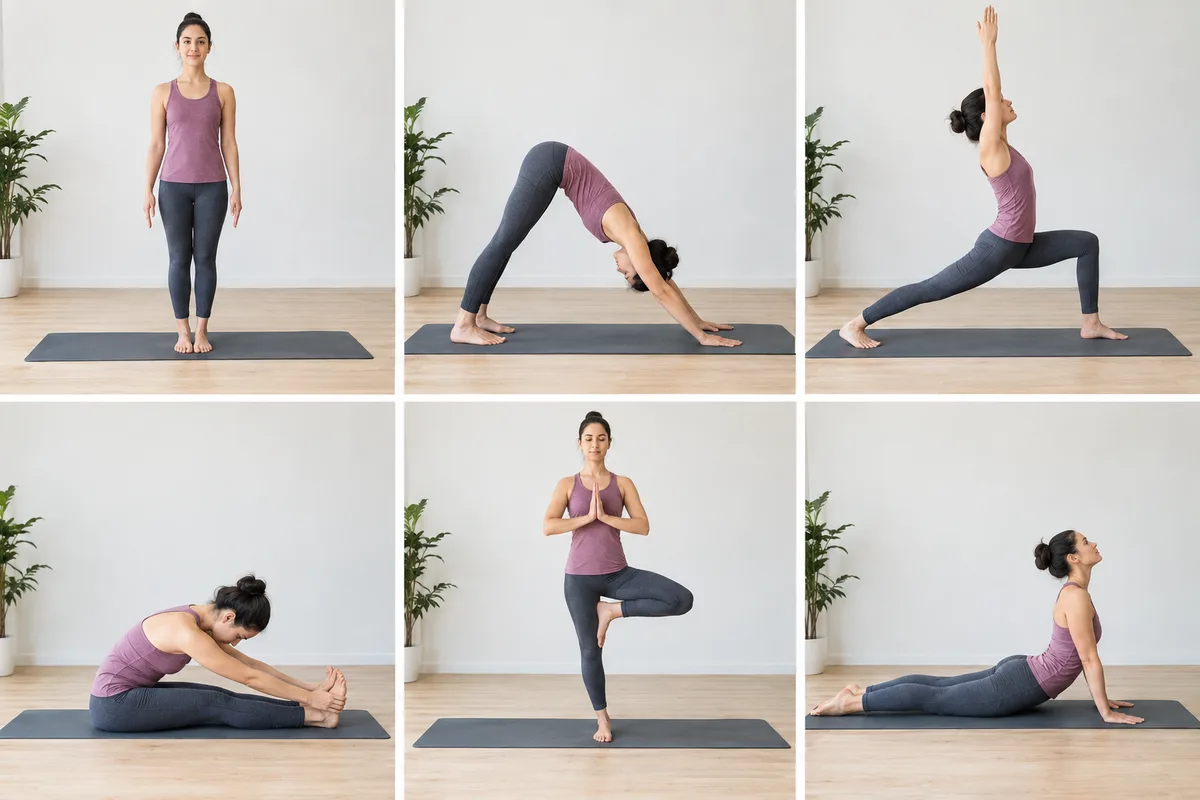
Essential Yoga Poses for Beginners
Yoga does not need to begin with complicated shapes or long sessions. A few steady poses can help you learn how your body moves while adding a calm, active habit alongside food tracking.
-

How the 3-2-1 Workout Method Fits Into Your Week
The 3-2-1 workout method is a simple way to organise six exercise sessions across a week. It usually combines three strength sessions, two Pilates sessions and one cardio session, with room to adjust the details.
-
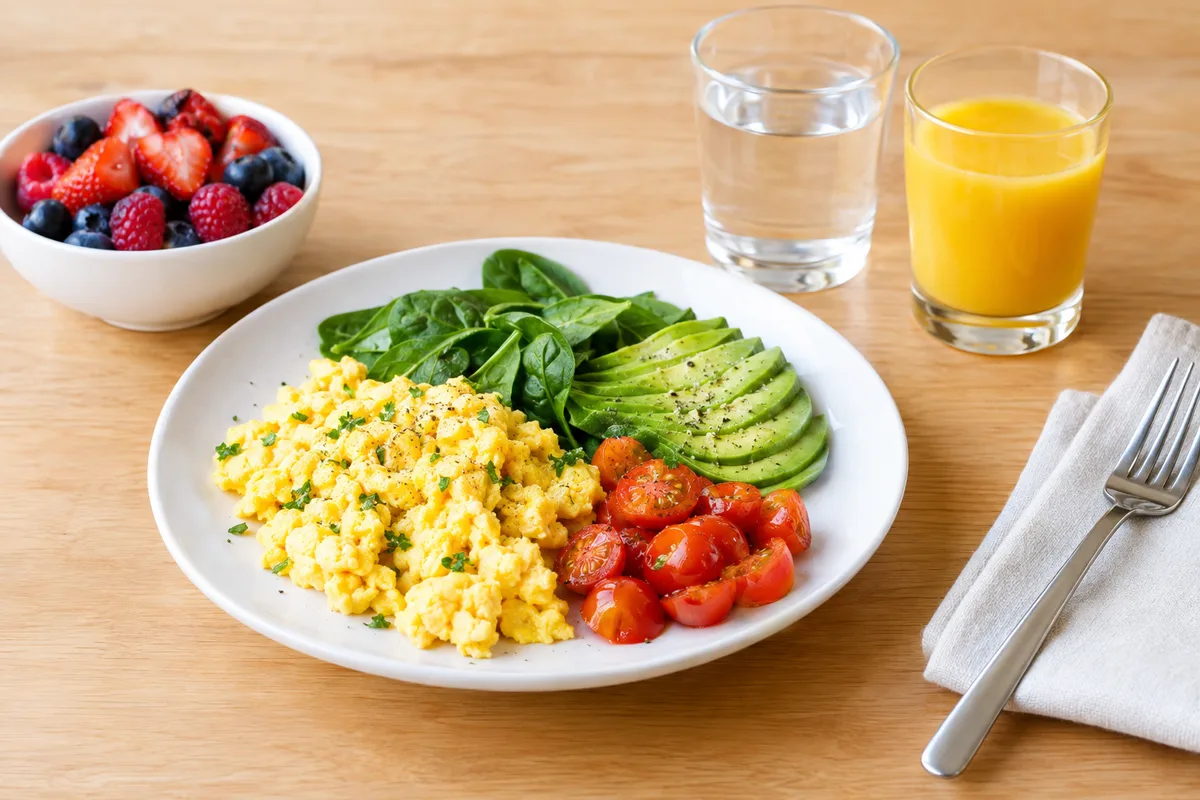
What Does an Ideal Breakfast Look Like?
The ideal breakfast is not a fixed menu or calorie target. It is a meal that fits your morning, supports your overall goals and keeps you comfortably satisfied.
-
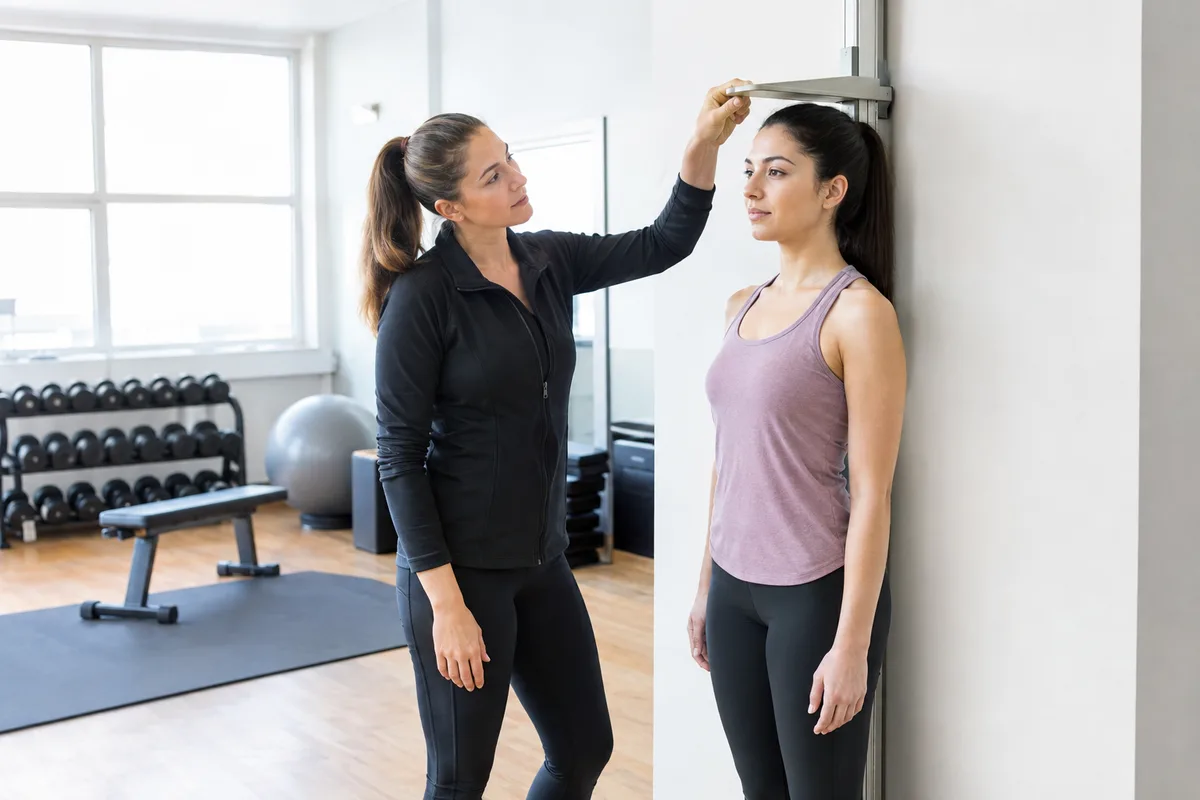
What Average Height and Weight by Age Really Tell You
Average height and weight figures can provide context, but they do not define the right number for an individual. Age is only one of several factors that shape body size.
-
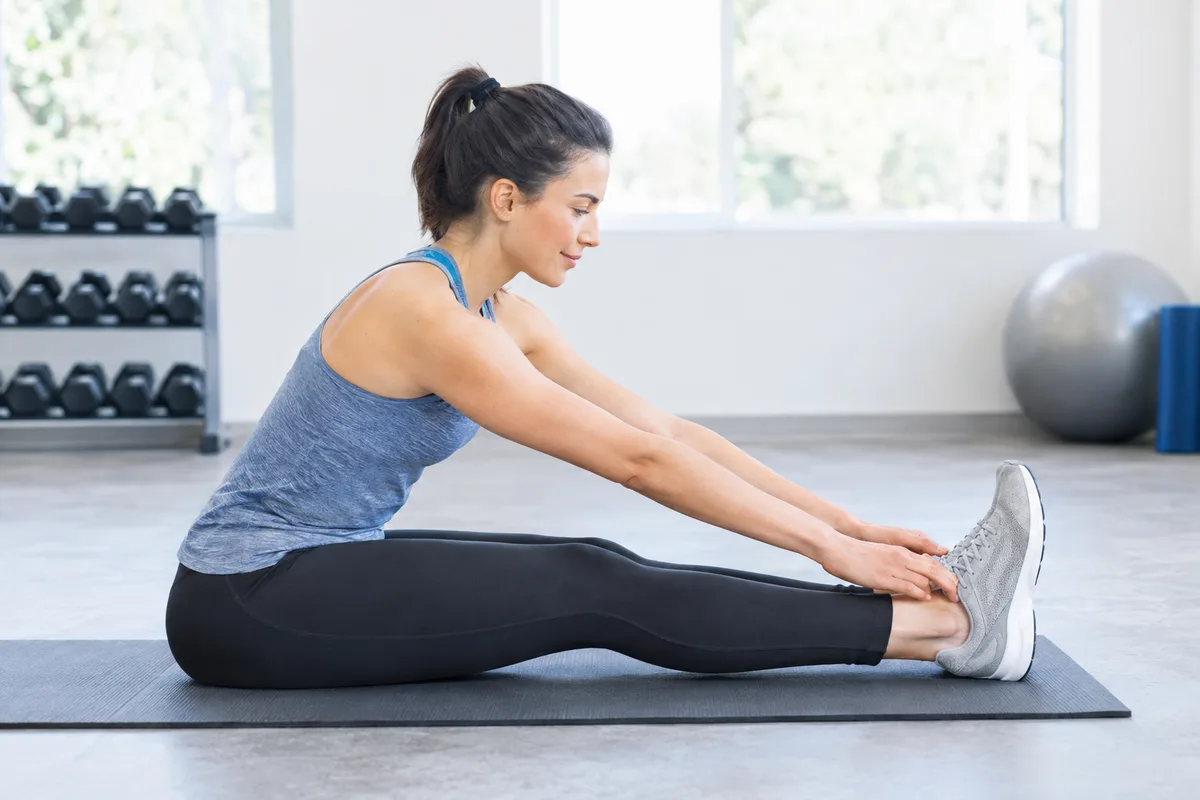
Hamstring Stretches for a Simple, Steady Routine
Hamstring stretches focus on the long muscles running down the backs of your thighs. A calm, consistent approach matters more than forcing a deeper position.
-
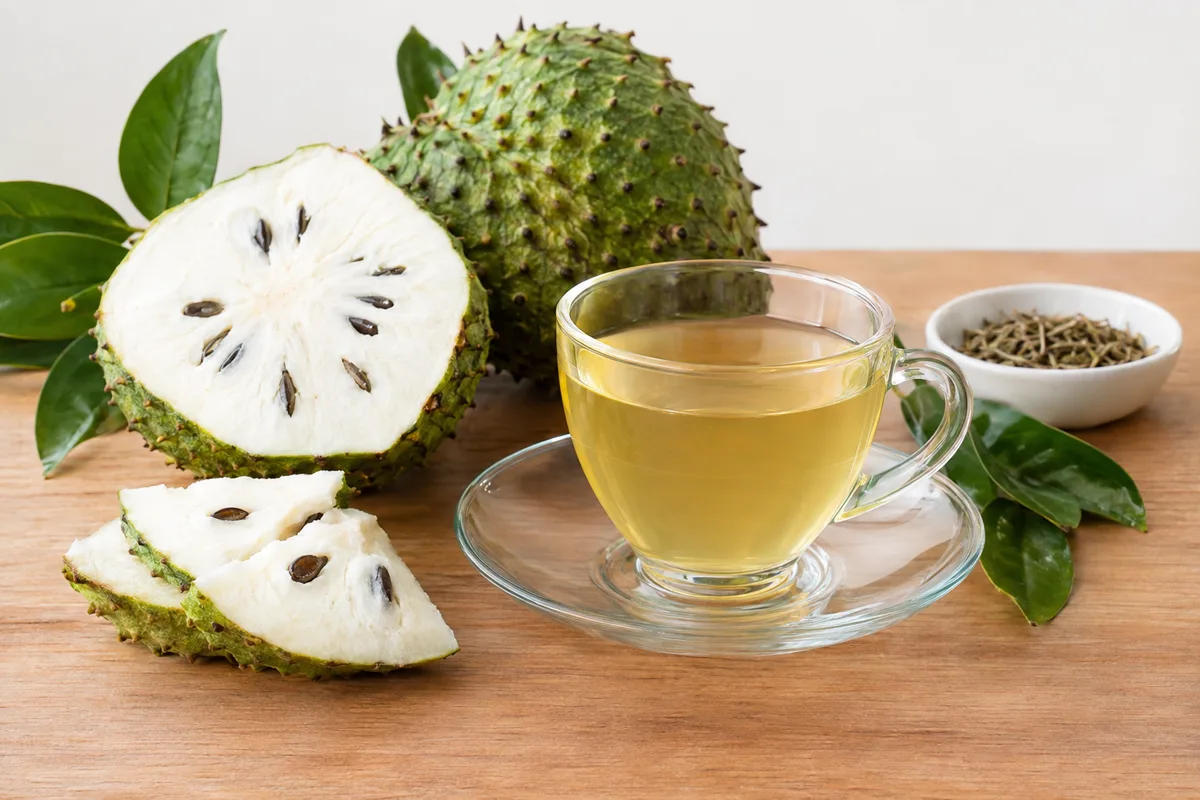
Soursop Tea: Possible Benefits and Side Effects
Soursop tea is usually brewed from the leaves of the soursop tree and is often promoted as a wellness drink. Research on its benefits in humans is limited, while regular or concentrated use may carry risks.
-

How Long Will It Take You to Run a 5K?
Your likely 5K time depends mainly on the pace you can maintain across five kilometres. Recent tracking data can give you a practical estimate without turning it into a promise.
-
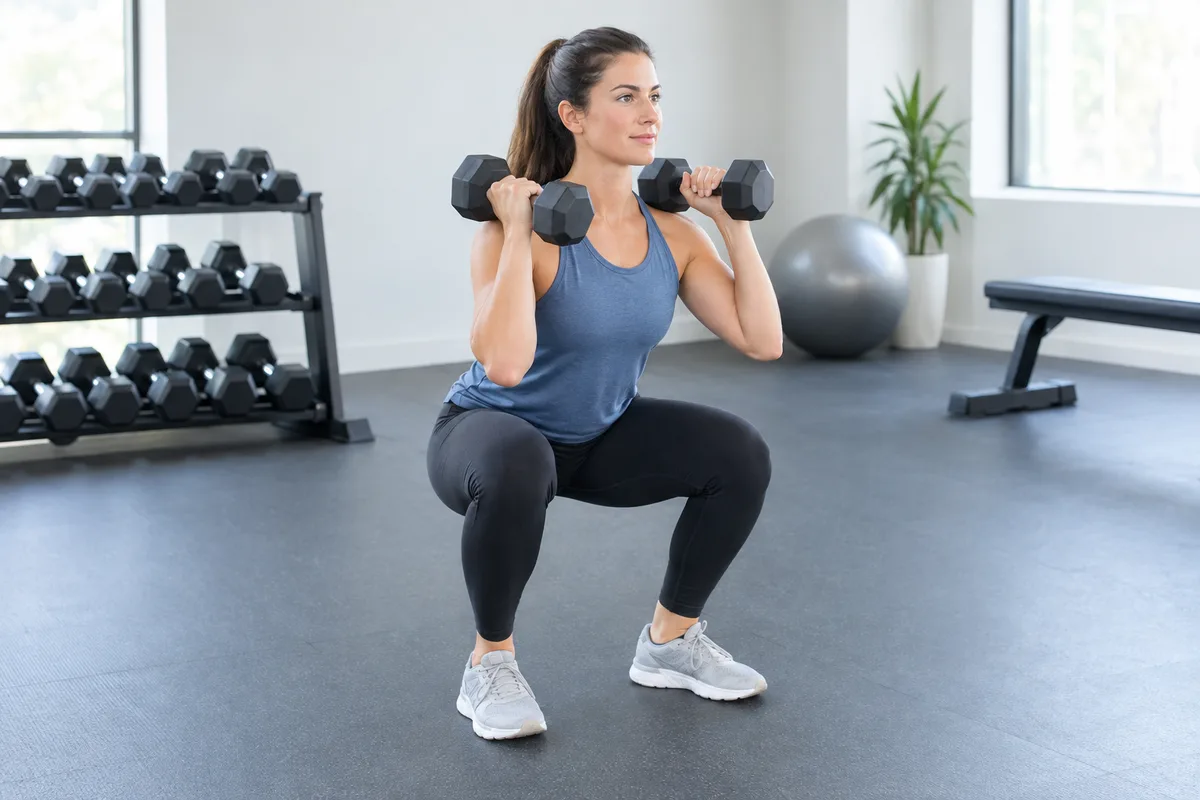
What the TikTok 3-2-1 Workout Method Really Means
The 3-2-1 method is a simple way to organise different types of exercise across a week. It can provide structure, but the label does not guarantee weight loss or suit every routine.
-
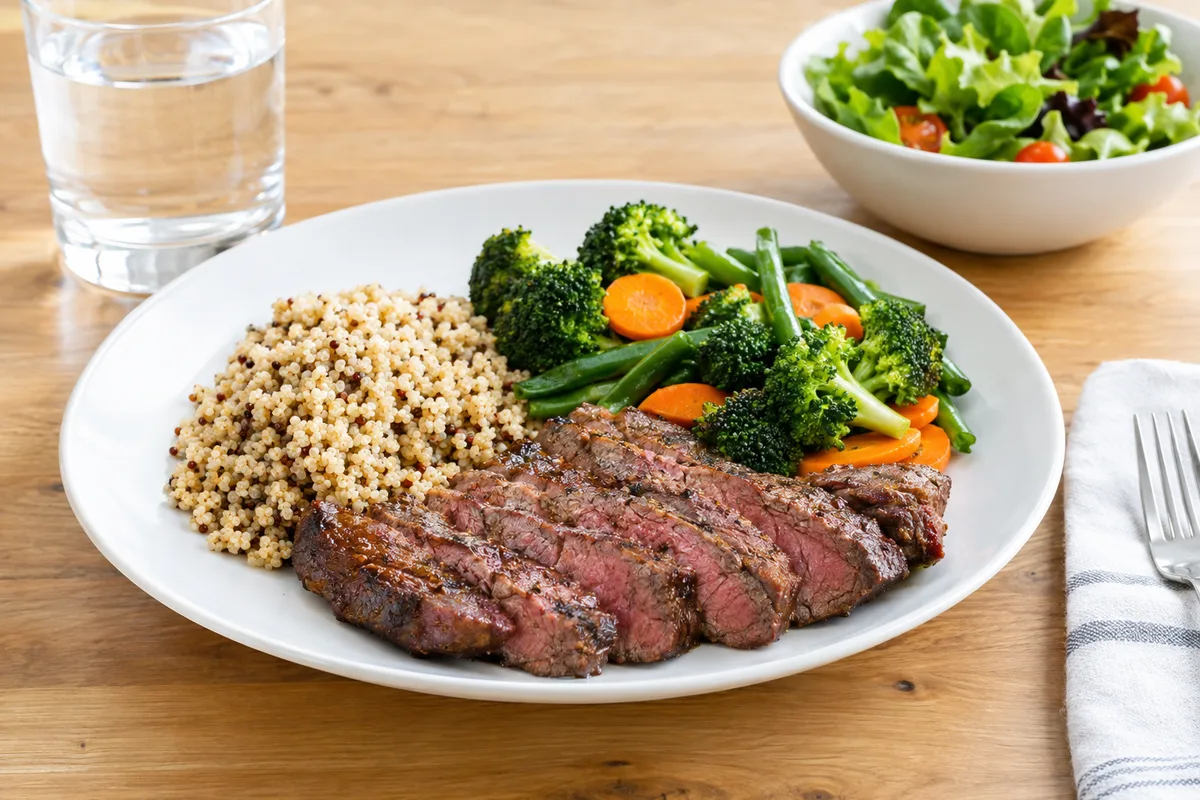
How Lean Beef Can Fit Into a Healthy Diet
Lean beef can be one part of a balanced eating pattern rather than the centre of every meal. The cut, portion, cooking method and foods served with it all shape how it fits into your day.
-
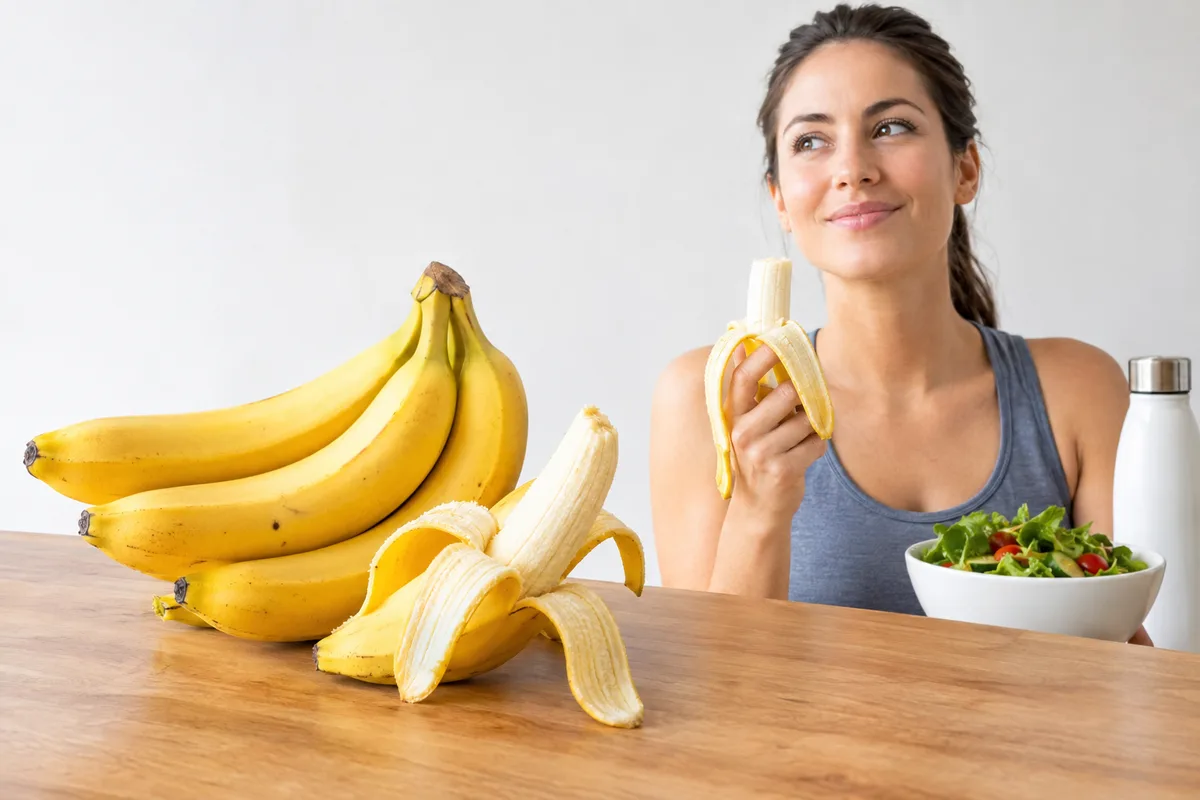
Are Bananas Bad for Weight Loss?
Bananas are sometimes labelled as too sugary for weight loss, but that view misses the wider picture. Your overall eating pattern matters more than whether you include one particular fruit.
-

How much muscle can you gain over several months?
There is no single number of pounds that everyone can gain as muscle within a set number of months. Your starting point, training, food, recovery and consistency all affect the result.
-
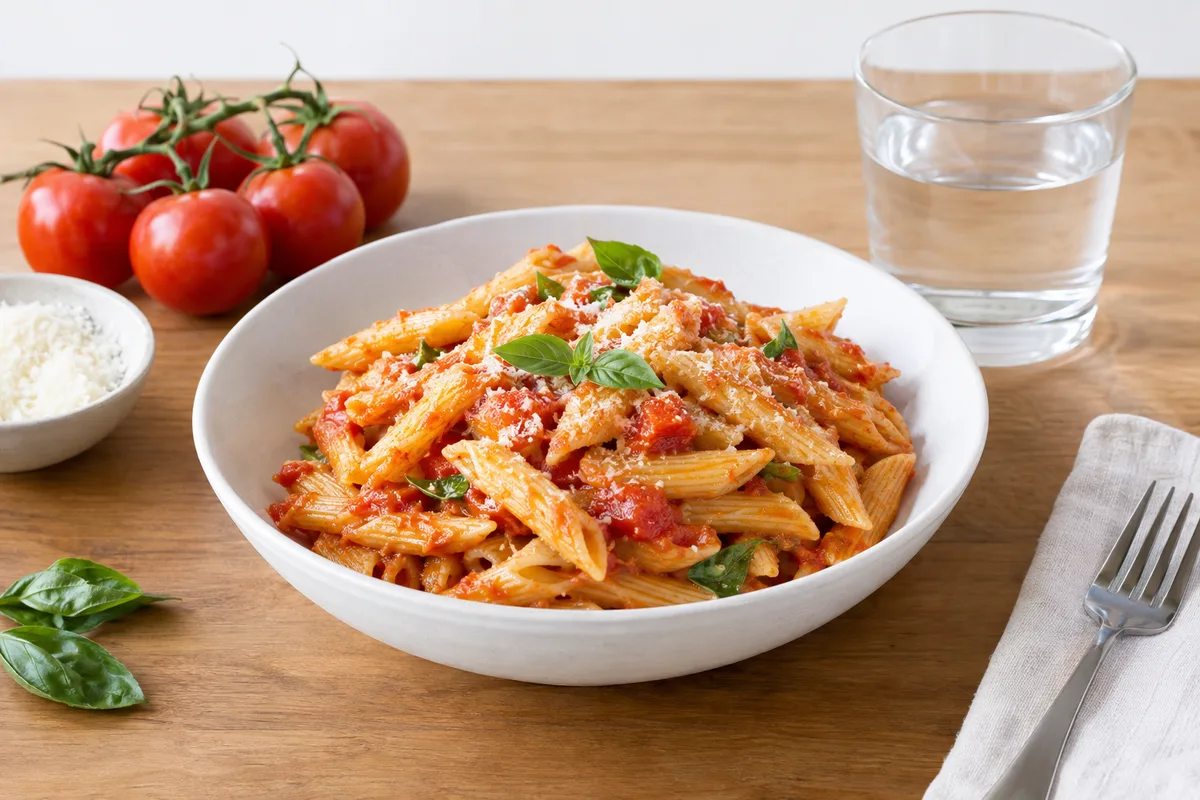
Is Pasta Bad for Your Health?
Pasta is not automatically good or bad for you. What matters is how much you eat, what you serve with it and how it fits into your overall diet.
-
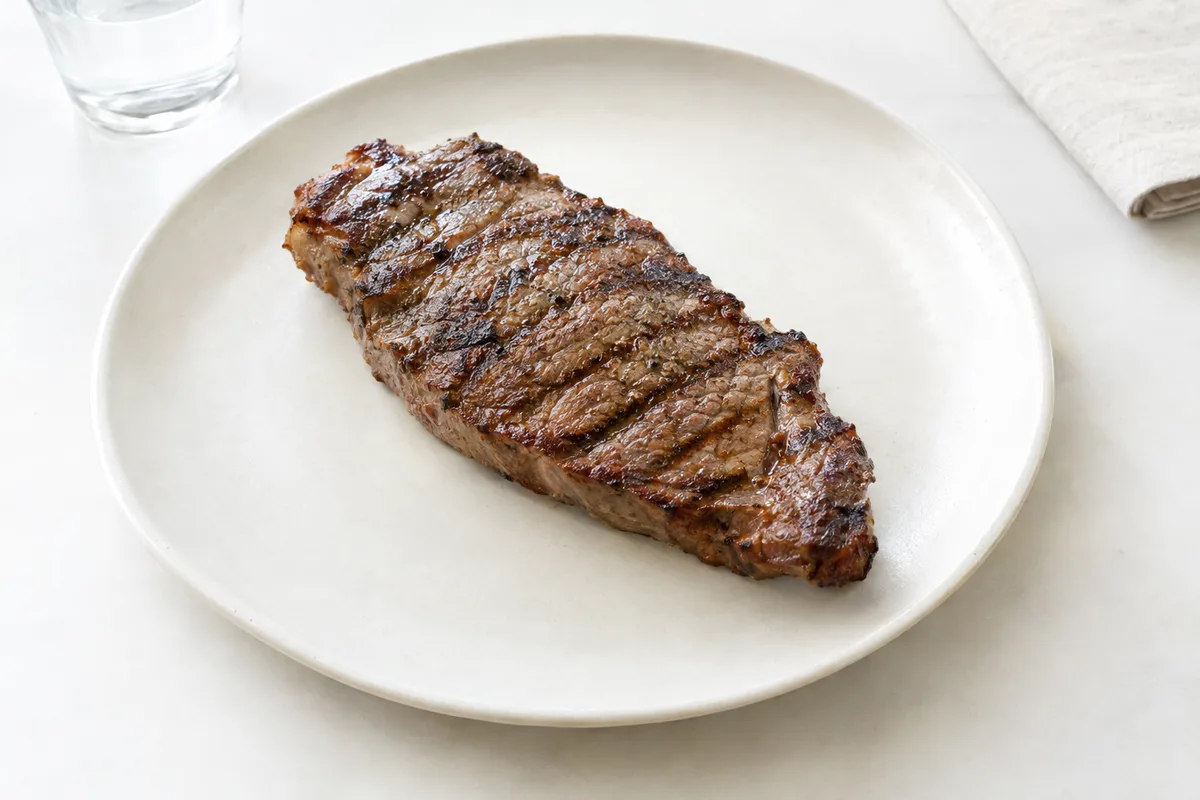
How to Enjoy Steak While Sticking to Your Diet
Steak does not have to be excluded when you are watching what you eat. The key is to account for the cut, portion, cooking method and everything served alongside it.
-
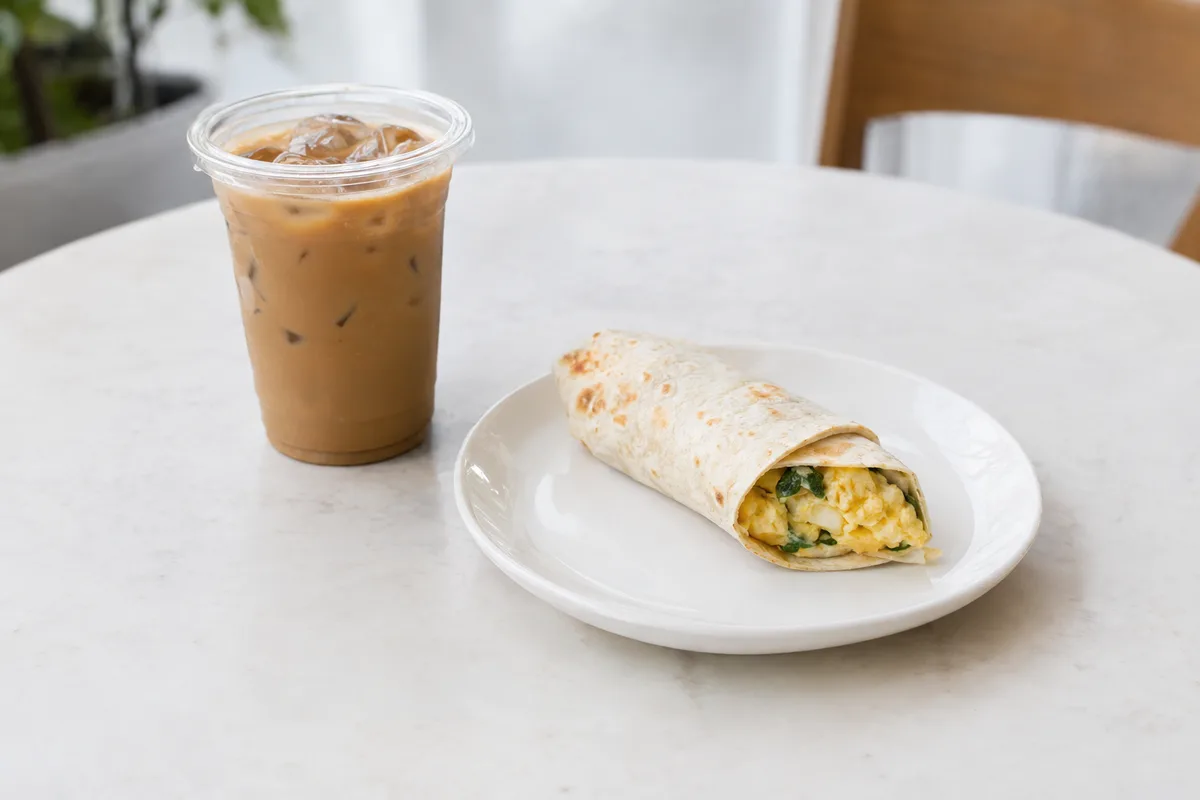
The Best Lower-Calorie Food Choices at Dunkin’ Donuts
The best choice is usually a modest portion with simple fillings and few extras. Current nutrition information matters because recipes, serving sizes and menus can vary by location.
-
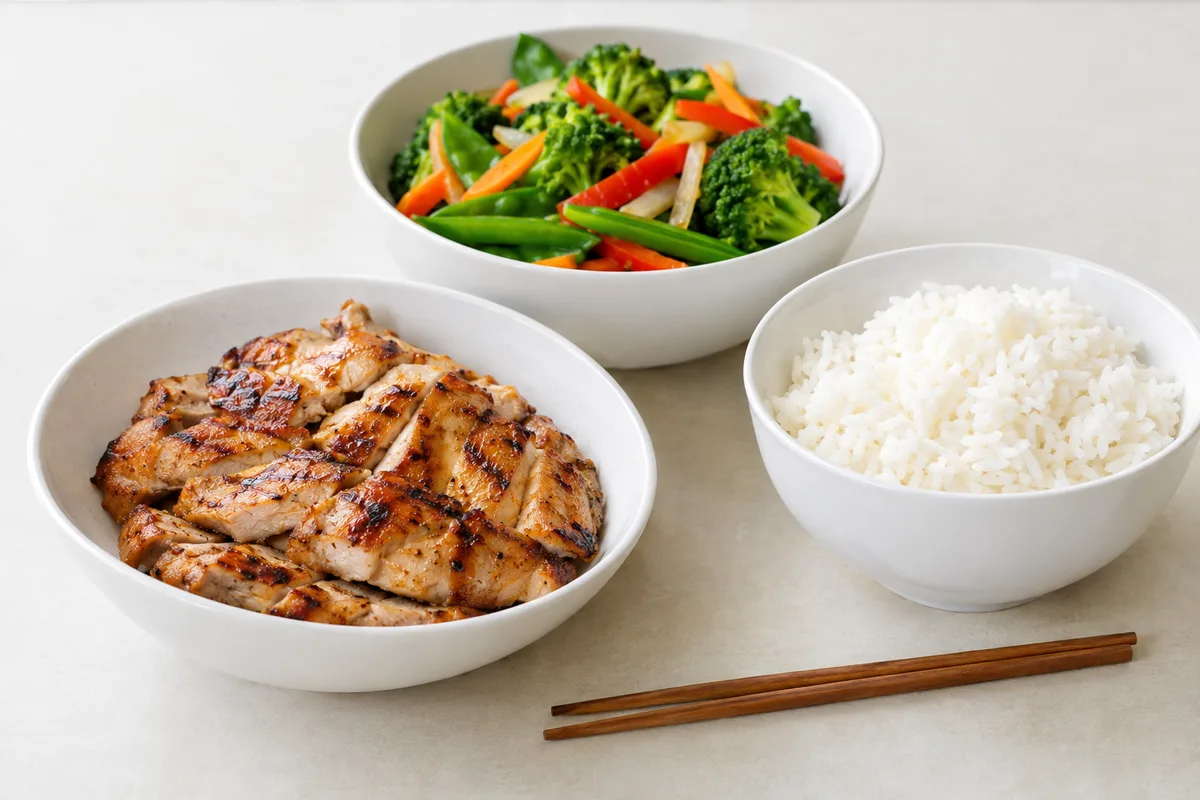
How to Build a Balanced Meal at Panda Express
Eating well at Panda Express does not require finding one perfect order. A few practical choices can help you build a meal that fits the way you already track food.
-

Portion Size Mistakes That Can Throw Off Your Food Log
A careful food log can still be misleading when the amount entered does not match the amount eaten. A few simple habits can make your portions easier to judge and record.
-
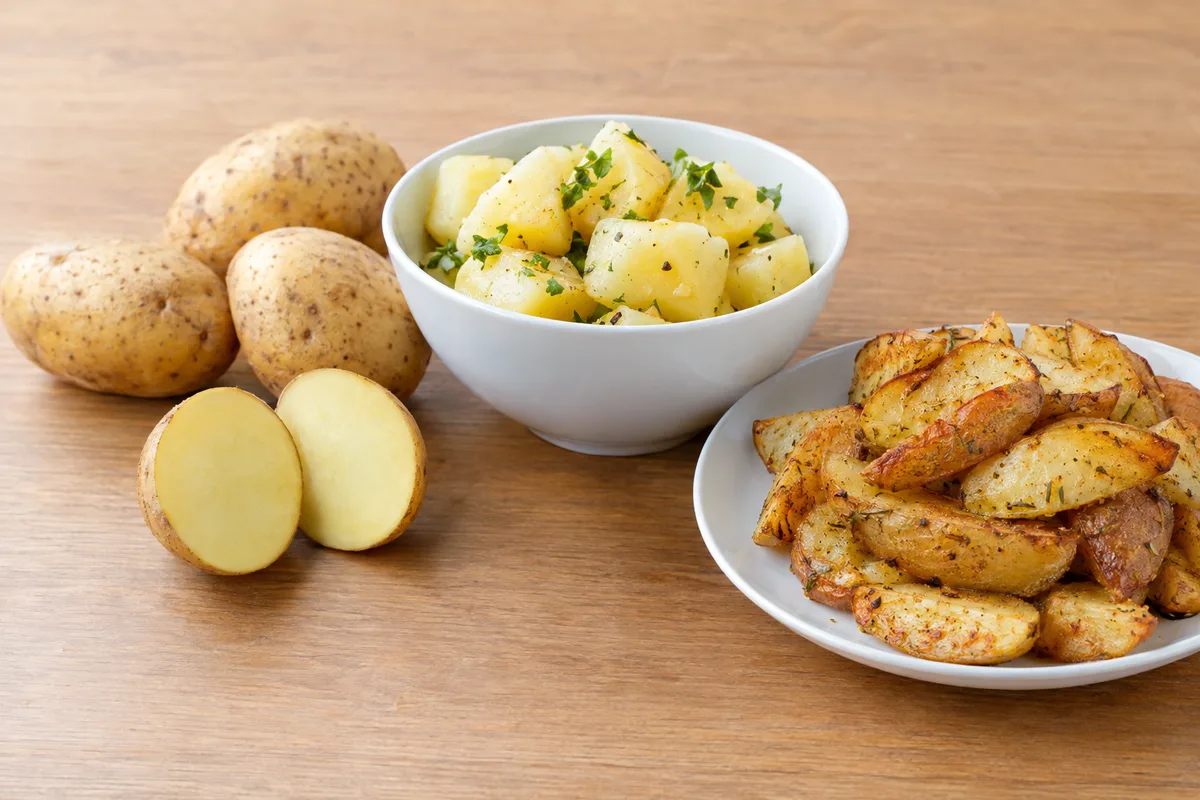
Are Potatoes Good for You?
Potatoes provide carbohydrate alongside fibre and useful vitamins and minerals. How you cook and serve them often matters more than whether you label them good or bad.
-
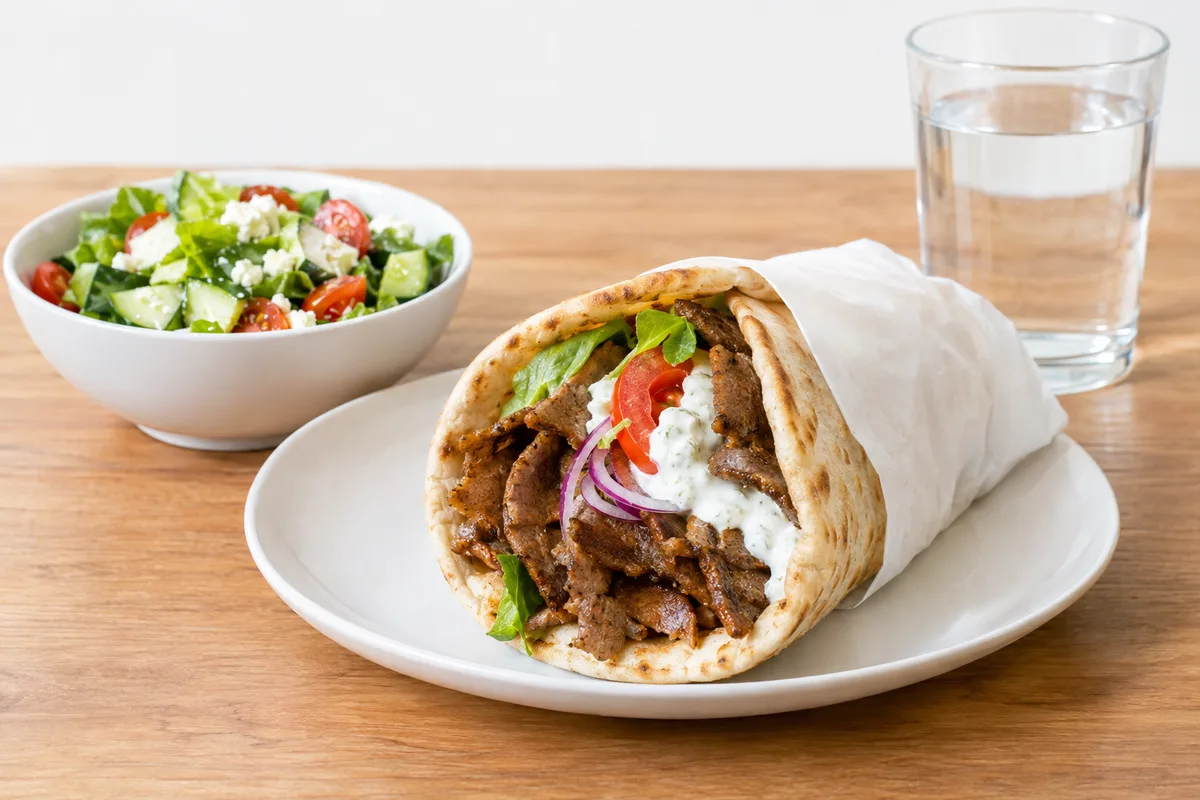
Is gyro meat a healthy choice?
Gyro meat is usually seasoned meat cooked on a rotating spit, but recipes vary widely. Looking at the full serving gives you a clearer picture than judging the meat alone.
-
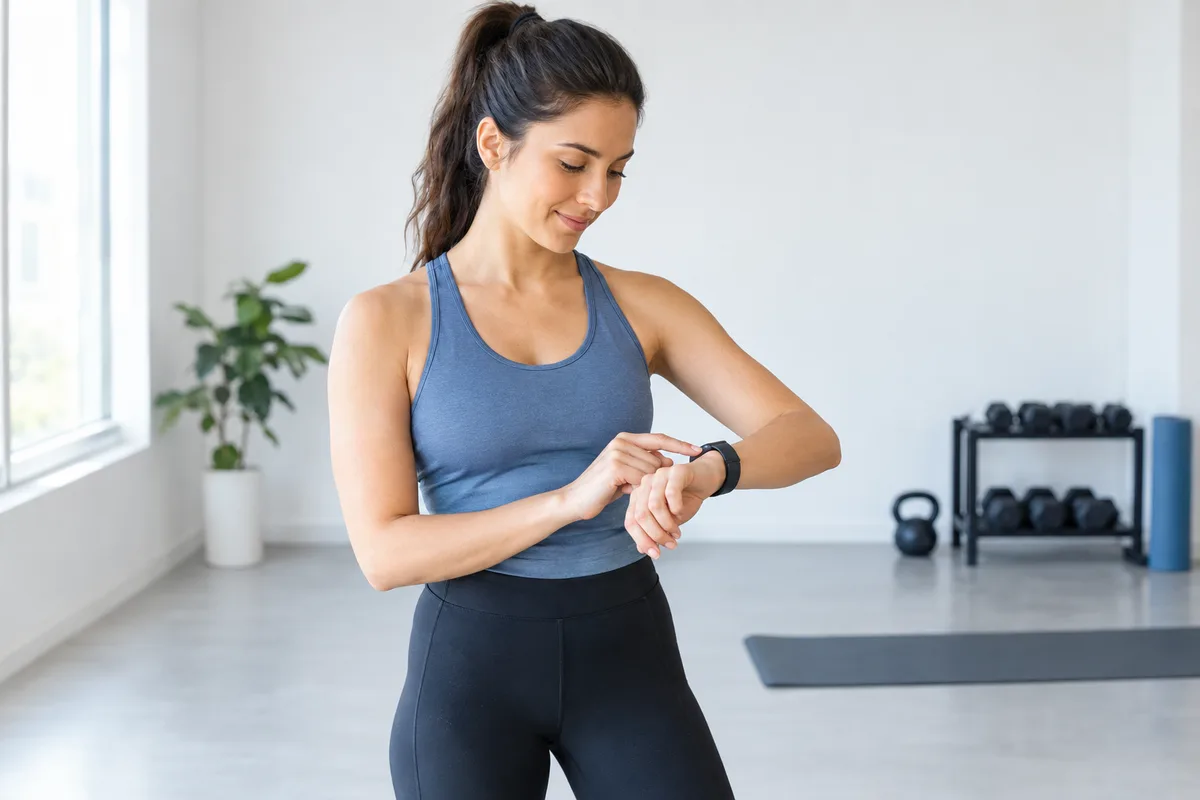
How Many Calories Do You Burn Each Day?
Your body uses energy all day, not only during exercise. Your daily calorie burn combines basic body functions, movement, digestion and planned activity.
-
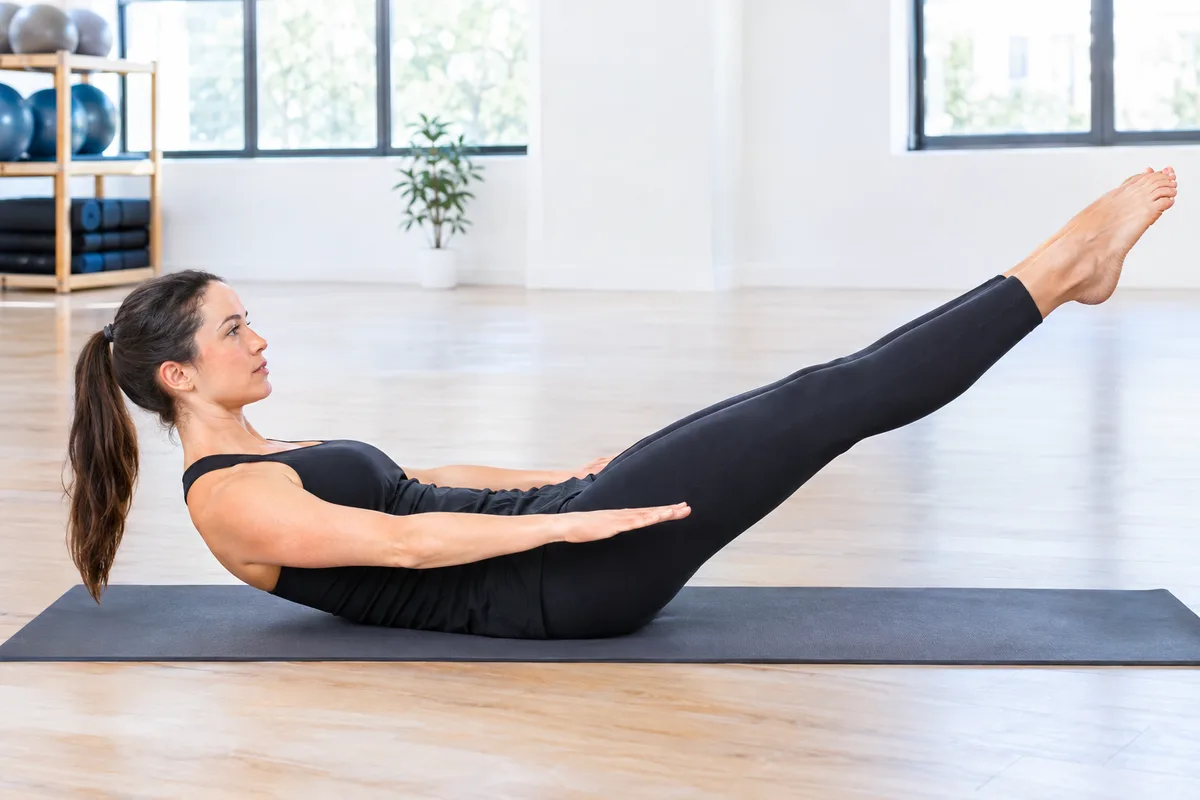
What Is the Pilates Method of Exercise?
Pilates uses slow, deliberate movements to build control through the whole body, with particular attention to the centre of the body. It can be practised on a mat or with specialist equipment and adapted to different experience levels.
-
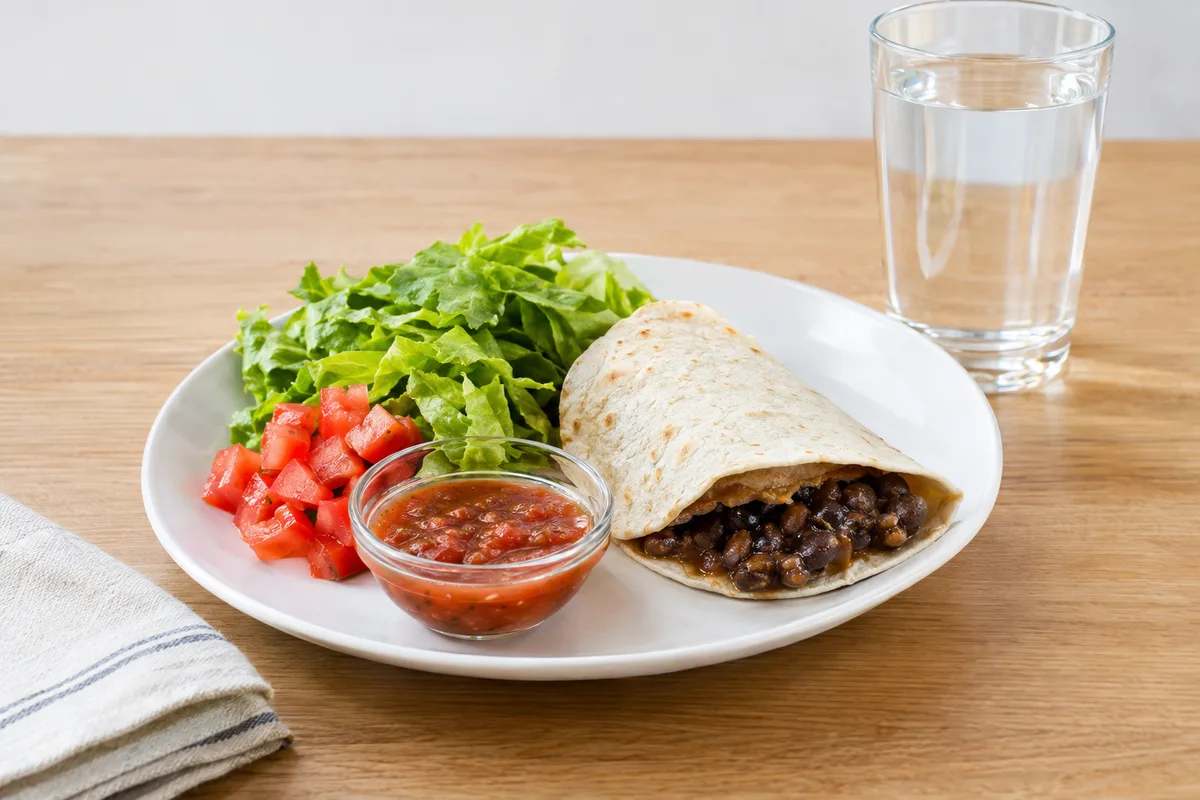
How to Build a Healthier Taco Bell Order
Eating well at Taco Bell is less about finding one perfect item and more about shaping the whole order. Start with what you already track, then adjust portions, fillings and extras to suit your day.
-
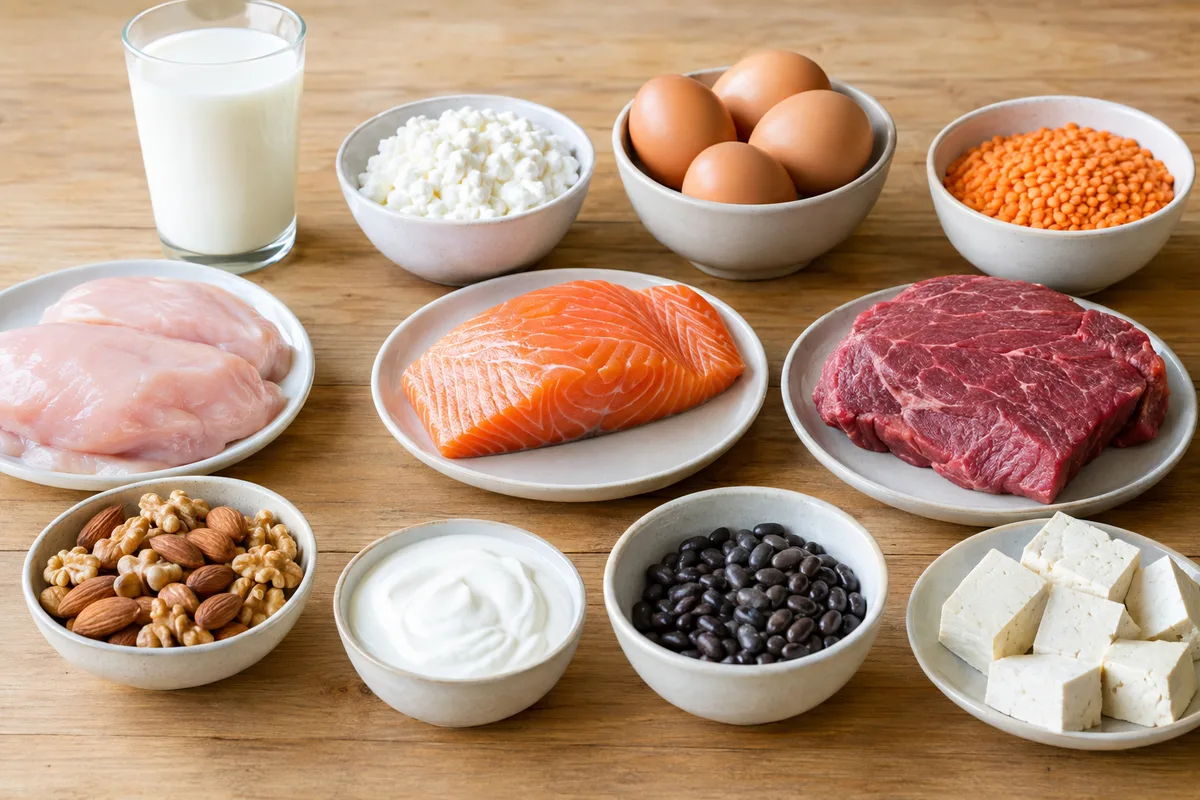
How to Reach 100g of Protein a Day
Reaching 100g of protein can feel simpler when you spread it across the day. Your food diary and nutrition labels can help you build a routine around foods you already enjoy.
-
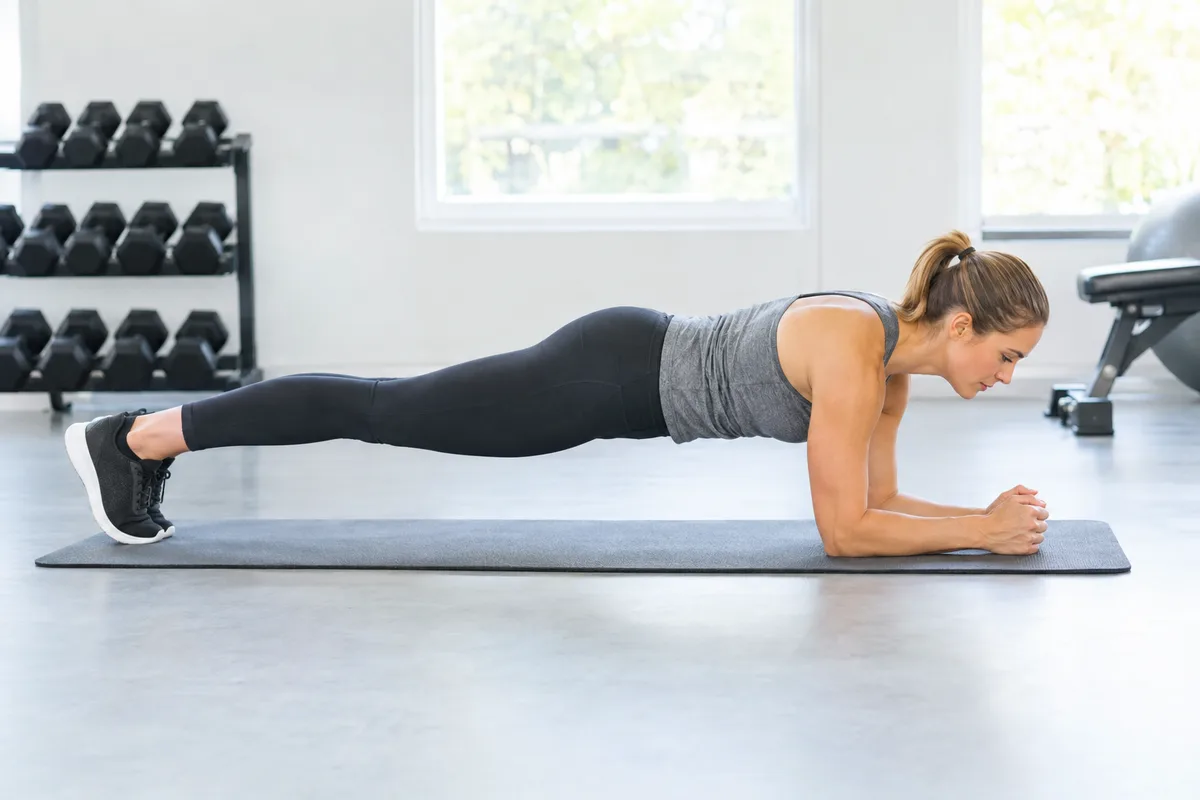
The Plank Exercise: A Simple Guide to Form and Progress
The plank is a still exercise that asks your body to hold a firm, straight position. It needs no complicated routine, but careful form matters more than chasing a long time.
-
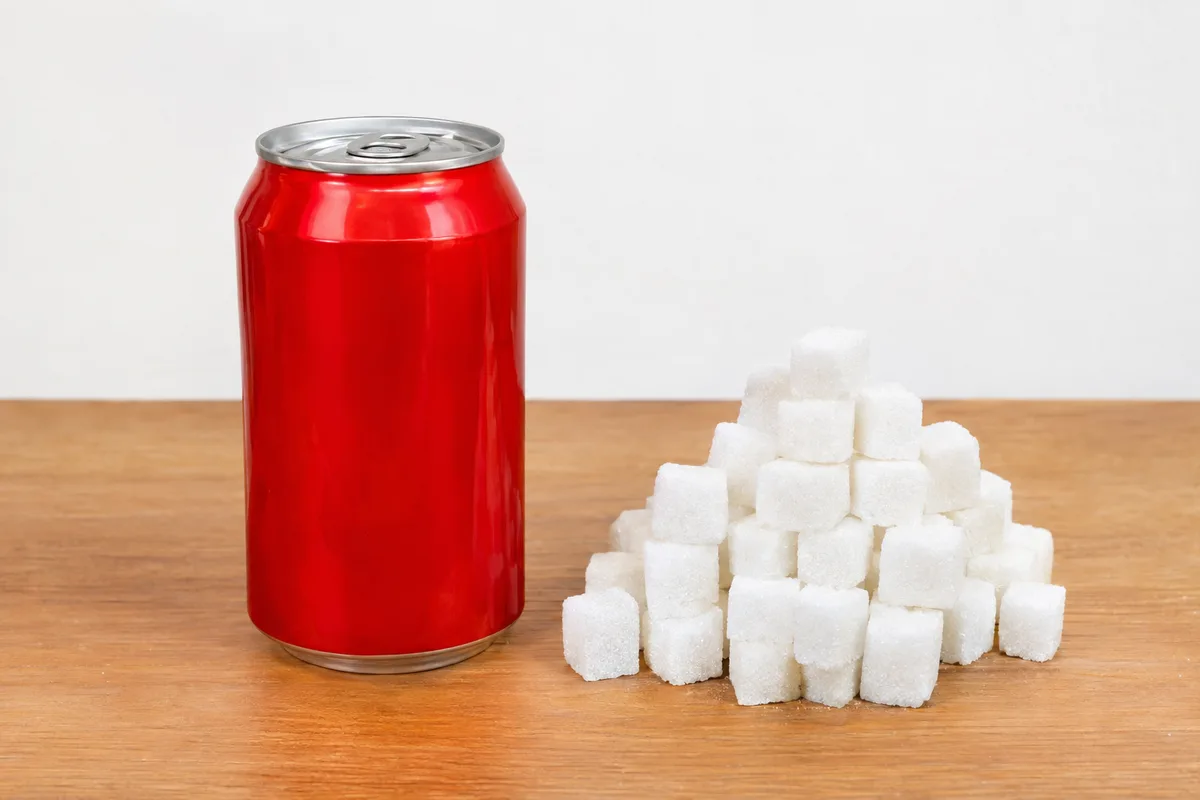
Can You Guess the Sugar in a Can of Soda?
A can may look like one simple serving, but its sugar content is not always easy to picture. A quick estimate can make the label more meaningful when you track what you drink.
-
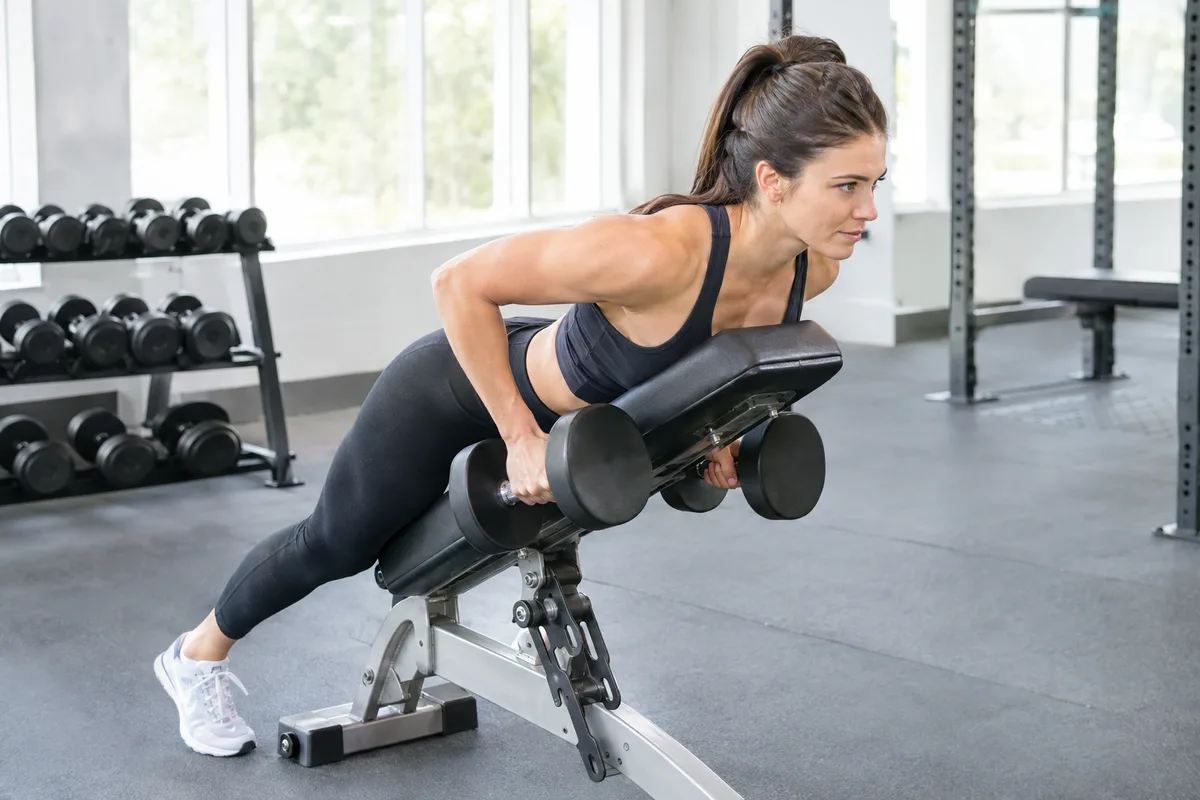
Effective Exercises for Your Mid-Back and Lats
Your lats and mid-back help you pull, support your posture and control your shoulder blades. A balanced routine combines rowing and downward-pulling movements with steady, deliberate technique.
-
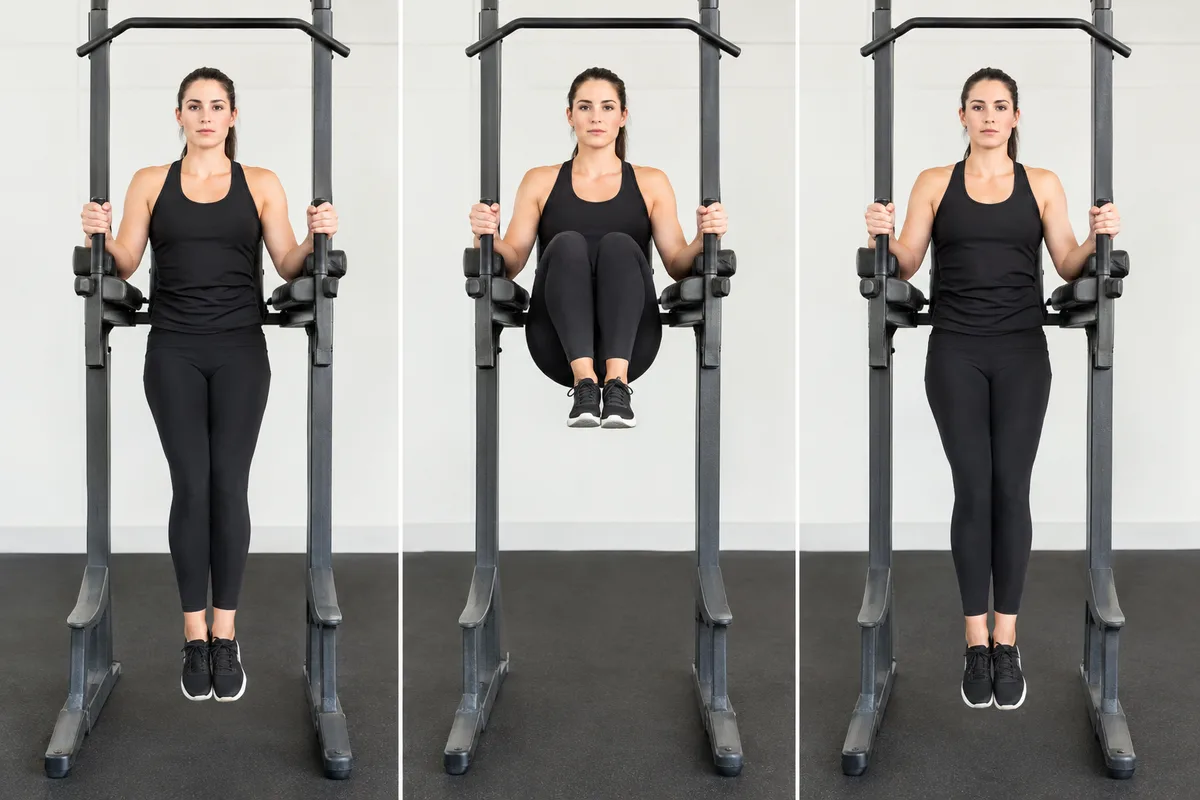
How to Do a Captain’s Chair Leg Raise
The captain’s chair leg raise trains your midsection while your forearms support your body on the station. Slow, controlled movement matters more than lifting your legs as high as possible.
-
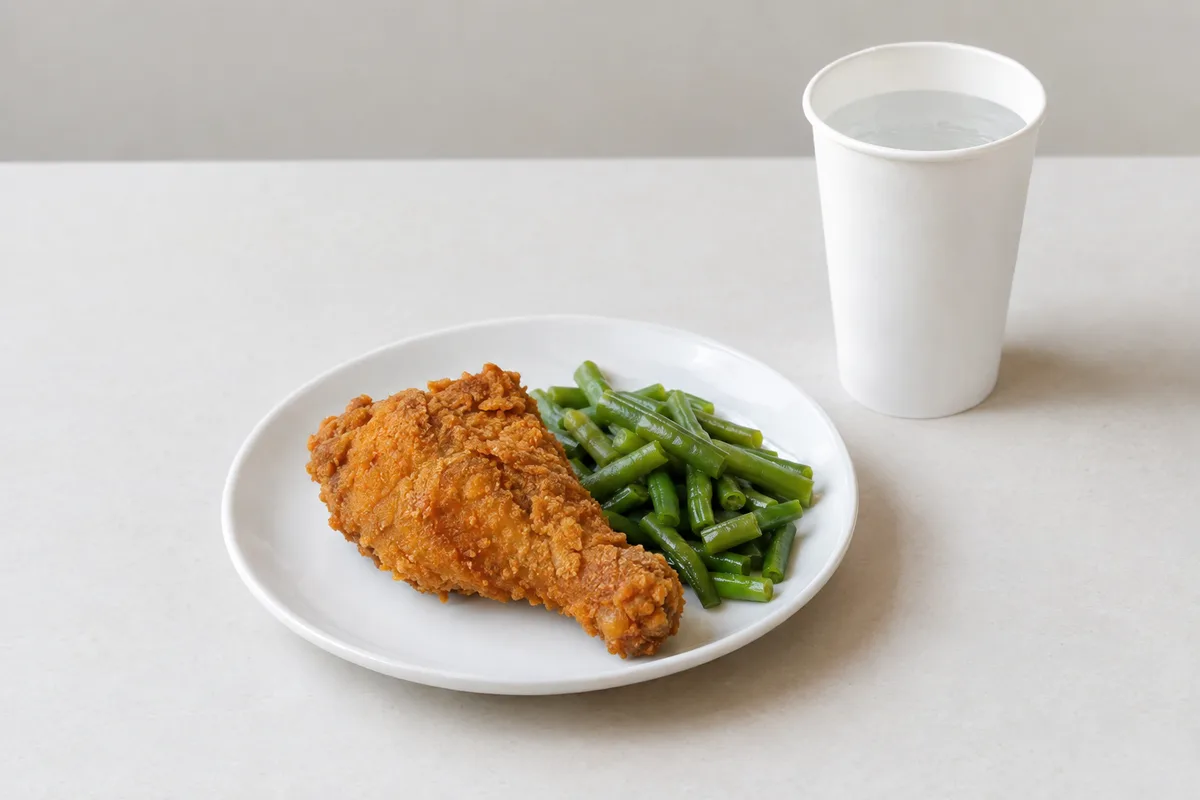
How to Build a KFC Meal for 500 Calories or Less
A KFC meal can fit within 500 calories when you check each item and add the figures before ordering. Menu recipes and nutrition details can change, so use the current information for your location.
-
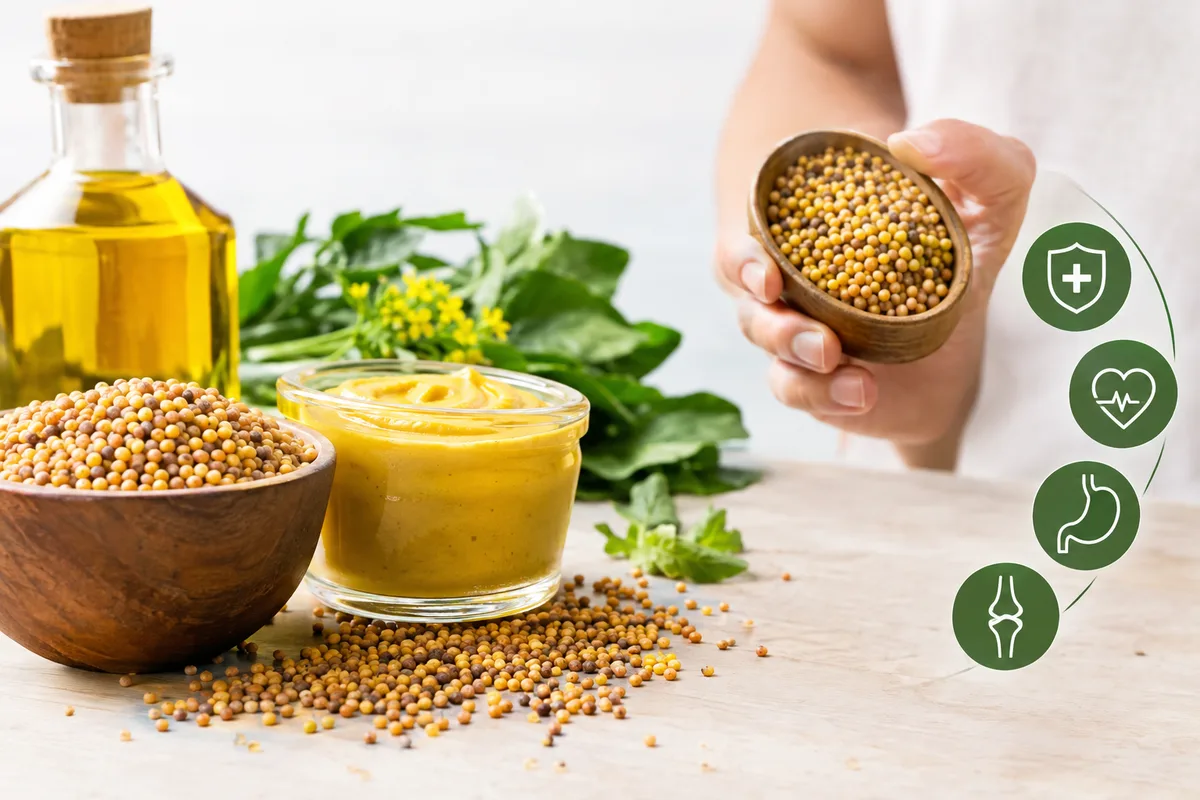
Mustard: Small Serving, Useful Flavour
Mustard is often used in small amounts, so its main practical benefit is making simple meals more enjoyable without adding much energy. The type, serving size and ingredient list still matter when you track your food.
-
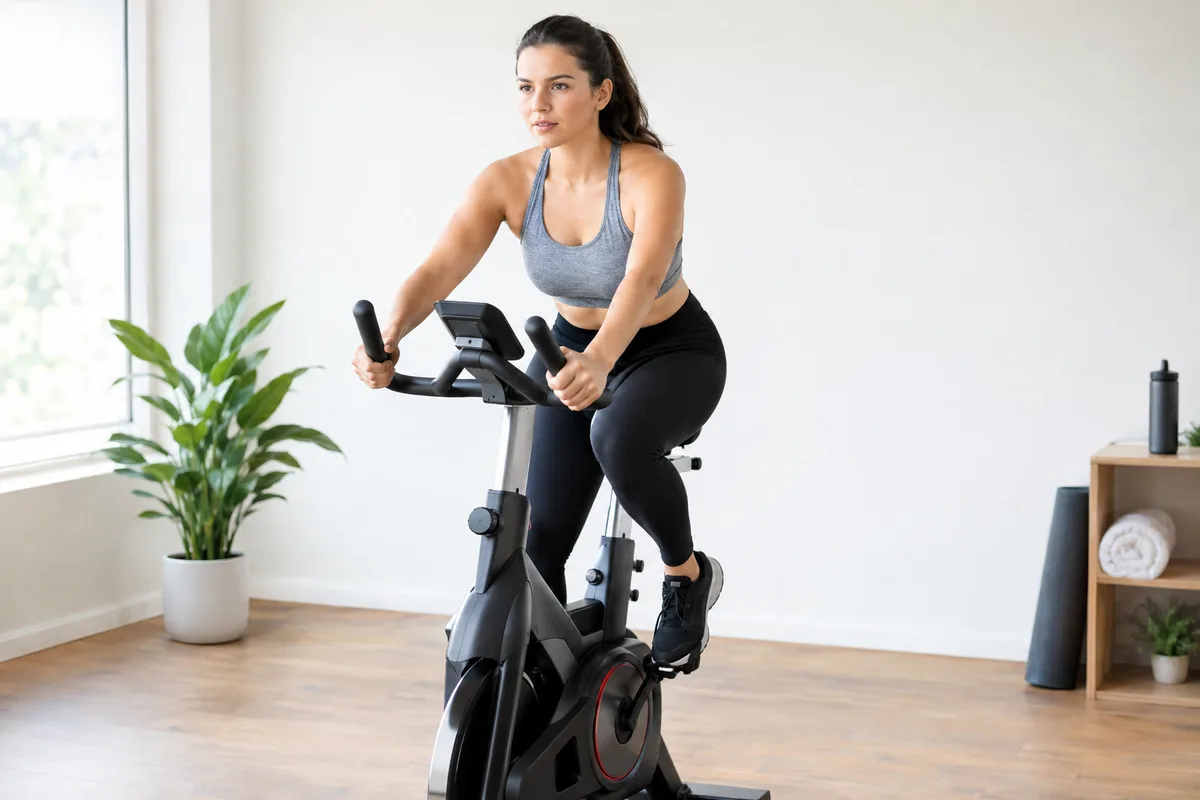
How to Use a Stationary Bike to Reduce Body Fat
A stationary bike can help you use more energy, but it cannot make fat disappear from one chosen area. The most useful approach combines regular rides with an eating pattern that supports gradual overall fat loss.
-
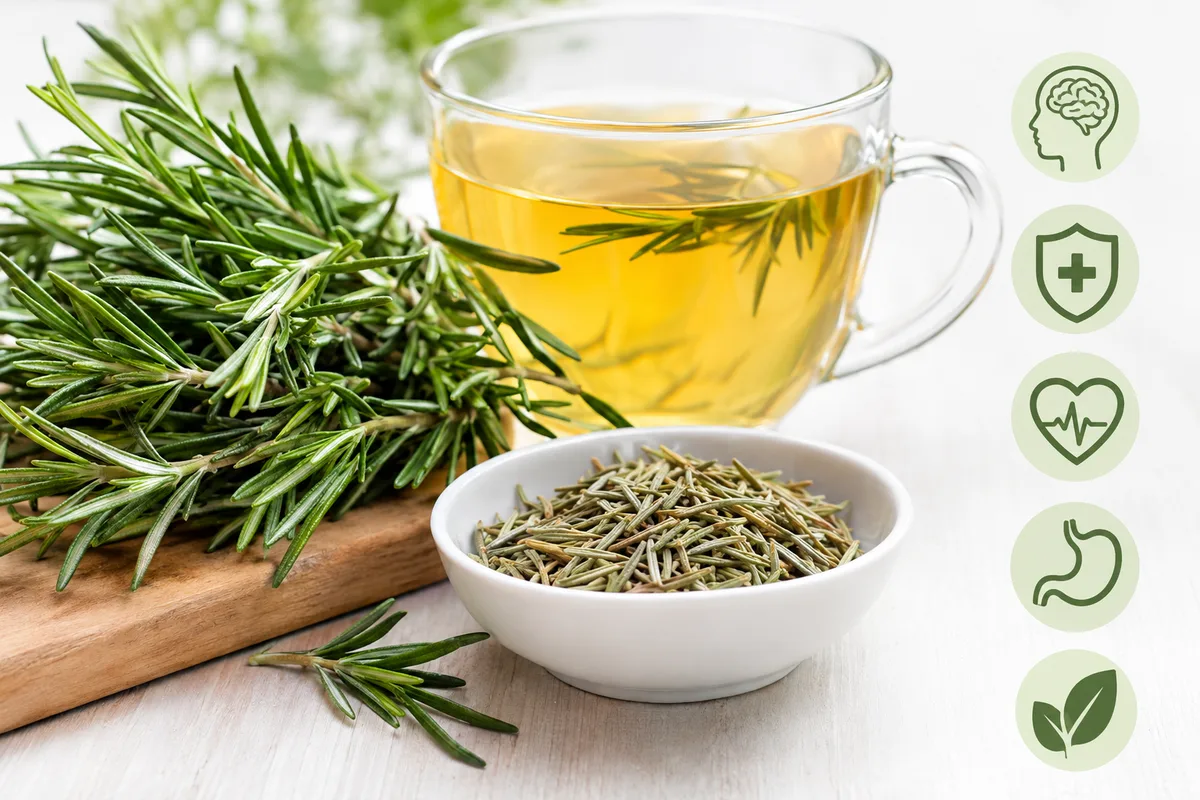
Rosemary health benefits: what this herb can add to your diet
Rosemary can make meals more aromatic without adding much energy in the usual culinary amounts. Its benefits come mainly from flavour, small amounts of nutrients and naturally occurring plant compounds.
-
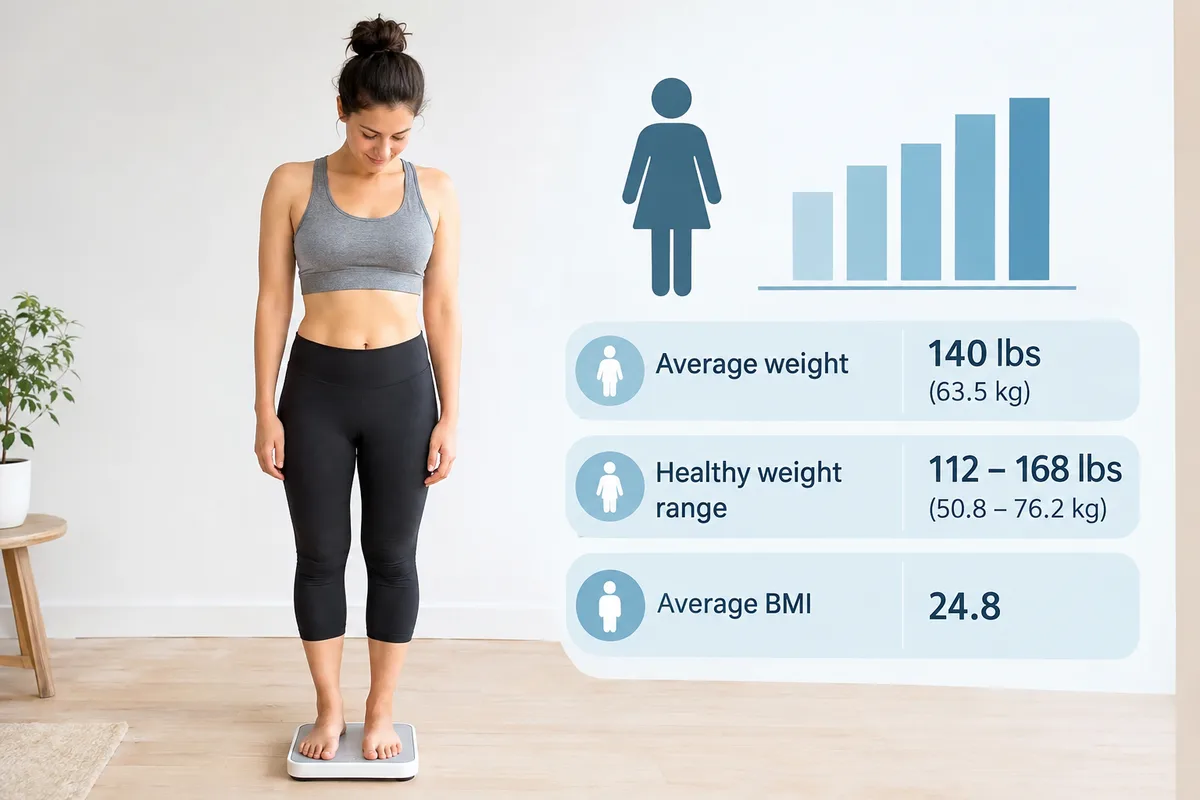
What Does the Average Weight for a Woman Really Tell You?
There is no single average weight that represents every woman. The figure changes with age, height, location and the way the information is collected.
-

Can Six Boiled Eggs a Day Help You Lose Weight?
You may lose weight while eating six boiled eggs a day, but the eggs themselves are not a special weight-loss method. The result depends on what else you eat, your activity and your individual energy needs.
-
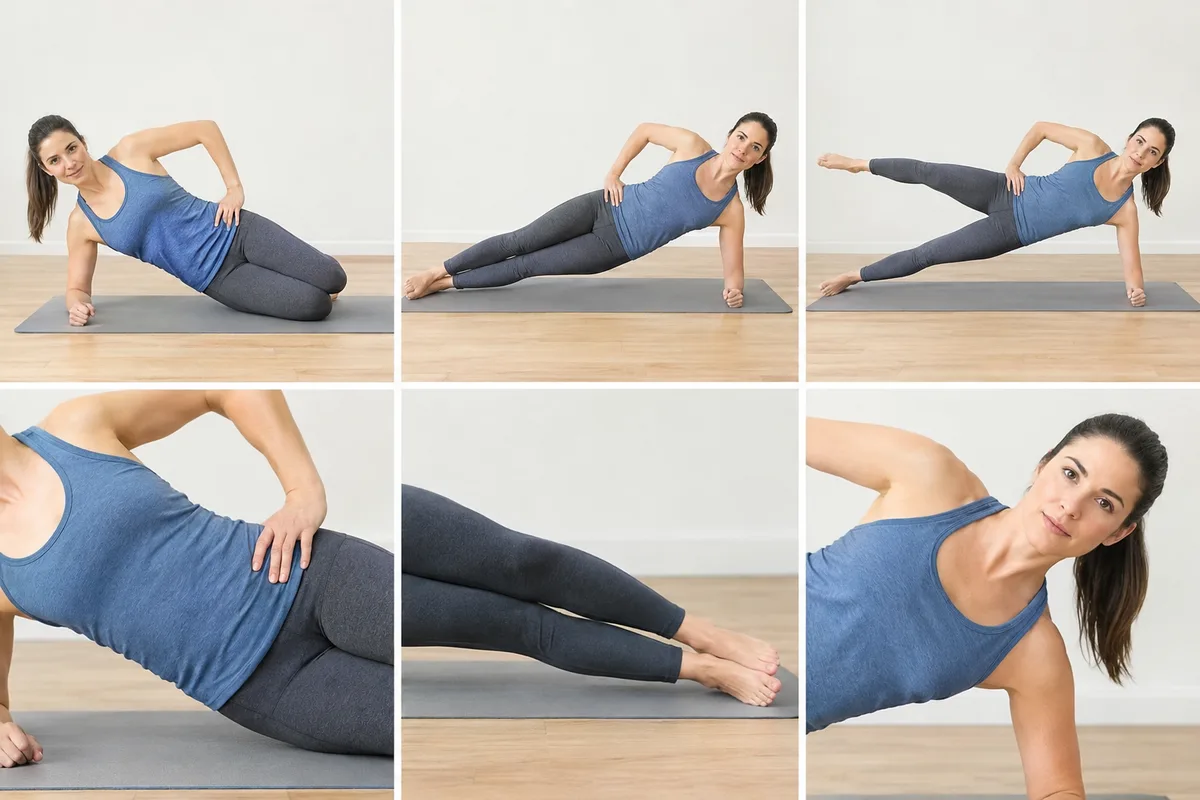
How to Progress Your Side Plank Safely
A side plank can be adjusted to suit your current strength and control. Progress comes from holding a sound position before adding time, movement or load.
-
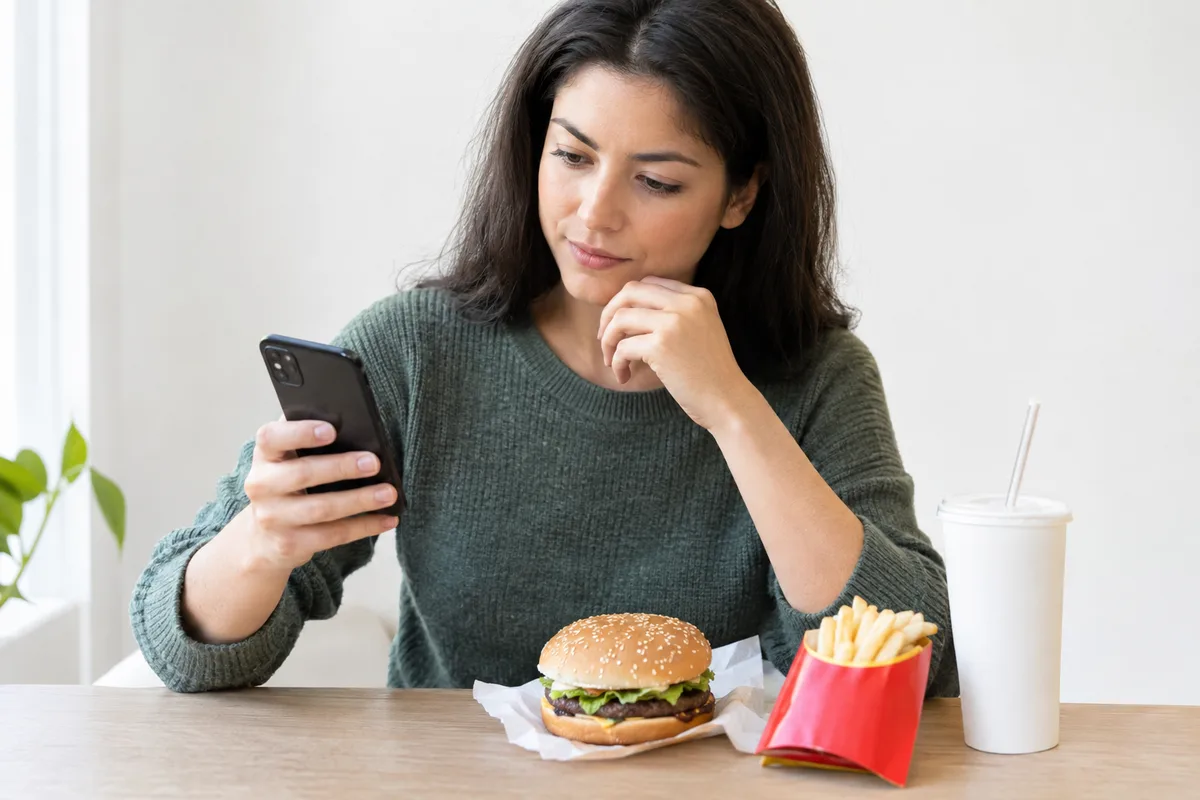
How to Build a McDonald’s Meal Under 500 Calories
A McDonald’s meal can fit beneath a 500-calorie limit, but the exact total depends on the items, portion sizes and customisations you choose. A simple main, a lighter side and a low-calorie drink are often the easiest starting points.
-

How to Choose the Best Electrolyte Drink for You
The best electrolyte drink is one that suits your activity, sweat losses and usual diet. Labels can help you compare options without assuming that more electrolytes are always better.
-
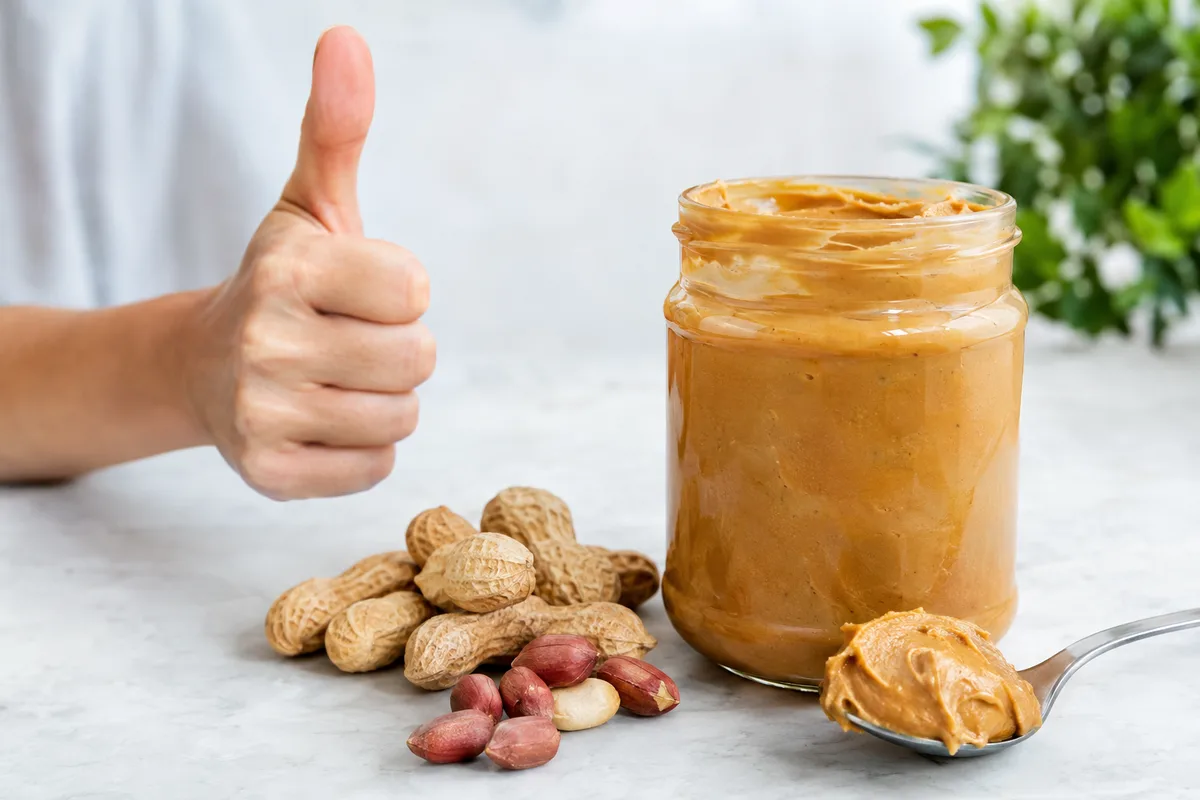
Is Peanut Butter Good for You?
Peanut butter provides fat, protein and some fibre in a convenient spoonful. Whether it suits your goals depends on the type you choose, how much you eat and what you pair it with.
-
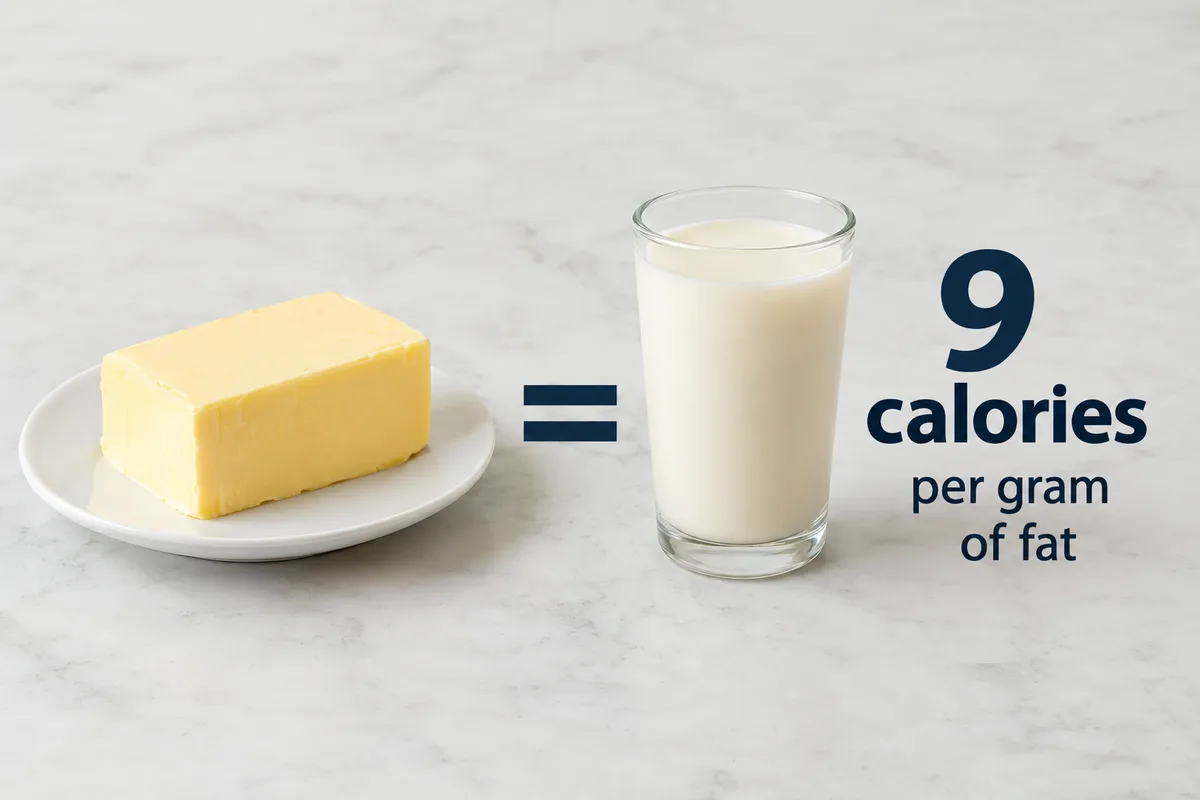
How Many Calories Are in a Gram of Fat?
Fat provides about 9 calories per gram, making it more energy-dense than protein or carbohydrate. Knowing this can help you understand food labels and check your calorie entries.
-
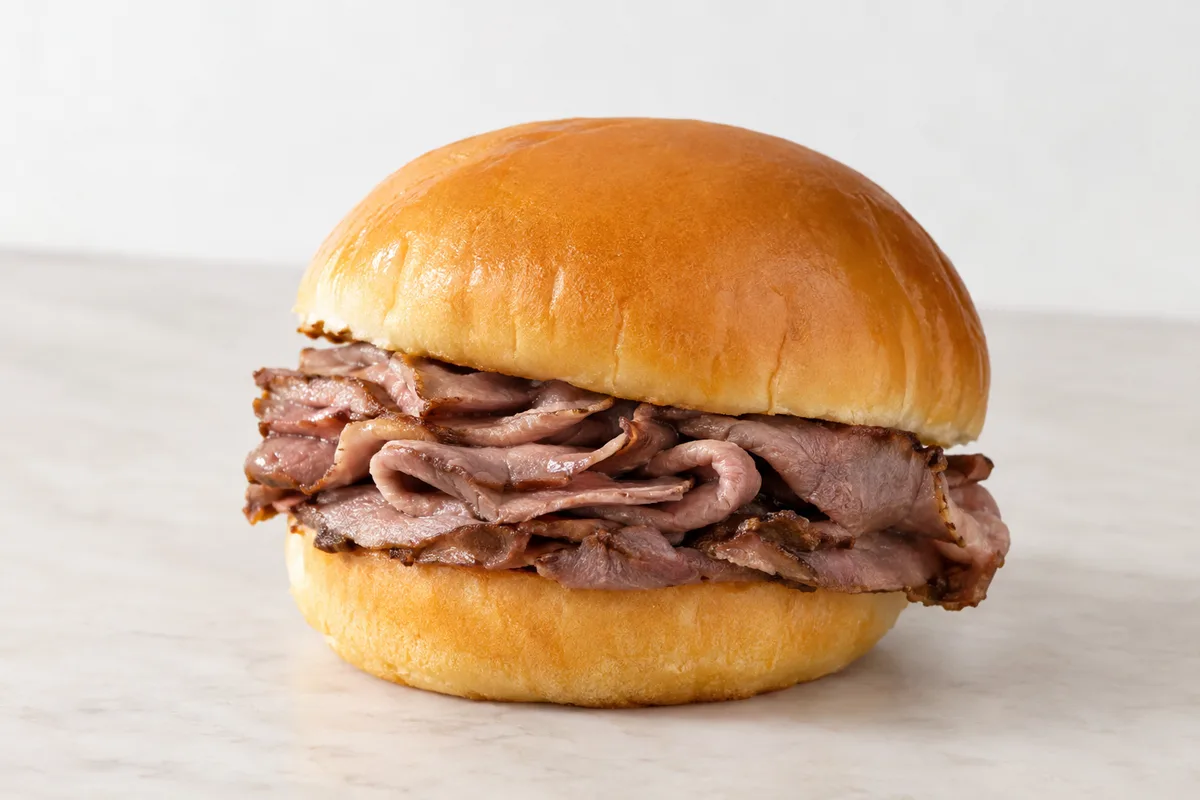
A Quick Guide to Tracking an Arby’s Meal
Tracking an Arby’s meal is easier when you break the order into separate parts. A practical estimate is usually more useful than leaving the meal unlogged.
-
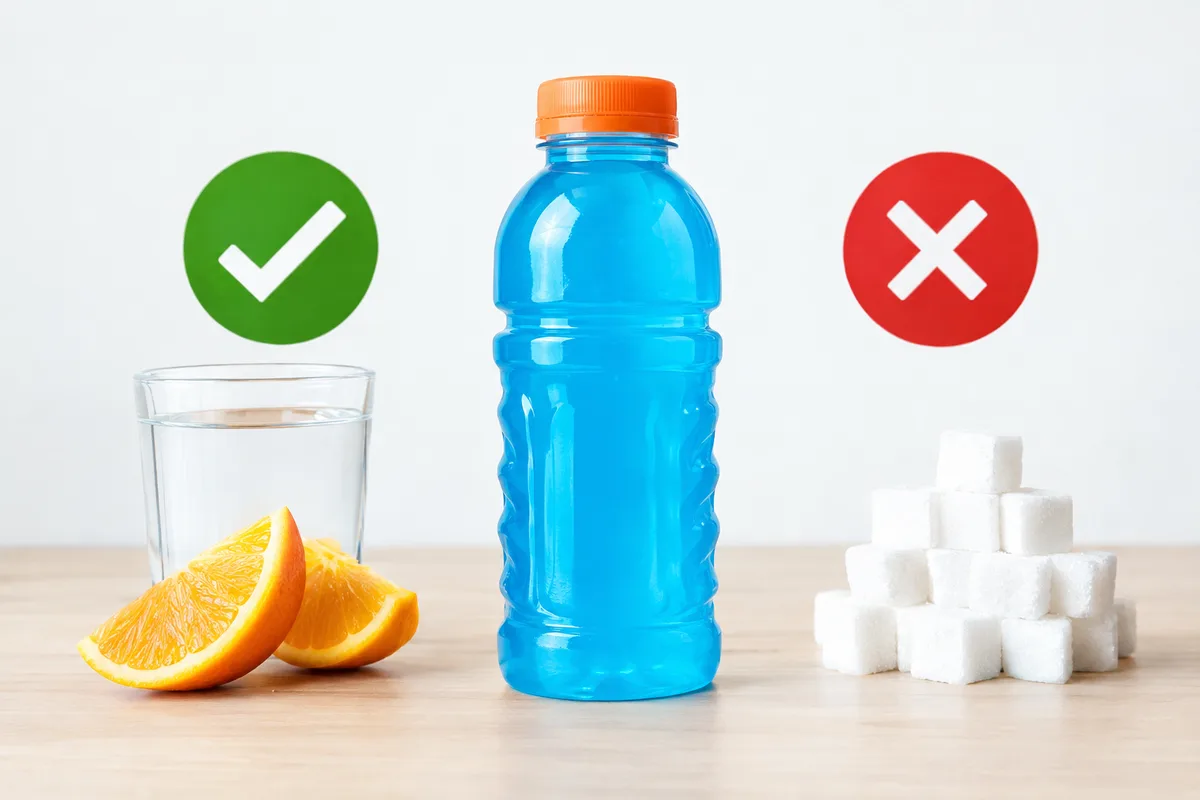
Gatorade: the pros and cons for an active day
Gatorade combines fluid, carbohydrate and electrolytes in a flavoured sports drink. Whether it fits your day depends on your activity, goals, serving size and the version you choose.
-
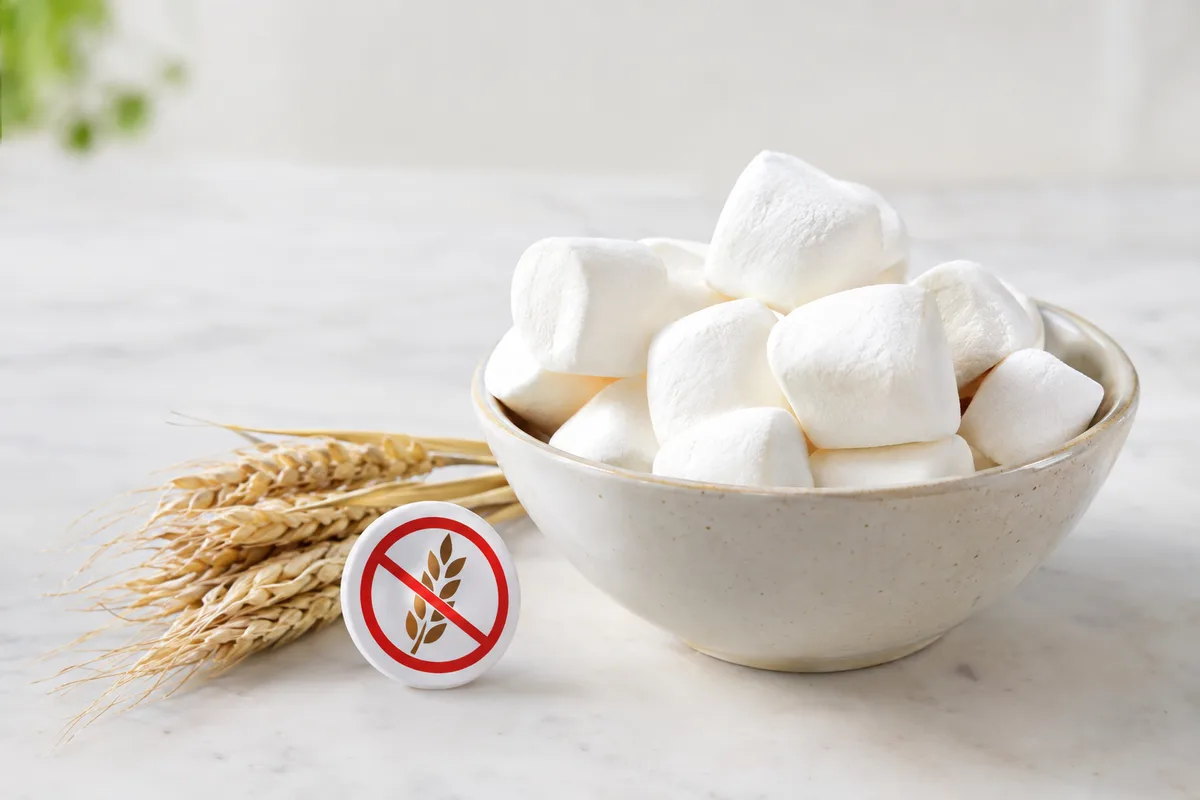
Are Marshmallows Gluten-Free? What to Check
Many marshmallows are made without gluten-containing ingredients, but that does not make every variety suitable. A quick label check can help you choose and log them accurately.
-

How to Build a Heavy-Duty Five-Day Weights Split
A heavy-duty split uses brief, demanding resistance sessions built around focused muscle groups. Spreading the work across five days can keep each session manageable, provided effort, technique and recovery stay balanced.
-
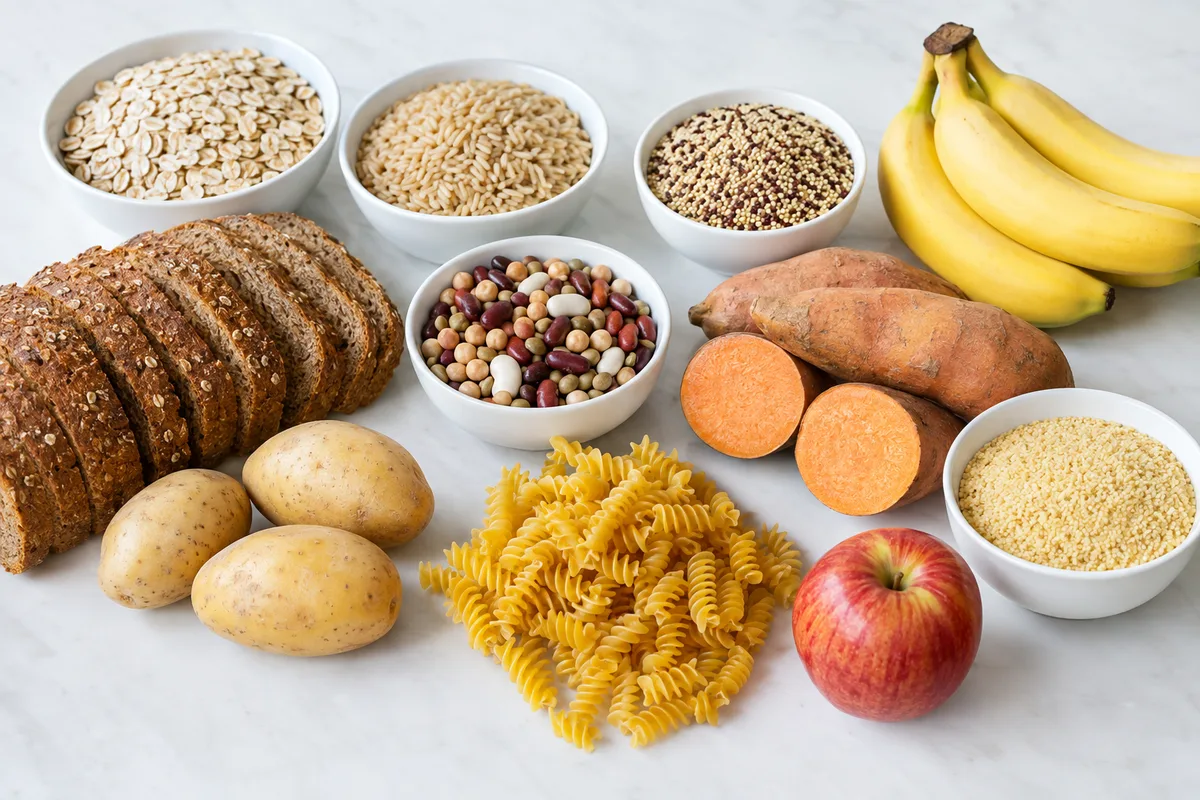
Carbohydrates Explained: What You Are Really Tracking
Carbohydrates are a broad group of nutrients rather than one type of food. Understanding their different forms can make your food log easier to interpret.
-
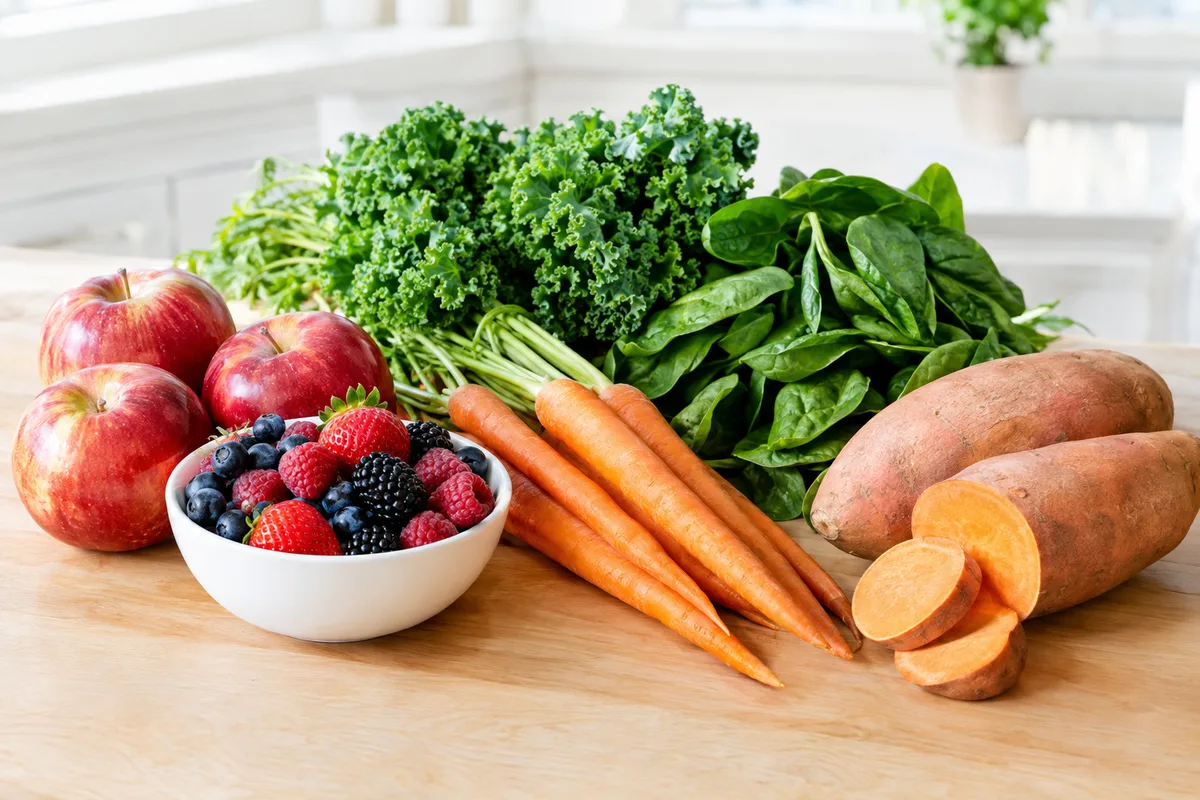
A Practical List of Non-Processed Foods
Most foods undergo some handling before they reach your kitchen, so “non-processed” is not always a precise label. A more useful approach is to choose whole or minimally processed foods with few added ingredients.
-

Is Gatorade Good or Bad for You?
Gatorade is designed to provide fluid, carbohydrate and electrolytes around exercise. Whether it suits you depends on your activity, diet and the type and amount you drink.
-
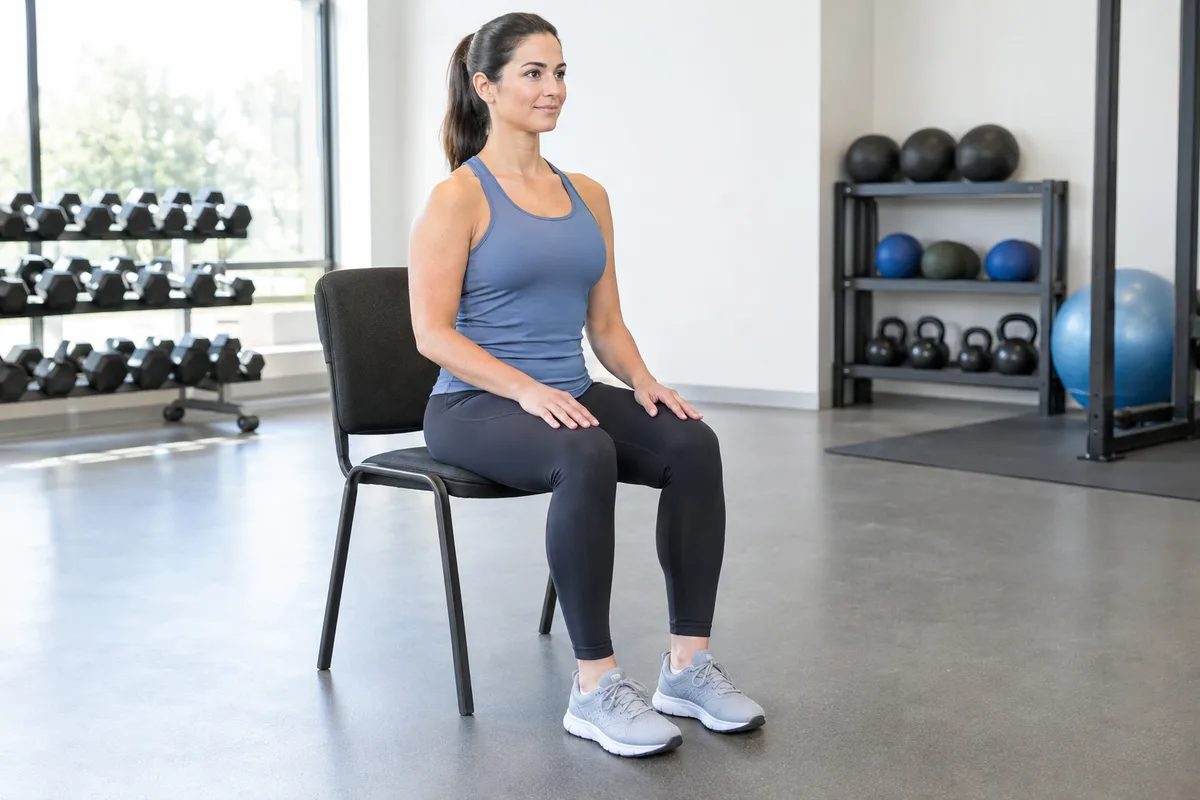
A Simple Chair Ab Workout for Everyday Core Strength
A chair ab workout can help you practise engaging your middle without getting down on the floor. The focus is control, posture and consistency rather than rushing through repetitions.
-
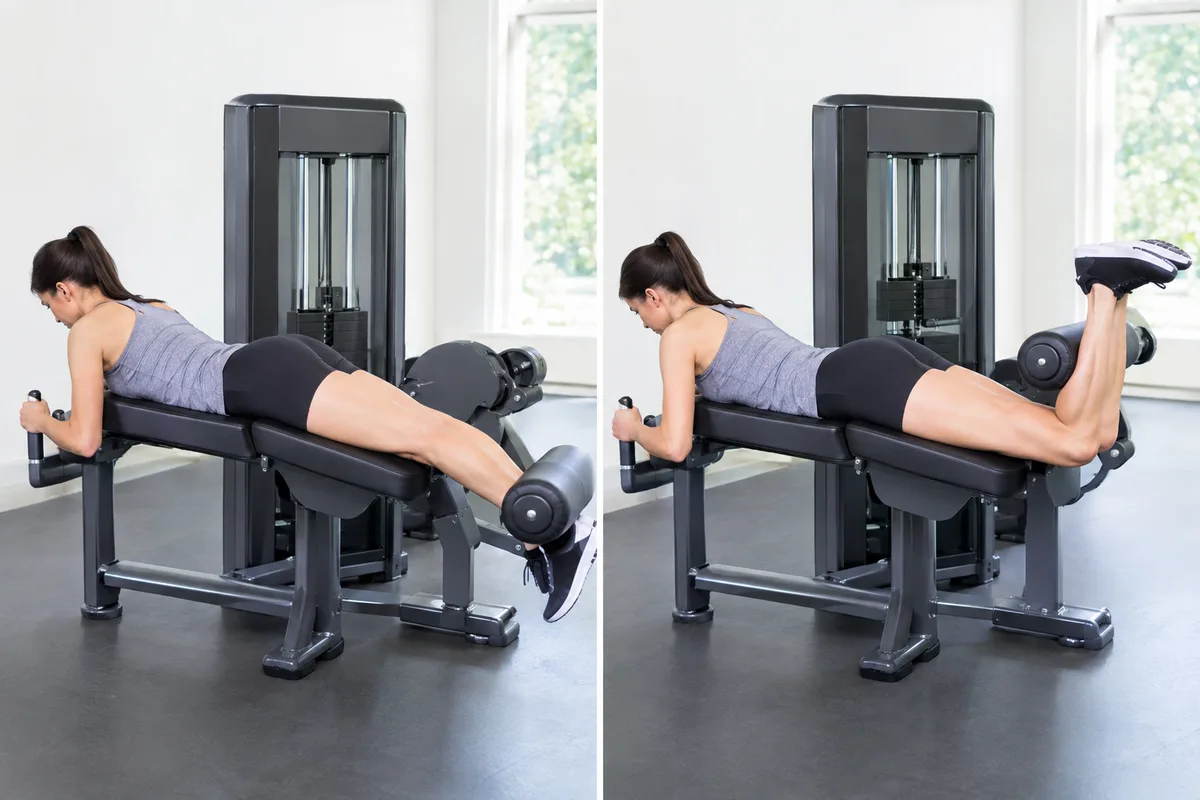
How to Do a Leg Curl with Good Form
The leg curl trains the muscles along the back of your thighs by bending your knees against resistance. Careful set-up and steady movement help keep the exercise focused where it belongs.
-

The Most Effective Triceps Exercises for Stronger Arms
Effective triceps training combines movements that challenge the upper arms in different positions. Good technique, suitable resistance and steady progress matter more than chasing a single perfect exercise.
-
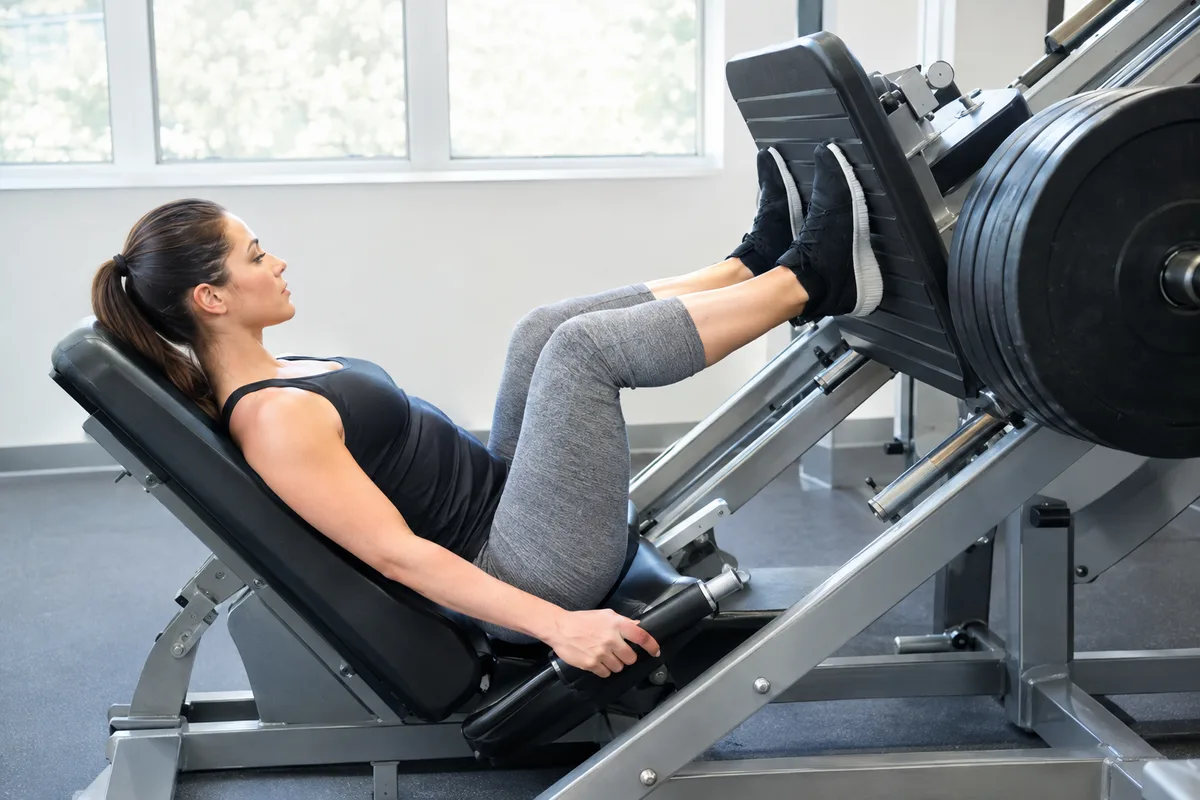
How to Do the Leg Press with Good Form
The leg press is a machine-based exercise that works the legs while supporting your upper body. Good setup and a controlled range of movement matter more than loading the machine heavily.
-

How to Keep Your Margarita Lighter
A “skinny” margarita usually means one made with fewer calories than a sweeter version. The easiest approach is to track each ingredient and decide which parts matter most to you.
-
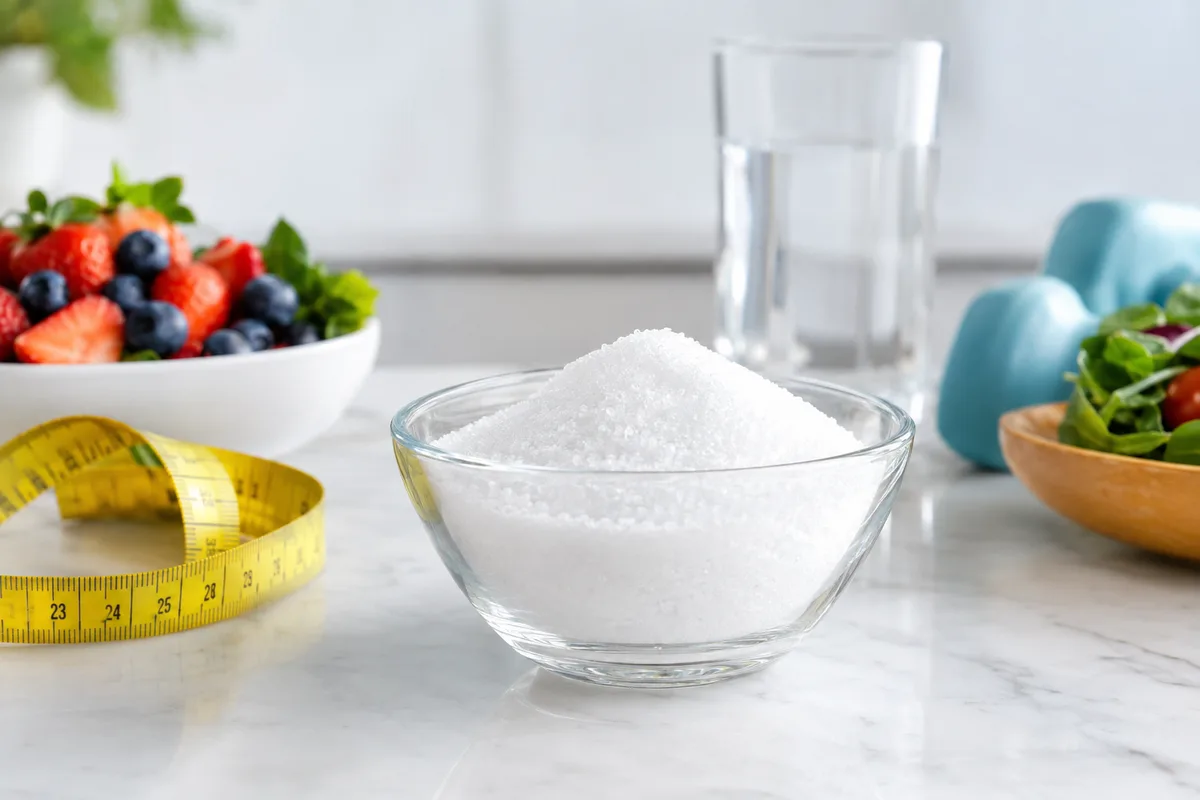
Can allulose help with weight loss? Benefits, downsides and safety
Allulose is a low-energy sweetener that can replace some of the sugar in foods and recipes. It may support weight loss indirectly, but it does not make weight loss happen on its own.
-
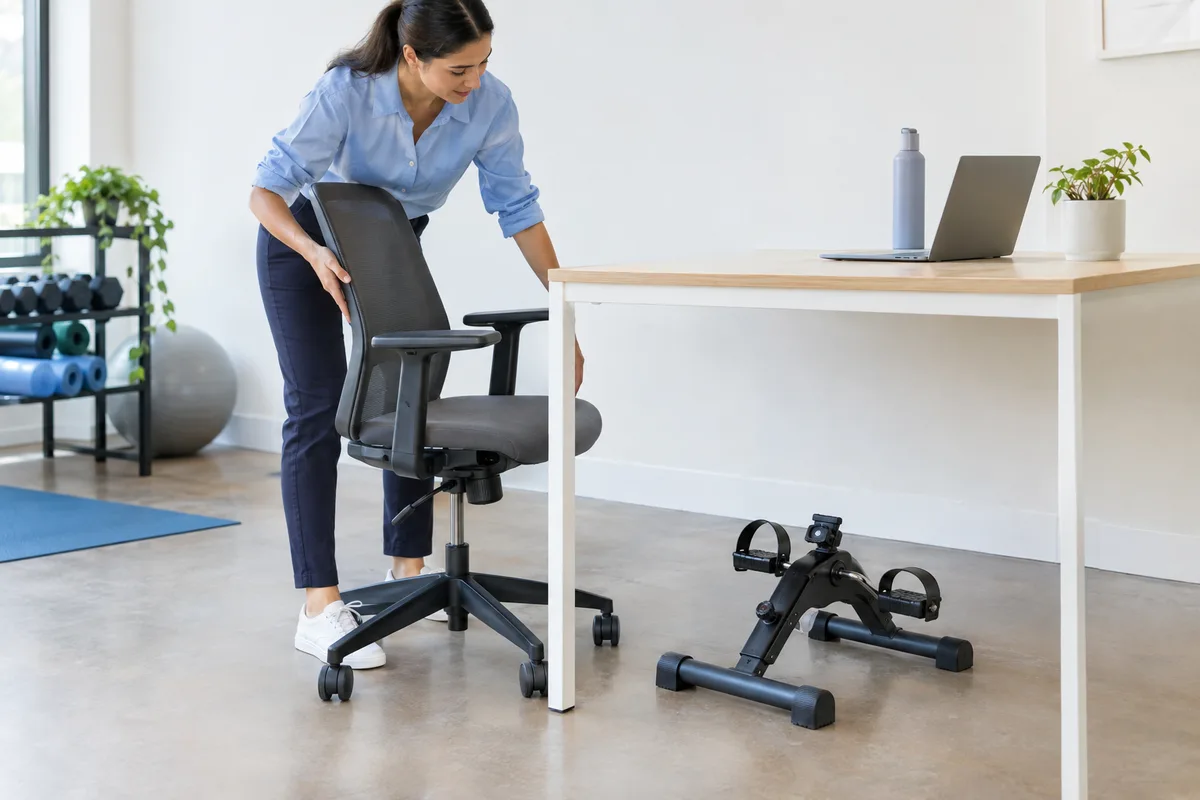
How to Choose the Best Under-Desk Bike for You
The best under-desk bike is one you can use comfortably without disrupting your work. Focus on fit, stability and useful controls rather than bold calorie-burn claims.
-
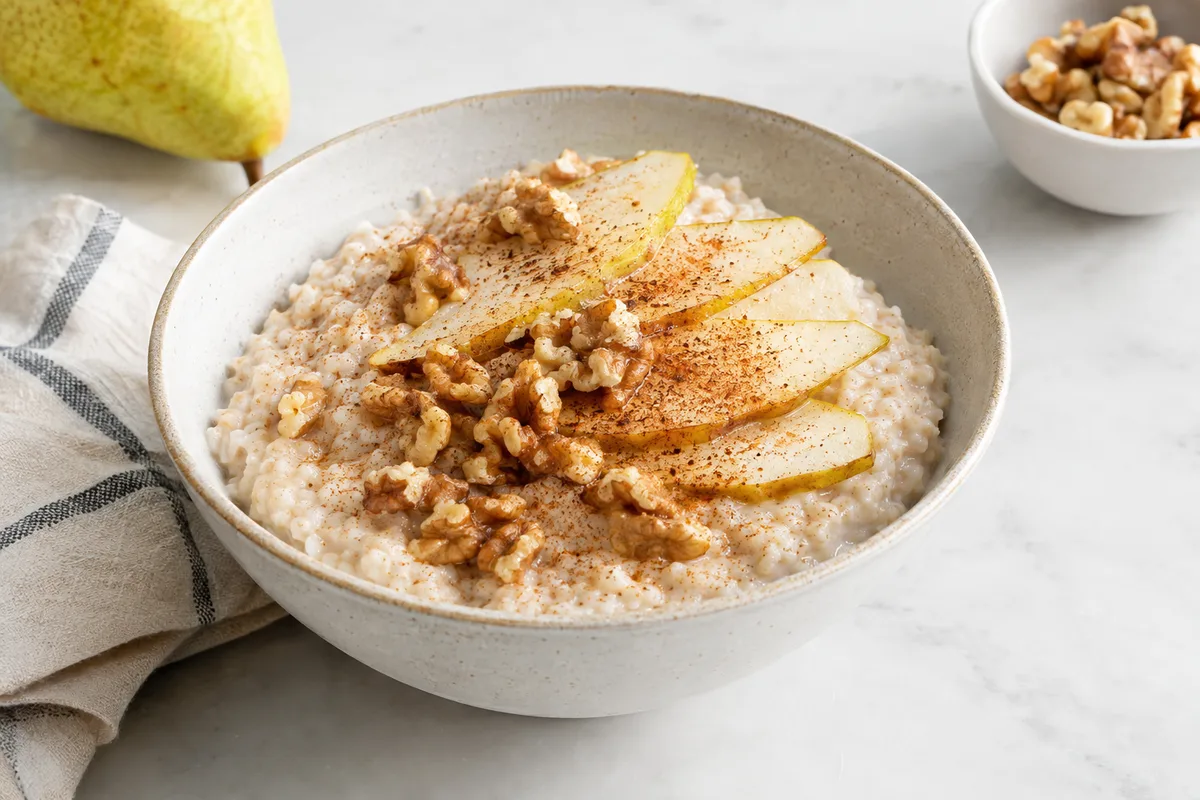
Nutmeg: Benefits, Side Effects and Ways to Use It
Nutmeg is a strongly scented spice used in both sweet and savoury cooking. It can add flavour with little effect on your food log, but large amounts are unsafe.
-
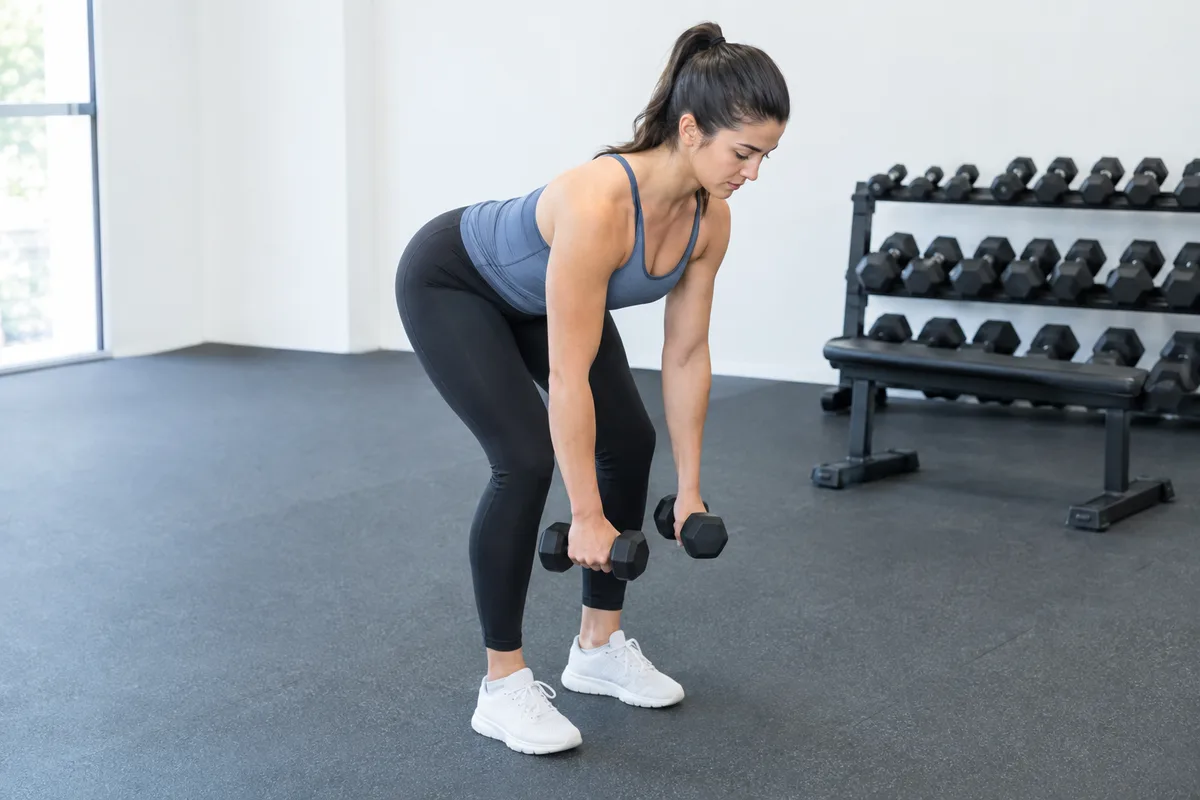
How to Perform the Reverse Fly with Good Form
The reverse fly is a strength exercise that works the muscles around your upper back and the backs of your shoulders. Good form matters more than lifting a heavier weight.
-
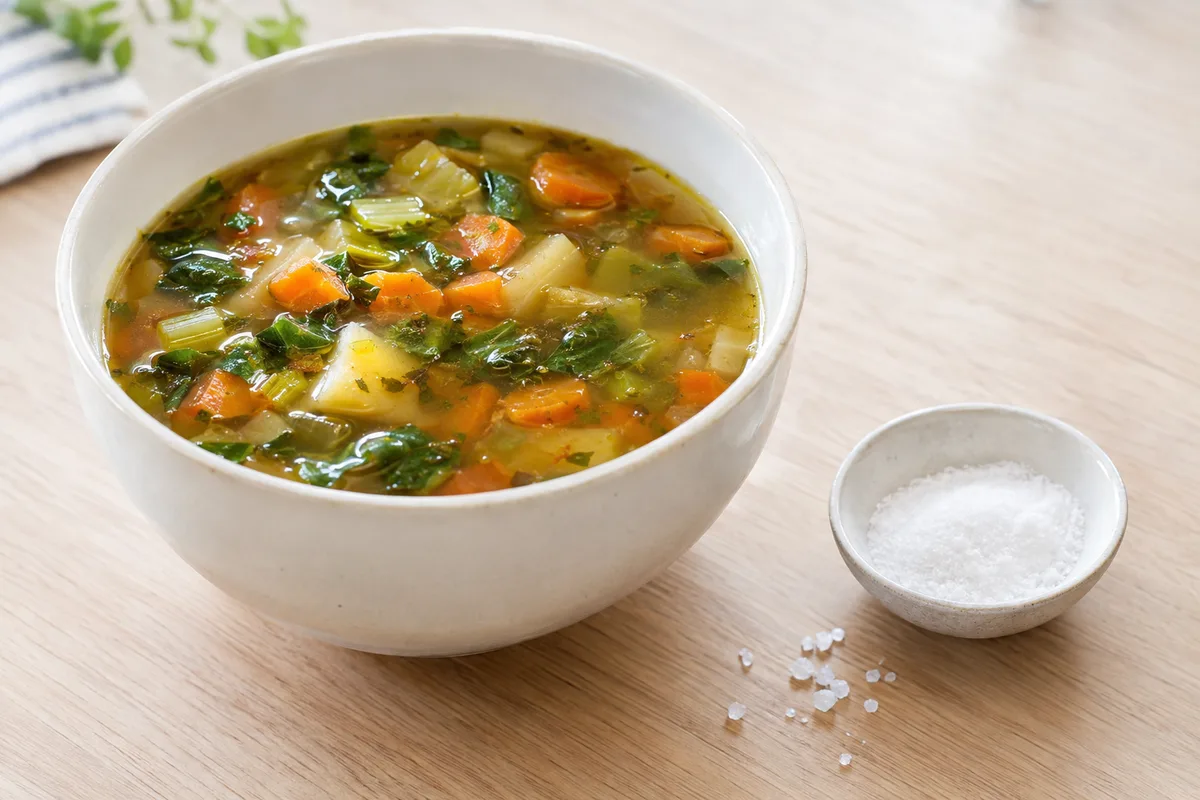
What Kind of Salt Is Healthiest?
Sea salt, rock salt and table salt may look and taste different, but they all get most of their saltiness from sodium chloride. The healthiest choice depends more on how much you use and whether you need an iodised option.
-

What a Registered Dietitian Nutritionist Might Order at Panera
There is no single Panera order that every registered dietitian nutritionist would choose. A useful order depends on appetite, preferences, dietary needs and what else you plan to eat that day.
-
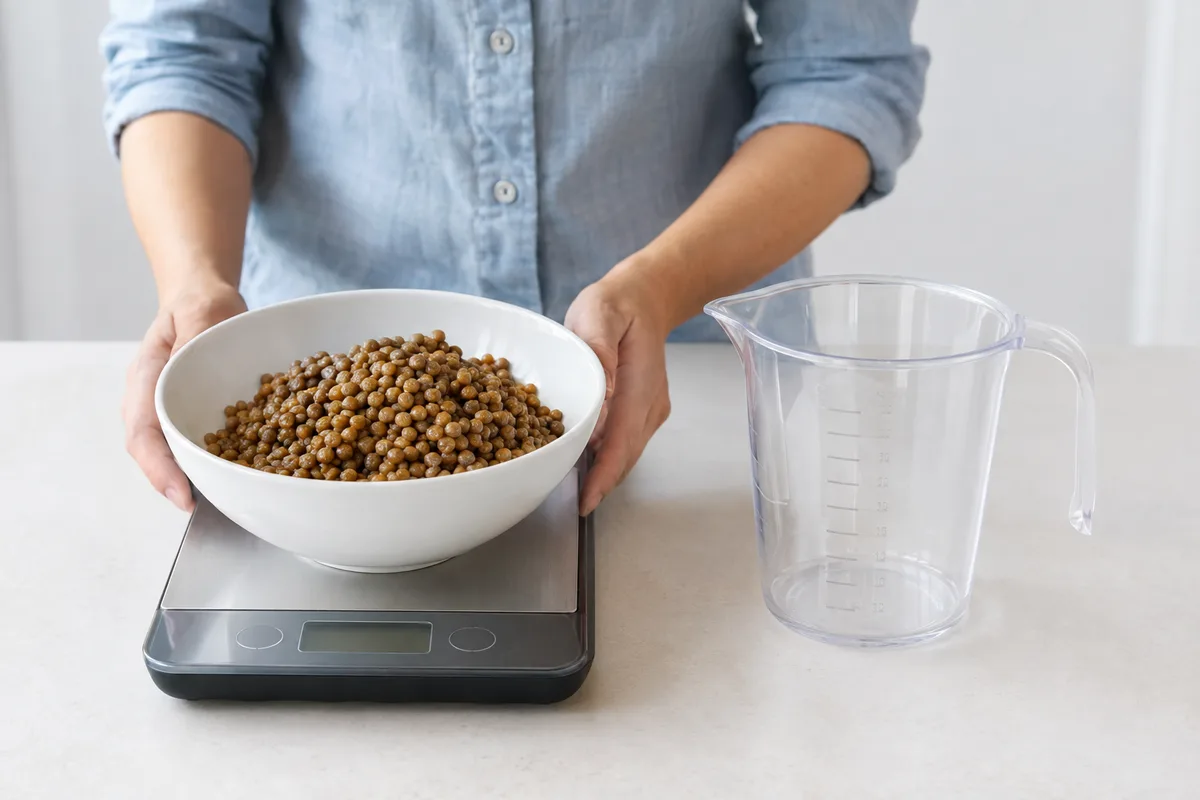
How to Chart the Protein Content of Foods
A protein chart puts the foods you eat regularly into one simple reference. Using consistent portions and reliable label data makes it genuinely useful for tracking.
-
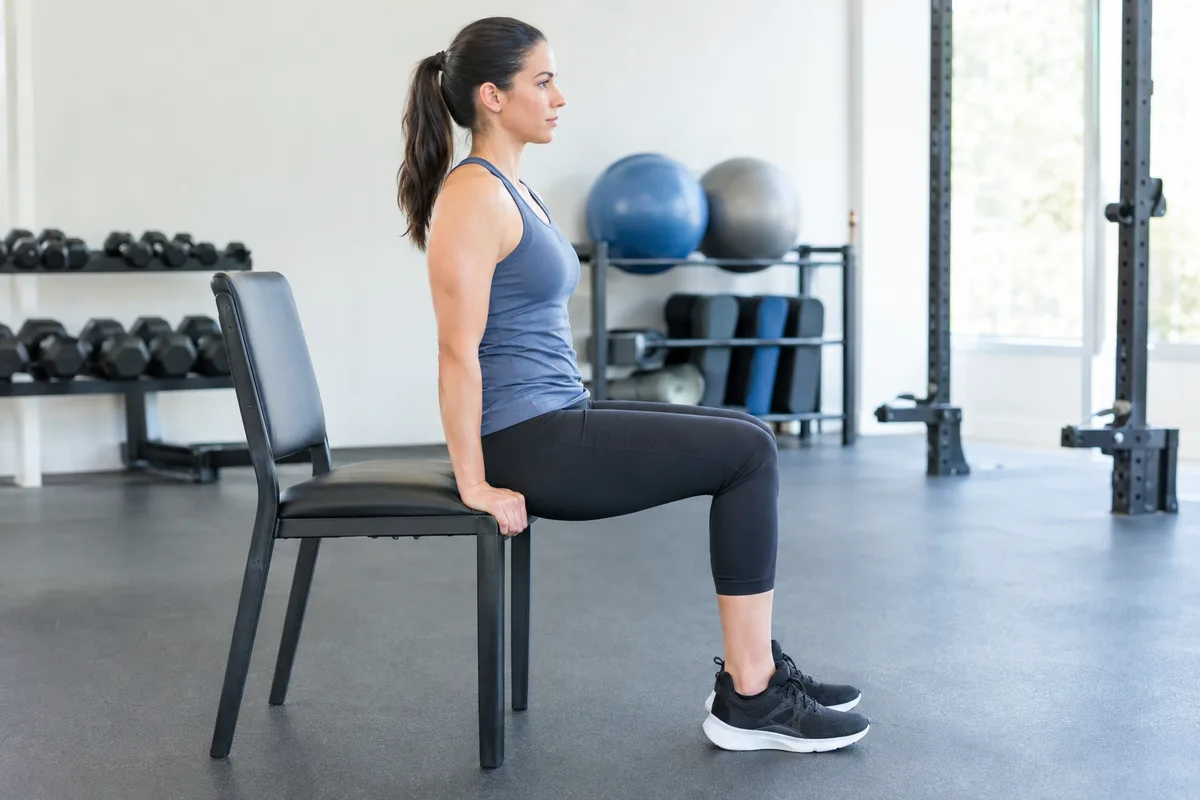
How to Do Chair Dips with Control
Chair dips use your body weight to work the triceps at the back of your upper arms. Careful positioning and a controlled range of movement matter more than completing lots of repetitions.
-
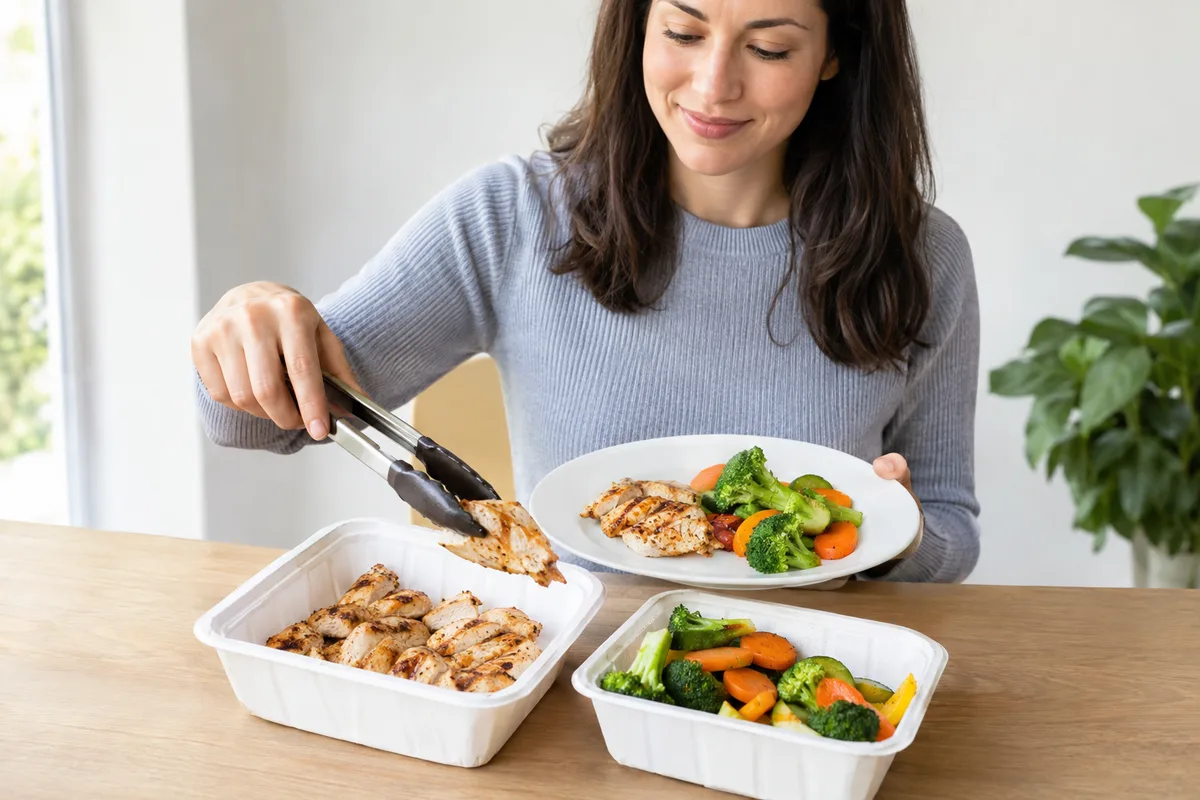
How to Choose a Balanced Order at Panda Express
A balanced Panda Express order depends on your goals, appetite and what else you eat that day. A few practical checks can help you choose without labelling foods as good or bad.
-
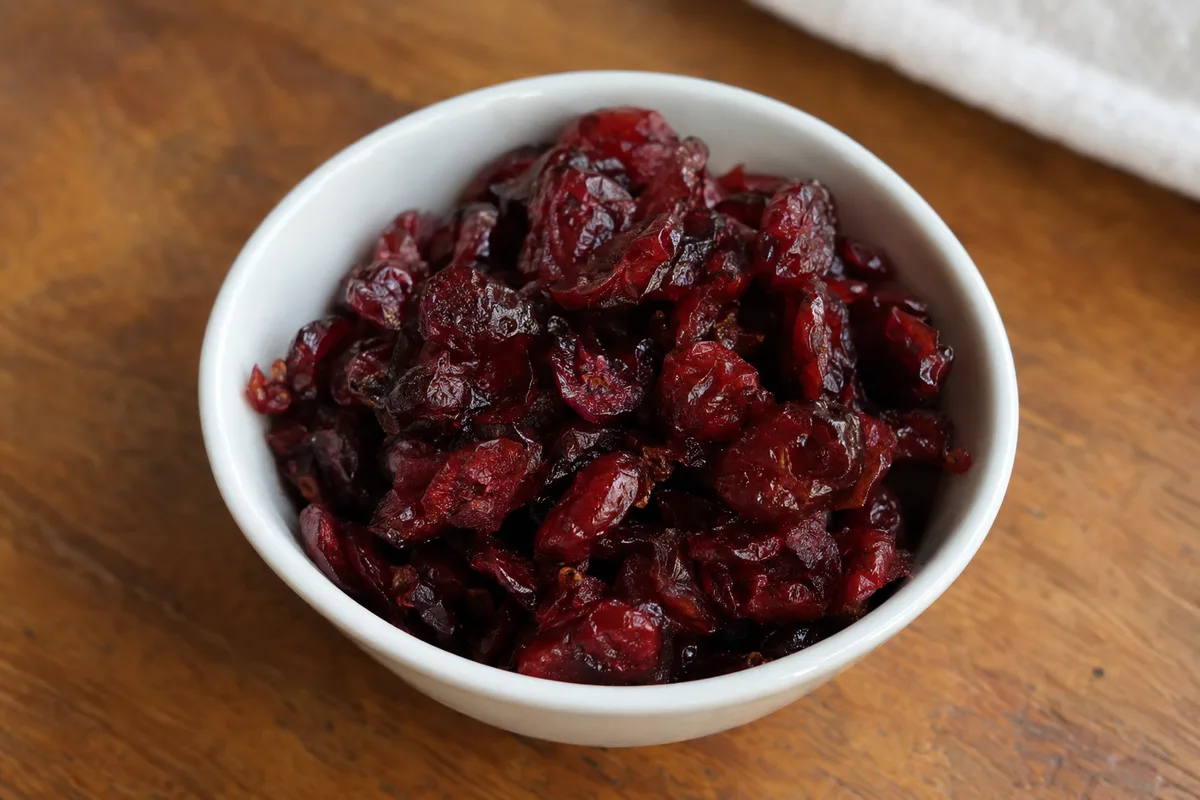
What About Craisins When You Track Your Food?
Craisins are sweetened dried cranberries, so their portion and label deserve a closer look when you log them. They can fit into your usual eating pattern without being treated as either a free food or a forbidden one.
-

A Simple Guide to When Fruit Is in Season
Fruit seasons can help you choose produce at its best for flavour and variety. Exact timings change with the weather, growing region, storage and imports.
-
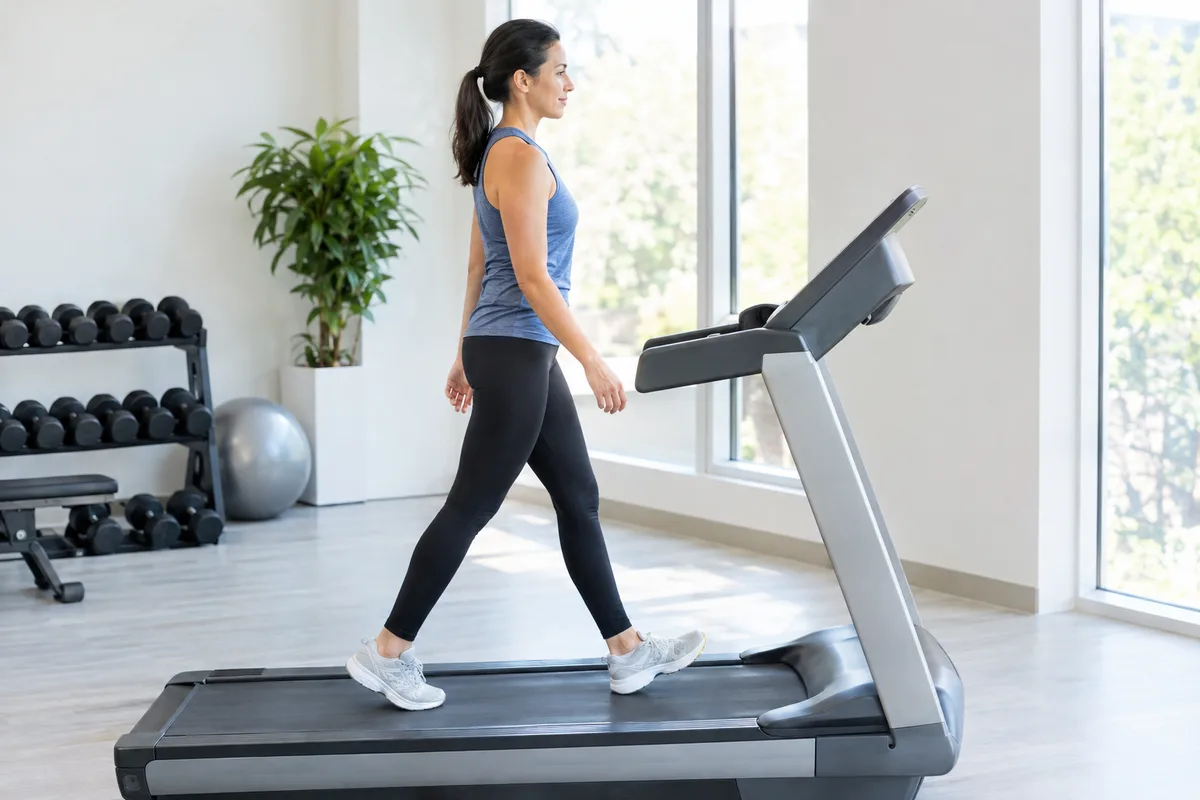
How Many Calories Do You Need to Lose Weight?
There is no single calorie target that suits everyone who wants to lose weight. A useful target starts with your usual energy needs and creates a manageable gap between what you consume and use.
-
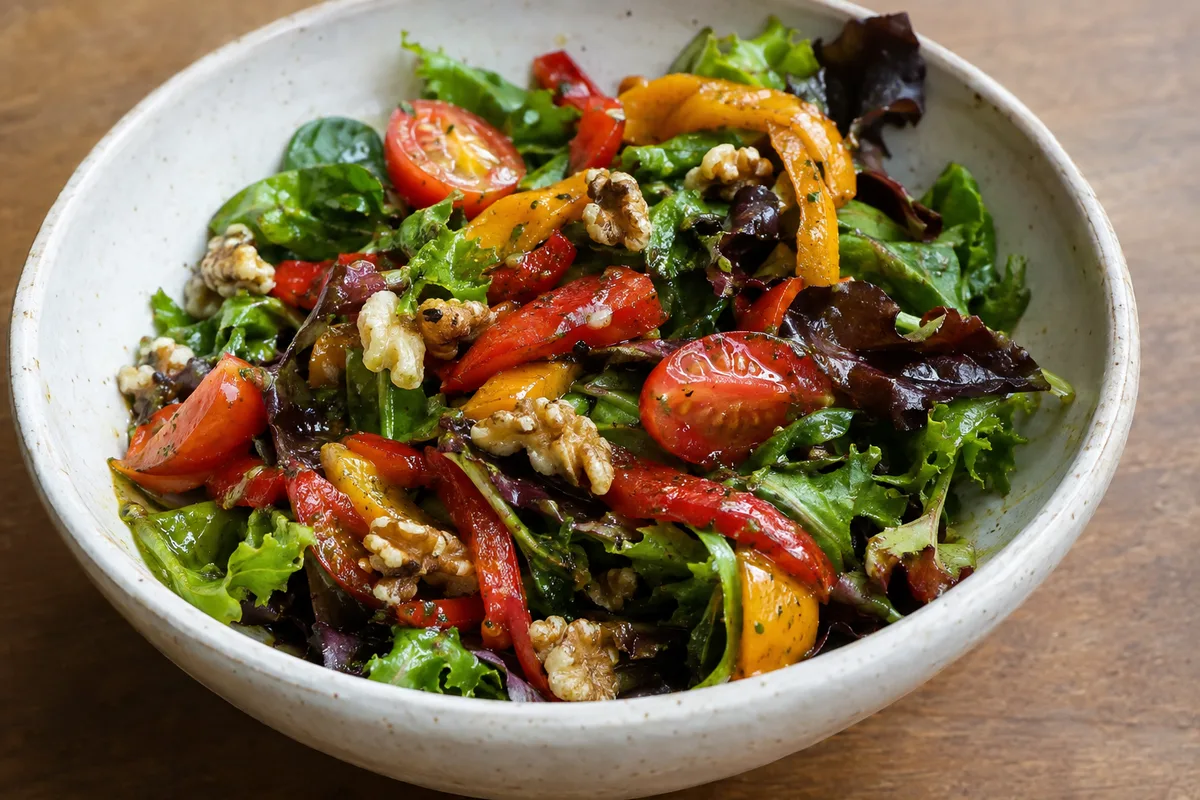
The Best Substitutes for Sherry Vinegar
Sherry vinegar has a rounded, slightly nutty sharpness, but several everyday alternatives can fill its place. The best choice depends on the dish and whether you need brightness, sweetness or depth.
-
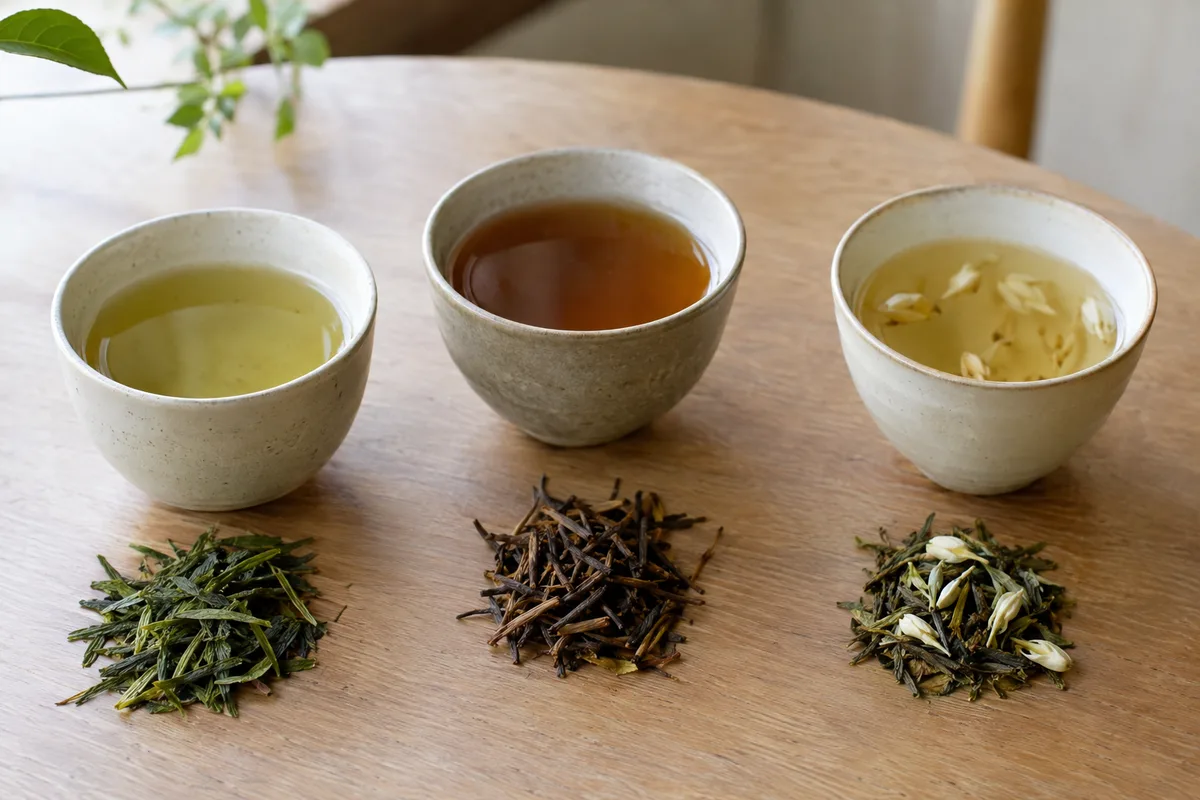
How to Choose the Best Green Tea for You
The best green tea is the one whose flavour, strength and preparation suit your routine. Understanding the main styles can help you choose without relying on bold claims or complicated labels.
-
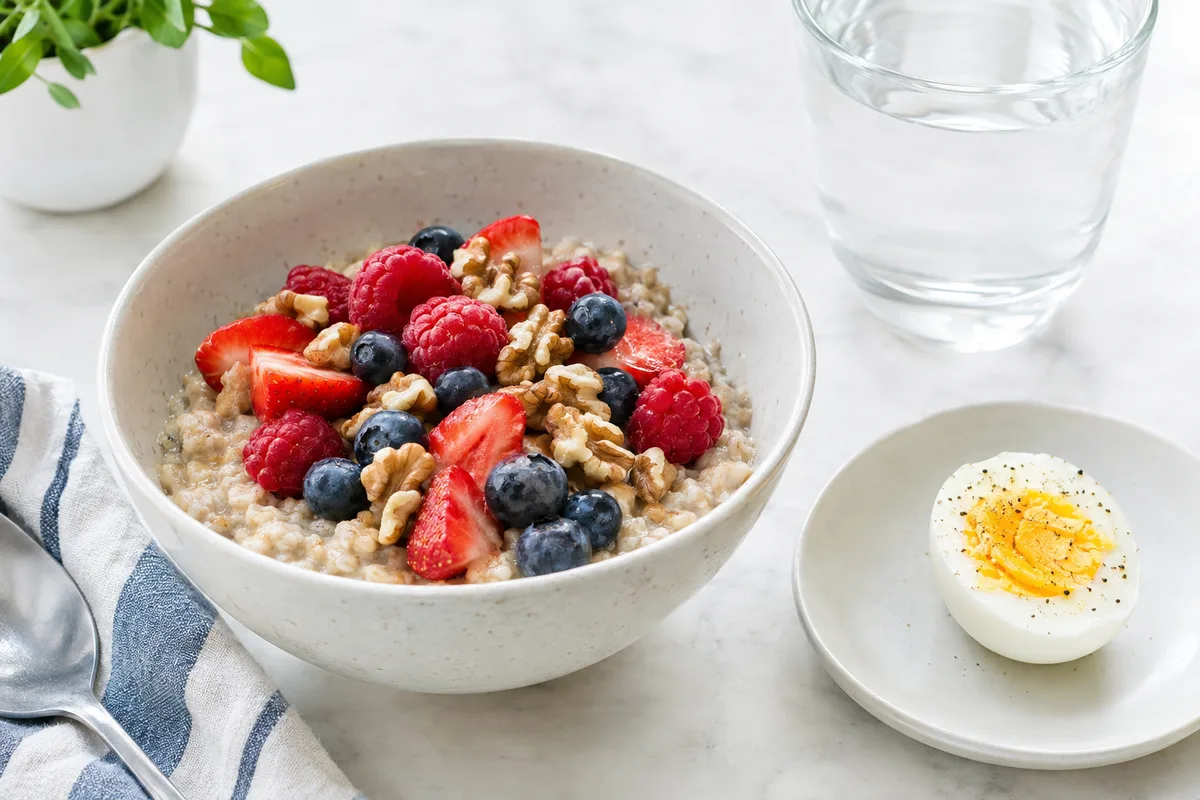
What Does a Whole Foods Diet Actually Mean?
A whole foods diet centres on foods that remain close to their original form. It is a flexible way of choosing food rather than a fixed plan with strict rules.
-
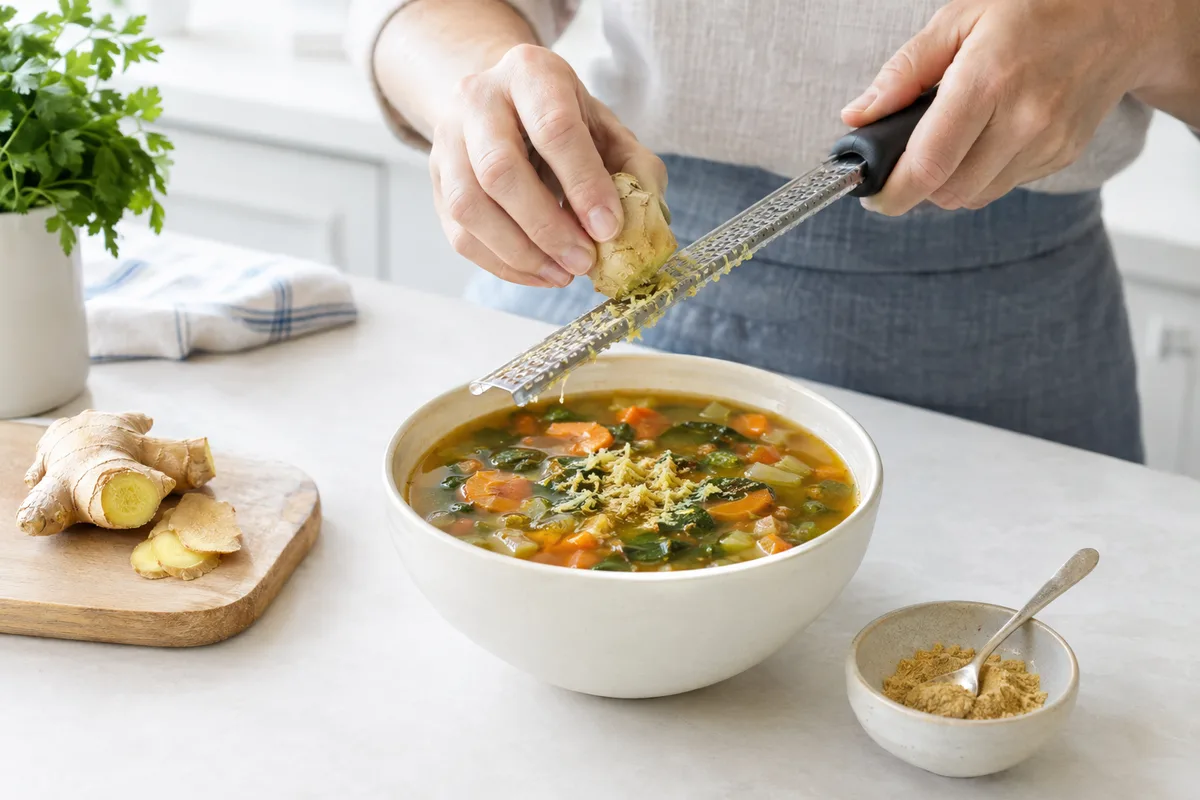
Fresh Ginger Root vs Ground Ginger: What Is the Equivalent?
Fresh and ground ginger come from the same plant, but they do not behave in the same way. A simple starting conversion helps, although the best amount depends on the dish and your preferred flavour.
-
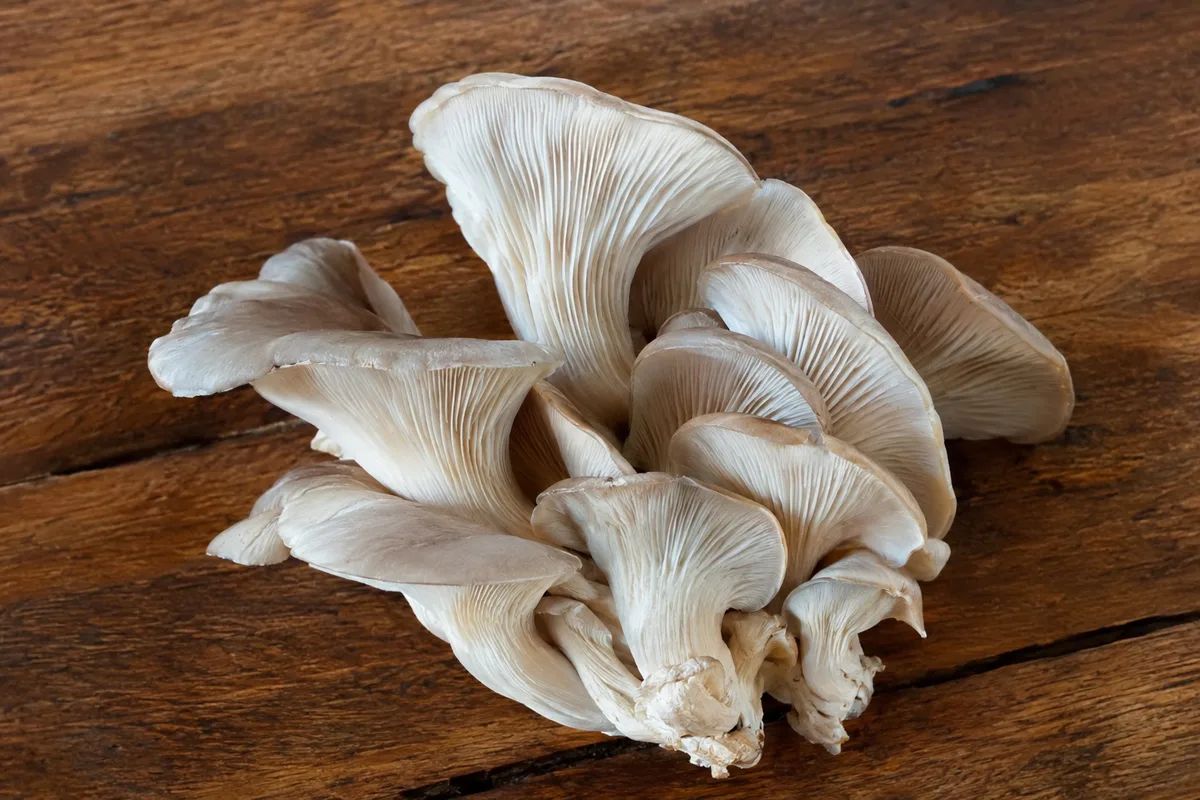
Why Oyster Mushrooms Are Worth Adding to Your Food Diary
Oyster mushrooms have a delicate savoury flavour and a texture that works in many everyday dishes. For anyone who tracks their food, they can bring variety without making meals complicated.
-
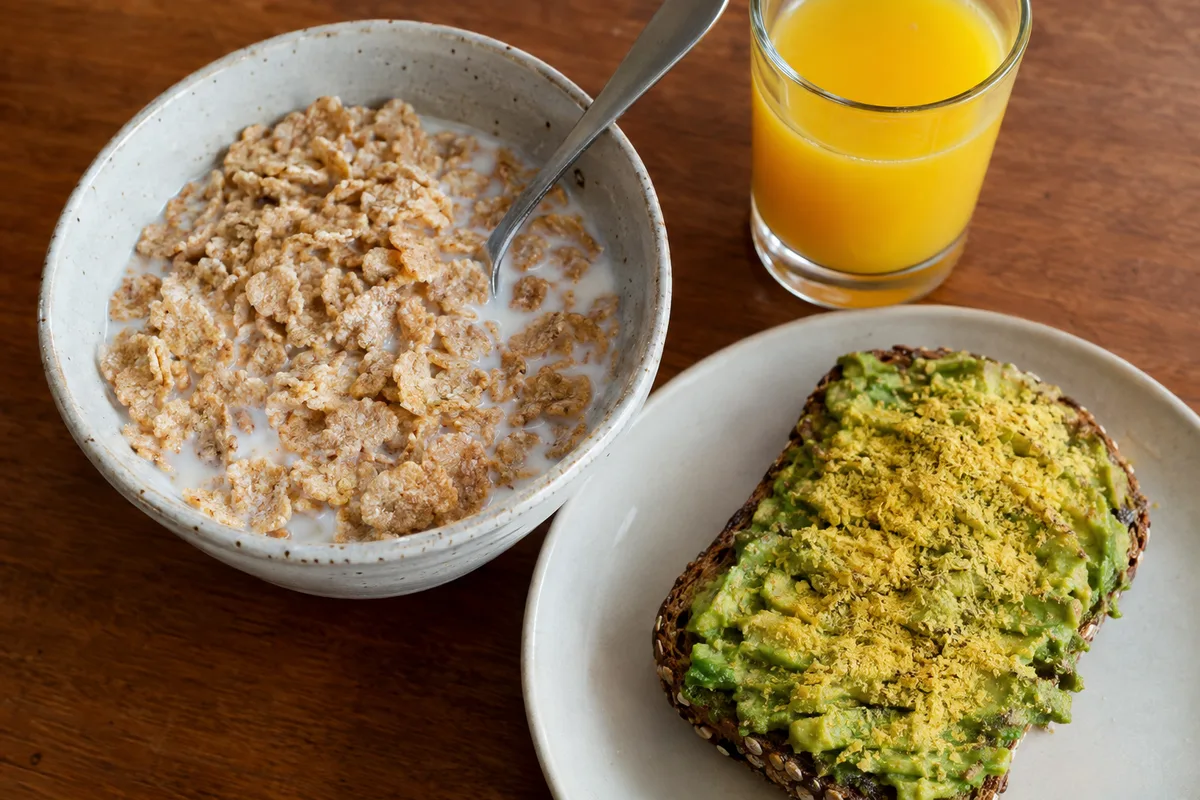
How to Choose a B12 Supplement for a Vegan or Vegetarian Diet
Vitamin B12 needs particular attention when most or all animal-derived foods are excluded. The best supplement is one that provides a reliable amount, suits your routine and follows appropriate professional guidance.
-
A Simple Guide to Hatha Yoga Poses
Hatha yoga combines steady poses, comfortable breathing and deliberate movement. It can complement food tracking by helping you notice how activity, energy and recovery fit into your routine.
-
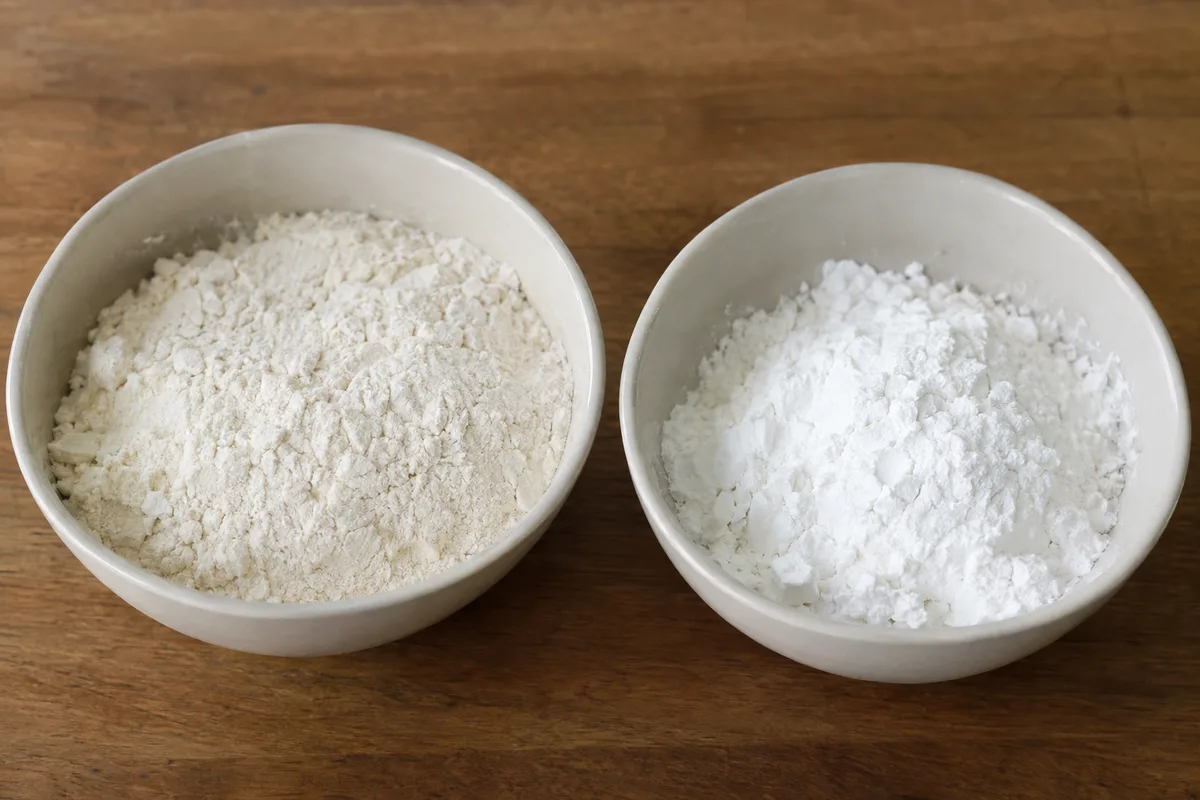
How to Use Corn Starch Instead of Flour
Corn starch can replace flour as a thickener, but you usually need less of it. The method also changes because starch should be mixed with cold liquid before it reaches the hot pan.
-
How Long Does It Take to Run a 10K?
A 10K running time depends on your pace, experience, course and conditions. Your recent training can give you a practical estimate without setting an unrealistic target.
-

The Best Calorie Counter Apps to Consider in 2025
The best calorie counter is the one that makes accurate, consistent logging feel manageable. This dietitian-informed guide compares useful options without treating any app’s estimate as a perfect measure.
-
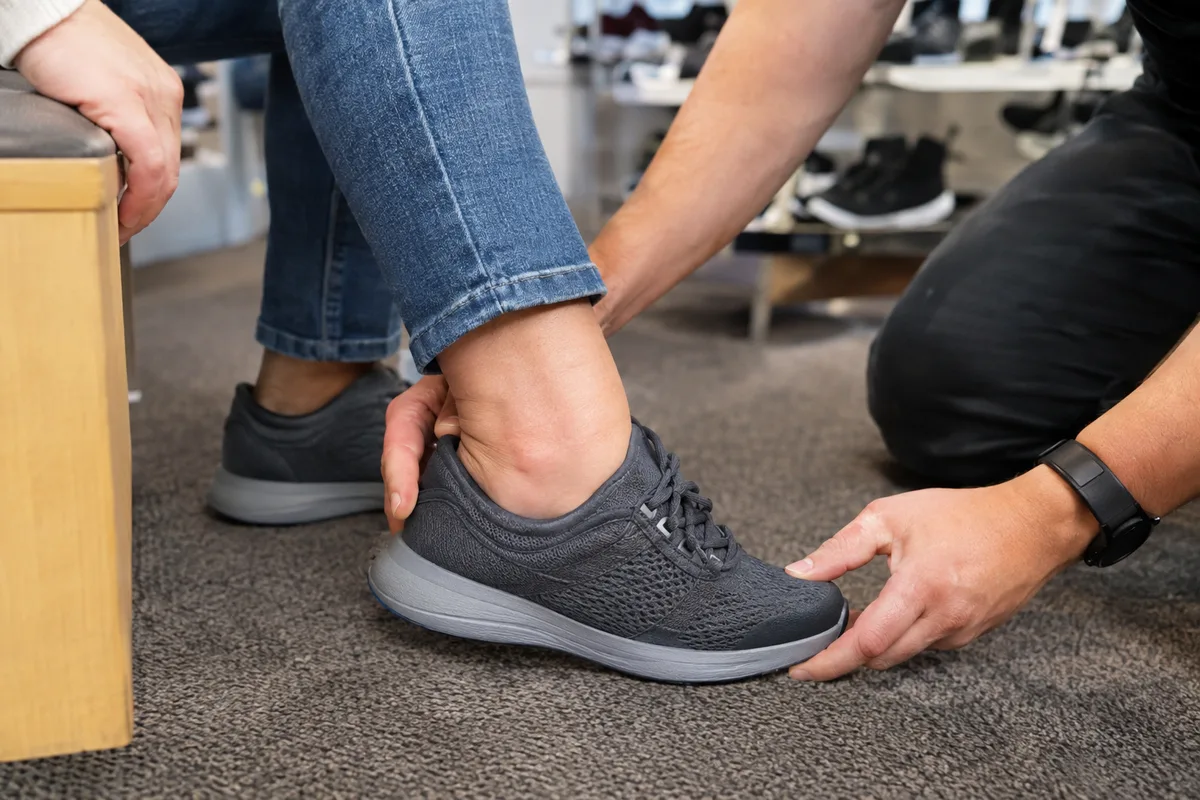
How to Choose Shoes When Your Back Hurts
There is no single best shoe for back pain because comfort, foot shape and walking style differ. The most useful pair is one that feels stable, fits properly and supports the way you move.
-
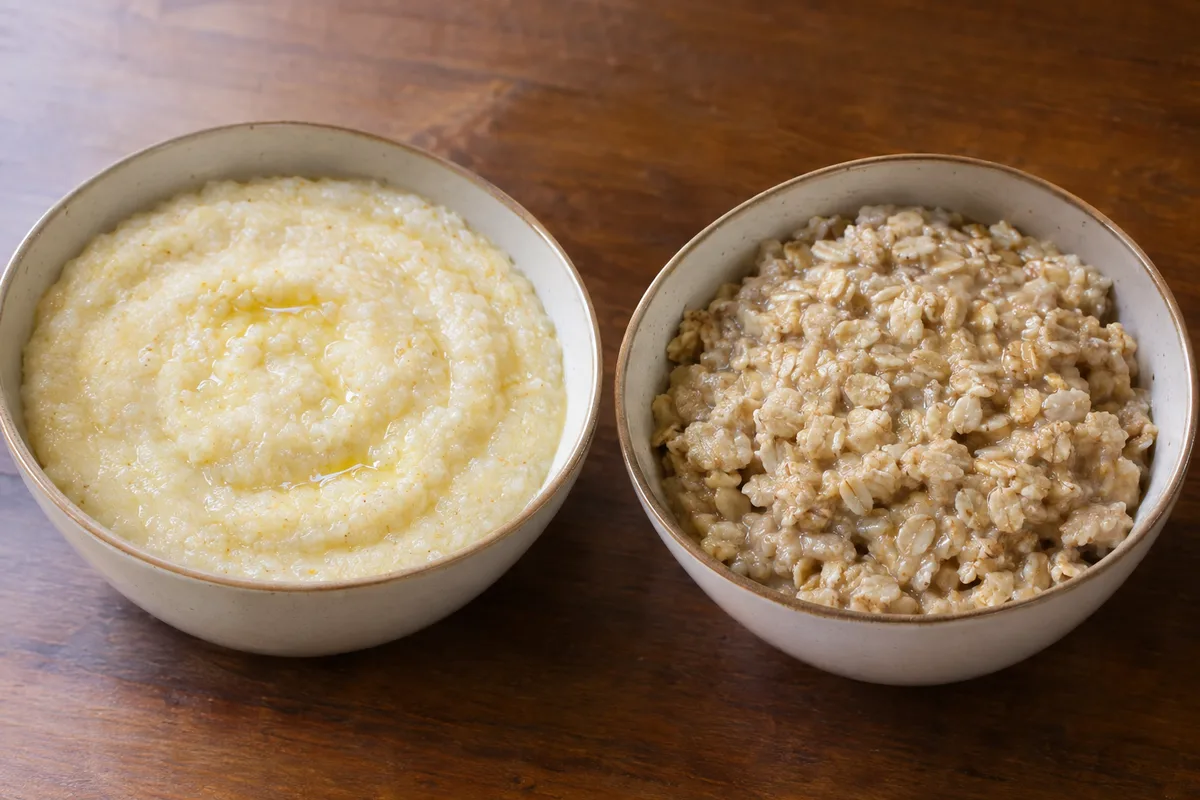
Grits vs Oatmeal: Which Breakfast Offers More?
Grits and oatmeal are both warm cereal dishes, but they come from different grains and offer different nutritional strengths. The better choice depends on the product, portion, preparation and what you eat with it.
-

How to Choose an Antibacterial Body Wash
The best antibacterial body wash is one that cleans effectively without leaving your skin feeling uncomfortable. Your choice should depend on your skin, washing habits and the product label rather than bold marketing claims.
-
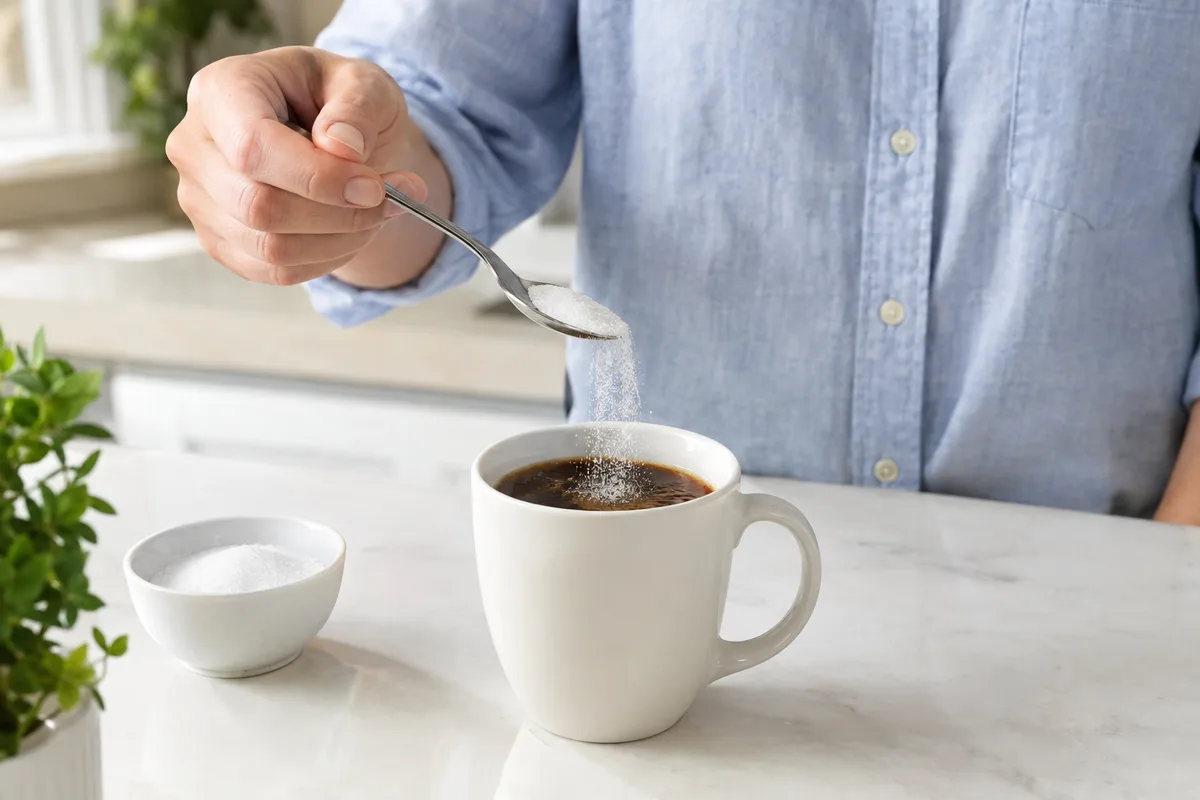
Sucralose or stevia: what is the difference?
Sucralose and stevia both add sweetness with little impact on the energy total of a typical serving. Their ingredients, flavours and behaviour in recipes are not quite the same.
-
How to Do Wrist Curls with Good Control
Wrist curls train the muscles that move and steady your wrists and forearms. The movement is small, so control matters more than using a heavy resistance.
-
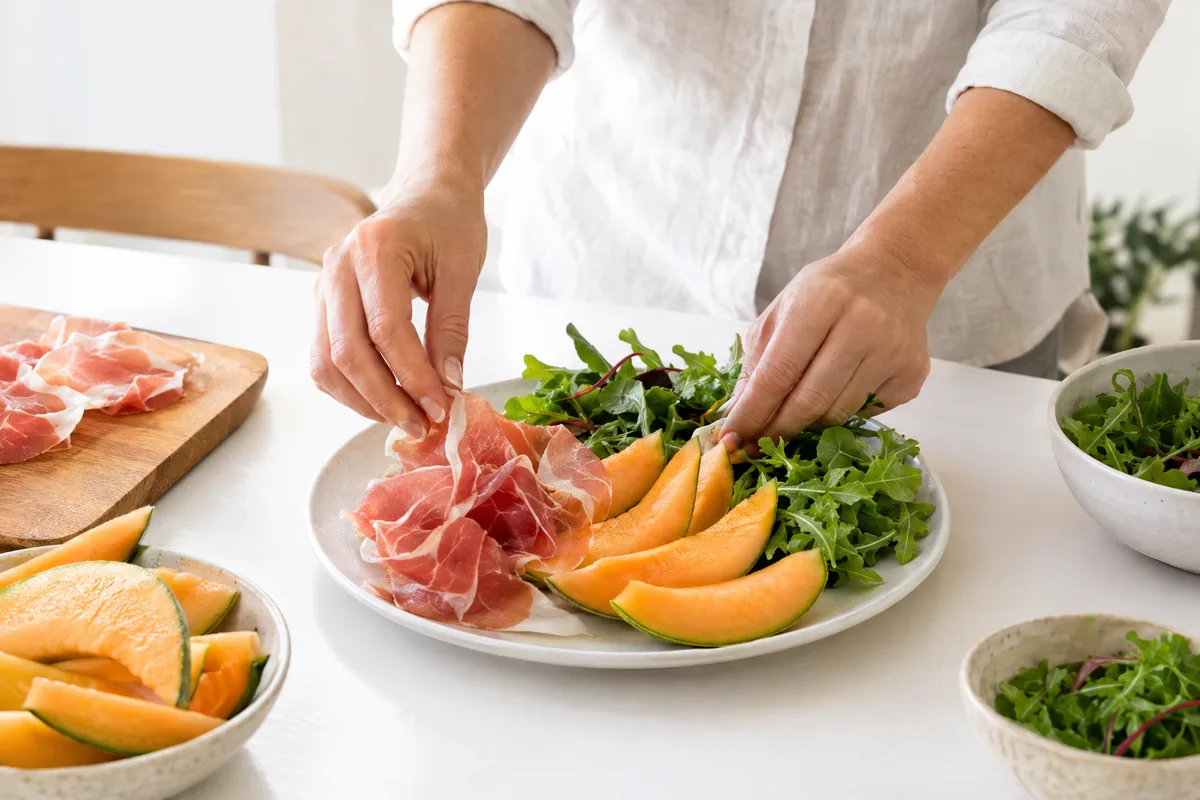
Is Prosciutto a Healthy Choice?
Prosciutto can fit into a balanced way of eating, but it is best viewed as a salty cured meat rather than an everyday protein staple. Your food log can help you judge how its protein, fat and salt fit with the rest of your day.
-
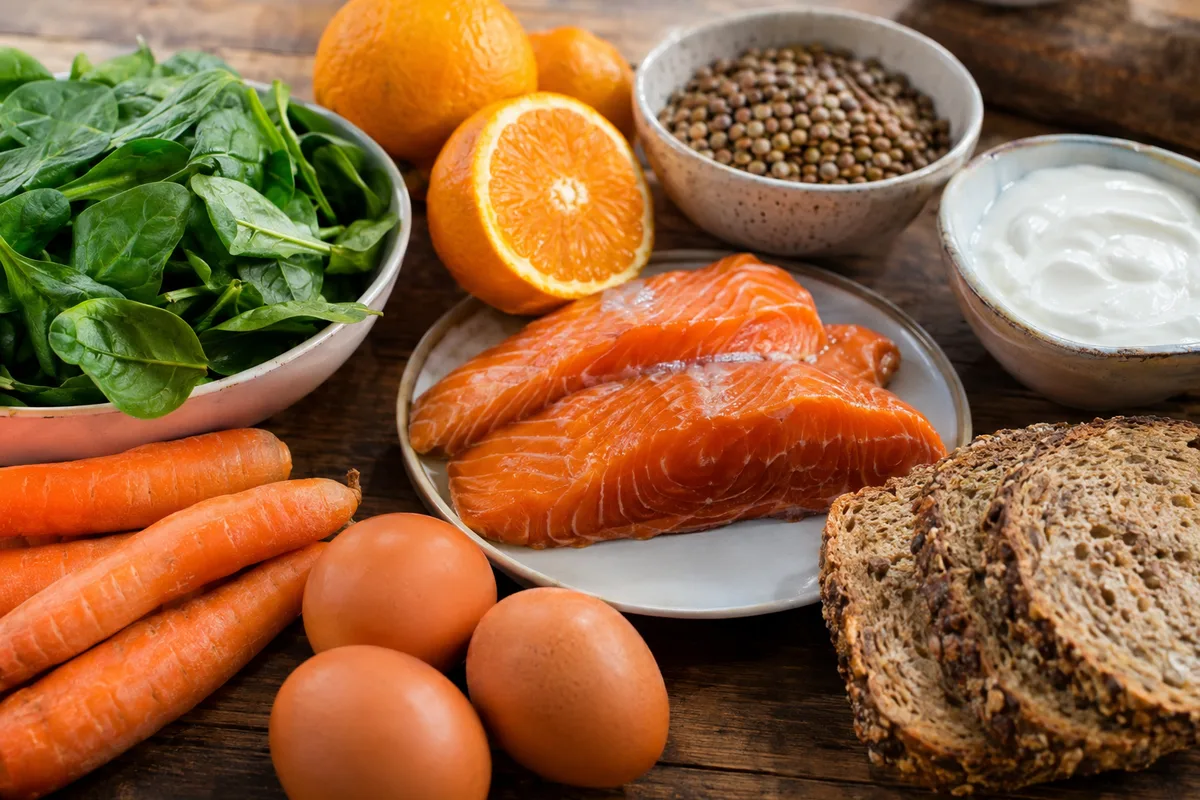
Where to Find Vitamins in Your Everyday Diet
There is no single best food or aisle for every vitamin. A varied mix of food groups is usually the most practical place to start.
-
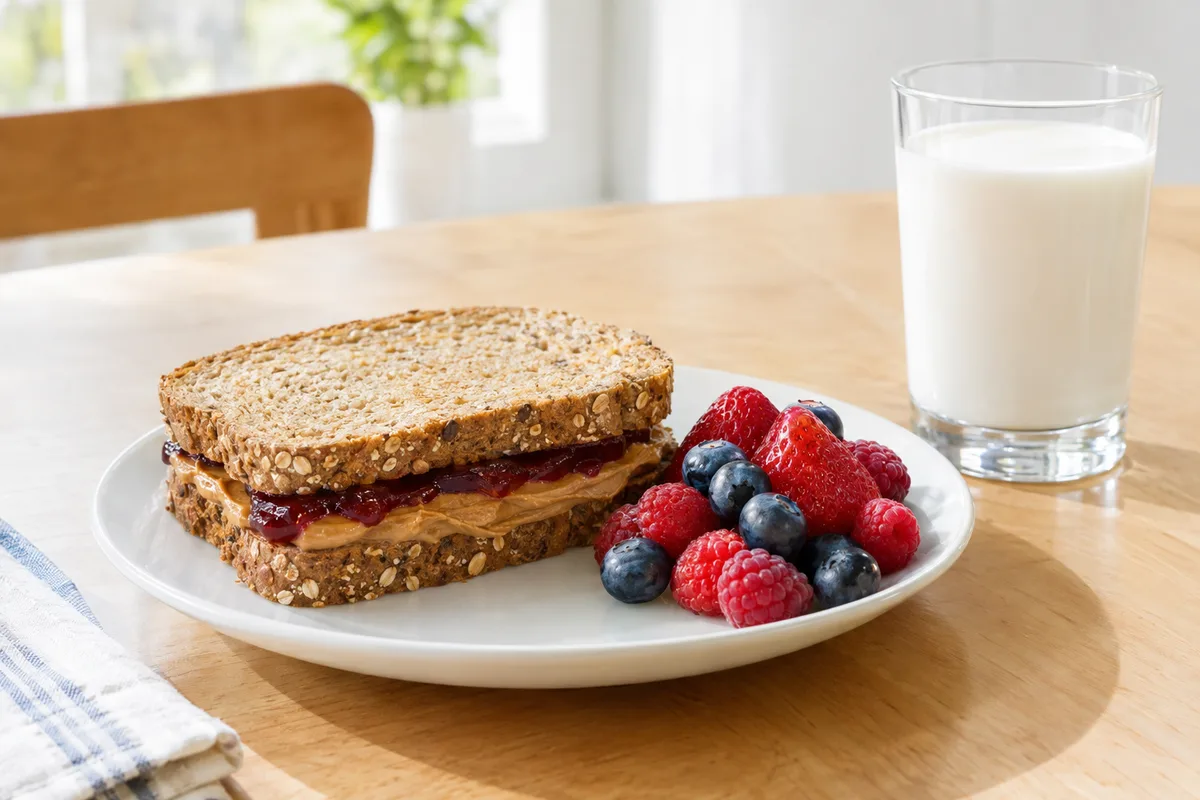
Is Peanut Butter and Jelly a Healthy Choice?
A peanut butter and jelly sandwich is not automatically healthy or unhealthy. Its value depends on the ingredients, the amount you use and how it fits into your day.
-
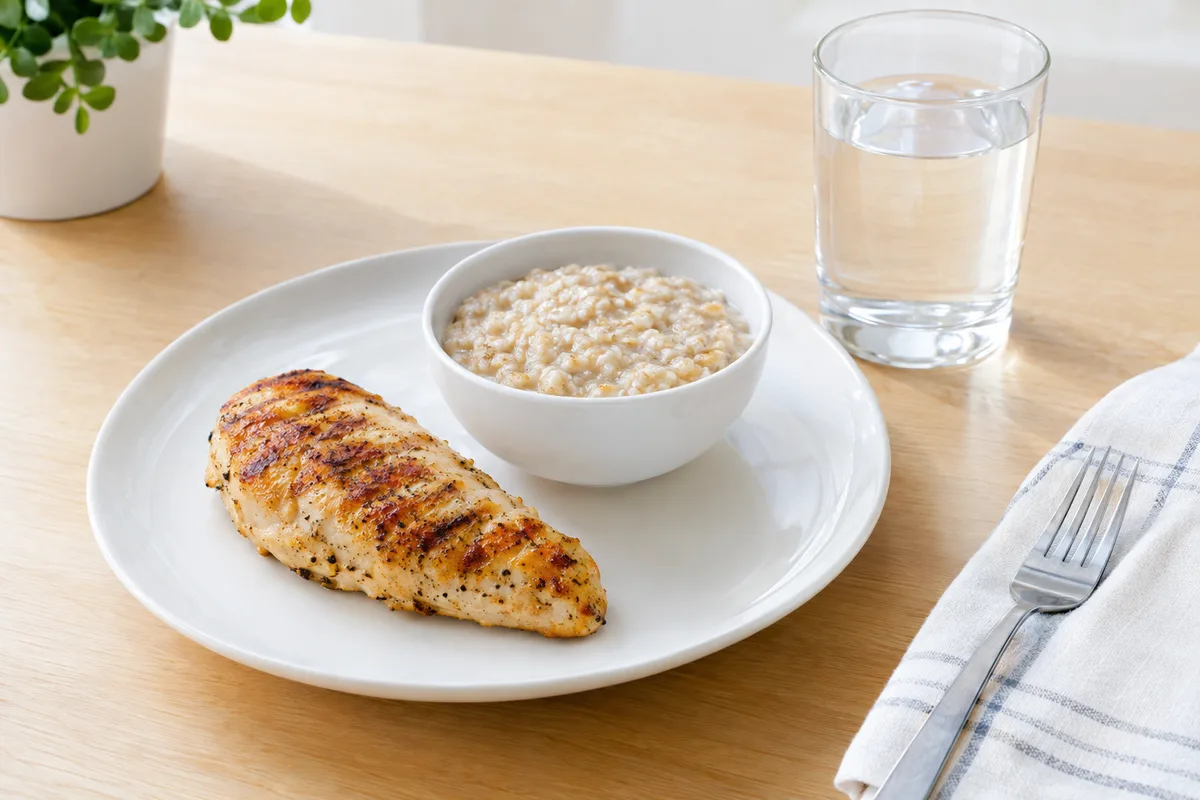
The Dukan Diet: What Food Trackers Should Know
The Dukan Diet is a structured, high-protein eating plan built around lists of permitted foods. Its strict phases may simplify choices, but they can also make balanced eating and social occasions harder.
-

Manzanilla Tea: Possible Benefits and Side Effects
Manzanilla is the Spanish name commonly used for chamomile, a flower brewed as a herbal tea. It can be a calming part of your routine, but its effects vary and it may not suit everyone.
-
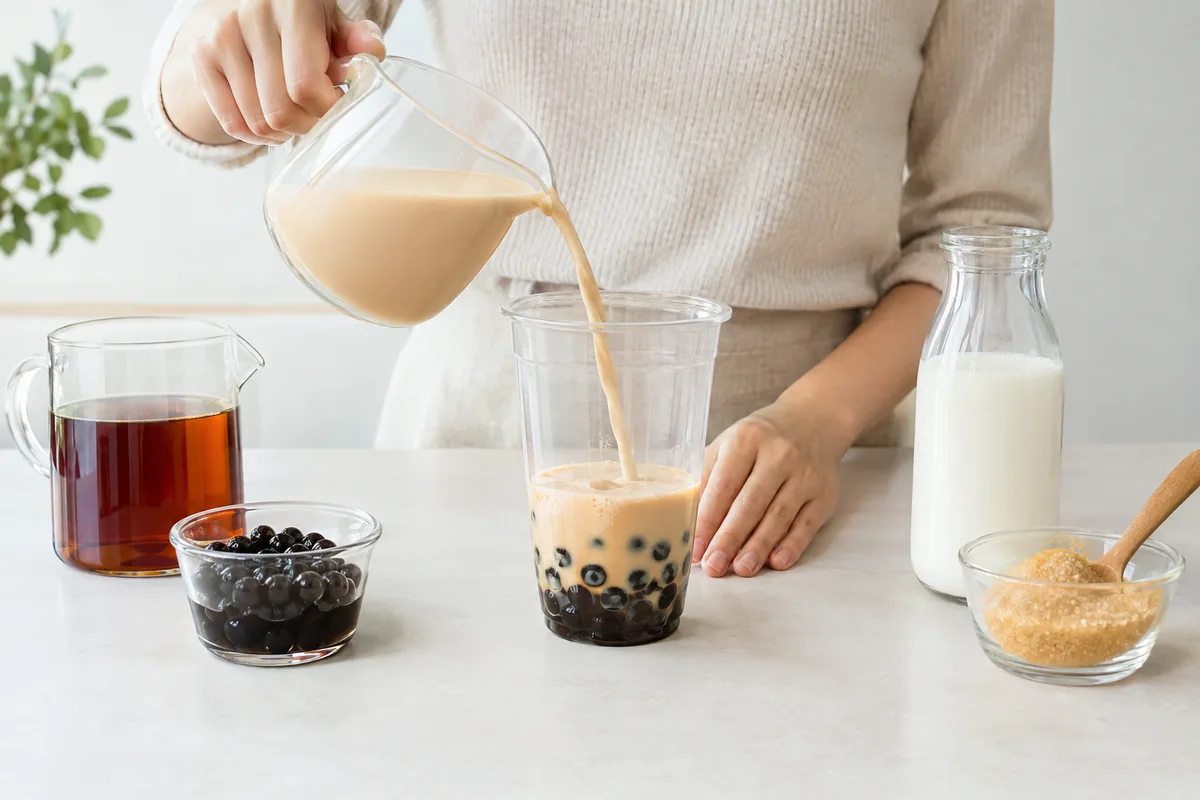
Is boba healthy? A practical way to judge your drink
Boba is not simply healthy or unhealthy because recipes and serving sizes differ. Looking at each part of the drink will help you log it more accurately.
-
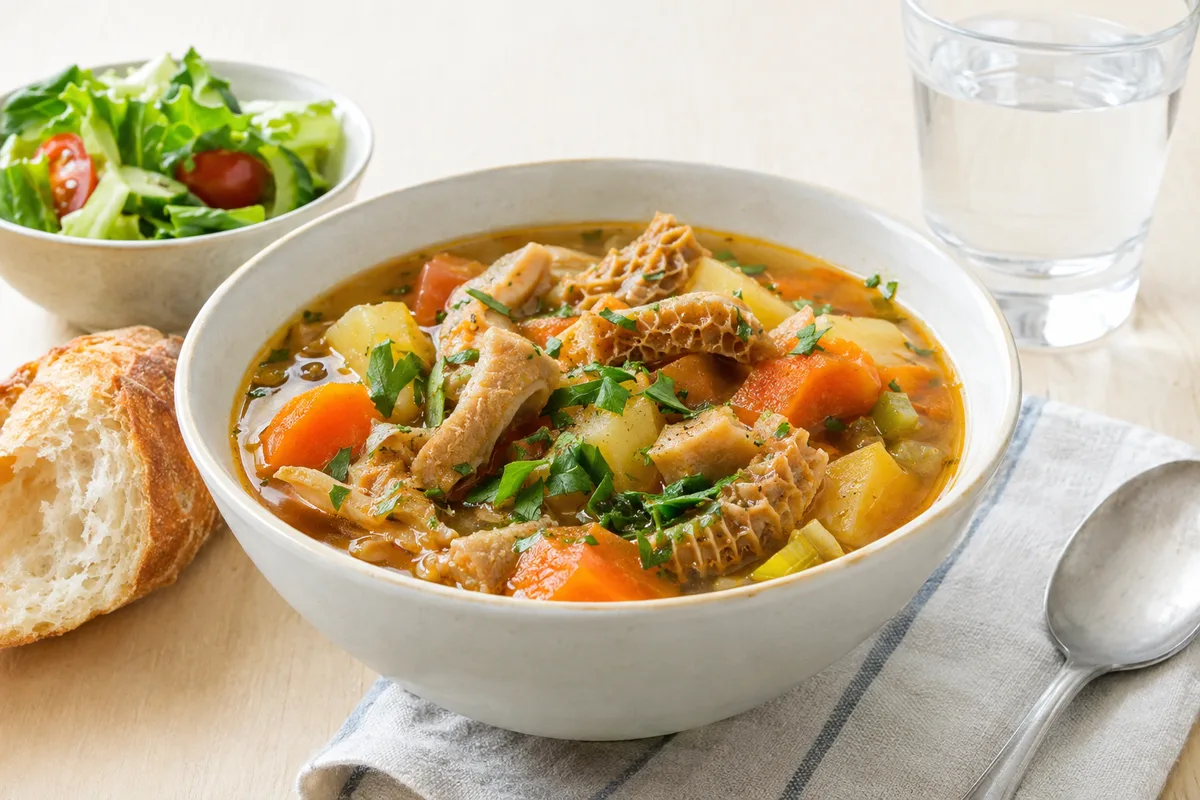
Is Tripe Good for You? A Practical Guide
Tripe is the edible stomach lining of animals, most commonly cattle, and it is used in many traditional dishes. It can fit into a balanced diet when you consider how it is cooked and what accompanies it.
-
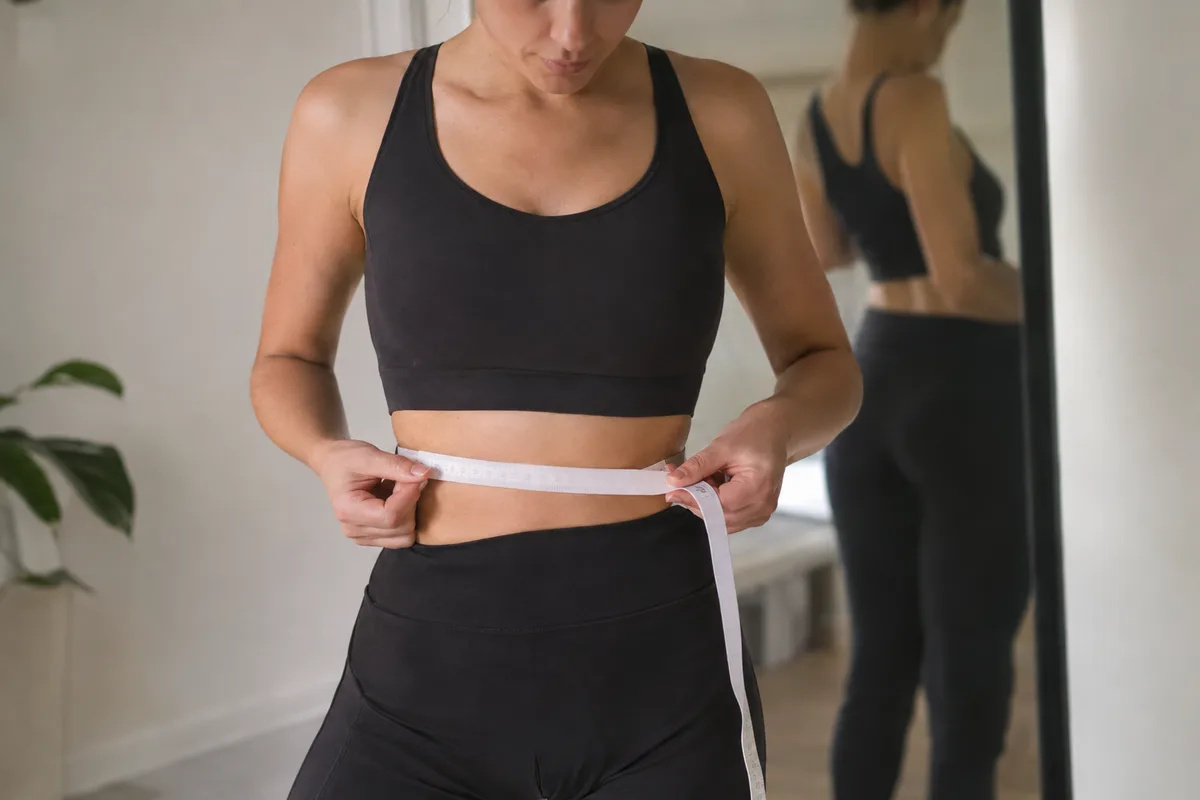
How to Take Body Measurements Consistently
Body measurements can add useful context to your food and activity log. A simple, repeatable method matters more than chasing a particular number.
-

What Diet Sodas Mean for Your Food Diary
Diet sodas replace most or all added sugar with low-calorie sweeteners while keeping a sweet, fizzy taste. Their labels can still vary, so tracking starts with checking the specific drink.
-

Can Wine Fit Into Your Diet?
You do not necessarily have to stop drinking wine because you are dieting. The useful question is whether it fits your goals, preferences and usual eating pattern.
-
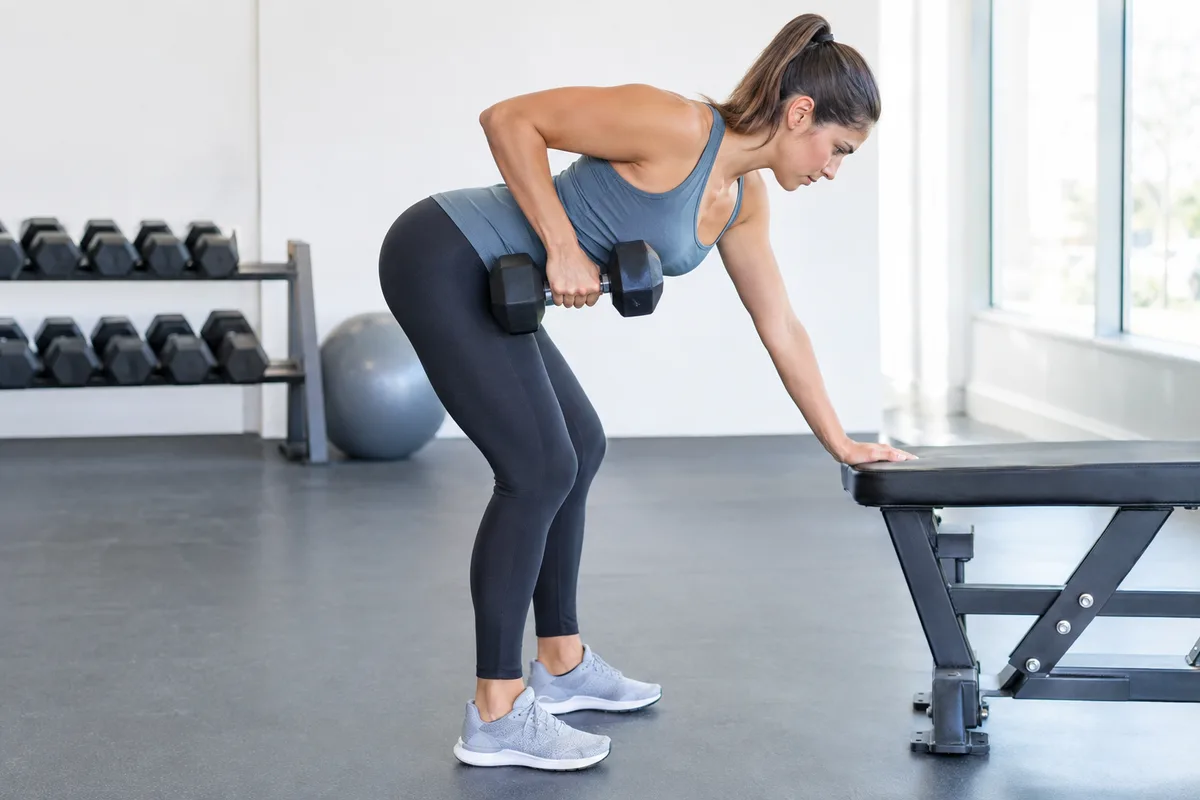
Back and Shoulder Exercises for a Strong, Balanced Routine
Your back and shoulders do the pulling, the reaching and a lot of the posture work. You do not need a long list of exercises. Four patterns cover the area.
-
How to Choose Walking Sandals That Work for You
The best walking sandals are the ones that feel secure, comfortable and appropriate for where you walk. Your foot shape, route and pace matter more than a particular brand or style.
-
How Much Weight Can You Lose by Walking Two Miles?
Walking two miles uses energy, but it does not translate into a fixed amount of weight loss. Your overall energy balance and how regularly you walk matter more than one outing.
-
Pigeon Pose: A Clear Guide to Eka Pada Rajakapotasana
Pigeon Pose is a floor-based yoga position that combines a hip stretch with support from the arms and back leg. Its shape can be adjusted to suit your current comfort and mobility.
-
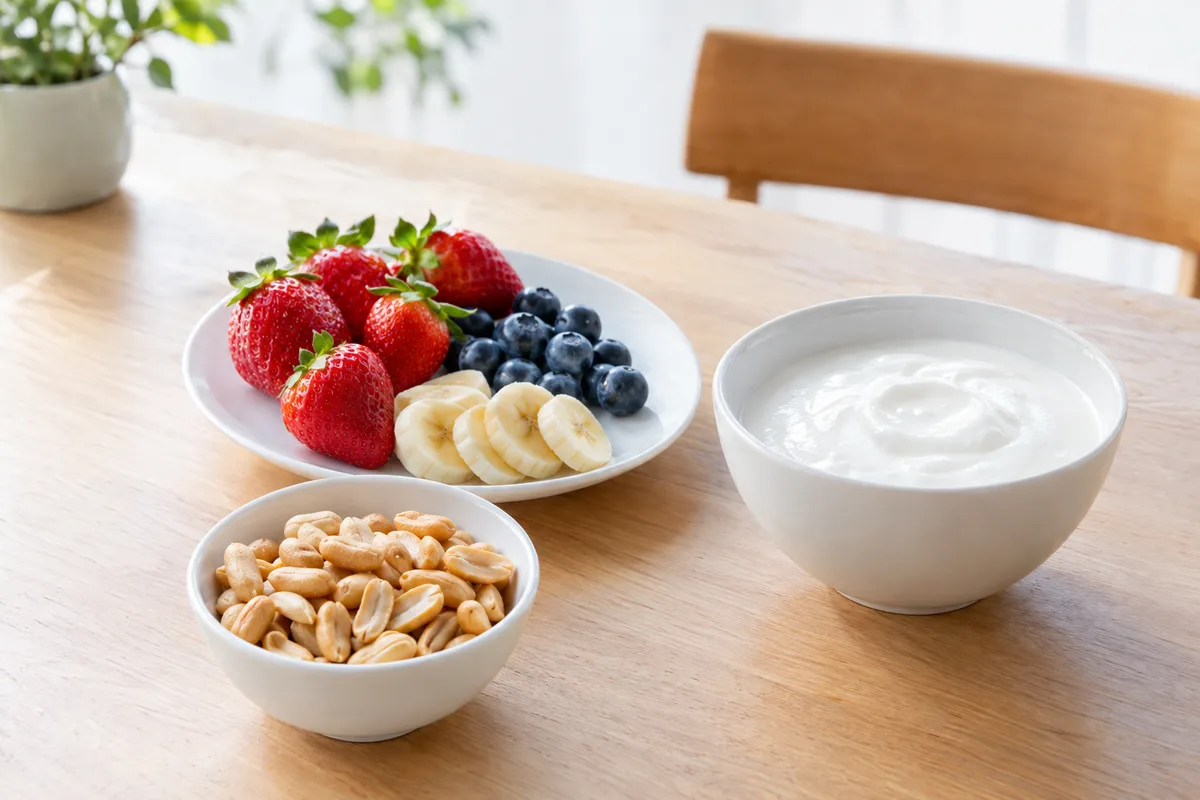
How Peanuts and Peanut Butter Can Support Your Diet
Peanuts and peanut butter are satisfying, versatile foods with useful nutrients. The key is to track portions accurately and choose the form that suits your overall diet.
-

How many calories does running burn?
There is no single calorie figure for every run because energy use varies from one person and session to another. The most useful approach is to estimate consistently and treat the result as part of your wider food and activity log.
-
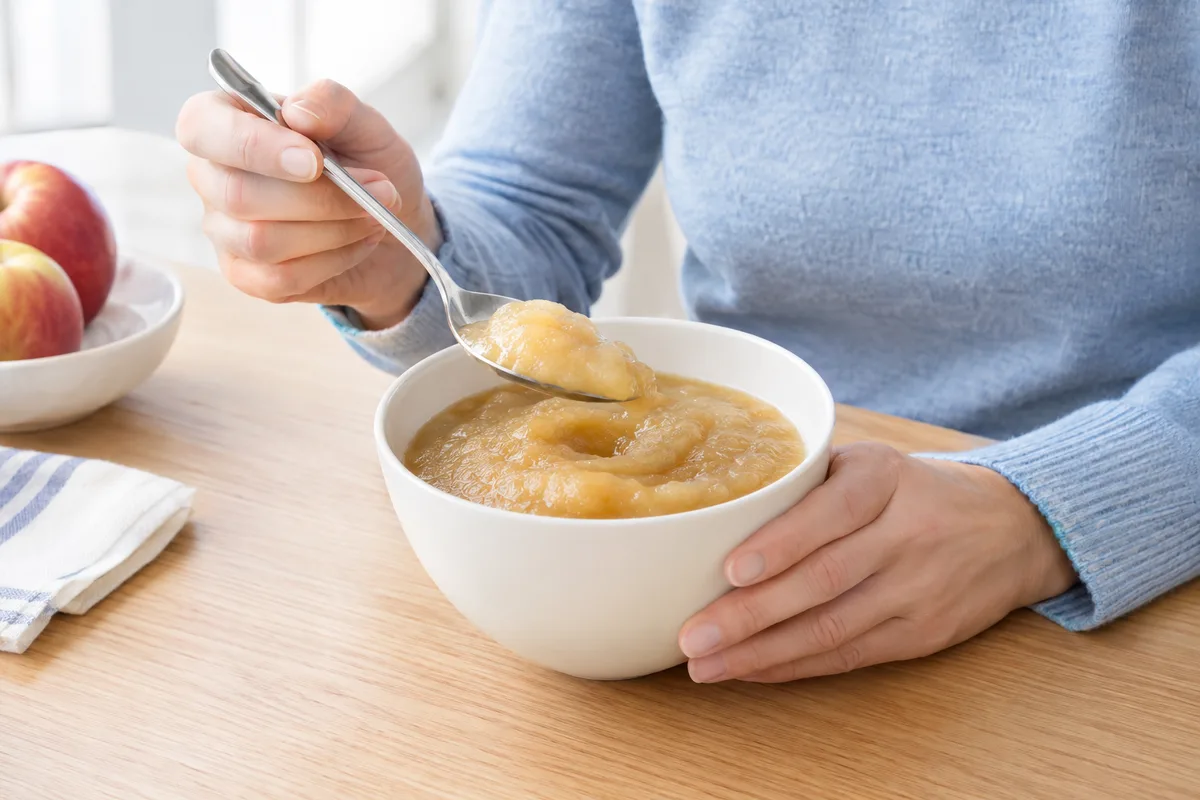
What Applesauce Can Add to Your Food Diary
Applesauce can be a convenient way to include fruit in your day. Its benefits vary with the recipe, processing method and portion you record.
-
How to Do an Abdominal Crunch with Good Form
A well-performed abdominal crunch is a small, controlled movement rather than a full sit-up. The aim is to use your abdominal muscles while keeping your neck, shoulders and lower back comfortable.
-
A Beginner’s Guide to Sets, Repetitions and Rest Intervals
Strength-training plans can look complicated until you understand three basic terms: repetitions, sets and rest intervals. Here is how to use them without turning every workout into a maths exercise.
-

How to Choose the Best Bombas Socks for Your Routine
The best Bombas socks depend on your activity, footwear and preferred level of cushioning. Focus on fit and function rather than assuming one style will suit every part of your routine.
-
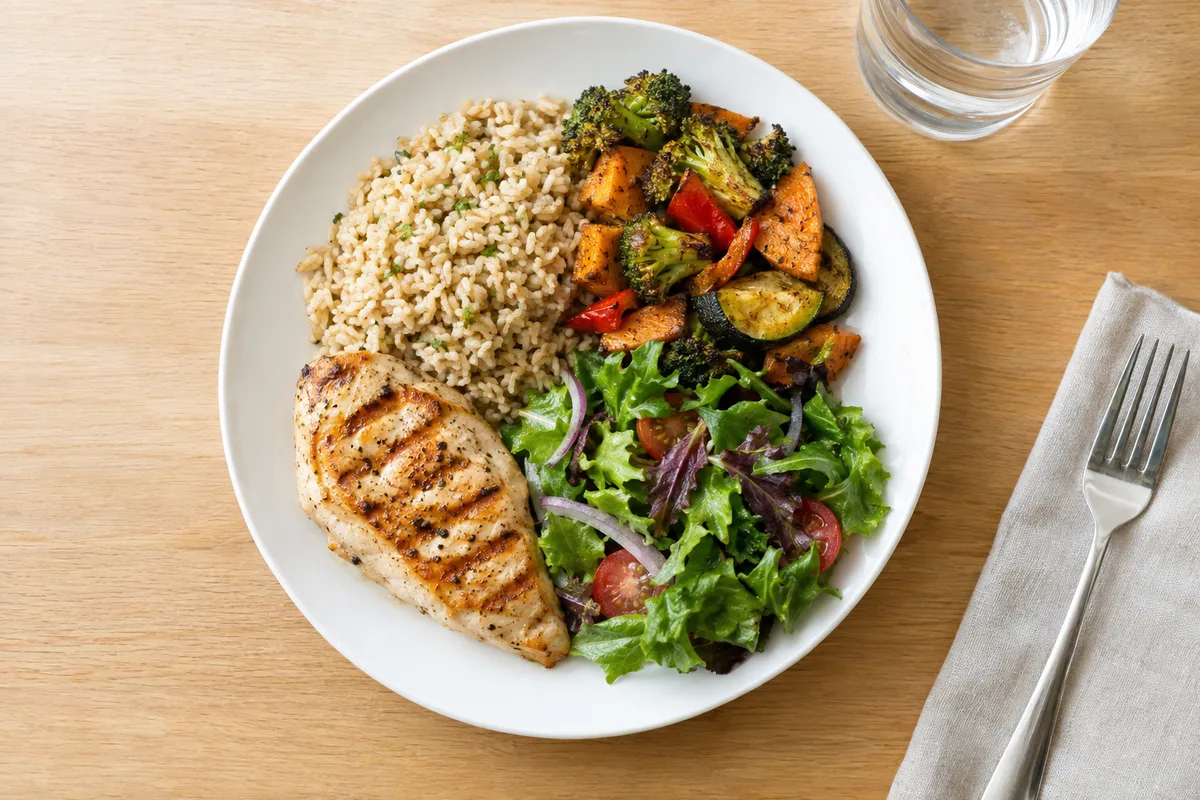
How to Build a Calorie Deficit Meal Plan That Fits Your Routine
A calorie deficit meal plan helps you eat slightly less energy than your body uses while keeping meals enjoyable and filling. The right calorie target and food choices depend on your body, activity and daily routine.
-

What Does the Third Eye Really Mean?
The third eye is a symbol of intuition, insight and awareness rather than a physical eye. Understanding the idea can offer a fresh way to notice your thoughts, feelings and everyday choices.
-
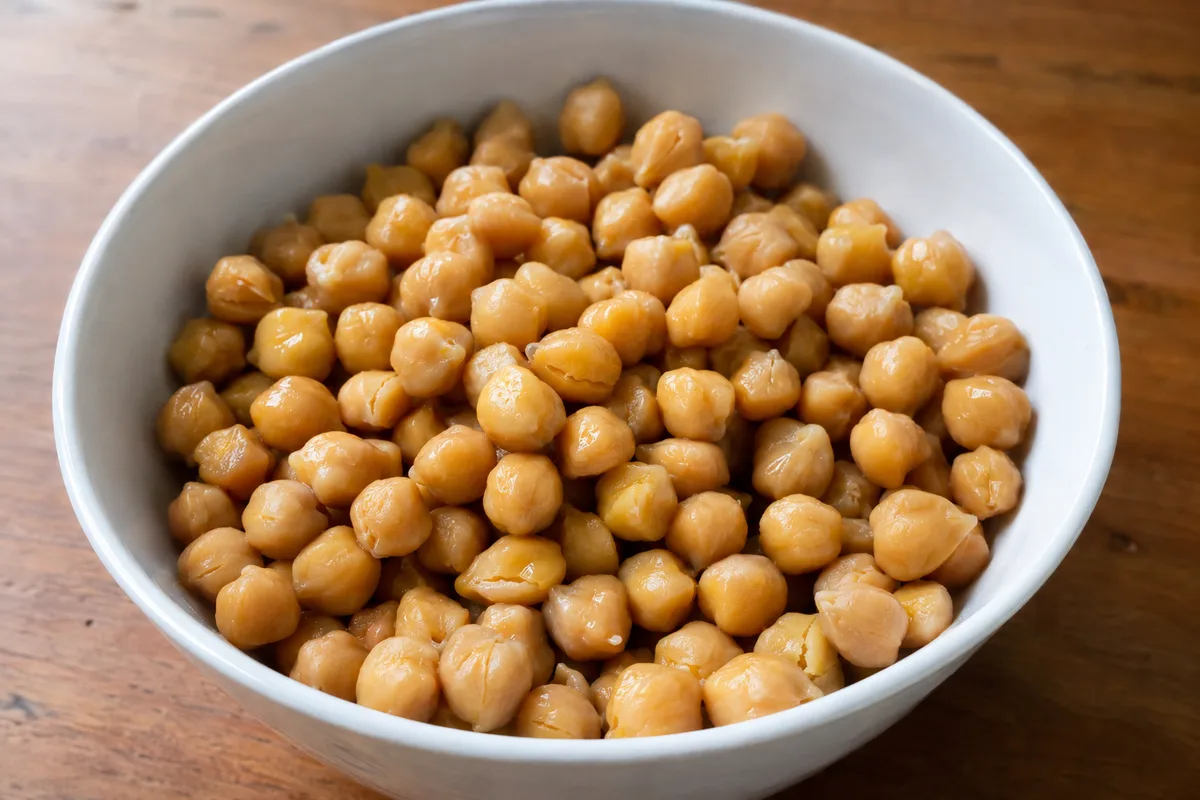
How Chickpeas Can Fit into a Weight-Loss Plan
Chickpeas can be a useful part of a weight-loss plan because they provide fibre and protein. The key is to count the full portion and prepare them in a way that suits your calorie target.
-
What Muscles Does the Seated Leg Press Work?
The seated leg press is a lower-body exercise that mainly trains the thighs and buttocks. Several supporting muscles also help you control the movement and keep your legs steady.
-
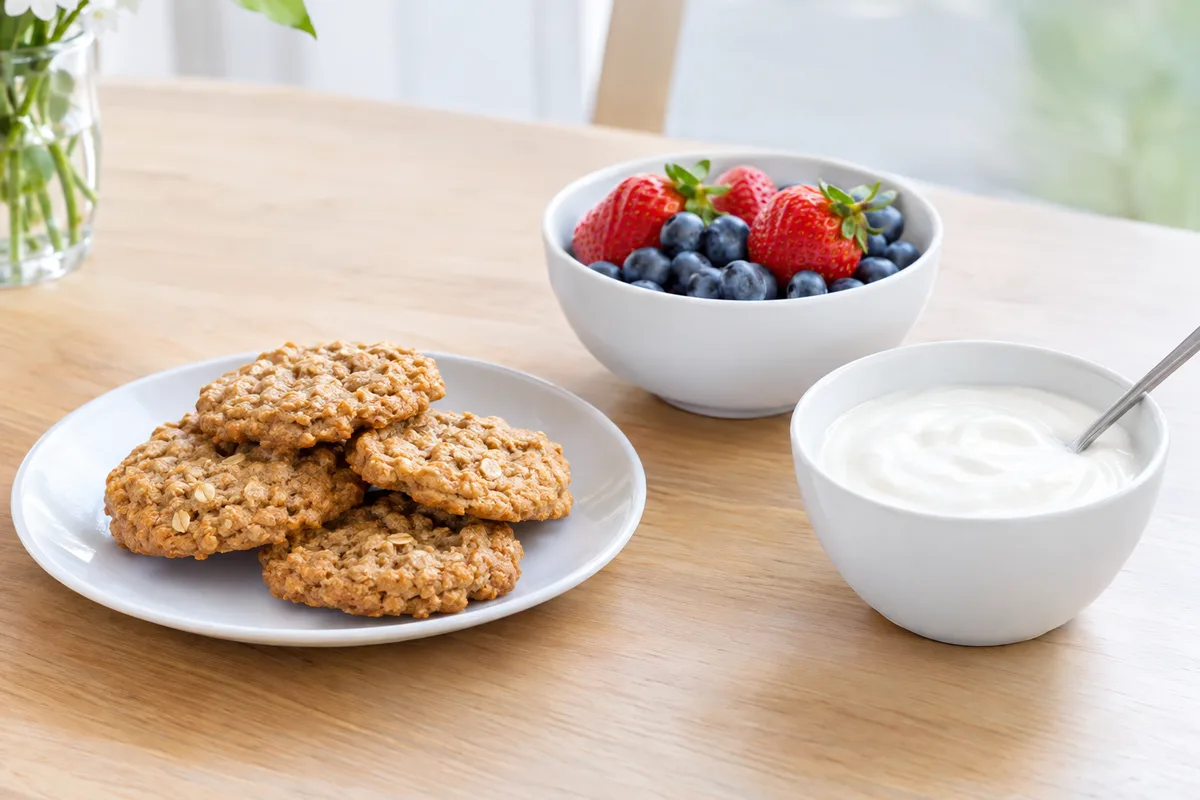
How to Choose Cookies When You Want to Lose Weight
No single type of cookie causes weight loss, and a healthier-looking label does not automatically make one a better choice. The most useful option is one you enjoy in an amount that fits your food log and wider eating pattern.
-
How to Choose the Best Under-Desk Treadmill for Your Routine
The best under-desk treadmill is the one that fits comfortably into your normal day. Focus on space, noise, controls and walking comfort rather than headline claims.
-

Can Apple Cider Vinegar and Lemon Juice Help With Weight Loss?
Mixing apple cider vinegar with lemon juice is often presented as a simple way to lose weight. In practice, changes in body weight depend far more on your overall eating pattern than on one acidic drink.
-
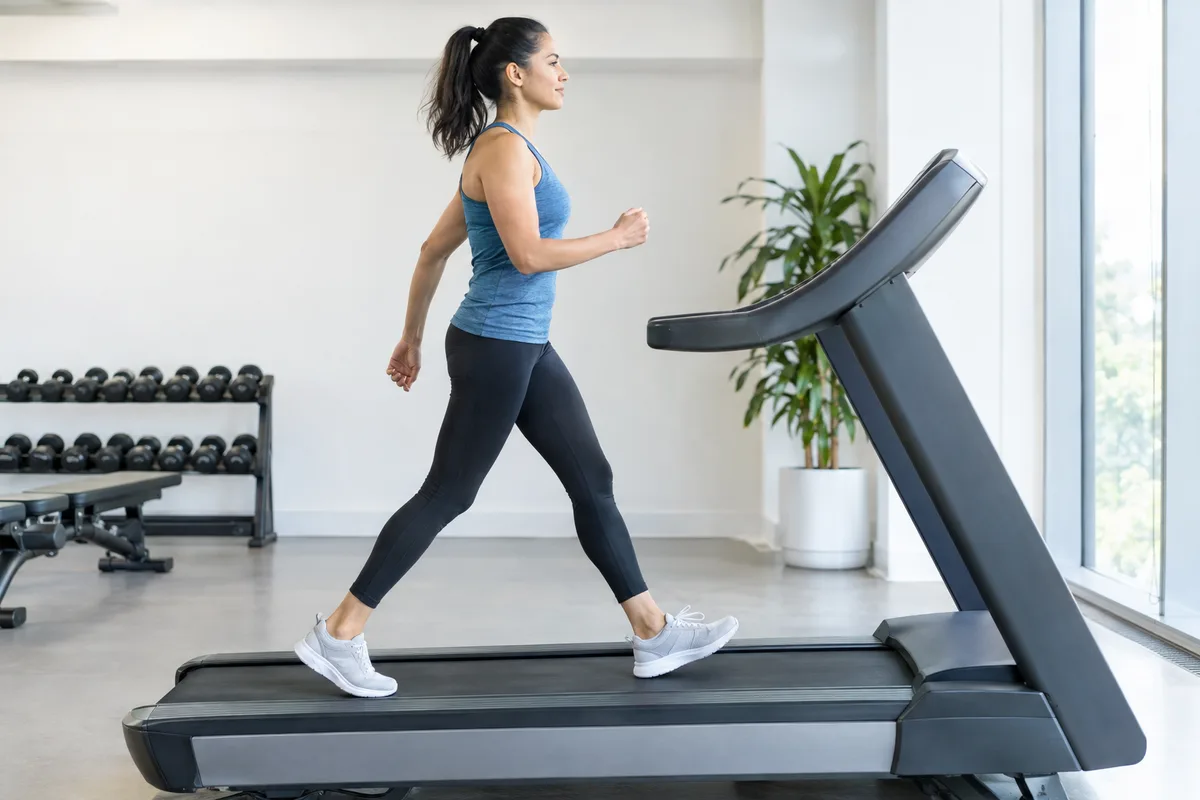
Can a Daily 30-Minute Treadmill Walk Reduce Belly Fat?
Walking on a treadmill for 30 minutes each day adds regular movement to your routine and uses energy. It may support belly fat loss over time, but food intake, walking intensity and individual body patterns also matter.
-
Seated Yoga Poses for a Gentle Movement Break
Seated yoga uses controlled movements and steady breathing while you remain on a chair or the floor. It can fit neatly alongside food tracking as another way to notice your daily habits.
-
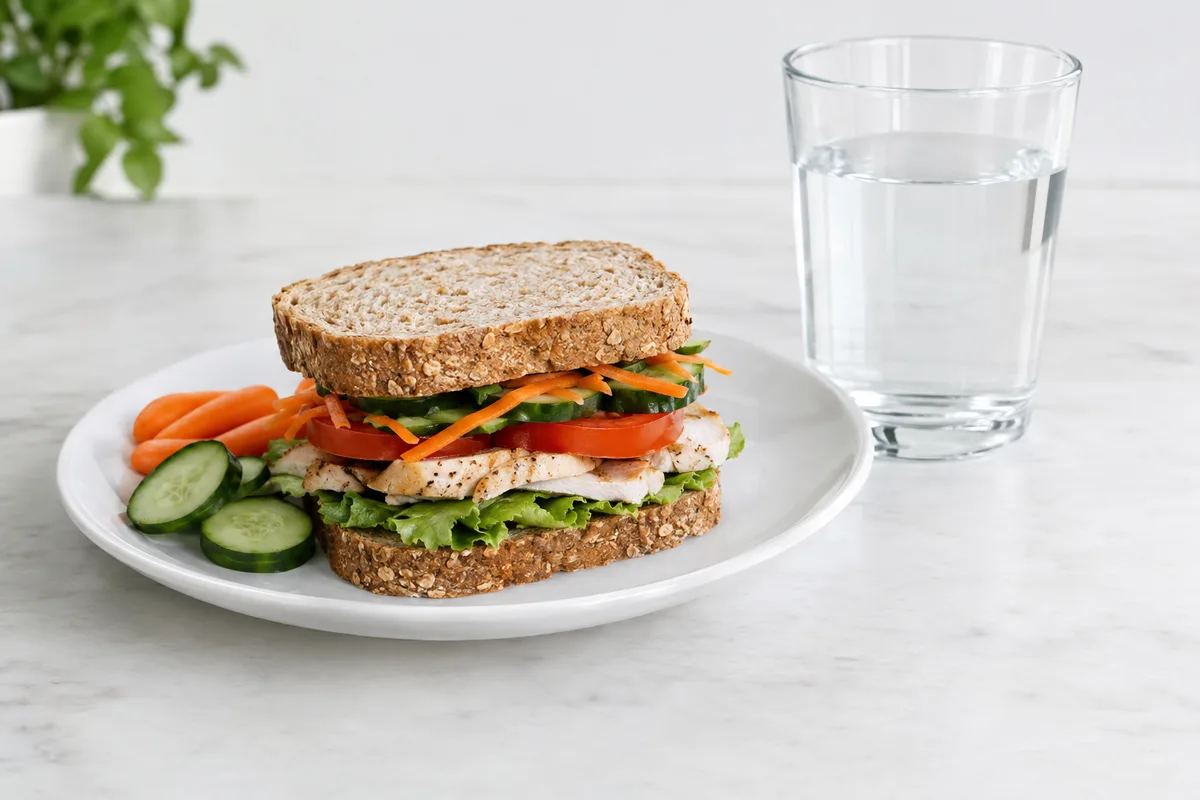
What Not to Eat at Subway When You Track Your Food
Eating at Subway does not require a list of forbidden foods. The useful question is which ingredients make your order harder to track or less suited to your goals.
-
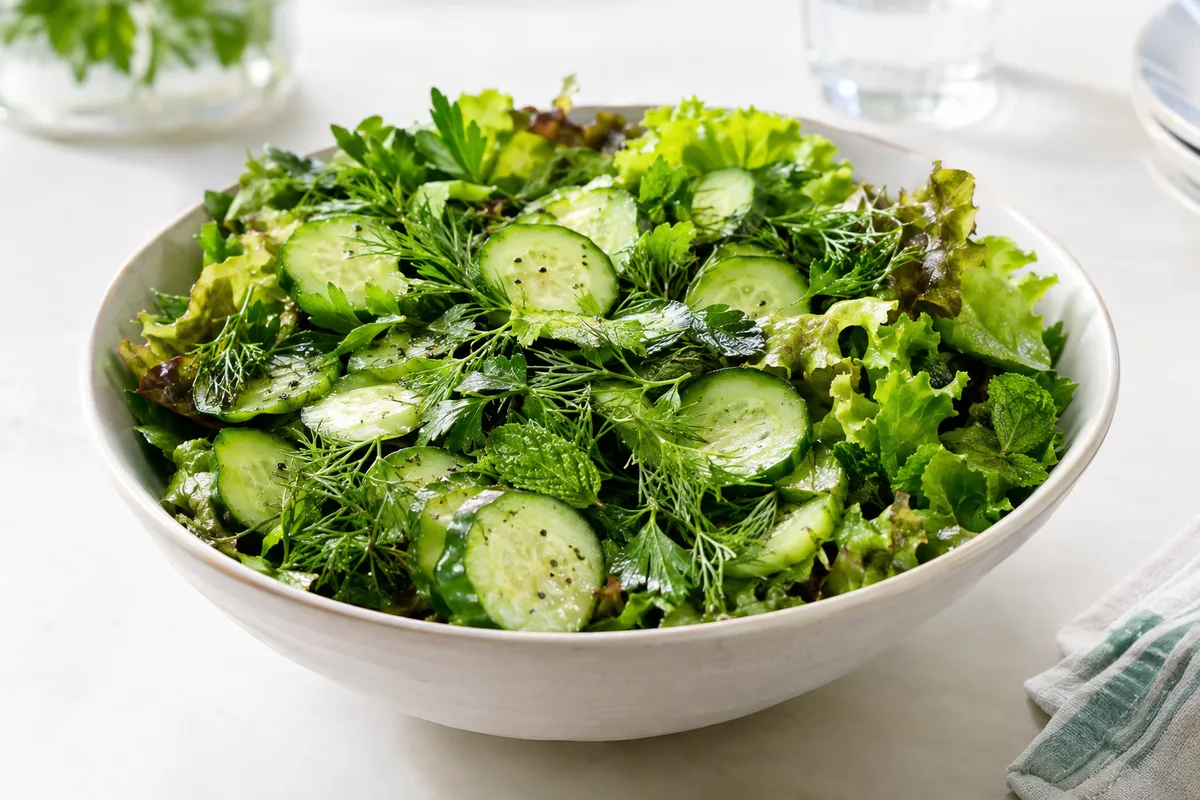
Is It Worth Keeping the Peel on Cucumber?
Cucumber peel is edible and contains nutrients that are reduced when it is removed. Keeping it on is a simple option, although peeling can still make sense in some meals.
-
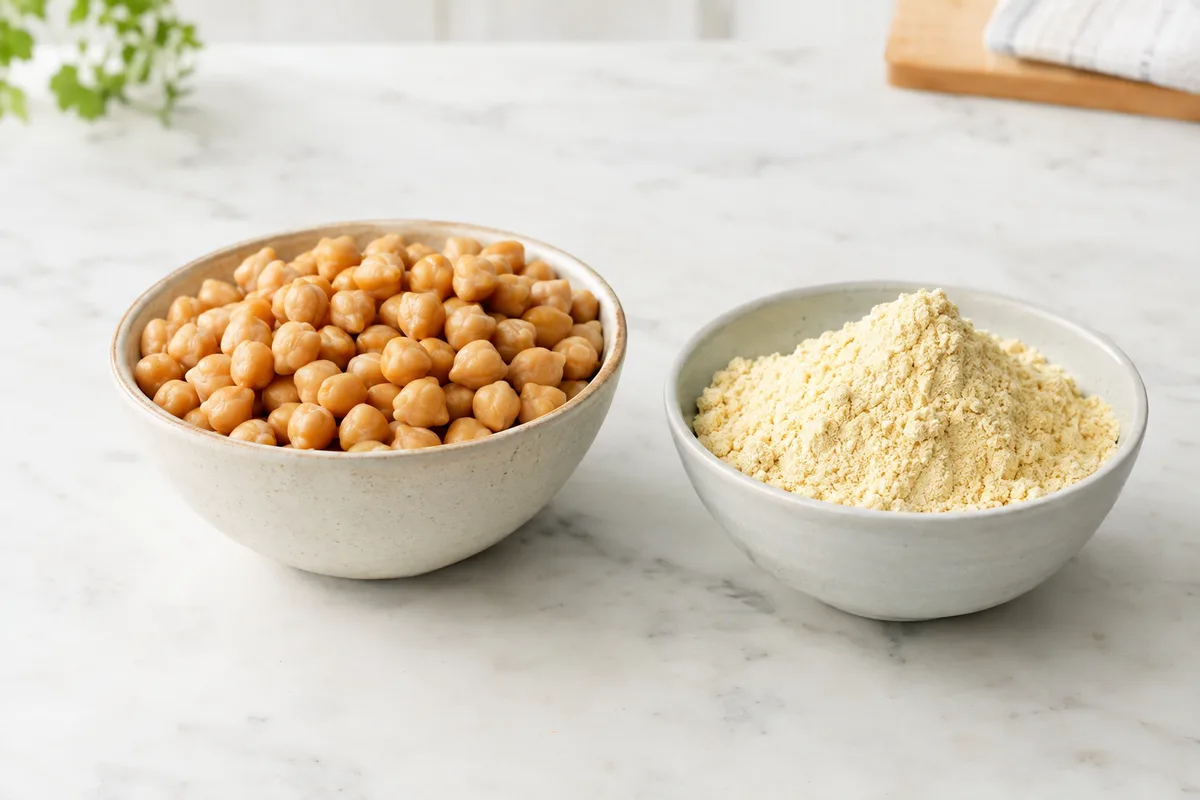
What Is Garbanzo Bean Flour and How Do You Use It?
Garbanzo bean flour is simply dried chickpeas ground into a fine powder. It can thicken, bind and form the base of batters while contributing protein and fibre.
-

How to Choose the Best Sports Drink for Your Training
A sports drink can provide fluid, carbohydrate and electrolytes, but not every workout calls for all three. Your food log and training notes can help you decide what fits each session.
-

How to Make Chicken Broth with Bouillon Cubes
Bouillon cubes are a quick way to prepare chicken-flavoured broth for soups, sauces and savoury dishes. The key is to follow the cube’s directions, taste before seasoning and log the amount you actually use.
-

How to Choose the Best Post-Workout Drink
The best post-workout drink depends on how hard you trained, how much you sweated and when you plan to eat. Your food log can help you choose without treating every session as needing a special recovery drink.
-
How to Do Dumbbell Lunges with Good Form
Dumbbell lunges train your legs while asking your core and hips to keep you steady. Start without weights, learn the movement, then add load gradually.
-
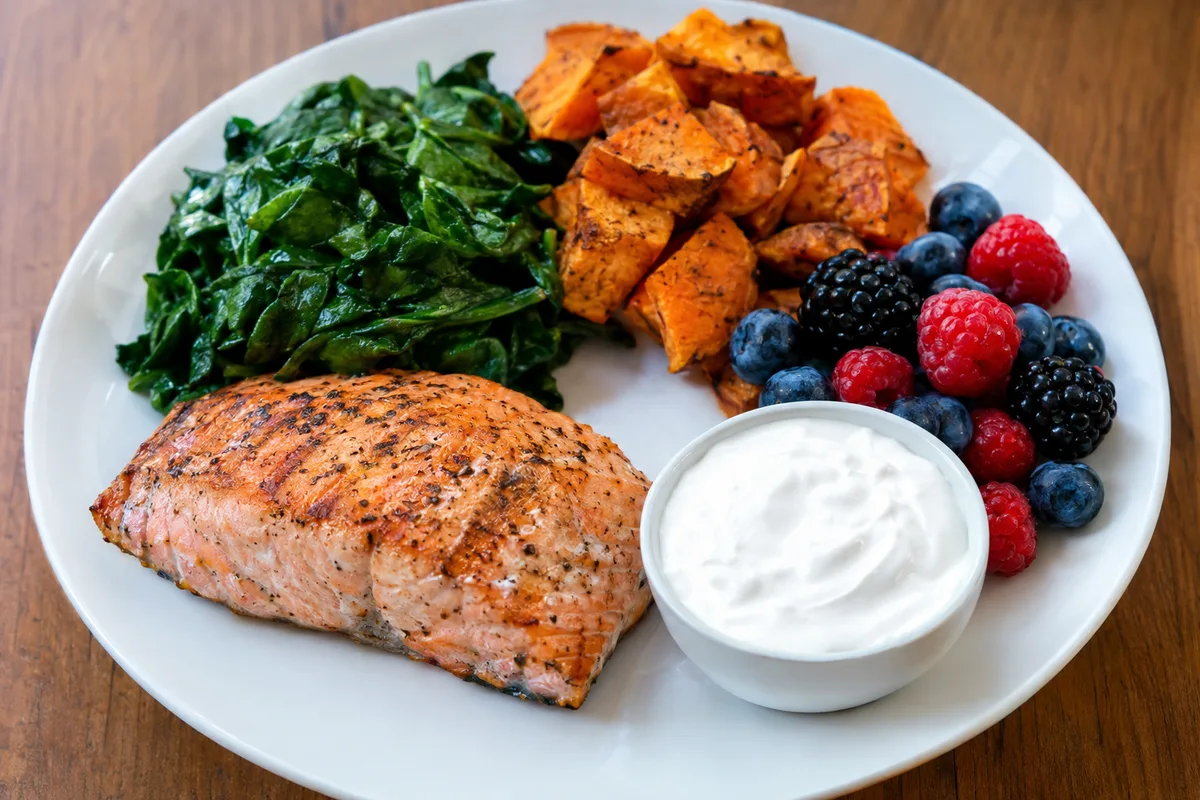
What Makes a Gummy Vitamin a Good Choice?
The best gummy vitamin is not the same for everyone, because nutritional needs and eating habits vary. Your food log can help you identify what is relevant before you compare labels.
-

Building a Weight Loss Plan at 300 Pounds
A body weight of 300 pounds does not determine one ideal calorie target or eating plan. A useful approach starts with your current tracking data, then makes manageable changes you can review over time.
-
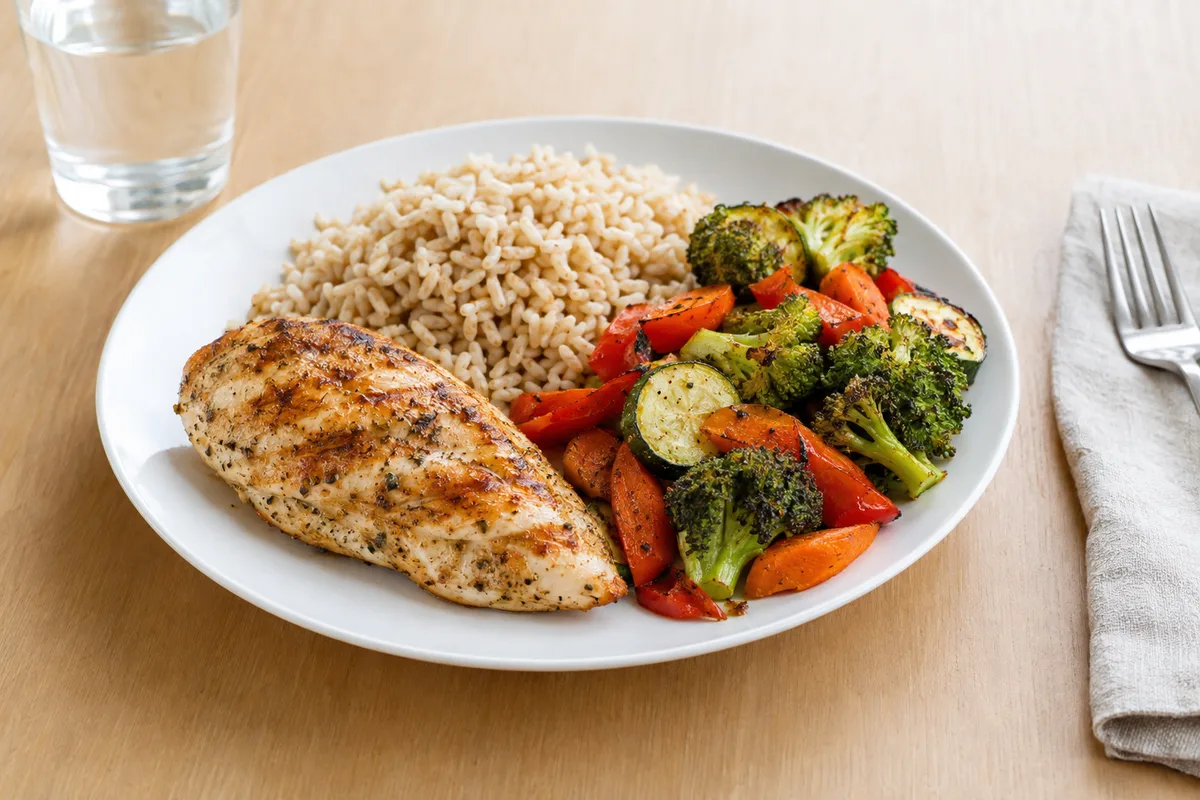
How Many Calories Does a Man Need Each Day?
A commonly used UK reference figure for men is around 2,500 calories a day. Your own requirement can be higher or lower depending on your body, activity and goals.
-
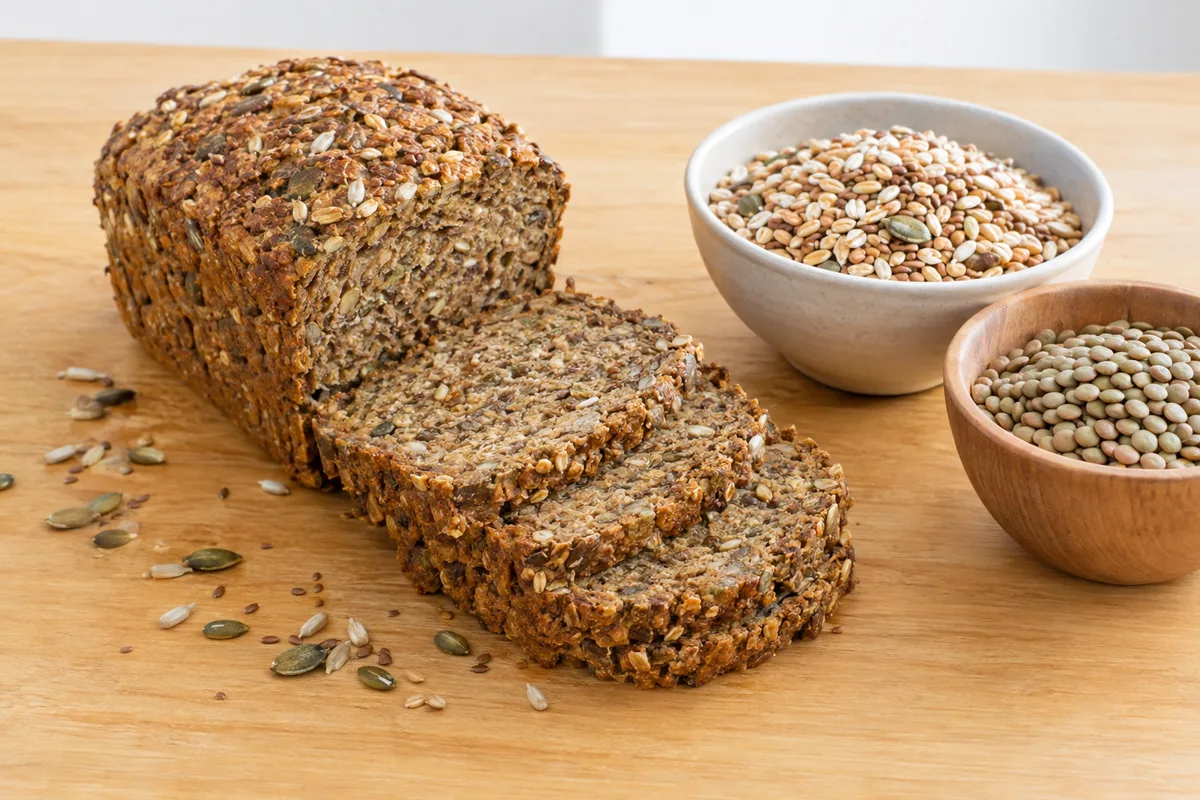
What Ezekiel Bread Can Add to Your Food Diary
Ezekiel bread is a style of bread made with sprouted grains and pulses rather than refined flour alone. Its benefits come mainly from its mix of whole-food ingredients, but recipes and nutrition labels vary.
-
How to Build a Cardio Programme for Weight Loss
Cardio can support weight loss by increasing the energy you use, but it works alongside what you eat rather than replacing food tracking. A useful programme is one you can repeat, recover from and adjust over time.
-
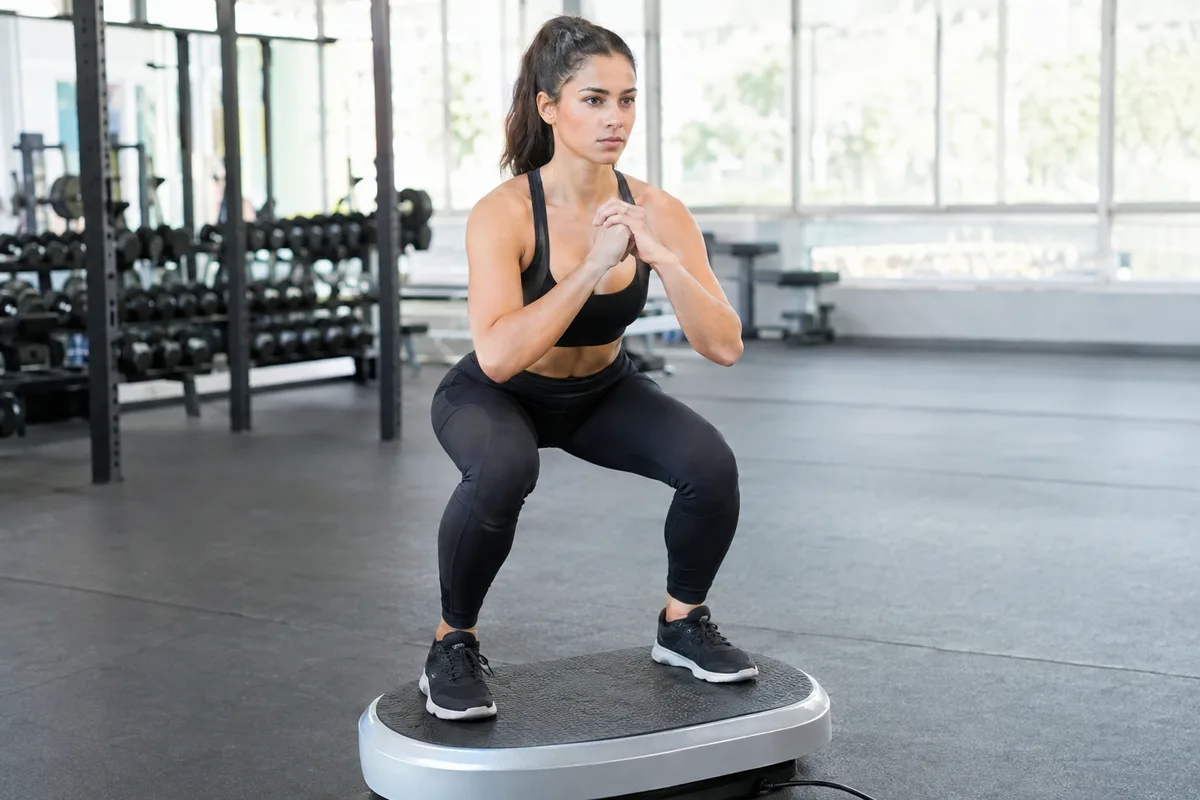
How to Choose the Best Vibration Plate for Your Routine
The best vibration plate is one that suits your space, ability and preferred exercises. Clear settings, stable construction and comfortable movement matter more than an impressive list of modes.
-
How to Choose the Best Exercise Mat for You
The best exercise mat is one that feels comfortable, stays steady and suits the way you move. Looking beyond colour and appearance can help you compare mats more usefully.
-

How to Choose Beer When You Track Your Diet
Beer can fit into food tracking, but the details on strength and serving size matter. A few simple comparisons can help you choose an option that suits your own targets.
-
How to Do the Dead Bug Exercise with Control
The dead bug is a floor exercise that trains you to keep your middle steady while moving your arms and legs. It needs no complicated equipment and works best when performed slowly.
-
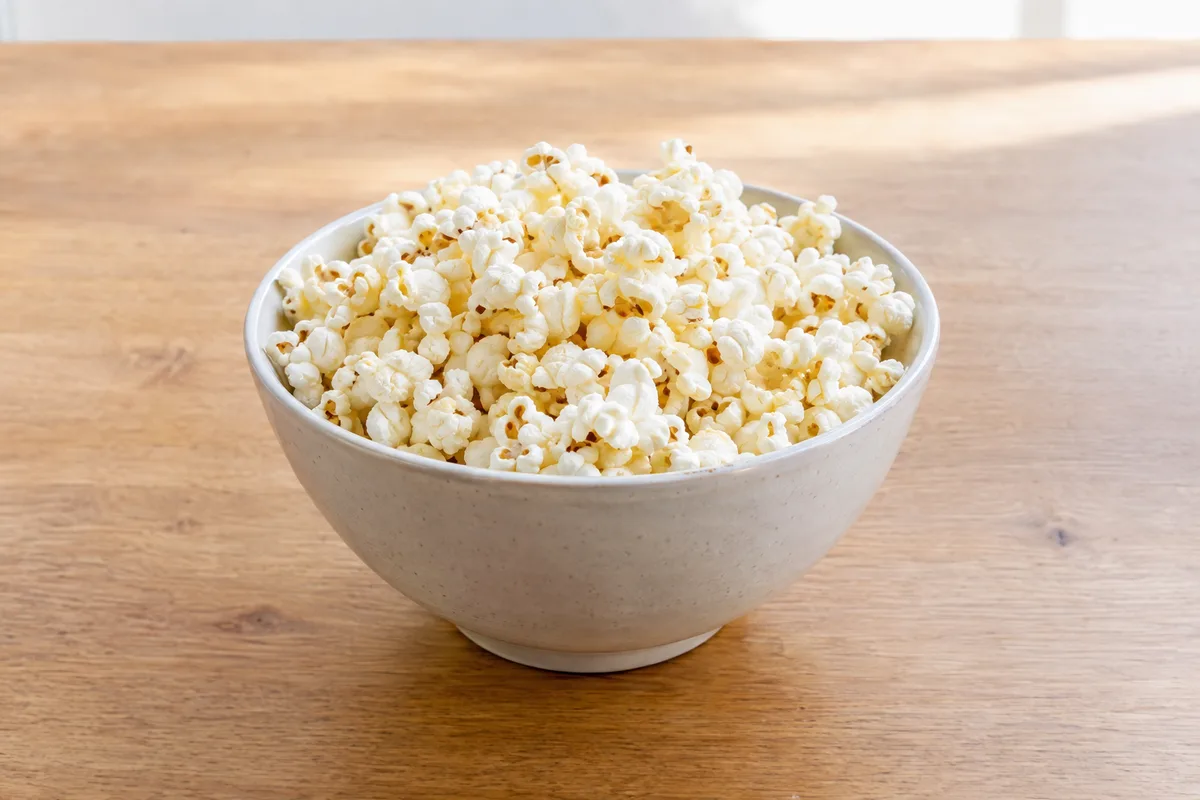
Is Popcorn Gluten-Free?
Popcorn starts as a naturally gluten-free grain, so plain kernels are usually straightforward. The details matter when oils, seasonings or shared equipment enter the picture.
-
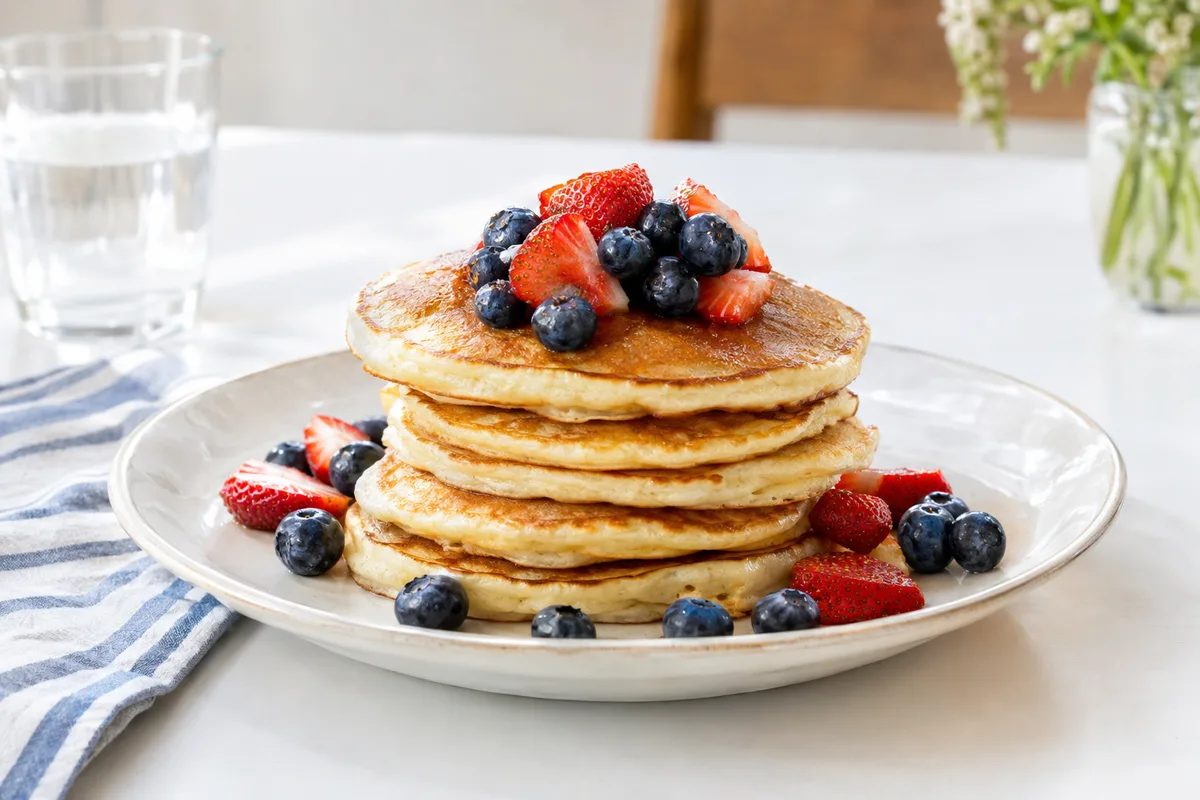
How Many Calories Are in Pancakes?
There is no single calorie figure for a pancake because recipes and serving sizes vary. The most reliable estimate comes from calculating your own batch and recording any extras separately.
-
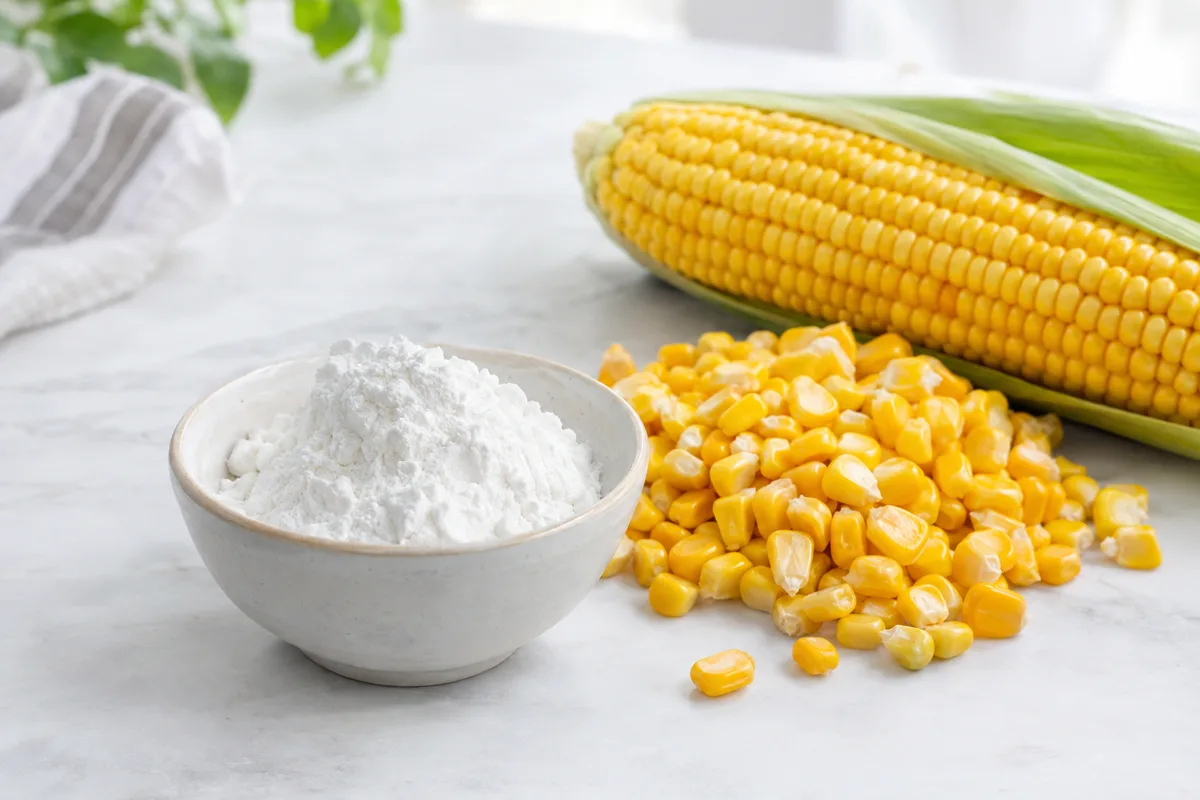
Is Cornstarch Gluten Free?
Cornstarch is made from the starchy part of maize, so it does not naturally contain gluten. However, added ingredients and contact during production or cooking can change whether a particular product is suitable.
-
A Simple Beginner Arm Day Workout
An arm day gives you focused practice for the muscles that bend and straighten your elbows. Start with simple movements, use a weight you can control and record what you do alongside your usual food tracking.
-
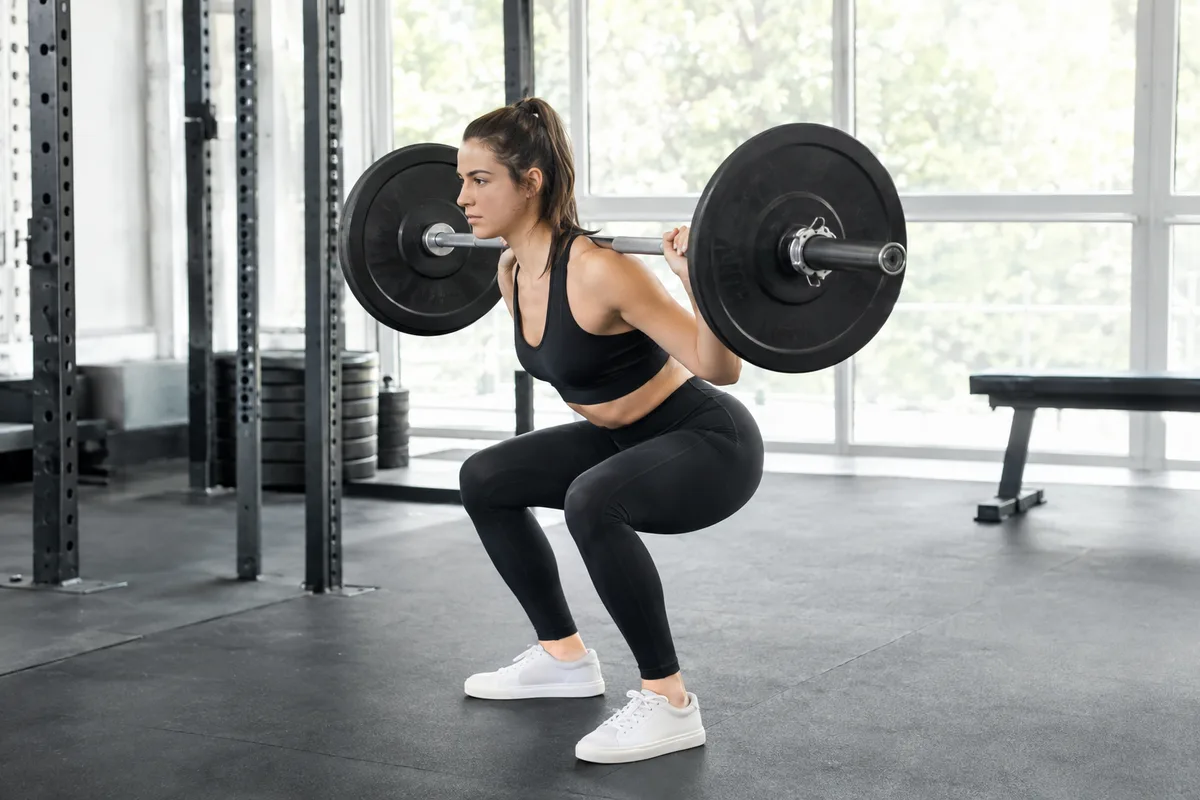
How to Choose the Best Gym Shoes for Women
The best gym shoe is not a single style that works for every woman. Your ideal pair depends on your feet, the exercises you do and how the shoes feel during movement.
-
How Fast Is Brisk Walking?
A brisk walk feels purposeful: quicker than a stroll, but still controlled. The right pace depends on your fitness, the route and how your body feels that day.
-
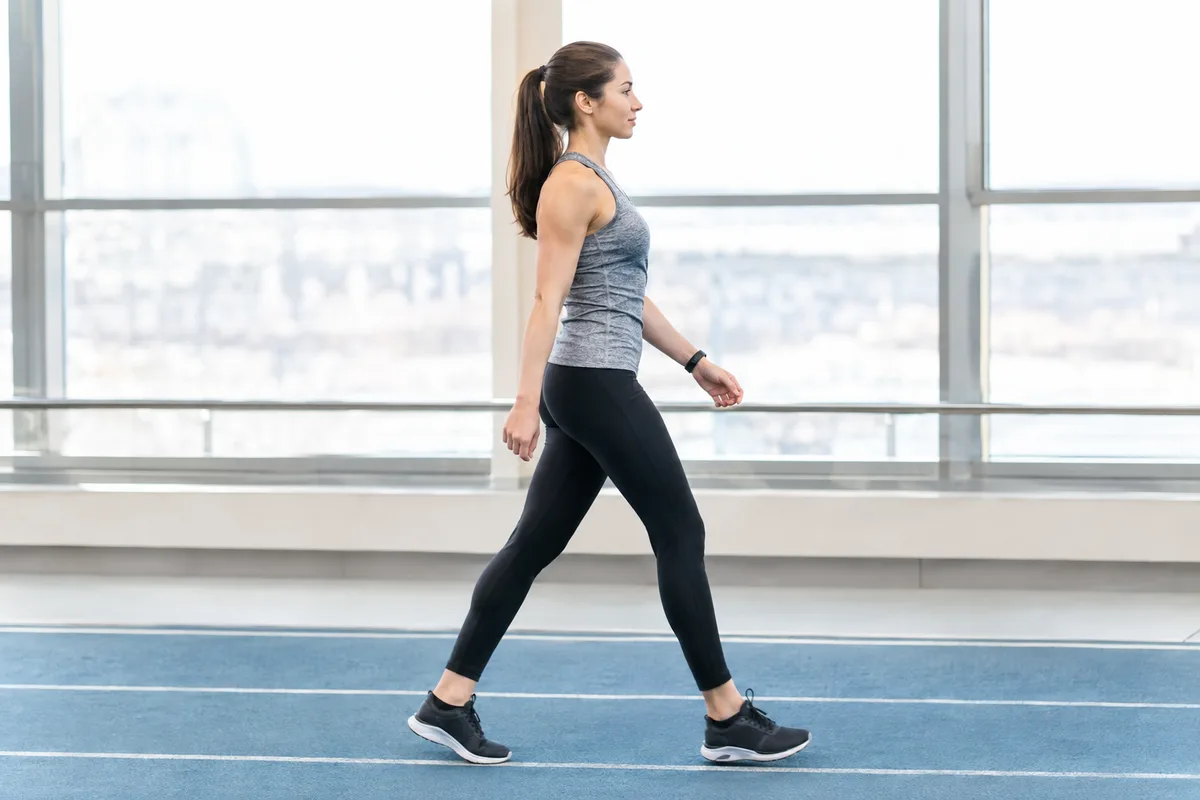
How Far Can a Healthy Person Walk?
A healthy person’s walking range is not a fixed number. Your current routine, surroundings, pace and recovery matter more than a universal distance target.
-
A Simple Guide to Total Body Stretching with Resistance Bands
A resistance band can help you reach, guide and control a stretch without forcing the movement. This routine complements food tracking by adding a practical way to notice how your body feels and moves.
-
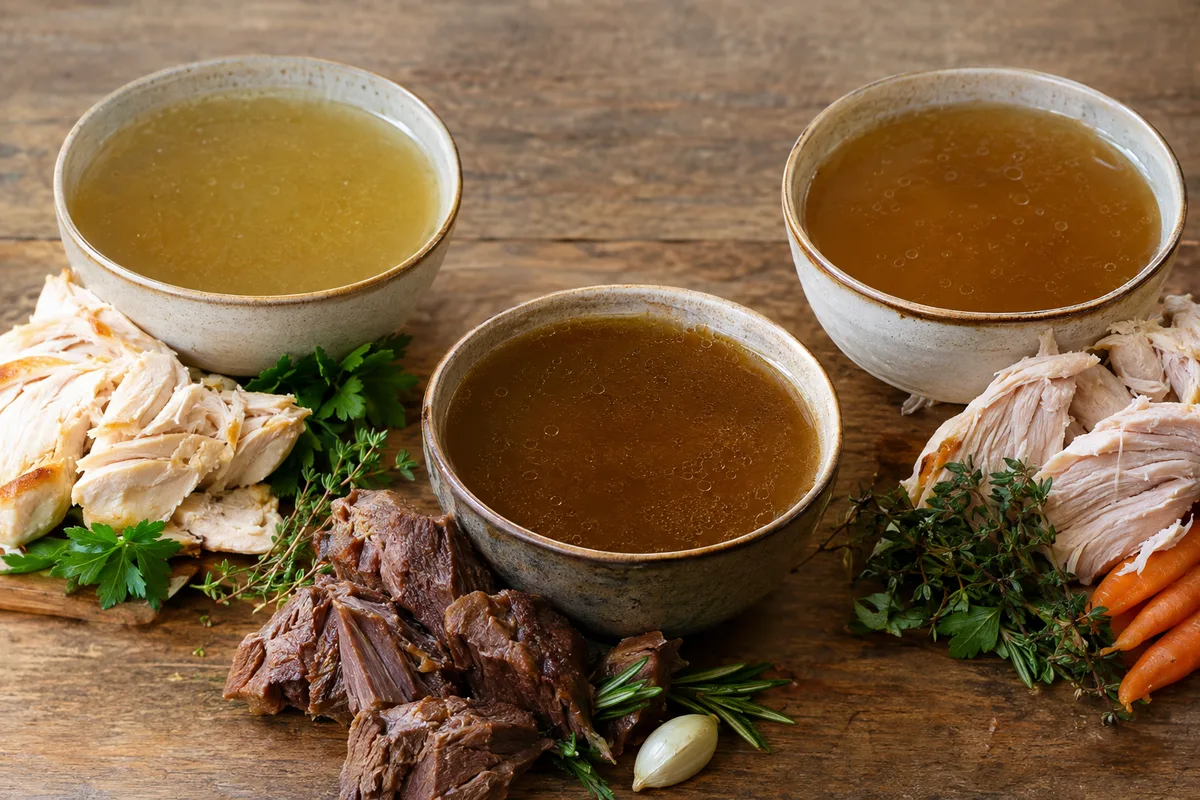
How to Choose the Best Bone Broth for Your Food Diary
The best bone broth is the one that suits your taste, eating pattern and tracking goals. A quick label check can help you compare options on equal terms.
-
How to Do a Biceps Arm Curl with Good Form
The biceps arm curl is a straightforward exercise for the muscles at the front of your upper arms. Good technique keeps the movement focused and helps you get more from each repetition.
-
Bodyweight Exercise: Strength Training Without Equipment
Bodyweight exercises use your own weight as resistance, making them easy to fit around everyday life. A simple record of movements, repetitions and effort can help you see progress clearly.
-

Losing weight over three months: a practical approach
Three months gives you time to test small changes rather than chase a rapid result. The number of pounds you may lose depends on your body, routine and consistency.
-
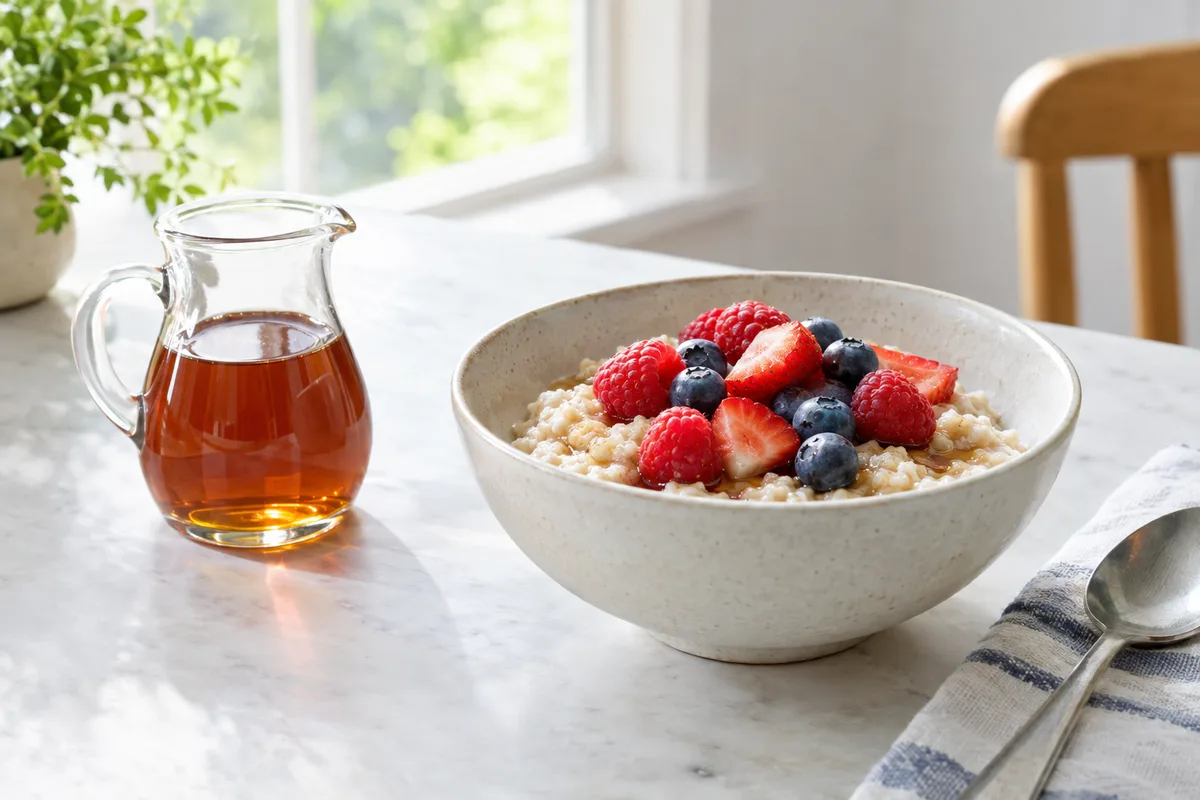
Maple syrup or honey: which is the healthier choice?
Maple syrup and honey differ in flavour, texture and their small amounts of naturally occurring nutrients. For most food trackers, the portion used matters more than choosing one over the other.
-
What Is the Average Dumbbell Curling Weight?
The weight used for dumbbell curls varies widely, making a general average less useful than it may sound. Your best starting point is a load you can control through the whole movement.
-
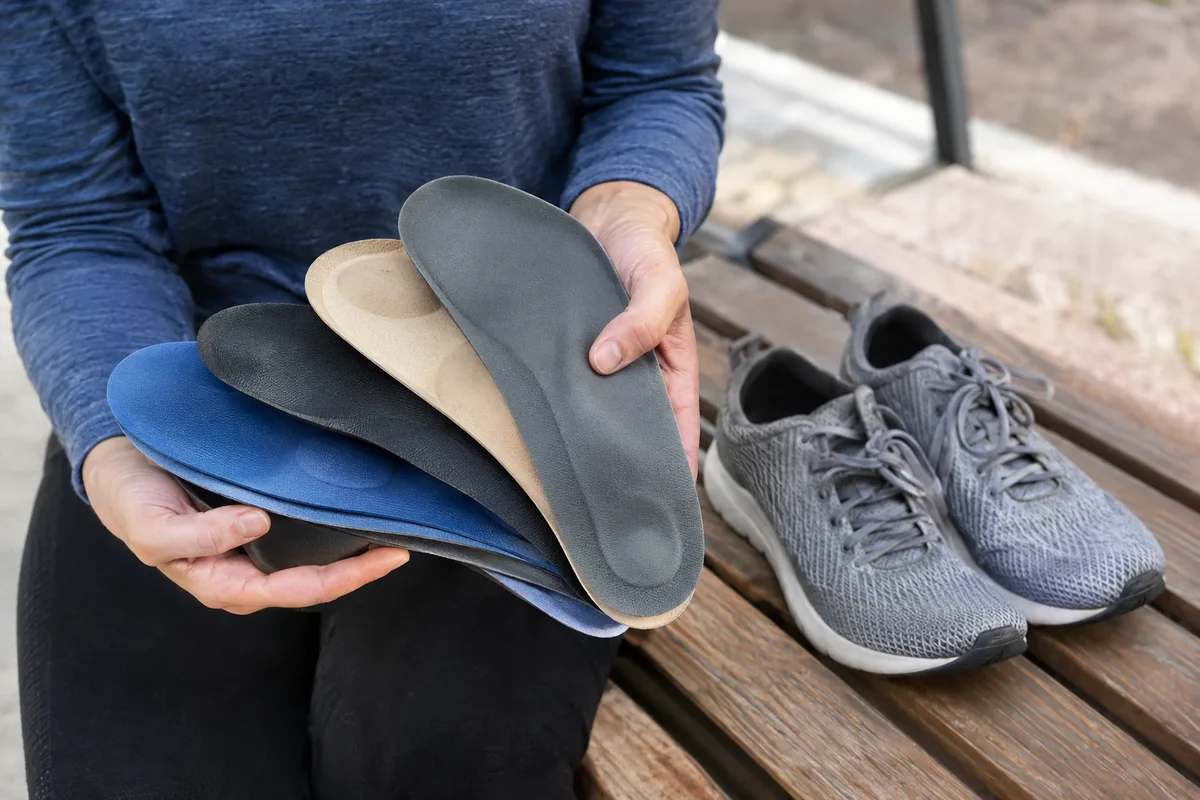
The Best Insoles Are the Ones That Fit Your Feet and Routine
There is no single insole that suits every foot, shoe and activity. The most useful choice feels secure, fits without crowding and matches how you move.
-

How to Choose the Best Punching Bag for Your Training
The best punching bag is one that fits your space, training style and experience. A practical choice should feel stable, comfortable to strike and easy to use regularly.
-
How runners can help avoid pain on top of the foot
Pain on top of the foot can have several causes, so there is no single fix for every runner. Paying attention to footwear, training load, recovery and eating patterns can help you make sensible adjustments.
-
A Simple Stationary Bike Workout for Beginners
A stationary bike offers a straightforward way to become more active while controlling your pace. The best starting workout is one you can complete comfortably and repeat consistently.
-
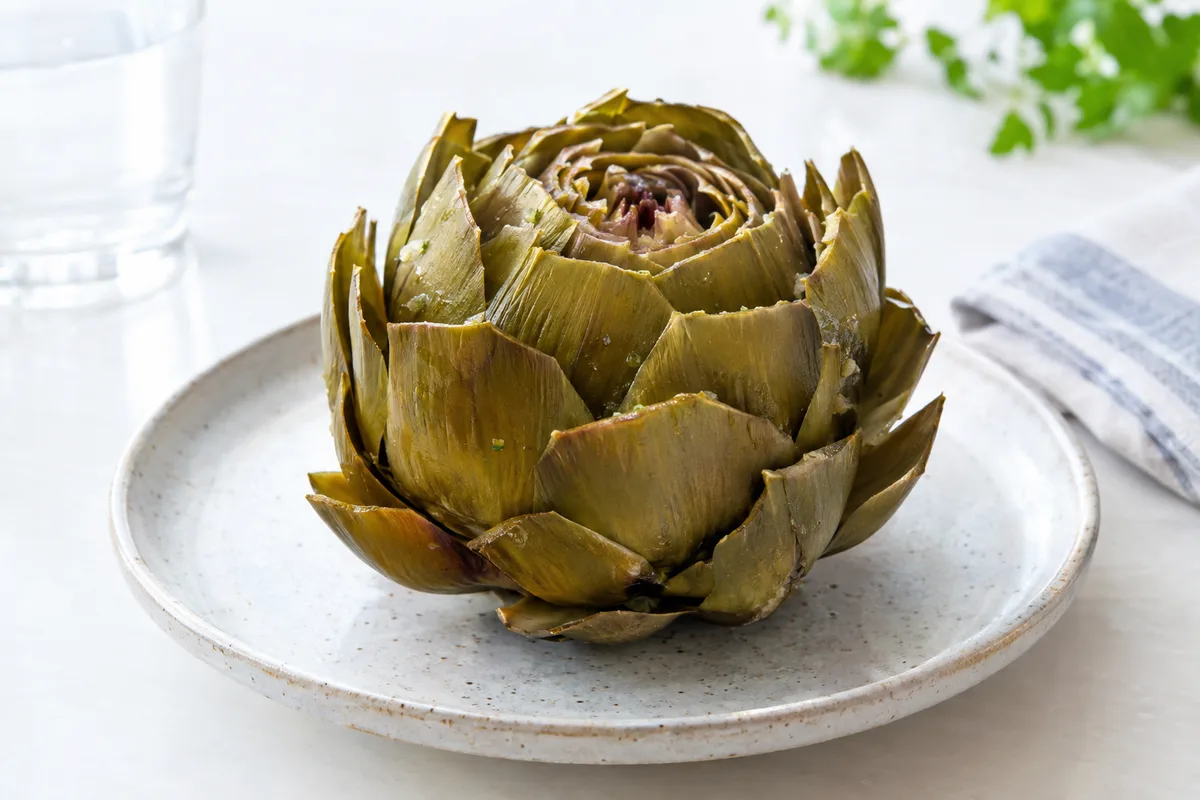
Which Vegetable Has the Most Fibre?
Artichokes are a strong answer when comparing familiar vegetables, while green peas also rank highly. The most useful choice depends on portion size and how the food is logged.
-

Low-Calorie Drinks for When Water Feels Boring
Water is useful, but it does not have to be your only everyday drink. A few simple alternatives can add flavour and variety without quietly adding lots of calories.
-
Ten yoga poses for a feel-good daily routine
A short yoga routine can create a useful pause in a day spent sitting, standing or tracking meals. These ten poses offer a balanced mix of mobility, strength, focus and rest without promising that every day will feel the same.
-
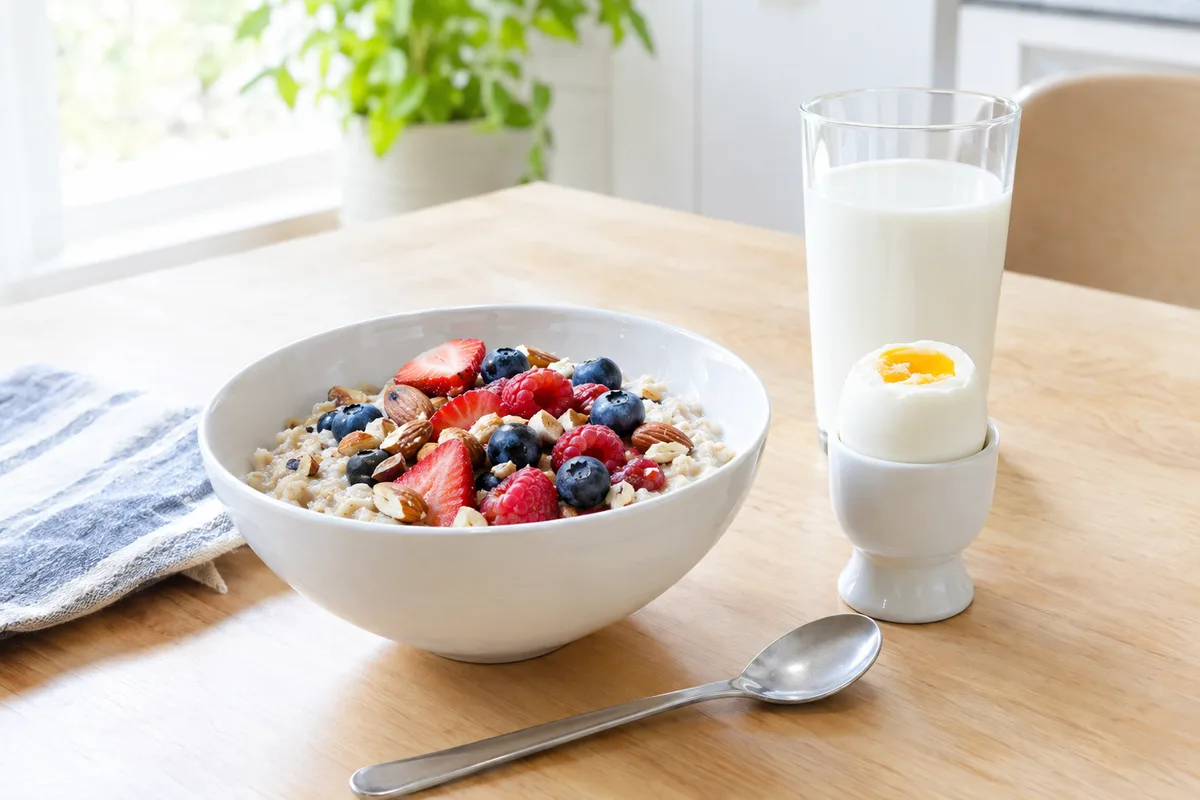
A Practical Example of a Healthy Balanced Meal Plan
A balanced meal plan combines protein, carbohydrate, fat, fibre and a variety of plant foods across the day. This example is a flexible framework, not a fixed menu or a rulebook.
-
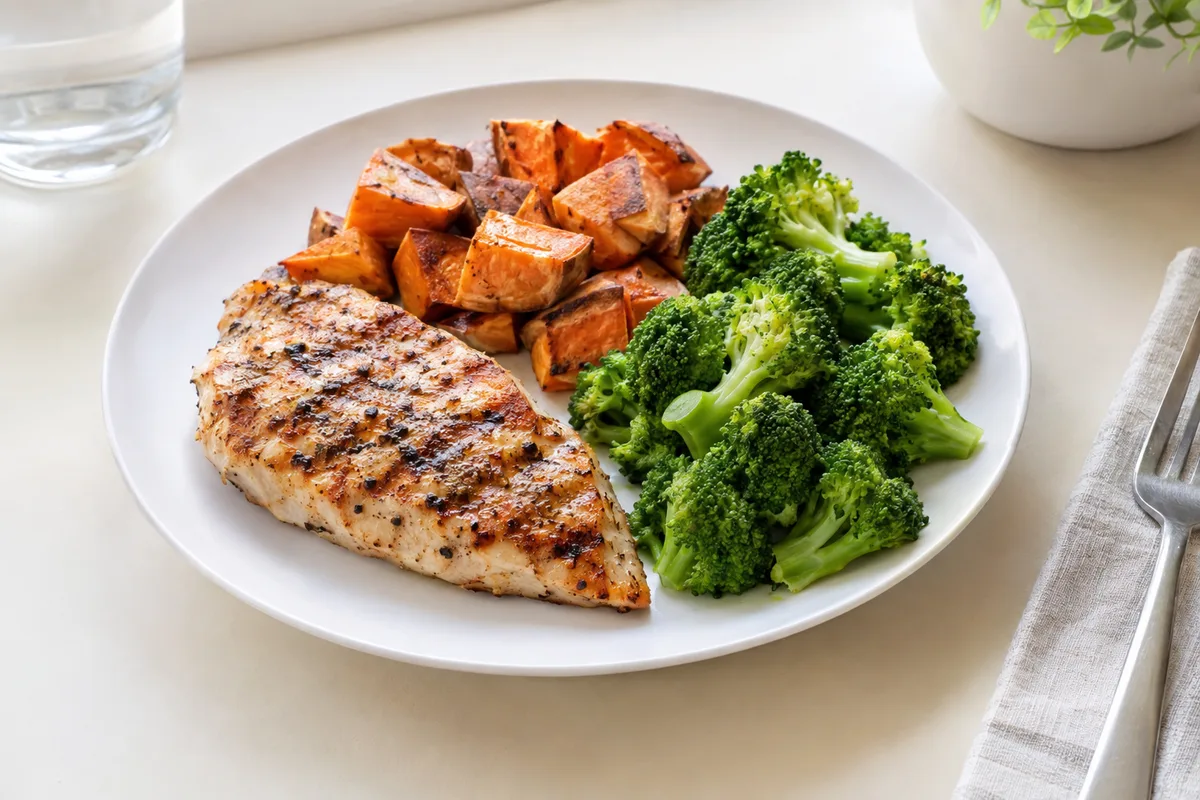
What to Eat for Dinner When You Track Your Food
Dinner does not need to follow a perfect formula. A simple mix of protein, carbohydrate, vegetables and flavour can make planning and tracking easier.
-
How to Choose the Best Indoor Cycling Bike for You
The best indoor cycling bike is one that fits your body, your home and the way you like to train. Looking beyond screens and headline features can help you choose equipment that you will use consistently.
-

Unsweetened Tea: The Benefits and Drawbacks
Unsweetened tea offers flavour without the added sugar found in many hot and cold drinks. Its benefits and drawbacks depend on the type of tea, how it is brewed and how your body responds.
-

Are Fig Newtons a Healthy Choice?
Fig Newtons sit somewhere between a biscuit and a fruit-filled snack. Whether they suit your goals depends on what is in them, how much you eat and what else you eat that day.
-
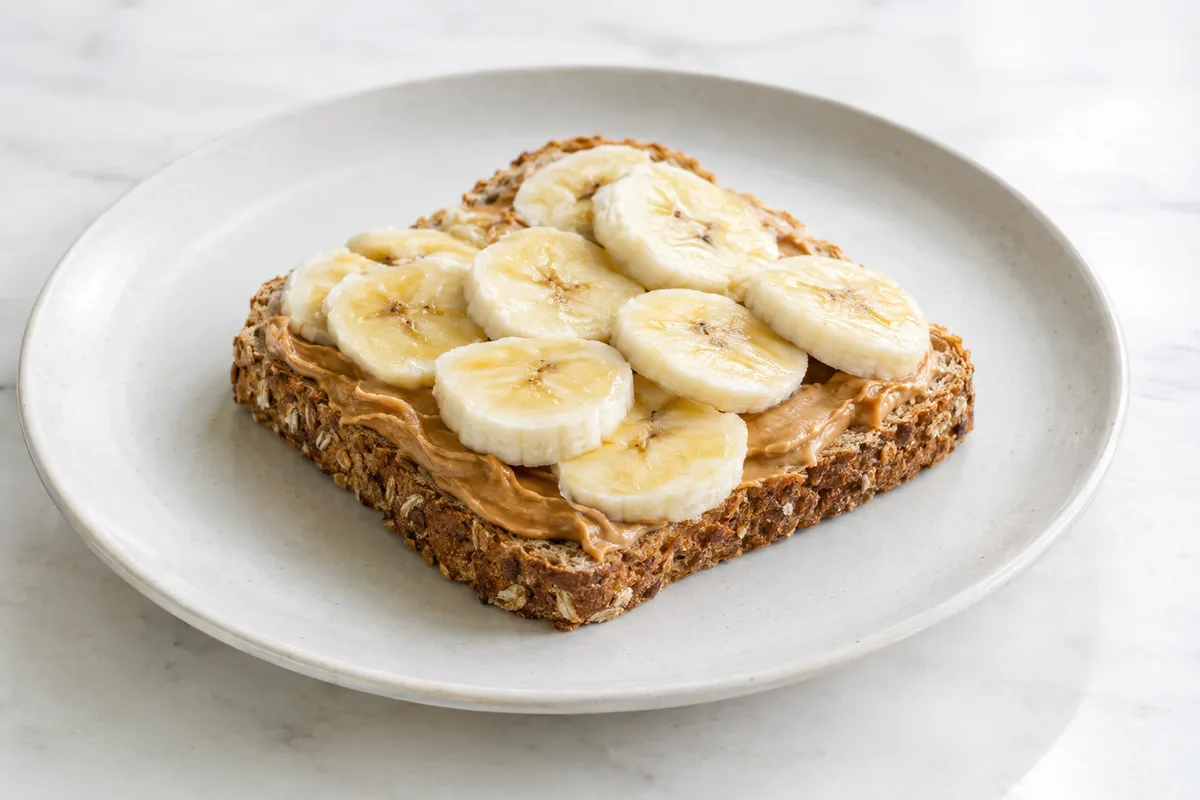
Is a Peanut Butter and Banana Sandwich a Healthy Choice?
A peanut butter and banana sandwich combines carbohydrate, fat, fibre and some protein in one convenient meal or snack. Whether it suits you depends on the ingredients, serving size and what else you eat that day.
-
How to Do a Dumbbell Front Raise with Control
The dumbbell front raise is a simple shoulder exercise, but good control matters more than lifting a heavy weight. Use these steps to set up well, move smoothly and record your progress.
-
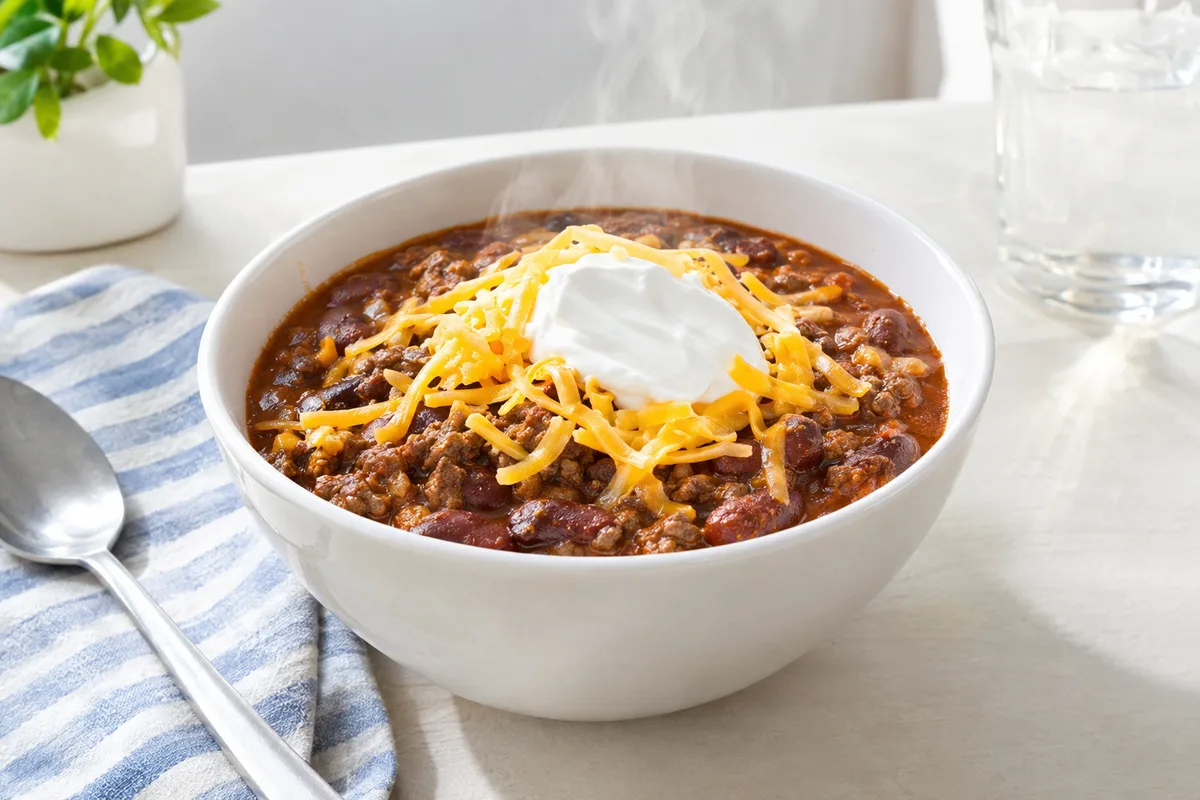
How to Count the Calories in a Bowl of Chilli
There is no single calorie figure for a bowl of chilli because recipes and portions vary. The most useful estimate starts with the ingredients in your own pot.
-

How to Choose the Best Organic Protein Powder for You
The best organic protein powder is the one that suits your diet, preferences and usual meals. A short ingredient list and a clear label can make comparison easier.
-
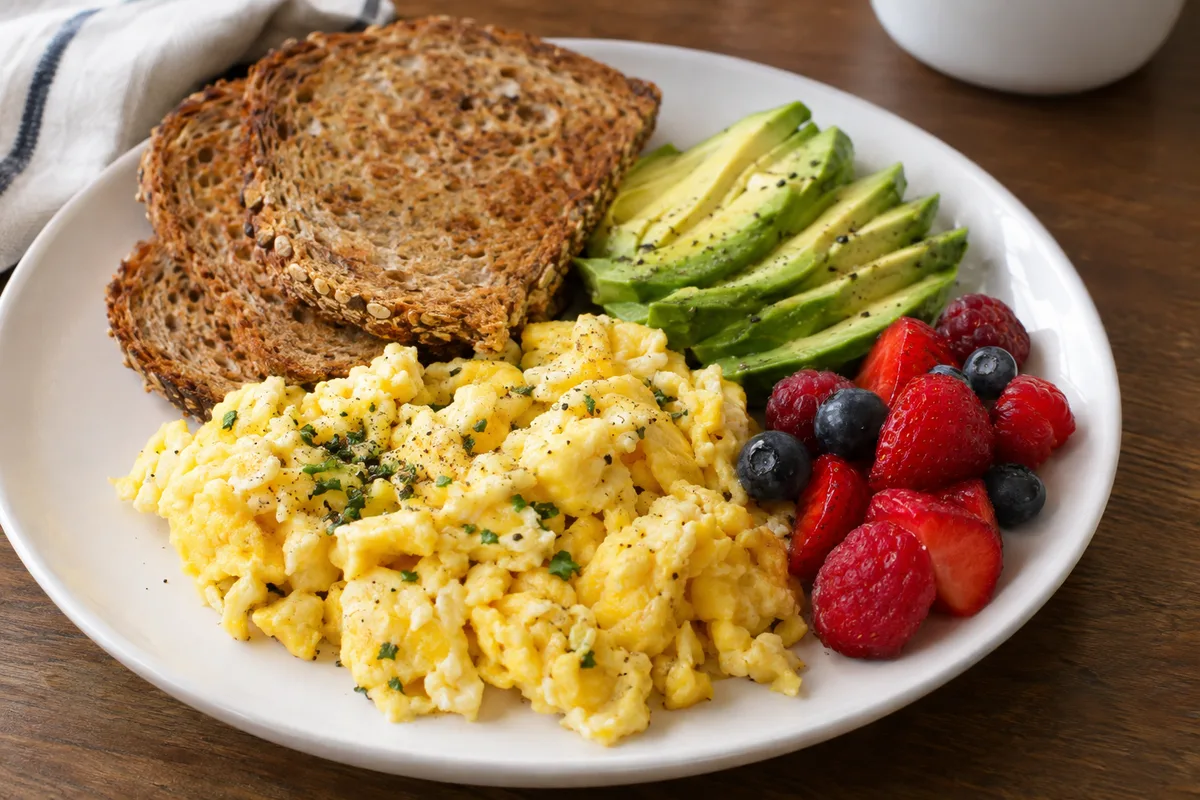
How Many Calories Should You Eat for Breakfast?
There is no single breakfast calorie target that suits everyone. A useful amount depends on your daily energy needs, routine, appetite and preferred meal pattern.
-
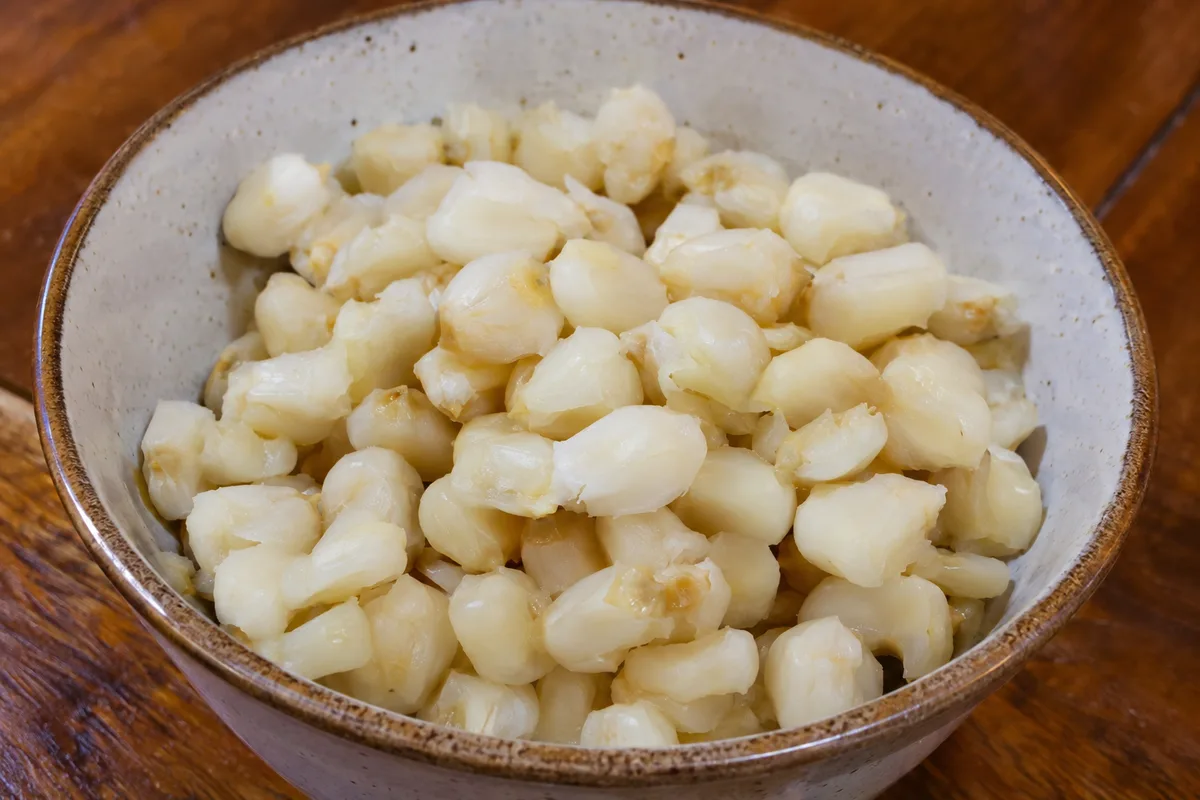
Is Hominy a Good Choice for Your Diet?
Hominy can be a nutritious part of a varied diet, particularly when paired with protein and vegetables. How well it fits your goals depends on the portion, preparation and other ingredients.
-

Plexus Pink Drink for Weight Loss: What Food Tracking Can Tell You
Plexus Pink Drink is a flavoured supplement mixed with water and promoted as support for appetite and weight management. Its usefulness depends less on its colour or branding and more on how it affects your overall eating pattern.
-

A realistic approach to losing 15 pounds in 6 weeks
Losing 15 pounds in 6 weeks is an ambitious target, and no plan can guarantee that result. A structured routine can still help you make meaningful progress without turning every day into a test of willpower.
-
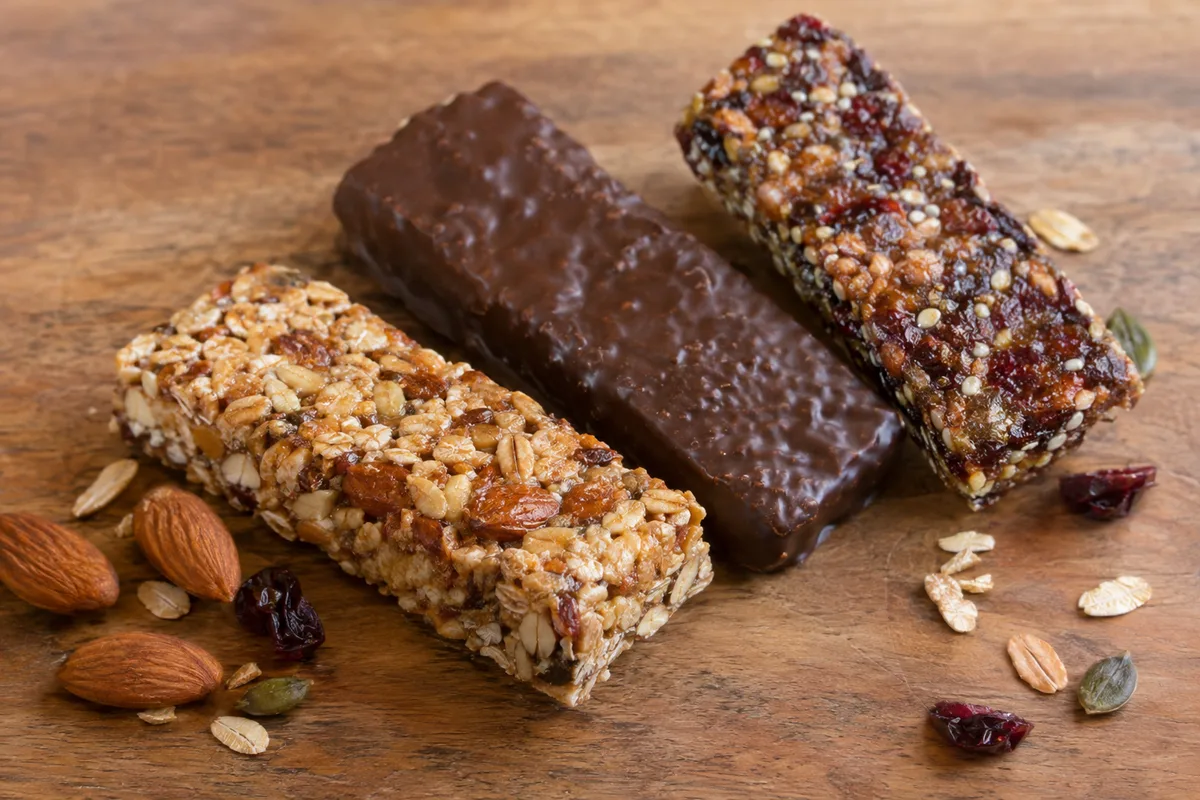
How to Find the Best Protein Bar for You
The best protein bar is not simply the one with the boldest protein claim. Your usual meals, preferences and reason for eating it all matter.
-
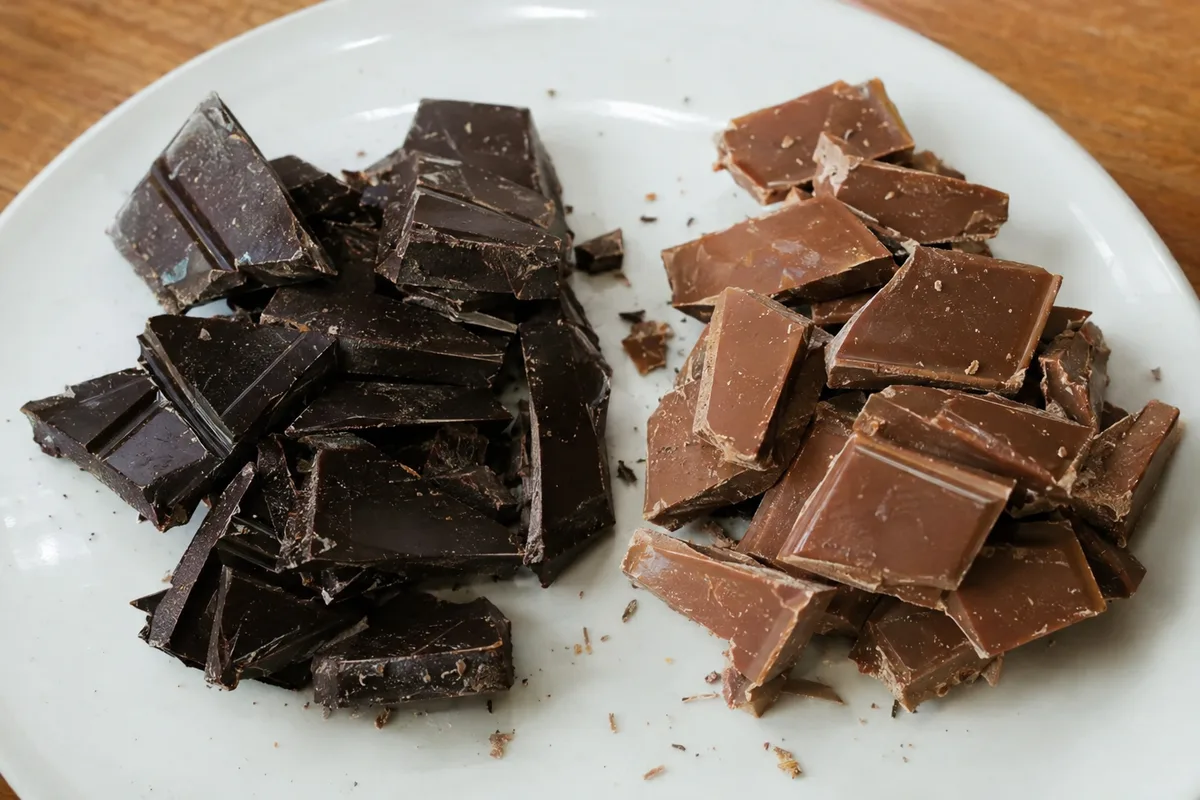
8 Popular Sweets With More to Offer Than Sugar
Sweets are usually chosen for enjoyment, but some also contain fibre, protein or useful minerals. These extras do not cancel out the sugar and fat, so the full label still matters.
-
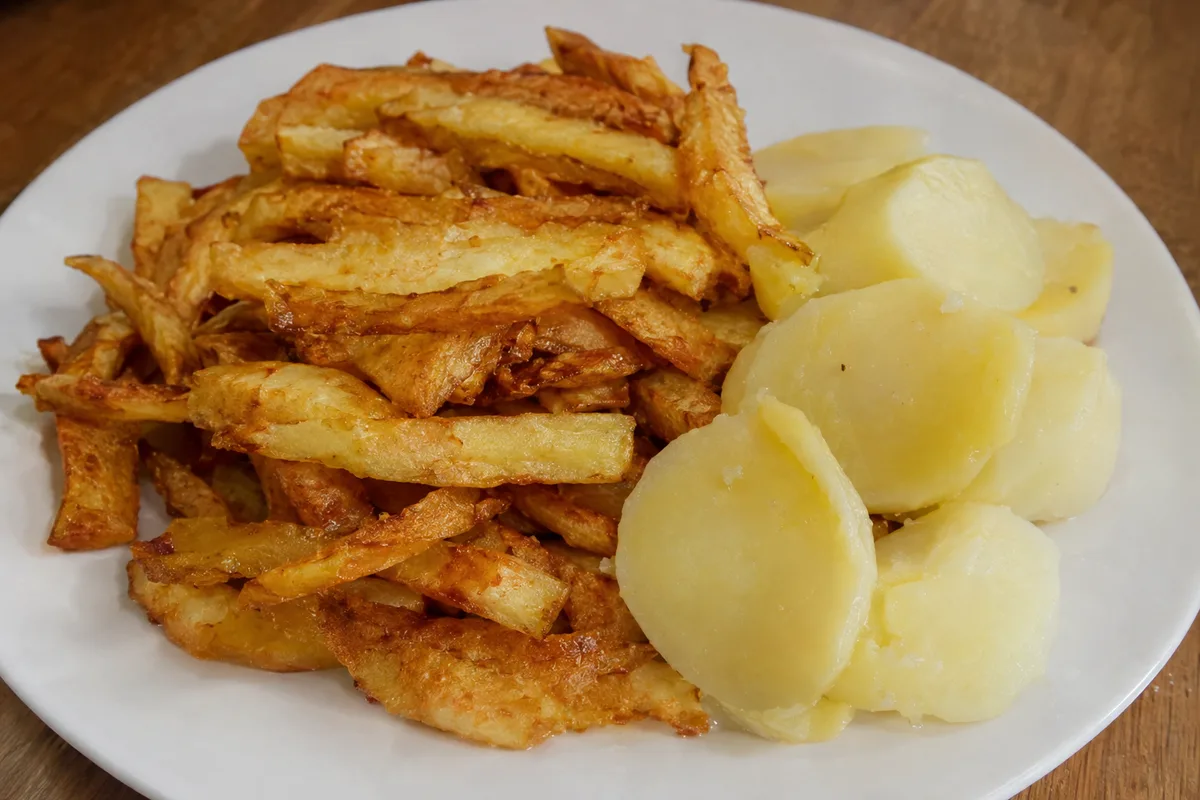
Why chips can be hard to fit into your goals
Chips are not automatically “bad”, and eating them occasionally does not undo an otherwise balanced way of eating. The main concerns are how they are cooked, how much you serve and what accompanies them.
-
How to Use Cable Pulldowns for Your Abs and Arms
Cable pulldowns can place useful tension through your arms, upper body and midsection. The muscles doing most of the work depend on your grip, stance and movement.
-
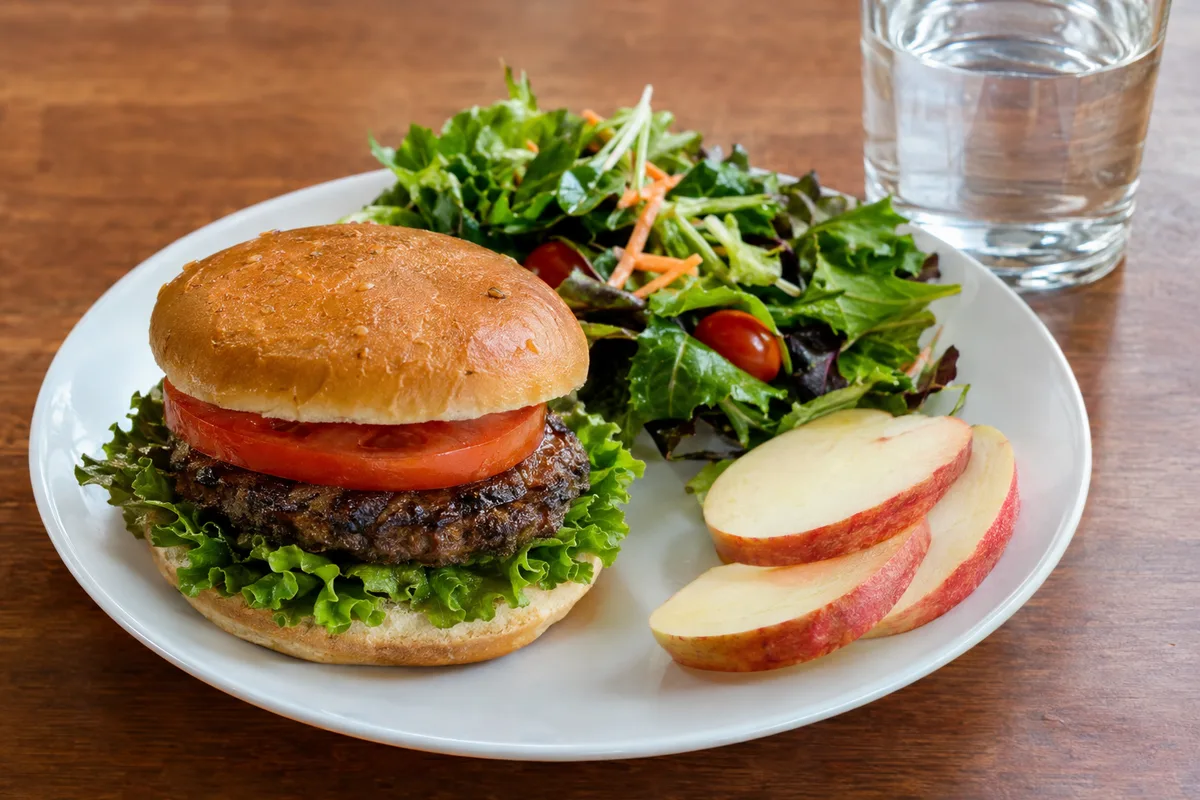
How to Make Healthier Choices at Burger King
A Burger King meal can fit into your food log, but the best choice depends on your goals and the rest of your day. Looking at portions, protein, vegetables, sauces and sides makes the menu easier to navigate.
-
How to Build an Advanced Ab Workout
An advanced ab workout is not simply a longer list of crunches. It uses harder positions, careful control and steady progression to challenge your whole core.
-
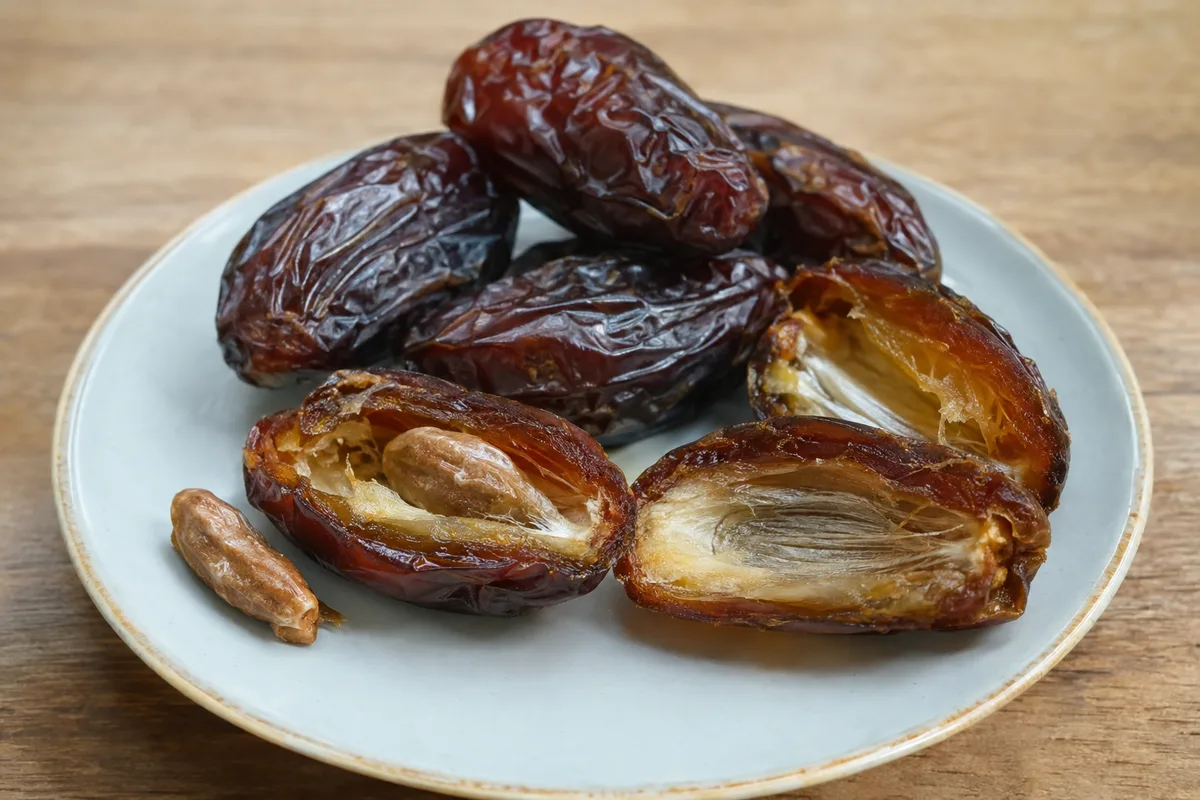
Are Medjool Dates a Healthy Choice?
Medjool dates can fit into a balanced way of eating, particularly when you enjoy their sweetness and account for them in your diary. Their value depends on portion size, what you eat with them and your overall food pattern.
-
Zumba: How It Works, Its Benefits and Its Drawbacks
Zumba is a group exercise format built around dance-inspired movements and lively music. It can make cardio feel more enjoyable, but its pace, impact and calorie burn vary from person to person.
-
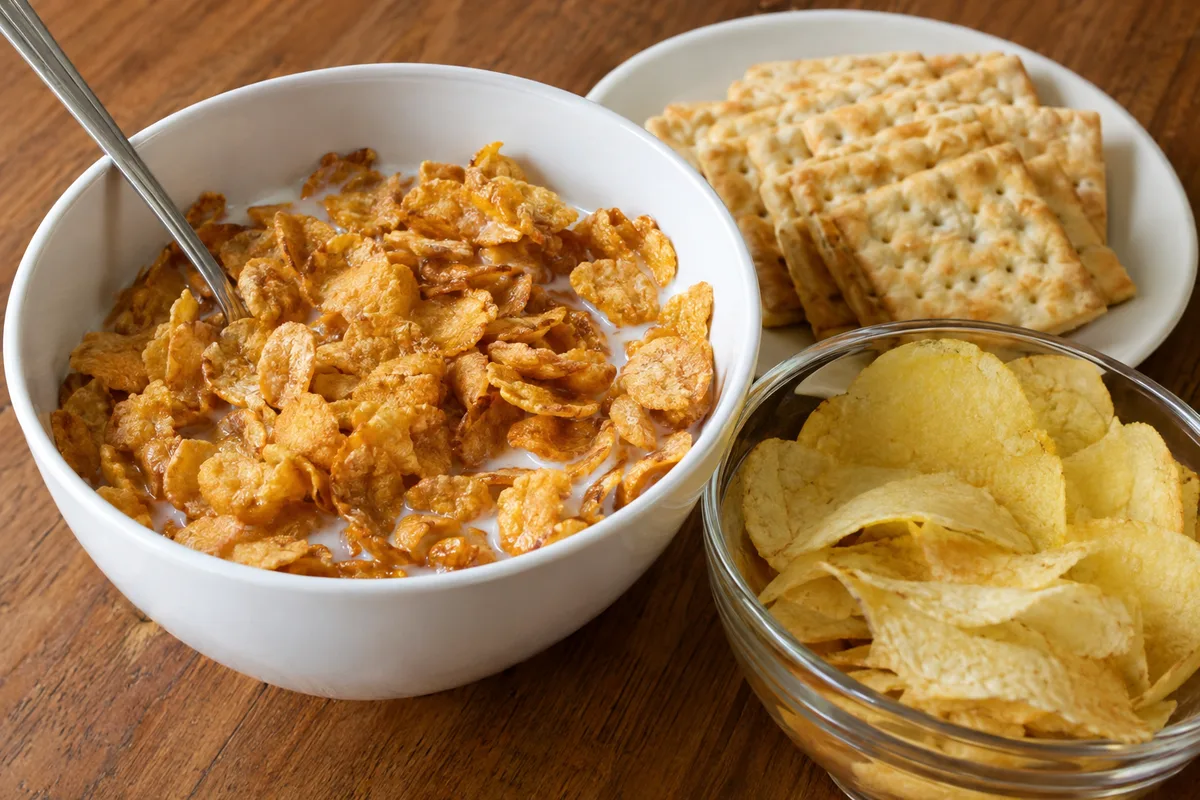
BHA and BHT keep foods fresh, but are they safe?
BHA and BHT are antioxidants that help slow the changes caused when fats meet oxygen. Their safety depends on how much is consumed, so permitted uses and amounts are controlled by food regulators.
-
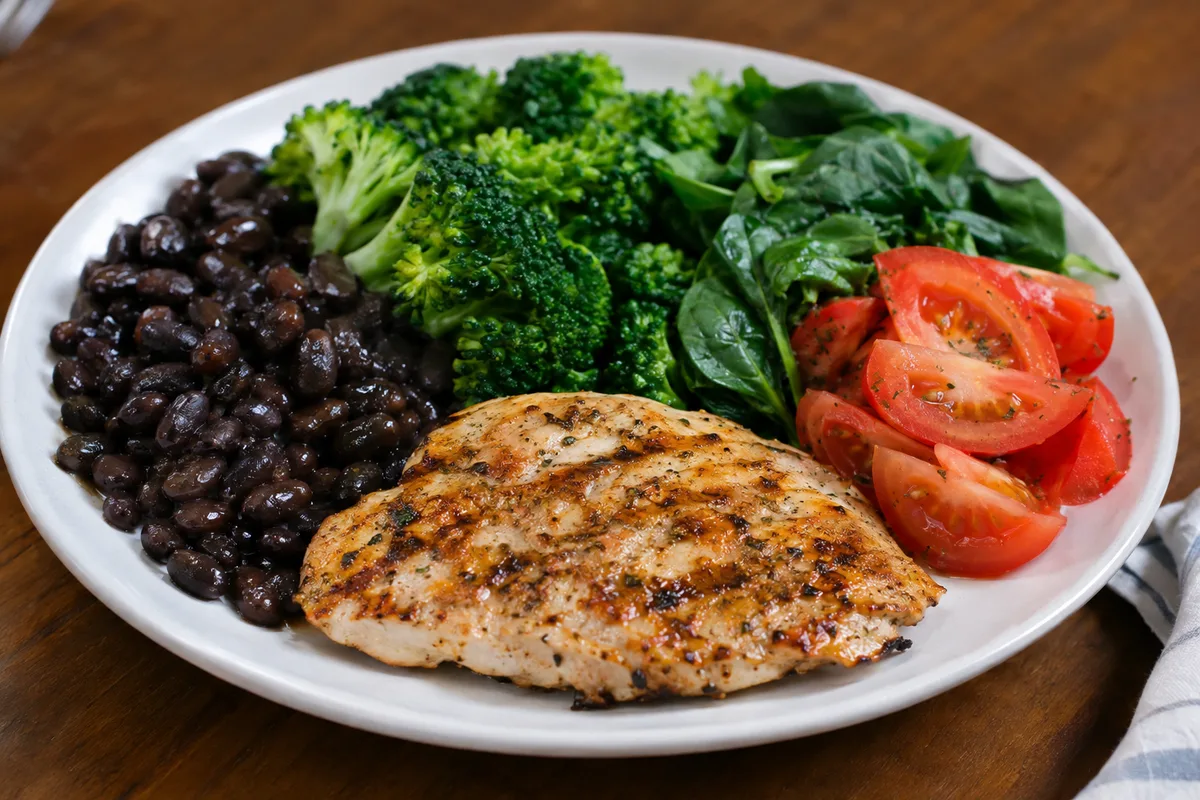
The 4-Hour Body Diet: How It Works, Pros and Cons
The 4-Hour Body diet is a restrictive eating pattern built around protein, legumes, vegetables and repeated meals. Understanding its rules can help you decide whether it fits your preferences and food tracking routine.
-
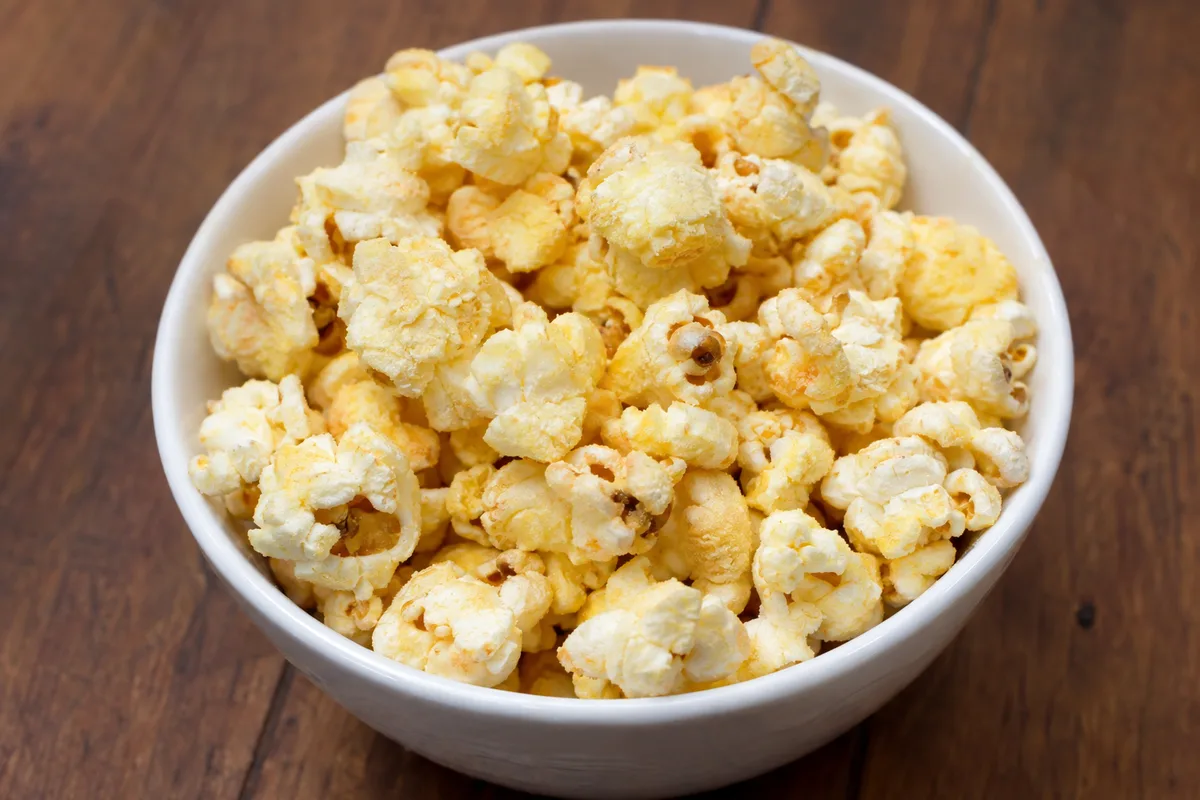
Is Smartfood popcorn a healthy choice?
Smartfood popcorn is a flavoured snack, so whether it suits your diet depends on the variety and how much you eat. The nutrition label can help you judge it alongside your personal goals.
-
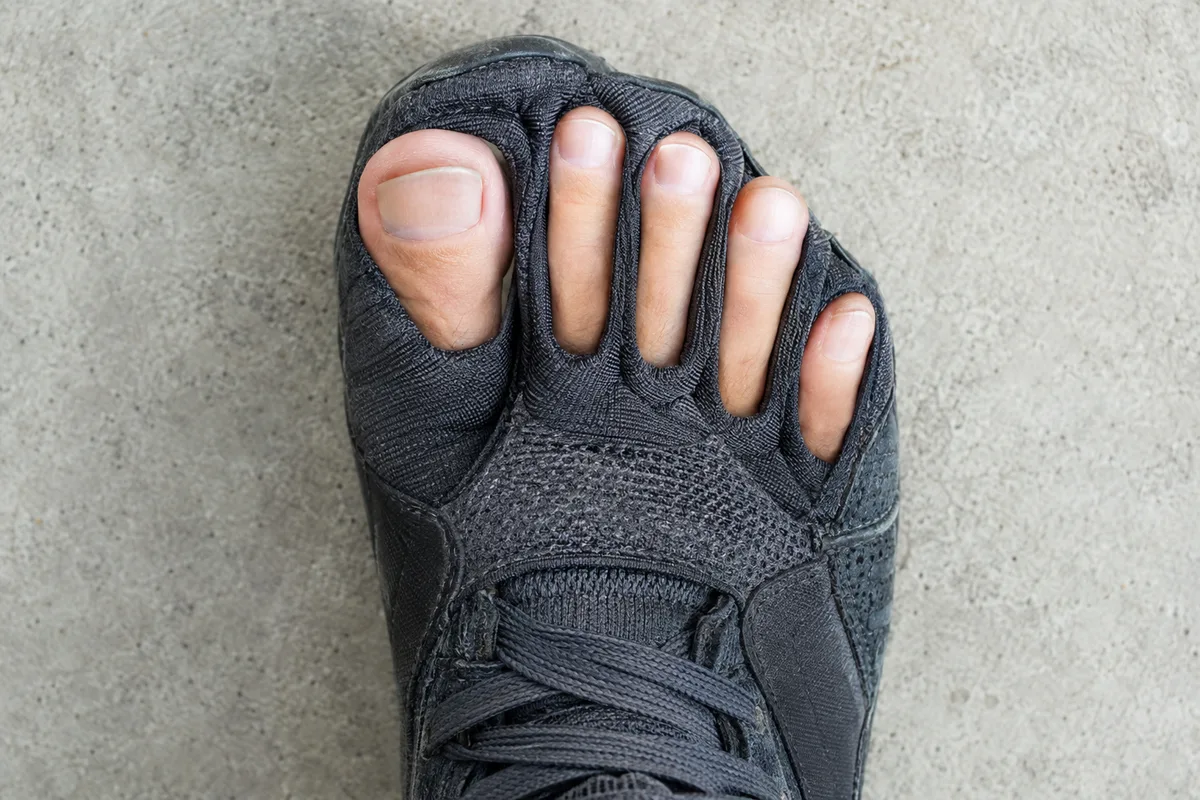
How to Choose the Best Wide Toe Box Shoes
A wide toe box gives your toes more room to spread than a tapered shoe. The best option is the one that matches your foot shape, activity and preferred level of support.
-
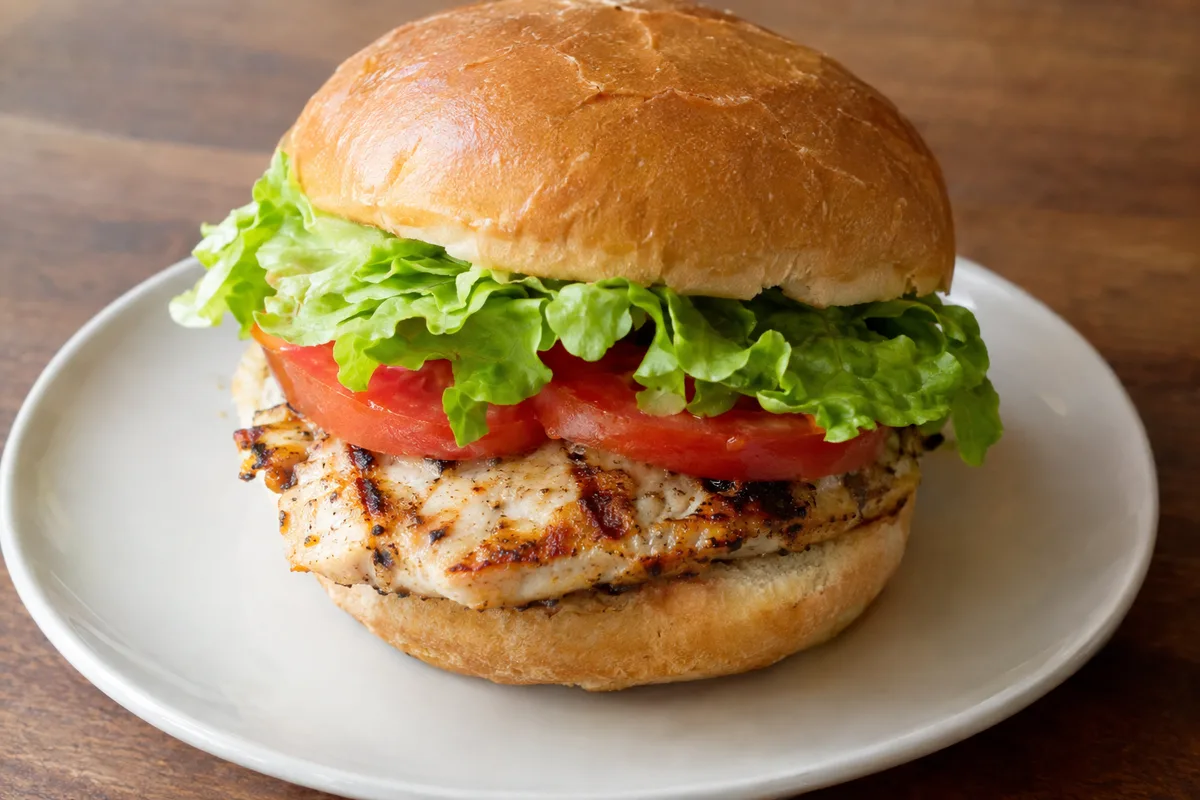
How to Build a Chick-fil-A Meal for 500 Calories or Less
A 500-calorie limit can still leave room for a main item, a side and a sauce. The key is to check portions and count every part of the order.
-

Is Pho Soup Good for You?
Pho combines broth, rice noodles, herbs and a choice of protein in one bowl. Whether it suits your goals depends on how it is prepared and how much you eat.
-
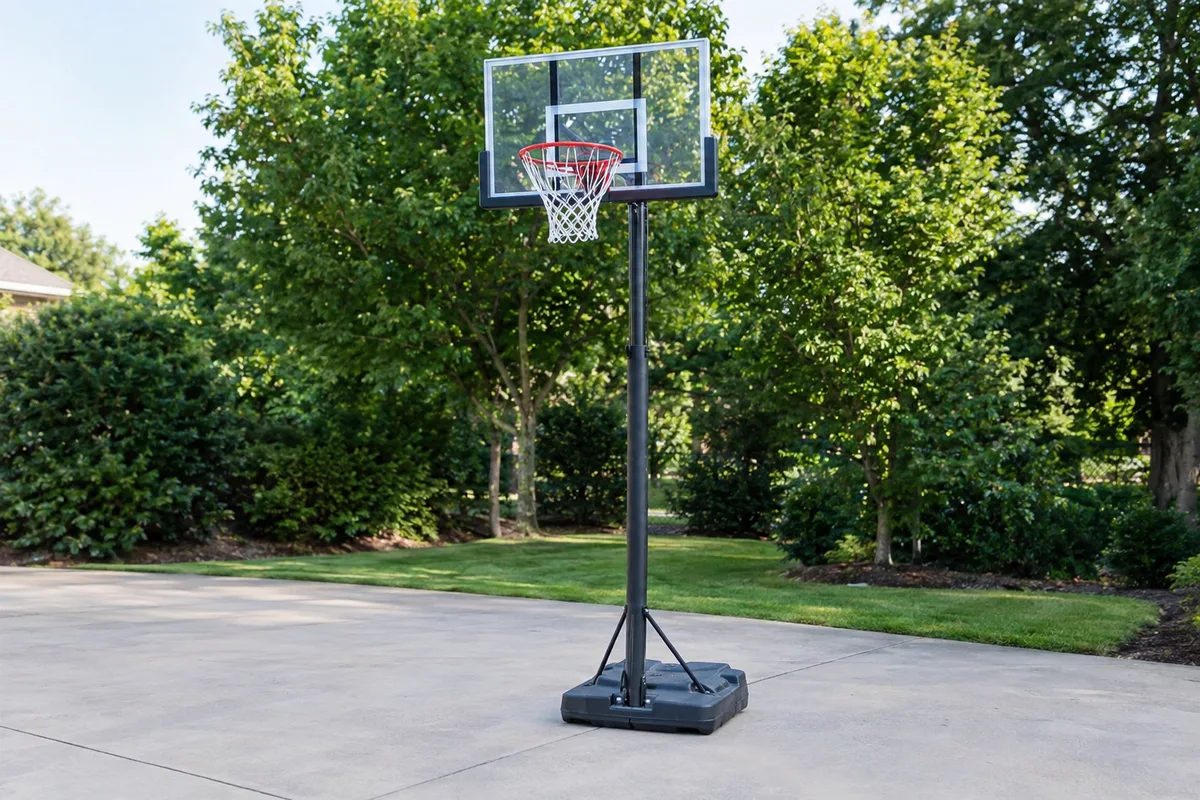
How to Choose the Best Portable Basketball Hoop for Your Space
The best portable basketball hoop is one that fits your playing space, suits its users and remains steady during play. Looking beyond backboard size can help you compare models more clearly.
-

How Many Calories Do Active but Sedentary People Burn Each Day?
You can exercise regularly and still spend most of the day sitting. Your total daily calorie burn reflects both the active periods and everything that happens around them.
-
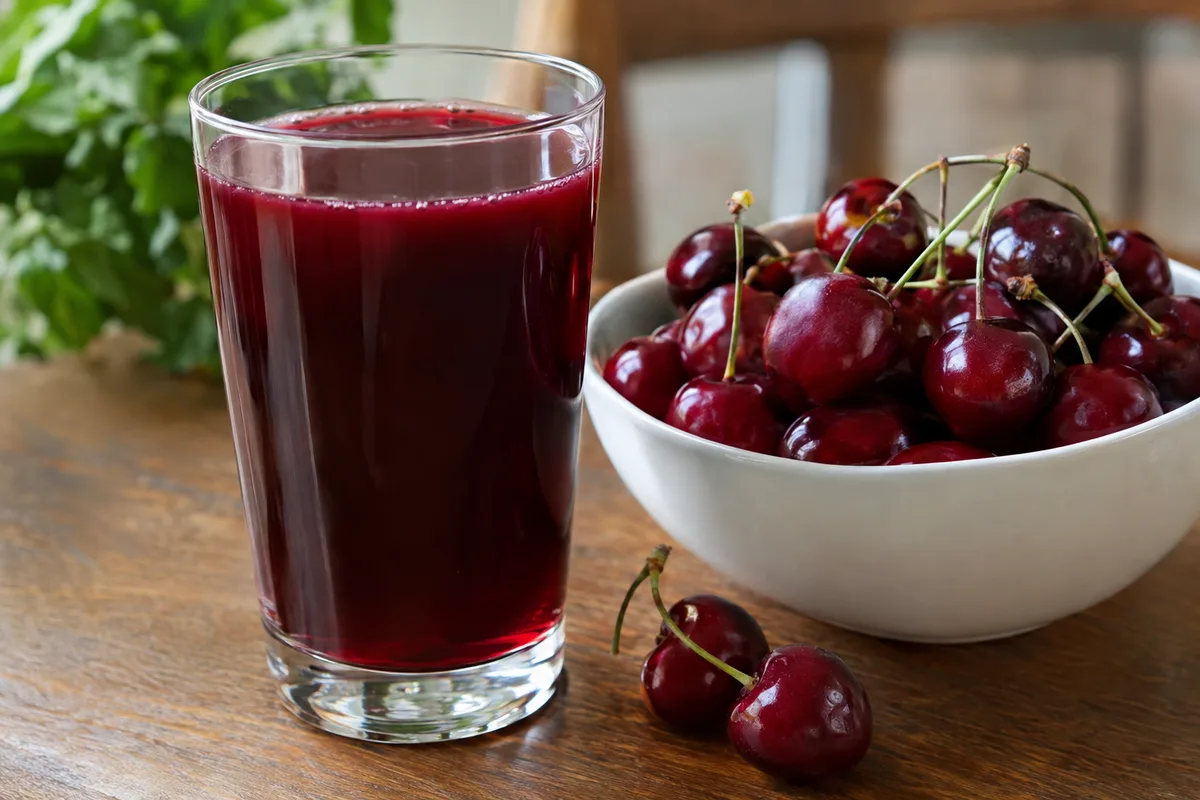
Cherry Juice: The Pros and Cons for Your Food Diary
Cherry juice can be an enjoyable way to add fruit flavours and plant compounds to your day. It can also contribute a noticeable amount of sugar and energy without the fibre of whole cherries.
-
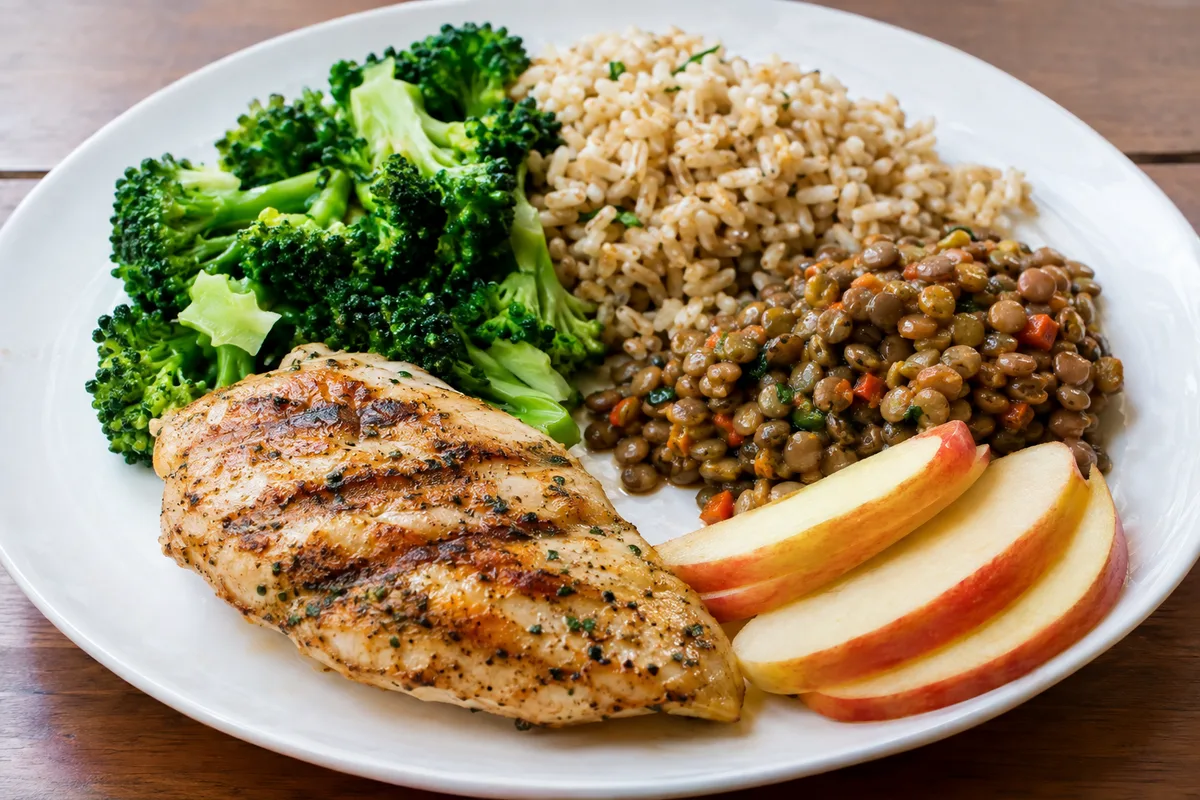
The Blood Type Diet: Does Your Group Shape What You Should Eat?
The blood type diet assigns different eating patterns to the A, B, AB and O blood groups. The appealing idea is that your blood group reveals which foods suit you, but the evidence does not support that link.
-
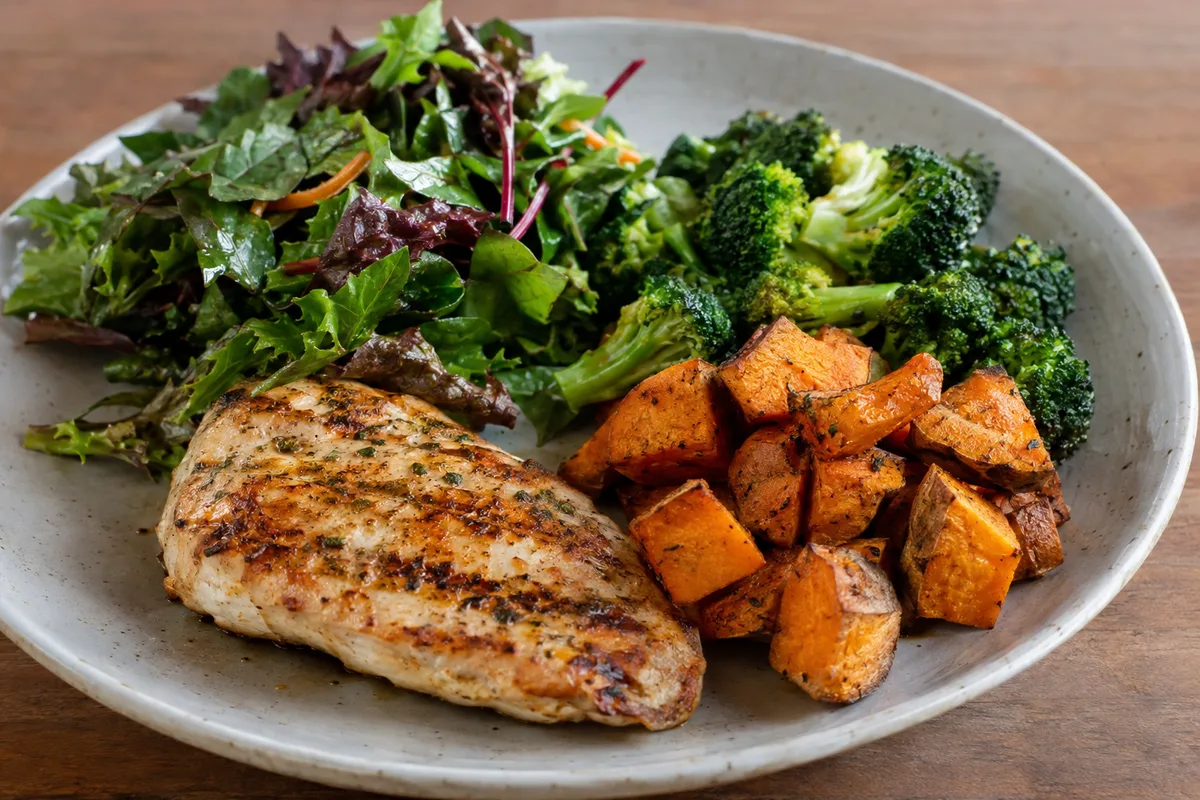
What Is a Calorie Deficit?
A calorie deficit is the gap between the energy you get from food and the energy your body uses. Understanding that gap can make your existing food log more useful.
-
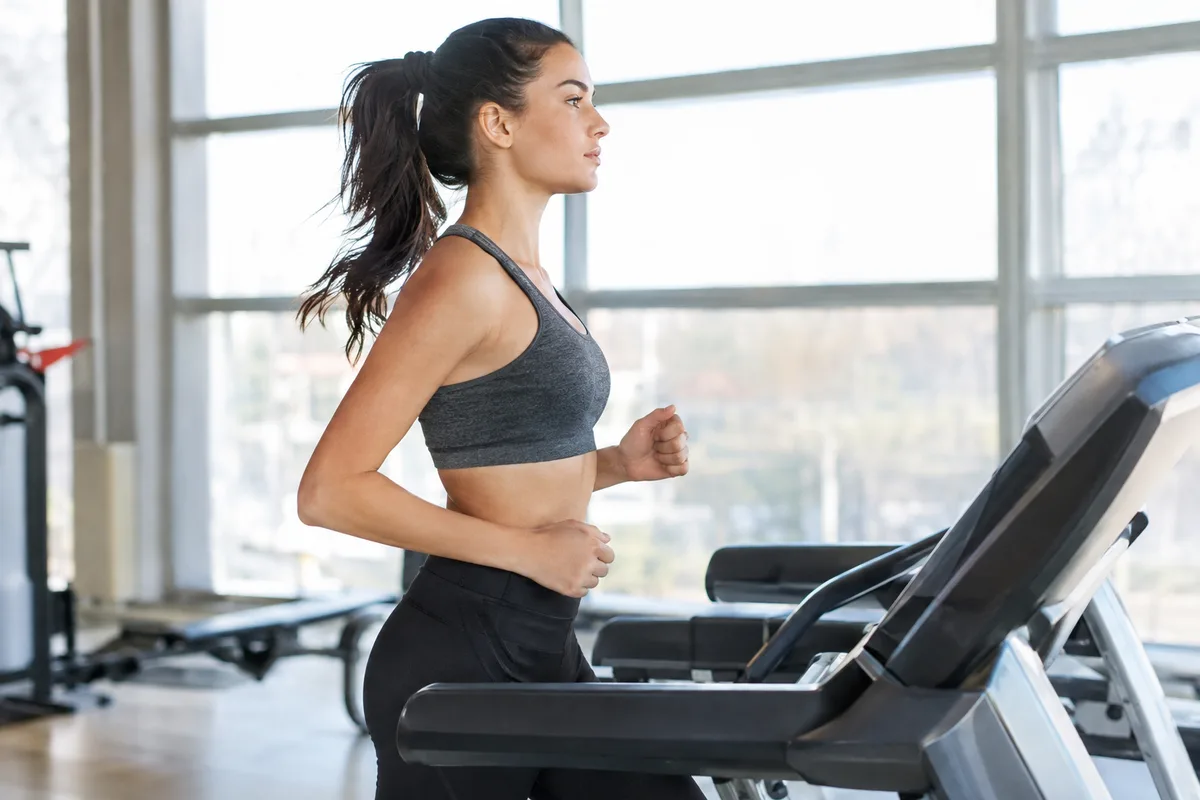
What VO₂ Max Means for Your Fitness
VO₂ max describes how well your body can take in and use oxygen when exercise becomes demanding. It is one way to track aerobic fitness, rather than a score of your overall health or effort.
-

How to Choose the Best Bathroom Scale for You
The best bathroom scale is one that gives consistent readings and fits easily into your routine. Focus on useful features rather than a long list of measurements you may never check.
-
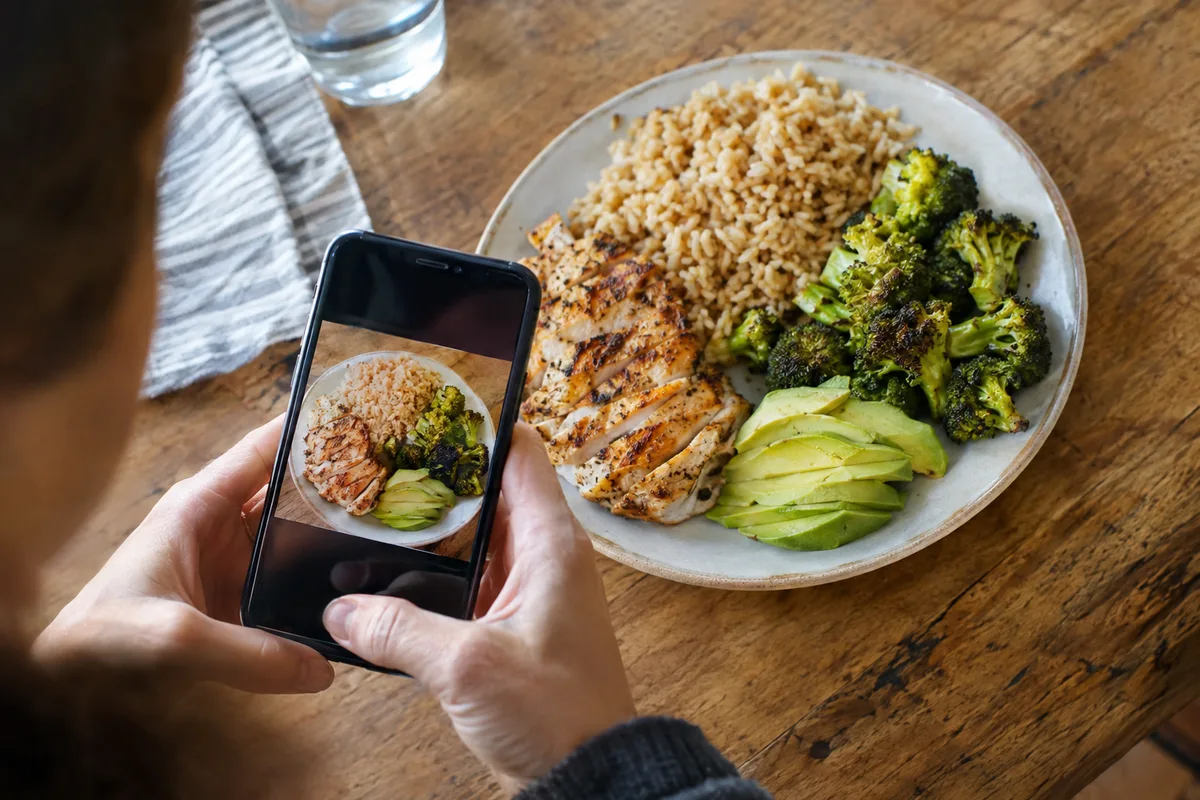
How to Build a Diet Plan for Gradual Weight Loss
A useful weight-loss plan starts with what you already track, then turns that information into manageable choices. The aim is to build an eating pattern you can follow consistently, rather than chase a fixed number of pounds by a deadline.
-
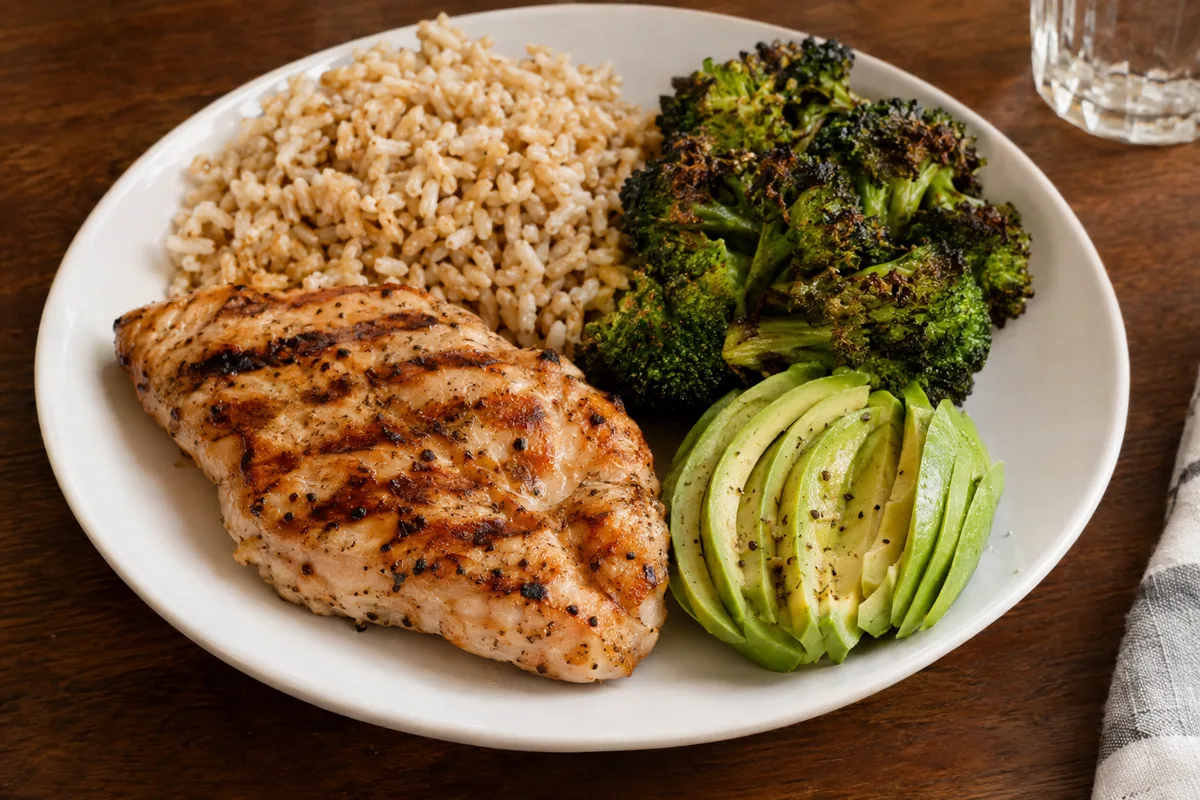
How to Find the Macro Mix That Works for You
There is no single macro split that suits everyone. The right mix is one that supports your goals, fits your daily life and can be adjusted using your food log.
-
How Long Does It Take to Run a Marathon?
A marathon covers 42.195 kilometres, or about 26.2 miles, but there is no single standard finishing time. Your result depends on your pace, preparation, route and how you feel on the day.
-
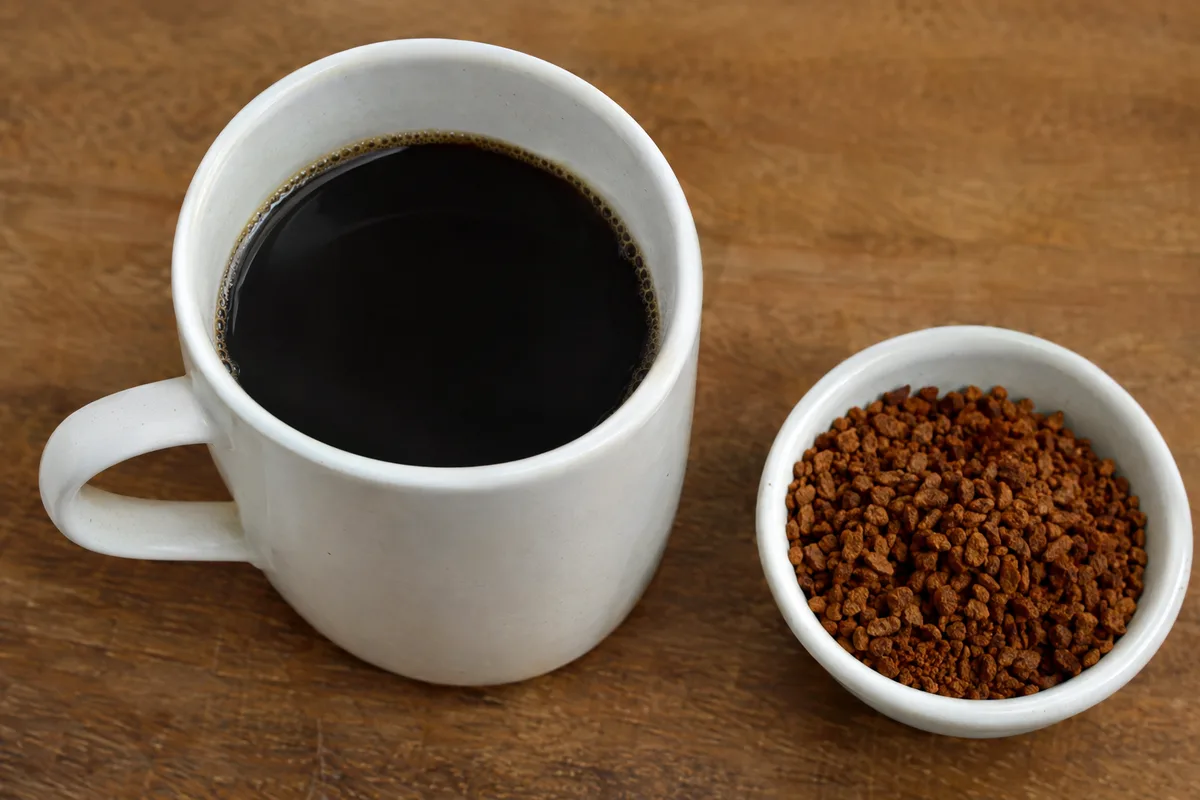
Is Instant Coffee Bad for Your Health?
Instant coffee is brewed coffee that has been dried into soluble granules or powder. Whether it suits you depends less on the format and more on how much you drink, what you add and how your body responds.
-
How to Choose the Best Yoga Mat for You
The best yoga mat is the one that feels comfortable, stays steady and fits the way you practise. Looking beyond colour can help you narrow down the options without overcomplicating the choice.
-
How to Do the V Sit Ab Exercise
The V sit is a bodyweight exercise that asks your middle to keep your torso and legs lifted at the same time. It needs no equipment, but careful positioning matters more than holding it for longer.
-

What a 30-Gram Protein Breakfast Looks Like
A 30-gram protein breakfast is simply a morning meal whose ingredients add up to roughly that amount. It can be a useful planning target, but it is not a rule everyone needs to follow.
-
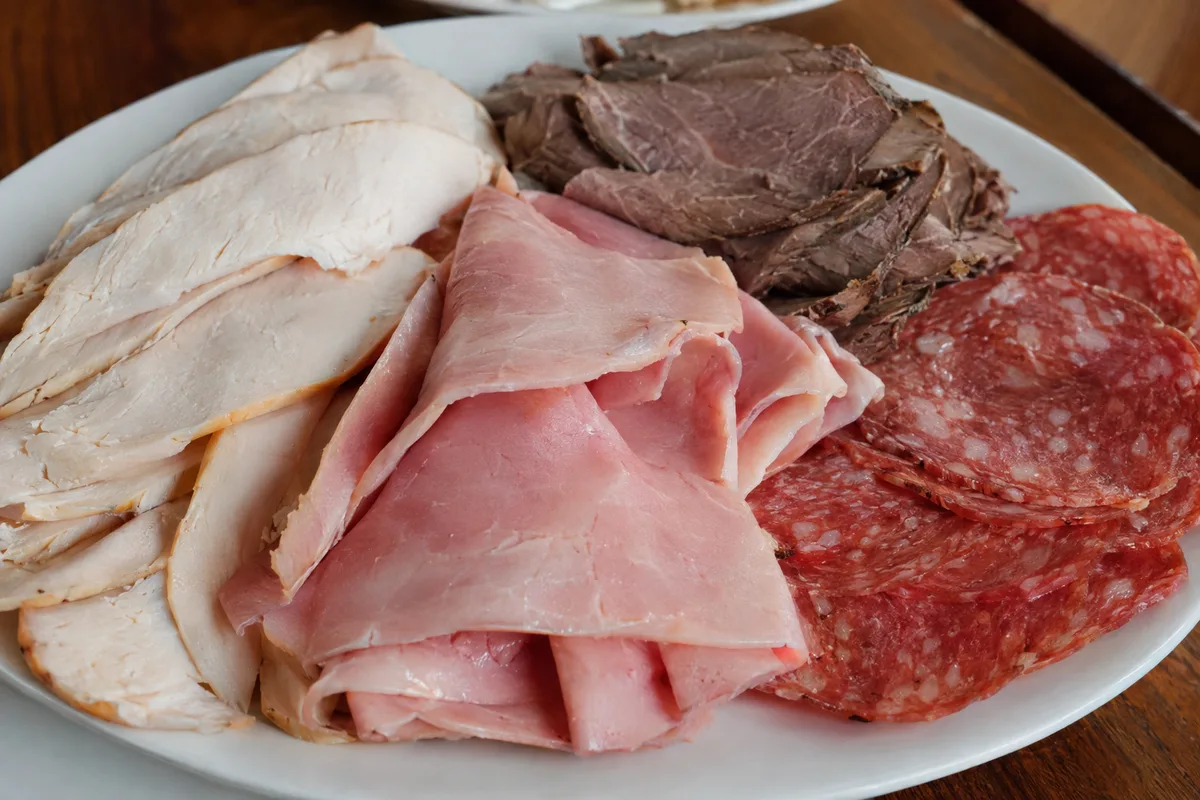
A Practical Gluten-Free Deli Meat List
Deli meat can fit a gluten-free eating pattern, but the name of the meat alone does not confirm what is in it. Use this list as a starting point, then check each label and serving method.
-
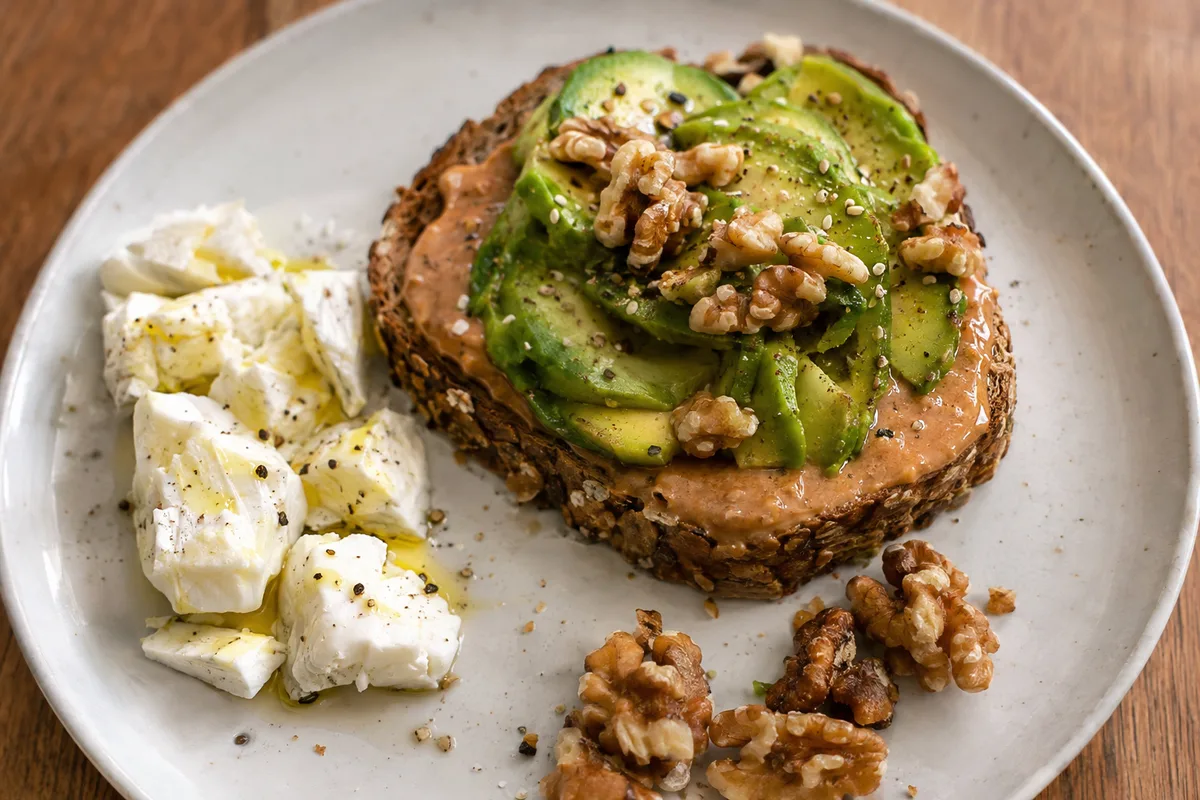
How High-Calorie Foods Can Support Weight Gain
High-calorie foods provide plenty of energy in a relatively small amount of food. They can support weight gain when they help you eat more energy than your body uses over time.
-

What Does the Average Weight for a Man Really Mean?
A national average can describe a population, but it cannot tell you what one man should weigh. Understanding how the figure was calculated makes it easier to use without turning it into a goal.
-
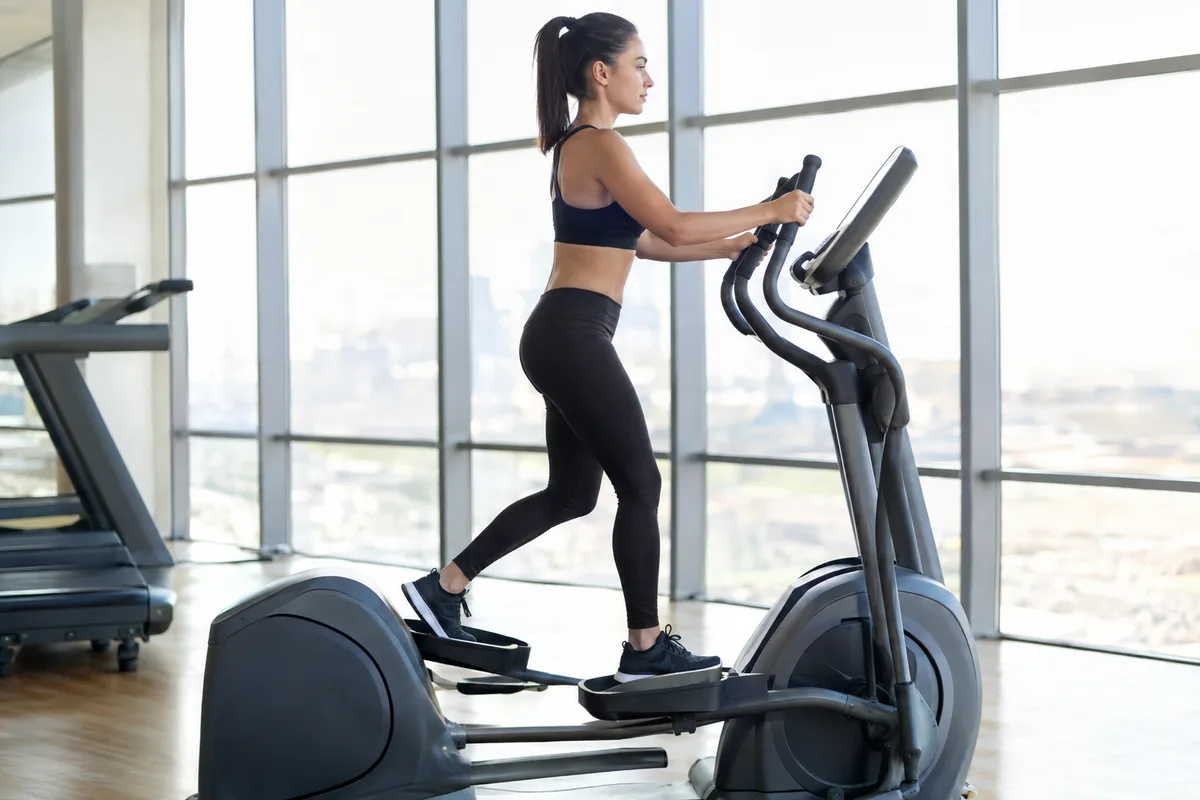
Cardio 101: Using the Elliptical to Support Fat Loss
The elliptical offers a low-impact way to add cardio to your routine. It can support fat loss by increasing energy use, but your overall food intake and activity still matter most.
-
Mixed tocopherols: benefits, side effects, dosage and interactions
Mixed tocopherols are several forms of vitamin E combined in one ingredient or supplement. Understanding the label matters because the blend and amount can vary between products.
-
How to Make Push-Ups Part of Your Routine
The push-up is a simple bodyweight exercise that works several areas at once. Good positioning, steady movement and a suitable variation matter more than chasing a high total.
-
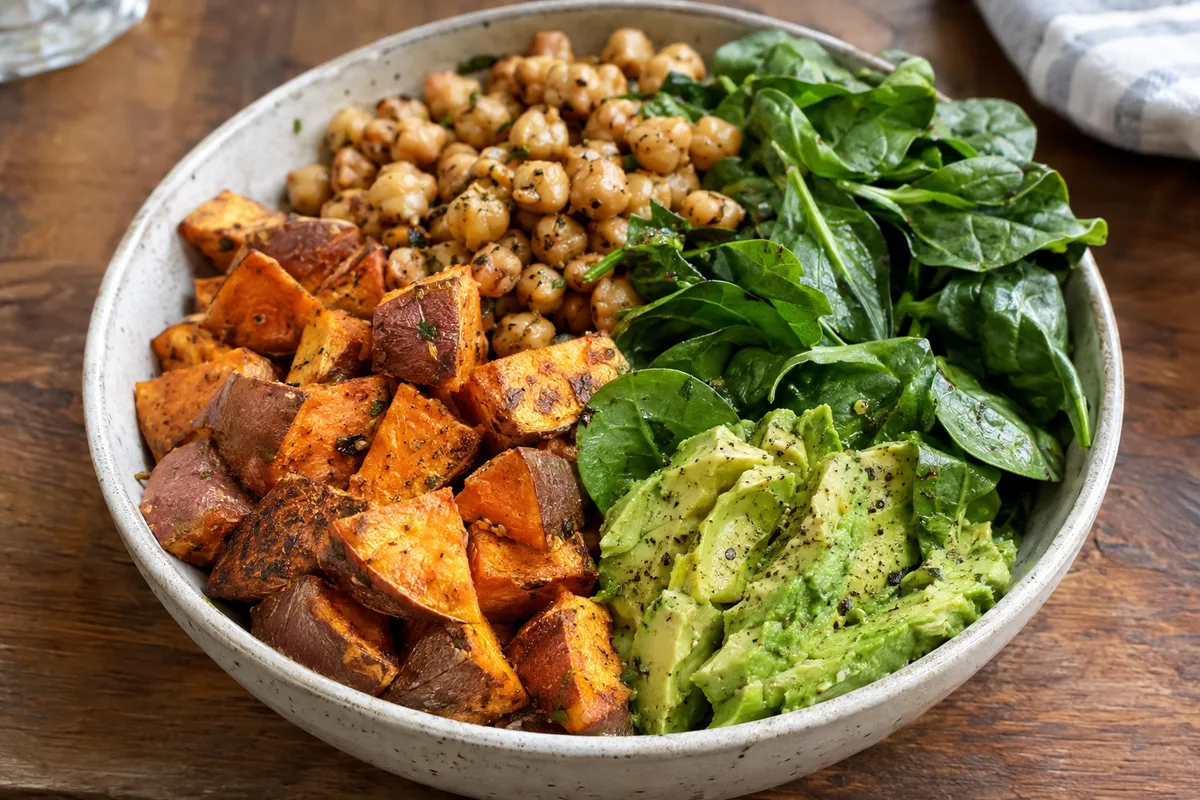
Why Sweet Potatoes Can Support Your Weight-Loss Goals
Sweet potatoes are not a shortcut to weight loss, but they can be a practical part of a balanced diet. Their fibre, volume and versatility may help you build meals that feel satisfying and are easy to track.
-
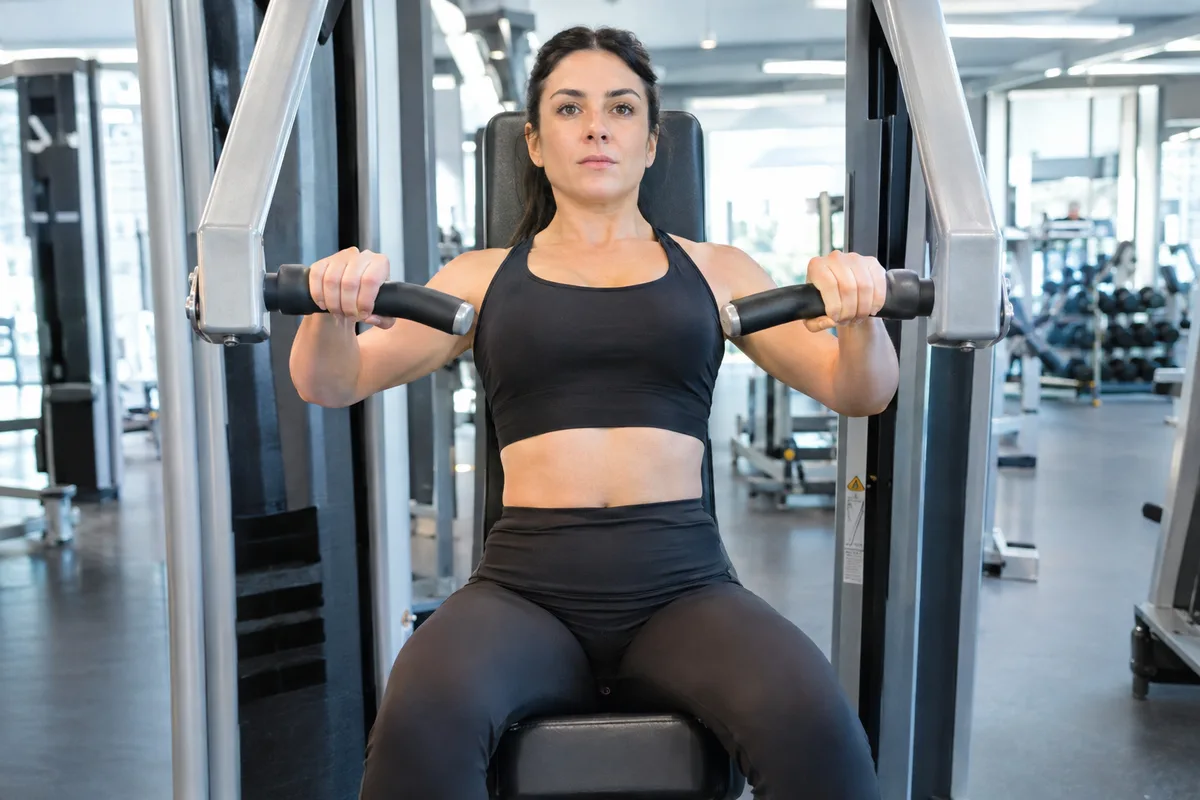
How to Use the Seated Chest Press Machine
The seated chest press is a straightforward way to train your chest, shoulders and the backs of your upper arms. Good results start with adjusting the machine to your body rather than simply adding more weight.
-
How to Do a Dumbbell Overhead Press with Control
The dumbbell overhead press builds upper-body strength by moving weights from shoulder height to overhead. Good positioning and a controlled range matter more than lifting the heaviest dumbbells available.
-

Intermittent fasting: a different way to schedule eating
Intermittent fasting sets periods for eating and periods without food. It changes when you eat, but the foods and amounts you record still matter.
-
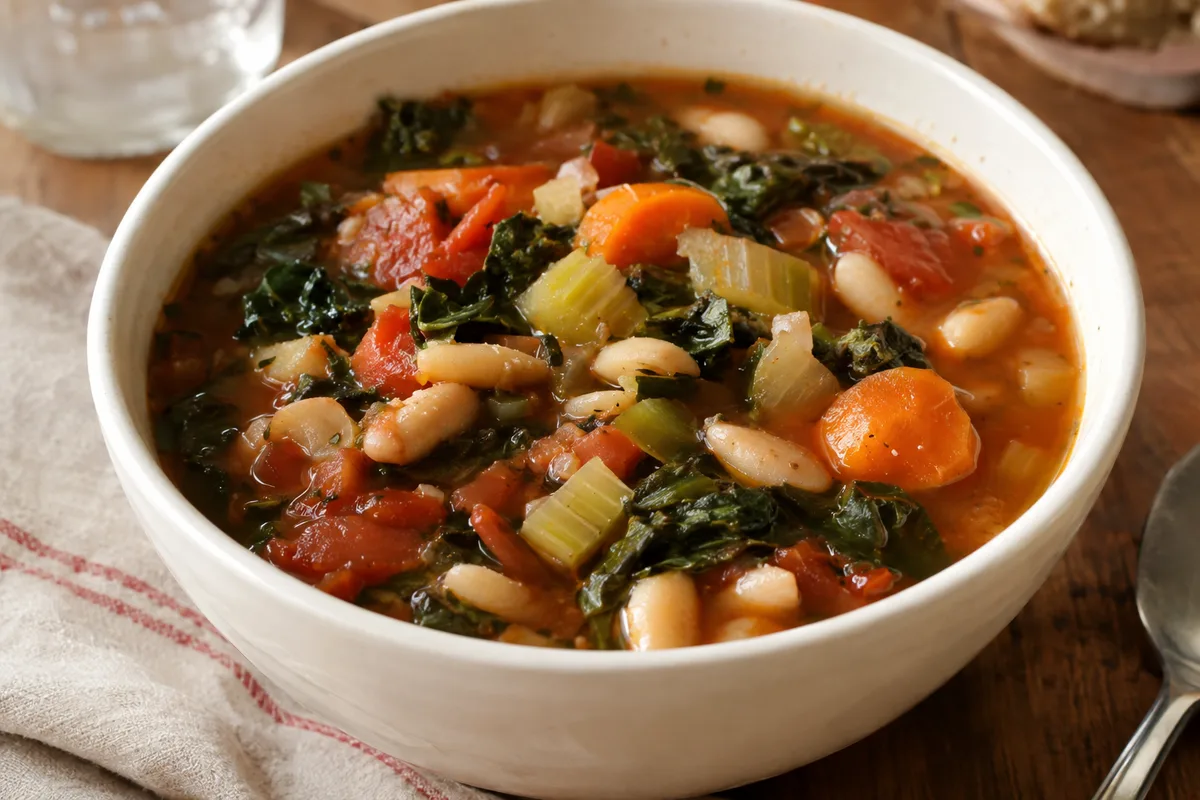
The Soup Diet: How It Works and What to Track
A soup diet replaces some or most usual meals with soup, often for a limited period. Its effect comes from changing overall energy intake, not from any special property of soup.
-
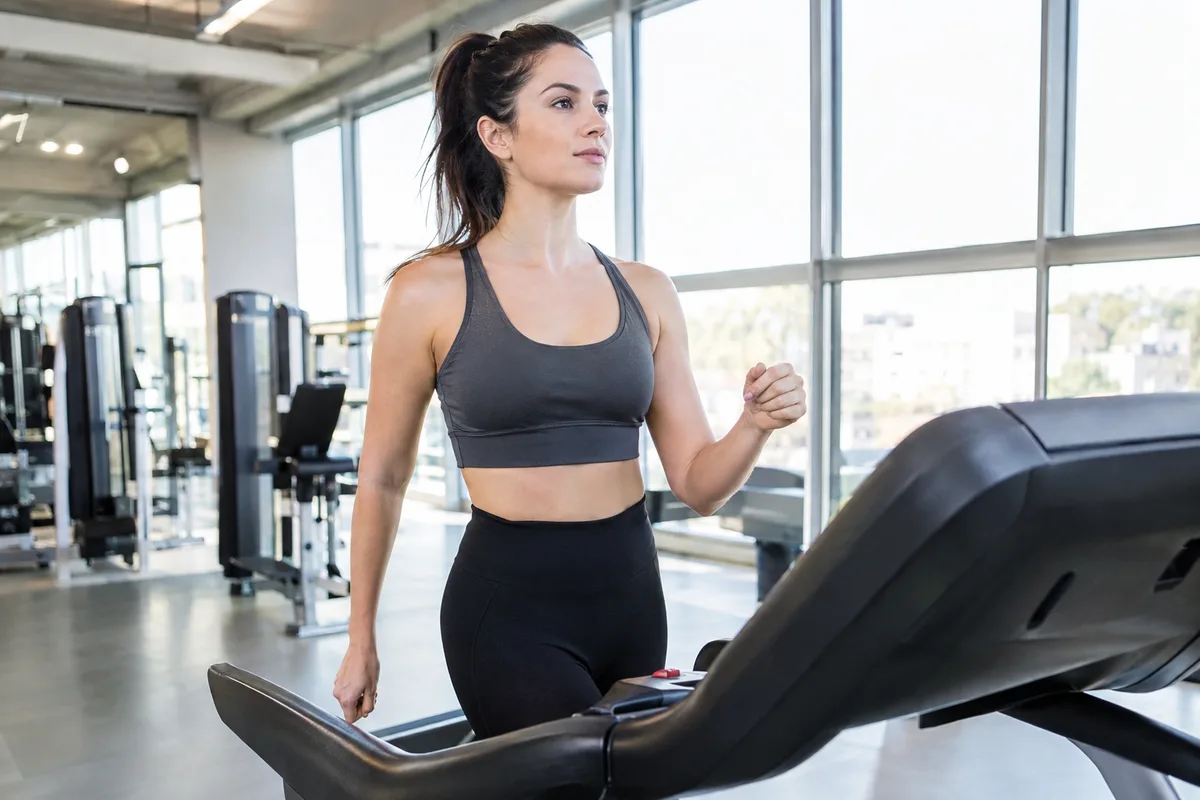
How to Find the Best Fitness Tracker for You
The best fitness tracker is the one that records the information you value without making your routine harder. Focus on useful trends, comfortable design and a clear connection with the food log you already keep.
-
Build Upper-Body Strength with Pull-Up Bar Exercises
A pull-up bar can support more than one demanding movement. By adjusting your grip, range and level of assistance, you can build a simple upper-body programme around steady progress.
-
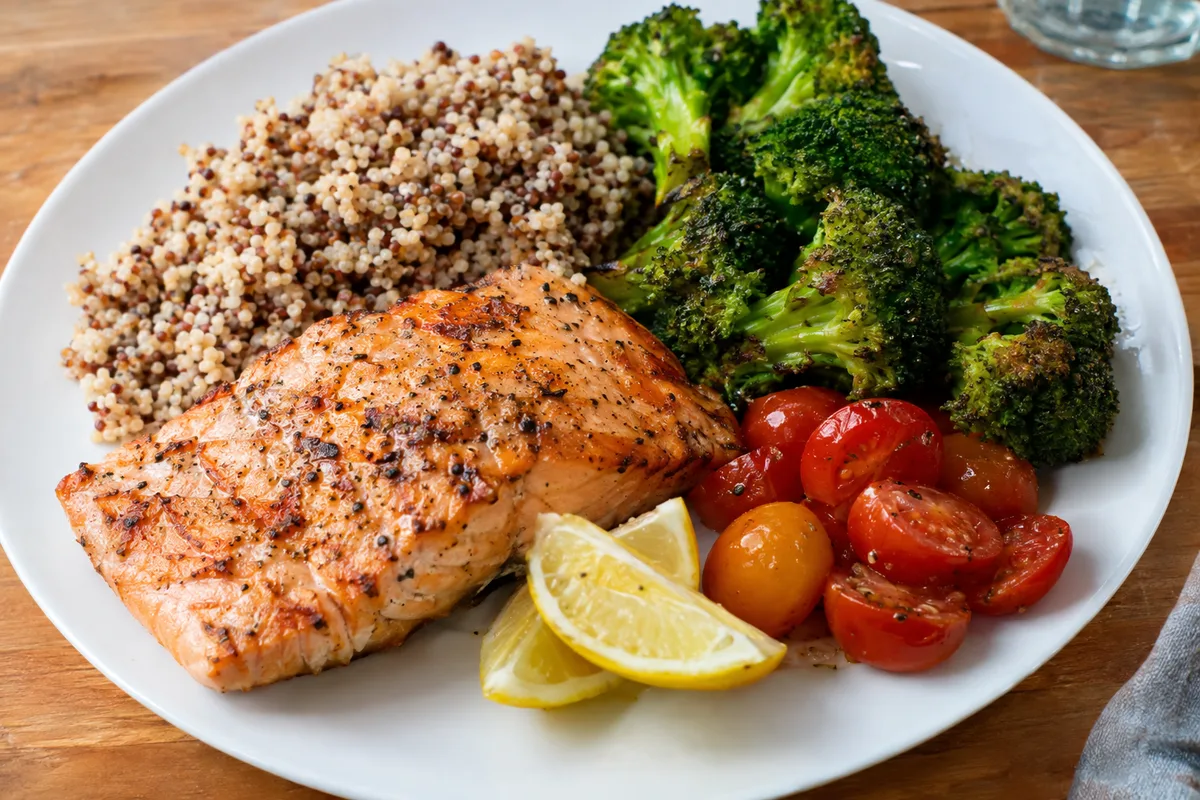
A Practical Guide to Eating Pescatarian
A pescatarian diet combines plant-based eating with fish and seafood. There is no single set menu, so you can shape it around your preferences and tracking goals.
-
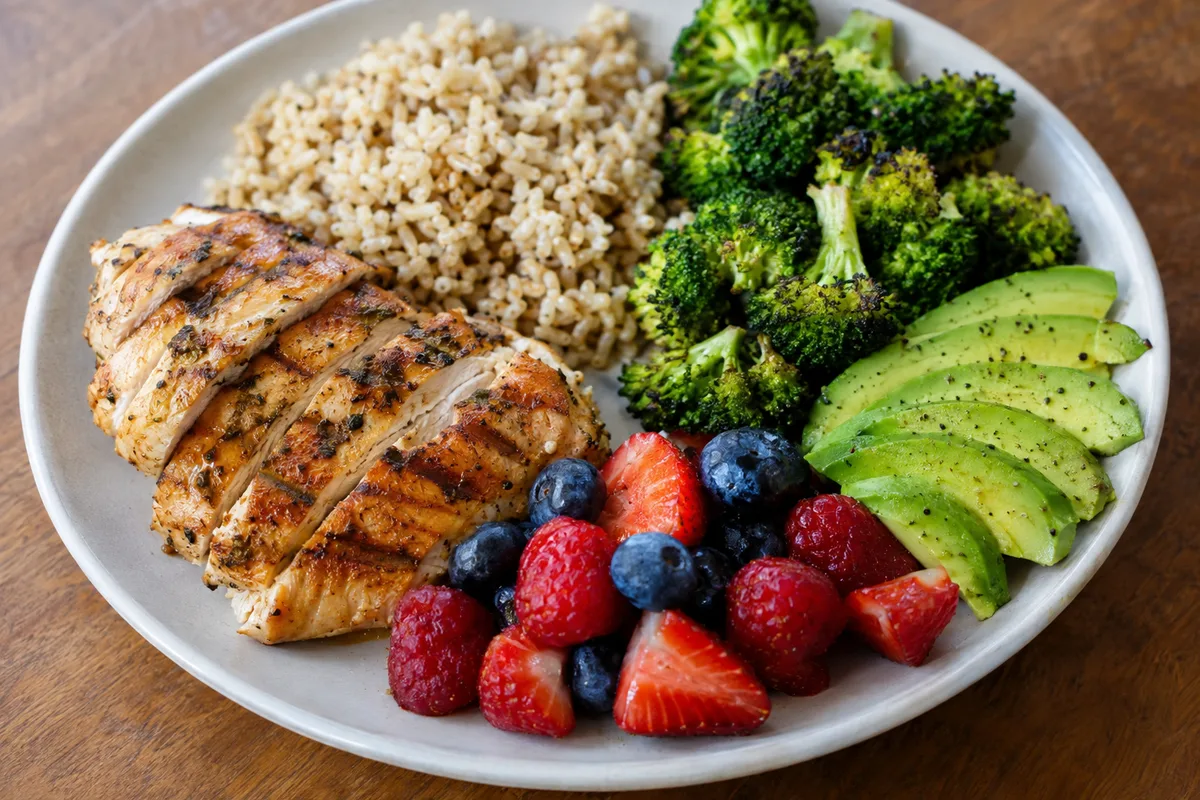
A Practical Approach to Losing 2 Pounds a Week
Losing two pounds every week is an ambitious target, and the result depends on your body, starting point and routine. A careful plan focuses on repeatable changes rather than severe restriction.
-
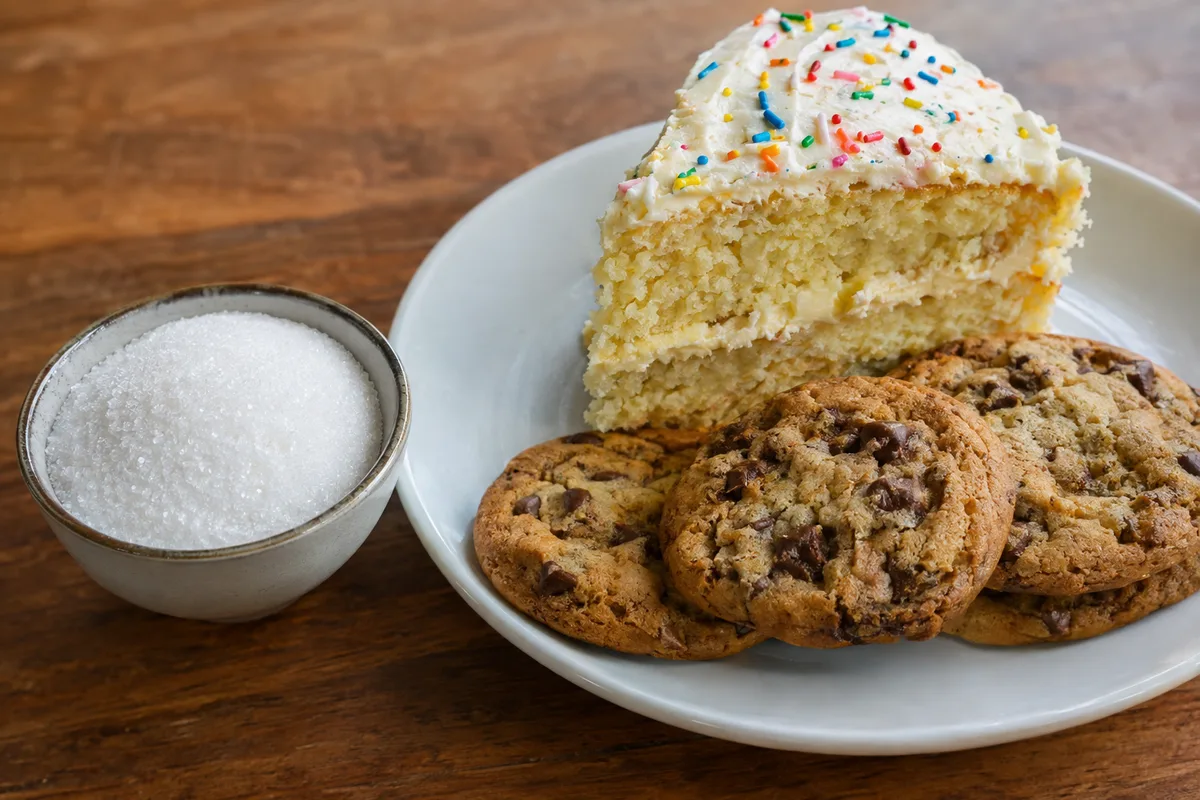
Ask the RD: What Counts as Refined Sugar?
Refined sugar is a useful everyday phrase, but it does not have one simple definition on food labels. Here is how to recognise it and track it without getting tangled in terminology.
-
How to Choose the Best Shoes for Beach Walking
The best beach walking shoes suit the surface, distance and conditions you expect. Focus on secure fit, reliable grip and materials that cope well with sand and water.
-
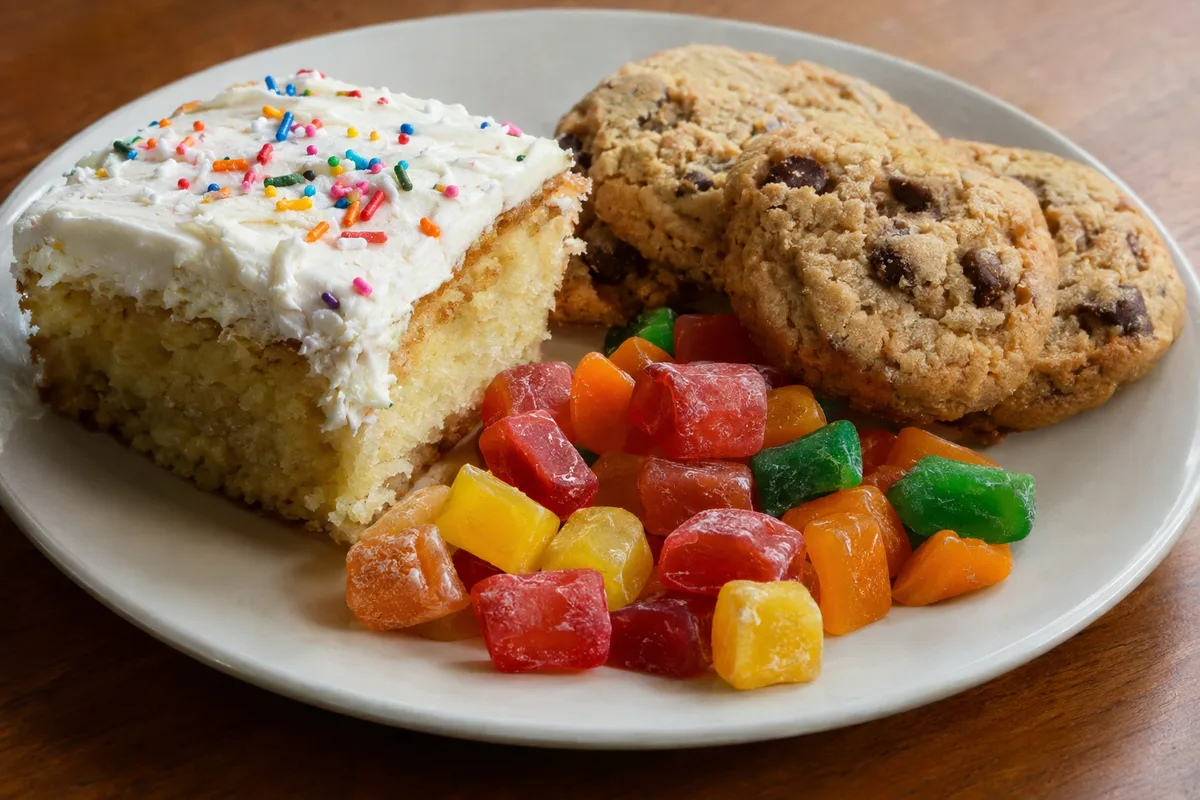
Invert Sugar: What It Is and How to Track It
Invert sugar may sound unusual, but it is simply a form of sugar made by splitting sucrose into two simpler sugars. Understanding the name can make ingredient lists and food logs easier to interpret.
-
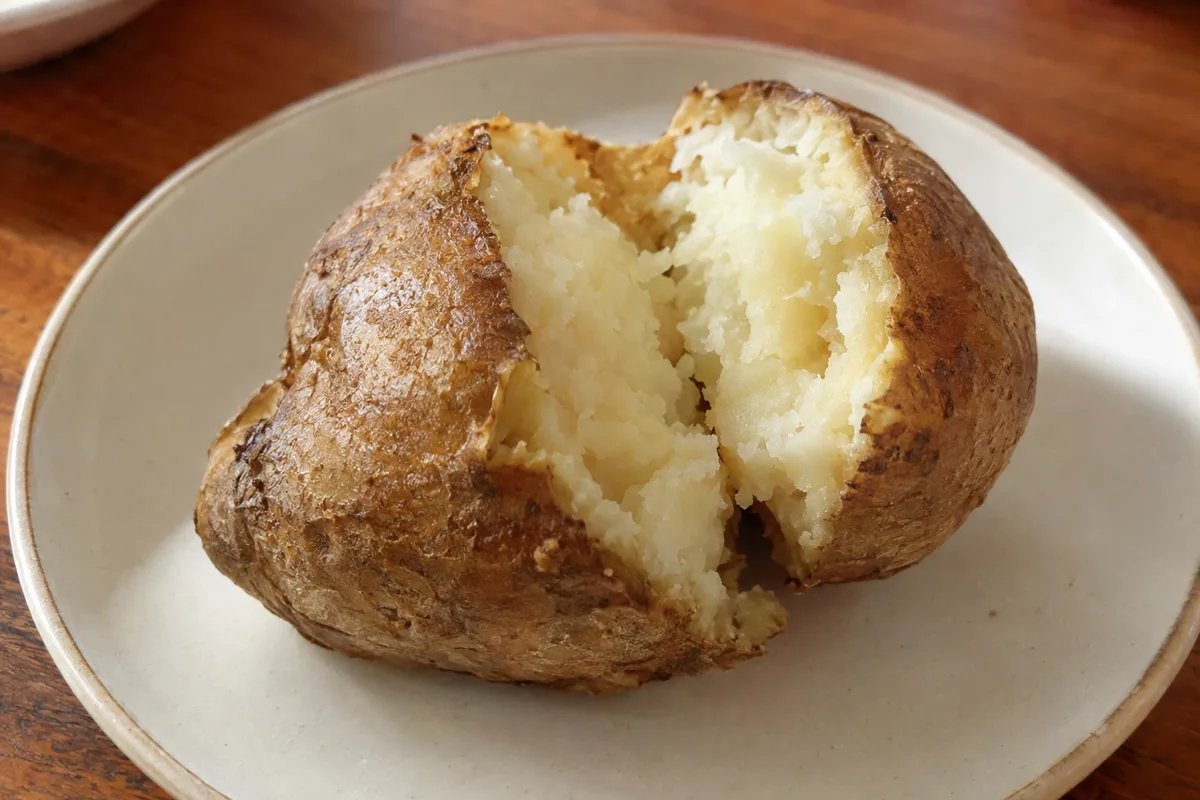
Can a Baked Potato Fit a Weight-Loss Plan?
You do not need to avoid baked potatoes when aiming to lose weight. What matters most is how the whole meal fits your calorie target and keeps you satisfied.
-
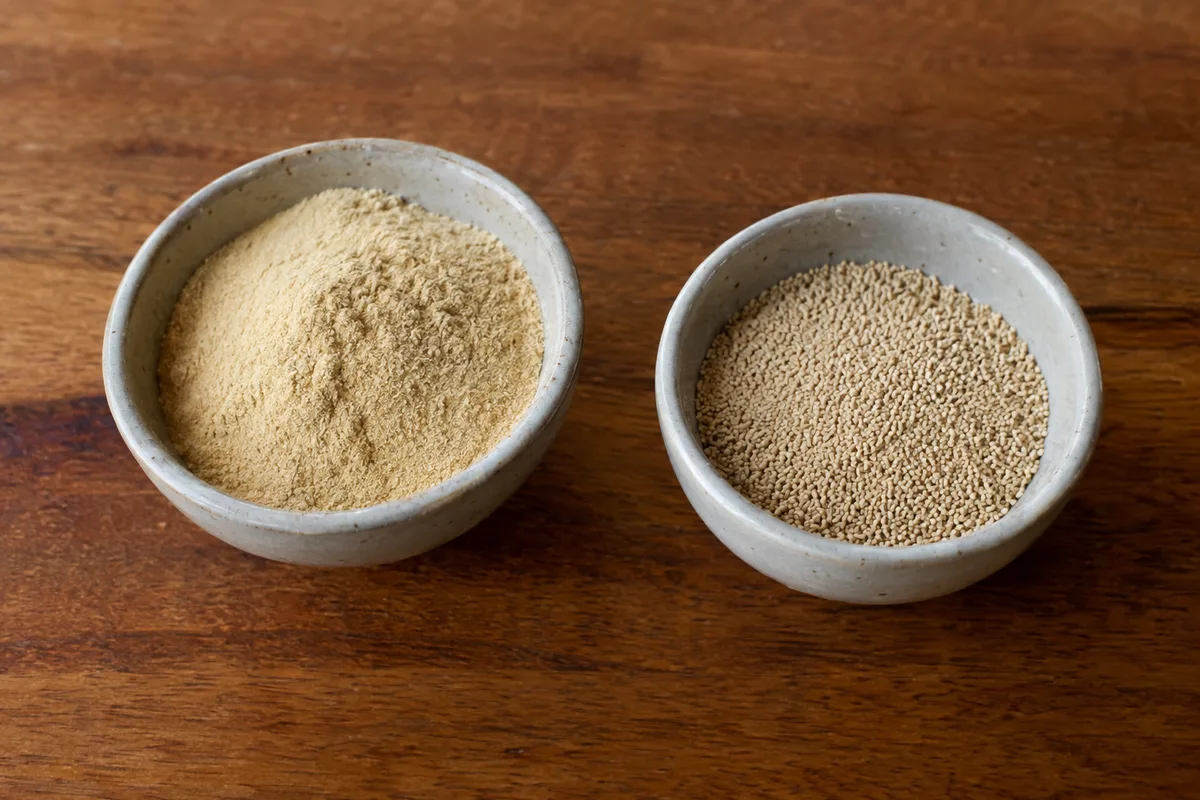
Brewer’s Yeast and Baker’s Yeast: What’s the Difference?
Brewer’s yeast and baker’s yeast are closely related, but they are prepared for different jobs. That difference affects how they taste, behave in recipes and appear in your food log.
-
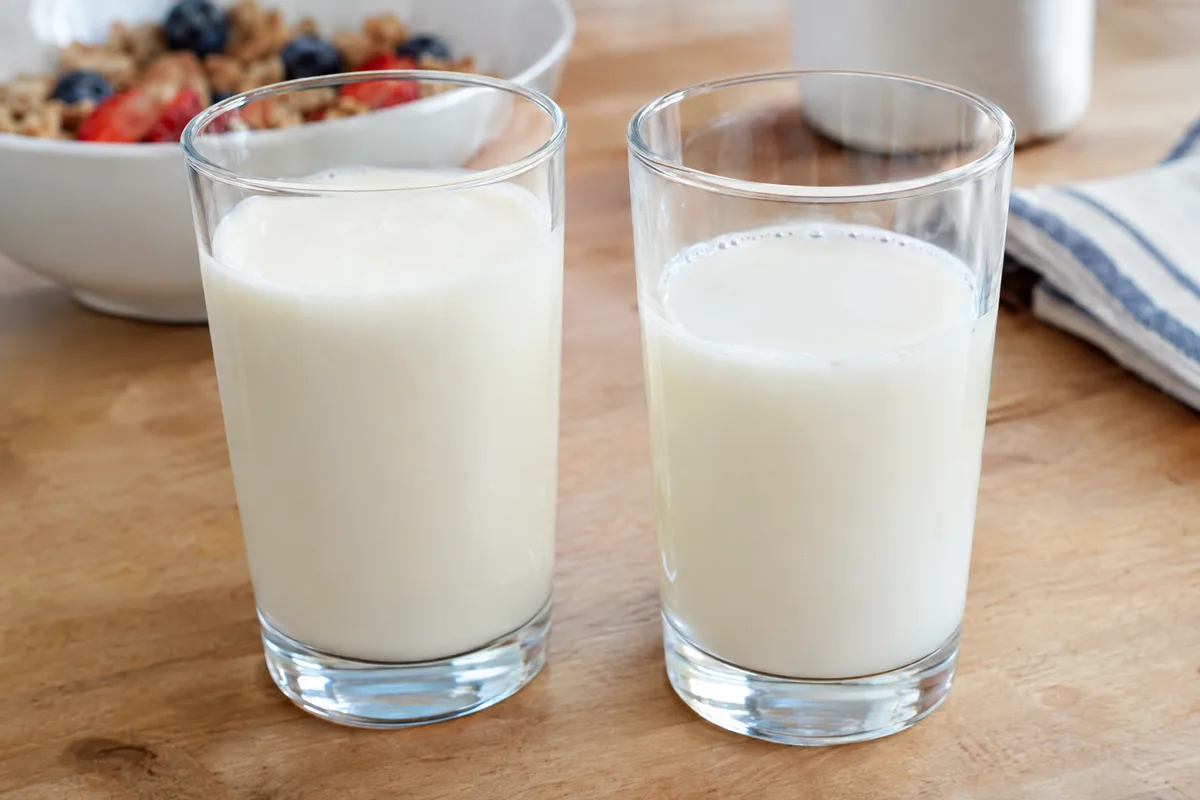
Whole Milk vs Skimmed Milk: What Changes?
Whole and skimmed milk come from the same starting point, but most of the fat is removed from skimmed milk. The better choice depends on your preferences, portions and the rest of what you eat.
-
How to Choose the Best Walking Sandals for You
The best walking sandals are the ones that stay comfortable and secure across the routes you actually take. Focus on fit, sole design and adjustability rather than assuming one style suits everyone.
-
How to Choose the Best Rowing Machine for You
The best rowing machine is one that feels comfortable, fits your space and supports the way you like to train. Looking beyond headline features makes it easier to compare models without paying for functions you may not use.
-
Repetition Maximum and 1RM, Explained Simply
Repetition maximum describes the heaviest load you can lift for a set number of good-quality repetitions. Your 1RM is the version used for a single repetition.
-

Why Potatoes Can Raise Blood Glucose Faster Than Sugar
A potato does not contain more sugar than table sugar, yet its starch can sometimes reach the bloodstream as glucose more quickly. Understanding digestion helps explain why the comparison is not as simple as it sounds.
-
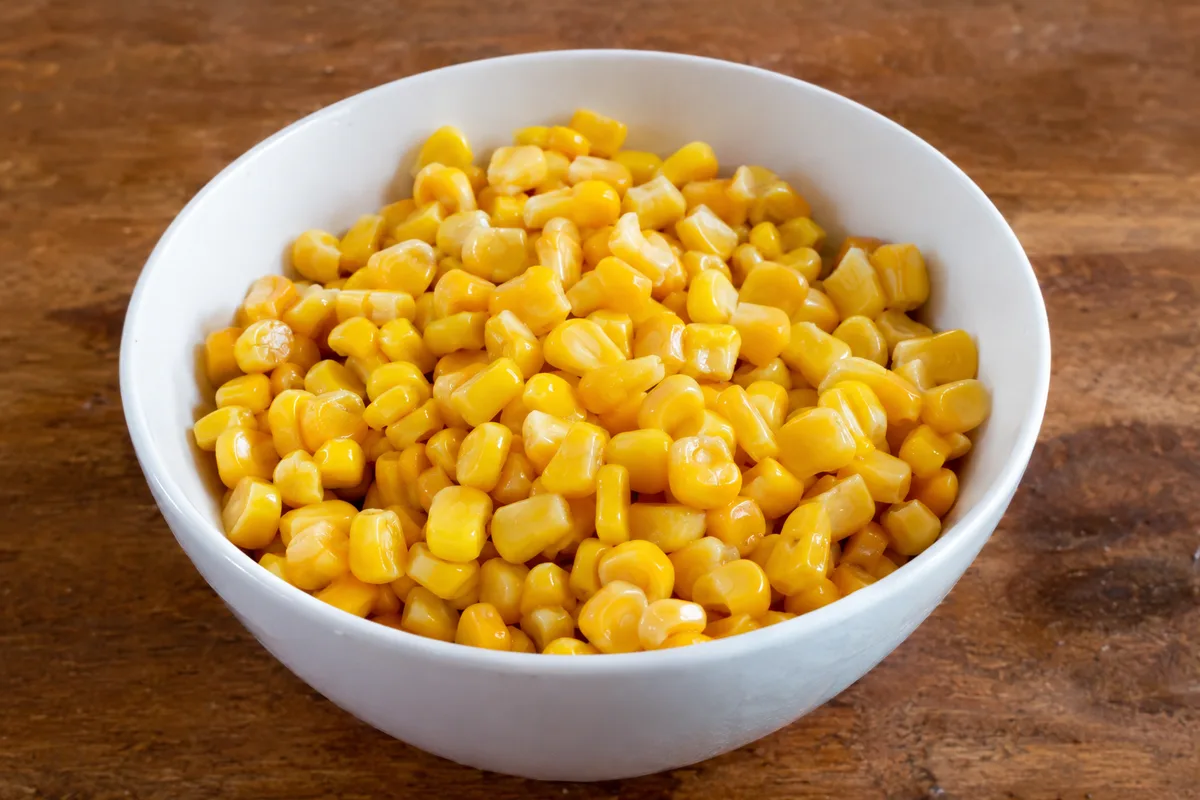
Canned Sweet Corn: Benefits, Drawbacks and What to Track
Canned sweet corn can be an easy way to add carbohydrate, fibre and useful nutrients to a meal. Checking the label helps you account for differences in salt, added sugar and serving size.
-
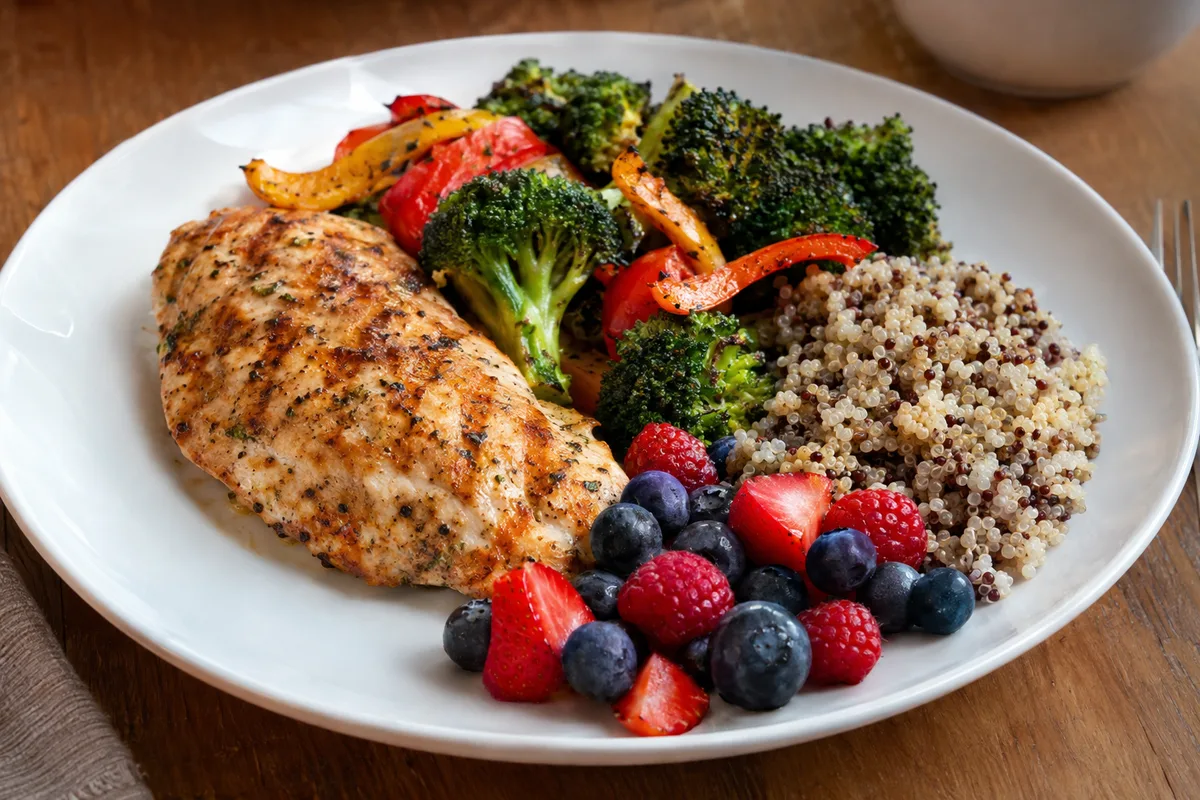
What Does a Low-Calorie Diet Really Mean?
A low-calorie diet means eating less energy than your body typically uses. The right amount is personal, so it is more useful to understand the principle than follow a universal number.
-
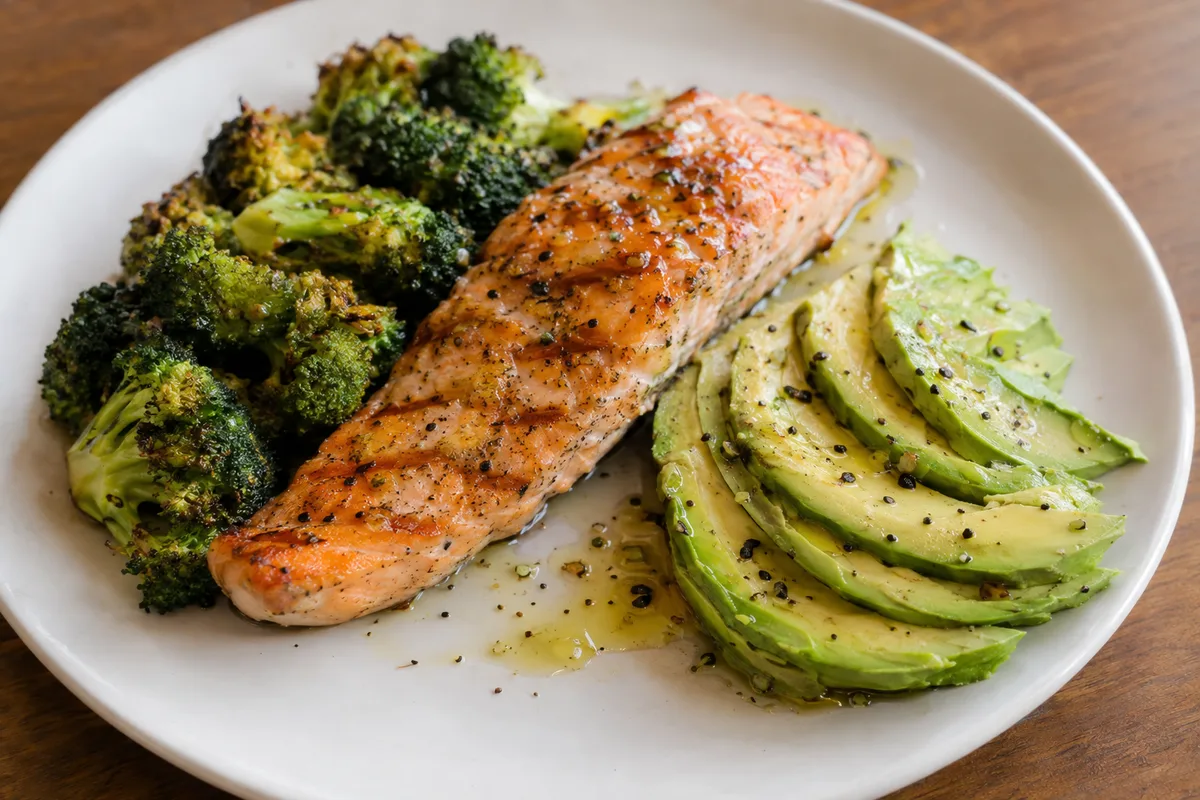
How to Build a Low-Carb Shopping List
A low-carb shopping list can make food tracking simpler by putting your usual choices in one clear plan. The right foods and carbohydrate target depend on your preferences, routine and overall eating pattern.
-
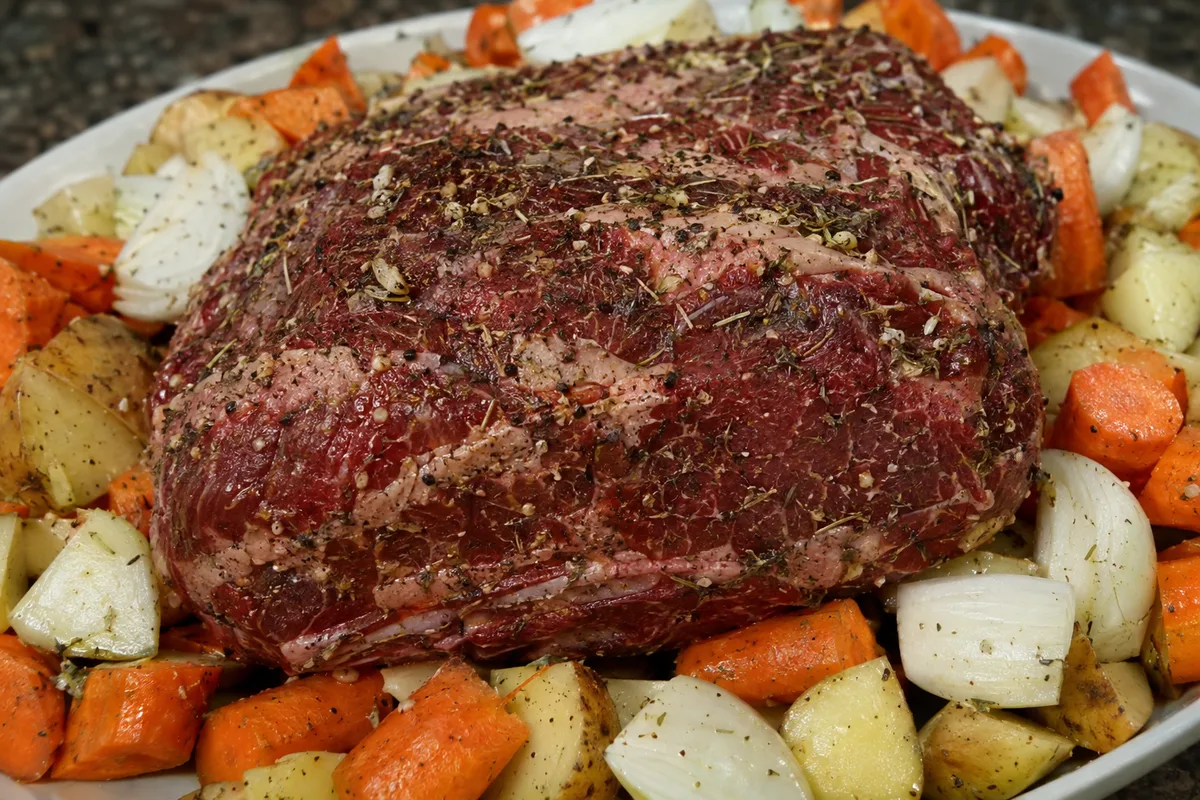
How to Cook a Chuck Roast in a Roaster Oven
A roaster oven surrounds chuck roast with steady heat, giving the tough cut time to become tender. A little preparation and a meat thermometer make the process easier to manage.
-
The Best Lower-Body Weight Training Exercises for a Balanced Routine
The most useful lower-body exercises cover several movement patterns rather than focusing on one muscle. Choose versions that feel controlled, suit your equipment and allow steady progress.
-
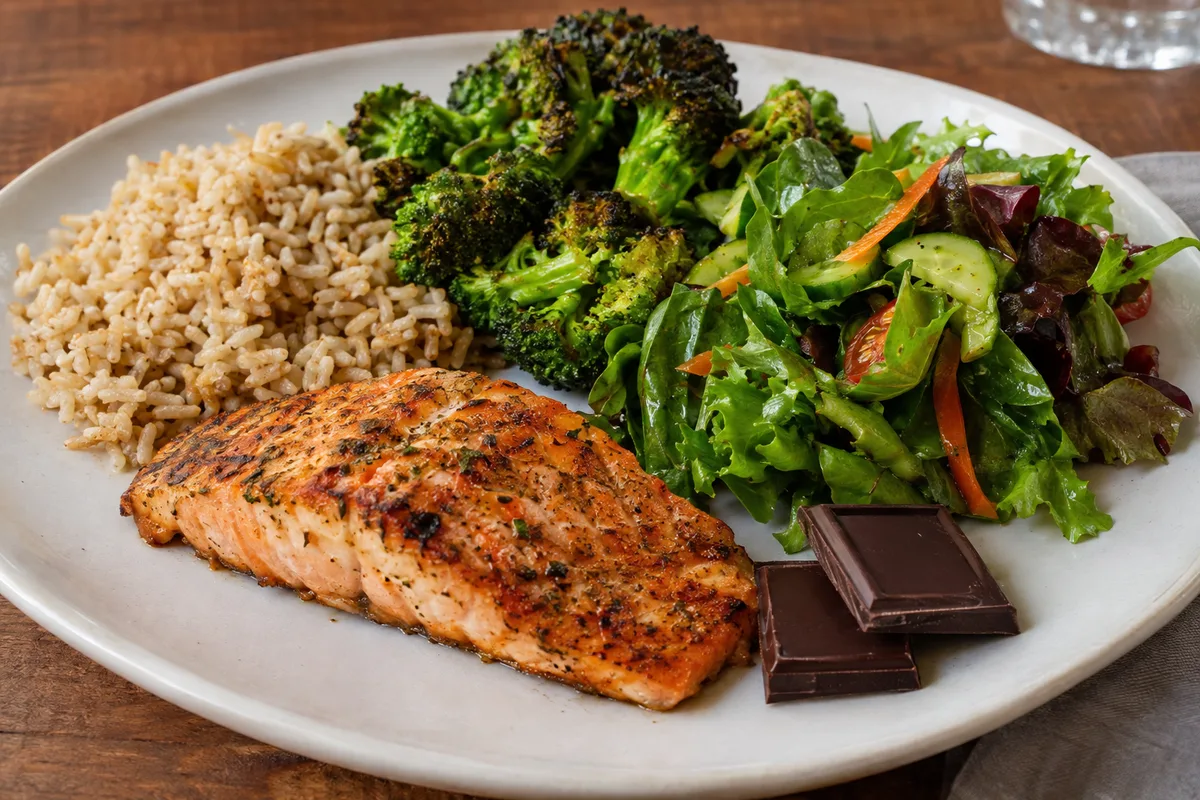
How Chocolate Can Fit Into a Weight-Loss Plan
Chocolate does not need to disappear from your food log when you want to lose weight. The useful approach is to plan for it, notice how much satisfies you and consider your overall intake.
-
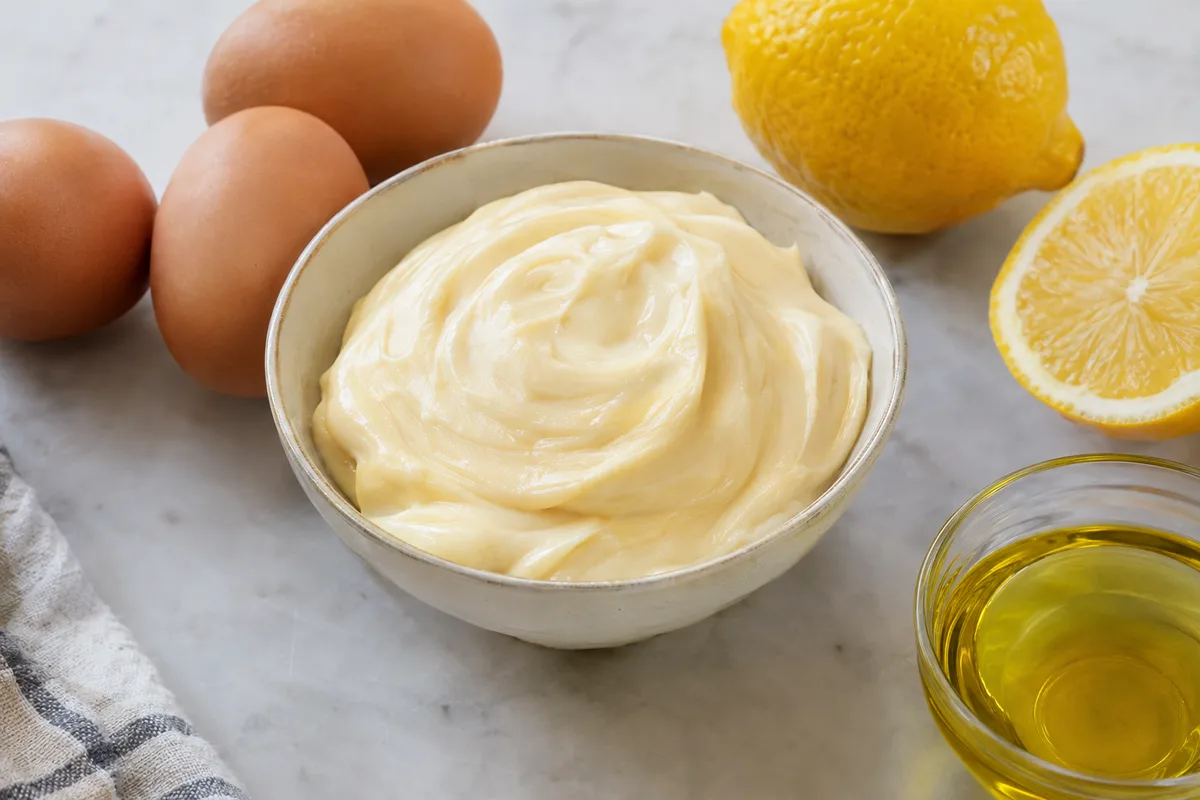
How unhealthy is mayonnaise, really?
Mayonnaise can fit into a balanced way of eating, even though it is high in fat and easy to serve generously. If you already track your food, the label and your usual portion will tell you more than broad claims about whether it is unhealthy.
-
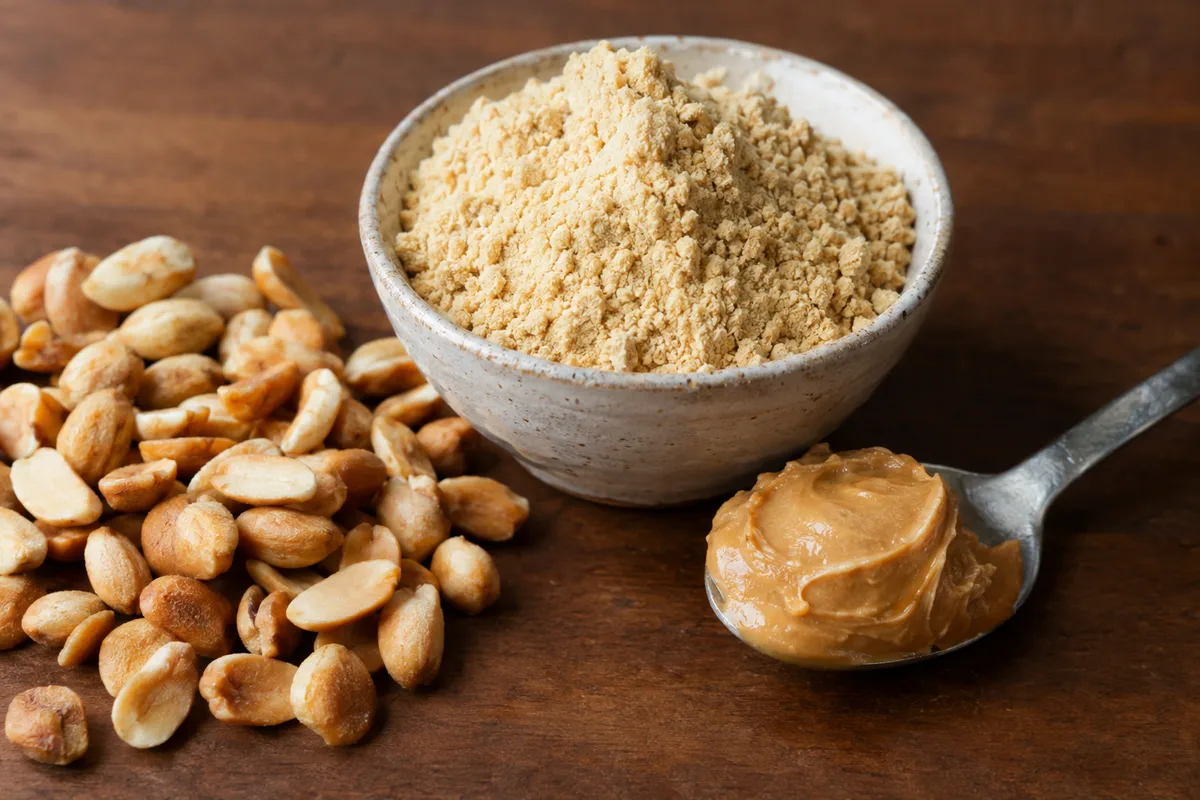
What Is Powdered Peanut Butter and How Should You Use It?
Powdered peanut butter is made from roasted peanuts after much of their oil has been removed. It can be mixed with water or stirred into other foods, but its texture and nutrition differ from regular peanut butter.
-
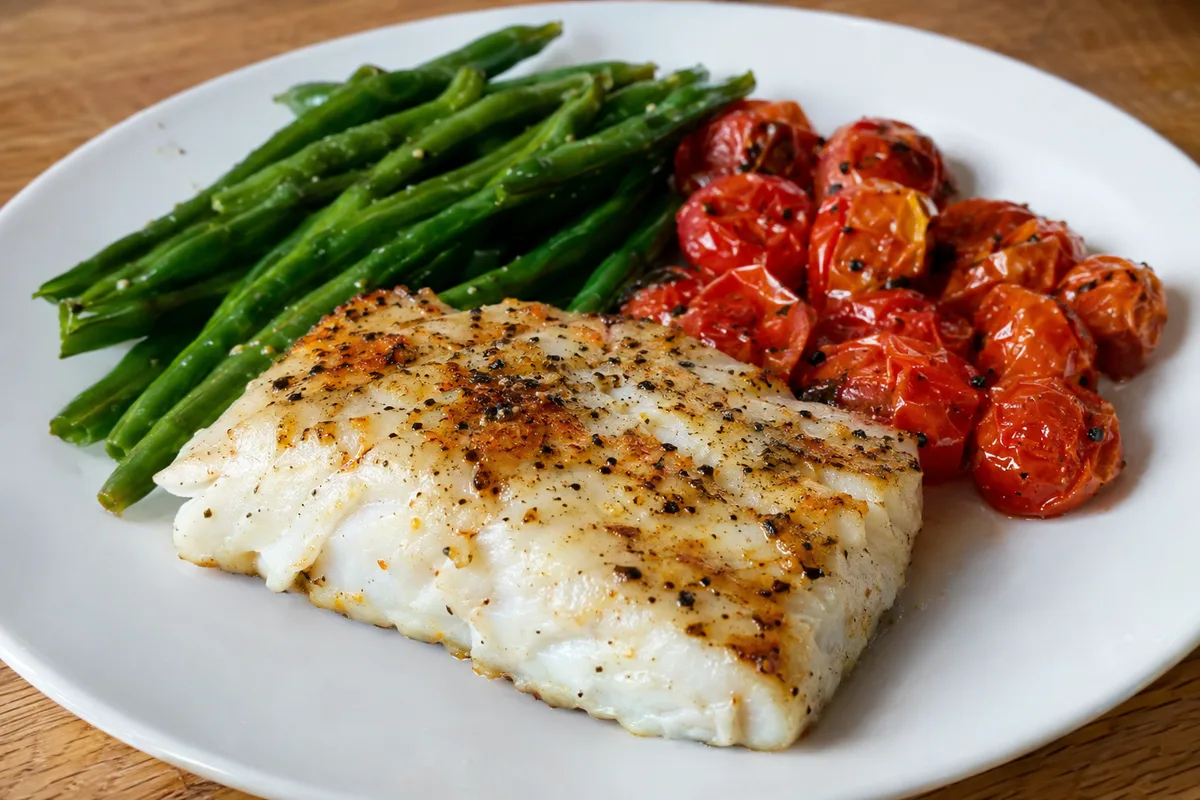
Which Fish Is Best When You Want to Lose Weight?
There is no single fish that guarantees weight loss, but some choices are easier to fit into a calorie target. The best option depends on your portions, cooking method and overall eating pattern.
-
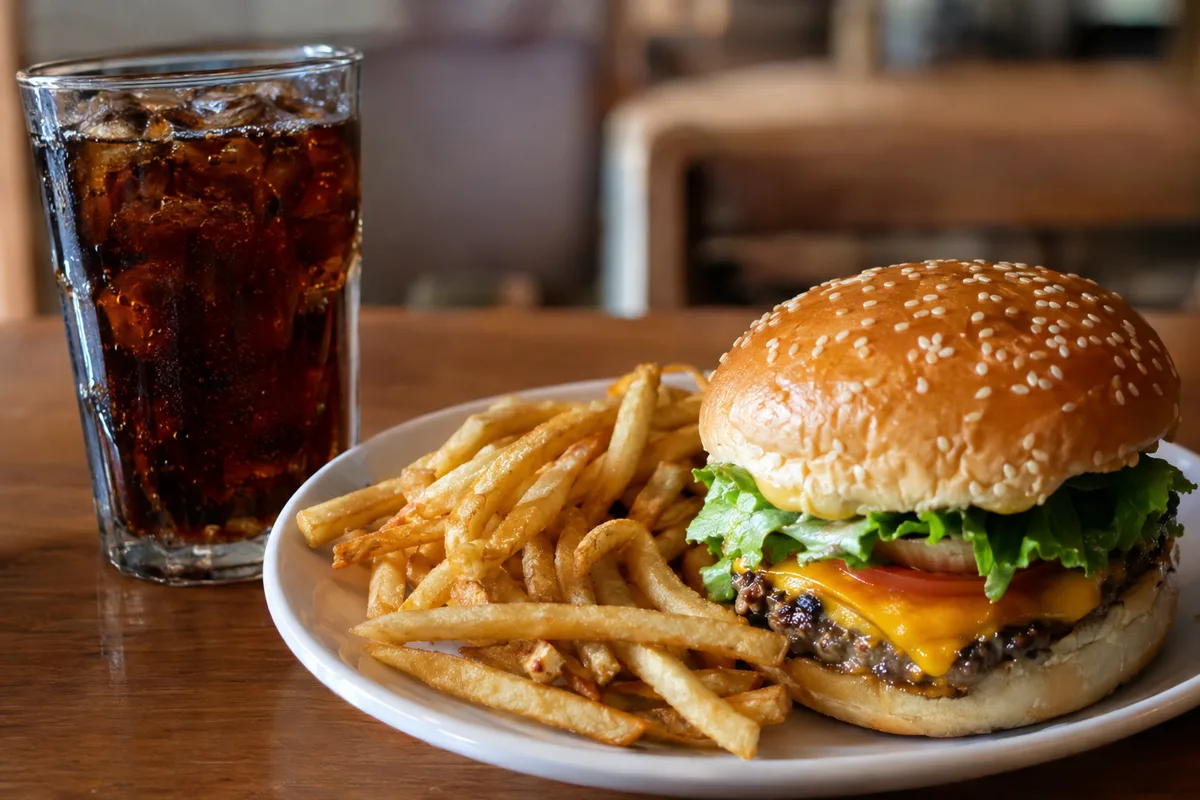
How Much Weight Could You Lose by Giving Up Soda?
Giving up regular soda can lower your calorie intake if you do not replace those calories elsewhere. The amount of weight you might lose depends on your usual drinks, the rest of your diet and changes over time.
-
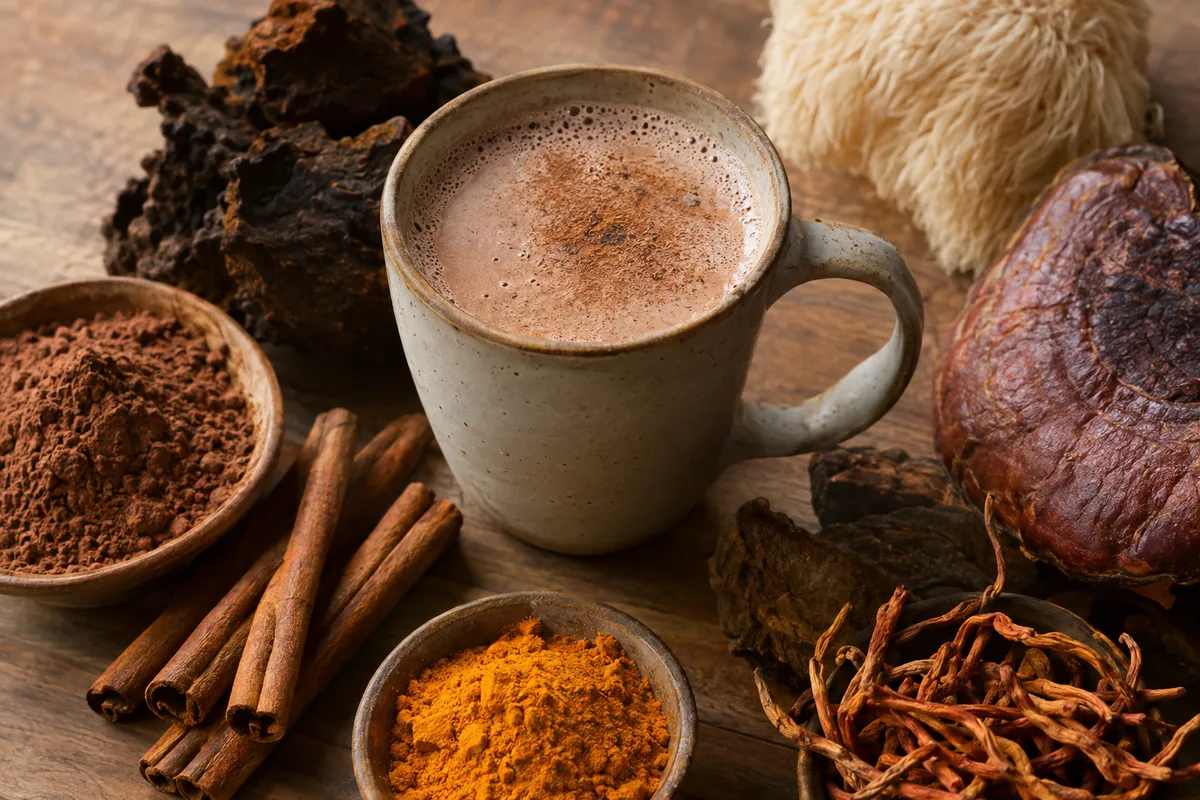
What Is Mud Water and How Does It Fit Your Food Log?
Mud water is the informal name often used for an earthy coffee alternative made from a powdered blend. Its ingredients, caffeine and energy content depend on the exact mix and how you prepare it.
-
How to Do a Wall Sit for Stronger Quads
The wall sit is a simple exercise that keeps your thigh muscles working without repeated movement. It needs only a clear wall and can be adapted to suit your current ability.
-
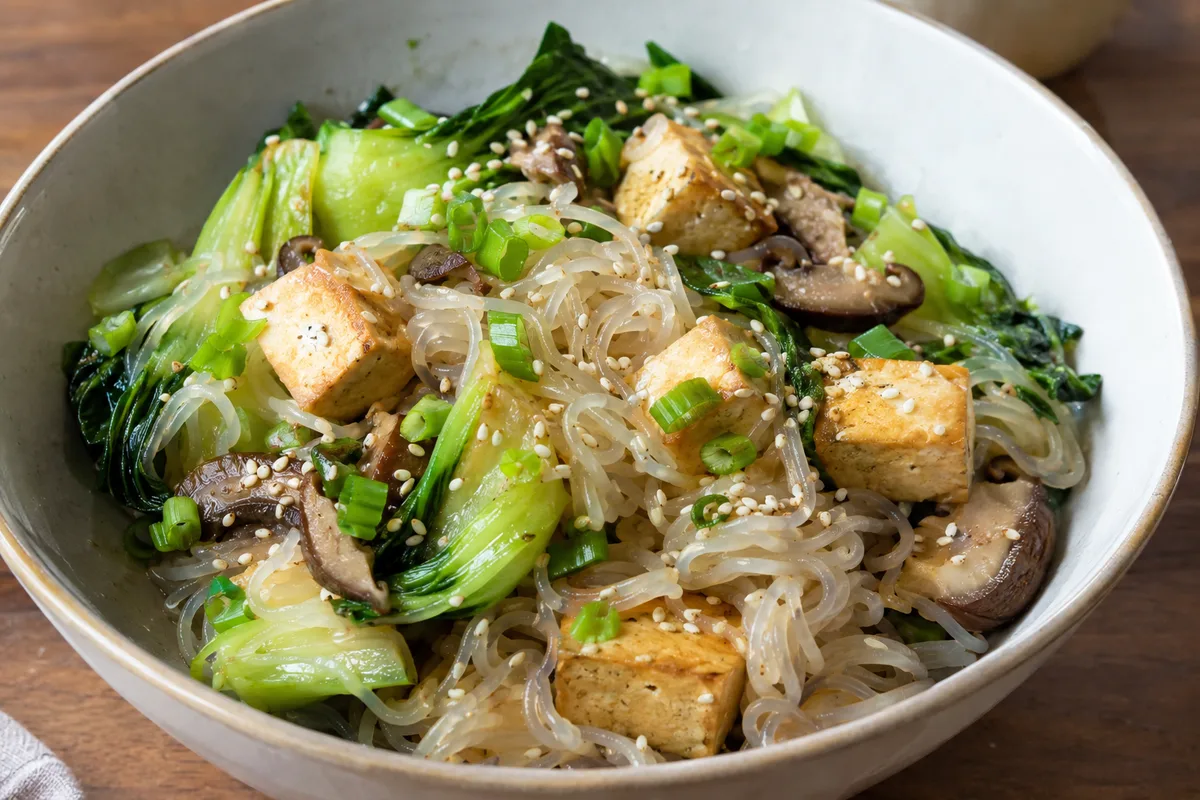
Shirataki Noodles: What They Are and Where to Find Them
Shirataki noodles are translucent noodles made mainly from konjac fibre and water. Their unusual texture, light energy content and varied supermarket placement can make them confusing at first.
-
How to Do a Standing Shin Stretch
A standing shin stretch can loosen the muscles along the front of the lower leg after walking, running or other activity. It requires no equipment, but balance and gentle movement matter.
-
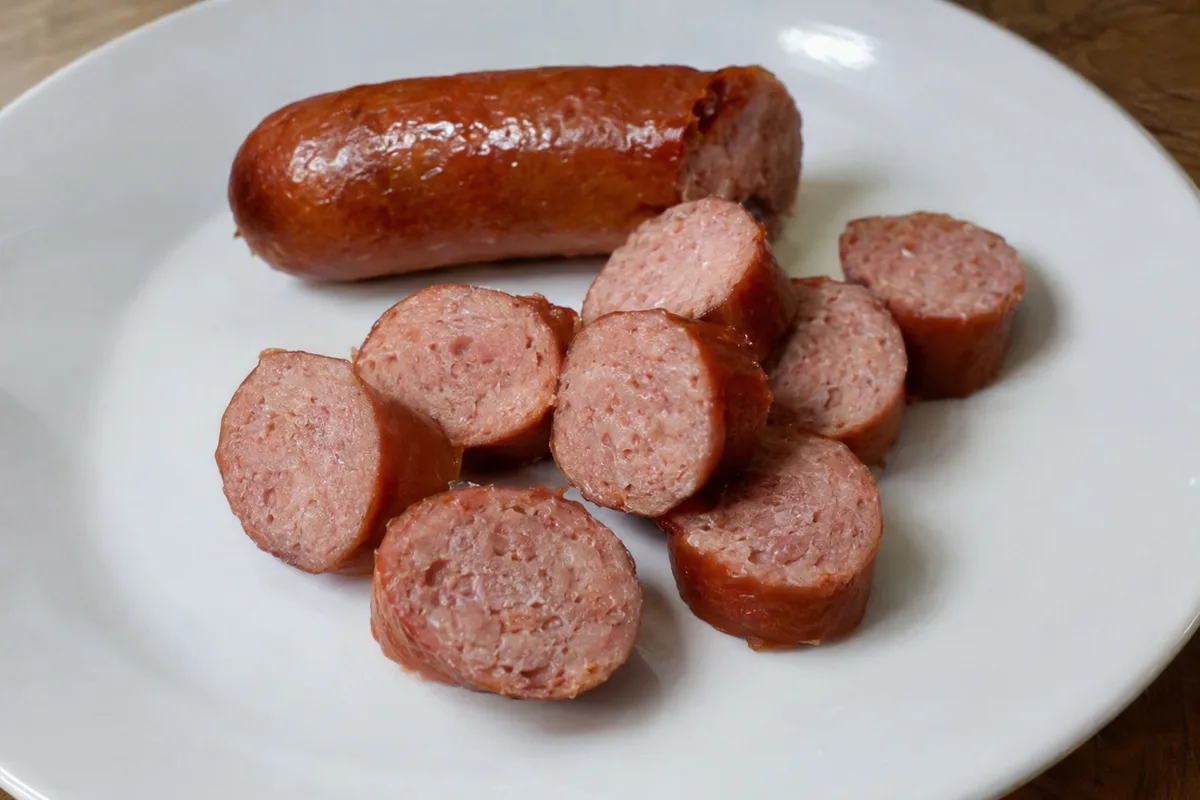
How bad are hot dogs, and can you build a healthier one?
A hot dog is not automatically a poor choice, but the sausage, bun and toppings can add more salt and saturated fat than expected. A few practical swaps can make it more balanced without turning it into a completely different meal.
-
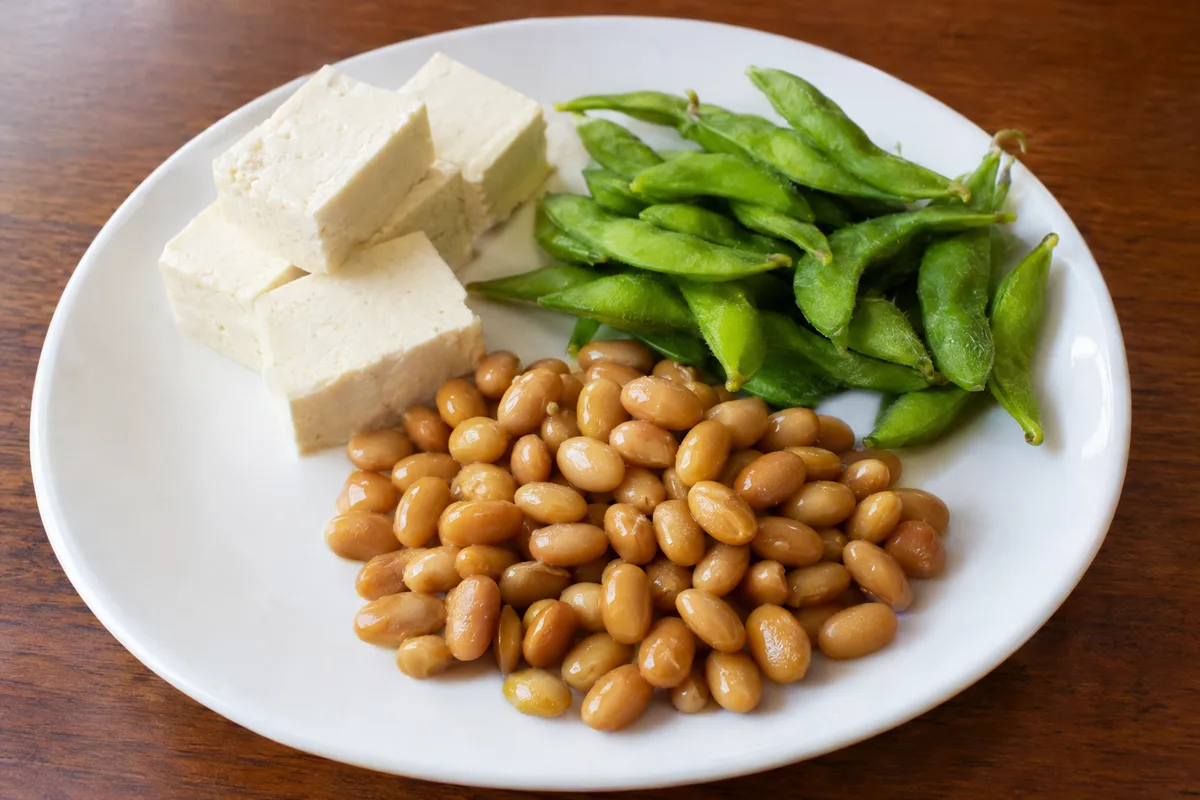
Is Soy Gluten-Free? What to Check Before You Log It
Plain soybeans do not naturally contain gluten. However, some soy-based foods include wheat or may come into contact with gluten during production.
-
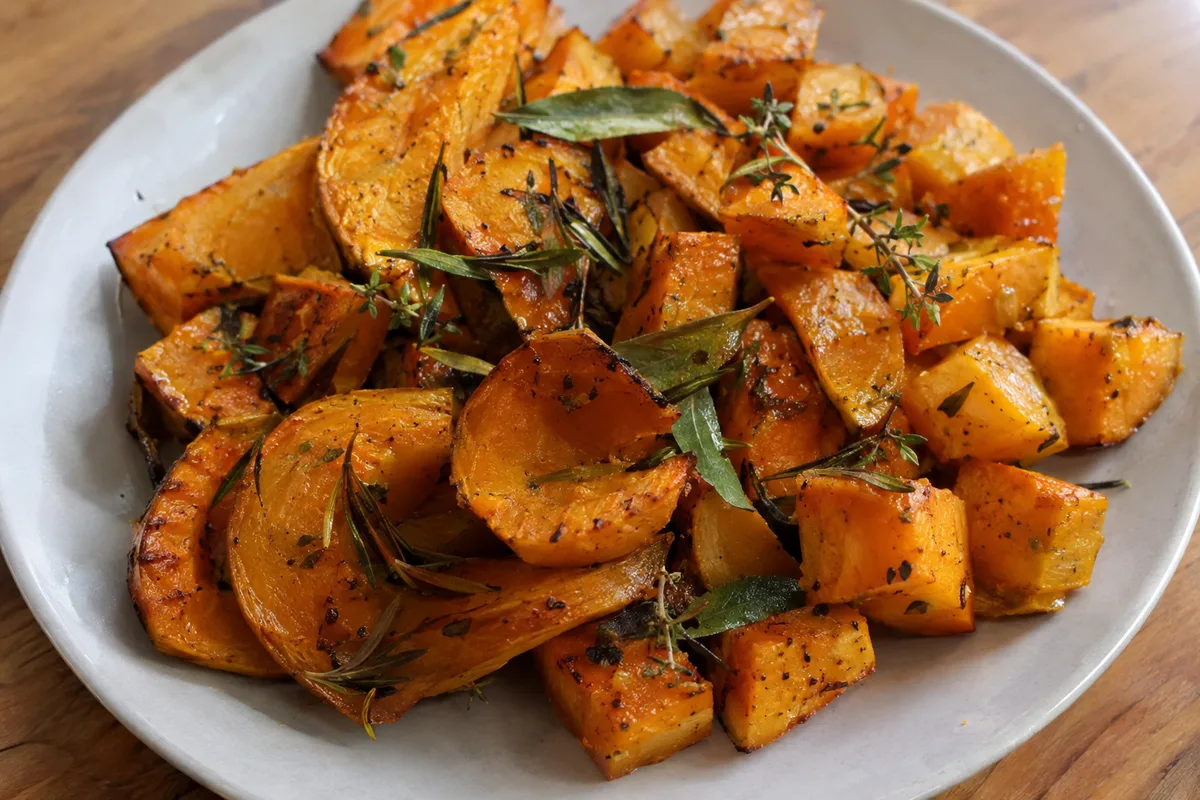
Pumpkin or Butternut Squash: Which Is the Healthier Choice?
Pumpkin and butternut squash are both nutritious, fibre-containing vegetables that can fit into a balanced way of eating. The better choice depends on your goals, portion and how each one is prepared.
-
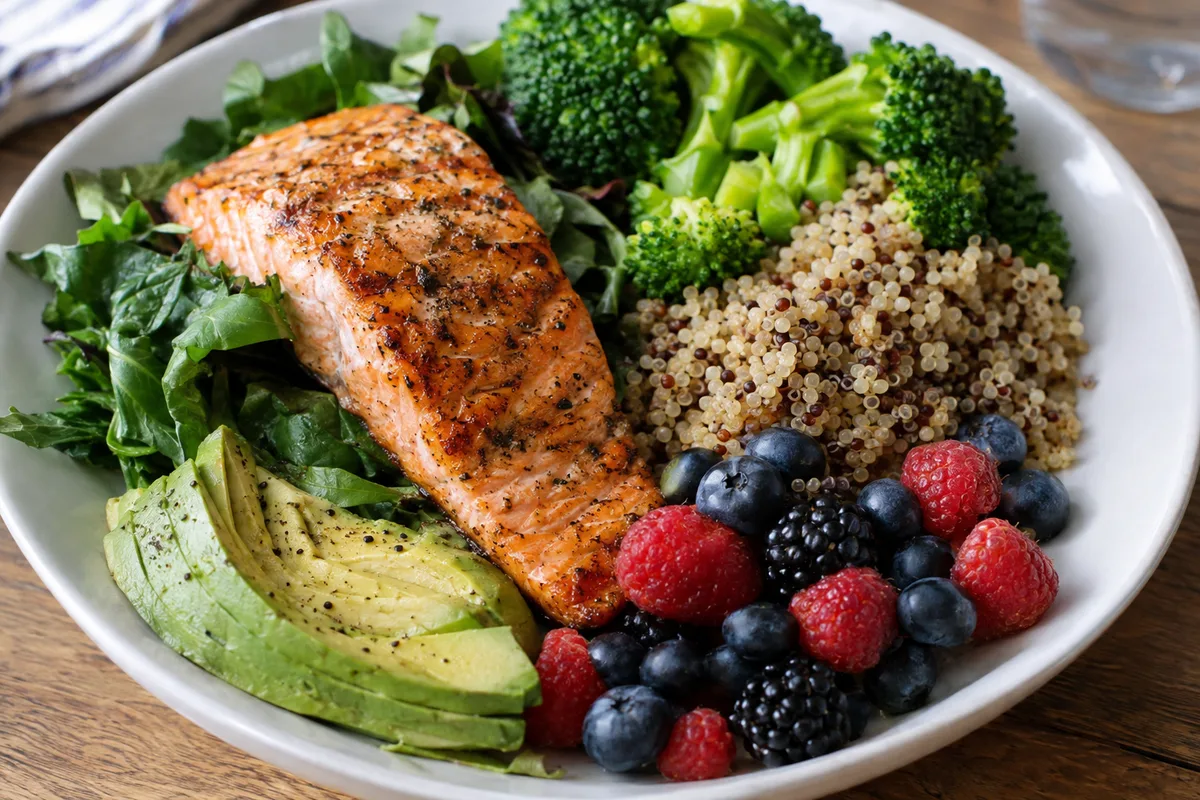
What the Tom Brady Diet Means for Your Food Log
The Tom Brady diet is a structured eating style associated with the former American football player. Its exact rules have changed over time, but the broad idea is to favour minimally processed foods and limit selected ingredients.
-
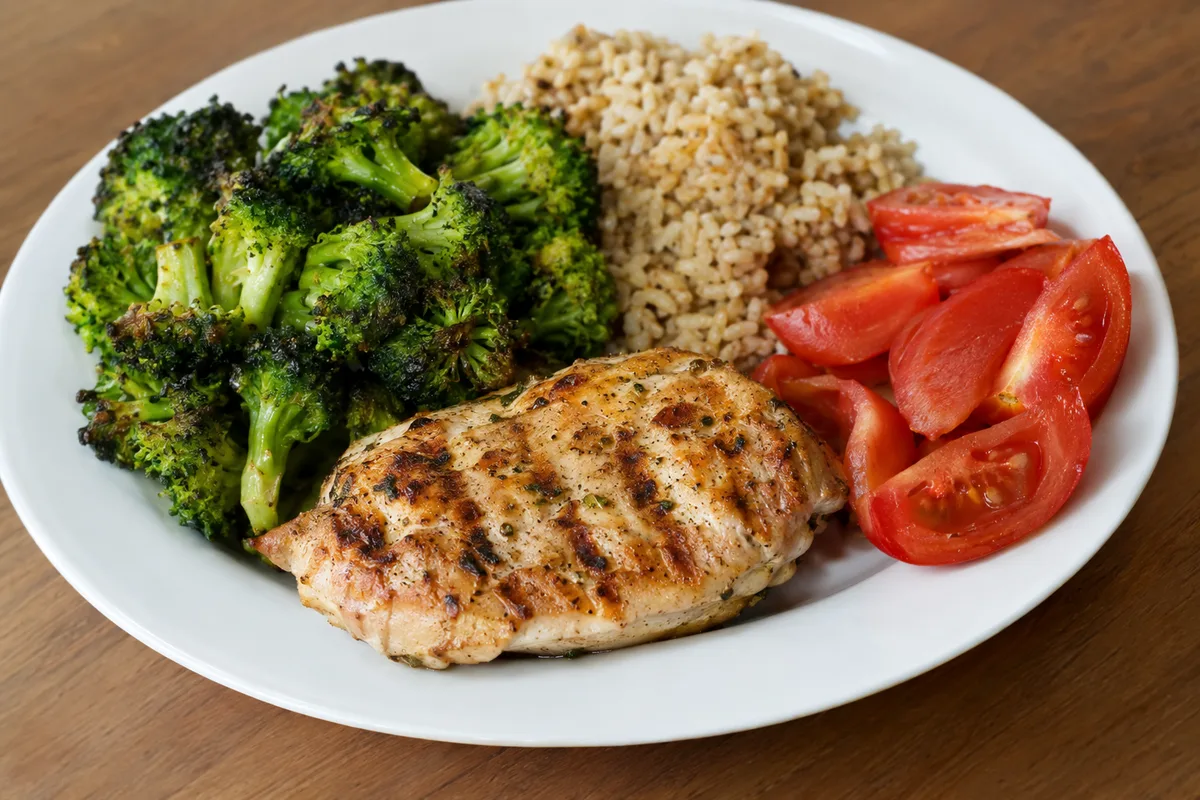
How Much Weight Can You Lose in Three Weeks?
There is no single amount of weight that everyone can expect to lose in three weeks. Your starting point, food intake, activity and normal water shifts all affect the result.
-
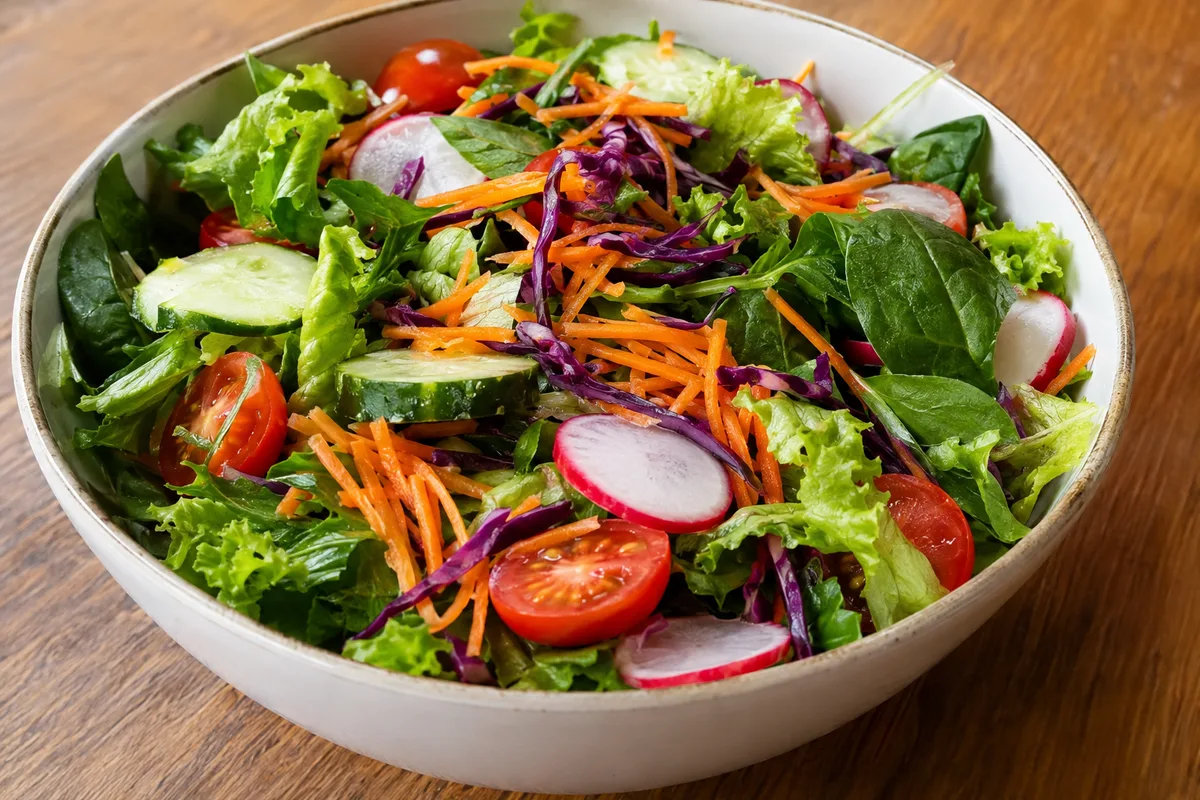
How to Choose the Best Salad Ingredients
The best salad ingredients are the ones that make your bowl enjoyable, balanced and filling enough for its purpose. Your food log can help you adjust the mix to suit your appetite and daily targets.
-
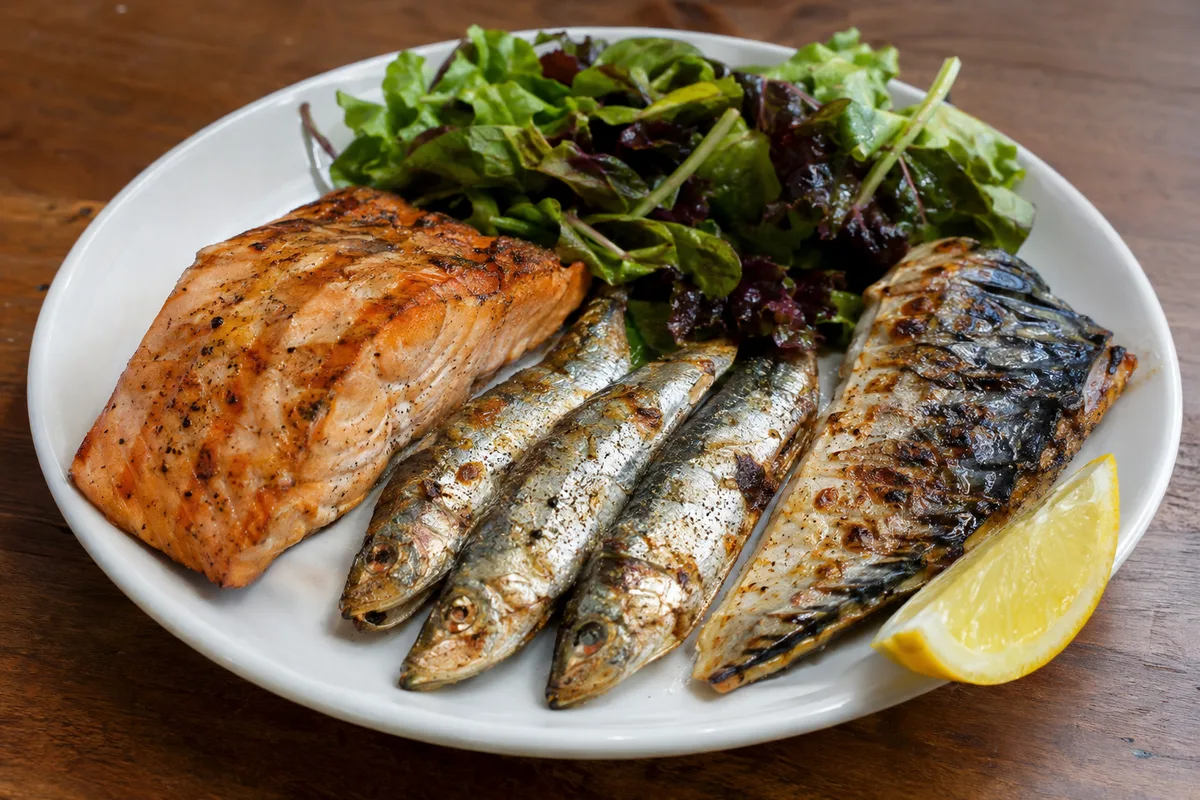
Which Types of Fish Are Best for Your Health?
There is no single healthiest fish, because different varieties bring different nutrients to the table. A varied choice, prepared simply and logged accurately, is usually more useful than chasing one perfect option.
-
How to Do the Incline Dumbbell Press with Control
The incline dumbbell press is a chest exercise performed on a bench set at a gentle upward angle. Good positioning and a controlled range of movement matter more than lifting the heaviest weight available.
-

What Happens If You Don’t Drink Enough Water While Taking Creatine?
Creatine changes how water is held in muscle, but it does not remove the need to drink regularly. Too little fluid can leave you feeling uncomfortable and make training harder, whether or not you take creatine.
-
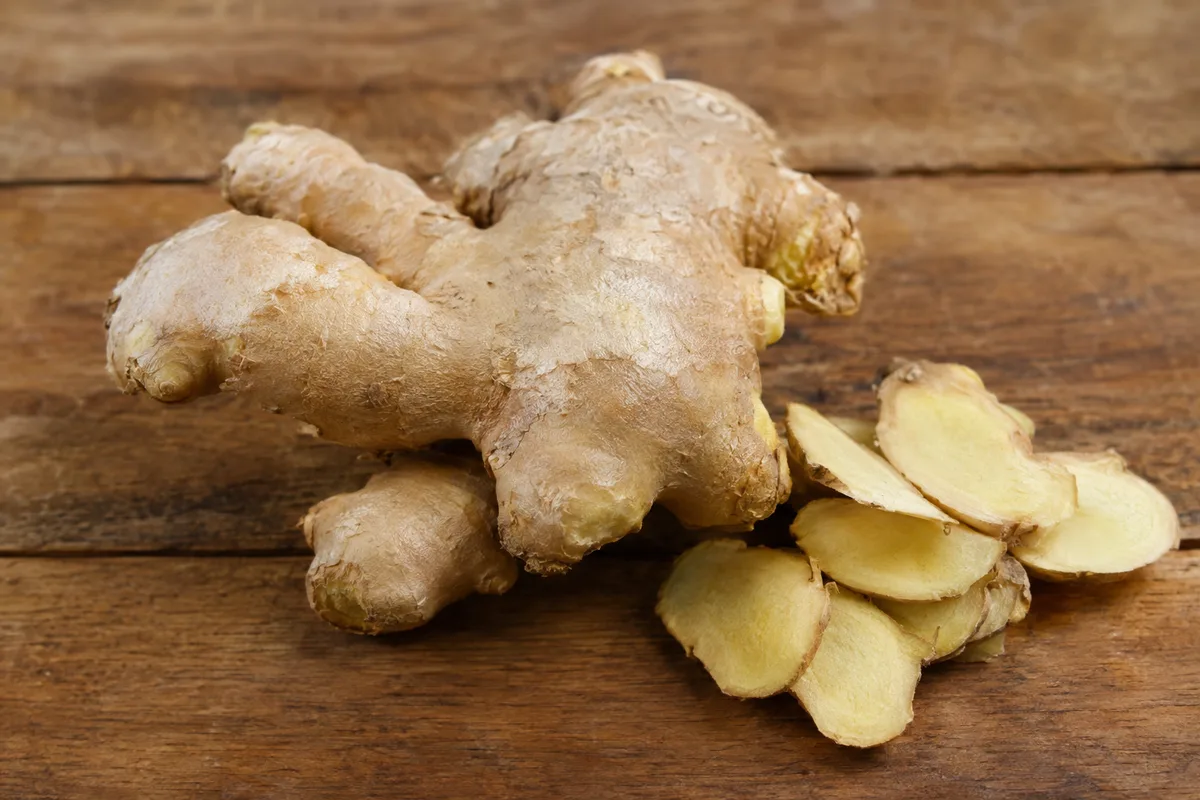
What Ginger Can Add to a Healthy Diet
Ginger is a strongly flavoured root used fresh, dried or ground. Its benefits are best viewed as one small part of a varied diet, rather than a quick fix.
-
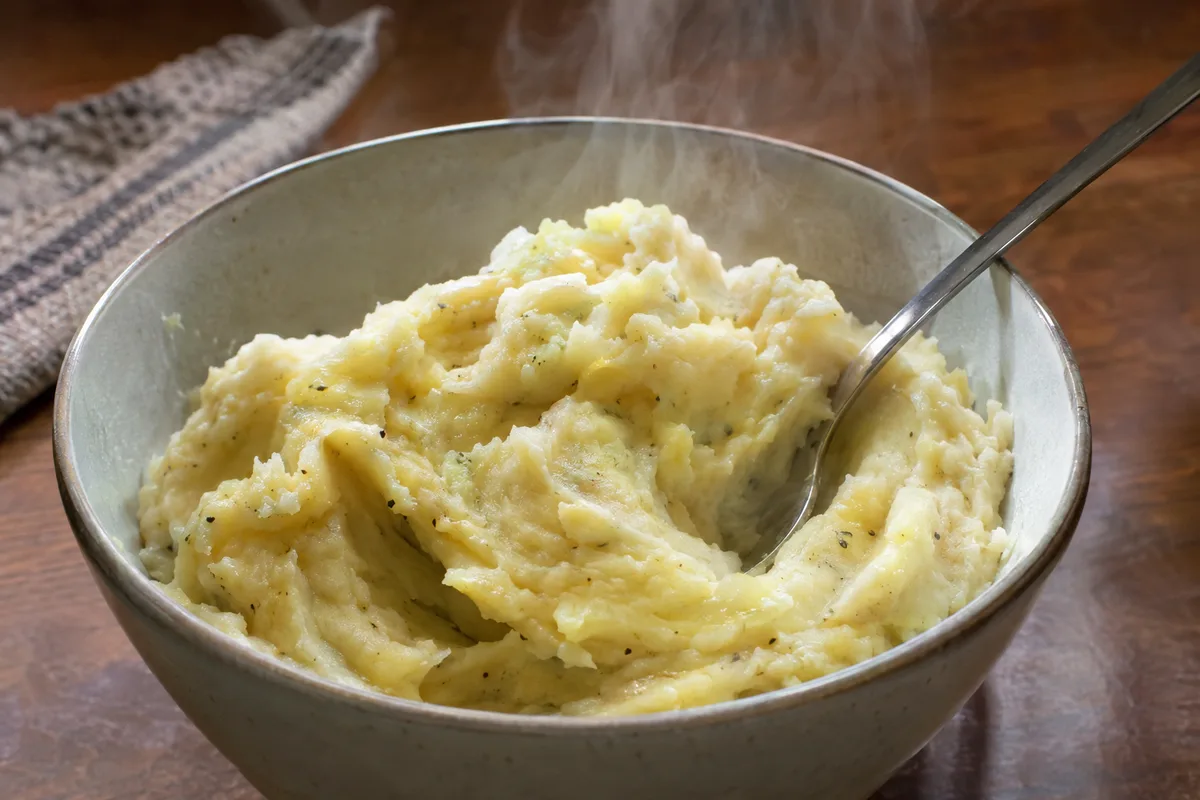
What Are the Benefits of Instant Mashed Potatoes?
Instant mashed potatoes are made from cooked potatoes that have been dried, usually into flakes or granules. Their main benefits are speed, predictable portions and the freedom to adjust how you prepare them.
-
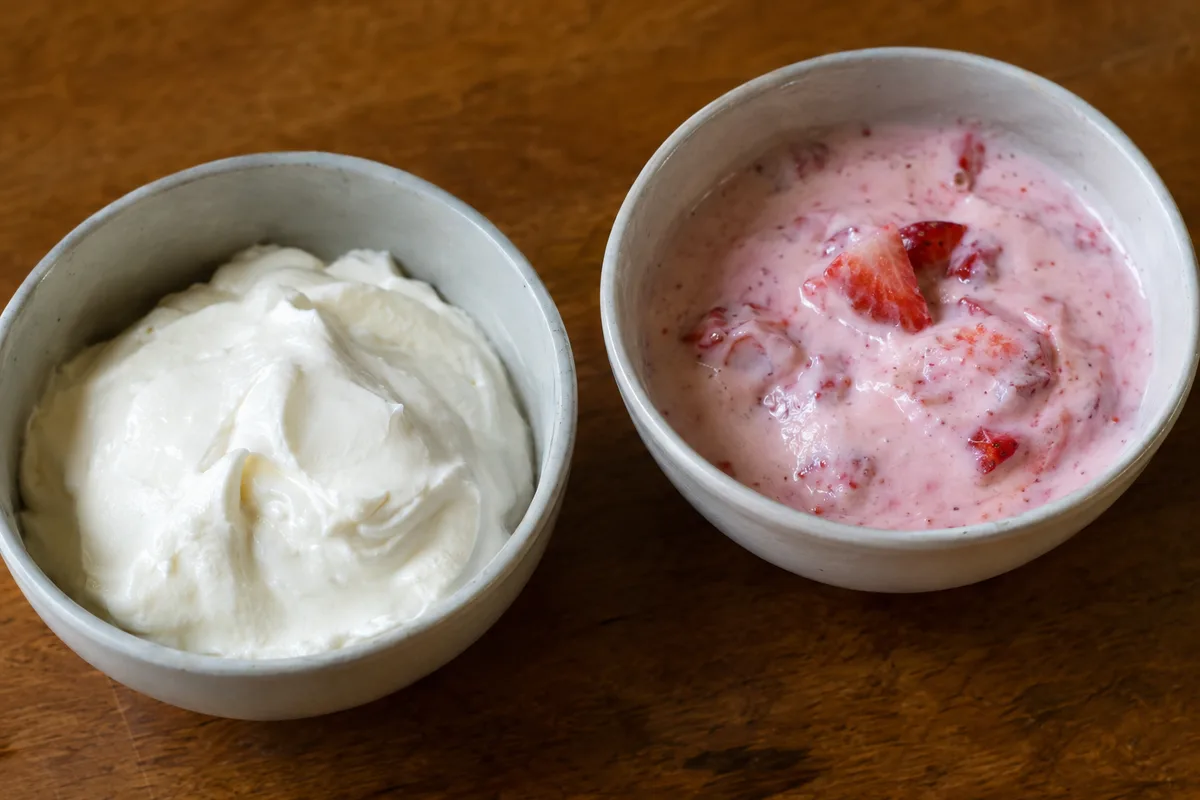
How Yoghurt Can Fit Into a Low-Carb Diet
Yoghurt contains varying amounts of carbohydrate, so some options fit a low-carb diet more easily than others. The useful approach is to check the label and log the portion you actually eat.
-
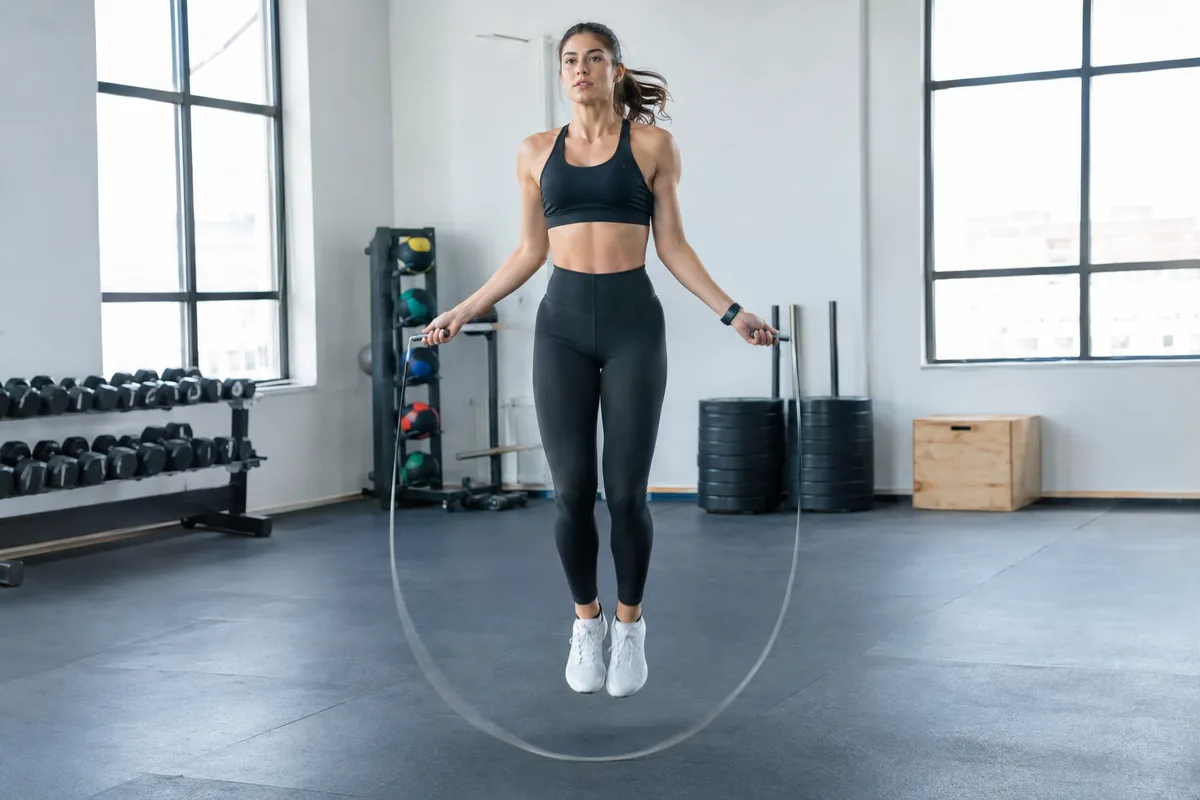
How Many Calories Does a Jump Rope Workout Burn?
Jump rope workouts can feel intense, but there is no single calorie figure that fits every session. Your body, pace, technique and workout length all shape the estimate.
-
Dynamic Leg Stretches for a Smoother Warm-Up
Dynamic leg stretches move your joints and muscles through a comfortable range instead of holding one position. They can form a practical bridge between being still and starting your main activity.
-
Simple Ways to Improve Your Running Form
Good running form is less about looking perfect and more about moving comfortably with control. Use a few simple cues, then adjust them to suit your body, pace and surroundings.
-
How to Do the Triceps Pushdown with Good Form
The triceps pushdown trains the muscles along the back of your upper arms using a cable machine. A steady set-up and controlled movement help keep the effort where you want it.
-
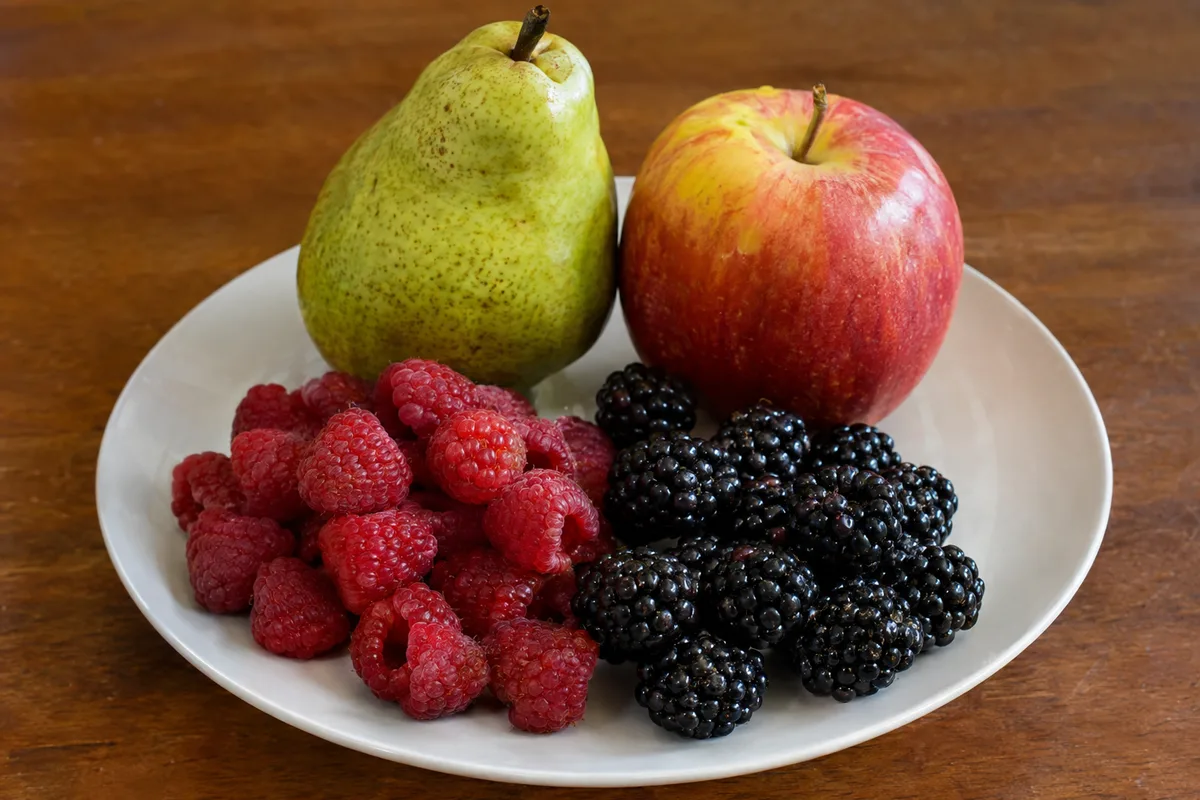
High-Fibre Fruits and How to Track Them
Fruit can be a simple way to add fibre alongside natural sweetness, colour and variety. Your food log can help you compare choices and see which ones suit your usual meals and snacks.
-
Using an Elliptical to Work Towards Losing 20 Pounds
An elliptical can help you use more energy while providing a manageable way to build regular movement into your routine. Losing 20 pounds still depends on your overall energy balance, consistency and personal circumstances.
-
How to Choose the Best Fitness Mirror for You
The best fitness mirror is not simply the one with the longest feature list. It is the one that fits your preferred workouts, available space and everyday routine.
-
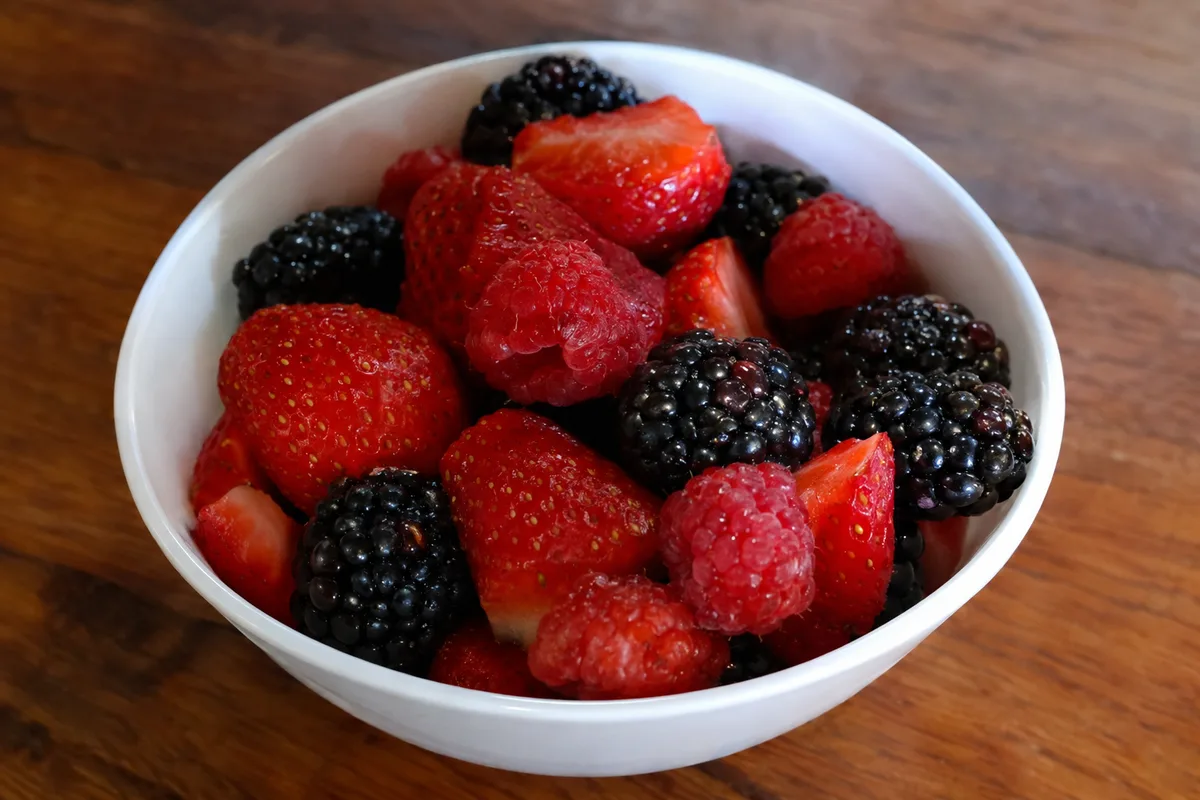
Which fruit is lowest in carbs?
There is no single answer unless you compare fruit by the same weight and use the same definition of carbohydrate. For everyday tracking, berries are usually a useful place to start.
-

A Practical Weight Training Programme for Baseball
Baseball strength training should support throwing, hitting, sprinting and quick changes of direction. A general programme can provide structure while leaving room for your position, experience and playing schedule.
-
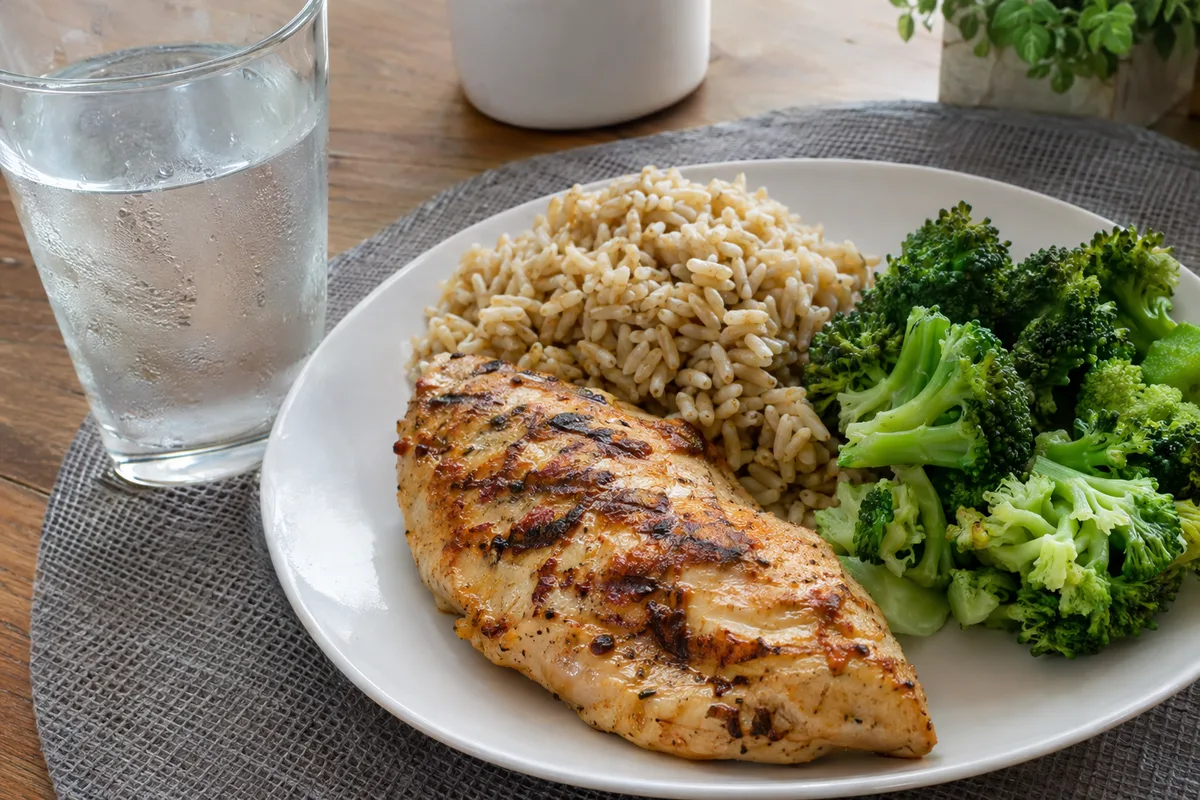
Why Your Weight Changes From Morning to Night
Your weight can move noticeably between waking up and going to bed, even when your eating habits stay consistent. The exact amount depends on your body, routine and what happens during the day.
-
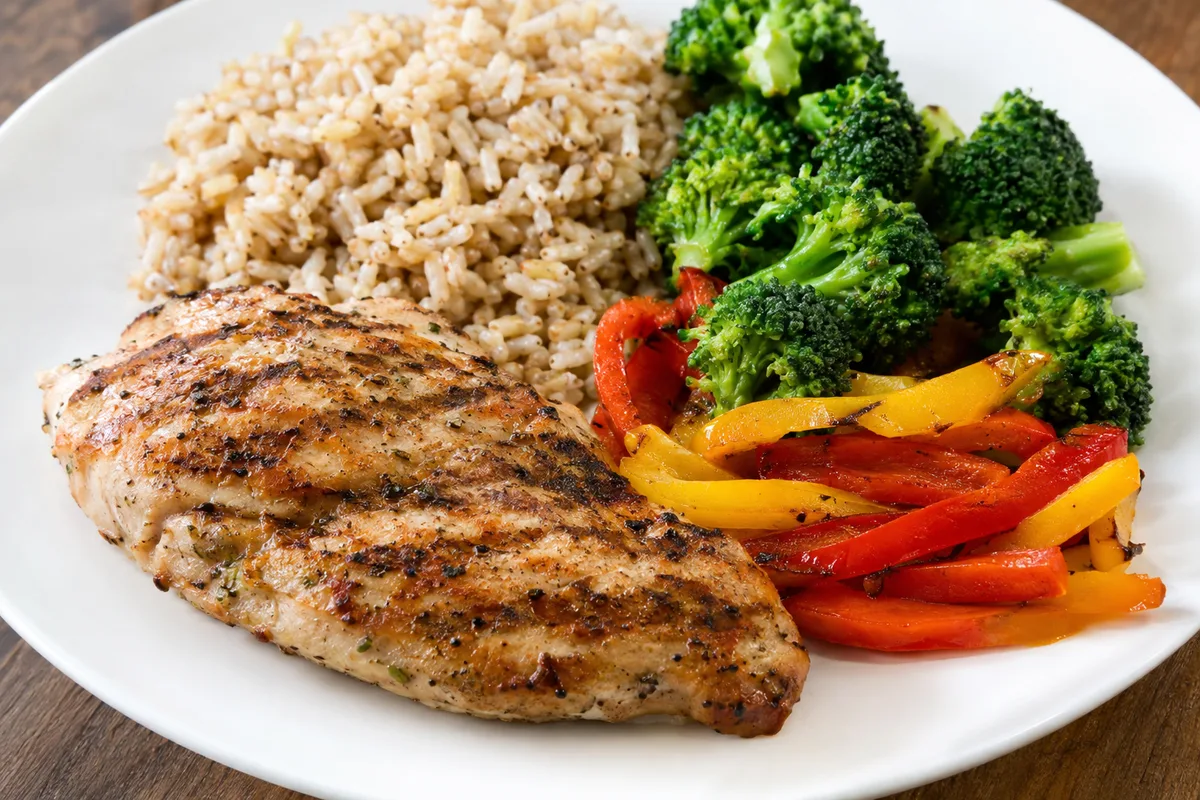
How long might it take to lose 10 pounds with a 500-calorie daily burn?
A simple calculation gives a rough timeline, but calories burned through activity are only one part of it. Here is how to interpret the estimate, check it against your food tracking and allow for normal changes along the way.
-
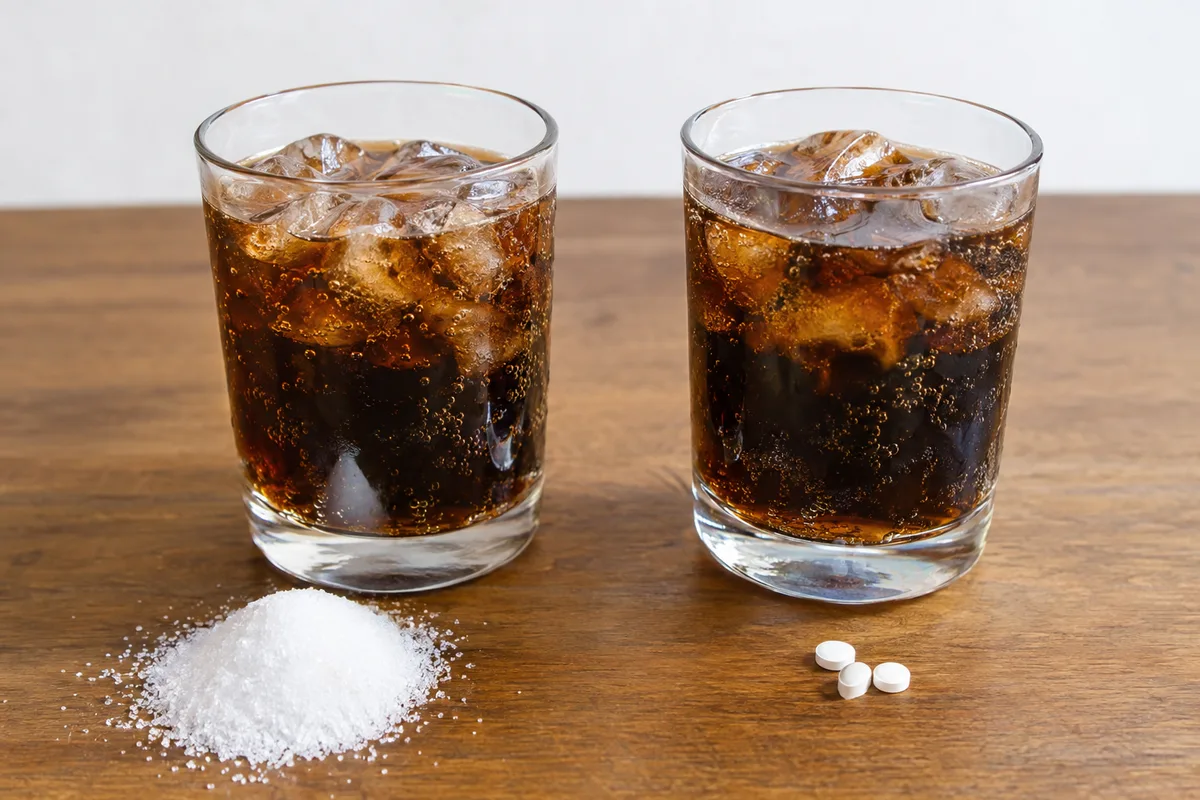
Coca-Cola vs Coke Zero: which is the healthier choice?
Regular Coca-Cola and Coke Zero taste similar, but their ingredients and nutritional profiles differ. Here is how to compare them and record either drink accurately in your food diary.
-
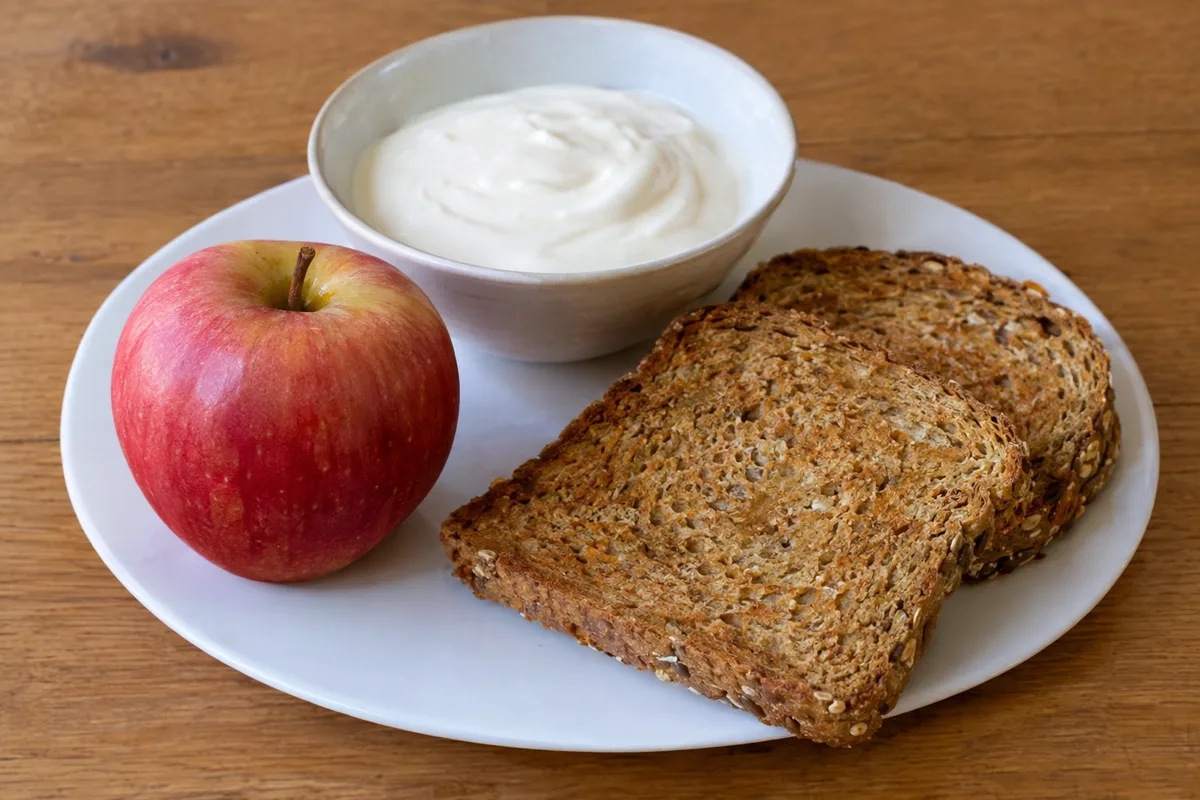
How to Make the Afternoon Snack Work for You
An afternoon snack can bridge the gap between lunch and dinner, but it helps to know what you want it to do. This guide covers timing, satisfying combinations, portion awareness and accurate tracking.
-
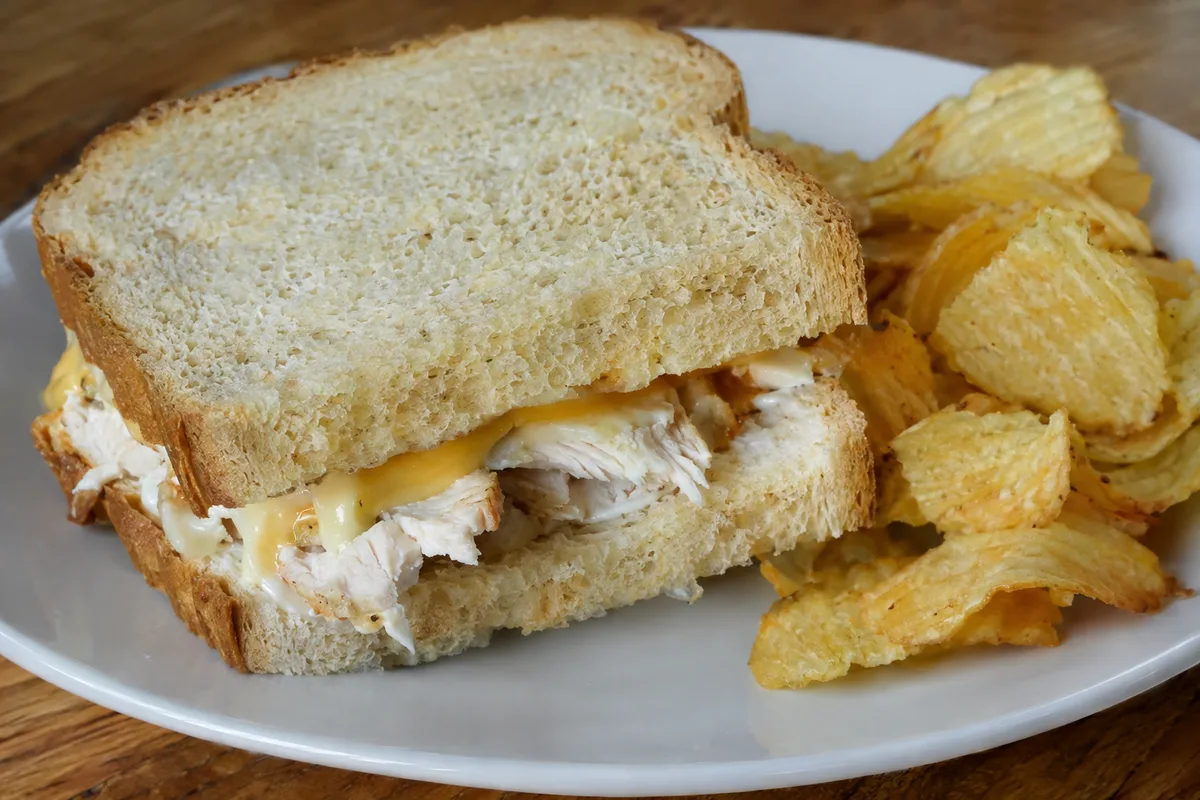
How to Cut Calories From Your Sandwich Without Losing the Good Bits
A sandwich can pick up extra calories from several small choices rather than one obvious ingredient. This guide shows you how to adjust each layer while keeping flavour, texture and a satisfying portion.
-
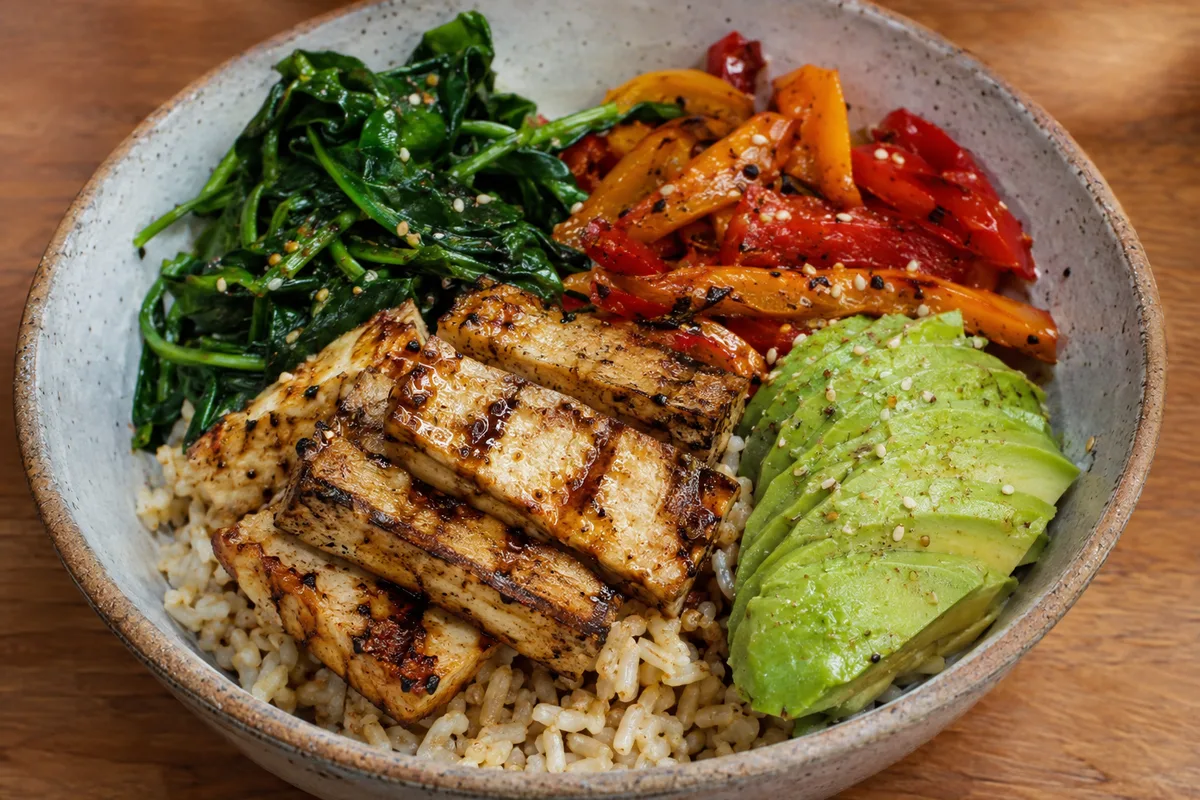
Nutrients explained: what they do and why your body needs them
Nutrients provide energy, build and maintain the body, and help everyday processes run properly. This guide explains the main types and shows how to use that knowledge when tracking your meals.
-
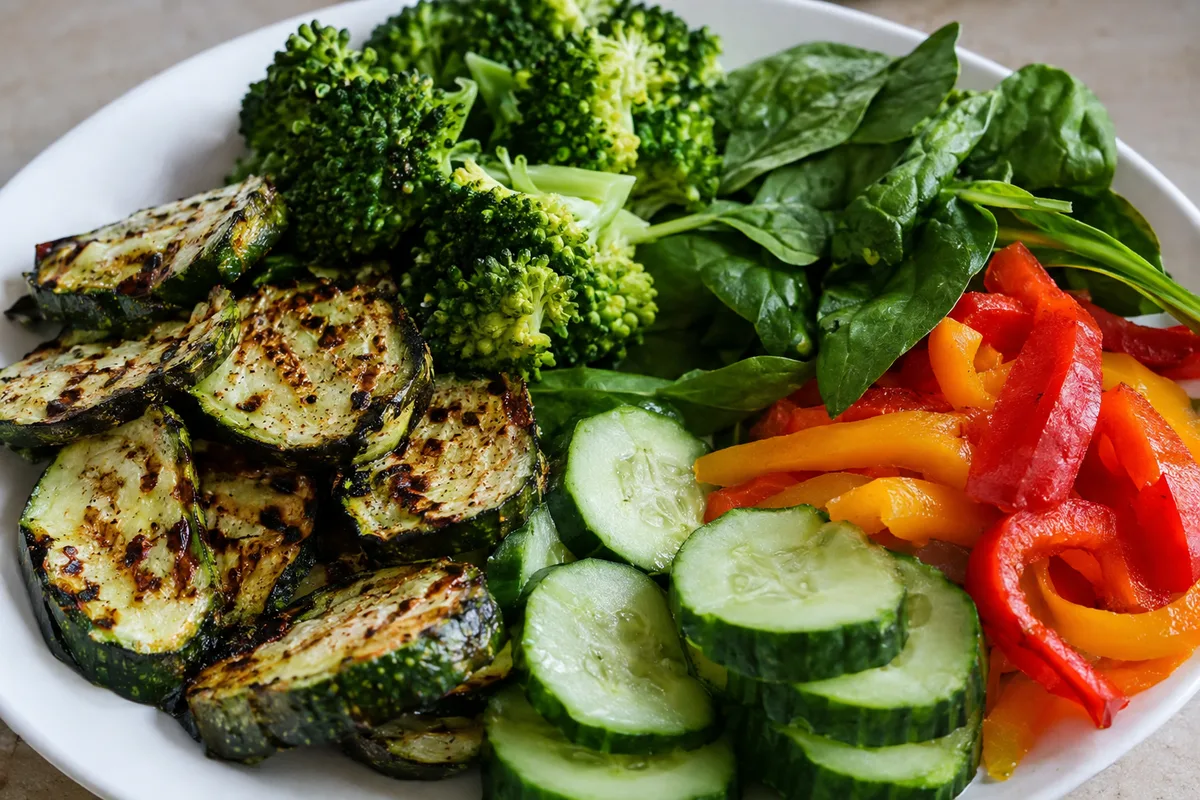
Low-carb, low-calorie foods to add to your food log
Low in carbohydrate does not always mean low in calories, so it helps to check both when choosing foods. This guide covers vegetables, proteins, fruit, dairy foods and simple ways to log them accurately.
-
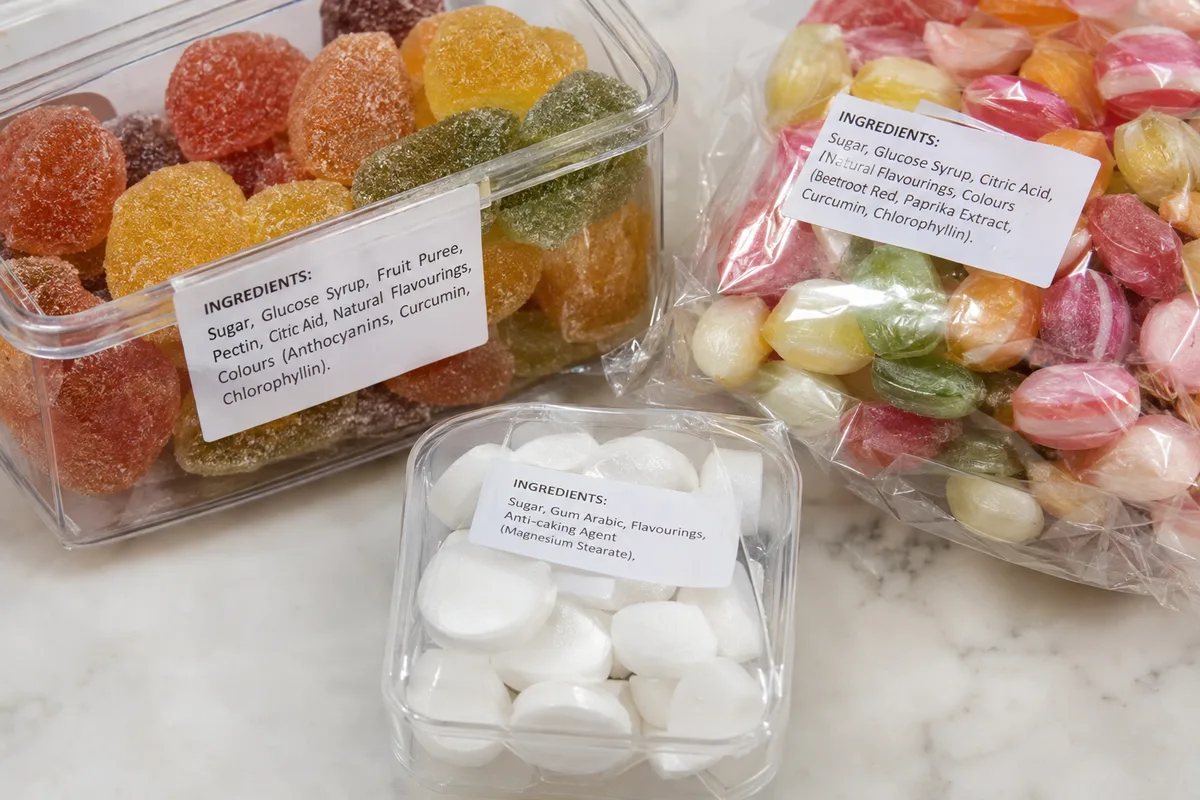
A practical guide to choosing gluten-free sweets
Many sweets have no obvious gluten-containing ingredients, but recipes and manufacturing methods vary. This guide covers promising choices, common warning signs and practical label checks.
-
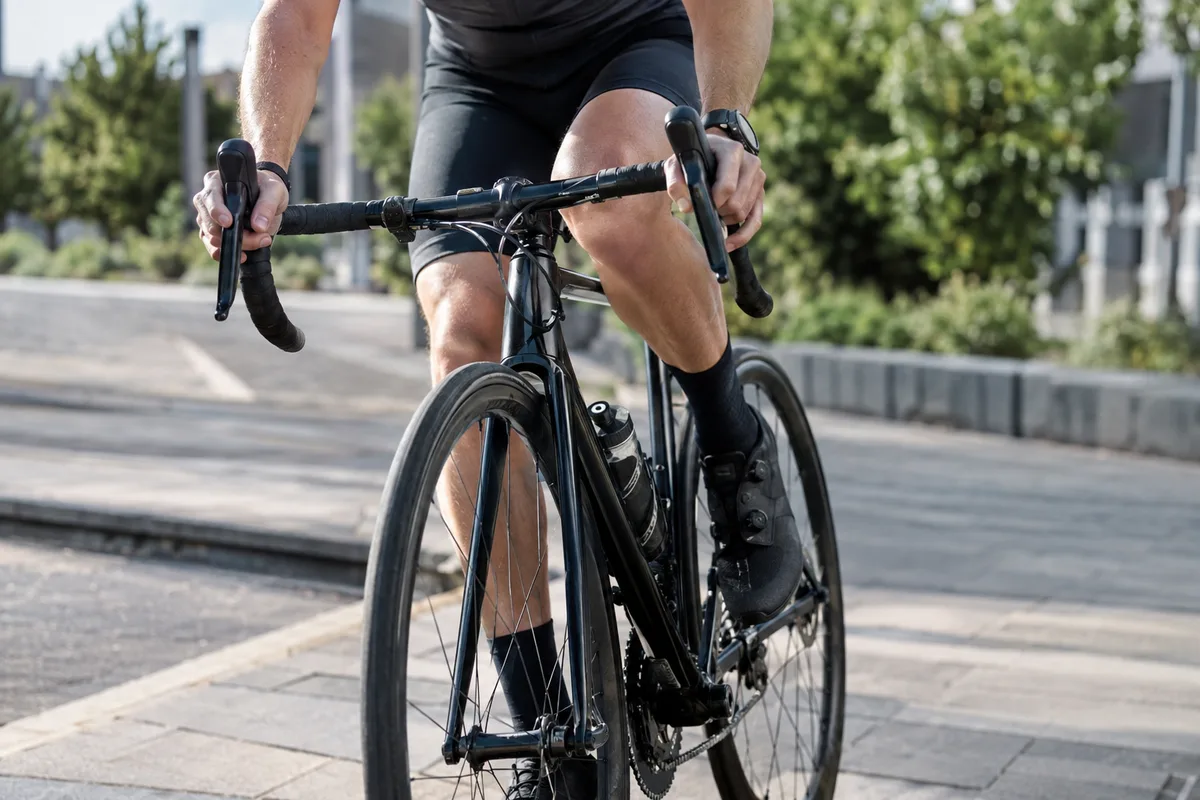
Best budget bikes: how to choose the right one
The best affordable bike is one that fits your body, suits your usual journeys and leaves room for essential equipment. This guide explains which type to choose, what features matter and how to assess a bike before committing.
-
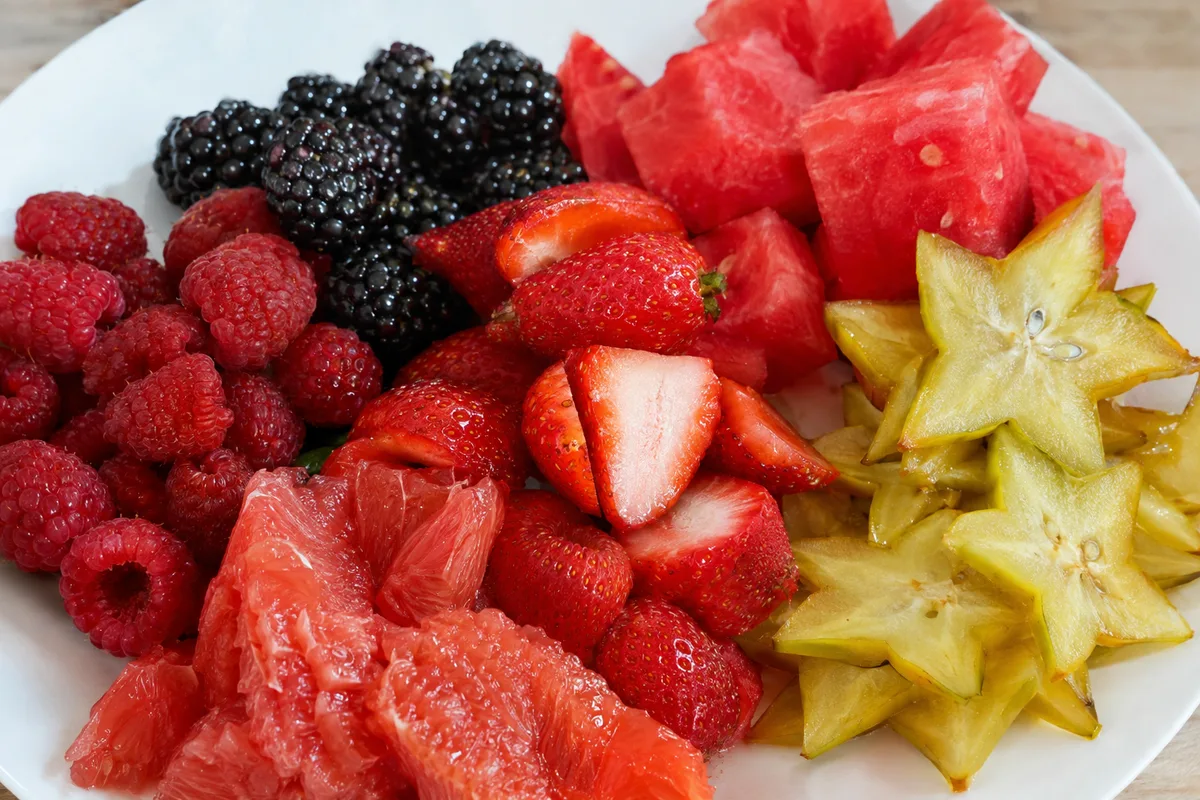
A practical low-carb fruit list for everyday tracking
Fruit can fit into a lower-carbohydrate way of eating, but the type and portion both matter. This guide covers useful choices, forms to watch and a simple way to compare entries in your tracker.
-

Do zero-calorie snacks really exist, and can they help with weight loss?
A zero on the label does not always mean a food contains literally no energy. This guide explains how to track these snacks and judge whether they are satisfying, nourishing and useful for your goals.
-
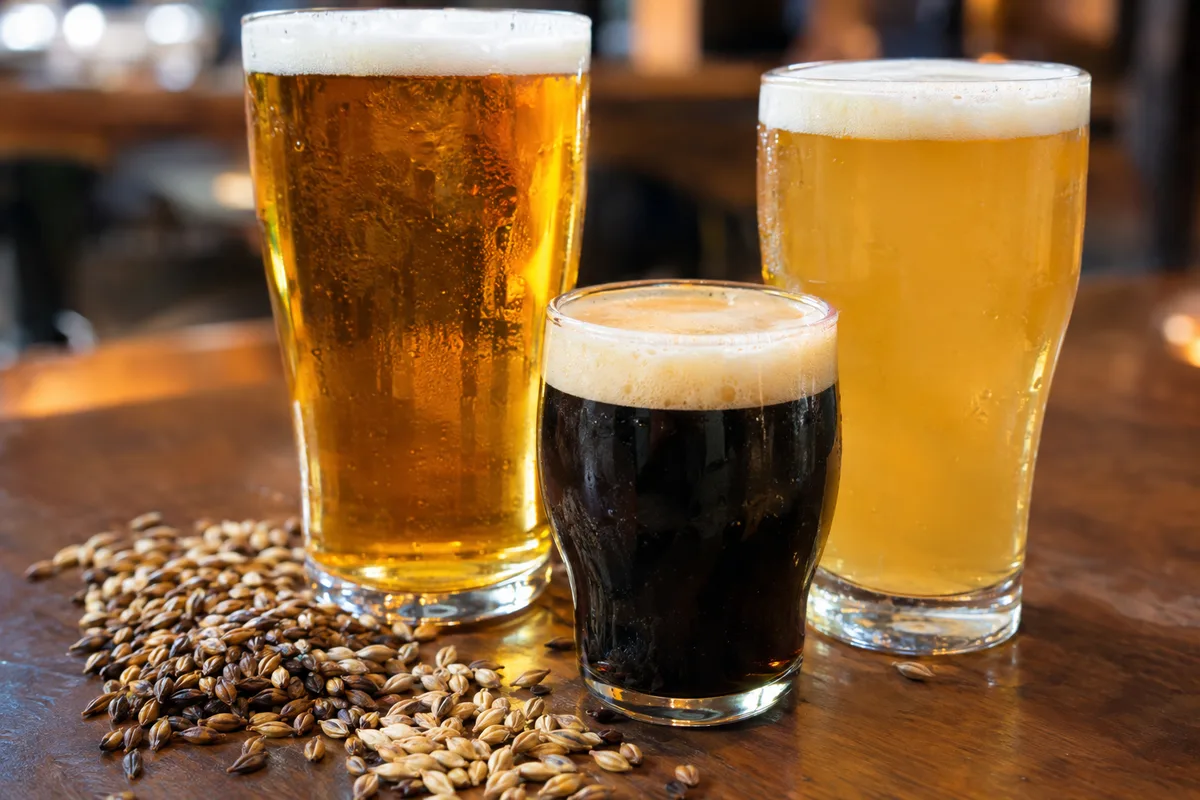
Calories, Carbs and Sugar in Alcohol: A Quick Reference Guide
Alcohol can contain calories even when it has little or no carbohydrate or sugar. This guide explains the main drink types, the effect of mixers and what to check when tracking your intake.
-

How to Use a Chest Fly Machine with Good Form
The chest fly machine trains the chest through a controlled closing movement. This guide covers the set-up, technique, common mistakes and ways to progress.
-
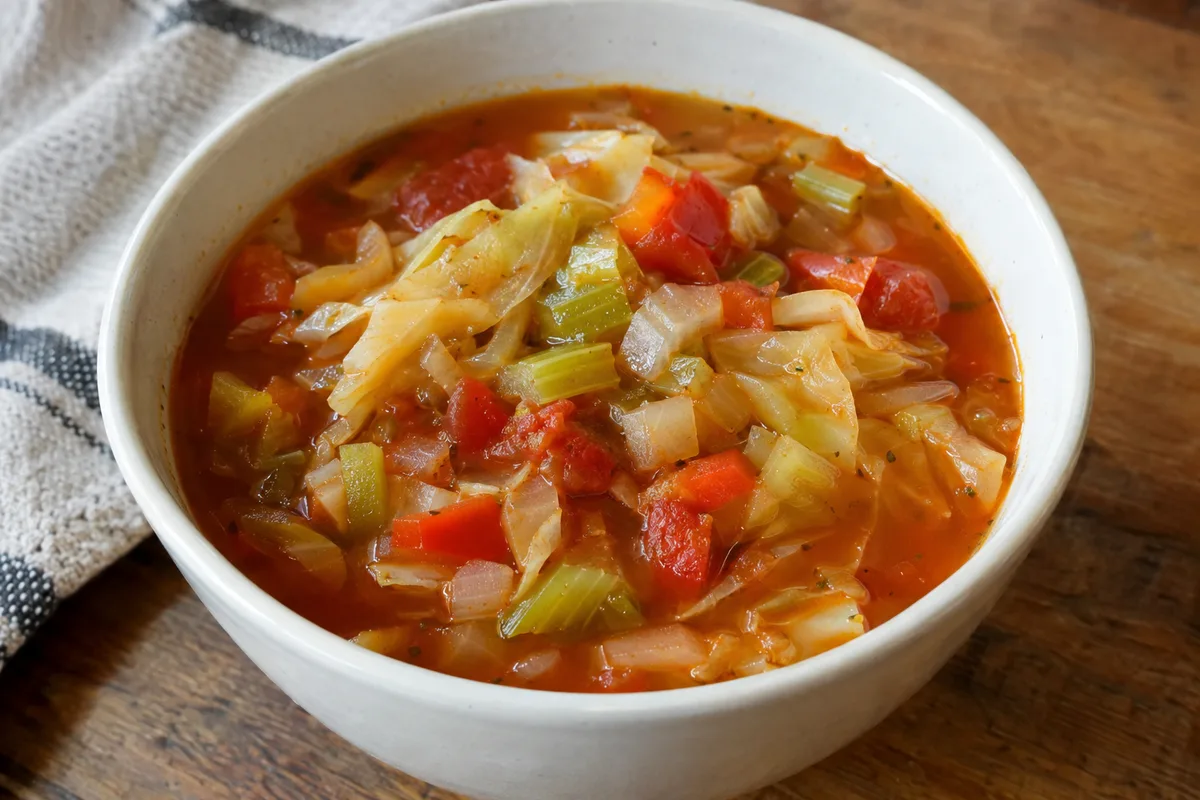
What the Sacred Heart Diet Really Involves
The Sacred Heart Diet is a short, restrictive eating plan built around vegetable soup and a changing list of permitted foods. This guide explains how it works, why its claims deserve caution and what your food log may reveal.
-
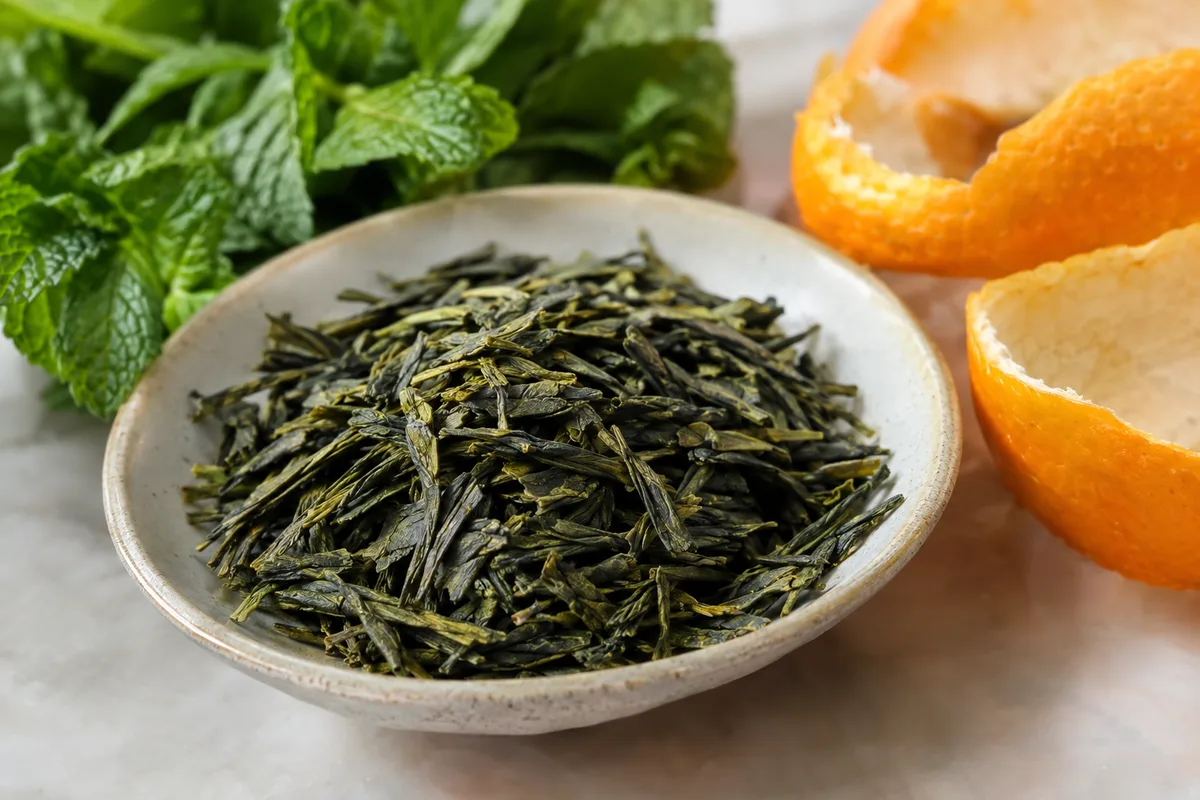
What green tea can add to your daily routine
Green tea can be an enjoyable drink that provides fluid, plant compounds and a modest caffeine lift. This guide explains those benefits, what can change them and how to track your usual cup accurately.
-
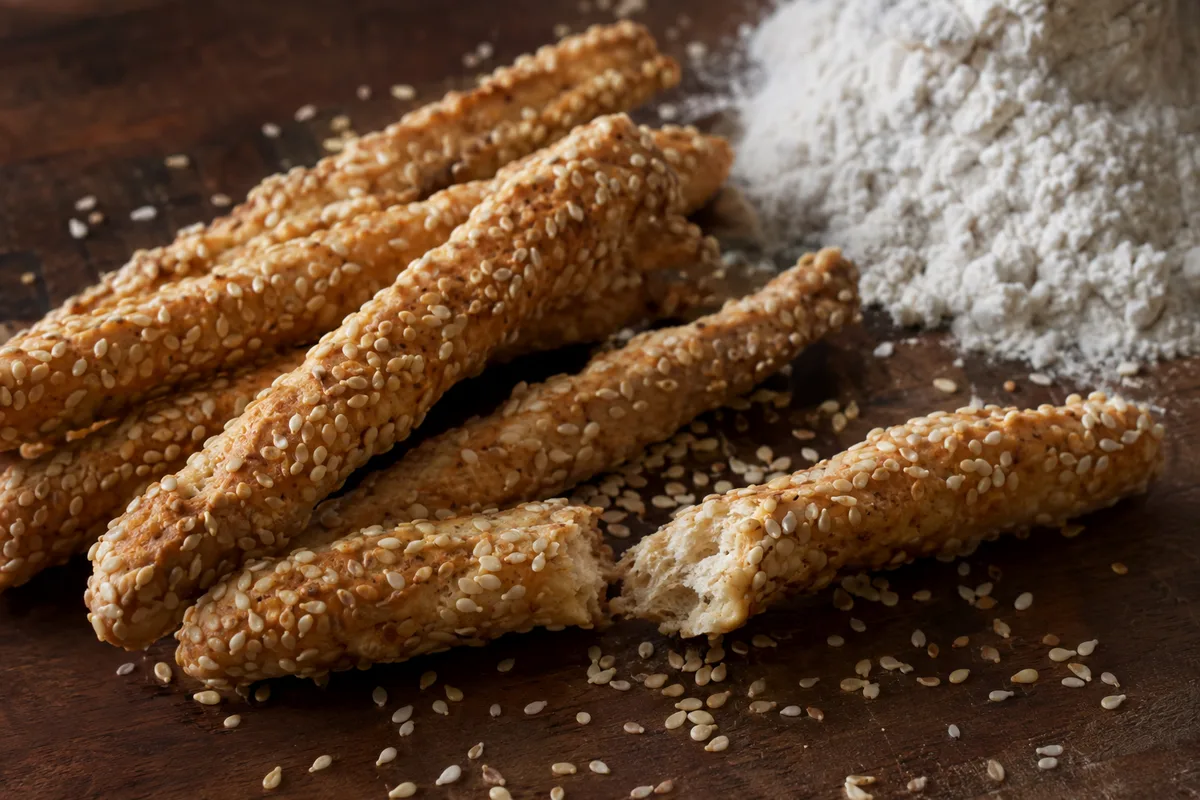
Are Sesame Sticks a Healthy Snack?
Sesame sticks sound simple, yet many are made mainly from flour and oil rather than whole sesame seeds. Here is how to assess them in your food log and build a more satisfying snack.
-
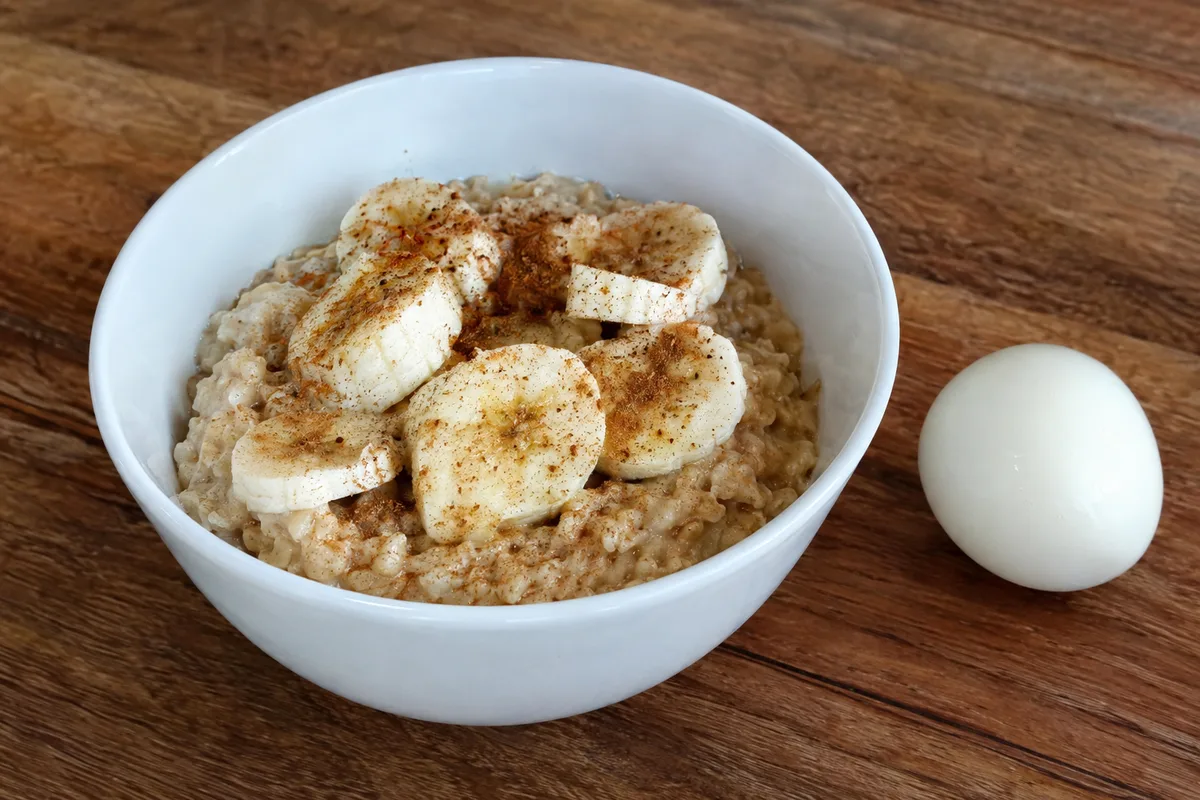
Can Cream of Wheat Fit Into a Weight-Loss Diet?
Cream of Wheat does not cause or prevent weight loss on its own. This guide explains how to track it accurately, make it more filling and choose toppings that suit your goal.
-
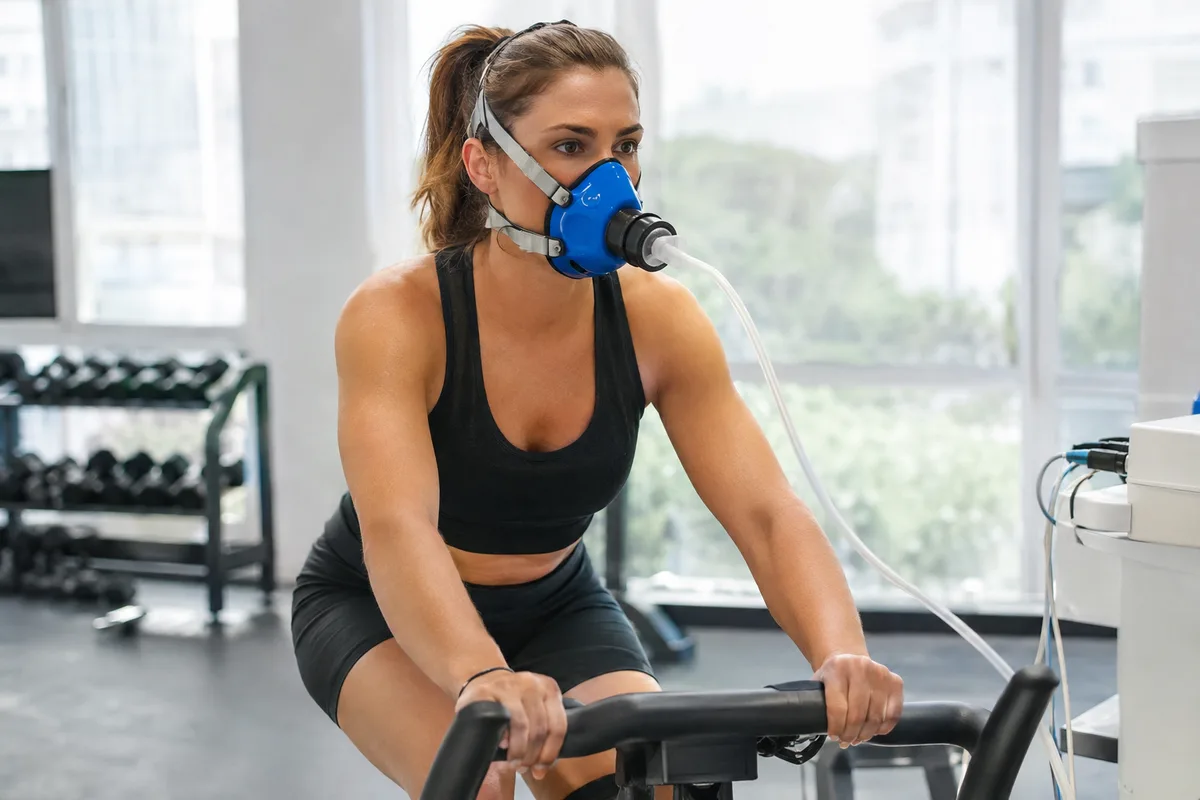
How to calculate VO₂ and VCO₂ from breathing data
VO₂ describes oxygen used by the body, while VCO₂ describes carbon dioxide produced. This guide explains the measurements, equations and checks needed to calculate both values.
-
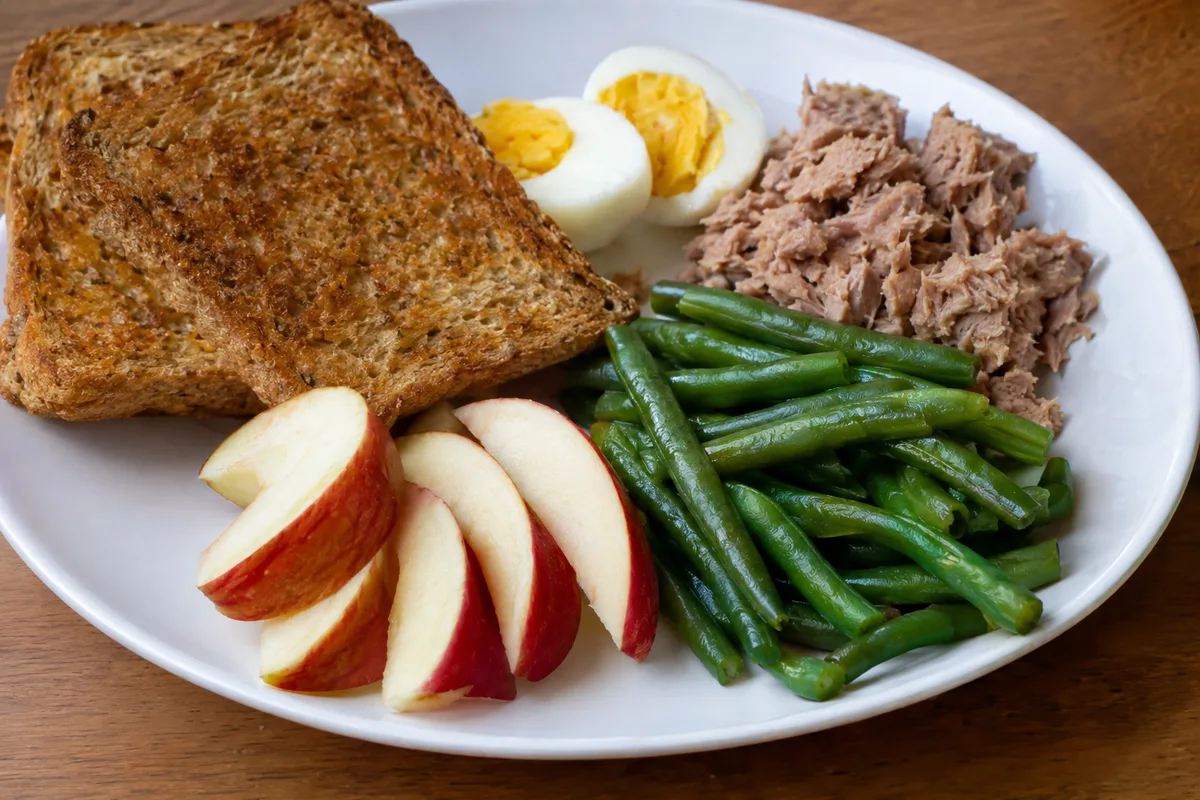
The 3 Day Military Diet: a practical review
The 3 Day Military Diet uses a short, tightly controlled eating plan followed by less structured days. This review explains the likely trade-offs and shows how to use your food log to assess it.
-
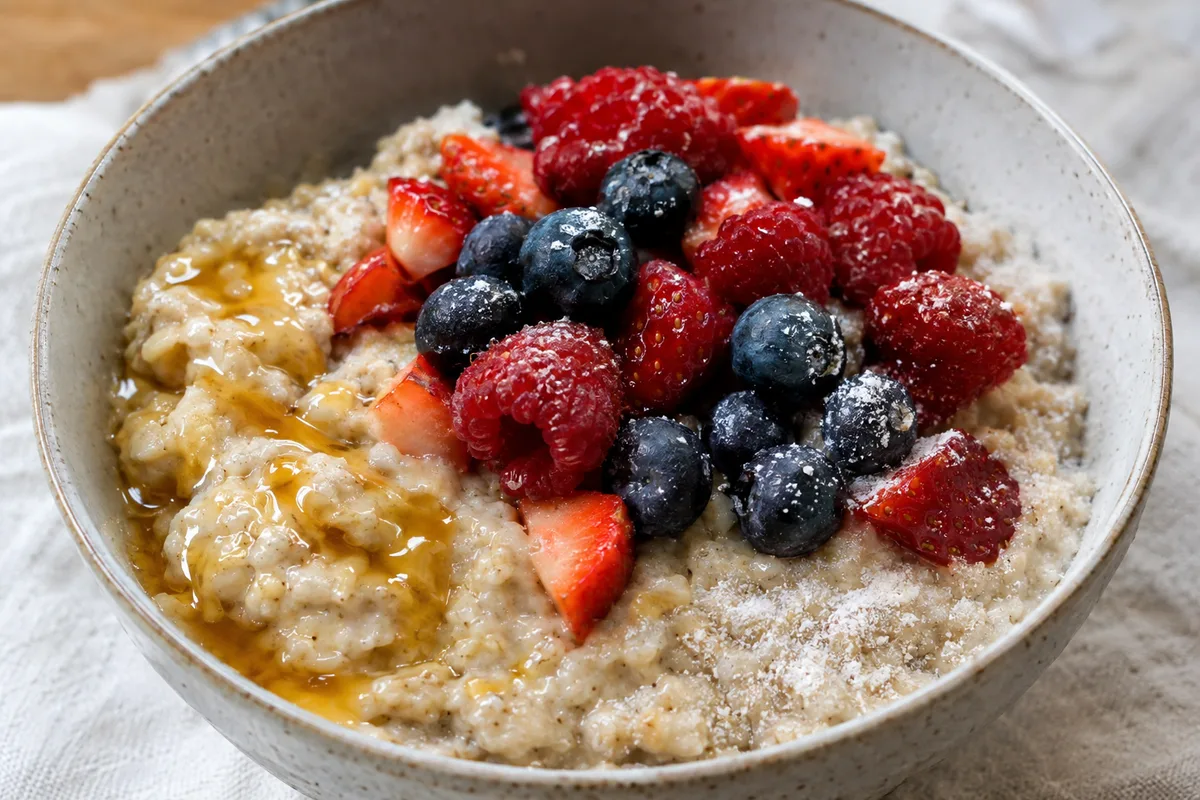
Is honey healthier than sugar? A practical look at the difference
Honey may seem like the more natural choice, yet that does not automatically make it nutritionally superior to table sugar. This guide explains what each contains, how portions compare and what matters when logging them.
-

How to Count Calories in Steamed Chinese Dumplings
There is no single calorie figure for every steamed Chinese dumpling because recipes and sizes vary widely. This guide explains what affects the total and how to record a useful estimate in your food log.
-

A Complete Beginner’s Guide to Strength Training
Strength training means asking your muscles to work against resistance, then gradually increasing the challenge. This guide explains the main movements, how to plan your first sessions and what to record alongside your food.
-

Which Drinks Use Stevia?
Stevia is a sweet-tasting ingredient used in drinks with less or no added sugar. This guide explains where you may find it, how to recognise it and what to record in your food diary.
-
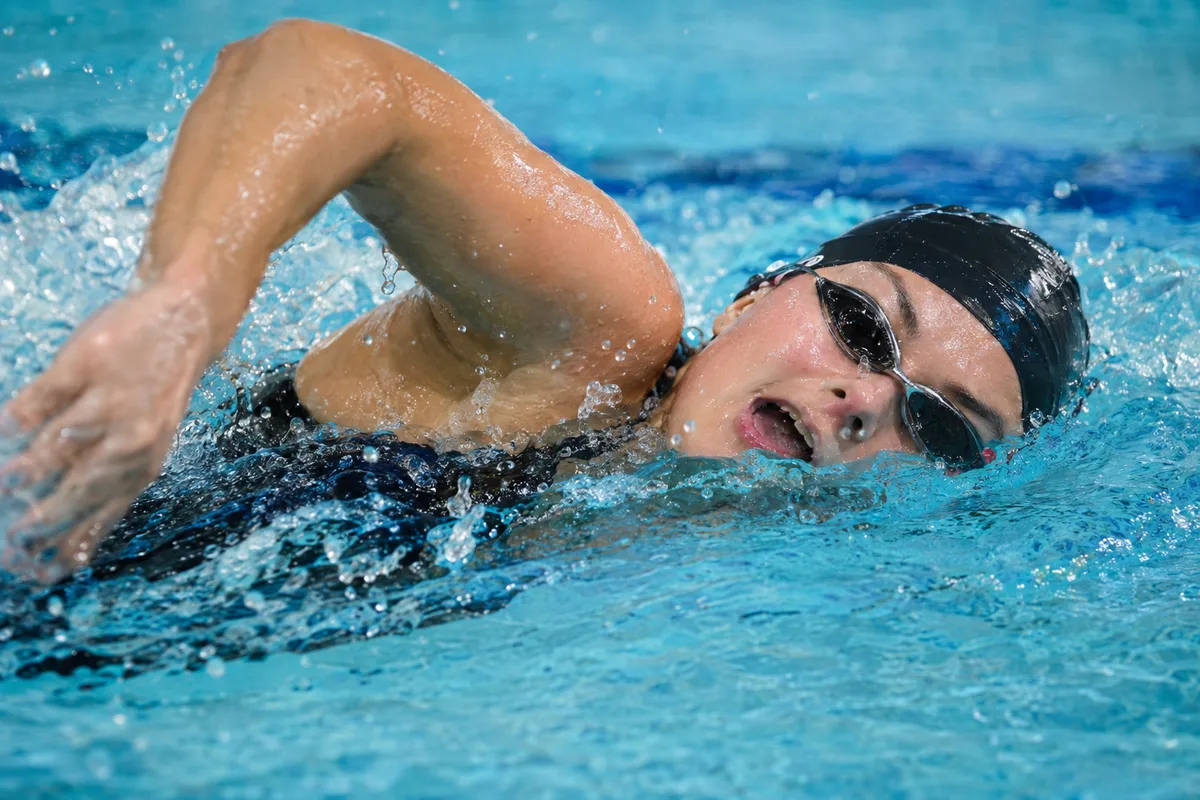
How Many Calories Does Swimming Burn?
Swimming calorie burn depends on your body, stroke, effort and time in the water. This guide explains those factors and shows how to use estimates without treating them as exact.
-
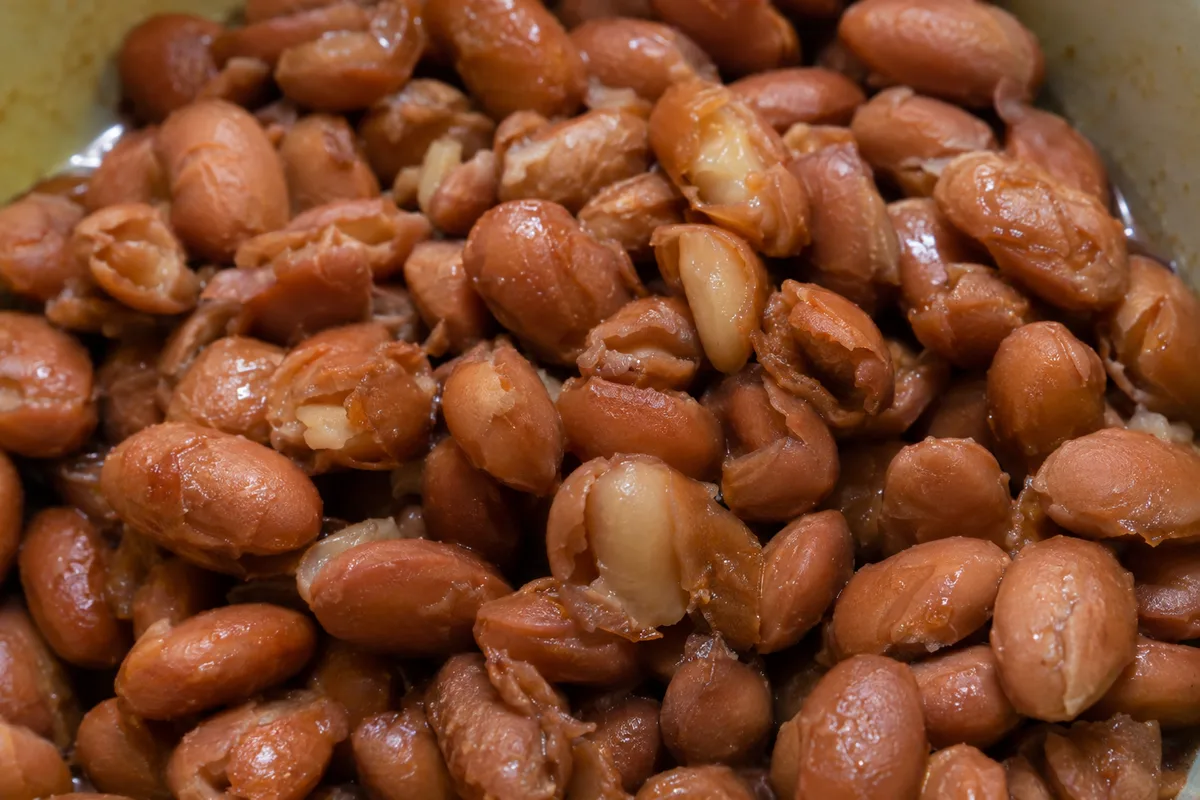
The Complete Guide to Pinto Beans
Pinto beans are a versatile source of carbohydrate, fibre and plant protein. This guide explains how to prepare them, use them in meals and record them accurately in your food log.
-
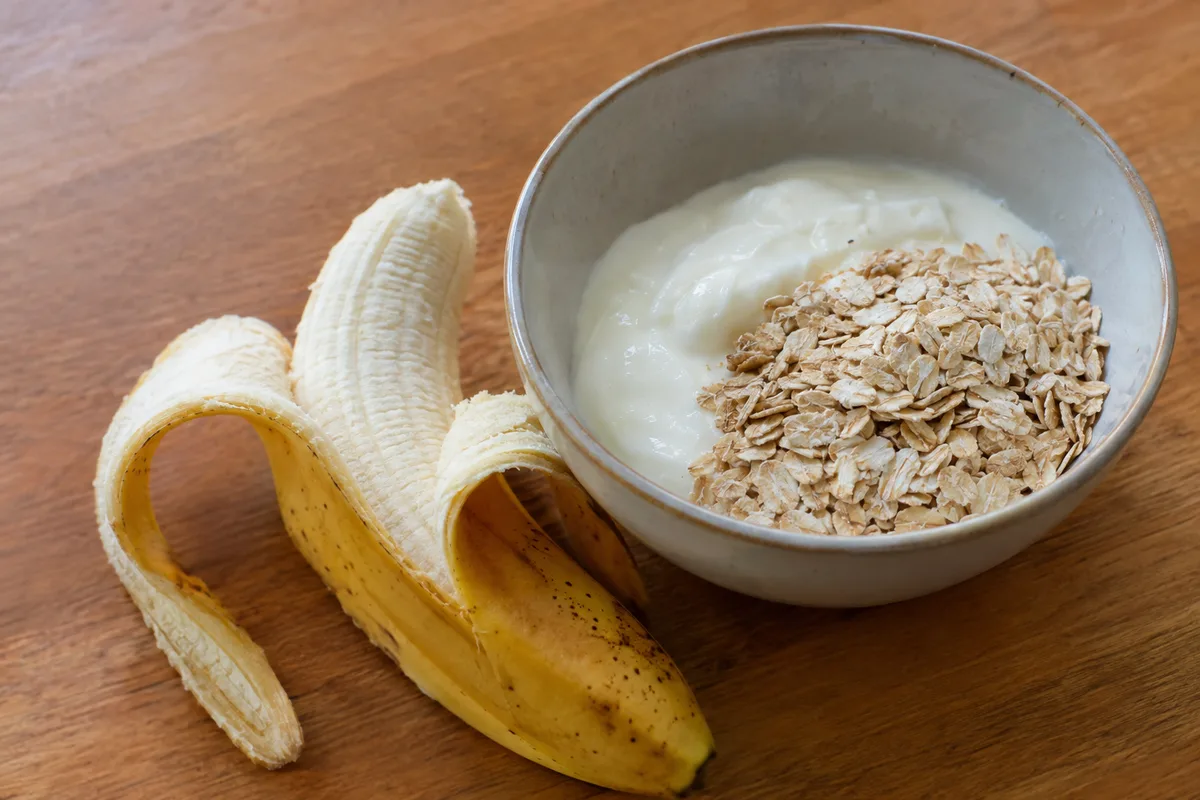
Can Bananas Help With Weight Loss?
Bananas are filling, convenient and easy to track, but they do not cause weight loss on their own. This guide explains how to include them while keeping your overall calorie target in mind.
-
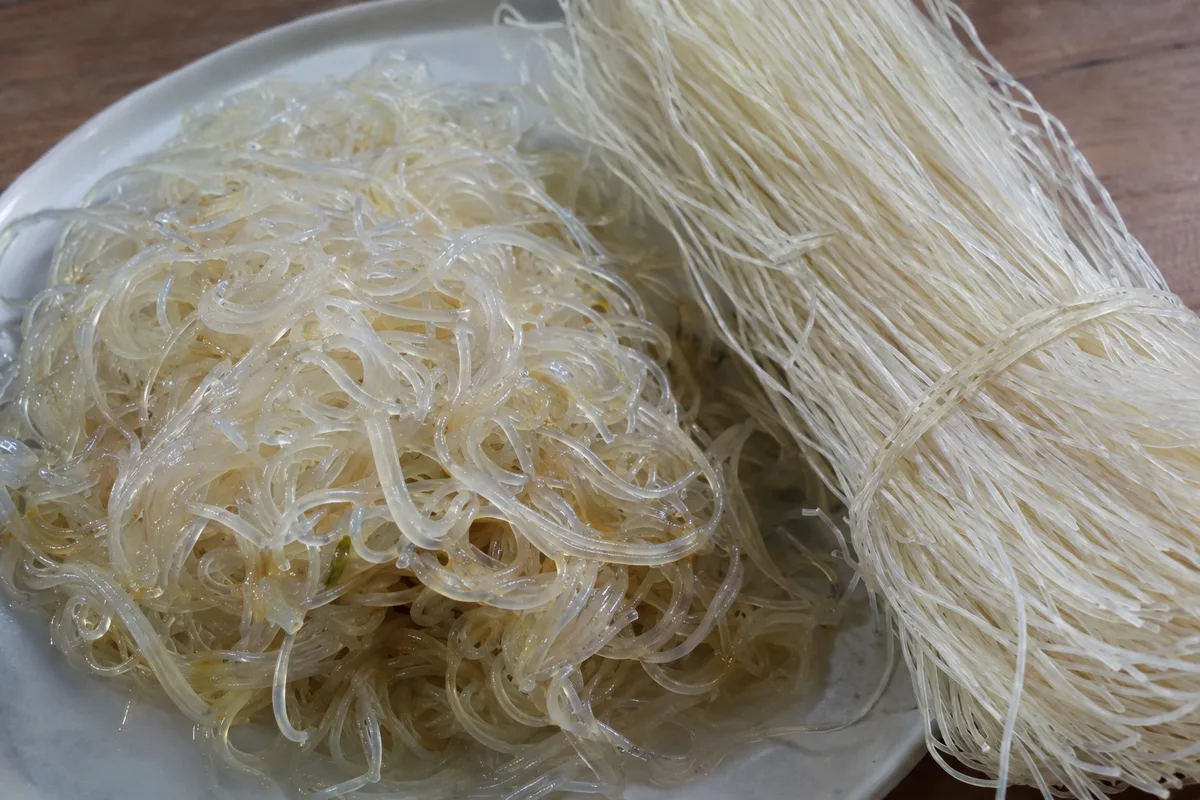
Are Mung Bean Noodles a Good Choice?
Mung bean noodles are light, versatile and easy to add to stir-fries, soups and salads. Here is what they provide, how they compare with whole mung beans and how to track them accurately.
-
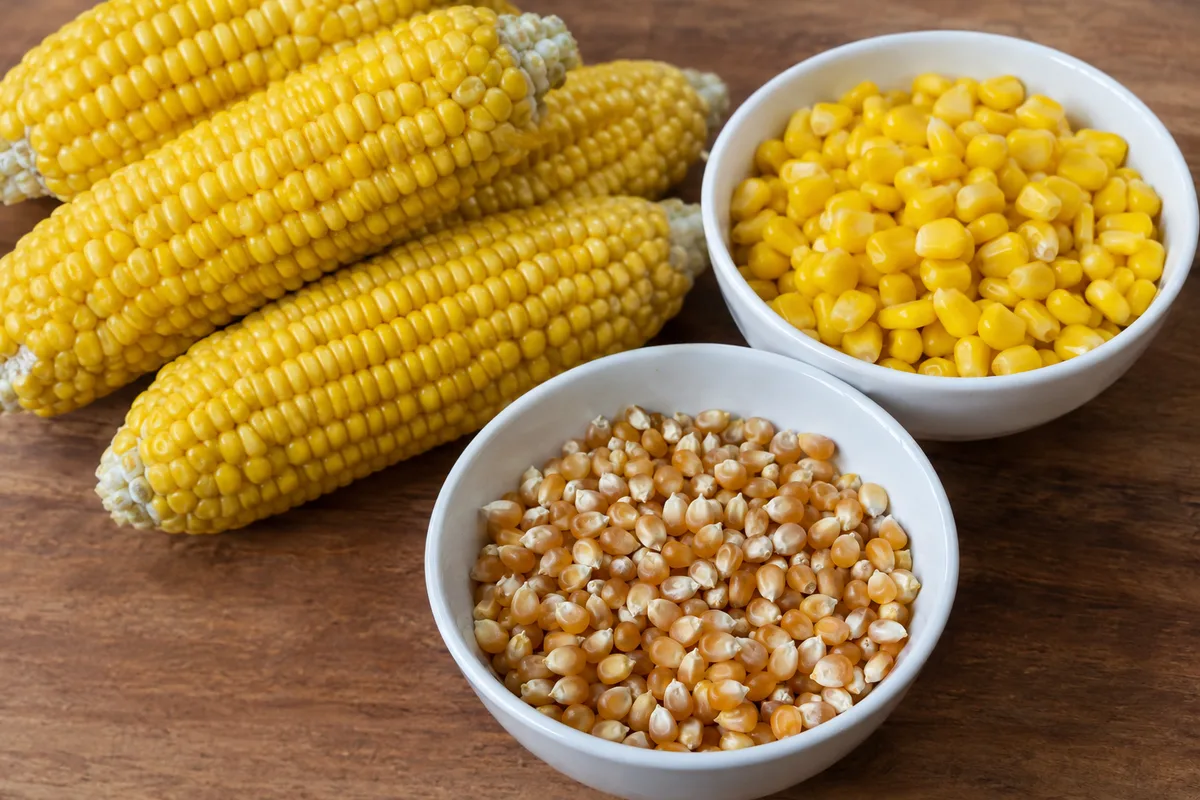
Is corn gluten-free? What to check before you log it
Corn, also called maize, does not naturally contain the type of gluten found in wheat, barley and rye. This guide explains which corn foods are straightforward, where gluten can enter, and what to record in your food log.
-

How to Build Muscular Strength Over Time
Muscular strength improves when your muscles practise producing more force and receive enough support to recover. This guide explains how to plan your training, track progress and use your food log to support the work.
-
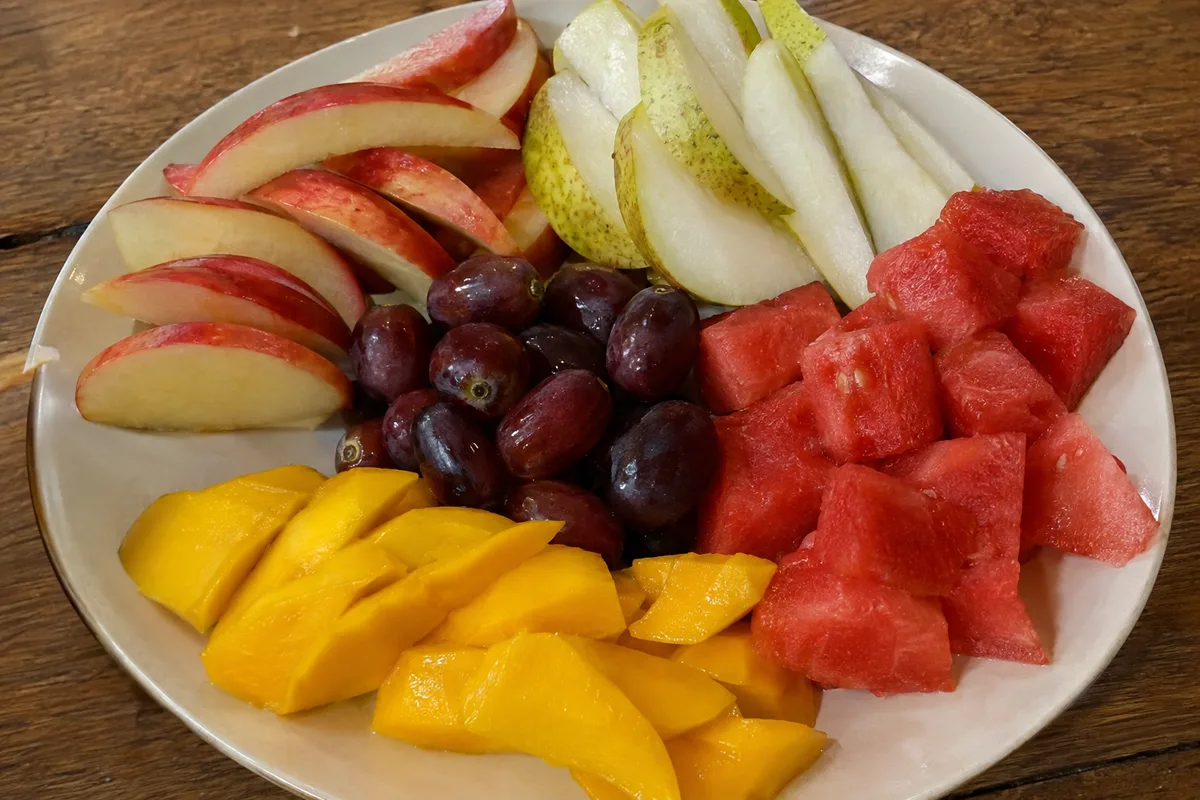
Foods High in Fructose and How to Track Them
Fructose occurs naturally in fruit and is also used in many sweeteners and packaged foods. This guide explains the main sources, how portions change the amount and what to record in your food log.
-

How Many Calories Do You Burn During Exercise?
There is no single calorie figure for a walk, run, ride or workout because energy use depends on both the activity and the person doing it. This guide explains what changes your burn, how estimates work and how to record exercise without treating the result as exact.
-
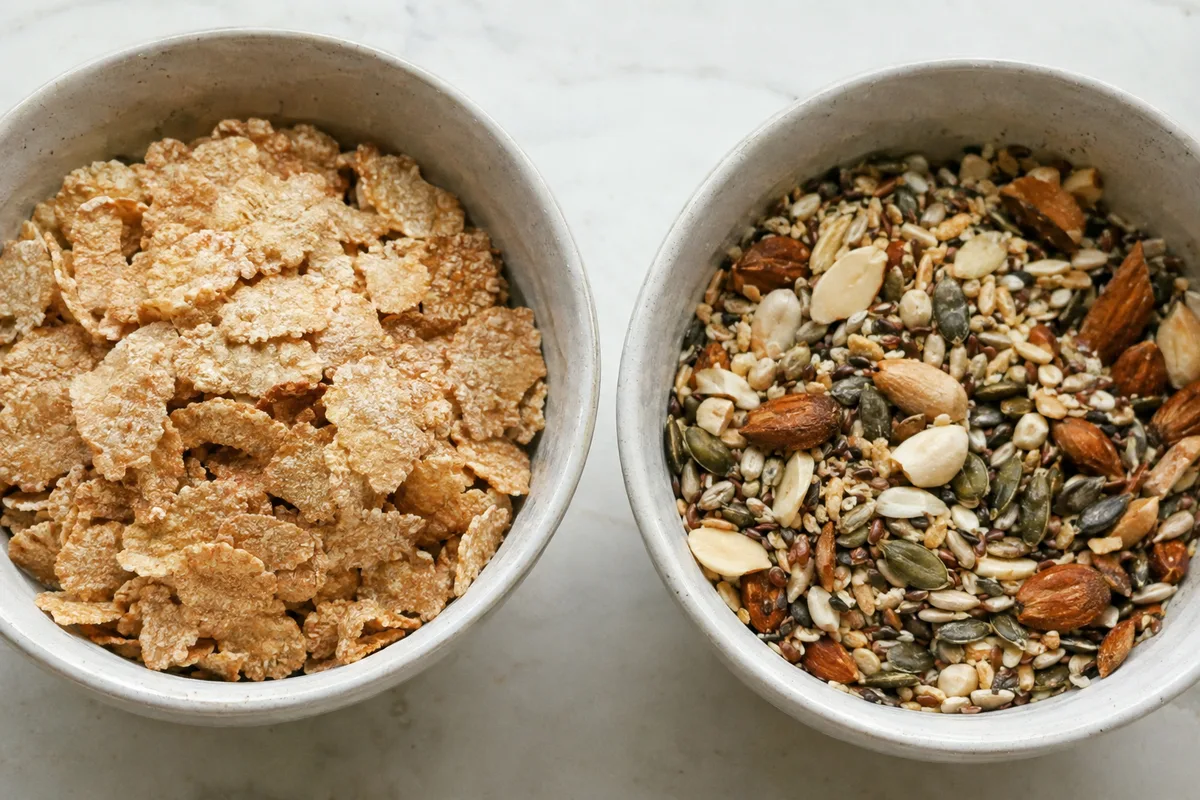
Low-carb cereals: what to look for and what to put in your bowl
Cereal can vary widely in carbohydrate, even when two options look similar. This guide explains which styles tend to be lower in carbs and how to fit them into the food tracking you already do.
-
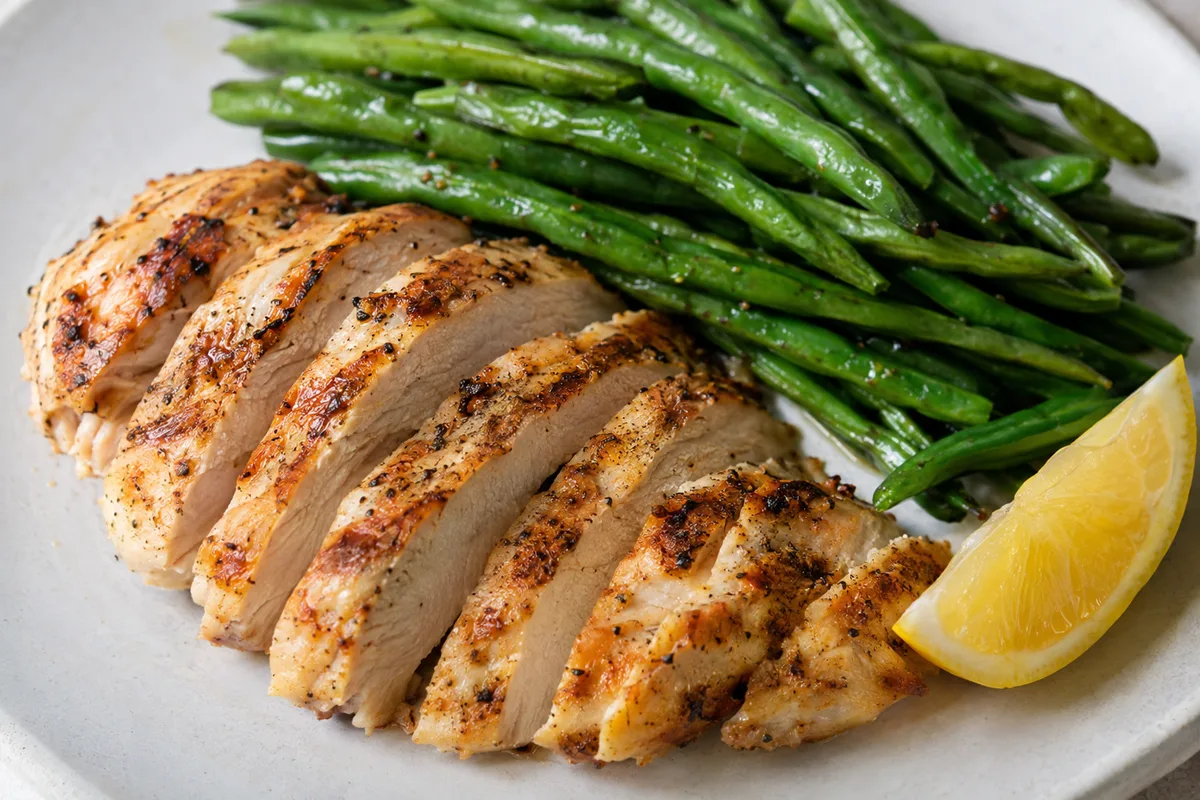
Foods That Fit Both Low-Carb and Low-Fat Eating
Low-carb and low-fat eating can overlap, although the choice is narrower than either approach on its own. This guide explains which foods tend to fit, how preparation changes the numbers and what to check in your food log.
-
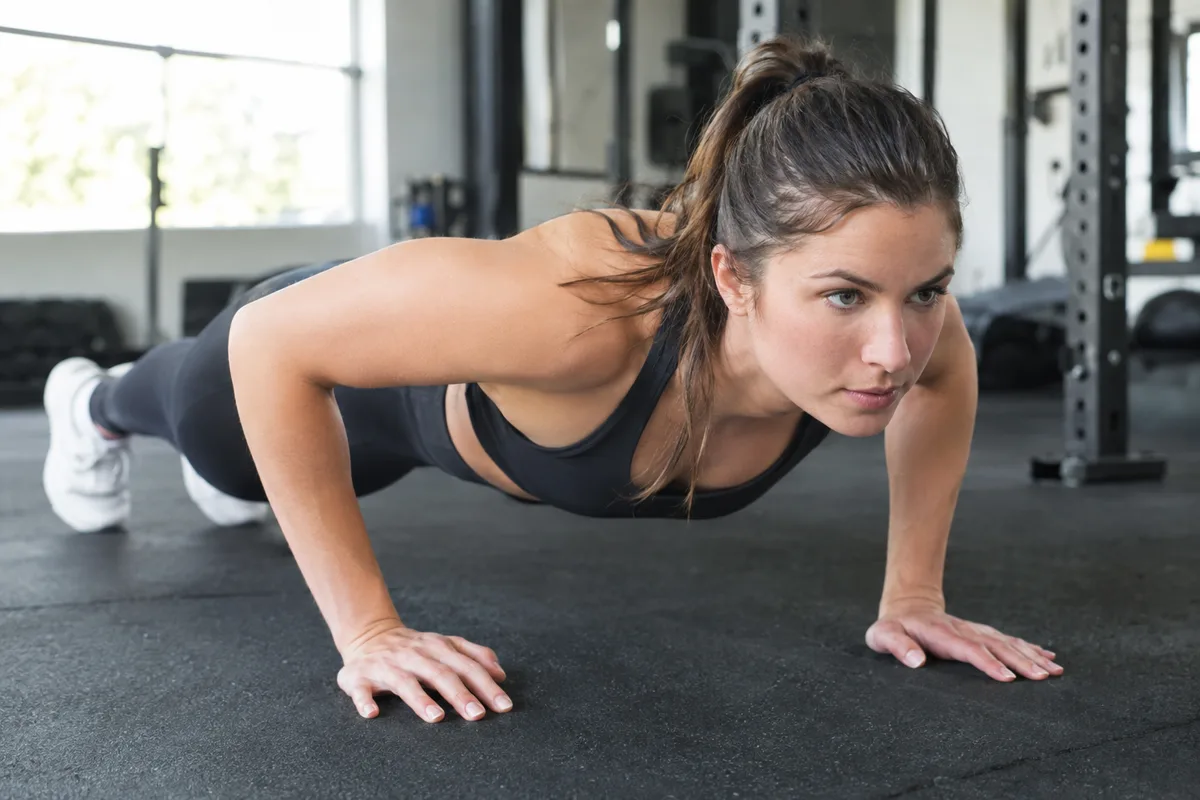
How many calories do 100 push-ups burn?
A set of 100 push-ups does not burn the same number of calories for everyone. This guide explains what changes the estimate and how to record the activity alongside your food intake.
-
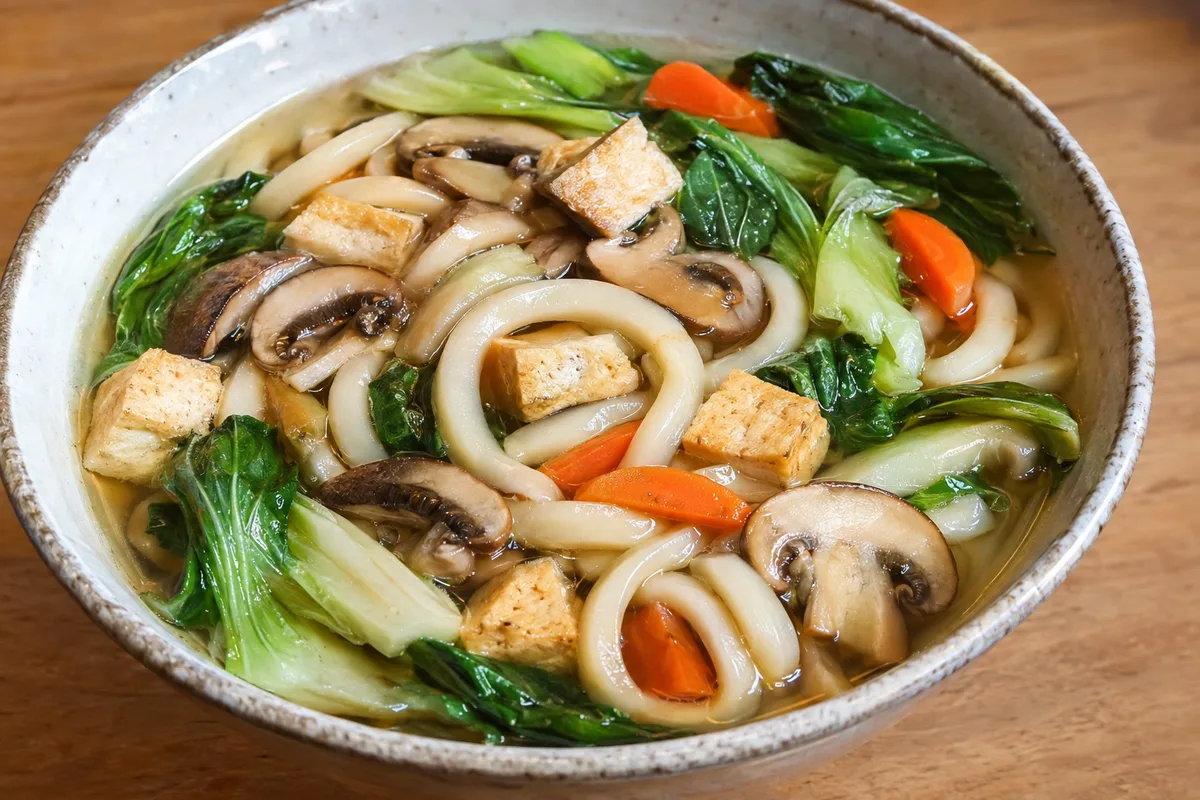
Are udon noodles a healthy choice?
Udon noodles mainly provide carbohydrate, but their overall nutritional value depends on the rest of the bowl. Here is how to track them accurately and build a more balanced udon meal.
-
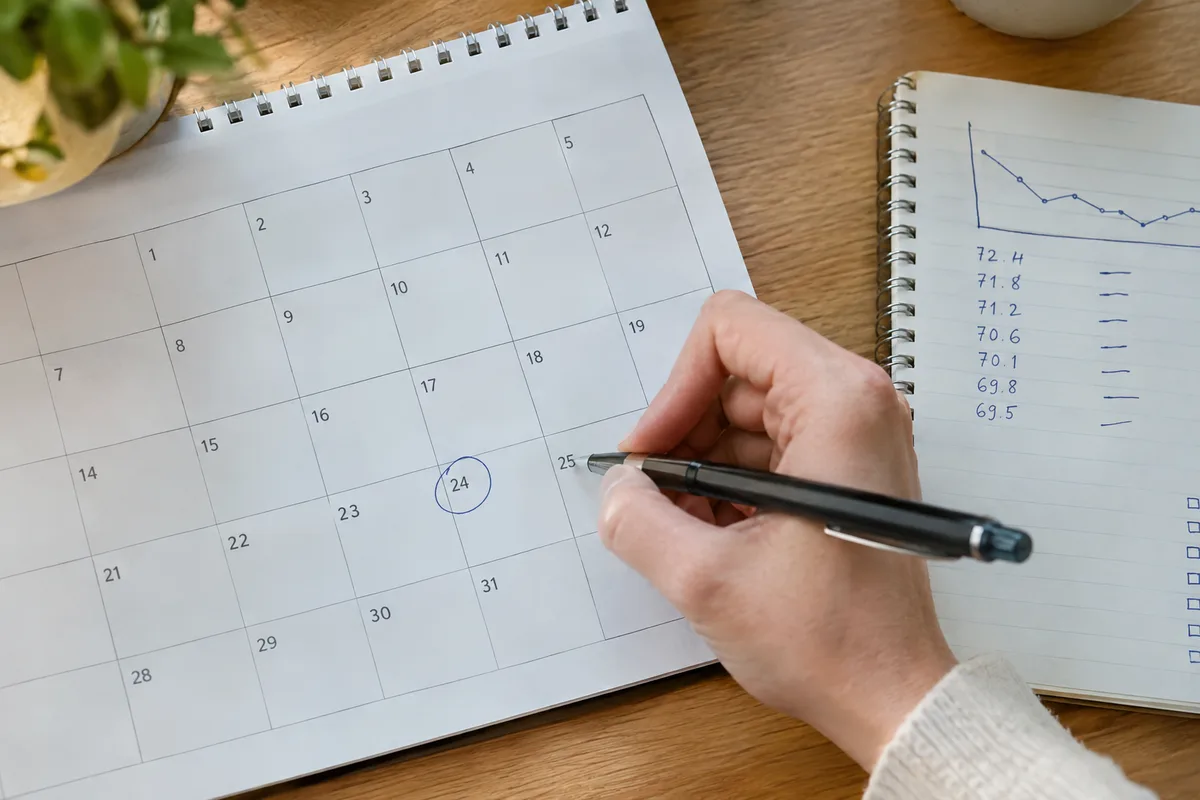
A practical plan for losing about 20 pounds in five to six months
Losing about 20 pounds in five to six months requires a consistent energy shortfall, but the result and timing depend on the person. This guide explains how to use your food log, build satisfying meals, stay active and prepare for maintenance.
-
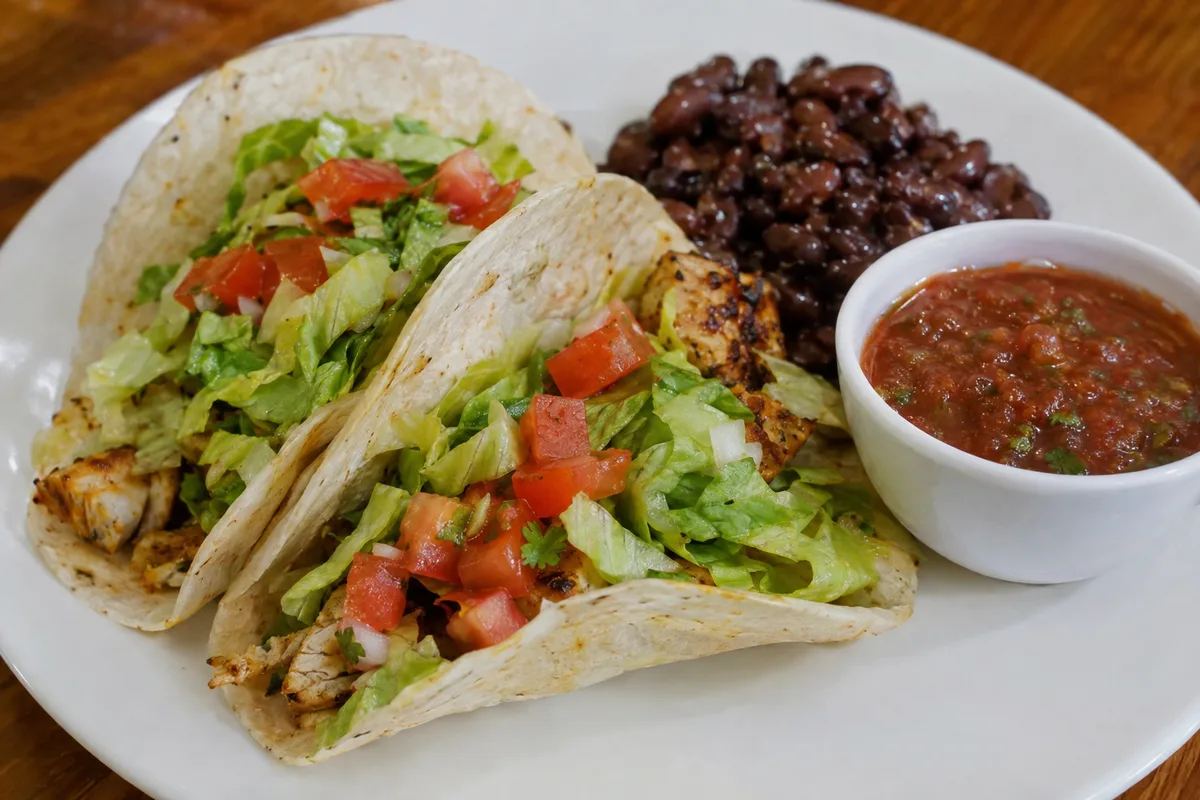
Dietitian-approved ways to build a high-protein Taco Bell meal
A high-protein fast-food meal is not simply the menu item with the most meat or cheese. Here is how to use Taco Bell’s menu and nutrition information to build a meal that fits your personal targets.
-
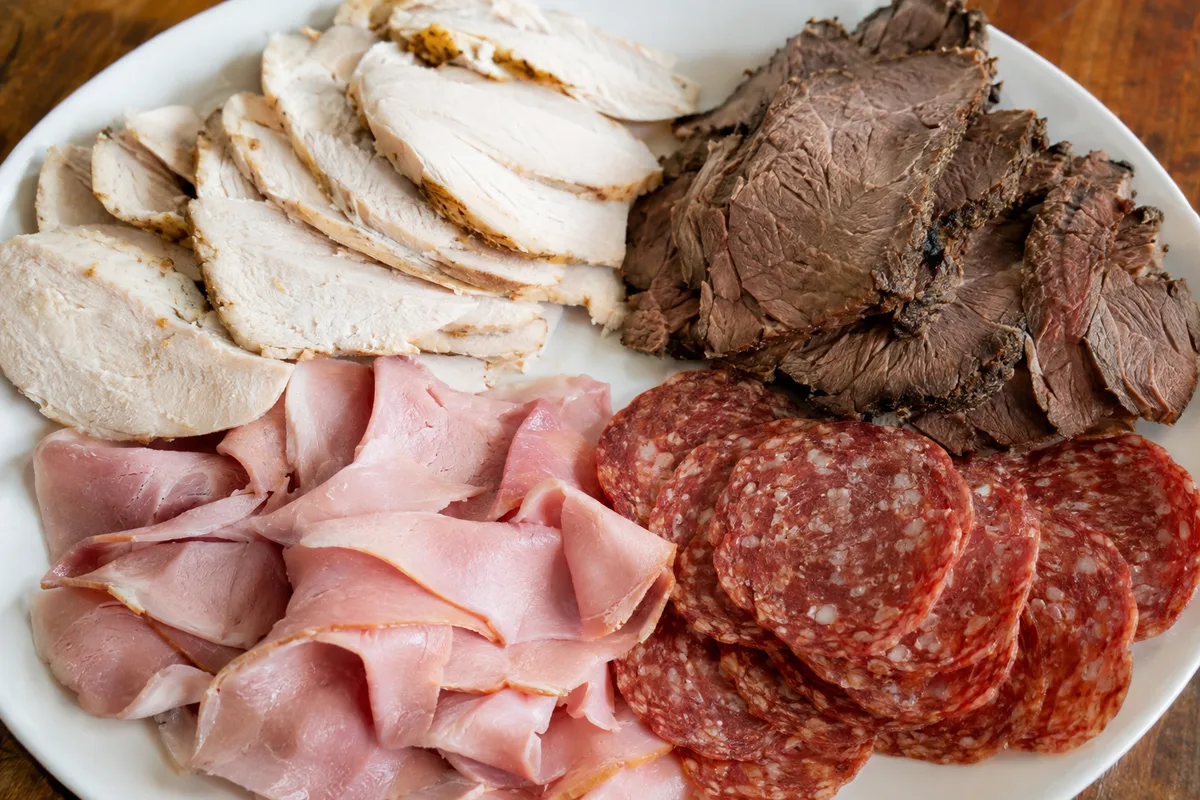
What Is the Healthiest Deli Meat to Choose?
The healthiest deli meat is usually a lean, simply cooked option with less sodium and a short ingredient list. This guide explains what to compare and how to fit deli meat into the meals you already track.
-
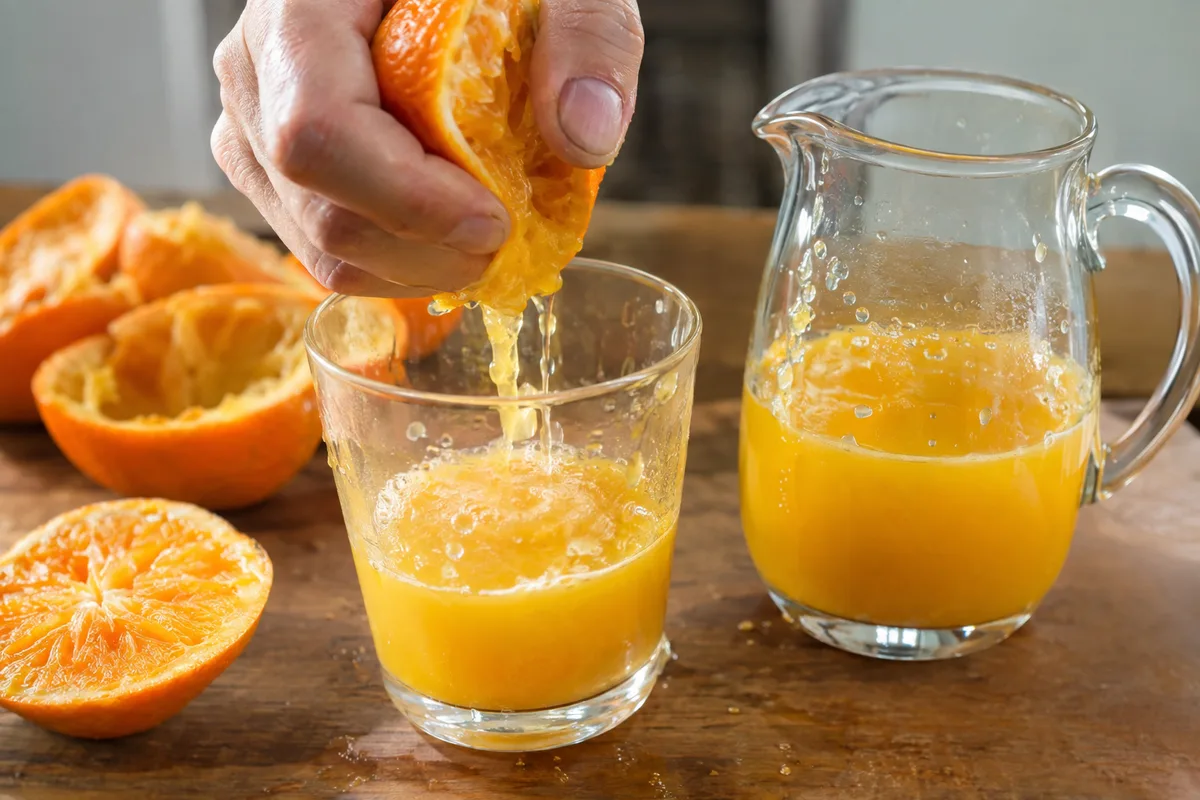
Juice From Concentrate or Not From Concentrate: What Changes Nutritionally?
The wording on a juice carton describes how the drink was processed, but it does not tell the whole nutrition story. Here is how to compare the two types and record them accurately in your food diary.
-
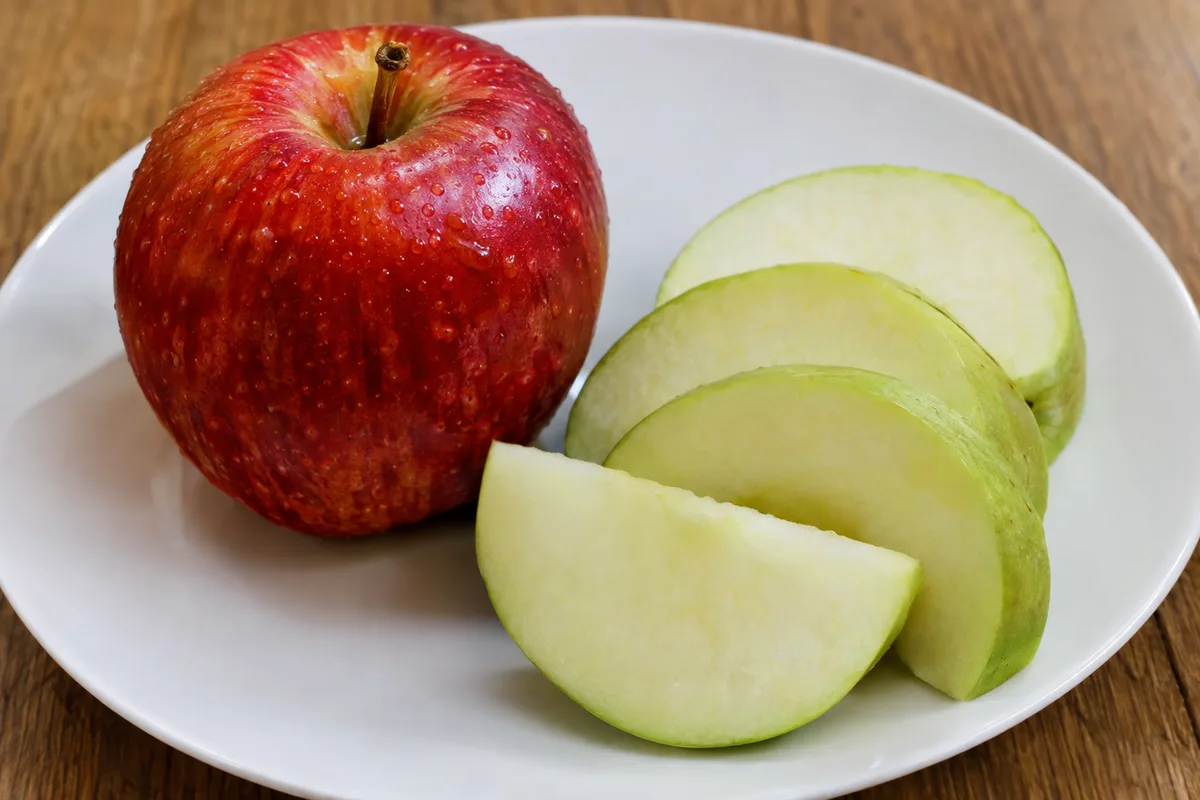
Why apples are good for you, and which types to choose
Apples can be a practical part of a balanced diet, especially when eaten whole with the skin. This guide explains their benefits, how varieties differ and what to record when tracking them.
-
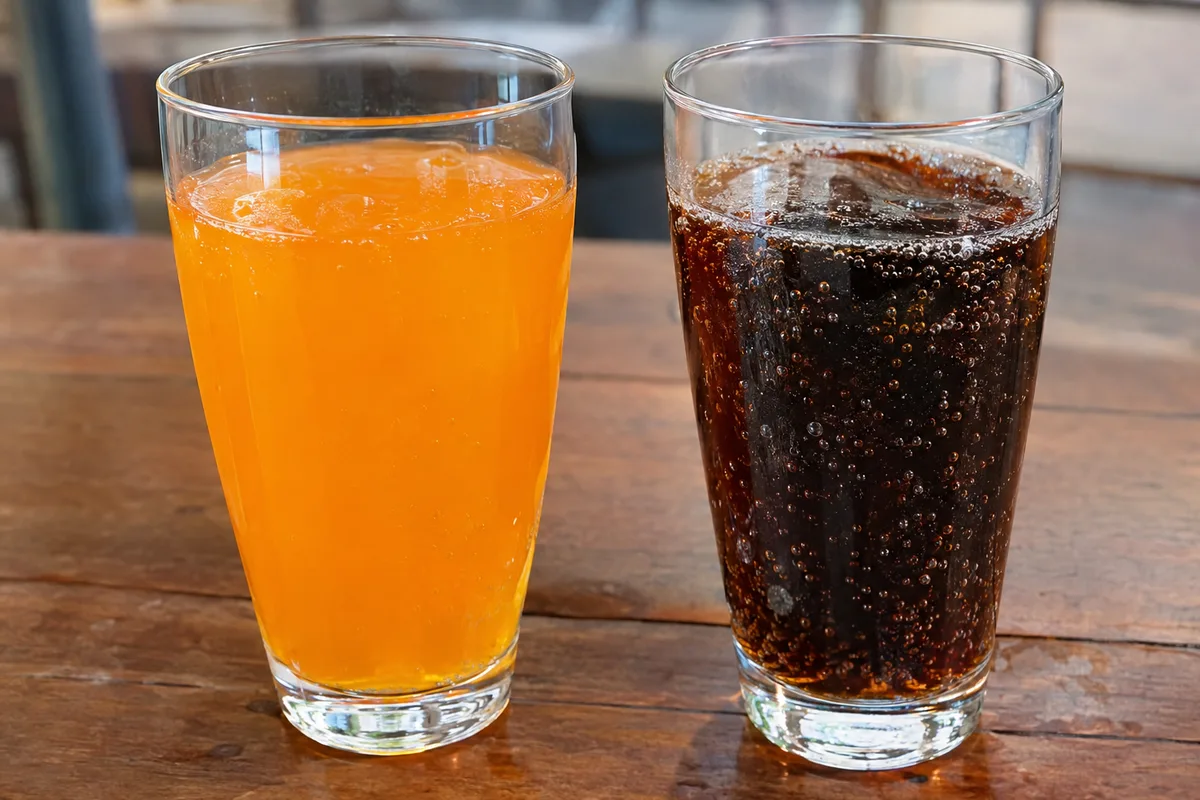
Gatorade or soda: what is the difference?
Gatorade and soda can look similar in a food log, but they are made for different purposes. This guide explains what each drink contains, when those differences matter and how to record your choice accurately.
-
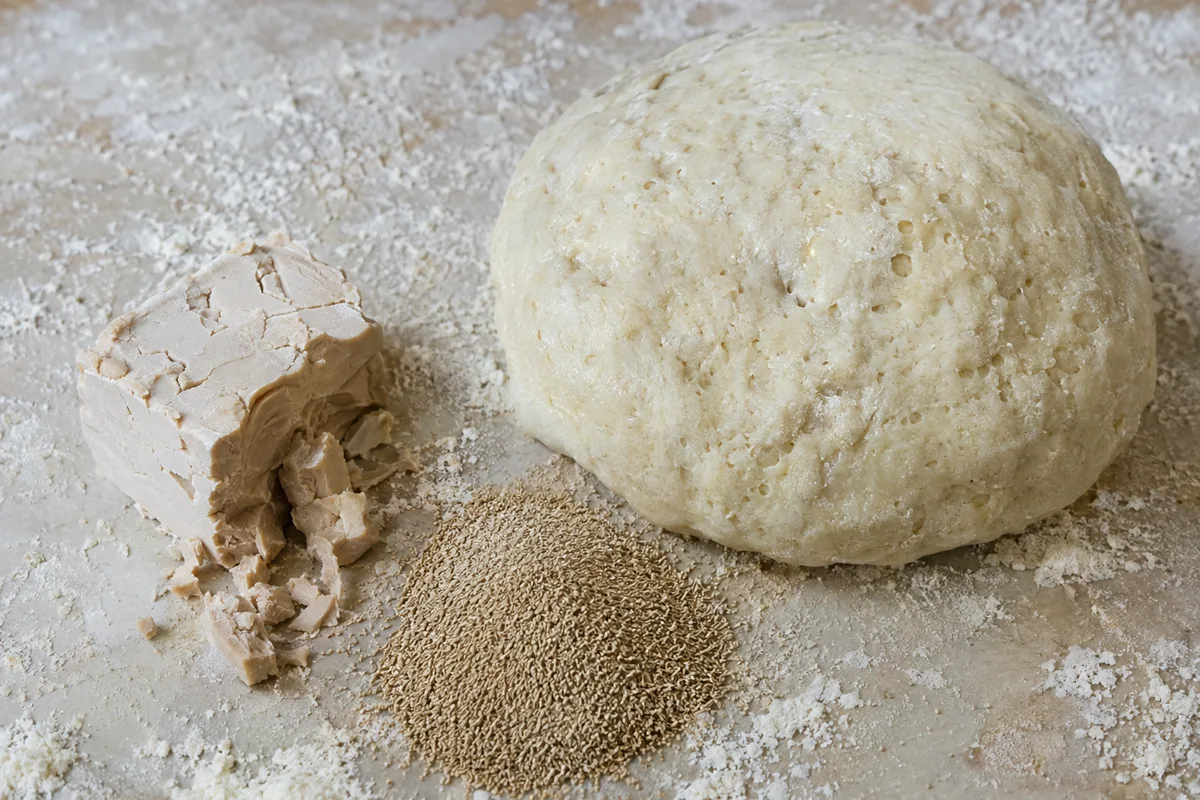
Is yeast gluten free? What to check before you use it
Yeast itself does not naturally contain gluten, and common baking yeasts are usually suitable for a gluten-free diet. This guide explains the main types, where gluten may enter the picture and what to record in your food diary.
-
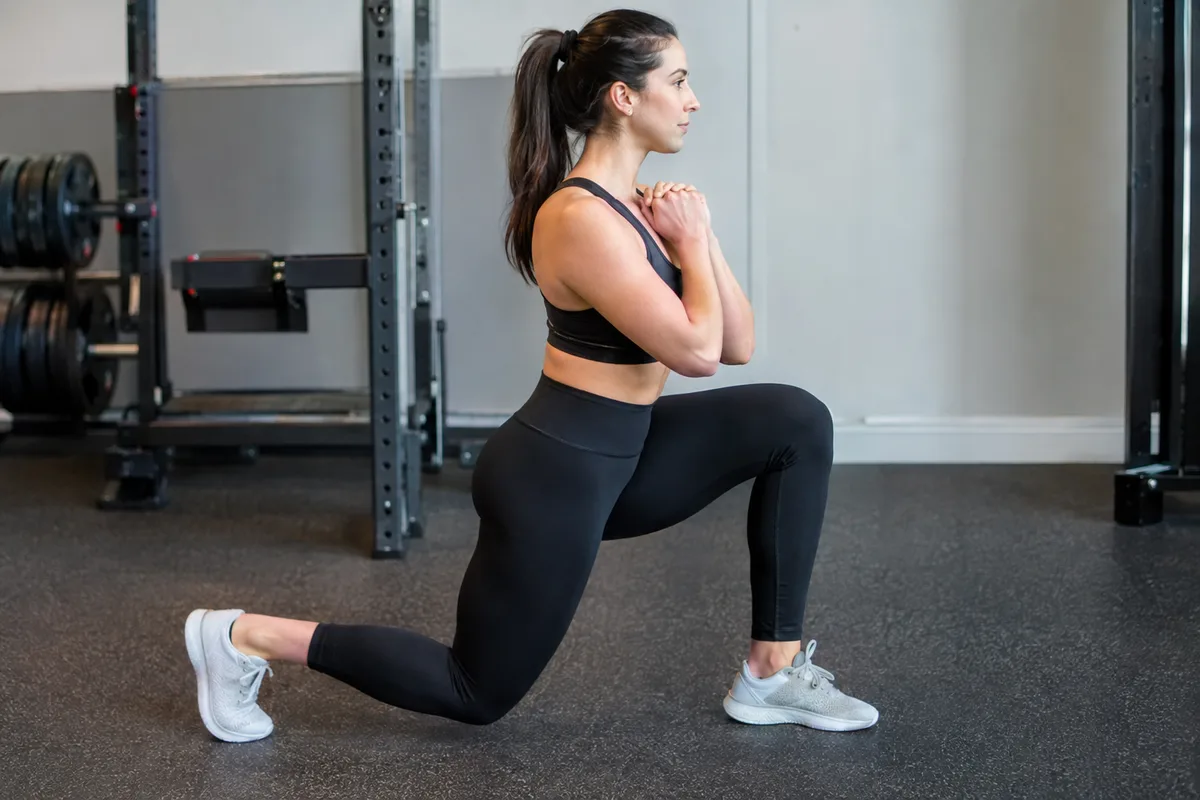
How Weight Training Can Support Your Golf
Weight training can help you produce force, control your movement and stay steady through a round. This guide explains which movements matter, how to build a simple programme and how food tracking can support your training.
-
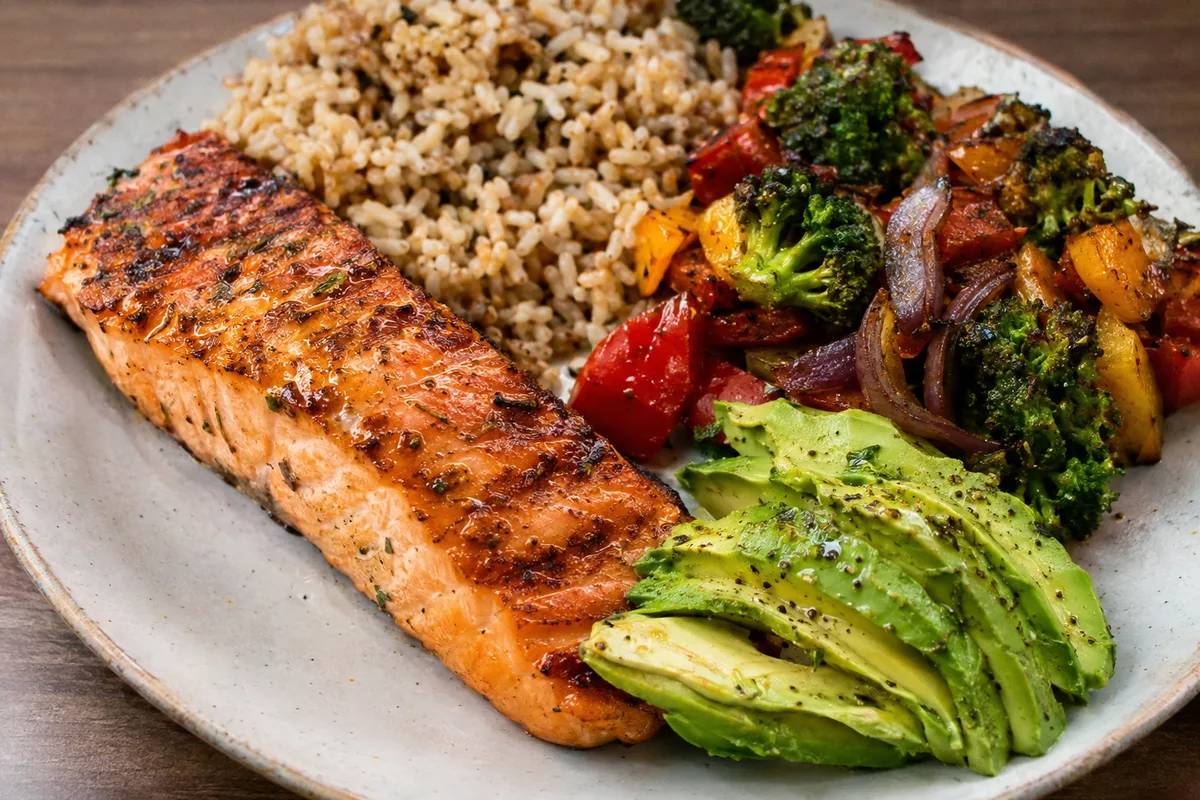
Dietary fats: what they do and how to track them
Fat is an essential part of food, but its energy density can make tracking less straightforward. This guide explains the main types of fat, how portions affect your log and how to build balanced meals.
-

How to Do the Upright Row with Control
The upright row trains the shoulders and upper back using a weight pulled close to the body. This guide explains the technique, common errors and simple ways to adjust the exercise.
-
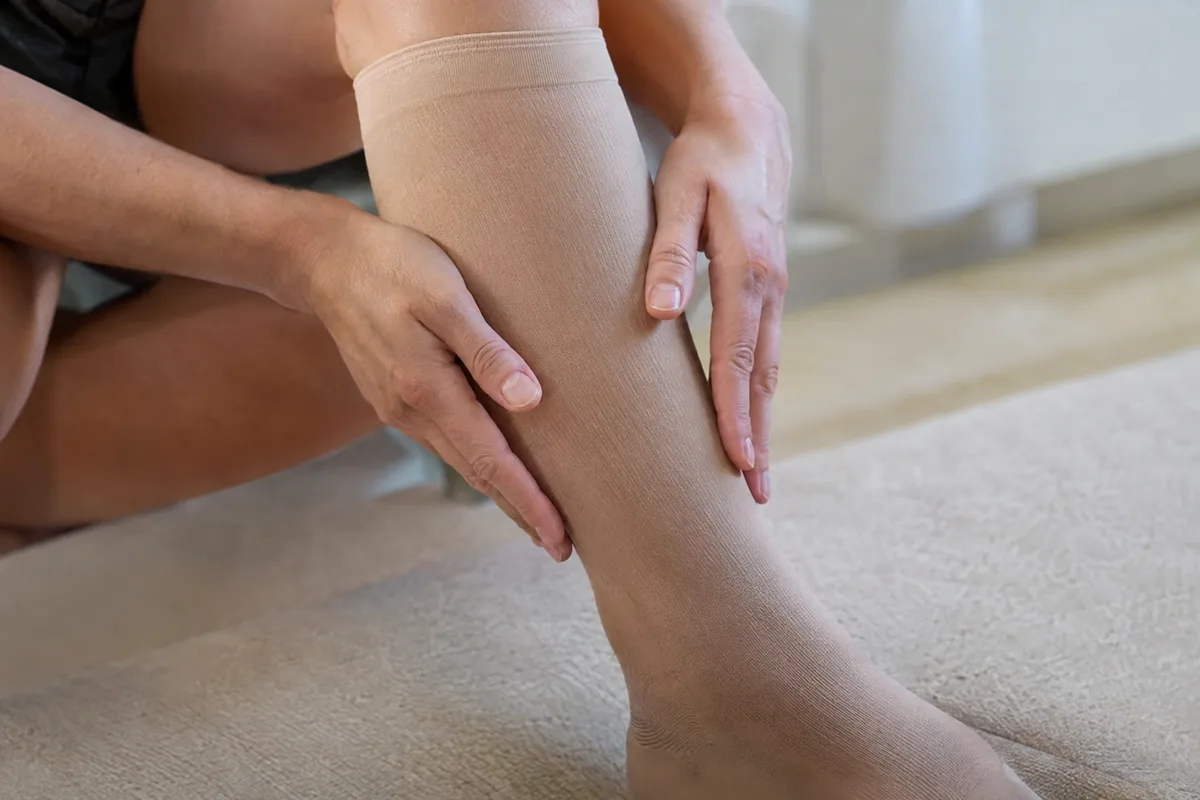
How to choose the best compression socks for your needs
The best compression socks are comfortable, correctly sized and suitable for when you plan to wear them. This guide explains firmness, length, fabric, fit and the details worth comparing.
-

How to Make Weight Training Work for MMA
Weight training for MMA should support striking, grappling and repeated hard efforts without taking over the whole programme. This guide explains exercise choice, session structure, recovery and how to use your food log alongside training.
-
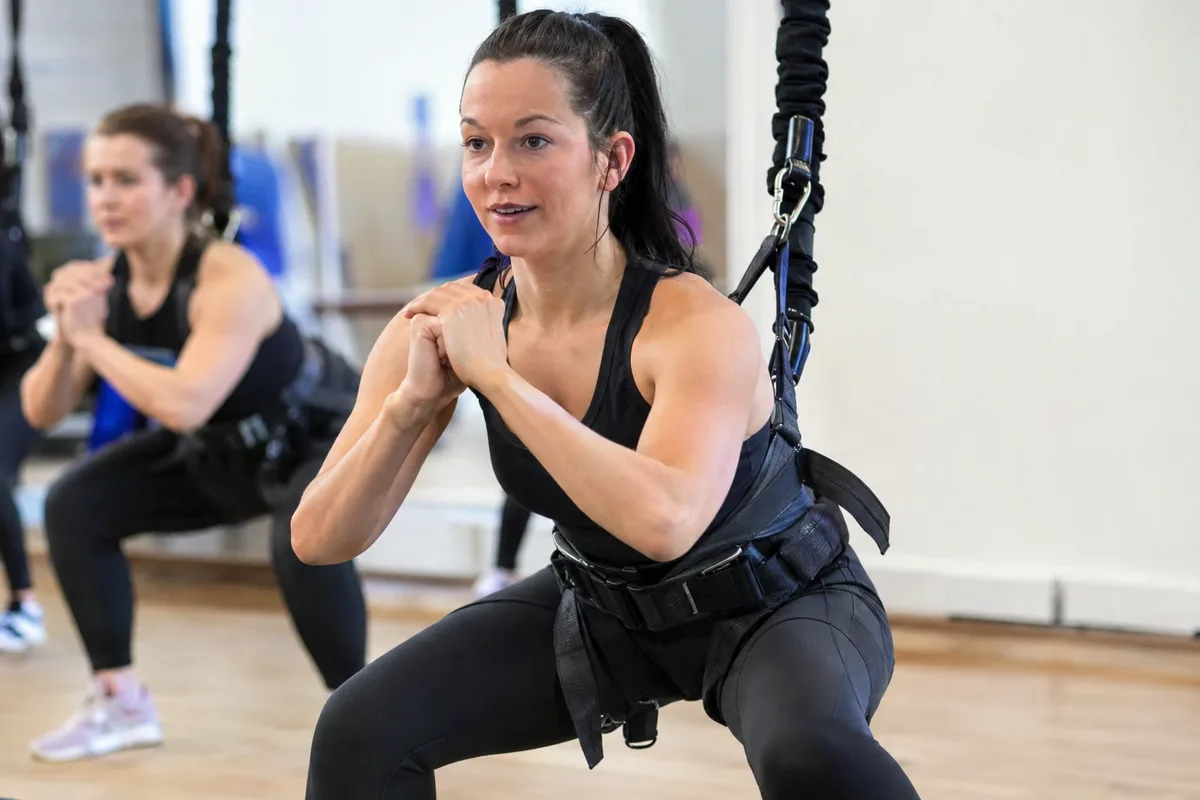
Bungee fitness: benefits, limits and what to expect
Bungee fitness uses a harness and elastic cord to support jumps, runs and floor-based exercises. This guide explains its possible benefits, how a class feels and how to approach energy tracking without relying on inflated calorie estimates.
-

How to Choose the Right Acupressure Mat for You
The best acupressure mat is one that suits how you plan to use it and how much pressure feels comfortable. This guide explains the main differences, sensible ways to compare options and how to begin using a mat.
-
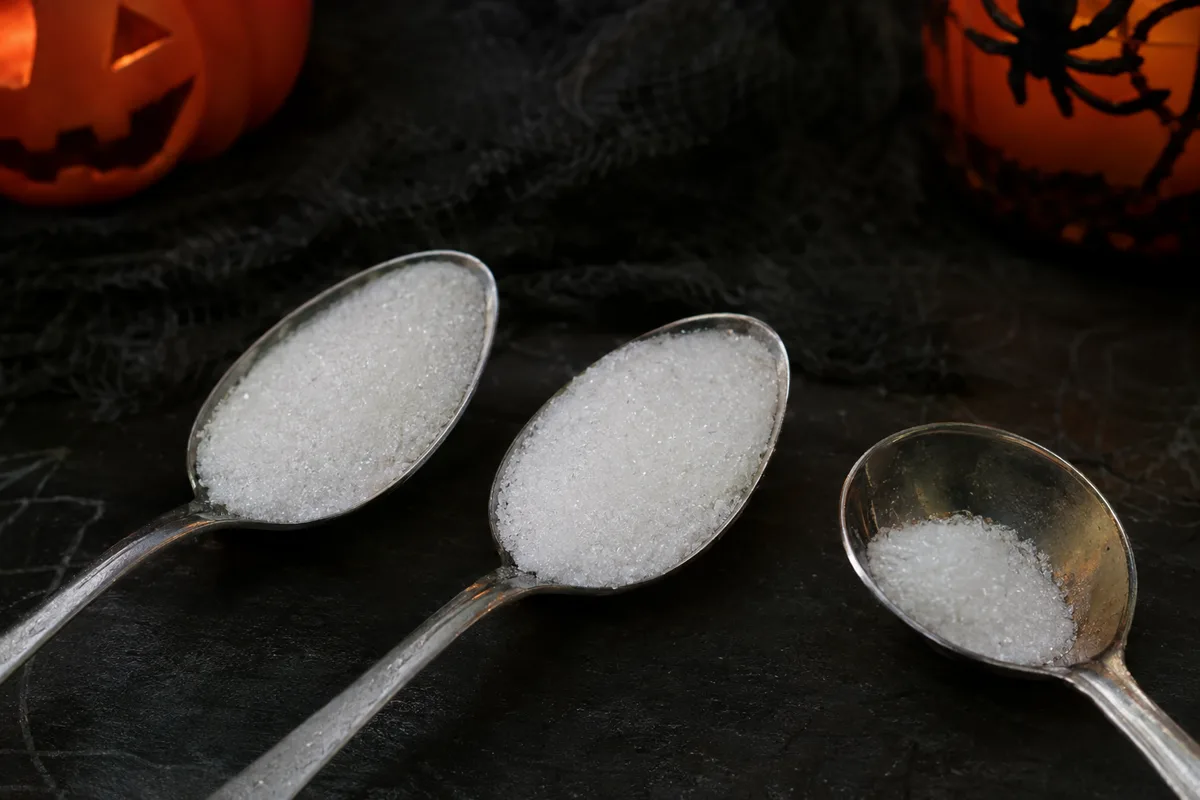
What 10 Grams of Sugar Looks Like at Halloween
Ten grams of sugar can look very different depending on the Halloween treat. This guide explains the visual benchmark, why portions vary and how to record mixed sweets accurately.
-
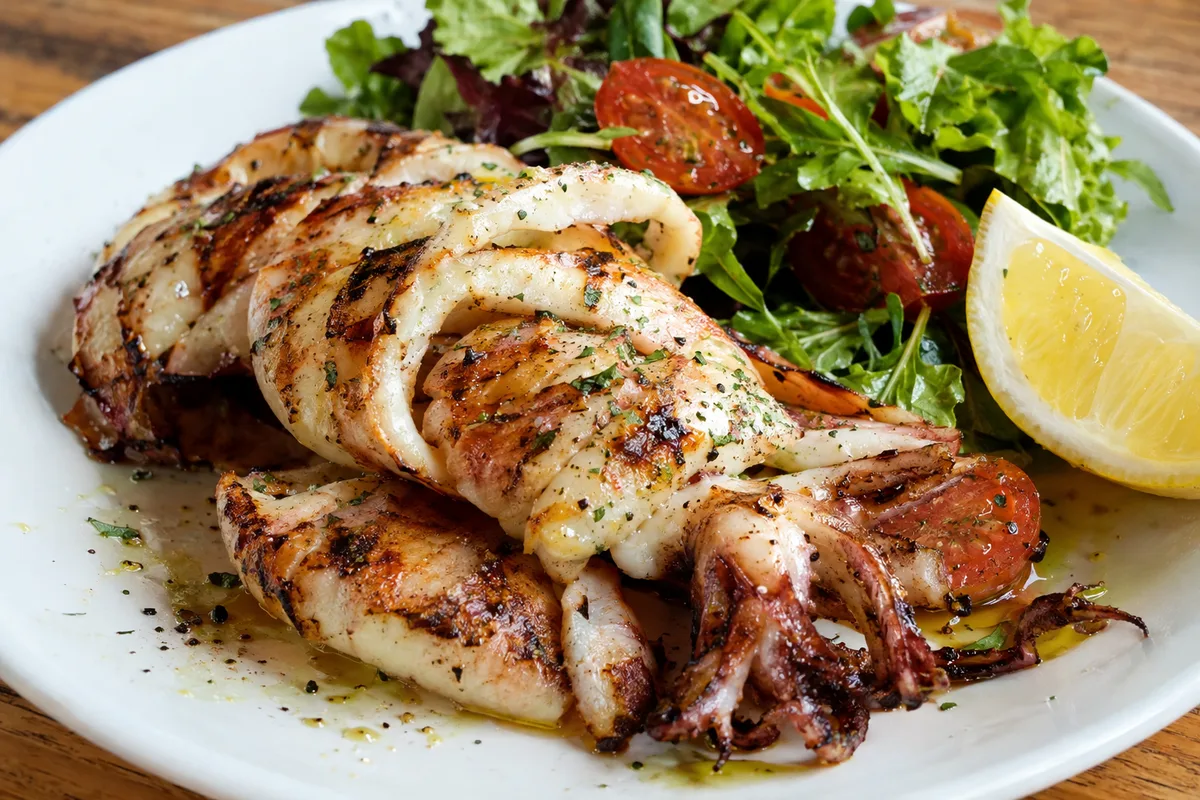
Is squid a heart-healthy choice?
Squid provides lean protein and useful nutrients, including omega-3 fats. This guide explains what matters when you log it and how to prepare it with less saturated fat and salt.
-
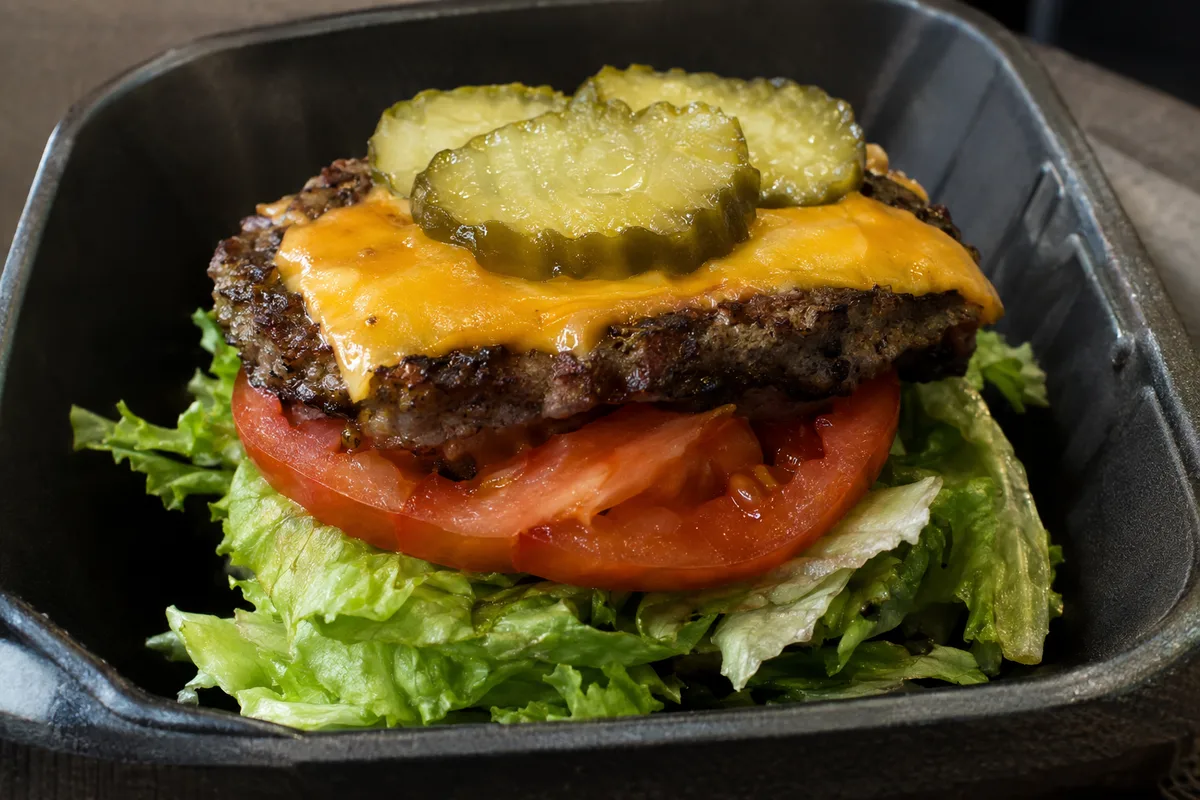
How to Eat Lower Carb at Carl’s Jr. or Hardee’s
Eating lower carb at Carl’s Jr. or Hardee’s usually means changing the bun, breading, sauces and sides rather than avoiding the whole menu. This guide explains practical orders and how to record them in your food log.
-
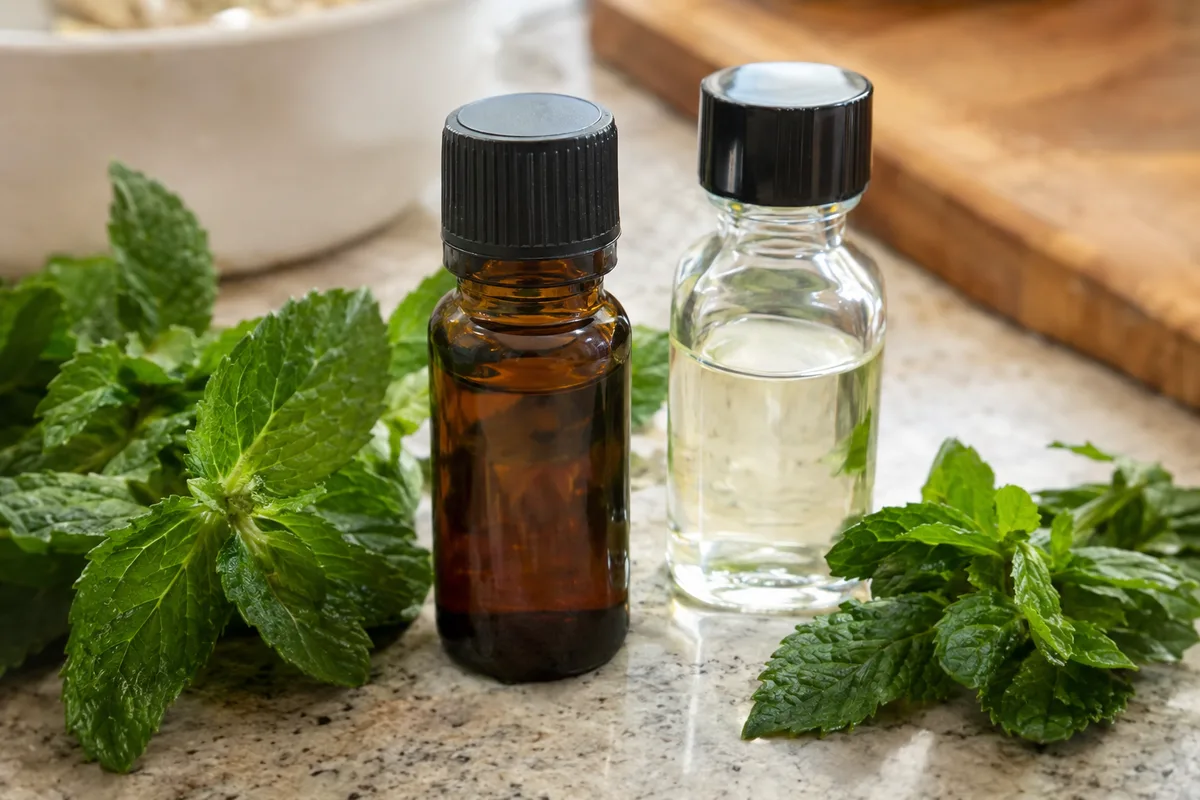
How to Swap Peppermint Oil for Peppermint Extract
Peppermint oil is usually much more concentrated than peppermint extract, so it is not a straight one-for-one swap. This guide explains how to add it carefully, adjust a recipe and record the change in your food log.
-
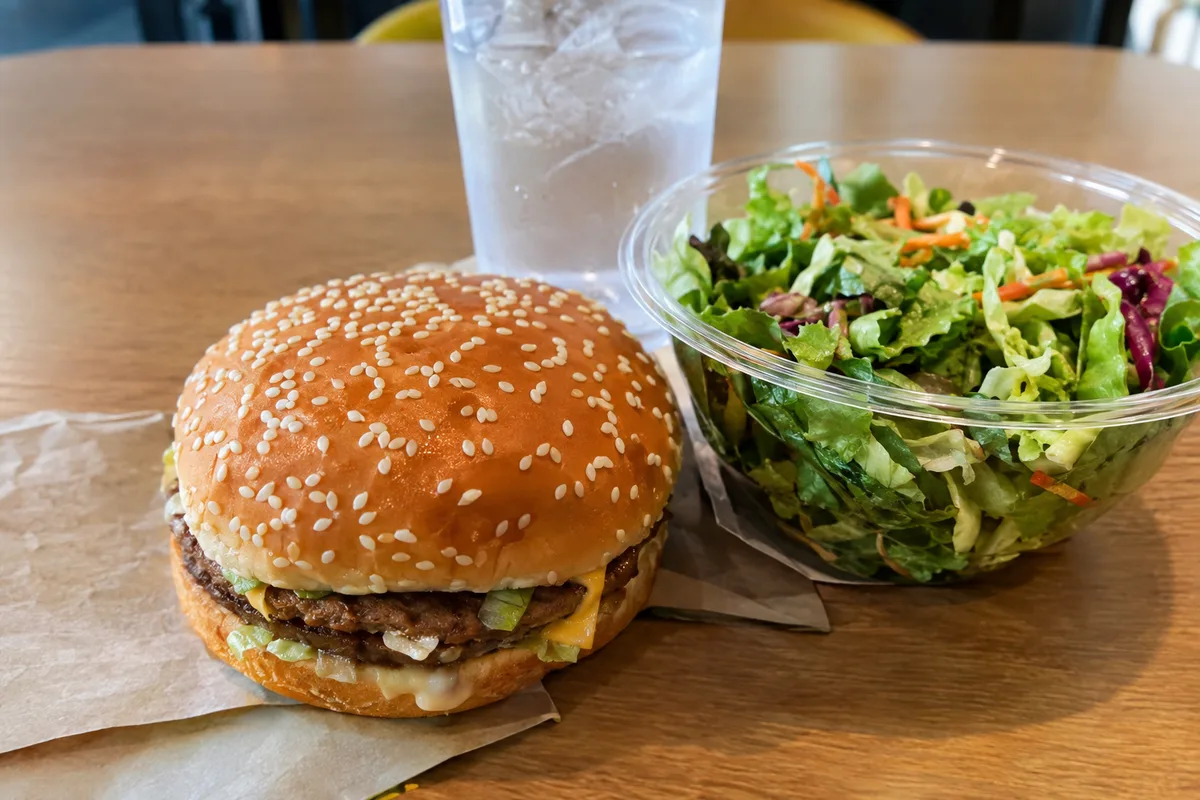
How to choose a balanced meal at McDonald’s
McDonald’s can fit into a balanced way of eating when you choose portions and sides with your wider day in mind. This guide explains how to compare meals, make useful swaps and log your choice accurately.
-
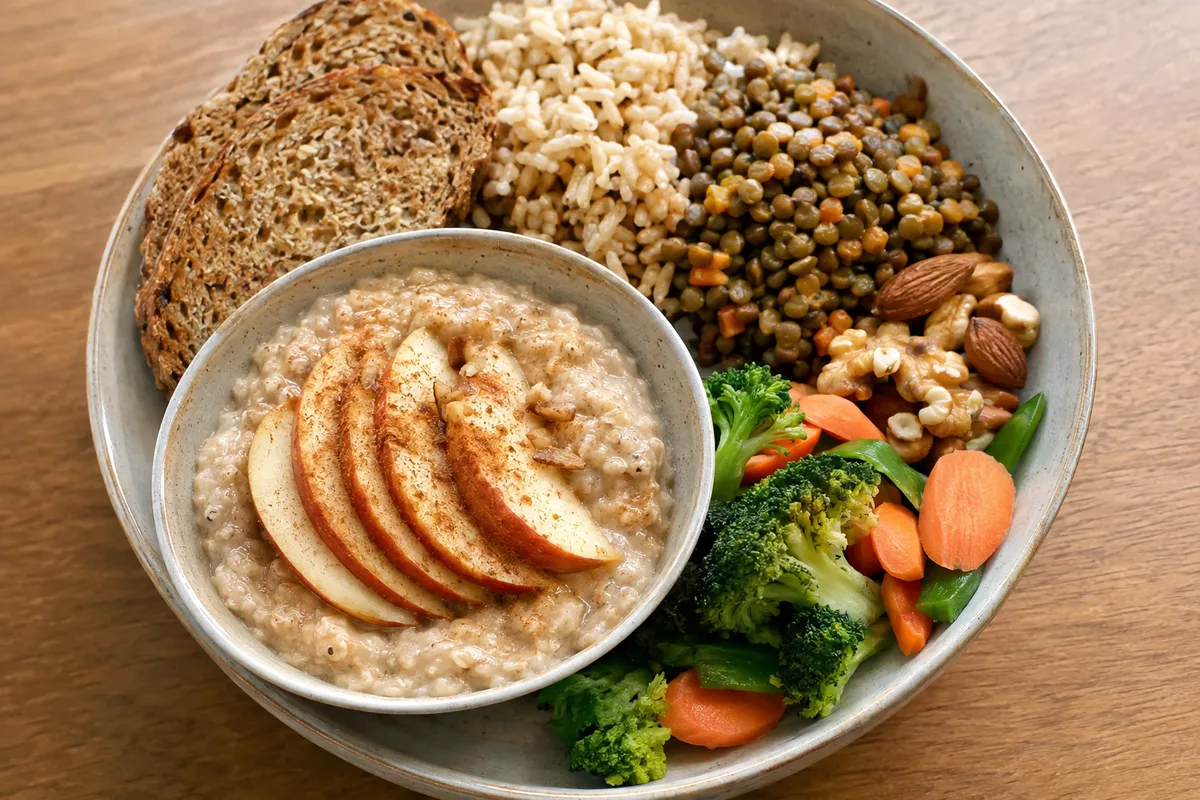
Dietary fibre: what it is and how to track it
Dietary fibre is the part of plant food that is not fully broken down during digestion. This guide explains its role, its main sources and how to track it without making meals complicated.
-
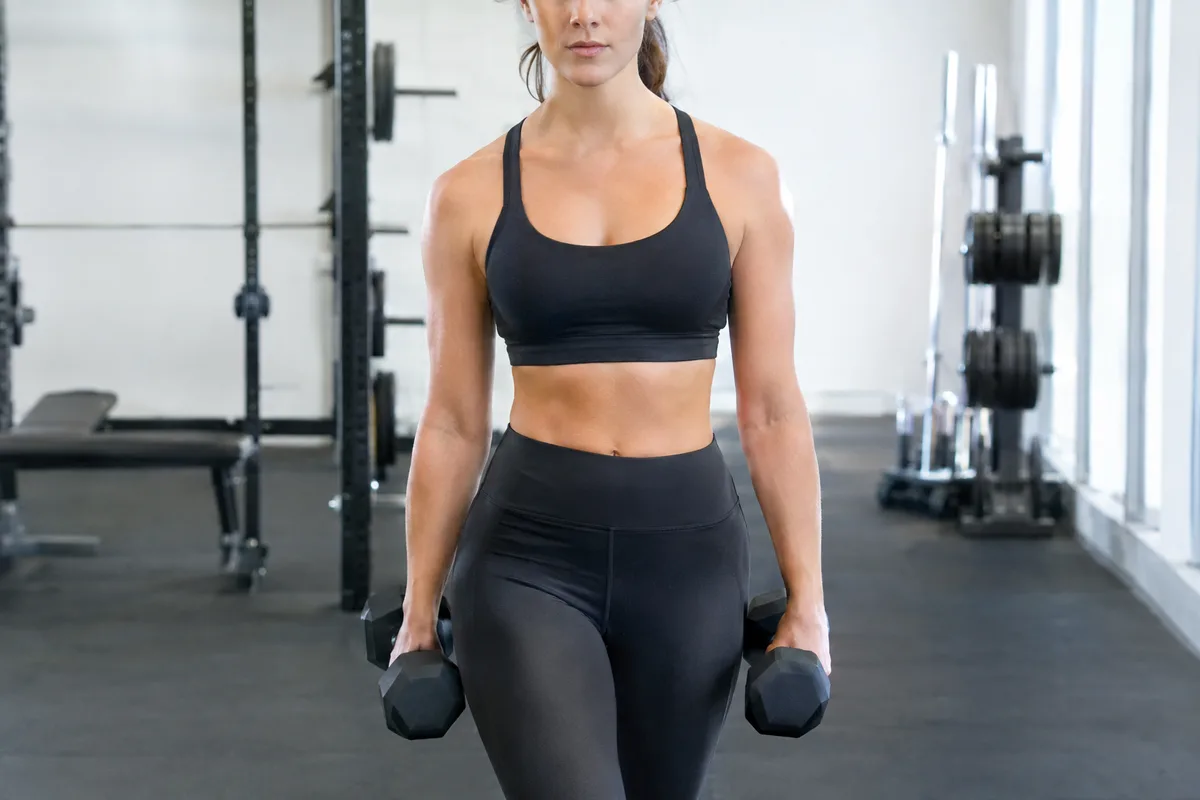
How to Do a Farmer Carry with Strong, Steady Technique
The farmer carry involves walking while holding a weight at each side, with your body tall and controlled. This guide explains the technique, what the movement trains and how to adapt it to your ability and surroundings.
-

How to Choose the Best Sparkling Water for You
The best sparkling water is one you enjoy drinking and can track without confusion. This guide explains the main types, what to check on the label and simple ways to make plain fizzy water more interesting.
-
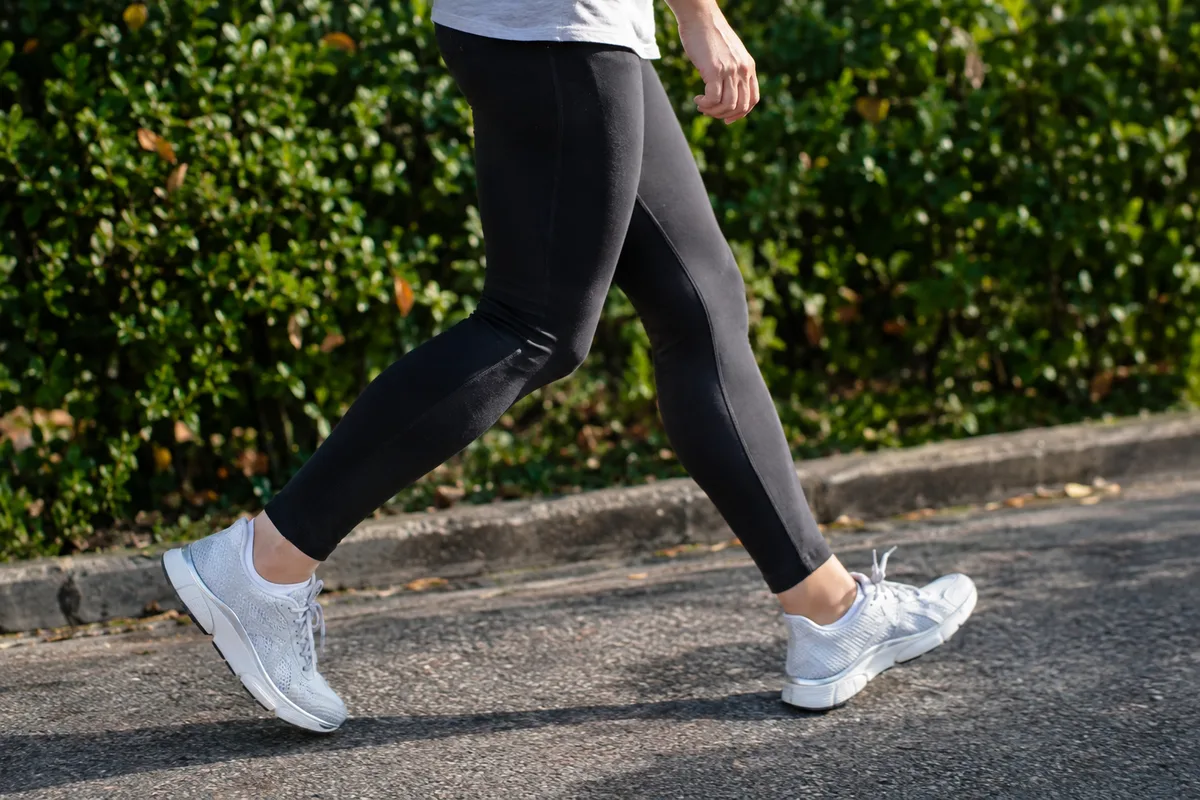
Fitbit or Apple Watch: which fits your routine?
Fitbit and Apple Watch can both add activity information to the food records you already keep. The better choice depends on your phone, preferred features and how much attention you want to give the device.
-
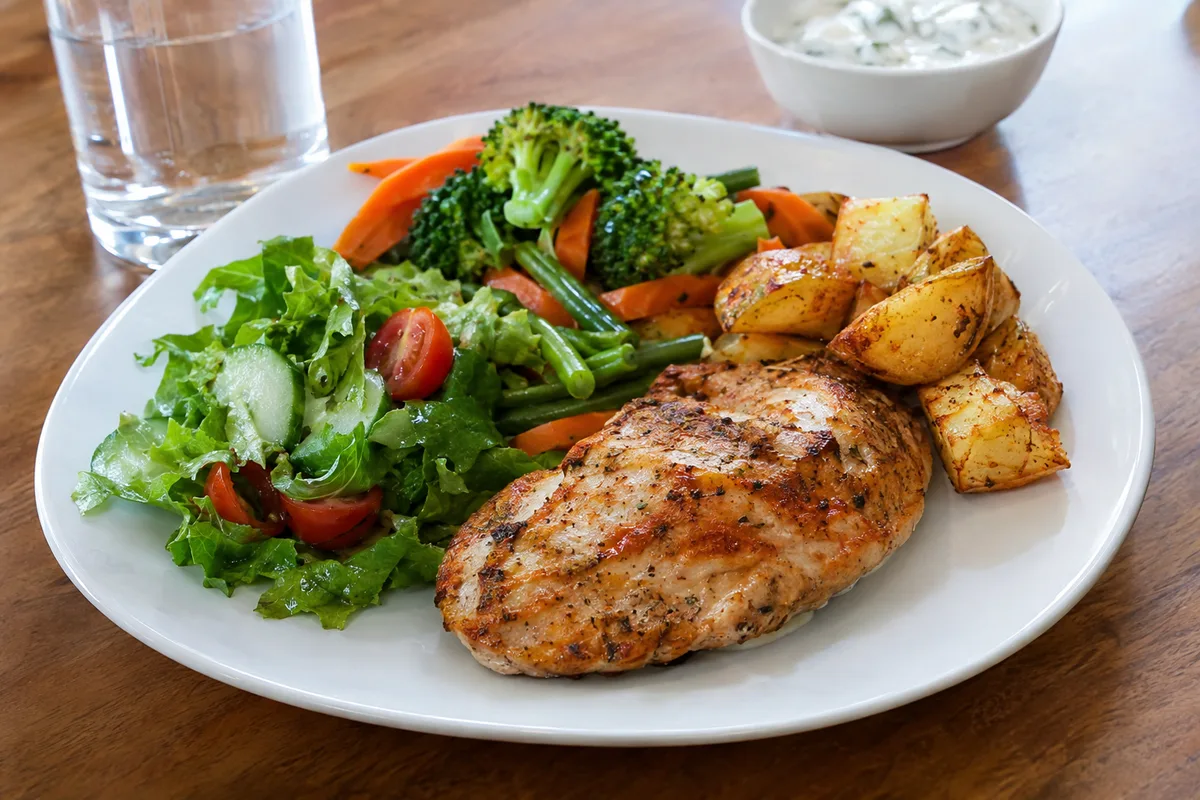
How long does it take to lose 10 to 15 pounds?
There is no single timetable for losing 10 to 15 pounds because the pace depends on your starting point, habits and daily routine. This guide explains how to form a realistic estimate, track progress and make measured adjustments.
-

How to Choose the Best Weight Bench for Your Training
The best weight bench is the one that supports the exercises you actually do and fits safely into your available space. This guide explains the main bench types, useful features and checks to make before choosing one.
-
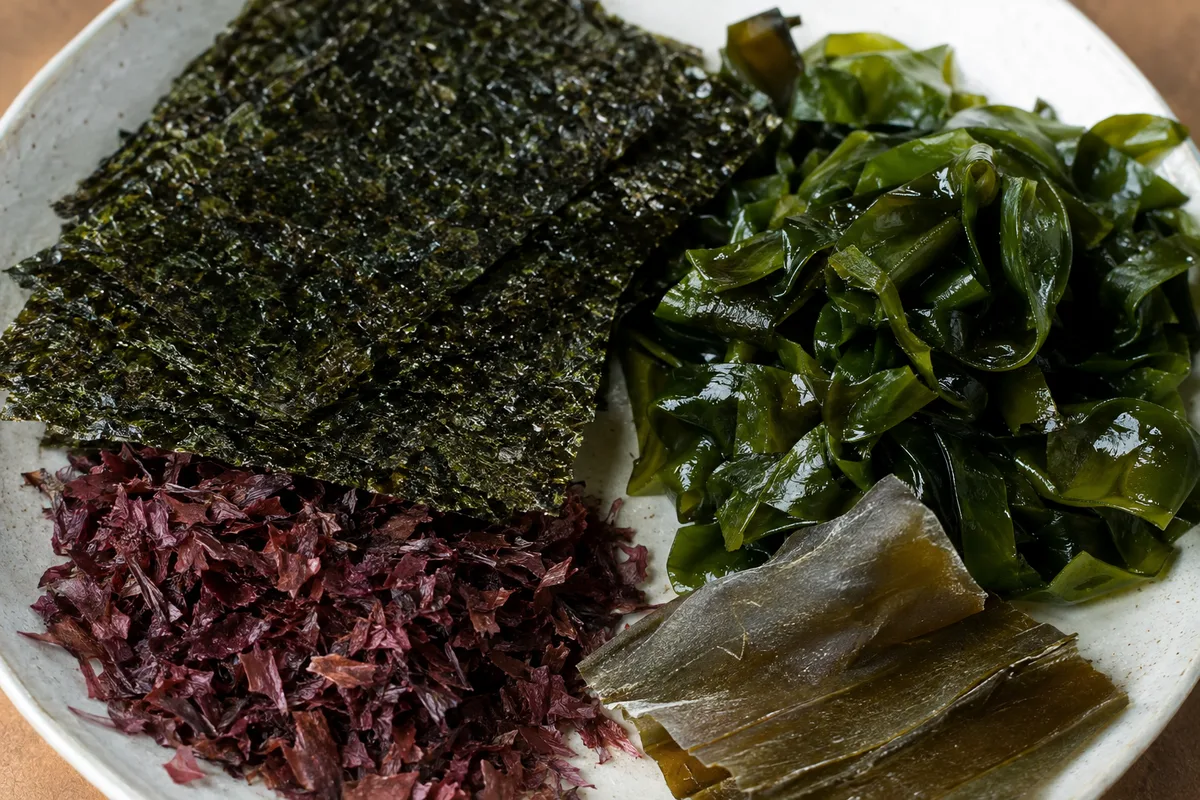
Seaweed health claims: what is worth knowing
Seaweed is often promoted as a nutrient-packed food, but its nutritional content can vary widely. This guide explains the main health claims and how to include seaweed sensibly when tracking what you eat.
-
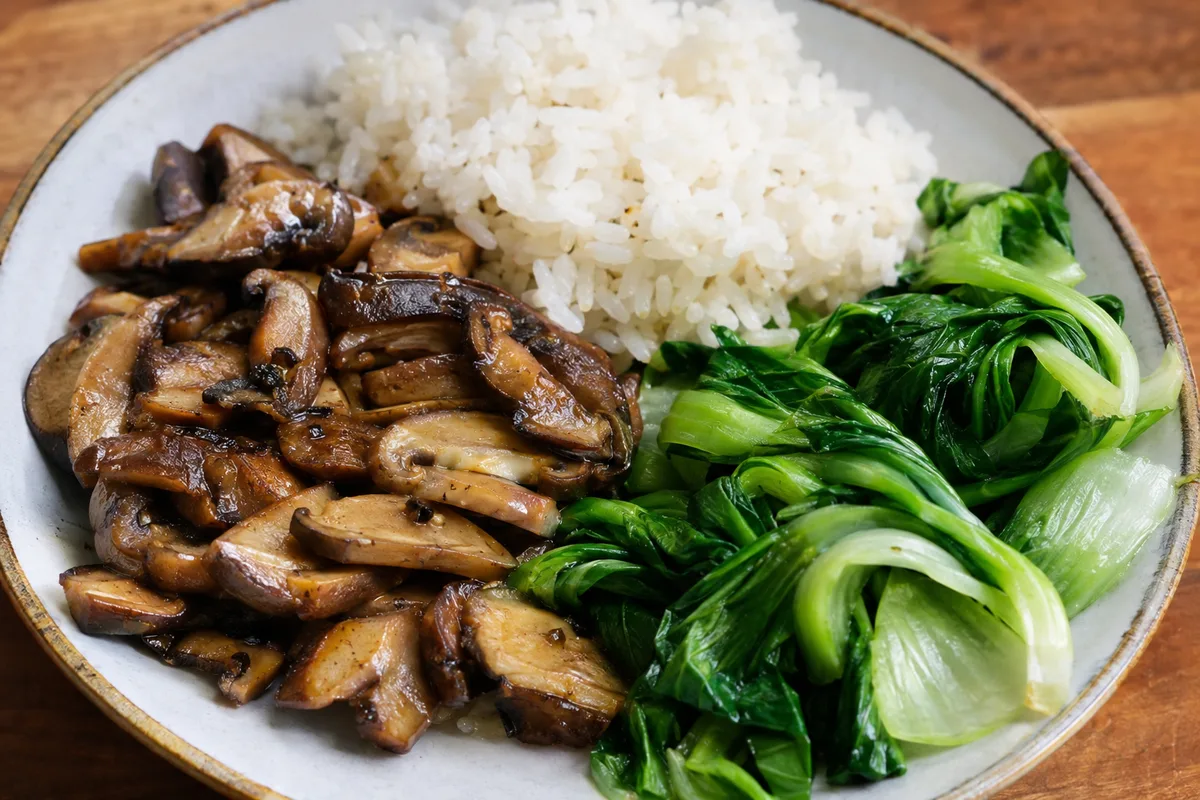
What Shiitake Mushrooms Can Add to Your Diet
Shiitake mushrooms can make tracked meals more satisfying and varied while contributing fibre and several micronutrients. This guide explains their benefits, how cooking changes your food log and practical ways to use them.
-
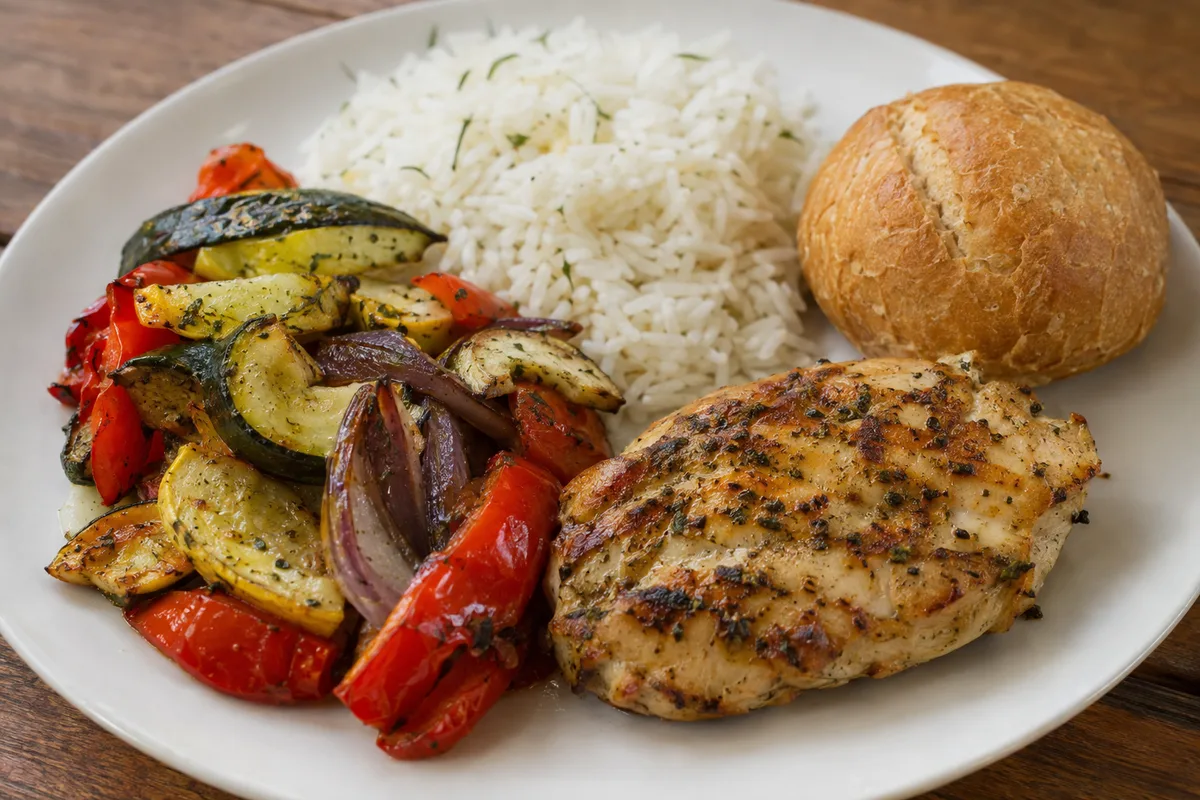
A Practical Gluten-Free Food List for Everyday Tracking
Gluten appears in more foods than bread and pasta, but many everyday ingredients are naturally free from it. This guide covers useful staples, common label checks, meal ideas and practical ways to keep your food diary accurate.
-
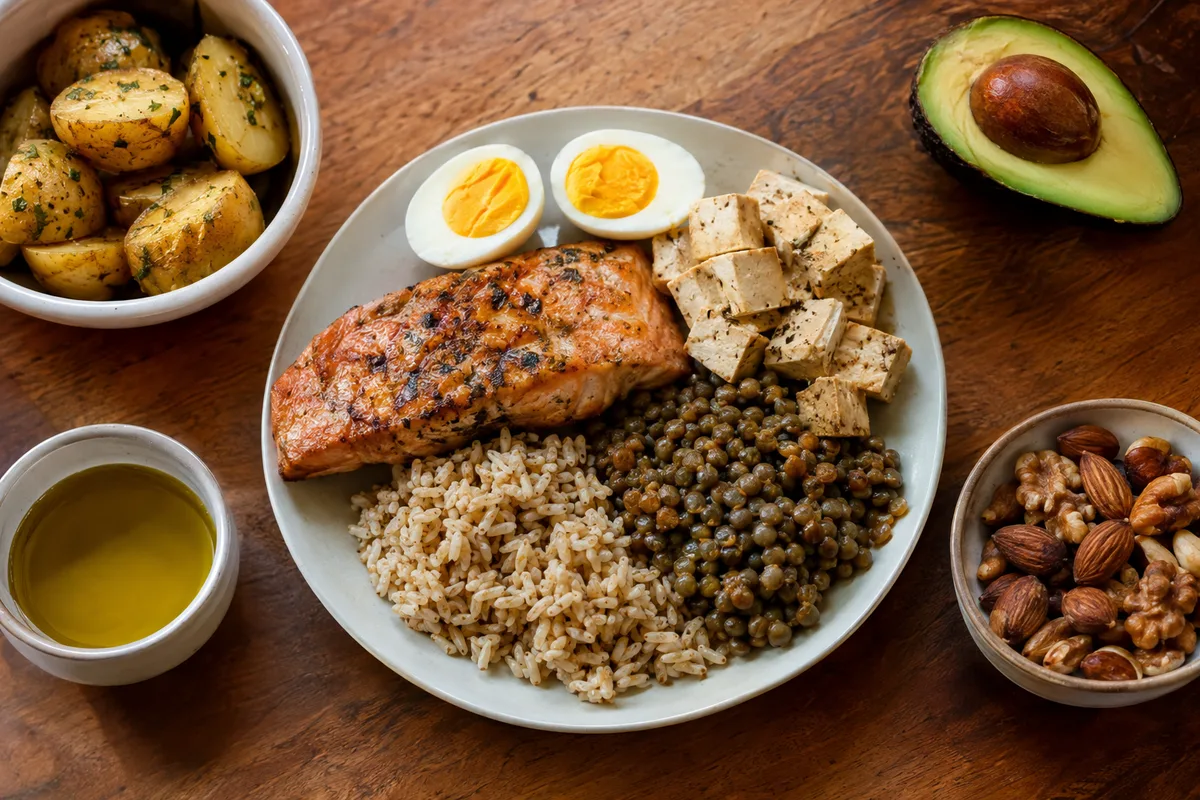
Macros: an essential guide to protein, carbohydrate and fat
Macronutrients, usually shortened to macros, are the protein, carbohydrate and fat in your food. This guide explains what they do, how they affect calorie tracking and how to use macro targets without making meals needlessly complicated.
-

How Many Calories Does 20,000 Steps Burn?
A step total tells you how much you moved, but not exactly how much energy you used. This guide explains what changes the estimate and how to record it without overstating the result.
-
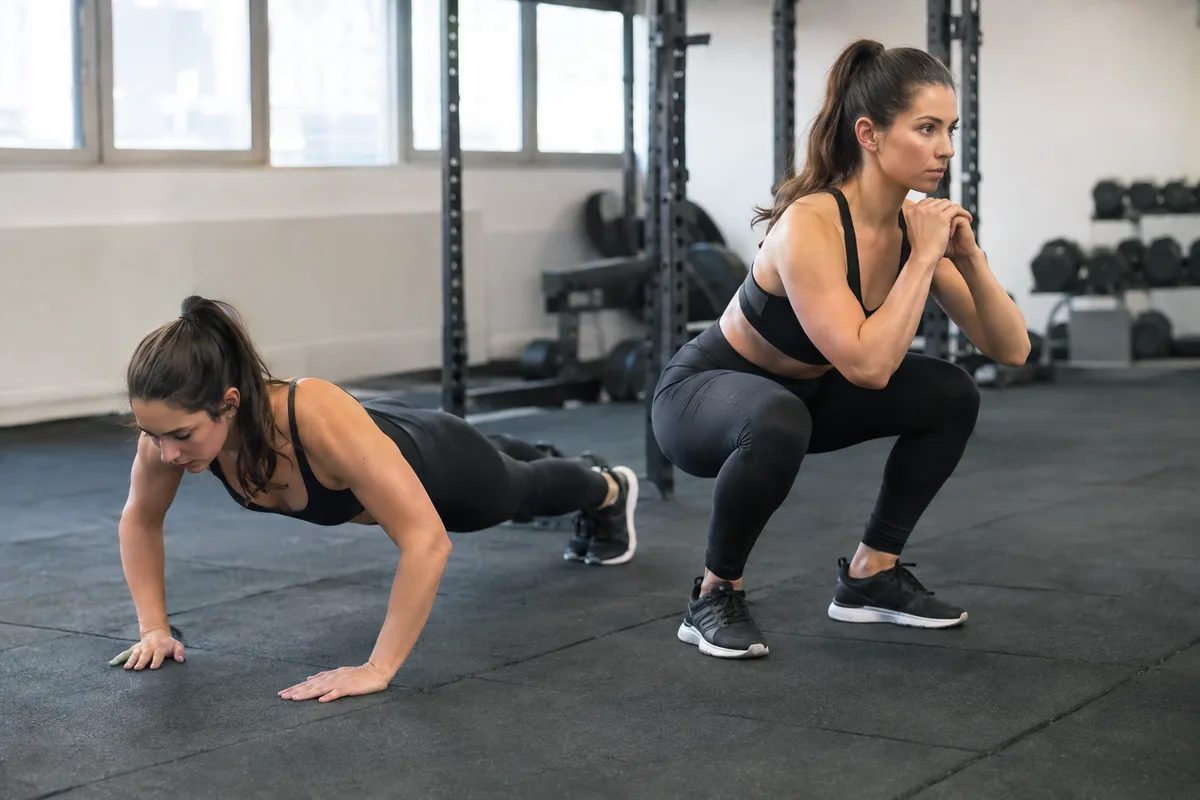
What Is a Superset and How Does It Work?
A superset means doing two exercises one after the other, with little or no rest between them. This guide explains common pairings, their uses and how to plan them without letting technique slip.
-
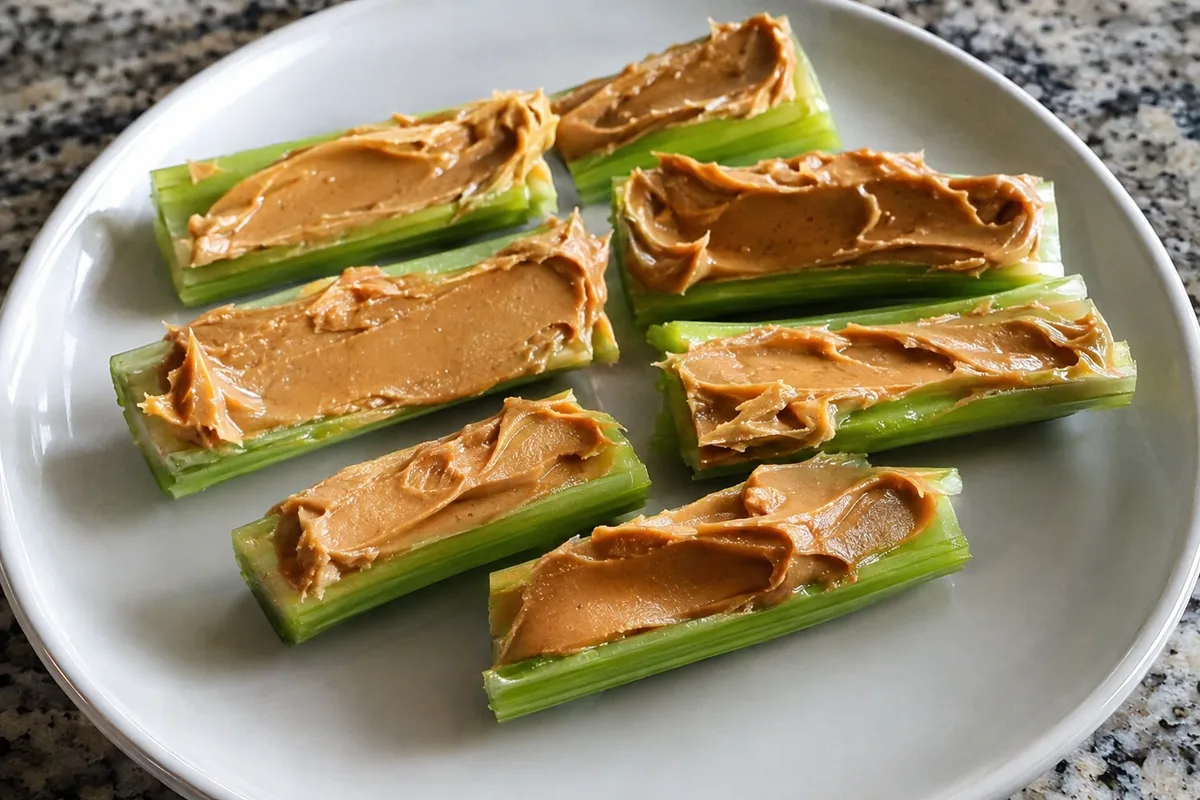
Can Celery with Peanut Butter Support Weight Loss?
Celery with peanut butter combines a crisp, high-water vegetable with a richer source of fat and protein. Here is how to track the snack and decide whether it suits your weight-loss approach.
-
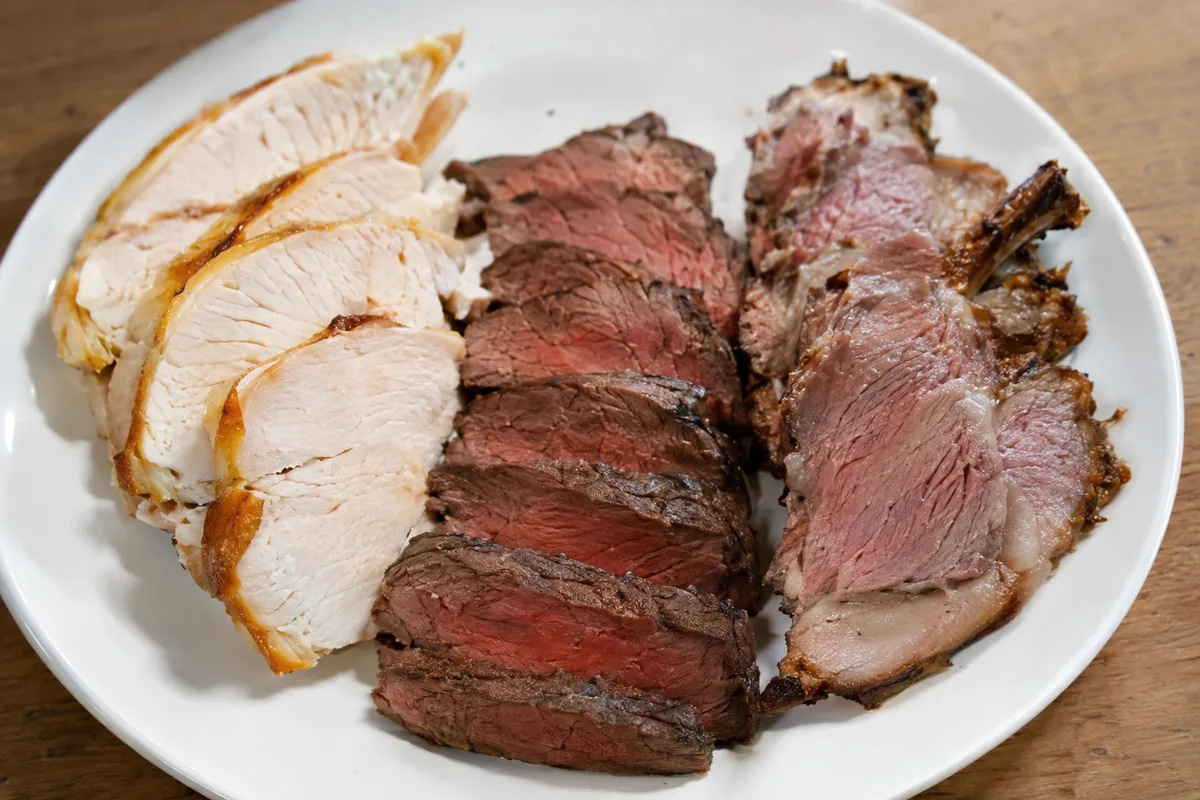
Foods Without Starch or Sugar: A Practical List
Plain meat, fish and cooking oils are the main foods that naturally contain no starch or sugar. This guide explains what counts, which foods only come close, and what to check when logging meals.
-
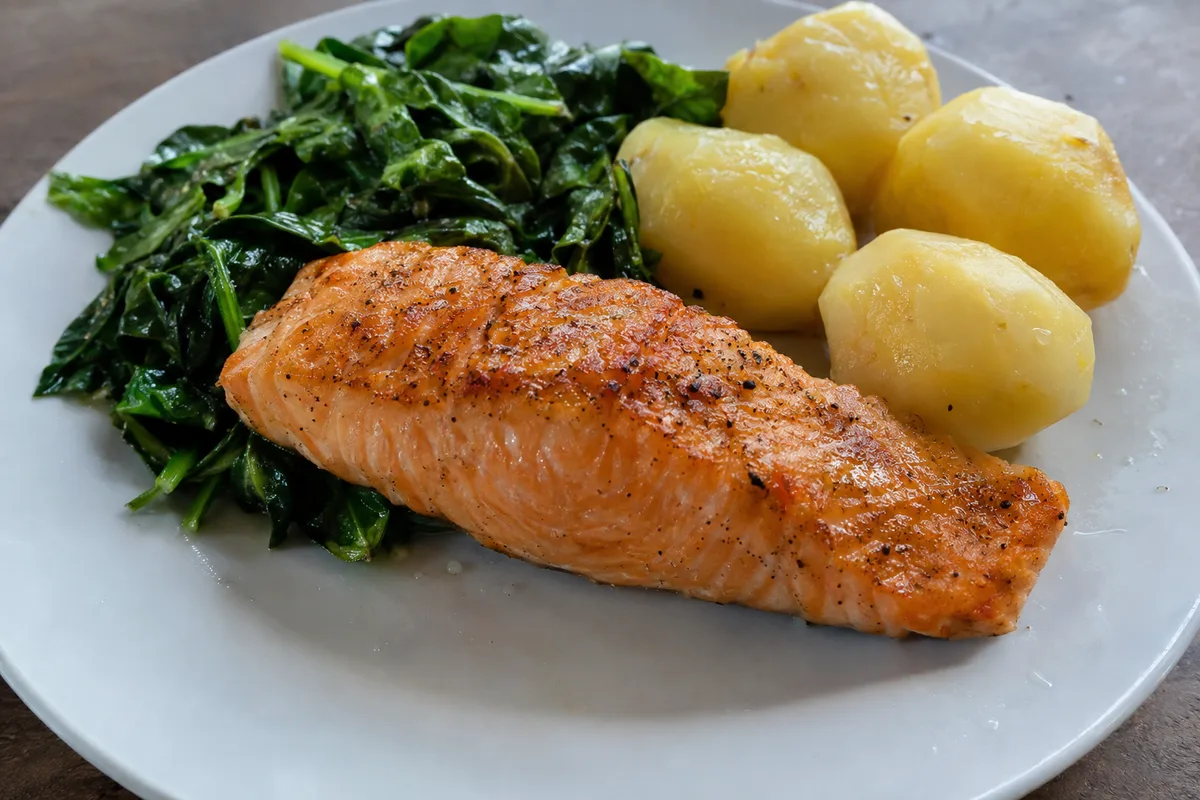
Which Type of Salmon Is Healthiest to Eat?
Salmon provides protein, omega-3 fats and several useful vitamins and minerals. This guide explains how different types compare and what to record when tracking a meal.
-
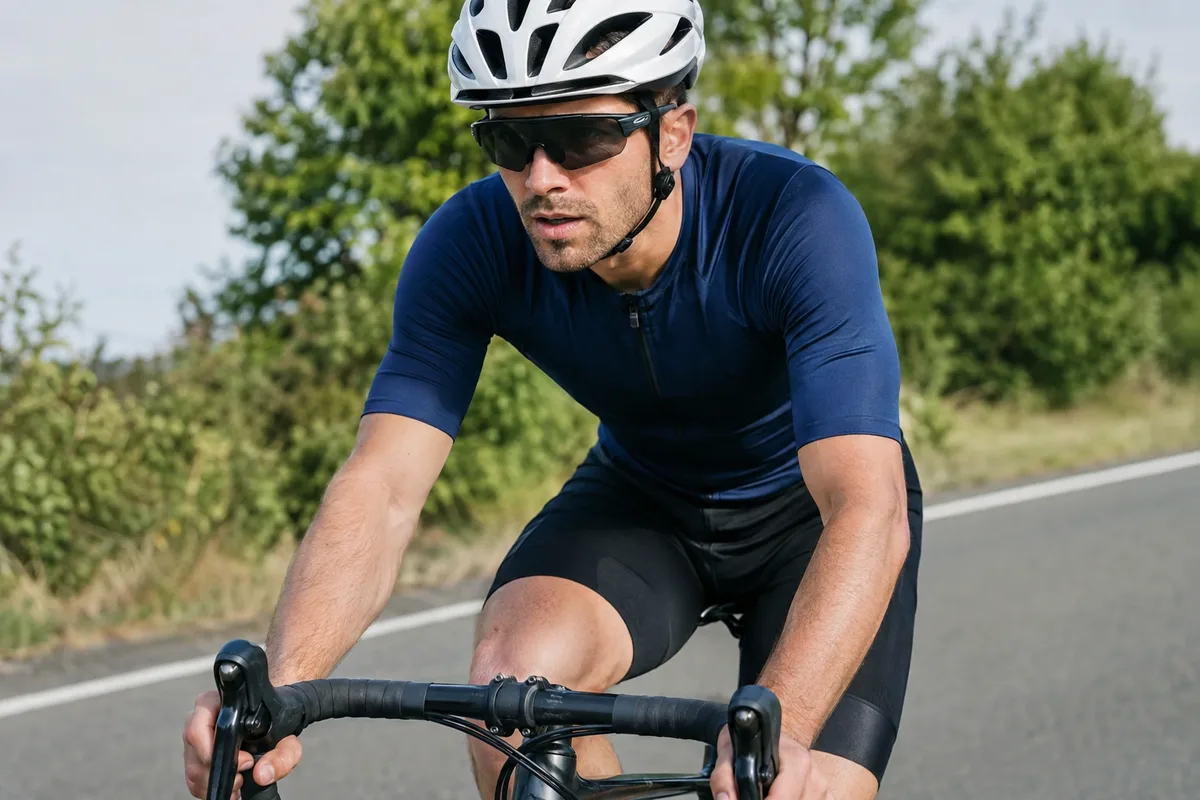
How Many Calories Do You Burn Biking One Mile?
The calories burned biking one mile depend on your effort, speed, route and several personal factors. This guide explains how to estimate the figure and log it without treating it as exact.
-
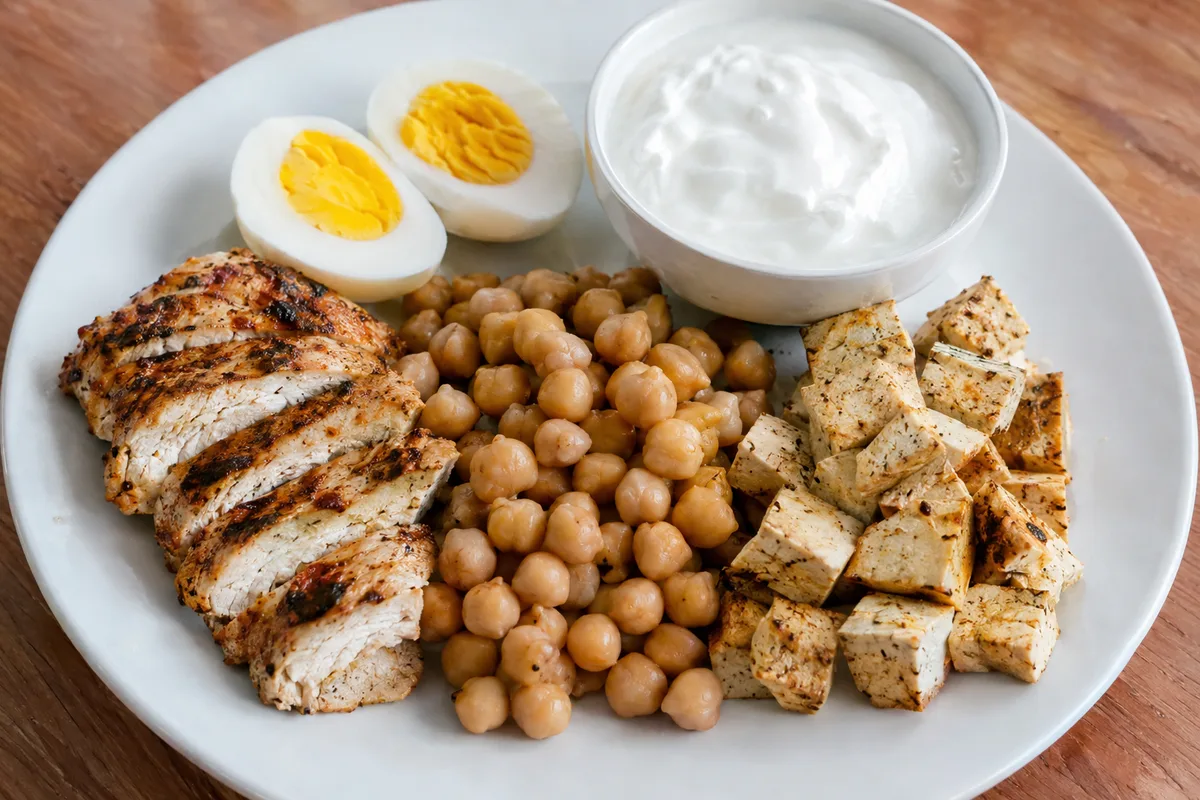
The foods registered dietitians keep coming back to
There is no single grocery list that every registered dietitian follows, but certain useful foods tend to earn a regular place. This guide explains what they add to meals and how to choose versions that suit your own food log.
-
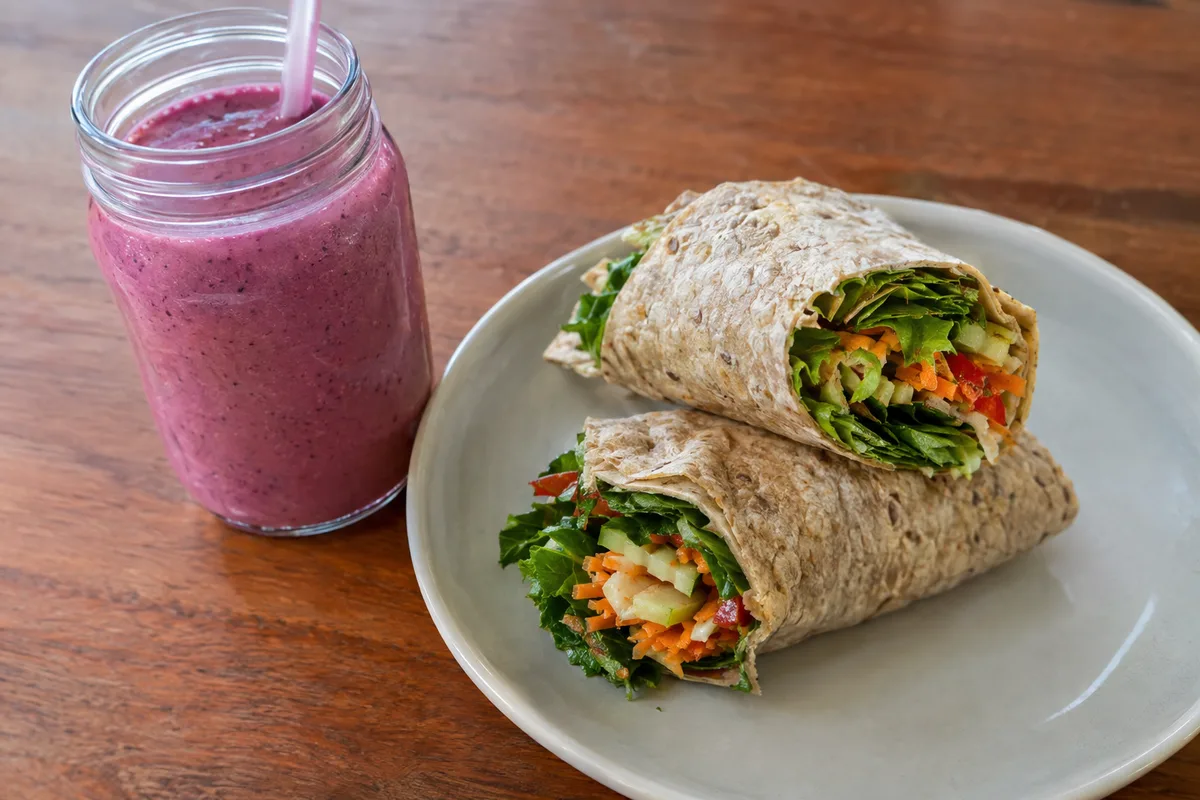
What to Order at Jamba When You’re Watching Your Diet
Jamba’s menu can fit into a tracked diet, but the ingredients, portion and extras all matter. This guide explains how to compare your options and order something that matches your plan.
-
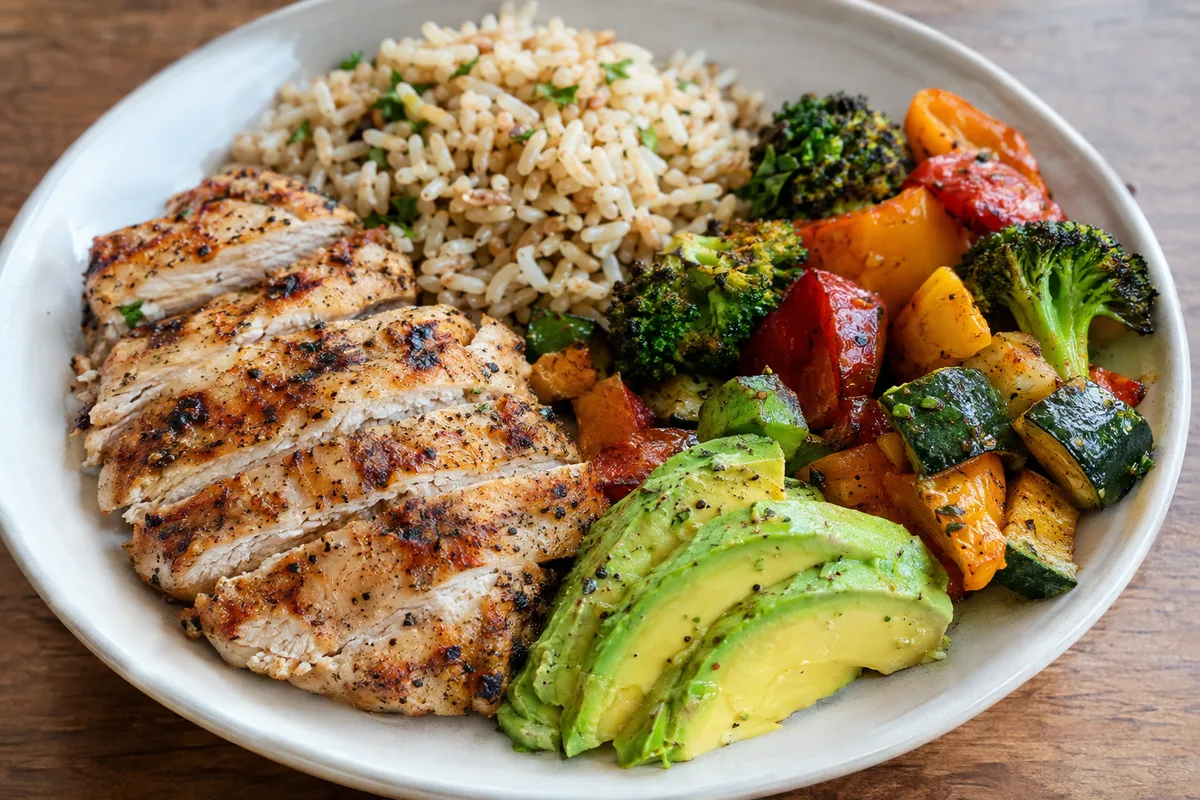
What’s the Best Carb, Protein and Fat Split for Weight Loss?
Carbohydrate, protein and fat targets should fit your appetite, food preferences and daily routine. Here is how to use your food log to choose a workable balance and adjust it without chasing a perfect ratio.
-

How to Do a Cable Woodchop with Control
The cable woodchop is a diagonal pulling movement that trains you to control rotation through your torso. This guide covers the set-up, technique, breathing, common mistakes and ways to record it in your programme.
-
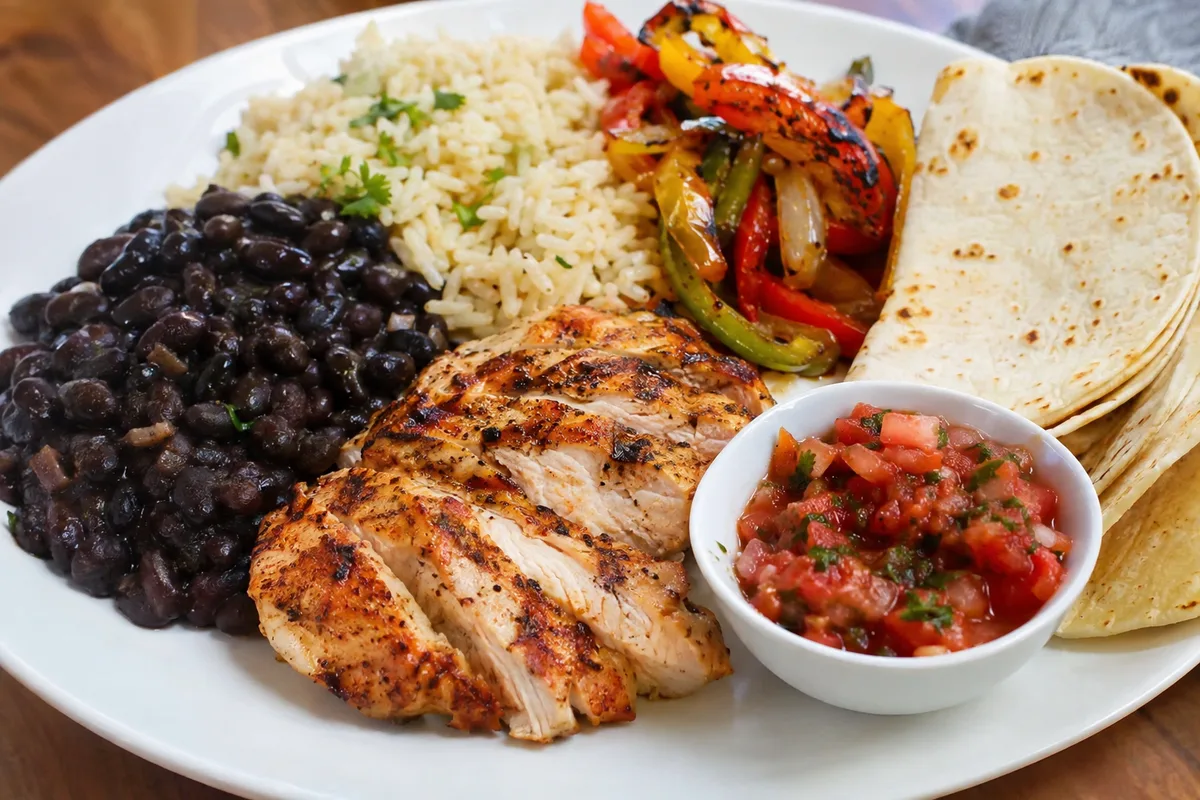
How to Make Balanced Choices at Mexican Restaurants
Mexican restaurant menus offer plenty of ways to build a balanced, enjoyable meal. This guide explains how to compare dishes, choose useful sides and track your meal without chasing perfect numbers.
-
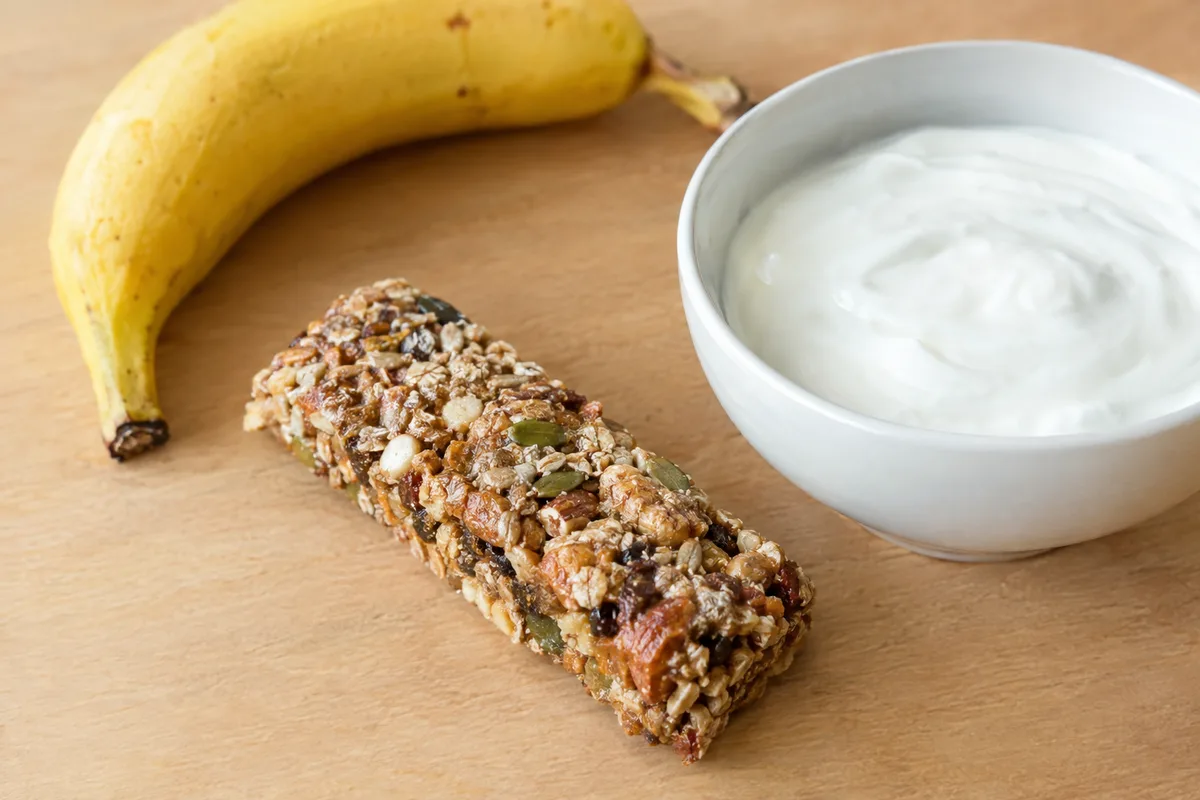
How to Choose the Best Meal Replacement Bar for You
A useful meal replacement bar should suit your energy needs, keep you satisfied and be practical to track. This guide explains what to check on the label and when a bar may not be enough for a full meal.
-
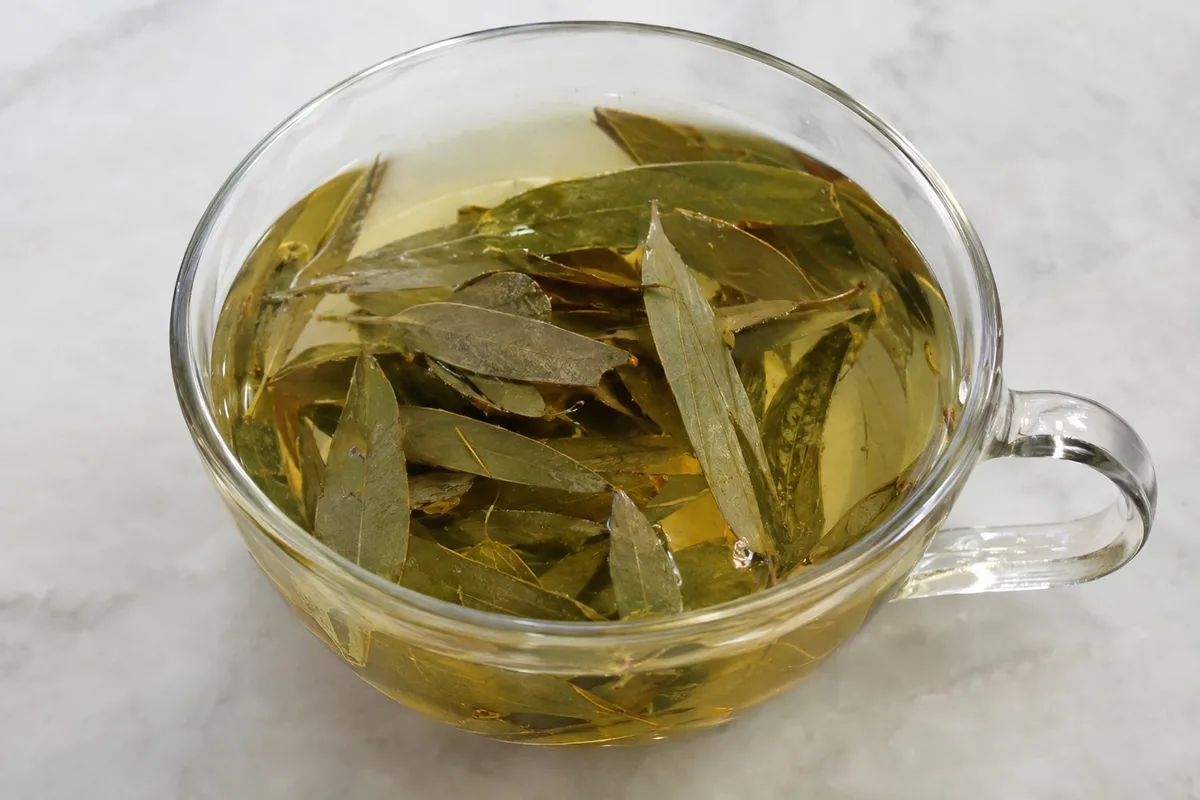
Eucalyptus tea: possible benefits, side effects and safe use
Eucalyptus tea is a strongly scented herbal infusion, but its reputation often goes further than the evidence. This guide explains its possible benefits, side effects, preparation and place in a tracked diet.
-
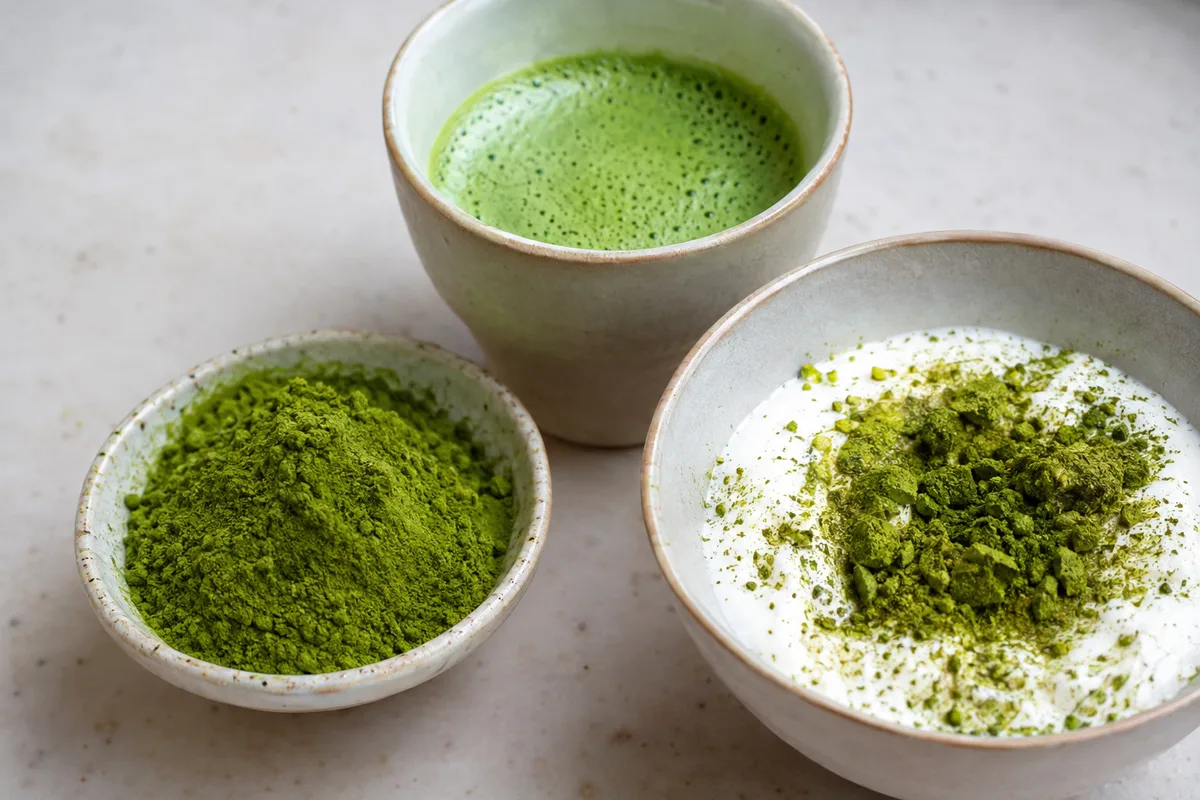
Matcha: What to Know Before You Add It to Your Food Diary
Matcha is powdered green tea, so you consume the tea leaf rather than removing it after brewing. Here is how to prepare it, track it and make sense of caffeine, added ingredients and storage.
-
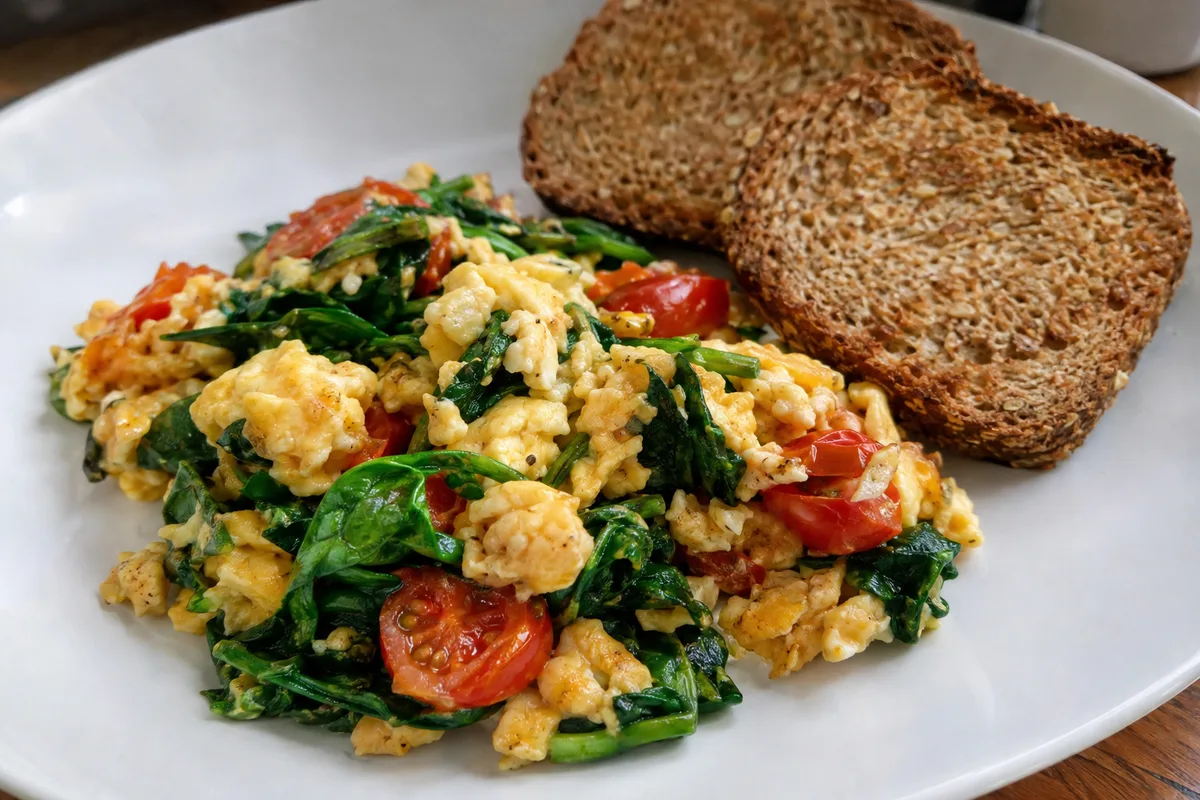
Is an egg diet a healthy way to eat?
An egg diet usually makes eggs the centre of several meals while limiting other foods. This guide explains what eggs provide, what a restrictive plan may miss and how to include them in a more balanced pattern.
-

What You Can Do About Belly Fat Rolls
Belly rolls are a normal result of how skin and body fat fold, especially when you sit or bend. This guide explains what can change them, what cannot, and how to use your food log to support realistic habits.
-
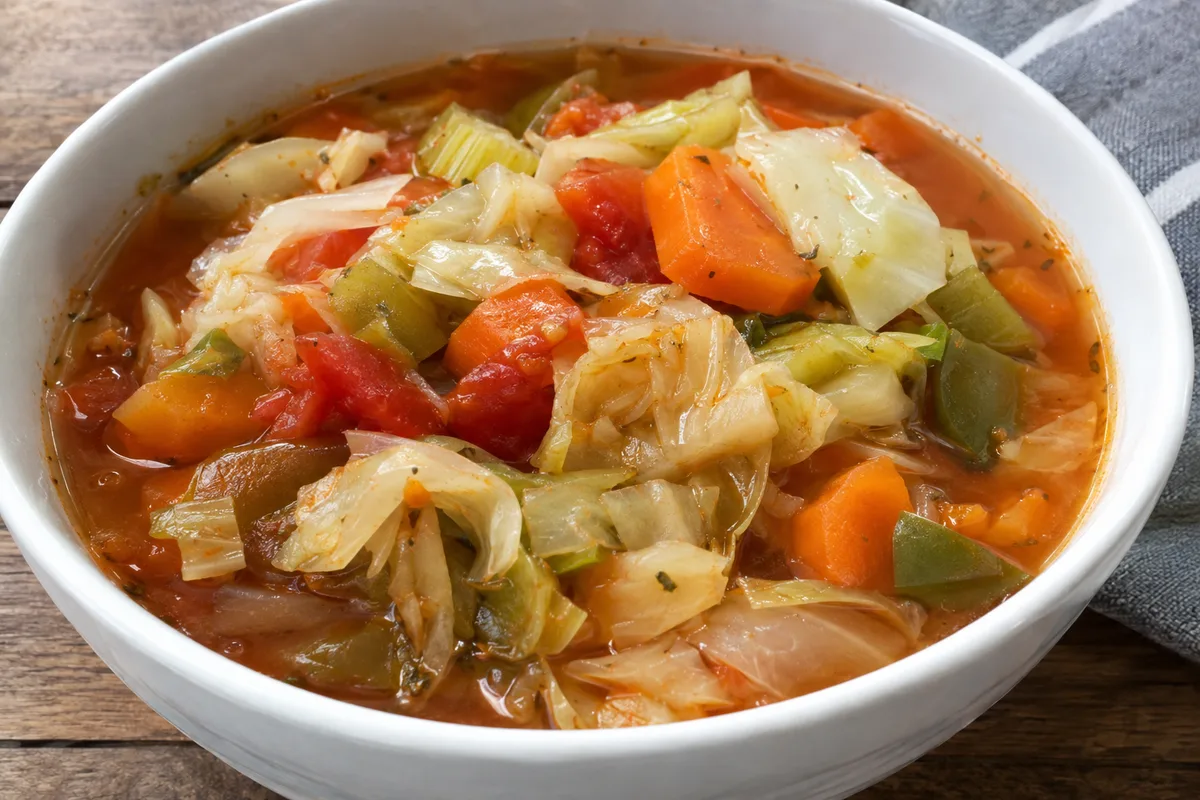
What the Cabbage Soup Diet Really Involves
The cabbage soup diet is a short, highly restrictive eating plan built around homemade vegetable soup. This guide explains its typical rules, how it affects food tracking and why the soup may be more useful as part of a varied diet.
-
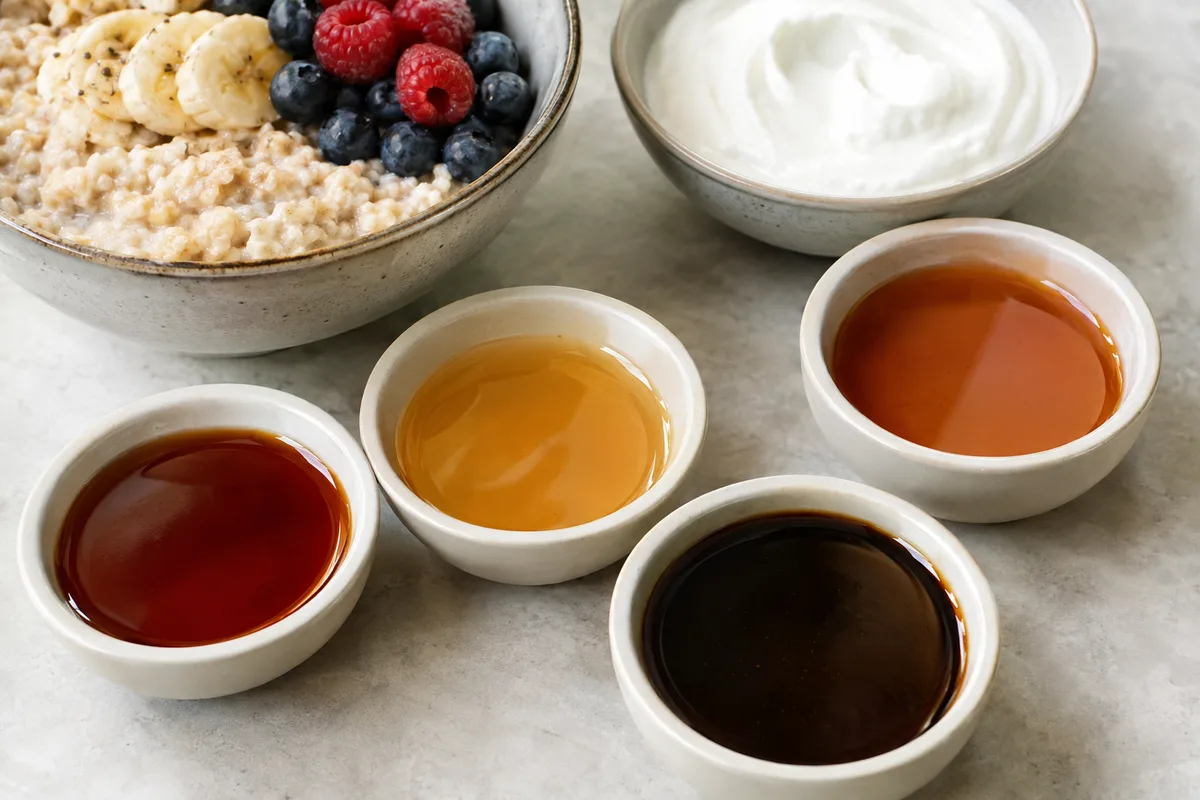
The Best Honey Substitutes for Cooking, Baking and Drinks
The best substitute for honey depends on whether you need sweetness, moisture, stickiness or a distinctive flavour. This guide explains the main options and how to record them when tracking what you eat.
-
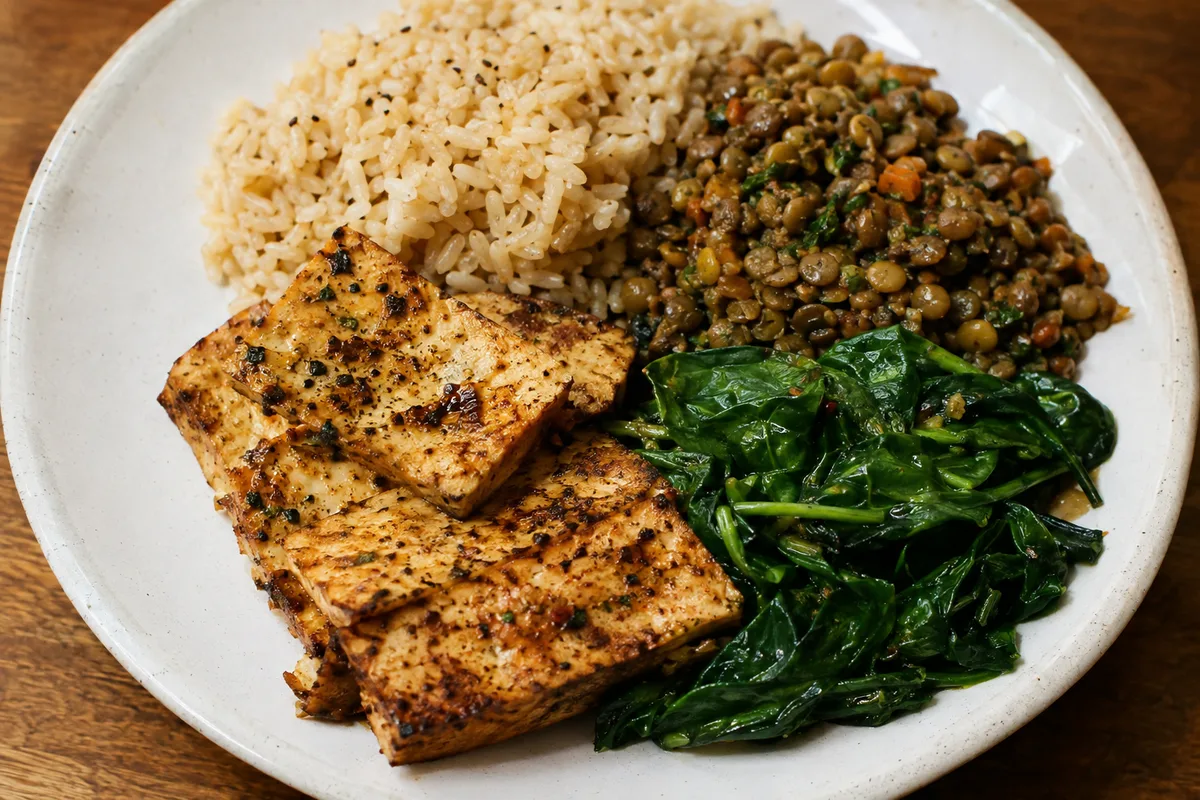
Does drinking magnesium citrate help you lose weight?
Magnesium citrate can affect digestion and fluid balance, which may look like weight loss for a short time. This article explains what that change means and what to focus on when tracking food for fat loss.
-
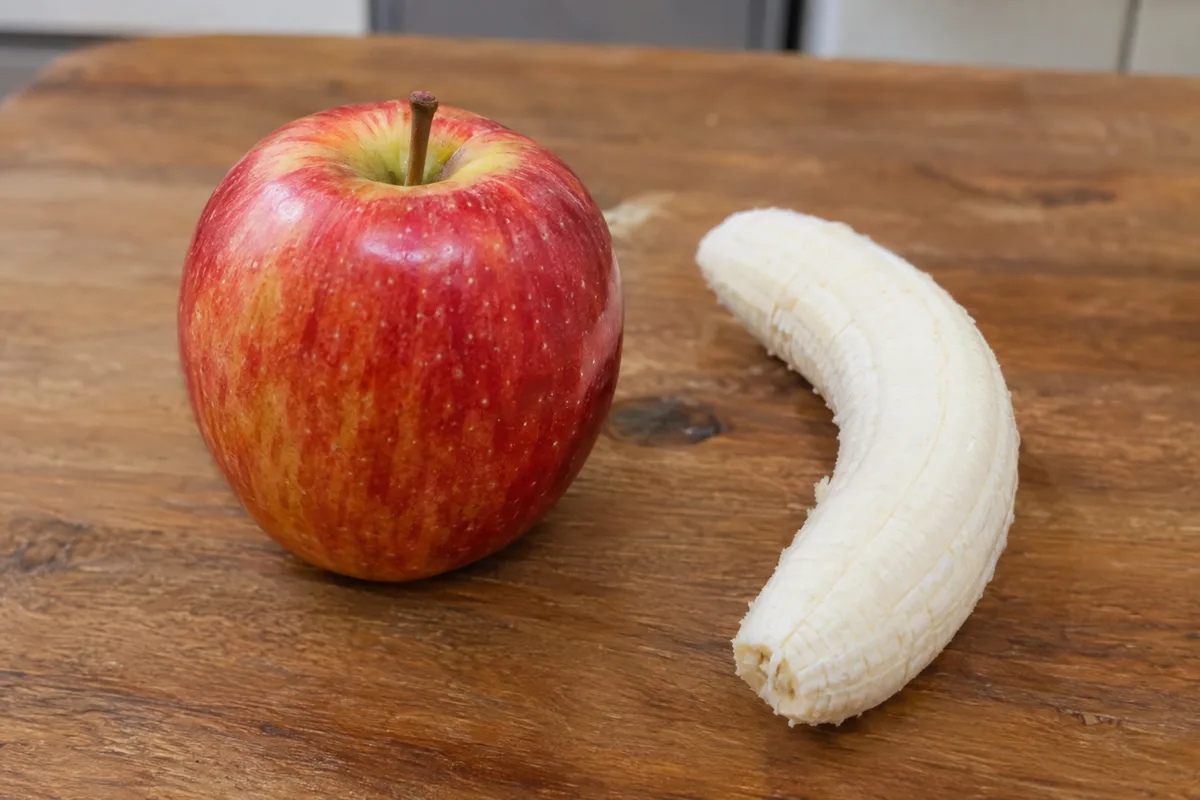
Apple or banana: which is the healthier choice?
Apples and bananas offer fibre, carbohydrate and a range of vitamins and minerals. Here is how they differ, what that means for your food log and when each one may suit you better.
-
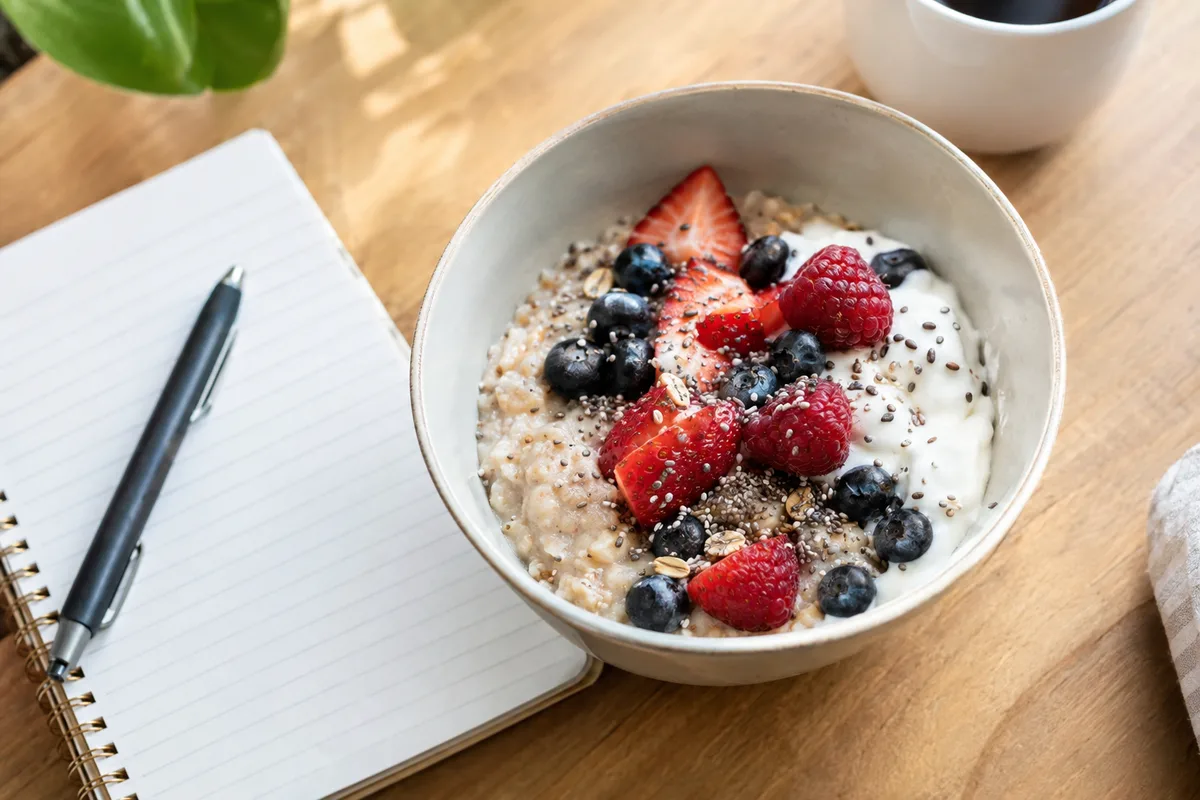
Losing Pounds Over Weeks: A Practical Way to Track Progress
Body weight can change from day to day, so progress is usually clearer when viewed across several weeks. This guide explains how to use your existing food log to make practical adjustments without chasing a fixed deadline.
-
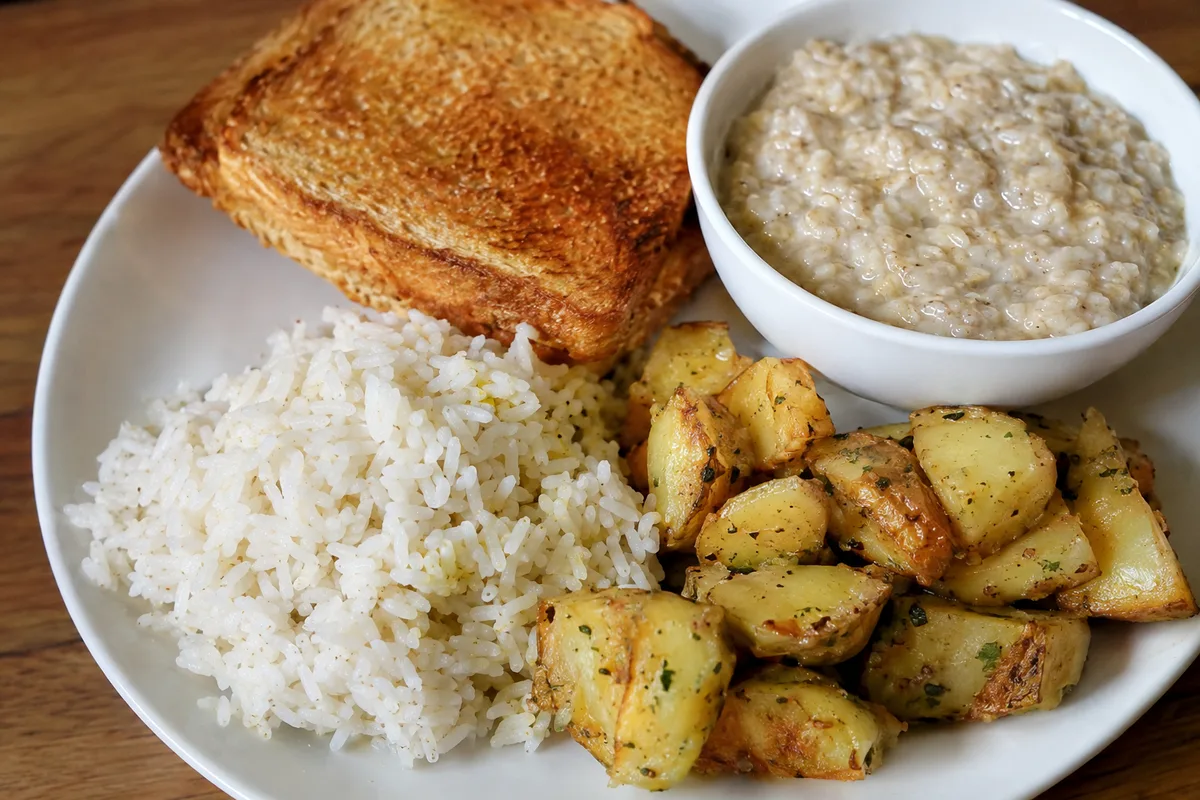
8 practical ways for women to gain weight steadily
Healthy weight gain means eating enough to support your body while keeping meals balanced and enjoyable. These eight methods explain how to increase energy intake, plan food and include strength-building movement without relying on rigid rules.
-
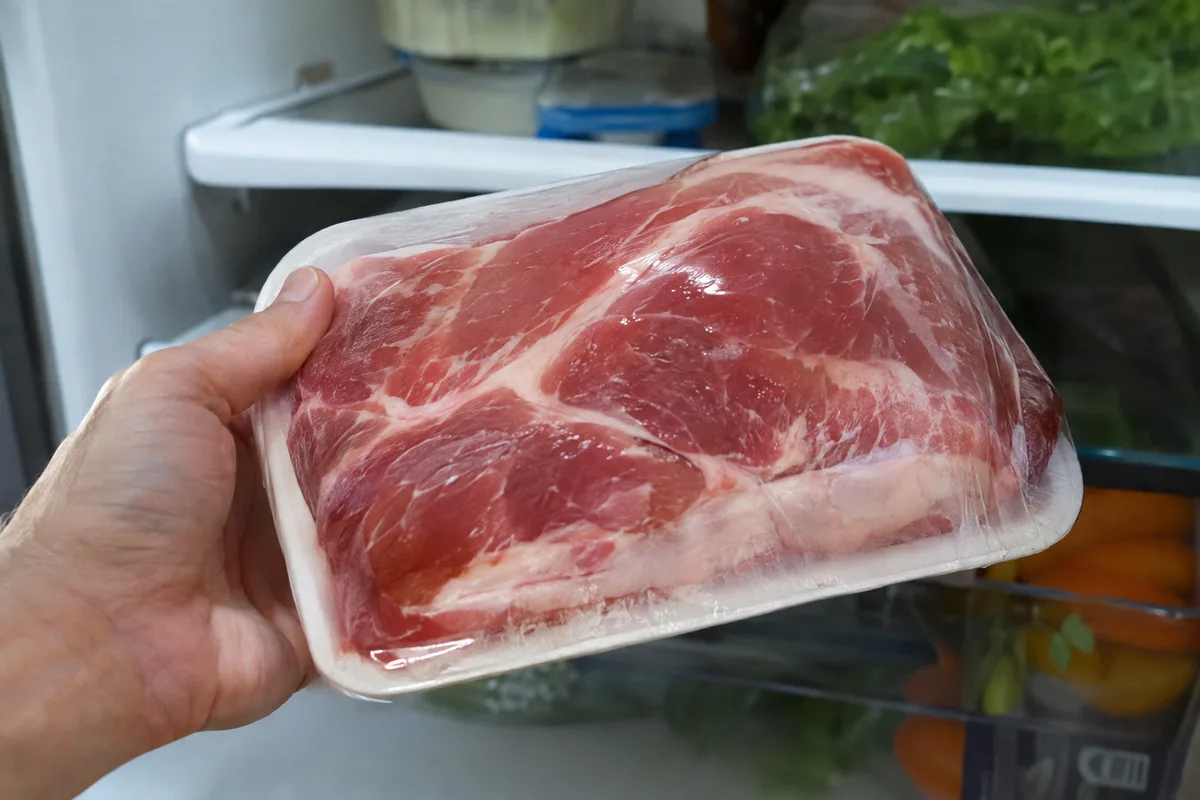
How to Tell If Pork Has Gone Bad
Pork can show signs of spoilage through changes in smell, appearance and texture, but storage history matters too. This guide explains what to check before logging, cooking or eating it.
-

The Best Lululemon Joggers for Different Kinds of Day
The best Lululemon joggers depend on how you plan to move, the fit you prefer and the feel of the fabric. This guide explains the main options and the details worth comparing.
-
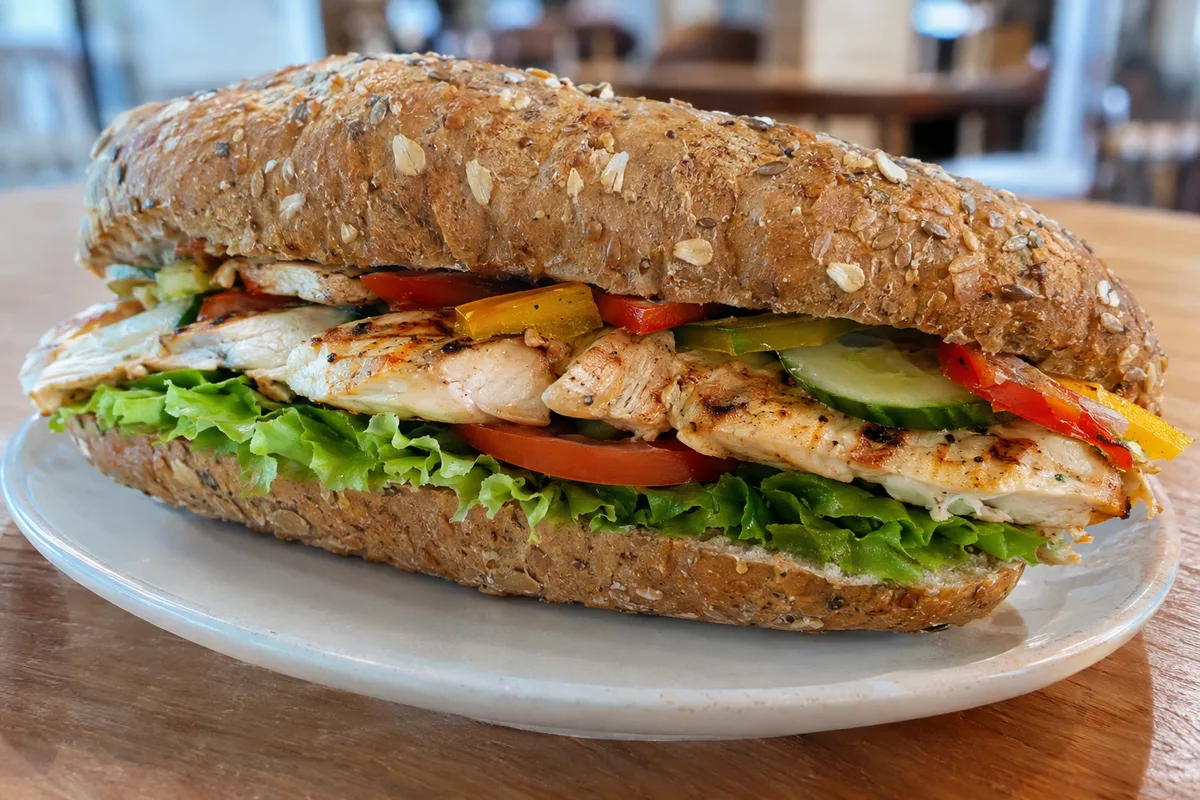
How to Choose Healthier Options at Subway
A Subway order can vary greatly depending on the bread, filling, cheese, sauce and extras you choose. This guide explains how to assemble and track a balanced meal without labelling any single menu item as perfect.
-
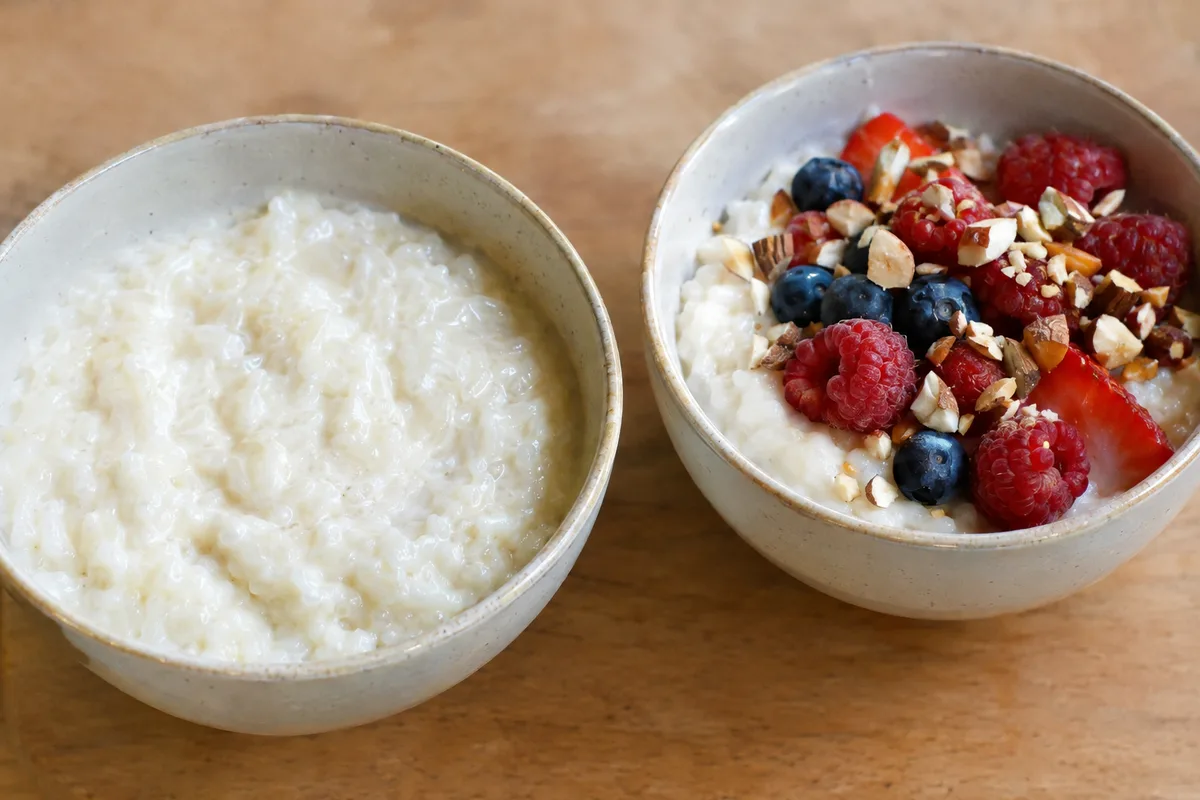
Is rice pudding healthy? A practical guide
Rice pudding ranges from a lightly sweetened milk-based dish to a rich dessert with added cream and sugar. This guide explains what to look for in your food log and how to make a bowl that suits your needs.
-
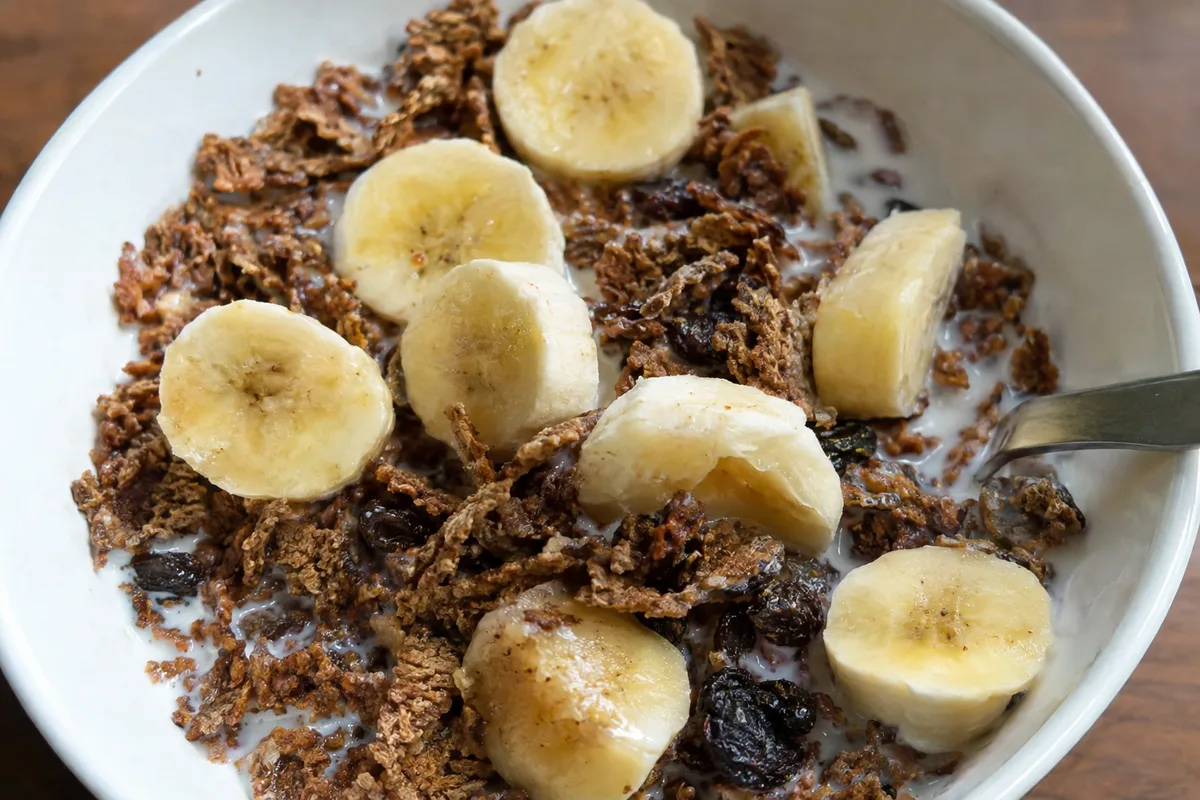
Can raisin bran fit into a weight-loss plan?
Raisin bran does not cause weight loss by itself, but you do not have to remove it from your diet. Here is how to track it accurately, make it more filling and judge whether it suits your routine.
-
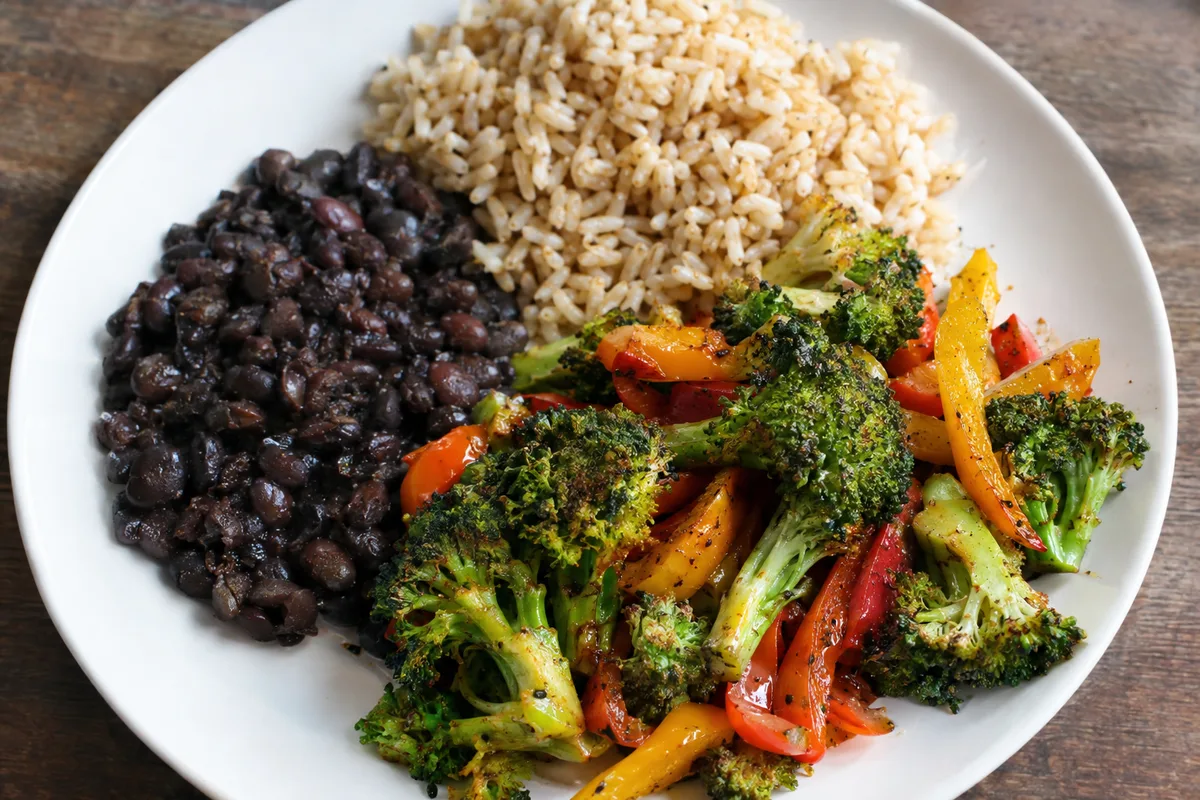
Does Fibre Really Cancel Out Carbs?
Fibre is a type of carbohydrate, but the body handles it differently from sugar and starch. Here is what that means for food labels, net carbs and the meals you track.
-
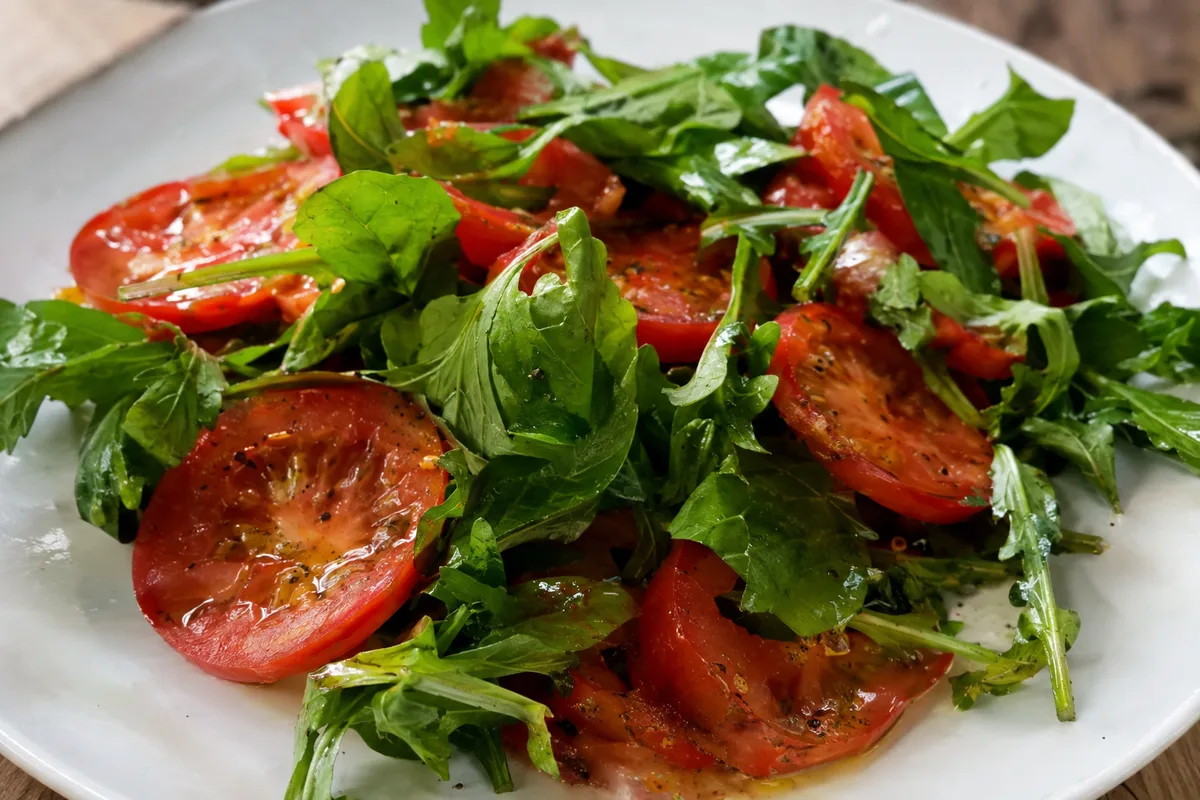
Sweet Oil Explained: Nutrition, Benefits and How to Track It
Sweet oil is an older name most often used for mild olive oil, although the meaning can vary between labels and recipes. This guide explains its nutrition, possible benefits, kitchen uses and how to record it accurately.
-
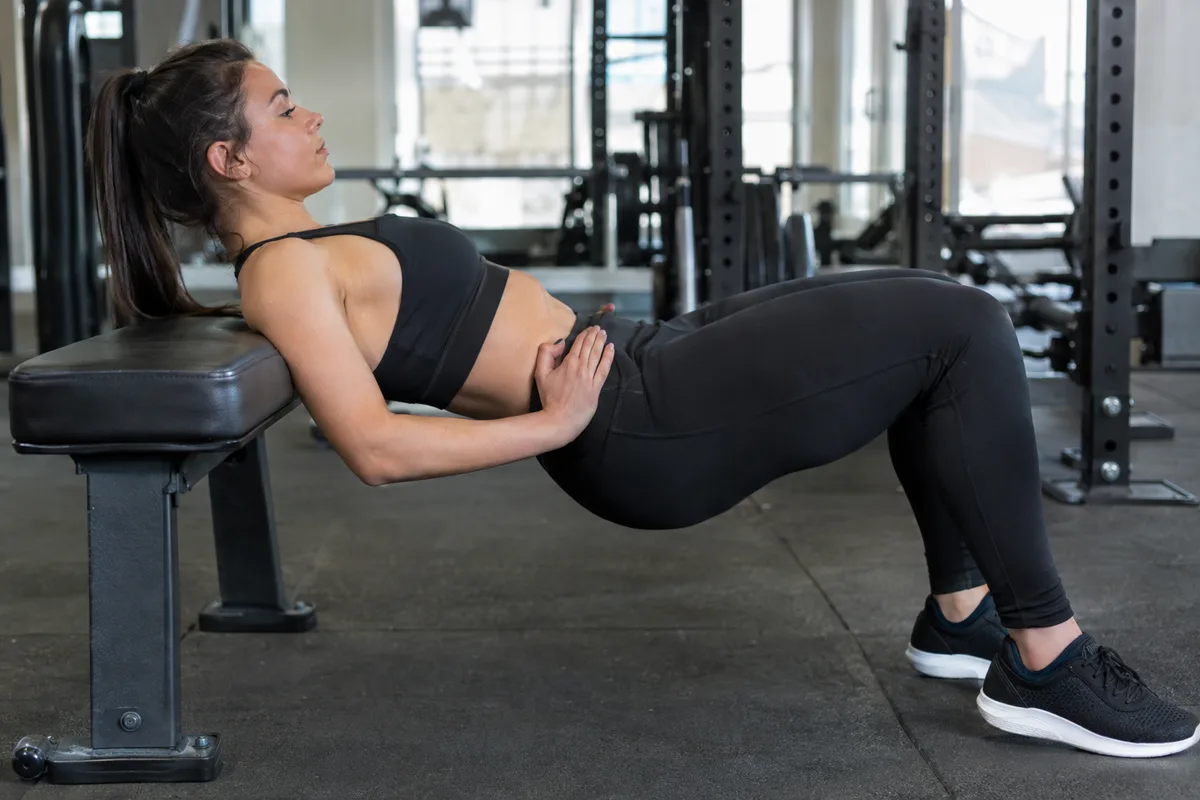
How to Do a Hip Thrust with Strong, Controlled Form
The hip thrust trains the muscles around your hips by asking them to extend against resistance. This guide covers the basic technique, common form issues, benefits and variations for different experience levels.
-
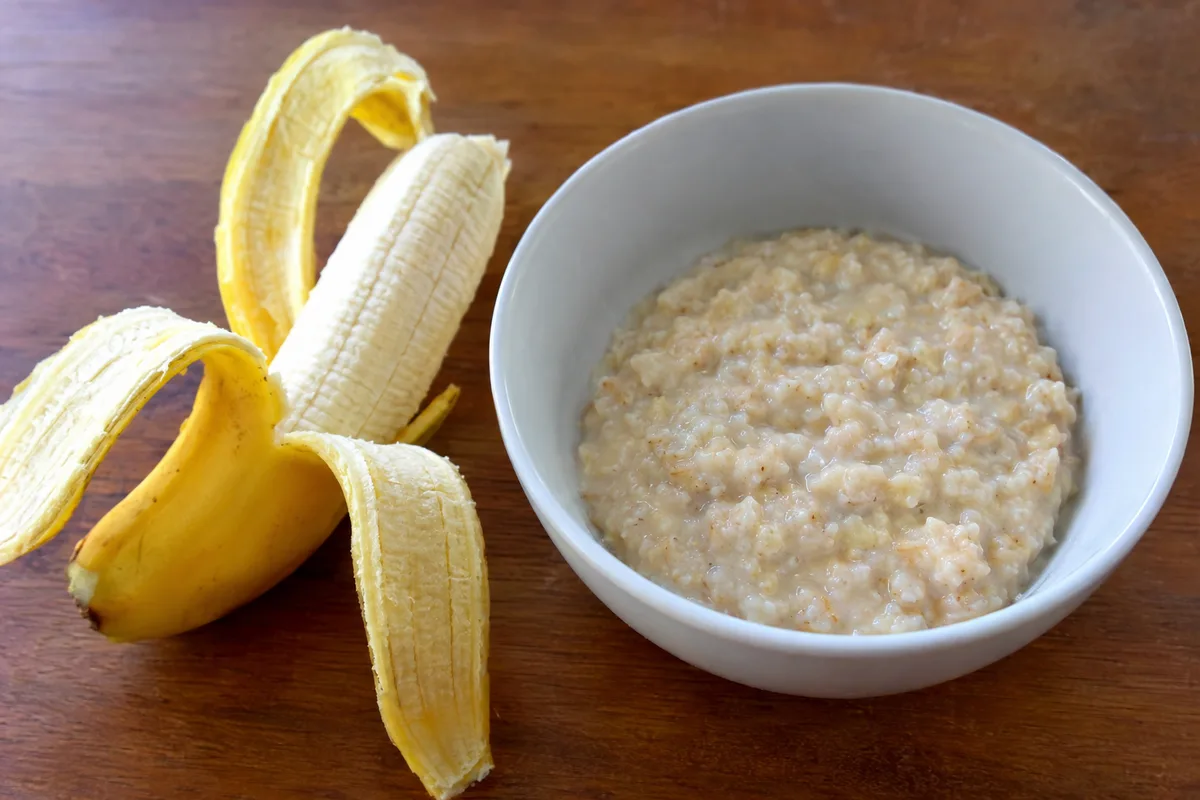
Do Bananas Cause Weight Gain?
A banana can be part of a meal, snack or recipe without automatically leading to weight gain. This guide explains what matters more, how ripeness and serving size affect tracking, and how common pairings change the total.
-
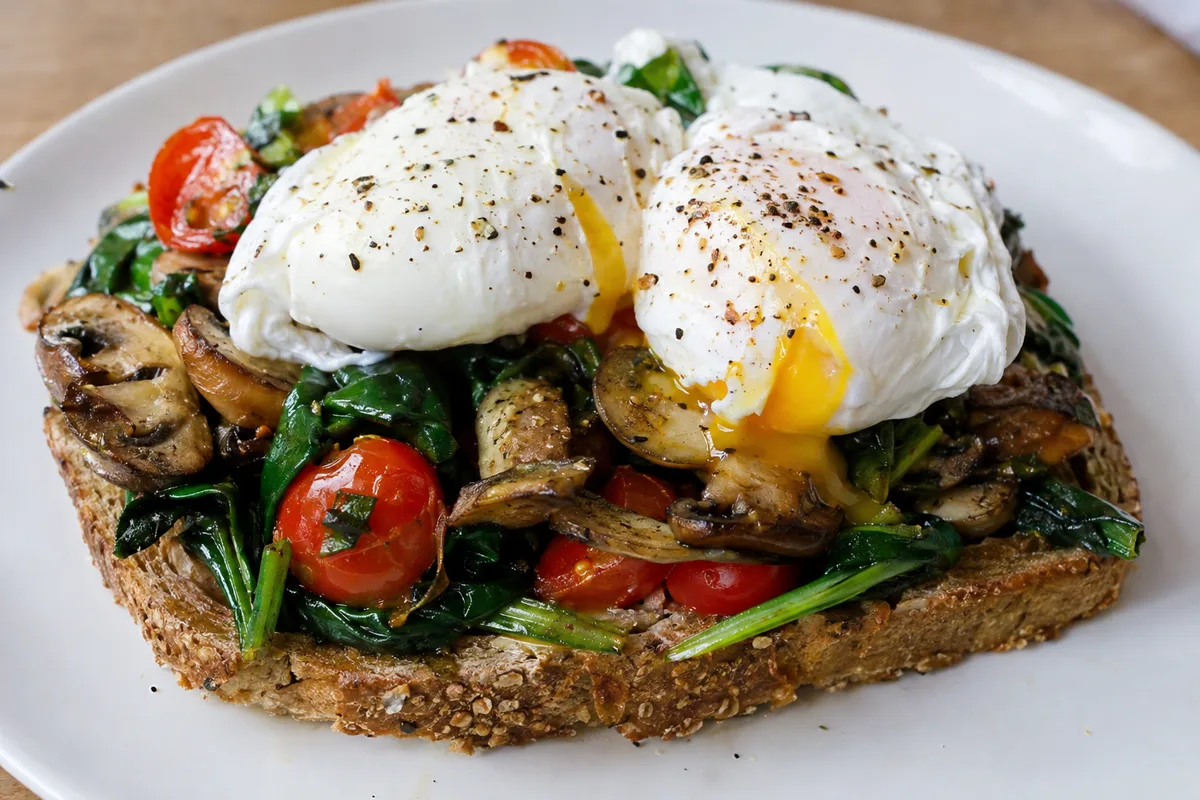
Can bacon and eggs be a healthy breakfast?
Bacon and eggs provide protein and can make a satisfying breakfast, but the meal may also be high in salt and saturated fat. Here is how to assess what you log and build a more balanced plate.
-
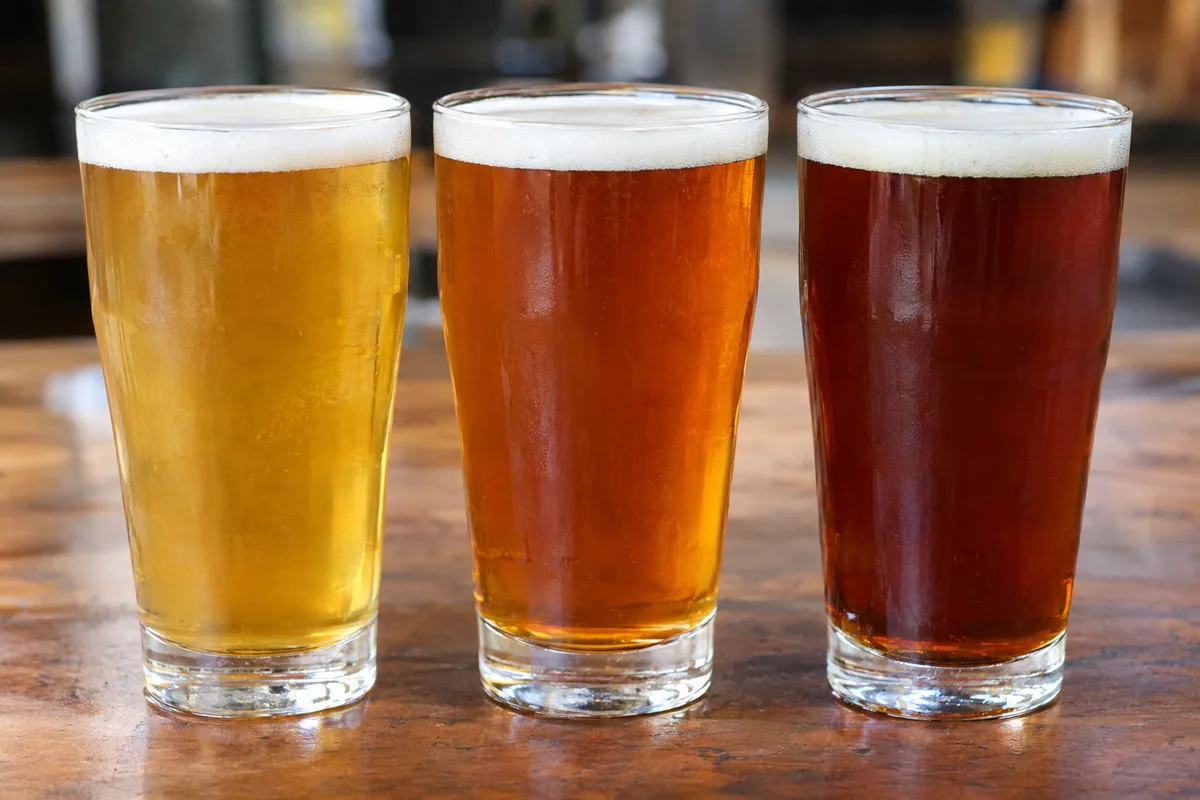
How to compare calories in non-alcoholic beer brands
Non-alcoholic beers can have very different calorie values, even when they look and taste similar. This guide explains what changes the total and how to compare brands using the label.
-
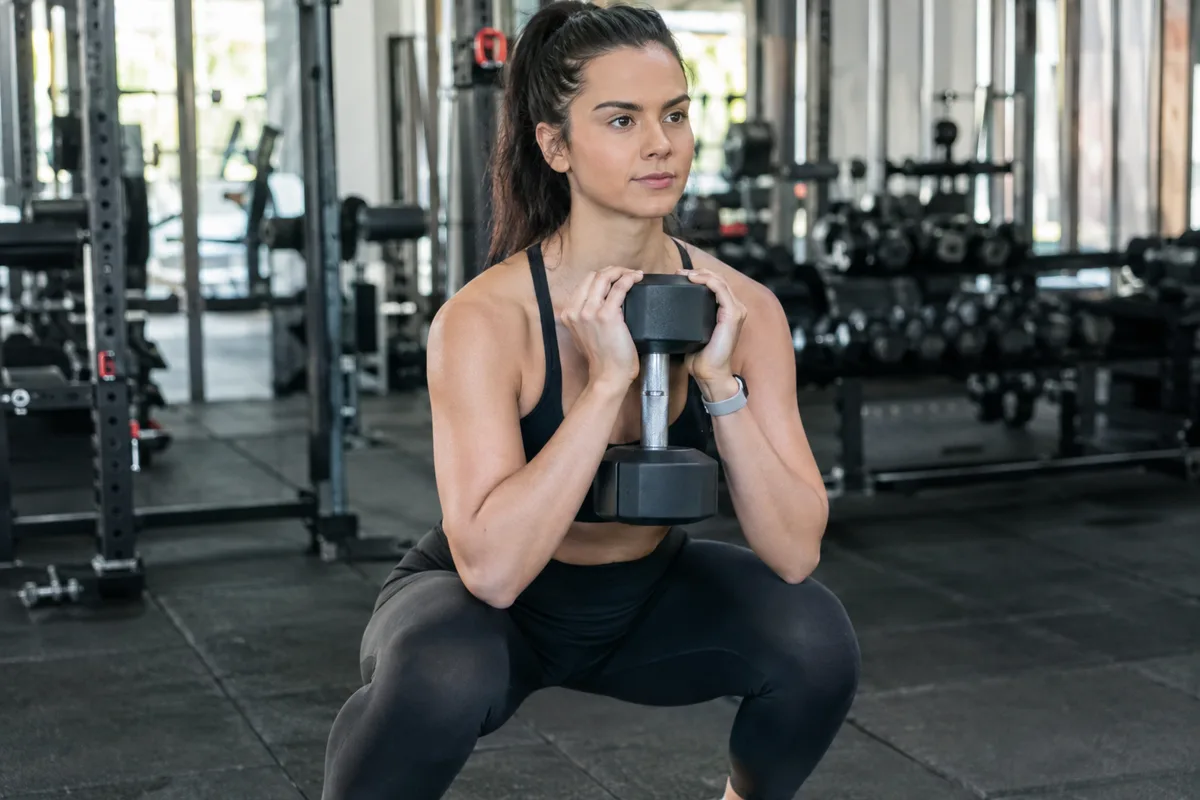
How Weight Training Can Support Fat Loss
Weight training can help you retain strength and muscle while your food intake supports gradual fat loss. This guide explains how to combine lifting, eating, recovery and progress checks without treating workouts as a way to cancel out meals.
-
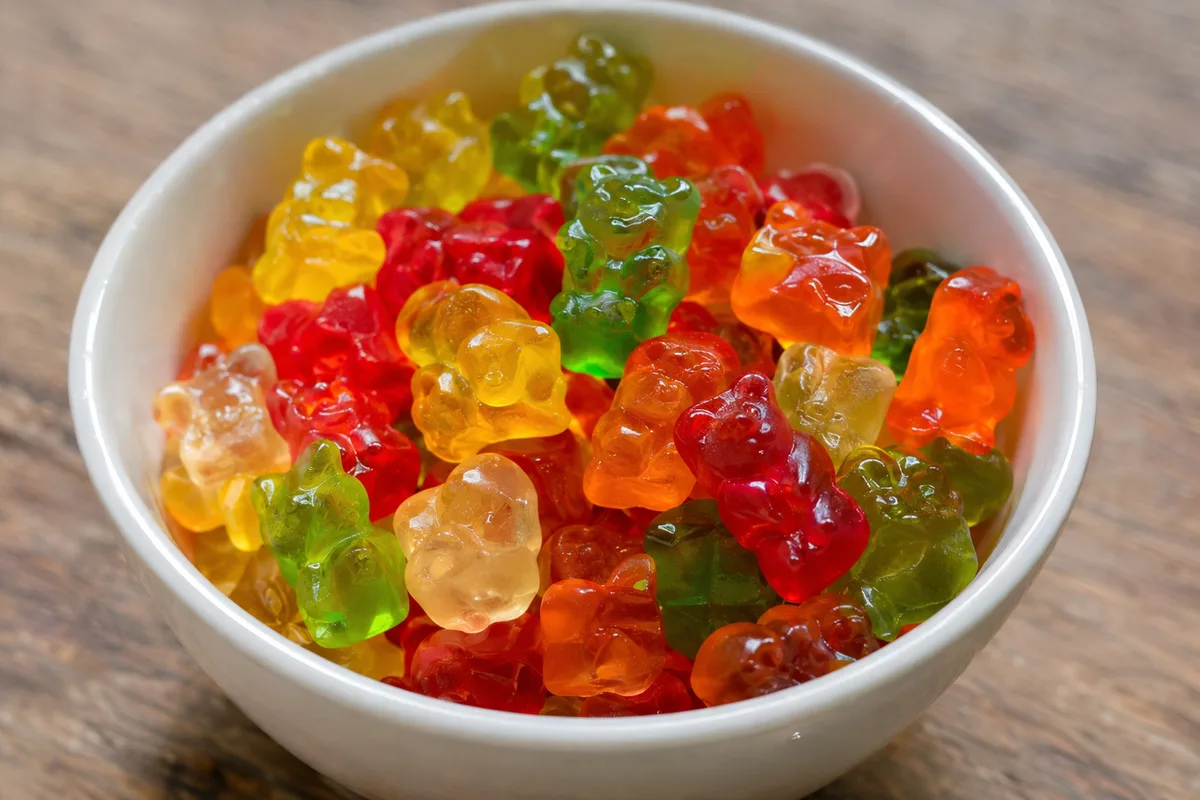
Are gummy bears healthy, or just a sweet treat?
Gummy bears can fit into a varied diet, though they offer little beyond quick energy and enjoyment. Here is how to read the label, track a portion and choose when they are worth eating.
-
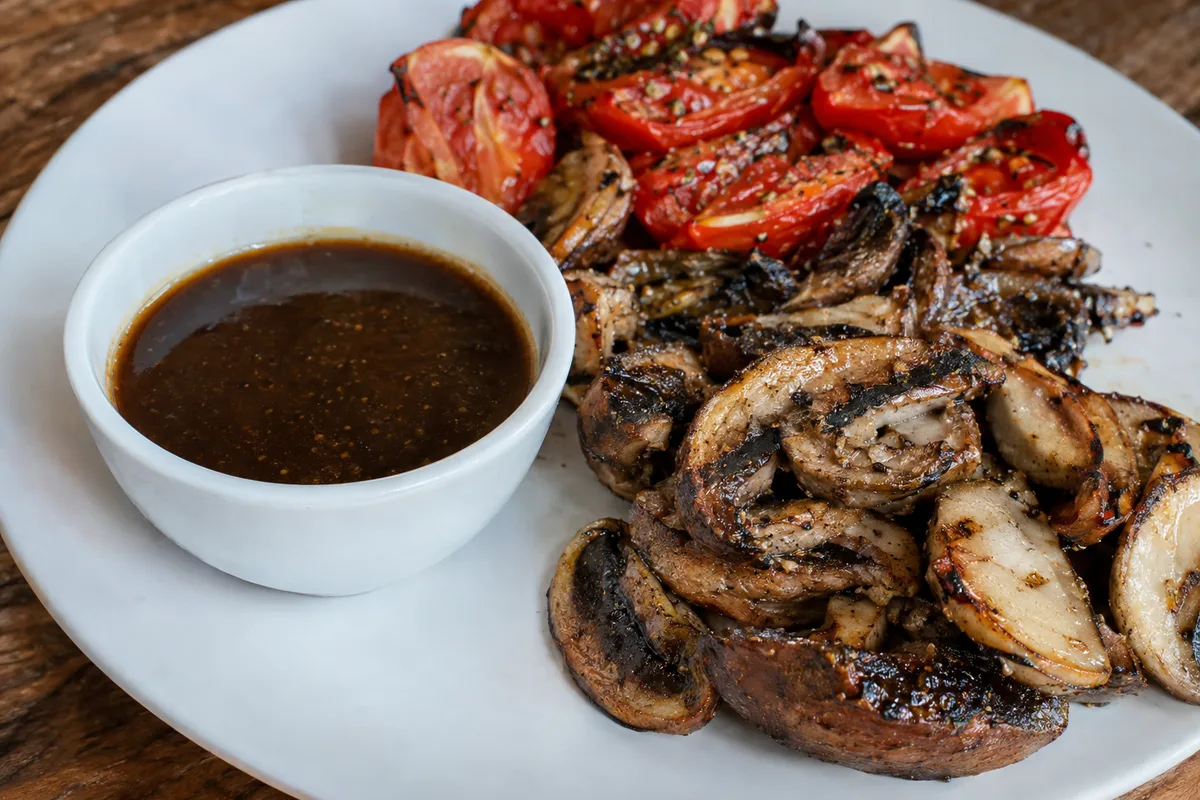
Is Worcestershire sauce gluten free?
Worcestershire sauce recipes vary between brands and countries, and some contain ingredients made from barley or wheat. Here is what to check on the label and how to record the sauce in your food log.
-
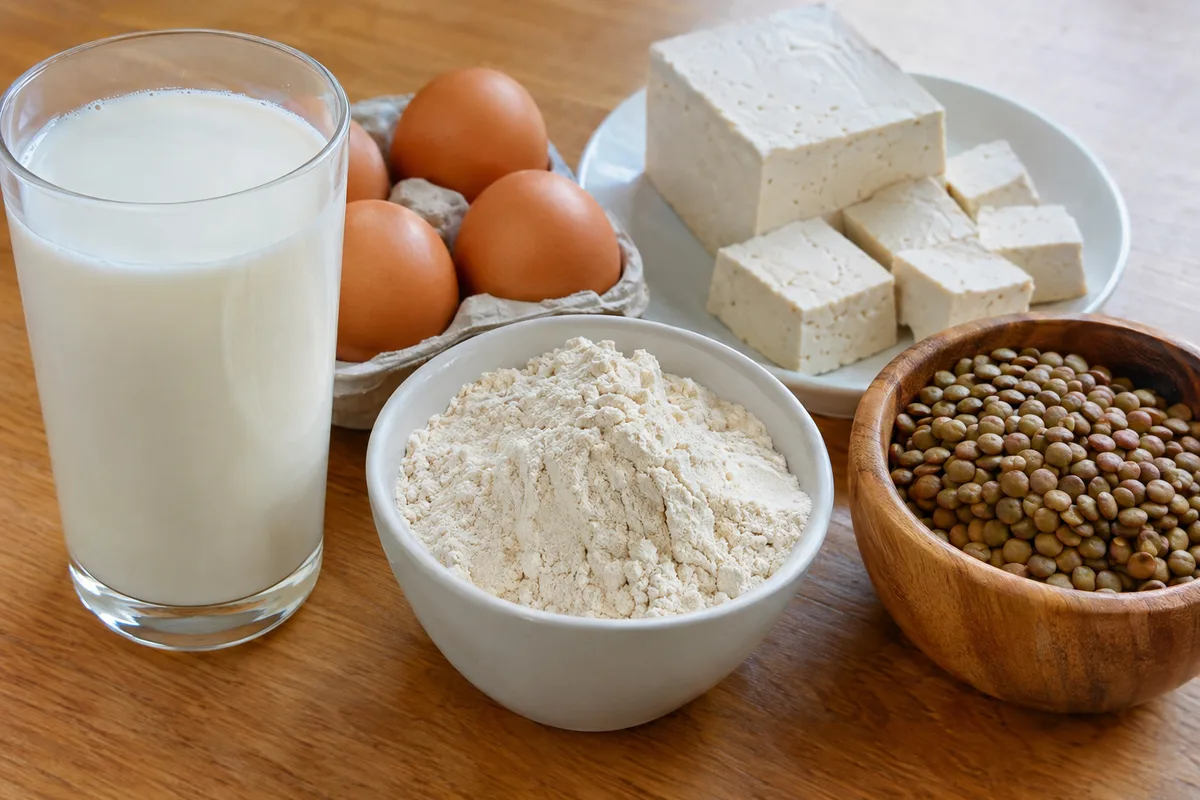
Using Protein Powder Every Day: What to Track and What to Consider
Protein powder can be a convenient part of a daily routine, but it is still food that belongs in your log. This guide explains how to track it accurately, use it sensibly and keep whole foods at the centre of your diet.
-
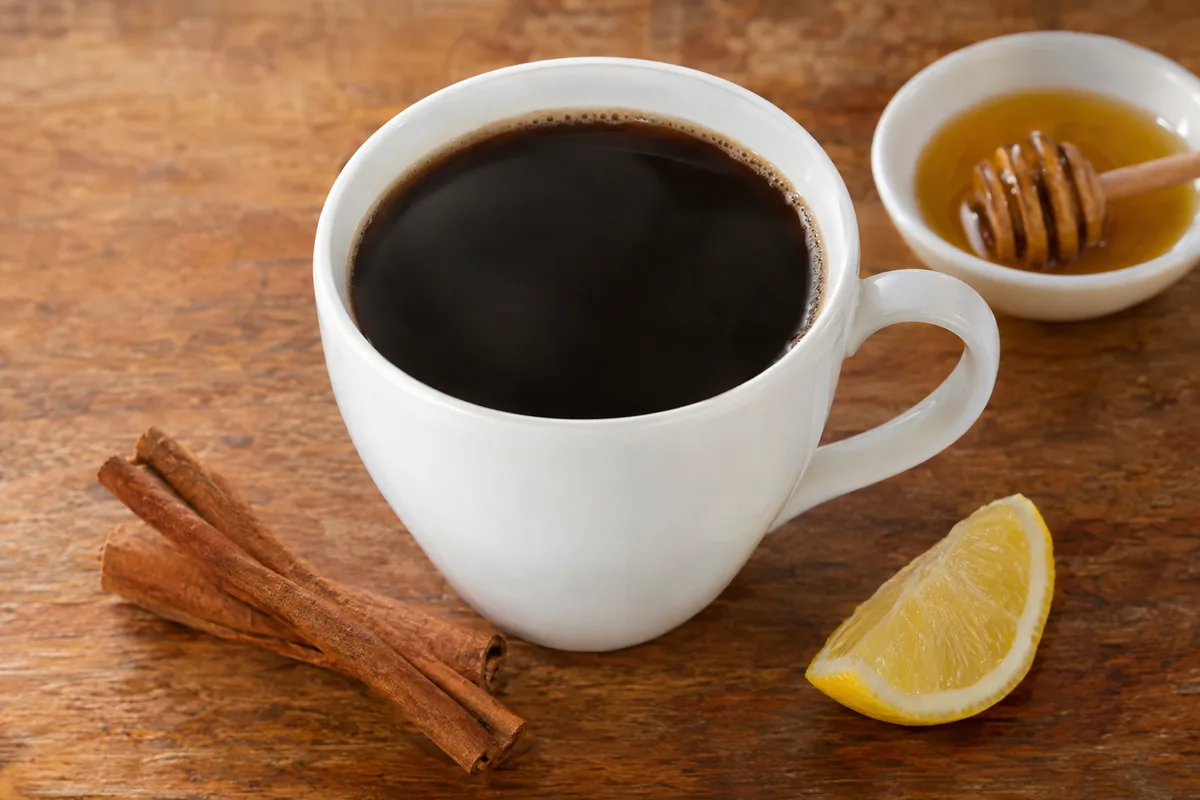
The coffee loophole diet: can a cup really help you lose weight?
The coffee loophole diet uses coffee, timing and optional add-ins to suggest that hunger or body weight can be controlled with one drink. Here is what the trend means, how it fits into calorie tracking and what to consider before changing your routine.
-
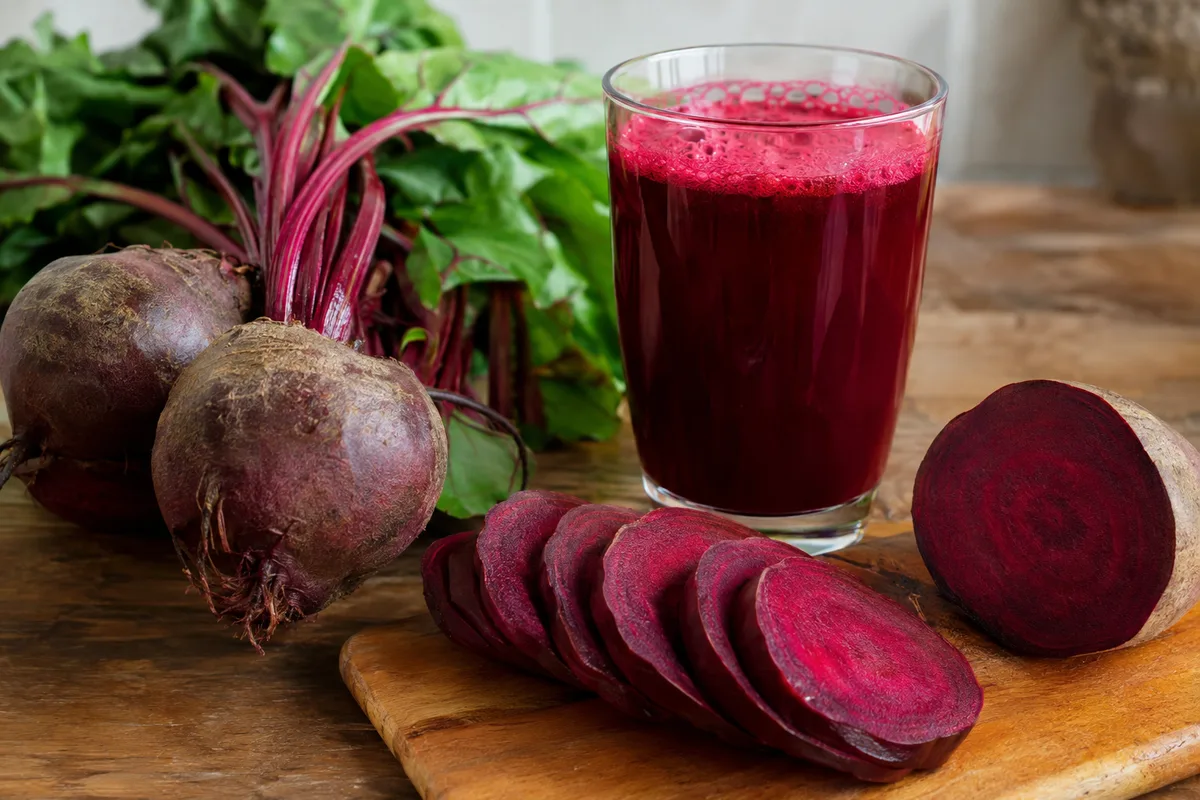
How beetroot juice may support athletic performance
Beetroot juice contains nitrate, which the body can turn into nitric oxide to support blood flow and muscle function. This guide explains the process, the activities that may benefit and how to test it sensibly within your existing routine.
-

How many calories do 15,000 steps burn?
There is no single calorie figure for 15,000 steps because distance, pace, body size and terrain all affect energy use. This guide explains how to make a sensible estimate and use it without distorting your food tracking.
-
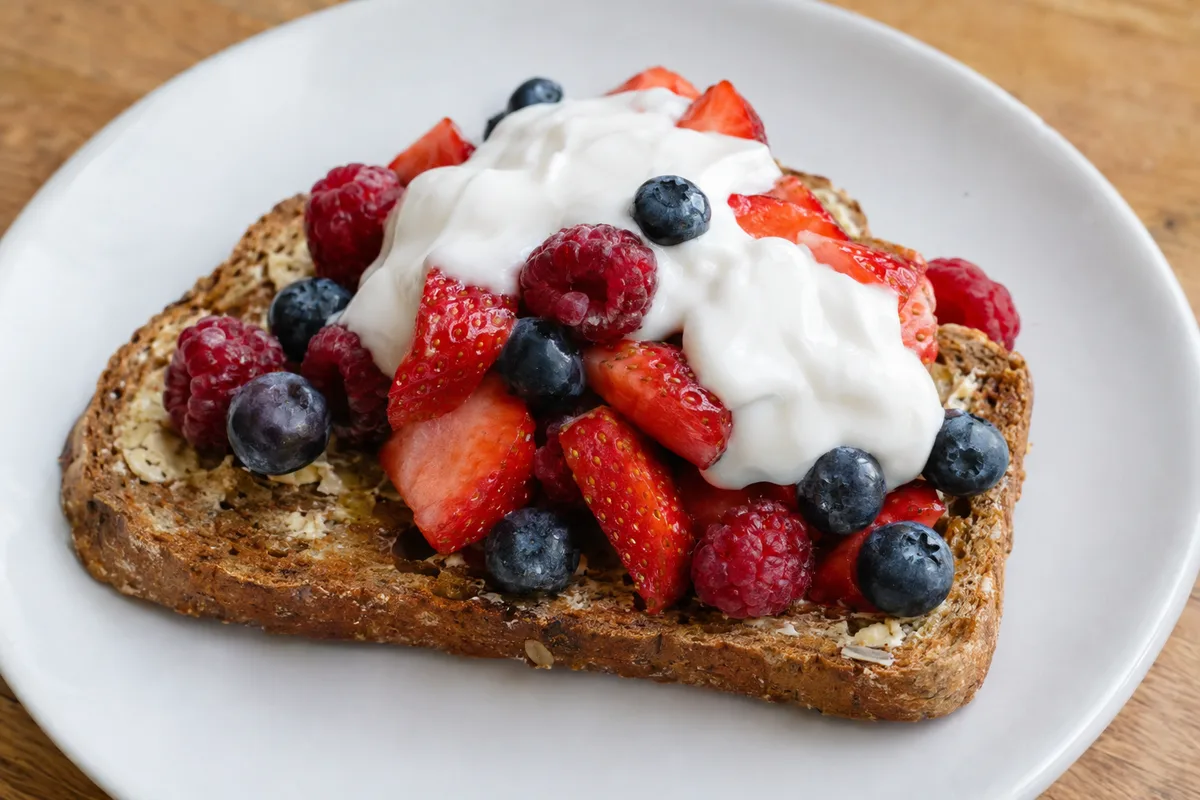
Is Butter Bad for You? What Matters When You Track It
Butter is rich, energy-dense and high in saturated fat, so it is worth tracking with care. This guide explains how to judge your intake, compare alternatives and use butter without labelling it simply good or bad.
-
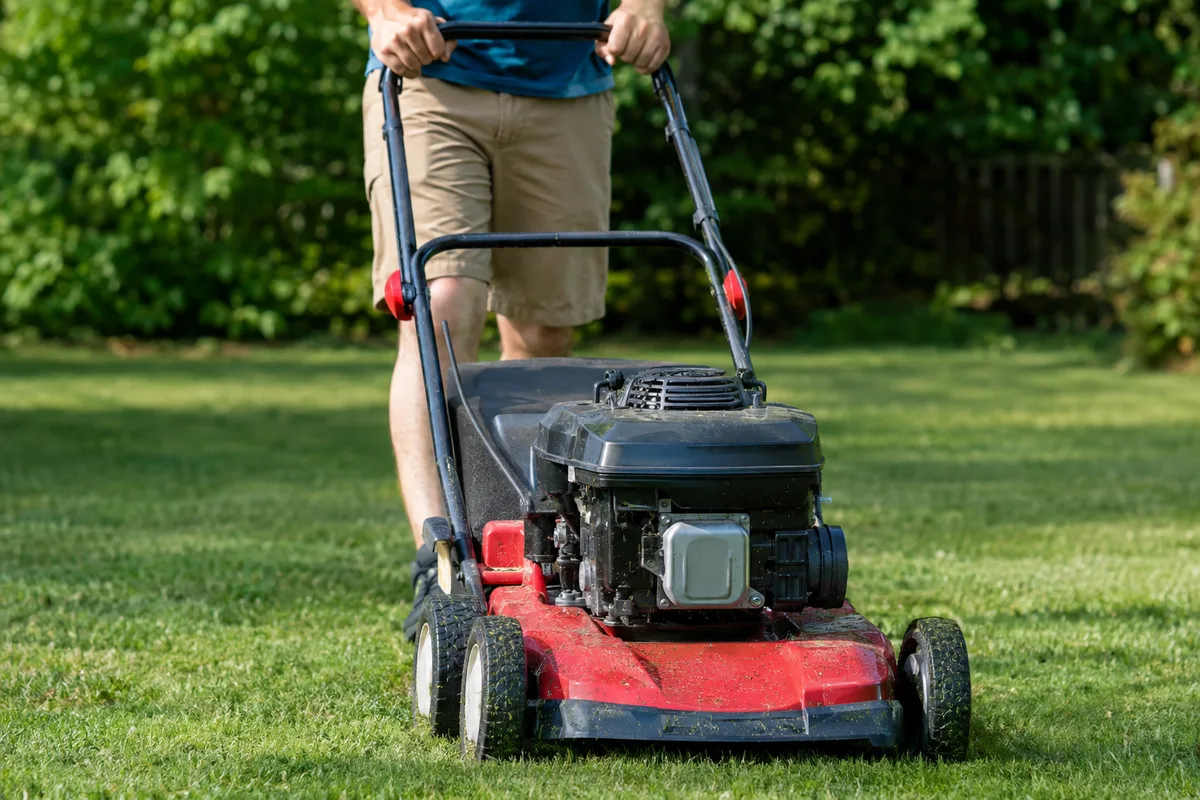
How many calories does mowing the lawn burn?
There is no single calorie figure for mowing the lawn because the effort varies widely. This guide explains what changes your burn and how to log a sensible estimate alongside your food intake.
-
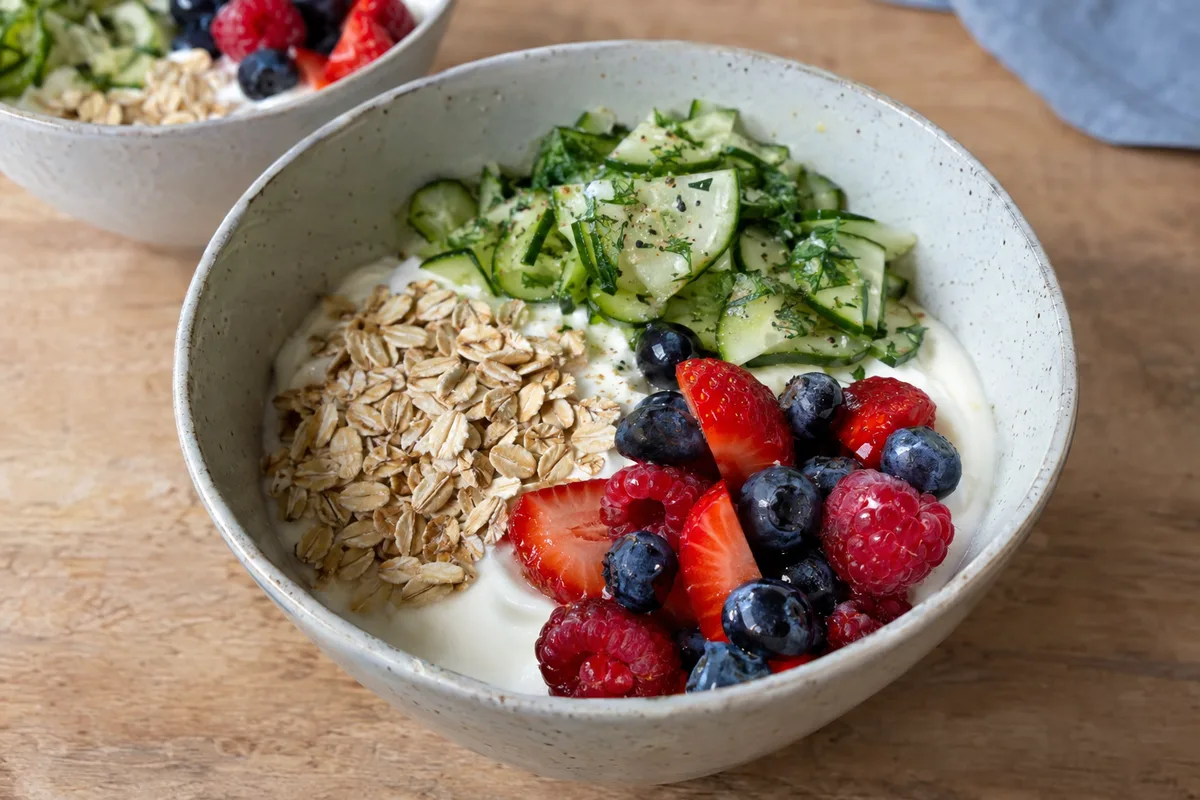
How to Choose the Best Greek Yoghurt for You
The best Greek yoghurt depends on what you want from the meal or snack. This guide explains how to compare labels, spot added extras and choose a yoghurt that suits your taste and nutrition goals.
-
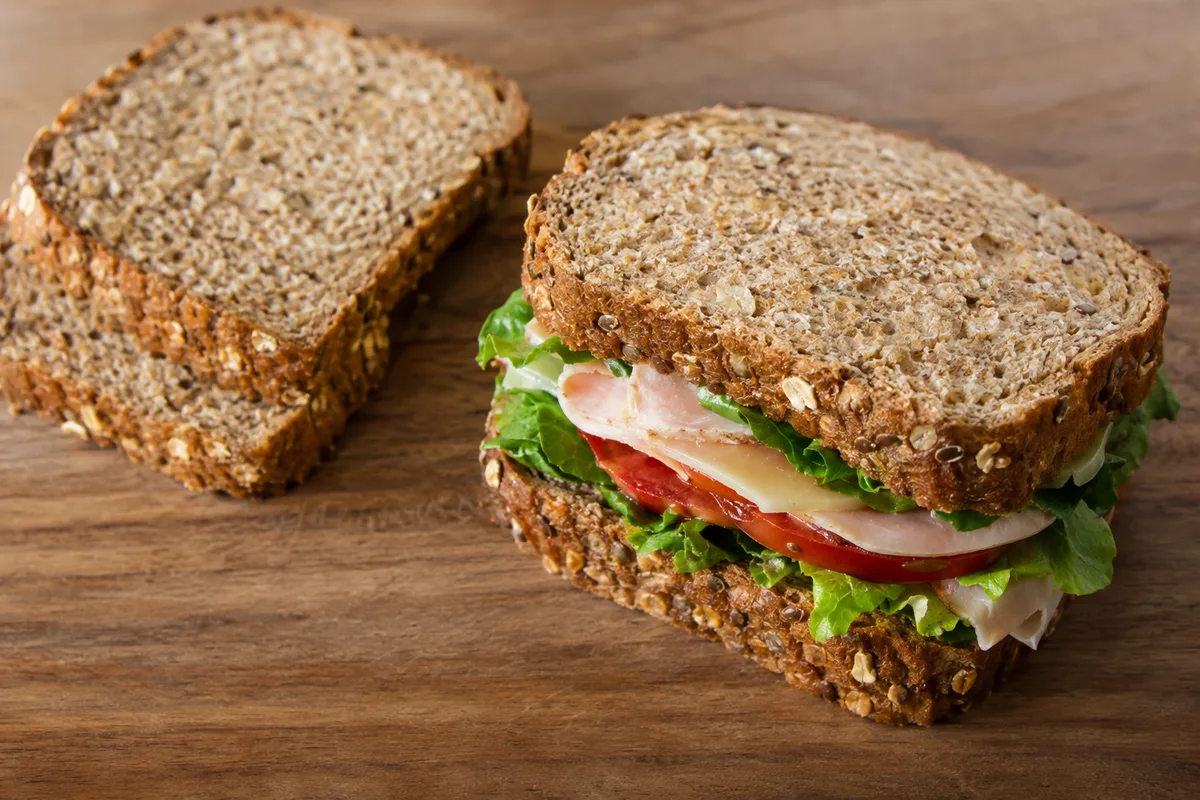
Which breads can fit a weight-loss plan?
Bread does not need to be removed from your food diary when you want to lose weight. This guide explains how to compare popular choices and build a satisfying meal around them.
-
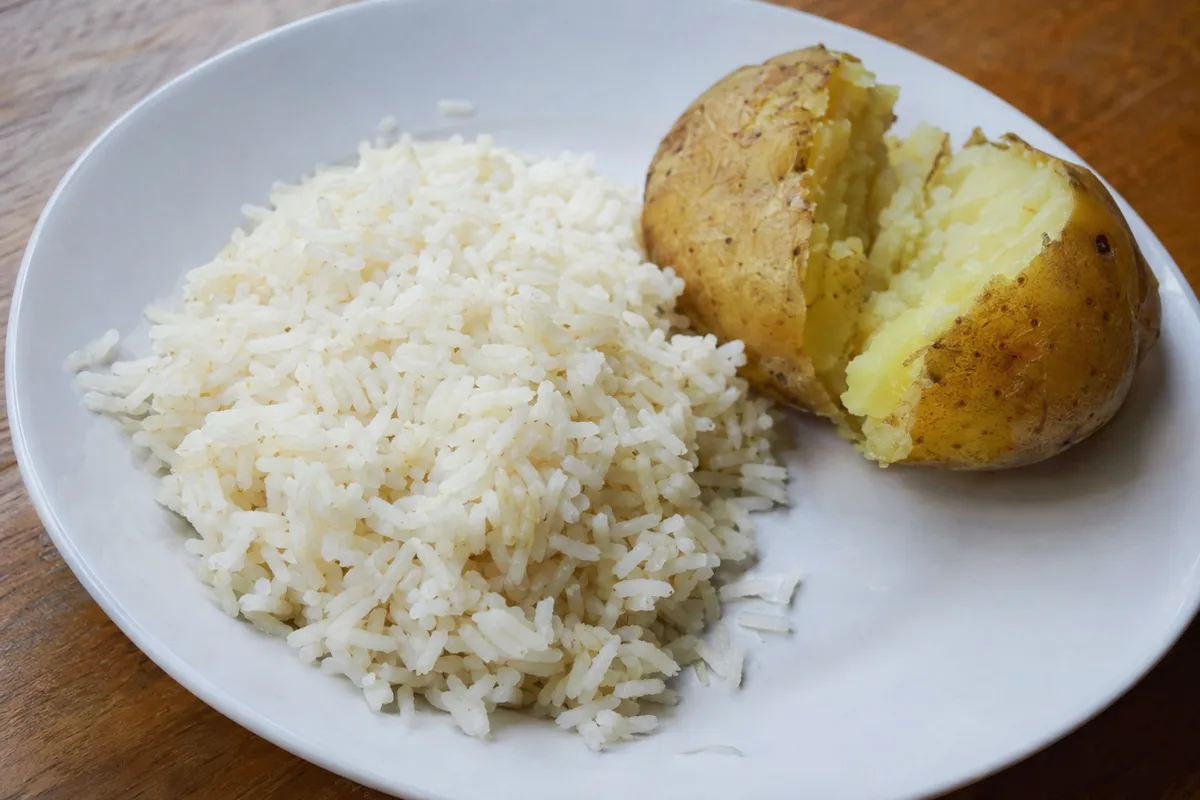
Rice or Potatoes: Which Has More Carbohydrate?
Rice and potatoes both provide carbohydrate, but the amount you log depends on the type, portion and cooking method. This guide explains how to compare them fairly and choose the right entry in your food tracker.
-
Canola oil: a safe and healthy choice for everyday cooking
Canola oil is a mild-tasting cooking oil made from specially bred varieties of rapeseed. This guide explains its safety, nutritional qualities and practical uses when you track what you eat.
-
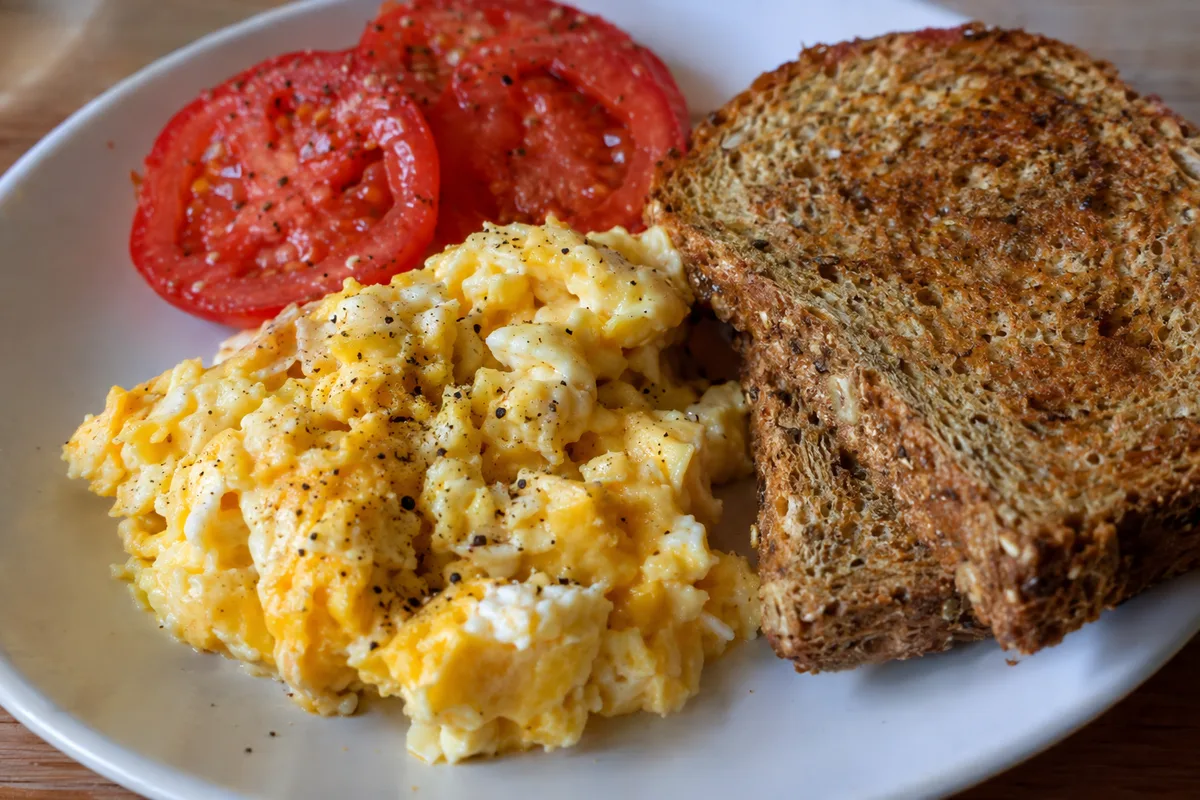
How to Plan a 50 Gram Protein Day
A 50 gram protein diet means planning your food so that your daily protein total reaches roughly 50 grams. This guide explains how to spread that target across the day, log it accurately and choose foods that fit your preferences.
-

Does Sunbathing Burn Calories?
Your body continues to use energy while you lie in the sun, but sunbathing itself is not a meaningful calorie-burning activity. This guide explains what is happening, why sweating is misleading and how to track active time outdoors.
-
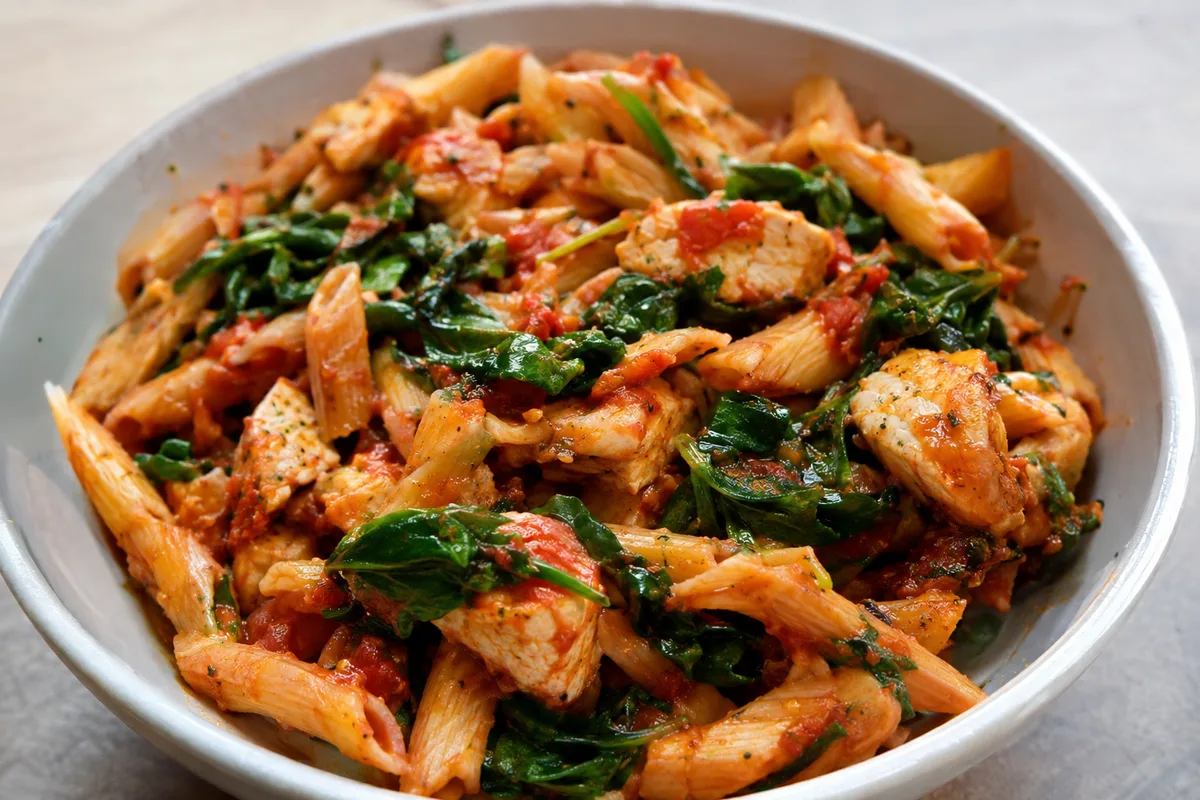
How to Keep Pasta on the Menu While Losing Weight
Pasta does not need to disappear when you are trying to lose weight. The key is to track it consistently, build a satisfying meal around it and notice what affects your total intake.
-

How to Measure Calories Burned During Pilates
Pilates calorie burn varies with the movements, pace, resistance, breaks and your body. This guide explains how to make a useful estimate and keep your food and activity log consistent.
-
Beetroot Juice: What to Know Before You Log It
Beetroot juice is an easy way to consume beetroot, but it differs from the whole vegetable in fibre, concentration and serving size. Here is how to understand the label, track your glass and decide where it fits in your usual diet.
-
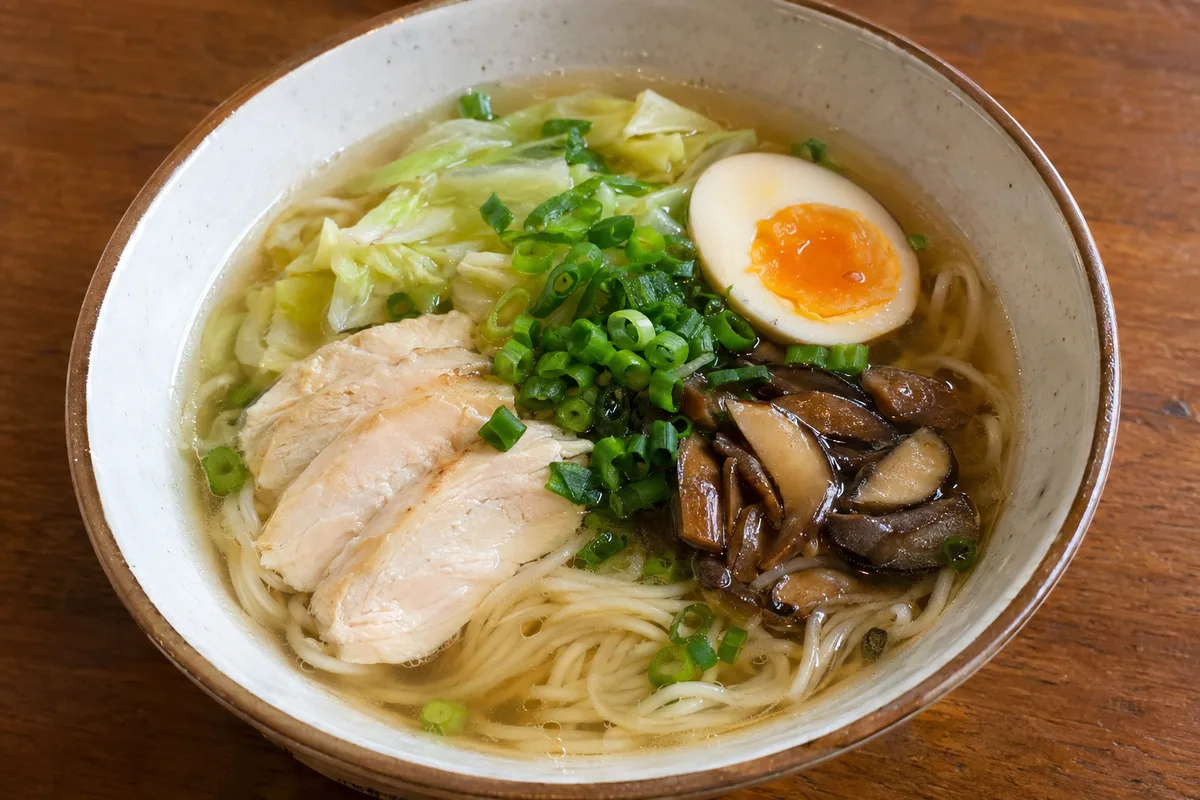
Is ramen a good choice when you are watching what you eat?
Ramen is not automatically a good or bad diet food, as the ingredients and serving size can vary widely. Here is how to log it accurately and build a bowl that suits your goals.
-
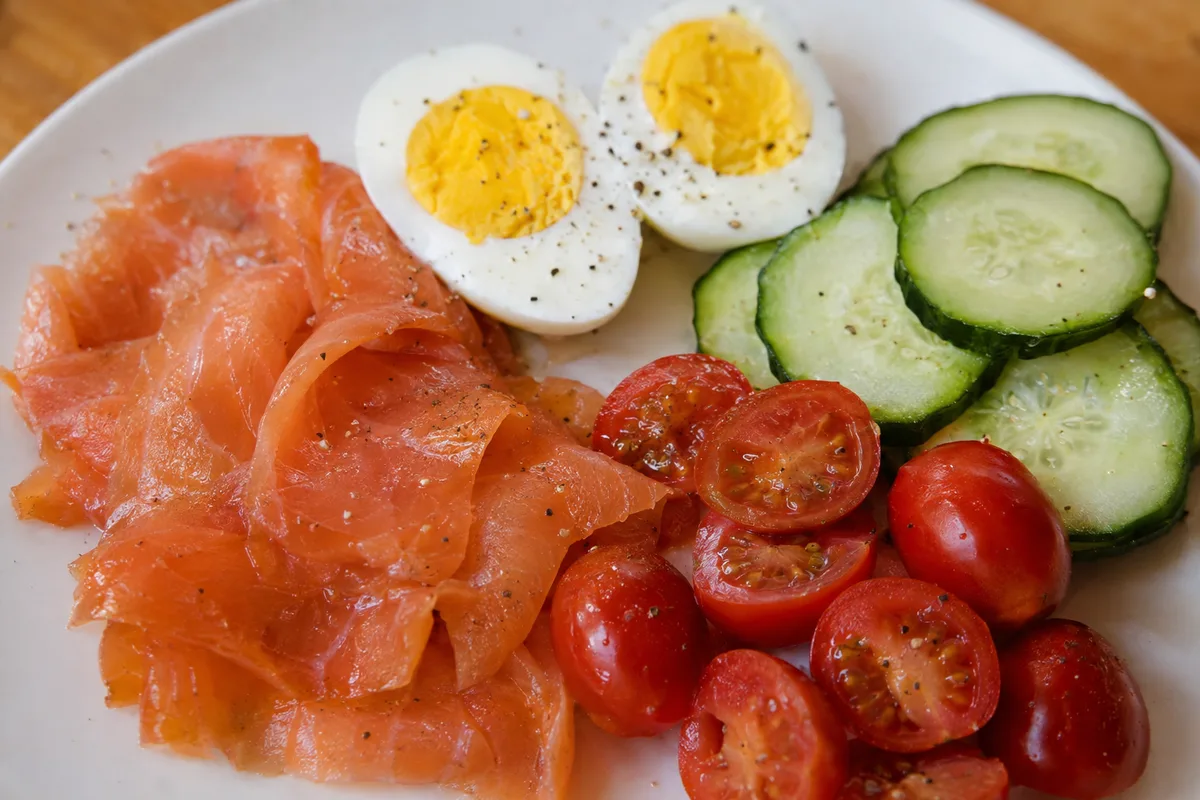
Is smoked fish a healthy choice?
Smoked fish provides protein and, depending on the fish, useful fats and vitamins. This guide explains its benefits, its salt content and how to fit it into the food you already track.
-

How Cameron’s weight loss helped when his young son needed him
Cameron’s weight loss mattered because it helped him feel more able to respond when his young son needed him. His story also offers practical lessons about tracking food, building everyday fitness and choosing goals that reach beyond a number.
-
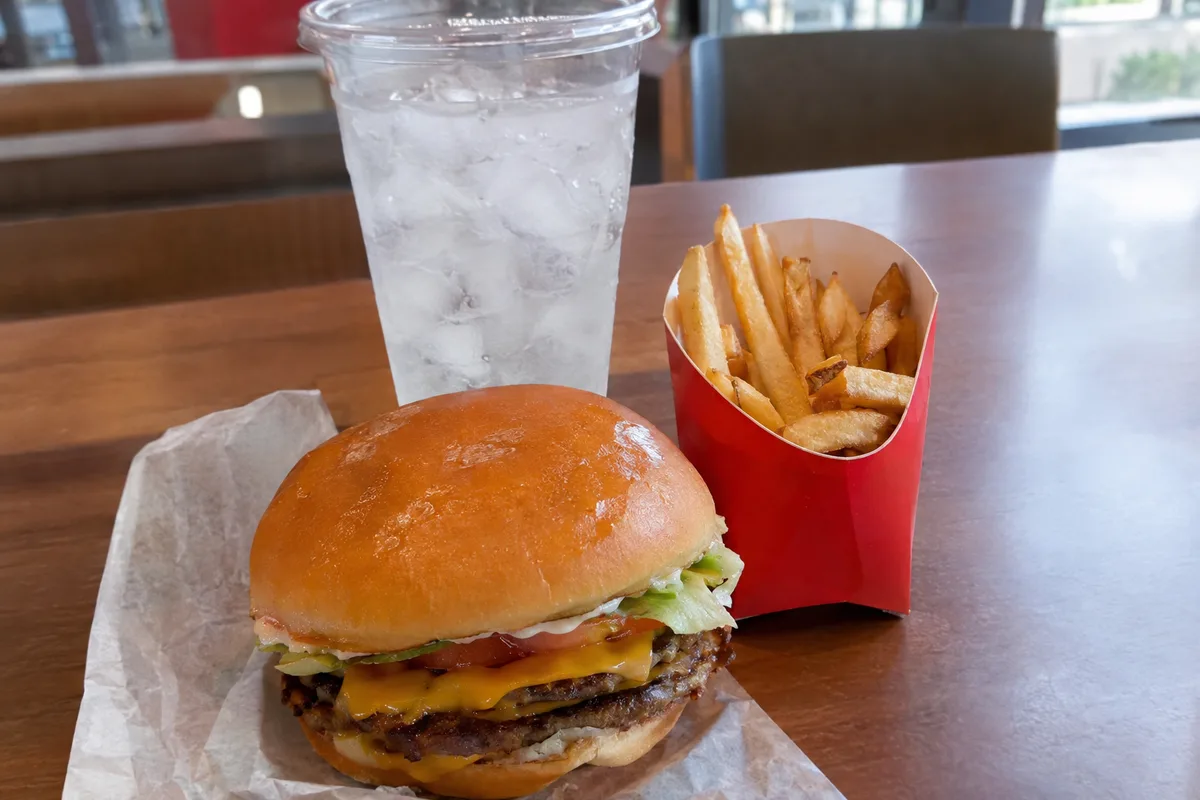
How to Make Wendy’s Fit Your Eating Plan
Wendy’s can fit a tracked eating plan, but the best choice depends on your target, appetite and the menu available. This guide explains how to compare meals, customise an order and record it accurately without labelling foods as good or bad.
-
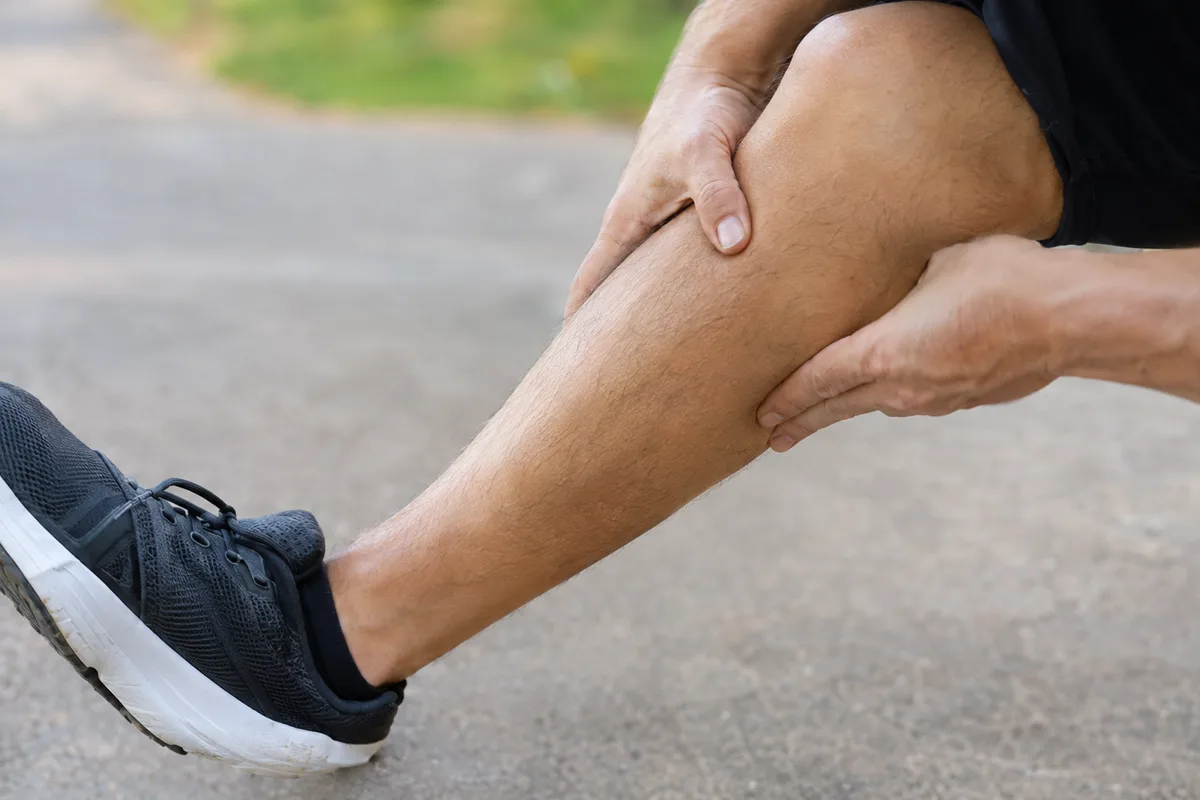
How to Choose a Good Budget Massage Gun
A budget massage gun can provide a convenient way to massage tired muscles, but the lowest cost option is not automatically the best value. This guide explains which features matter, what you can ignore and how to use one sensibly alongside training and food tracking.
-
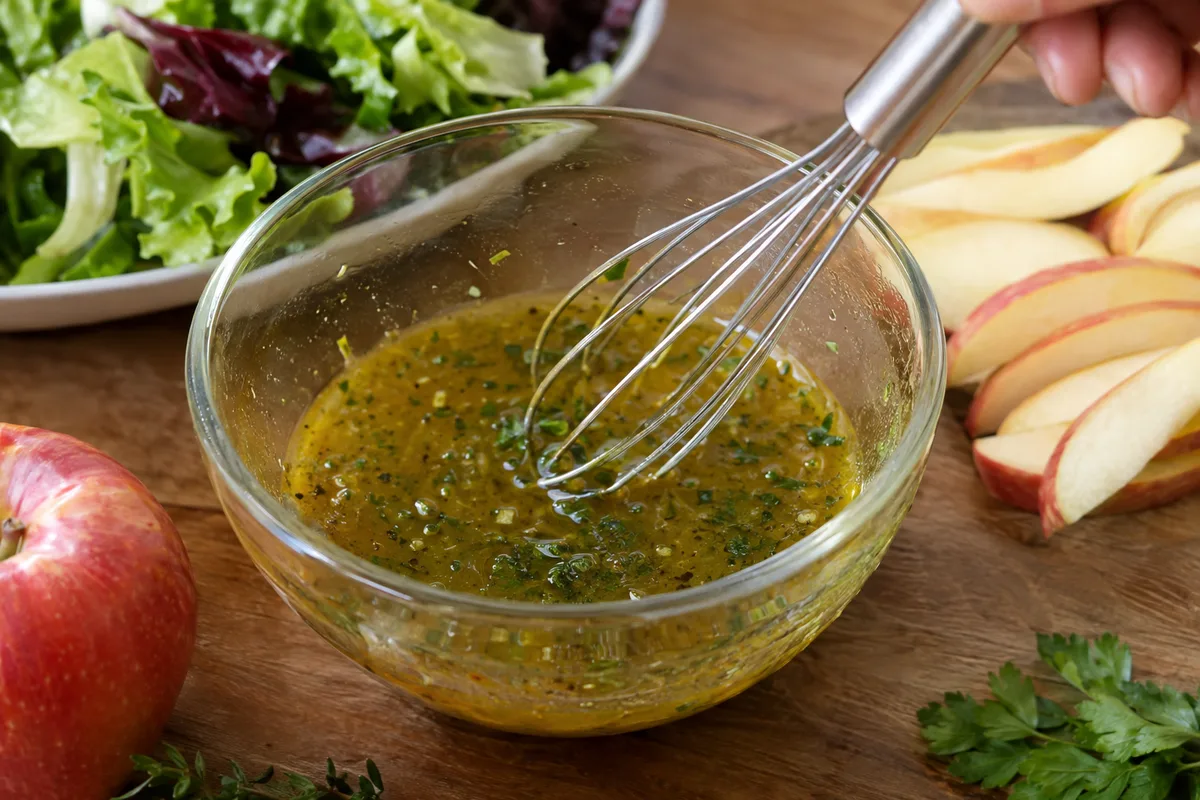
How to Choose the Best Apple Cider Vinegar for You
The best apple cider vinegar is one that suits your recipe, taste and food-tracking routine. This guide explains labels, filtered and unfiltered options, and sensible ways to use it.
-
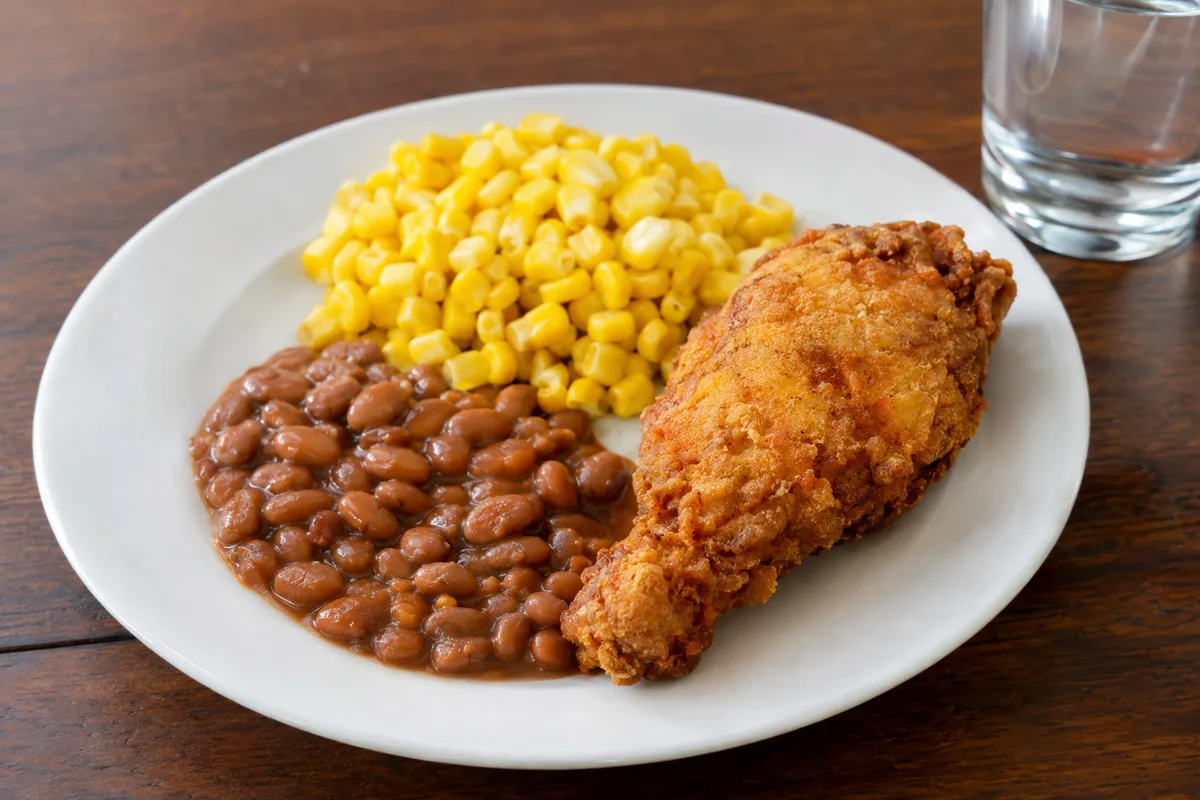
How to Make a More Balanced KFC Order
KFC can fit into food tracking when you choose the parts of the meal that matter most to you. This guide explains how to compare chicken, sides, sauces, drinks and portions without labelling foods as good or bad.
-
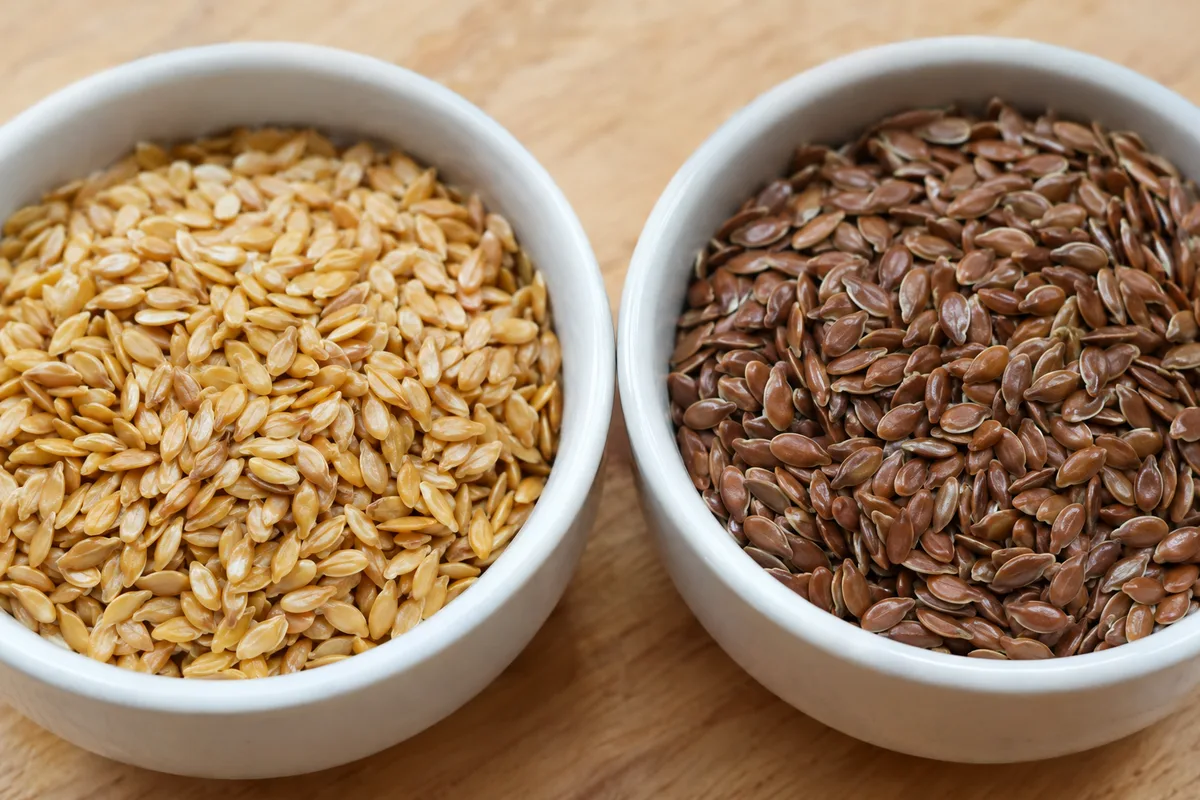
Golden or brown flax seed: does the colour make a difference?
Golden and brown flax seed are closely related foods with more similarities than differences. Here is how to choose, prepare and log them without treating colour as a nutritional shortcut.
-
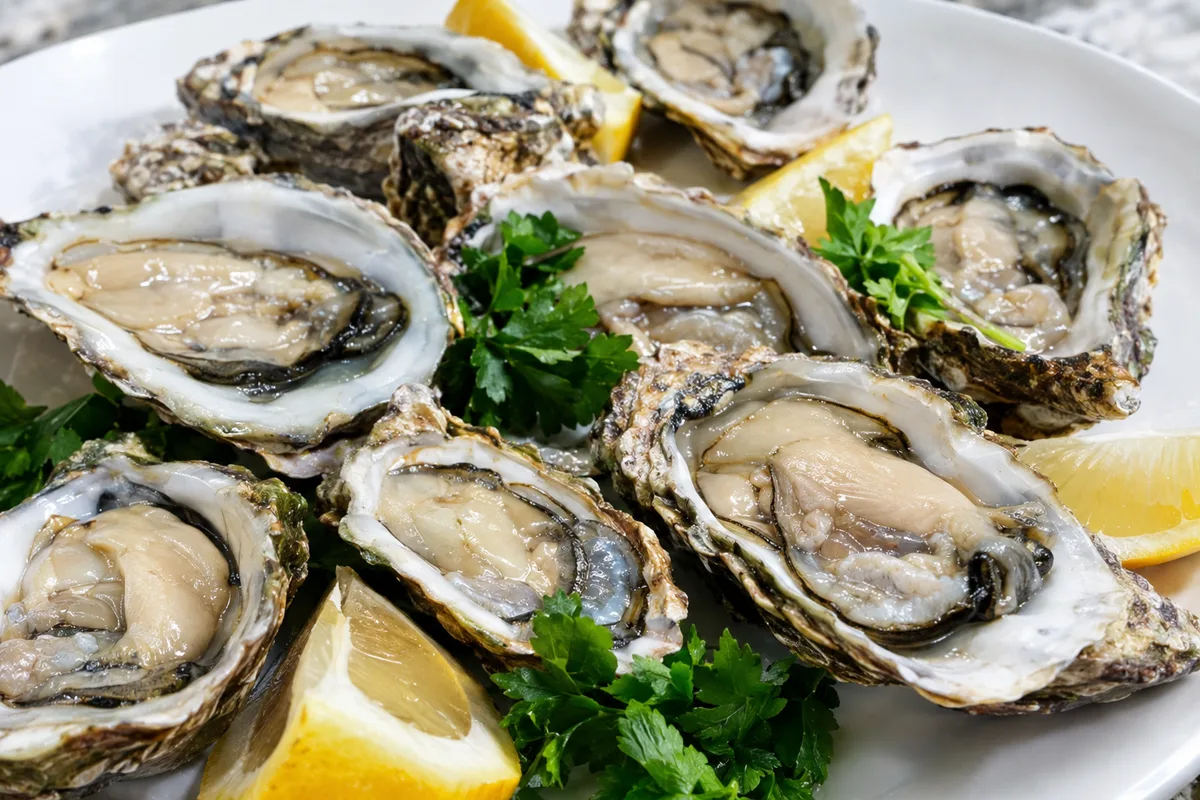
Why oysters can be worth adding to your food diary
Oysters pack several nutrients into a relatively small serving and can bring variety to meals. Here is what they offer, how to log them and what to consider before eating them.
-

Do You Need 10,000 Steps a Day to Lose Weight?
Walking can increase daily movement and support the calorie deficit needed for weight loss. This guide explains what 10,000 steps means, how food tracking fits in and how to set a target that suits you.
-
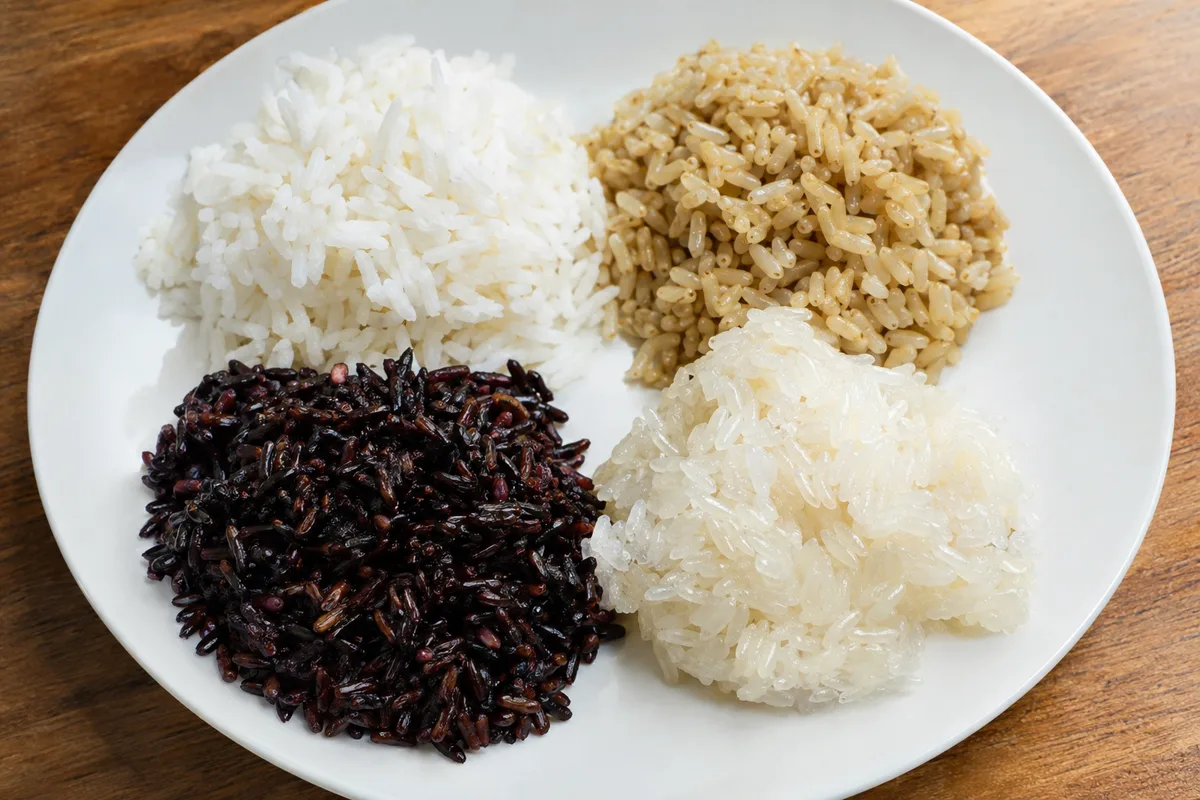
Is rice gluten free? What to check before you eat it
Rice in its natural form does not contain gluten, including white, brown and glutinous rice. This guide explains when rice may pick up gluten and how to log rice dishes accurately.
-
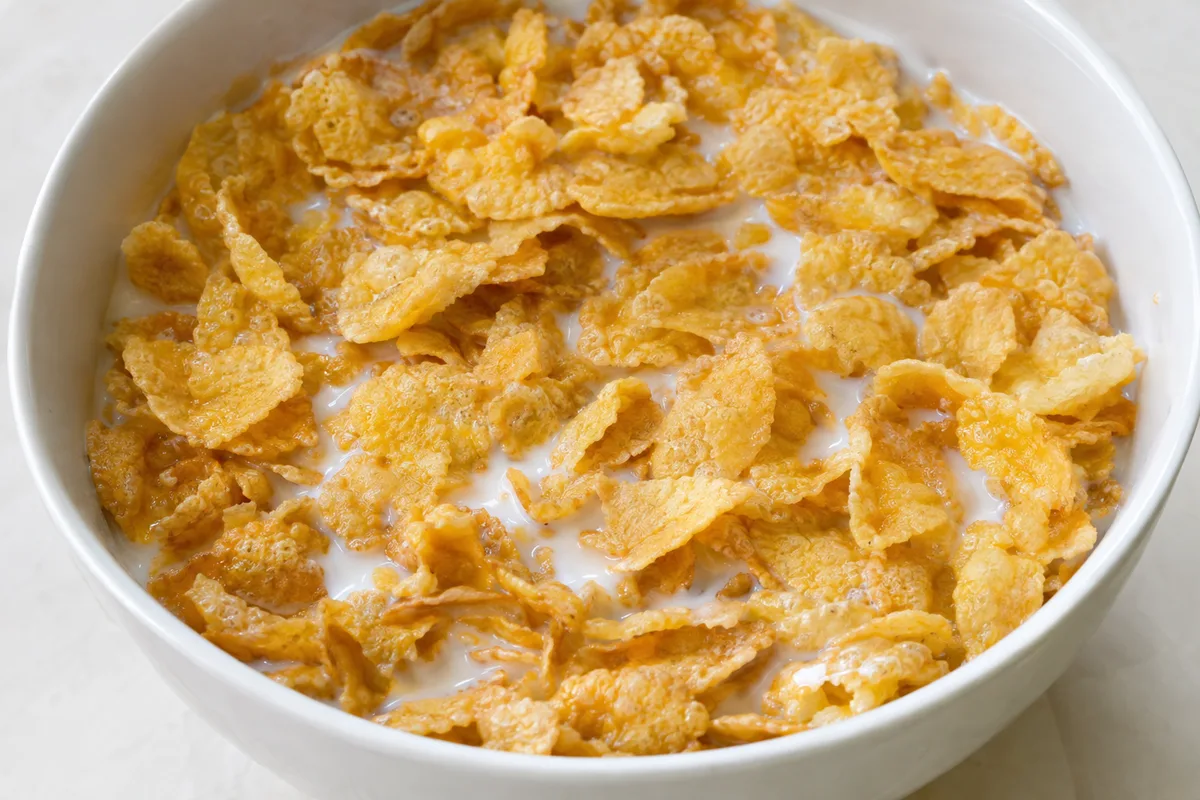
Are Corn Flakes Gluten Free? What to Check Before Eating Them
Corn flakes are not automatically gluten free simply because they are made mainly from corn. This guide explains which ingredients and label details matter, and how to record the right product in your food tracker.
-
The best New Balance shoes for your routine
The best New Balance shoe depends on how you plan to use it, how you like a shoe to feel and which shape fits your foot. This guide compares the main options and explains what to check before settling on a pair.
-
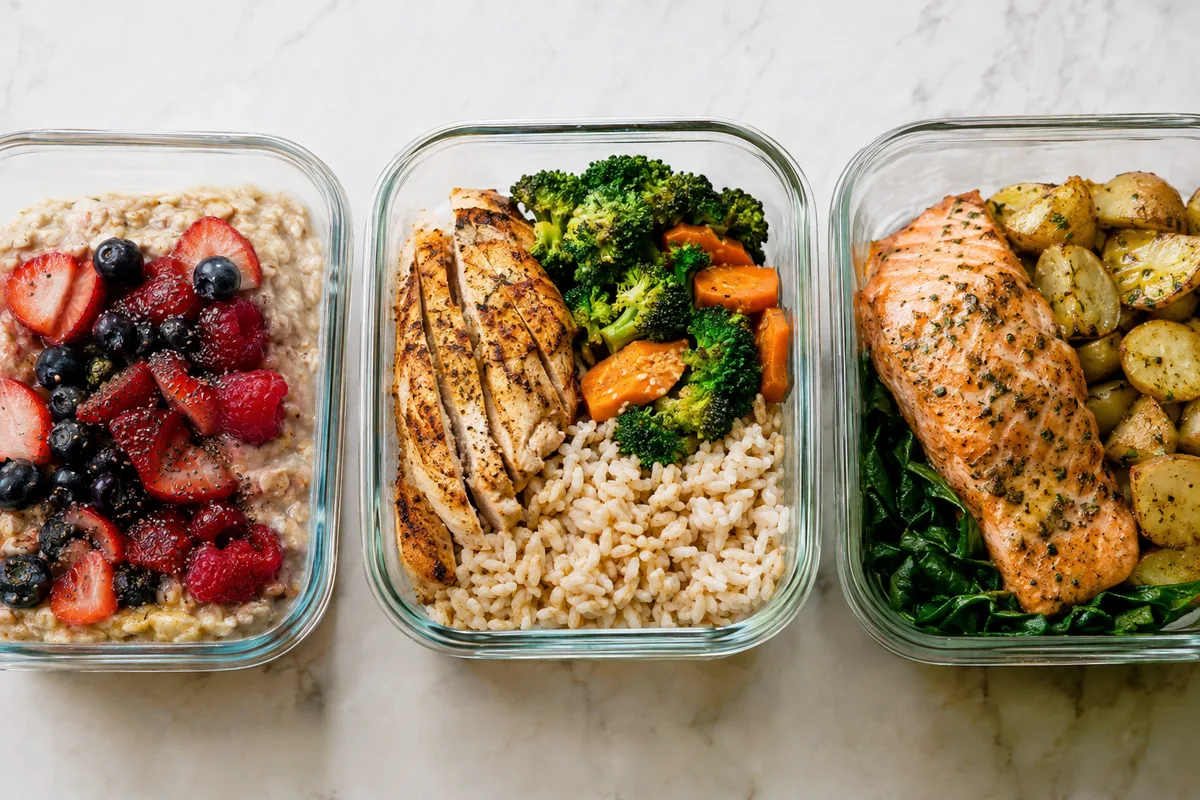
The Fast Metabolism Diet: What It Means for Your Food Log
Fast metabolism diets promise to change how your body uses energy by rotating foods and restricting certain choices. This guide explains the idea, what metabolism actually does and how to assess the pattern in your own food log.
-
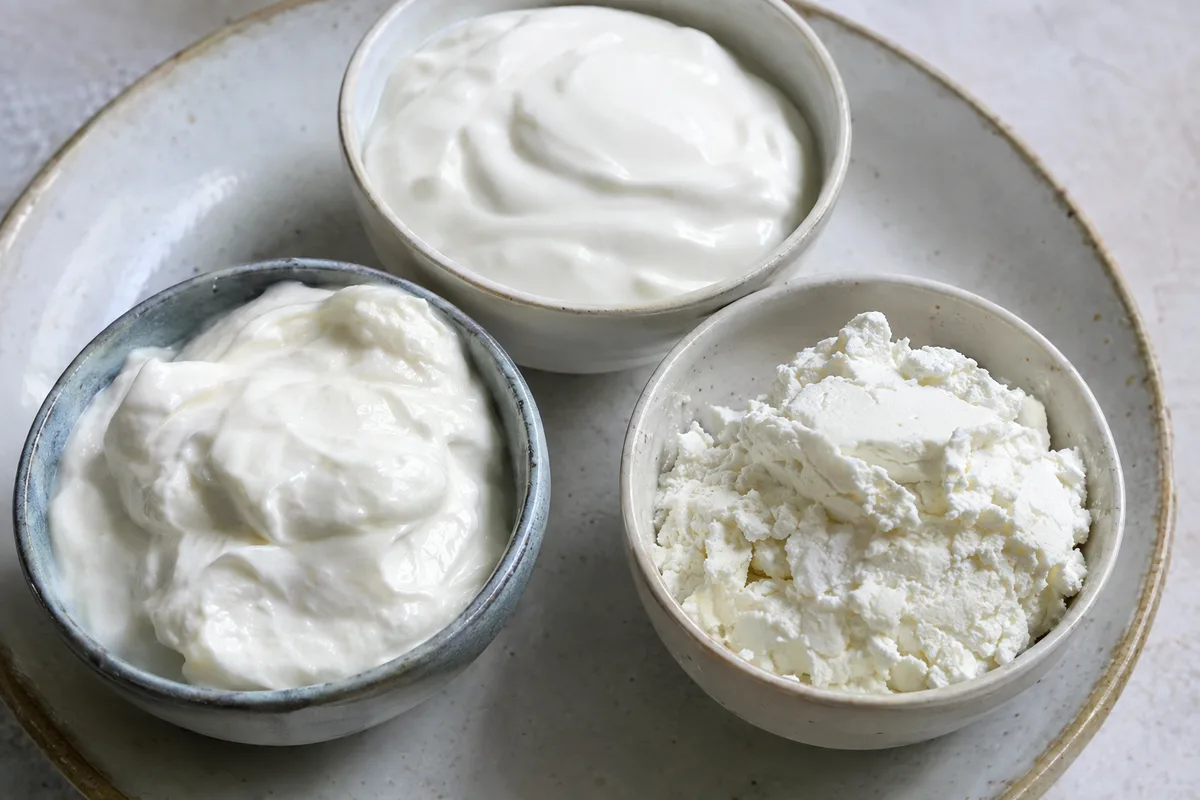
Which yoghurt has the most protein?
Strained dairy yoghurts and protein-enriched varieties are often the highest-protein choices, but there is no single winner across every range. This guide explains what to look for and how to log a fair comparison.
-
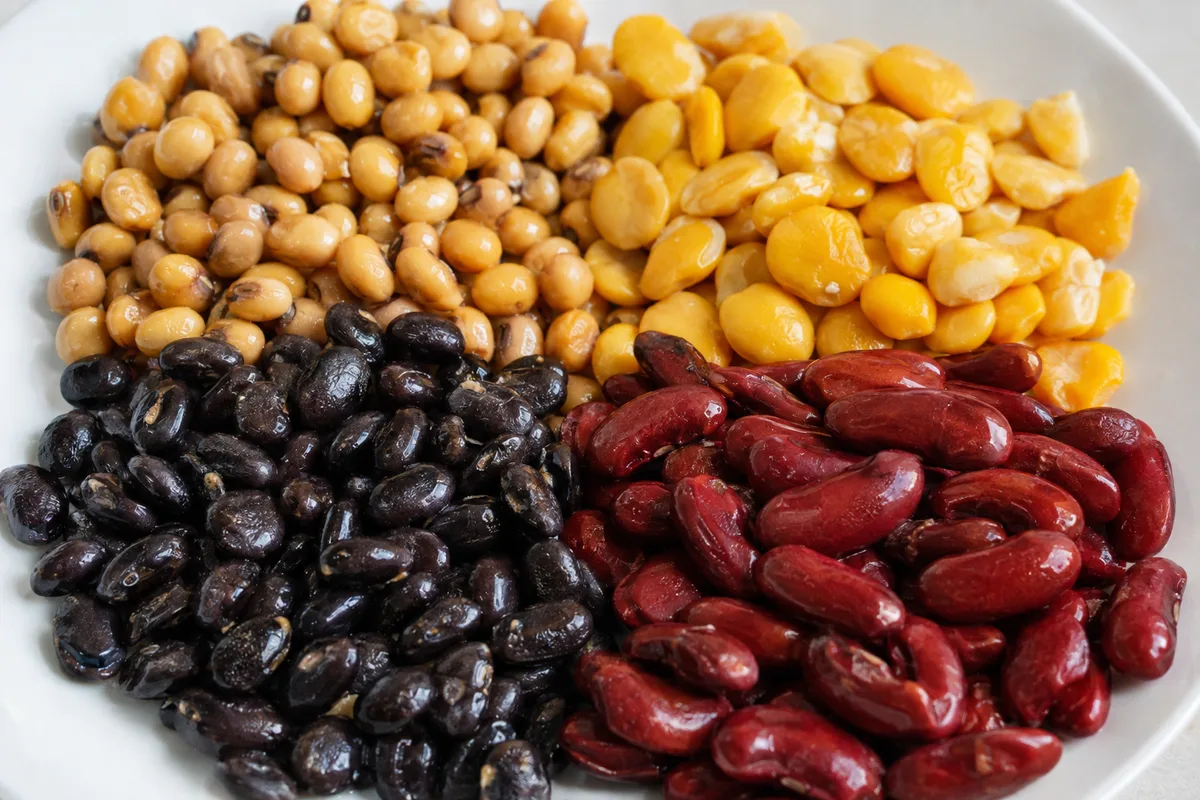
Which beans are highest in protein?
Soybeans are generally the highest-protein choice among familiar beans, but preparation and serving size can change the figures you log. Here is how common varieties compare and how to make a fair choice for your meals.
-
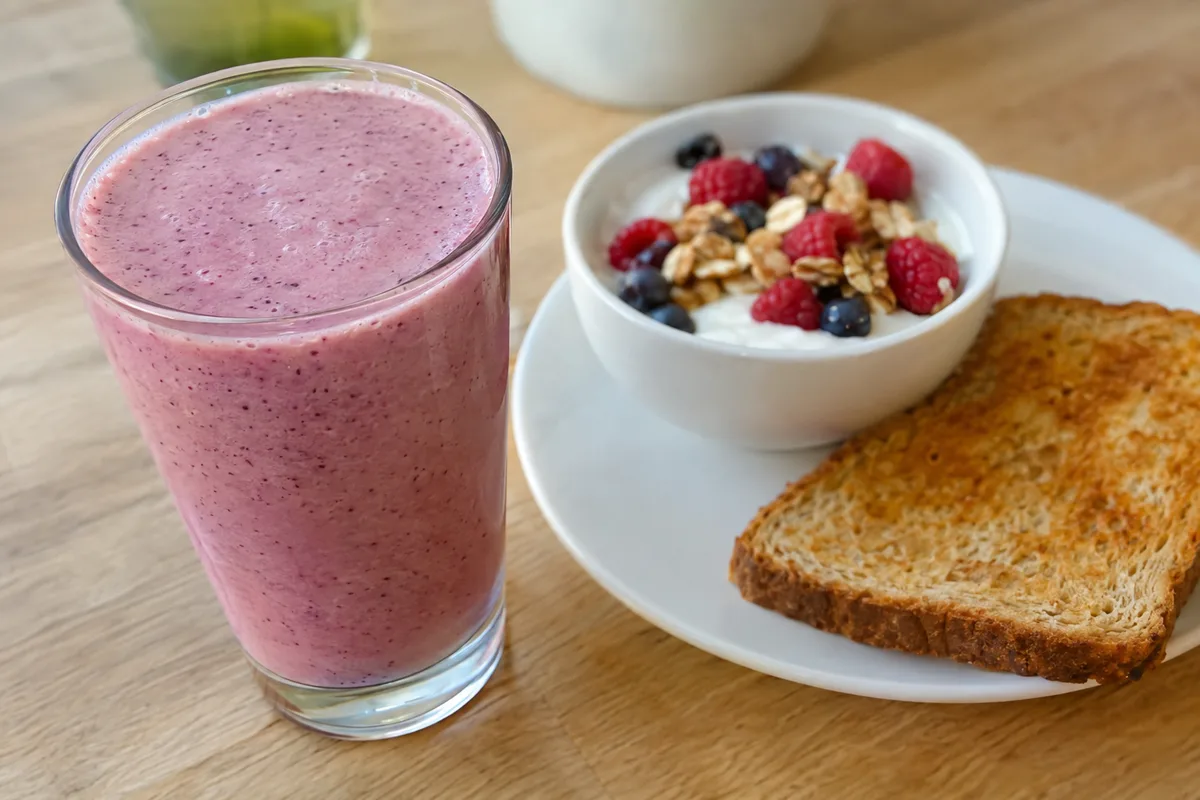
How to choose a protein shake when your appetite is lower
A protein shake can help when reduced appetite makes meals harder to finish. This guide explains what dietitians look for, how to compare labels and how to keep whole foods in your routine.
-
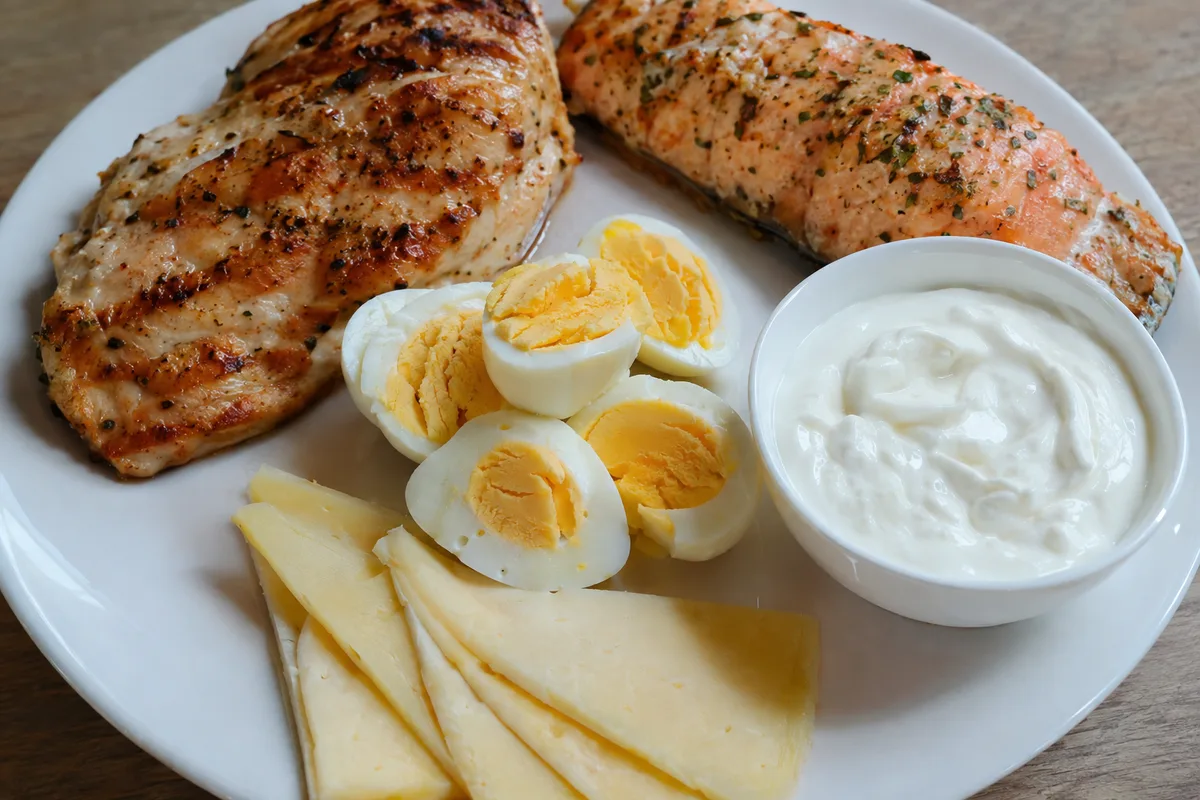
Which Foods Are High in Nitrogen?
Most nitrogen in food comes from protein, so protein-rich foods are generally the main dietary sources. This guide explains which foods contain more nitrogen, what food labels can tell you and why nitrogen itself rarely needs tracking.
-
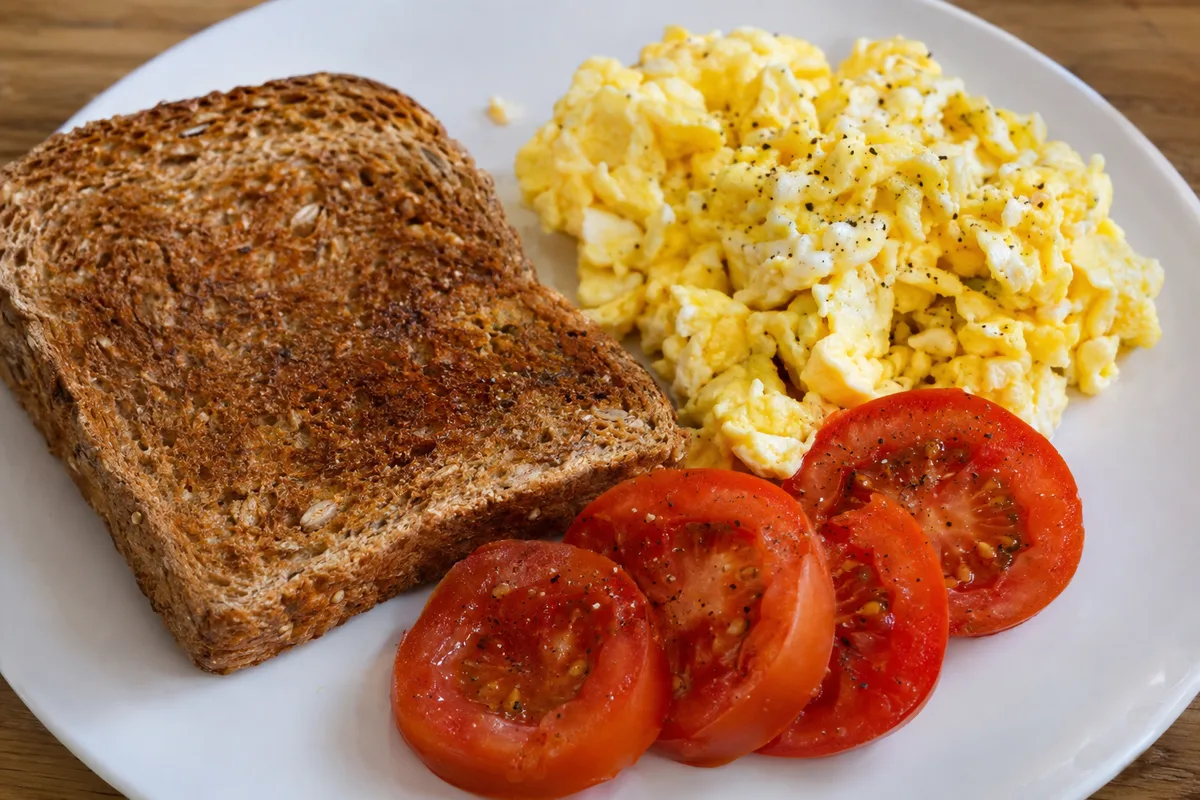
Can Wheat Bread Fit Into a Low-Carb Diet?
Wheat bread contains carbohydrate, but that does not automatically put it off limits. This guide explains how to check the label, choose a portion and fit bread into the meals you already track.
-
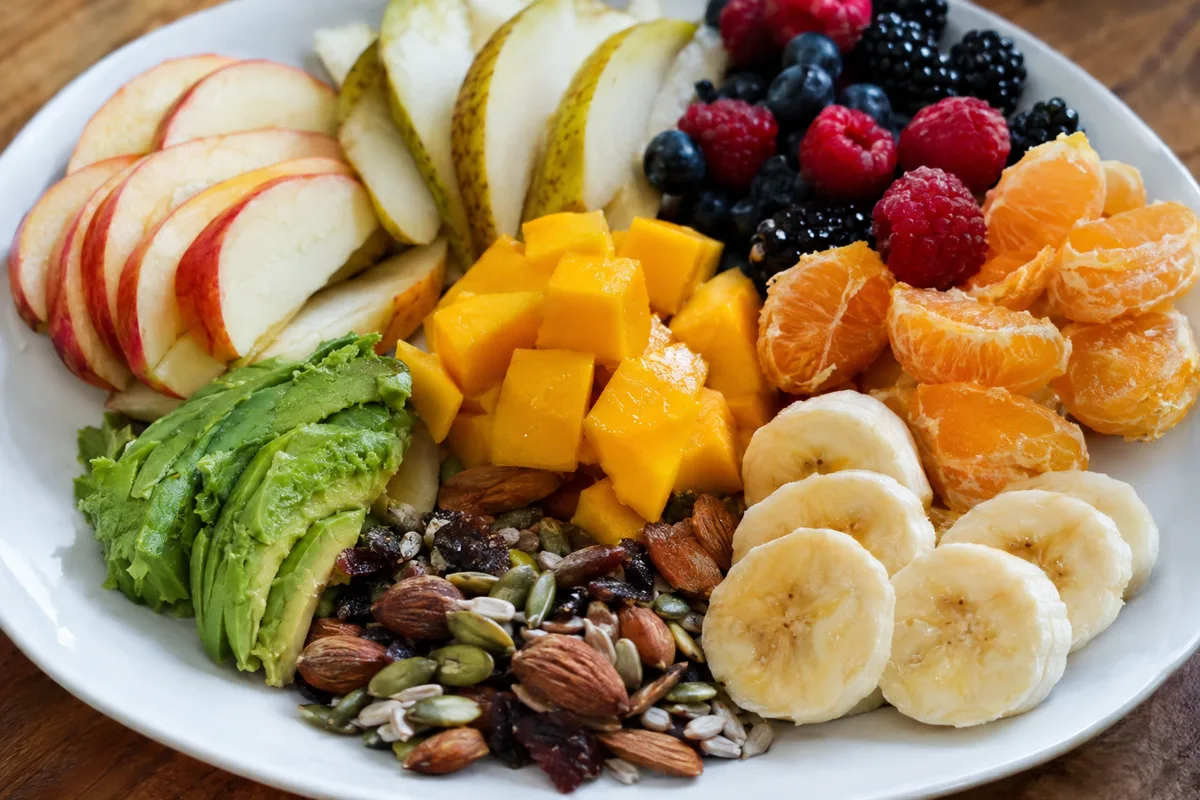
The Fruitarian Diet: What It Includes and What Tracking Can Reveal
A fruitarian diet centres on fruit, but there is no single set of rules for following it. This guide explains what may be included, why tracking can reveal gaps and how to assess the pattern realistically.
-
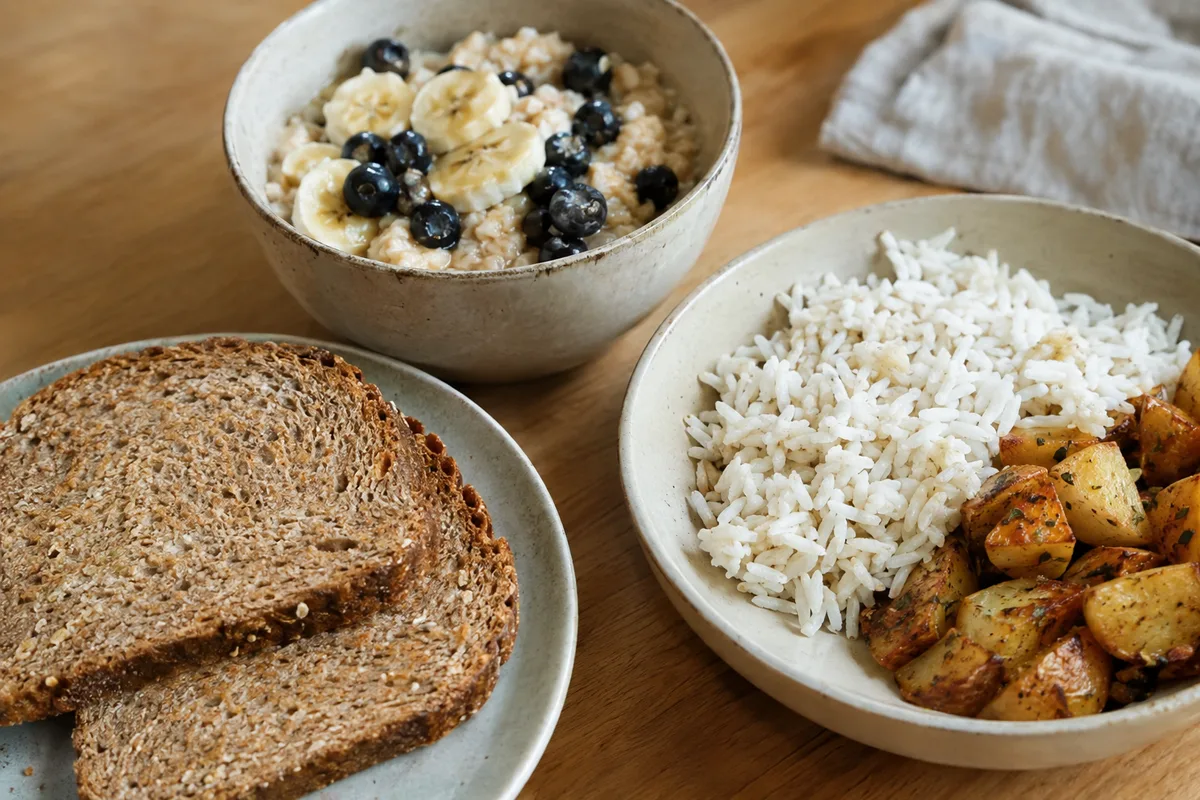
How Much Bread Do You Need Each Day?
Bread can provide carbohydrate, fibre and useful nutrients, but the right daily amount depends on the rest of your diet. This guide explains how to track portions and find a pattern that works for you.
-
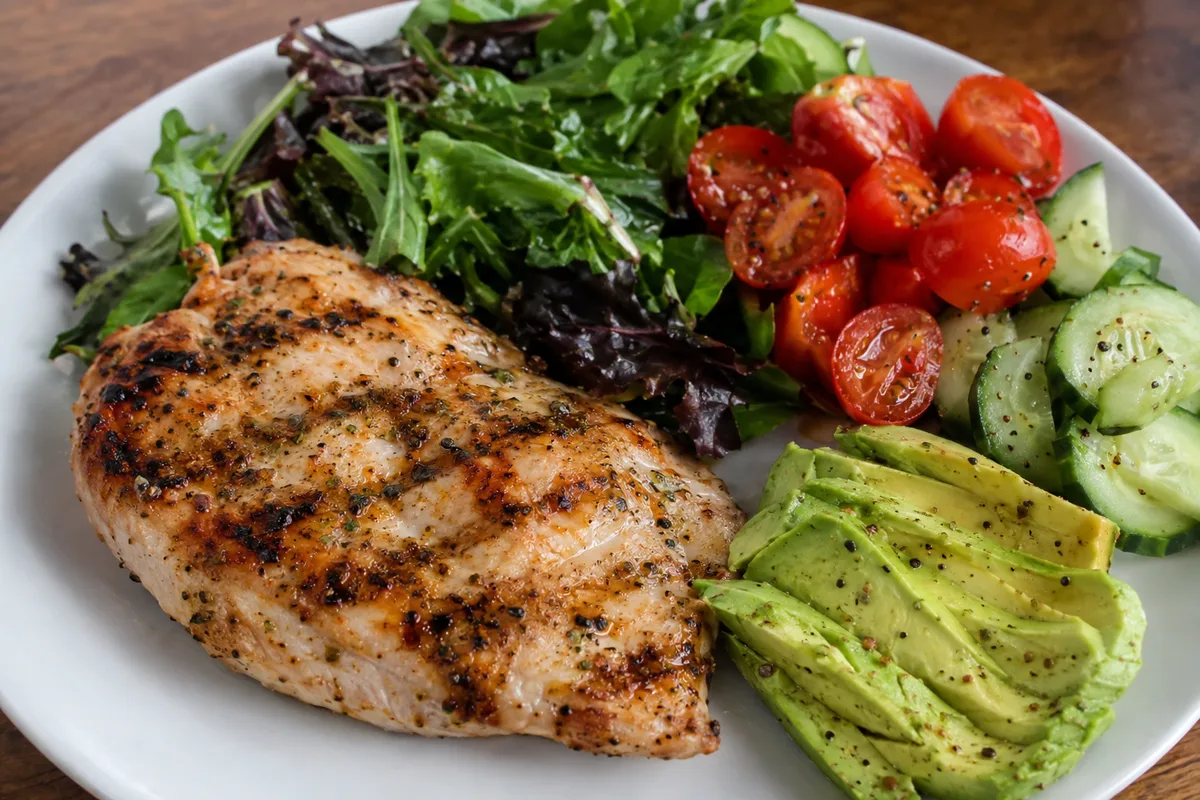
What to Expect on the South Beach Diet
The South Beach Diet is a phased eating plan that begins by limiting many carbohydrate-rich foods. This guide explains its stages, typical meals, tracking considerations and practical challenges.
-
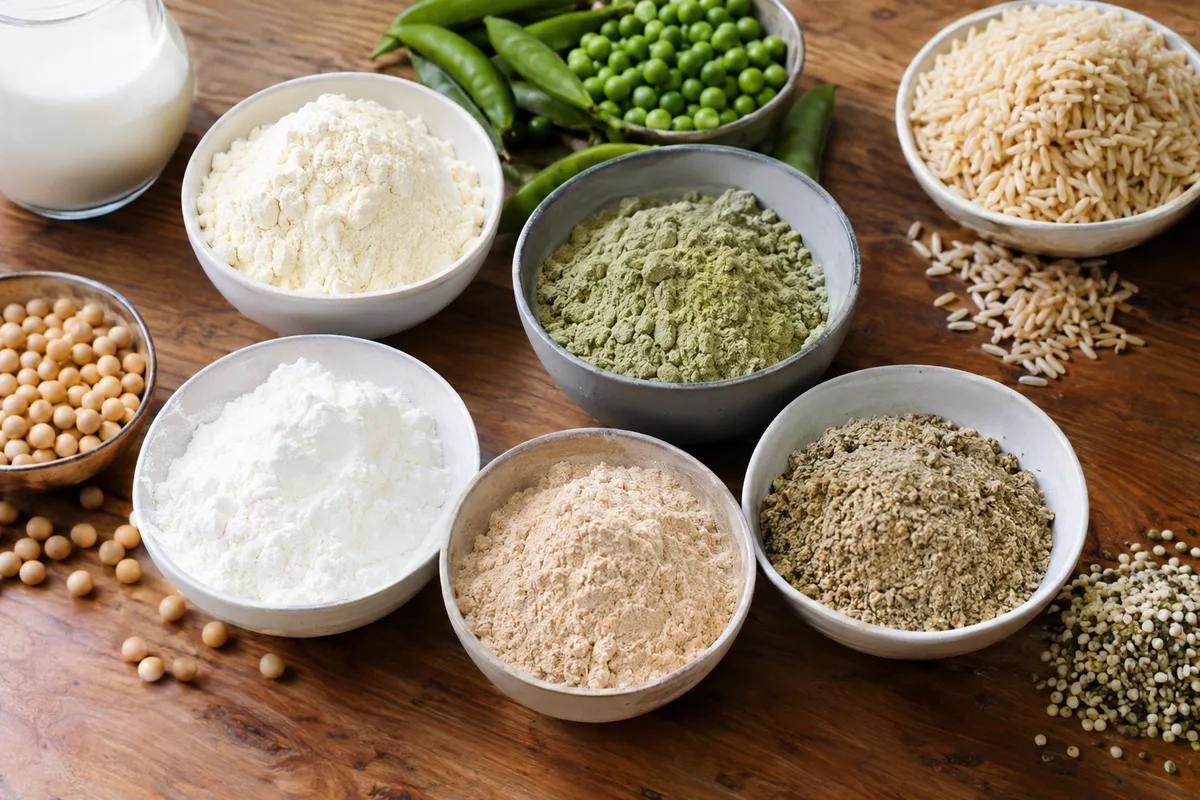
A Practical List of Gluten-Free Protein Powders
Protein powder can be made from milk, eggs, plants or other ingredients, and many plain varieties contain no gluten ingredients. This guide explains the main options, possible sources of gluten and what to check before adding a powder to your food log.
-
Is Water Fasting Safe? What to Know Before Skipping Food
Water fasting means drinking water while eating no food, which is different from simply leaving a longer gap between meals. This guide explains what happens, the main safety concerns and why tracking can help you choose a steadier approach.
-

How registered dietitian nutritionists approach a McDonald’s order
There is no single McDonald’s order that every registered dietitian nutritionist would choose. These practical examples show how nutrition professionals may build a meal around hunger, balance and enjoyment.
-
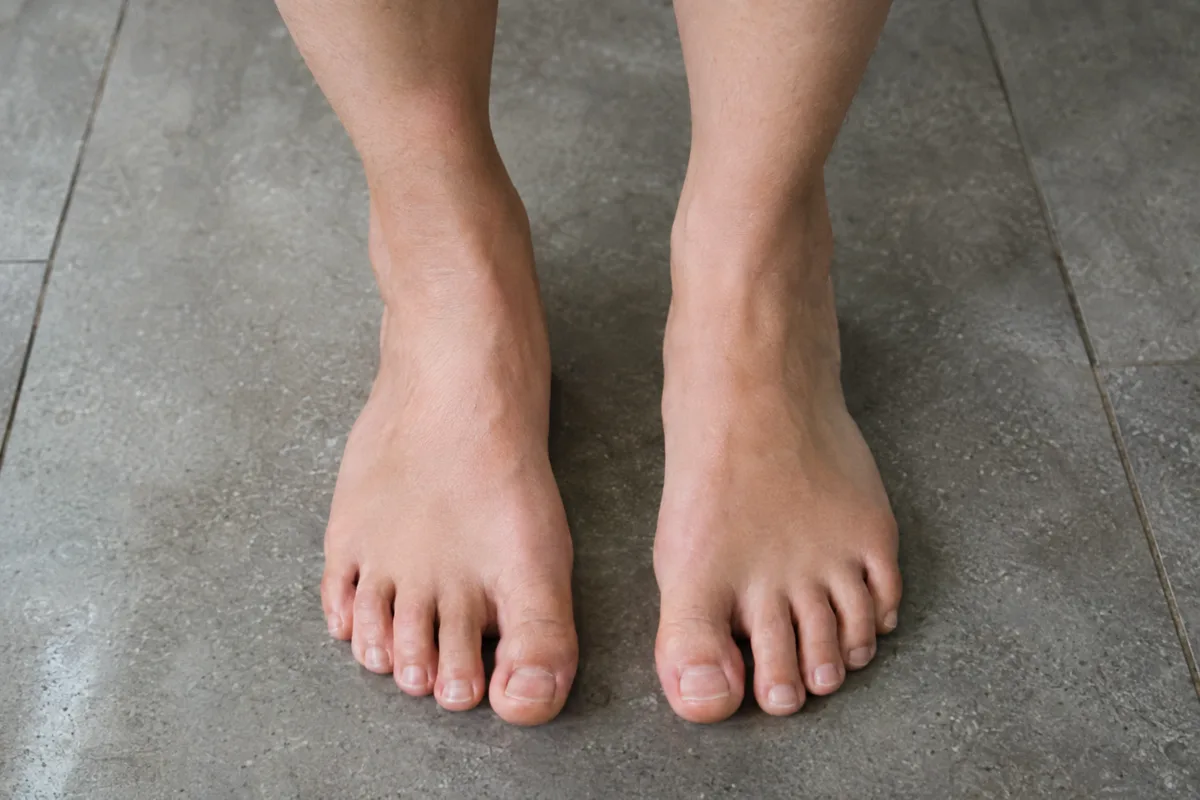
How to Choose the Best Body Fat Monitor for Your Routine
The best body fat monitor is one you can use consistently while understanding what its readings can and cannot tell you. This guide explains the main options, the features that matter and how to track changes without overreacting to a single result.
-
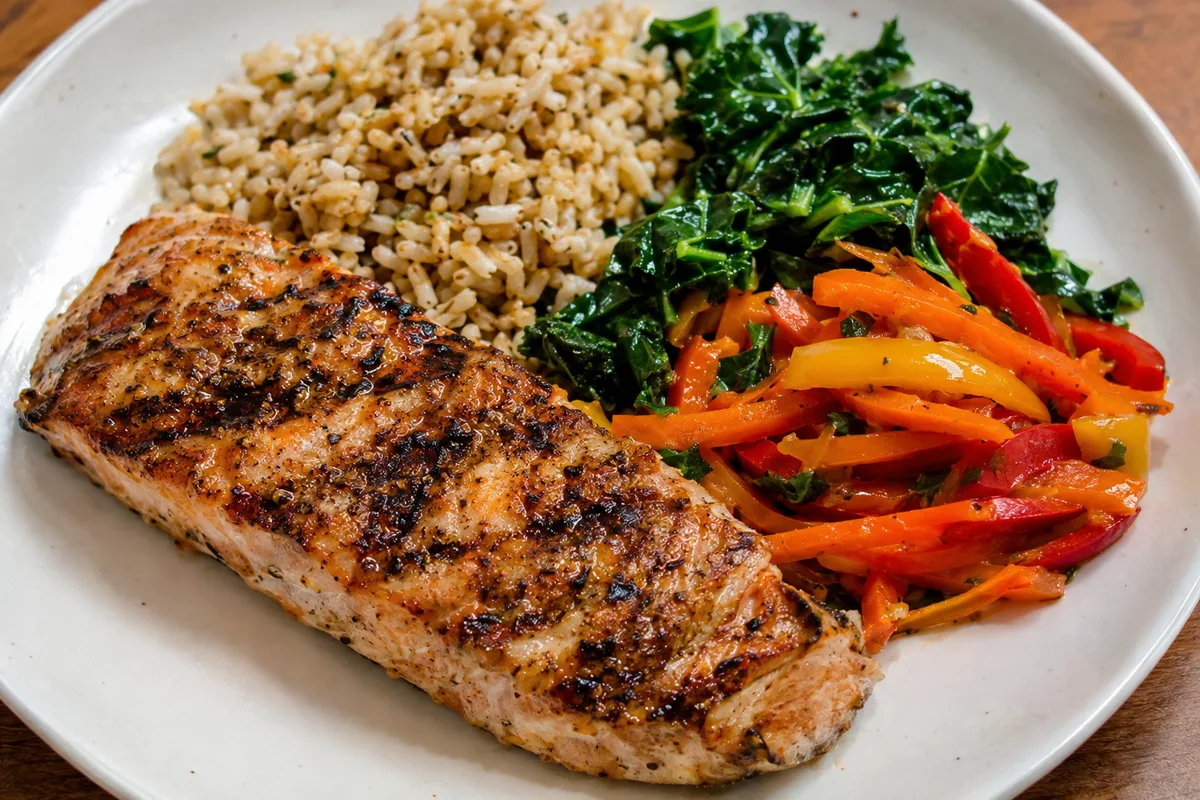
Vitamins explained: what they do and how to track them
Vitamins help the body carry out everyday jobs, but they do not provide energy in the same way as protein, carbohydrate and fat. This guide explains the main vitamin groups, where they come from and how to use your food log sensibly.
-
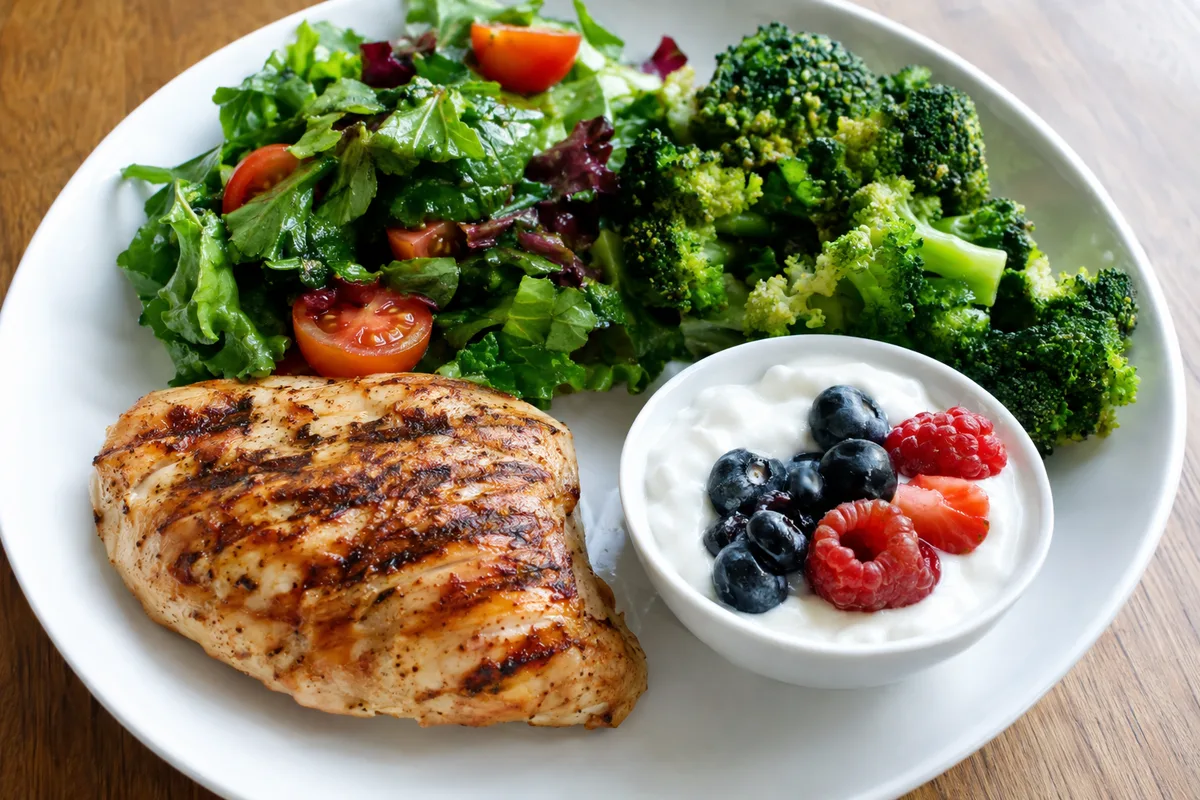
The 17 Day Diet: How It Works, Its Pros and Its Drawbacks
The 17 Day Diet uses a series of short phases that change which foods you eat and when you eat them. This guide explains the basic rules, how to track the plan and what to consider before following it.
-
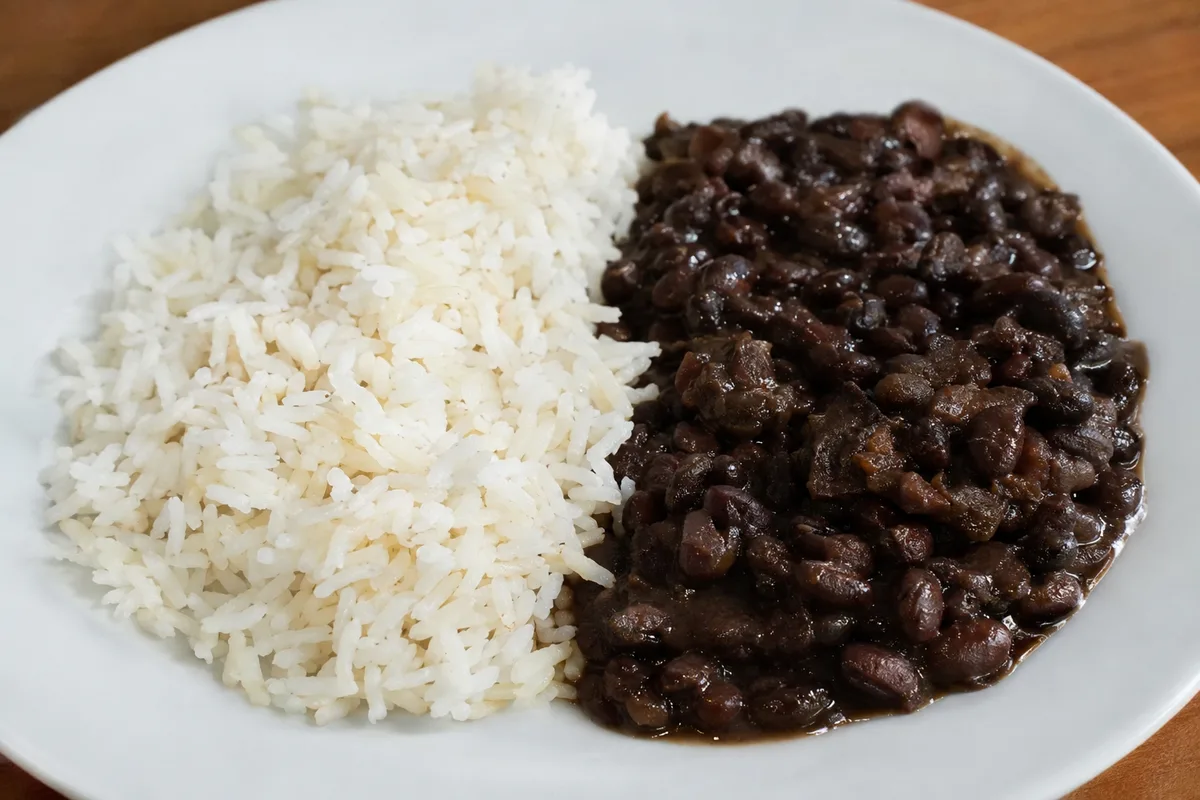
How Much Protein Do Rice and Beans Provide?
Rice and beans both provide protein, but beans usually make the larger contribution. This guide explains how the pairing works and how to record it in your food diary.
-

How to Choose a Lower-Calorie Treat at Dairy Queen
Dairy Queen portions, toppings and recipes can make a large difference to the energy in a treat. This guide explains how to compare the menu, make simple adjustments and record what you actually eat.
-
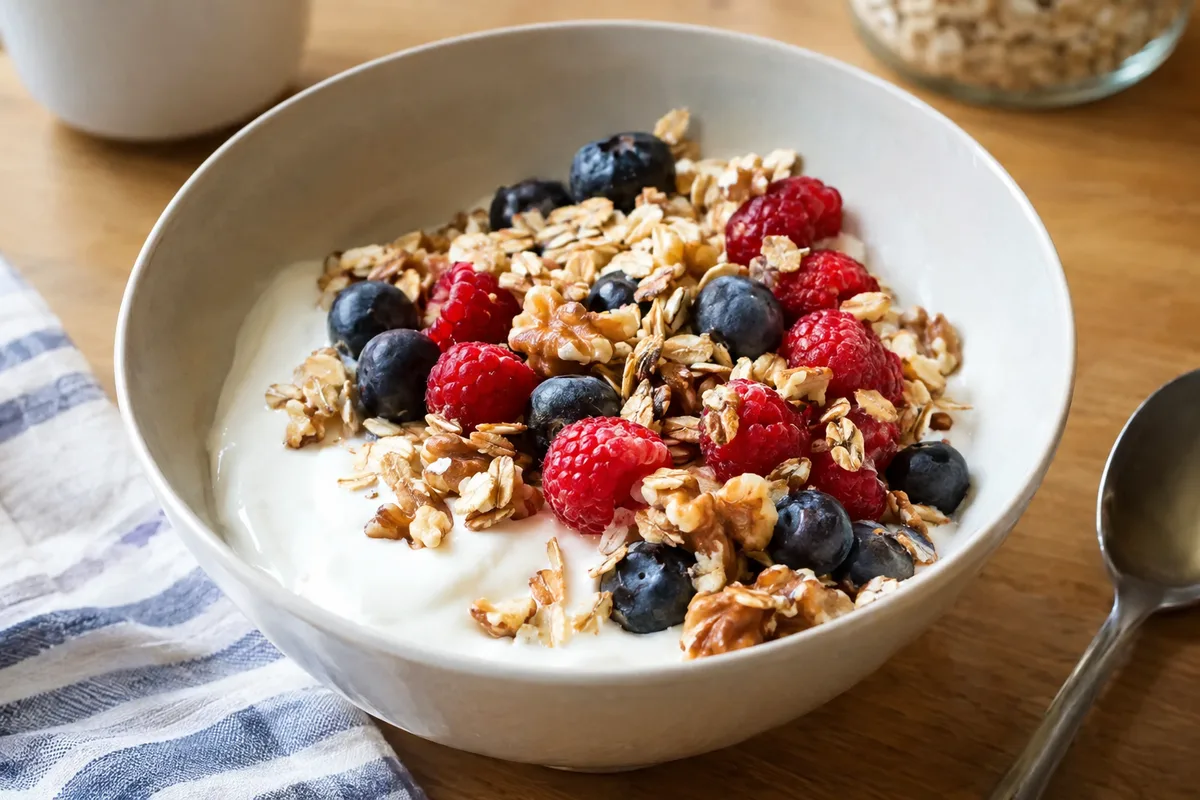
Can Women Eat Too Much Yoghurt?
There is no single yoghurt limit that suits every woman. This guide explains what to look for in your food log, from added sugar and saturated fat to digestion and dietary variety.
-
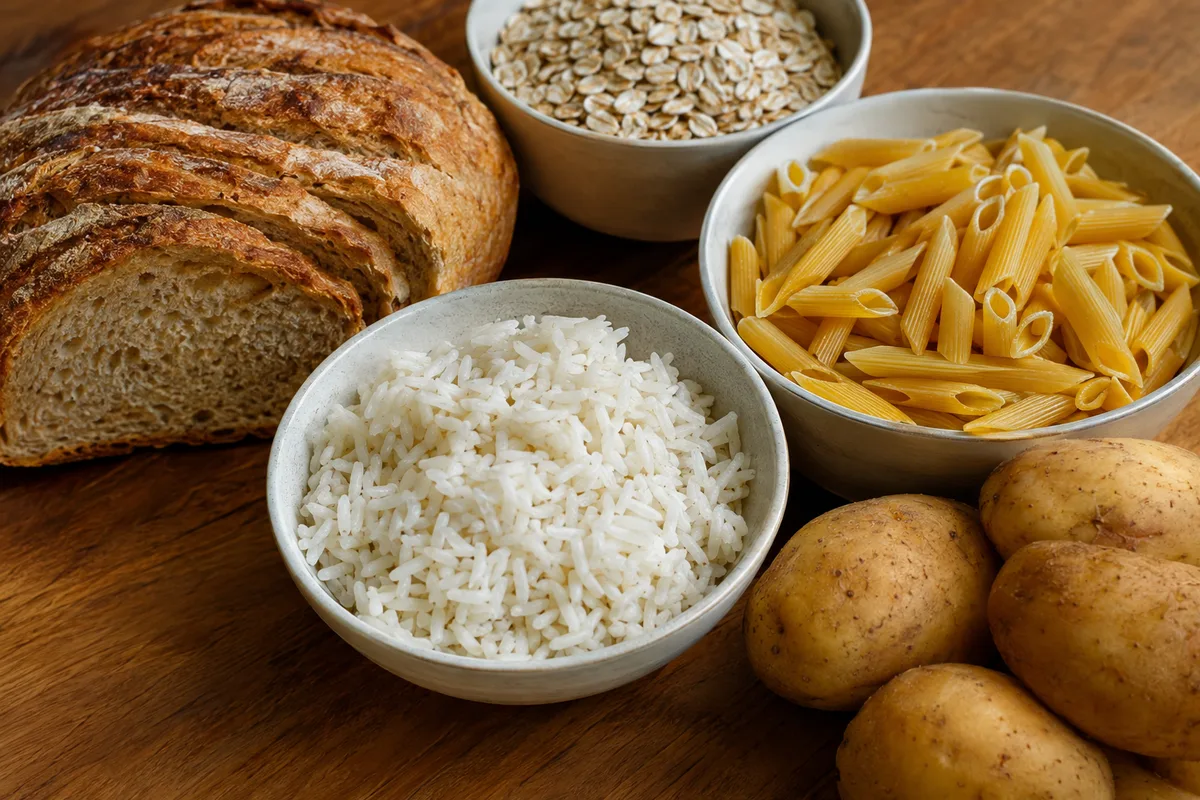
Which foods are high in carbohydrates?
Carbohydrates are found in far more than bread, pasta and sweets. This guide explains the main sources, what food labels mean and how to record them consistently.
-

How to Choose Support for a Sore Heel
Heel soreness can make everyday walking uncomfortable, but the most suitable support depends on where, when and why it hurts. This guide explains common product types, what to look for and how to judge whether an option is helping.
-
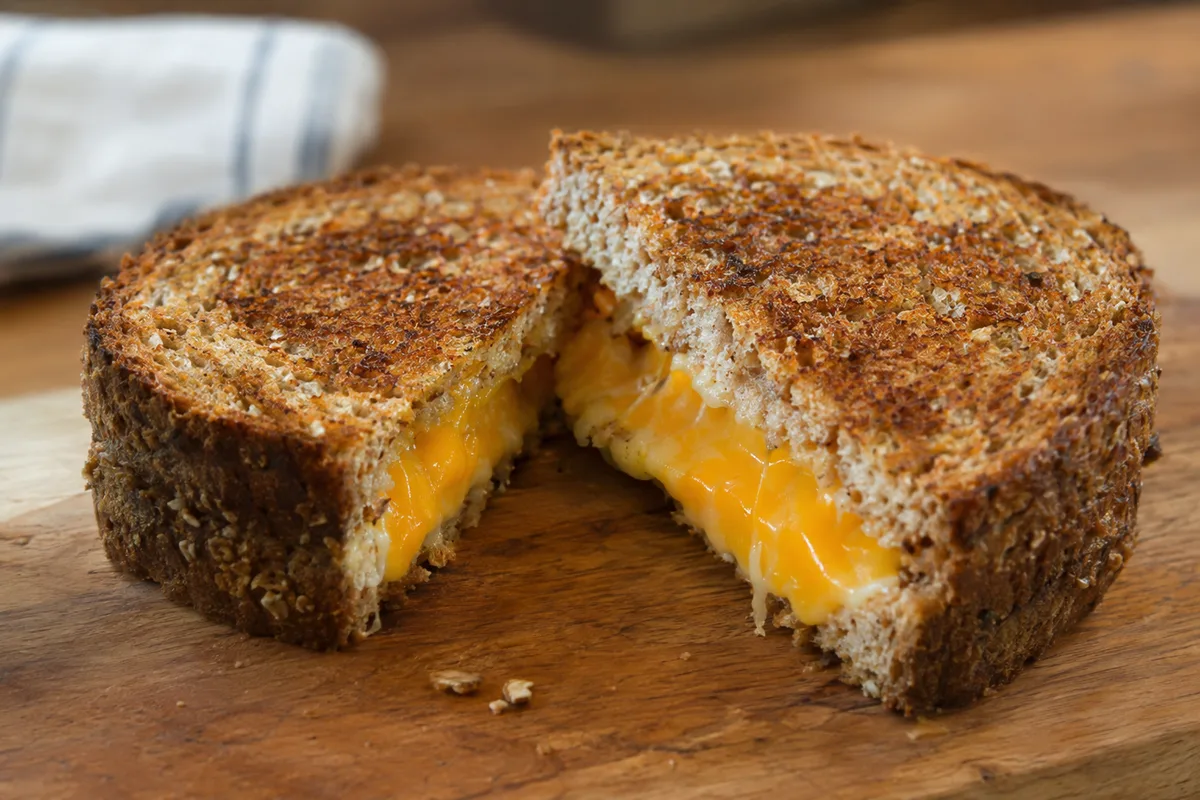
Can Grilled Cheese Be a Healthy Meal?
A grilled cheese sandwich, or cheese toastie, is not automatically healthy or unhealthy. This guide explains what affects its nutrition and how to track and adapt it without losing the comfort-food appeal.
-
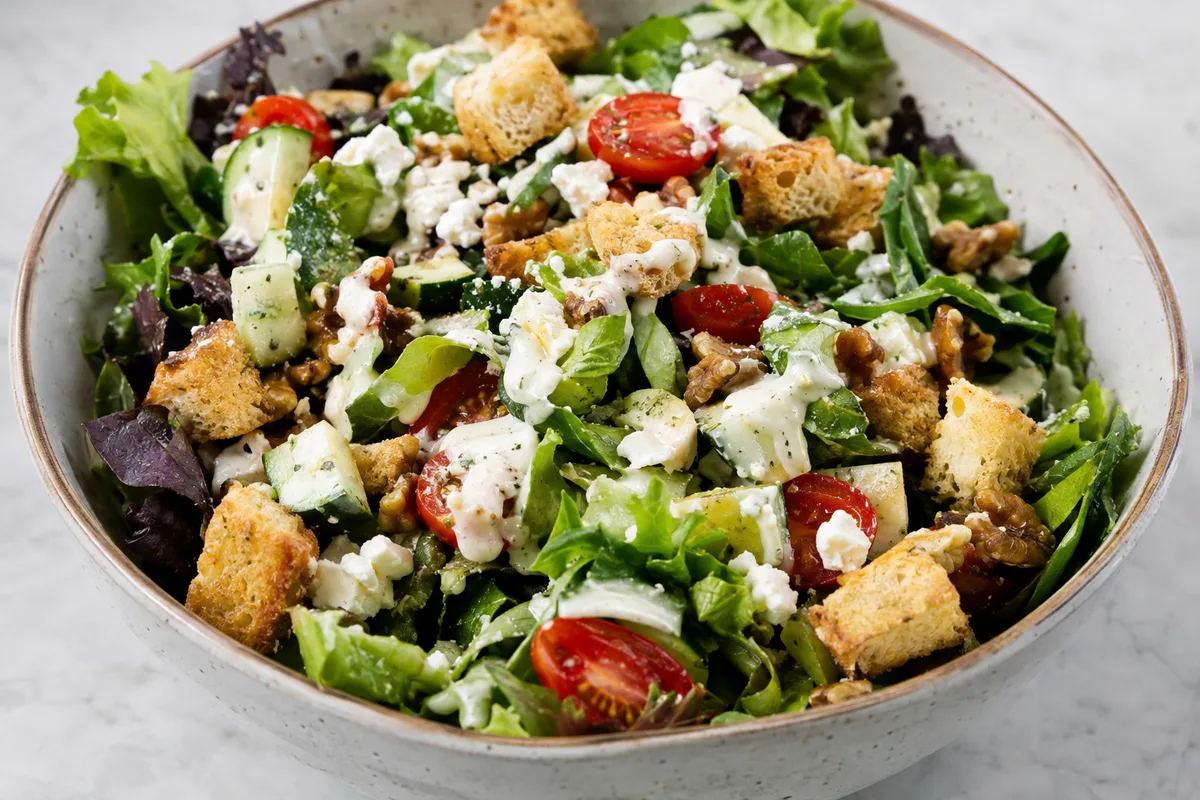
Salad Ingredients That Can Make Weight Loss Harder
A salad is not automatically low in calories, especially once dressings, fried toppings and generous extras are added. This guide explains what to watch in your food log and how to make practical swaps without settling for a dull meal.
-
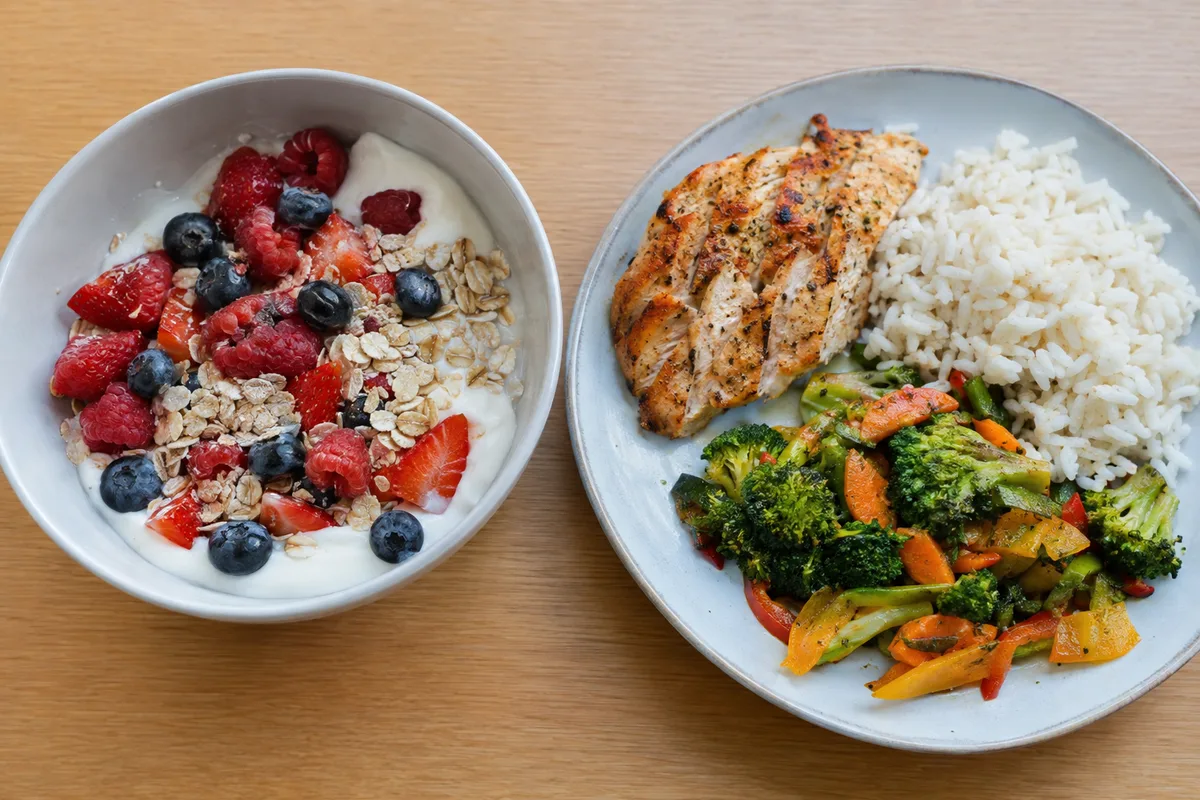
A Simple Meal Plan While Taking GLP-1
Changes in appetite can make your usual meal routine feel less predictable while taking GLP-1. This guide shows how to plan simple meals, track what works and adjust portions without forcing food.
-
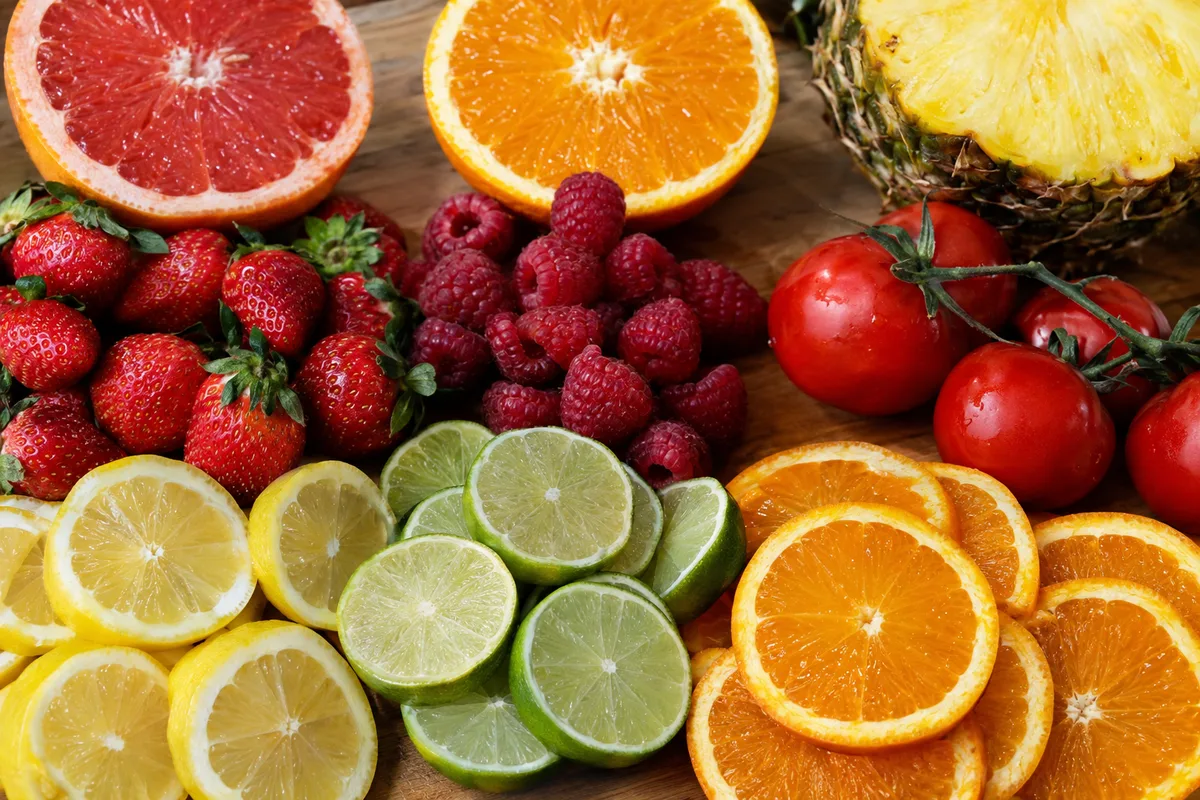
Which Foods Contain Citric Acid? A Practical Food List
Citric acid occurs naturally in several fruits and is also added to many packaged foods and drinks. This guide explains where you may find it, how it appears on labels and what it means for food tracking.
-
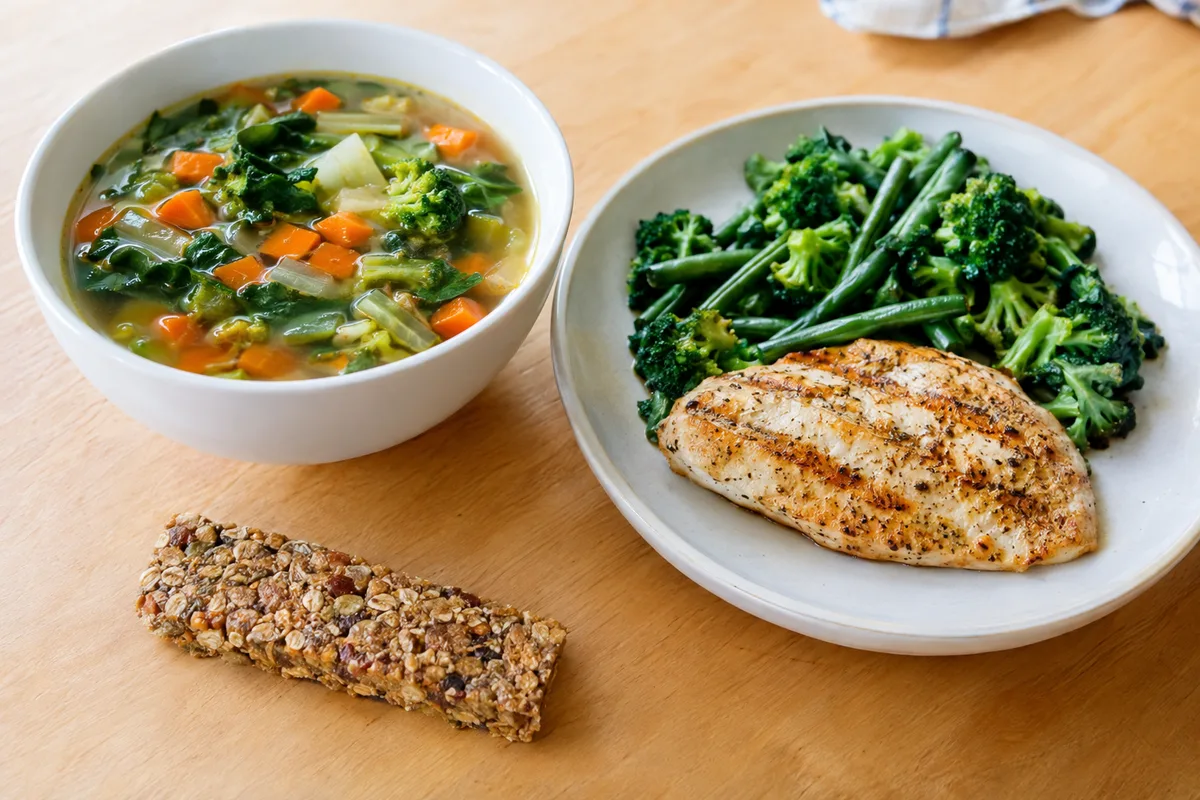
What the Optavia diet involves
Optavia is a structured eating programme built around packaged foods, home-prepared meals and guidance from a coach. This article explains how it works, what you might eat and how it differs from tracking food yourself.
-
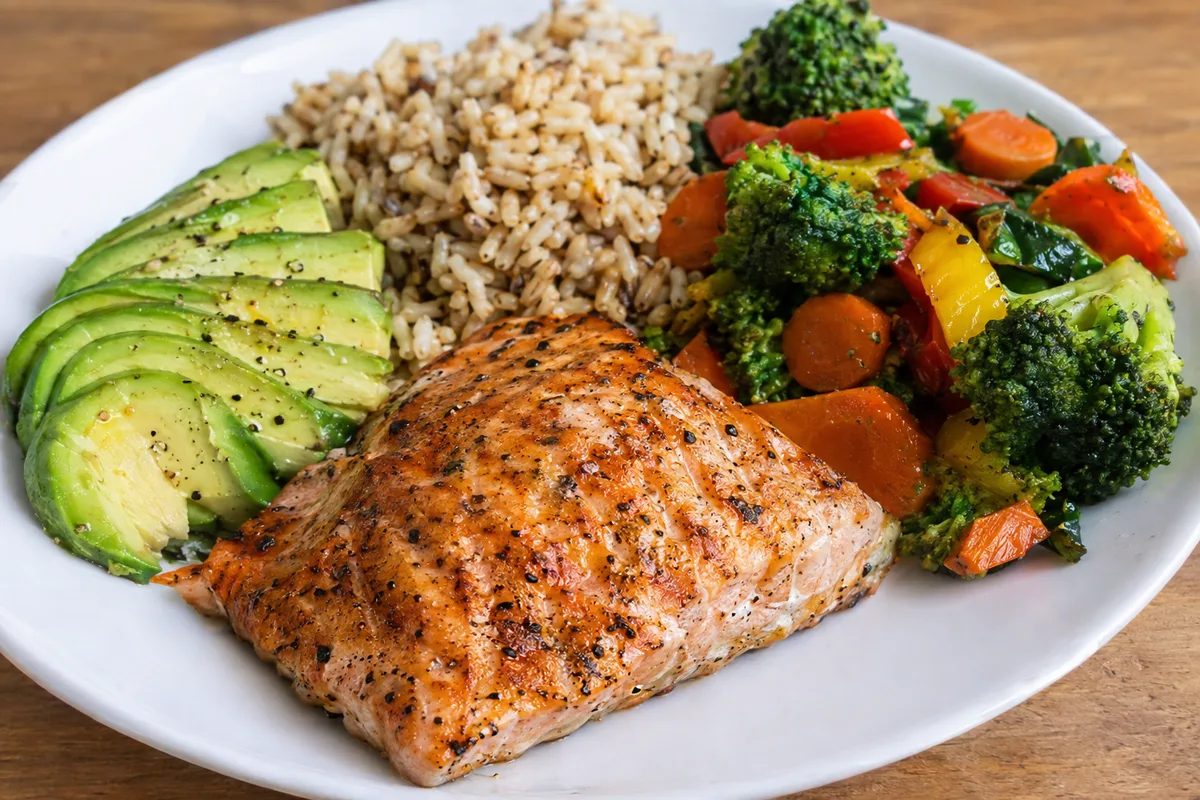
How Fat Actually Leaves the Body
Body fat does not simply melt away or turn directly into energy. This guide explains how stored fat is broken down, how most of its material leaves the body and how eating and movement affect the process.
-
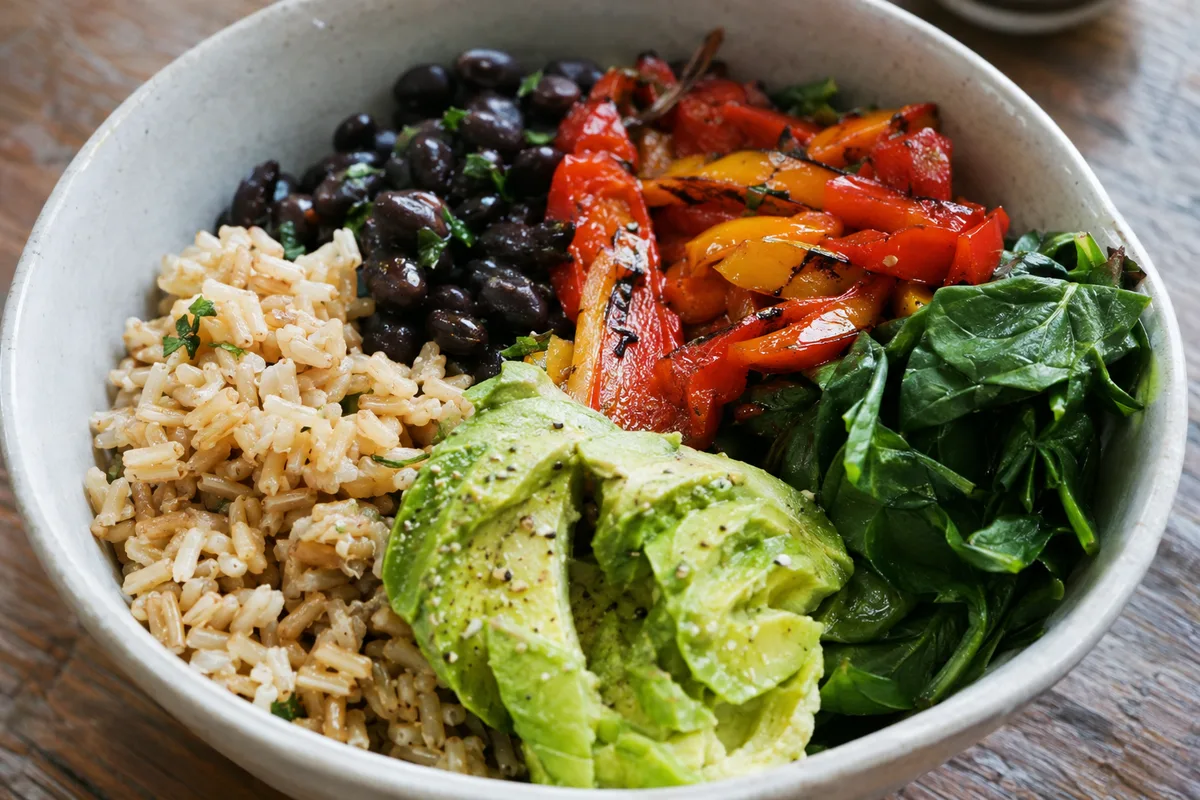
Is It Bad to Eat Beans and Brown Rice Every Day?
Beans and brown rice provide carbohydrate, fibre, plant protein and several useful nutrients. This guide explains when the combination works well, what it may leave out and how to keep everyday meals varied.
-
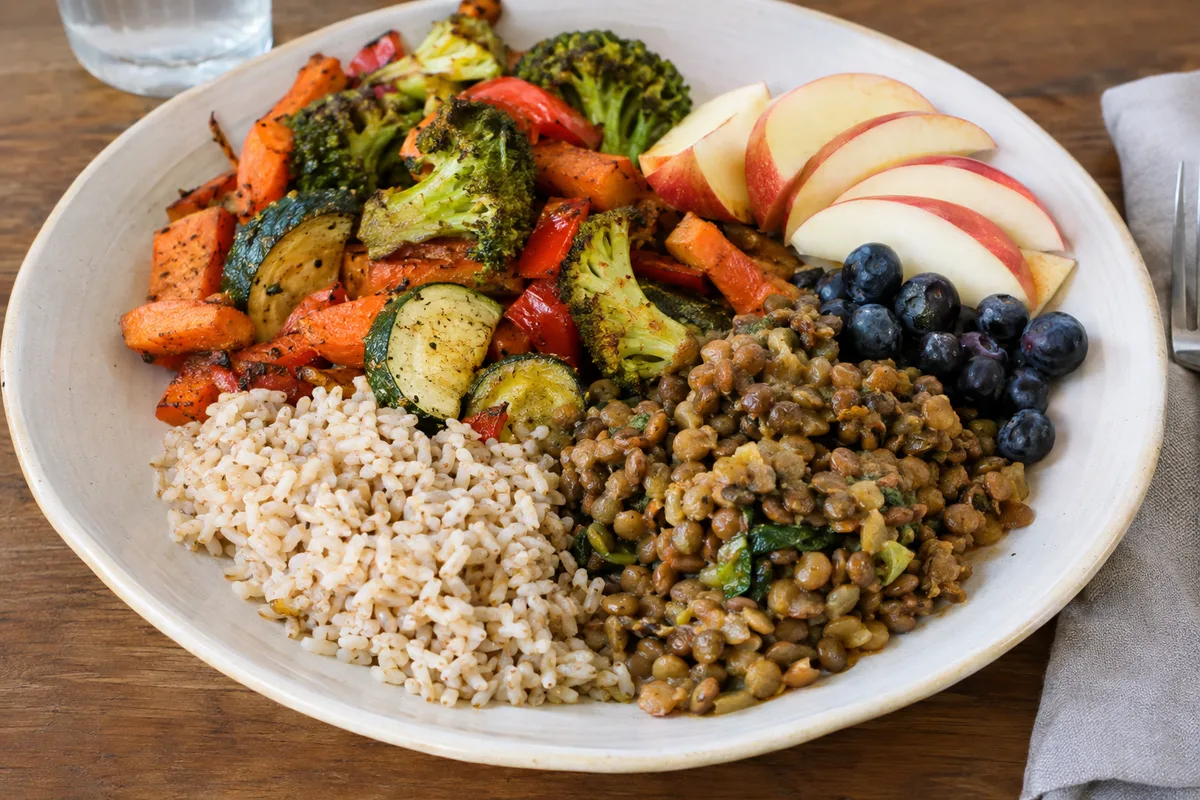
Why Healthy Eating Can Sometimes Upset Your Stomach
Nutritious foods are not automatically comfortable for every stomach, particularly when you change several habits at once. This guide explains common triggers and how your food log can help you make gentler adjustments.
-
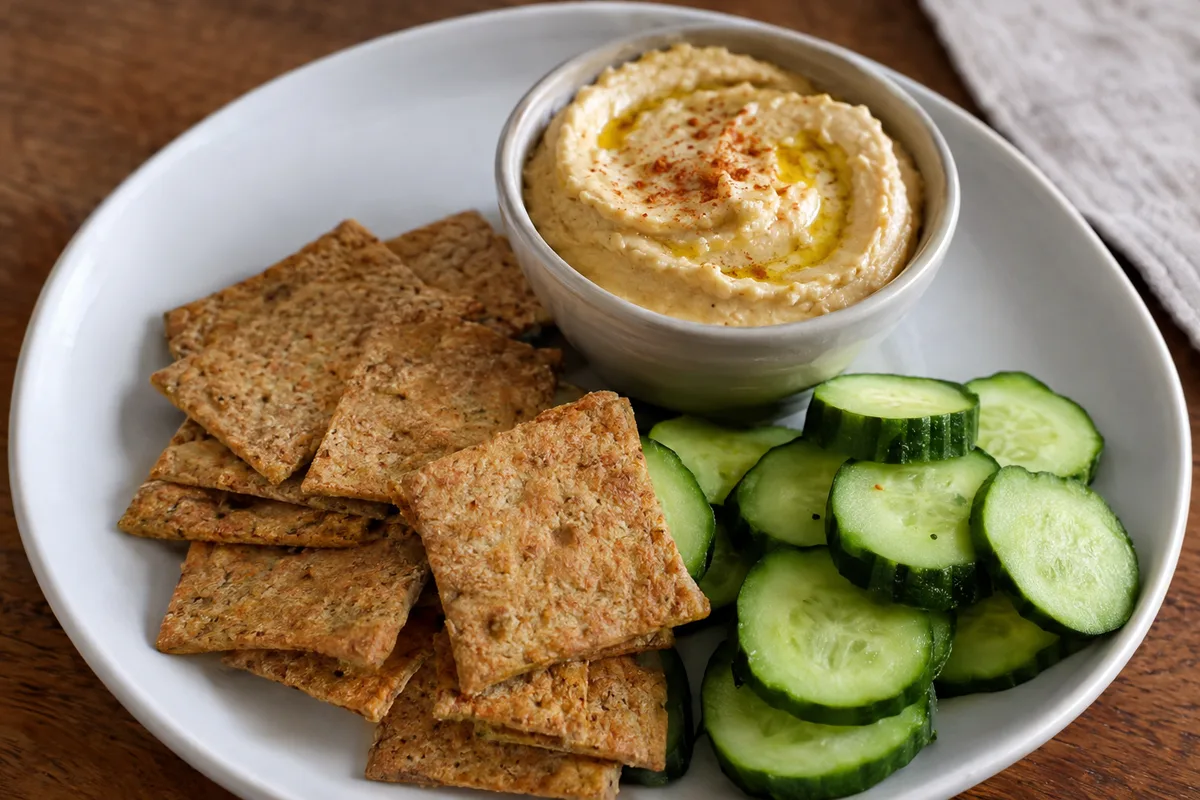
Are Wheat Thins a Healthy Snack?
Wheat Thins contain wheat and can provide some fibre, but they are still a processed cracker with added oil and salt. Here is how to assess them, track a portion and turn them into a more satisfying snack.
-
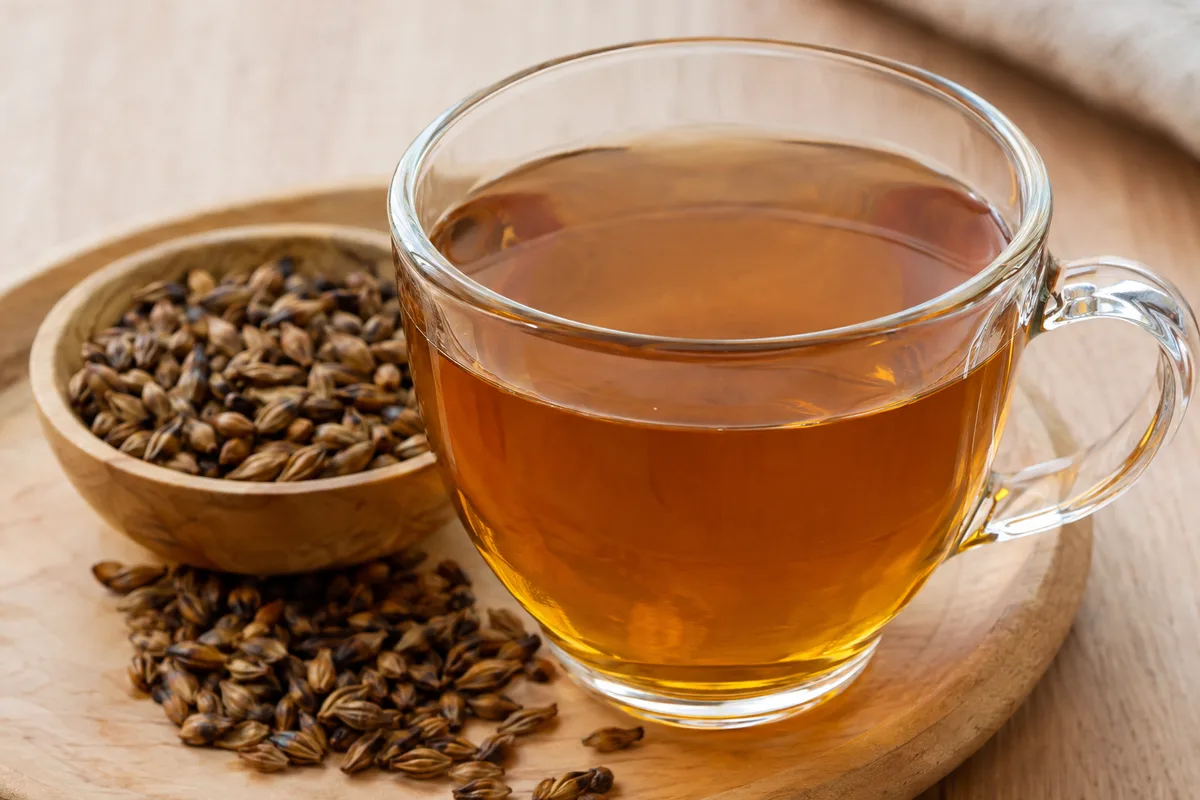
Barley tea: benefits, side effects and what to track
Barley tea is a roasted grain drink with a mild, nutty flavour that can be served hot or cold. This guide explains its practical benefits, possible drawbacks and how to include it in your food log.
-
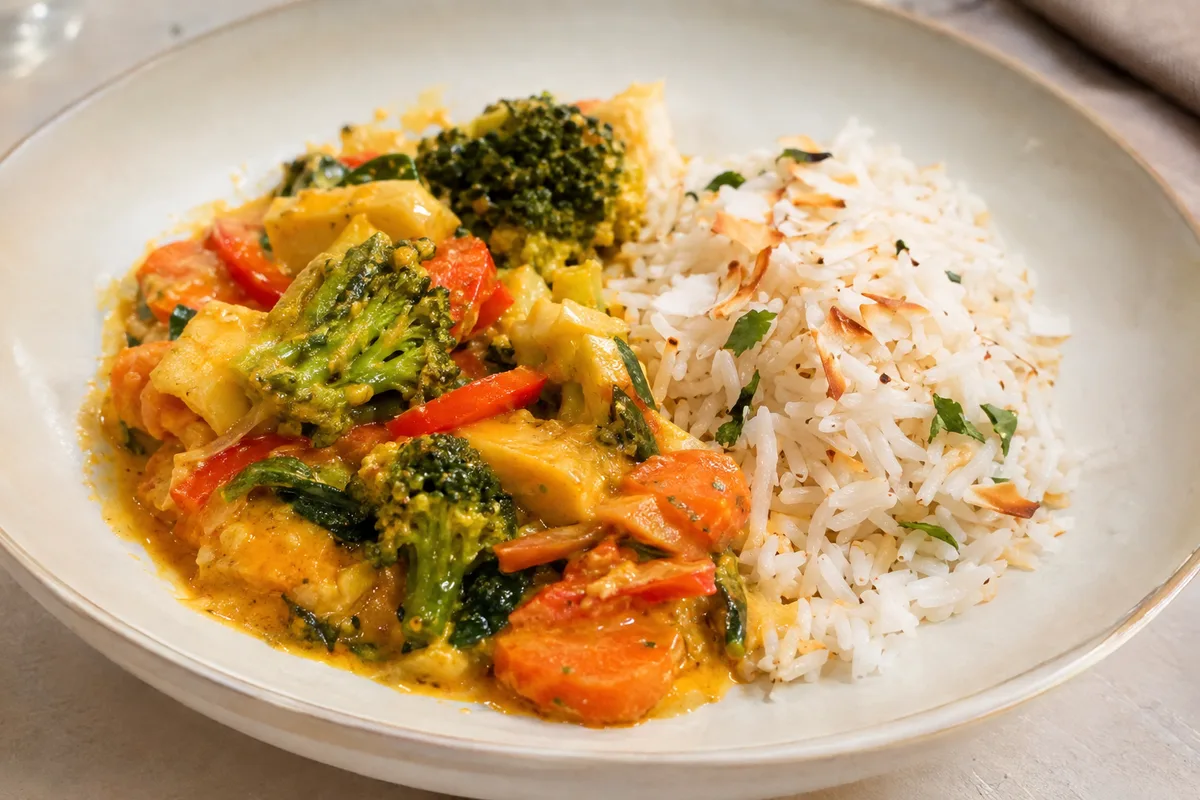
Coconut oil: useful qualities, everyday uses and what to track
Coconut oil can add flavour, help with cooking and create particular textures in baking. This guide explains its practical benefits, its nutritional limits and how to record it accurately.
-
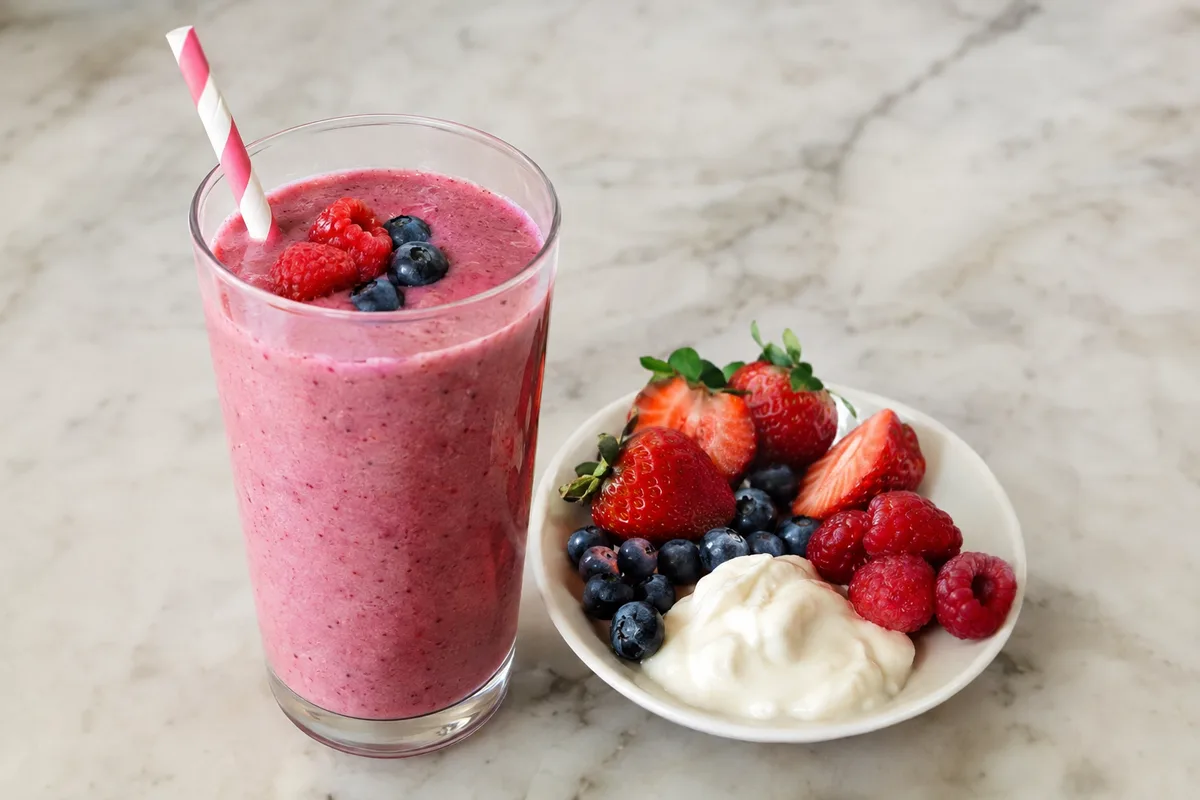
How to Make a Healthier Order at Jamba Juice
A smoothie or bowl can vary greatly depending on its base, portion and extras. This guide explains how to compare the menu and log an order that fits the rest of your day.
-

How to Choose the Best Tennis Shoes for Women
The best tennis shoe is the one that fits your foot securely and supports the way you move on court. This guide explains fit, court surfaces, cushioning, stability and signs that a pair needs replacing.
-
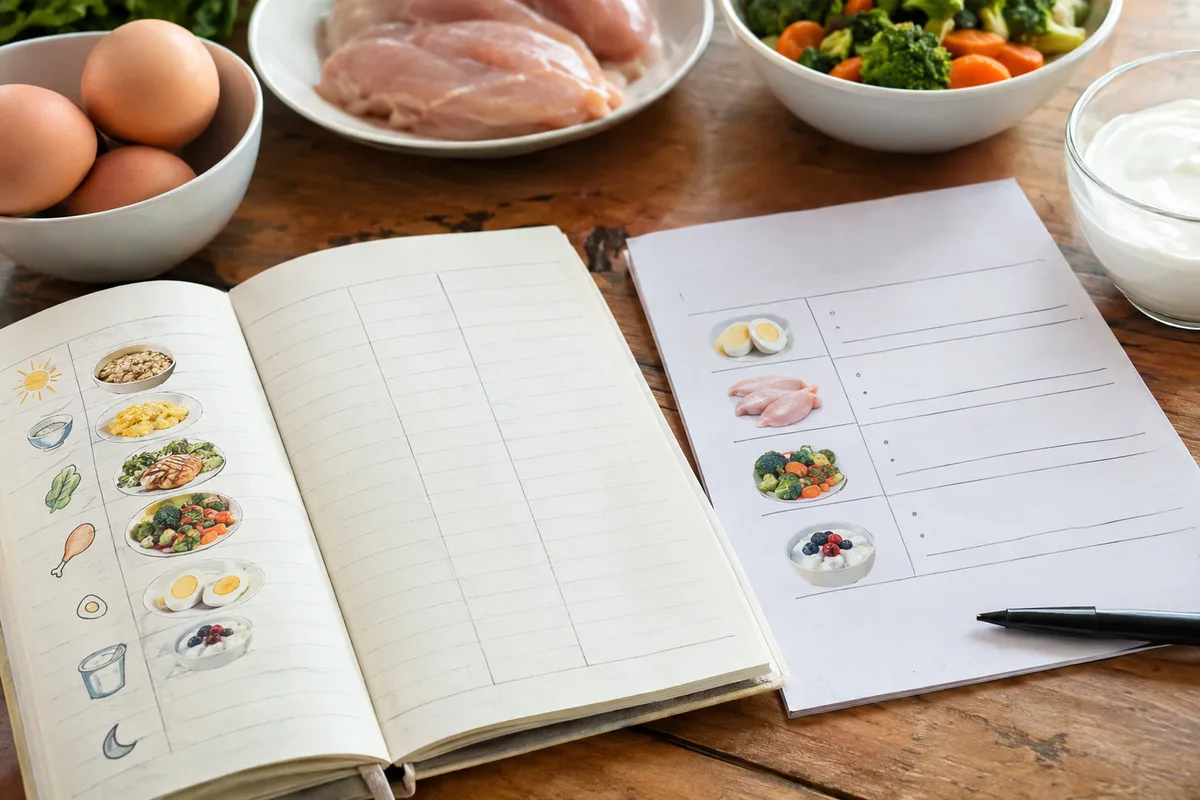
How to Build a Low-Carb Grocery Shopping List
A low-carb grocery list can help you choose foods with less carbohydrate while keeping meals varied and satisfying. This guide explains what to put in your trolley, what to check on labels and how to plan around the food you already track.
-

The best Starbucks drinks to consider under 200 calories
Many Starbucks drinks can fit below 200 calories, but size, milk, syrup and toppings can quickly change the total. This guide explains the strongest options and how to check that your exact drink stays within your target.
-
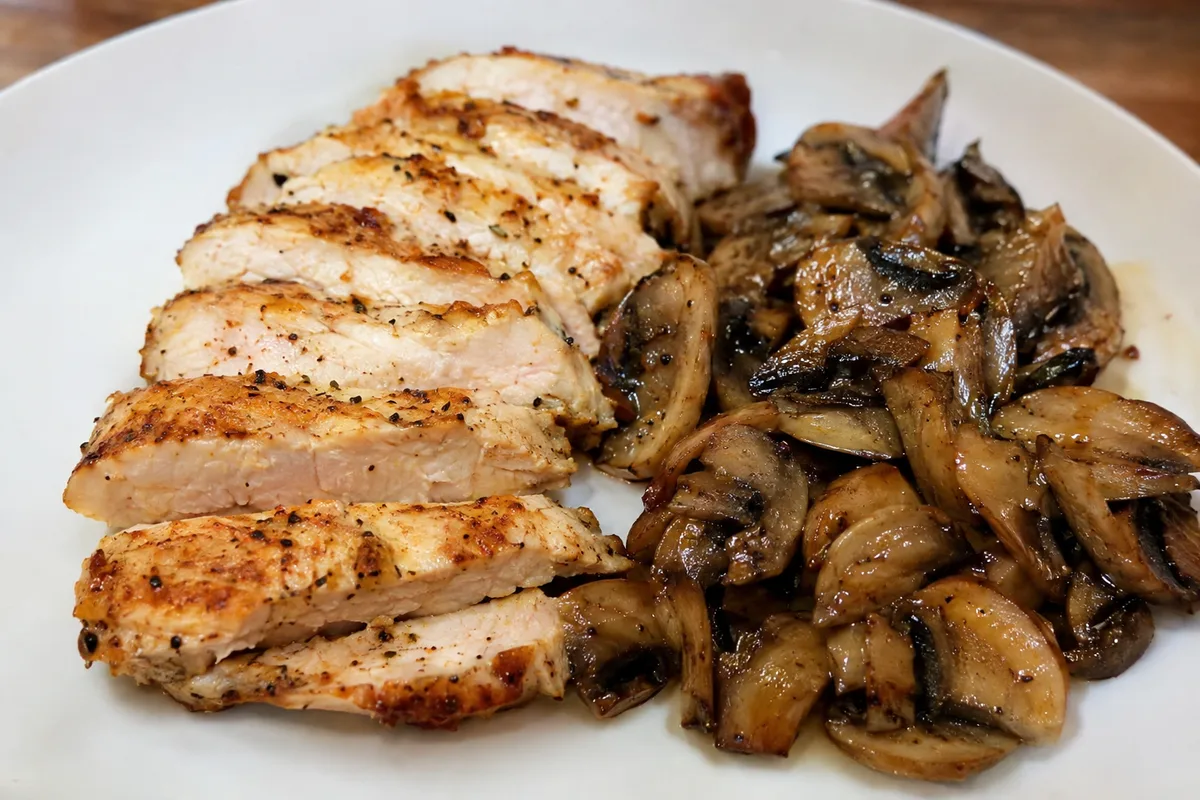
Mushrooms vs meat: how their protein content compares
Mushrooms and meat can share a plate, but they do not make equal contributions to your protein total. This guide explains the difference and how to record both foods accurately.
-
How Many Steps a Day Can Support Weight Loss?
Daily walking can increase how much energy you use, but there is no universal number of steps that guarantees weight loss. This guide explains how to choose a realistic target, build it up and use it alongside food tracking.
-
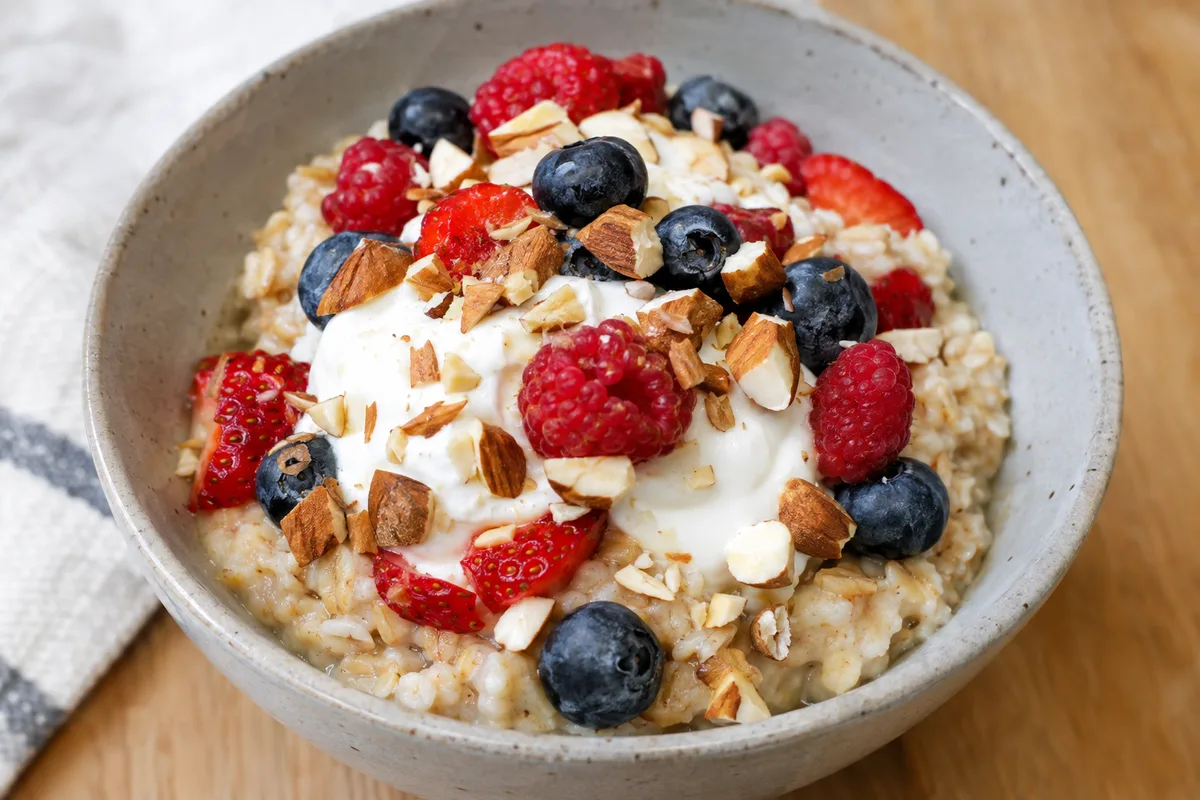
Lipozene for weight loss: what to know about safety and results
Lipozene is a fibre supplement promoted for weight loss, but its effects depend on more than taking a capsule. This guide explains what it contains, what the research can and cannot show, and the main safety points.
-
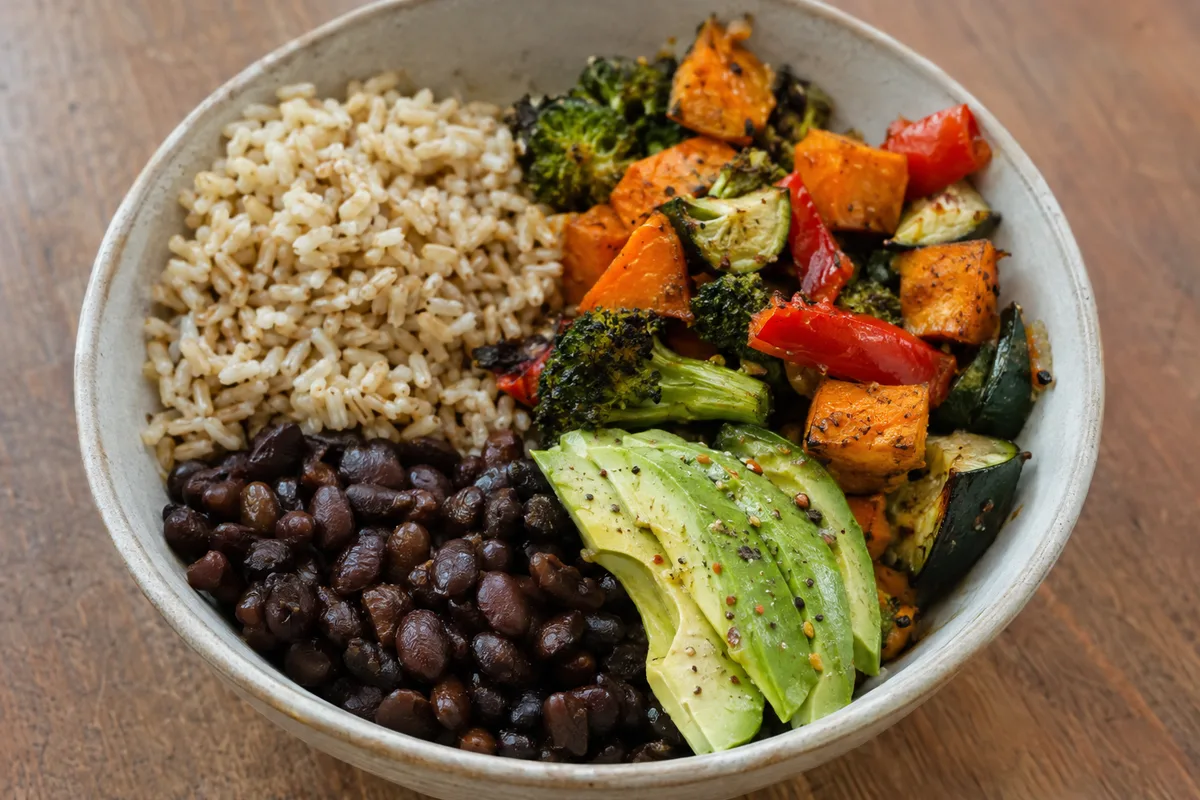
What Is a Calorie, and What Does It Tell You?
A calorie is a unit of energy, but a calorie number does not describe everything a food offers. This guide explains how calories are calculated, why tracked totals vary and how to use them in context.
-
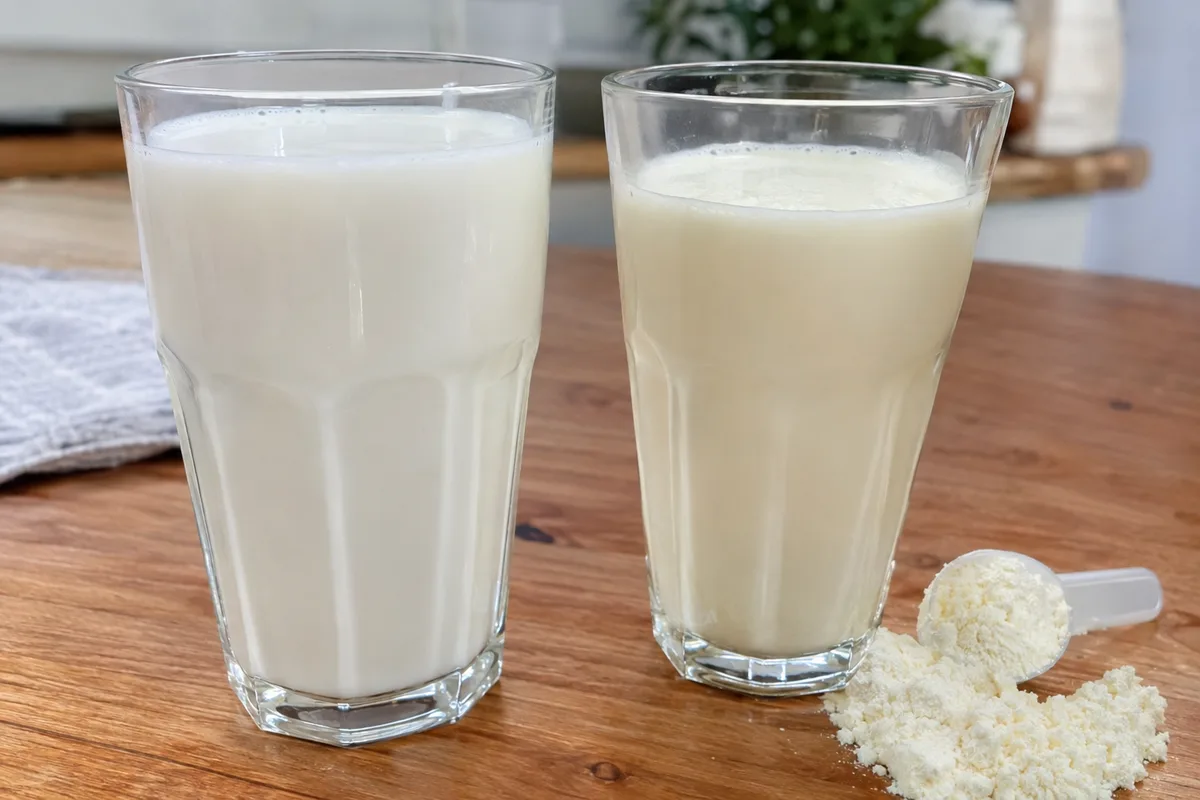
Fresh milk and powdered milk: what changes nutritionally?
Removing water from milk concentrates its nutrients, while adding water back makes it more comparable with fresh milk. Here is what to check when logging protein, carbohydrate, fat, vitamins and minerals.
-
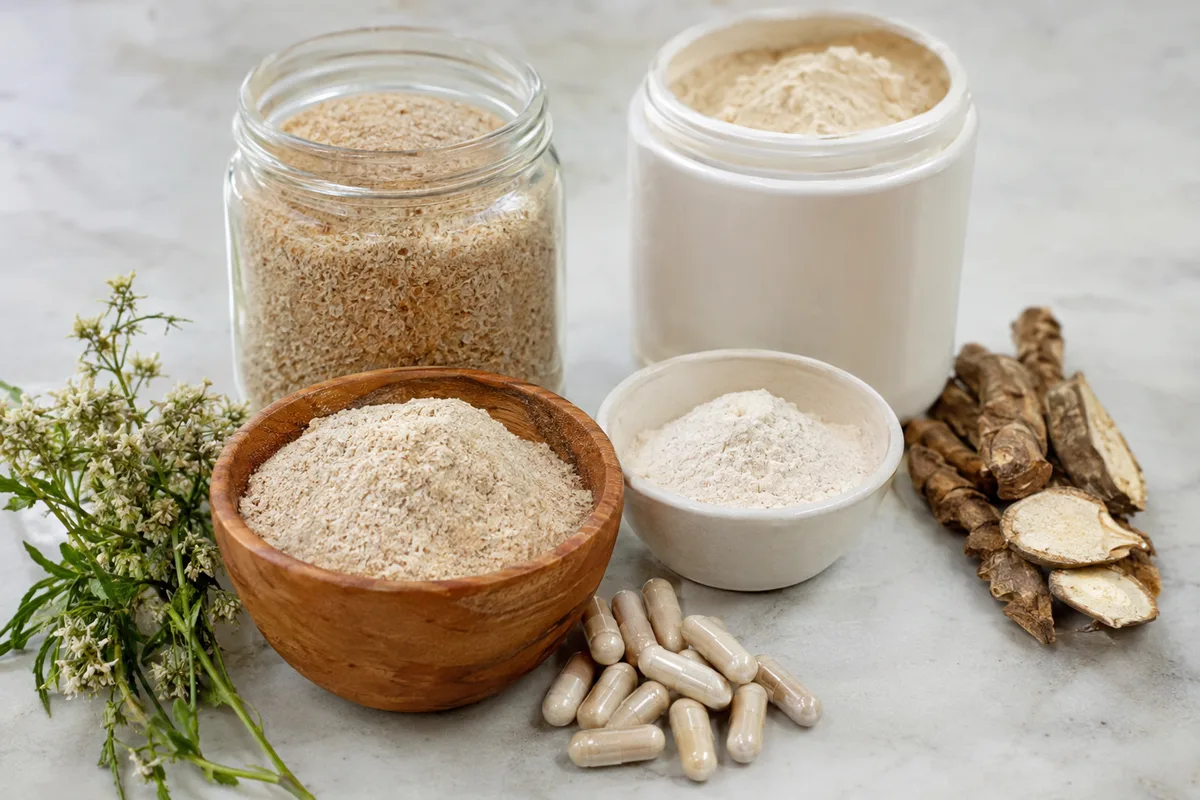
Gluten-Free Fibre Supplements: What to Look For and How to Track Them
Fibre supplements can help fill a gap when food alone does not provide enough fibre, but gluten-free labels and fibre types need careful reading. This guide explains what to check, how to introduce a supplement and how to record it in your food log.
-
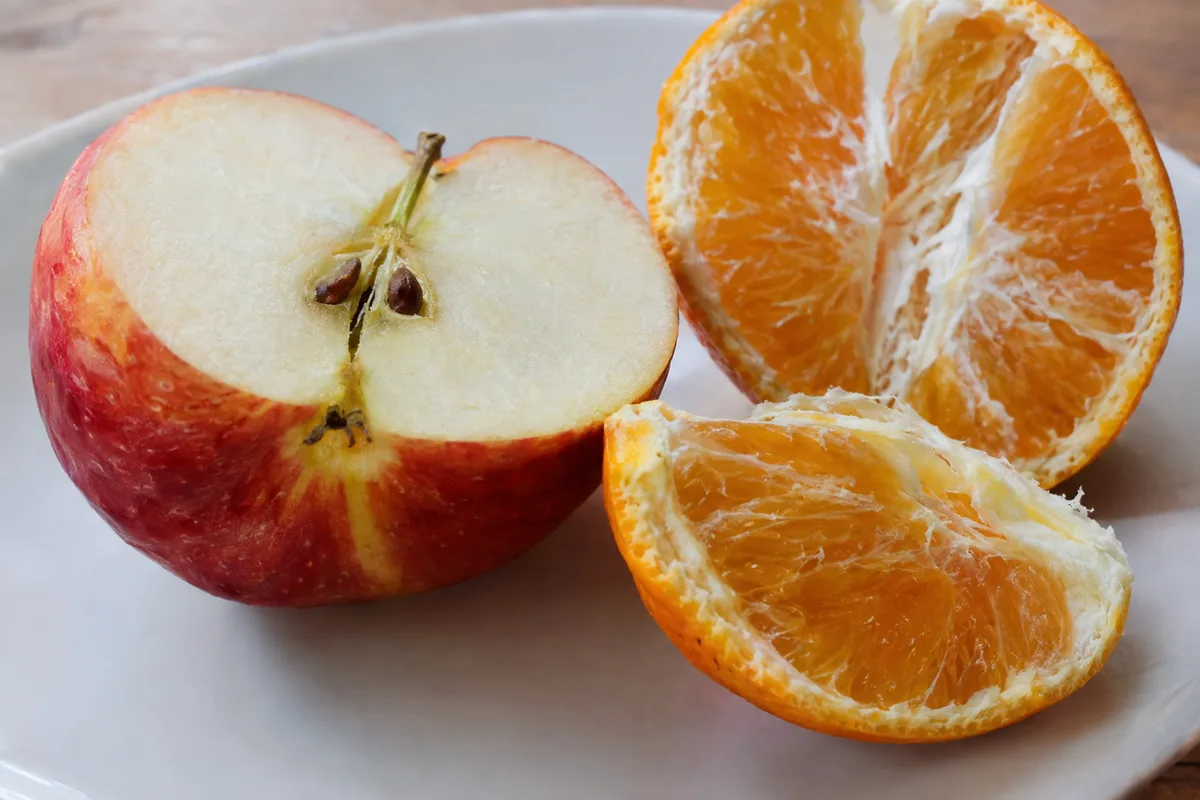
Foods High in Pectin and How to Add Them to Your Food Log
Pectin is a type of soluble fibre found naturally in plant foods, especially fruit. This guide covers the main food sources, how ripeness and cooking matter, and practical ways to track them.
-
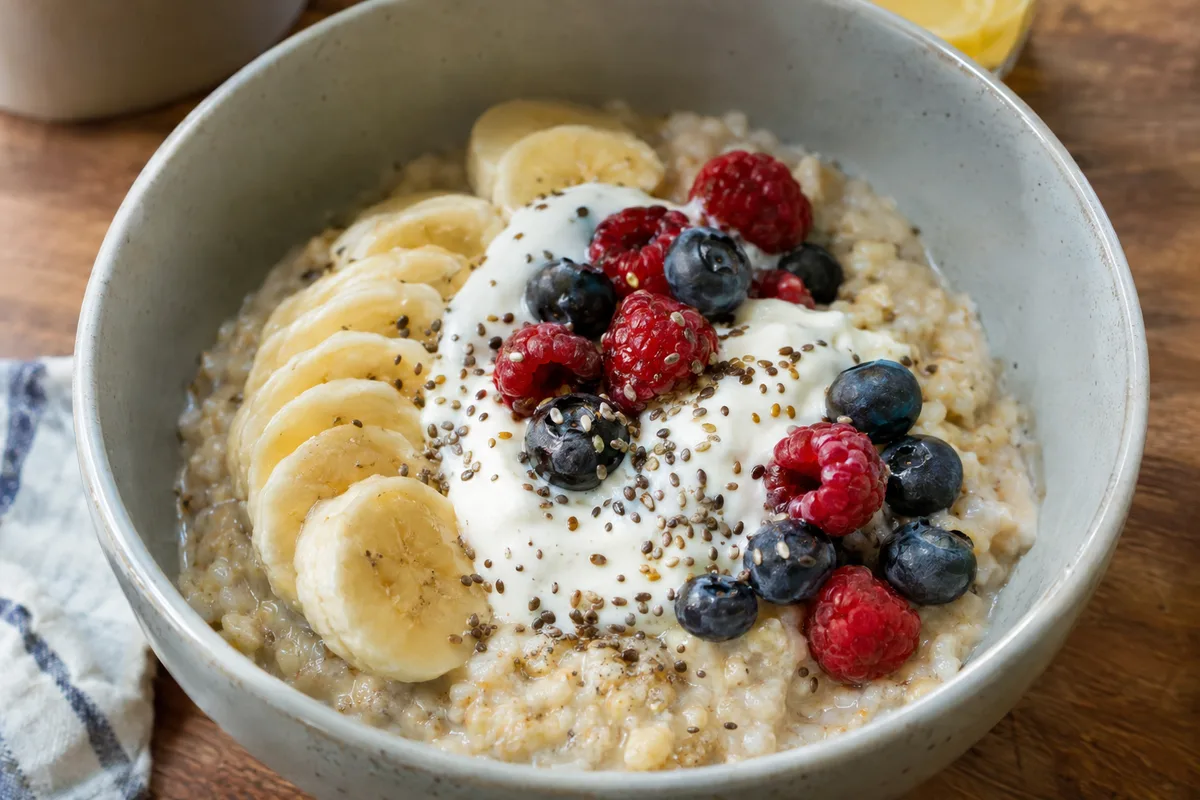
How to Use Oatmeal in a Bodybuilding Diet
Oatmeal can provide useful carbohydrate, fibre and an easy base for protein-rich meals. This guide explains how to track it, choose suitable toppings and adjust your bowl around your training goal.
-
How to Find the Best Zip-Front Sports Bra for You
A zip-front sports bra can be easier to put on and remove, but the fastening alone does not guarantee a good fit. This guide explains what to check so you can choose support and comfort that suit your body and activity.
-
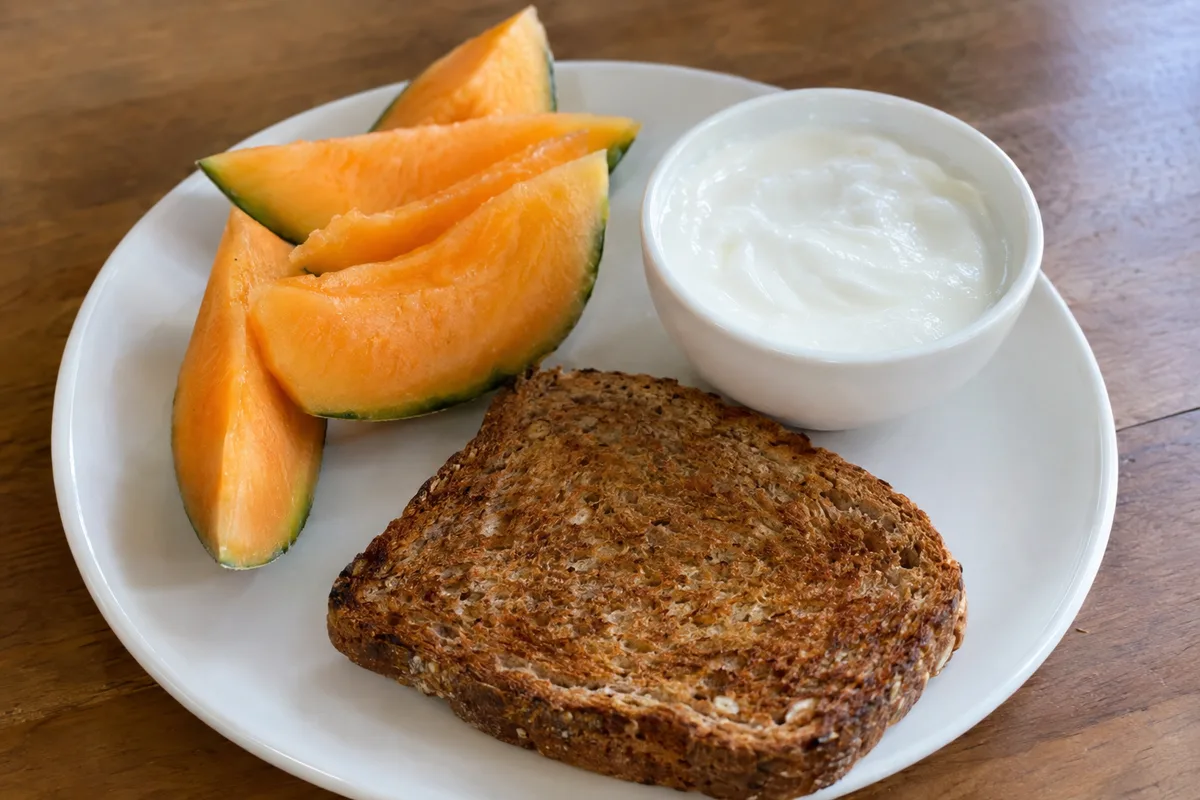
Can cantaloupe support weight loss?
Cantaloupe is a sweet, water-rich fruit that can add volume to meals and snacks without dominating your energy intake. Here is how to track it accurately, make it more filling and use it without treating it as a shortcut to weight loss.
-
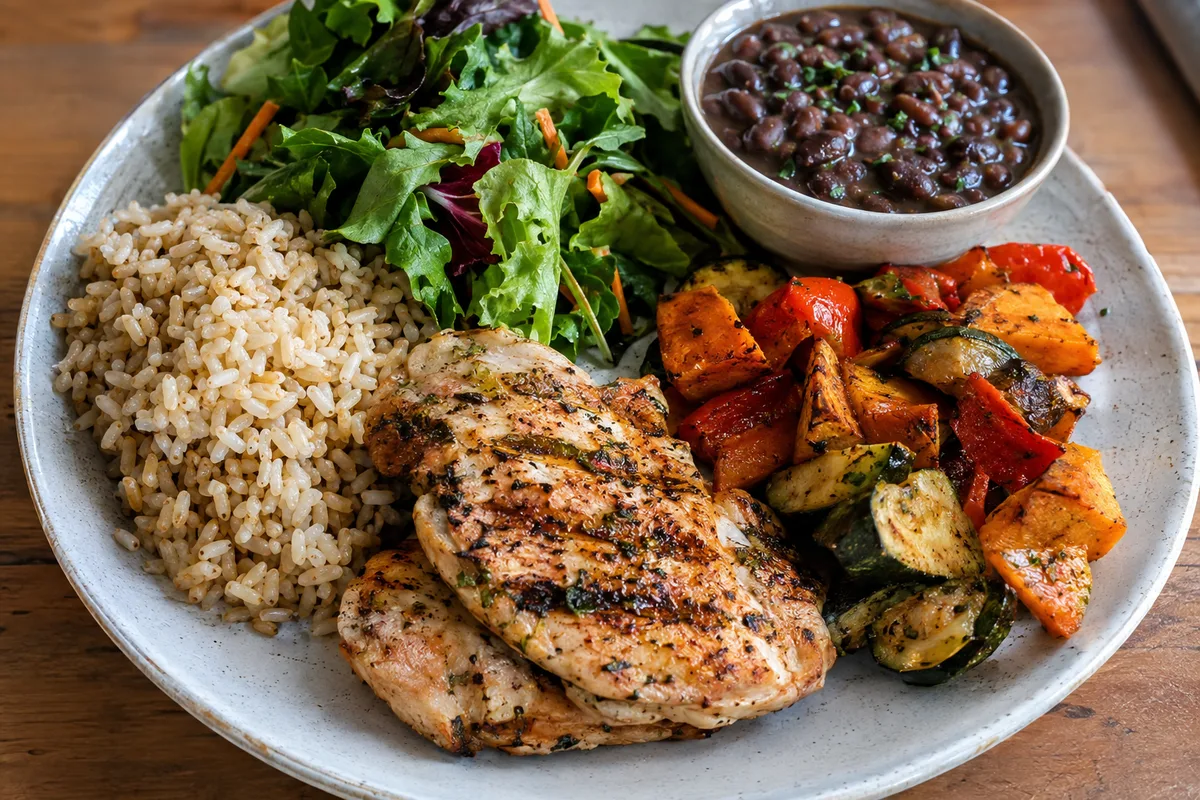
What an Omnivorous Diet Looks Like in Everyday Life
An omnivorous diet includes foods from both plant and animal sources, with plenty of room for personal preference. This guide explains how to build balanced meals, track them accurately and notice where variety may be missing.
-
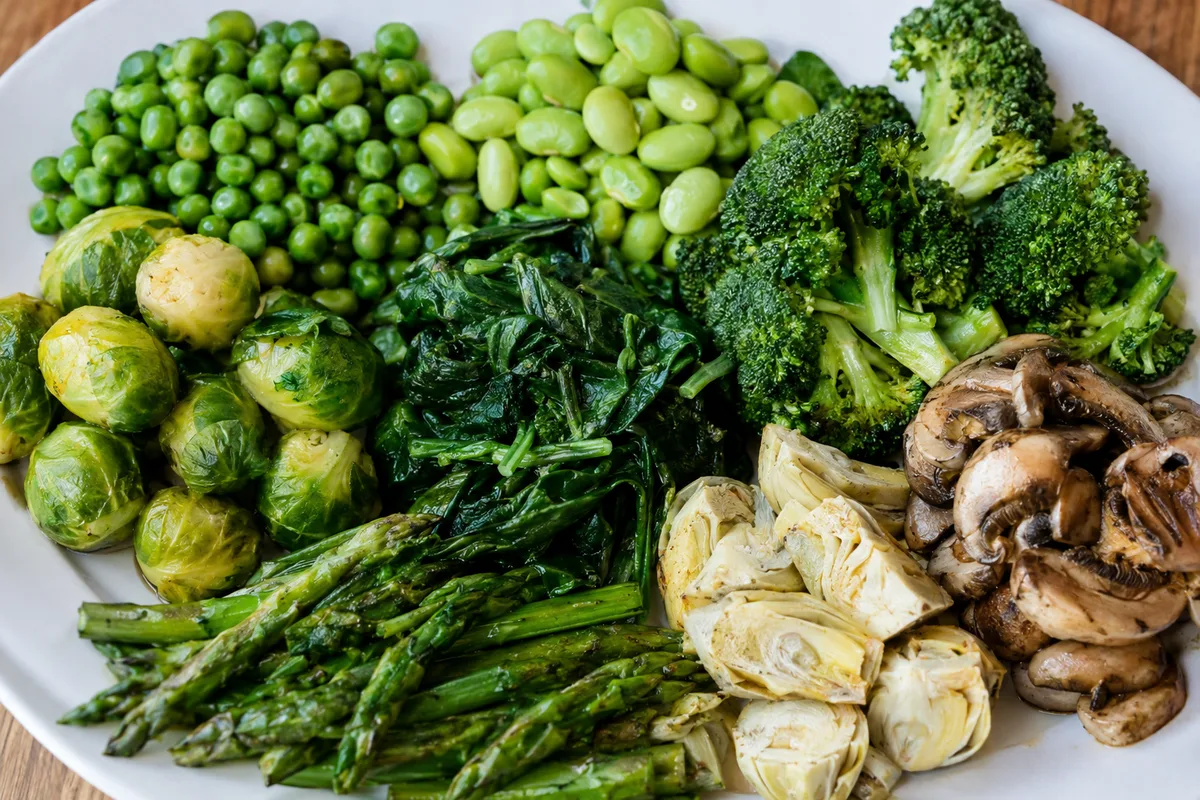
High-Protein Vegetables: How to Make Them Count
Some vegetables provide more protein than others, but portion size and the rest of the meal still matter. This guide explains which choices stand out, how cooking affects tracking and how to build balanced meals around them.
-
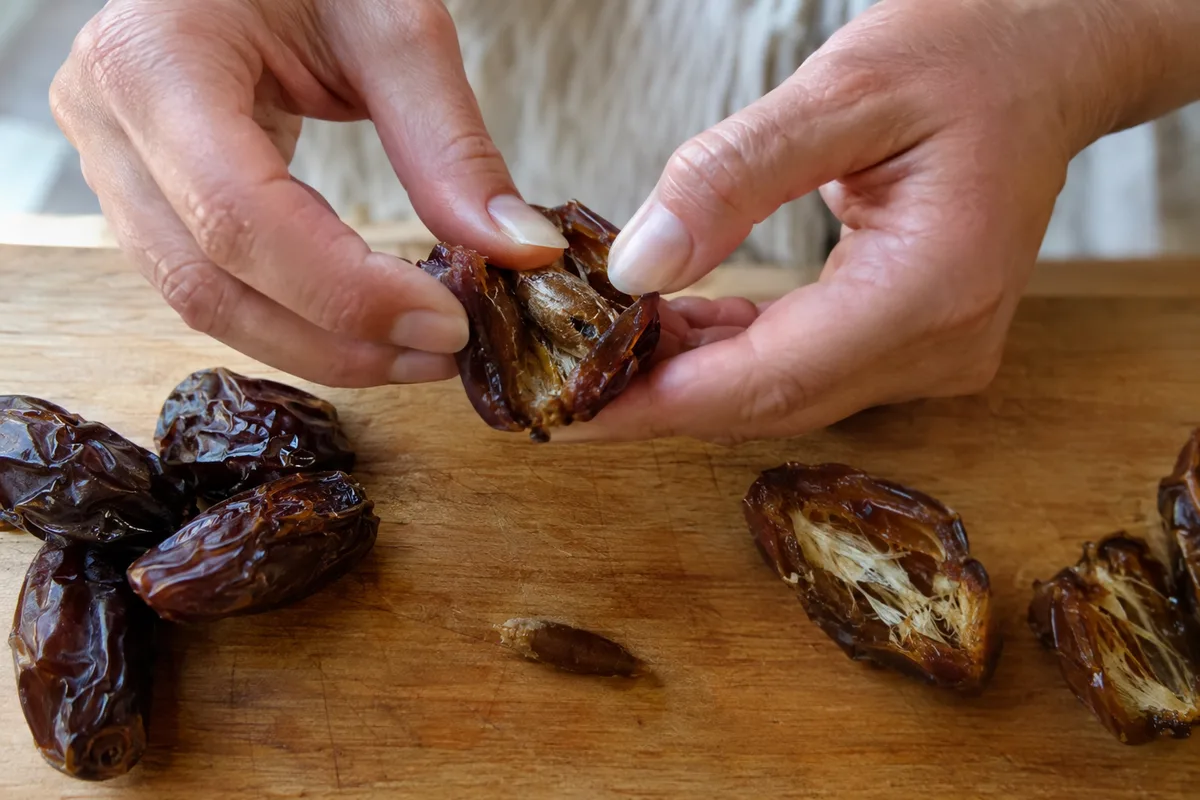
How to Eat Dates in Meals and Snacks
Dates can be eaten on their own or used to add sweetness and a chewy texture to meals. This guide covers preparation, serving ideas and practical ways to record them in your food diary.
-
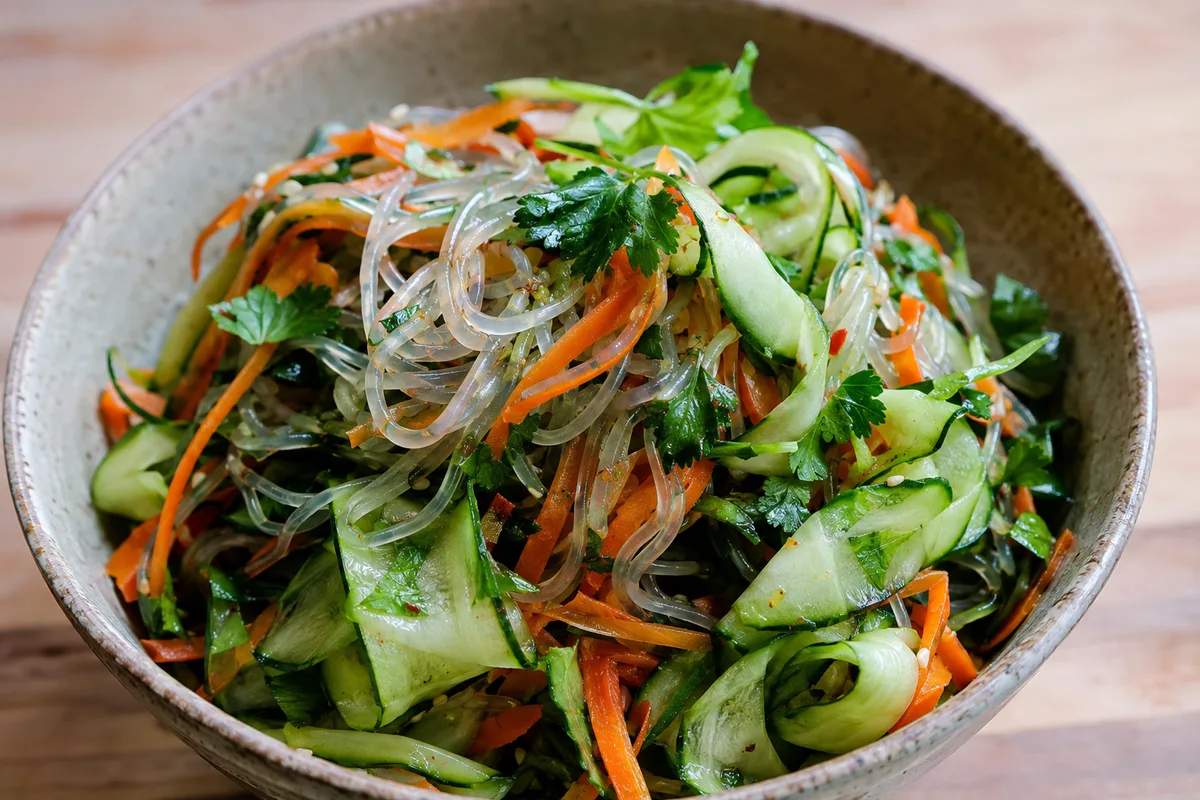
Kelp Noodles: Benefits, Limits and Ways to Enjoy Them
Kelp noodles can add seaweed, texture and variety to meals while contributing relatively little energy on their own. This guide explains their possible benefits, their nutritional limits and how to track and serve them as part of a balanced meal.
-
How to Judge Dr Oz Diet Tips Before Adding Them to Your Food Log
Diet tips linked to Dr Oz can range from ordinary meal ideas to bold claims about particular foods. This guide explains how to check the source, assess the evidence and use your food log to make a sensible decision.
-
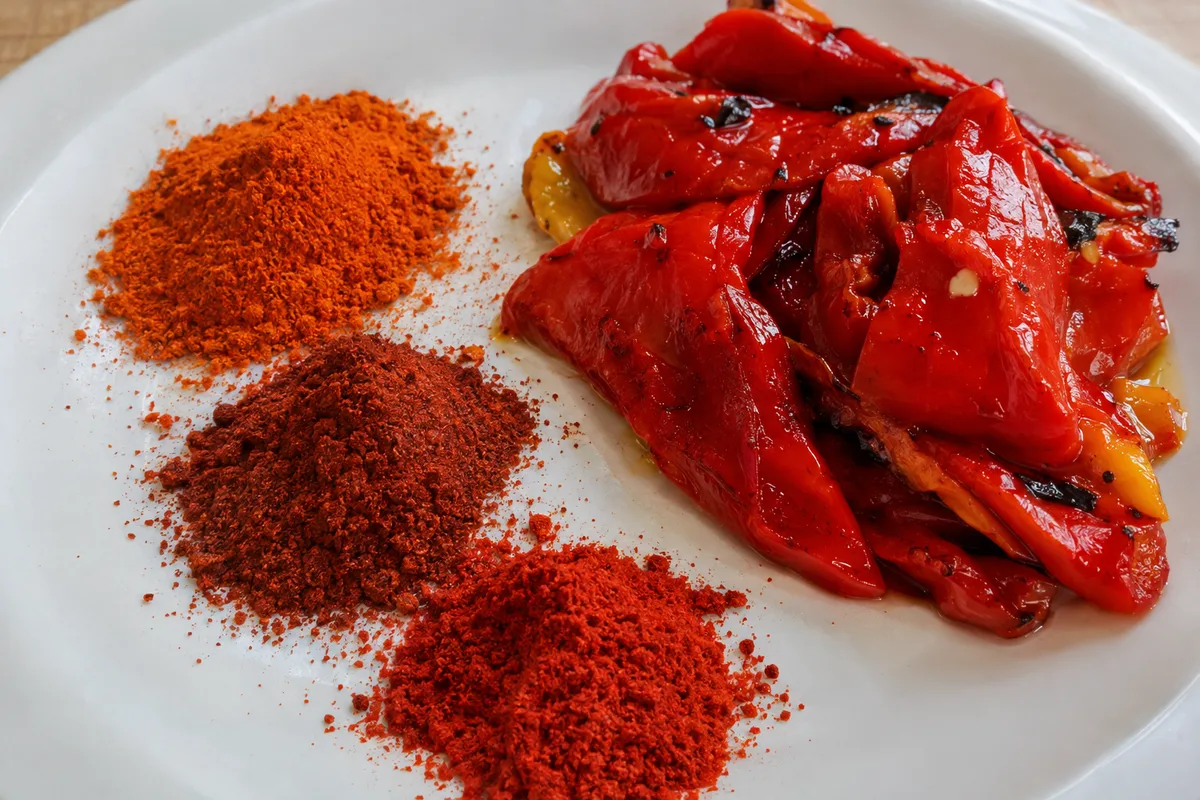
Paprika: Benefits, Possible Side Effects and Ways to Use It
Paprika can bring colour, sweetness, smokiness or heat to everyday meals, usually without changing their energy content much. This guide explains its nutritional role, possible side effects and practical ways to cook with it.
-

How Many Times a Week Should You Train Your Legs?
The right number of leg sessions depends on your training, effort and ability to recover. This guide explains how to choose a workable frequency and adjust it using feedback from your own body.
-
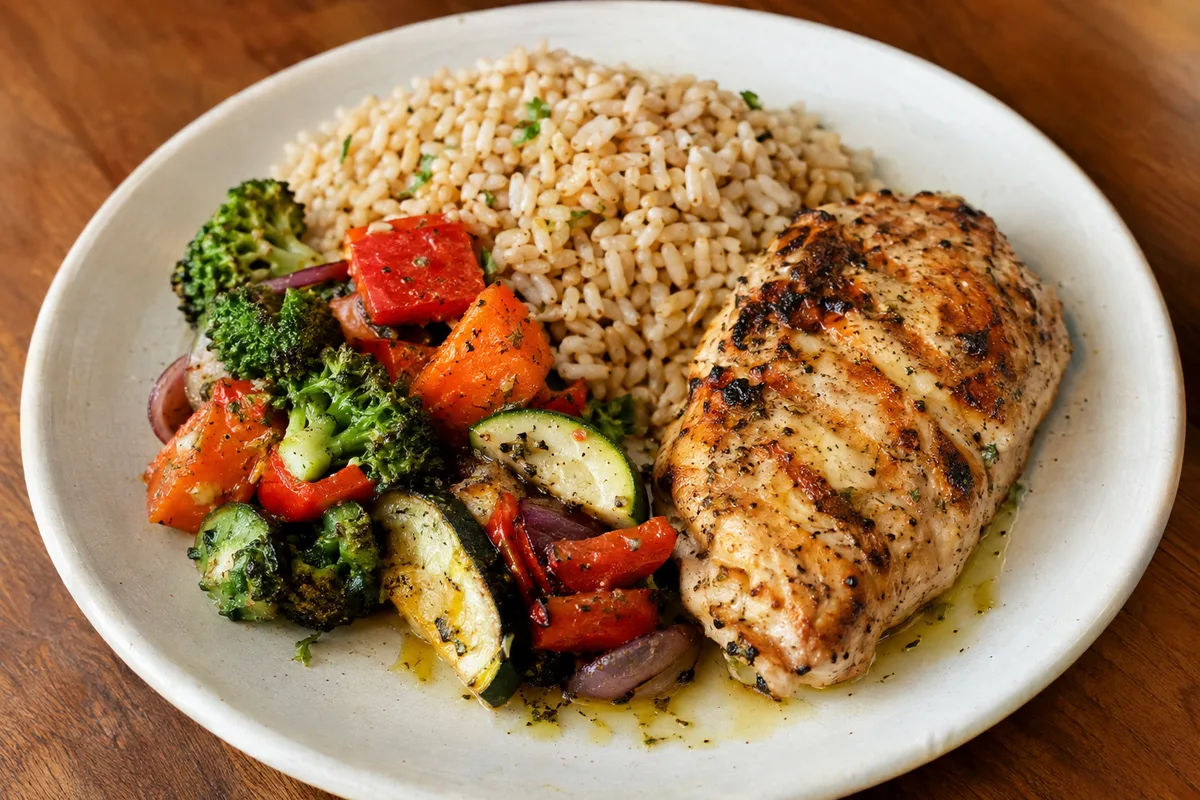
How to Count Macros Without Making It Complicated
Counting macros means tracking how much protein, carbohydrate and fat you eat, rather than looking only at calories. This guide explains how to choose targets, log foods and make useful adjustments.
-
Is espresso bad for you? What to consider when you track it
Espresso is concentrated, yet a small serving may contain less caffeine than a much larger coffee. This guide explains what to track, how your own response matters and when small changes may help.
-
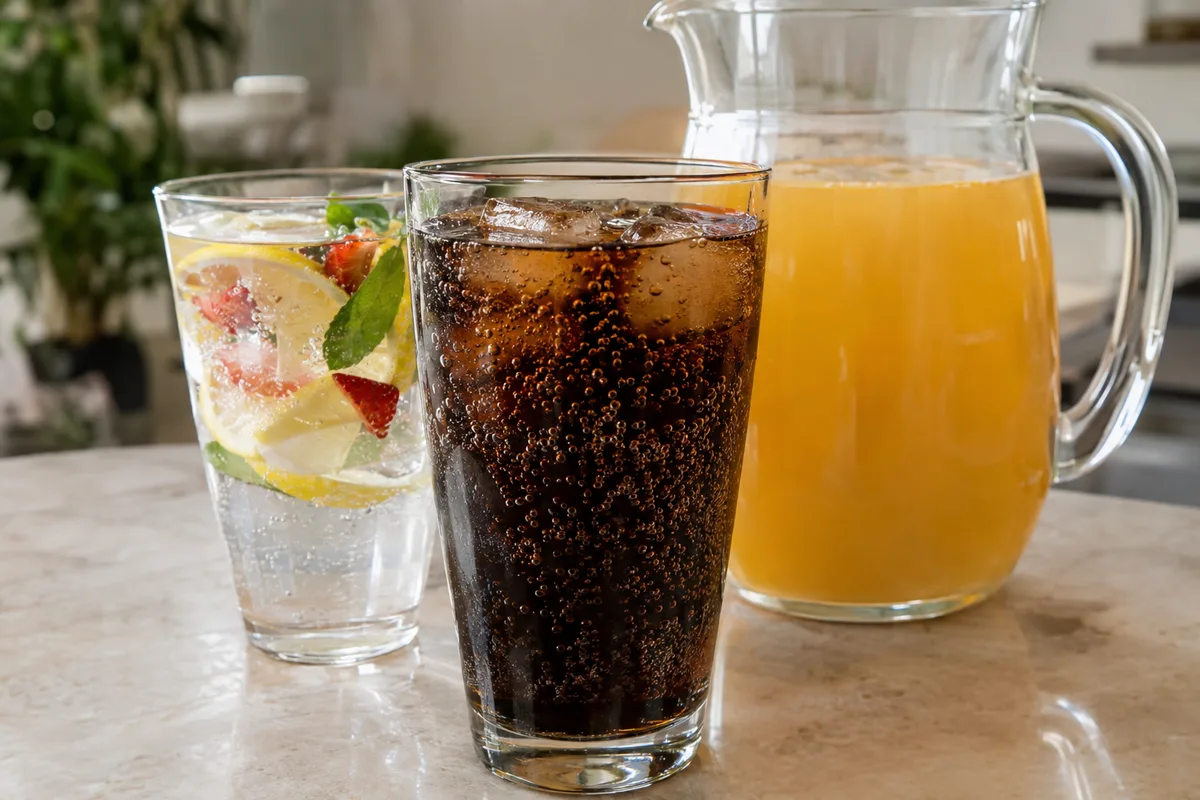
Which Foods and Drinks May Contain Aspartame?
Aspartame can appear in products made with less sugar or no added sugar, but similar products may use different sweeteners. This guide covers where to look, what labels can say and how to record it in your food diary.
-
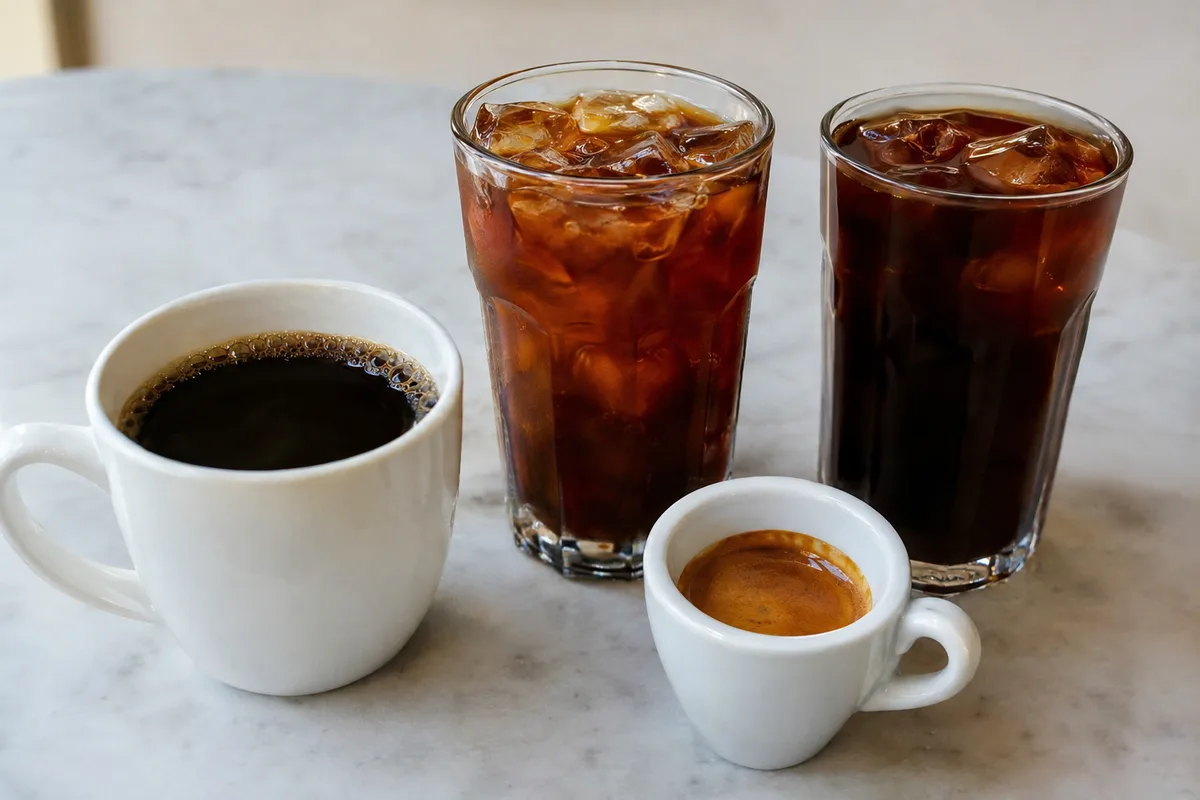
How to Order Lower-Calorie Coffee Drinks at Starbucks
A coffee order can change considerably once milk, syrup, sauces and toppings are added. This guide explains how to customise Starbucks drinks and record them more accurately.
-
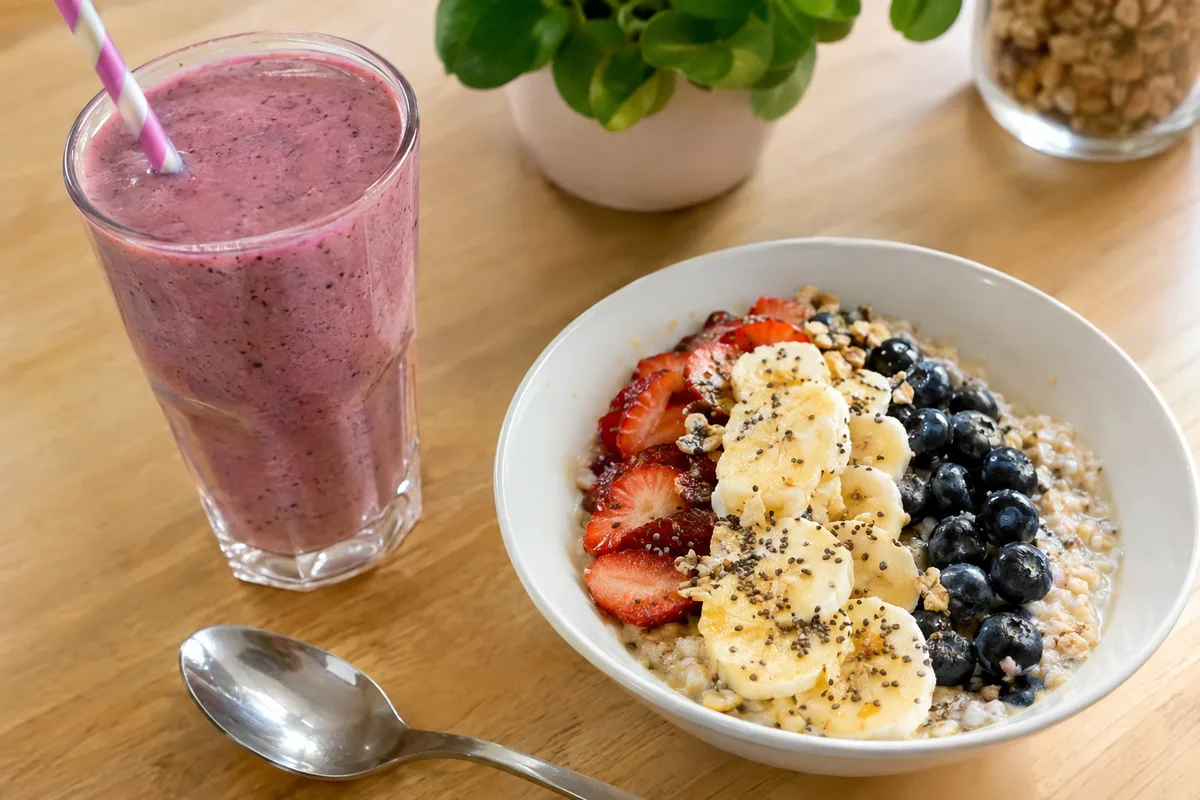
The Best Protein Shake Is the One That Fits Your Day
Protein shakes vary in protein source, ingredients, texture and purpose. This guide explains how to choose and track one that suits your eating pattern rather than relying on a single “best” option.
-
How to Convert Stair Climbing into Miles
Stair climbing can be recorded as vertical distance, distance travelled along the stairs or an energy-based walking equivalent. This guide explains each method and shows which measurements you need.
-

How many calories does a 40-minute brisk walk burn?
There is no single calorie figure for a 40-minute brisk walk because the effort varies by person and route. This guide explains what changes the result, how to estimate it and how to record it alongside your food.
-
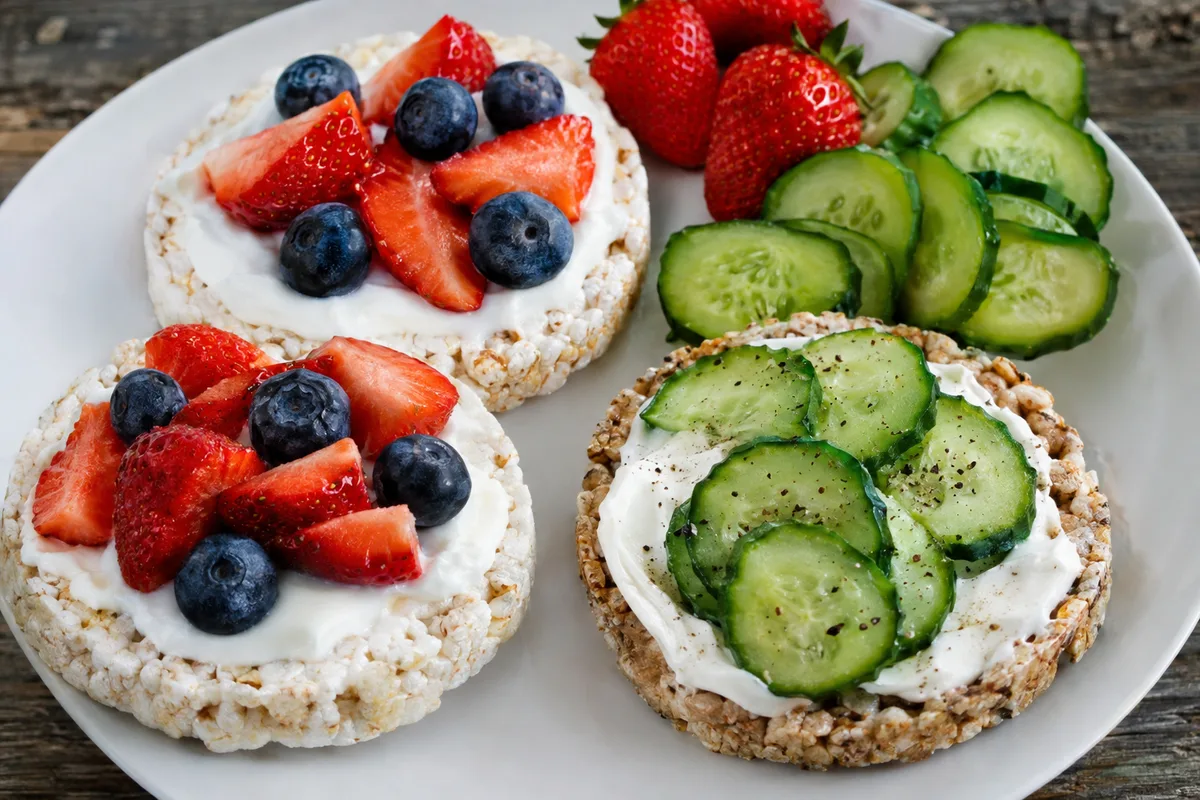
Are Rice Cakes a Healthy Snack?
Rice cakes are light, convenient and easy to track, but they are not especially filling on their own. Here is how to judge their nutrition and turn them into a more balanced snack.
-
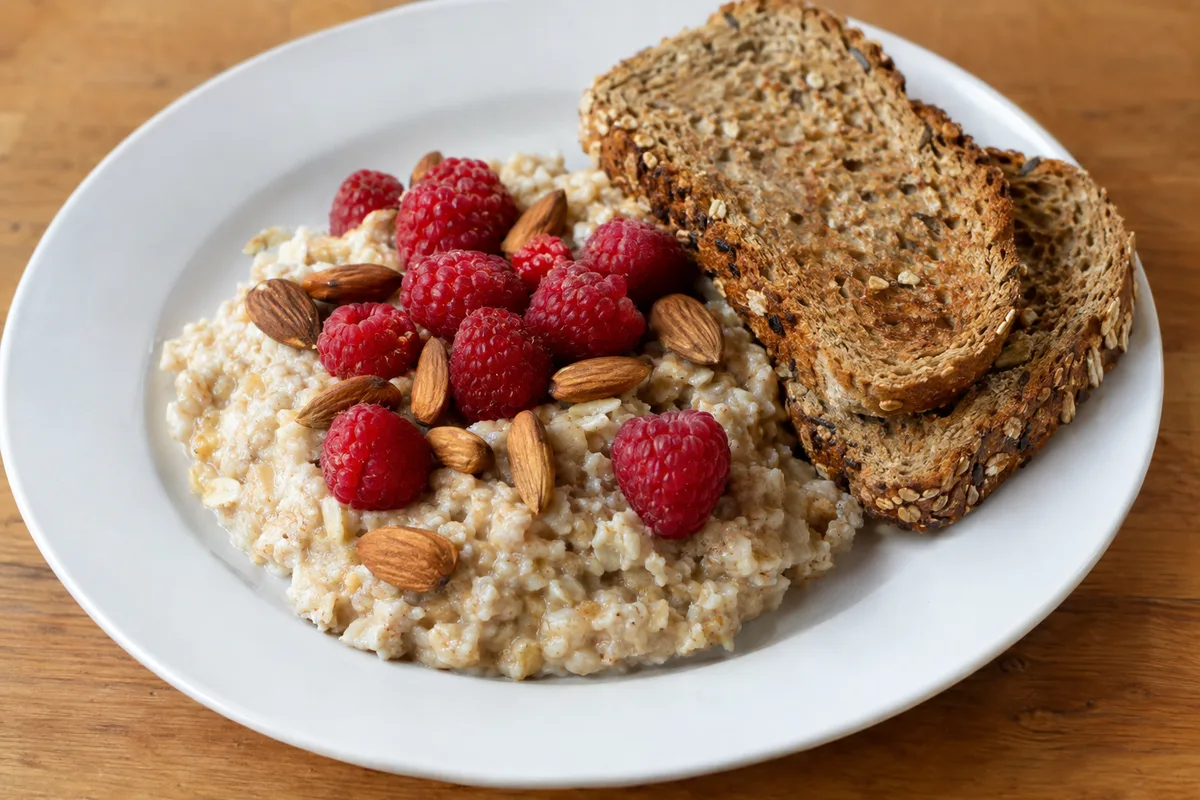
Does Fibre Have Calories?
Fibre is a carbohydrate, but your body does not use it in the same way as sugars and starches. Here is how fibre contributes to calories and how to record it without double-counting.
-
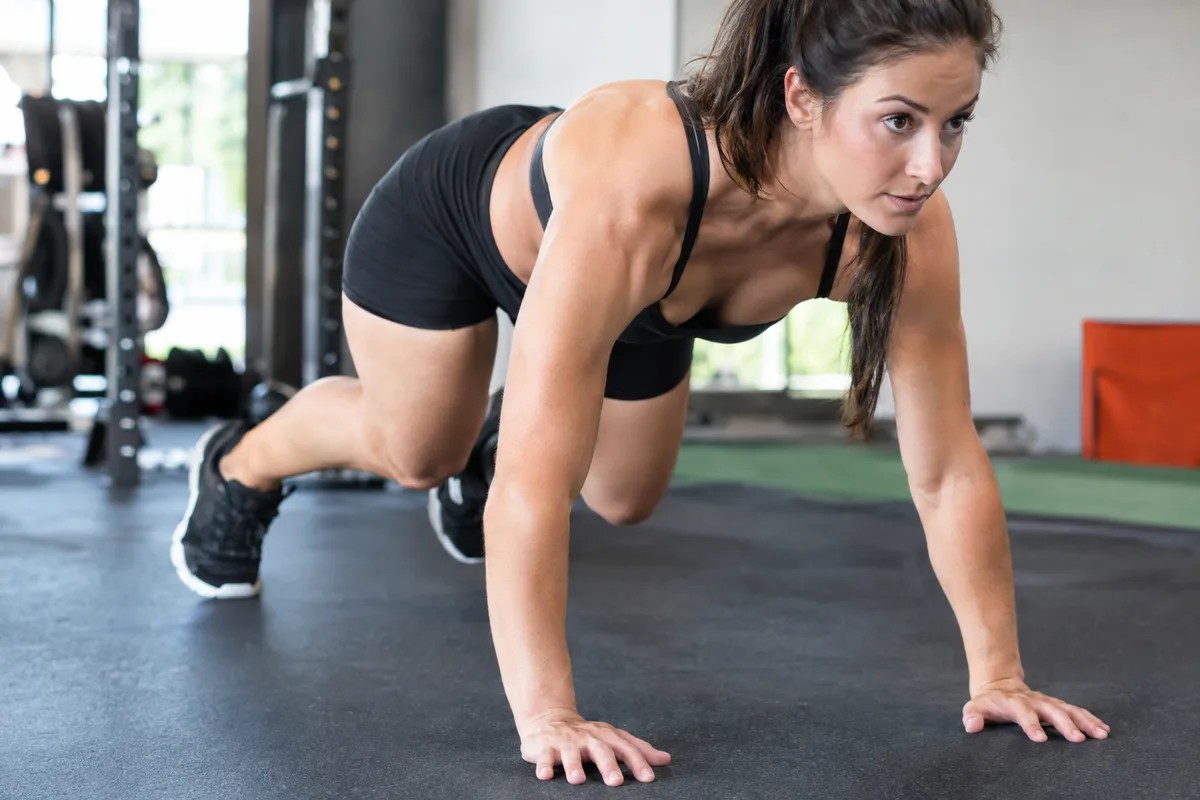
How to Do a Bear Crawl: Technique, Benefits and Variations
The bear crawl is a floor-based movement that asks your arms, legs and middle to work together. This guide explains the basic technique, common benefits, useful variations and simple ways to include it in your routine.
-
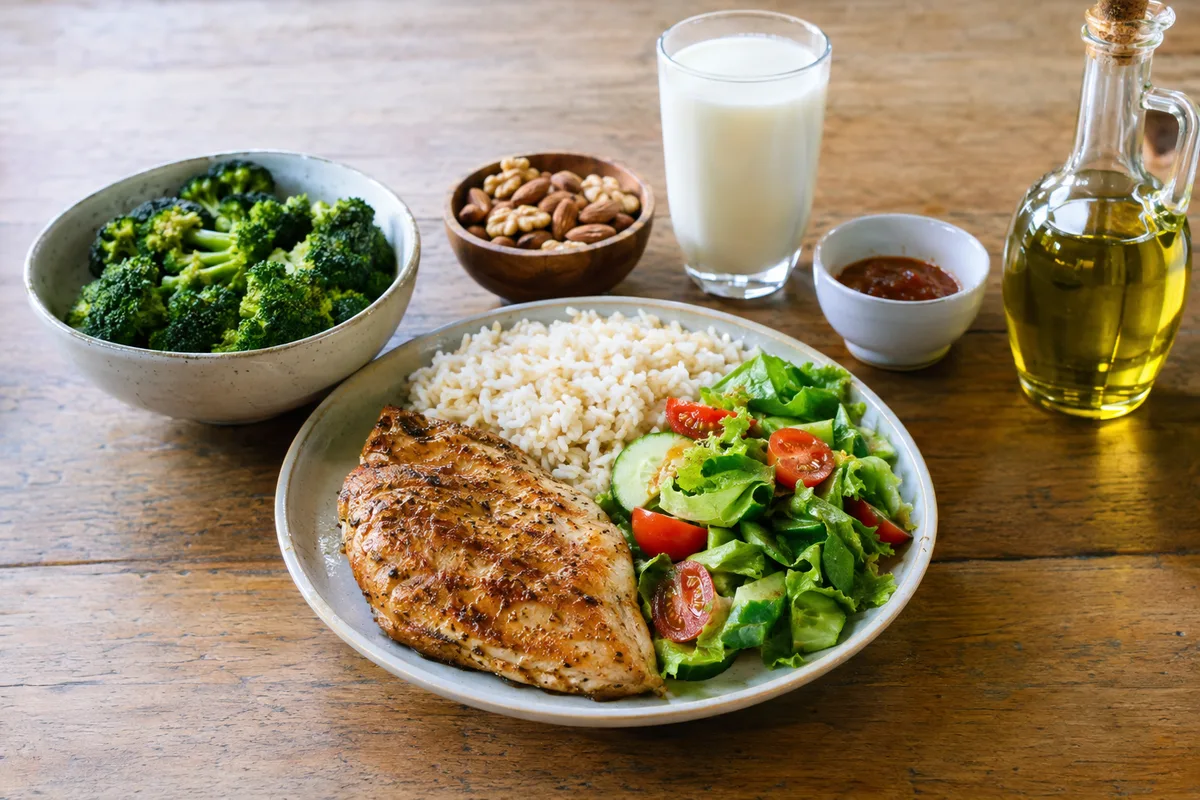
How to Work Out How Many Calories You Eat Each Day
Your daily calorie intake is the total energy in everything you eat and drink. This guide explains how to find that number, improve your food log and make sense of the result.
-
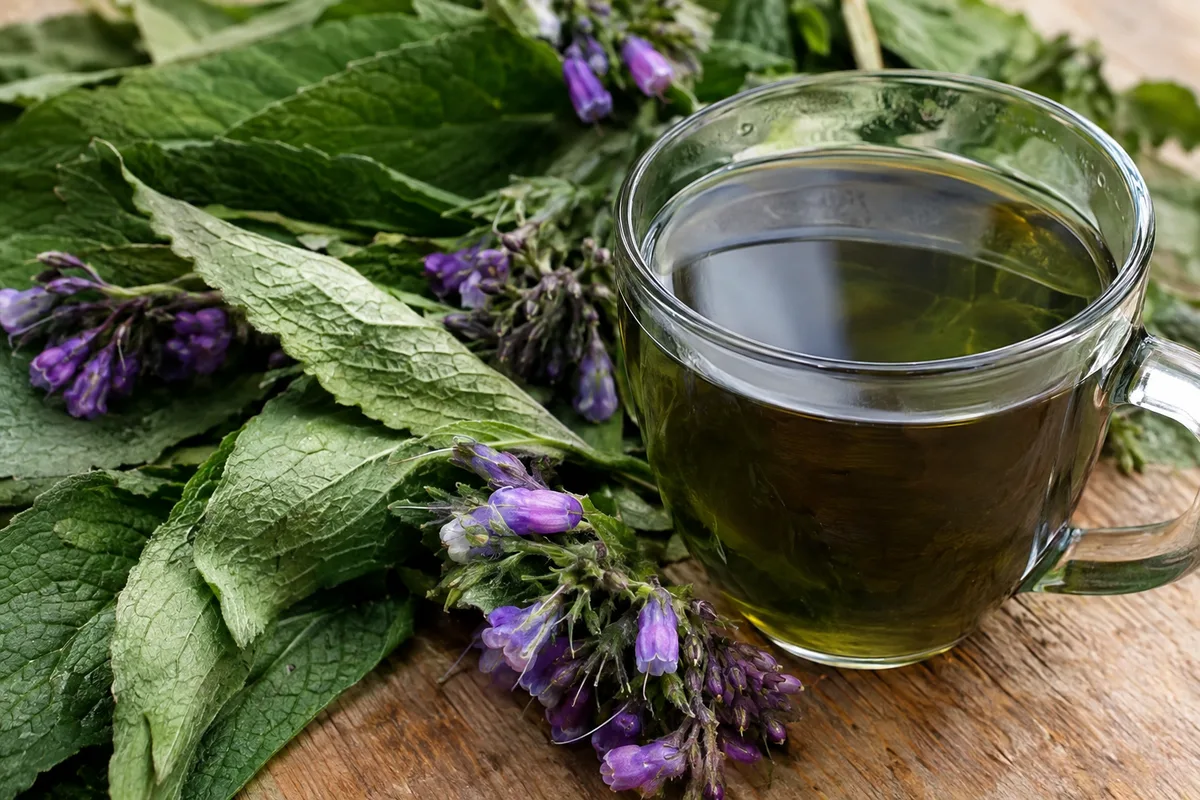
Comfrey tea: claimed benefits, side effects and safer choices
Comfrey tea is sometimes promoted as a soothing herbal drink, although reliable evidence of benefit from drinking it is lacking. This guide explains what it contains, why safety warnings matter and how to record it in your food diary.
-

How to Make the Most of 10 Lb Dumbbells
A pair of 10 lb dumbbells, about 4.5 kg each, can support a varied strength programme at home or in the gym. This guide explains which exercises suit the weight, how to combine them and when to adjust the challenge.
-
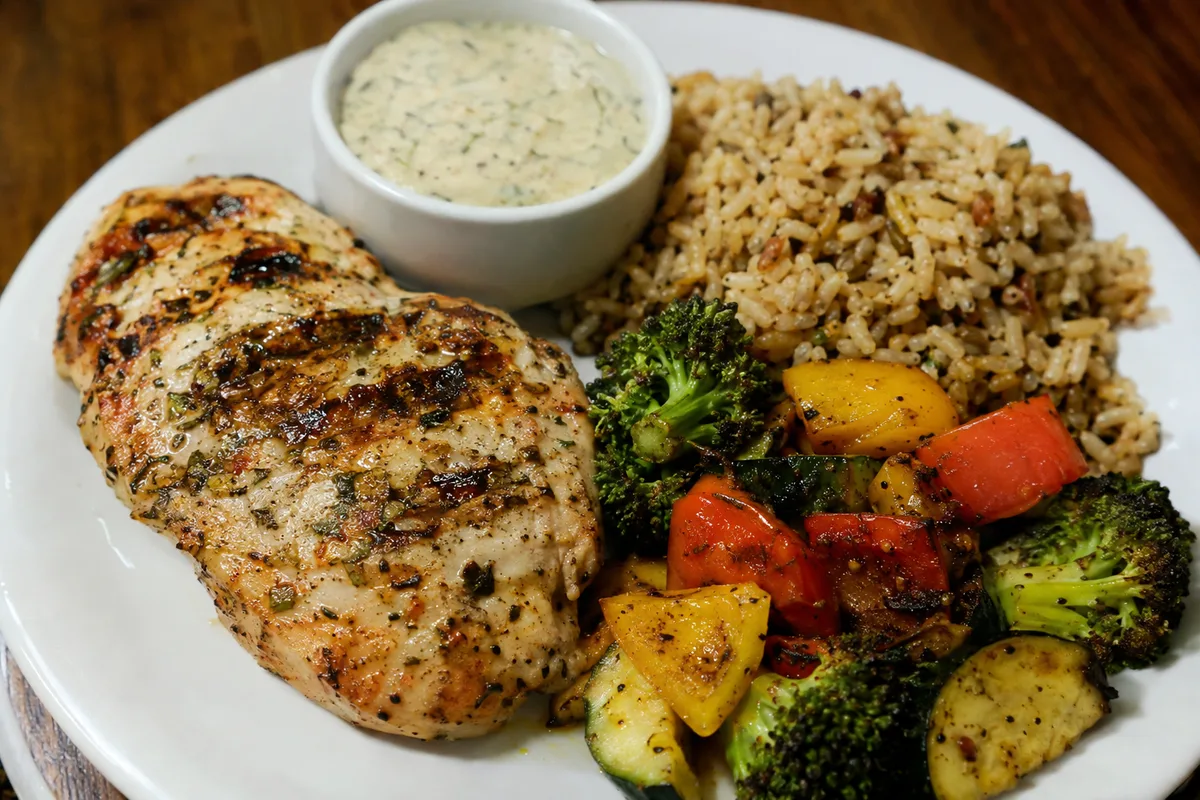
Why Water Weight Can Hide Your Weight-Loss Progress
Your weight can rise or fall even when your food intake stays consistent, because the amount of water in your body changes. This guide explains common causes of water weight and how to judge progress more calmly.
-
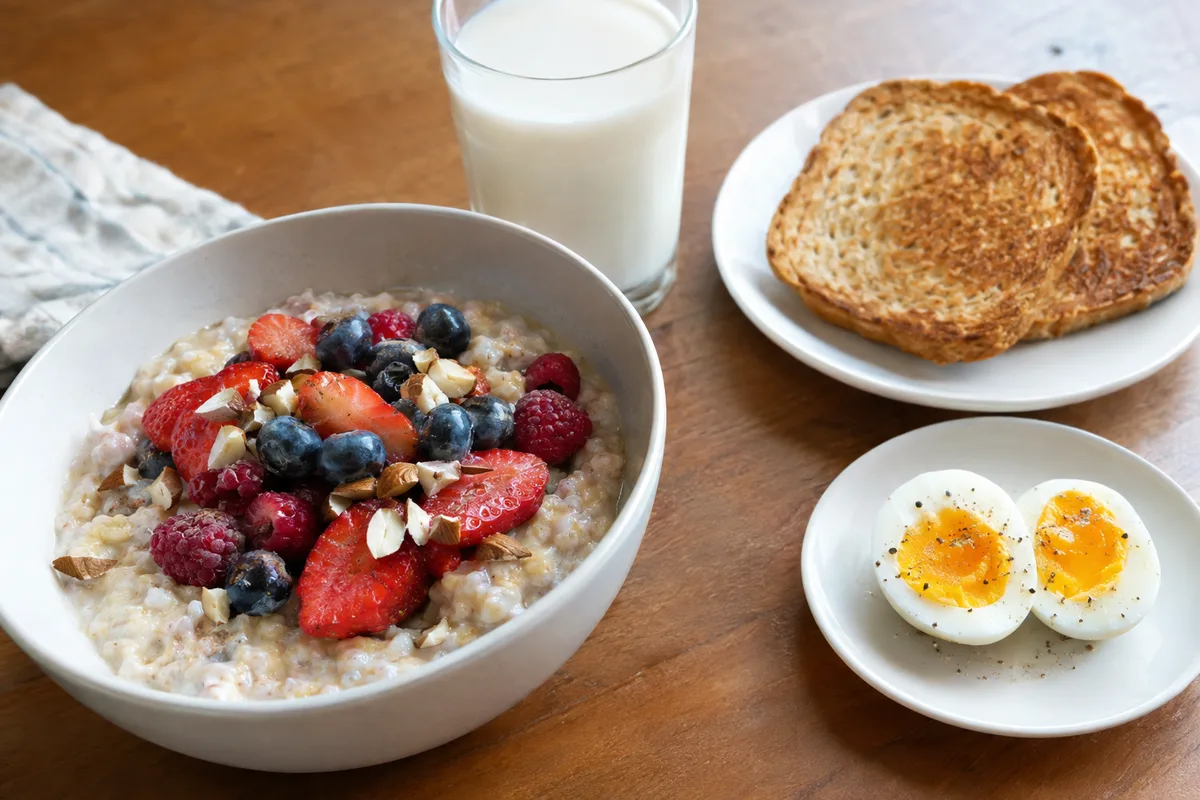
How many calories do you need each day?
Your daily calorie needs depend on your body, routine and aim, so there is no single number that suits everyone. This guide explains how estimates work and how to adjust one using what you already track.
-

A Gym Routine for Fat Loss and a More Defined Look
Toning up usually means reducing body fat while keeping or building muscle. This guide explains how to combine strength training, cardio, food tracking and recovery in a practical gym routine.
-
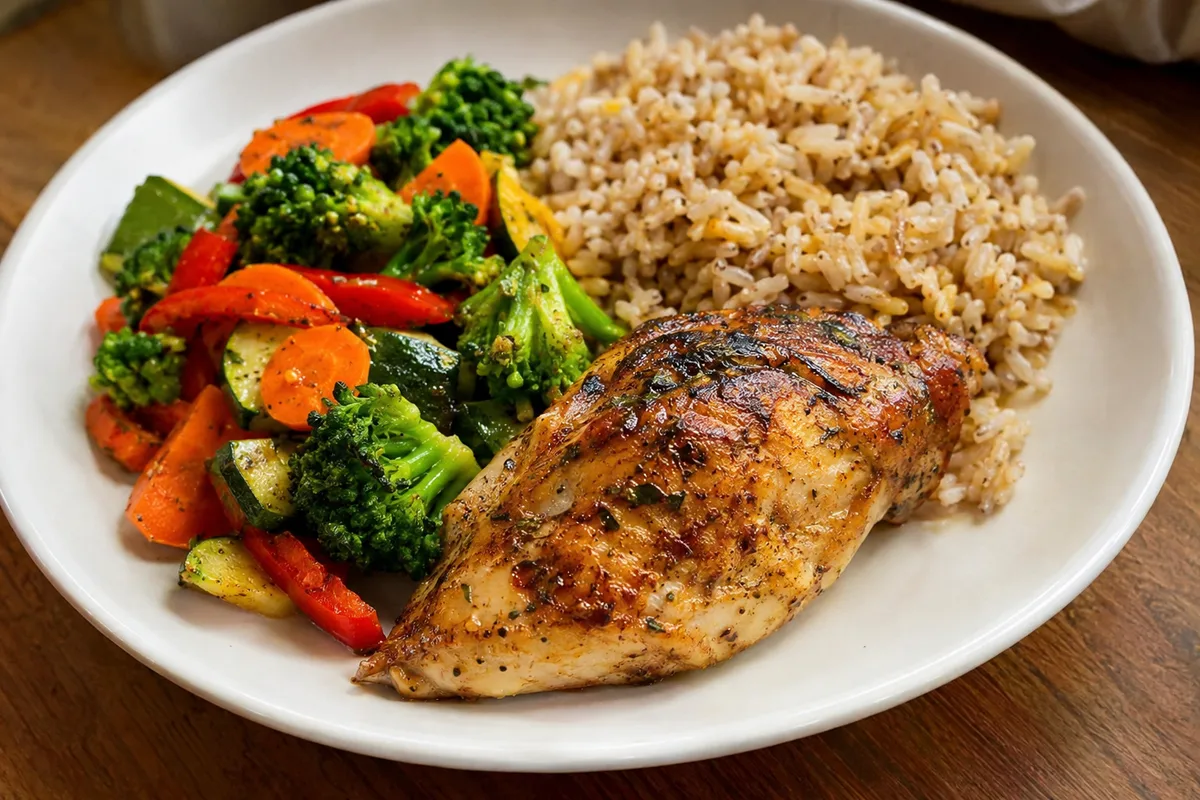
How Quickly Can Your Weight Change on a New Diet?
Starting a new diet can bring quick changes at first, followed by a slower and less predictable pattern. This guide explains why that happens, what affects your progress and how to judge whether your approach is working.
-
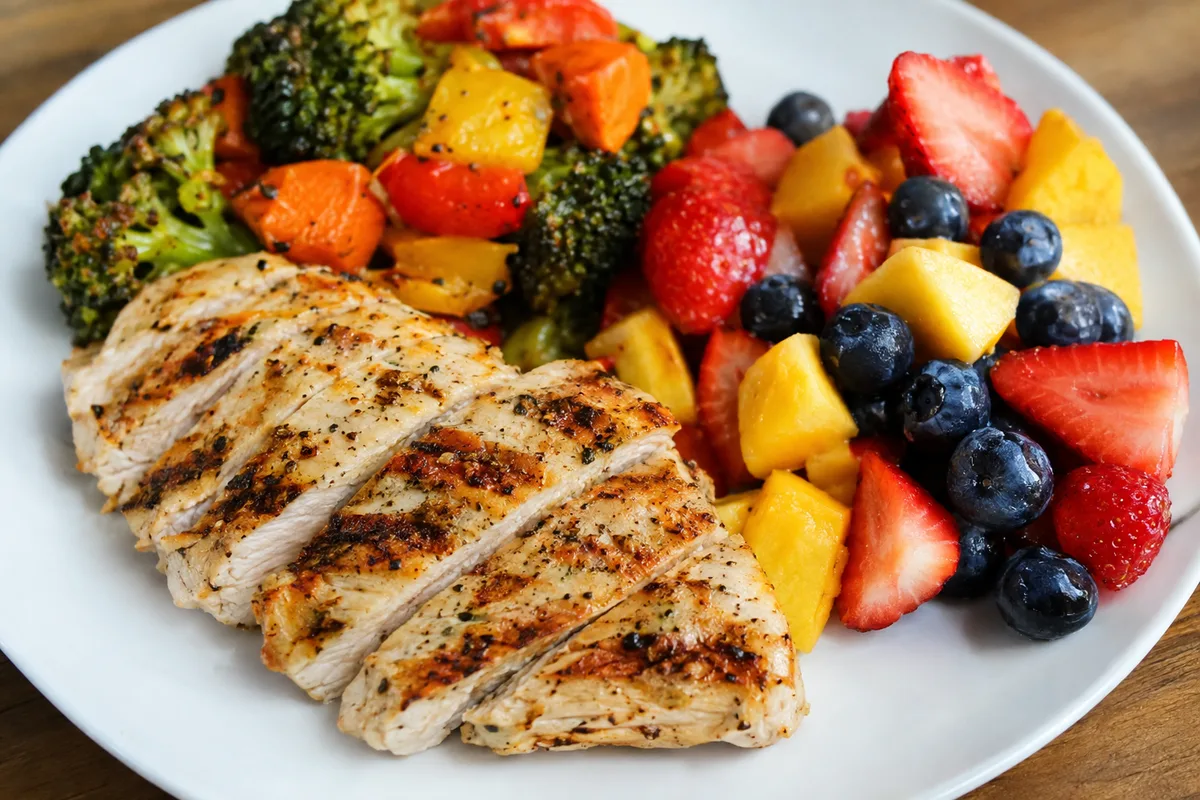
Will Eating Only Chicken, Vegetables and Fruit Help You Lose Weight?
Eating only chicken, vegetables and fruit may reduce your calorie intake, but those foods do not guarantee weight loss. Here is how to assess the idea using the food and portion information you already track.
-
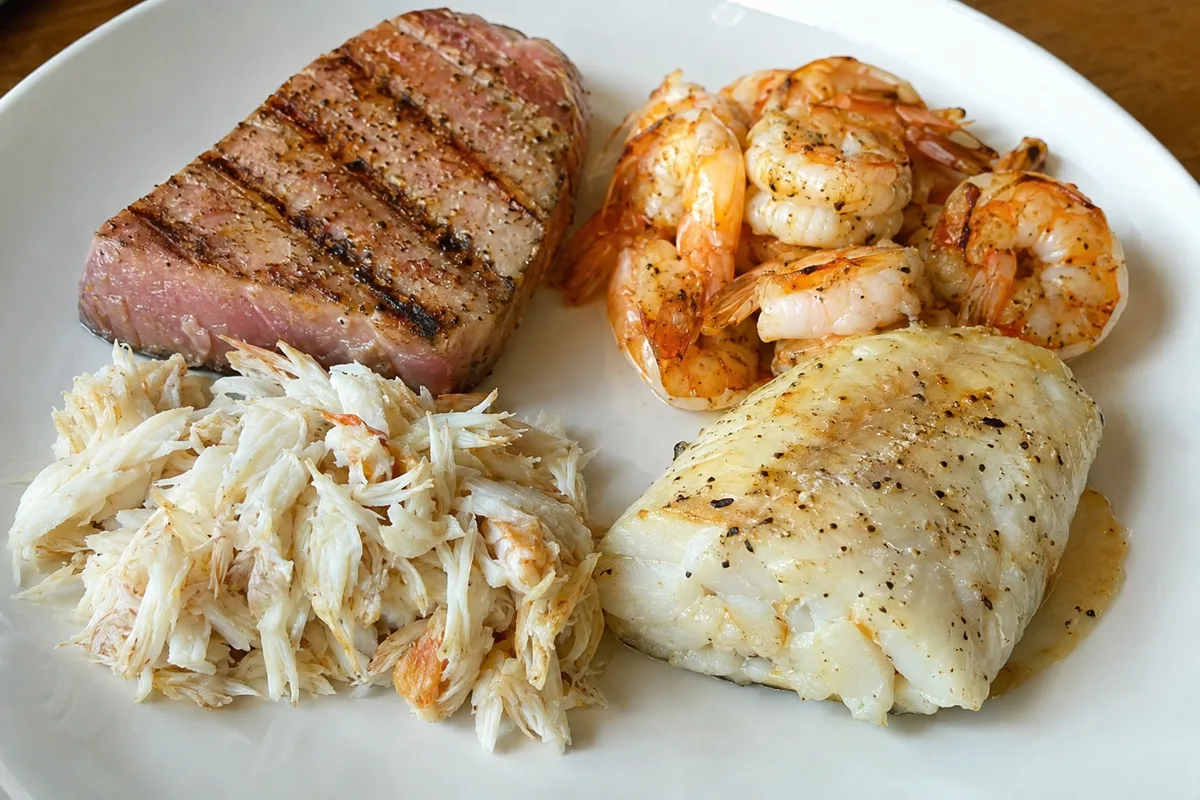
Which fish and seafood give you the most protein?
Lean fish, tuna and many shellfish pack a large amount of protein into a serving. This guide explains the strongest choices and how preparation, packing liquid and portion size affect your food log.
-
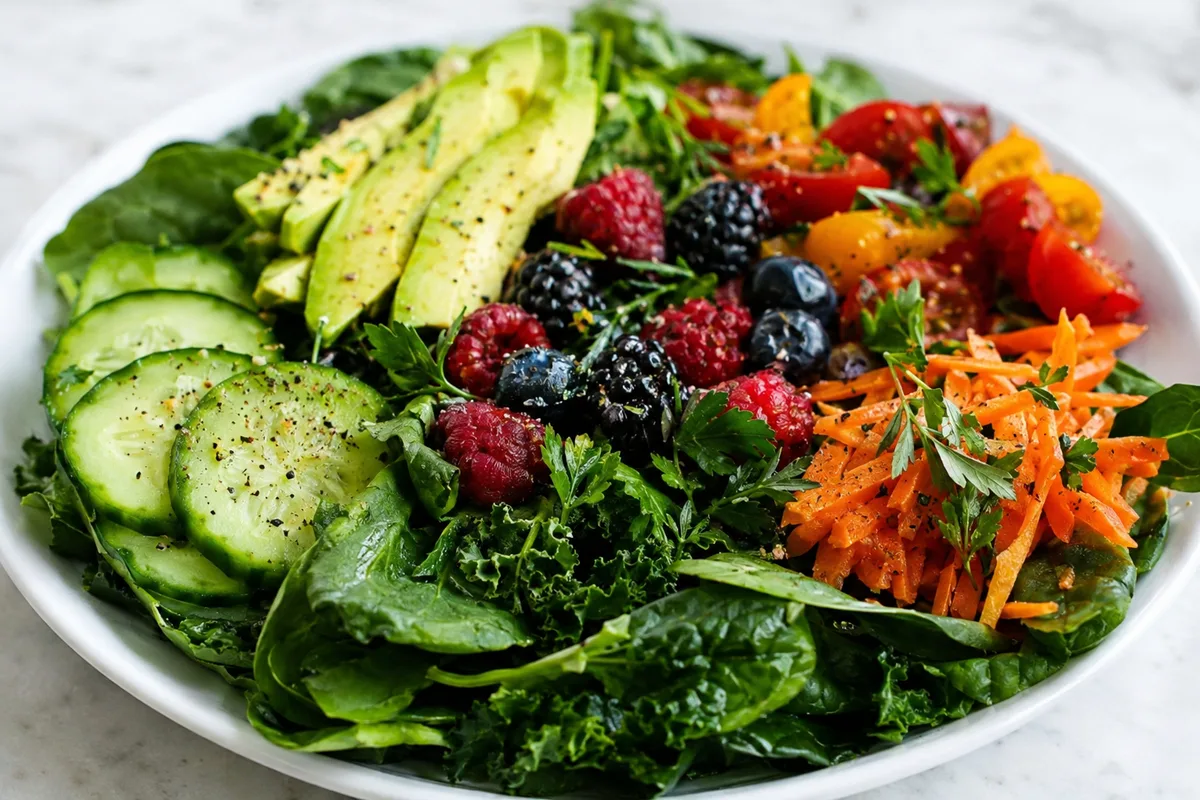
How to Choose the Best Greens Powder for Your Food Log
Greens powders can add a convenient mix of dried plant ingredients, but they are not all alike. This guide explains what to check and how to decide whether one adds anything useful to the food you already track.
-
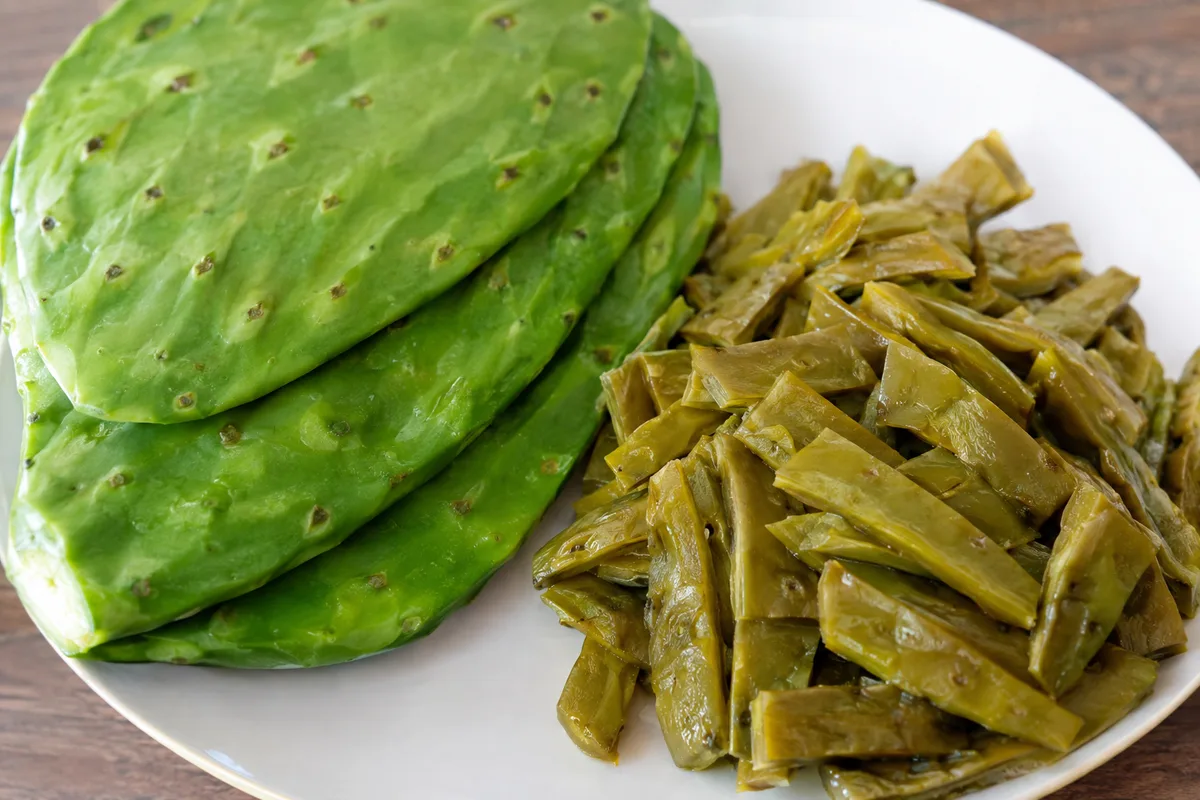
Nopal Benefits: What Cactus Pads Can Add to Your Diet
Nopal is the edible pad of the prickly pear cactus, valued for its fresh flavour, fibre and versatility. This guide explains its practical benefits, how to prepare it and what to record in your food log.
-
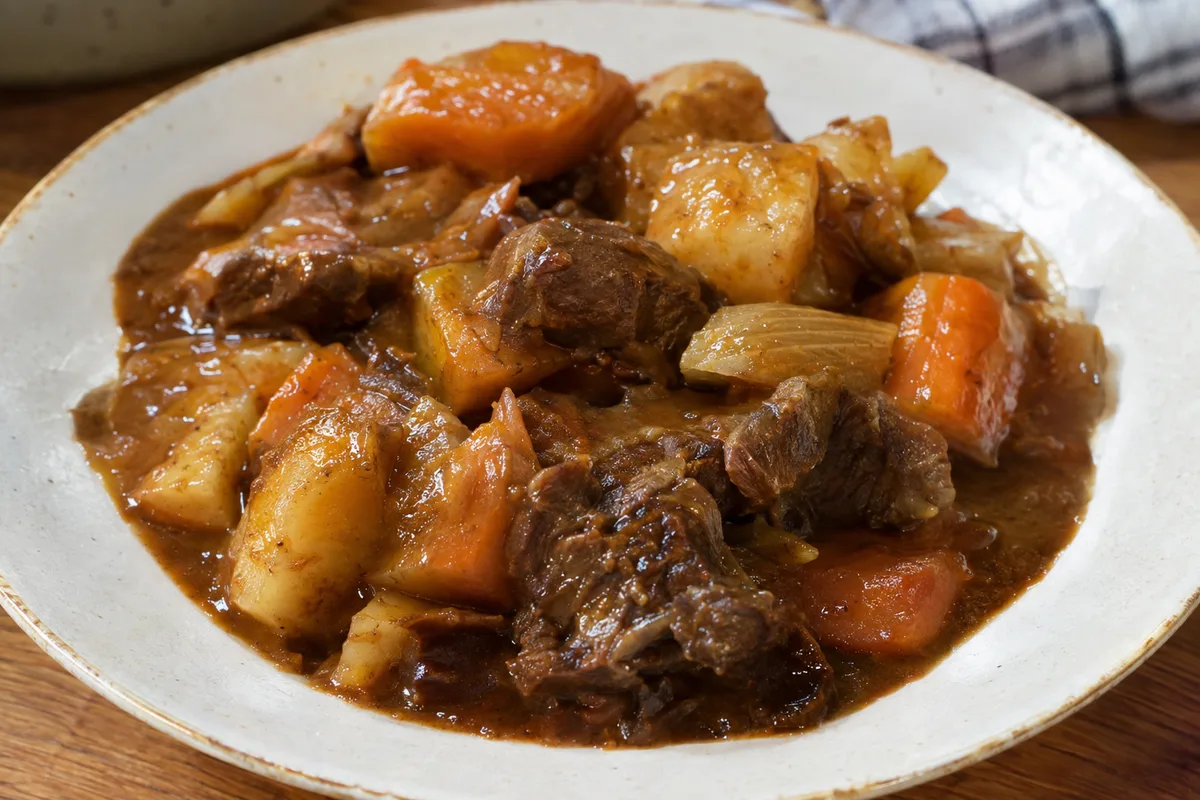
How to Convert Slow Cooker Time to Oven Time
There is no exact formula for turning Crock Pot cooking time into oven cooking time, because ingredients and dishes behave differently. This guide explains how to choose an oven setting, estimate a checking time and keep the food moist while it cooks.
-
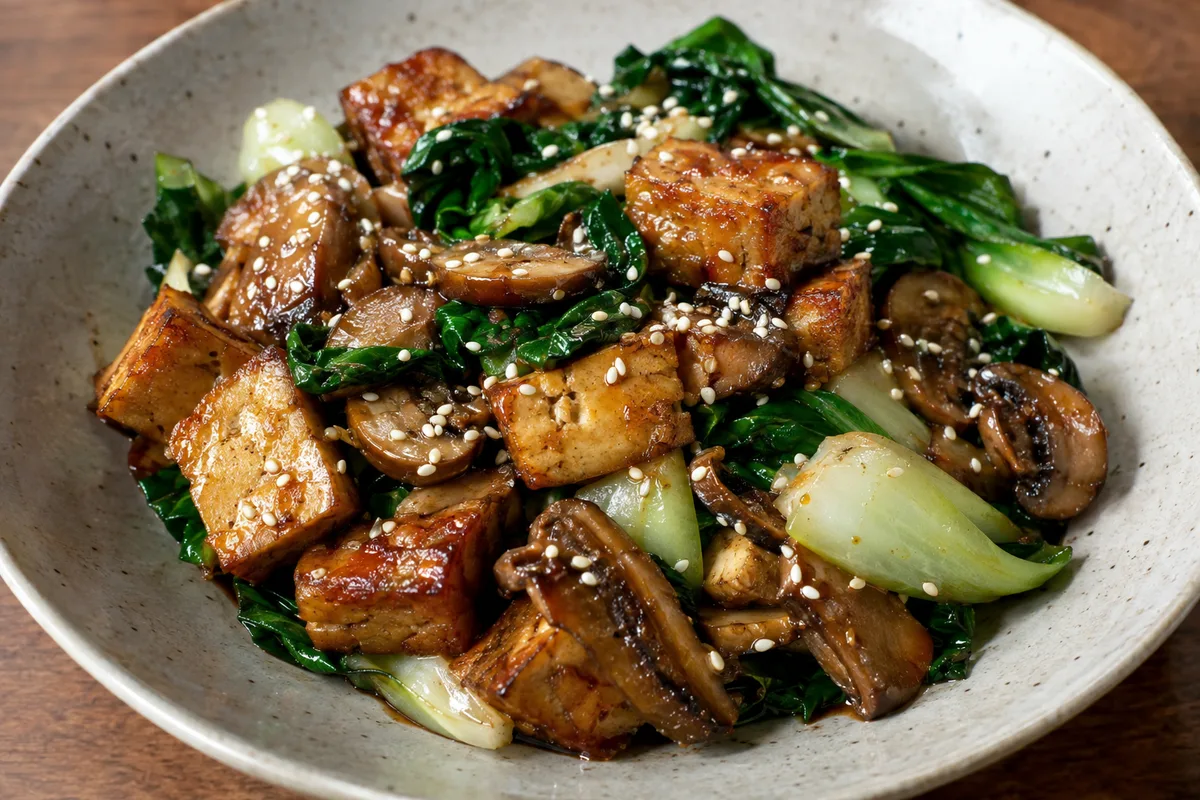
Low-Carb Vegetarian Foods That Add Useful Protein
Vegetarian protein does not always come with a large serving of carbohydrate. This guide explains which foods can fit a lower-carb approach and how to build and track balanced meals with them.
-
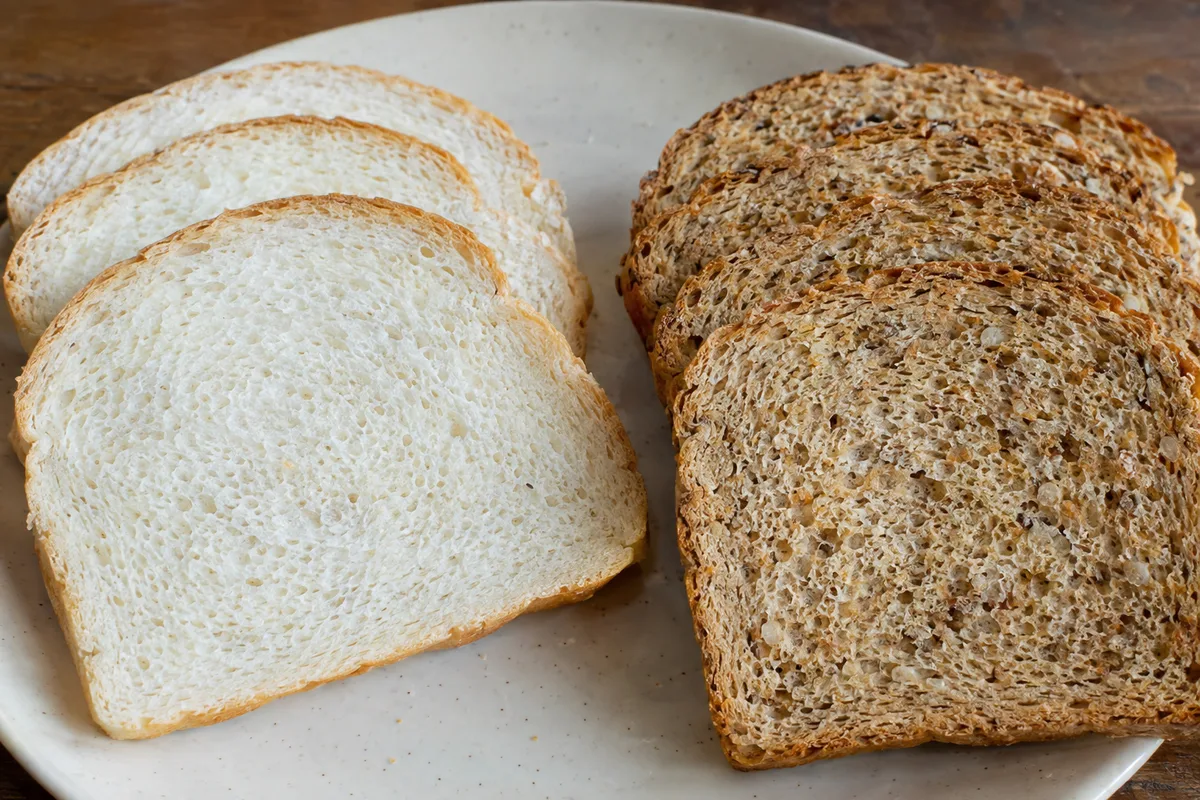
Wholemeal or white bread: what changes in your carbohydrate log?
White and wholemeal bread both contain carbohydrates, but they differ in how the wheat grain is used. Here is how to compare them accurately and record the bread you actually eat.
-

How Many Calories Does Muscle Really Burn?
Muscle burns calories around the clock, although its resting demand is often overstated. This guide explains what changes as you gain muscle and how to reflect that in your food tracking.
-

Does Agave Nectar Fit a Low-Carb Diet?
Agave nectar may sound different from ordinary sugar, but it still contributes carbohydrate to your day. This guide explains what it contains, how to track it and when another option may suit you better.
-
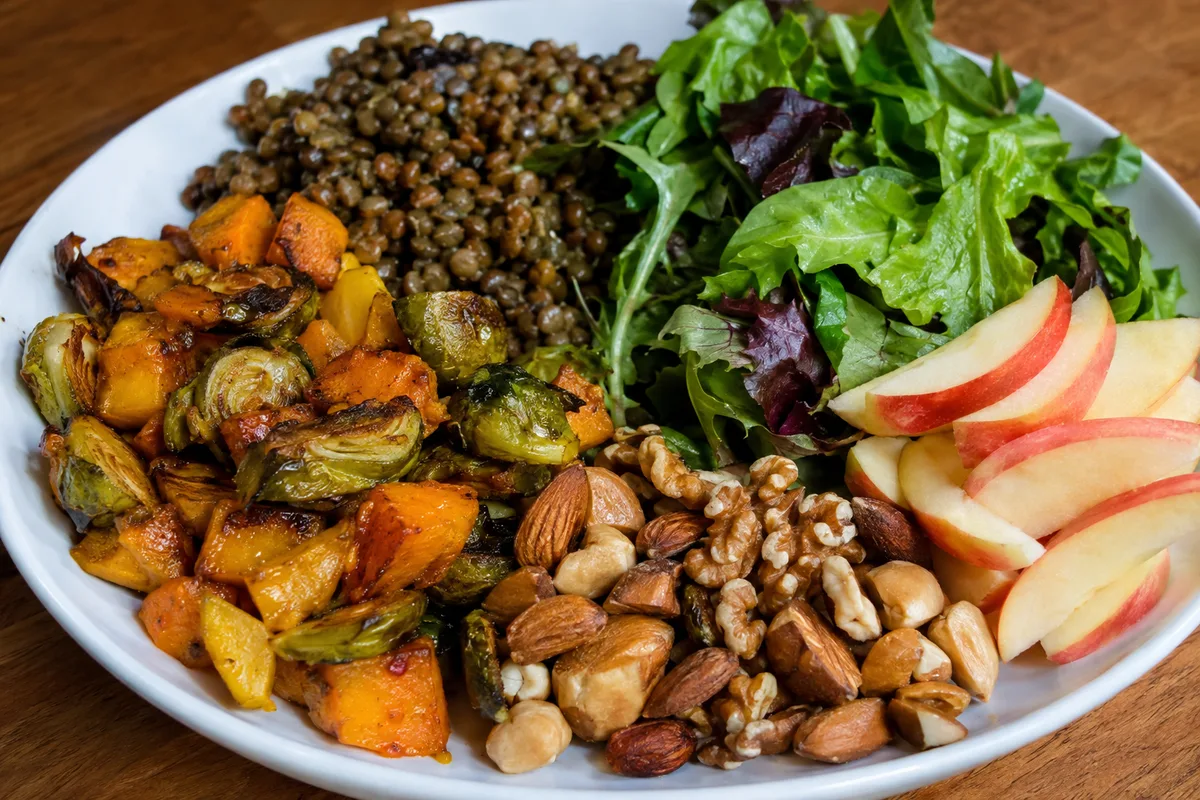
The alkaline diet explained: what food can and cannot change
The alkaline diet sorts foods by the acidic or alkaline effect they are said to leave after digestion. This guide explains what that means, what happens inside the body and how to assess the diet while tracking your food.
-
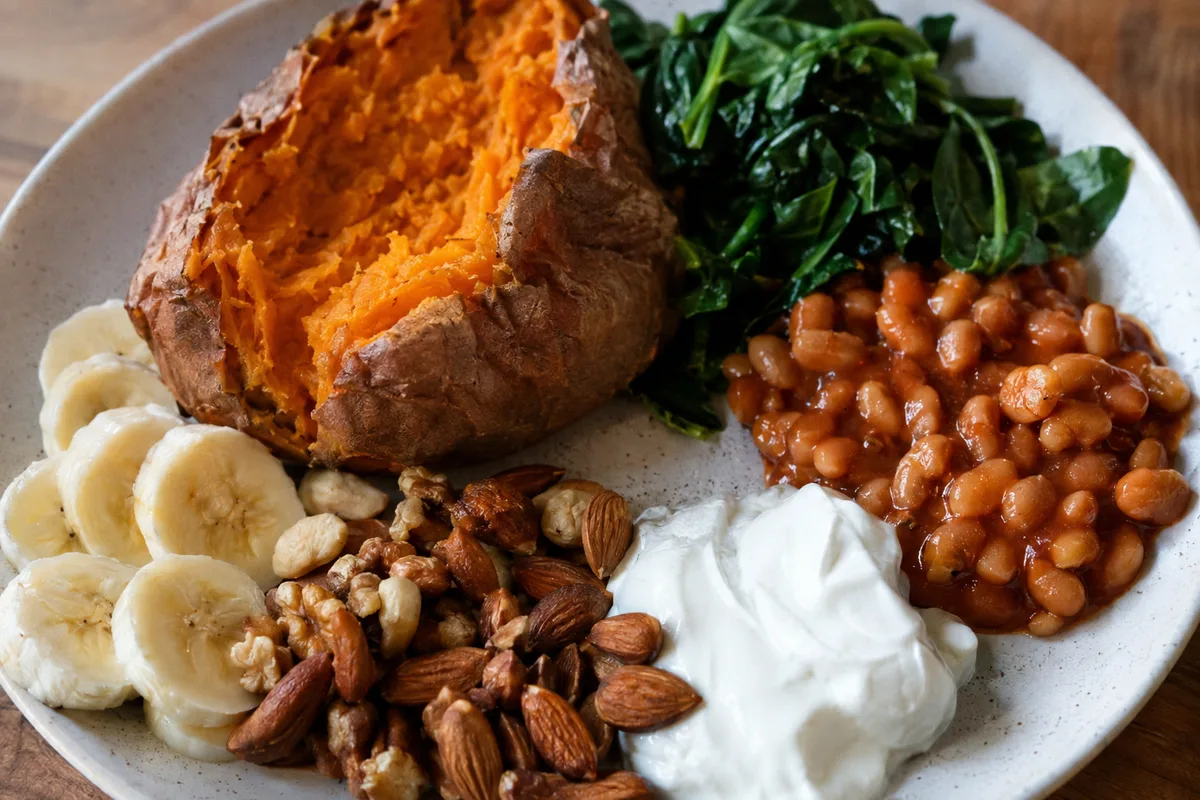
What Is the Best Form of Electrolytes?
Electrolytes come from everyday foods as well as drinks, powders and tablets. This guide explains how each form fits into food tracking and how to choose one for the situation.
-
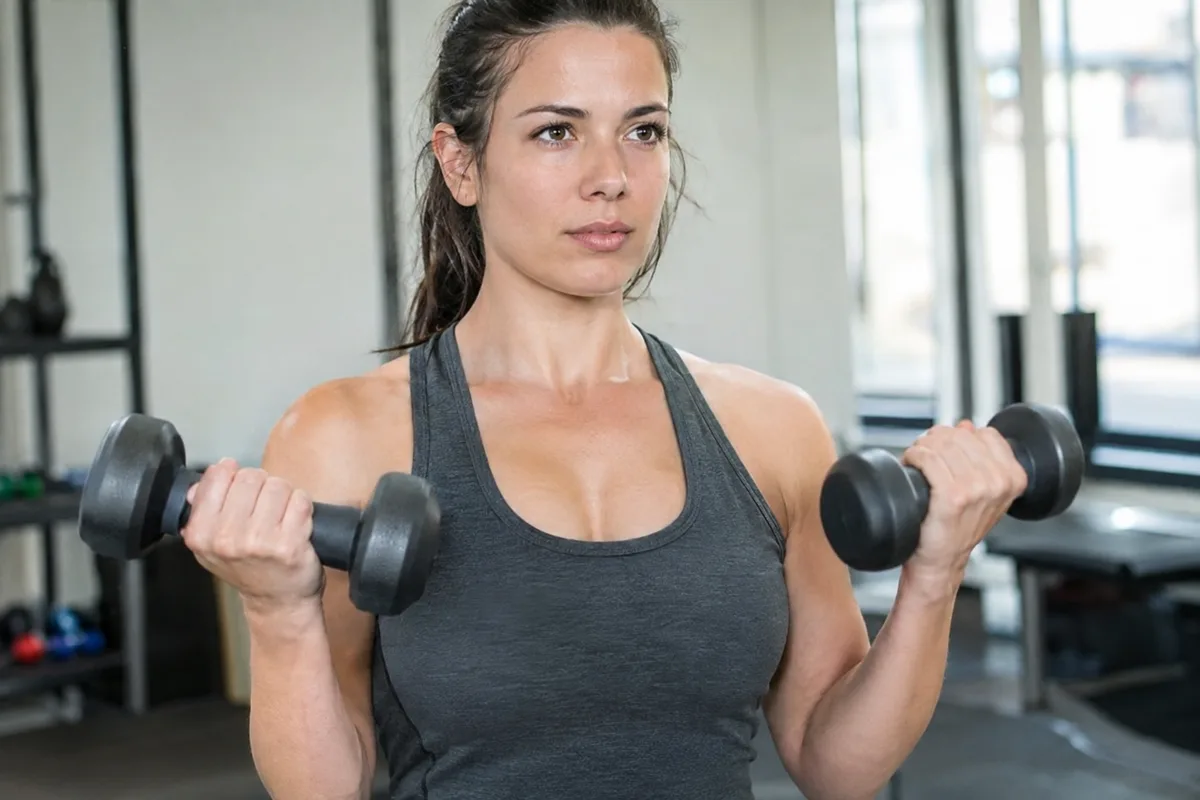
How Long Does It Take to Firm Your Arms with 5 lb Weights?
There is no single timetable for making arms look firmer with 5 lb weights. This guide explains what affects progress, how to train effectively and what to look for beyond the mirror.
-
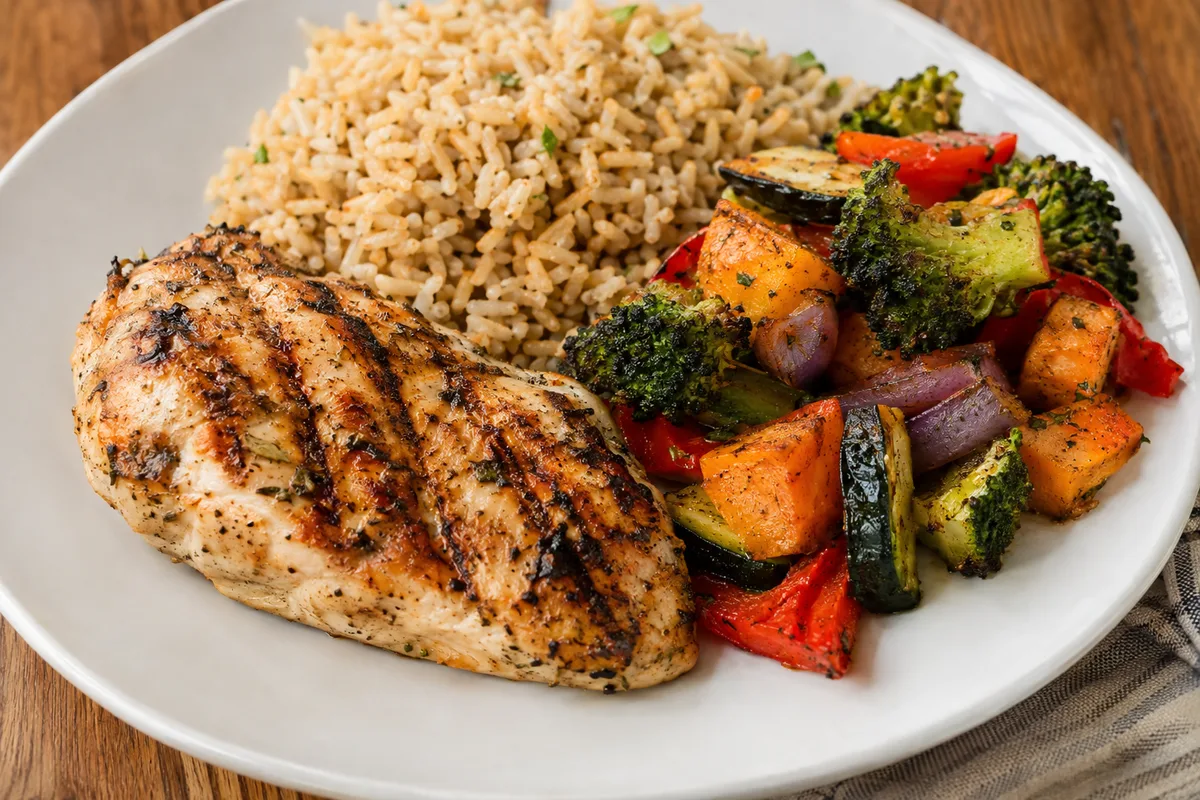
How Long Does It Take to Lose 60 Pounds?
Losing 60 pounds, or about 27 kilograms, usually calls for a long-term approach rather than a short push. This guide explains what affects the pace, how to use your food log and when to adjust your plan.
-
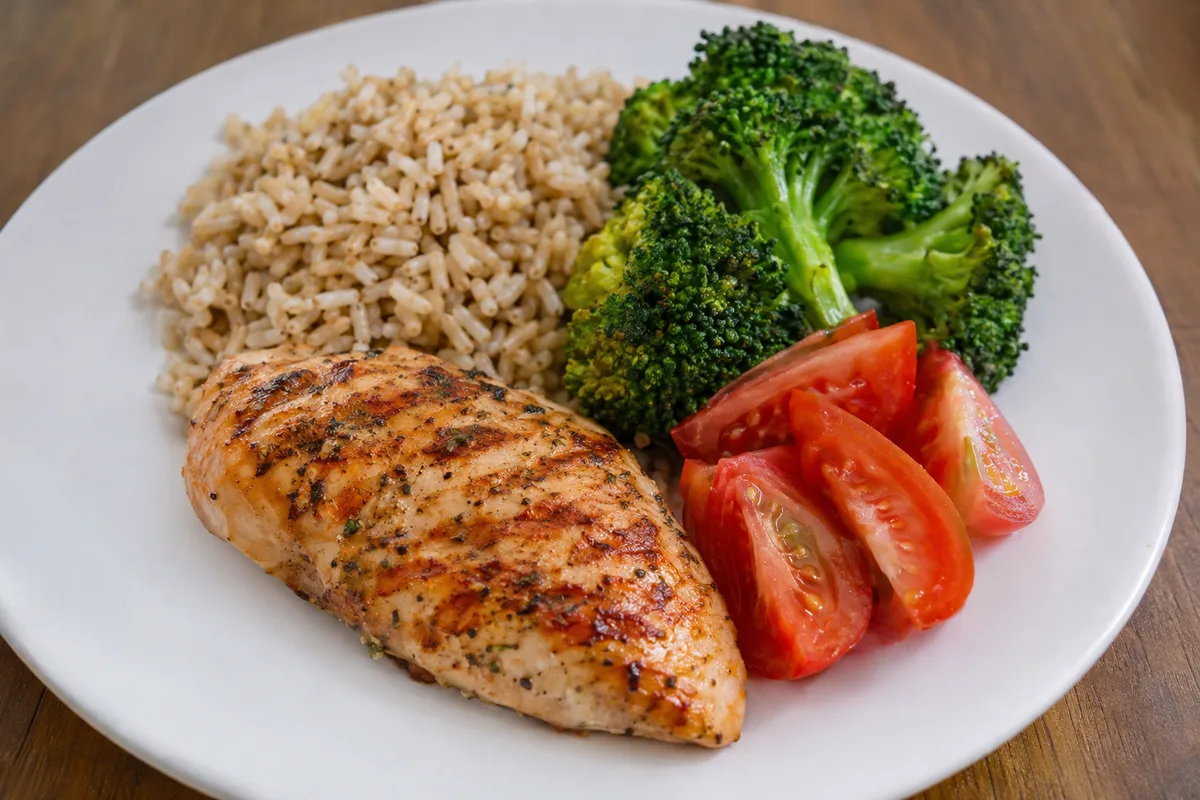
How Much Water Weight Can You Lose in a Week?
A weekly change on the scale may include water, stored carbohydrate, food in the digestive system and body tissue. This guide explains why water weight shifts, how to read your food log and why trying to force fluid loss is unhelpful.
-
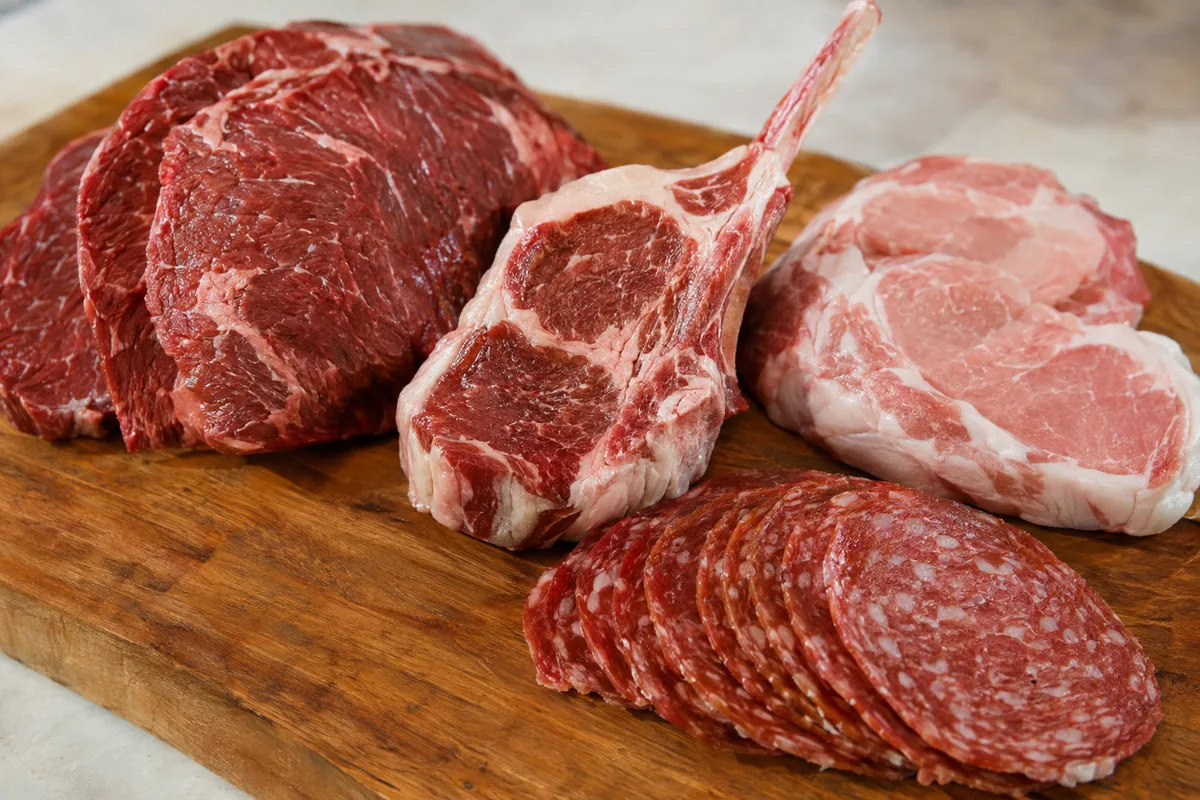
Red meat: how much is too much?
There is no single red meat limit that suits every person, but your food log can show whether it is crowding out other useful foods. This guide explains what counts as red meat, how to review your pattern and where processed meat fits in.
-
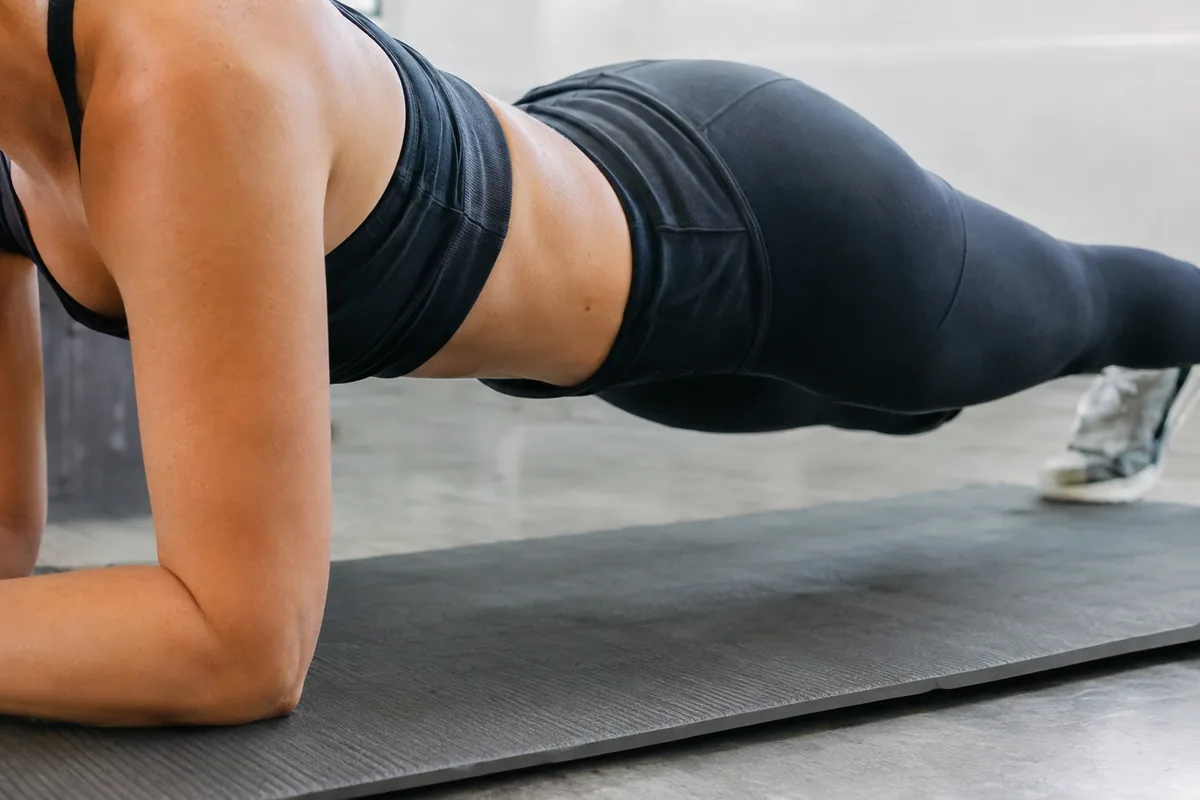
What Is a Coregasm, and Why Can Exercise Trigger One?
A coregasm is an orgasm or orgasm-like sensation that happens during exercise, often without sexual thoughts or direct touch. This guide explains what may cause it, which movements can trigger it and how to handle it comfortably.
-
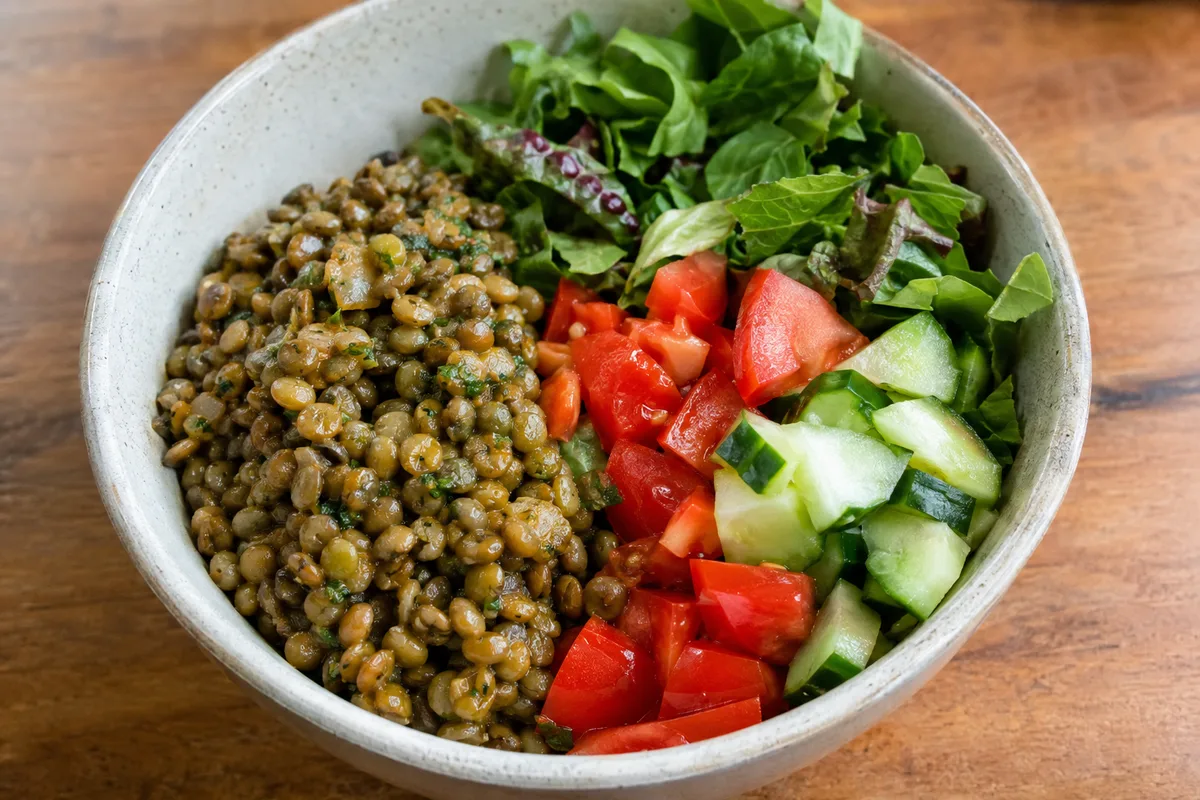
Green lentils: a practical guide to their nutrition
Green lentils provide plant protein, fibre, carbohydrate and a range of vitamins and minerals. This guide explains what that means for your food log and how to build satisfying meals around them.
-
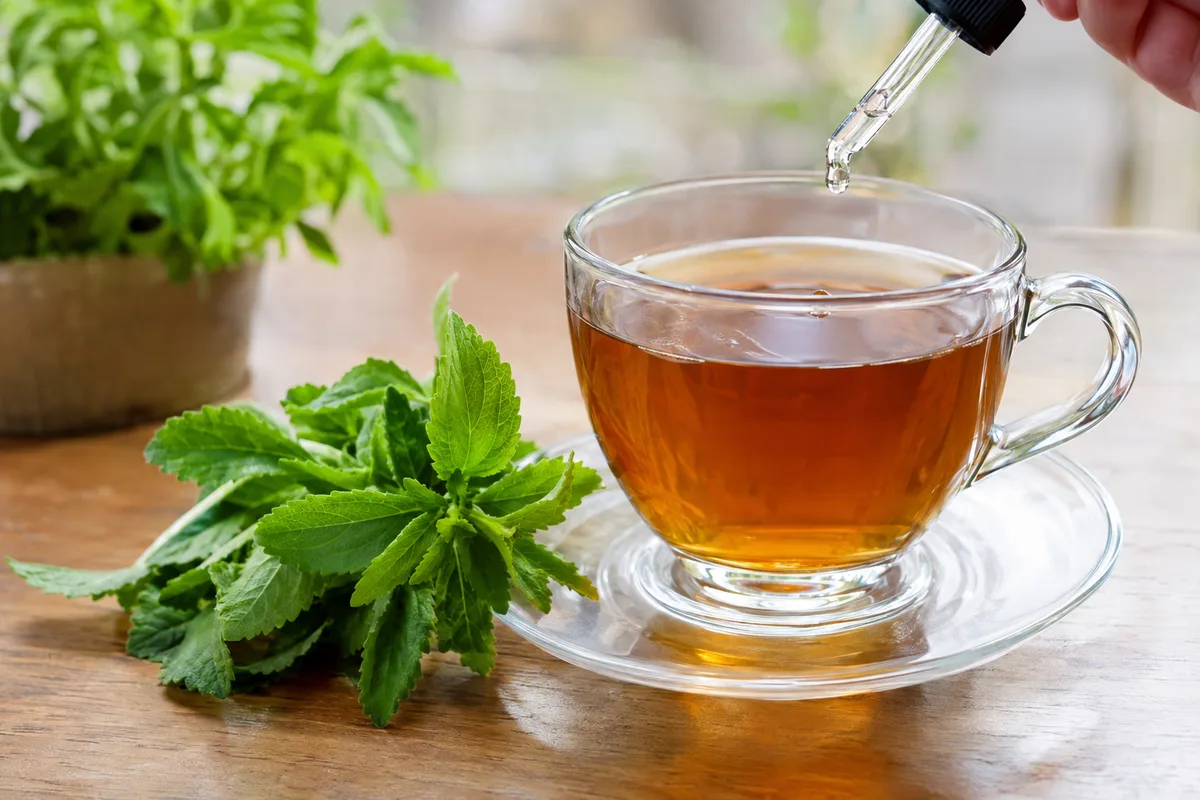
What Stevia Can Offer When You Track Your Food
Stevia is a sweetener made from compounds found in the leaves of the stevia plant. This guide explains its practical benefits, how it affects food tracking and what to check before using it.
-

How to Choose an Electrolyte Drink Powder That Fits Your Goals
Electrolyte powders can replace minerals lost through sweat, but not every workout or day requires one. This guide explains how to compare ingredients, added sugar and serving sizes while keeping weight goals in perspective.
-

Which Restaurant Breads Are Usually Highest and Lowest in Calories?
Restaurant bread can range from a small plain roll to a large piece filled or coated with fat and cheese. This guide explains which choices are usually higher or lower in calories and how to log them sensibly.
-
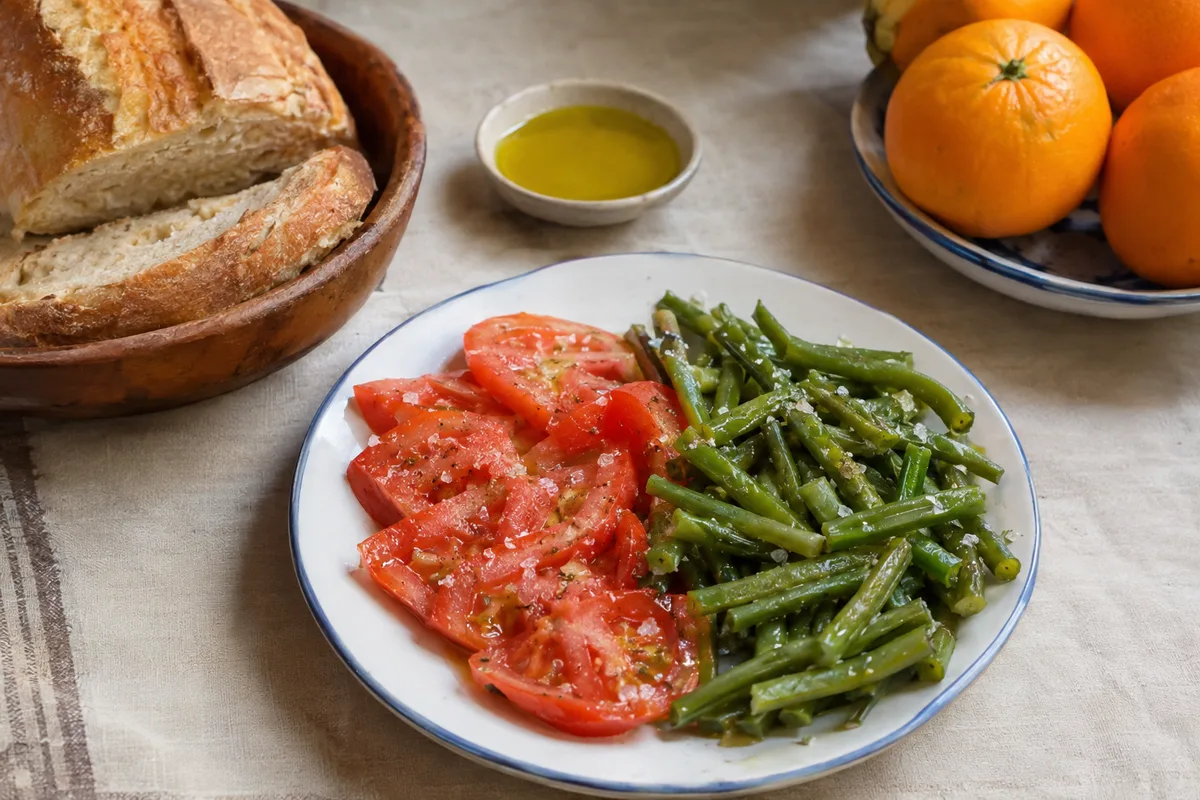
The Valencia Diet: What the Label Really Means
The Valencia diet is not one formally defined eating plan, so its meaning can vary depending on where you see the term. This guide explains its likely Valencian influences, how to build balanced meals and how to record them accurately.
-

Can Baking Soda Help You Perform Better?
Baking soda can help the body manage some of the chemical changes that accompany hard, fast exercise. This guide explains the potential benefit, the activities it may suit and how to approach it carefully.
-
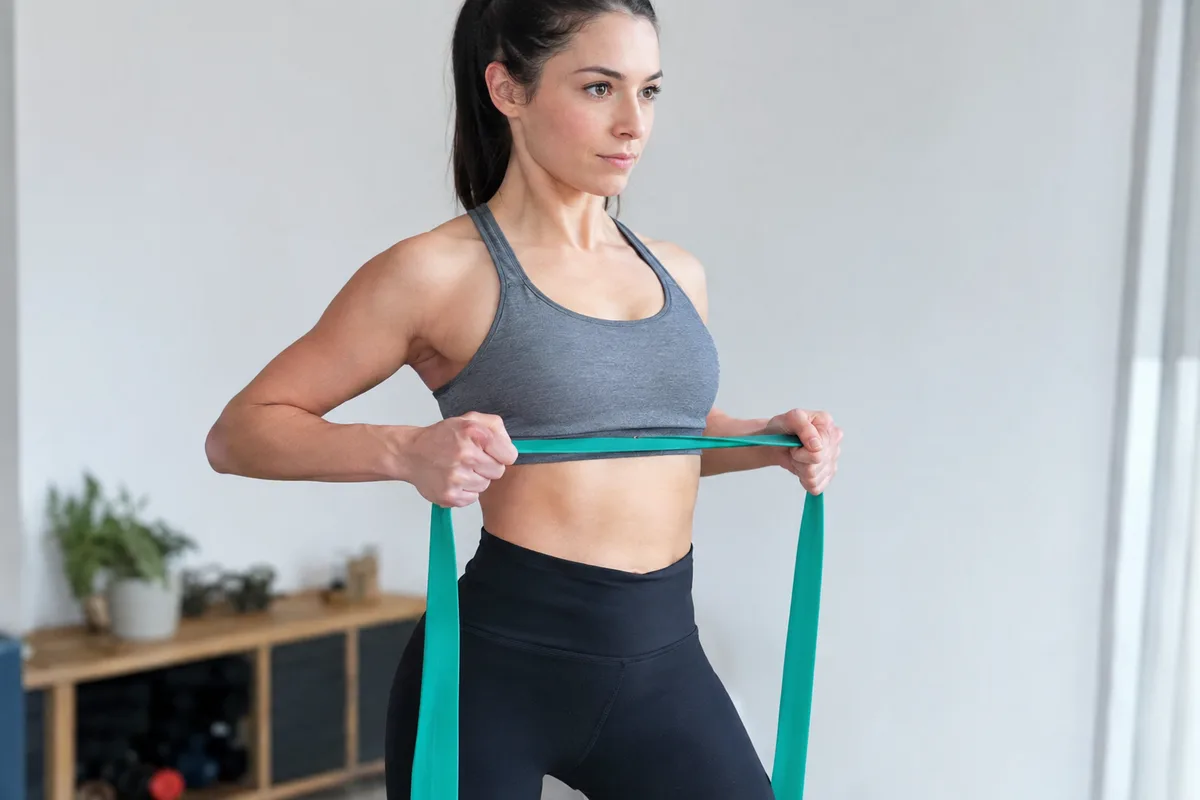
The best resistance bands for your workouts
The best resistance band is one that suits the movements you want to do and provides manageable resistance. This guide explains the main styles, what to look for and how to use bands alongside food tracking.
-
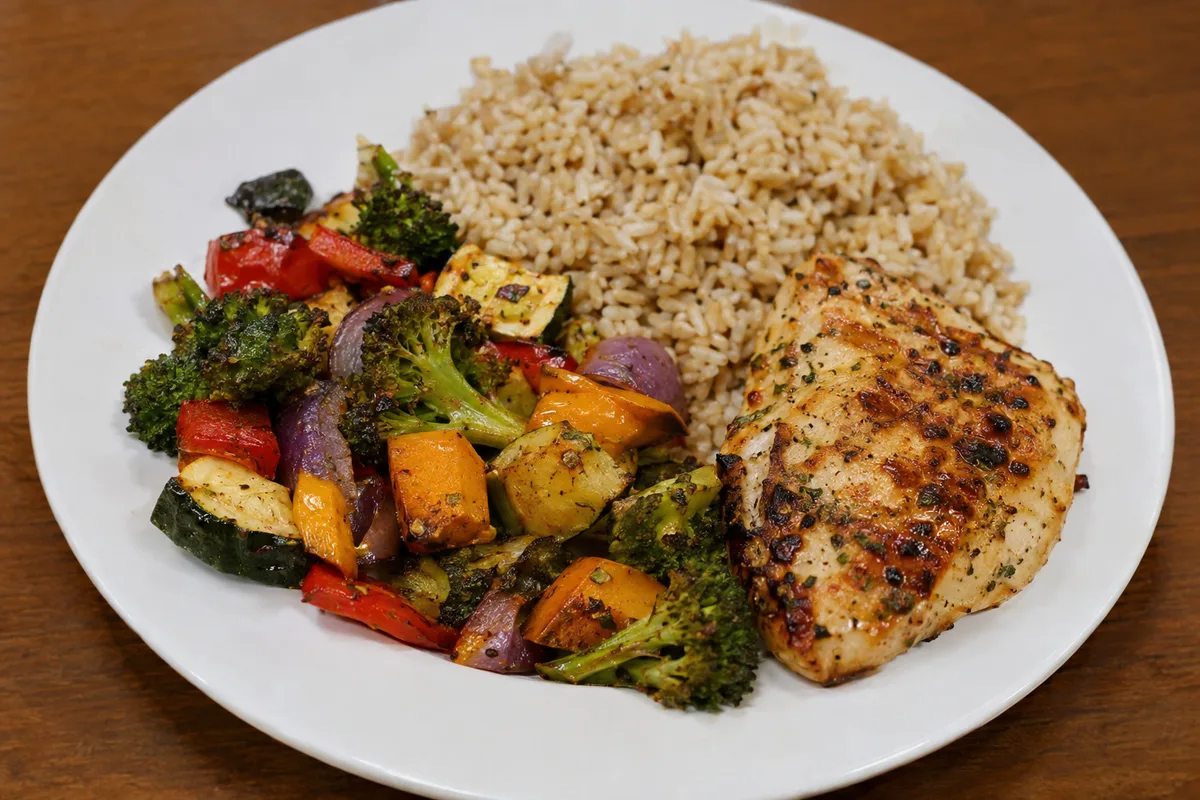
What Happens When You Eat Fewer Calories Each Day
Reducing your daily calorie intake changes the amount of energy available to your body. This guide explains the likely effects, what to watch in your food log and how to make a reduction more manageable.
-
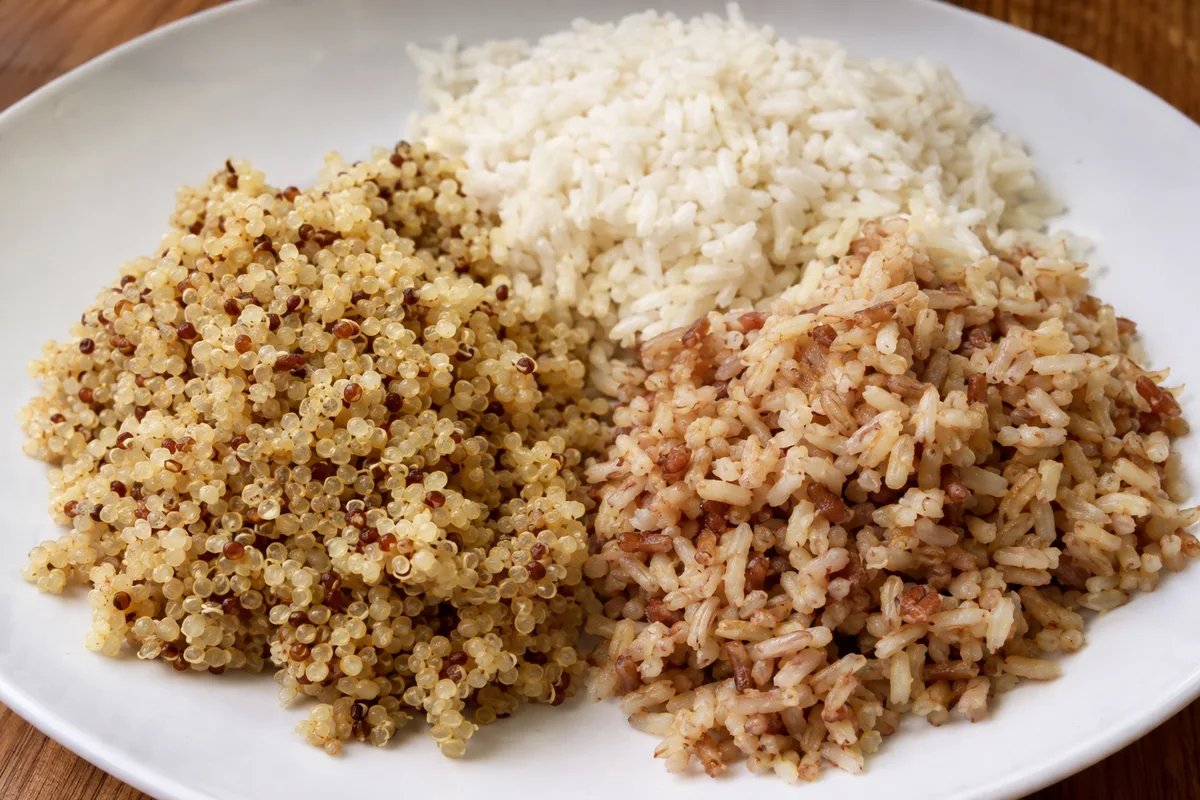
Quinoa or rice: which is the healthier choice for you?
Quinoa generally offers more protein and fibre, while rice can be an equally useful base for a balanced meal. This guide explains the differences and shows how to choose the option that suits your food log, preferences and routine.
-
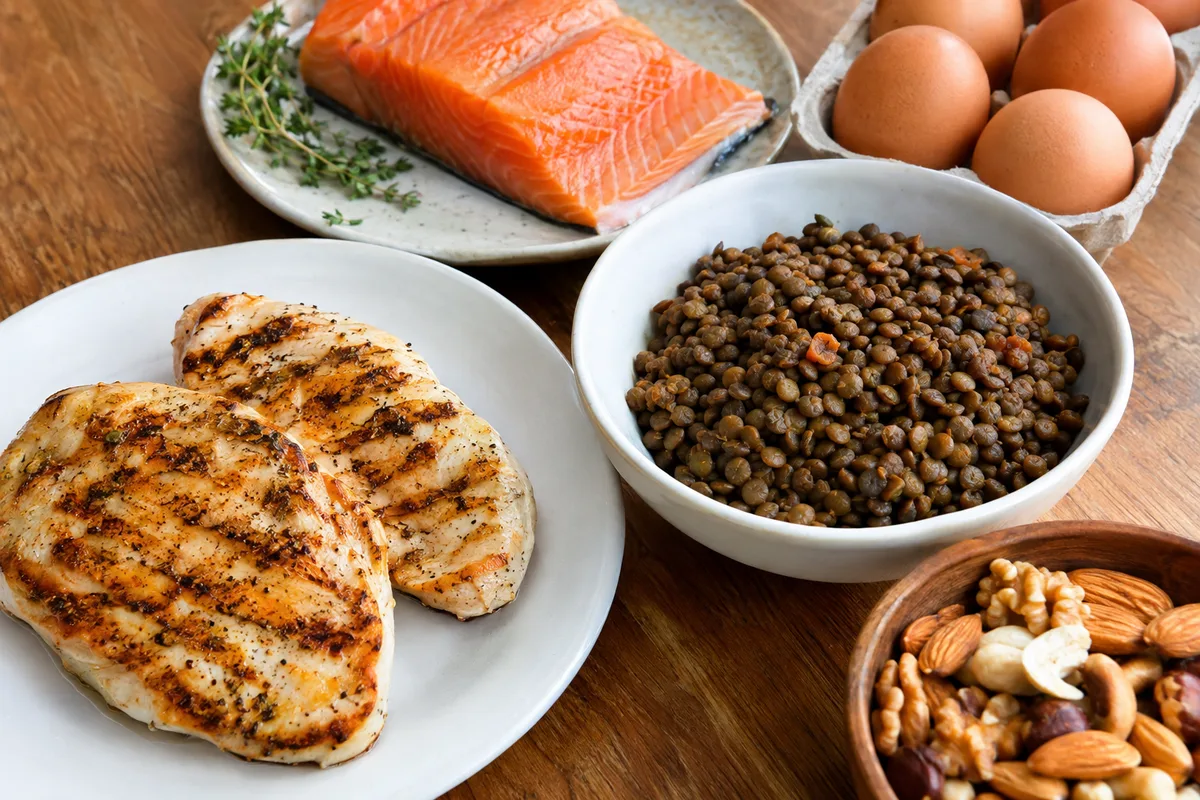
How to Choose Foods That Are High in Protein and Lower in Sodium
High-protein foods can vary widely in sodium, especially when they are cured, seasoned or packed in sauce. This guide explains what to look for, which foods make useful choices and how to record them accurately.
-
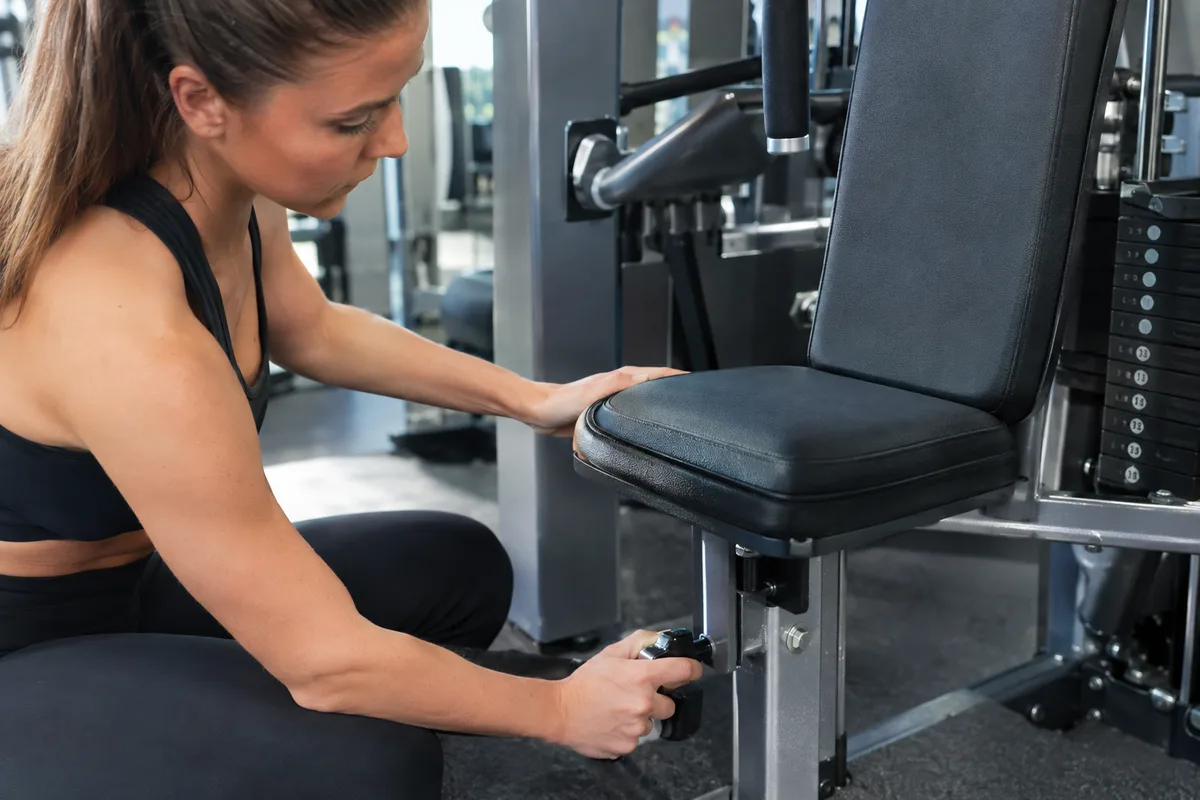
The 10 Best Gym Machines for Weight Training
Gym machines can make weight training simpler by guiding the path of each movement. This guide covers 10 useful options, how to choose between them and how to build them into your routine.
-
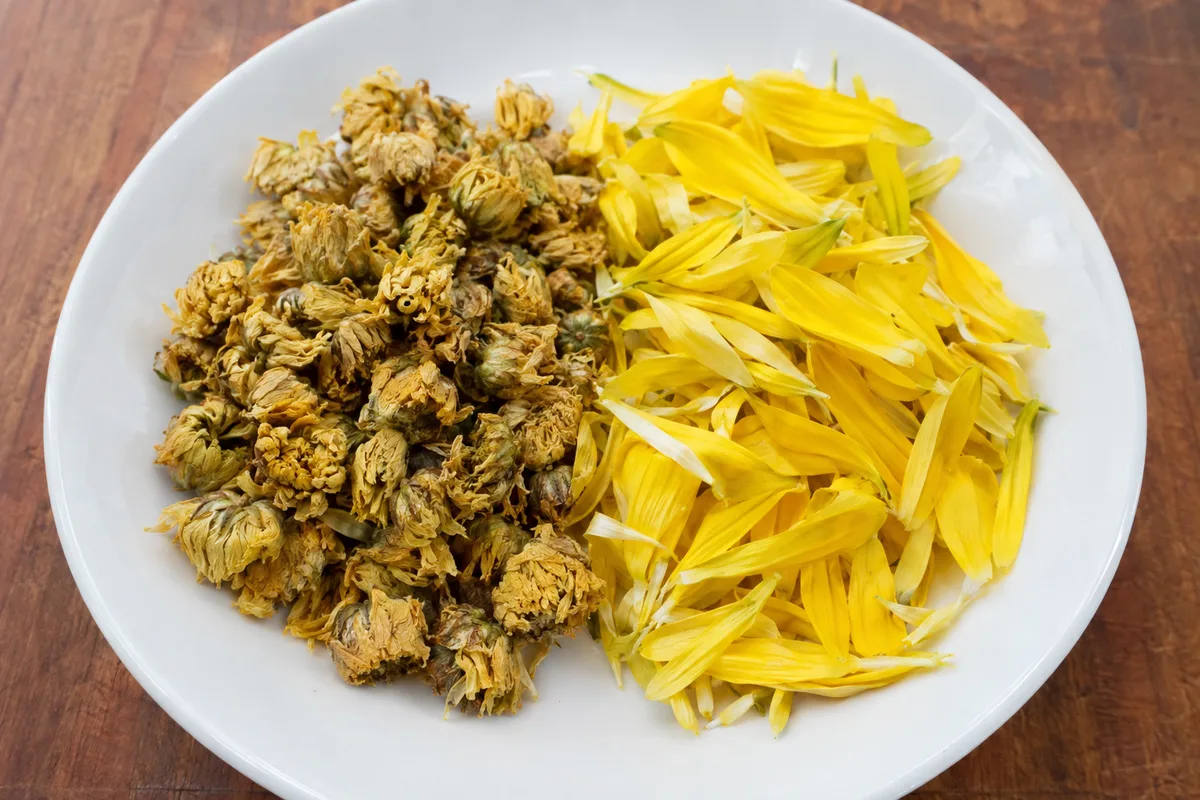
Chrysanthemum tea: possible benefits, side effects and what to track
Chrysanthemum tea is a floral infusion often enjoyed for its light taste and calming routine. This guide explains what it may offer, where the evidence is limited and what to consider when tracking it.
-
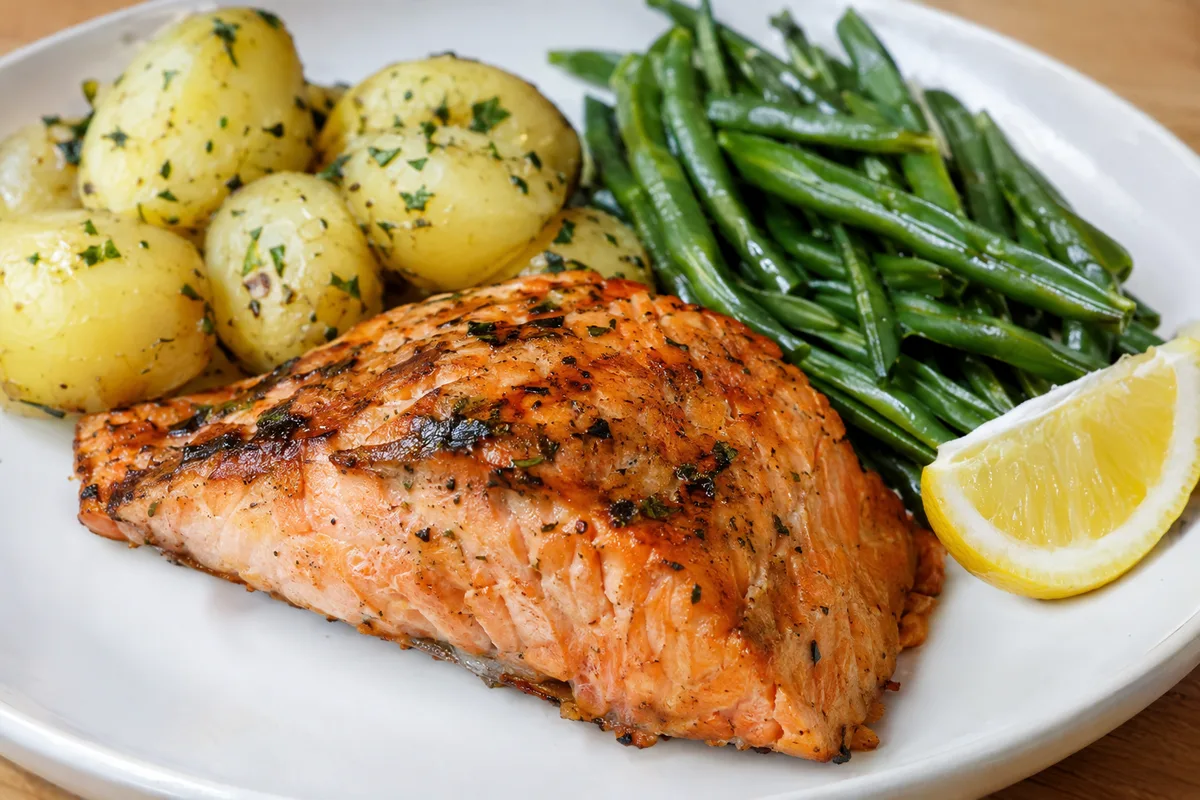
What a Glass of Wine Each Day Can Do to Your Body
A daily glass of wine can influence more than your food log. Here is what to consider about the pour, its immediate effects, eating patterns, sleep and routine.
-
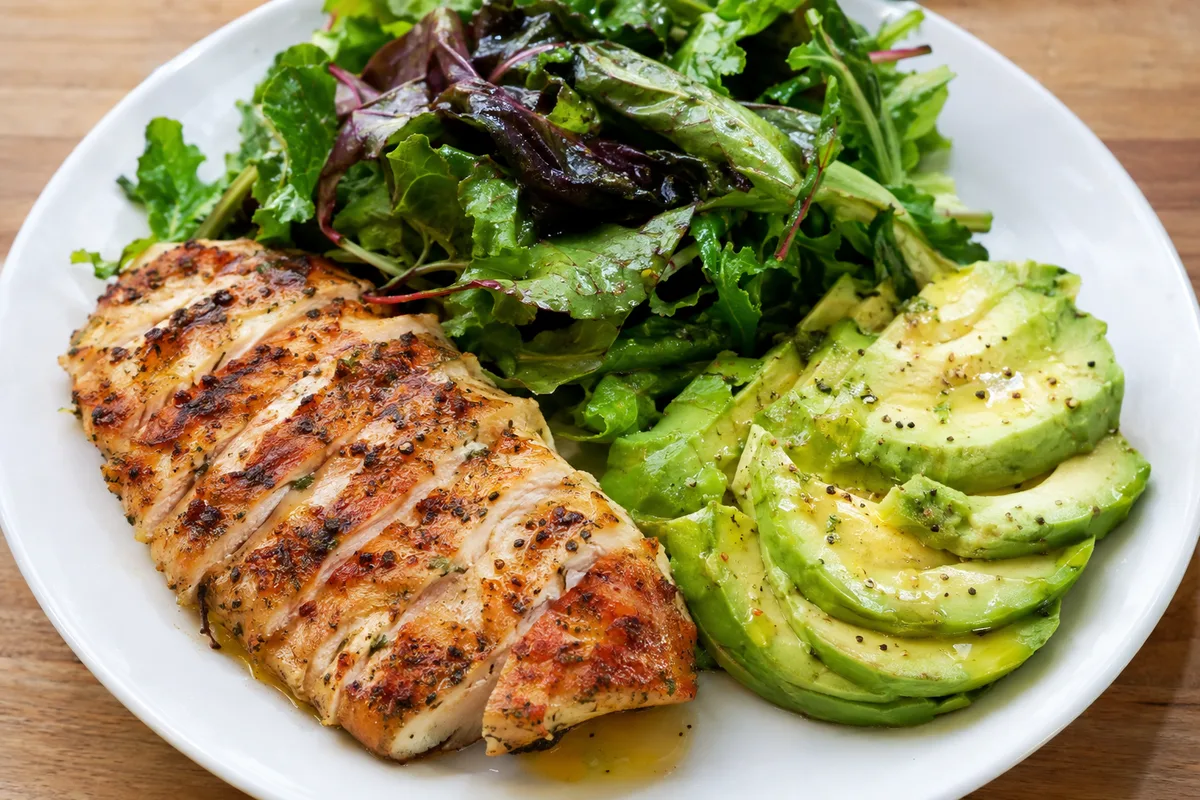
A Beginner’s Guide to Low-Carb, High-Fat Eating for Weight Loss
A low-carb, high-fat diet changes where much of your food energy comes from, but it does not remove the need to consider overall intake. This guide explains how to start, choose foods and use your food log to adjust the approach.
-
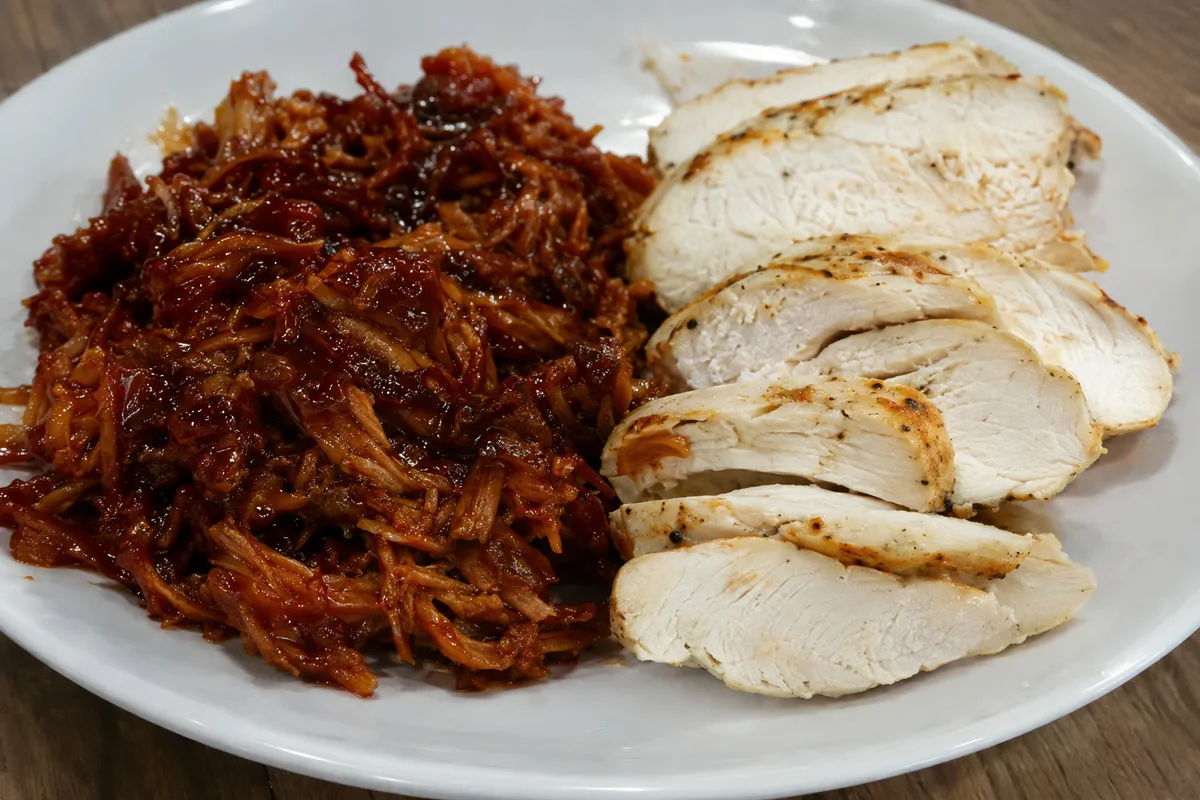
Pulled Pork vs Chicken: What Changes Nutritionally?
Pulled pork and chicken can both provide plenty of protein, but the cut and preparation often matter more than the animal. This guide explains what to compare and how to log each meal more accurately.
-
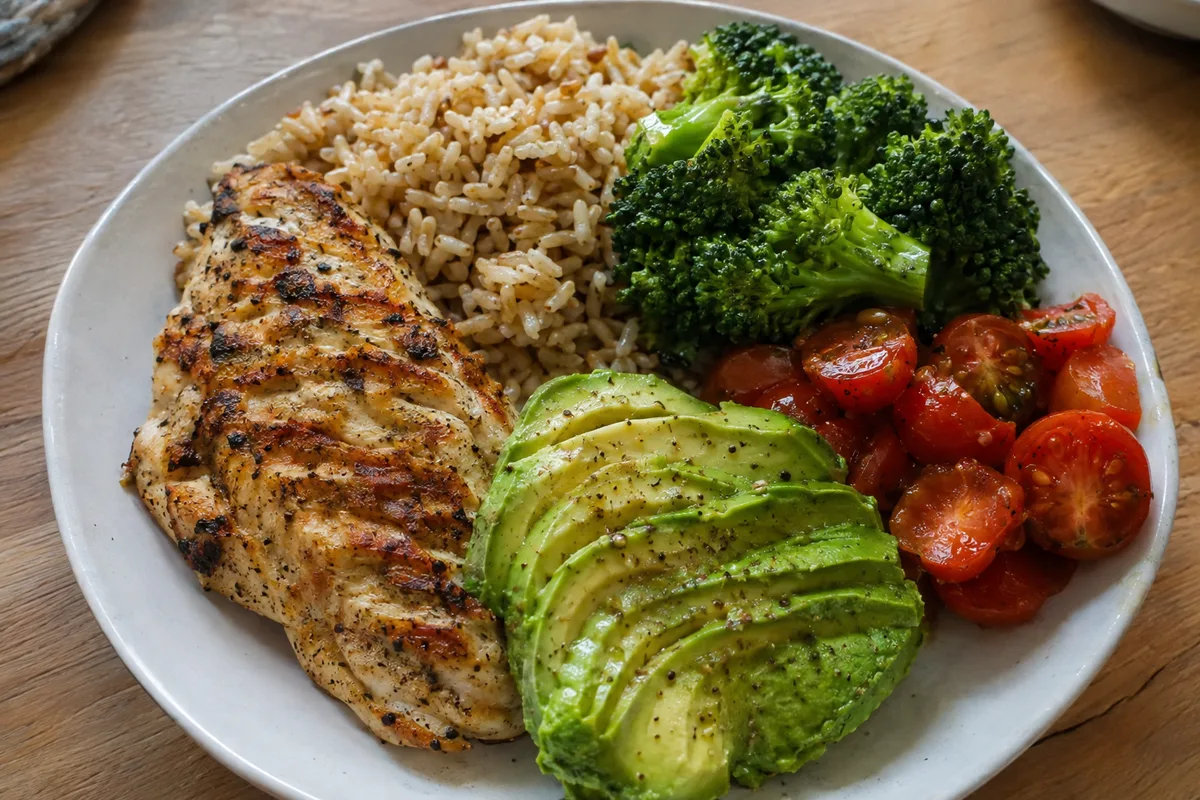
Can a Foot Peddler Help You Lose Weight?
A foot peddler, often called a pedal exerciser, can help you move while seated. Here is how that movement fits with food tracking, energy balance and a realistic routine.
-
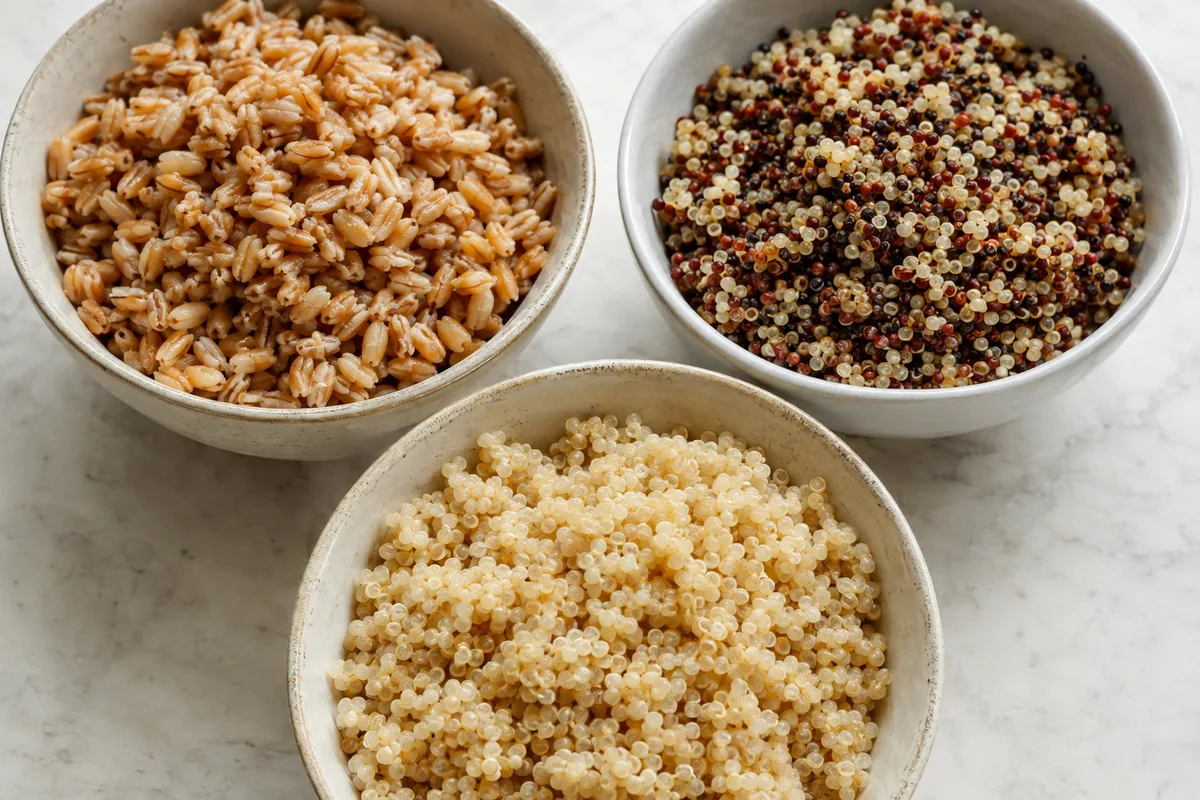
Farro or quinoa: which fits your plate better?
Farro and quinoa can both add satisfying texture and useful nutrients to a meal, but they are not interchangeable in every respect. This guide compares their key differences and shows how to choose and track them according to your needs.
-

How Many Calories Does 30 Minutes of Easy Jogging Burn?
There is no single calorie figure for half an hour of easy jogging because the result depends on your body, pace and route. This guide explains how to interpret an estimate and use it alongside your food log.
-
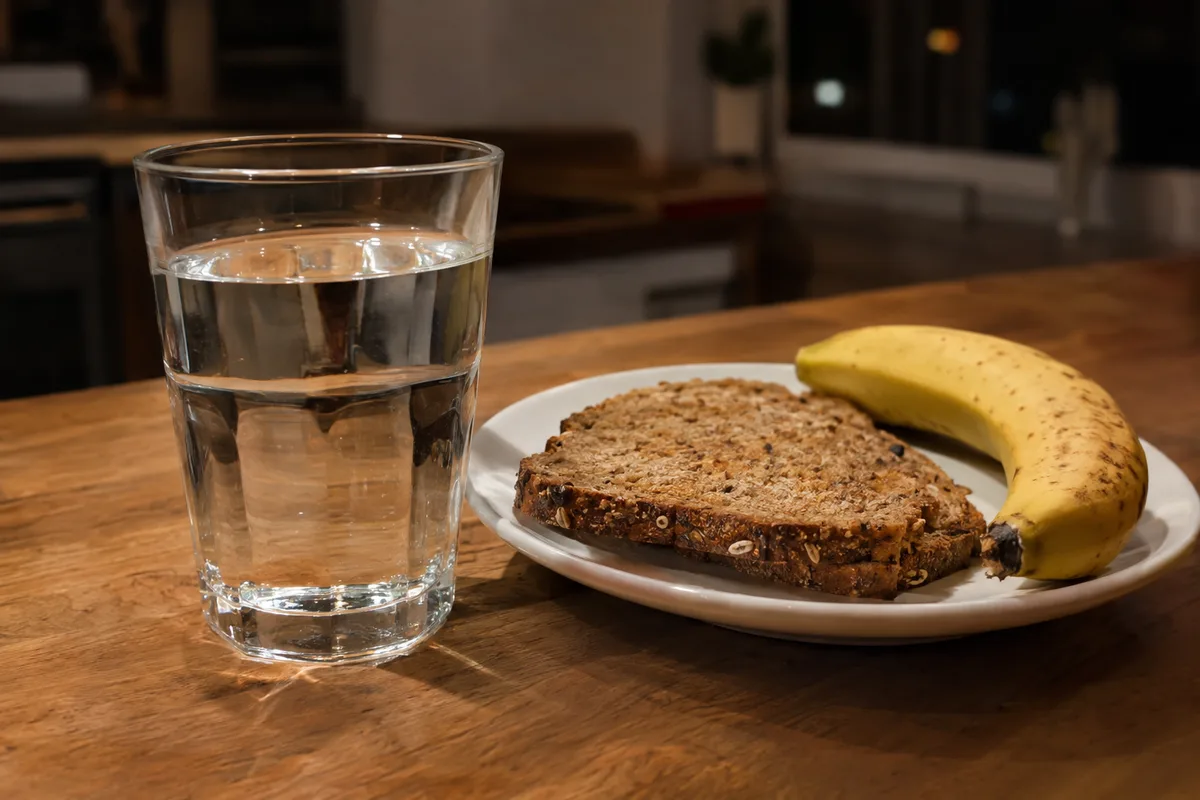
Healthy Midnight Snacks That Satisfy Without Feeling Heavy
Late-night hunger can be handled with a simple snack rather than ignored or turned into a second dinner. This guide explains what to choose, how much to serve and how to record it accurately.
-
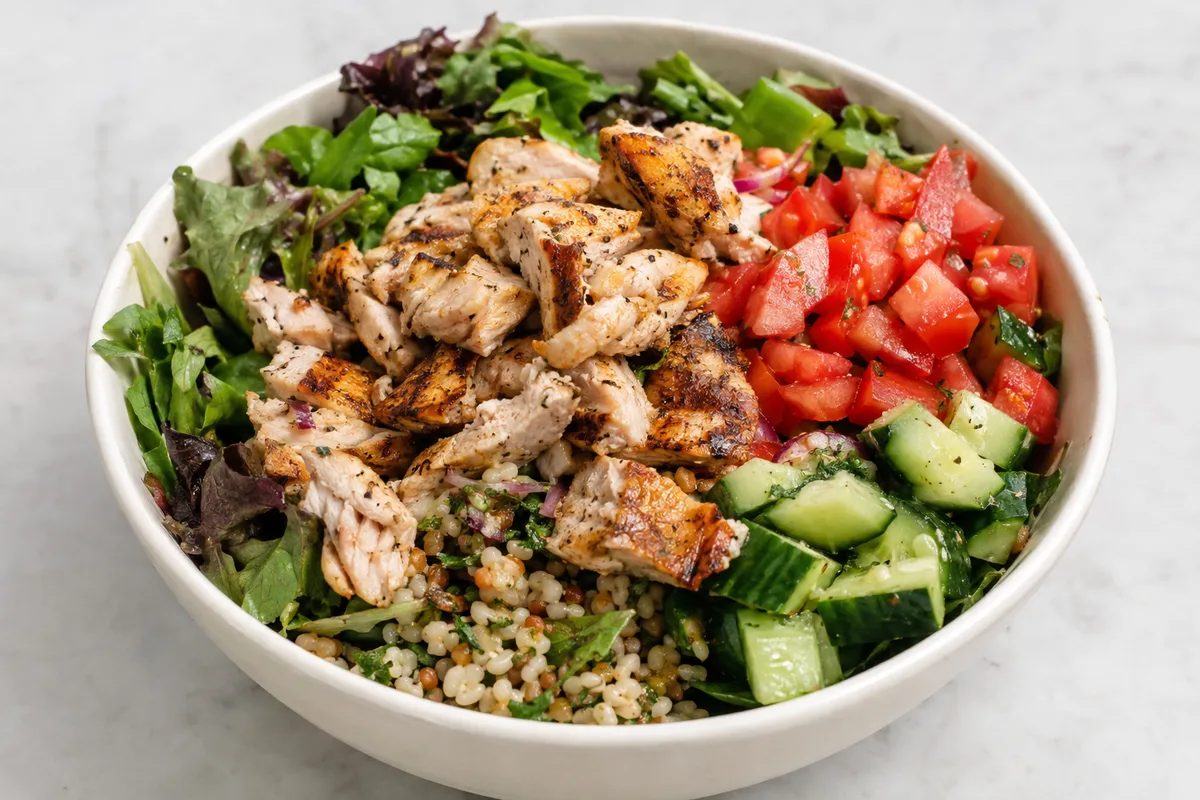
How to Build a Healthier CAVA Meal
CAVA’s build-your-own format lets you adjust the base, protein, vegetables and sauces to suit your aims. This guide explains how to make a satisfying choice and log it accurately without labelling foods as good or bad.
-
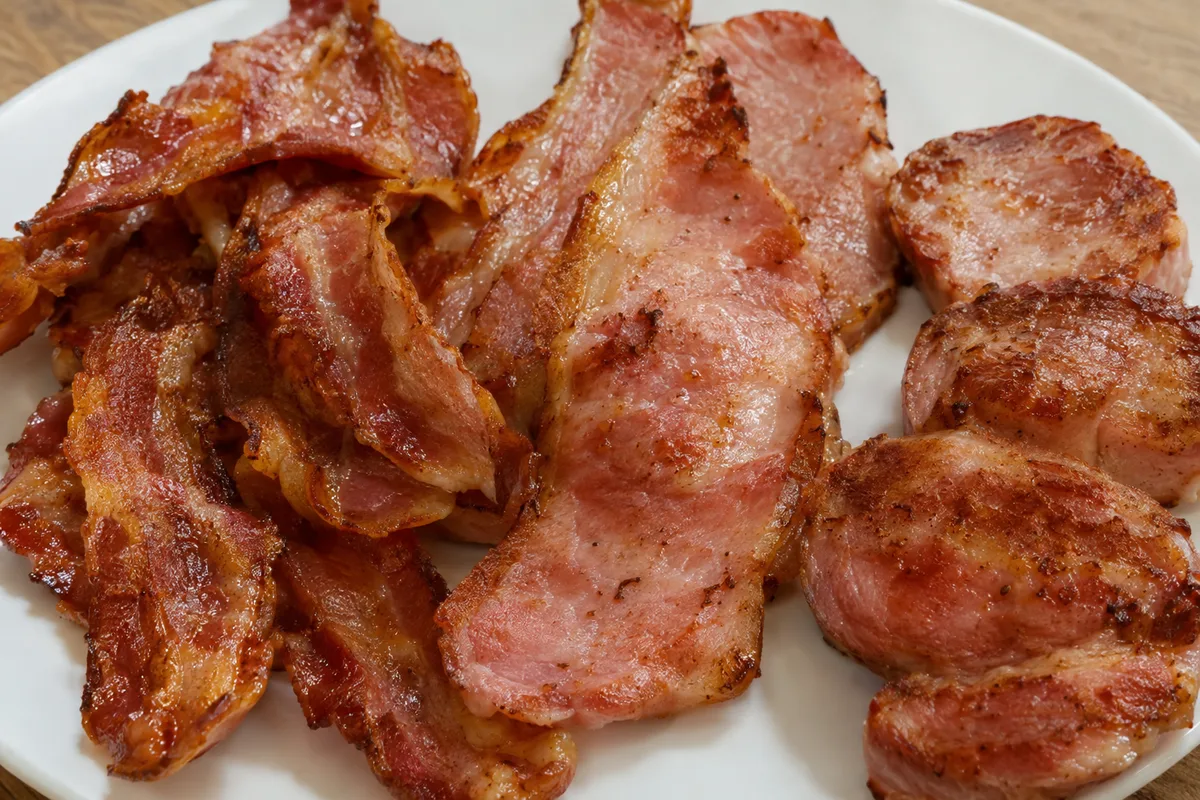
Is There Really Such a Thing as Healthier Bacon?
Some bacon choices may suit your eating goals better than others, but no single type is automatically healthy. Here is how to compare the options and log them accurately without relying on package claims.
-
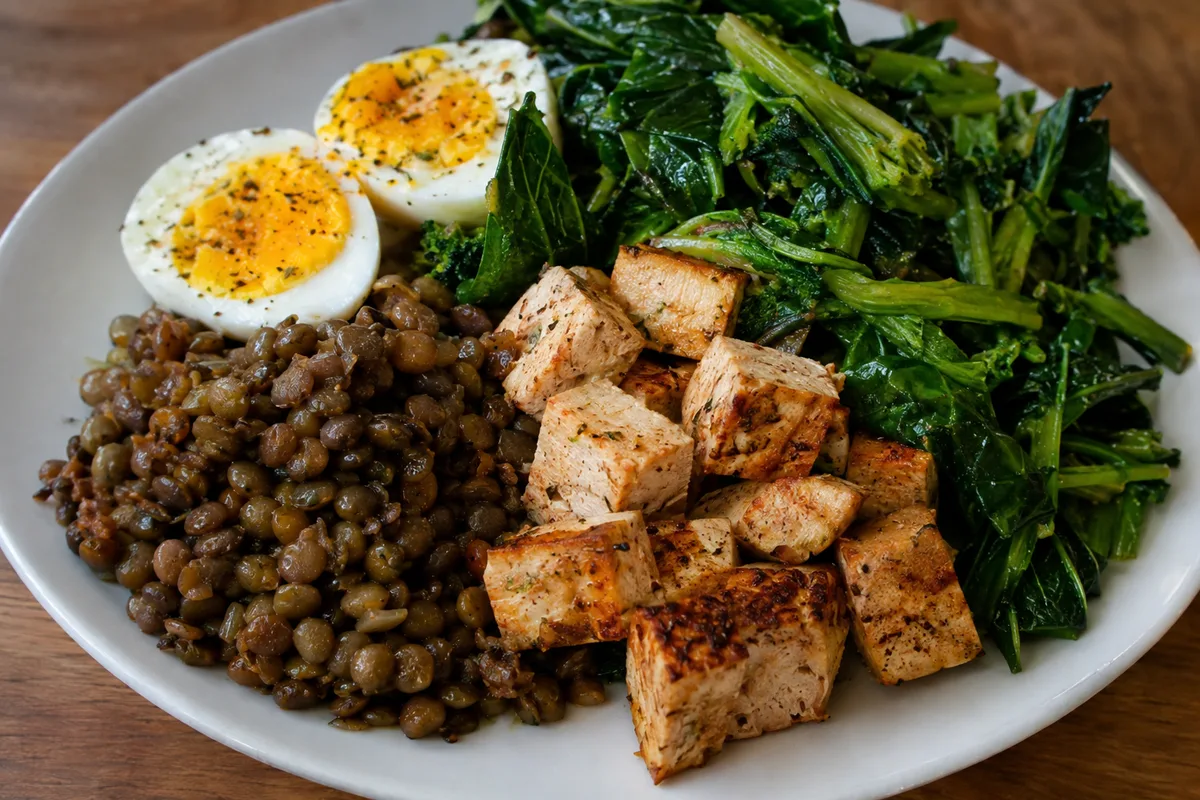
Protein Tablets Explained: What They Are and How They Fit into Food Tracking
Protein tablets are supplements designed to add protein or particular amino acids to what you eat. This guide explains what they contain, how to log them and why they are not the same as protein-rich food.
-
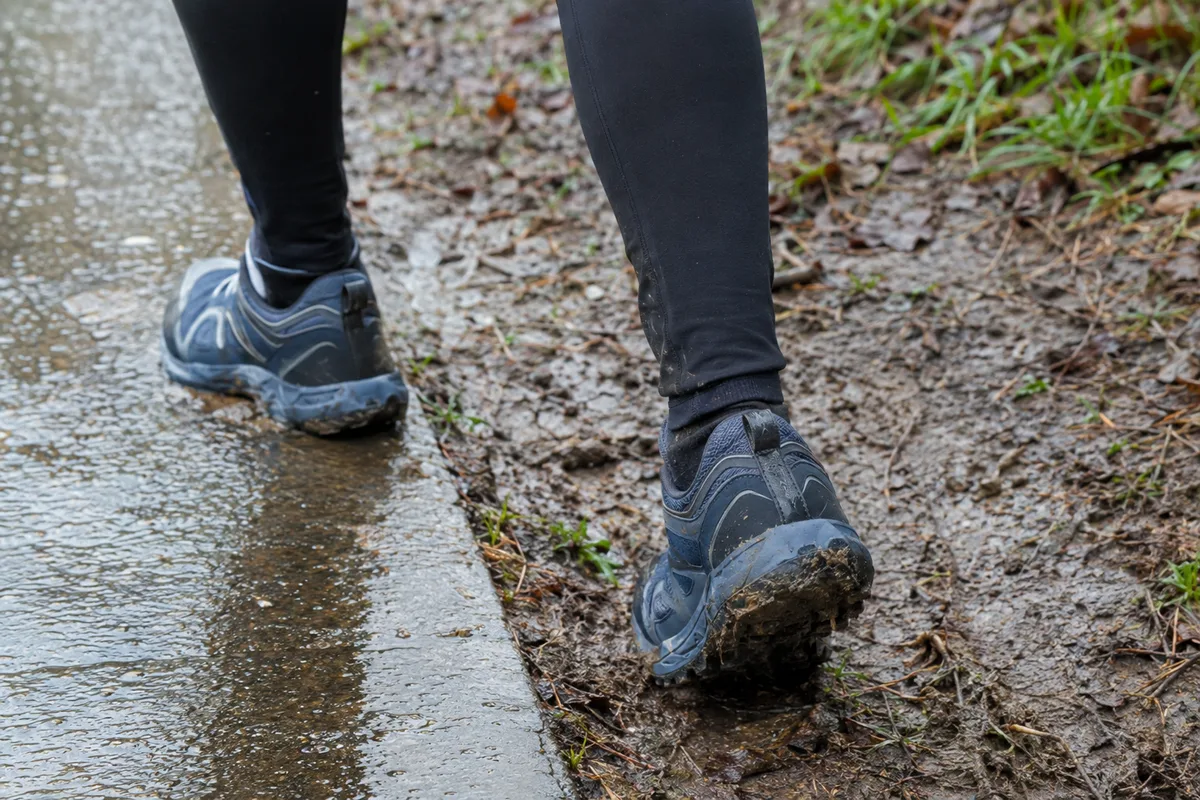
How to Choose the Best Waterproof Trainers for Your Routine
The best waterproof trainers are the ones that suit your route, pace and usual weather. This guide explains what to look for, how to judge fit and where waterproof footwear has limits.
-

How Many Calories Does Walking Burn?
Walking uses energy, but there is no single calorie figure that applies to every walk or every person. This guide explains what changes the estimate, how tracking tools calculate it and how to log walking consistently.
-

How stretching can support weight loss
Stretching is not a shortcut to weight loss, and it usually uses less energy than more active forms of movement. Its value lies in helping you move comfortably, prepare for activity and build a routine you can keep alongside food tracking.
-
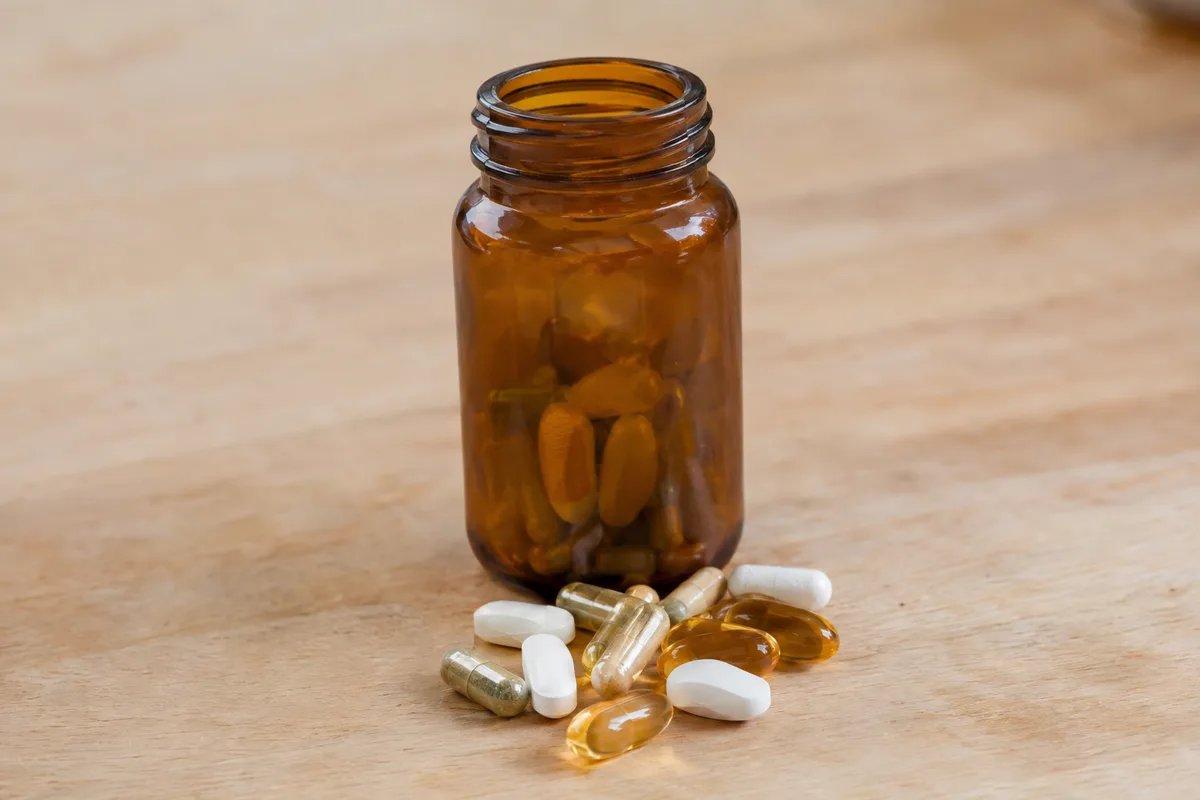
Can You Take Vitamins After Their Expiry Date?
An expiry date does not usually mean a vitamin suddenly becomes harmful, but its quality and strength may no longer be guaranteed. Here is how to check an expired supplement, decide what to do and keep future supplies in better condition.
-
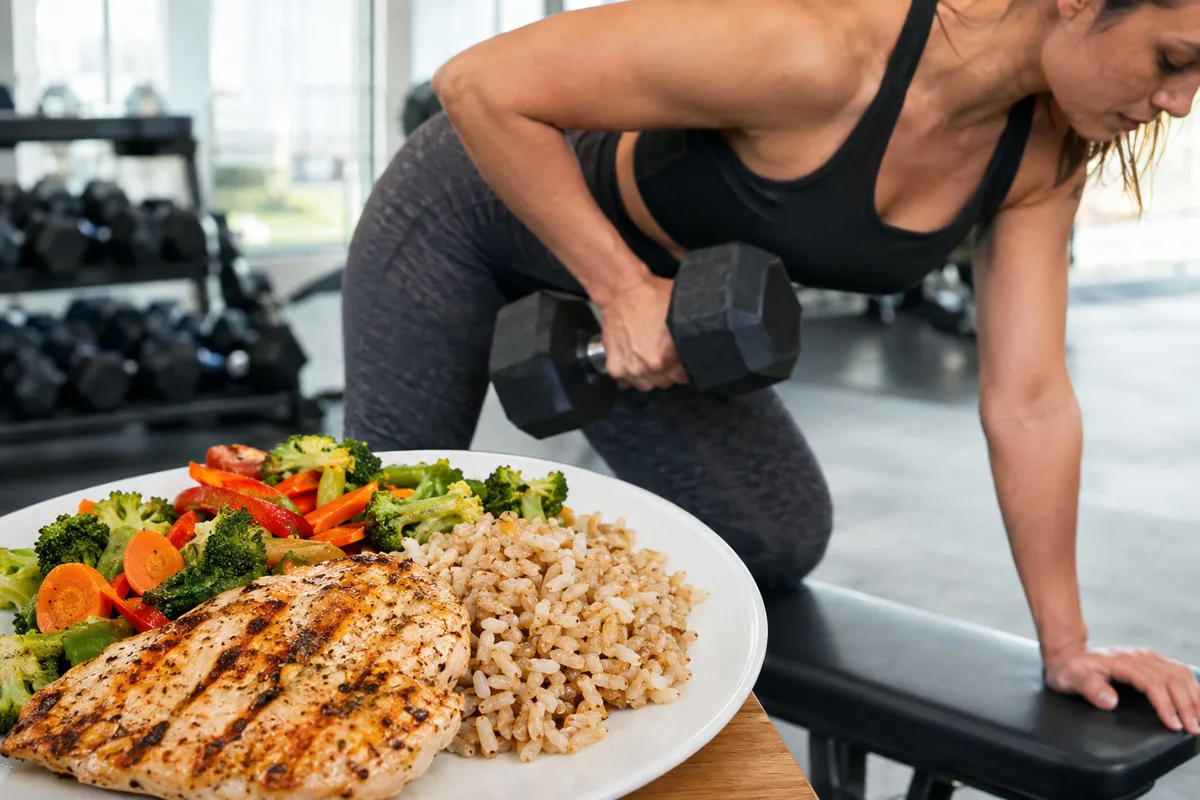
Are You Eating to Support Muscle?
Building and maintaining muscle takes more than adding protein to your food log. This guide explains what to track, how meals support training and how to assess your routine over time.
-
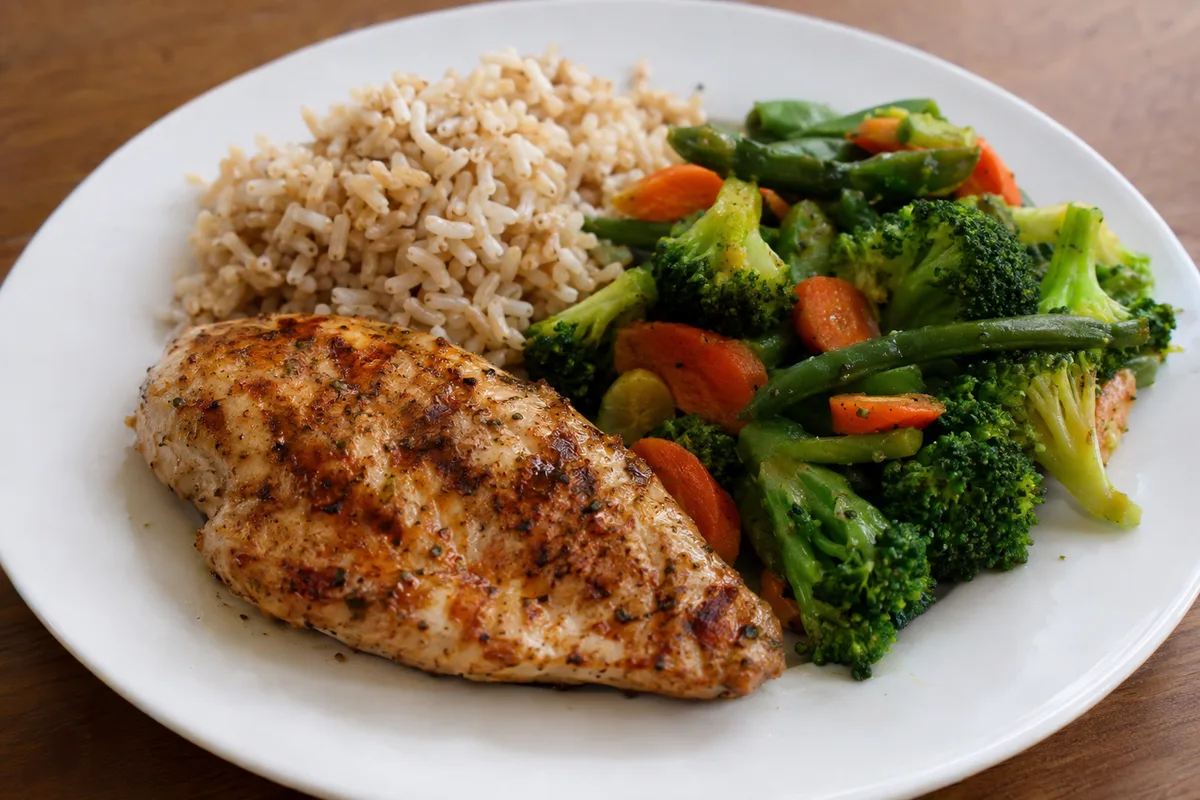
How Much Weight Does It Take to Lose an Inch?
Losing an inch from your waist does not correspond to one set number of pounds. This guide explains why the relationship varies and how to track weight, measurements, food and movement consistently.
-
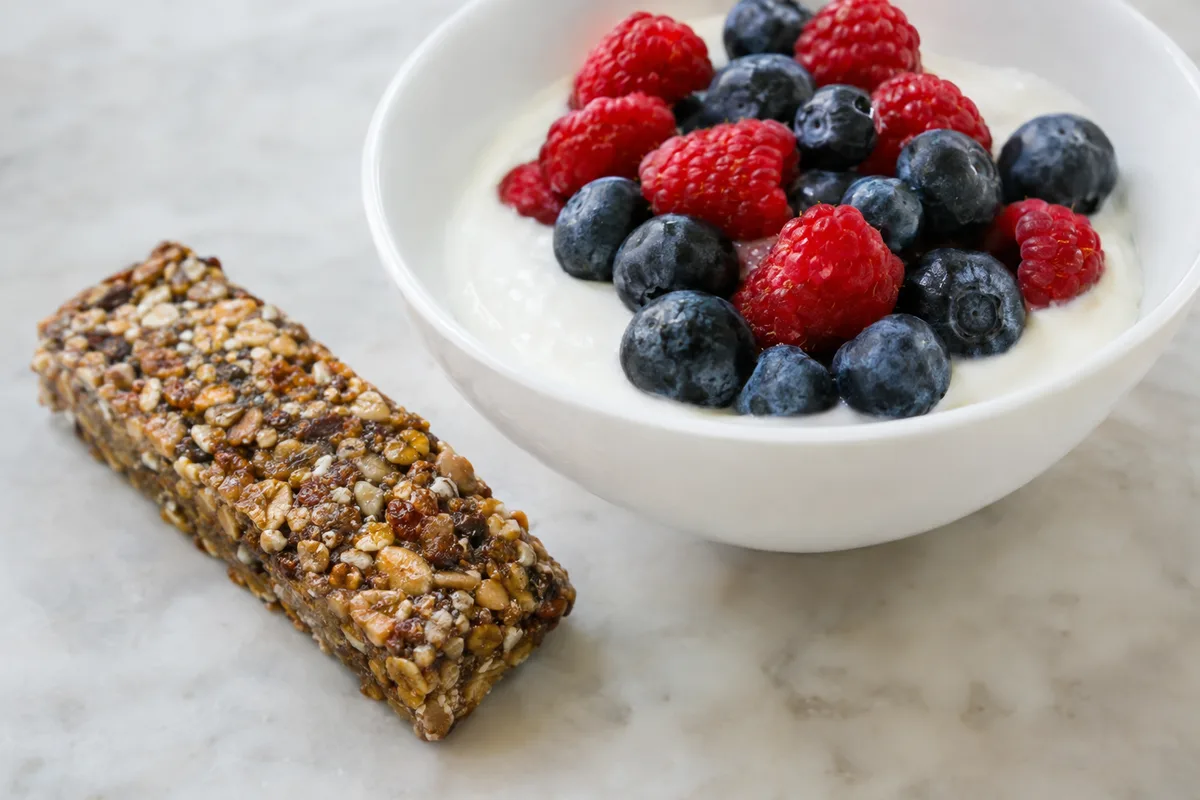
How to Choose a Healthier Protein Bar, Without Relying on Brand Hype
Protein bars vary widely, even within the same brand, so the front of the wrapper rarely tells the whole story. This guide explains what registered dietitians tend to look for and how to compare bars using information you already track.
-
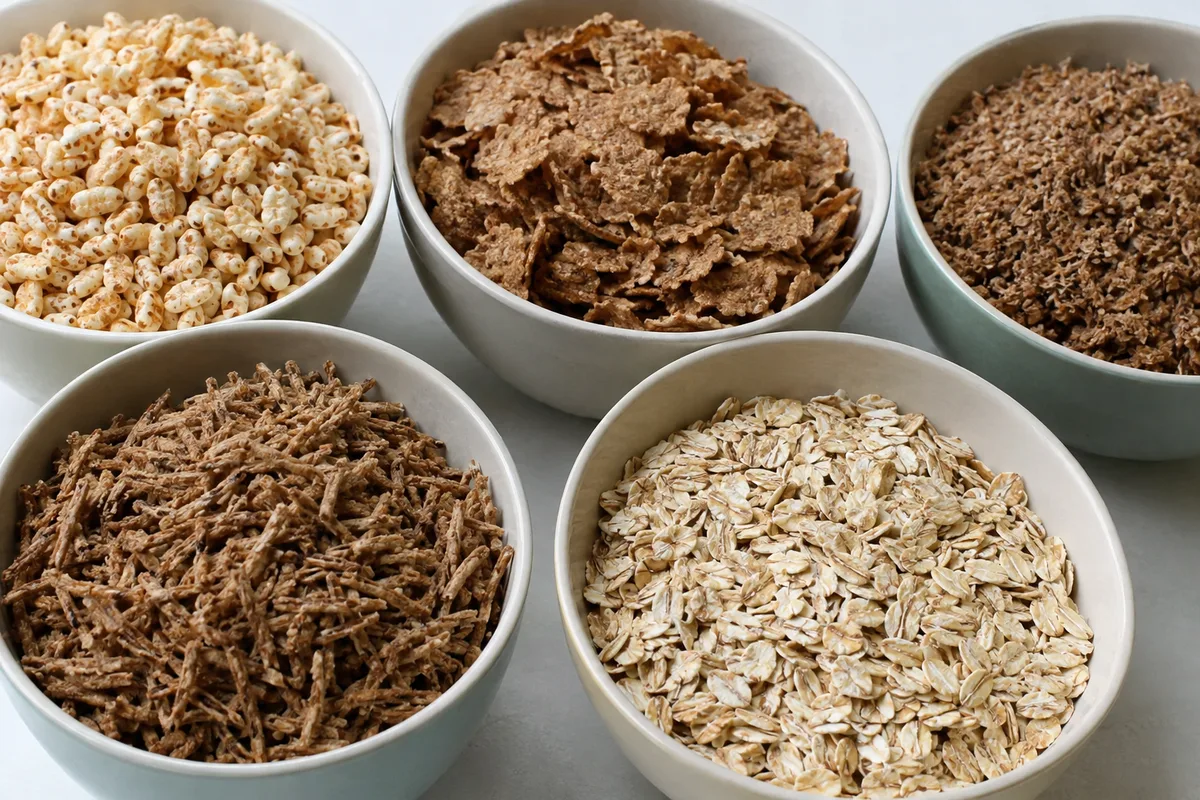
How to Find the Lowest-Calorie Breakfast Cereals
The lowest-calorie cereal depends on the serving size, recipe and what you add to the bowl. This guide explains how to compare your usual options fairly and build a breakfast that suits your calorie target.
-
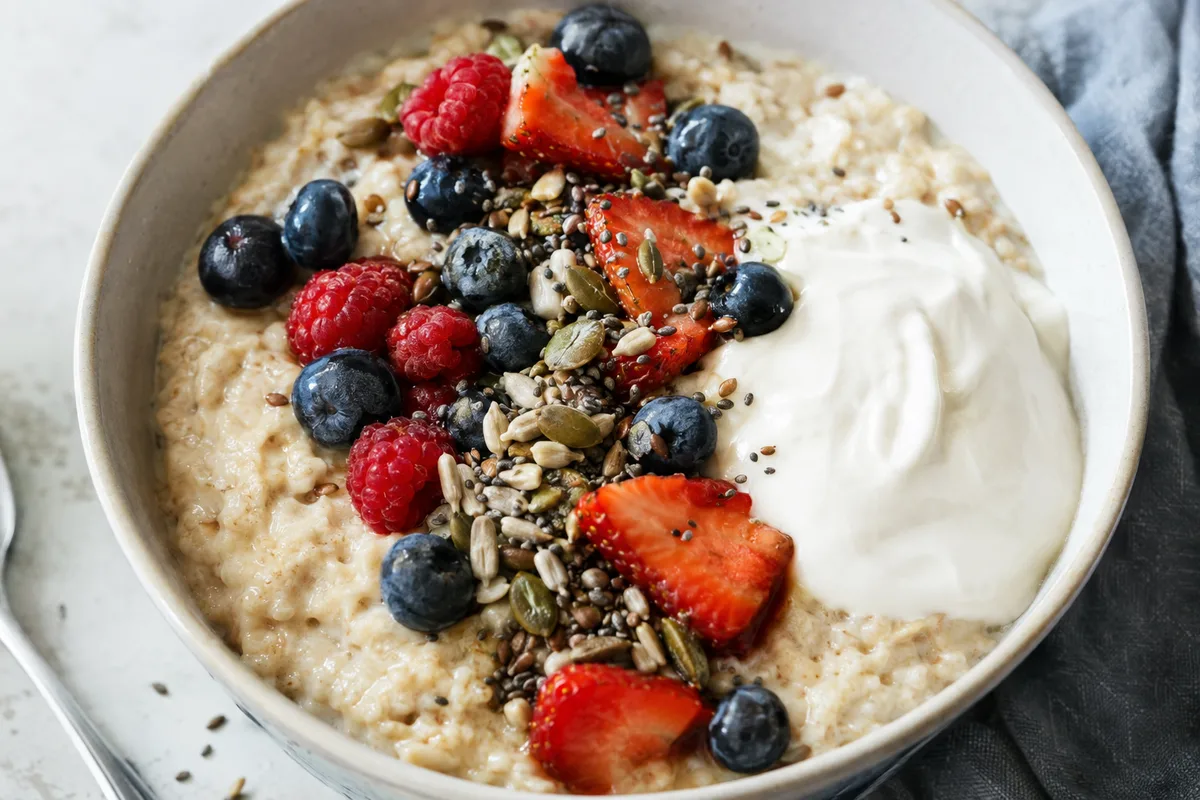
How to Build a Breakfast Under 500 Calories
A breakfast under 500 calories can take many forms, from porridge and fruit to eggs on toast. This guide explains how to combine foods, check portions and make simple changes while keeping the meal enjoyable.
-
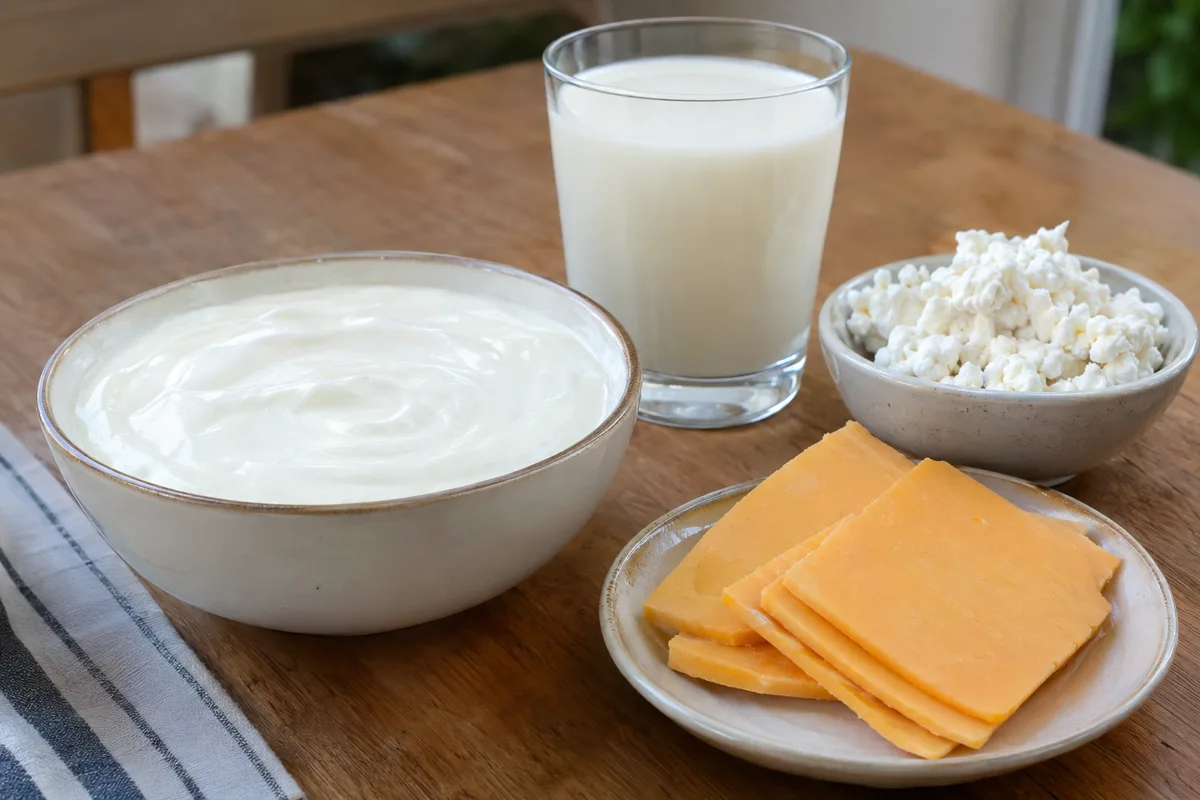
Which Foods Contain Casein Protein?
Casein is a protein found naturally in milk and many foods made from it. This guide explains the main sources, less obvious ingredients and practical ways to track them.
-
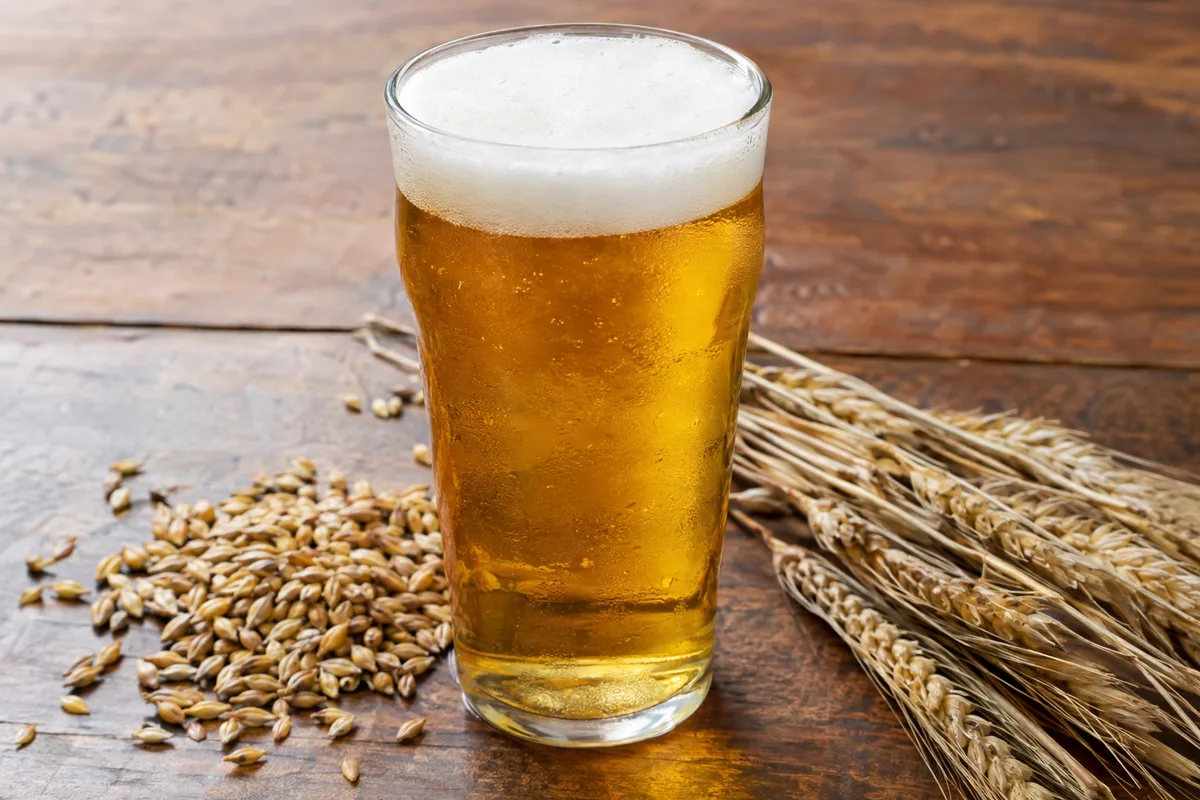
Are Corona, Bud Light and Michelob Ultra gluten free?
Corona, Bud Light and Michelob Ultra may be light in taste or calories, but that does not make them gluten free. Here is what their ingredients mean and how to record a suitable alternative in your food diary.
-
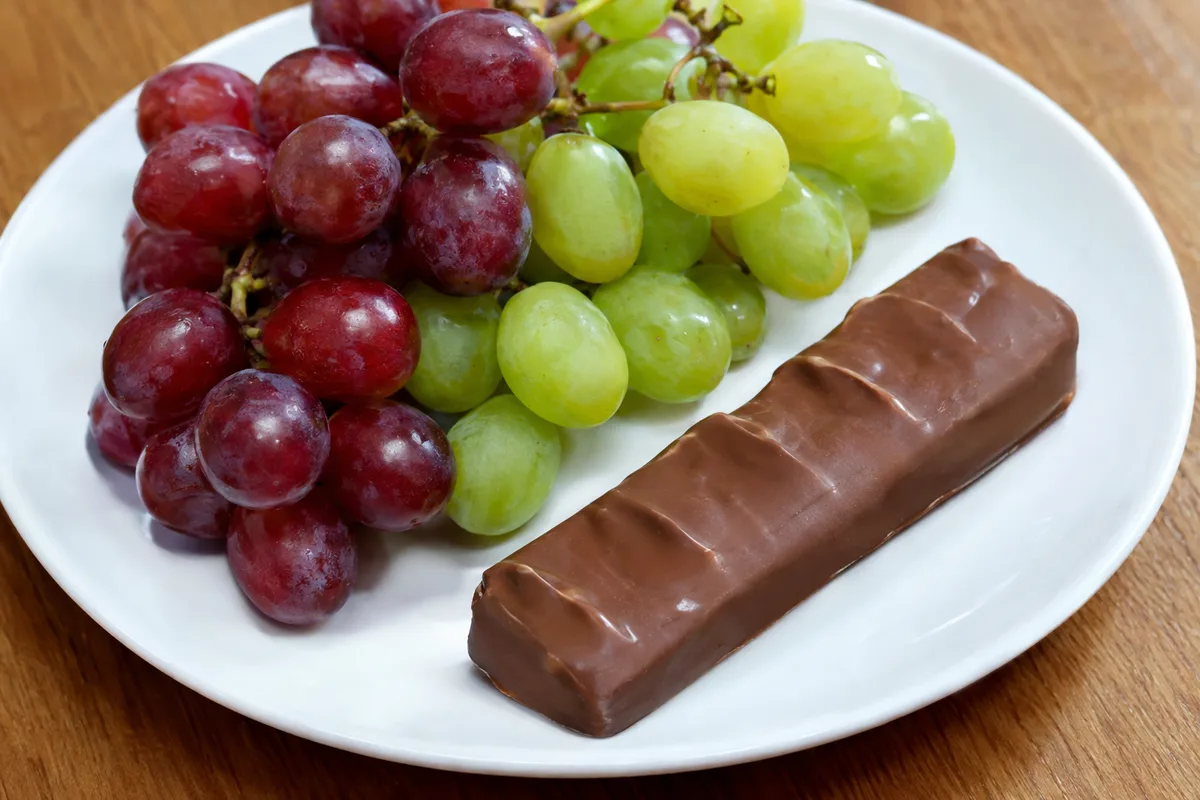
Are Grapes Really as Bad as Candy Bars?
This comparison looks beyond sugar to explain how grapes and candy bars differ in fibre, fat, nutrients and fullness. It also shows how to record each food in a way that supports practical, balanced tracking.
-
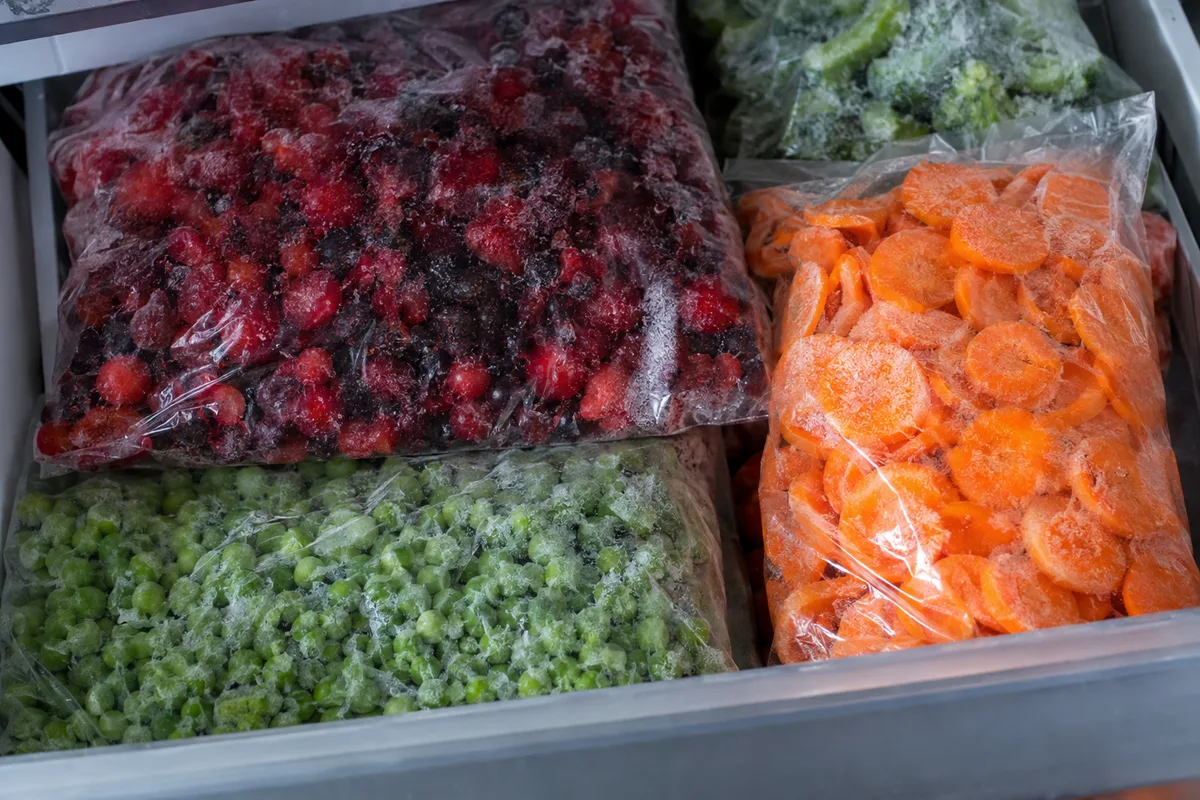
How Long Do Frozen Fruit and Vegetables Last?
Frozen fruit and vegetables can stay usable for a long time when kept consistently frozen, but their texture and flavour gradually decline. This guide explains how to judge quality, store produce well and handle it safely after thawing.
-
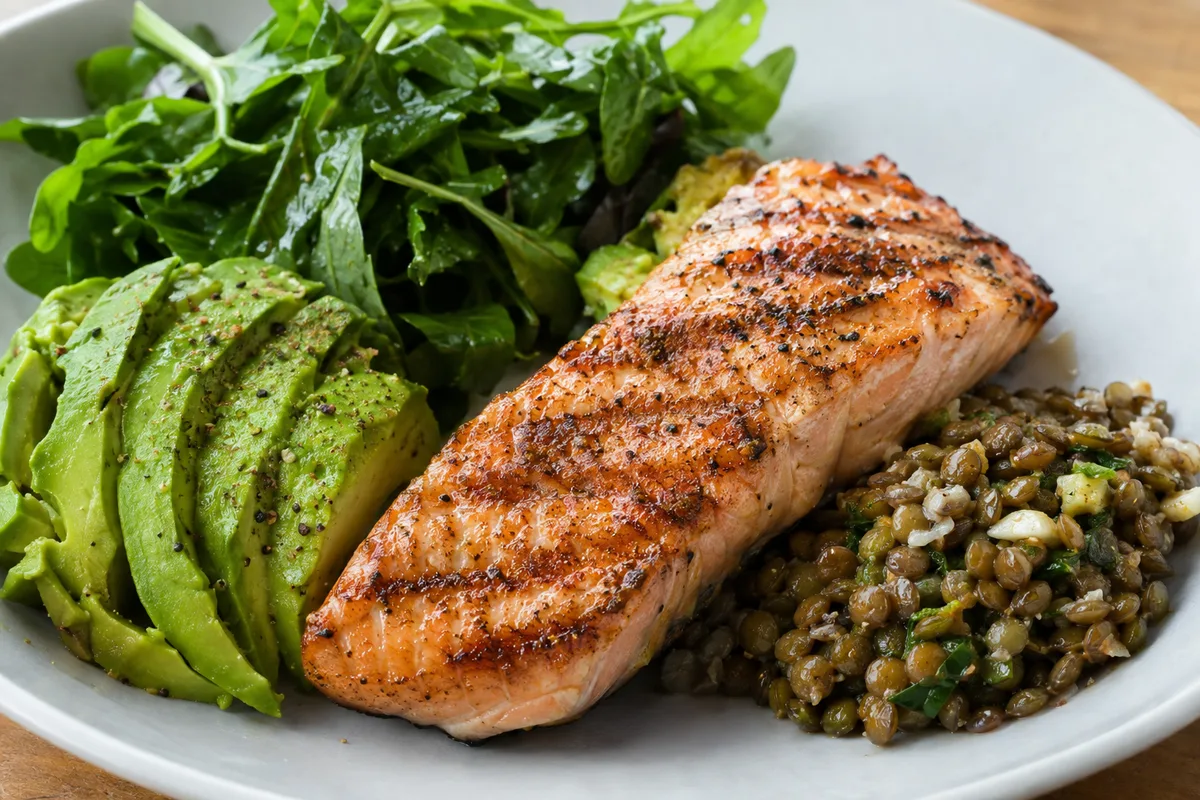
What to Know Before Trying a Low-Carb, High-Fat Diet
A low-carb, high-fat diet changes where much of your food energy comes from, but there is no single version of the approach. This guide explains what you may eat, how to track it and how to keep meals balanced.
-
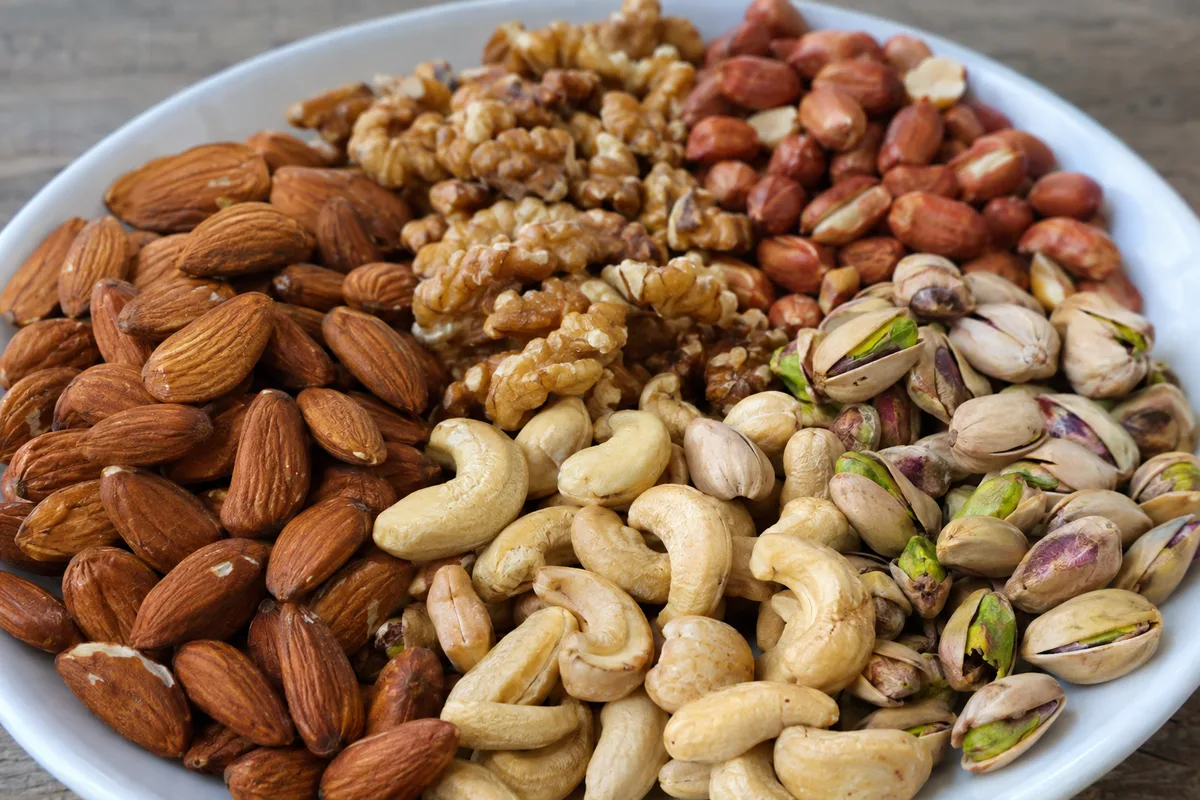
Are Nuts and Peanuts Gluten Free?
This guide explains when nuts and peanuts are gluten free and why some nut products need a closer look. It also covers labels, cross-contact and how to record them accurately in your food diary.
-

How Many Calories Does an Hour of Moderate Dancing Burn?
An hour of moderate dancing can make a useful contribution to your daily activity, but there is no single calorie figure that suits everyone. This guide explains what counts as moderate dancing, what affects the estimate and how to record it in your food and activity log.
-
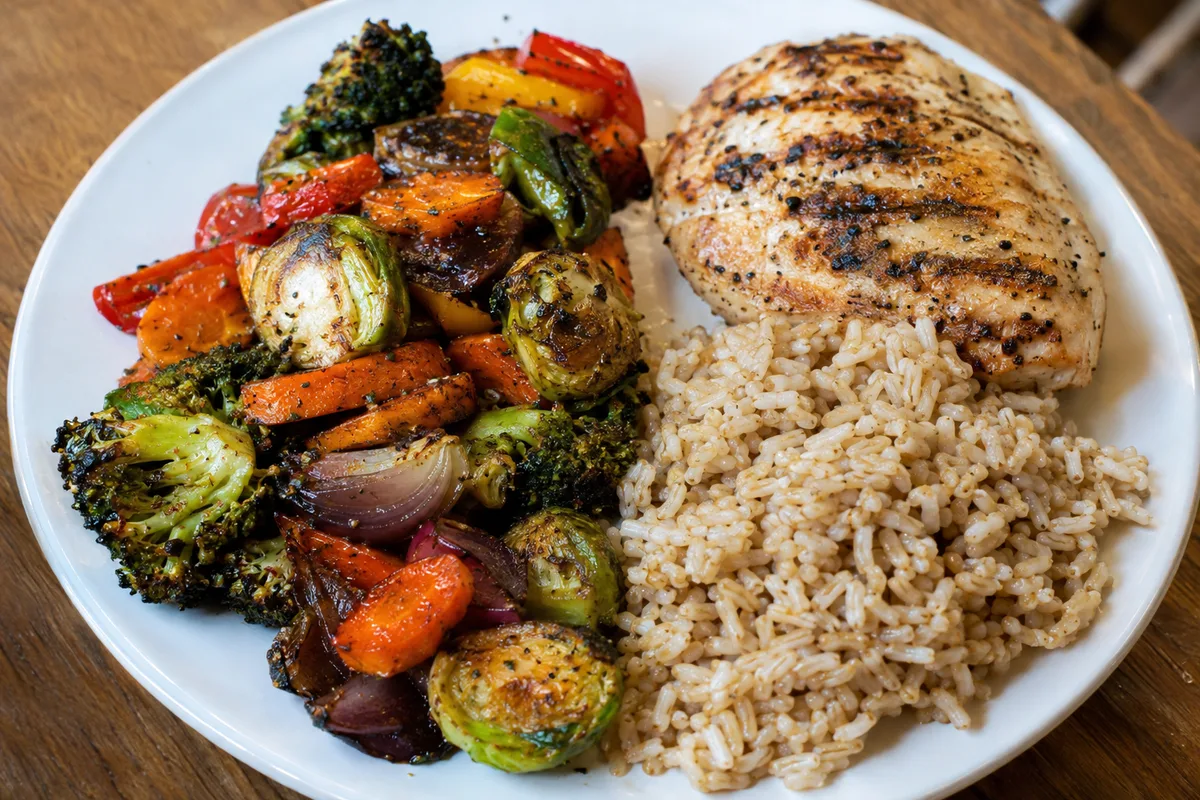
The Plate Diet: What It Means and How to Use It
The plate diet is a visual way to balance vegetables, protein and starchy carbohydrates at a meal. Here is how the approach works, where food tracking fits and why portions still depend on the person.
-
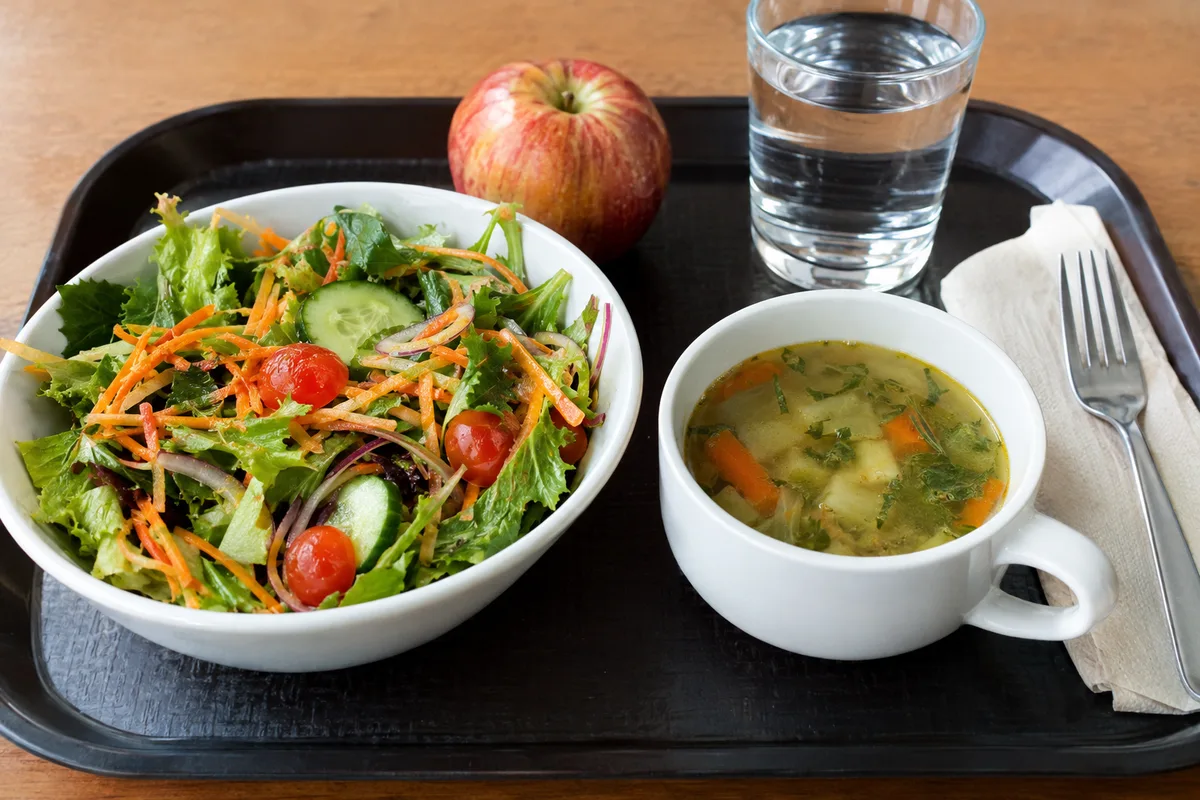
How to Choose a Diet-Friendly Meal at Panera Bread
A diet-friendly Panera Bread choice depends on what you track, how hungry you are and what else you eat that day. This guide explains how to compare soups, salads, sandwiches, bowls, sides and bakery items using current menu information.
-
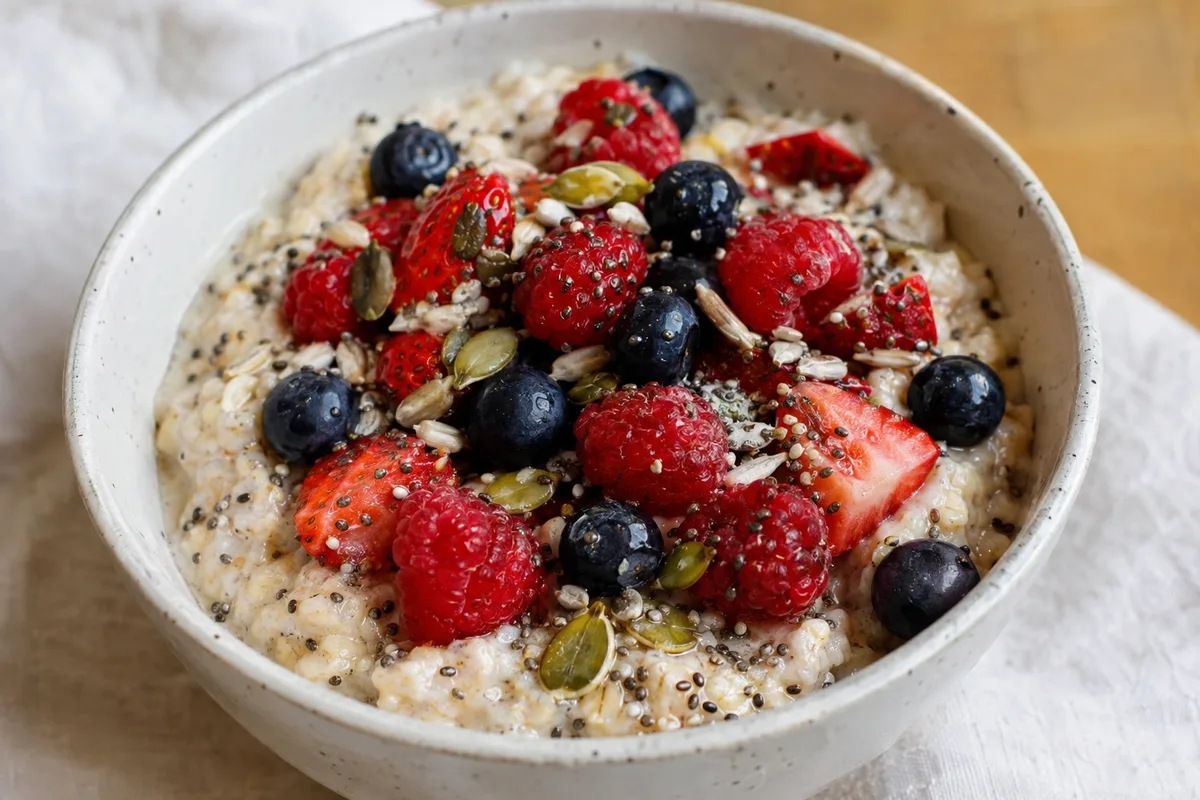
What happens when you take a fibre supplement every day?
A daily fibre supplement can change bowel habits, fullness and digestive comfort, but the effects vary by fibre type and person. This guide explains what to expect, how to track it and why food sources still matter.
-
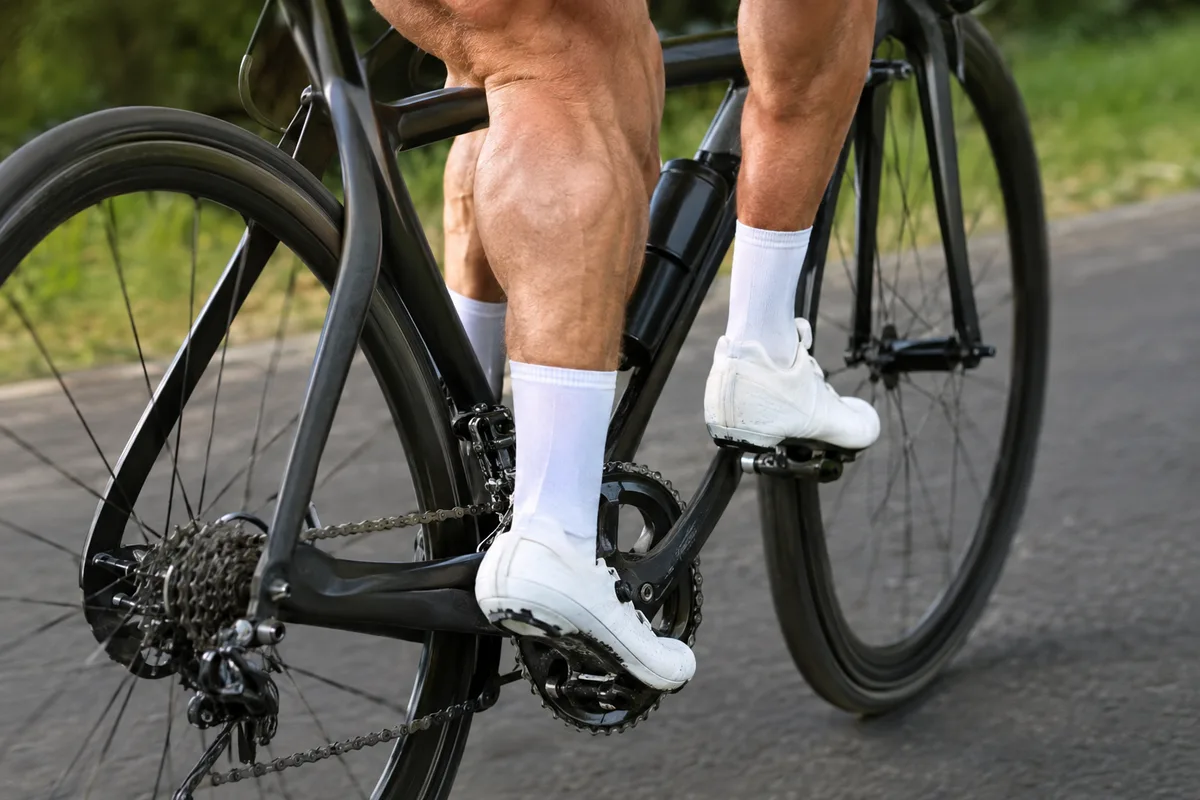
How many calories does cycling 10 miles burn?
There is no single calorie figure for a 10-mile bike ride because the effort and time can vary widely. Here is what changes the estimate and how to record the ride consistently alongside your food intake.
-
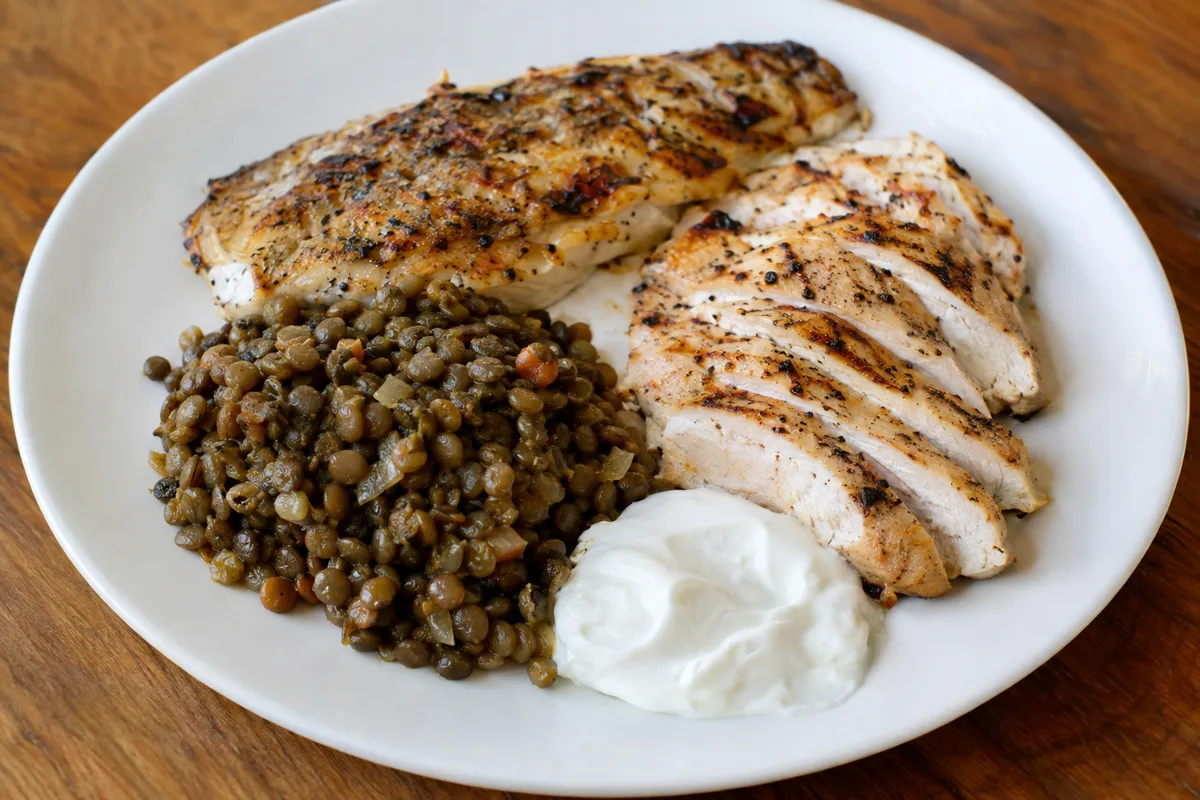
Can You Mix Creatine with Protein Powder?
Creatine and protein powder do different jobs, but they can be mixed in the same drink or meal. This guide explains how to combine them, what to track and when separate servings may be more practical.
-
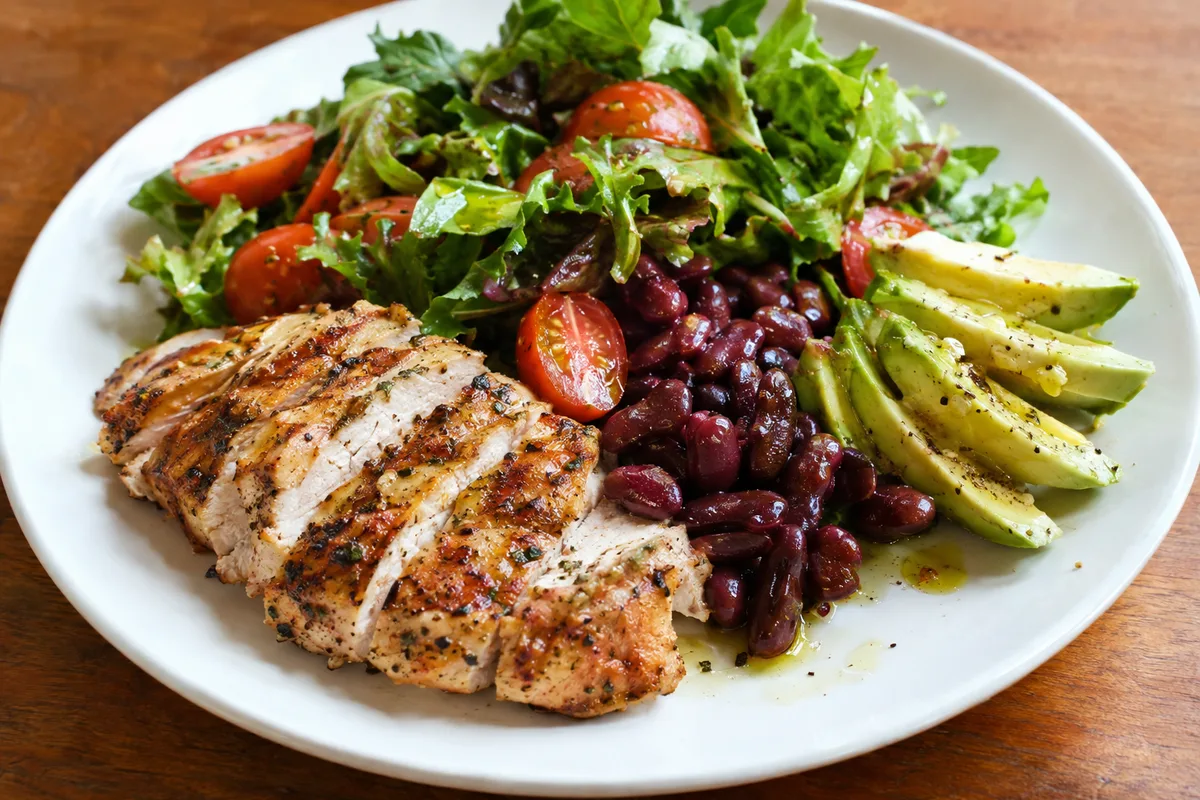
The Zone Diet: what its 40–30–30 balance means
The Zone Diet organises meals around set proportions of carbohydrate, protein and fat. This guide explains how the approach works, how to track it and where flexibility may be useful.
-
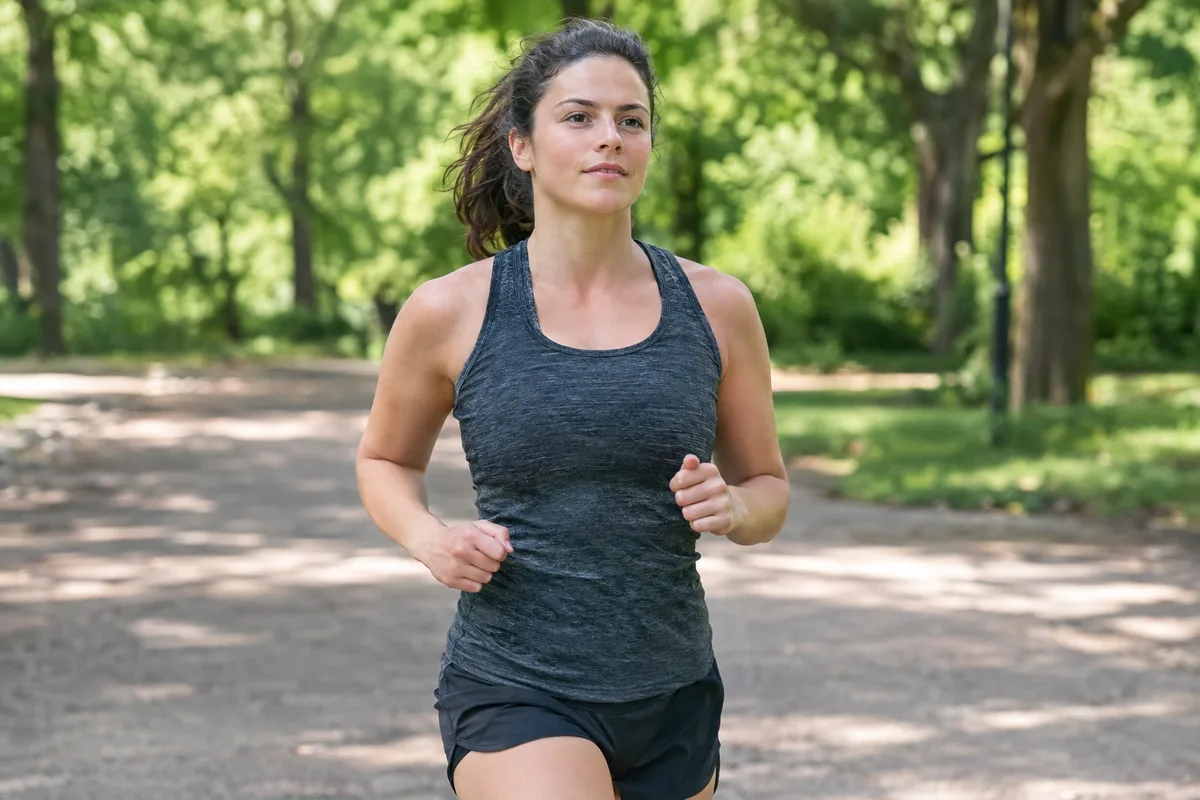
Does Your Body Burn Fat or Muscle First?
The body does not simply burn through one fuel and then move to another. Here is how it chooses between stored carbohydrate, body fat and protein, and how your food log can help protect muscle.
-
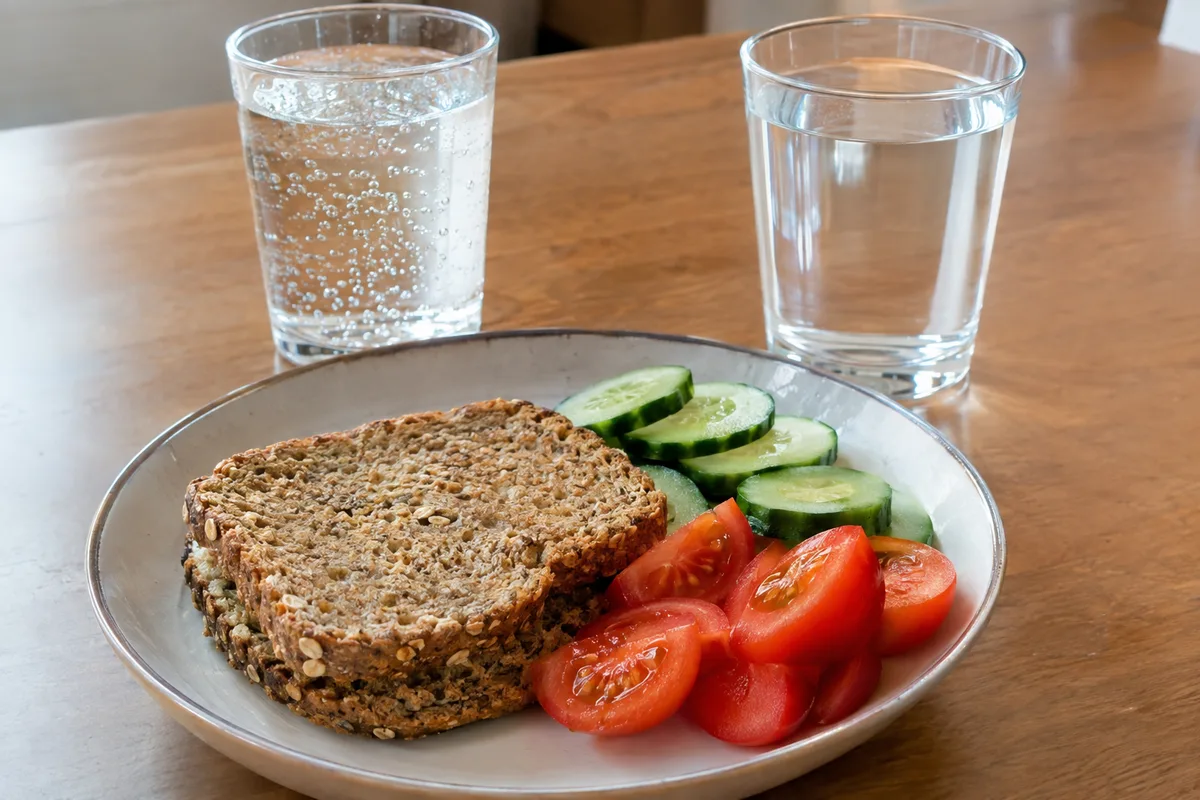
Is Sparkling Water Good for You?
Sparkling water can be a useful way to drink more fluid, especially if you enjoy bubbles more than still water. This guide explains what to track, how to read the label and when another drink may suit you better.
-
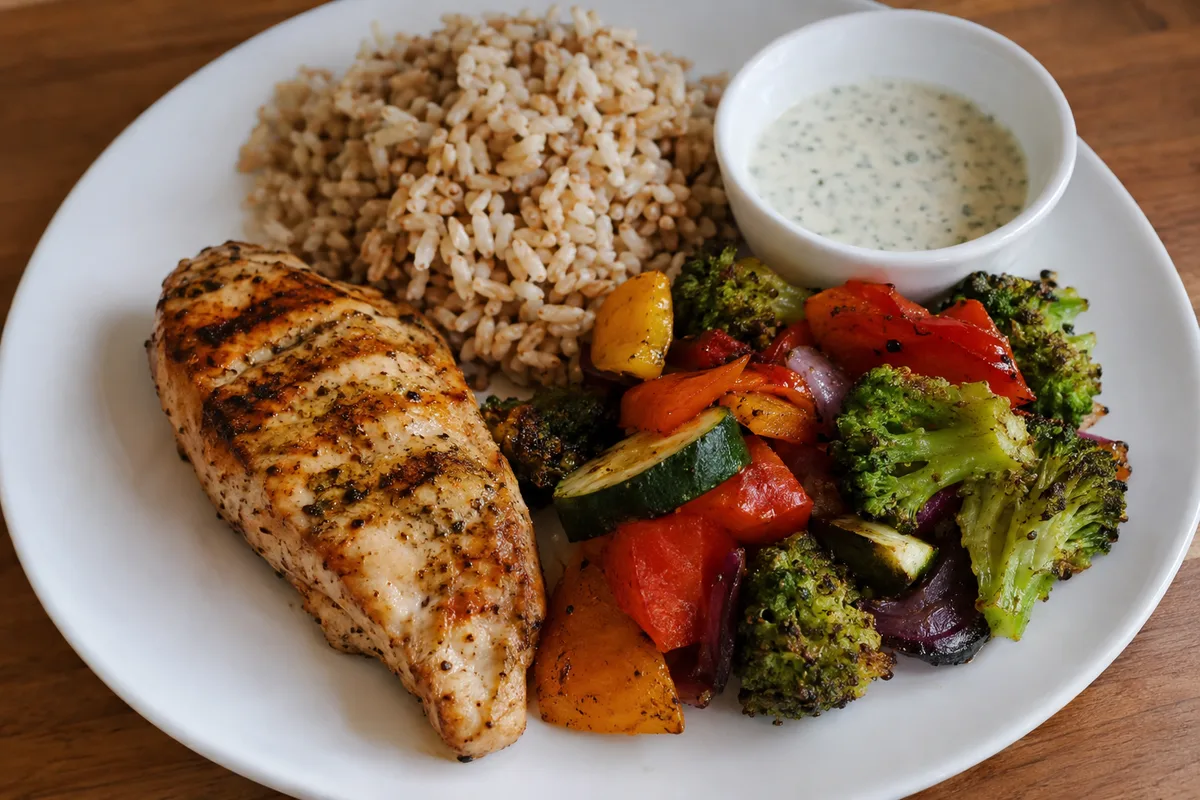
How to combine food tracking and exercise for weight loss
Weight loss depends on your overall energy balance, while food choices and movement affect how manageable the process feels. This guide explains how to use your existing food log, plan satisfying meals and choose exercise you can repeat.
-

How many calories do you burn while sleeping?
Your body continues to use energy throughout the night, even though you are lying still. This guide explains why the amount varies, how to estimate it and how to avoid counting it twice.
-

How to Peel and Cube Sweet Potatoes Ahead of Cooking
Peeling and cubing sweet potatoes ahead can make a later meal quicker to assemble. Here is how to cut, store and use them while keeping their texture and colour in good condition.
-
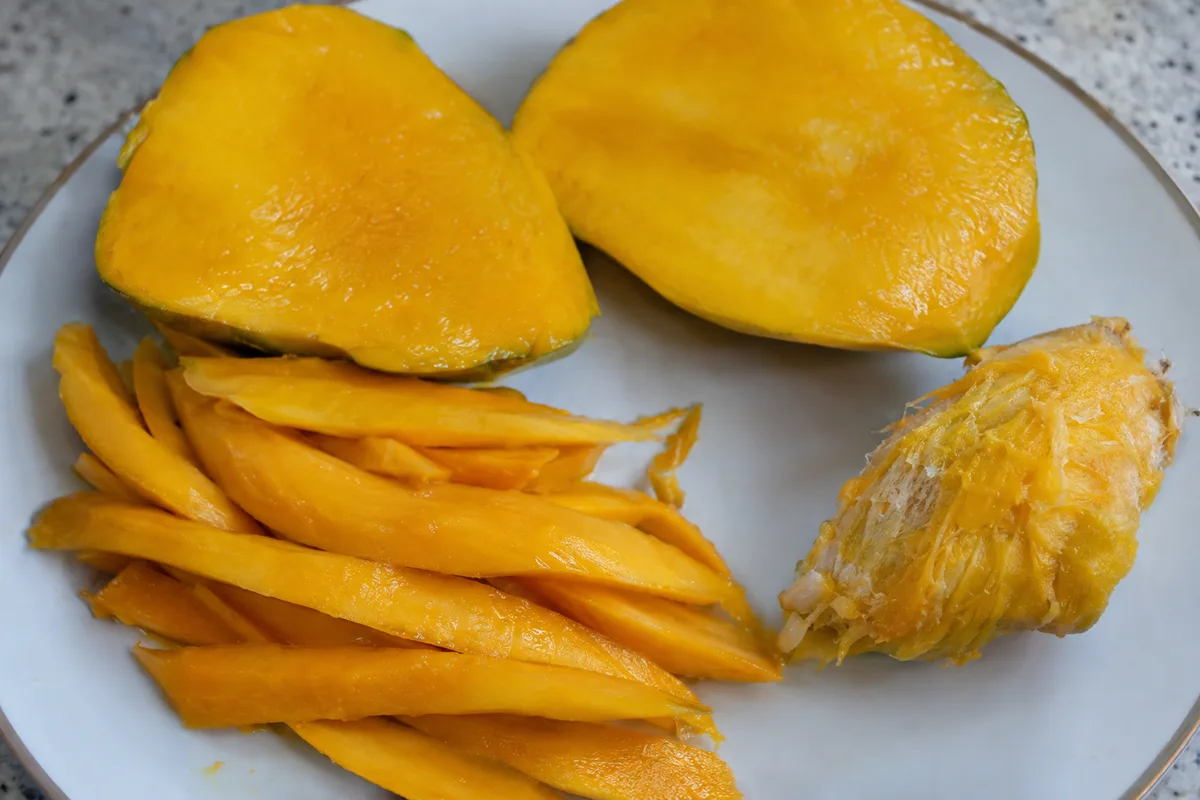
Can You Eat a Mango Seed? A Practical Guide
A mango seed is not something to bite into whole: the hard outer husk surrounds a softer kernel. This guide explains the simplest way to eat the fruit left on the stone and what to consider before preparing the kernel.
-

Can You Eat Wild Cherries Safely?
Some wild cherries are suitable to eat, while similar-looking fruits may not be. This guide explains identification, safe preparation and how to record wild cherries in your food diary.
-
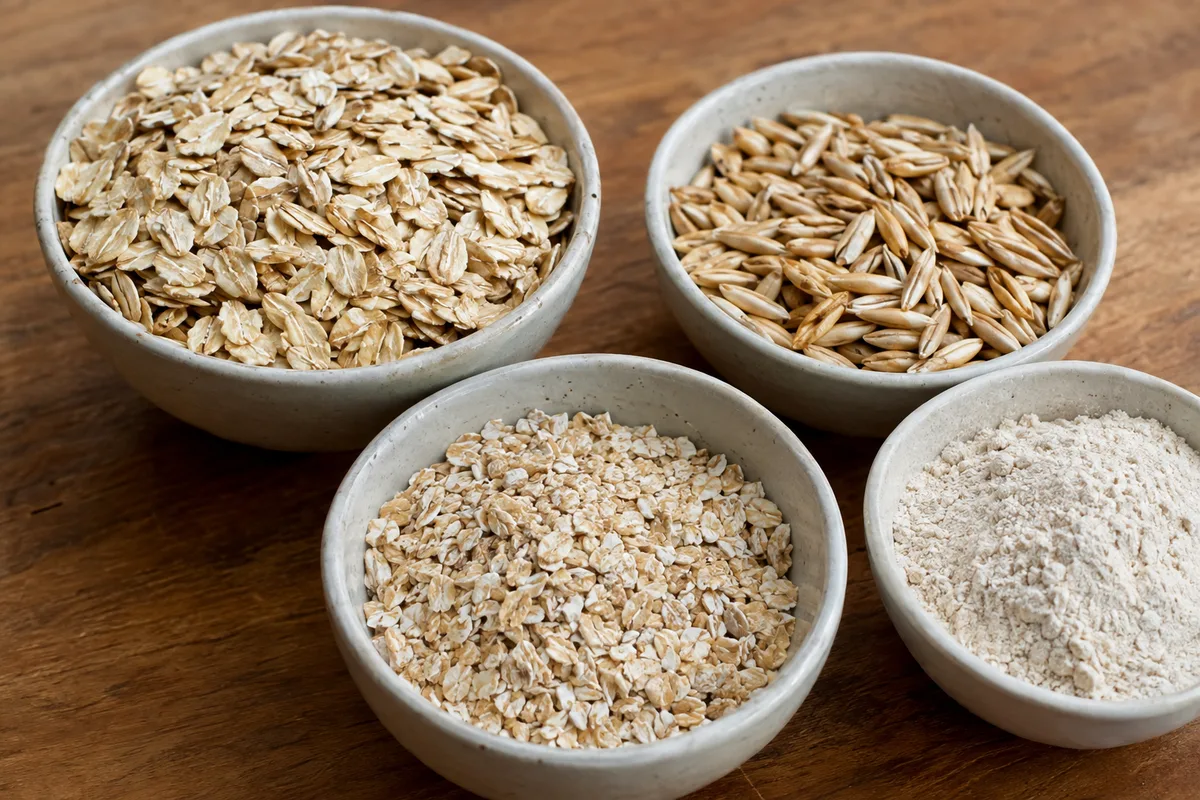
Is oatmeal gluten free? What to check before you log it
Plain oats do not naturally contain gluten, yet oatmeal is not always free from it by the time it reaches your bowl. Here is how to check labels, toppings and food-tracking entries more carefully.
-
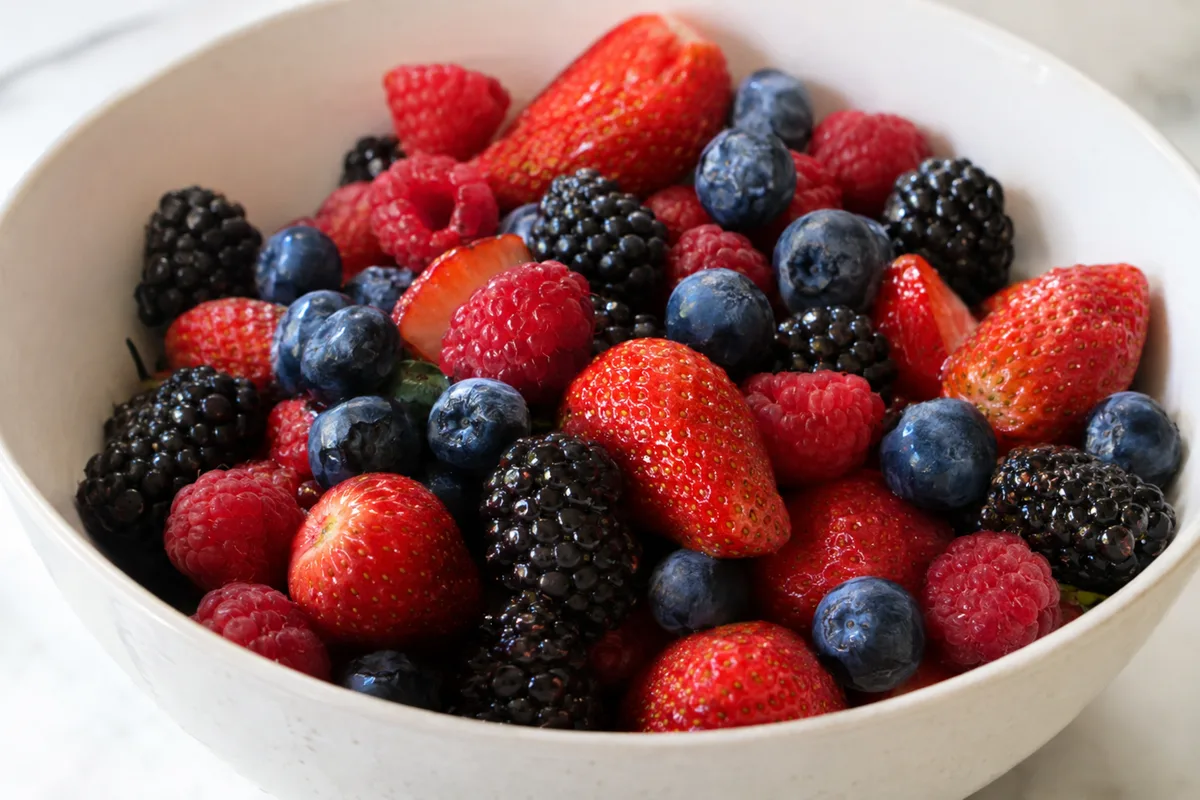
Five fruits that can make weight-loss meals easier
No fruit causes weight loss on its own, but some are especially useful for adding fibre, water and sweetness to meals. Here are five practical choices and simple ways to include them in your food log.
-
How Many Calories Does Treading Water Burn?
Treading water uses continuous movement to keep your head above the surface, but its energy cost varies widely. This guide explains what changes the estimate and how to log the activity without treating the result as exact.
-
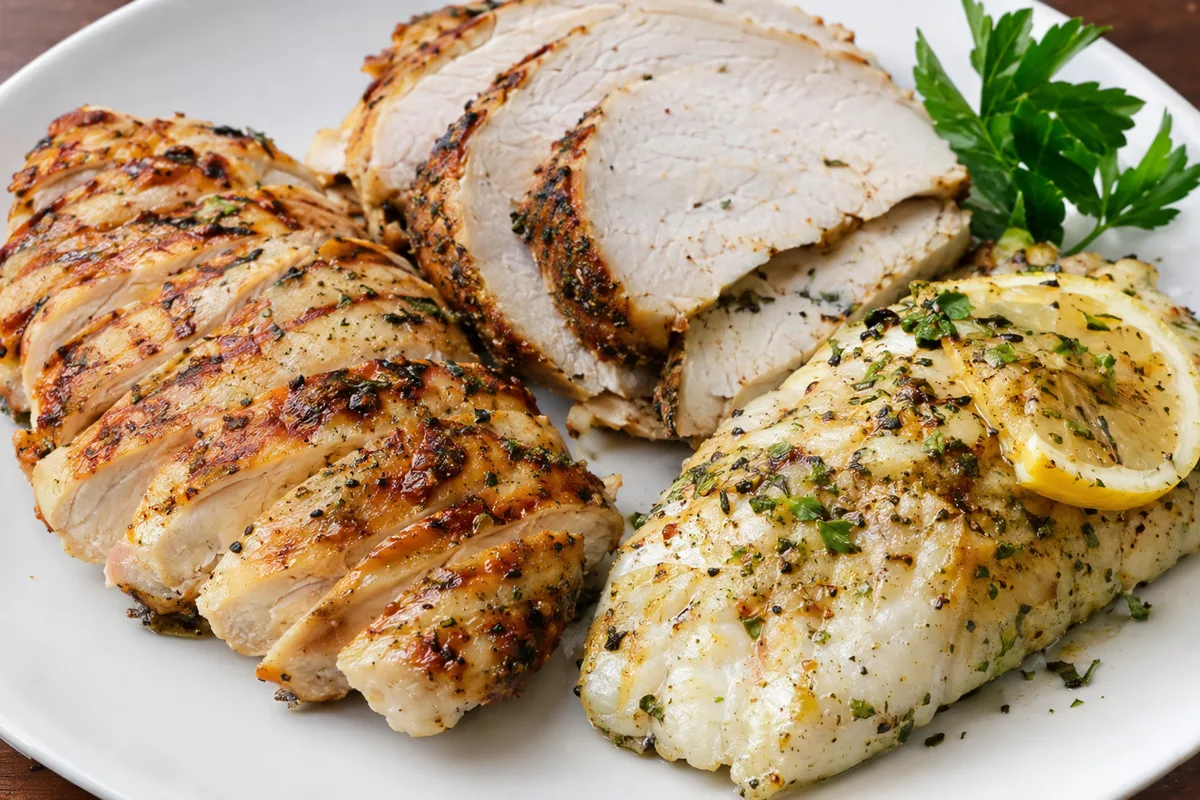
9 foods that are good sources of lean protein
Lean protein foods provide protein without bringing as much fat as richer alternatives. Here are nine options, along with simple ways to prepare, portion and log them.
-
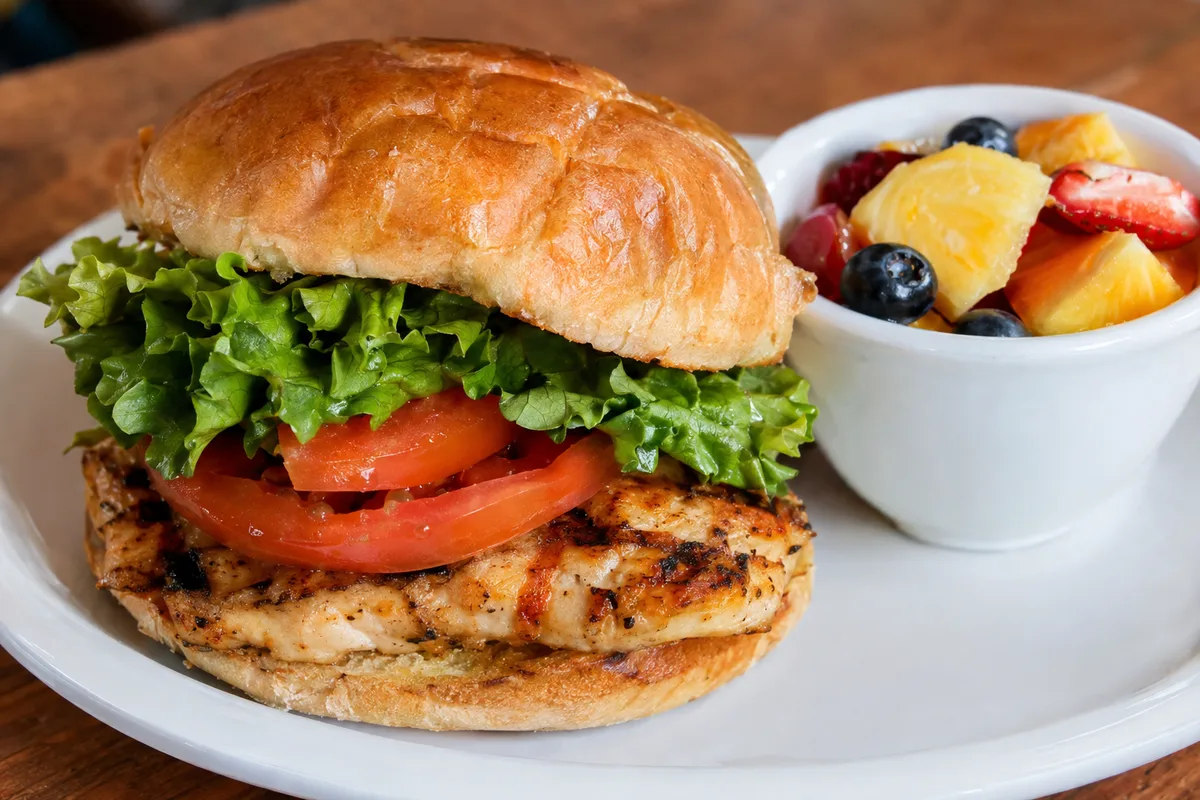
High-protein Chick-fil-A meals: a dietitian-informed guide
High-protein does not have to mean ordering the largest meal or skipping carbohydrates. This guide explains how to choose and track balanced Chick-fil-A meals using the current nutrition information for your location.
-
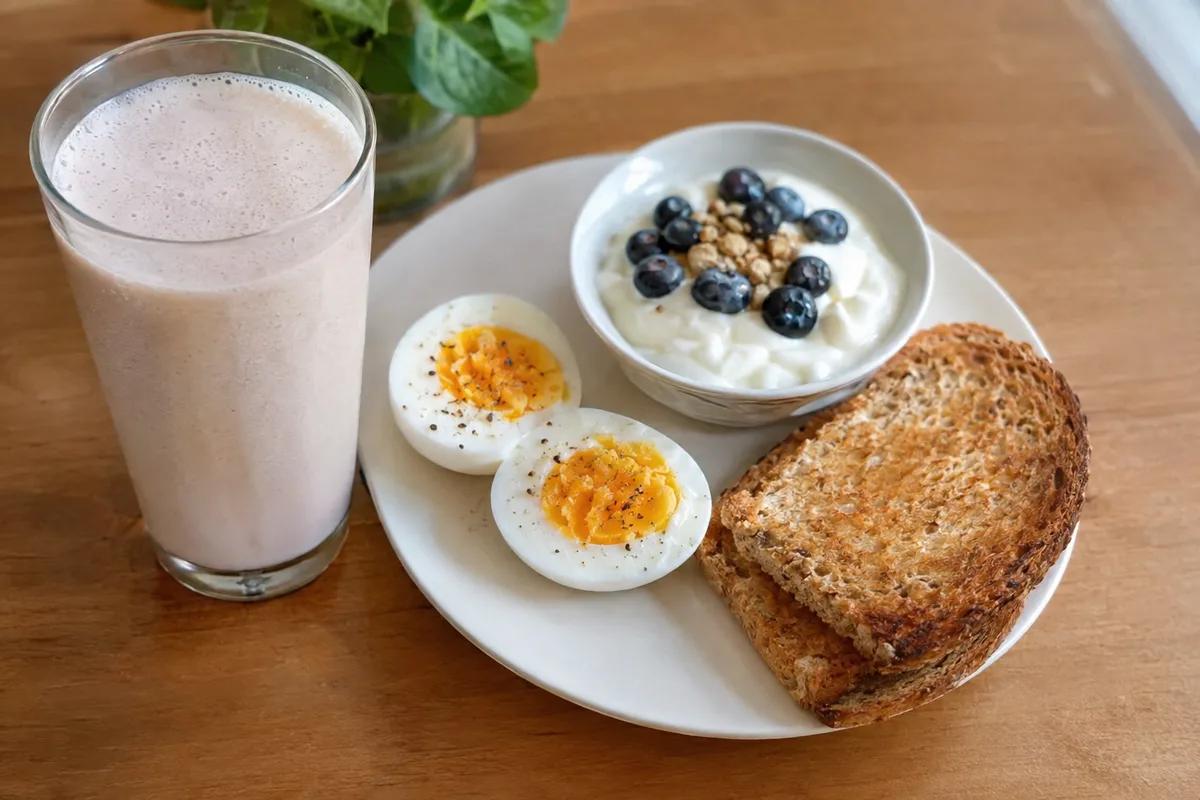
Could a Protein Shake Before Bed Help Your Routine?
A protein shake before bed can be useful when it helps you meet your protein needs without disrupting sleep or digestion. This guide explains the possible benefits, what to include and how to decide whether the timing suits you.
-
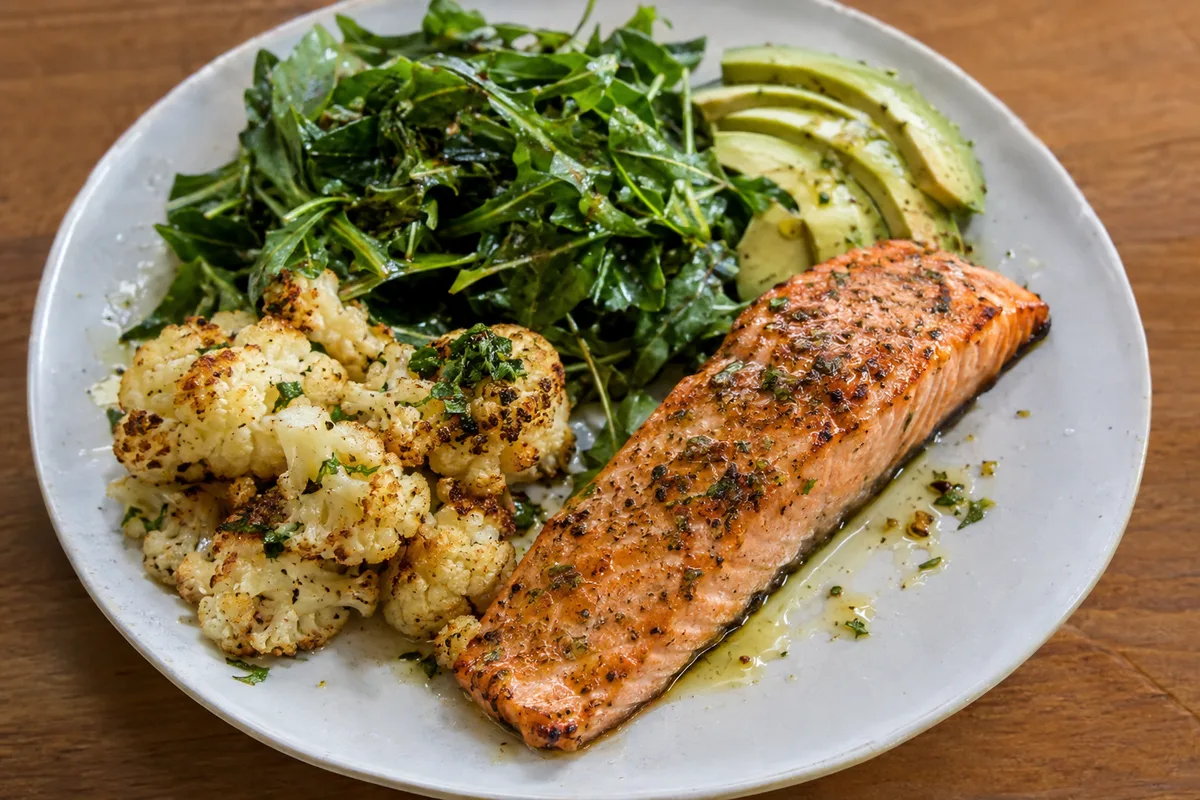
Ketogenic eating: what it means and how to track it
A ketogenic diet changes where most of your food energy comes from by sharply limiting carbohydrate and relying more on fat. This guide explains how that affects your meals, your food diary and the choices you make day to day.
-
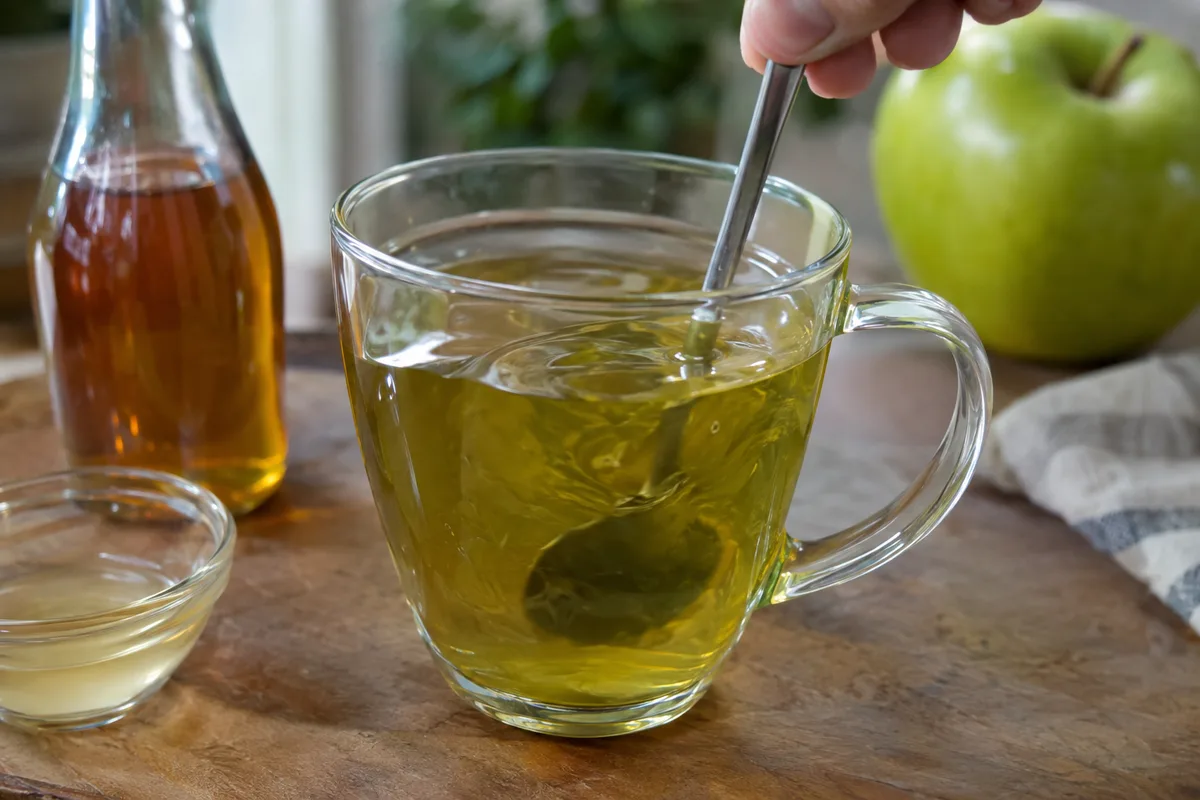
Apple cider vinegar and green tea: where they fit in weight loss
Apple cider vinegar and green tea are often presented as shortcuts to weight loss, but the drink does not replace an energy deficit. This guide explains how to use it safely and judge whether it genuinely helps your routine.
-
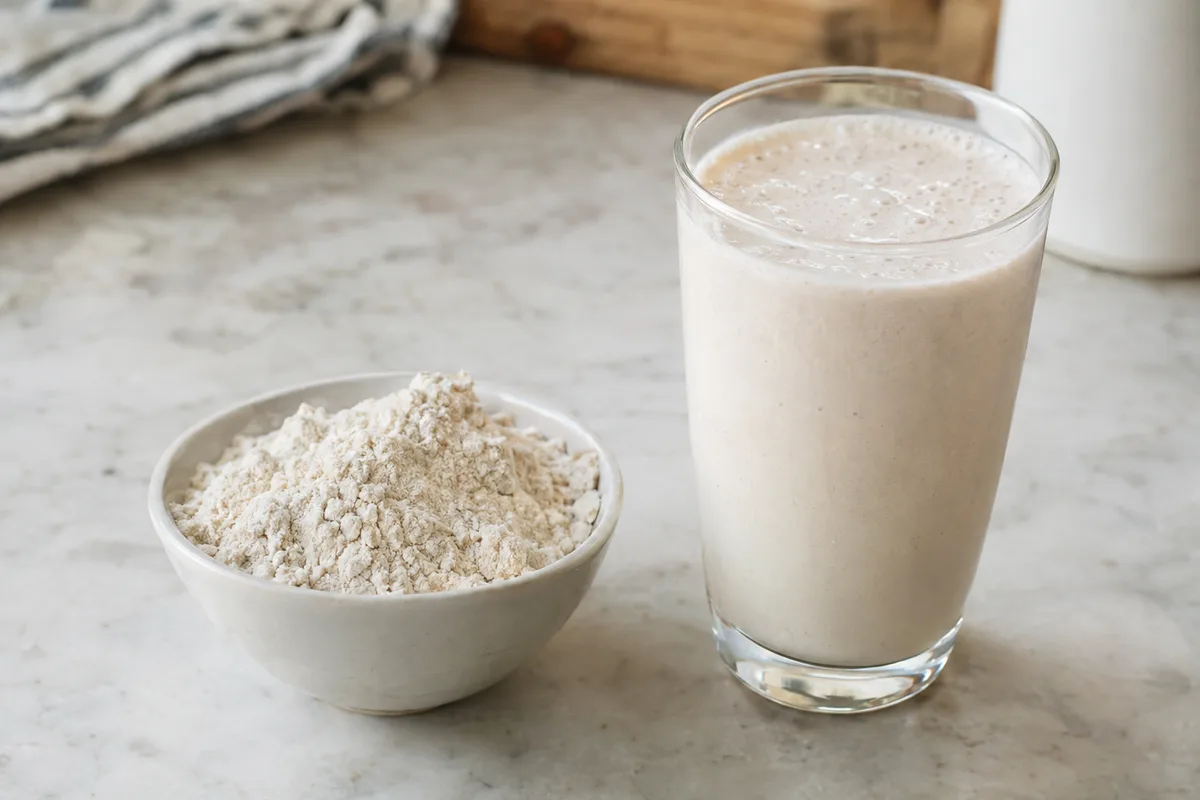
Does protein powder expire, and how can you tell?
Protein powder can lose quality over time and may spoil if moisture or contamination gets into it. This guide explains date labels, warning signs, storage and how to track older powder.
-
The best substitutes for sweetened condensed milk
Sweetened condensed milk adds sweetness, richness and a thick texture, so the right substitute depends on what you are making. This guide explains the main options, how to use them and what to record when you track your food.
-

Can Swimming Burn Belly Fat? Try Front Crawl Intervals
This guide explains why front crawl intervals are a practical swimming exercise for raising effort and supporting overall fat loss. It also shows how to structure a session, track it alongside your food and progress safely.
-
Burdock Root Tea: Possible Benefits, Side Effects and What to Track
Burdock root tea is an earthy herbal drink, but many claims about it go further than the available evidence. This guide explains what it may offer, what can go wrong and how to record it accurately.
-
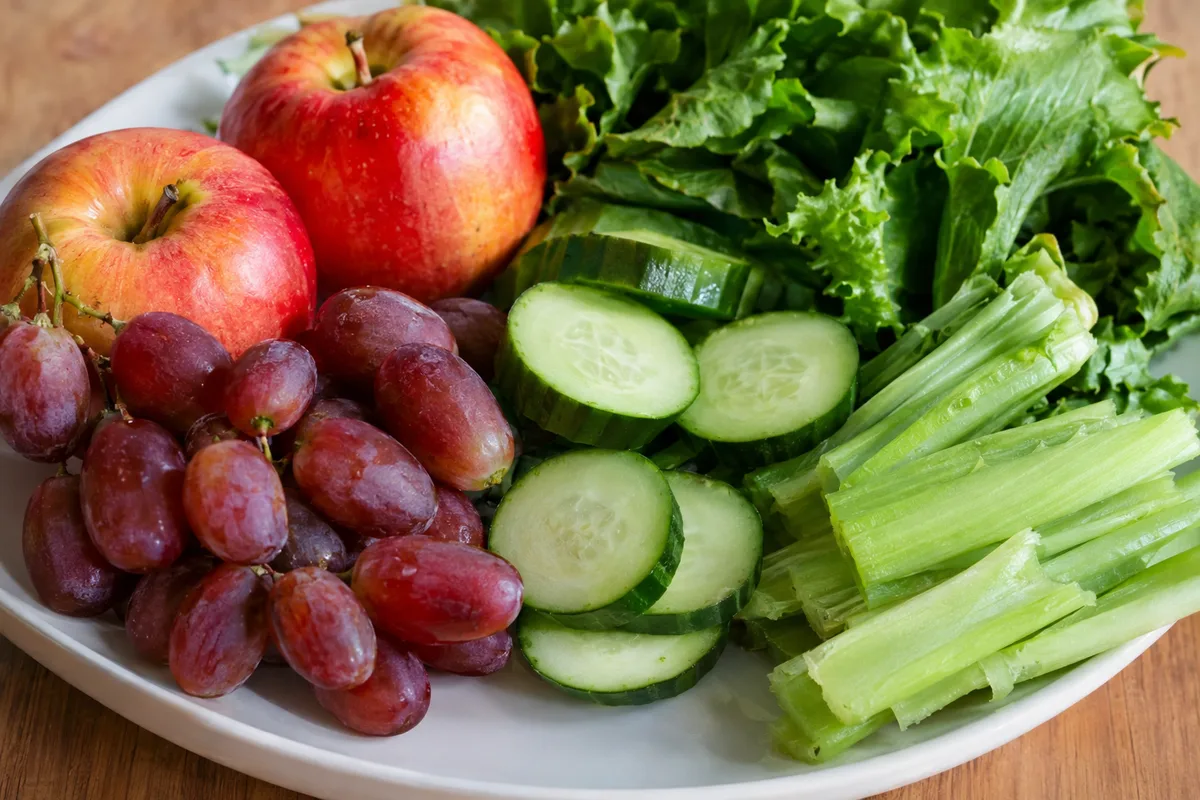
How to Count Calories in Fresh Fruit and Vegetable Juice
Fresh juice can be harder to track than whole fruit or vegetables because some pulp is removed and each batch produces a different amount. This guide explains how to make a practical calorie estimate and log it consistently.
-

How many calories do you burn in a 20-minute run?
There is no single calorie figure that fits every 20-minute run. This guide explains what affects your burn, how to interpret an estimate and how to record it alongside your food.
-
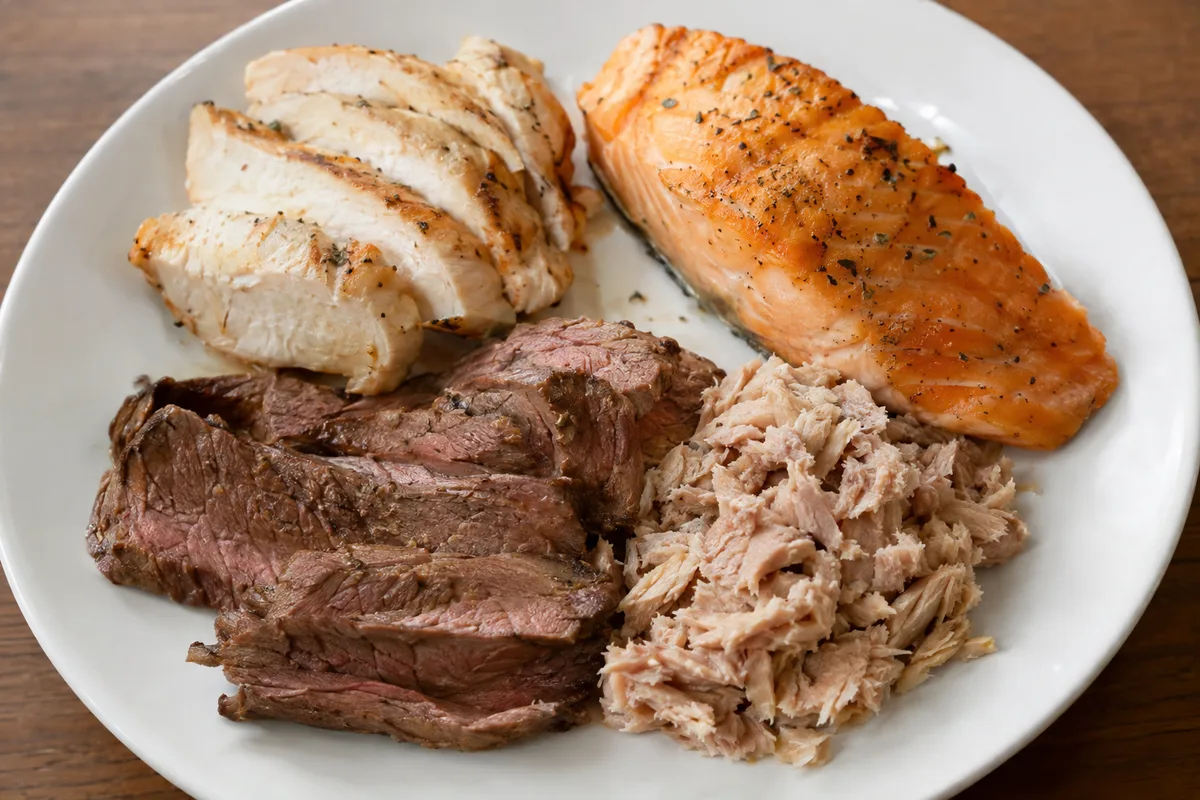
High-protein foods and how much protein they provide
Protein comes from meat, fish, eggs, dairy foods, beans, soya, nuts and seeds. This guide gives approximate amounts and explains how portions, preparation and labels can change what you record.
-
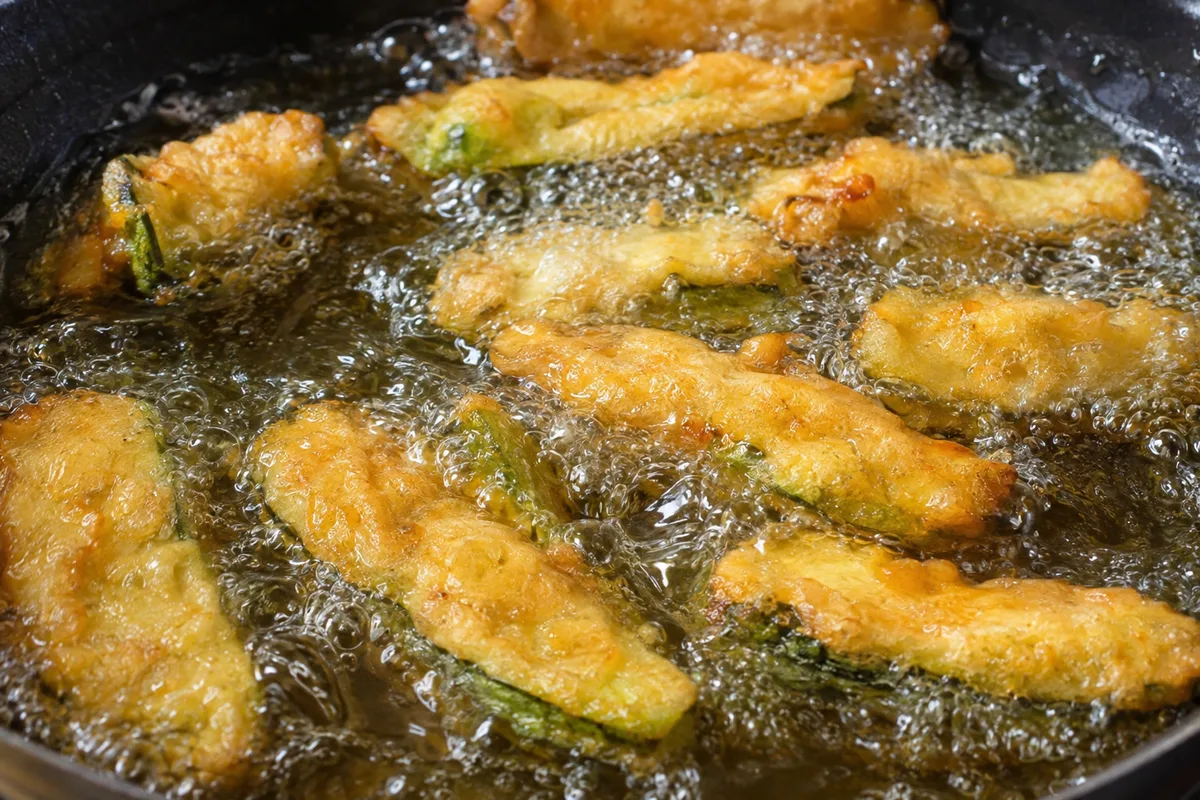
Which Cooking Oil Is Healthiest for Deep Frying?
The best oil for deep frying needs to remain stable at high heat while fitting your wider eating pattern. This guide explains which labels to look for, how to handle the oil and how to log fried food.
-
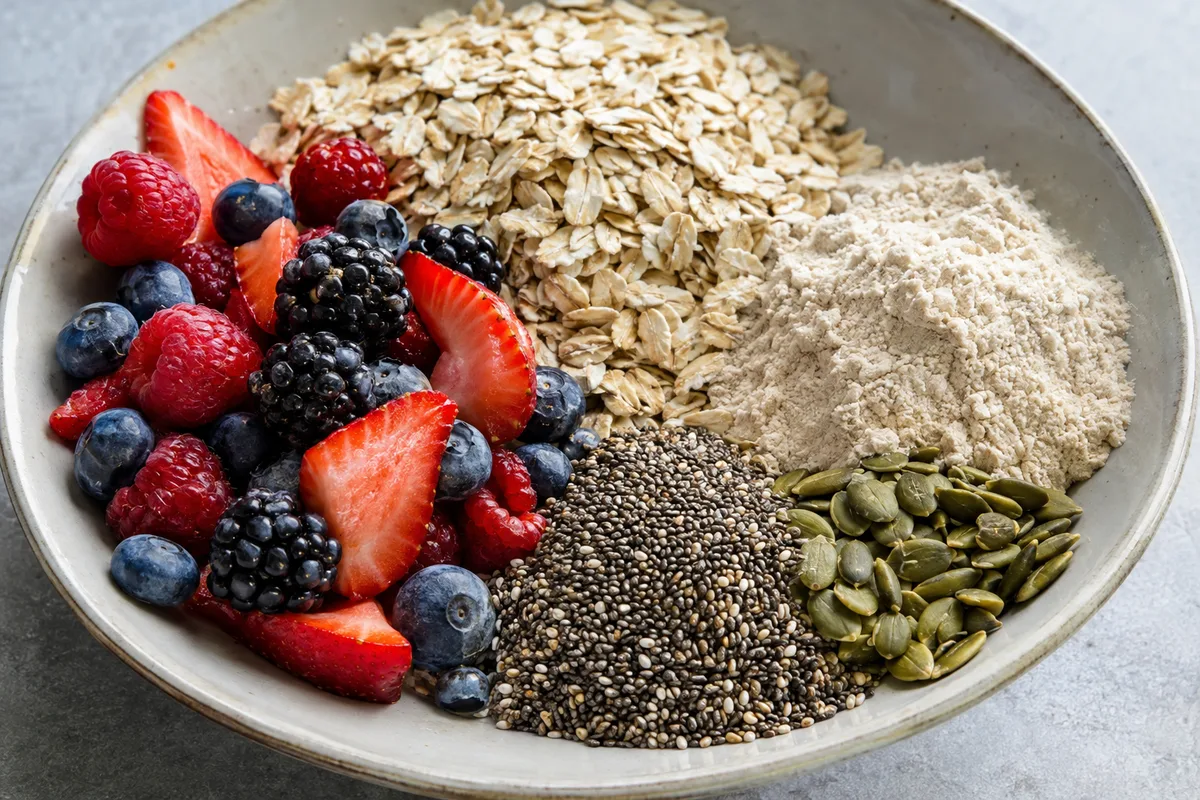
Can Replacing Two Meals with Protein Shakes Help You Lose Weight?
Replacing two meals with protein shakes can create a lower-energy eating pattern, but weight loss is not guaranteed. Here is how to assess your tracked intake, the quality of the shakes and whether the routine works in everyday life.
-
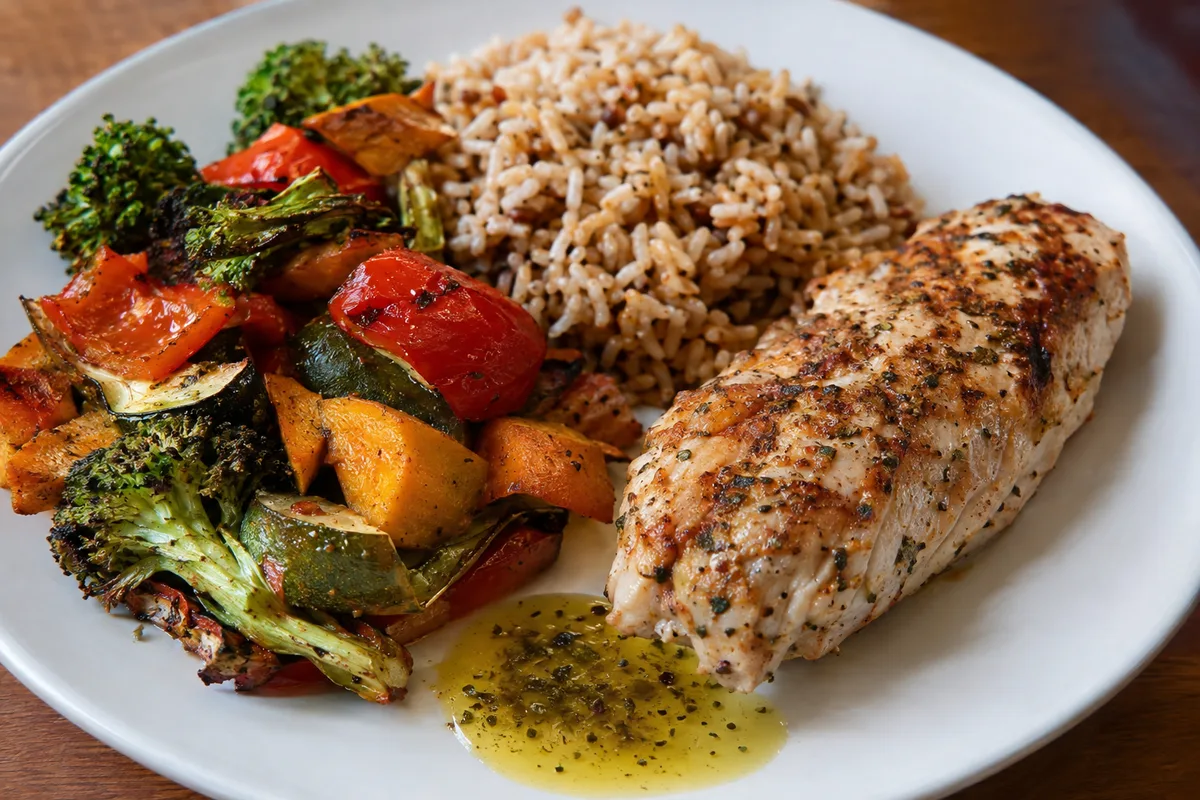
What Should I Eat? A Simple Guide to Building a Balanced Plate
There is no single perfect meal, but a simple plate pattern can make everyday food choices easier. This guide shows what to include, how each part helps and how to record it in your food tracker.
-
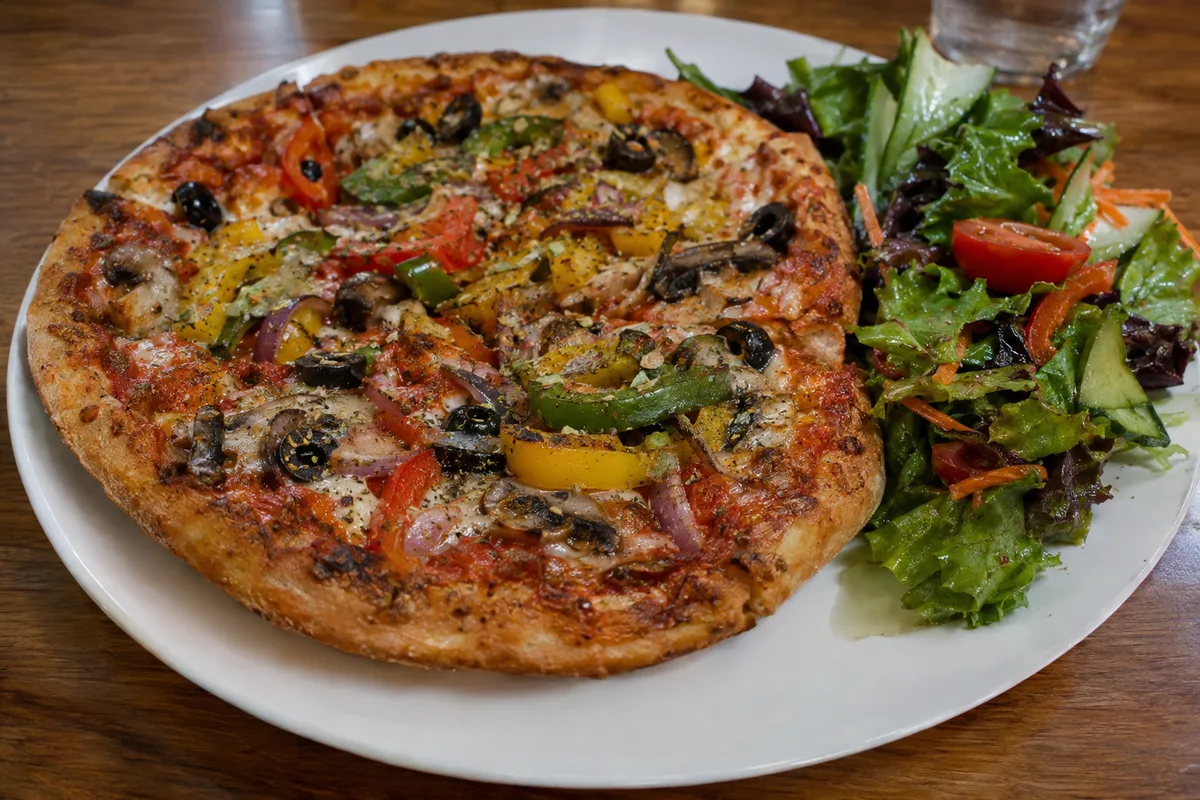
How to Enjoy Pizza While Working Towards Weight Loss
You do not have to remove pizza from your food log simply because you want to lose weight. This guide explains how to plan it, make it satisfying and track it without turning one meal into a verdict on your progress.
-
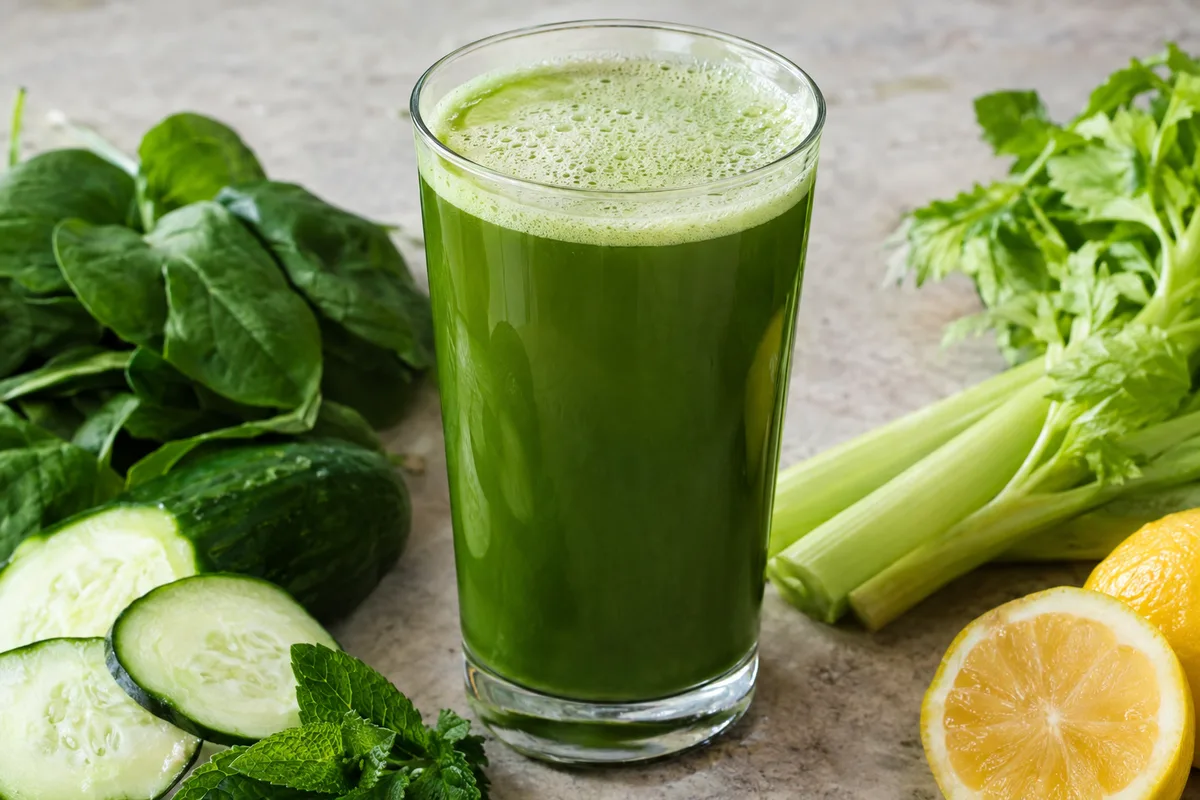
How to Choose Juices That Are Lower in Sugar and Carbs
Sugar is one type of carbohydrate, so a juice that is lower in sugar will often be lower in total carbs too. This guide explains which ingredients tend to work best, what to check on labels and how to record juice in your food diary.
-
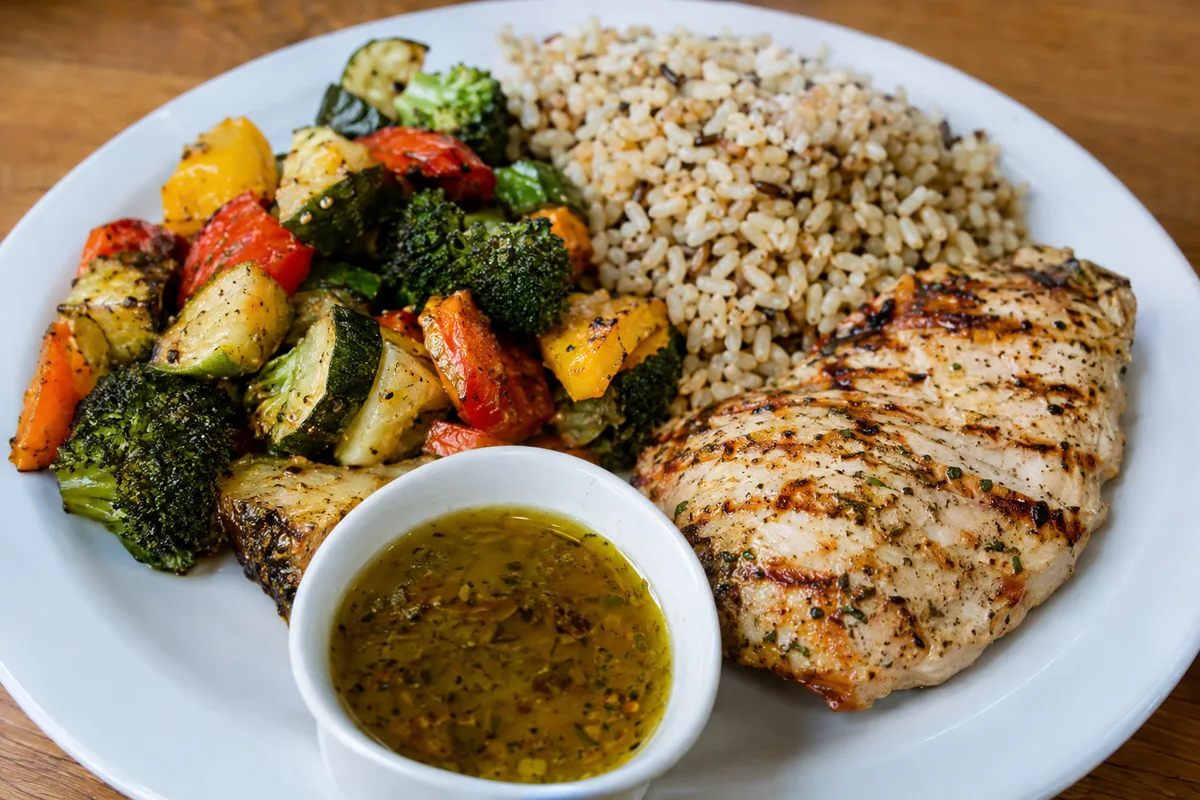
Choosing a Diet for Health and Weight Loss
There is no single diet that suits every appetite, routine or food preference. This guide compares several common approaches and shows how to use your food log to choose one you can maintain.
-
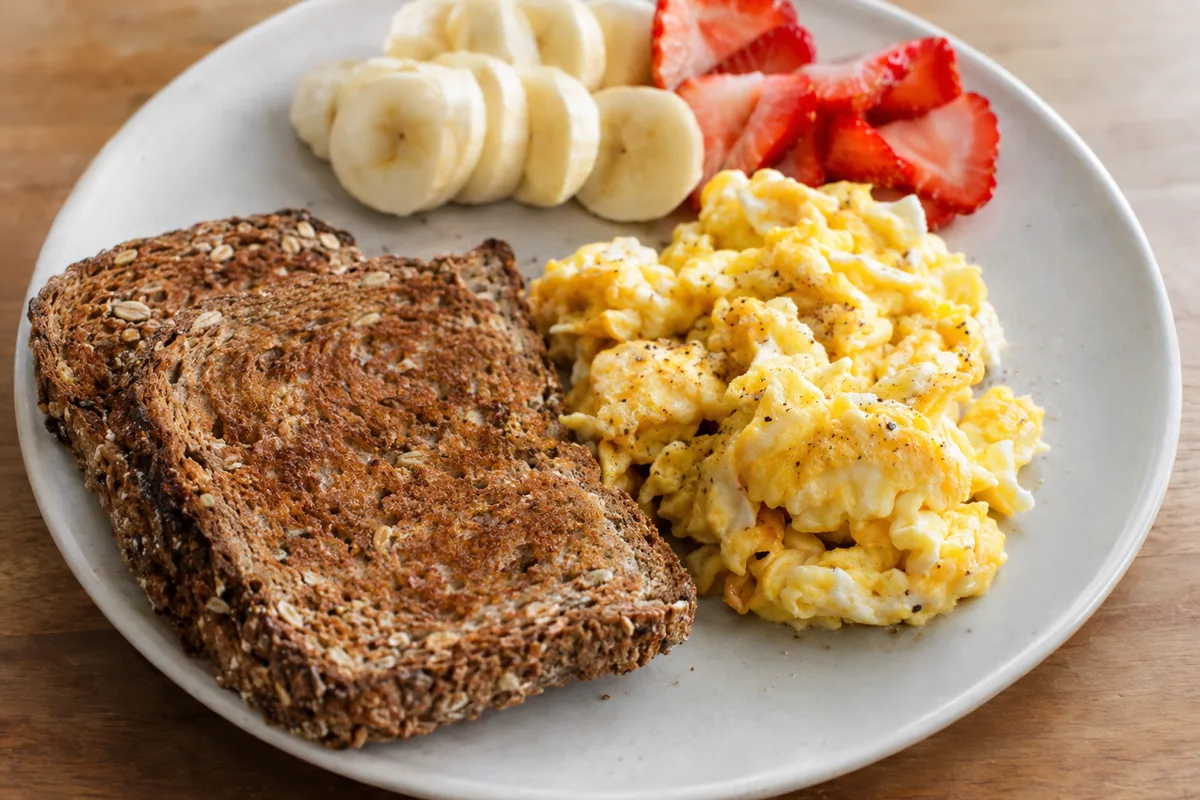
How to Plan a Pre-Workout Meal or Snack
What you eat before exercise can affect how energetic and comfortable you feel while moving. This guide explains timing, food choices and how to use your existing food log to find an approach that suits you.
-
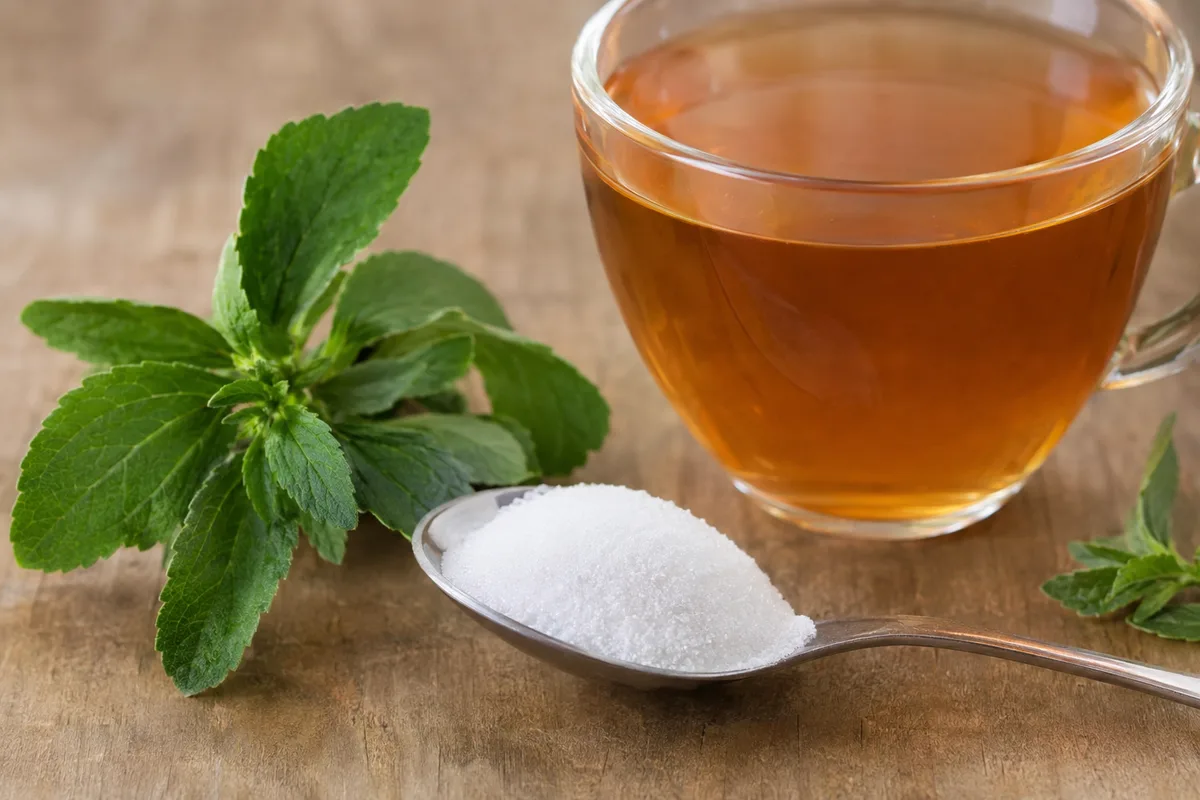
Is stevia sweetener safe to use?
Stevia sweeteners are generally considered safe when they contain purified ingredients approved for use in food. This guide explains what stevia is, how safety limits work and what to check when tracking your intake.
-
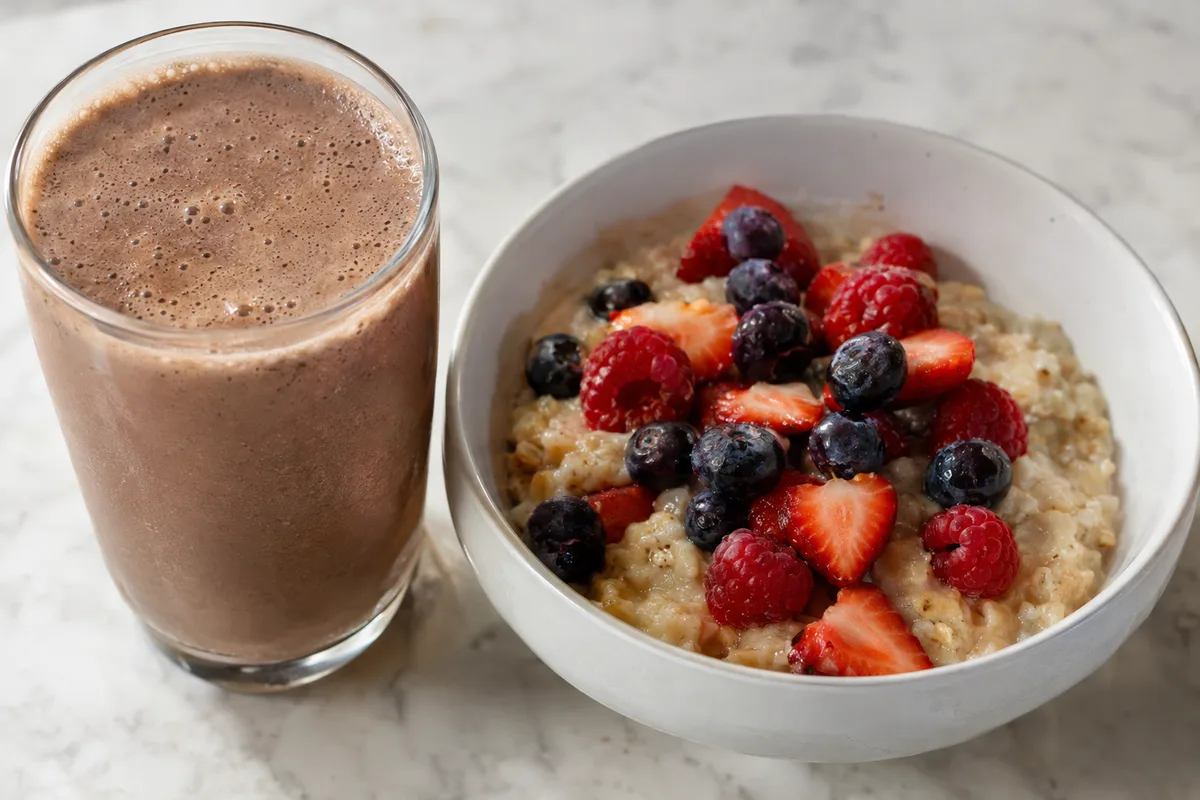
How to choose the best protein powder for you
The best protein powder is one that suits your eating pattern, tastes good to you and fits comfortably into your tracked meals. This guide explains the main types, what to check on the label and when powder is genuinely useful.
-

What is the fastest way to burn carbohydrates?
Your body uses carbohydrates all day, but harder movement usually makes it rely on them more heavily. This guide explains what that means, which activities help and how to use your food log alongside exercise.
-
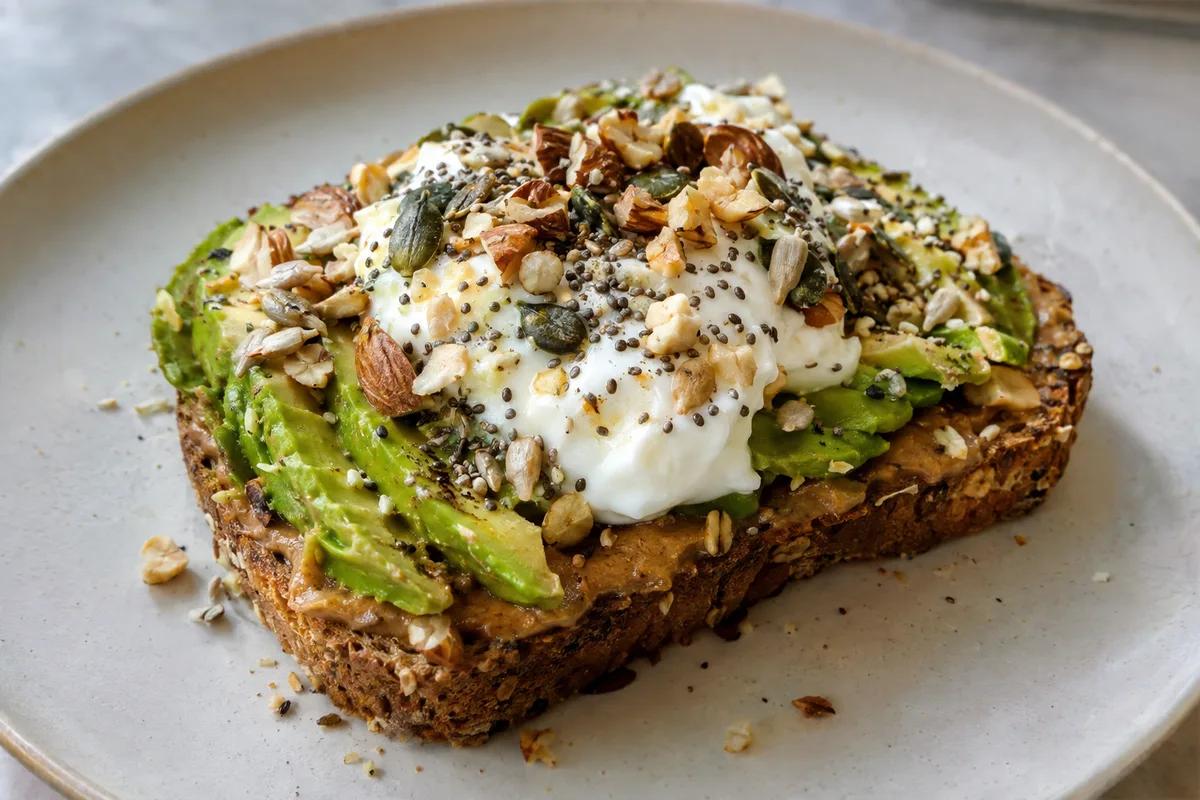
Foods That Can Help You Gain Weight
Gaining weight usually means eating more energy than your body uses, but larger portions are not the only option. This guide explains how to build satisfying meals and snacks while using your food log to adjust your approach.
-

How to Fit Popular Dunkin Foods Into a Weight-Loss Plan
Dunkin foods do not need to be automatically ruled out when you are trying to lose weight. This guide explains how to compare familiar choices, build a satisfying order and record it accurately.
-
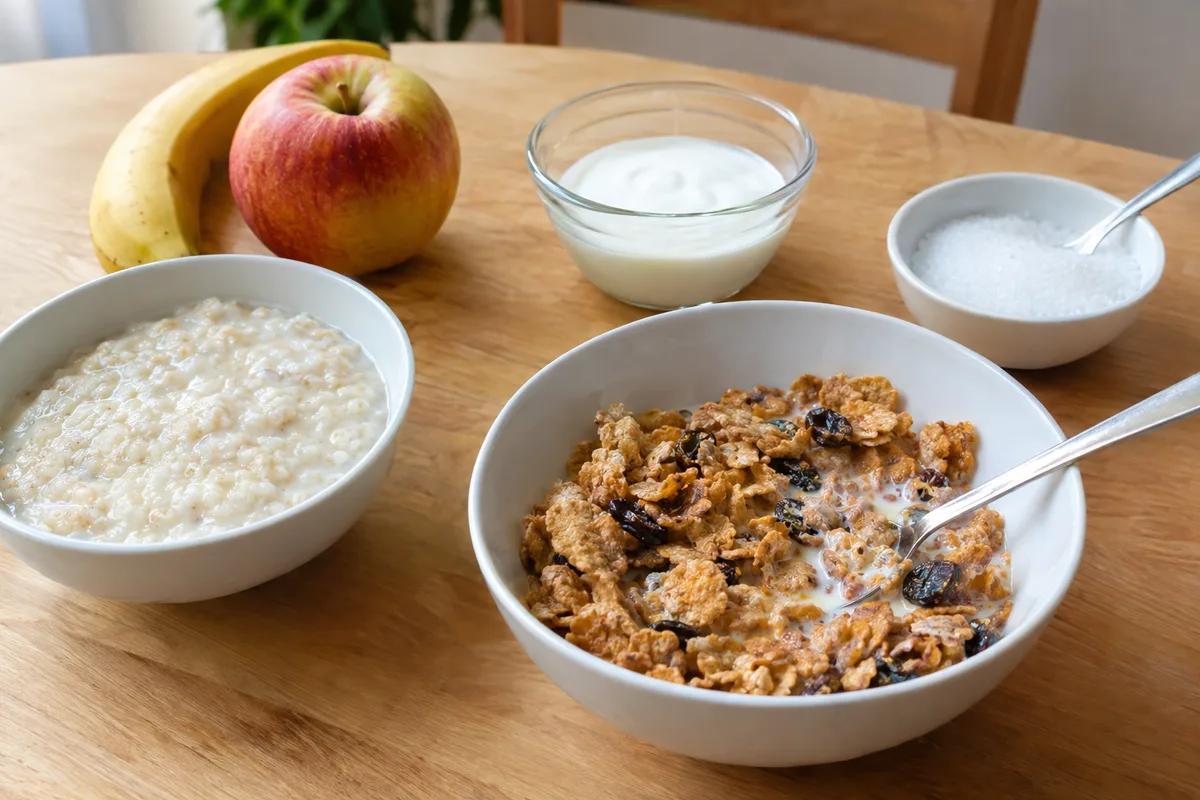
What a no sugar diet really means
A no sugar diet usually means cutting back on sugars added to food and drink, rather than removing every food that contains sugar. This guide explains what to look for, what you can still eat and how to make the approach practical.
-
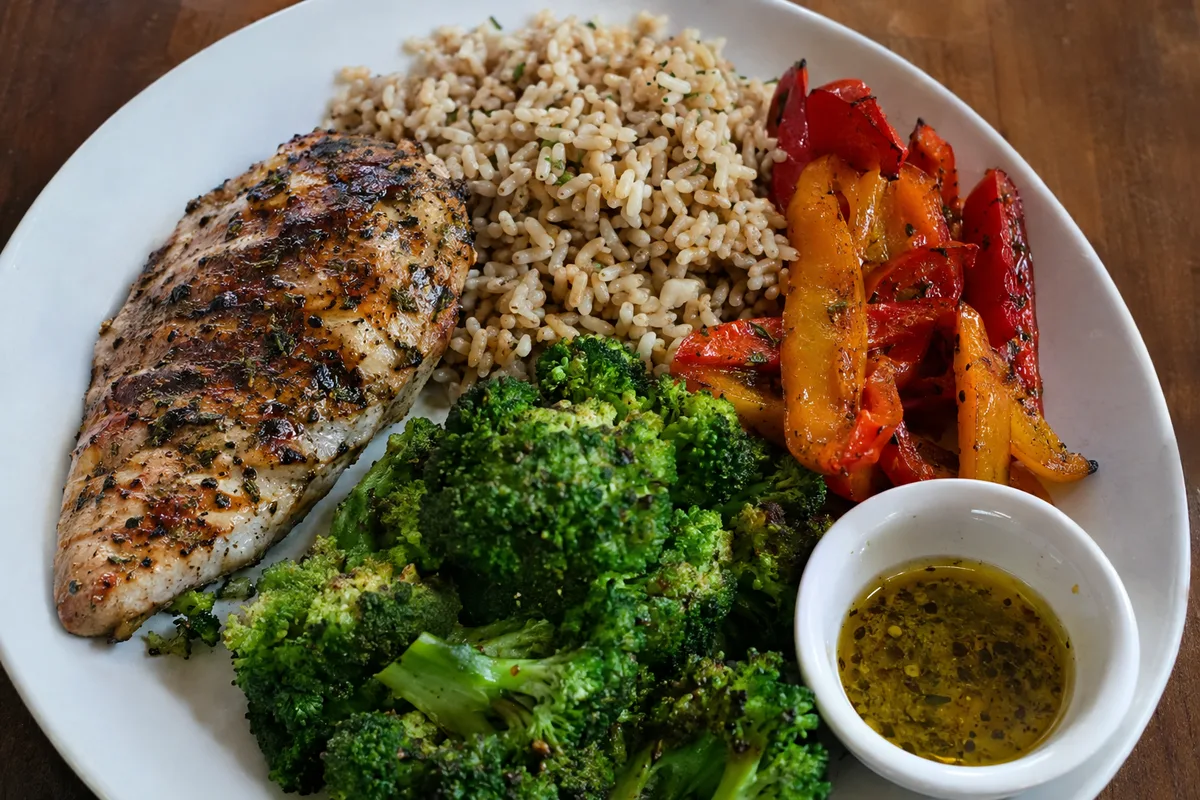
Body Type Eating: What Your Shape Can and Cannot Tell You
Body type eating suggests that different body shapes need different balances of food. This guide explains the idea, its limits and how to use your own food log to make practical choices.
-

How Many More Calories Do You Burn Walking Uphill?
Walking uphill makes your muscles work harder against gravity, so it normally uses more energy than walking the same distance on level ground. This guide explains what changes the difference and how to record a sensible estimate in your food diary.
-

Does Lemon Water Really Improve Health or Support Weight Loss?
Lemon water is often credited with benefits that go far beyond what a squeeze of fruit can provide. Here is what it contributes, how it may affect your food tracking and where the claims become overstated.
-
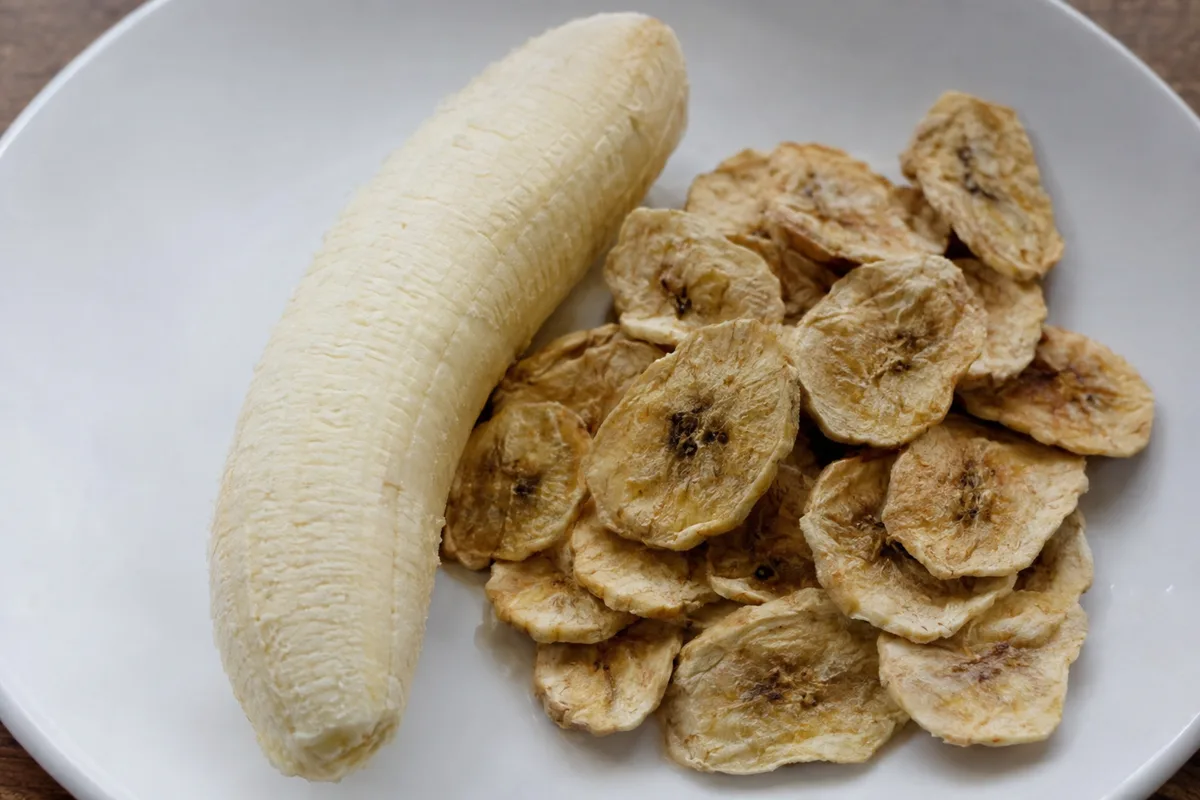
Bananas and Dehydrated Bananas: What Changes When the Water Goes
Fresh and dehydrated bananas begin with the same fruit, but removing water changes the portion, texture and nutrient concentration. Here is how those differences affect food tracking and everyday choices.
-
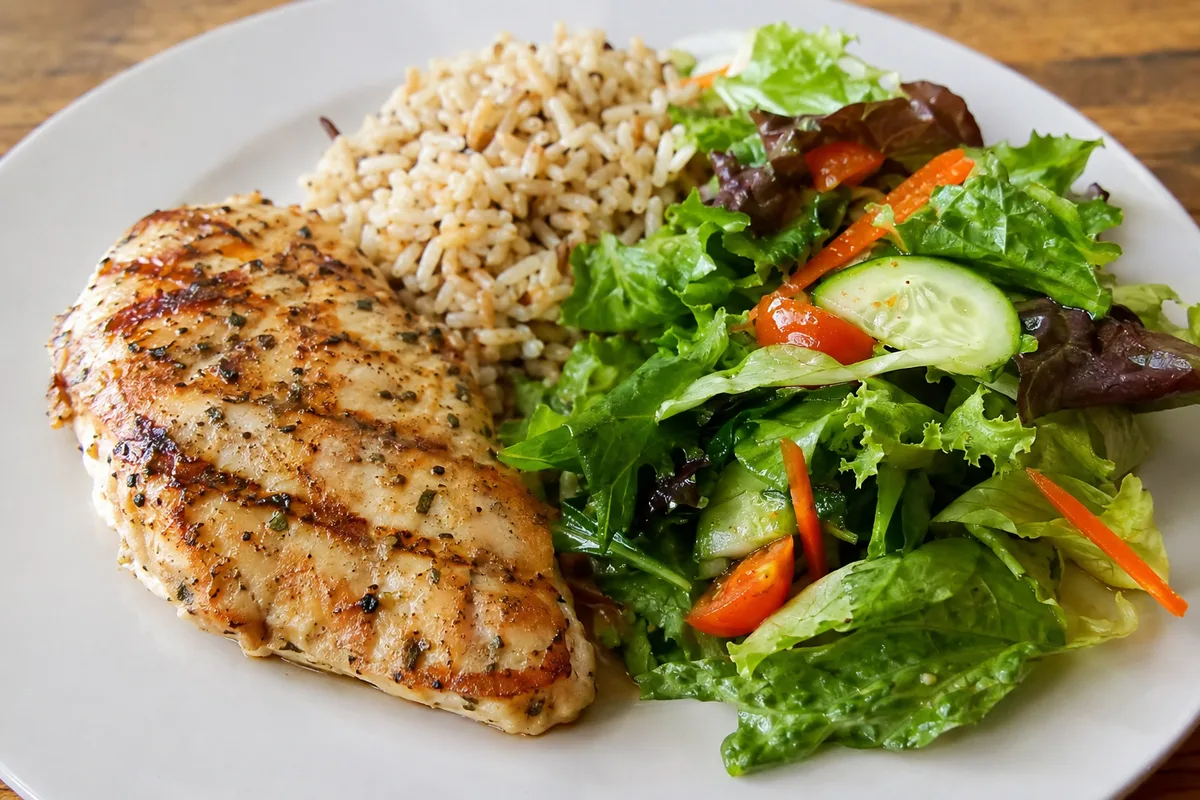
How to Approach Weight Loss on a Low-Carb Diet
A low-carb diet can change what you eat, how satisfied you feel and what appears in your tracking record. This guide explains how to build balanced meals, interpret early weight changes and find an approach you can maintain.
-
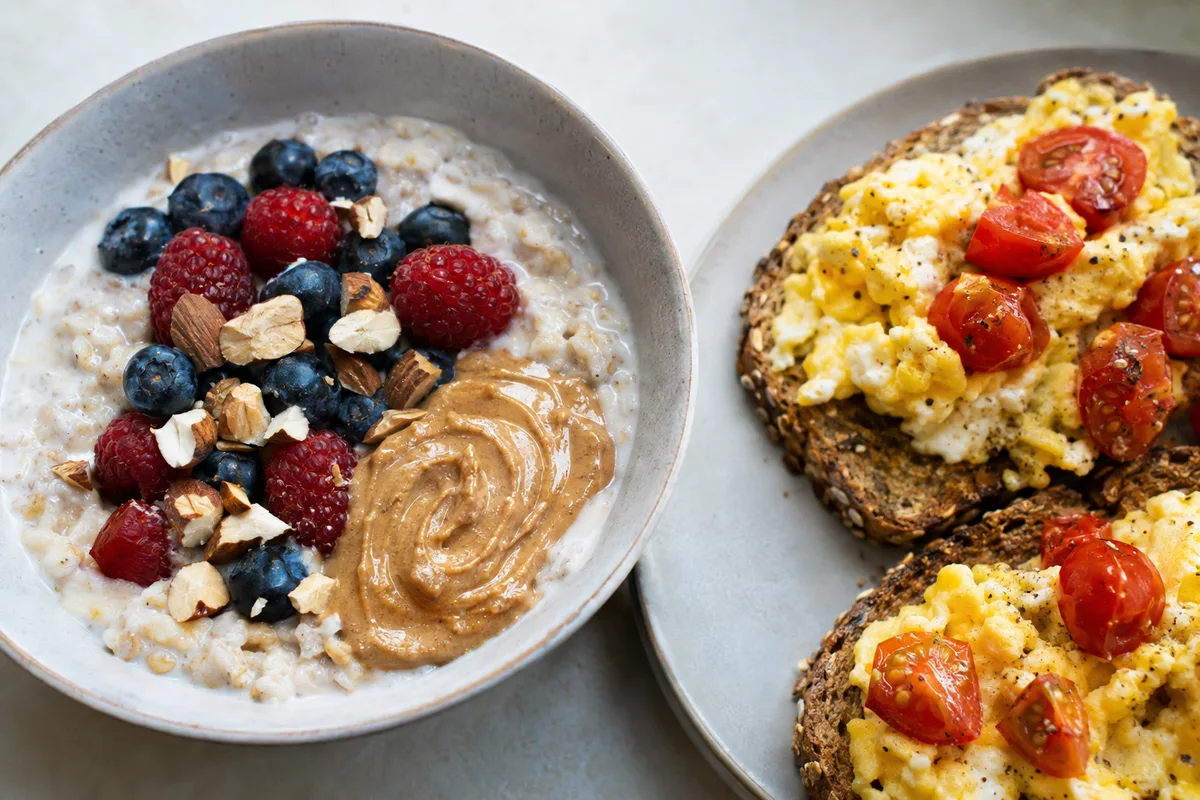
What an 1800-Calorie Day Can Look Like
An 1800-calorie day can include familiar, satisfying foods rather than one fixed menu. This guide shows how to spread your intake across the day and track the details that are easy to miss.
-
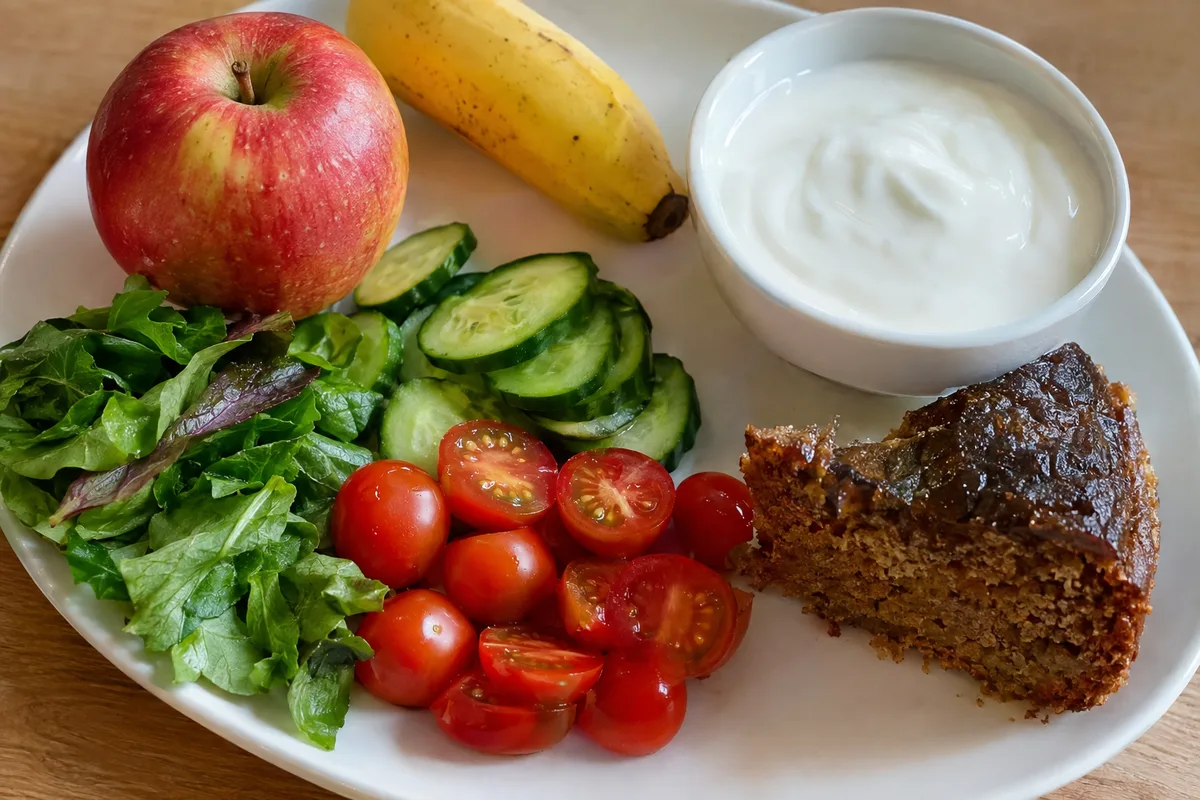
A Low-Sugar Diet: How It Works, Benefits and Drawbacks
A low-sugar diet usually focuses on reducing added and free sugars rather than avoiding every food that contains sugar. This guide explains the possible benefits, common drawbacks and practical ways to adapt what you already track.
-
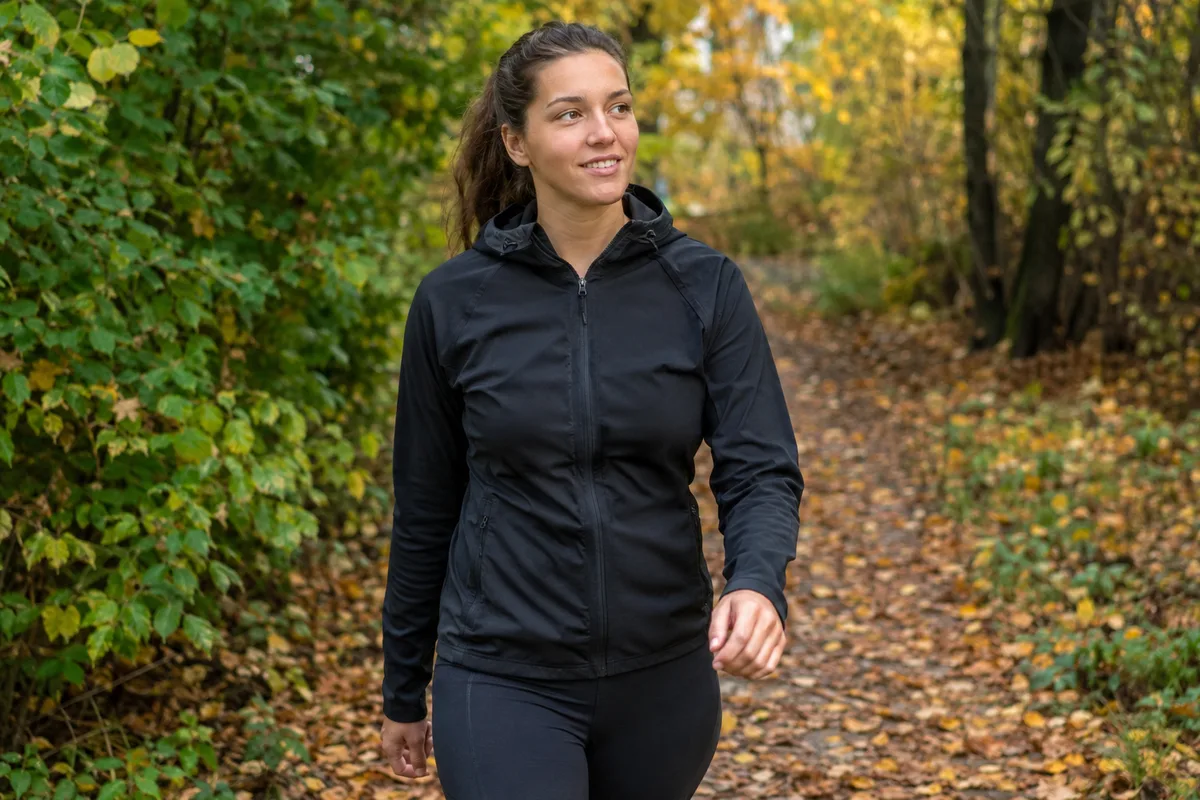
What it takes to burn 300 calories
Burning 300 calories does not require one particular workout or a fixed amount of time. This guide explains what affects the estimate, which activities can contribute and how to track the goal sensibly.
-
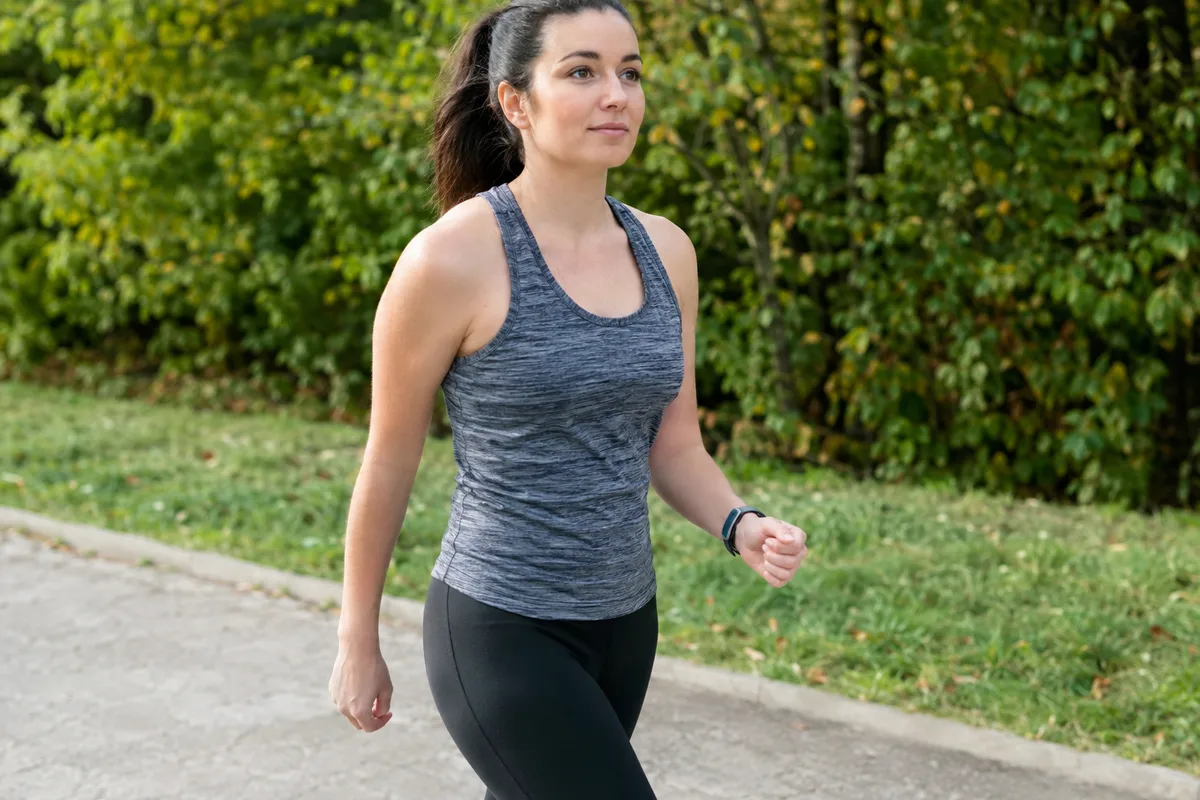
How Cardio and Weight Training Work Together for Fat Loss
Cardio and weight training affect the body in different ways, and both can have a place in a fat-loss programme. This guide explains how to combine them with the food intake you already track.
-
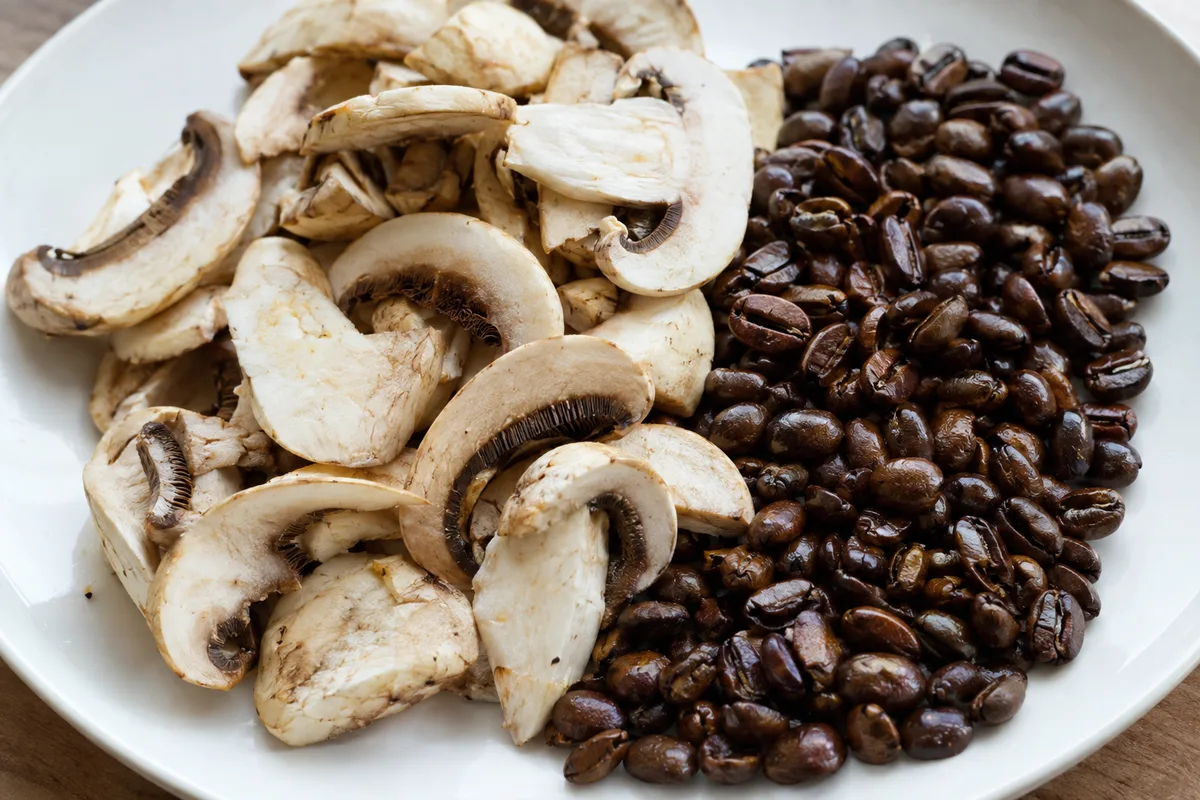
Can Mushroom Coffee Support Weight Loss?
Mushroom coffee combines coffee with mushroom powders or extracts, but the ingredients vary between blends. Here is what it may change, what it cannot do on its own and how to record it accurately.
-
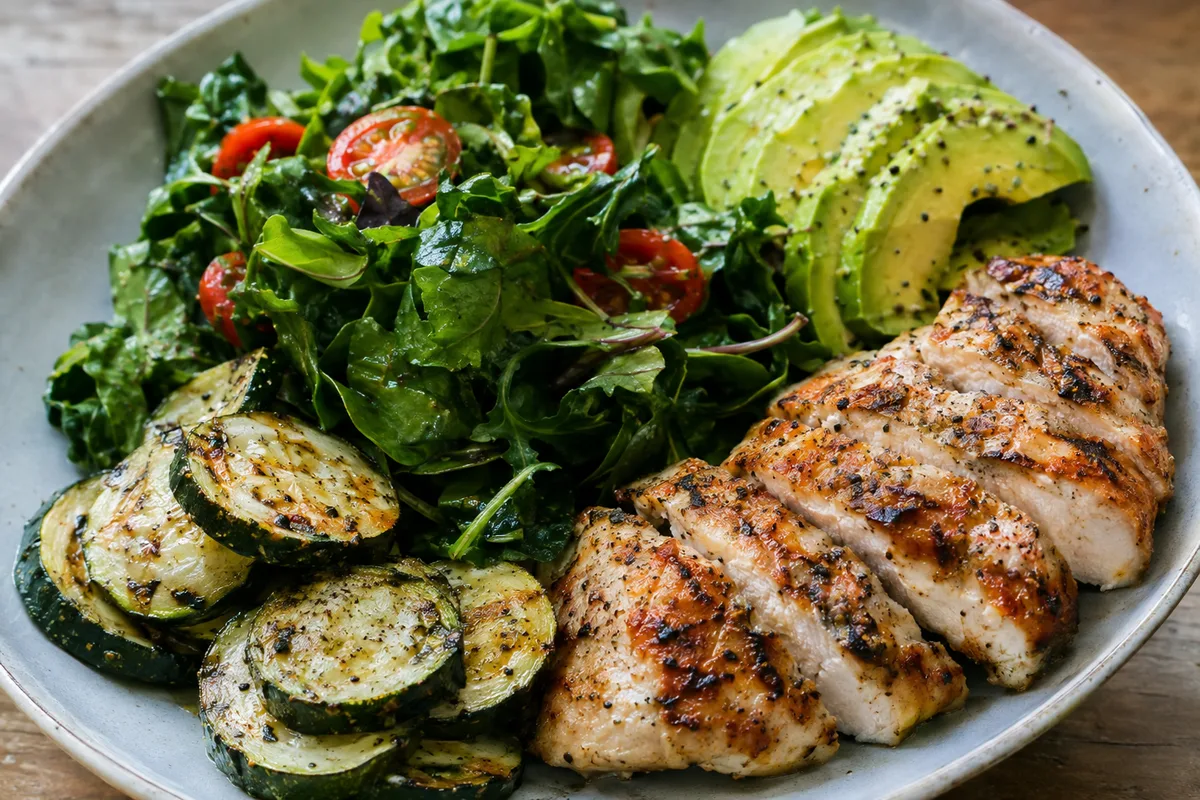
How to Ease Constipation While Eating Low Carb
Cutting carbohydrates can also reduce fibre, food volume and fluid intake, which may make bowel movements harder. This guide explains what to check in your food log and how to make practical adjustments.
-
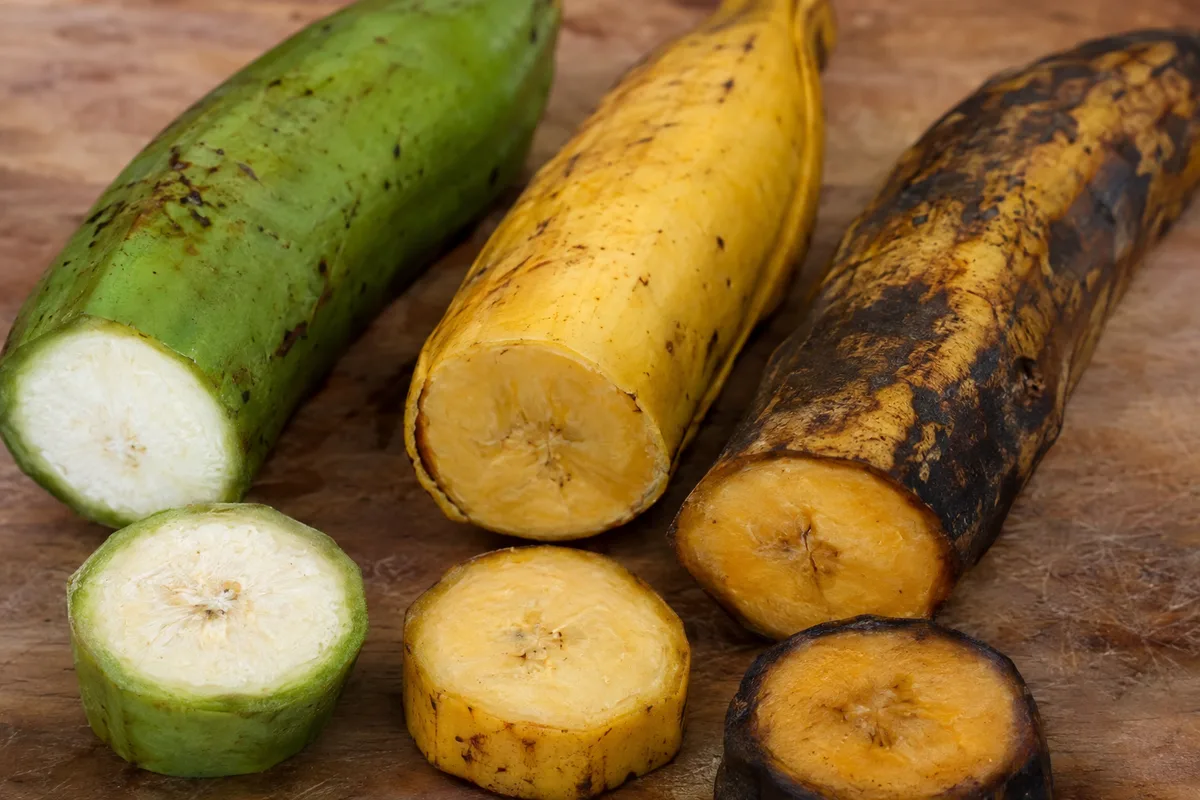
Can Plantains Fit Into a Low-Carb Diet?
Plantains are a starchy food, so they can use a noticeable share of a low-carb target. This guide explains how to track them, choose a portion and build a balanced meal around them.
-
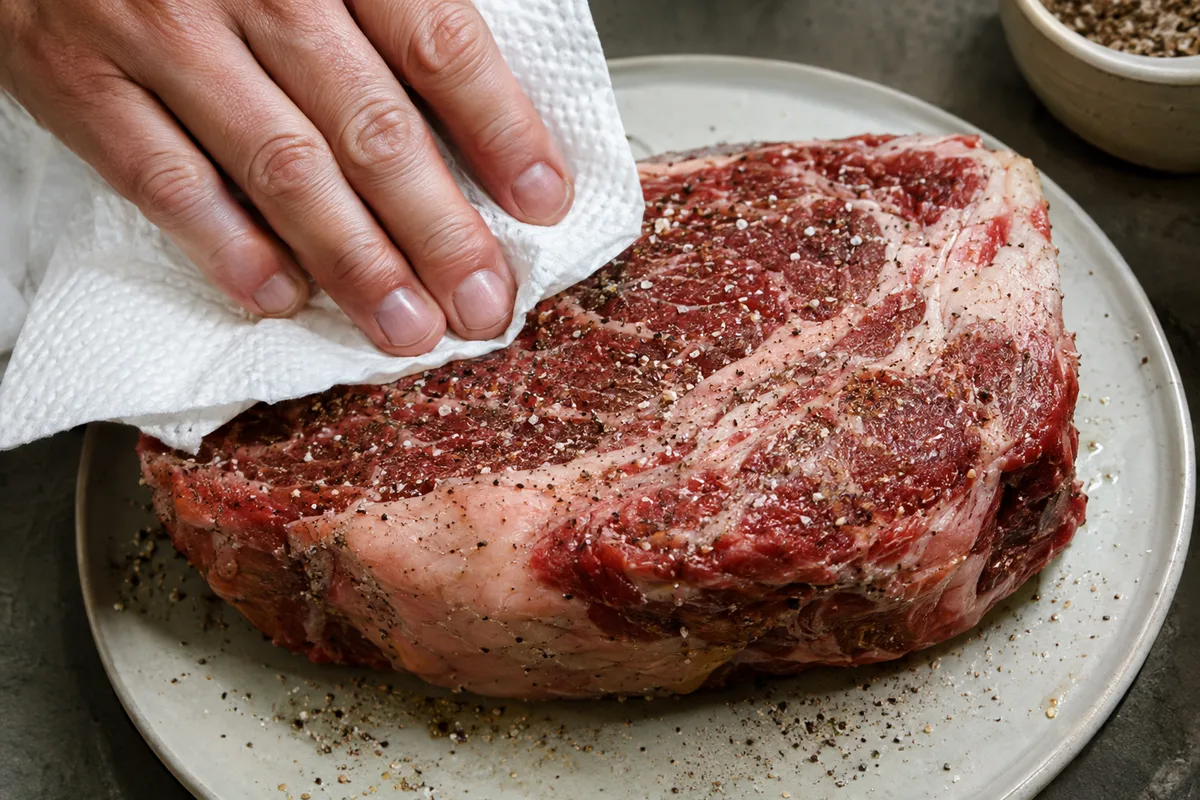
Practical Ways to Cook Cross Rib Steak
Cross rib steak has a rich beef flavour, but its shoulder muscles can make it firmer than some other steaks. The right preparation and cooking method can help you get a tender result while keeping your food log accurate.
-
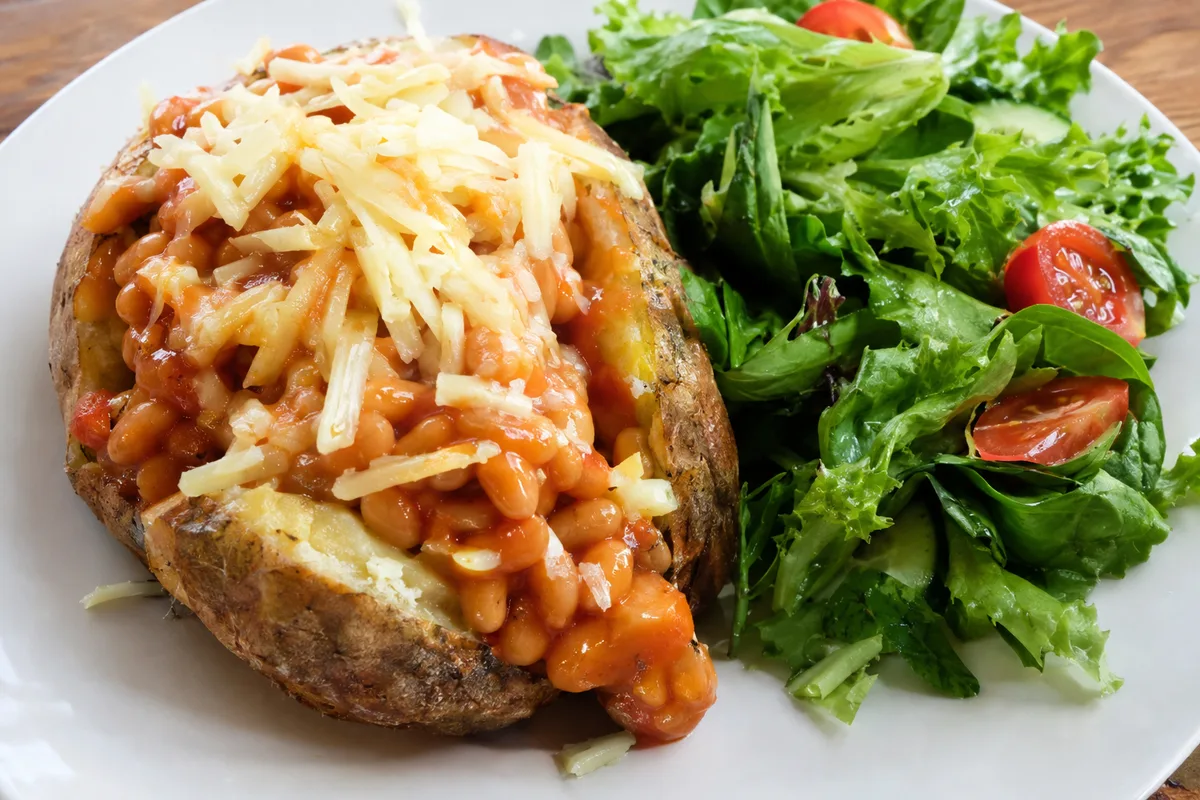
How to Replace Electrolytes Without a Sports Drink
Electrolytes are minerals lost through sweat, but a branded sports drink is not the only way to replace them. This guide explains when replacement matters and how to use ordinary food and drink.
-
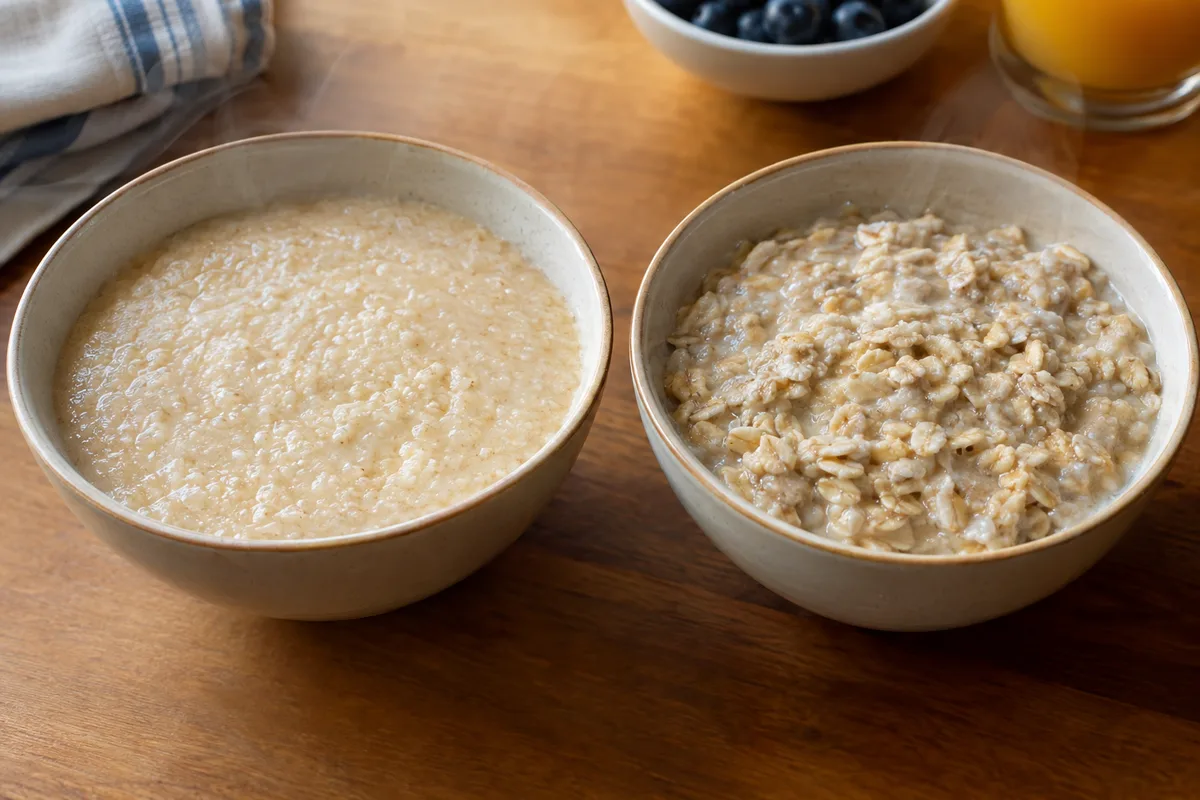
Malt-O-Meal or oatmeal: which breakfast suits your food log?
Malt-O-Meal hot cereal and oatmeal can look similar in a bowl, but they start with different grains. Here is how to compare them fairly and choose the one that fits your taste, routine and nutrition aims.
-
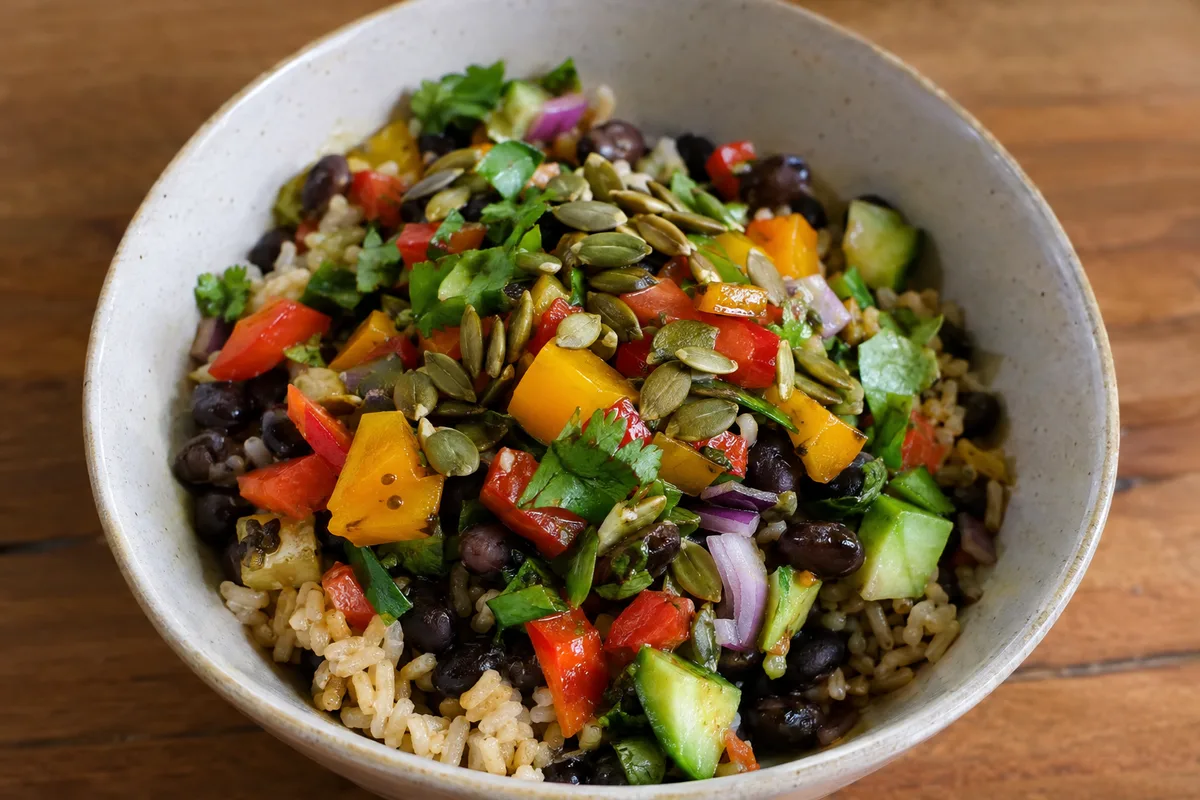
How to Combine Vegan Proteins Without Overcomplicating Your Meals
Plant foods contain different mixes of the amino acids used to build protein in the body. This guide explains useful combinations, simple meal ideas and what to look for in your food log.
-
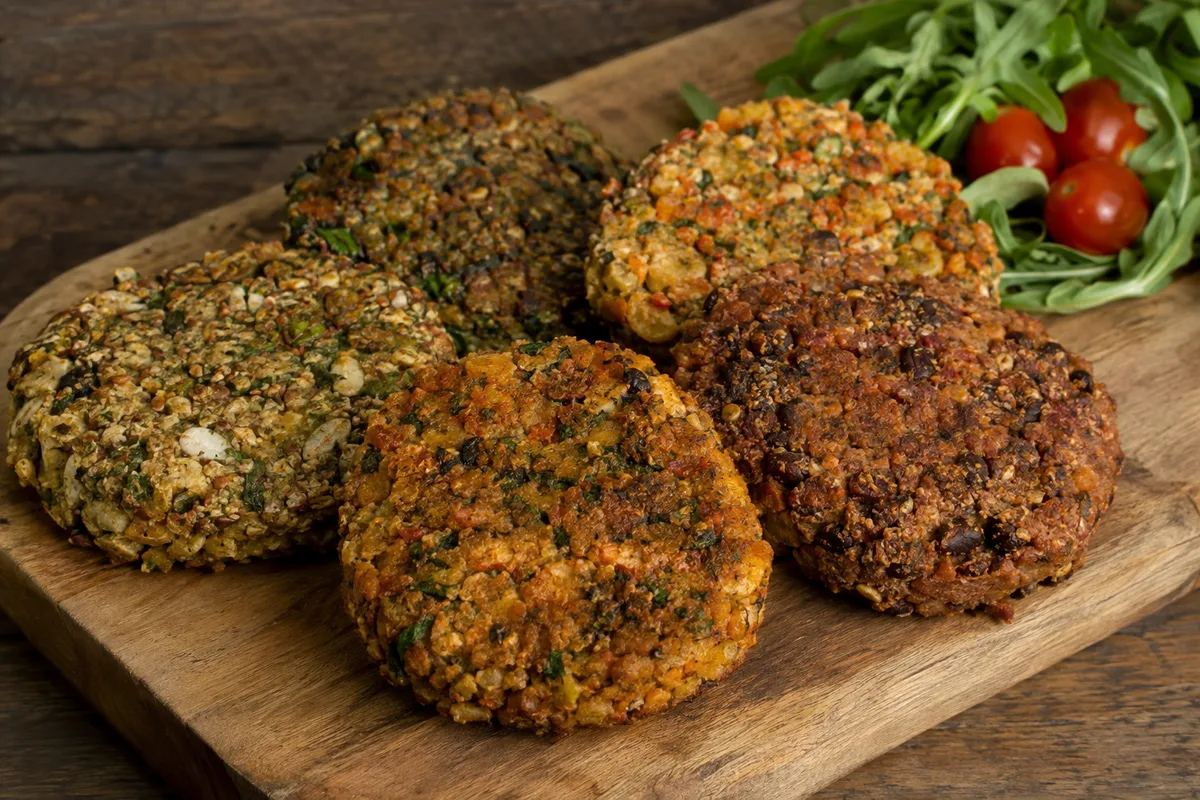
How to Choose a Healthier Veggie Burger
The healthiest veggie burger is one that suits your nutritional needs, tastes good and works within the meal you are tracking. Here is how to compare the options without judging them by calories alone.
-

Can You Burn 1,000 Calories a Day? What the Target Really Means
Burning 1,000 calories can mean total energy used across the day or calories attributed to deliberate exercise, and those are very different targets. This guide explains how to read the number, plan movement and match your food tracking to a realistic routine.
-
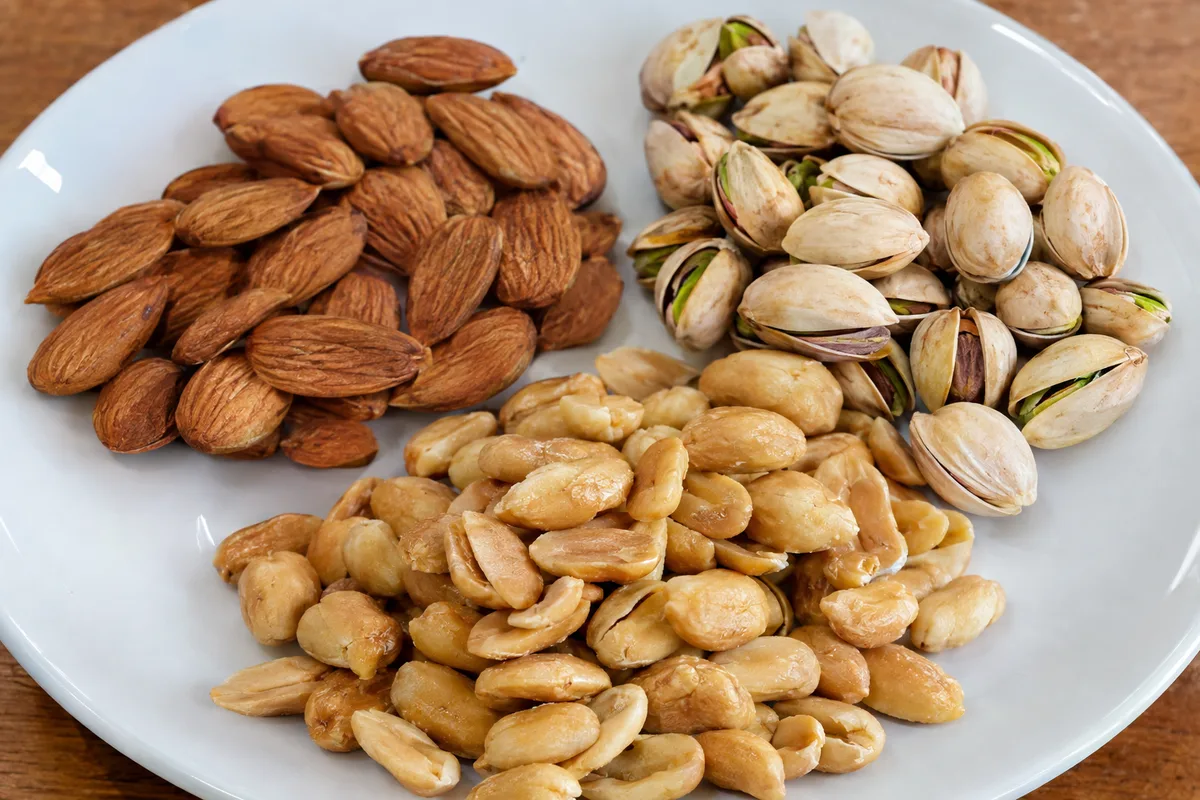
Which Nuts Give You More Protein with Less Saturated Fat?
Nuts contain protein, but the amount and type of fat differ between varieties. This guide explains which choices tend to offer more protein with less saturated fat and how to fit them into your food log.
-
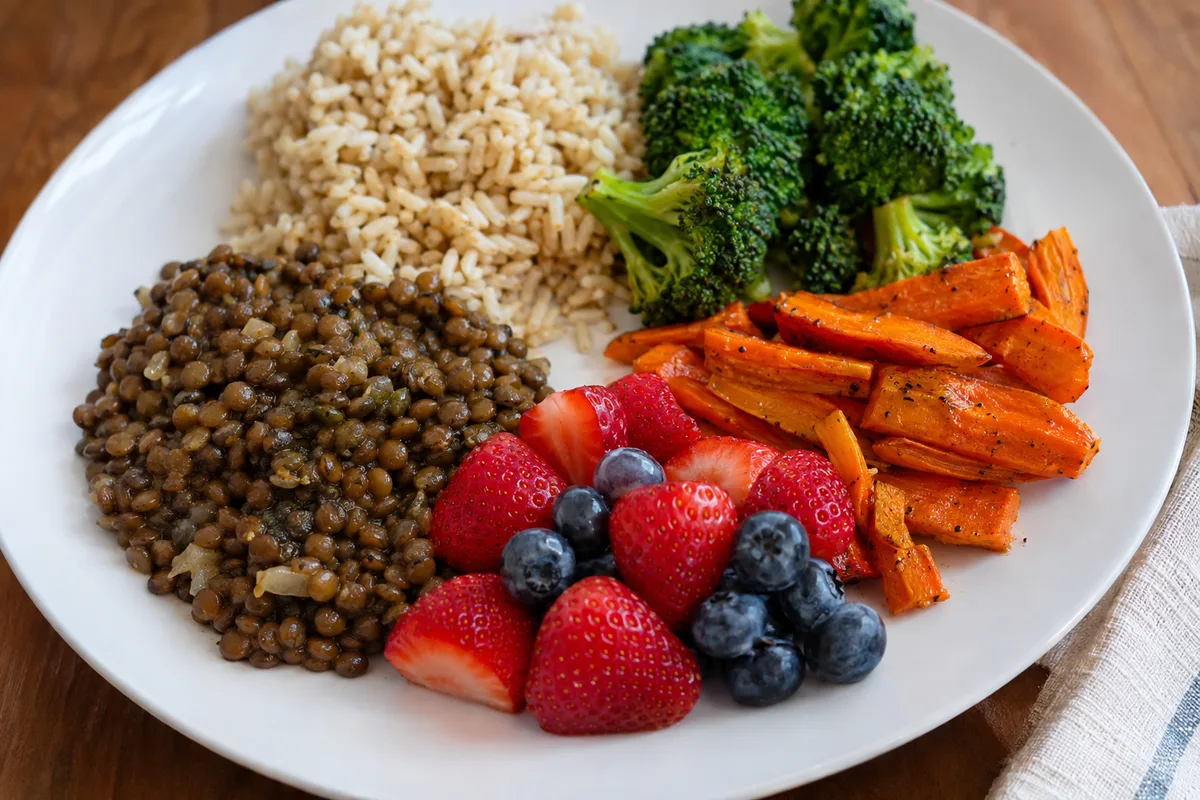
Does the Ornish Diet Really Work?
The Ornish diet is a plant-focused, very low-fat way of eating that is usually part of a broader lifestyle programme. Here is how it works, what food tracking can reveal and why results depend on more than following a food list.
-

Swimming or walking: which burns more calories?
Swimming often burns calories faster than a gentle walk, but the answer changes with pace, stroke, terrain and time. Here is how to compare the two fairly and fit the result into your food tracking.
-
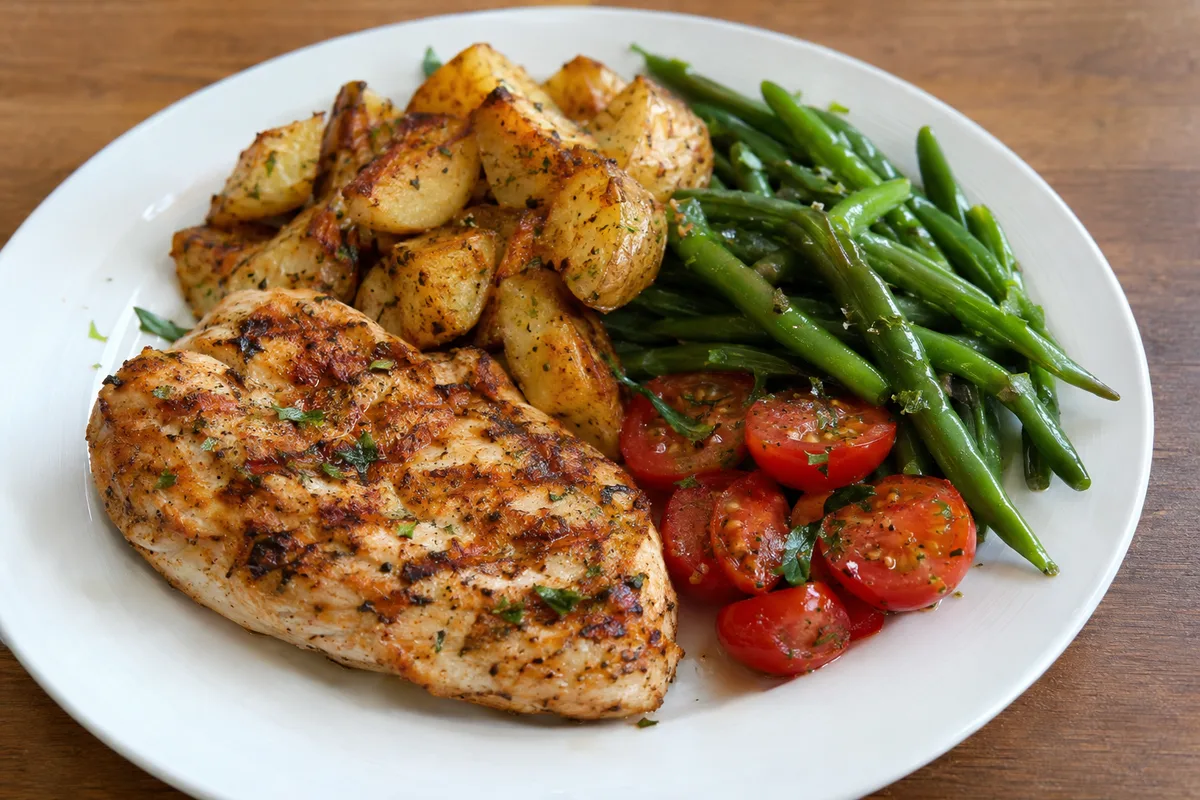
Is a High-Protein Diet the Best Way to Lose Weight?
Protein may help meals feel filling and support muscle while you lose weight, but eating more is not automatically better. This guide explains how to judge your current intake and build a balanced approach that you can maintain.
-
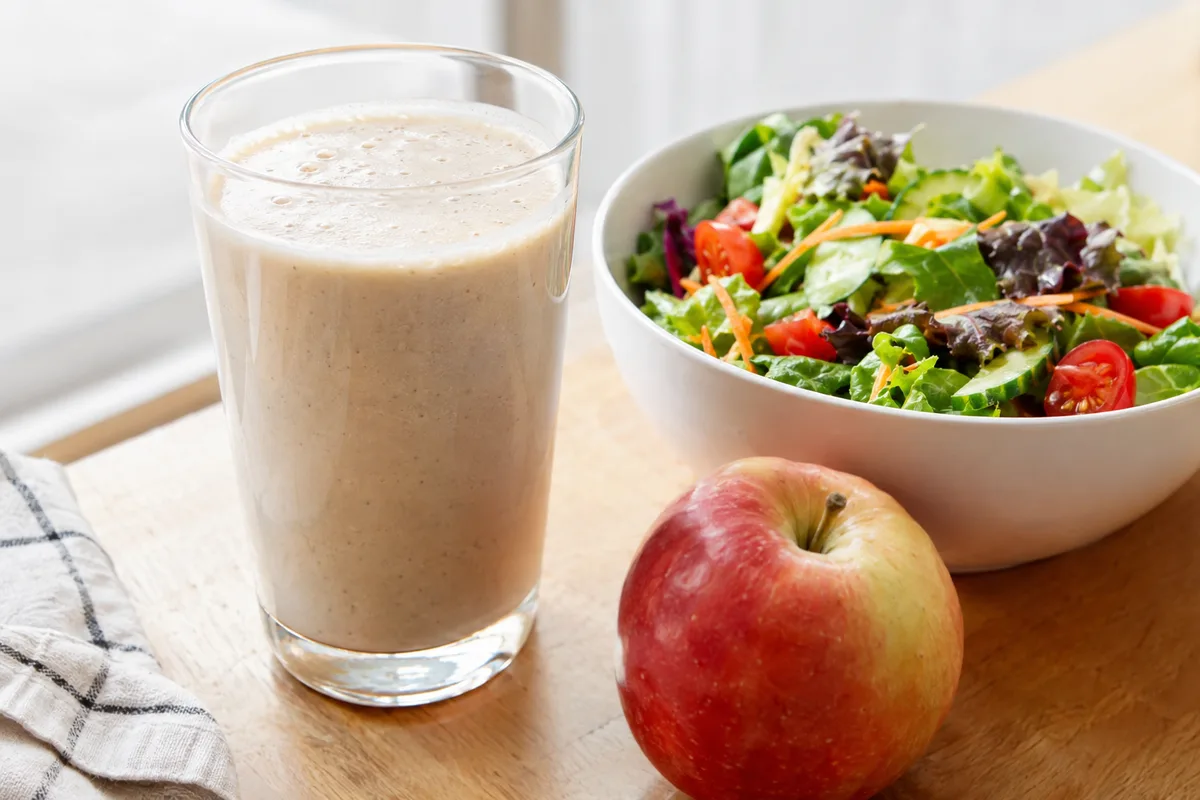
SlimFast diet plan: the practical pros and cons
The SlimFast plan replaces some ordinary meals with branded shakes, bars or similar products while keeping one main meal and planned snacks. Here is how that structure can affect convenience, food tracking, nutrition, flexibility and longer-term eating habits.
-
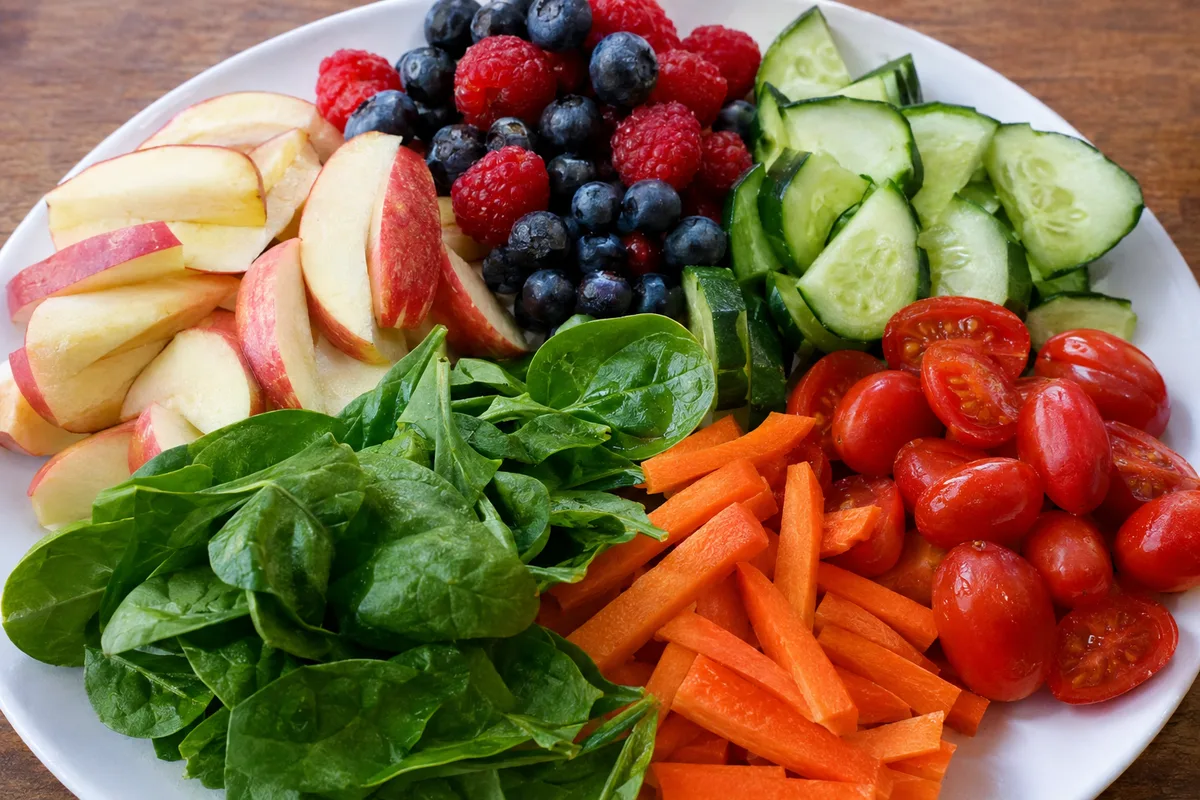
A practical list of fat-free foods for your food diary
Fat-free foods include some everyday fruit, vegetables, drinks and labelled products, but the exact amount can depend on preparation. This guide explains what counts as fat-free and how to record these foods accurately.
-

How to Make Boba Tea a More Balanced Choice
Boba tea can vary greatly depending on its base, sweetness, milk and toppings. This guide explains how to build a more balanced drink and record it without relying on guesswork.
-
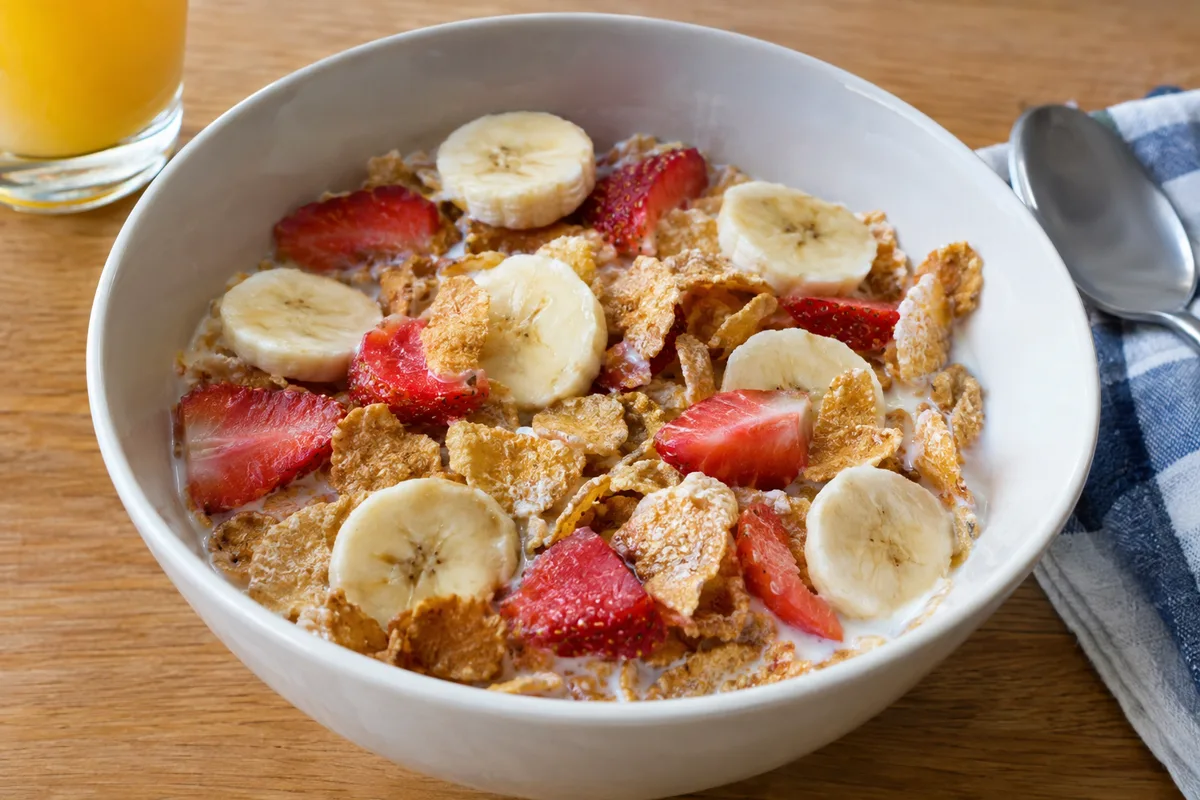
The Special K Diet: what it means for your food diary
The Special K Diet replaces some everyday meals with measured servings of cereal, usually alongside milk. This guide explains how the approach works, what your food log can reveal and how to build more balanced meals.
-
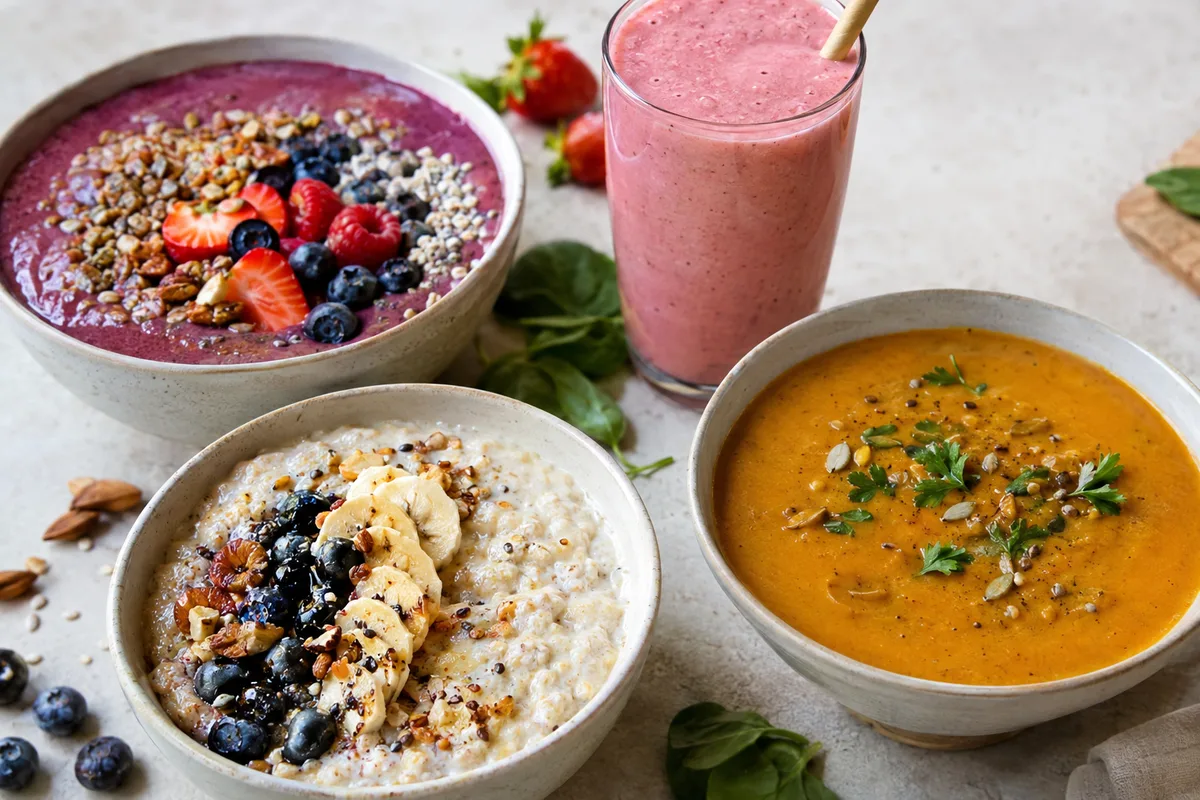
How to Find the Best Pea Protein Powder for You
The best pea protein powder is one that suits your meals, preferences and reasons for using it. This guide explains how to read the label, compare formulas and track it accurately.
-
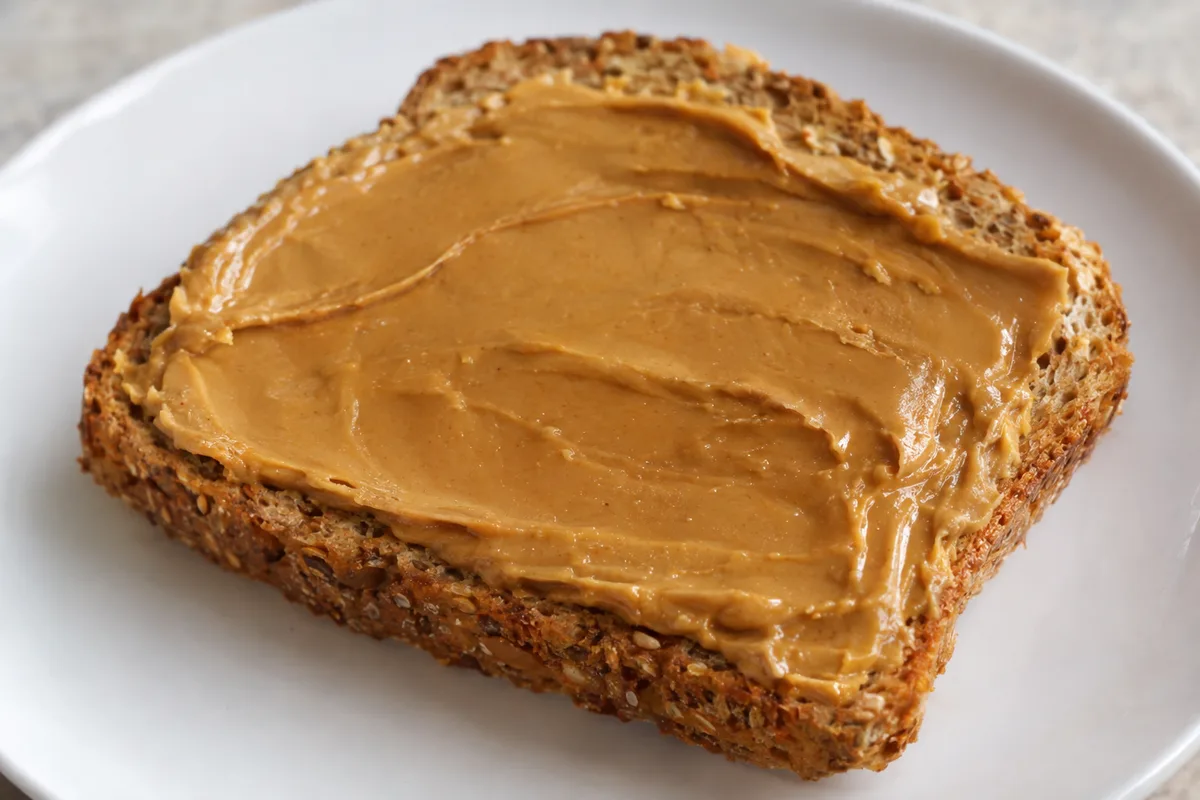
Can Peanut Butter Fit a Weight-Loss Plan?
Peanut butter can fit into a weight-loss plan, but its energy-dense nature makes portions worth noticing. This guide explains how to log it accurately, choose useful pairings and decide when it is satisfying enough for you.
-
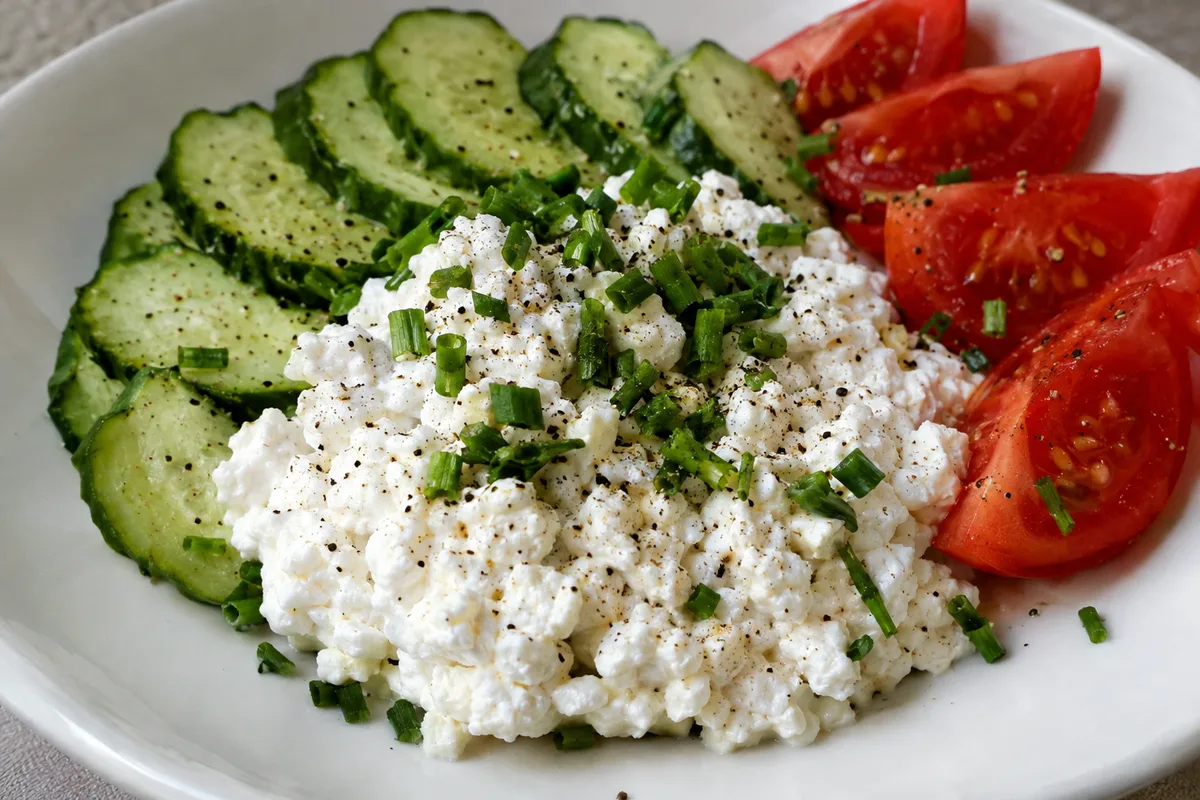
Five lower-calorie cheeses that are easy to track
Cheese can fit into a lower-calorie eating pattern when you choose the type and portion with care. These five options provide flavour and protein while being straightforward to record in a nutrition tracker.
-

Starbucks protein cold foam: what to know before adding it
Starbucks has introduced protein cold foam as a way to add protein and a creamy topping to selected cold drinks. This guide explains what it is, what may be included and how to log it without guessing.
-
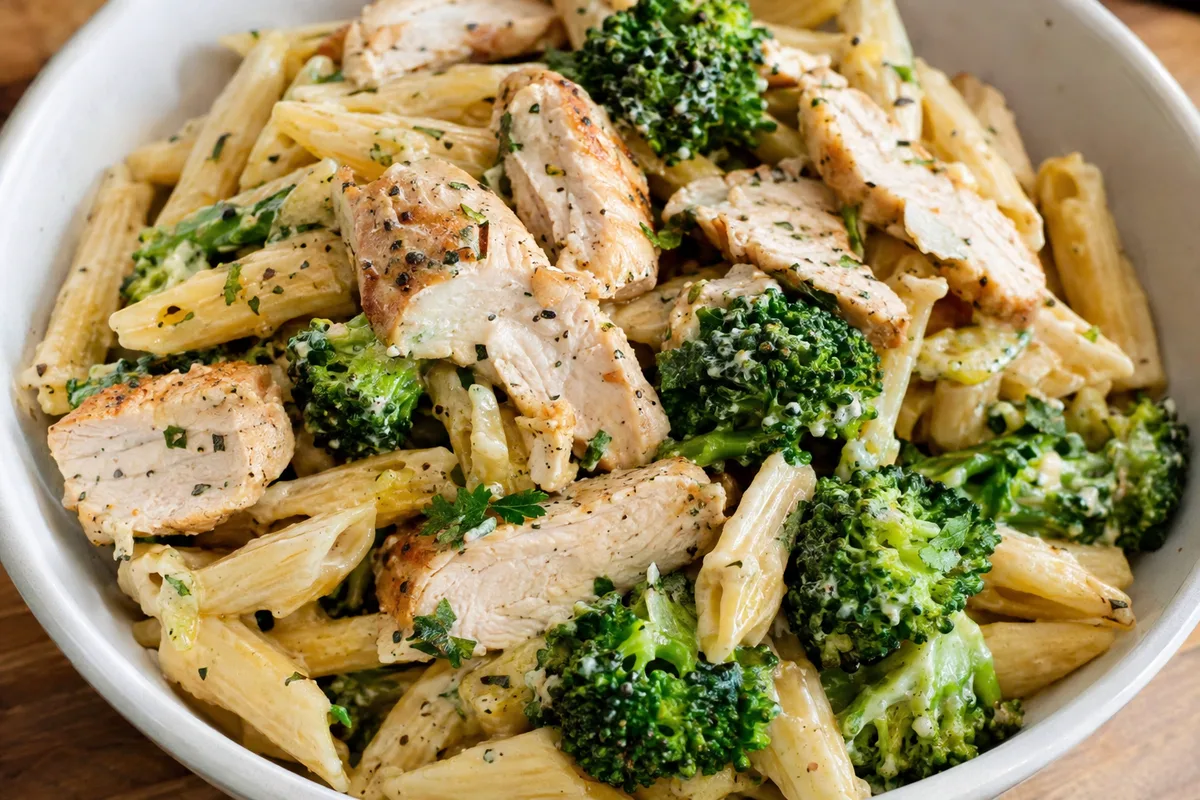
High-Protein Pasta Dishes That Still Feel Like Pasta
A high-protein pasta dish starts with more than simply choosing a different packet of pasta. This guide explains how to combine pasta, protein, vegetables and sauce while keeping the meal enjoyable and straightforward to log.
-
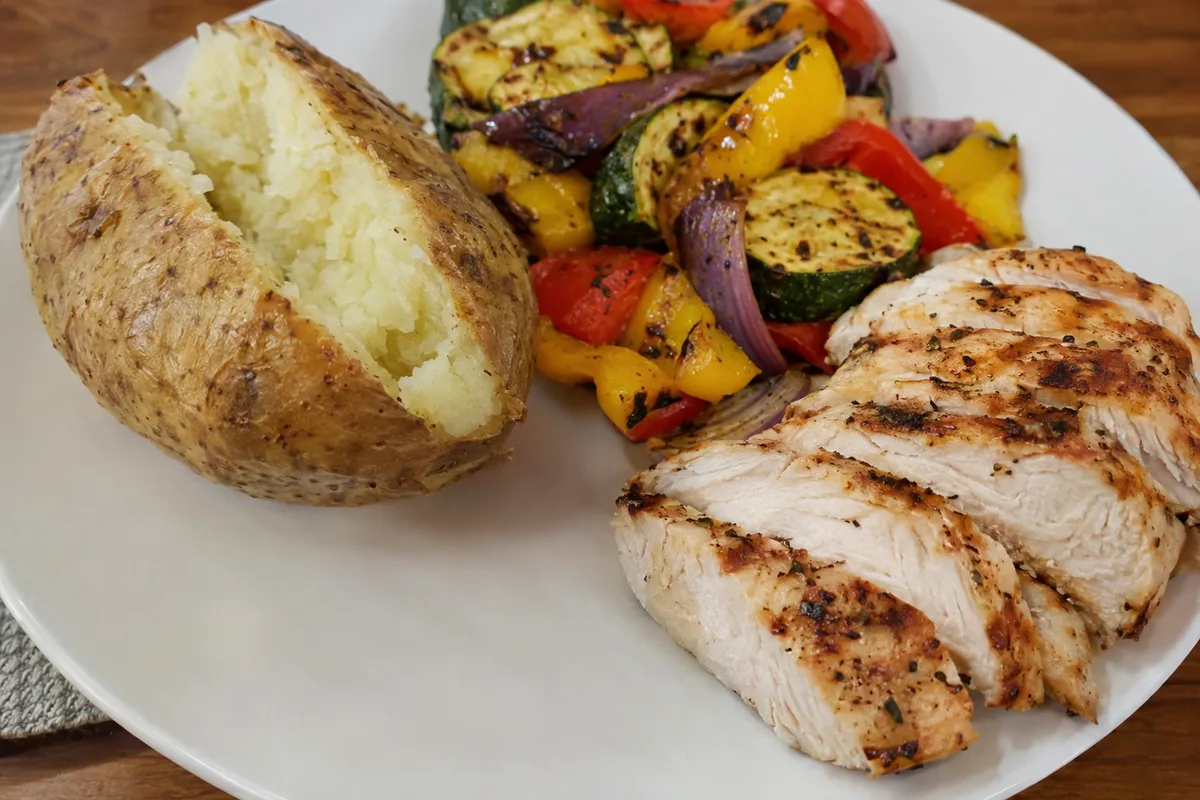
Can Potatoes Fit a Weight-Loss Plan?
Potatoes are filling, versatile and easy to track, but preparation can change their calorie content considerably. Here is how to include them while keeping your meals balanced and aligned with your goals.
-
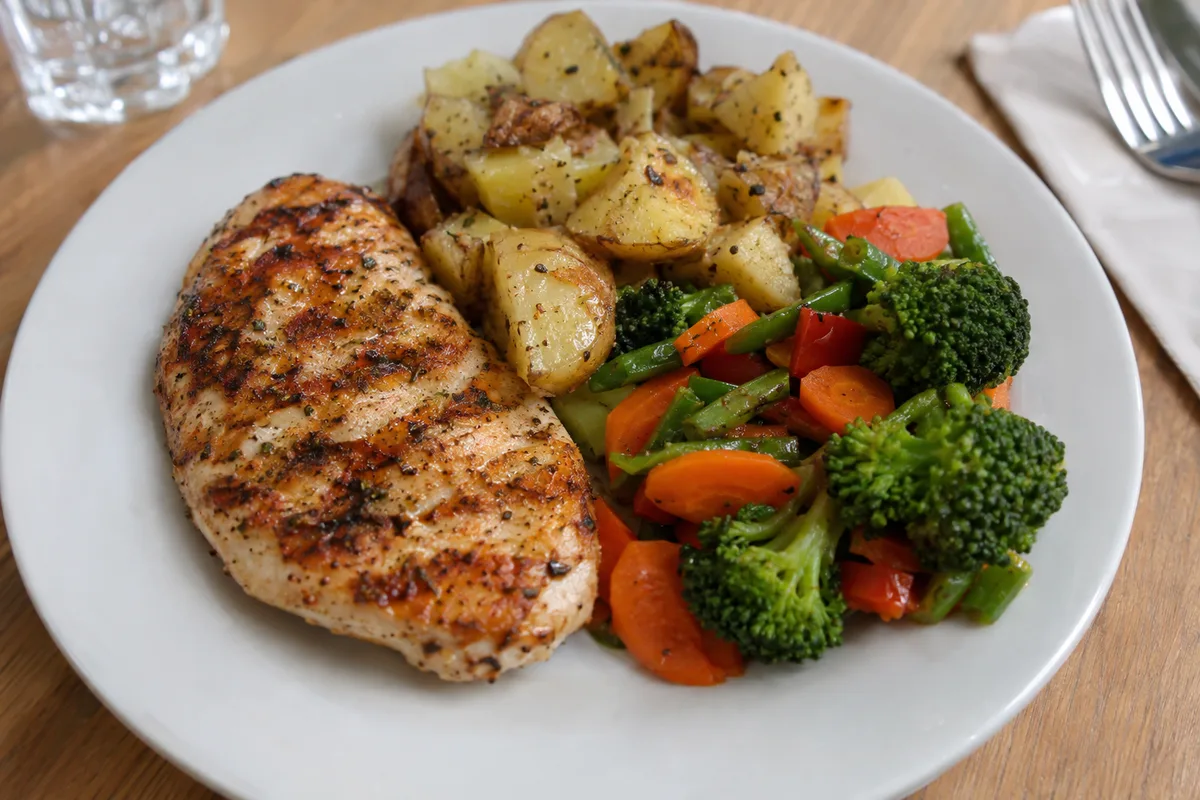
How to Build an Easy Meal Plan for Weight Loss
A practical meal plan can reduce daily decisions while helping you manage your energy intake. This guide explains how to turn foods you already track into flexible breakfasts, lunches, dinners and snacks.
-
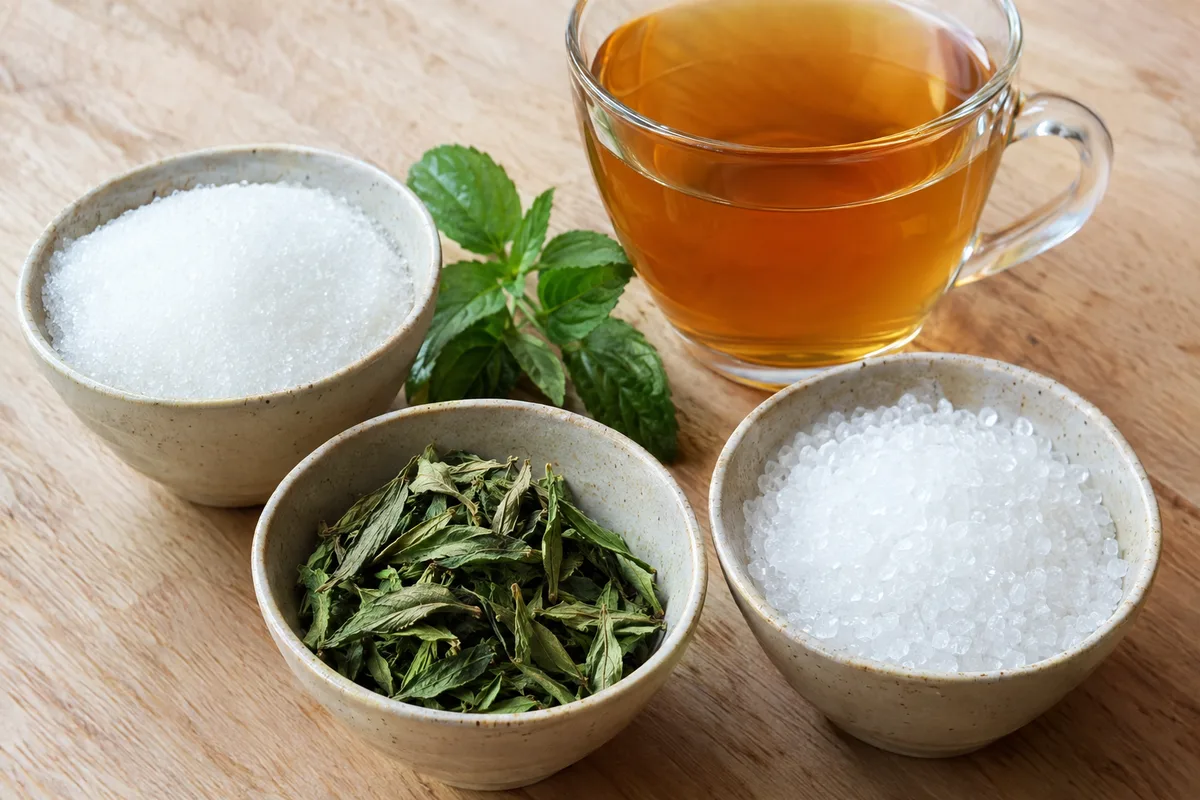
Erythritol, stevia or xylitol: which sweetener fits your food diary?
Erythritol, stevia and xylitol can all replace sugar, but they behave differently in food and in your body. This guide explains what each one is, how to log it and where it tends to work best.
-
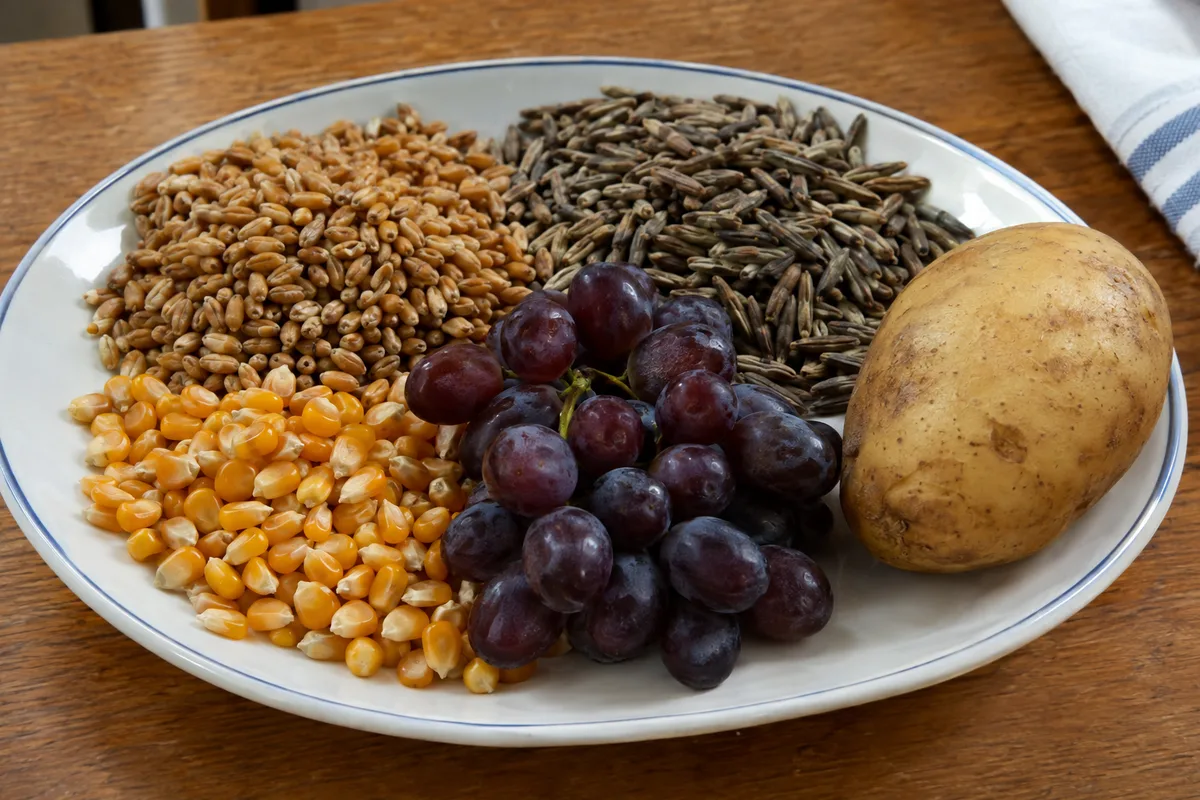
Is Vodka Gluten Free? What to Check Before You Pour
Vodka can begin with wheat, barley or rye and still contain no gluten after distillation. This guide explains why, what can introduce gluten later and what to record when tracking your intake.
-
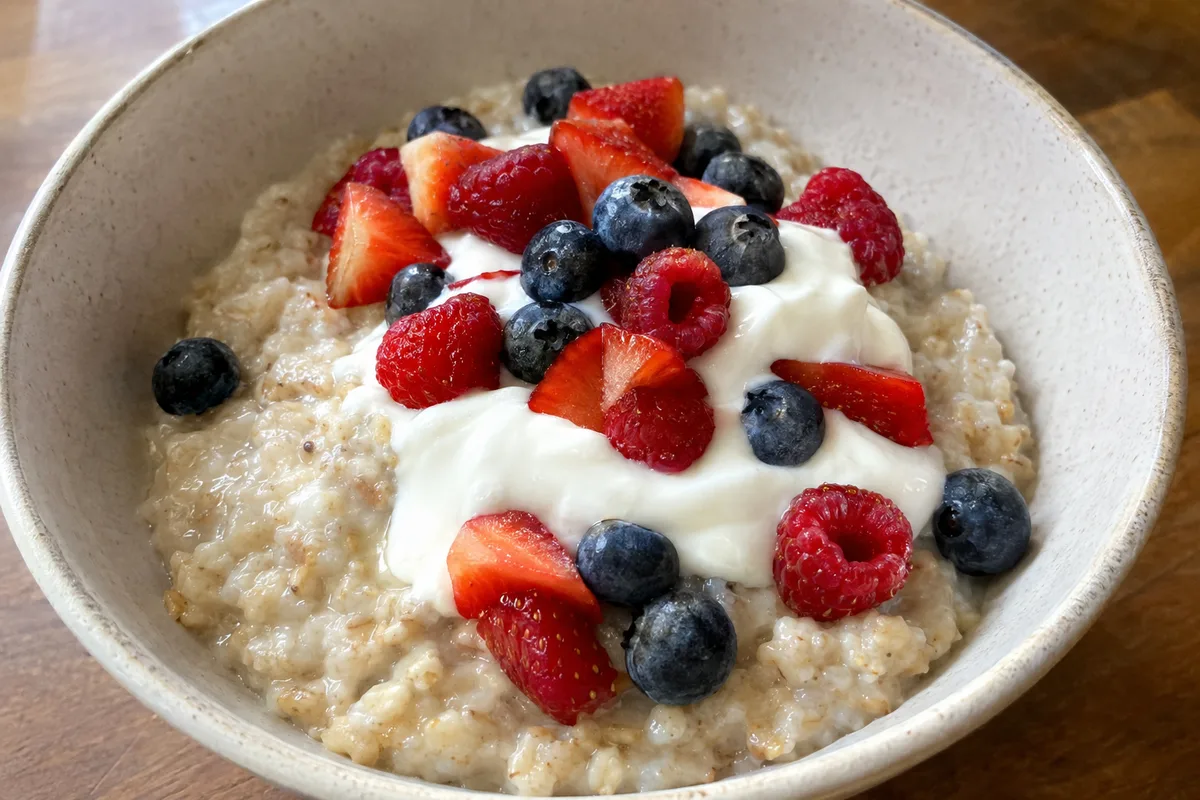
Simple Ways to Add More Protein to Oatmeal
Oatmeal is easy to adapt, but many popular toppings add flavour without contributing much protein. These upgrades show how to change the base, choose useful additions and keep your food log accurate.
-
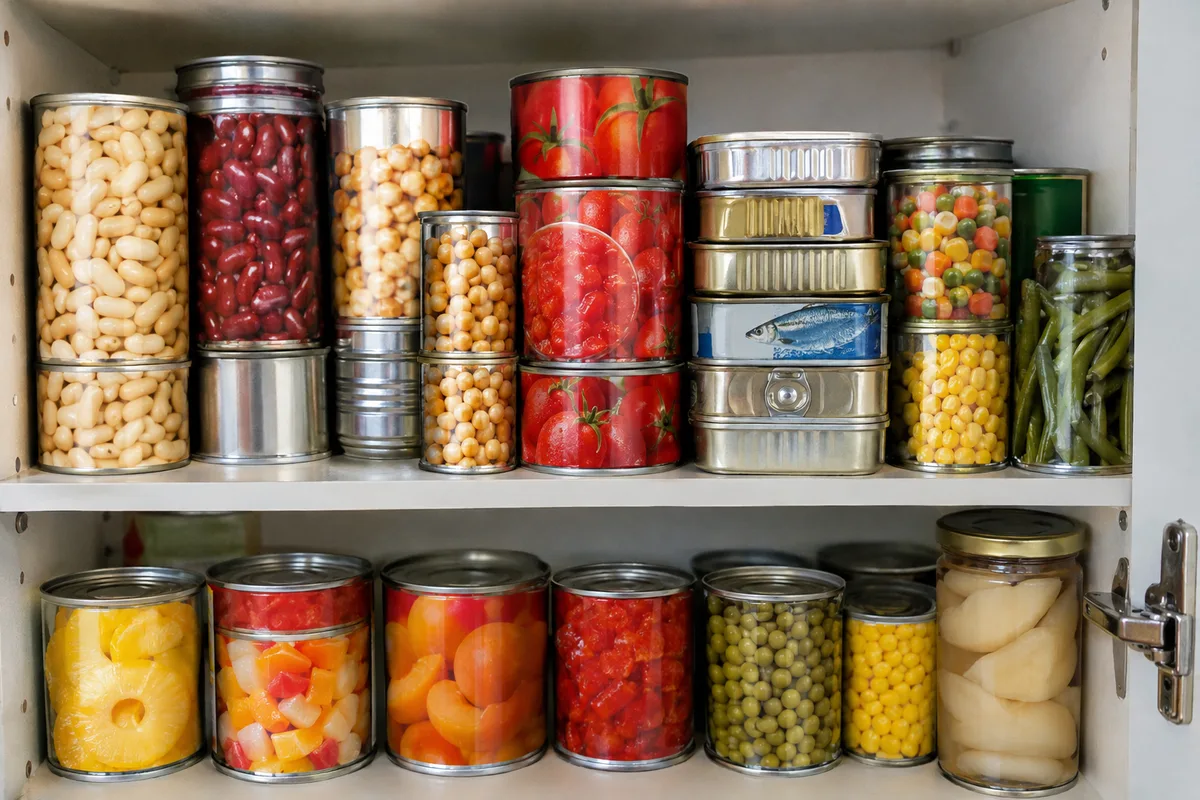
Canned foods that can make weight-loss meals easier
Canned foods can bring fibre, protein and plenty of flavour to meals without demanding much preparation. This guide explains which options dietitians often suggest, how to use them and what to record in your food log.
-

How to Eat Lower Carb in a Chinese Restaurant
Chinese restaurant meals can fit a lower-carb approach when you know where carbohydrates tend to appear. This guide covers menus, sauces, side dishes, portions and sensible ways to log an uncertain meal.
-
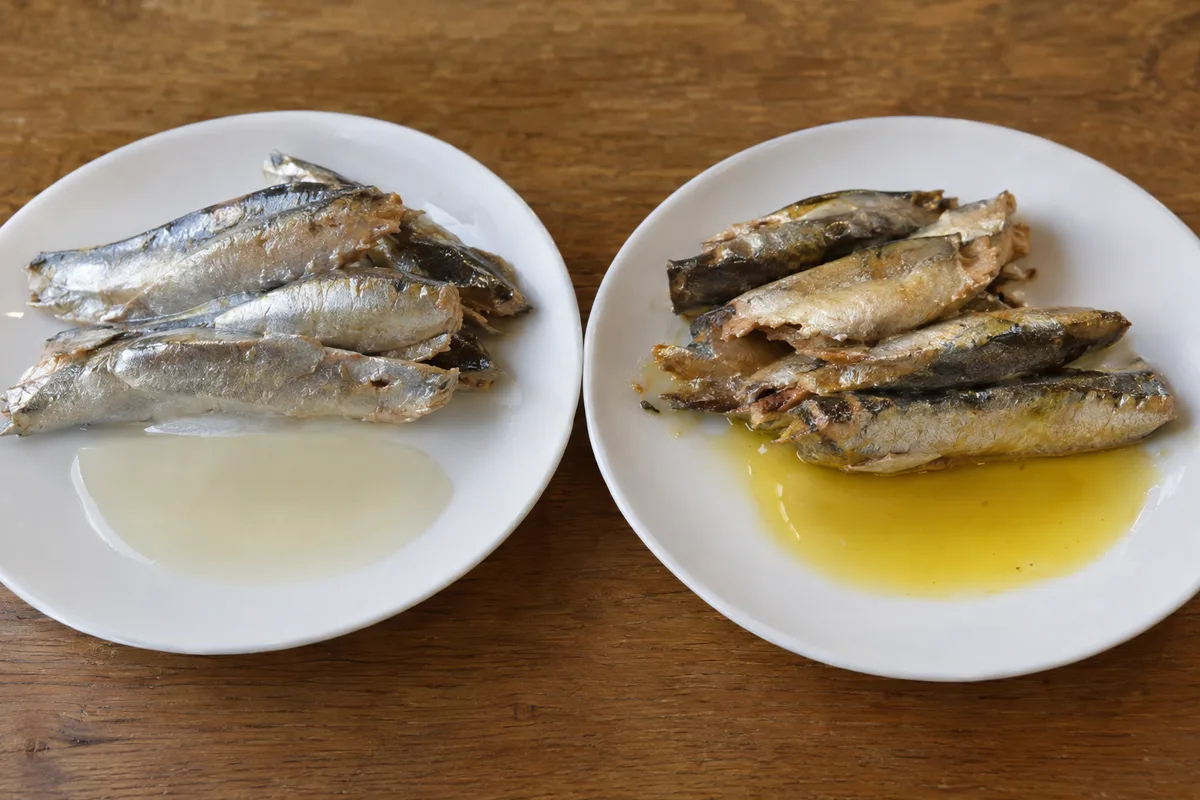
Sardines in Water or Oil: Which Is the Better Choice?
Sardines in water and sardines in oil offer much of the same protein and other nutrients, but the packing liquid changes their energy content and flavour. This guide explains how to choose and log the option that fits your meal.
-
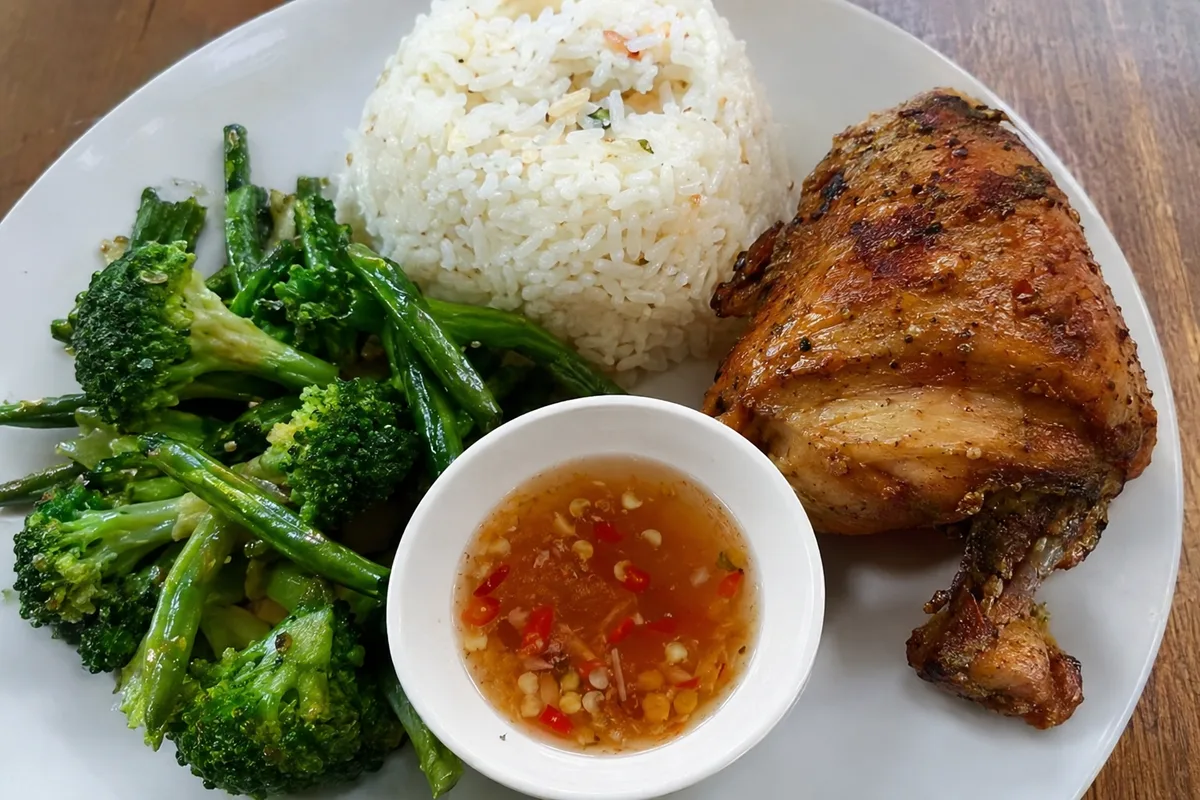
Can Eating Too Little Make You Gain Weight?
A rising weight after eating less can feel as though the usual rules do not apply. This guide explains short-term changes, tracking gaps and how severe restriction can shape eating and movement.
-
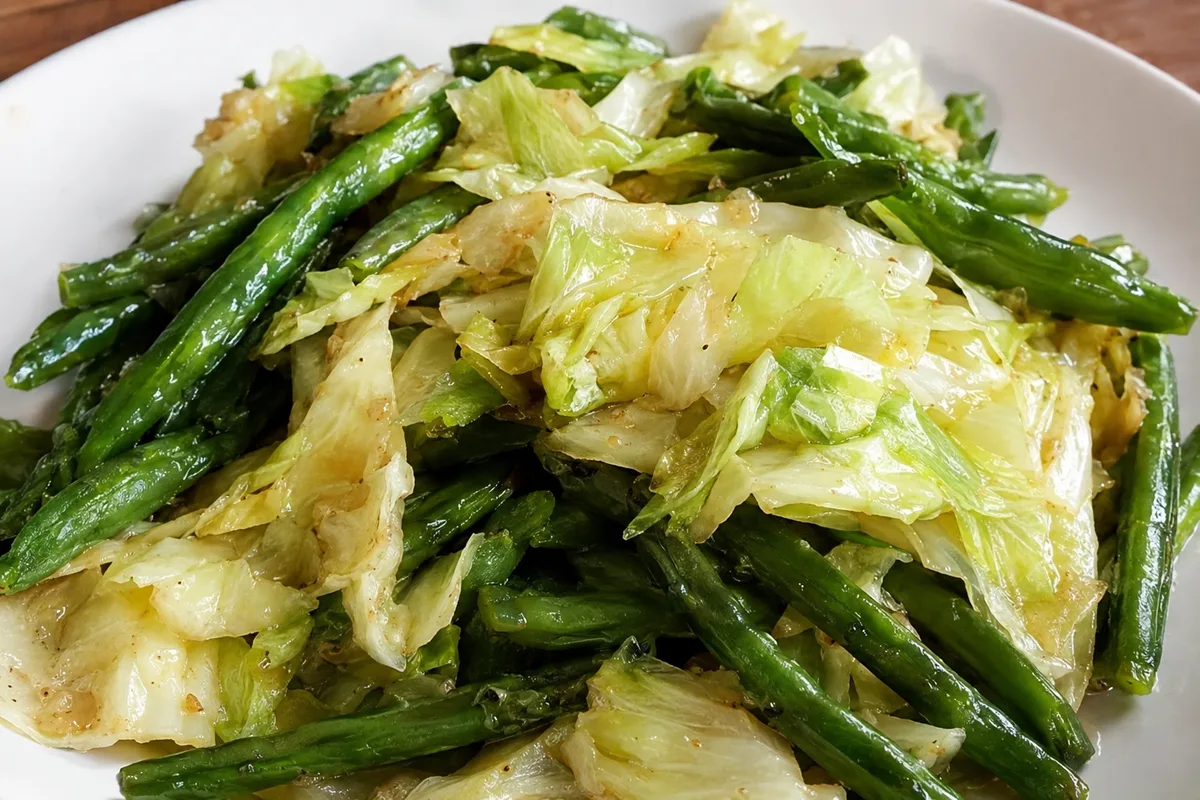
Malt Vinegar: Useful Condiment, Modest Health Benefits
Malt vinegar can make simple meals more appealing without adding much fat or sugar, which may help when tracking food. This article explains what it contains, where its practical benefits come from and why it should not be treated as a health remedy.
-
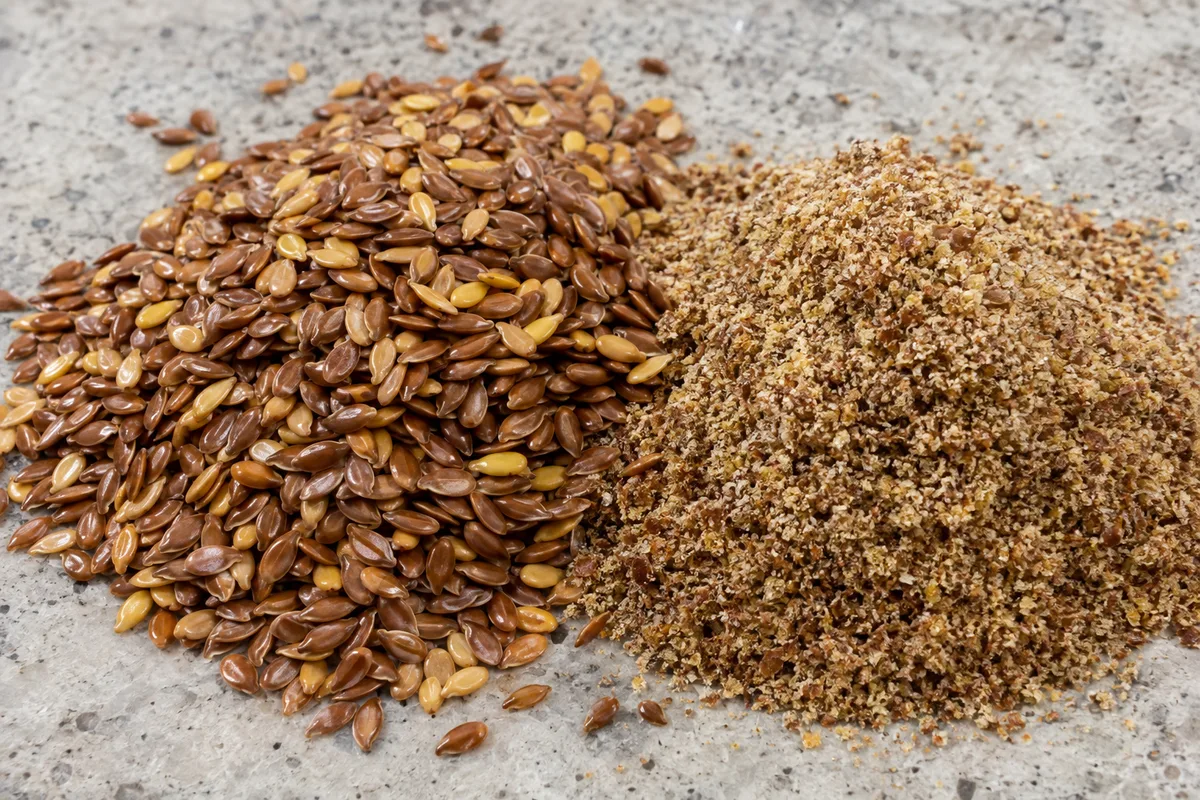
Simple ways to add flaxseed to the food you already eat
Flaxseed, also called linseed, can add fibre, fat and a mild nutty flavour to familiar meals. This guide explains which form to choose, how to introduce it and how to record it in your food log.
-
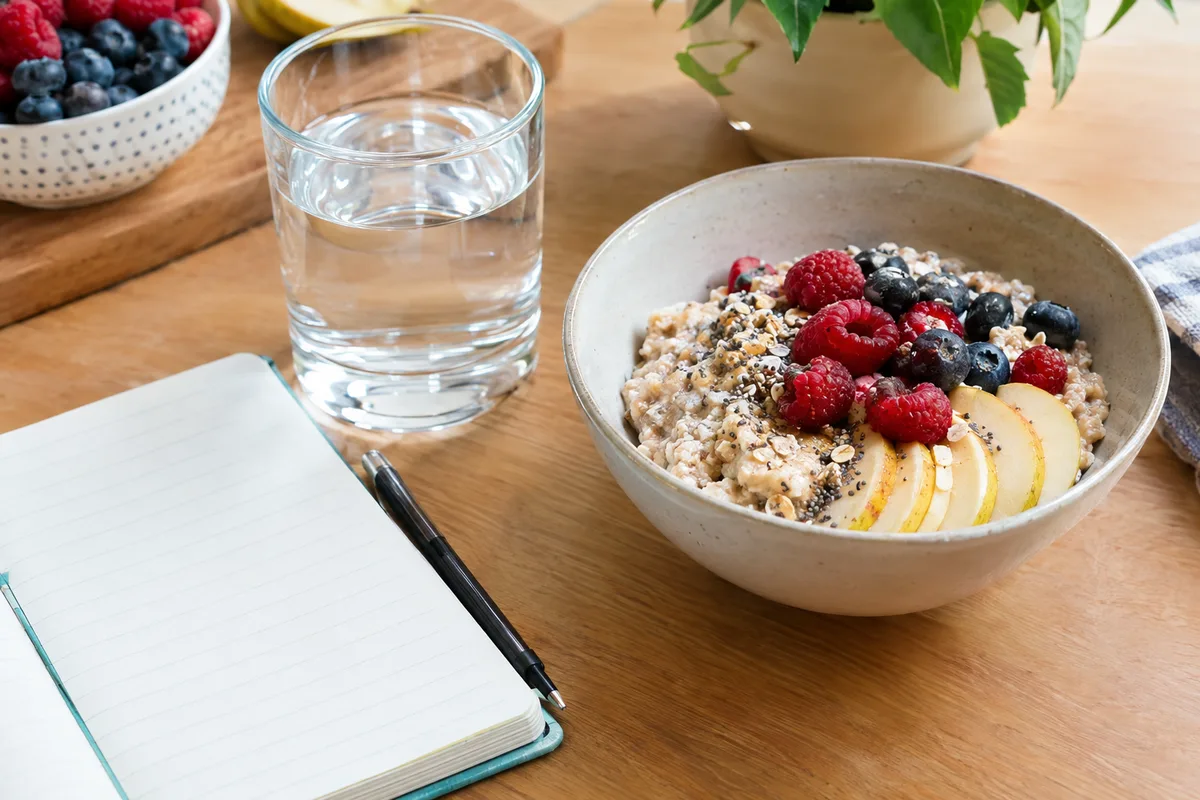
Three ways to avoid constipation during intermittent fasting
Changing when you eat can also change your usual toilet routine. These three practical habits can support comfortable, regular bowel movements without changing the basic structure of your fasting plan.
-

Which Starbucks Products Are Gluten Free?
Some simple Starbucks drinks are made without obvious gluten ingredients, while flavoured drinks and food need closer checking. This guide explains what may be suitable, what to verify and how to order clearly.
-
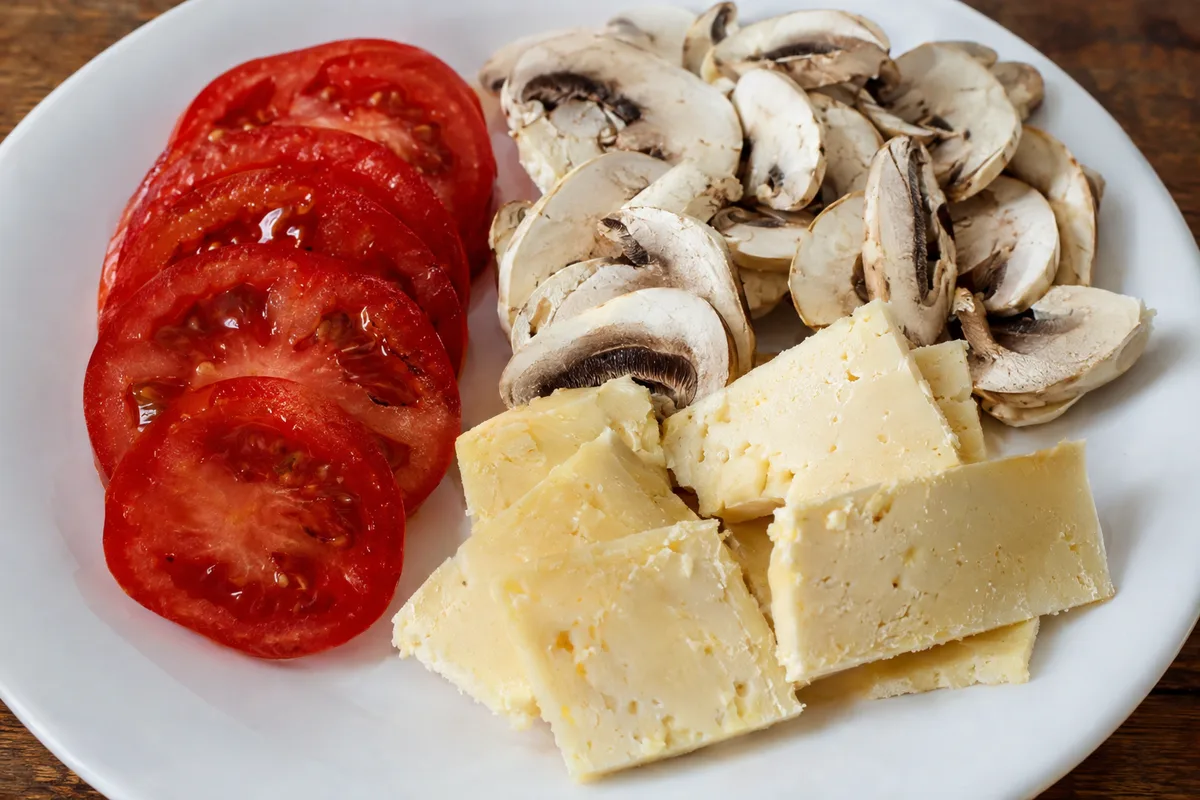
MSG-free foods: a practical list for everyday tracking
MSG is a flavour enhancer that may be added to packaged foods, seasonings and prepared meals. This guide explains which foods are usually MSG-free and how to record them accurately in your food diary.
-
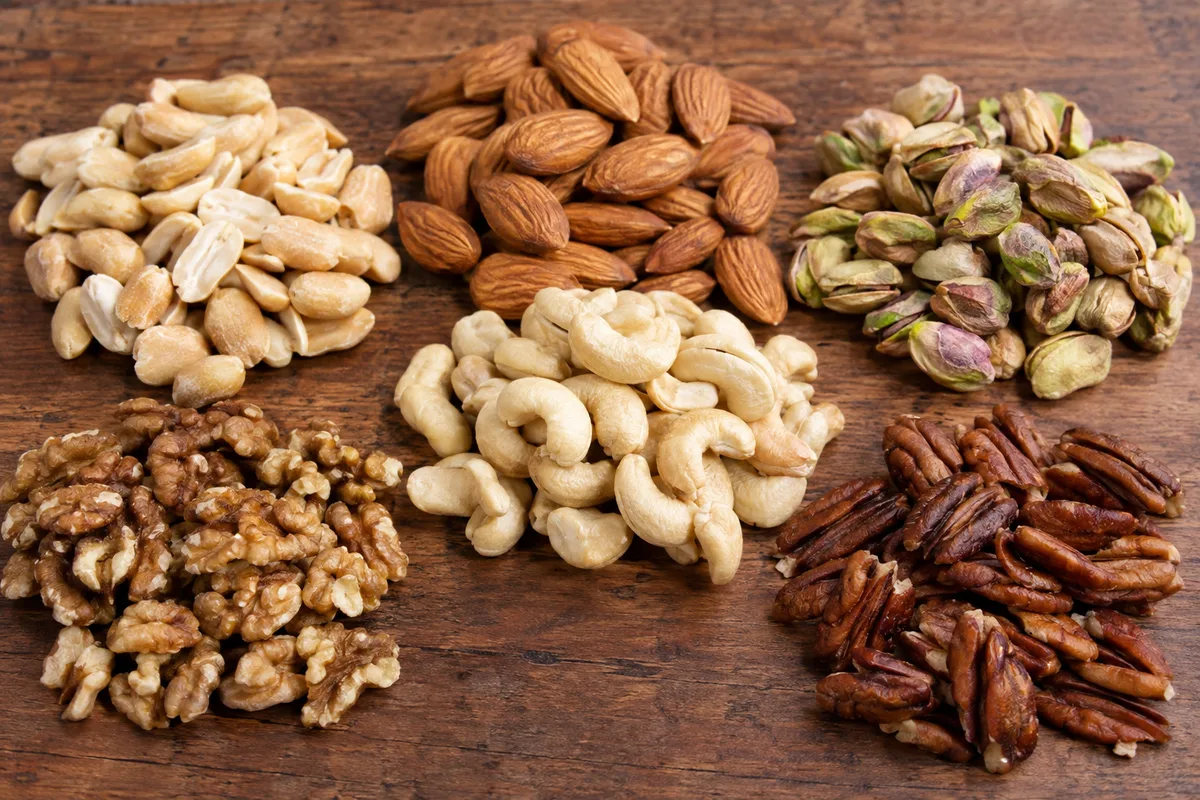
Which nut has the most protein?
The answer depends on whether you include peanuts, which are legumes rather than tree nuts. This guide explains the ranking and how to compare useful portions in your food tracker.
-
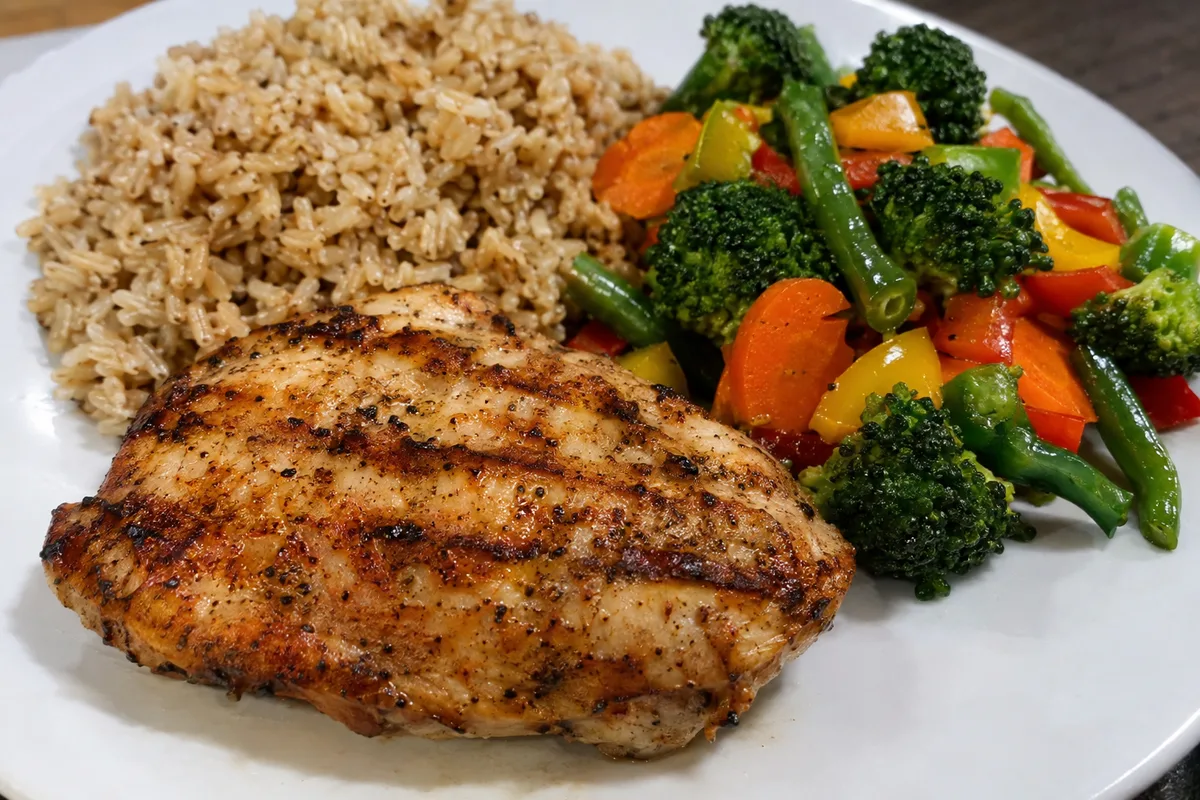
Protein for Bodybuilding: When More Stops Being Useful
Protein supports muscle repair and growth, but a bigger intake is not automatically better. This guide explains how to judge your target, spread protein through the day and spot when it may be excessive.
-
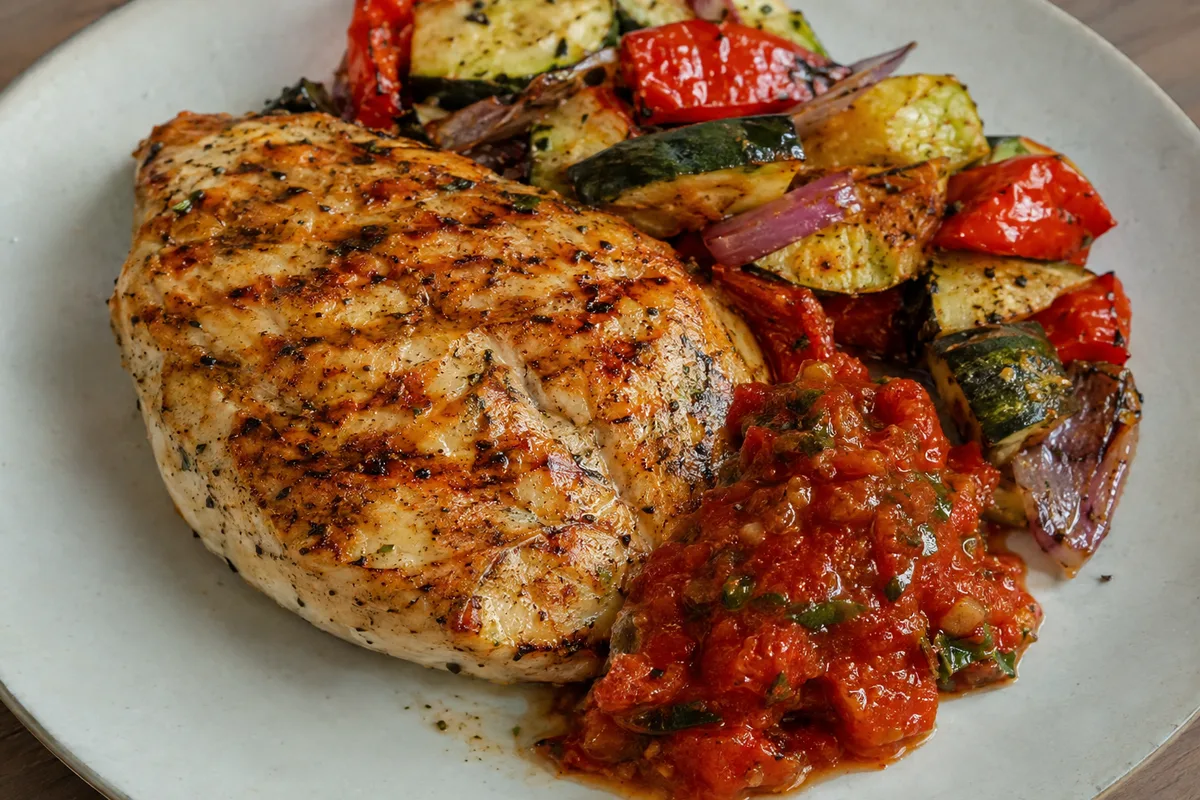
Lower-saturated-fat meats and proteins for everyday meals
Protein foods vary widely in saturated fat, even when they come from the same animal. This guide explains which options tend to be leaner, how cooking changes the meal and what to record in your food diary.
-
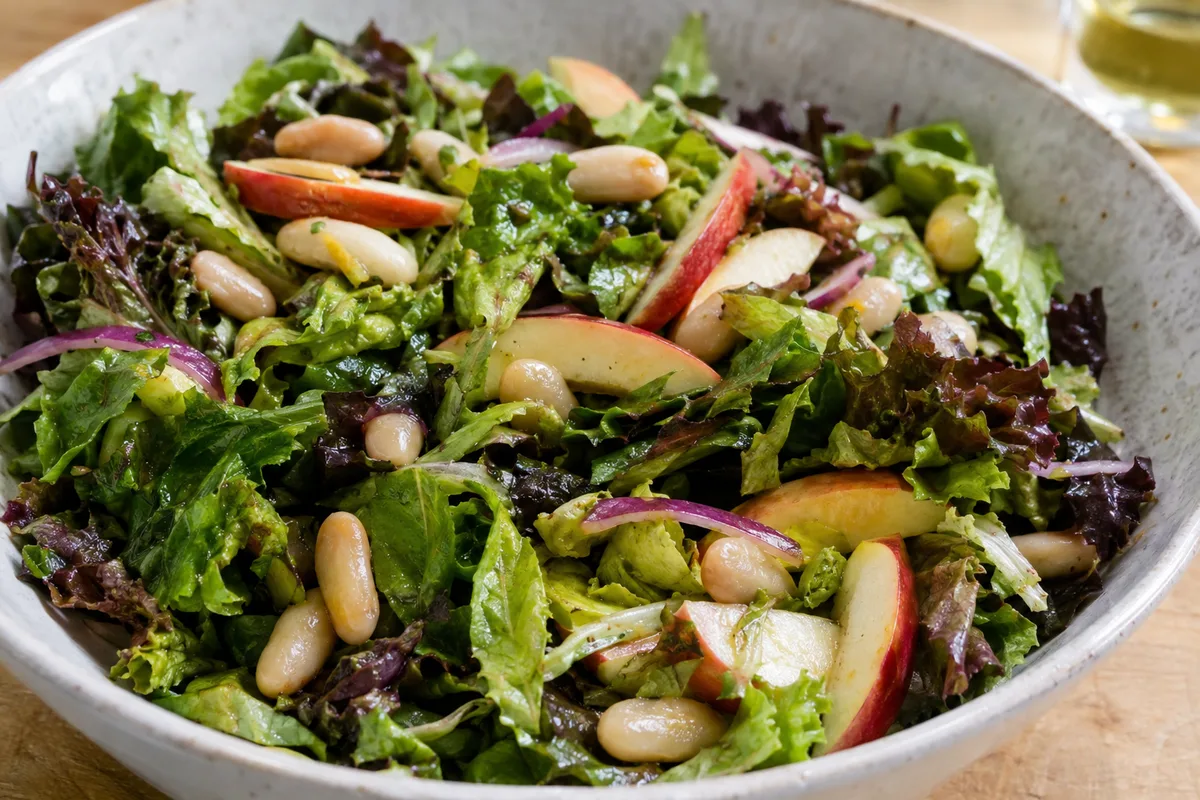
The apple cider vinegar diet: what it can and cannot do
The apple cider vinegar diet adds vinegar to a normal eating routine in the hope that it will support appetite or weight management. Here is what that means in practice, where any benefit may come from and why acidity matters.
-
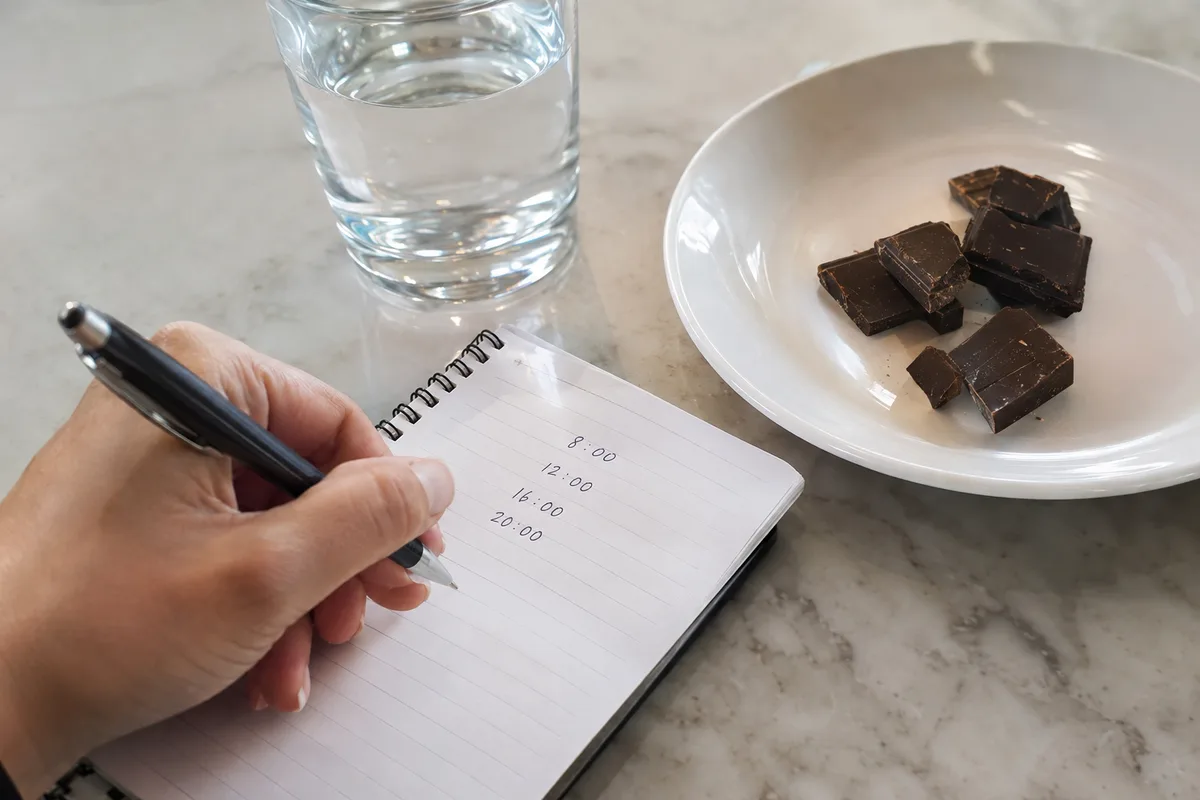
Why You Might Feel Tired After Eating Chocolate
Feeling sleepy or flat after chocolate can depend on the type, portion and what else you have eaten. Your food log can help you test simple changes without treating chocolate as the only possible cause.
-
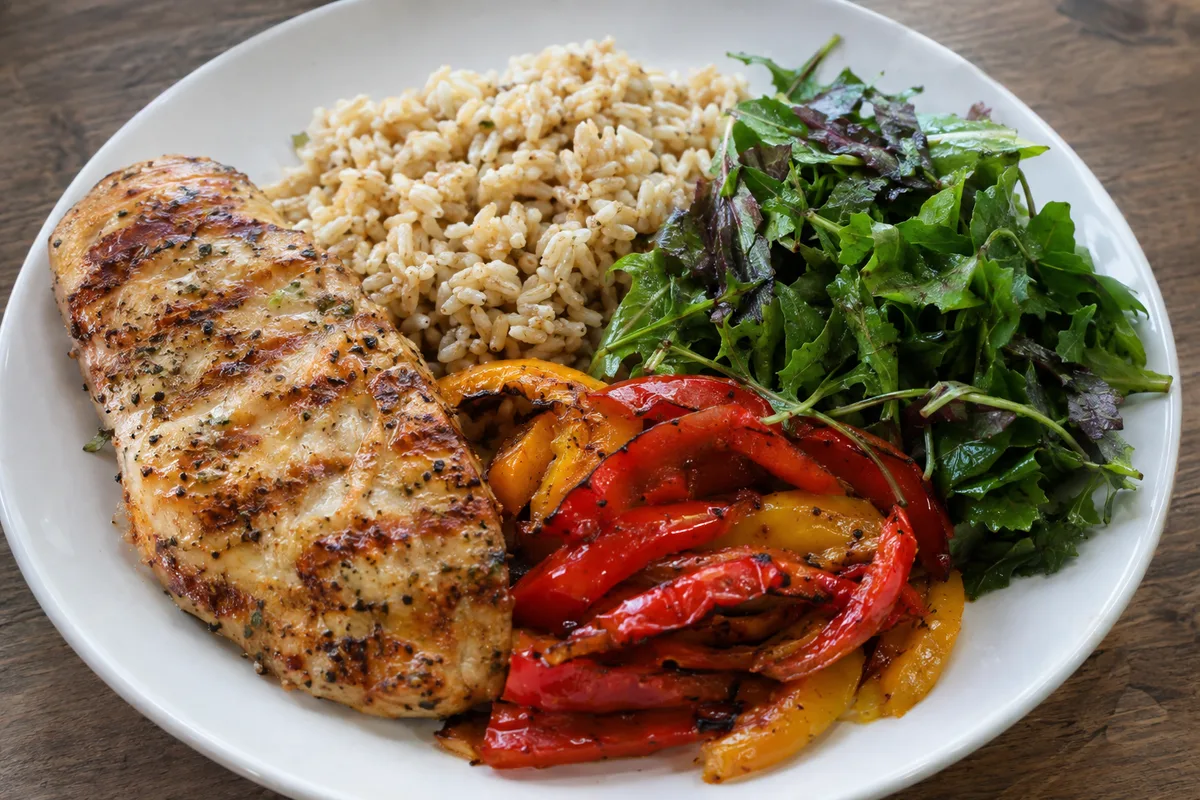
Is 200 Grams of Protein a Day Safe?
A daily total of 200 grams can be reasonable for some adults but unnecessarily high for others. Here is how to assess that number using your food log, your usual routine and the balance of your diet.
-
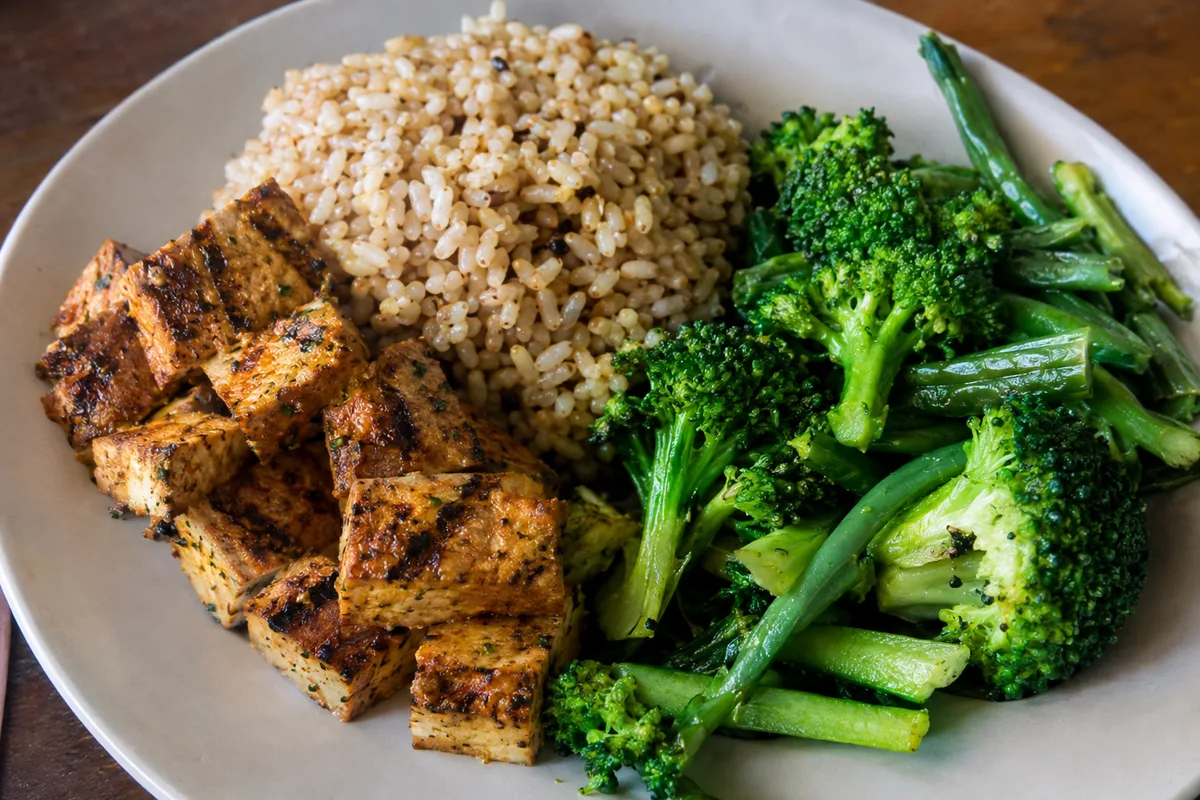
Should You Drink a Protein Shake on Rest Days?
Rest days are part of training, and your body still uses protein while recovering. This guide explains when a shake may be useful, when food may suit you better, and what to check in your food log.
-
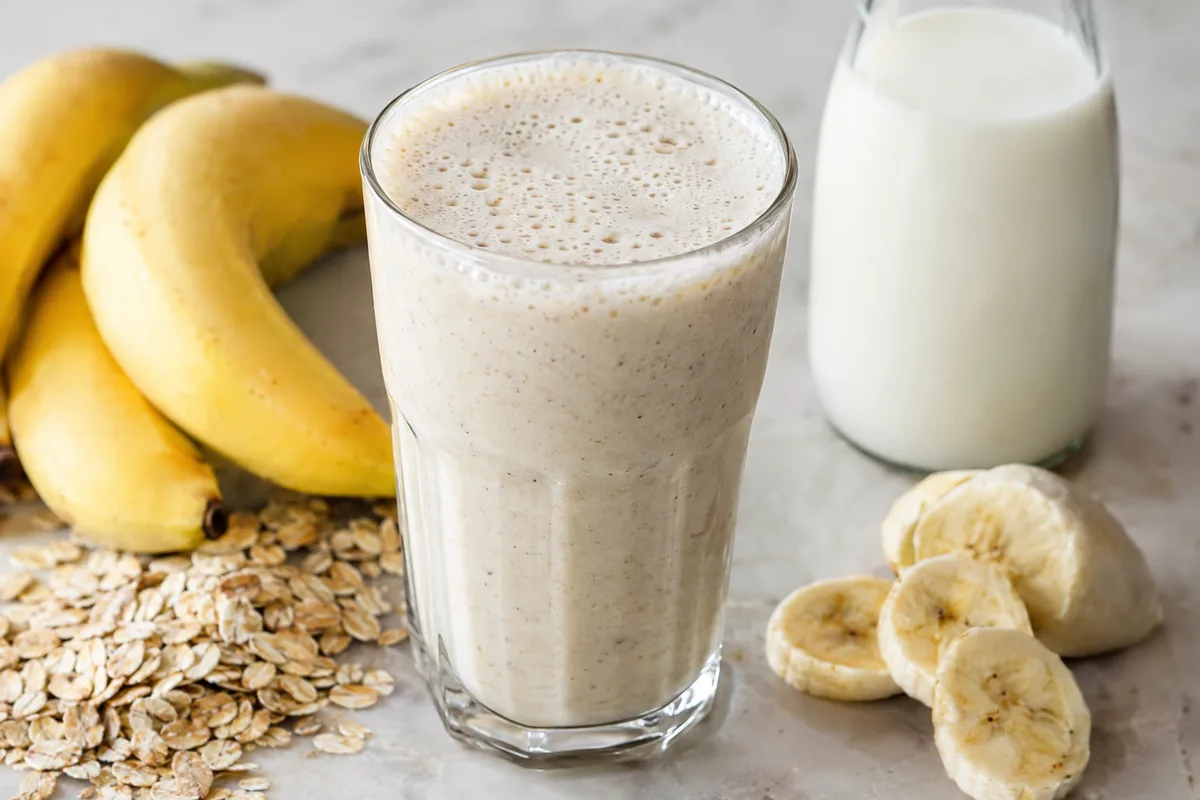
Are Protein Shakes Healthy, and Can They Help with Weight Loss?
Protein shakes offer a convenient way to add protein, but they are not automatically healthier than food. This guide explains what to track, how shakes may fit a weight-loss goal and when an ordinary meal could be more satisfying.
-
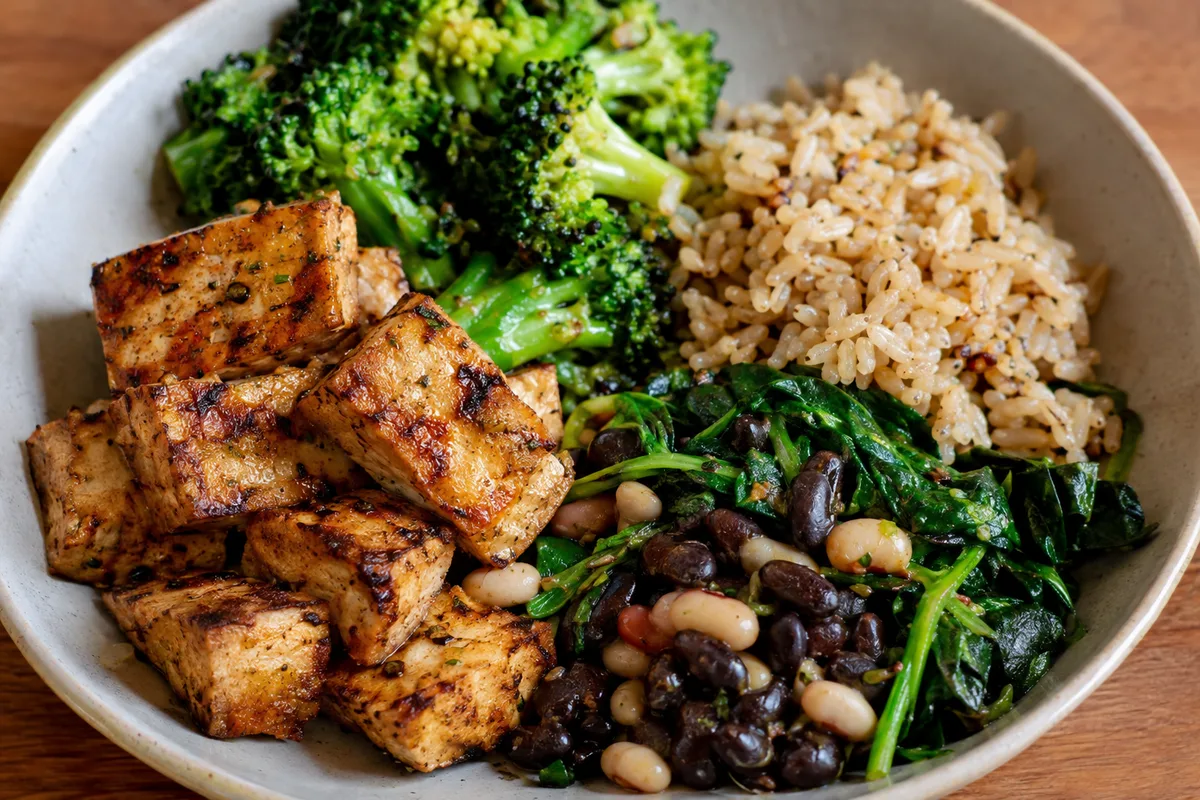
When you fast, does your body use fat or muscle first?
Your body does not switch neatly from one fuel source to another when you stop eating. Here is how fasting affects fat and muscle, what changes the balance and how to interpret what you track.
-
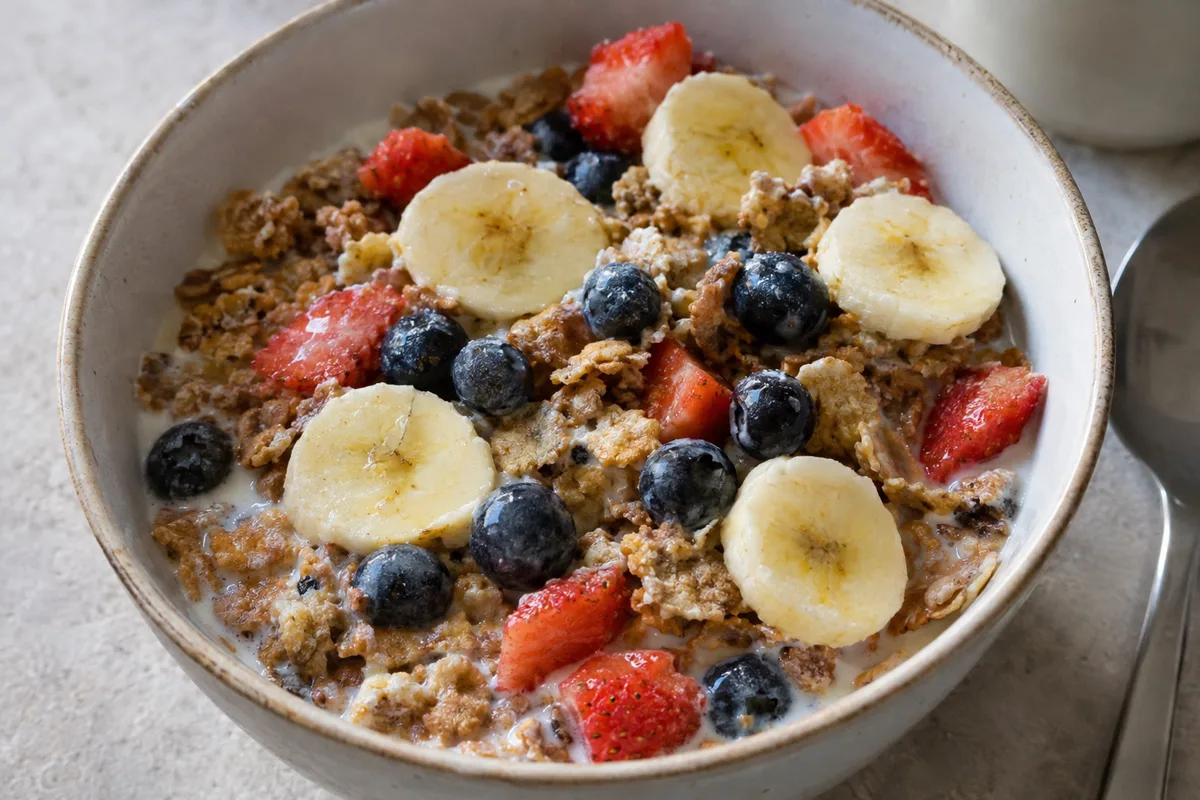
Is It Bad to Eat Cereal Every Day?
Eating cereal every day is not automatically bad, especially when it helps you make a practical and satisfying meal. This guide explains what to look for, how to improve your bowl and how to track it accurately.
-
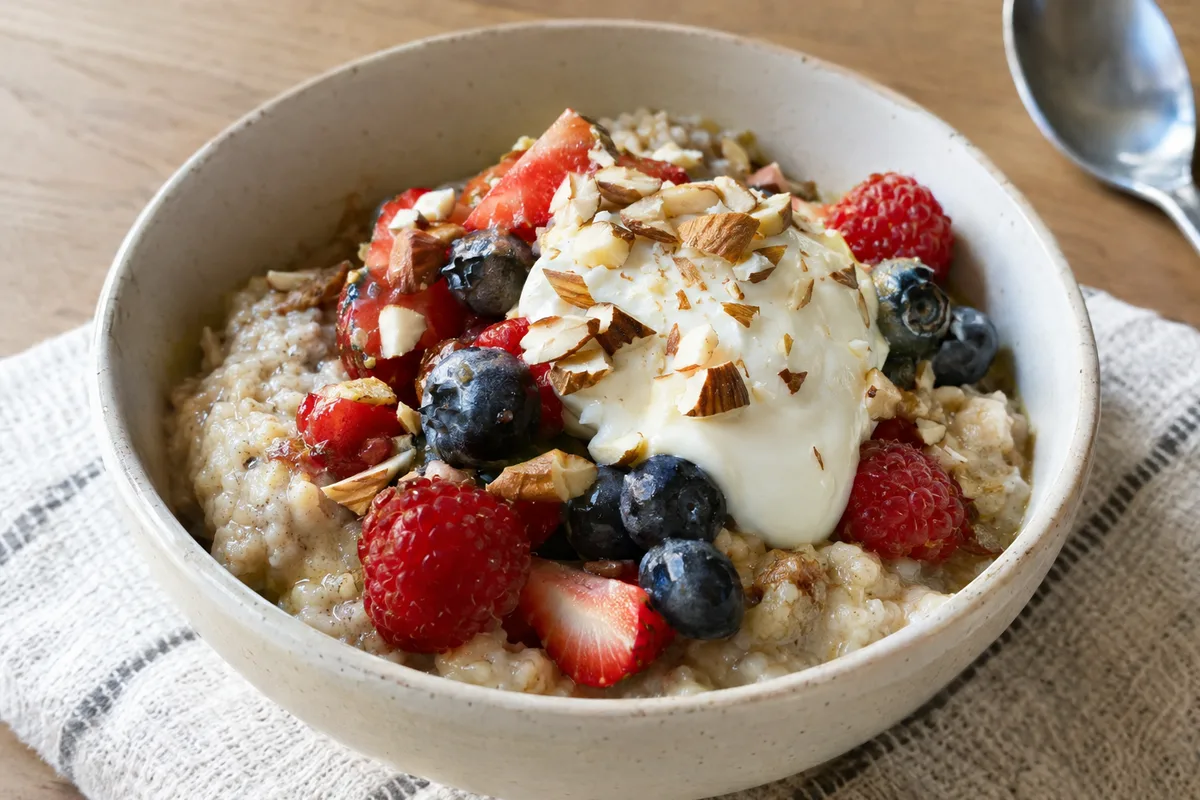
How to Choose the Best Calorie Counter App in 2026
The best calorie counter app is one that makes consistent, accurate logging feel manageable. Here are the practical criteria to use when comparing apps in 2026, especially if you already track what you eat.
-
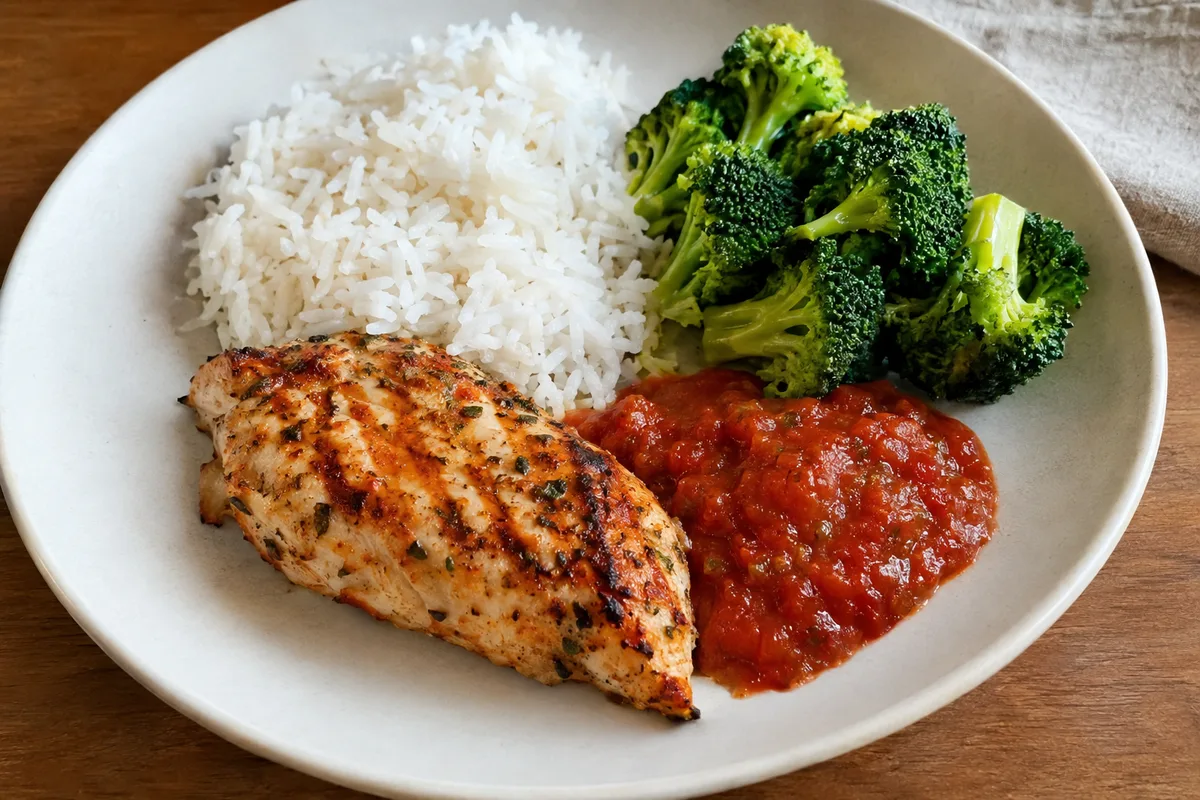
How to Build Meals High in Carbohydrate and Protein
High-carbohydrate, high-protein meals combine a useful source of energy with foods that support growth and repair. This guide explains how to build, vary and log them without overlooking fats, sauces or portion sizes.
-
The Baby Food Diet: Clever Shortcut or Passing Fad?
The baby food diet replaces some adult meals or snacks with small portions of puréed food. Here is how the idea affects calorie tracking, nutrition, fullness and everyday eating.
-
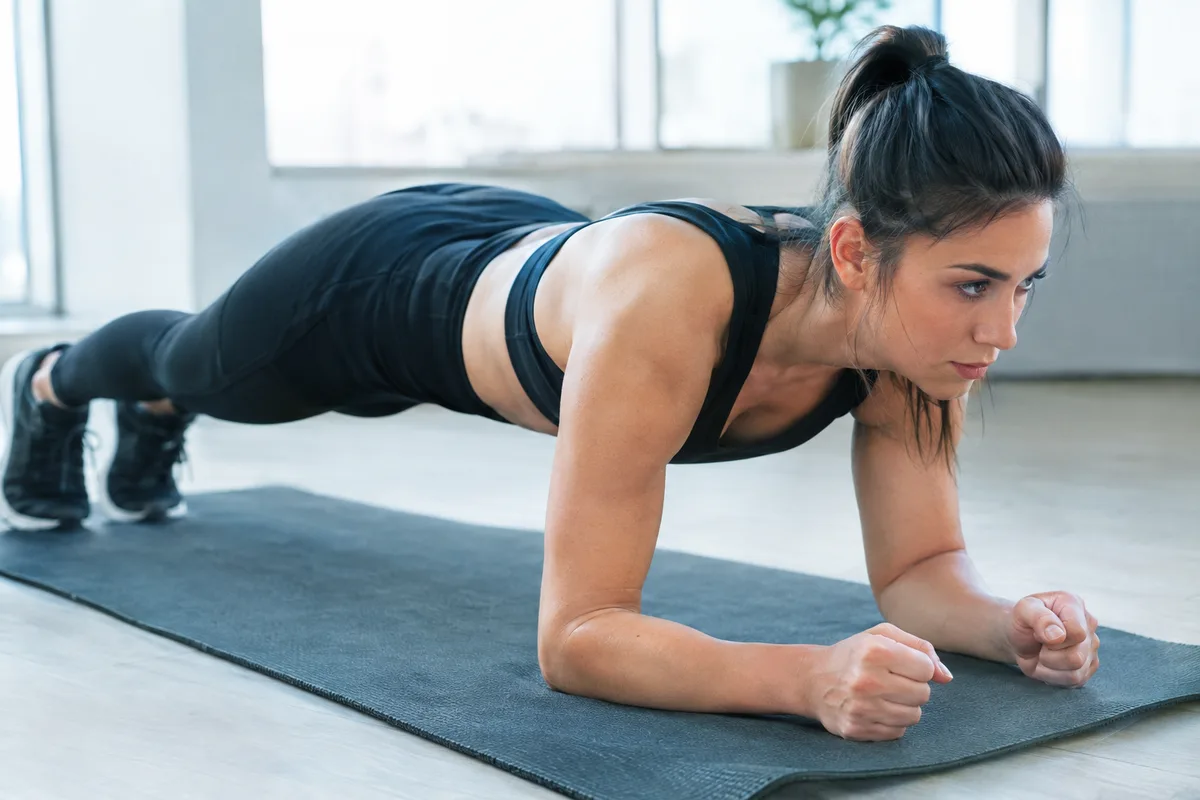
Can lifting weights help you lose belly fat?
Weight training can help change your body composition, including the amount of fat around your middle. This article explains what lifting can and cannot do, and how to combine it with the food tracking you already do.
-
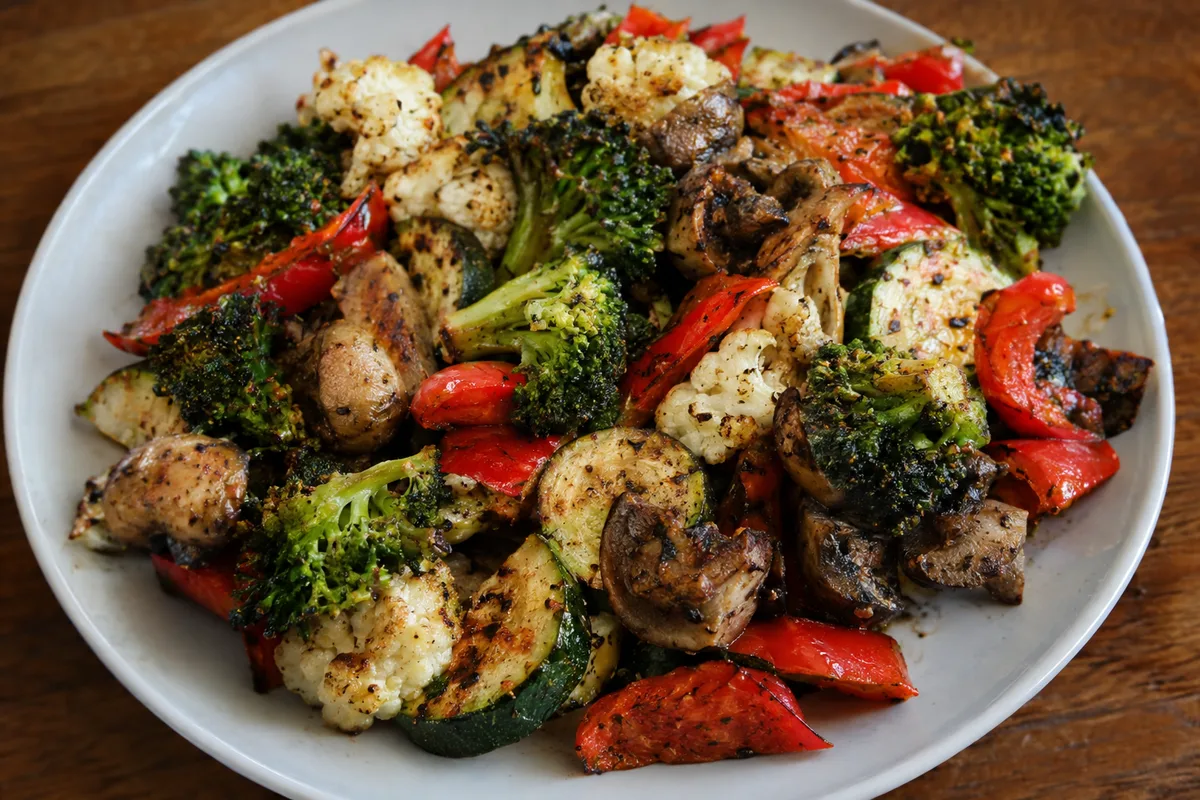
High-fibre, lower-carb foods for everyday meals
Fibre comes from plant foods, which also contain varying amounts of carbohydrate. This guide explains which choices tend to offer more fibre with less digestible carbohydrate and how to log them accurately.
-
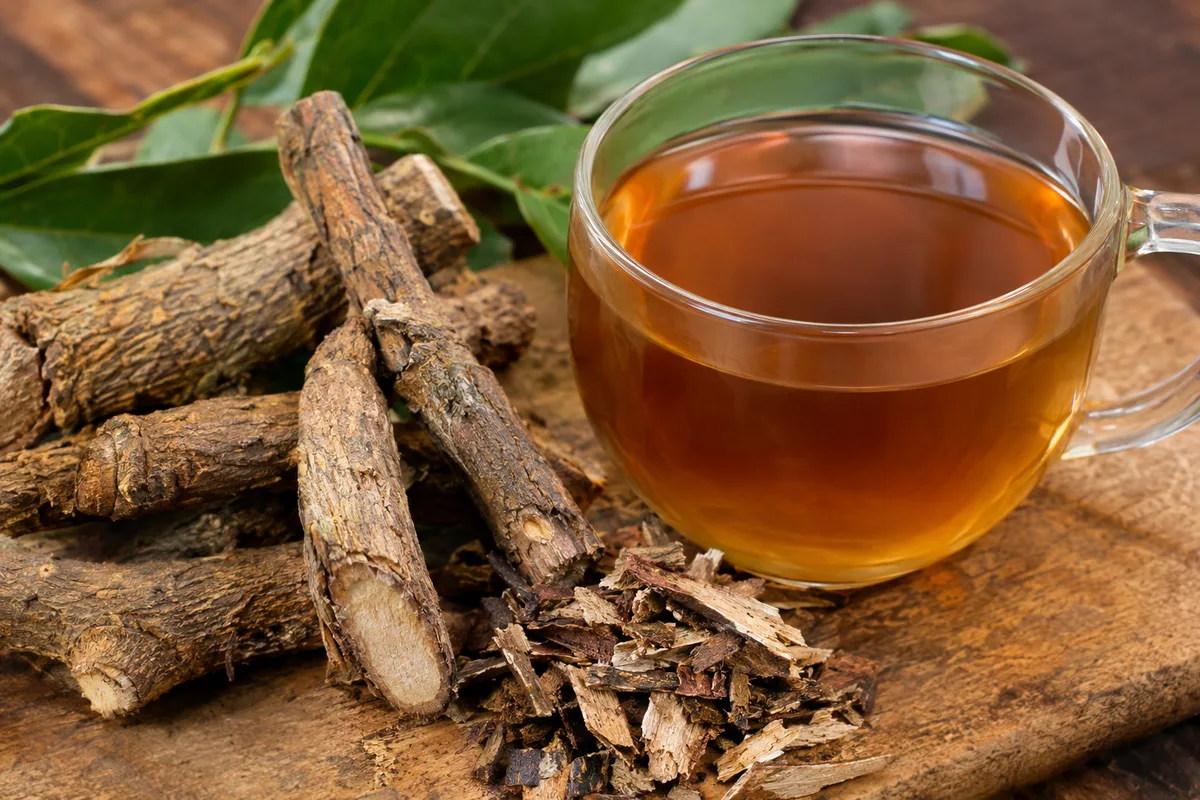
Sassafras tea: claimed benefits, real risks and what to track
Sassafras tea is often promoted as a soothing herbal drink, yet evidence for specific benefits is limited. This guide explains what it contains, possible side effects and how additions affect your food log.
-
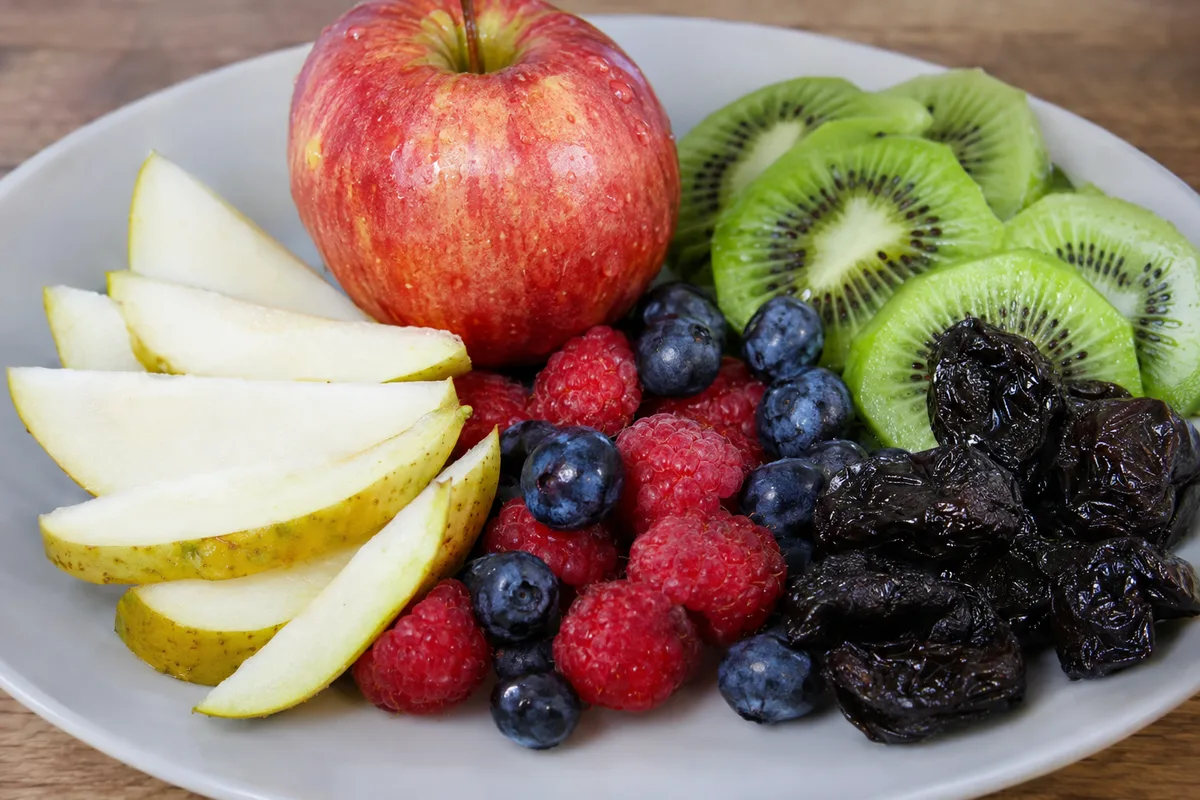
The best foods to eat when you are constipated
Constipation can sometimes improve when you eat more fibre, drink enough fluid and keep meals varied. This guide explains which foods to try, how to add them gradually and what to notice in your food log.
-
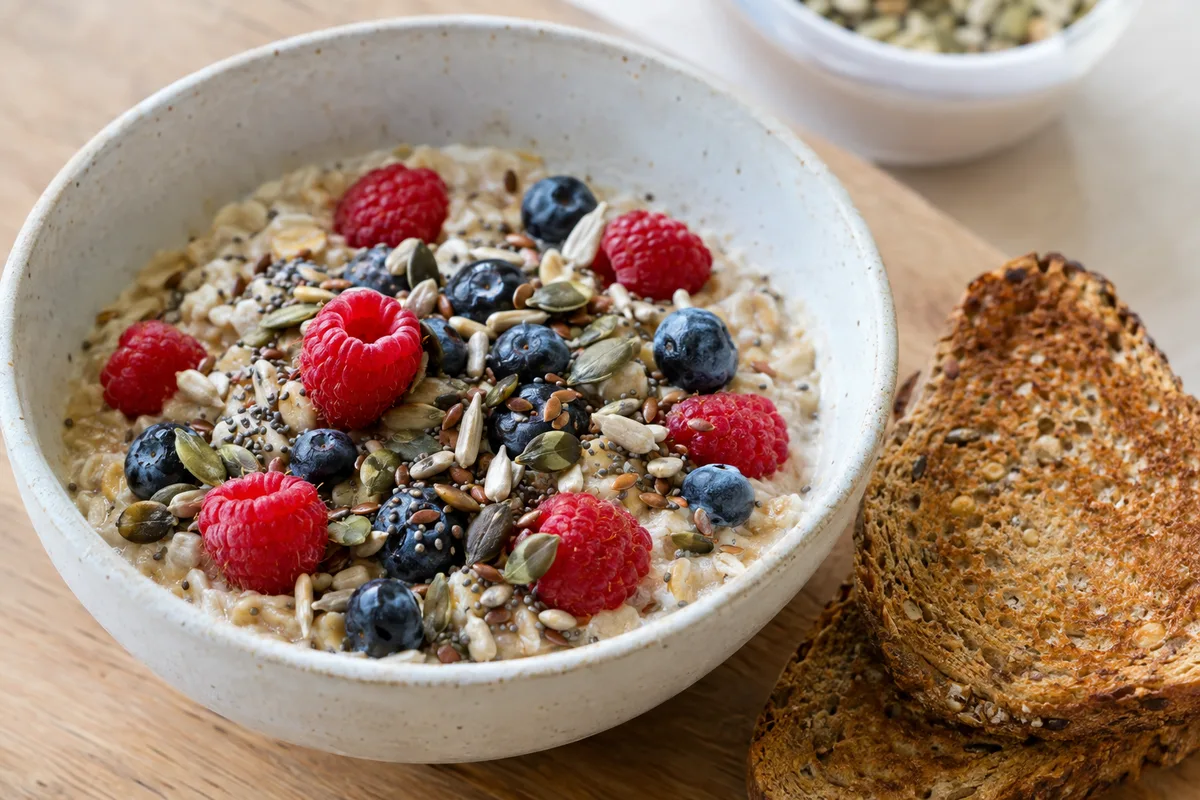
Can You Eat Too Much Metamucil?
Metamucil is a fibre supplement, and taking more does not always bring greater benefits. Here is how excess fibre can affect you, what to count in your food log and when to seek advice.
-
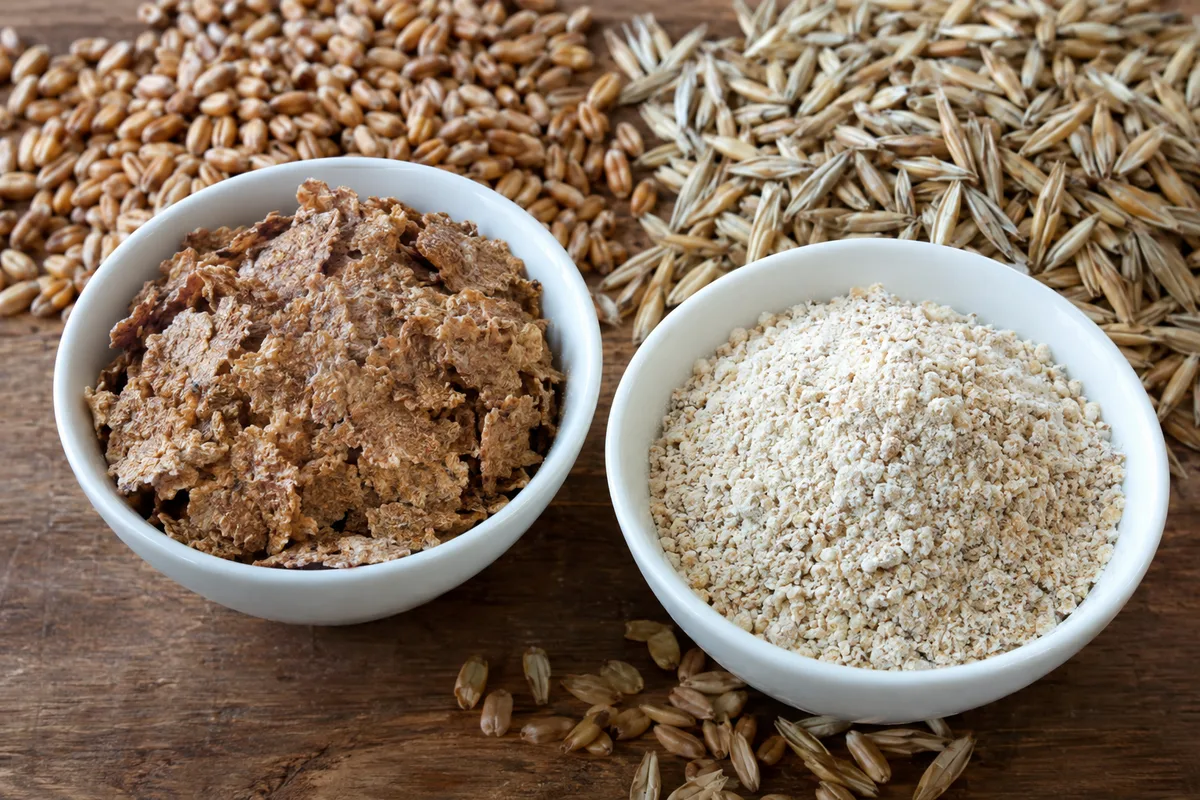
Wheat bran or oat bran: which fits your food diary?
Wheat bran and oat bran both add fibre, but they behave differently in food and in the body. This guide compares their main qualities and shows how to track them accurately.
-
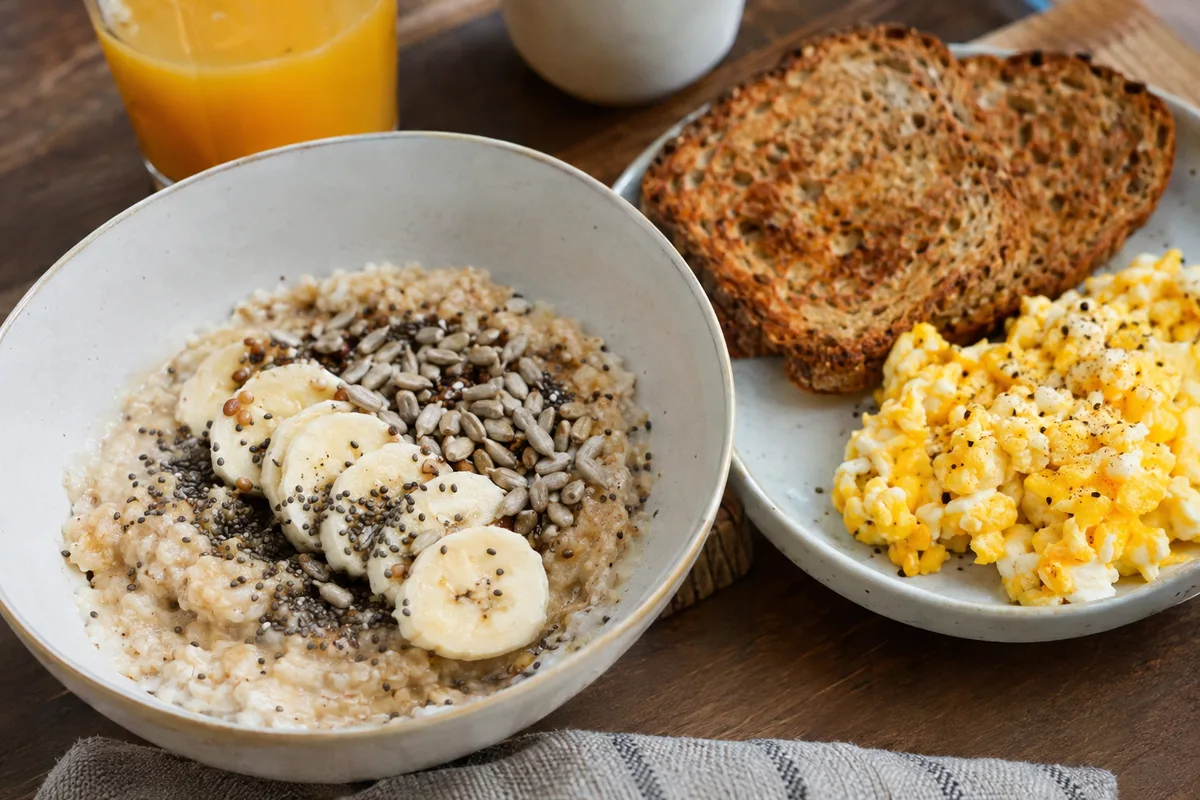
How to Eat for Half-Marathon Training and Race Day
Half-marathon fuelling is about matching food and drink to the work your body is doing. This guide explains what to track, how to practise your plan and what to eat around training and race day.
-
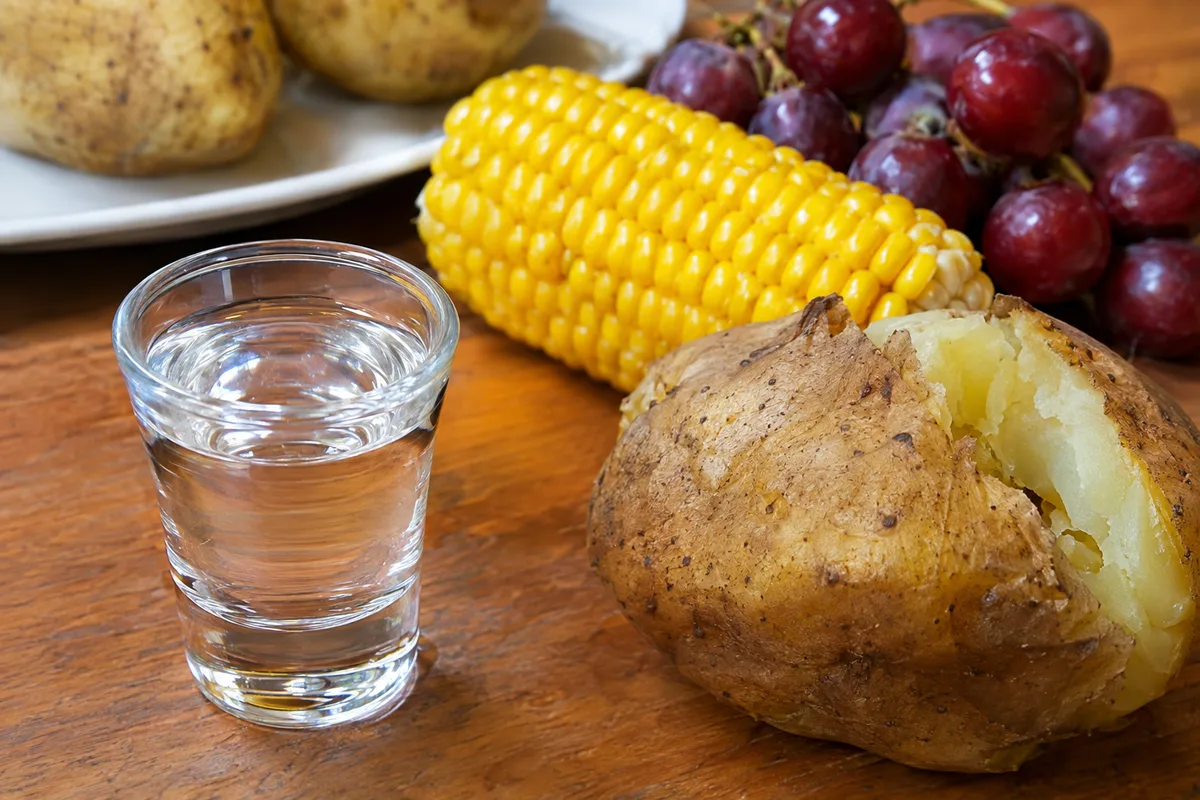
Which Vodkas Are Gluten Free? A Practical List
Plain vodka is generally considered gluten free after distillation, even when it begins with wheat or another gluten-containing grain. This guide explains the main choices, possible exceptions and what to note in your food diary.
-
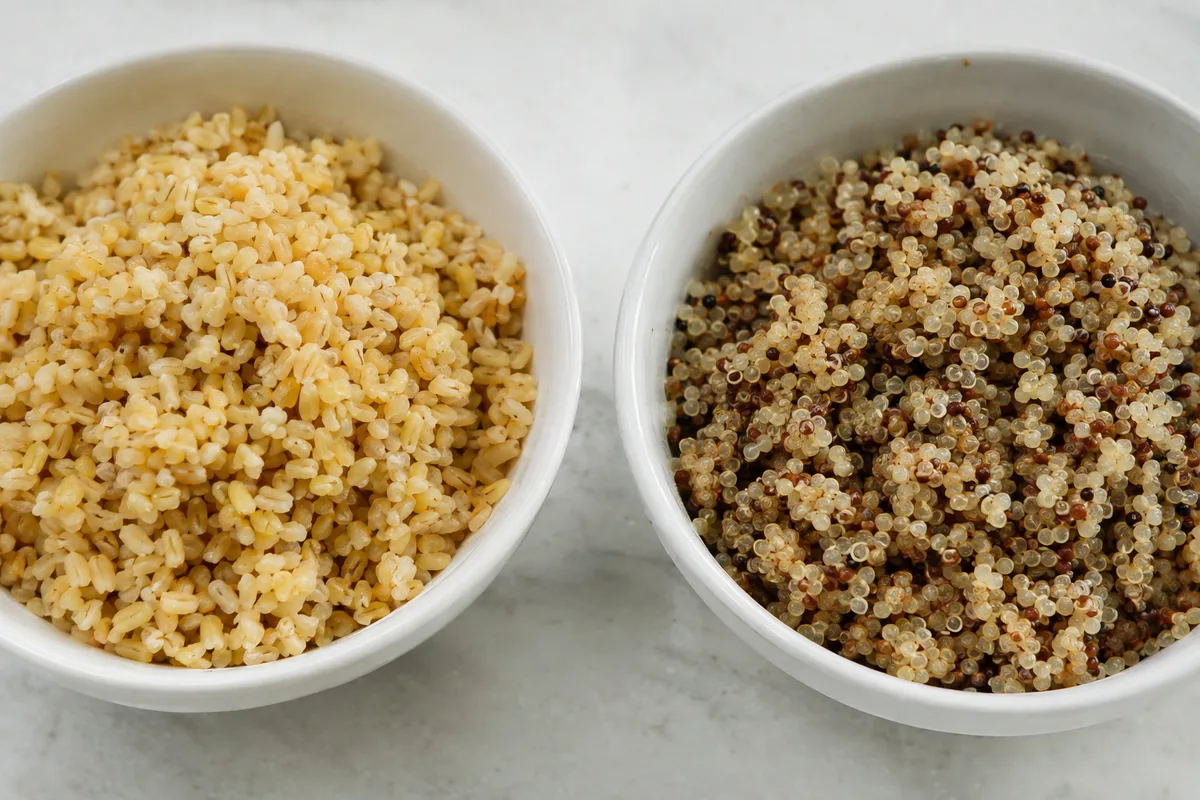
Bulgur or quinoa: which fits your food diary better?
Bulgur and quinoa can both provide a useful base for meals, but their nutritional strengths are not identical. Here is how to compare them and record each one accurately in your food diary.
-
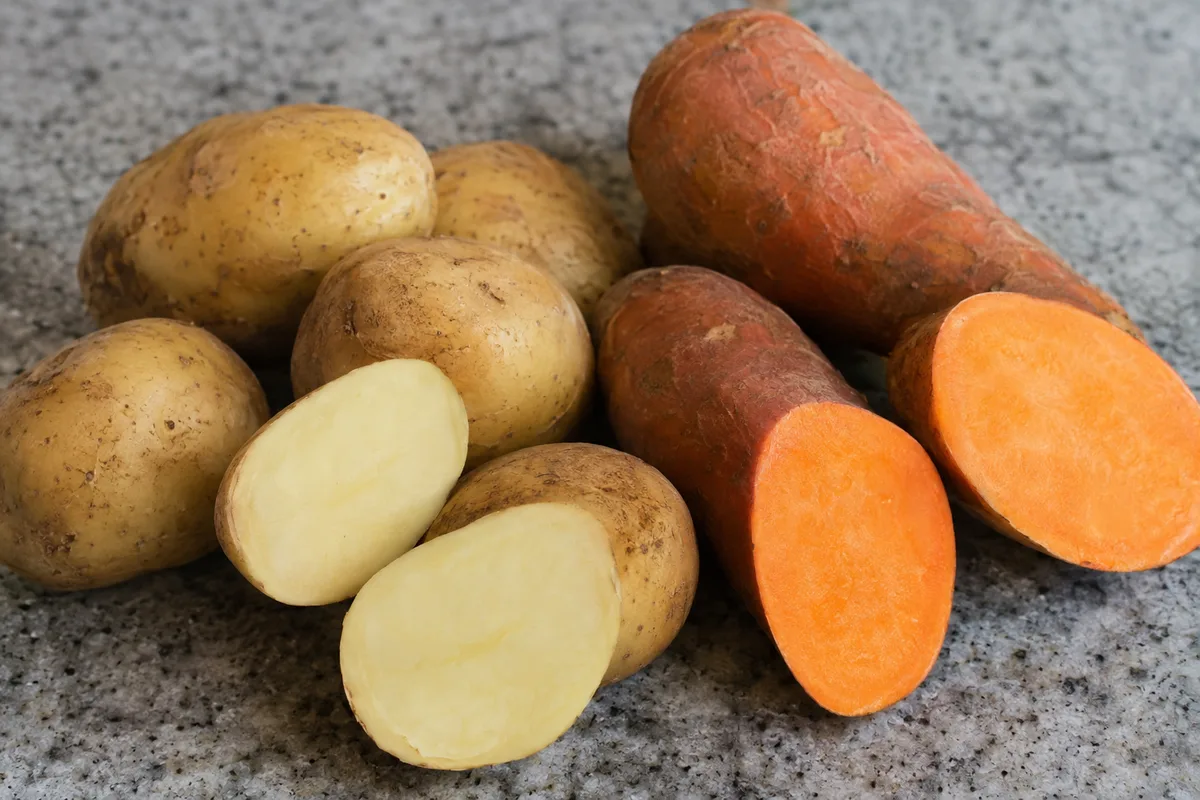
Regular potatoes or sweet potatoes: which fits your food log?
Regular and sweet potatoes can both form part of a balanced meal, but they differ in flavour, texture and some nutrients. Here is how to compare them fairly and log them with fewer surprises.
-
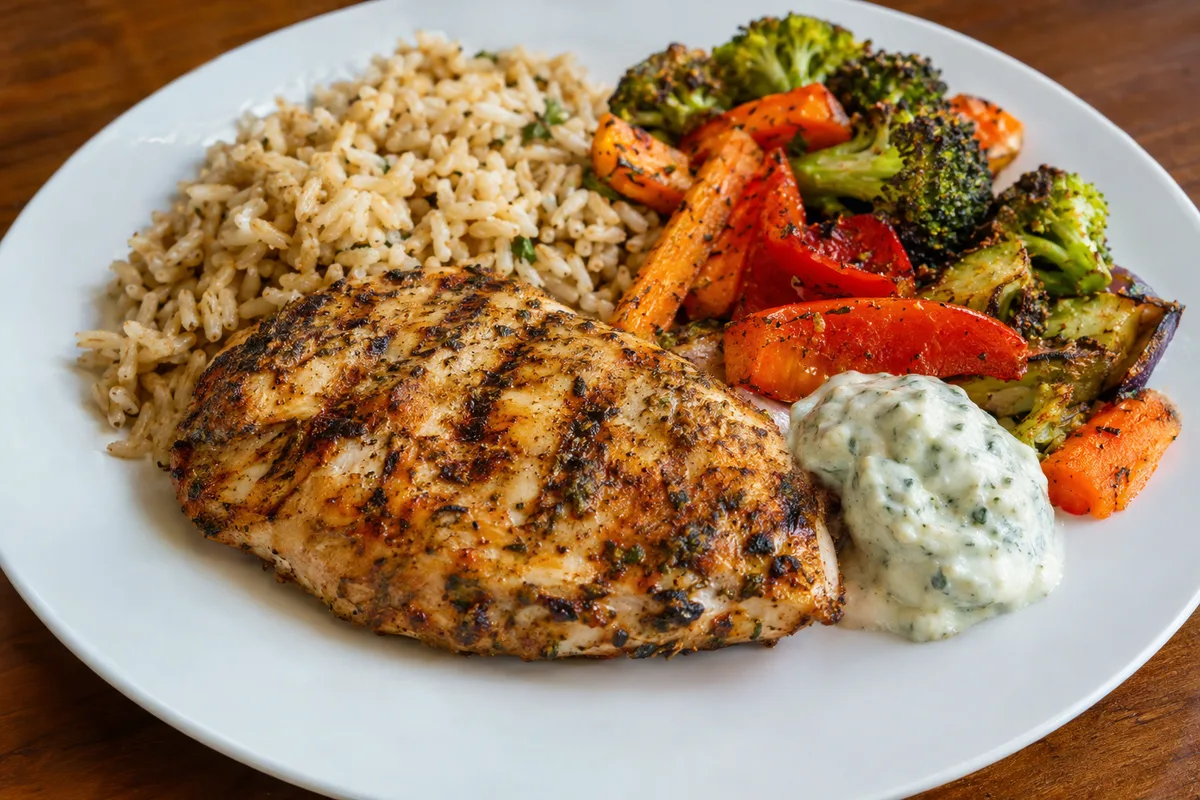
Celebrity Transformation Diets: What the Headlines Leave Out
Celebrity transformations can make a tightly controlled eating plan look simple, but the published version rarely shows the full picture. This review explains how to assess the claims, use your existing food log and build a more realistic approach.
-
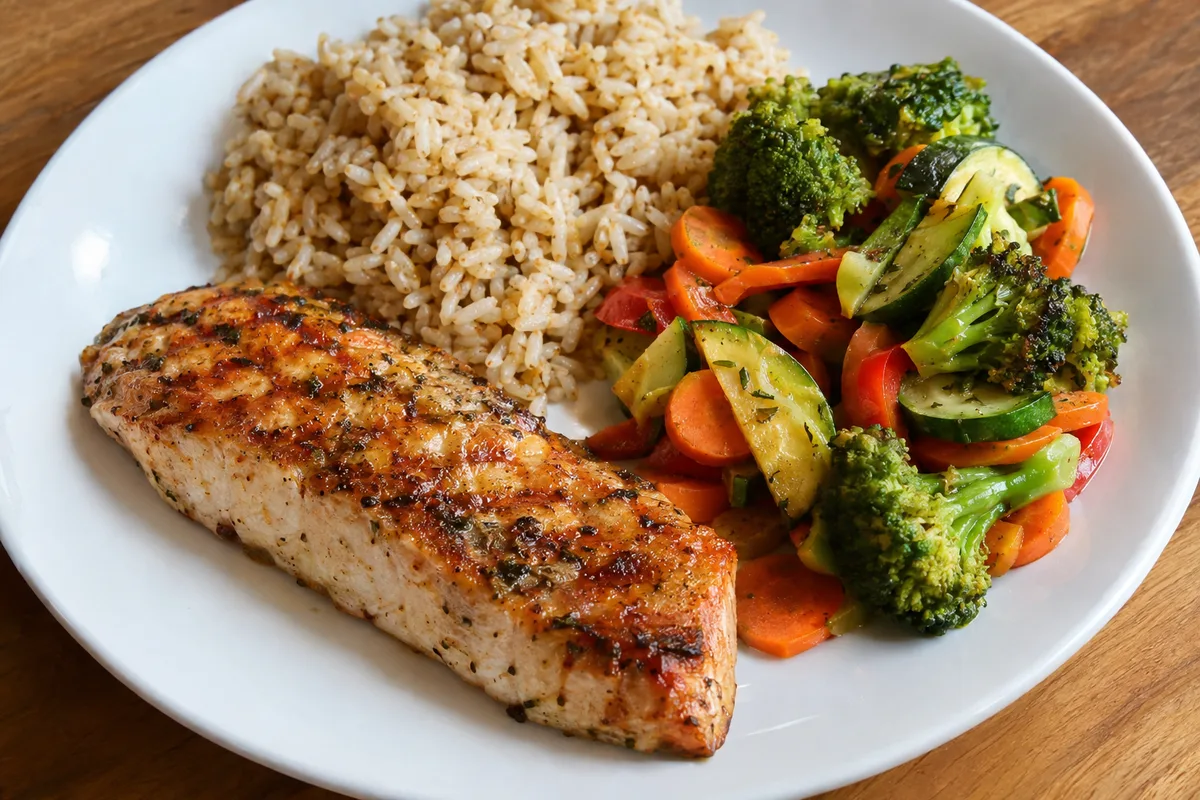
The Metabolic Typing Diet: What the Labels Really Mean
The metabolic typing diet claims that different bodies need different balances of protein, carbohydrate and fat. This guide explains the idea, where it falls short and how to use your food log more reliably.
-
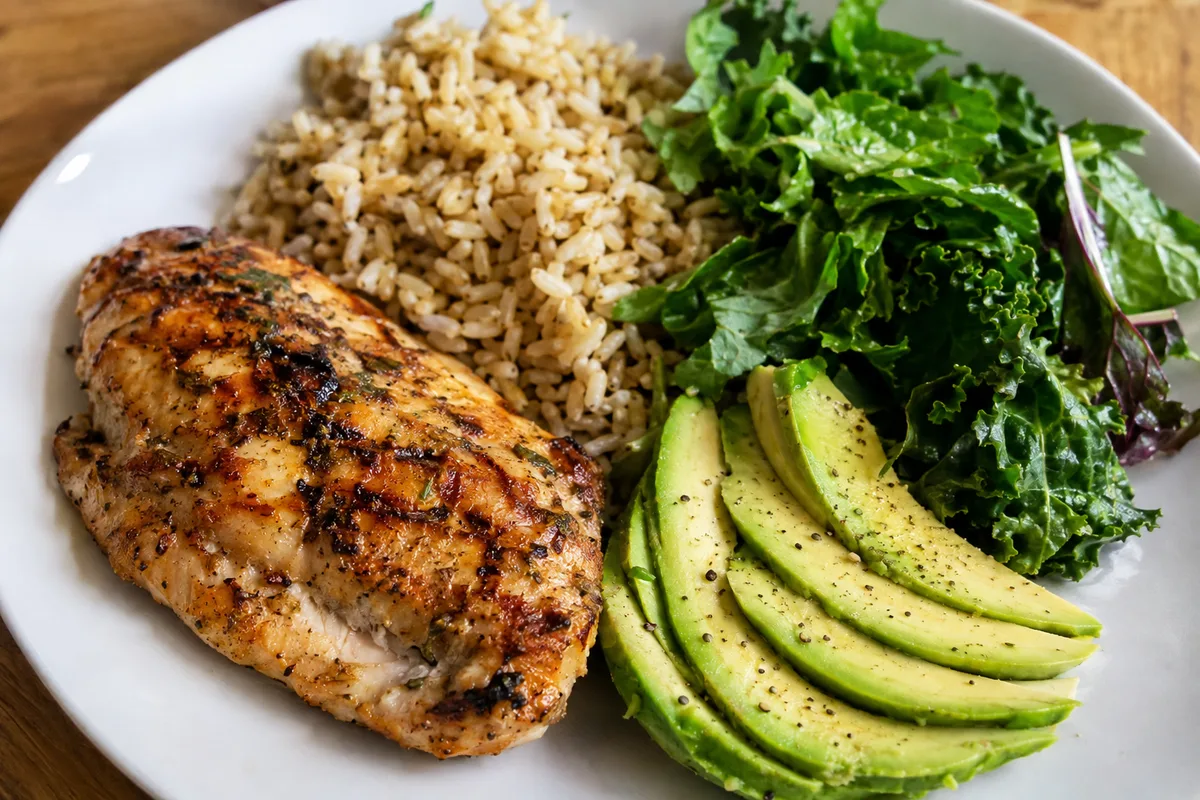
What Is the Abs Diet and How Does It Work?
The Abs Diet combines a structured eating pattern with regular strength and cardiovascular exercise. This guide explains its main ideas and how to assess it alongside your existing food tracking.
-
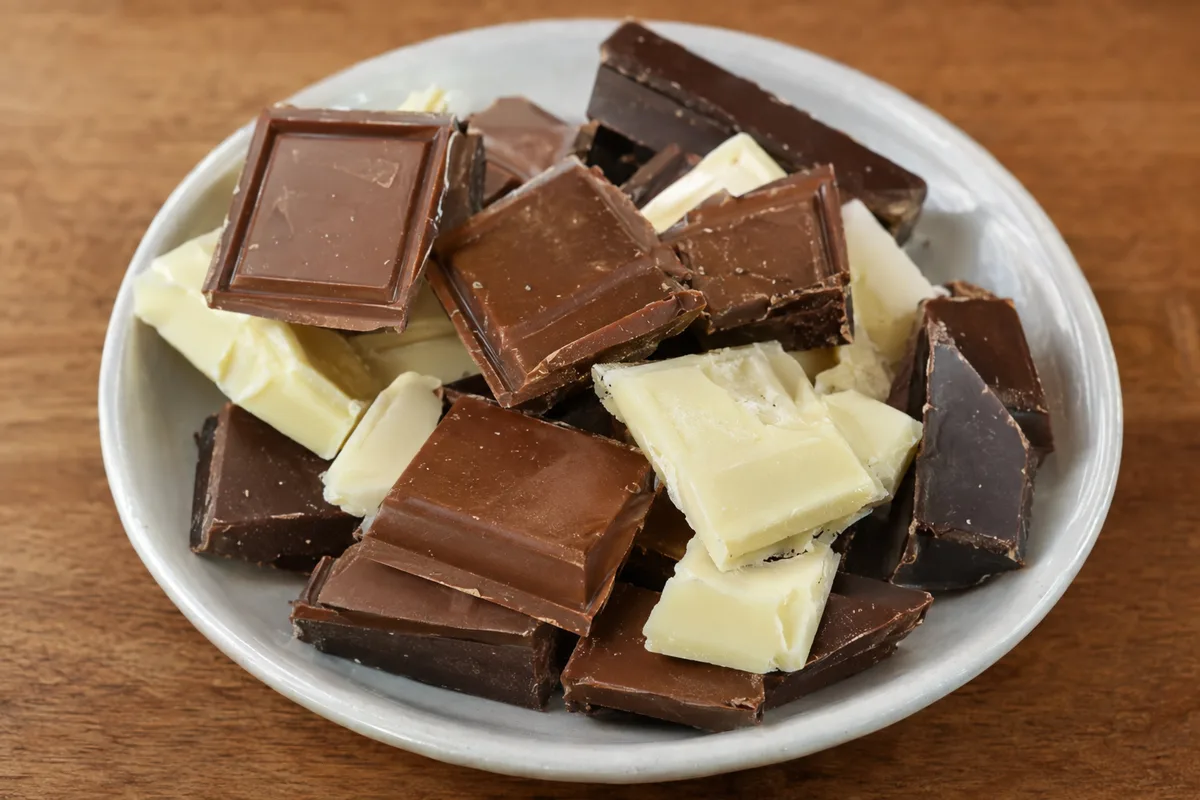
A Dietitian’s Favourite Ways to Satisfy Chocolate Cravings
Chocolate can fit into your usual eating pattern, including when you track what you eat. These simple approaches help you choose a satisfying portion, pair it well and understand what your craving may be asking for.
-
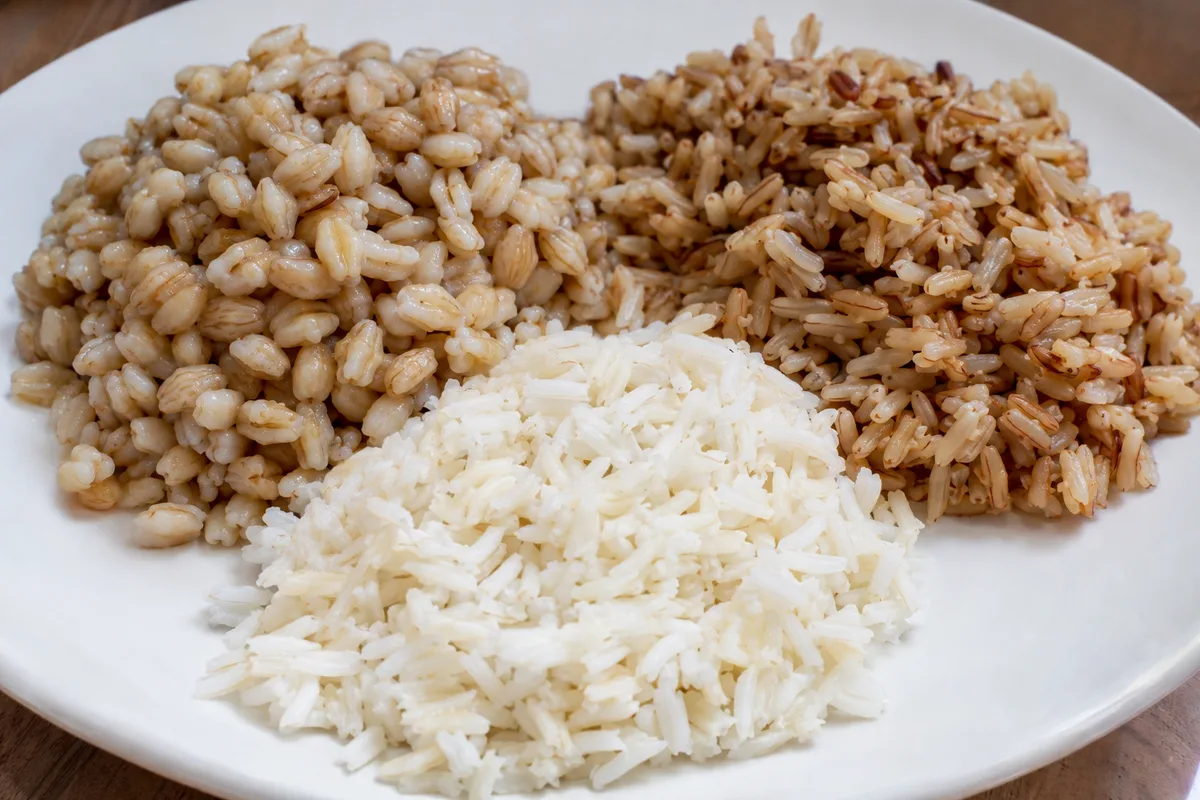
Is pearl barley more nutritious than rice?
Pearl barley and rice provide carbohydrate, but they differ in fibre, texture, nutrients and cooking time. This guide explains those differences and shows how to compare them in your food log.
-
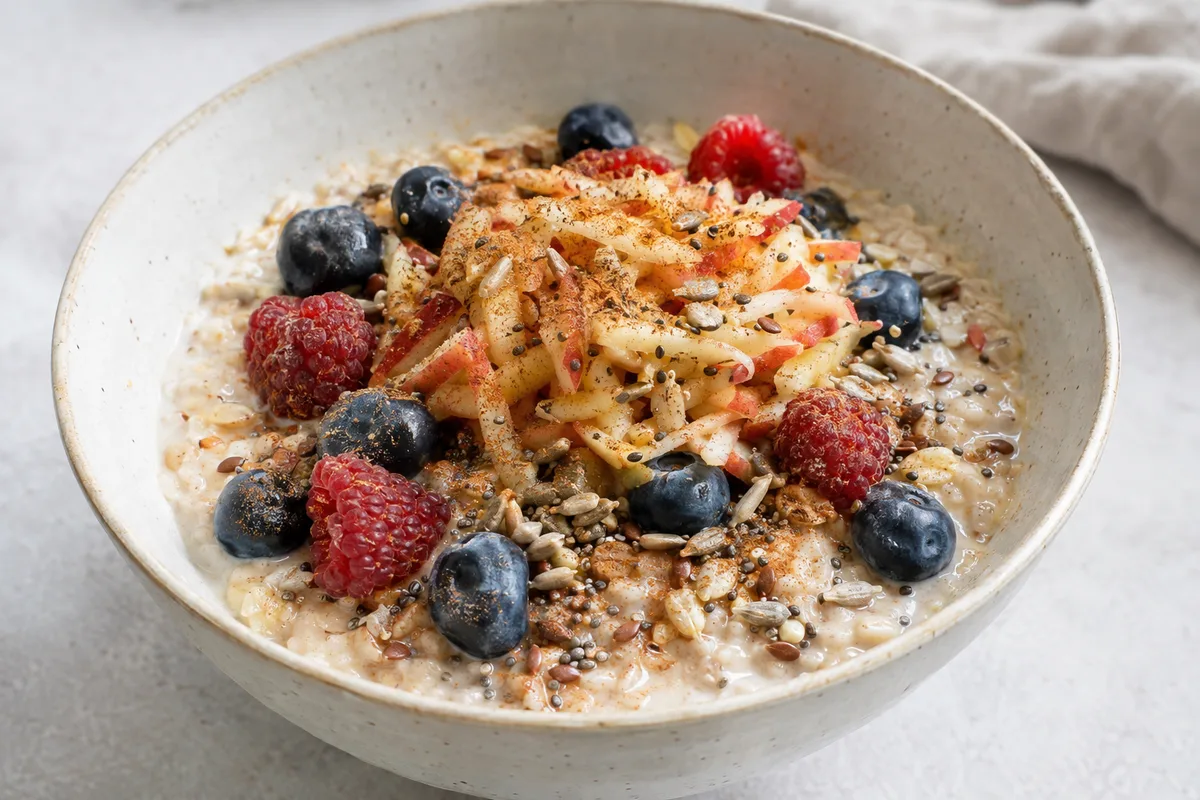
Fresh Ideas for Using Almond Milk Every Day
Almond milk can do far more than lighten a cup of coffee or cover a bowl of cereal. This guide explains how to use it across the day and how to record it accurately when tracking your food.
-
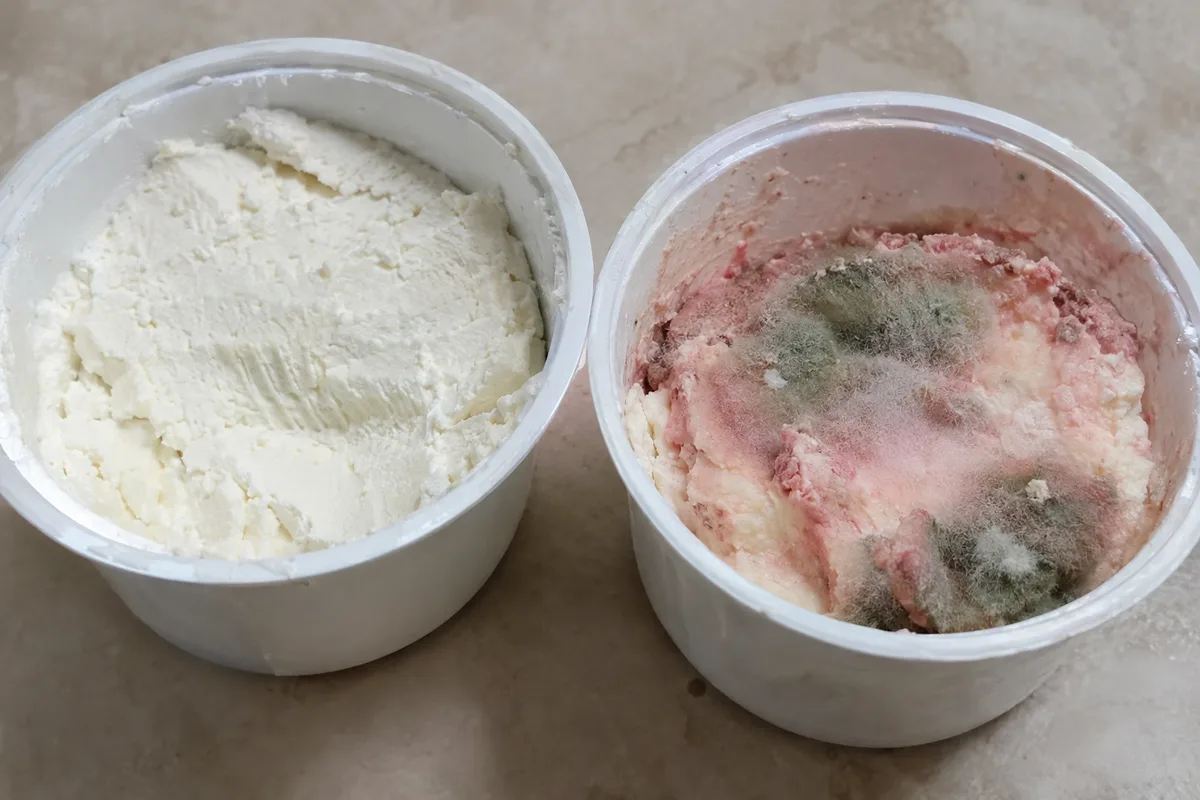
How to Tell Whether Ricotta Cheese Has Spoiled
Ricotta is naturally soft, moist and mildly scented, so normal changes can sometimes look suspicious. This guide explains which signs matter, how storage affects freshness and when not to taste it.
-
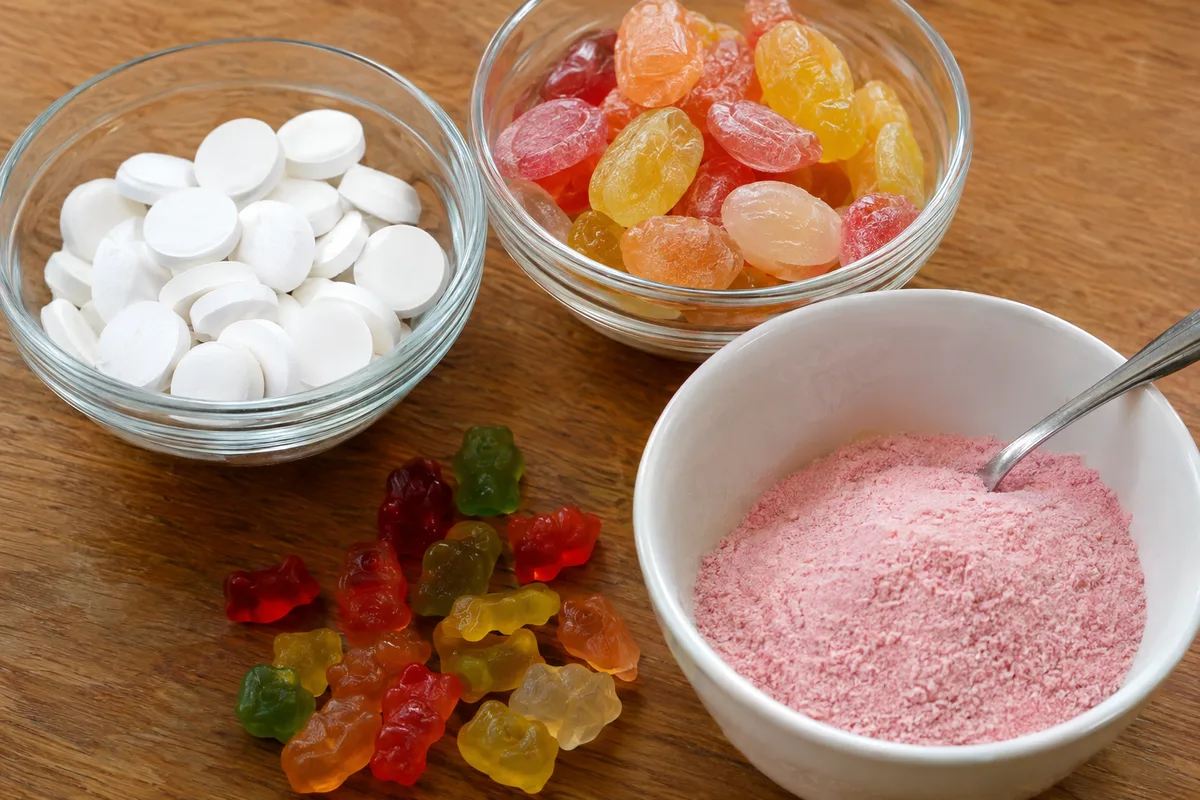
Which Foods Are High in Dextrose?
Dextrose is a form of glucose added to some foods for sweetness, texture, browning or quick energy. This guide explains which foods may contain the most and how to identify them without relying on guesswork.
-
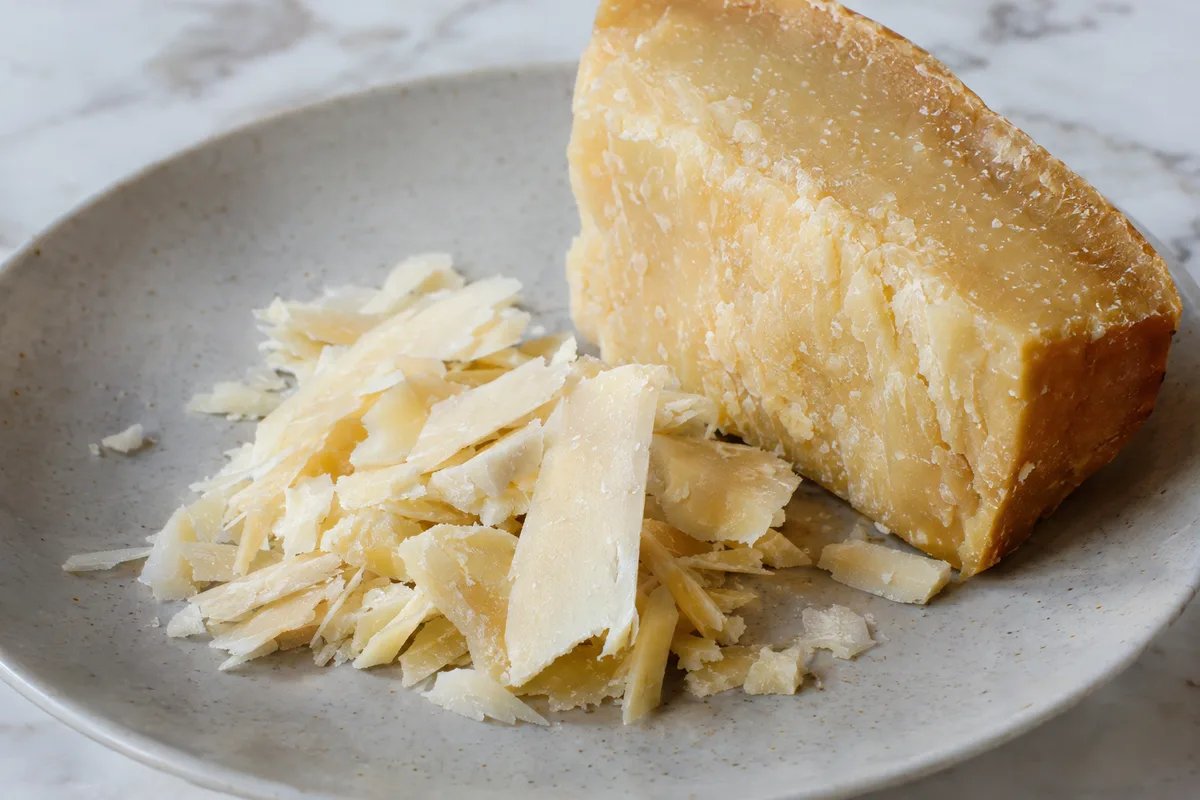
Which cheese is highest in protein?
Parmesan-style cheese is usually among the highest-protein cheeses when compared by weight. This guide explains why, how other cheeses compare and what to record in your food diary.
-
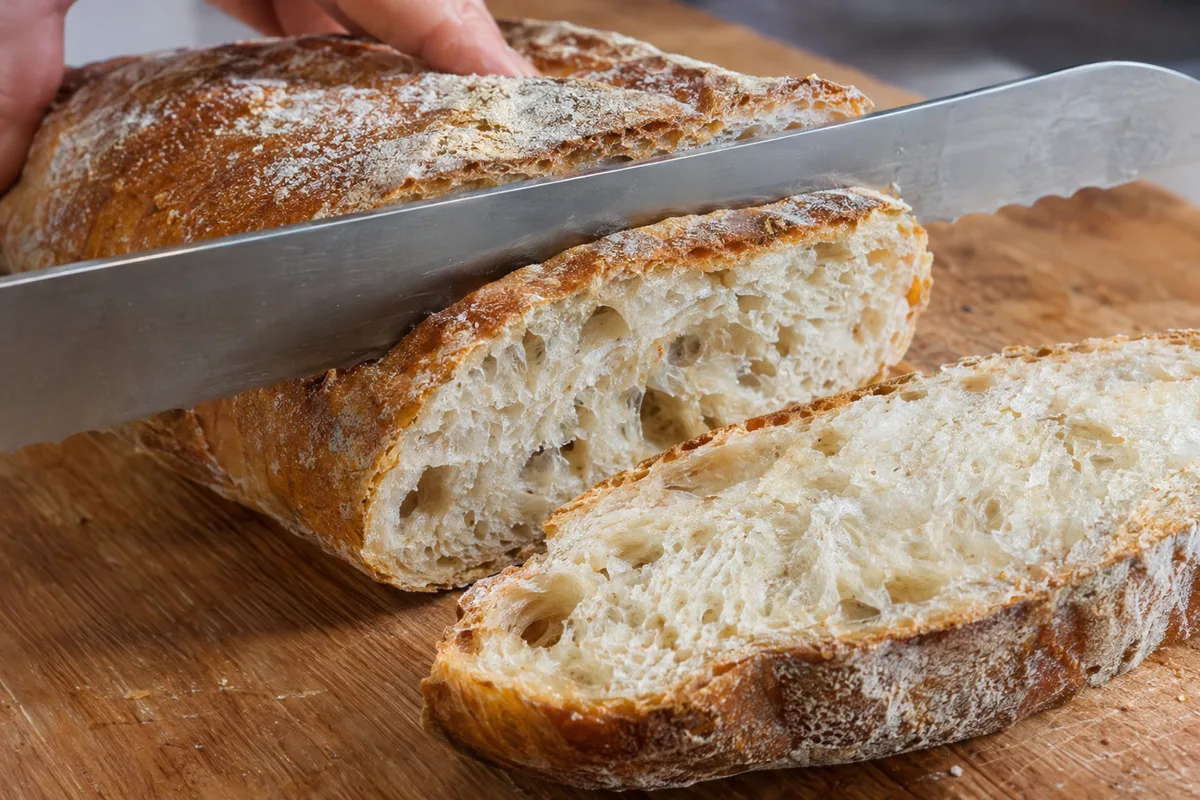
How to Toast Ciabatta for a Crisp Outside and Tender Centre
Ciabatta toasts best when its open crumb becomes crisp without the bread turning dry or hard. This guide covers preparation, four simple cooking methods and how to track any oil or toppings you add.
-

How to Burn More Calories While Cleaning Your Home
Cleaning already uses energy, and changing how you approach each task can make it more active. This guide explains how pace, movement, task choice and duration affect the calories you burn.
-
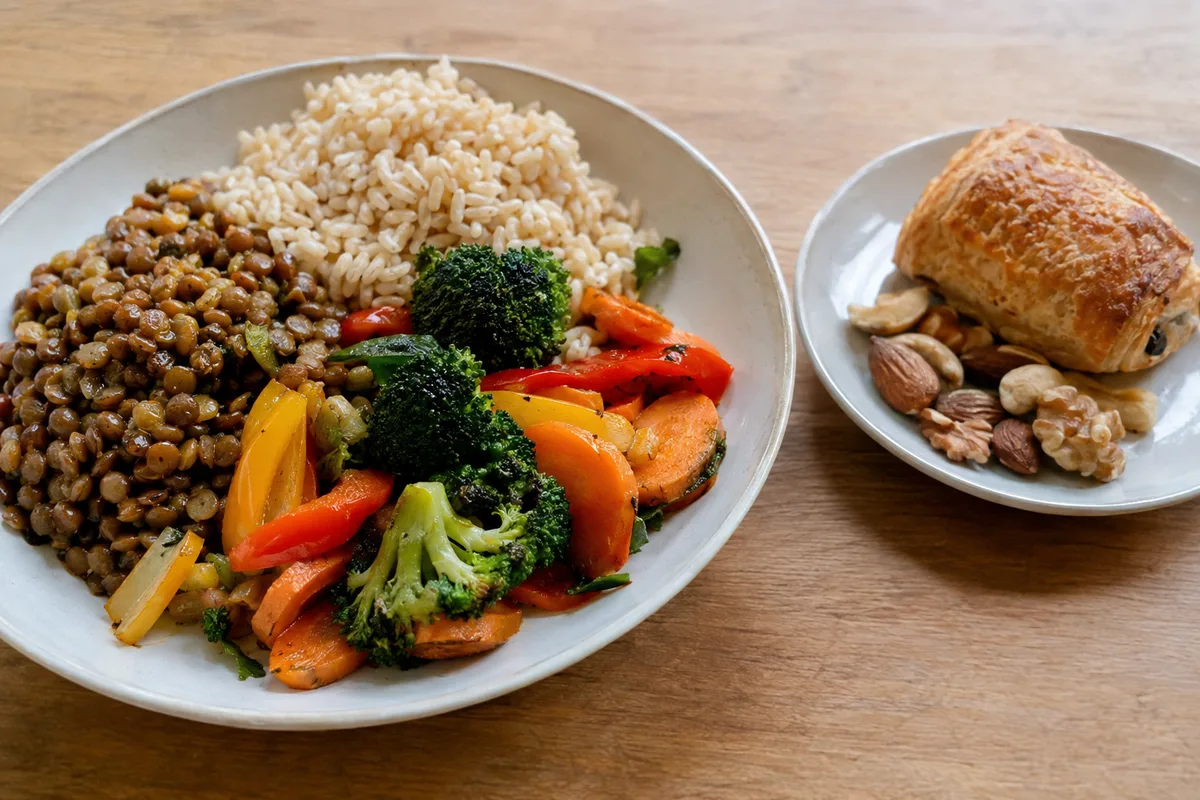
CICO Diet Myths and Facts: What Energy Balance Really Means
CICO describes the relationship between energy eaten and energy used, but the basic idea is often oversimplified. This guide separates common myths from useful facts and shows how to apply the principle to food tracking.
-
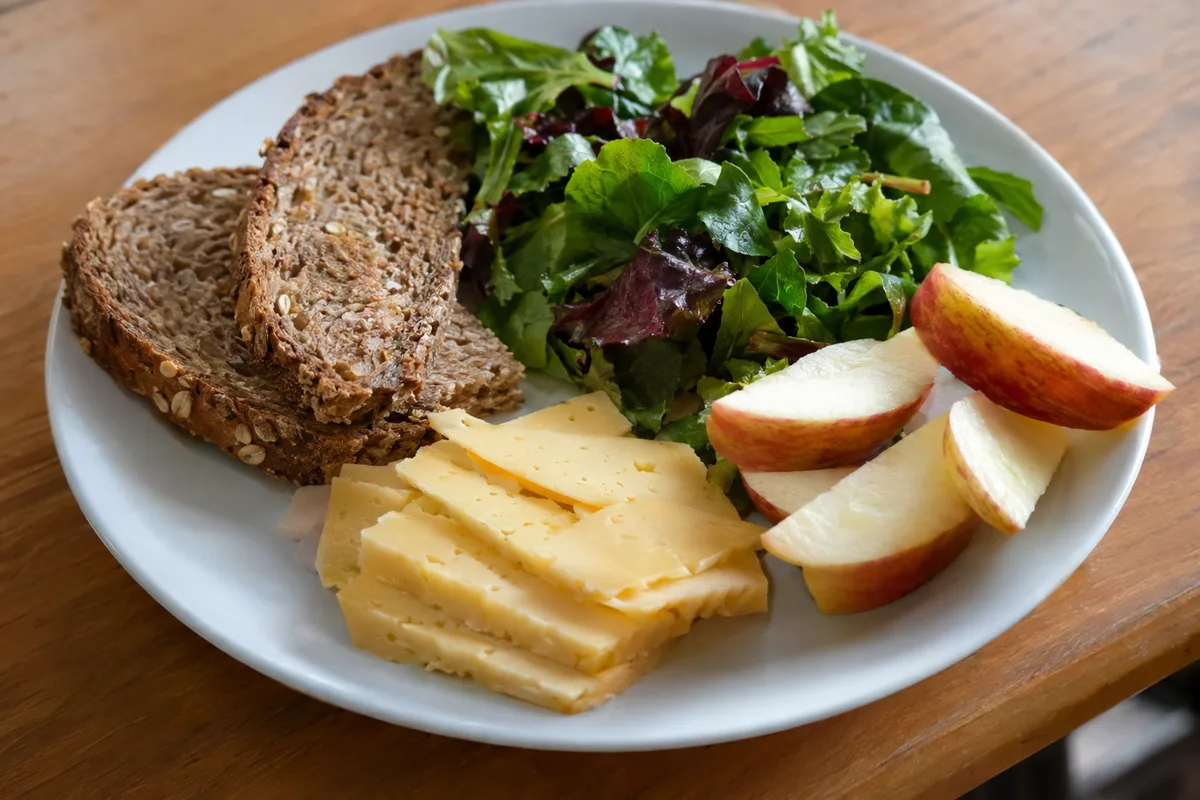
How Cheese Can Fit Into a Healthy Diet While Losing Weight
Cheese can be part of a balanced eating pattern when you are trying to lose weight. This guide explains how to track it, choose a useful portion and build satisfying meals around it.
-
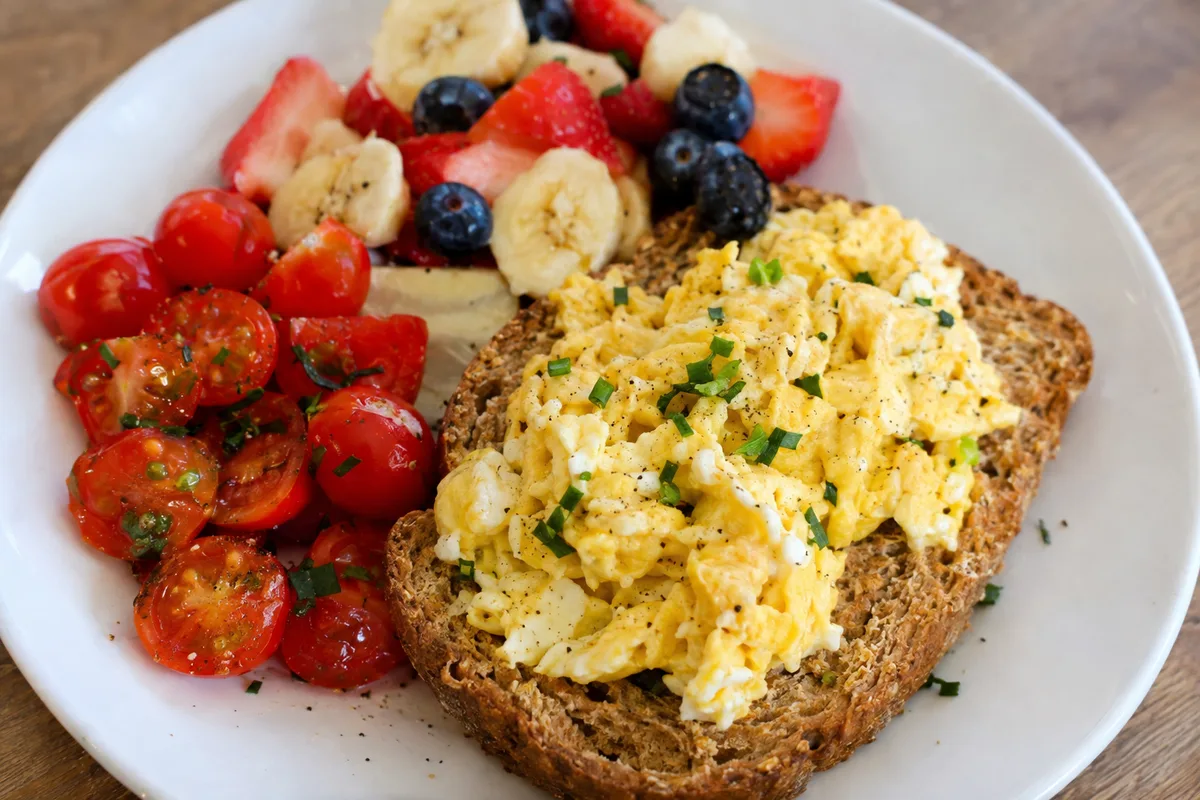
How Intermittent Fasting Can Affect Your Bowel Habits
Changing when you eat can also change the timing, frequency and consistency of your poo. This guide explains what may happen, what to track and when a change deserves attention.
-
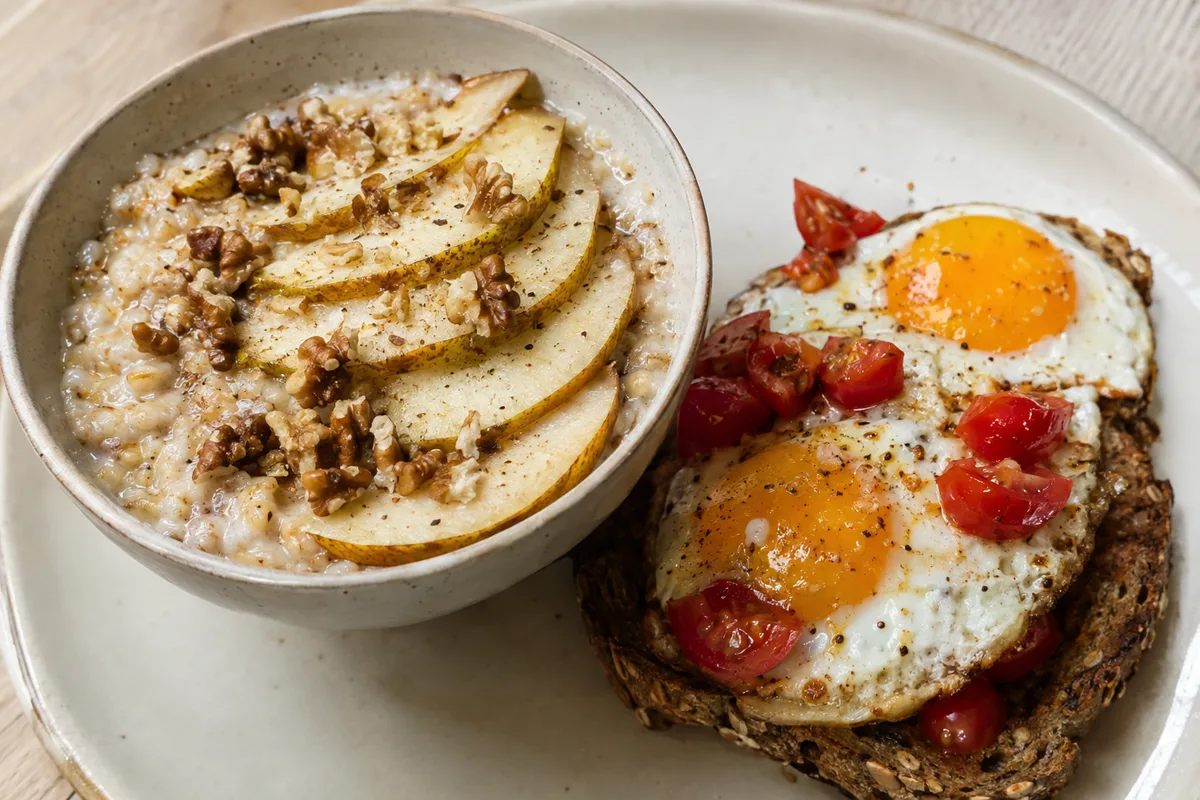
A Clean Eating Challenge That Fits Real Life
This challenge turns the vague idea of clean eating into practical choices you can track. You will focus on regular meals, useful additions and simple reflection rather than banning foods.
-
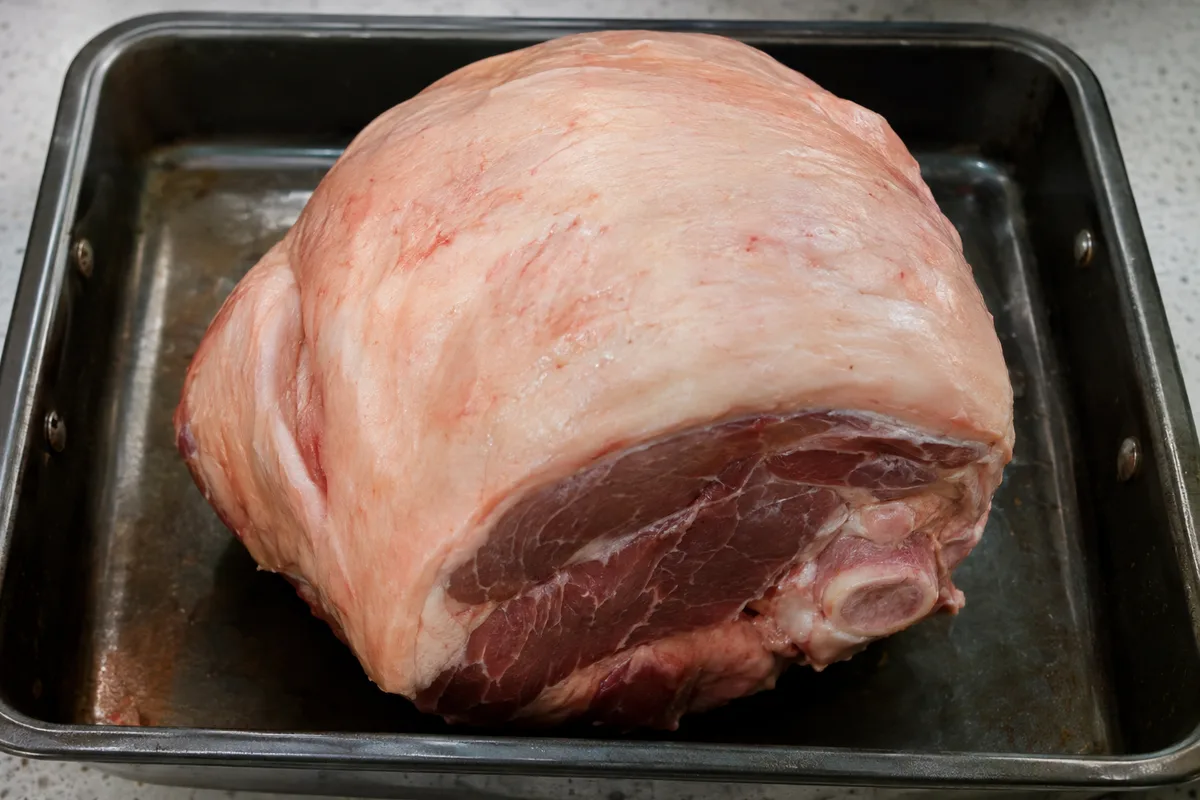
How to Cook a Butt Portion Ready-to-Cook Ham
A butt portion is the rounded upper part of a ham and may contain a bone, rind and generous covering of fat. This guide explains how to check the label, cook it safely, add an optional glaze and track the portion you eat.
-
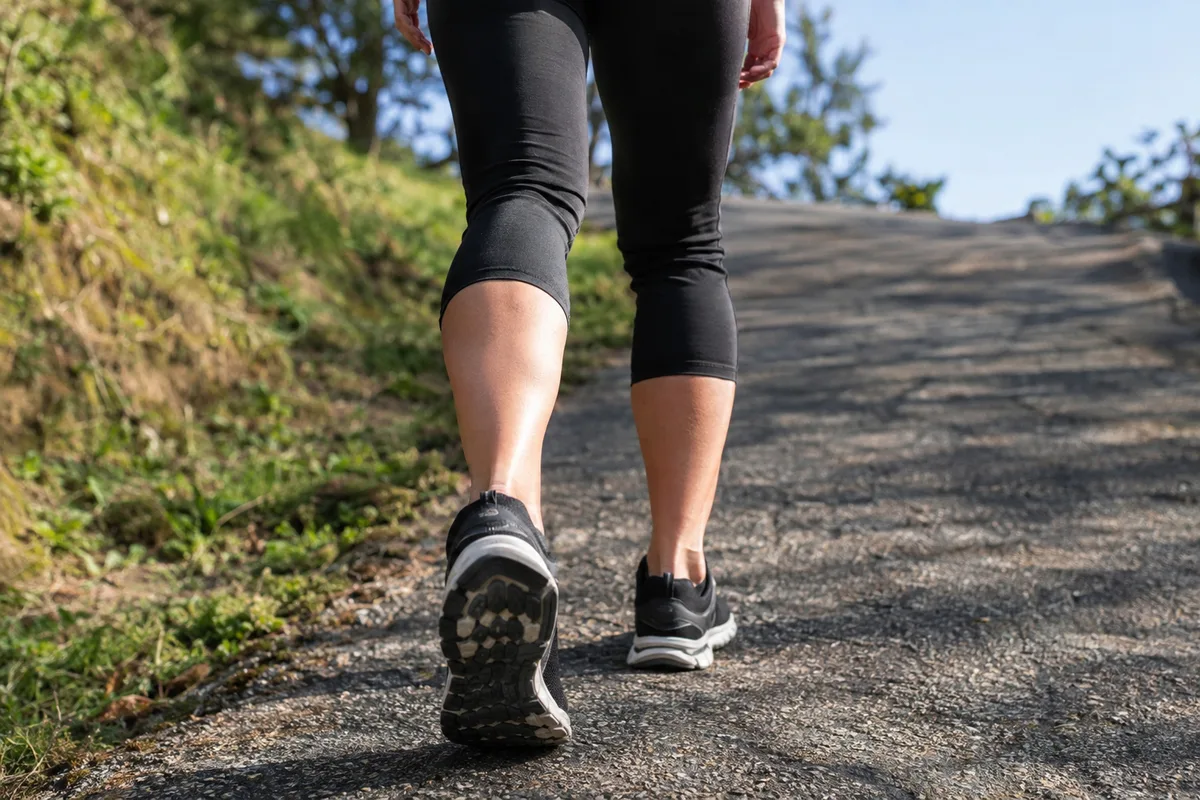
How Long Does It Take to Burn 500 Calories?
There is no single amount of time that applies to everyone or every activity. This guide explains what changes the estimate, how to calculate your own time and how to use the result in your food log.
-

The potato diet: how it works, its pros and its drawbacks
The potato diet usually means eating potatoes as the main or only food for a short period. This guide explains the common rules, what may affect your food log, and why a balanced approach is easier to maintain.
-
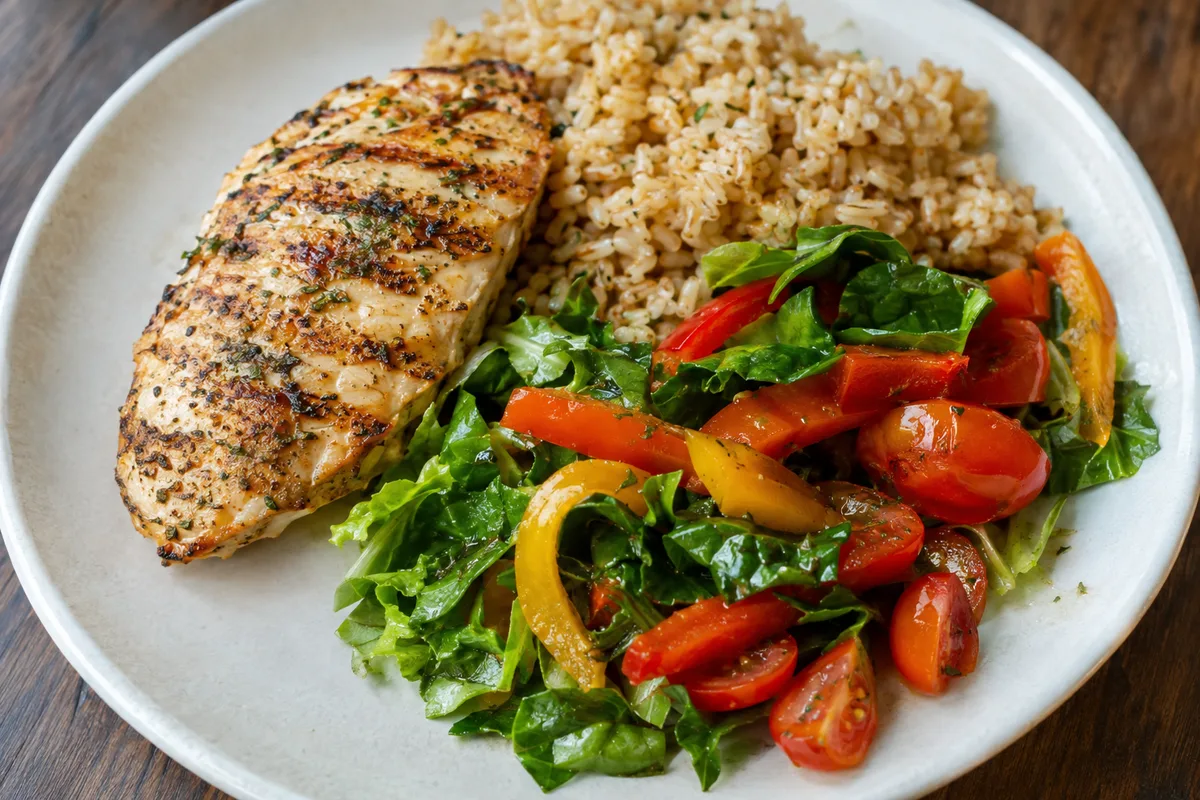
How to Reduce Back Fat with a Sustainable Routine
Back fat changes as part of overall body fat loss, rather than through exercises for one area. This guide explains how to use your food log, plan satisfying meals and build a practical movement routine.
-
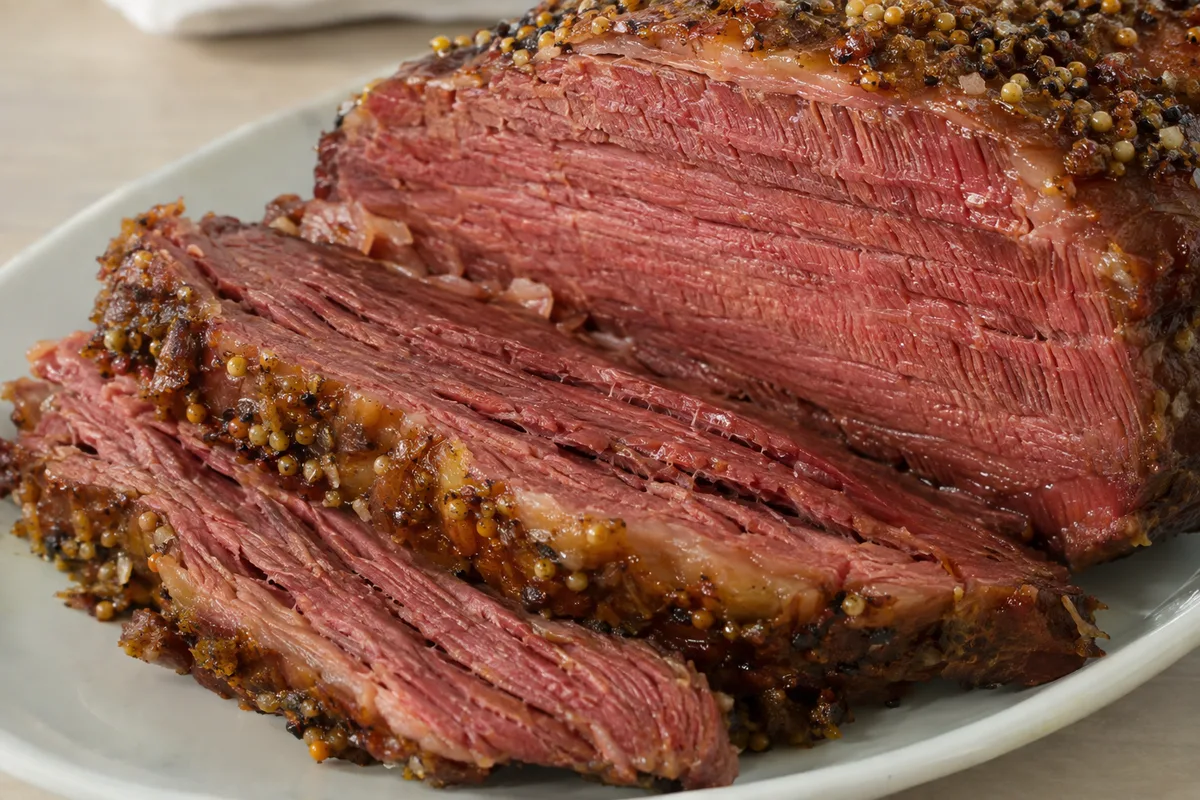
How to Slice Corned Beef Against the Grain
The grain is the direction in which the meat fibres run, and cutting across those fibres makes corned beef easier to chew. This guide explains how to spot that direction, position the joint and cut slices suited to your meal.
-
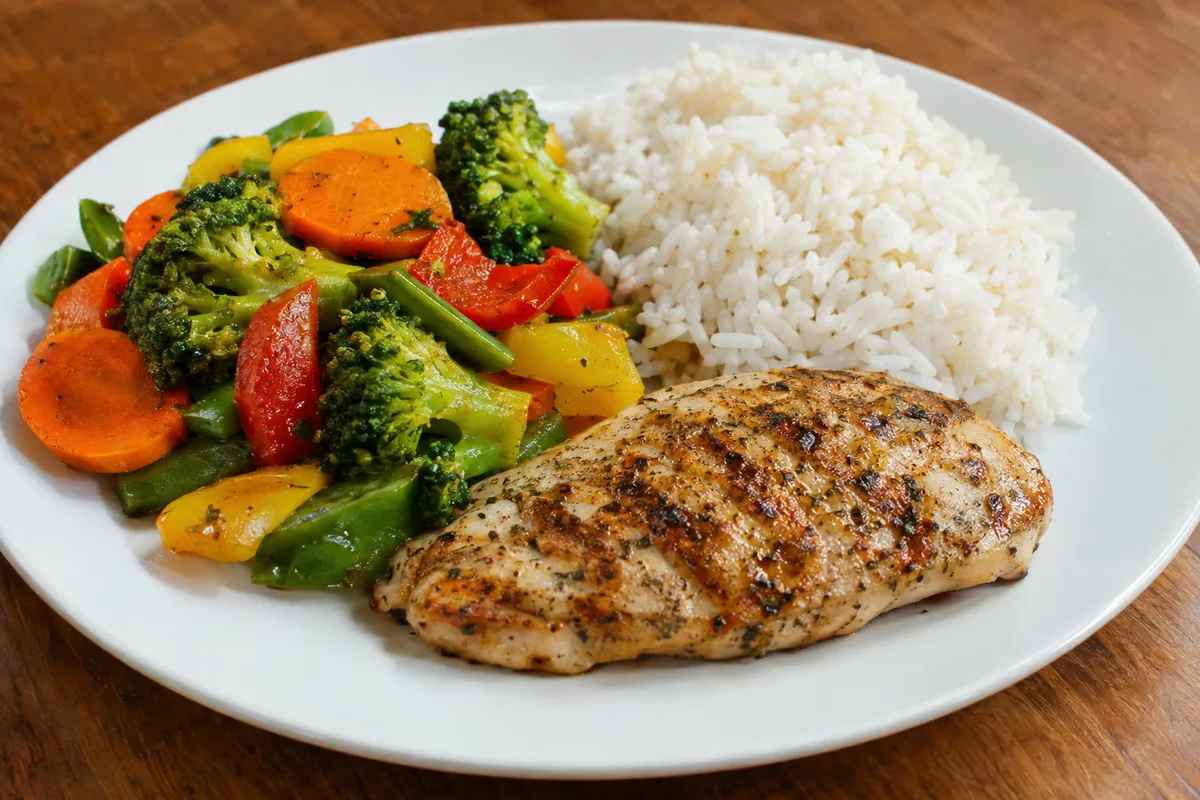
Is Uncle Ben’s rice healthy? What to check before you log it
Rice can provide useful carbohydrate, while wholegrain varieties also add fibre. This guide explains how to compare Uncle Ben’s rice products, log them accurately and build a balanced meal around them.
-
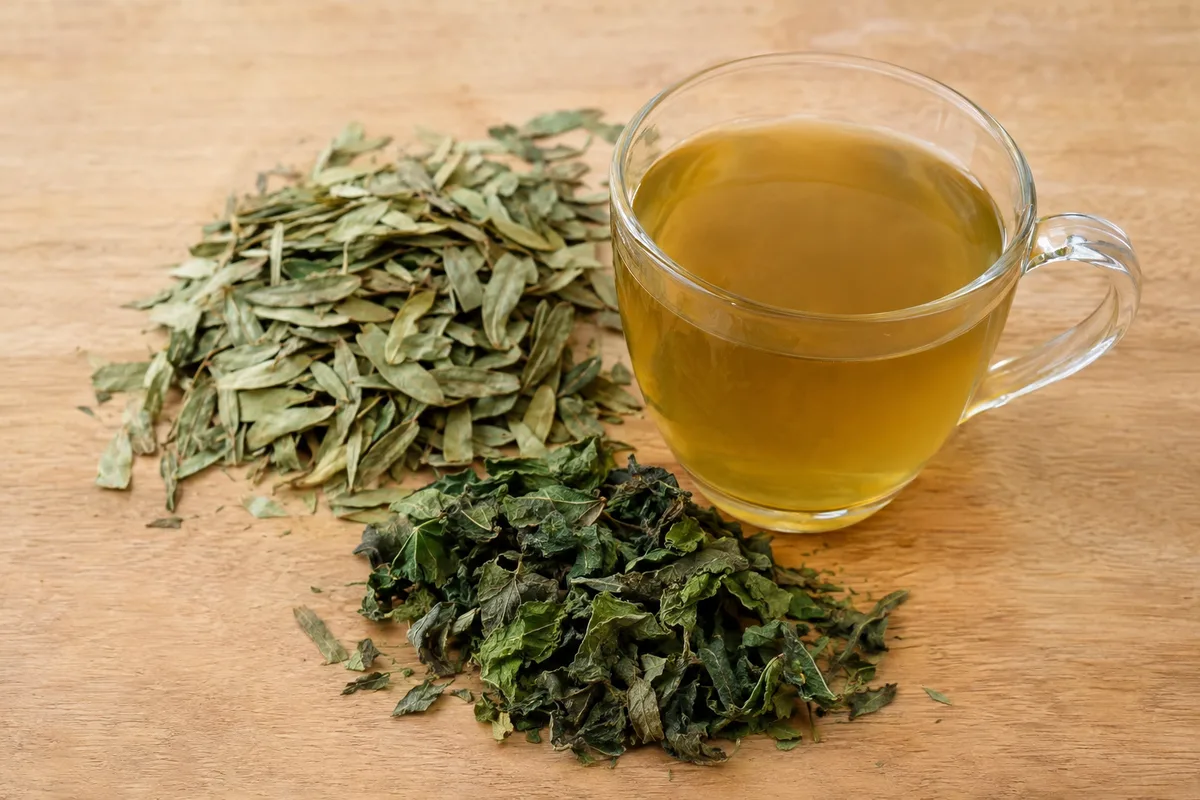
Ballerina Tea: What It Does, Possible Benefits and Side Effects
Ballerina tea is promoted as a slimming drink, but its main effect is to stimulate bowel movements rather than reduce body fat. This guide explains its ingredients, possible short-term effects, side effects and how to record it honestly.
-
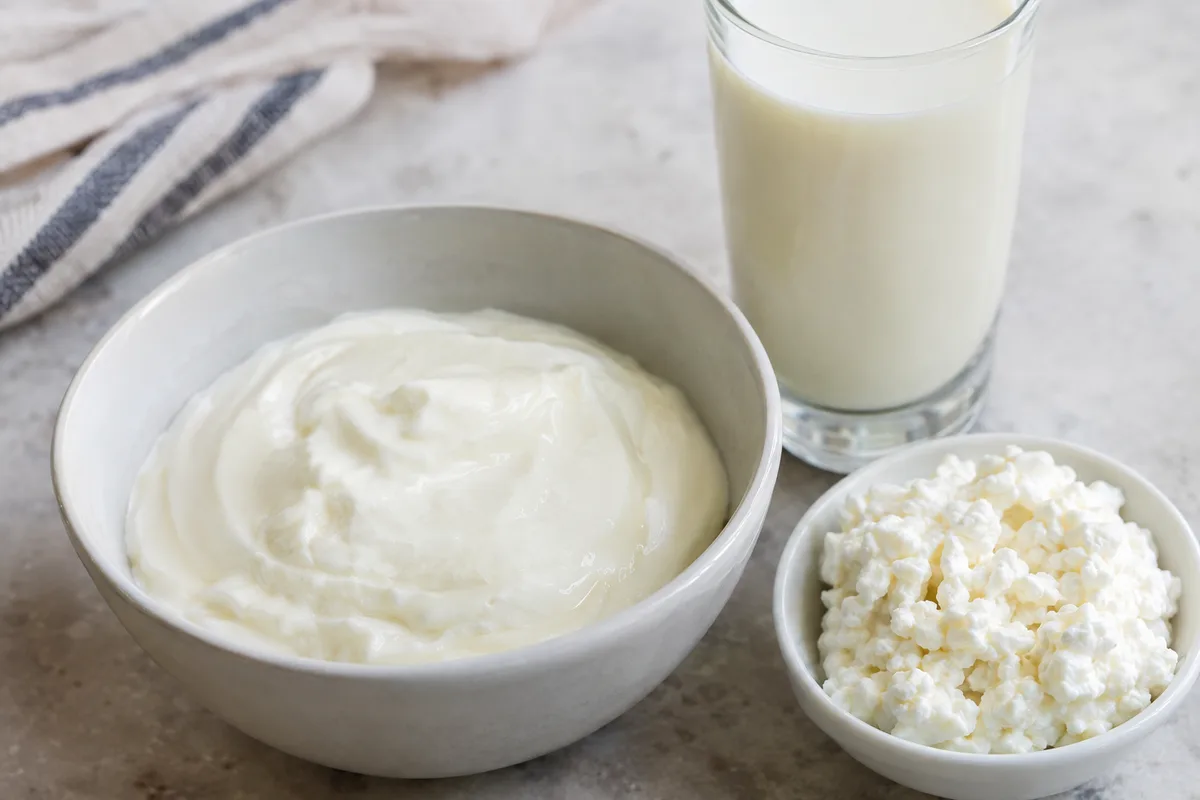
How to choose the best casein protein for your routine
The best casein protein is one that suits your food tracking, taste and daily routine. This guide explains the main types, what to check on a label and when casein may be useful.
-
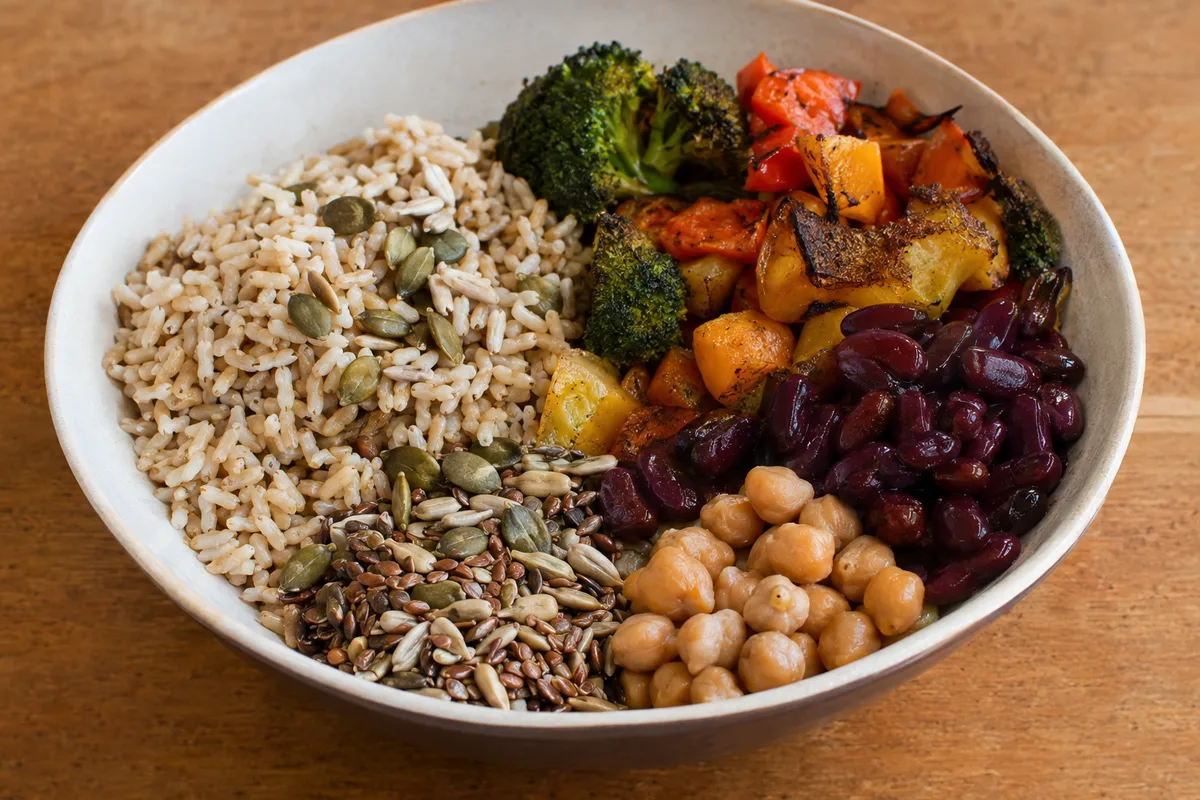
What Are Net Carbs, and Should You Track Them?
Net carbs aim to show the carbohydrates that are digested and absorbed rather than passing through largely unchanged. Here is how they are calculated, where the idea is useful and why UK food labels need careful reading.
-
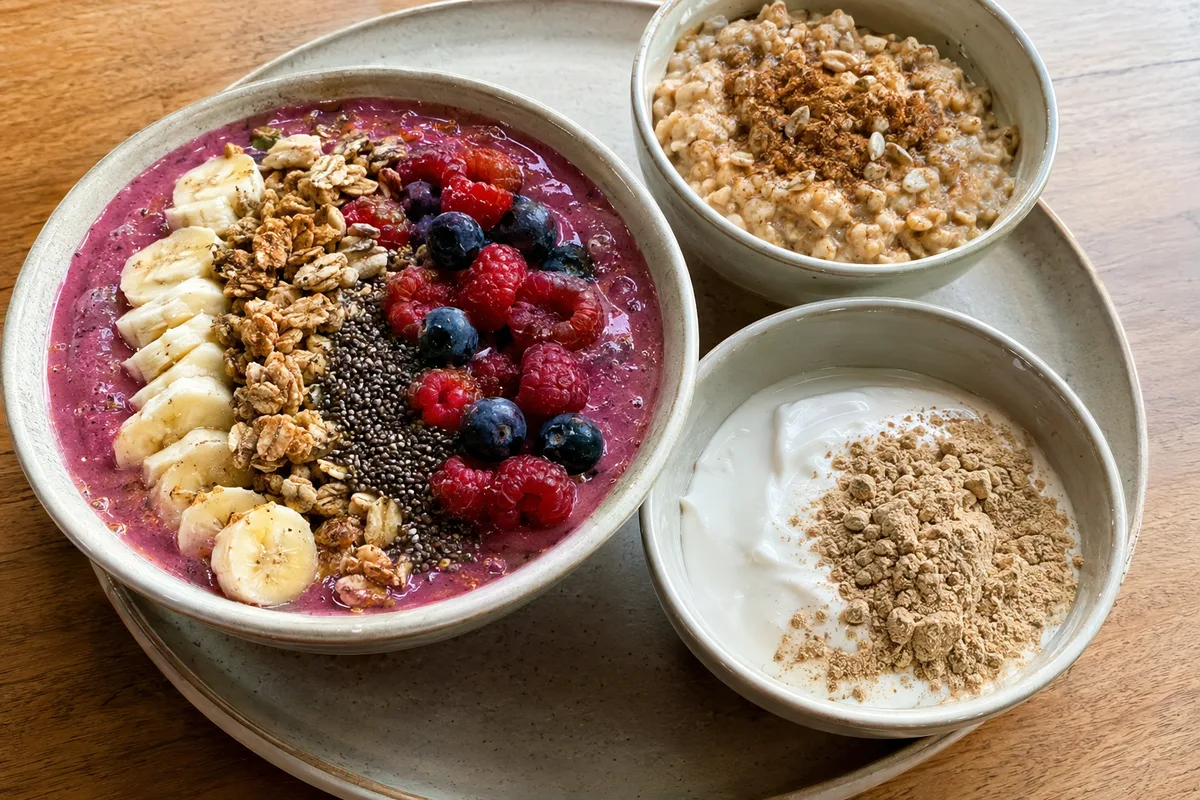
How to choose the best vegan protein powder for you
There is no single vegan protein powder that is best for everyone. This guide explains the main types, what to check on the label and how to log a serving accurately.
-
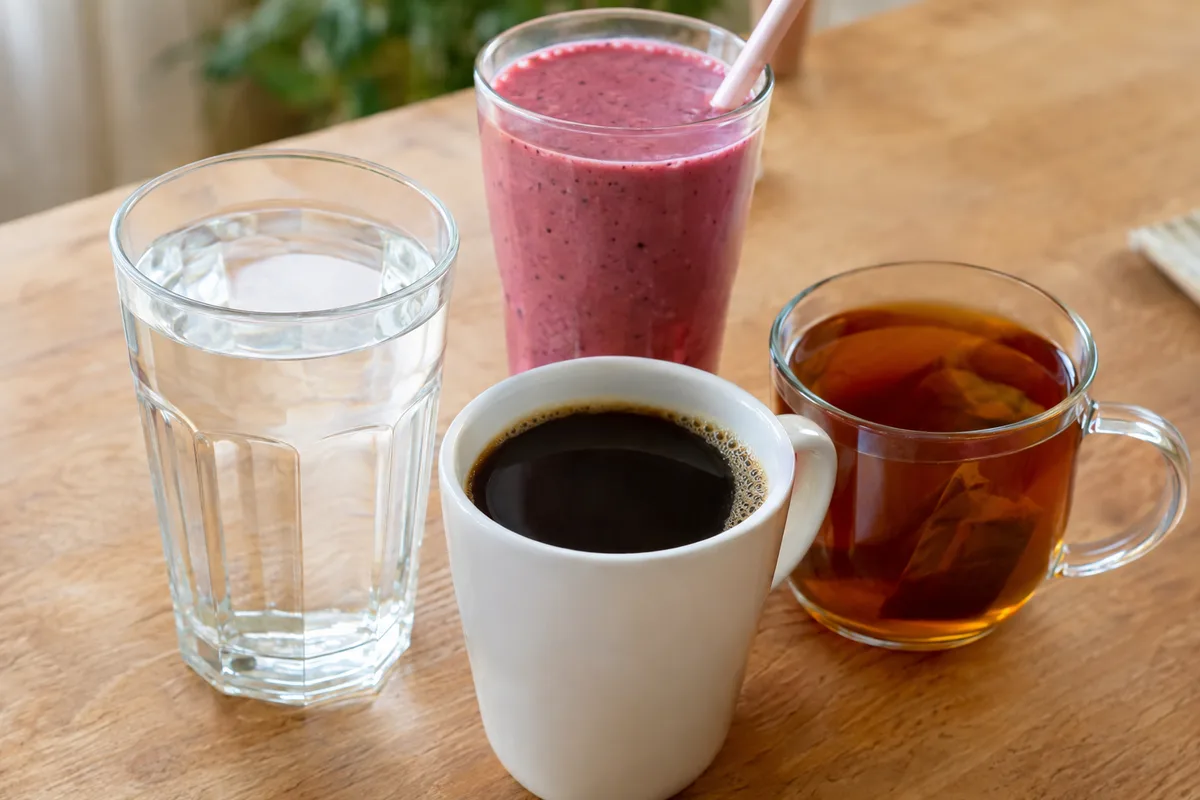
The best pre-workout drinks for your routine
The best pre-workout drink is one that suits your session, appetite and usual eating pattern. This guide compares water, caffeinated drinks, carbohydrate options and electrolyte drinks, with practical tips for tracking what works.
-
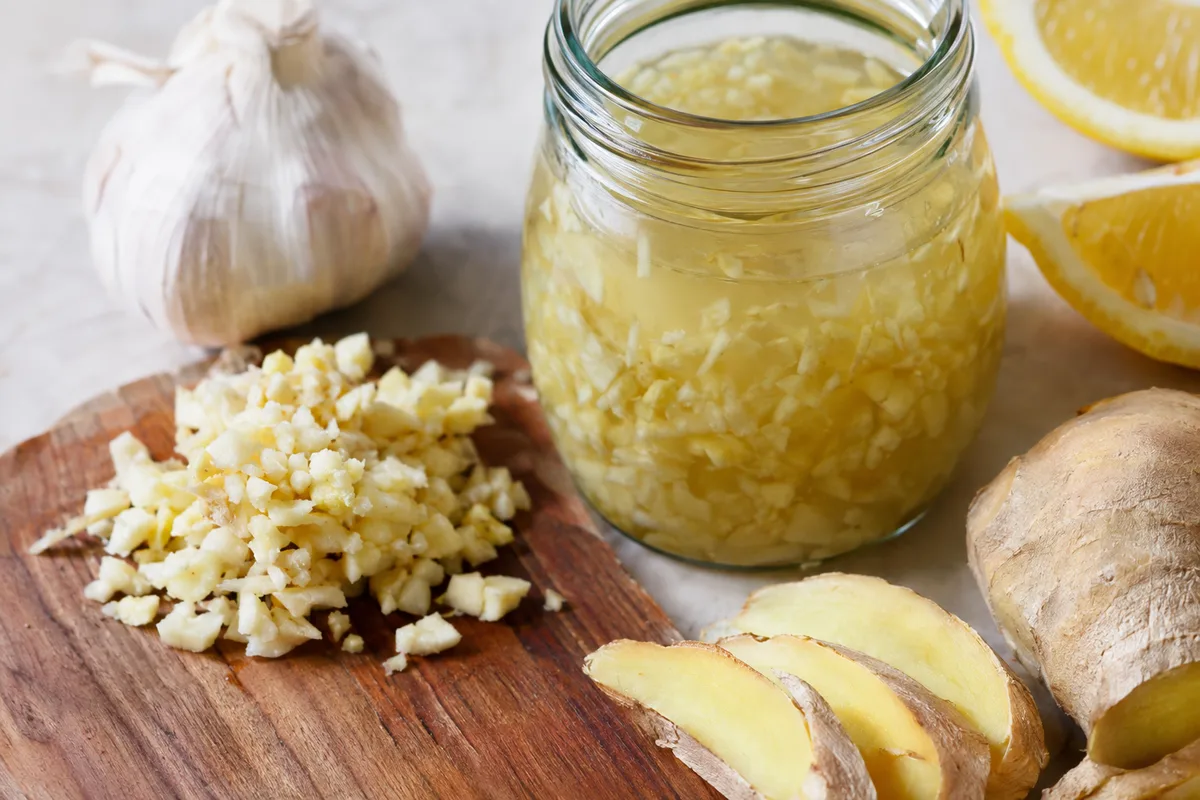
Garlic tea: possible benefits, side effects and what to track
Garlic tea is usually made by steeping crushed or sliced garlic in hot water, sometimes with lemon, ginger or honey. This guide explains what the drink may offer, where the evidence is limited and what to consider when logging it.
-
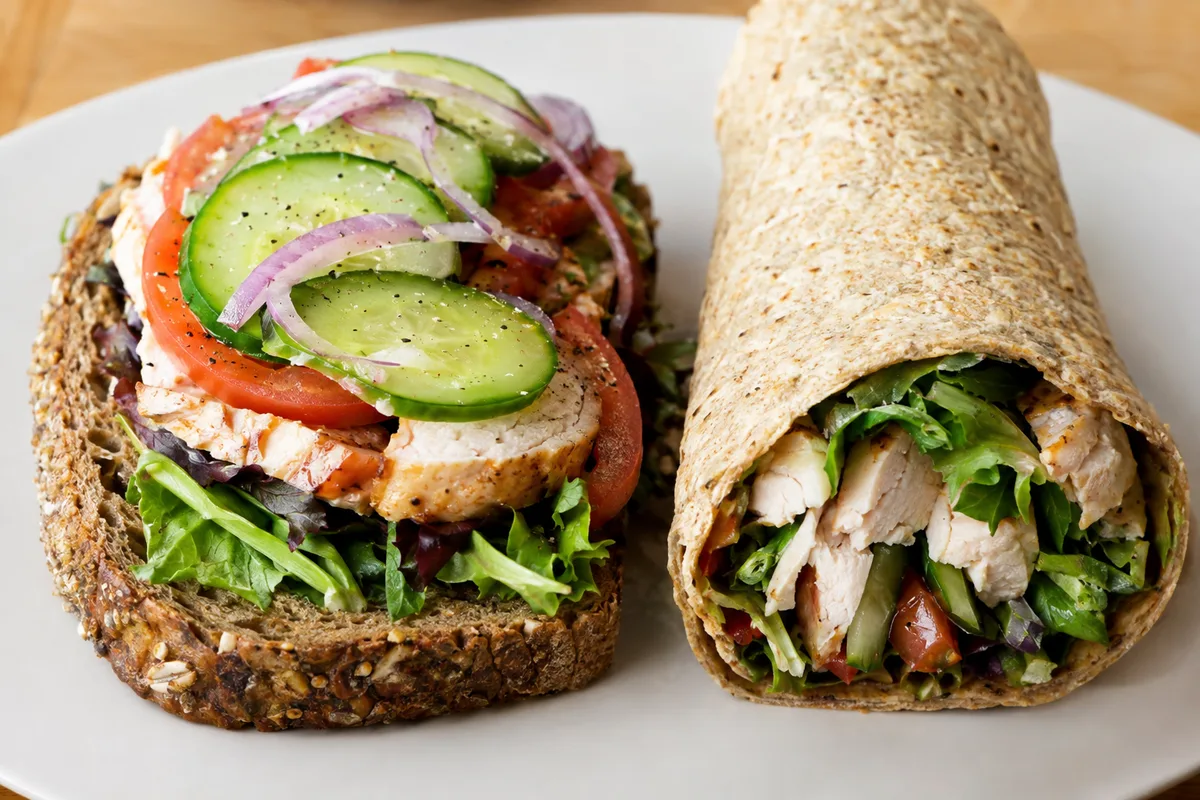
Are Wraps Healthier Than Bread? It Depends on What You Choose
A wrap can look lighter than a sandwich, but appearance does not reveal its energy, fibre or salt content. Here is how to compare wraps and bread while keeping your food log useful.
-

Possible signs you may not be getting enough protein
Protein supports muscles, skin, hair, recovery and many everyday processes in the body. This guide explains possible signs of a shortfall, why they are not proof on their own, and what to look for in your food diary.
-
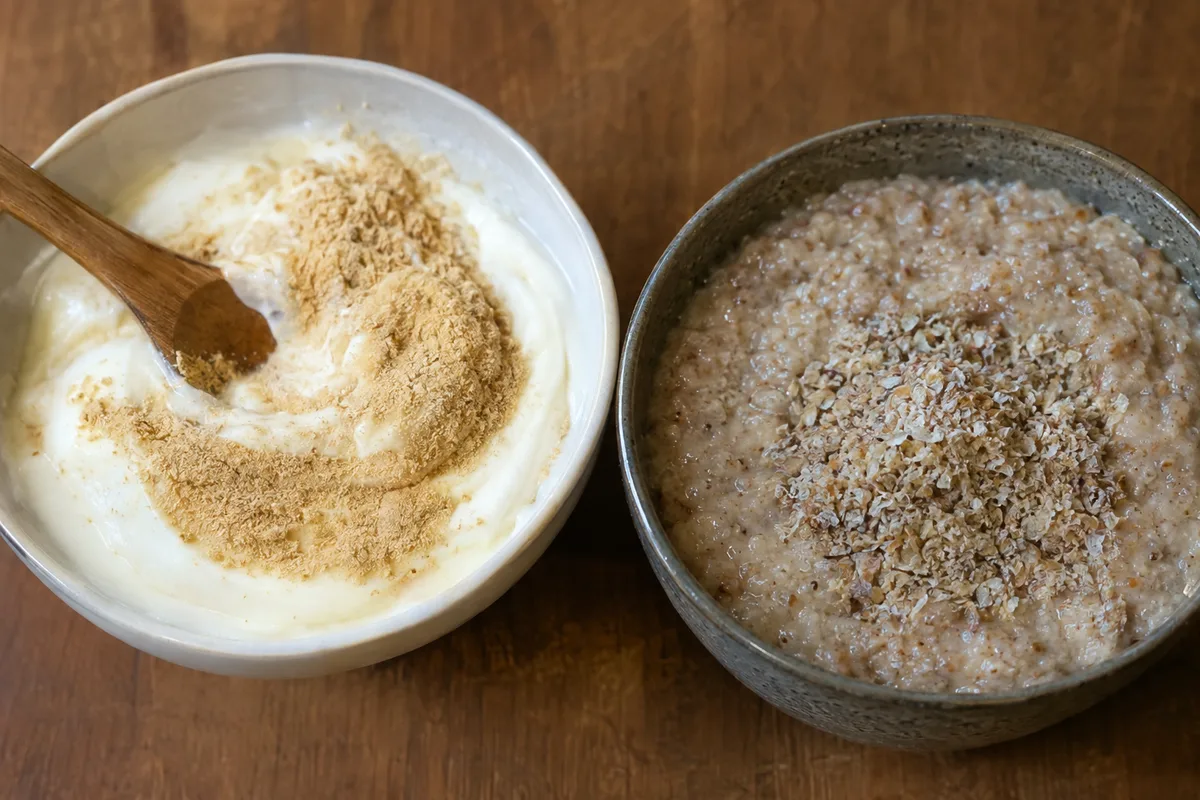
Acacia fibre or psyllium: which fits your food diary?
Acacia fibre and psyllium are both sources of soluble fibre, but they behave differently in food and in the gut. This guide compares their texture, everyday uses and what to note when tracking your intake.
-
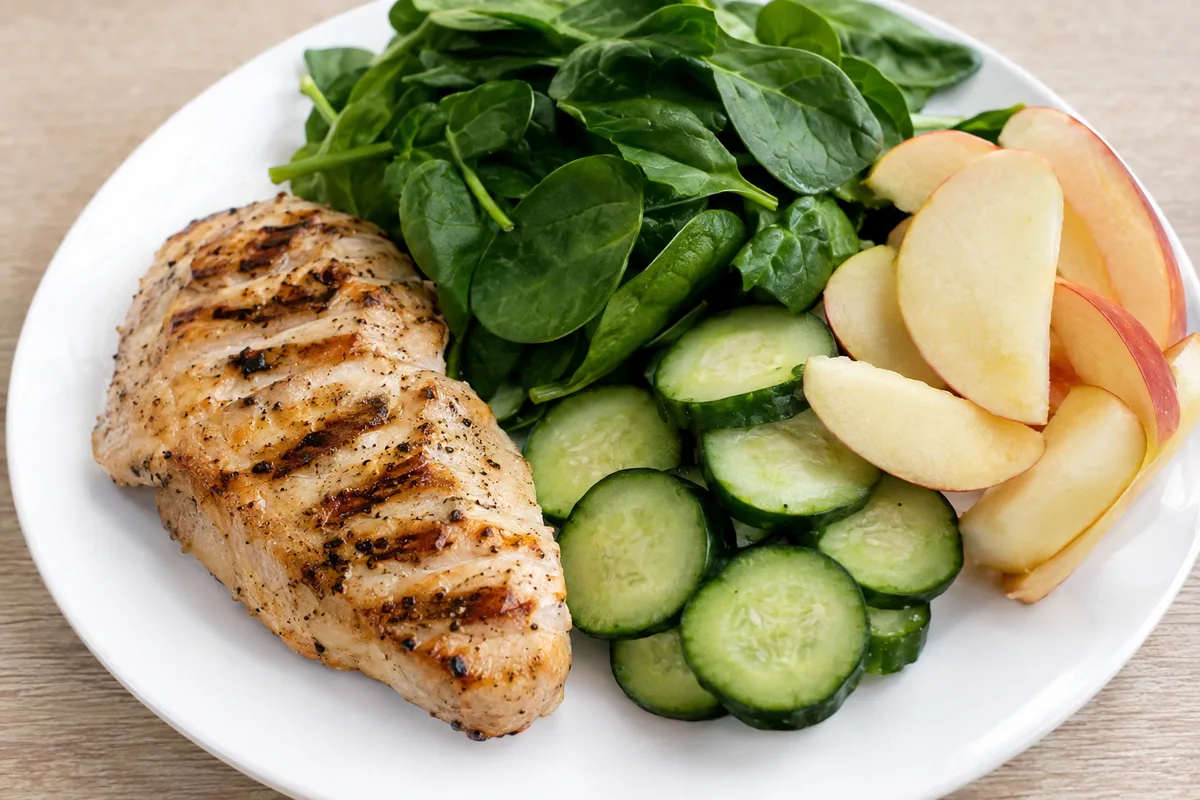
The HCG diet: what food tracking reveals
The HCG diet combines a highly restricted eating plan with a hormone product. This guide explains where any weight change may come from, what your food diary can reveal and why the plan deserves caution.
-
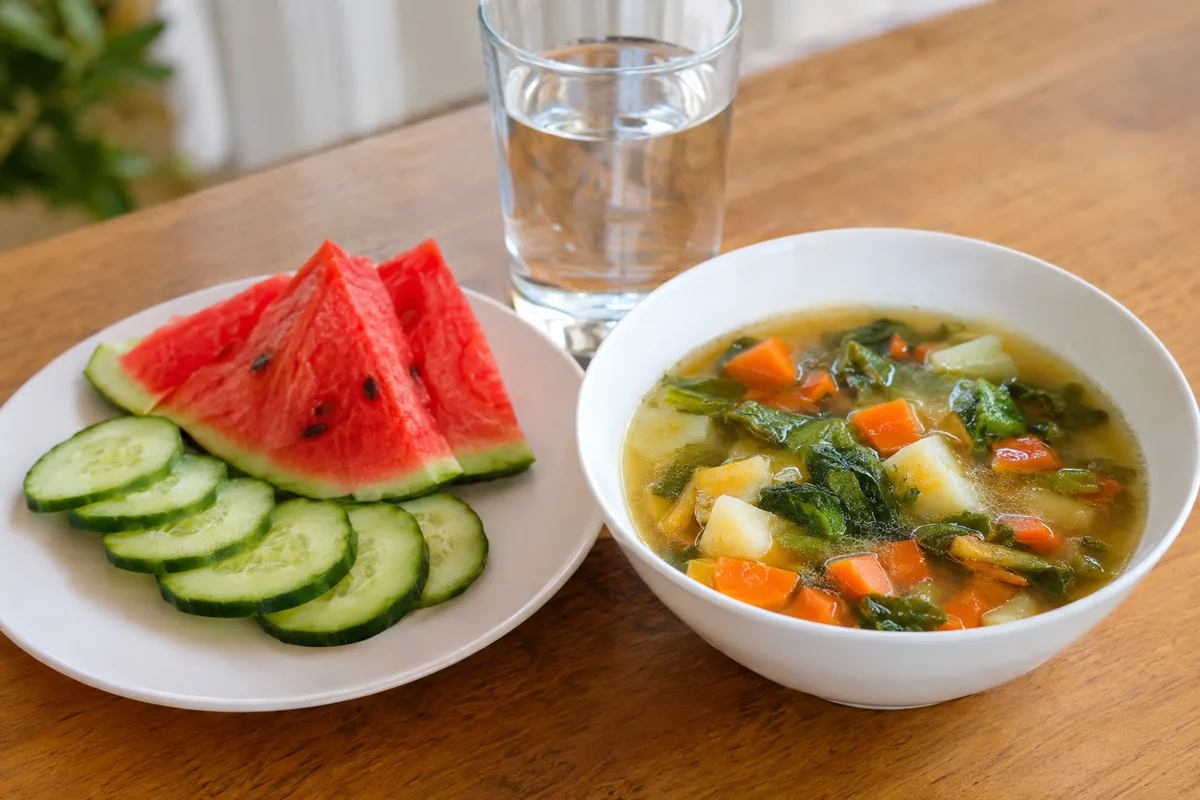
How to Set a Daily Water Target While Losing Weight
There is no single water formula that suits every body or every day. This guide explains how to build a personal target, track it and adjust it without treating water as a weight-loss shortcut.
-

How to choose wine with less sugar and fewer calories
Low-sugar wine is not automatically low in calories because alcohol also supplies energy. This guide explains what to check, how to compare wines and how to log a serving more accurately.
-
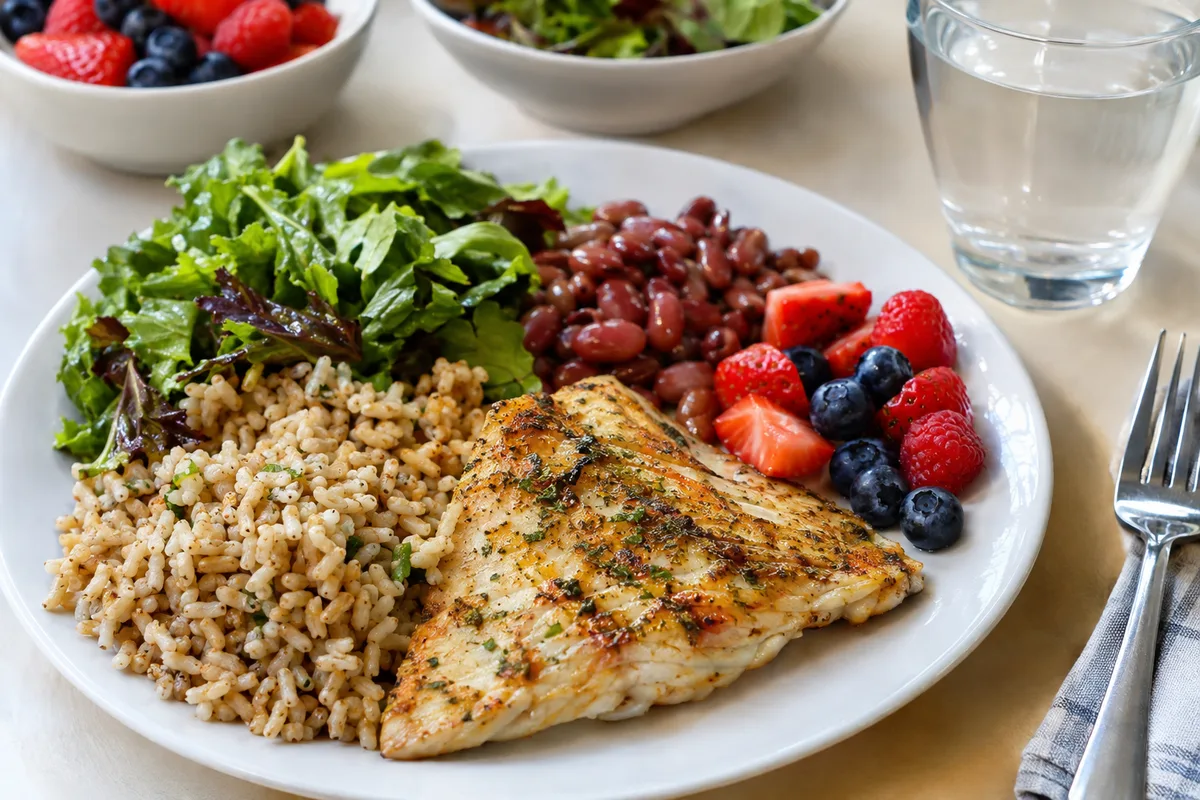
The hormone reset diet: what it means, the pros and cons, and what you can eat
Hormone reset diets claim that changing what you eat can bring hormones back into balance, but there is no single agreed version of the plan. This guide explains the usual rules, what may be useful and how to make sensible choices while tracking your food.
-
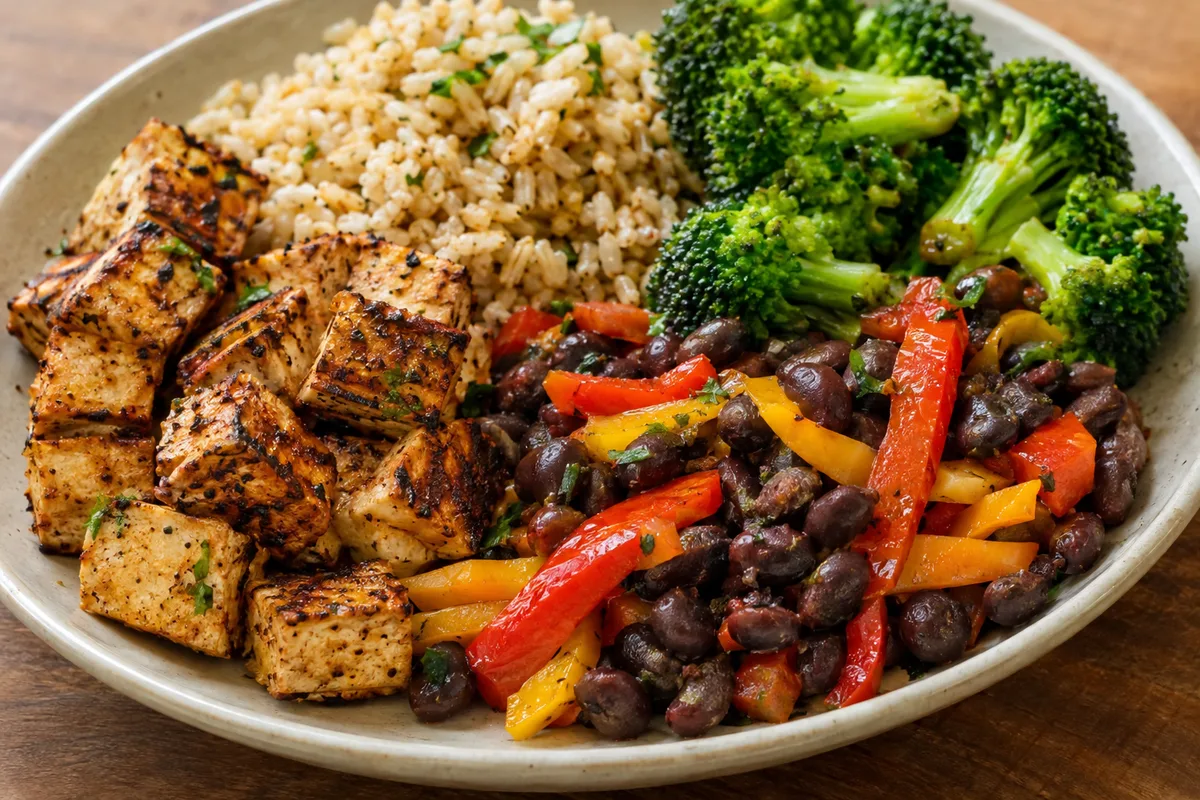
Body Recomposition: Losing Fat While Building Muscle
Body recomposition means gradually reducing body fat while building or maintaining muscle. This guide explains how to adjust your food log, training and progress checks without chasing extreme targets.
-
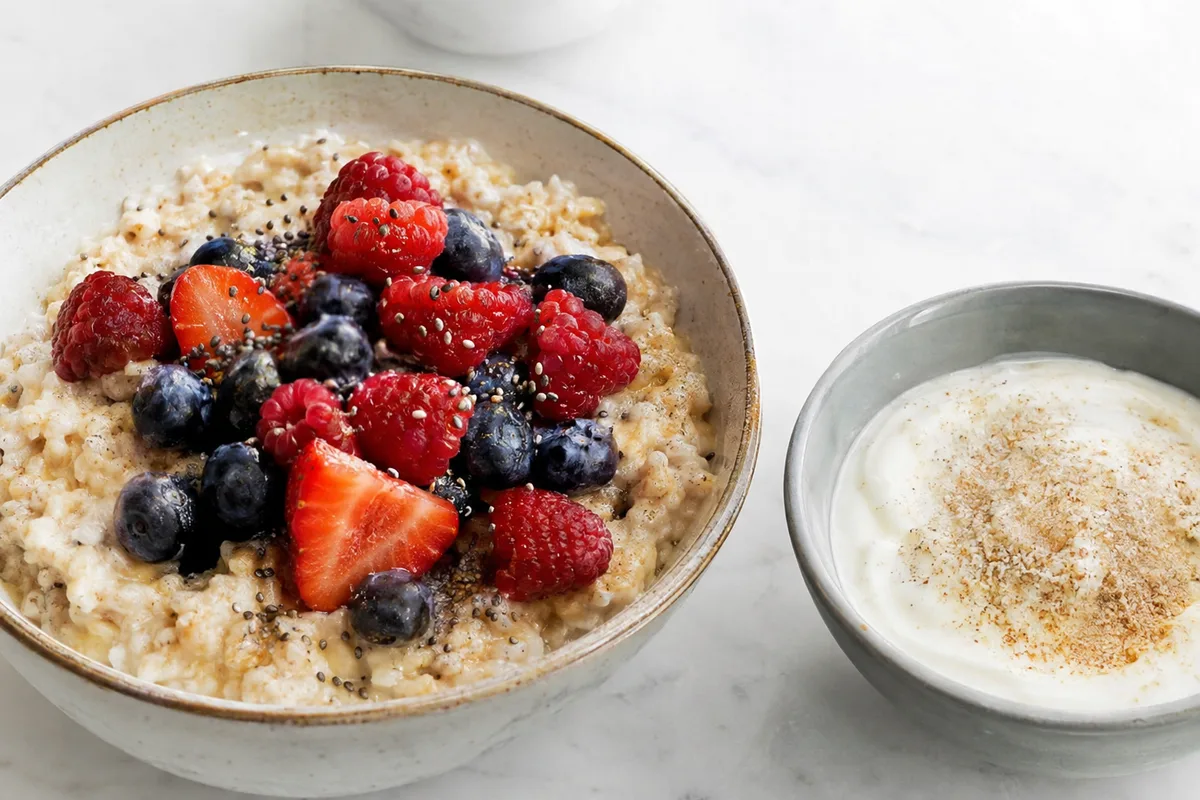
Acacia fibre: what it can add to your food diary
Acacia fibre is a soluble fibre that can be mixed into everyday food and drink. This guide explains its possible benefits, what to record and how to introduce it gradually.
-

Active vs Resting Calories: What the Numbers Mean
Your body uses energy both while resting and while moving, but tracking tools may present these calories in different ways. This guide explains the difference and shows how to compare the numbers with what you eat without double-counting activity.
-
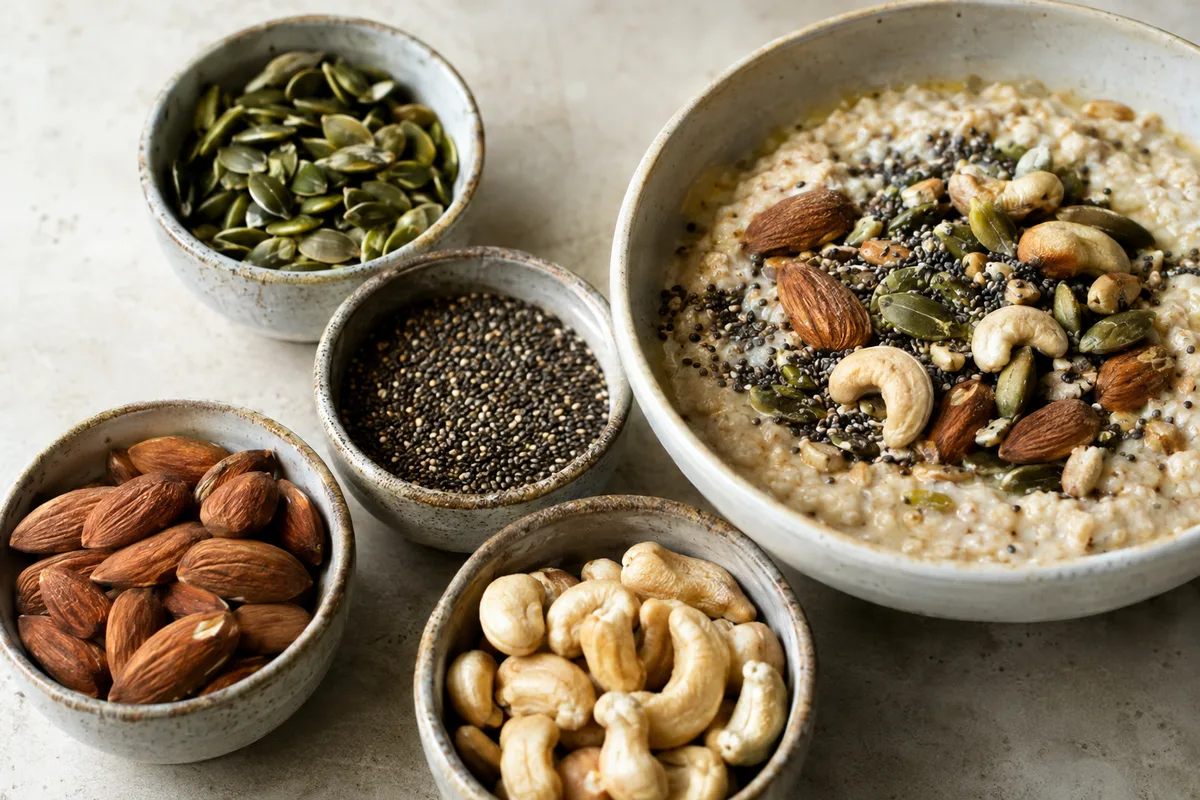
The best magnesium-rich foods for everyday meals
Magnesium comes from a wide range of plant foods, with smaller amounts in some animal foods. This guide covers useful sources, simple meal ideas and sensible ways to track them.
-
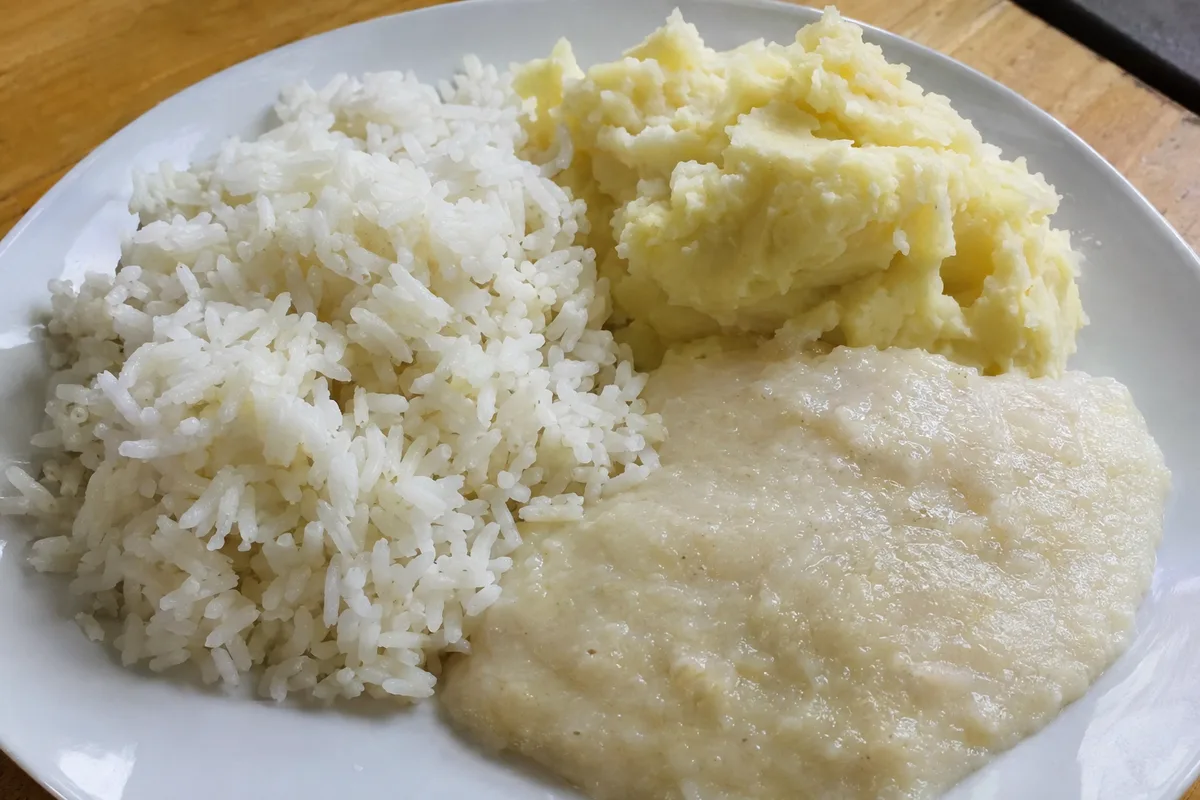
Foods That Feel Easier to Digest
Some foods require less chewing and contain less fibre or fat, which can make them feel easier to digest. This guide explains useful options, simple preparation methods and how to track your own response.
-
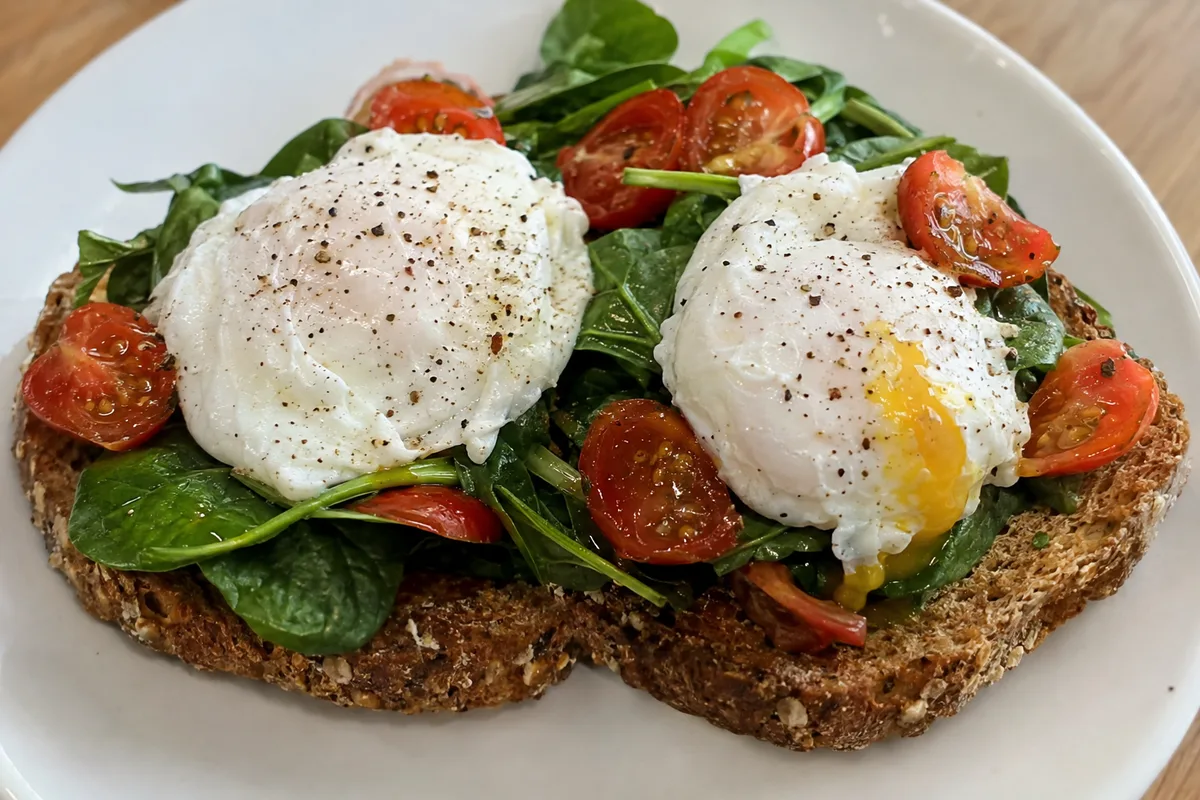
What to Eat When You Are Intermittent Fasting
Intermittent fasting changes when you eat, but the food you choose still matters. This guide explains how to build satisfying meals, plan your eating window and use your food log effectively.
-
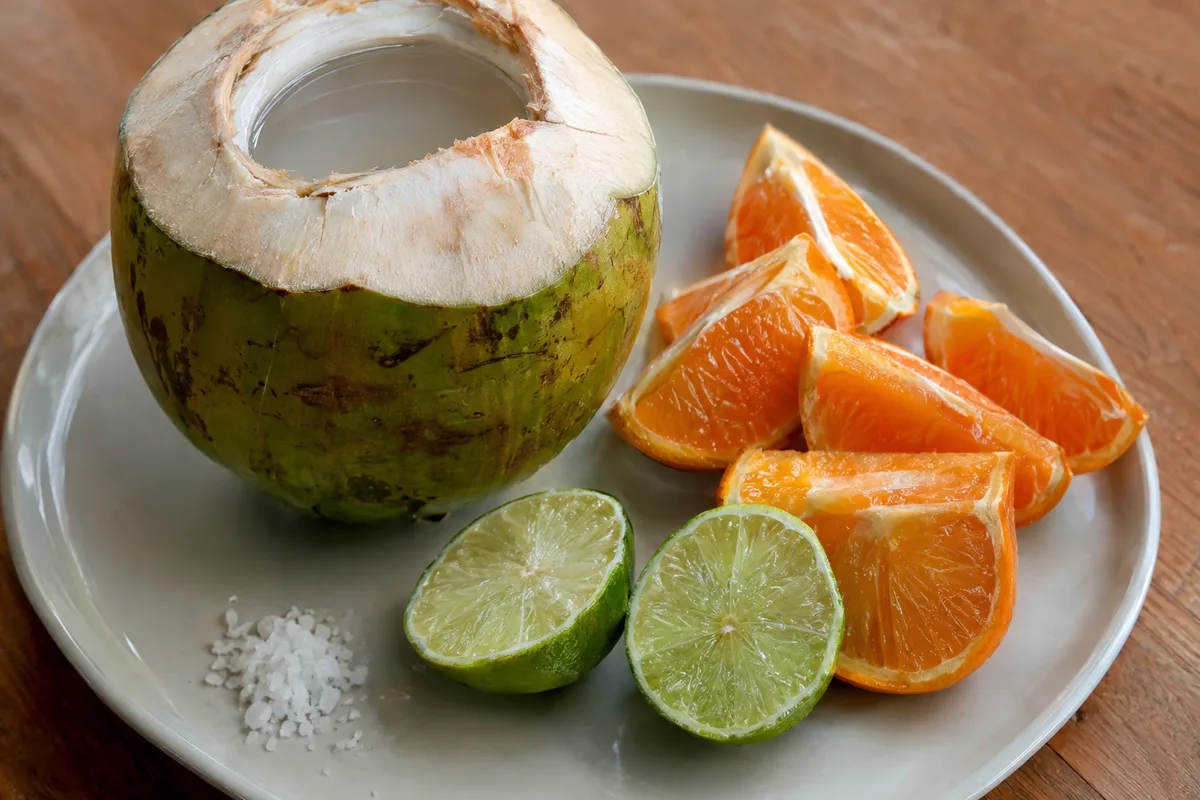
What Is ‘Nature’s Gatorade’ and Does It Actually Work?
‘Nature’s Gatorade’ is an informal name for a homemade drink containing fluid, electrolytes and sometimes carbohydrate. Here is what those ingredients do, when the drink may help and how to track it accurately.
-
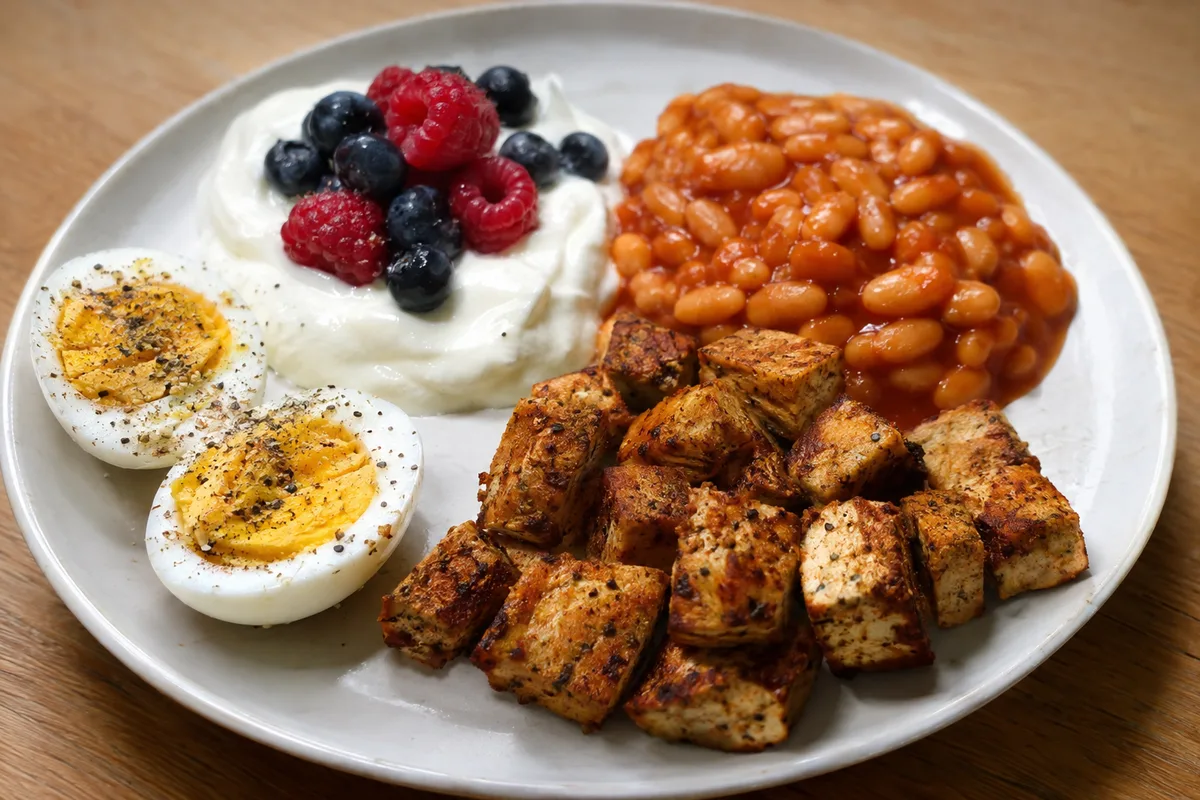
How to Choose a Protein Powder That Fits Your Food Diary
Protein powder can be a convenient way to add protein, but the best choice depends on your diet, preferences and usual meals. This guide explains how to read the label, compare protein sources and log each serving accurately.
-

Can You Drink Too Much Coffee?
There is no single amount of coffee that suits everyone. This guide explains how to notice when your intake may be too high and how coffee fits into food tracking.
-
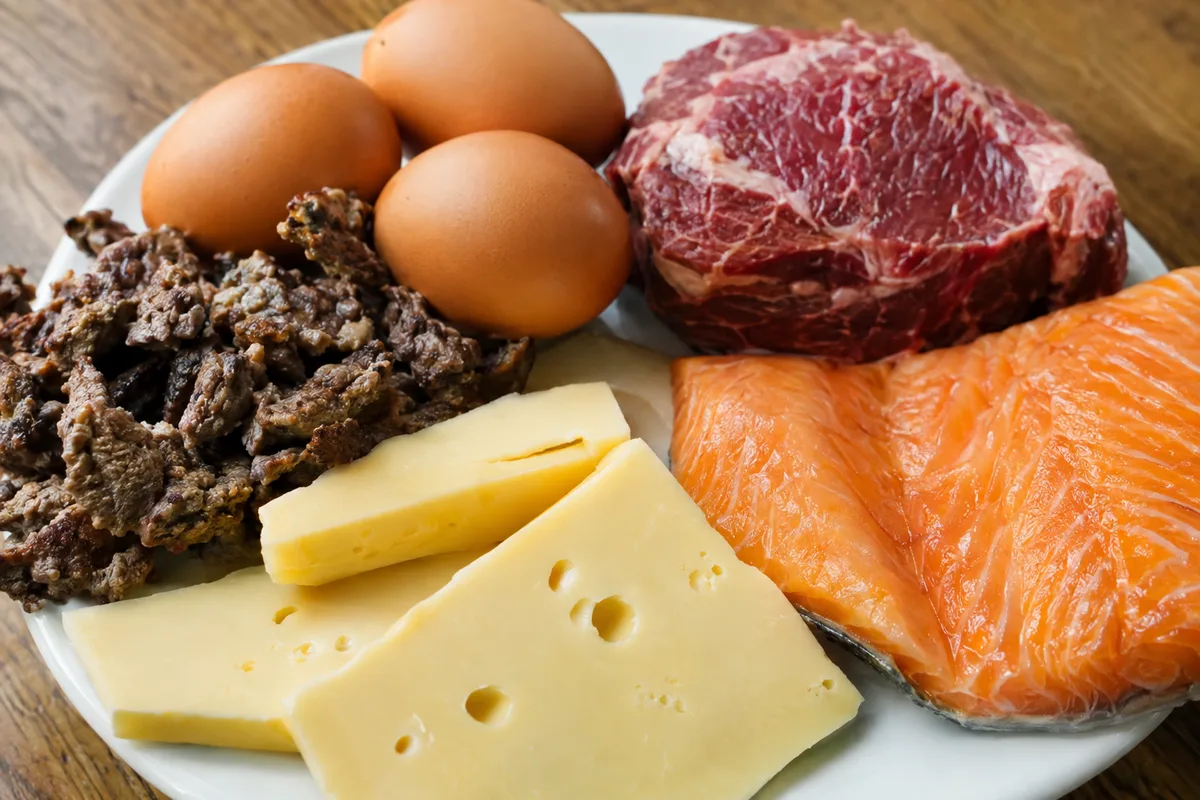
Animal-Based Protein Powders: Types, Benefits and How to Choose
Animal-based protein powders come from dairy, eggs, meat or collagen-rich tissues, and they do not all offer the same nutrition. This guide explains the main types, their practical benefits and what to consider when adding one to your usual diet.
-
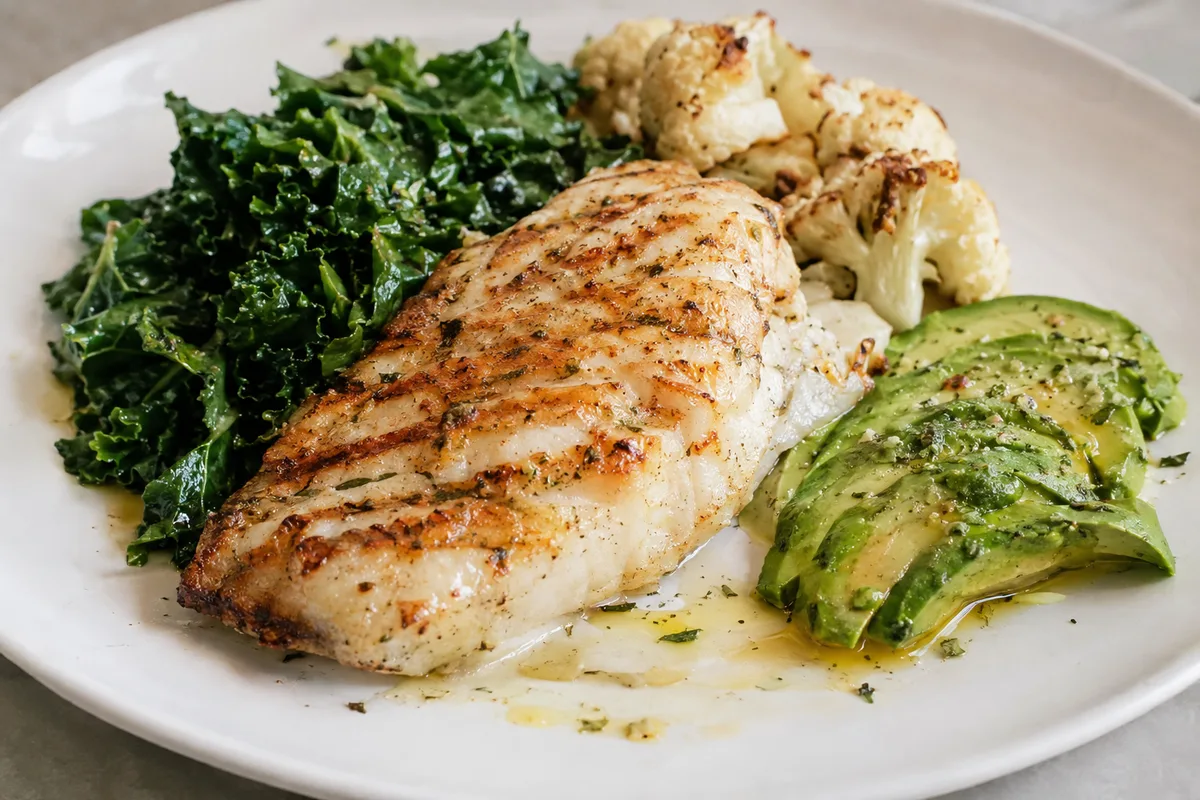
Can a Ketogenic Diet Support Safe Weight Loss?
A ketogenic diet sharply reduces carbohydrate while making fat the main source of food energy. This guide explains how it may affect weight, what to record and how to protect nutrition and wellbeing.
-
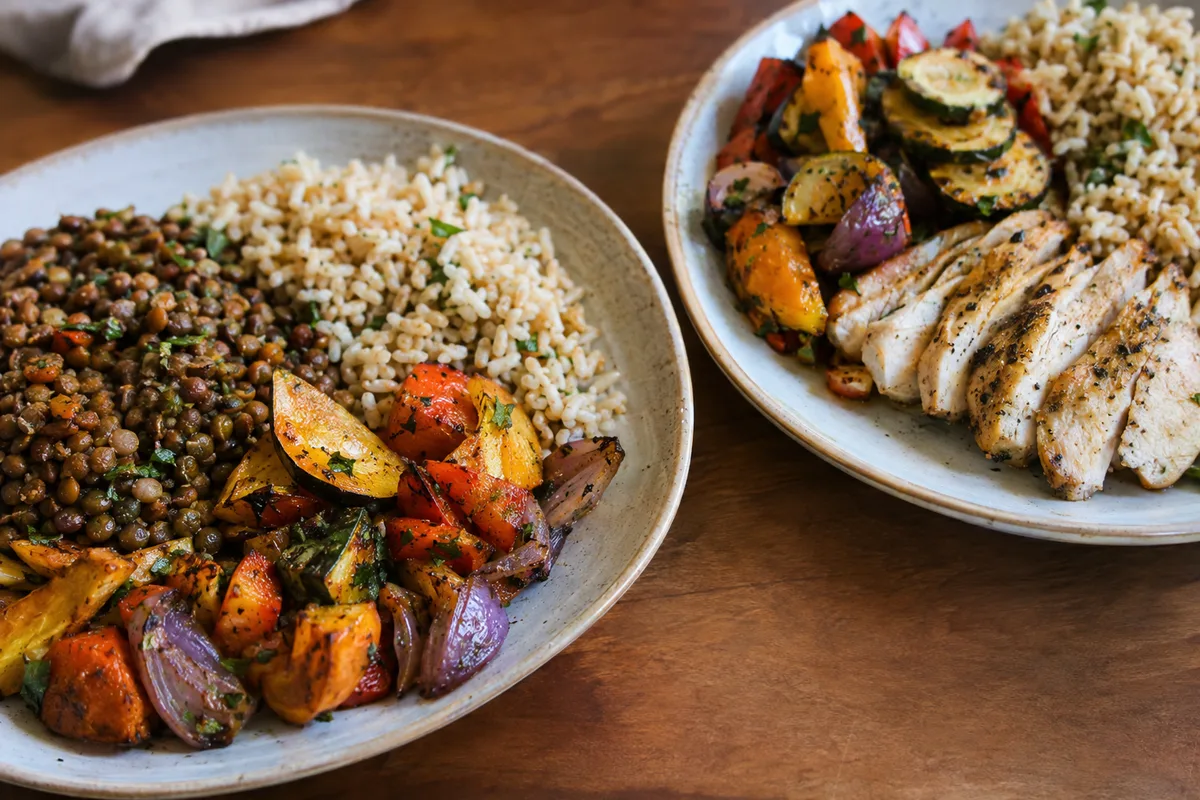
Vegan or meat eater: what changes on your plate and in your food log
Vegan and meat-based diets use different foods, but either can include balanced meals or less useful everyday choices. This guide explains what changes when you track them, from protein sources and calorie density to nutrients that need attention.
-
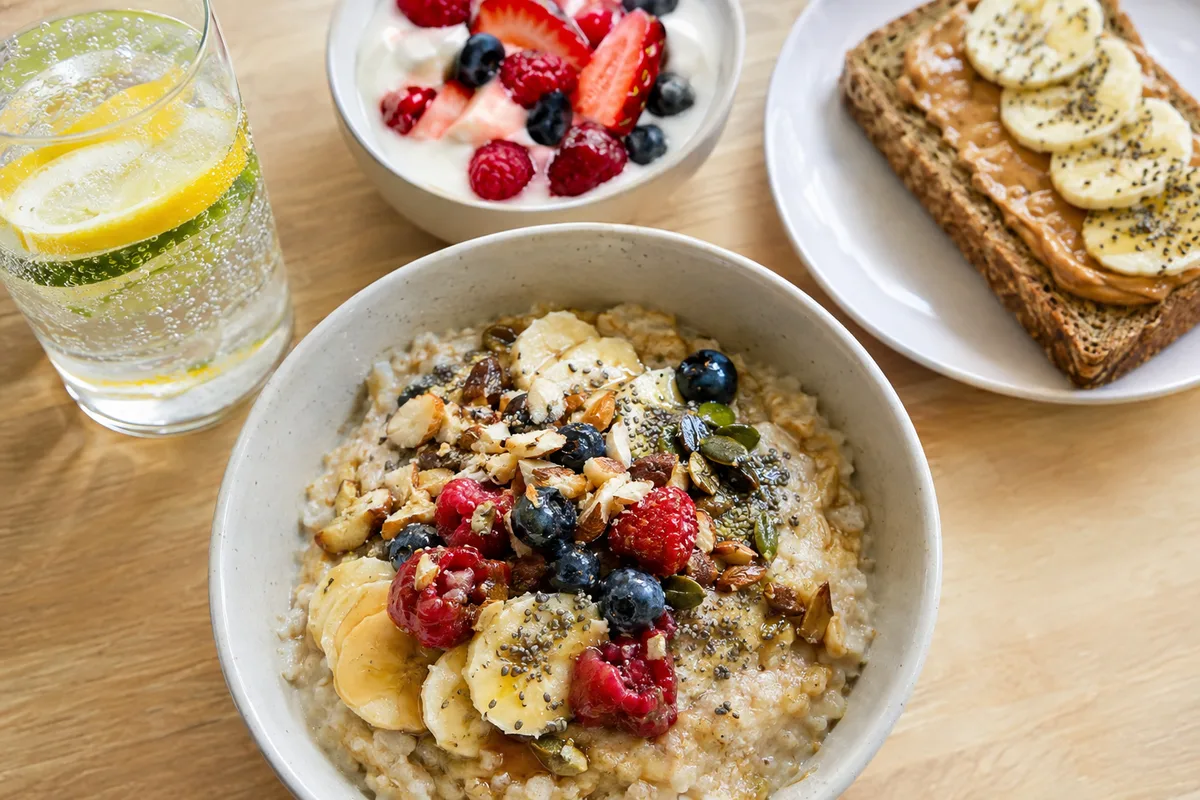
8 Empty-Calorie Foods and Simple, Healthier Swaps
Empty-calorie foods provide energy but relatively little fibre, protein, vitamins or minerals. These eight swaps can make tracked meals and snacks more nourishing without demanding a perfect diet.
-
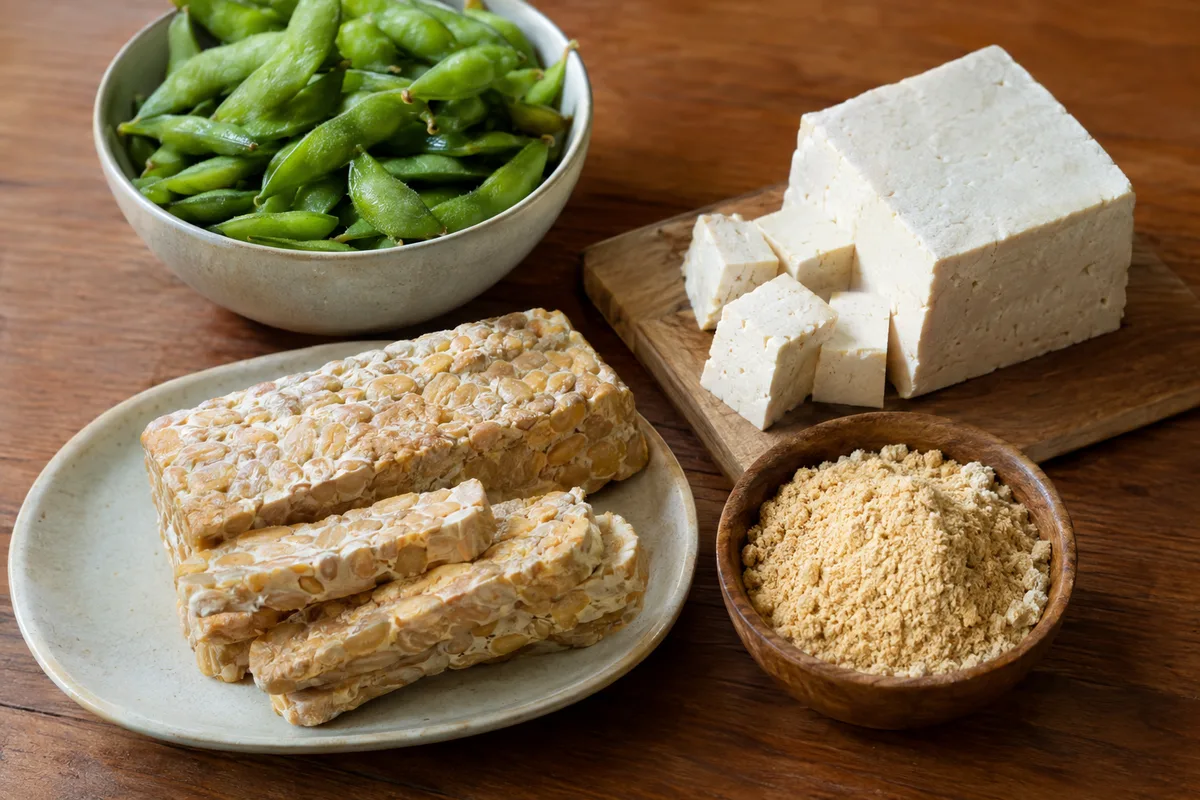
Is soy protein isolate bad for you?
Soy protein isolate is a concentrated protein ingredient made from soybeans. This guide explains how it is produced, what it adds to food and what to consider when tracking your intake.
-
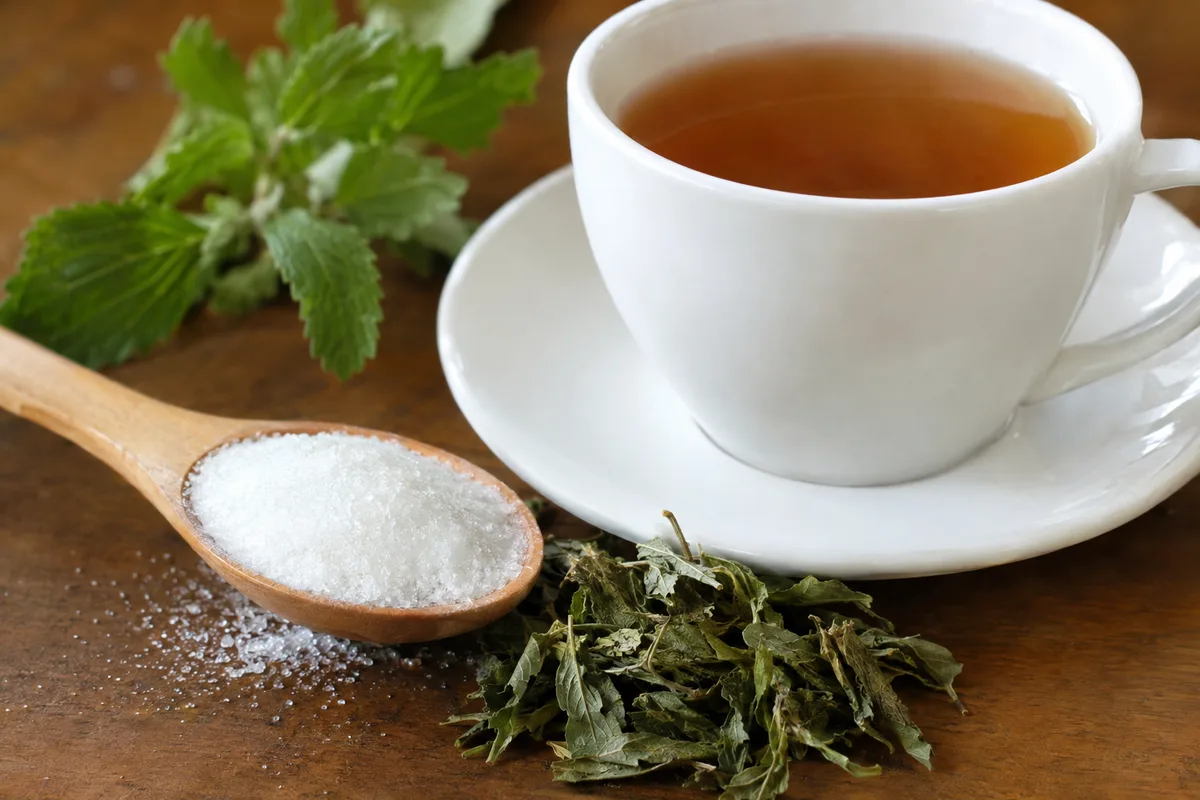
Stevia and Truvia: what is the difference?
Stevia and Truvia are both used to add sweetness, but they are not necessarily the same thing. Here is how dietitians would compare their ingredients, taste, uses and place in your food log.
-
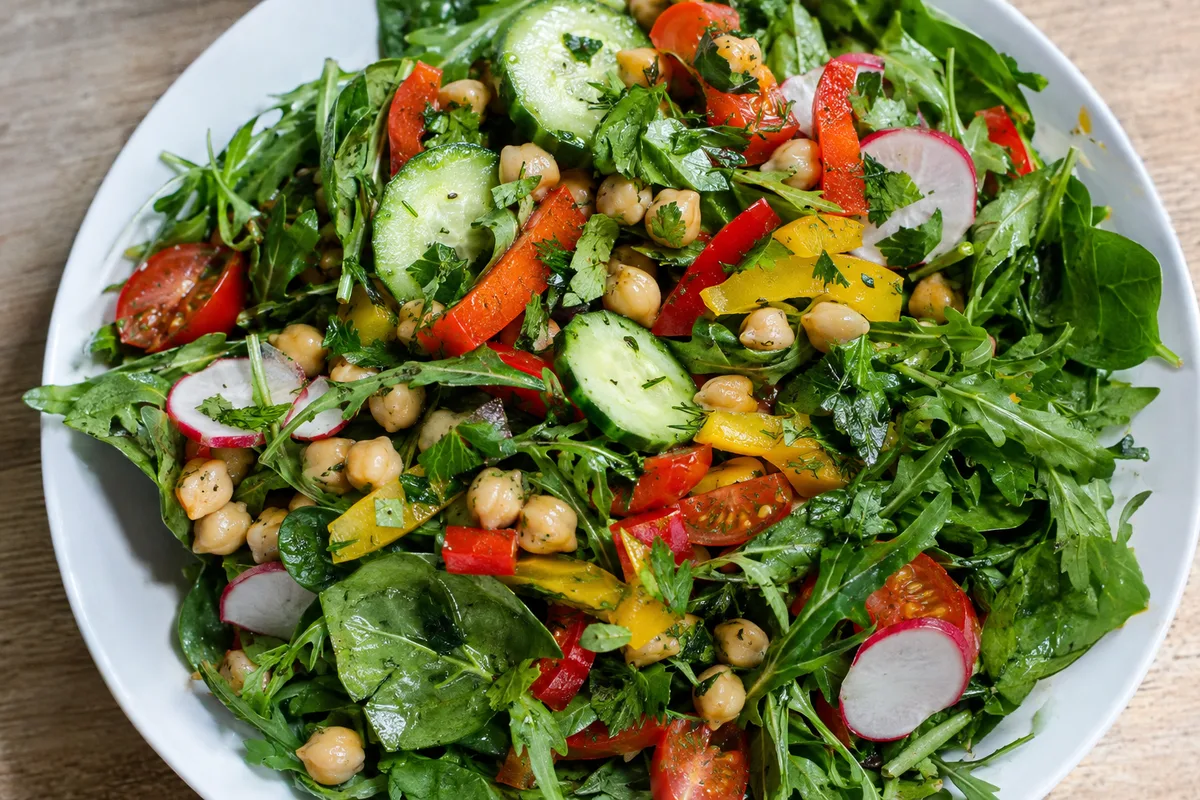
What Eating Salads Can Add to Your Day
Salads are a flexible way to eat more vegetables, fruit and other useful foods without making every meal feel the same. This guide explains their main benefits, how to build a satisfying salad and what to record when tracking one.
-
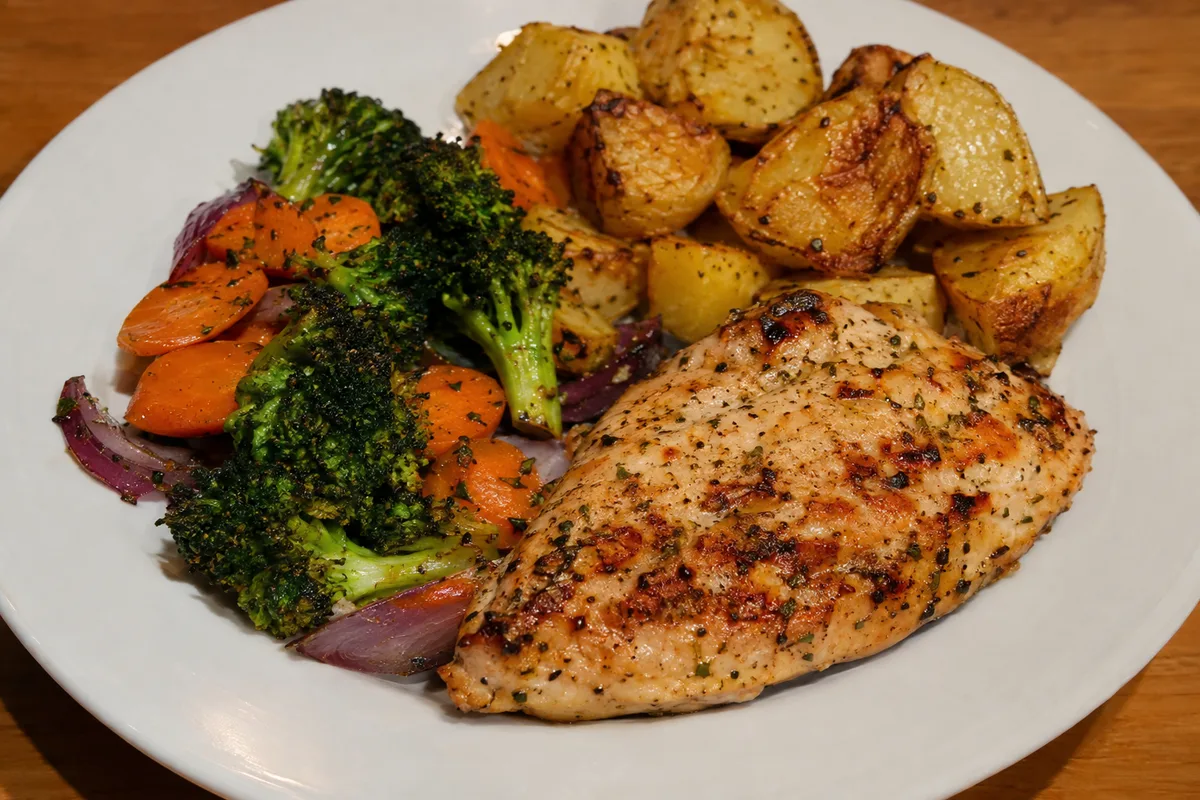
How to Find Portion Sizes That Support Weight Loss
There is no single correct portion size for weight loss because energy needs, appetites and routines differ. This guide explains how to build balanced plates, track portions accurately and make practical adjustments over time.