
How the 3-2-1 Workout Method Fits Into Your Week
The 3-2-1 workout method is a simple way to organise six exercise sessions across a week. It usually combines three strength sessions, two Pilates sessions and one cardio session, with room to adjust the details.
What 3-2-1 means
In the most common version, the numbers describe your weekly mix: three strength workouts, two Pilates sessions and one cardio session. The remaining day can be used for rest or gentle movement. Session length and effort depend on your experience, schedule and preferences.

This is a planning framework rather than a fixed training programme. It does not prescribe particular exercises, equipment or workout lengths. You can choose movements that suit your ability while keeping the overall weekly pattern recognisable.
Building a balanced schedule
Try spacing the three strength sessions through the week rather than placing them on consecutive days. Pilates can sit between them as a lower-impact change of pace, while the cardio session can go wherever it feels manageable. Your rest day can move according to your energy and commitments.

A week might alternate strength and Pilates before adding cardio later, but there is no single correct order. If two sessions challenge the same muscles, allow enough time between them to feel ready again. A diary or calendar can make the pattern easier to see.
Choosing your sessions
Strength sessions can include bodyweight movements, resistance bands, free weights or gym machines. Pilates sessions generally focus on controlled movement, stability and technique. Cardio can be any continuous or interval-based activity that raises your breathing rate to a level appropriate for you.
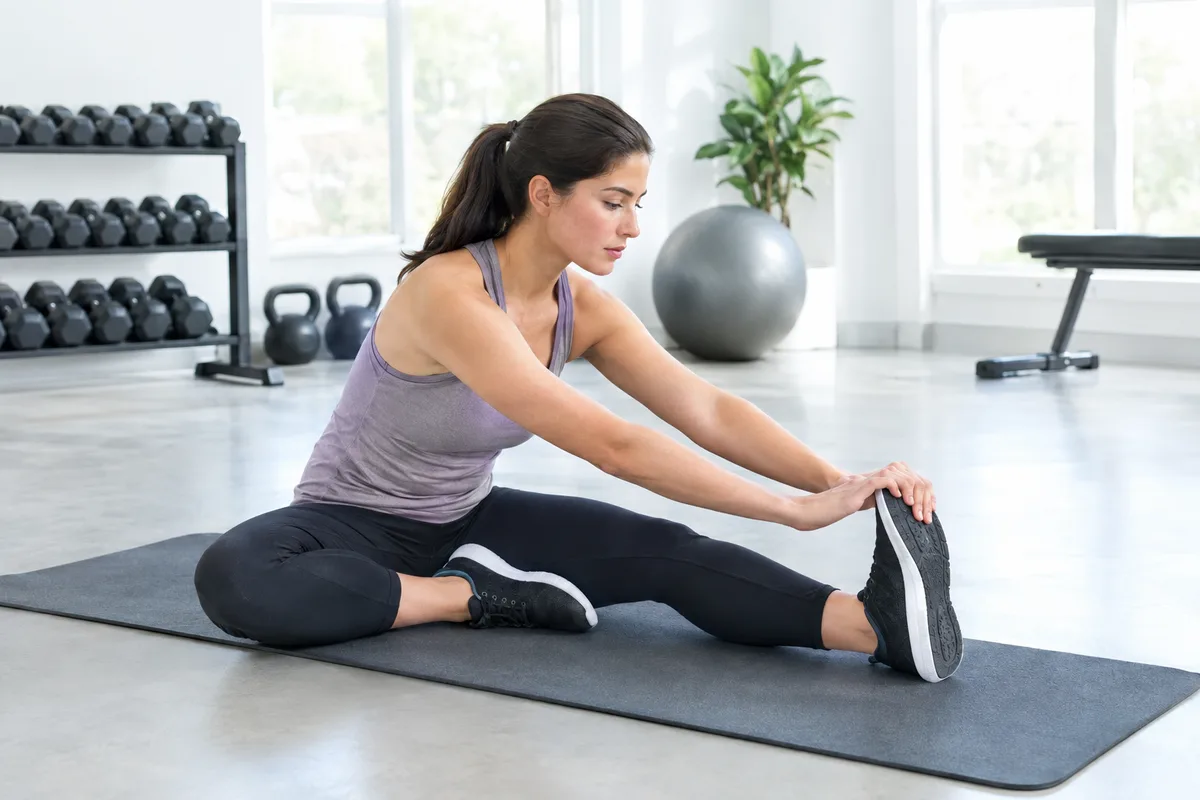
Keep the starting point realistic instead of making every workout as demanding as possible. You can shorten a session, reduce resistance or choose simpler movements when needed. Progress might mean better control, more repetitions, greater resistance or a slightly longer session, depending on your goal.
Matching exercise with food tracking
Your food log can help you notice how eating patterns line up with training, energy and recovery. Record workouts alongside meals if that gives you useful context, but avoid treating exercise as a reason to earn or cancel out food. Estimated exercise calorie figures can vary considerably between individuals and devices.

Look for practical patterns, such as whether you prefer eating before a session or waiting until afterwards. Include regular sources of carbohydrate, protein and fat across your meals, adjusting amounts to your appetite and activity. The right intake depends on the person, the workout and the wider week.