
What Is the Pilates Method of Exercise?
Pilates uses slow, deliberate movements to build control through the whole body, with particular attention to the centre of the body. It can be practised on a mat or with specialist equipment and adapted to different experience levels.
How Pilates works
Pilates is a method of exercise built around controlled movement, steady breathing and careful body positioning. Rather than rushing through repetitions, you focus on how each movement feels and keep the rest of the body stable.
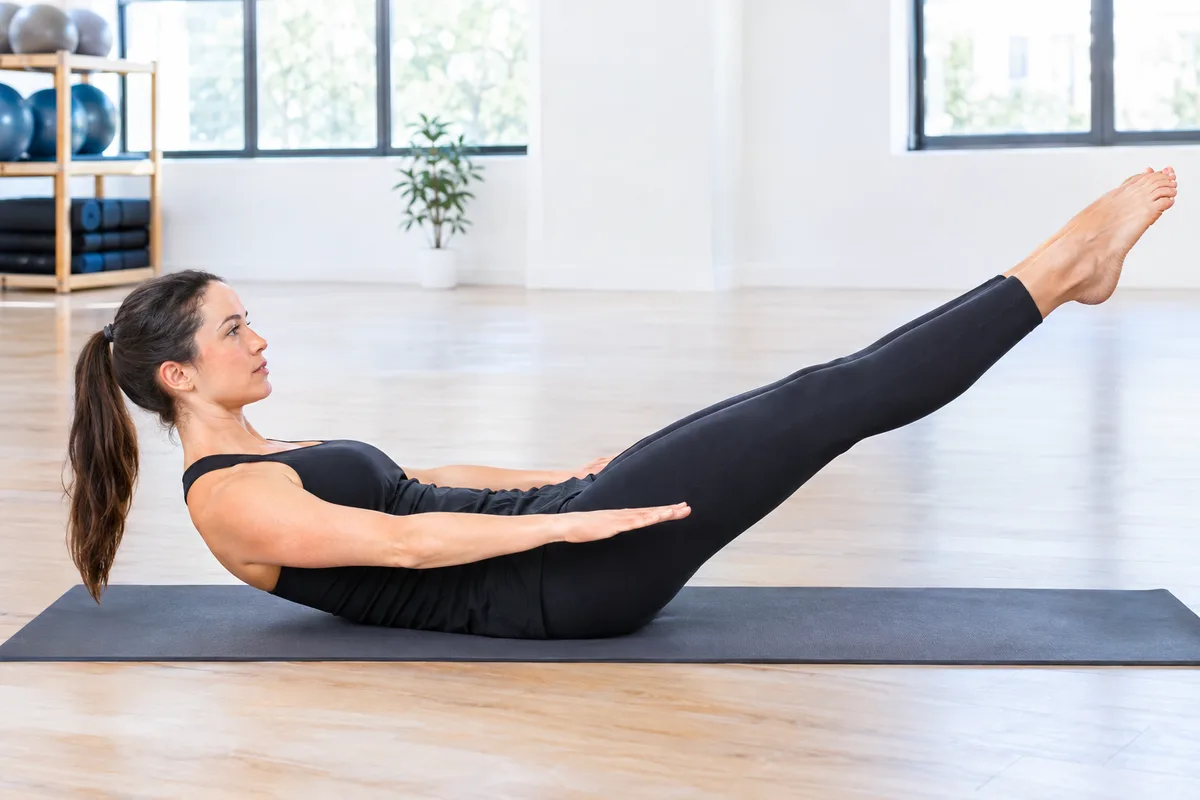
Many exercises ask the muscles around your abdomen, back, hips and pelvis to work together. This central support is often called the core, but Pilates also trains the legs, arms and shoulders as part of coordinated, whole-body movement.
What a session may include
A mat-based session may include curling, reaching, rotating, balancing and moving the limbs while keeping the trunk controlled. Some movements are small and subtle, while others use a wider range of motion or hold the body against gravity.
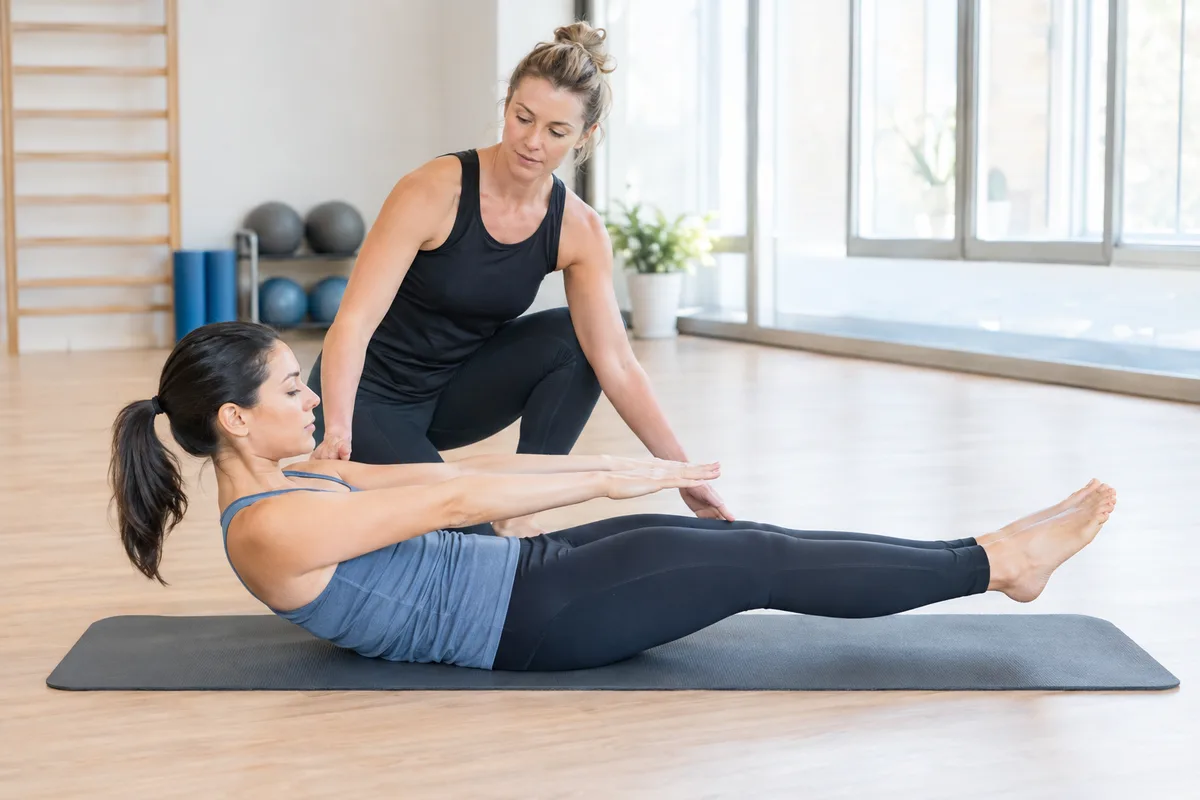
Equipment-based Pilates uses springs, straps and moving platforms to provide support or resistance. The exercises and difficulty vary by instructor, programme and individual ability, so a session can feel quite different from a fast-paced gym workout.
The main principles
Breathing, concentration, precision and control are central to the method. The aim is usually to perform each repetition with clear intention rather than completing as many as possible.
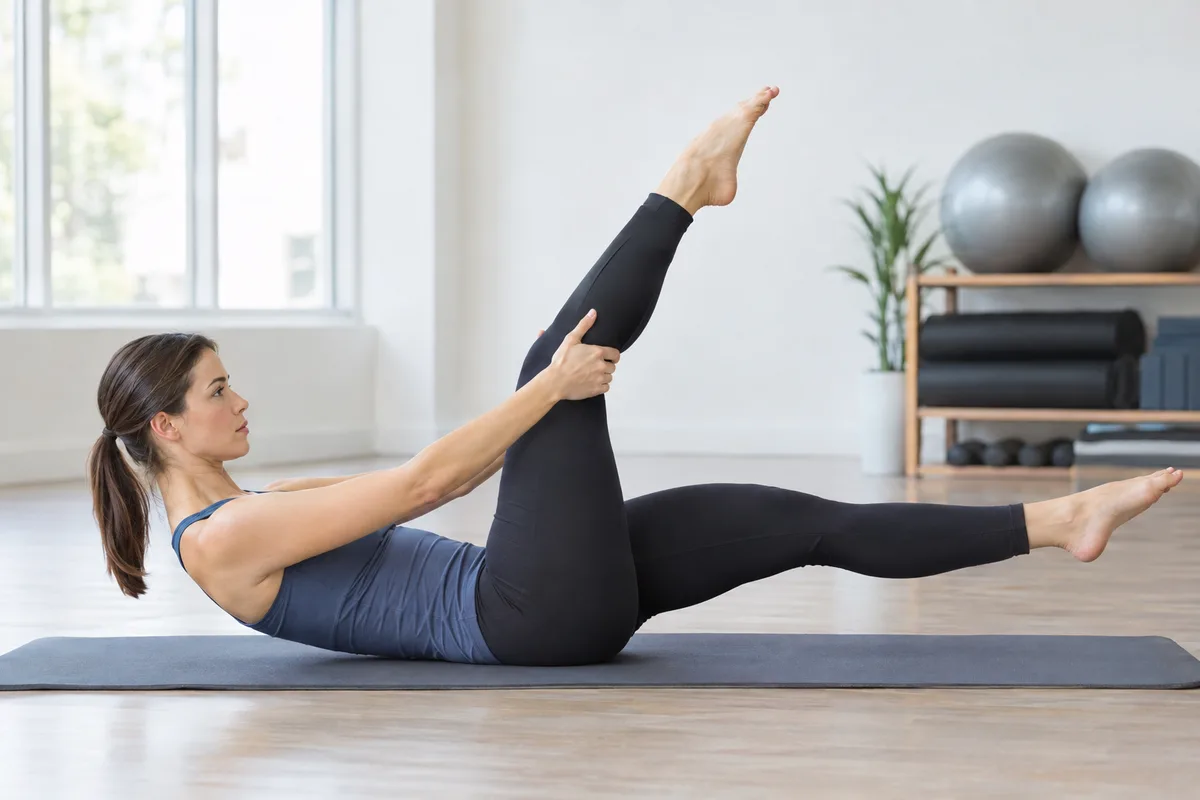
Good form matters more than making a movement look large or advanced. A simpler version completed with steady control may be more appropriate than forcing extra range, speed or resistance.
How Pilates fits with food tracking
Pilates still uses energy, but the amount depends on your body, the length and style of the session, the level of effort and how much rest is included. A watch, machine or tracking app can only estimate exercise energy, so treat its figure as a guide rather than an exact amount.
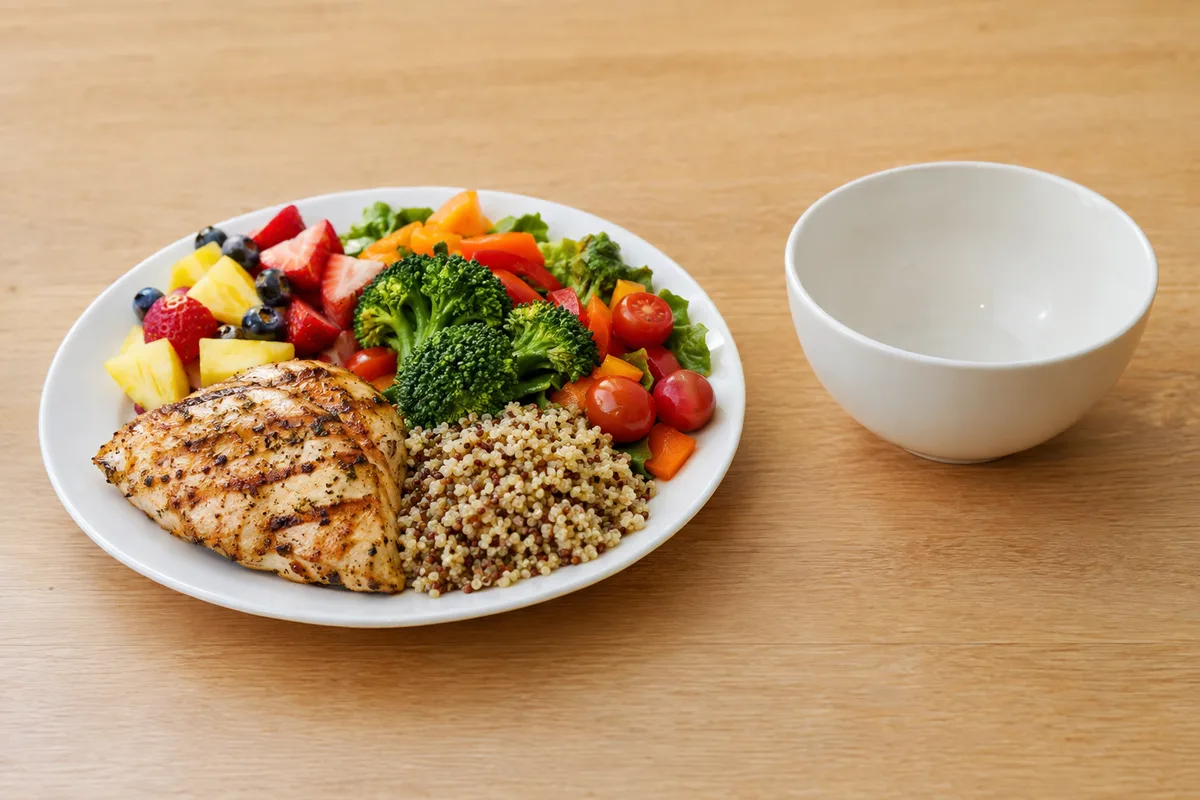
When logging Pilates, choose the closest activity description and record the actual session time rather than the time spent arriving, setting up or resting afterwards. Keep your method consistent across sessions, as this makes your food and activity record easier to compare over time.