
What Kind of Salt Is Healthiest?
Sea salt, rock salt and table salt may look and taste different, but they all get most of their saltiness from sodium chloride. The healthiest choice depends more on how much you use and whether you need an iodised option.
The main ingredient is much the same
Table salt, sea salt and rock salt are all made mainly from sodium chloride. Their crystal size, colour and flavour can vary, but these differences do not make one type automatically healthier.
Some speciality salts contain trace minerals, which may affect their colour or taste. The amounts are generally too small for the salt to be a meaningful source of those nutrients.
Iodised salt has one useful difference
Iodised salt has iodine added to it, while many sea salts and speciality salts do not. Iodine is a nutrient the body needs, although the right choice depends on what else you eat.
Check the label rather than assuming a salt contains iodine. If your usual foods already provide enough, iodised salt may offer no particular advantage, and it does not cancel out the sodium in the salt.
Crystal size can change how much you use
Fine salt packs more tightly into a spoon than large flakes or coarse crystals. This means two spoonfuls that look similar may not contain the same amount of salt by weight.
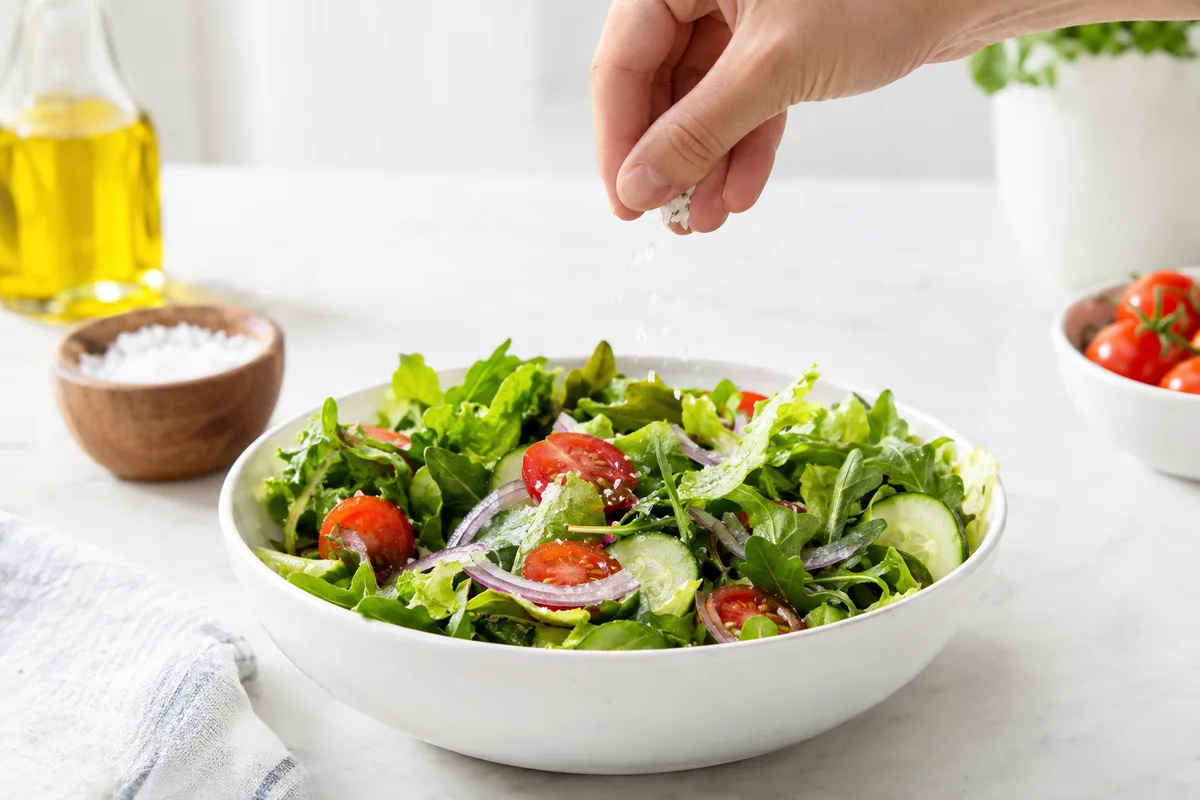
Large crystals can also deliver stronger bursts of saltiness on the surface of food, which may help some cooks use less. The result depends on the recipe, your measuring method and your taste.
How to track salt consistently
When logging food, use the nutrition label or the closest matching database entry rather than choosing a generic salt at random. Labels may show salt or sodium, so check which value your tracker expects.
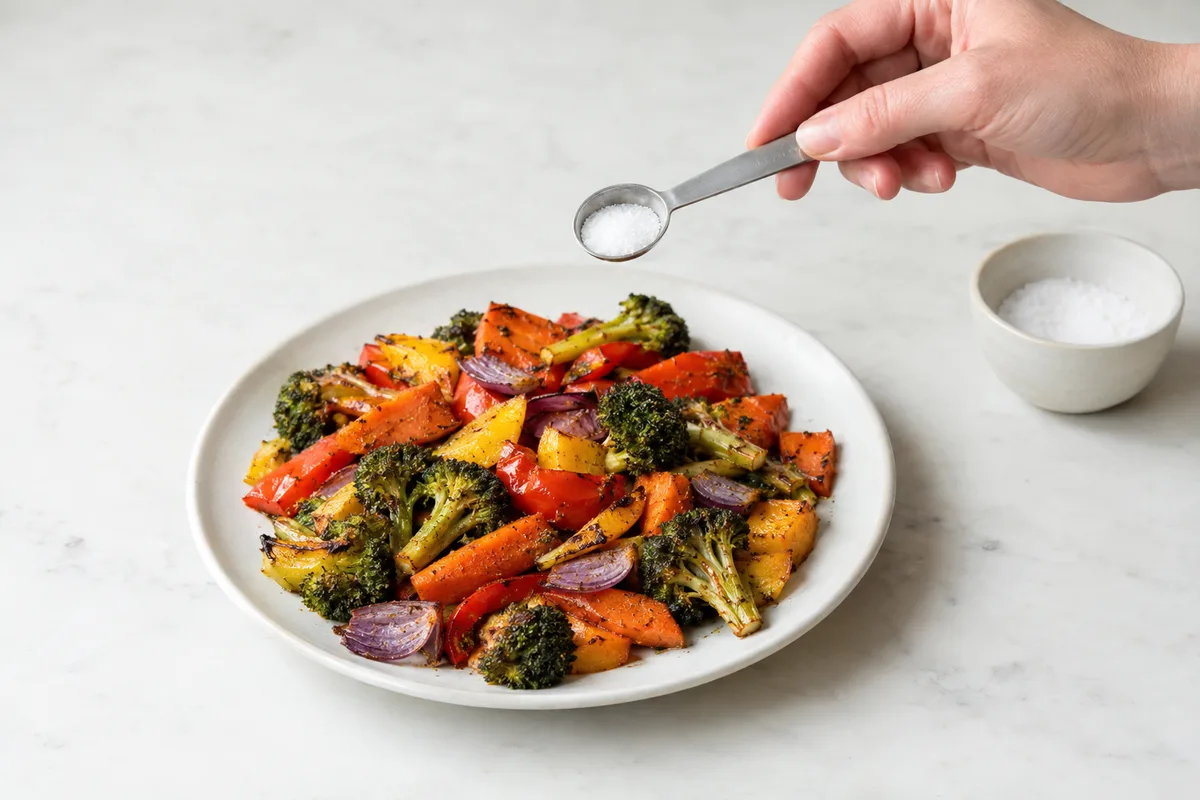
The most useful comparison is usually the amount of sodium or salt in the portion you actually use. For everyday health, choosing a salt you can measure consistently and using it thoughtfully matters more than whether it is pink, flaky, mined or collected from seawater.