
What Not to Eat at Subway When You Track Your Food
Eating at Subway does not require a list of forbidden foods. The useful question is which ingredients make your order harder to track or less suited to your goals.
Skip the idea of a universal blacklist
No Subway item is automatically something everyone should avoid. Your best choice depends on your appetite, daily targets, preferences and what else you plan to eat.
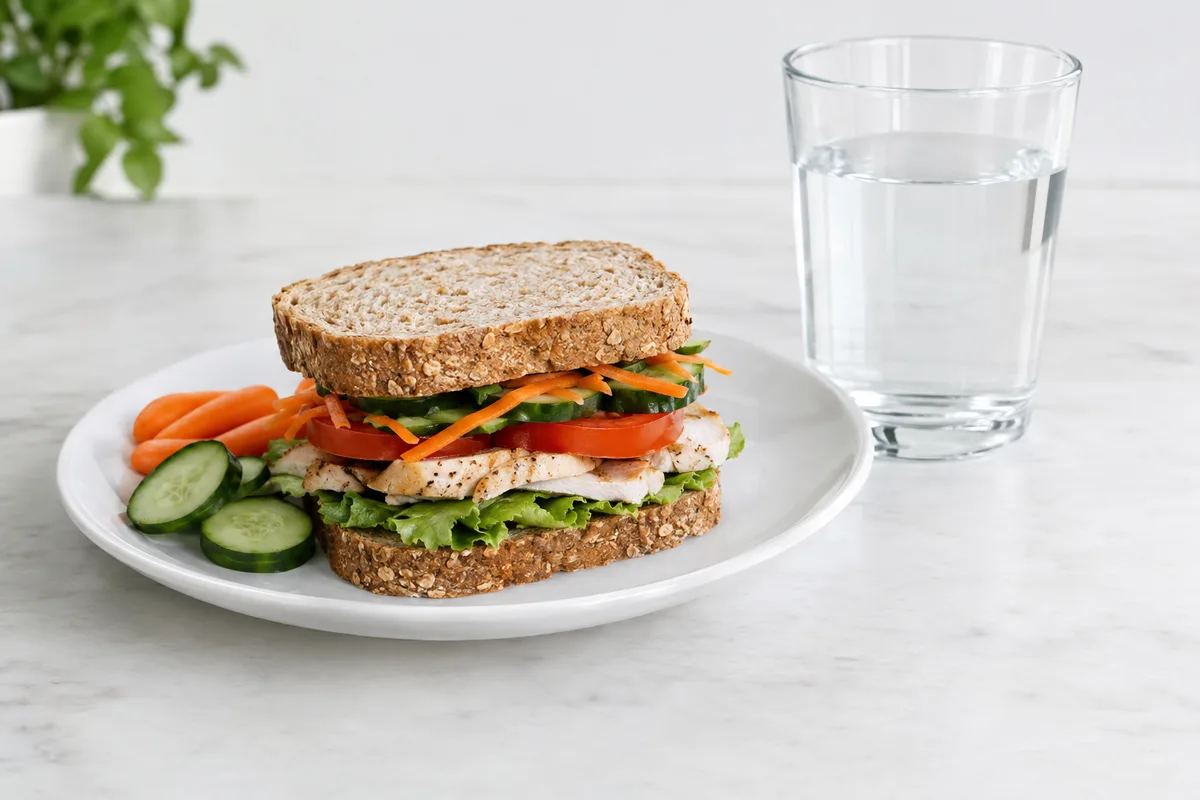
Start by checking the nutrition information for the bread, filling, cheese, sauce and extras separately where possible. Menu details and serving sizes can vary by location, so use the figures shown for the restaurant or ordering platform you are using.
Watch combinations of rich extras
Cheese, creamy sauces, oily dressings and rich fillings can each fit into a tracked diet. Combining several of them, however, can make an order much more energy-dense without making its size look very different.

If the total does not suit your targets, you do not need to abandon the whole order. Keep the ingredients you enjoy most and leave out, reduce or swap one of the less important extras.
Be careful with sides and larger portions
A larger sandwich, side and sweet drink can turn one logged item into several separate sources of energy. Avoid adding them automatically just because they appear as part of a suggested combination.
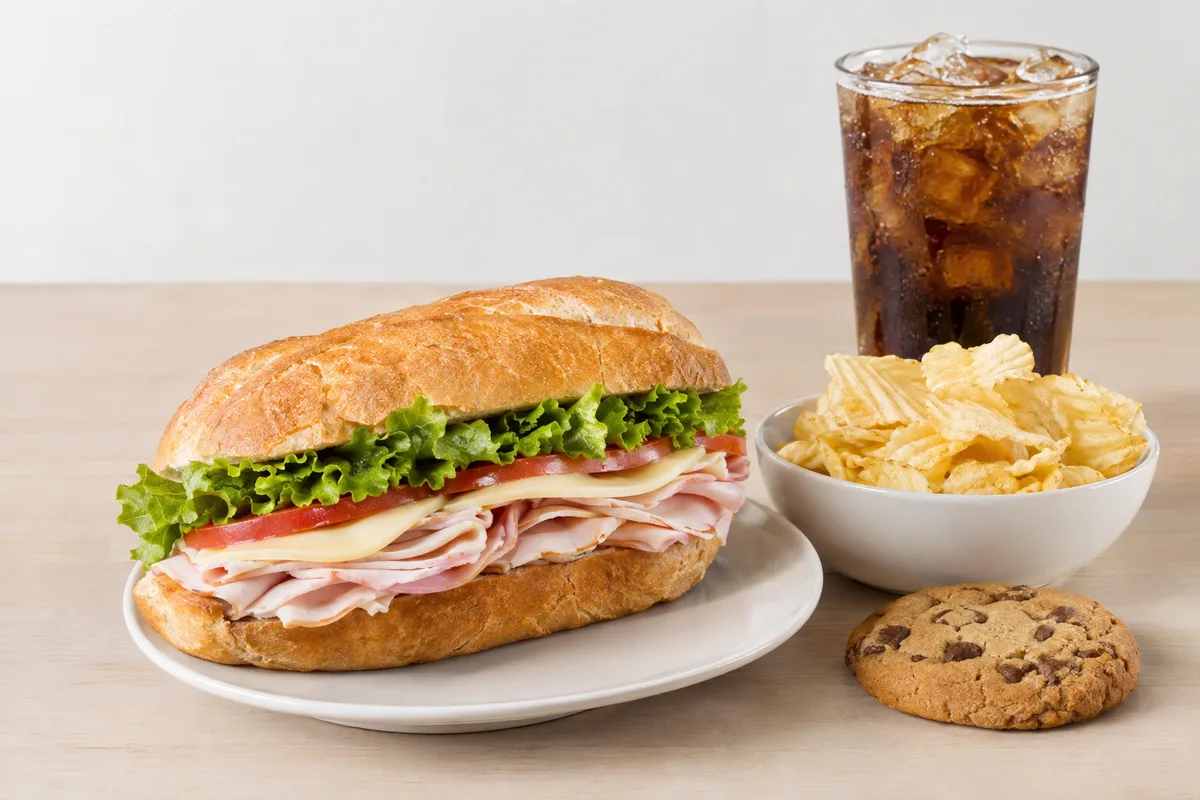
Choose the portion that matches your actual hunger and the rest of your day. If you want a side or dessert, log it before ordering so you can see how the full meal fits rather than judging the sandwich alone.
Do not rely on healthy-sounding labels
Words such as fresh, light or salad do not tell you the full nutritional content. A salad with generous cheese, rich dressing and several extras may not match the goal you had in mind, while a straightforward sandwich may be easier to estimate.
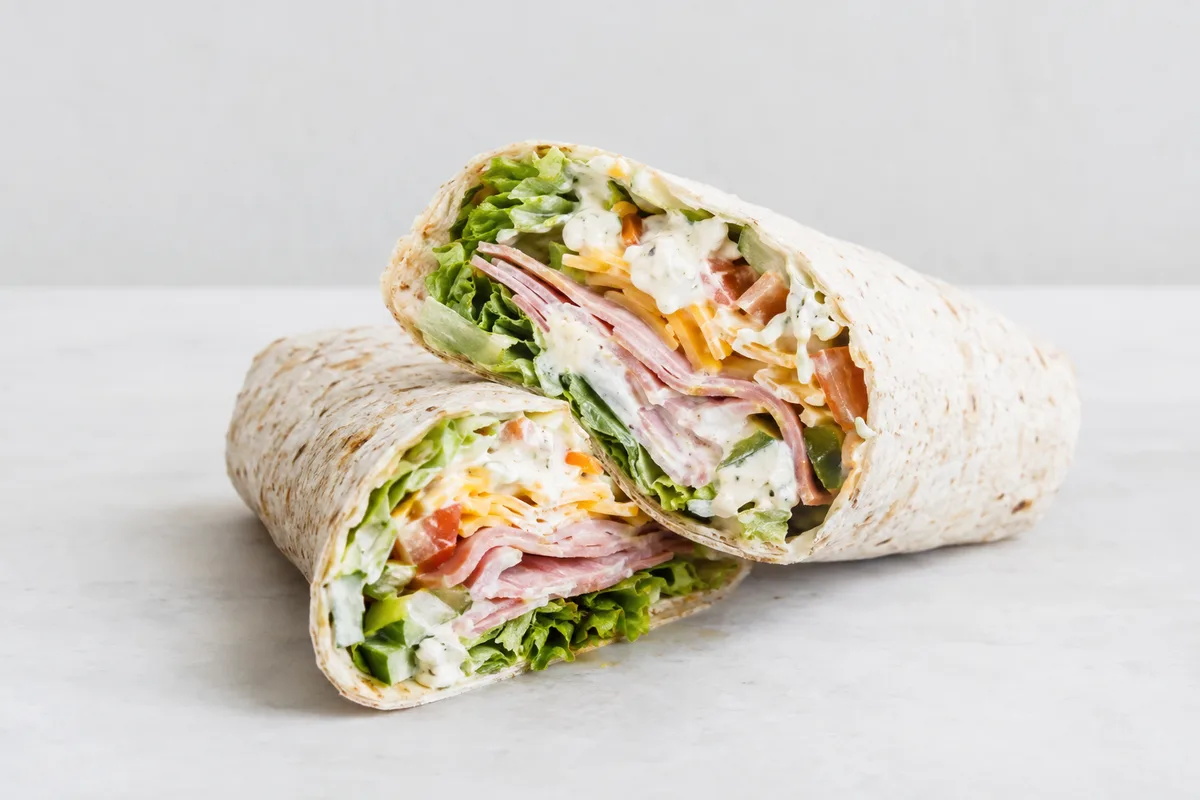
Build and log the complete order rather than choosing by its name or appearance. The most useful item to avoid is the one that pushes your personal totals beyond the range you intended for that meal or day.