
What Should I Eat? A Simple Guide to Building a Balanced Plate
There is no single perfect meal, but a simple plate pattern can make everyday food choices easier. This guide shows what to include, how each part helps and how to record it in your food tracker.
Start with the whole plate
Instead of judging a meal by one ingredient, look at the balance across the whole plate. A useful meal usually combines colourful plants, a source of protein, a carbohydrate food and some fat. Portions can change with your appetite, routine, preferences and goals.
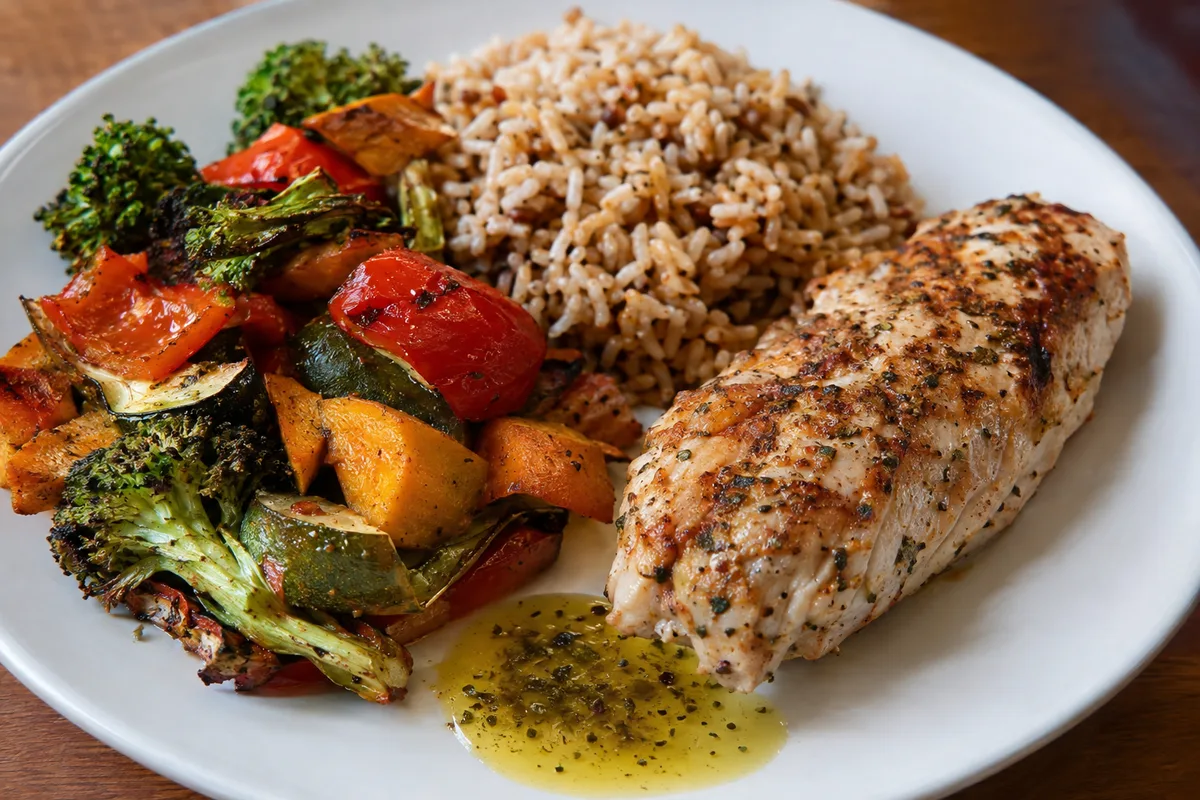
This pattern is a starting point rather than a strict rule. Some dishes mix everything together, while snacks and lighter meals may include only two or three parts. What matters is the overall pattern across your day, not whether every plate looks identical.
- Colourful vegetables or fruit
- A protein source
- A carbohydrate food, preferably rich in fibre
- A source of fat
- Water or another suitable drink
Add vegetables or fruit for colour and variety
Vegetables and fruit bring fibre, flavour, colour and a range of nutrients to a meal. Choosing different types over time gives you more variety than relying on the same option each day. Fresh, frozen, tinned and cooked choices can all fit.
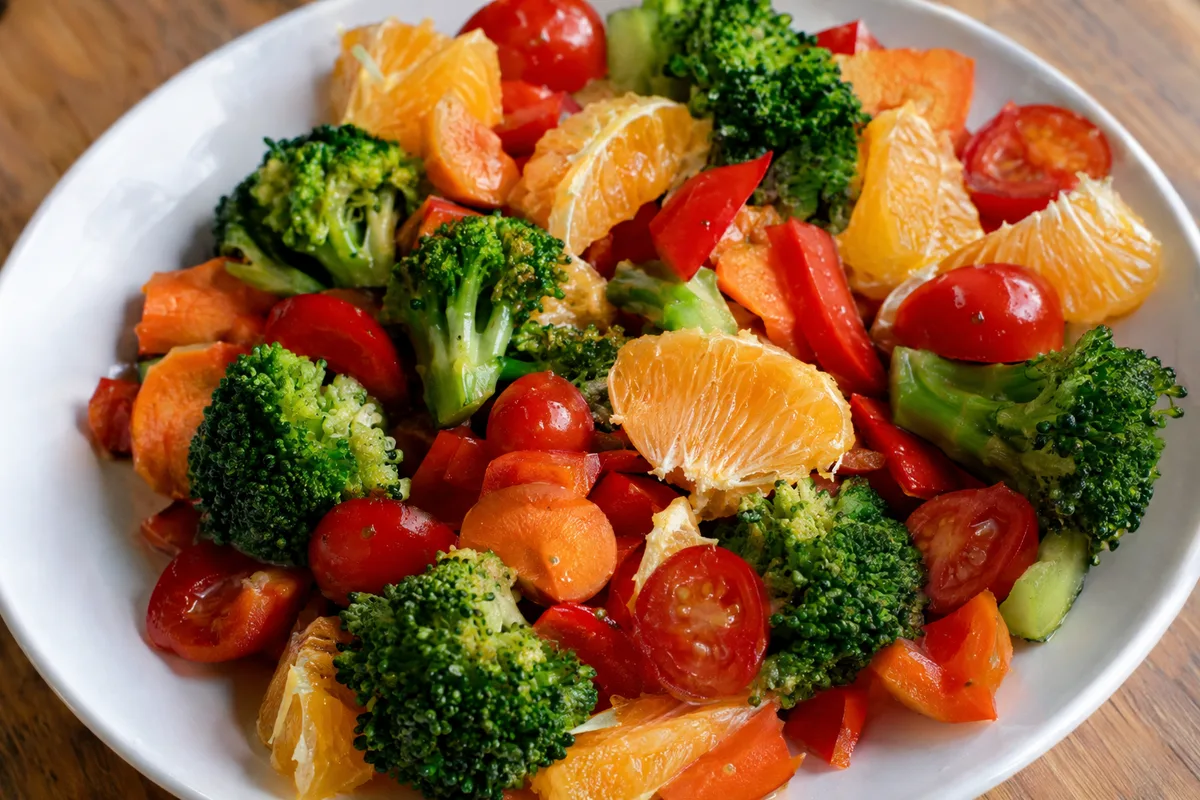
Try using vegetables as a substantial part of main meals rather than a small decoration. Fruit can work alongside breakfast, as part of a snack or after a meal. When tracking mixed dishes, remember to record vegetables, sauces and fruit rather than logging only the main ingredient.
- Leafy vegetables, broccoli or cabbage
- Peppers, tomatoes, carrots or courgettes
- Peas, sweetcorn or mixed frozen vegetables
- Apples, berries, oranges or pears
- Tinned fruit in juice rather than syrup
Choose a protein source
Protein helps make a meal more satisfying and supports the maintenance of body tissues. It can come from animal or plant foods, and you do not need to use the same source at every meal. The amount that suits you depends on your body, activity, appetite and wider eating pattern.
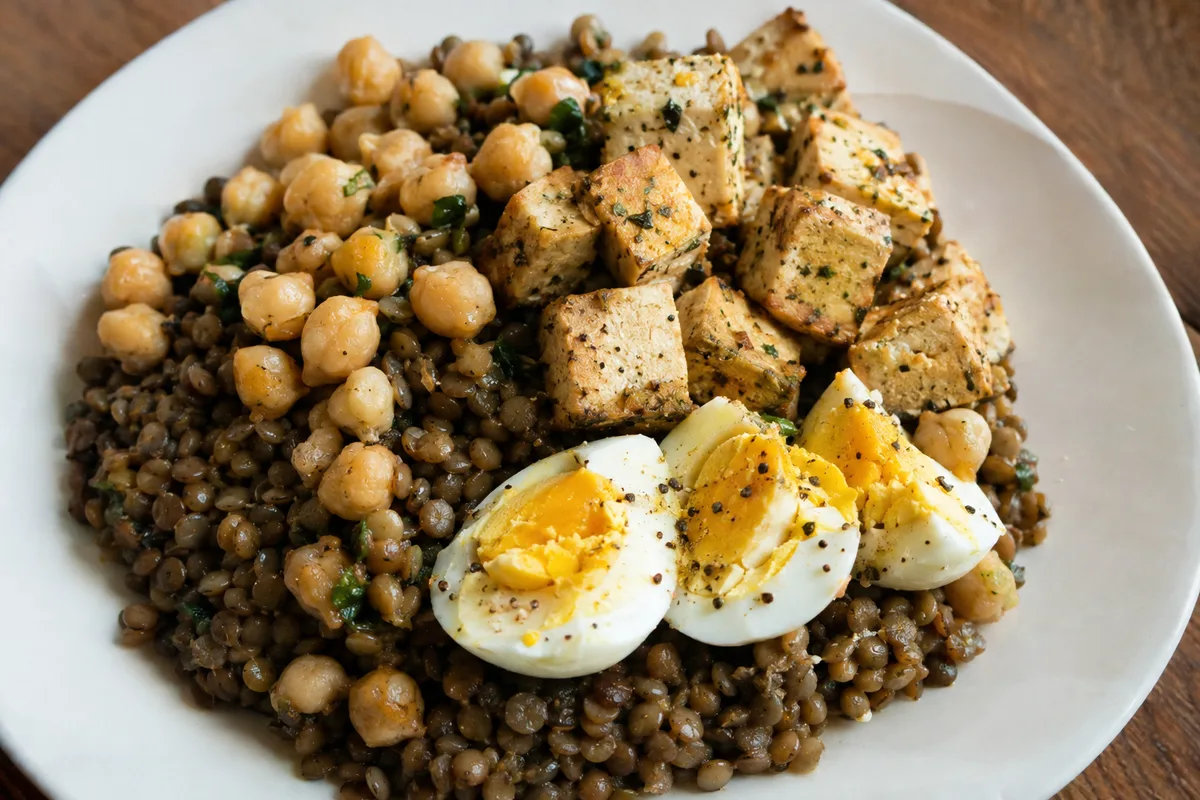
Protein provides about 4 kcal per gram, but a protein-rich food may also contain fat or carbohydrate. This is why two foods with similar protein content can have different energy values. For more accurate tracking, log the food as eaten and include cooking oils, coatings and sauces.
- Beans, lentils or chickpeas
- Eggs, fish, chicken or lean meat
- Tofu, tempeh or other soya foods
- Plain yoghurt or cottage cheese
- Nuts and seeds, which also provide fat
Include carbohydrates that work for your day
Carbohydrate foods provide energy and can also contribute fibre, particularly when they are less refined. Bread, rice, pasta, potatoes, oats and other grains can all form part of a balanced meal. Your preferred portion may change depending on your activity and hunger.
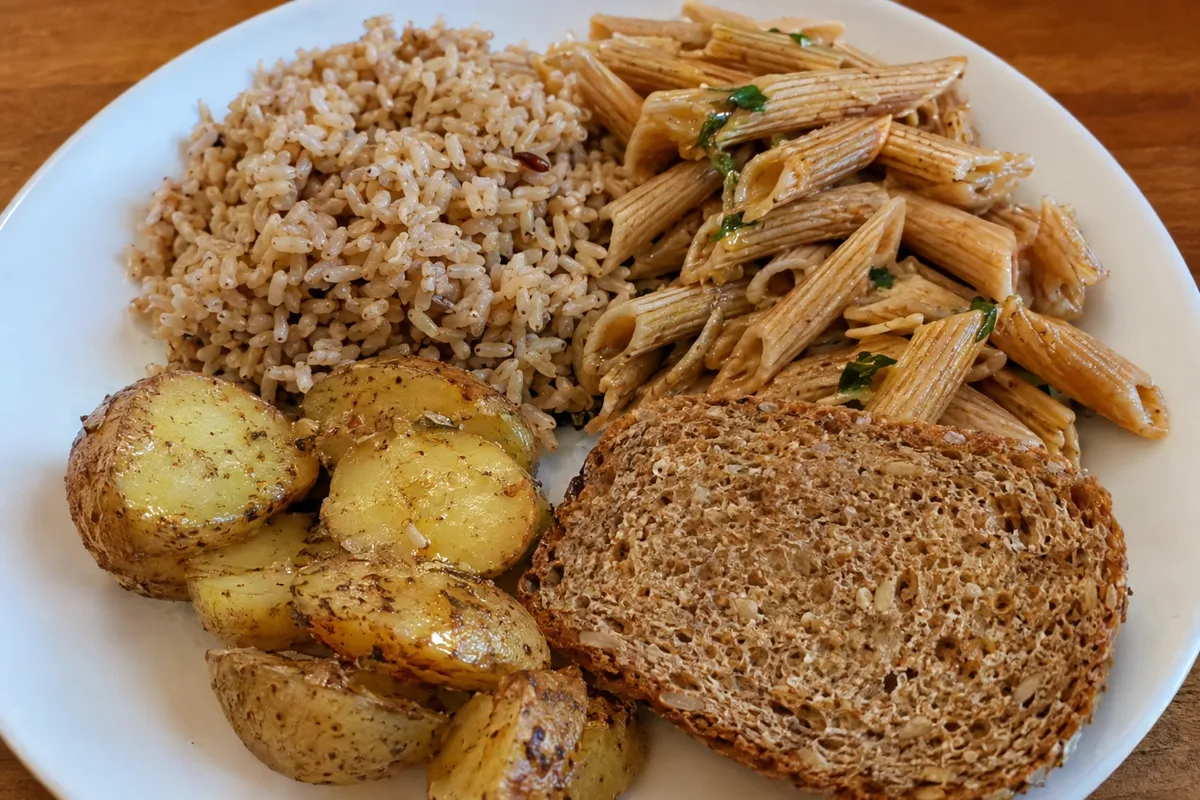
Carbohydrate provides about 4 kcal per gram, although the total for a food also depends on its water, fibre, protein and fat. Wholegrain and higher-fibre choices often have a heartier texture and may help a meal feel more substantial. Track the cooked or uncooked amount consistently because the weight changes when foods absorb or lose water.
- Wholemeal bread or wraps
- Brown rice, barley or quinoa
- Wholewheat pasta or noodles
- Potatoes or sweet potatoes with the skin where suitable
- Oats or other wholegrain cereals
Use fats with awareness
Fat adds flavour, texture and energy, and it helps the body use certain nutrients. Sources include oils, nuts, seeds, avocado and fats naturally present in foods such as fish, dairy products and meat. A meal does not need to be fat-free to be balanced.
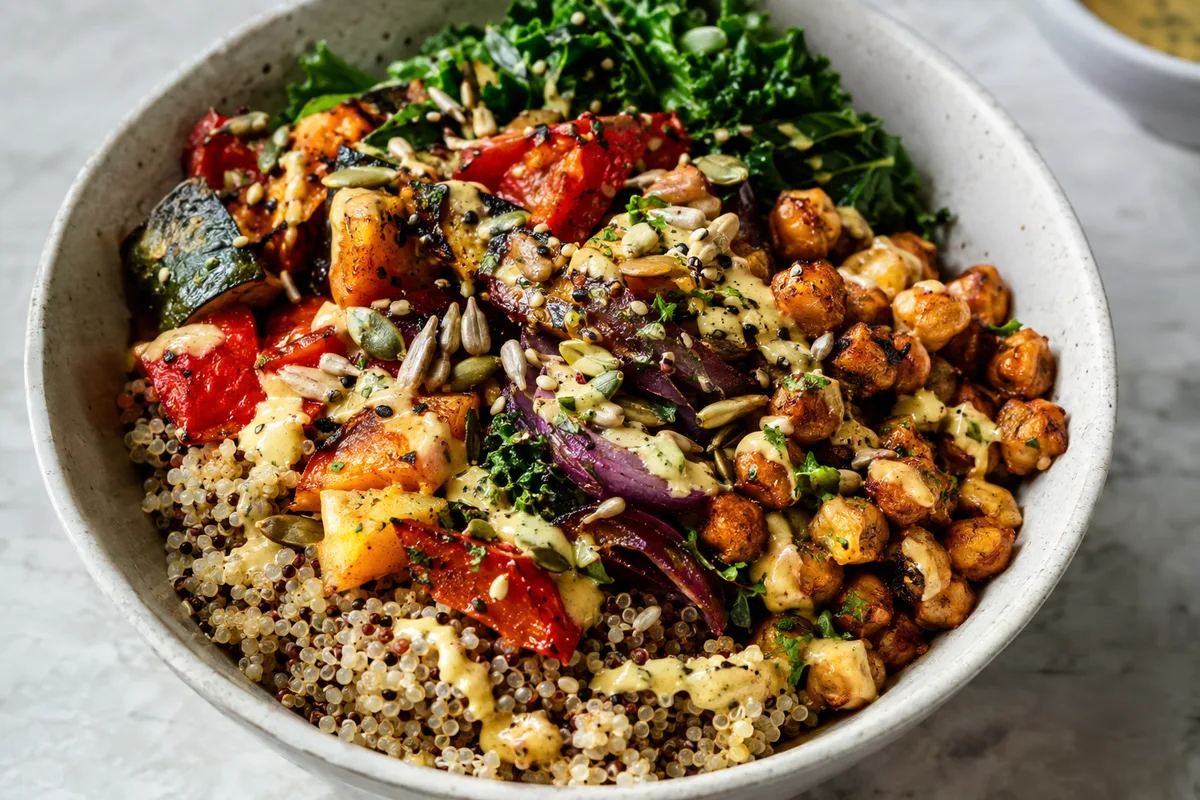
Fat provides about 9 kcal per gram, so small additions can noticeably change a meal's energy total. Oils, dressings, spreads and cooking fats are easy to overlook in a food diary. Measure or estimate them in the same way each time so your tracking remains useful.
- Olive, rapeseed or other cooking oils
- Nuts and nut butters
- Seeds or seed-based dressings
- Avocado
- Fat naturally present in fish, eggs, dairy products or meat
Adapt the guide to real meals
Not every meal arrives in separate sections on a plate. Soup, curry, pasta dishes, sandwiches and bowls can still contain the same basic parts. Look at the ingredients and ask where the plants, protein, carbohydrate and fat are coming from.
Use your tracker to notice patterns rather than aiming for a flawless entry. If a meal is low in one part, you can add it now or include it later in the day. Your ideal amounts depend on your needs, so adjust the pattern according to hunger, activity, preferences and any personal guidance you already follow.
- Add beans and vegetables to a tomato-based pasta dish
- Pair soup with wholemeal bread and a protein-rich filling
- Build a bowl with grains, vegetables, protein and dressing
- Add fruit and seeds to yoghurt and oats
- Fill a sandwich with protein and salad, then add fruit on the side