
What to Eat When You Are Intermittent Fasting
Intermittent fasting changes when you eat, but the food you choose still matters. This guide explains how to build satisfying meals, plan your eating window and use your food log effectively.
Start with the eating window, not a list of forbidden foods
Intermittent fasting means dividing the day into times when you eat and times when you do not. There is no single schedule that suits everyone, so the timing depends on your routine, appetite and preferences. The aim is not to squeeze the same food into a rushed sitting or to ignore strong signs of hunger.
Before choosing meals, decide where they fit naturally into your day. Think about work, sleep, exercise, family meals and the times when you usually feel hungry. A workable pattern is easier to follow than one that regularly clashes with daily life.
Your food log can show whether the schedule is practical. Record meal times as well as food, then note your hunger, energy and concentration in everyday terms. If the window repeatedly leaves you uncomfortable or leads to hurried overeating, adjust the timing rather than treating it as a test of willpower.
- Choose an eating window that includes the meals most important to you
- Allow enough time to eat without rushing
- Keep the timing reasonably consistent while you assess it
- Review your log for patterns rather than judging a single day
Build the first meal around protein and fibre
After a fasting period, it can be tempting to begin with whatever is quickest. A meal containing protein, fibre-rich carbohydrate and some fat is more likely to feel substantial than a snack made mainly from refined carbohydrate. It also gives you a broader range of nutrients at the start of the eating window.
Protein can come from eggs, yoghurt, fish, poultry, tofu, beans, lentils or other familiar foods. Fibre-rich choices include vegetables, fruit, pulses, oats and wholegrain bread. Adding nuts, seeds, avocado or olive oil can bring flavour and fat to the meal.
There is no need to make the first meal unusually large. Eat at a comfortable pace and give yourself time to notice when you have had enough. The appropriate portion depends on your appetite, activity and the rest of your day.
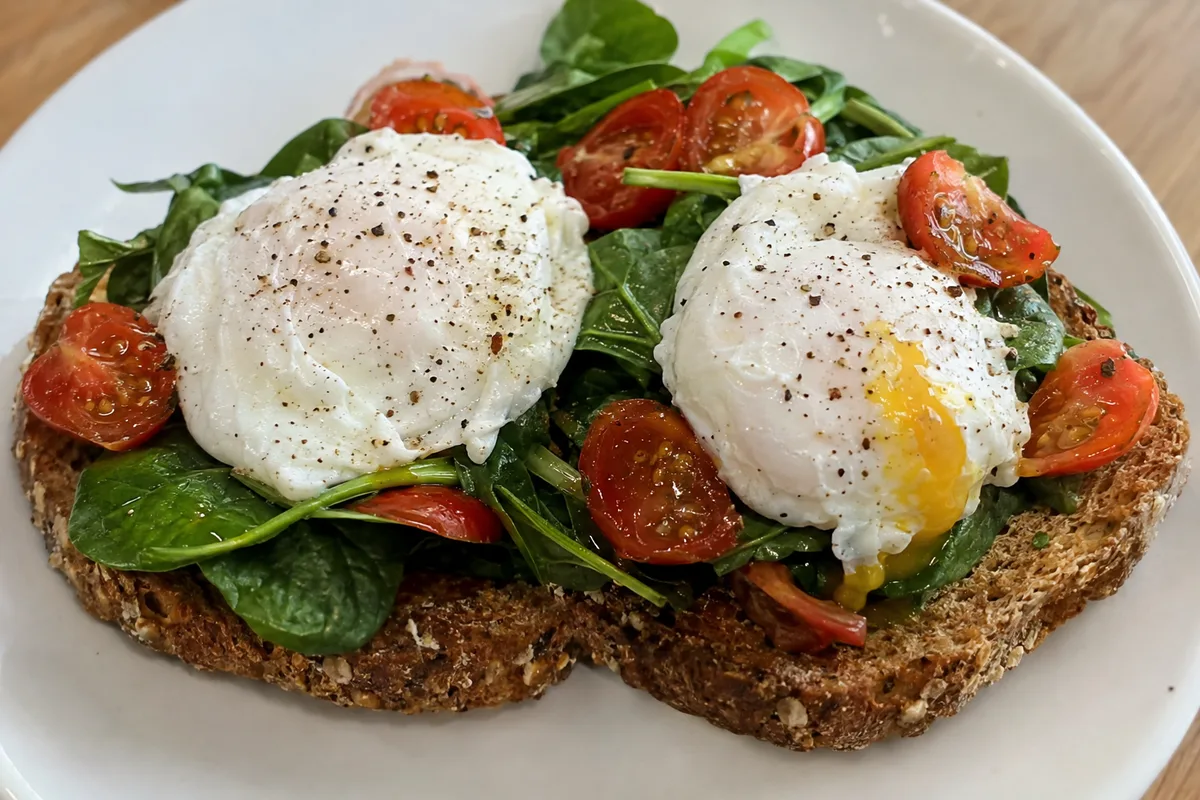
- Eggs with wholegrain toast, tomatoes and spinach
- Plain yoghurt with oats, berries, nuts and seeds
- Lentil soup with wholegrain bread and a mixed salad
- Tofu with brown rice and stir-fried vegetables
Make main meals balanced and satisfying
A simple meal structure can reduce the need to calculate every detail. Start with a protein food, add plenty of vegetables or fruit, include a starchy carbohydrate, and use a source of fat for taste and satisfaction. The proportions do not have to be identical at every meal.
Carbohydrates do not need to be removed because you are fasting. Potatoes, rice, pasta, bread, oats and grains can support daily activity and make meals more enjoyable. Wholegrain or higher-fibre versions are useful options, but the overall meal matters more than any single ingredient.
Variety helps cover different nutrients across the week. Change the vegetables, protein foods and carbohydrates you use rather than relying on one supposedly perfect fasting meal. Your tracker can help you notice food groups that are often missing without requiring every day to look the same.
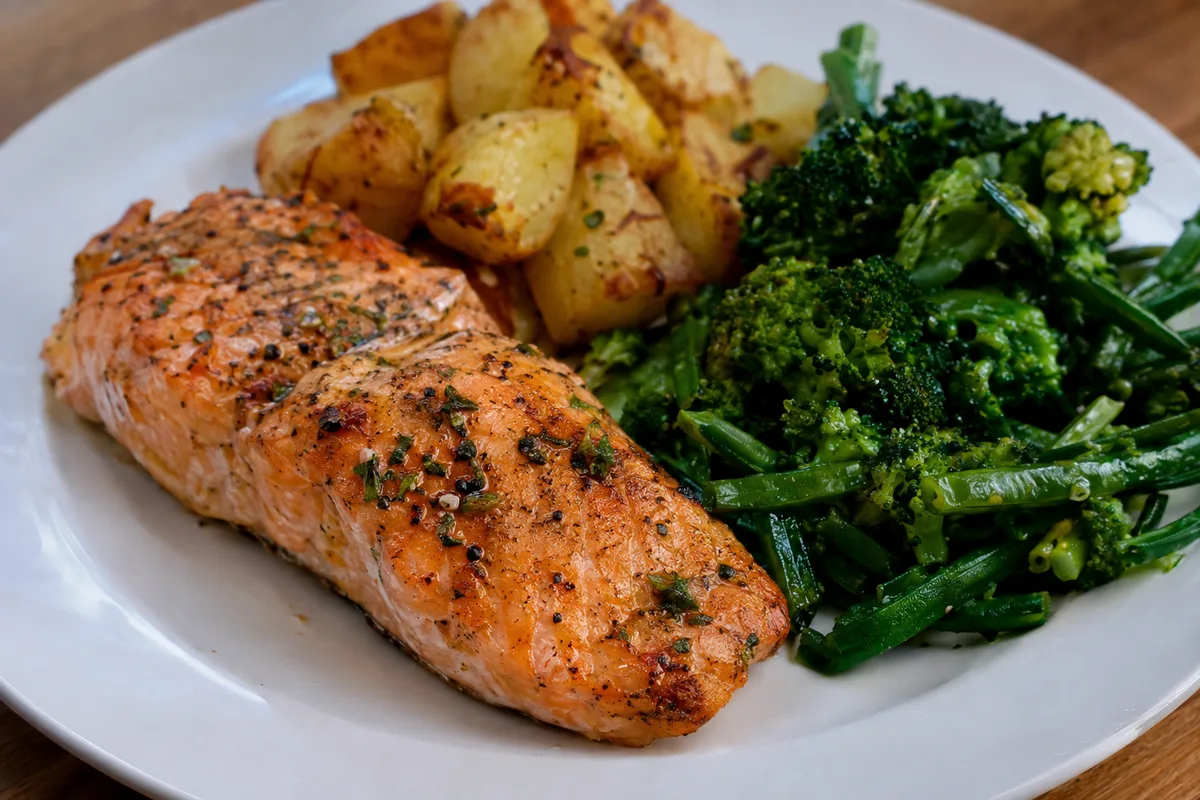
- Salmon, potatoes and green vegetables
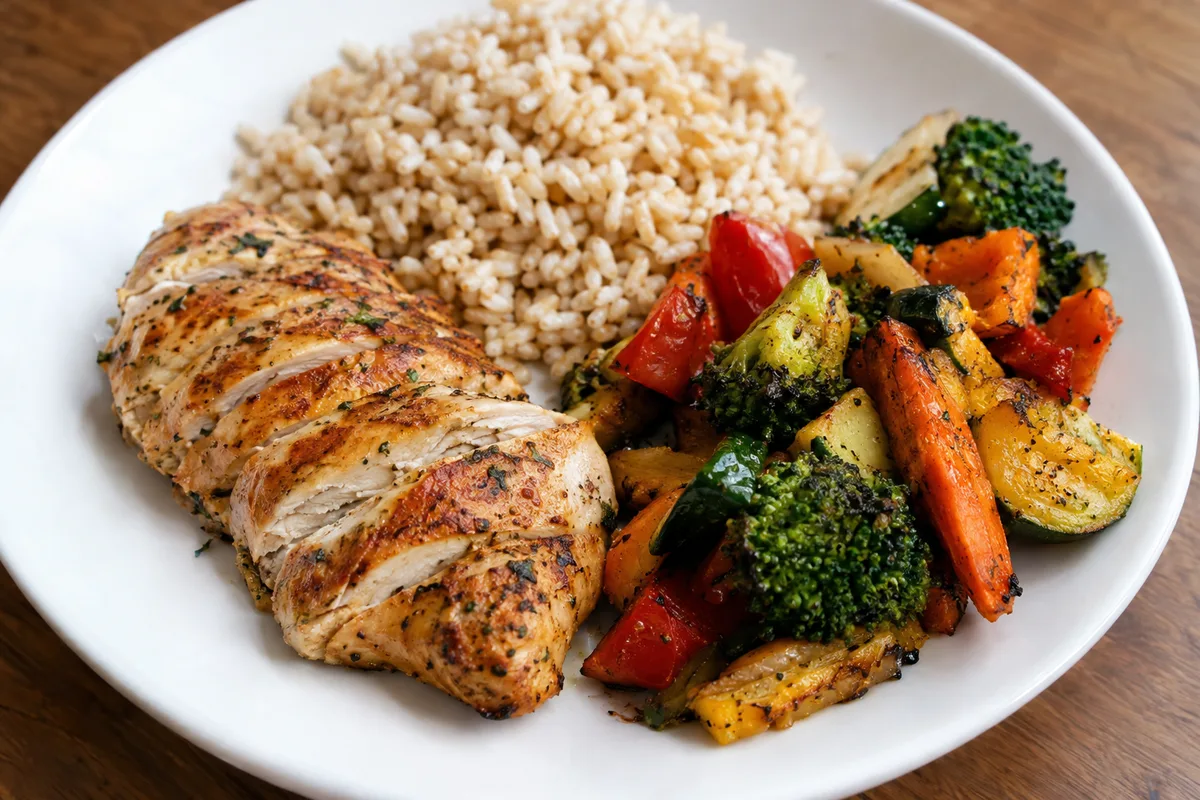
- Chicken, rice, roasted peppers and courgettes
- Bean chilli with brown rice and avocado
- Wholewheat pasta with tomato sauce, vegetables and cheese
- Chickpea and vegetable curry with rice
Use snacks when they have a clear purpose
Snacks are optional during the eating window. They can be useful when there is a long gap between meals, when activity increases your appetite, or when meals have been smaller than usual. They are less helpful when they replace proper meals but never leave you satisfied.

Choose a snack with more staying power by combining protein or fat with fruit, vegetables or a wholegrain food. This can be as simple as yoghurt and fruit or hummus and vegetables. The amount depends on your hunger and how soon you plan to eat again.
Logging the reason for a snack can reveal useful patterns. You might notice that certain meals are not filling, that an eating window is too short, or that you often eat while distracted. Use that information to change the meal or timing rather than automatically cutting out the snack.
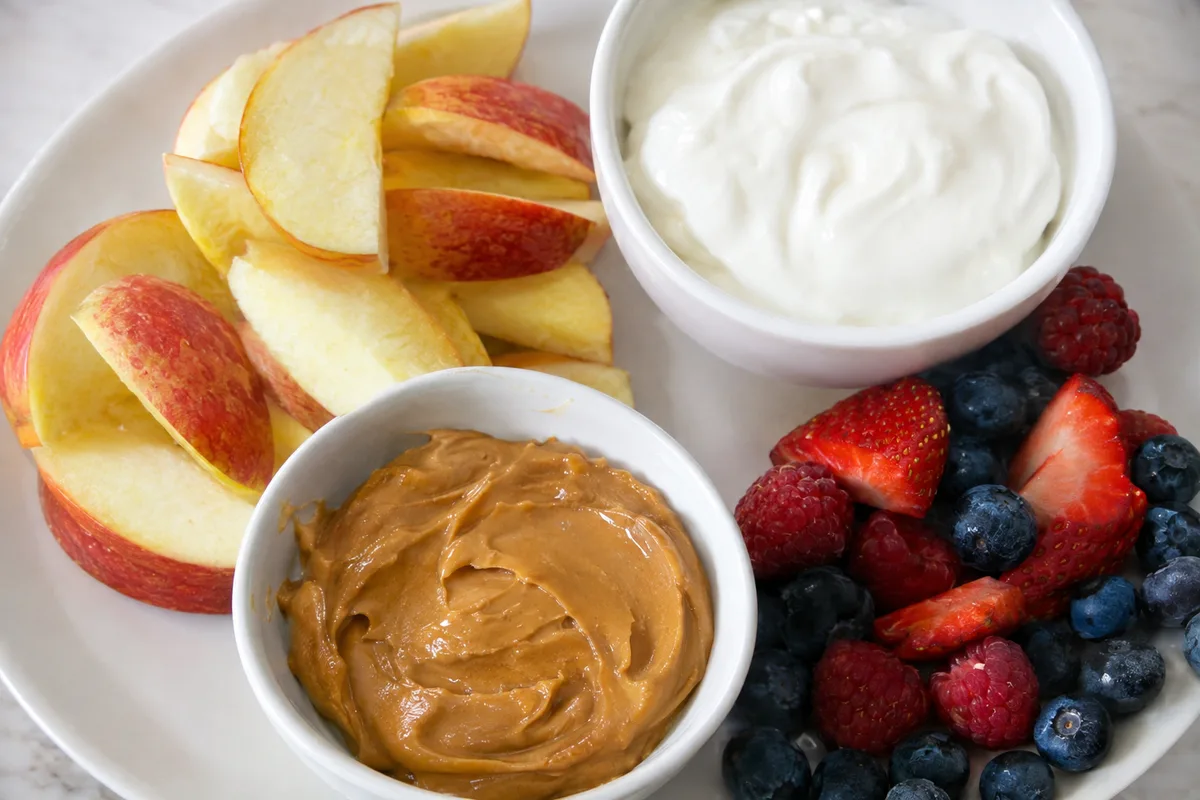
- Apple with peanut butter
- Plain yoghurt with fruit
- Hummus with carrots and cucumber
- Wholegrain crackers with cheese
- A boiled egg with tomatoes
Drink enough during the fasting period
Fluids still matter when you are not eating. Water is the simplest choice, while plain tea or coffee may also fit a fasting period if you tolerate them. Drinks containing milk, sugar or other energy-providing ingredients belong in the eating window if you want to keep a clear distinction between fasting and eating.
Do not rely on thirst alone if a busy routine makes you forget to drink. Spread drinks across the day rather than trying to catch up all at once. Your needs can change with the weather, activity and the foods you eat, so there is no single suitable amount for everyone.
Pay attention to how drinks affect appetite and sleep. A strongly flavoured drink may make fasting feel harder for some people, while caffeine late in the day can interfere with rest. Note these effects in your log and choose timing that works for you.
- Still or sparkling water without added sugar
- Plain tea
- Black coffee
- Water flavoured with slices of lemon, cucumber or mint
Use your food log to check whether the pattern works
Tracking is most useful when it helps you understand the whole pattern. Alongside food and meal times, note appetite, mood, energy, sleep and how comfortable you felt during the fast. A few words are enough to show whether the schedule supports your day.
Look across several ordinary days before making changes. One unusual meal or difficult morning does not define the pattern, but repeated hunger, tiredness or preoccupation with food deserves attention. You can shorten the fasting period, move the eating window or return to a more conventional meal schedule.
Intermittent fasting is not suitable in every circumstance. Avoid pushing through faintness, weakness or persistent discomfort, and seek guidance from a qualified health professional if you are unsure whether fasting is appropriate for you. Eating regularly may be the better option during pregnancy, while breastfeeding, during periods of growth, or when fasting encourages a difficult relationship with food.
- Record when the eating window opens and closes
- Note hunger before and after meals
- Check whether meals contain protein, fibre-rich foods and some fat
- Review sleep, concentration and activity alongside food
- Adjust the schedule when repeated patterns show it is not working