
What to Order at Jamba When You’re Watching Your Diet
Jamba’s menu can fit into a tracked diet, but the ingredients, portion and extras all matter. This guide explains how to compare your options and order something that matches your plan.
Start with what the order needs to do
Before opening the menu, decide whether your order is a drink, a snack or a meal. A smoothie that works as a meal may be more substantial than one chosen alongside lunch. Logging it according to its real role helps you avoid treating a filling drink as if it does not count.
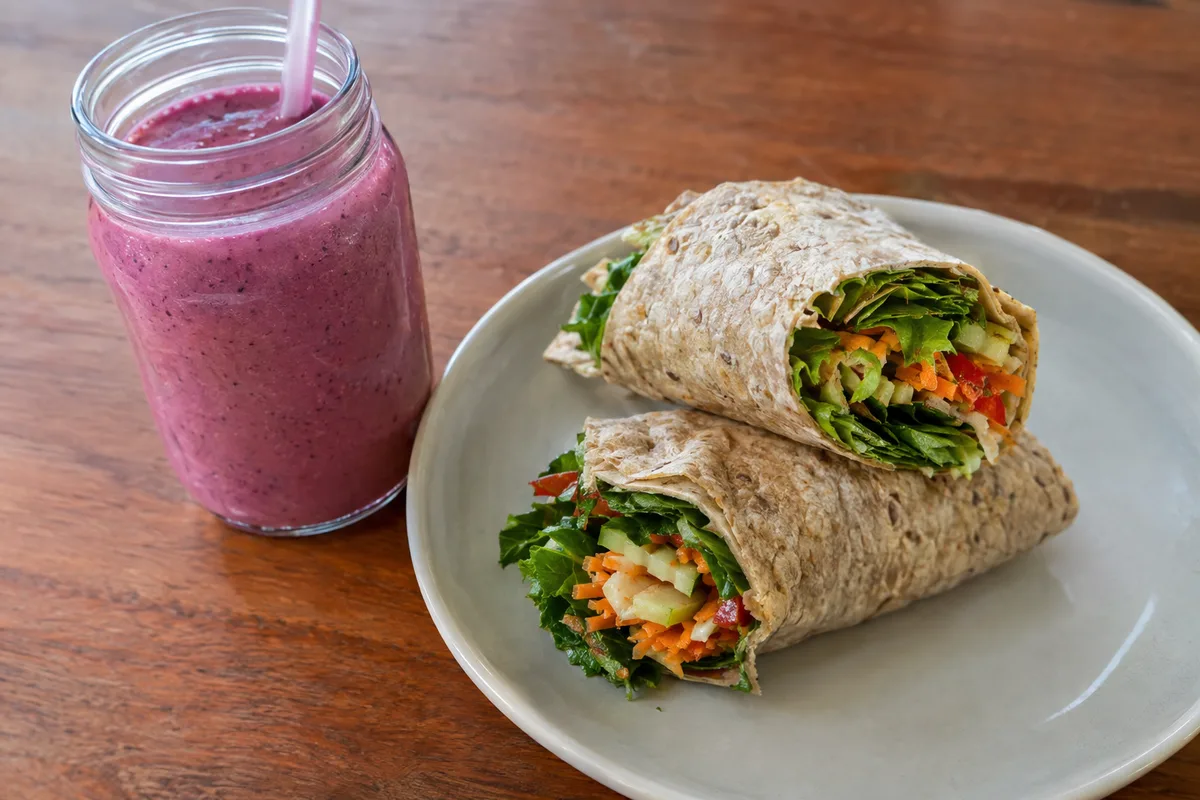
Your target depends on the rest of your day, your appetite and what you normally track. Check the current nutrition information for your location, as recipes and serving sizes can change. Compare options using the same serving size so that the figures mean something.
- Choose a lighter drink if you are also eating a meal.
- Look for a more balanced smoothie if it needs to replace a meal.
- Pick a portion that fits the amount you plan to log.
- Check the full recipe rather than judging by the name or colour.
Choose a smoothie with a clear base
Smoothies can contain whole fruit, juice, yoghurt, milk, sherbet or other blended bases. Two drinks that look similar can therefore have quite different nutrition information. Read the listed ingredients and favour a recipe where you can easily identify what is providing the fruit, liquid and creaminess.
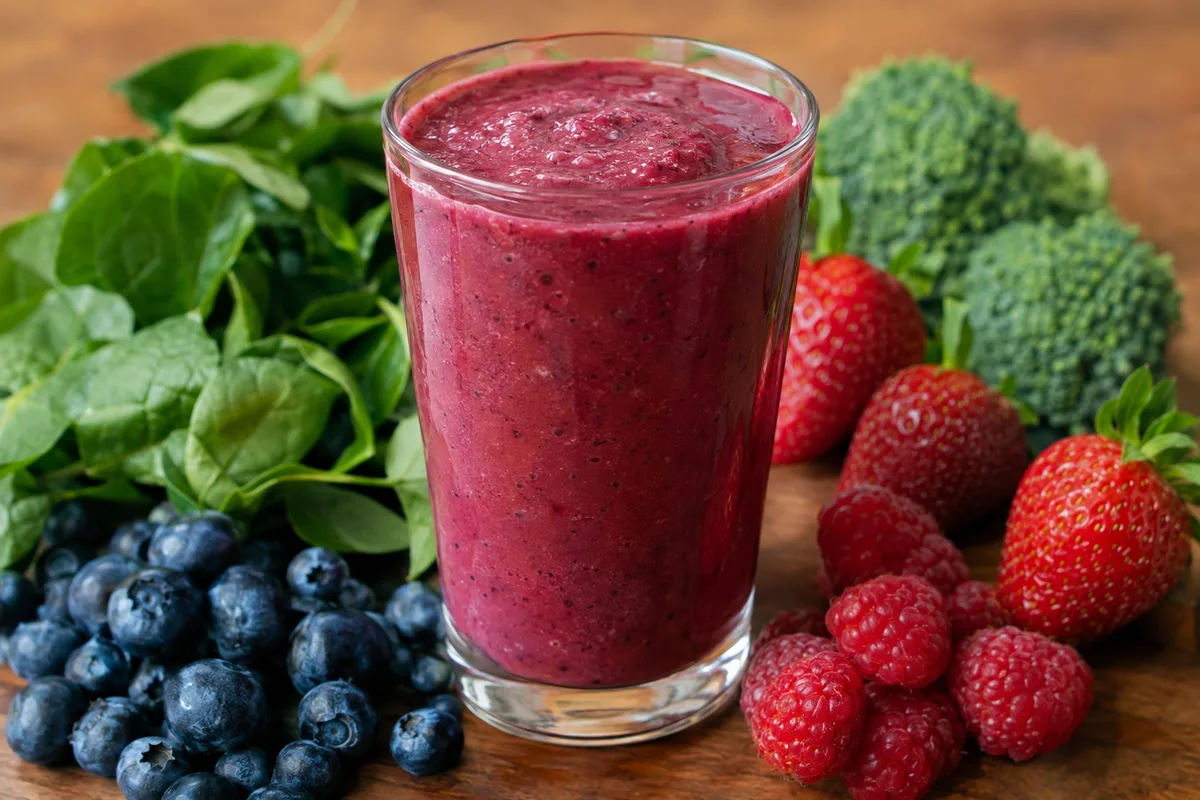
If your priority is a lighter order, start with fruit and vegetable blends that do not rely heavily on sherbet or sweetened bases. If the smoothie is your meal, a drink containing a useful source of protein may be more satisfying. The right choice is the one that fits both your log and the purpose of the order.
Fruit contains naturally occurring sugar, so a fruit smoothie does not need to taste plain to be a sensible choice. Added sweet ingredients can still increase the total without adding much fullness. Ask what can be left out or reduced rather than assuming every part of the standard recipe is essential.
- Compare fruit-and-vegetable blends with creamy or dessert-style blends.
- Ask whether the smoothie contains juice, sherbet or another sweetened base.
- Check whether a protein ingredient is already included before adding one.
- Log the size and any recipe changes you request.
Be careful with juices and shots
Juice can be refreshing, but it is easy to drink quickly because most of the fruit’s fibre is not present. That does not make juice a bad choice, but it does mean it may feel less filling than eating fruit or choosing a thicker blend. A smaller serving can make sense when you want juice alongside food.
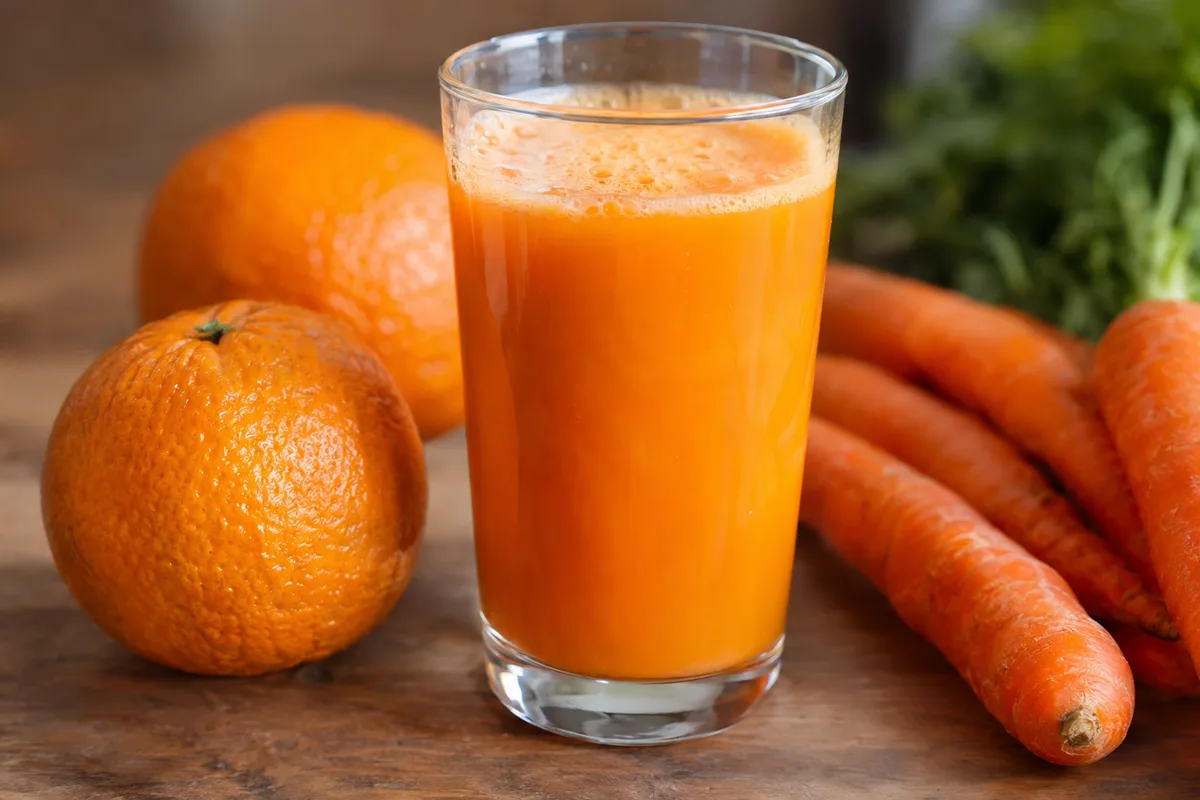
Juice shots are concentrated additions rather than a substitute for a balanced meal. Their ingredients vary, and a strong flavour does not tell you how well they fit your goals. Check the current menu information and record them if they are part of your order.
- Treat juice as part of the day’s intake rather than free hydration.
- Choose a portion that matches whether it is a drink or an accompaniment.
- Avoid adding several shots simply because each one looks small.
- Choose water when you mainly need something to drink.
Build a bowl rather than assuming it is lighter
A fruit or smoothie bowl can look wholesome while still containing several energy-dense layers. The blended base, granola, nut butter, seeds, coconut and other toppings all contribute. A bowl may work well as a meal, but it should not automatically be logged as a small snack.
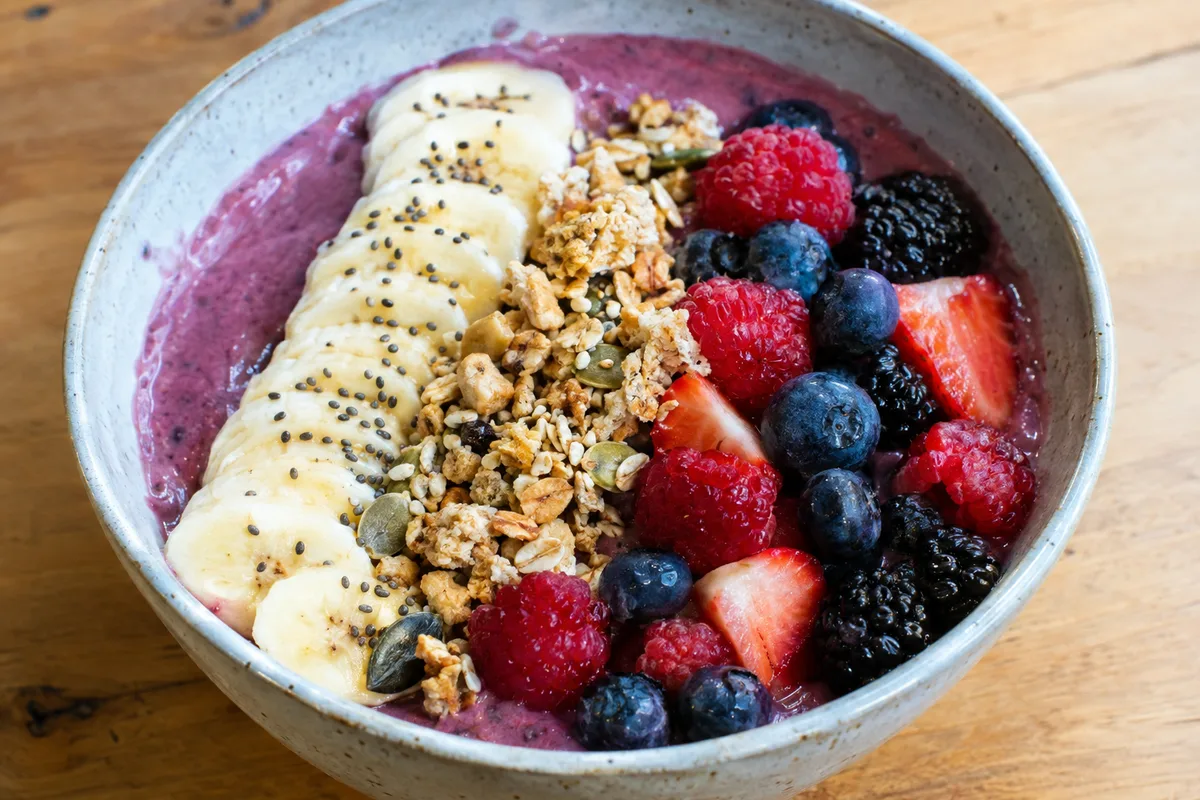
Start by checking what is already included in the base and standard toppings. Keep the additions that matter most to you, then remove or reduce those you do not value. This is usually more practical than ordering every topping and trying to estimate the amount afterwards.
For a balanced bowl, combine fruit with a source of protein or fat while keeping the overall portion in mind. Fat provides about 9 kcal per gram, compared with about 4 kcal per gram for protein or carbohydrate, so nuts, seeds and nut butter can change the total quickly. They can still be useful ingredients; the amount simply matters.
- Choose one crunchy topping rather than several overlapping options.
- Ask for nut butter or granola to be left off when it does not fit your plan.
- Keep fresh fruit toppings if you enjoy the texture and volume.
- Use the published nutrition details as your starting point, then record changes.
Use boosts and add-ons with a purpose
Extra ingredients can be helpful when they solve a specific need, but they are not automatically necessary. A protein boost may suit a smoothie used as a meal, while the same addition may be unnecessary beside a protein-rich lunch. Decide what the add-on contributes before including it.
Do not rely on labels such as energy, wellness or cleanse to judge an option. Look at the actual ingredient and nutrition information instead. When details are unclear, ask staff what is in the addition and how it changes the standard recipe.
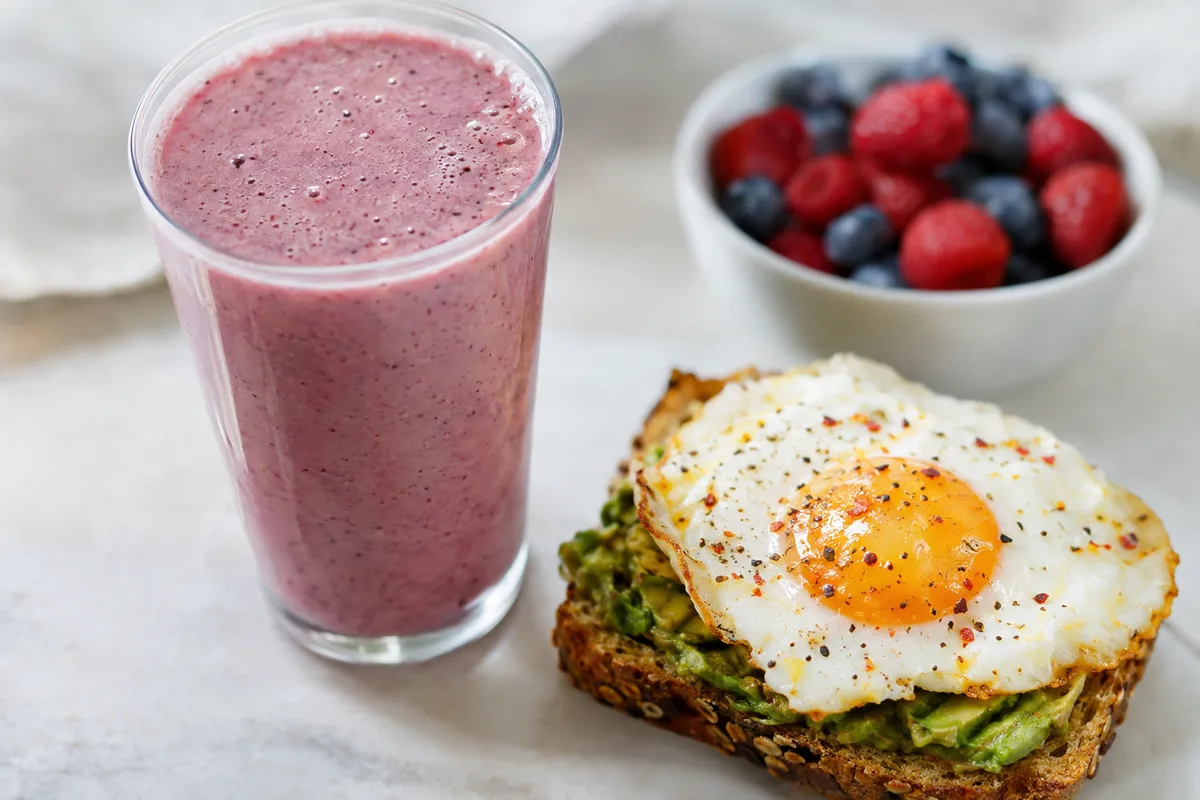
Food items such as breakfast snacks or savoury bites may provide more chewing and structure than a drink alone. Compare them with the smoothie rather than automatically ordering both. If you choose a drink and food together, log the complete combination.
- Add protein when it helps make the order more complete.
- Skip duplicate extras already provided by the base ingredients.
- Choose either a substantial smoothie or a lighter drink with food.
- Record sauces, spreads and toppings as part of the order.
Place a simple order you can track
A useful order does not need to be highly customised. Choose the portion first, check the standard recipe and make only the changes that meaningfully support your goal. Fewer changes also make the nutrition information easier to use.
One practical approach is a smaller fruit-and-vegetable smoothie without unnecessary sweet extras. Another is a protein-containing smoothie used as the meal, rather than added to one. A bowl can also work when you keep the toppings deliberate and record it as a full meal.
Menus and recipes vary by branch and may change over time, so confirm the current details when you order. Save the customised entry in your food log if you expect to choose it again. That makes future tracking quicker without pretending the estimate is exact.
- Decide whether you are ordering a drink, snack or meal.
- Select the portion before considering extras.
- Check the base, sweet ingredients and protein source.
- Make one or two useful changes and log the finished order.