
How to Make a Healthier Order at Jamba Juice
A smoothie or bowl can vary greatly depending on its base, portion and extras. This guide explains how to compare the menu and log an order that fits the rest of your day.
Start with what you want from the order
There is no single healthiest Jamba Juice order for everyone. A light drink between meals calls for a different choice from something intended to keep you going until your next meal. Decide whether the order is a snack, part of a meal or the whole meal before looking at flavours.
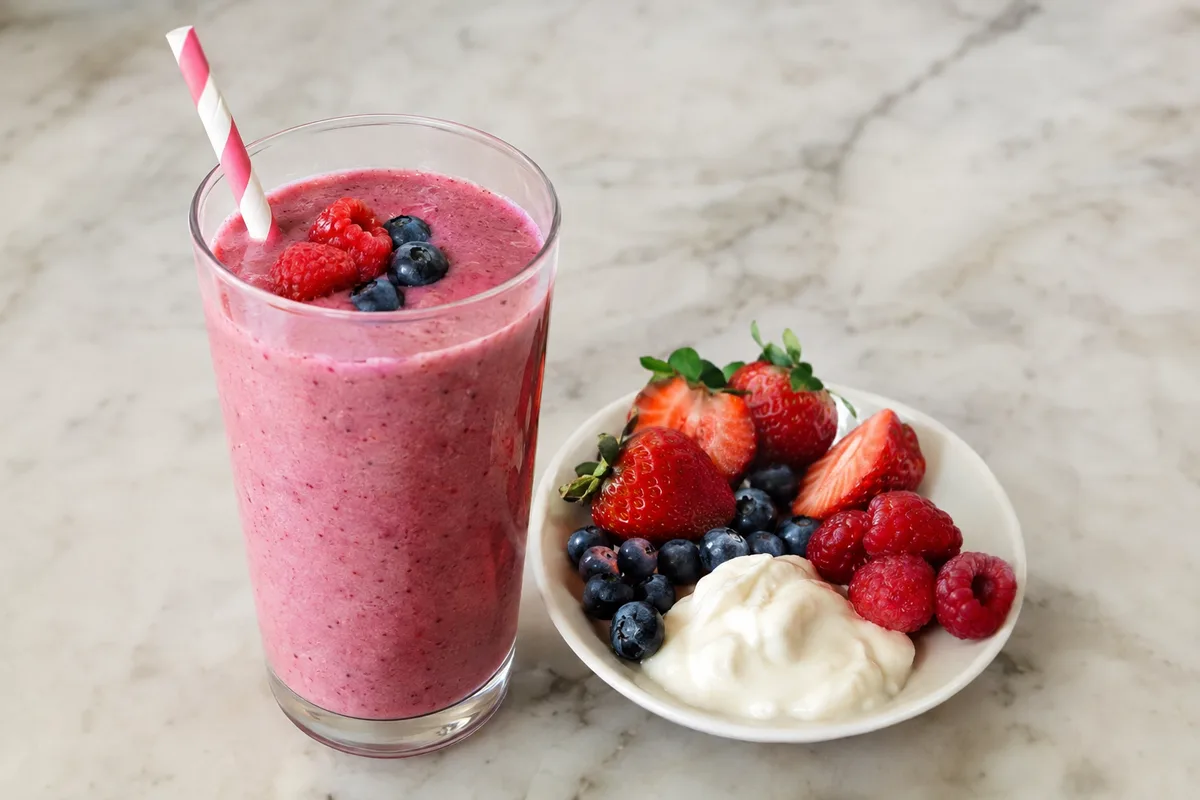
Think about what you have already eaten and what is coming later. If your day has been low in protein or fibre, look for an order that helps fill that gap. If you simply want something refreshing, a smaller and simpler blend may be enough.
Your food log can make this decision easier. Review energy, protein, fibre and any nutrients you personally monitor, then choose according to the overall pattern rather than judging one drink on its own.
- Choose a purpose: drink, snack or meal
- Check what your day may be missing
- Set a portion before adding extras
- Plan how the order will fit into your food log
Compare the base ingredients
A smoothie can contain fruit, vegetables, juice, milk, yoghurt or other blended bases. Whole fruit contributes fibre, while juice mainly adds liquid and naturally occurring sugars. Milk or yoghurt can make a blend more filling by contributing protein, although the exact amount depends on the recipe.
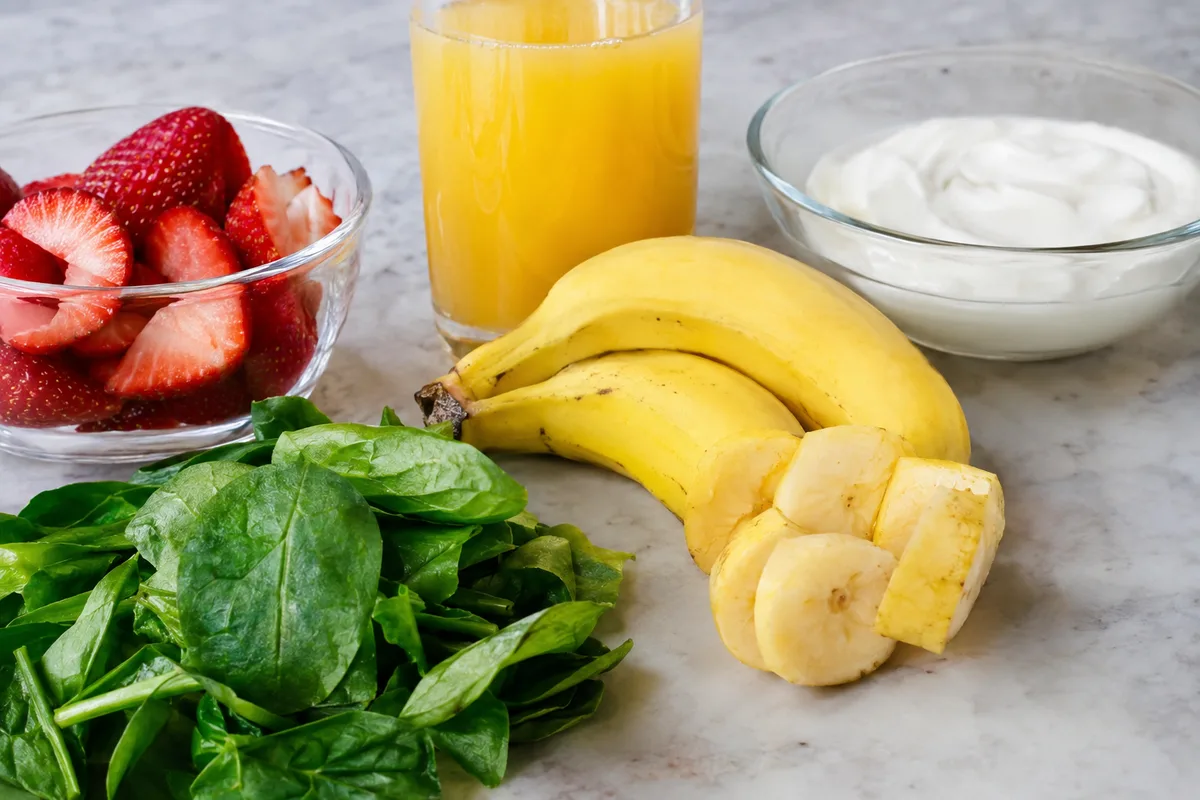
Read the menu description rather than relying on a name that sounds fresh or green. Ingredients such as sweetened bases, frozen desserts or added sweeteners can change the nutritional profile. Menu information and recipes can change, so use the current ingredient and nutrition details where available.
A useful starting point is a fruit-and-vegetable blend with a base that matches your needs. You can then decide whether protein, extra fibre or another addition would make it more suitable. Keeping the ingredient list focused also makes the order easier to track accurately.
- Look for whole fruit or vegetables in the blend
- Check whether the liquid base is juice, milk or yoghurt
- Notice sweetened bases and added sweeteners
- Use current menu information rather than guessing from the name
Choose a portion that fits the occasion
Smoothies are easy to drink quickly, so a large serving may feel less substantial than a meal with similar energy. The healthiest portion is the one that matches the role of the order and leaves room for the rest of your food. A smaller size is often a practical place to start when the drink is a snack.
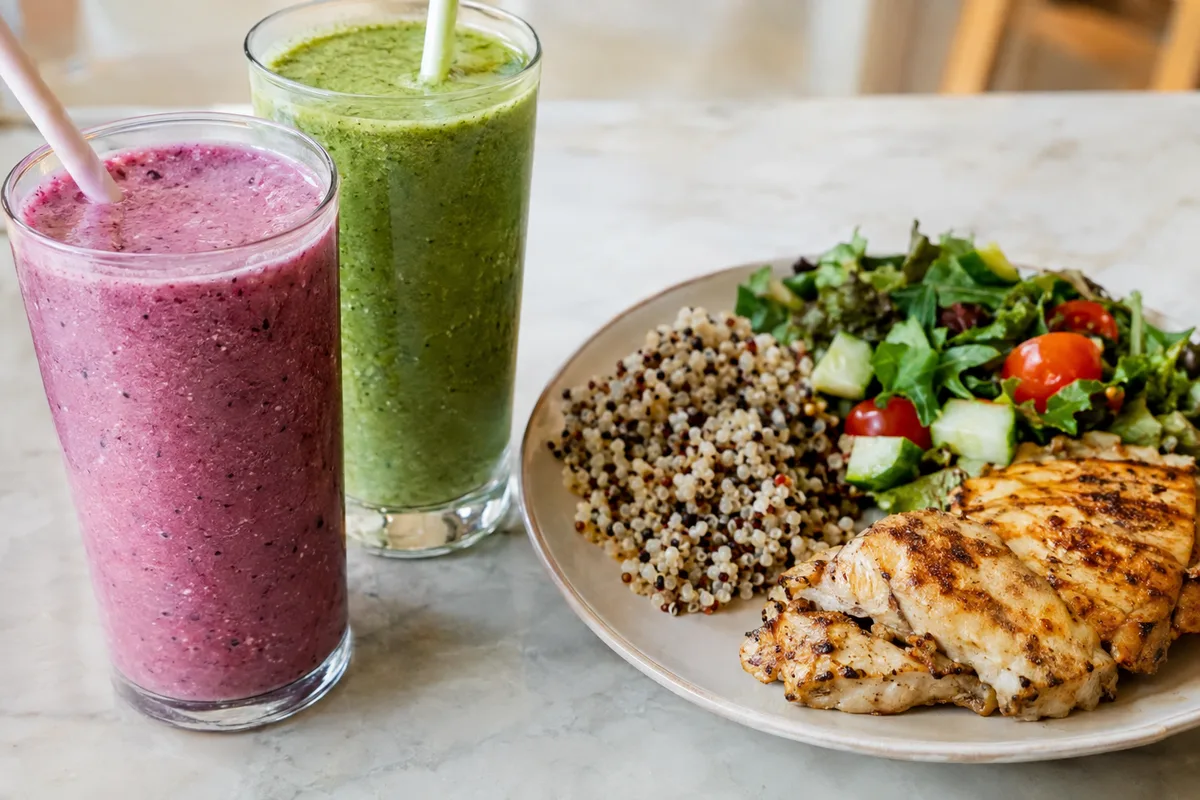
If the smoothie is replacing a meal, size alone does not make it balanced. Consider whether it contains enough protein and fibre to make it satisfying. You may prefer a moderate smoothie alongside solid food rather than relying on a very large drink.
Log the size you actually order, not the default serving shown elsewhere. Custom changes can also affect the final entry, so record the base and extras separately when needed. If exact information is unavailable, use the closest recipe and note that your total is an estimate.
- Use a smaller size for a snack
- Match a meal-sized drink with your usual energy needs
- Consider pairing a moderate drink with solid food
- Record the ordered size and every custom change
Add protein and fibre with a clear purpose
Protein and fibre can make a smoothie or bowl feel more complete. Fruit and vegetables supply some fibre, while yoghurt, milk and suitable menu boosts may contribute protein. The amounts vary by recipe, so check the nutrition details rather than assuming an add-on turns any drink into a balanced meal.
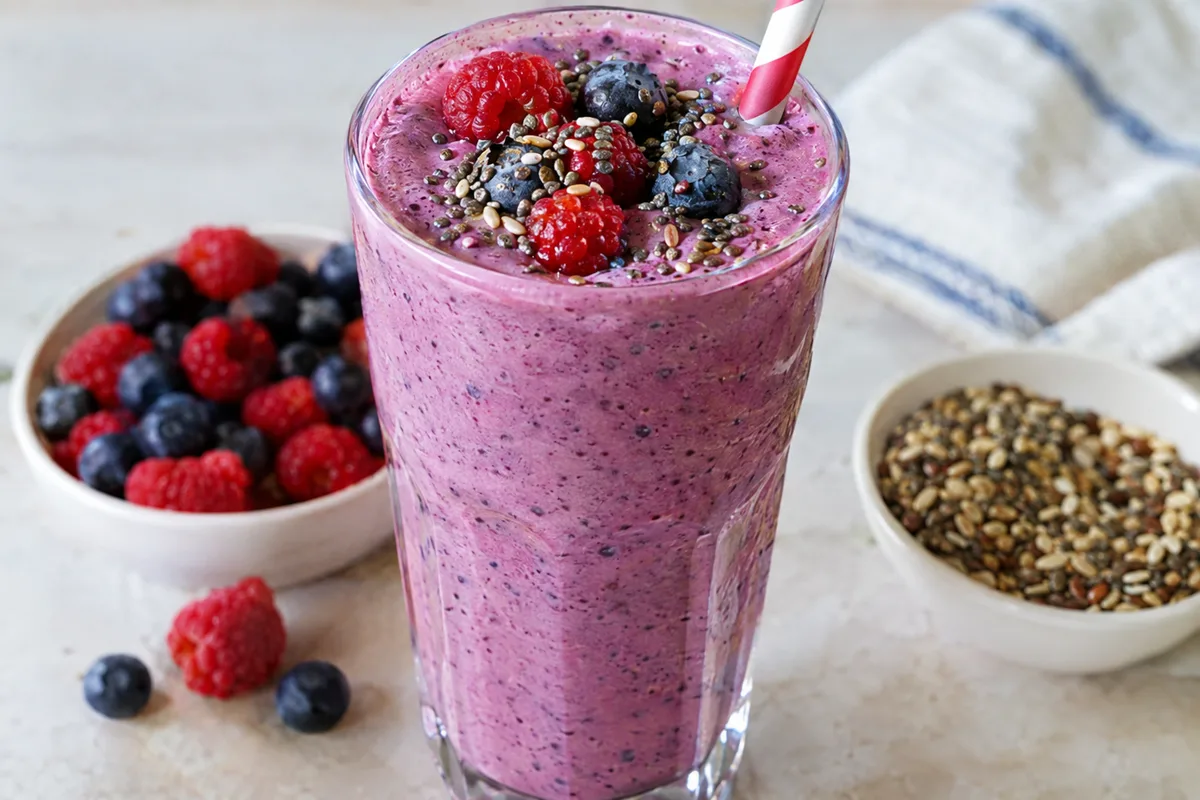
Extras are most useful when they address a genuine gap. Adding several boosts at once can make the order harder to assess and may add more energy than you intended. Choose one change, check what it contributes and decide whether it supports your goal.
For a meal, you might prioritise a protein source and ingredients that retain fibre. For a snack, the standard recipe may already be enough. More ingredients are not automatically healthier, especially when they duplicate nutrients you are already getting elsewhere.
- Add protein when the order is standing in for a meal
- Prefer ingredients that retain fibre
- Choose extras for a specific reason
- Avoid stacking additions simply because they sound healthy
Treat bowls as meals, not automatically lighter choices
A fruit or smoothie bowl may include a blended base with fruit, granola, seeds, nut butter or other toppings. These ingredients can provide fibre, protein and useful variety, but several toppings together can also make the bowl more energy-dense. A bowl is therefore best assessed as a complete meal rather than as fruit alone.
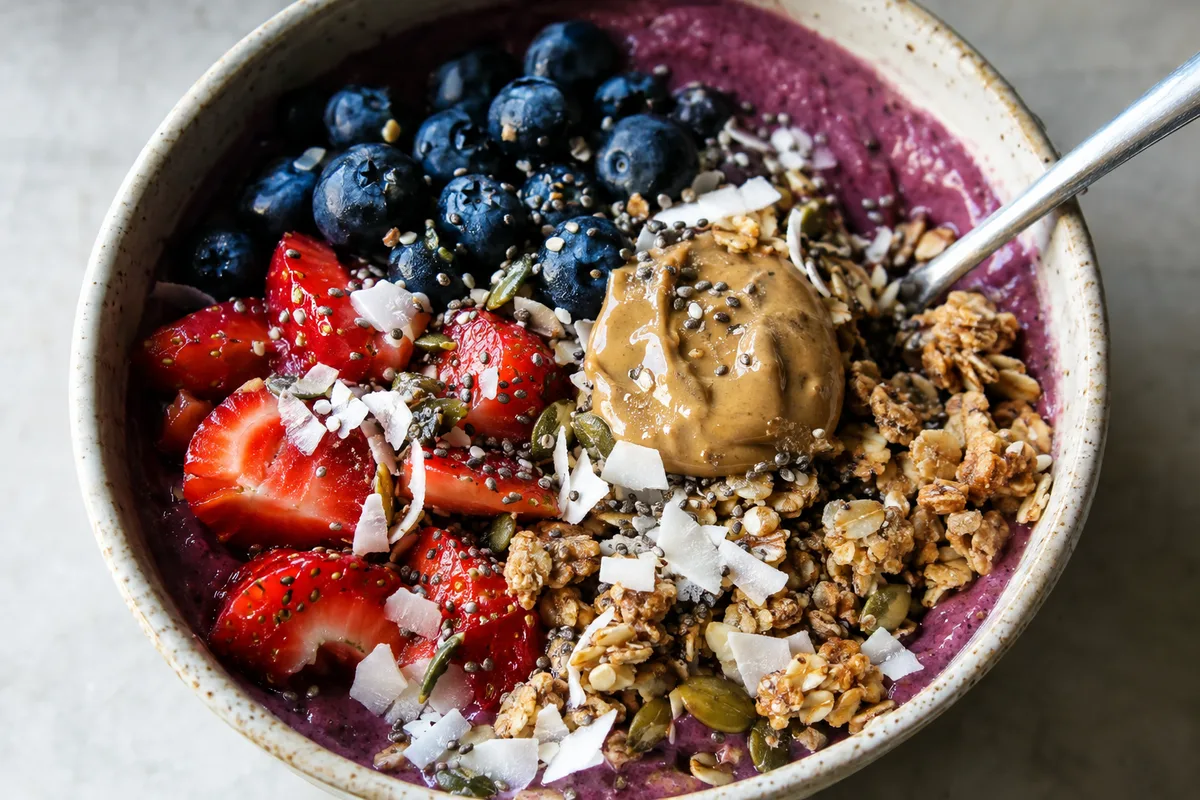
Look at both the base and the topping amounts. Granola, seeds and nut butter can be satisfying, yet portions matter when you are tracking energy. You can keep the toppings you value most and leave out ones that do not add much enjoyment or balance for you.
A bowl has the advantage of being eaten with a spoon, which may encourage a slower pace than drinking a smoothie. Pause during the meal and notice whether you are still hungry rather than finishing automatically. Log the base and toppings separately if your tracker does not list the exact custom order.
- Check the blended base as well as the toppings
- Choose the toppings you genuinely enjoy
- Keep an eye on several energy-dense toppings together
- Log removed, added or substituted ingredients
Use a simple ordering routine
A consistent routine can stop an appealing menu from turning into a rushed choice. First choose the purpose and portion, then compare bases, and finally decide whether an extra is needed. This keeps attention on the parts of the order that make the biggest difference.
Customising can be as simple as asking whether added sweetener can be left out or whether a different base is available. Not every recipe can be changed in the same way, and available options vary by location. Check with staff rather than assuming a substitution is possible.
Afterwards, review how the order fitted your appetite and food log. If it was not filling enough, you might add protein, fibre or solid food next time rather than simply choosing a larger drink. If it was more than you needed, try a smaller portion or fewer extras on your next visit.
- Decide whether it is a snack or meal
- Select the portion
- Compare the main ingredients
- Make only the custom changes that support your goal
- Log the final order and review how satisfying it was