
The hormone reset diet: what it means, the pros and cons, and what you can eat
Hormone reset diets claim that changing what you eat can bring hormones back into balance, but there is no single agreed version of the plan. This guide explains the usual rules, what may be useful and how to make sensible choices while tracking your food.
What is a hormone reset diet?
A hormone reset diet is usually a short-term eating plan built around the idea that certain foods support hormone balance while others disrupt it. Different versions remove different foods, so the name does not describe one recognised programme. Some plans also include guidance on sleep, stress and movement.

Hormones are chemical messengers involved in appetite, digestion, sleep, energy use and many other body processes. Food is one influence, but it does not act like a reset button. Hormone levels also respond to factors such as age, sleep, stress, activity and the body's natural rhythms.
Many of the plan's basic habits are familiar parts of balanced eating. The more questionable element is the suggestion that a standard food list can correct a particular hormone pattern for everyone. Individual needs vary, and food tracking alone cannot show what a hormone is doing.
- Meals based on vegetables, protein-rich foods and minimally processed carbohydrates
- Limits on alcohol, sugary drinks and heavily processed snacks
- Temporary removal of foods such as dairy products, gluten-containing grains or caffeine in some versions
- Regular meals, sleep routines and moderate movement
- A phased approach in which restricted foods may later be added back
Possible advantages
The plan may encourage you to look beyond calories and consider meal quality. Adding vegetables, pulses, whole grains and varied protein sources can improve fibre intake and make meals more satisfying. Regular meals may also help some readers notice genuine hunger and fullness more clearly.
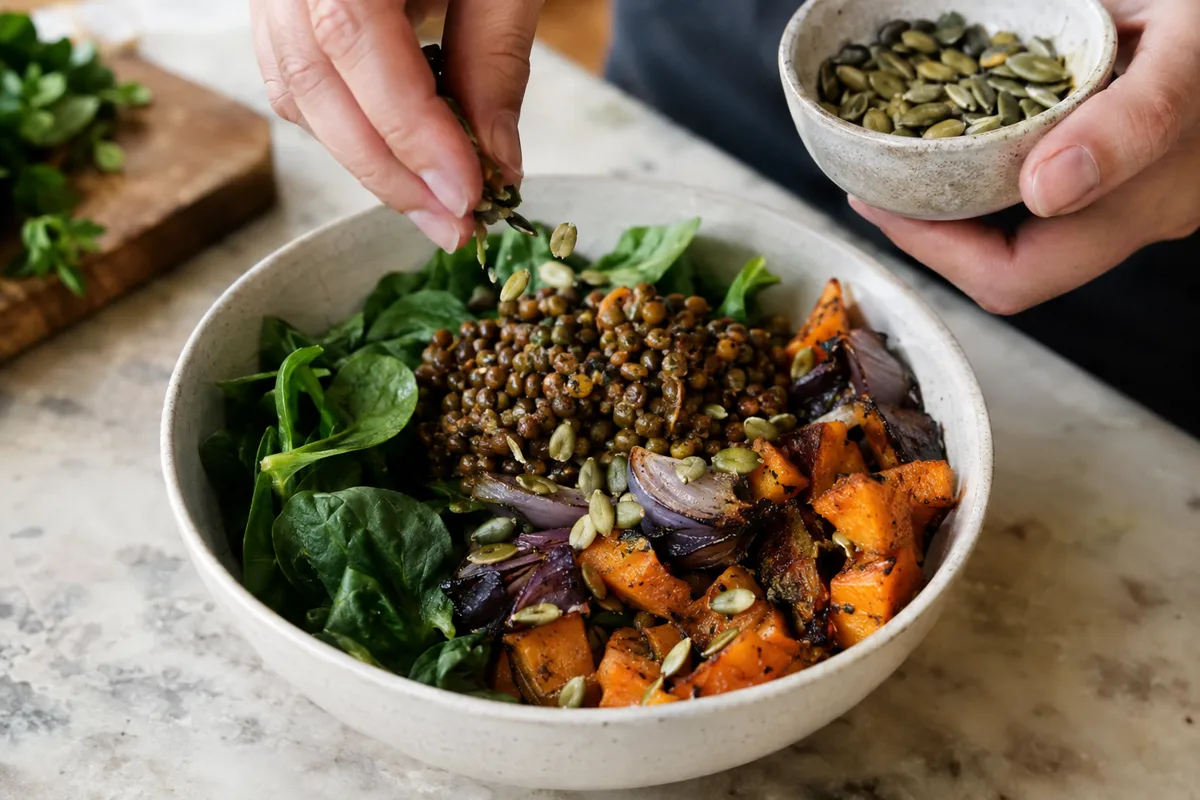
Tracking can make the useful parts easier to assess. You can record what you ate alongside hunger, energy, sleep and digestion, then look for repeated patterns rather than judging one meal. This gives you practical information without assuming that every change is caused by hormones.
Cooking more often can also make portions and ingredients easier to understand. A meal built from familiar foods is usually simpler to log than one with an unclear recipe. However, these benefits come from consistent, balanced habits rather than from a special reset effect.
- More vegetables and fruit across the day
- A wider range of fibre-rich foods
- More attention to protein at meals
- Fewer drinks and snacks that add little nourishment
- Greater awareness of sleep, stress and meal timing
Drawbacks and warning signs
Some hormone reset diets remove several food groups at once without a clear reason. That can make eating socially difficult and may reduce variety, fibre or important nutrients. It also becomes hard to tell which change, if any, affected how you felt.
Strict rules can turn normal choices into labels such as clean, toxic or forbidden. Those words may sound scientific, but they do not explain what a food actually does in the body. A plan should not use guilt or fear as proof that it works.
Be cautious when a plan promises rapid body changes, claims that one symptom reveals a specific hormone problem or sells supplements as essential. Body weight can change for many reasons, and the amount or pace depends on the person. Persistent or worrying changes are not something a food diary can explain on its own.
- Long lists of banned everyday foods
- Claims that one plan suits every body
- Promises of a complete reset within a fixed period
- Instructions to ignore hunger or skip meals despite feeling unwell
- Heavy reliance on powders, drinks or supplements
What you can eat
There is no universal hormone reset food list, but most versions focus on minimally processed foods. A practical meal can combine a protein source, a fibre-rich carbohydrate, vegetables or fruit, and a source of fat. The exact portions depend on your appetite, activity, goals and usual eating pattern.

Protein options include eggs, fish, poultry, tofu, tempeh, beans, lentils and plain yoghurt where these suit you. Carbohydrates can come from oats, potatoes, brown rice, wholegrain bread, fruit and pulses. Fats may include olive oil, nuts, seeds and avocado.
Variety matters more than finding a perfect ingredient. Different plant foods provide different fibres, colours and textures, while varied protein sources make the plan easier to maintain. Seasonings, herbs, sauces and enjoyable cooking methods can keep meals appealing.
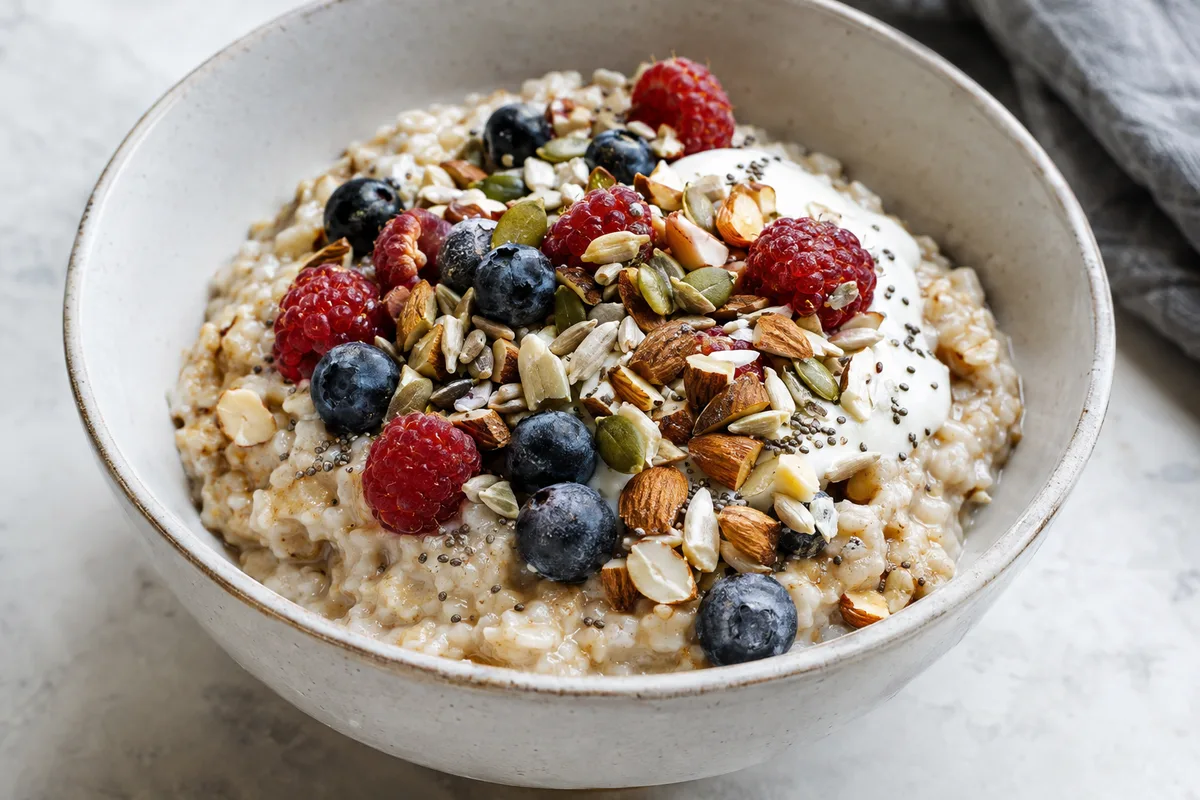
- Porridge with plain yoghurt, berries, nuts and seeds
- Wholegrain toast with eggs, tomatoes and spinach
- Lentil and vegetable soup with bread and a side salad
- Baked fish or tofu with potatoes and green vegetables
- Brown rice with beans, roasted vegetables and avocado
Foods often restricted, and sensible swaps
Restrictions vary widely between plans. Common targets include sweets, alcohol, sugary drinks, refined grains, caffeine and heavily processed snack foods. Some versions also remove dairy products or gluten-containing grains, even though avoiding them is not a general requirement for hormone balance.

Instead of banning a food automatically, consider its role in your overall pattern. A sweet food can fit alongside nourishing meals, and convenience foods can be useful when time or energy is limited. Frequency, portion and context often matter more than a simple allowed-or-forbidden label.
If you choose to test a change, alter one clear thing at a time and keep the rest of your routine reasonably steady. Record how the change affects hunger, enjoyment, digestion and daily life. Avoid cutting out several major food groups together, as that makes the result difficult to interpret.
- Swap some sugary drinks for water, milk or an unsweetened drink
- Swap refined breakfast cereal for oats or a higher-fibre cereal
- Swap a snack that leaves you hungry for fruit with yoghurt, nuts or seeds
- Swap some processed meat meals for fish, eggs, tofu, beans or lentils
- Swap an all-or-nothing ban for a planned portion that fits your day
How to take a balanced approach
You do not need a dramatic reset to improve your eating pattern. Start with the food diary you already keep and check whether most meals contain protein, fibre-rich carbohydrate and some vegetables or fruit. Look at trends over several days rather than trying to make every meal ideal.
Choose one realistic adjustment, such as adding a vegetable to lunch or making breakfast more substantial. Keep tracking long enough to see whether it helps with hunger, energy, enjoyment and consistency. If it does not suit you, adjust it rather than treating that as failure.
The strongest parts of a hormone reset plan are usually ordinary habits: varied food, regular movement, enough rest and a routine you can maintain. The weakest parts are rigid exclusions and claims that food can switch individual hormones on or off. A flexible pattern is more likely to support nutrition without making everyday eating unnecessarily complicated.
- Review patterns across several days
- Change one habit at a time
- Keep meals varied rather than chasing a single superfood
- Include foods you enjoy as well as foods chosen for nutrition
- Use tracking as information, not as a judgement