
A Low-Sugar Diet: How It Works, Benefits and Drawbacks
A low-sugar diet usually focuses on reducing added and free sugars rather than avoiding every food that contains sugar. This guide explains the possible benefits, common drawbacks and practical ways to adapt what you already track.
What a low-sugar diet actually means
There is no single definition of a low-sugar diet. For most people, it means eating fewer foods and drinks made with added sugar and being more selective about concentrated sources such as syrups, honey and fruit juice. Your suitable amount depends on your overall diet, preferences, activity and personal needs.
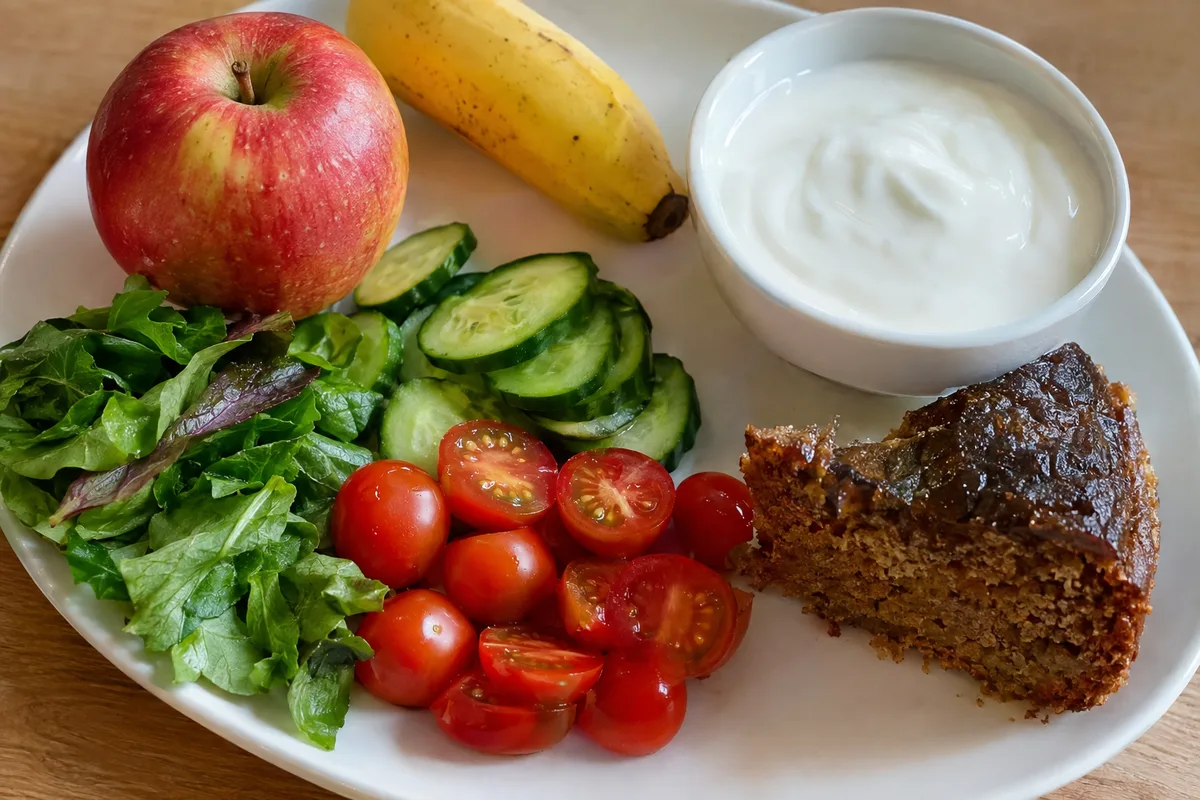
Sugar also occurs naturally in fruit, vegetables and milk. These foods provide other nutrients and do not need to be treated in the same way as sweets or sugary drinks. Looking at the whole food is more useful than trying to remove every gram of sugar.
- Reduce sugary drinks, sweets, cakes and sweet biscuits first
- Notice sugar added to sauces, cereals and flavoured dairy foods
- Keep whole fruit, vegetables and plain milk in context
- Decide whether you are tracking total sugar or added and free sugars
How reducing sugar can change your diet
Cutting back on sugary foods can make room for meals containing more protein, fibre and filling fats. These components tend to make a meal more satisfying than sugar on its own. The result may be a steadier eating routine with less reliance on sweet snacks, although appetite responses differ.
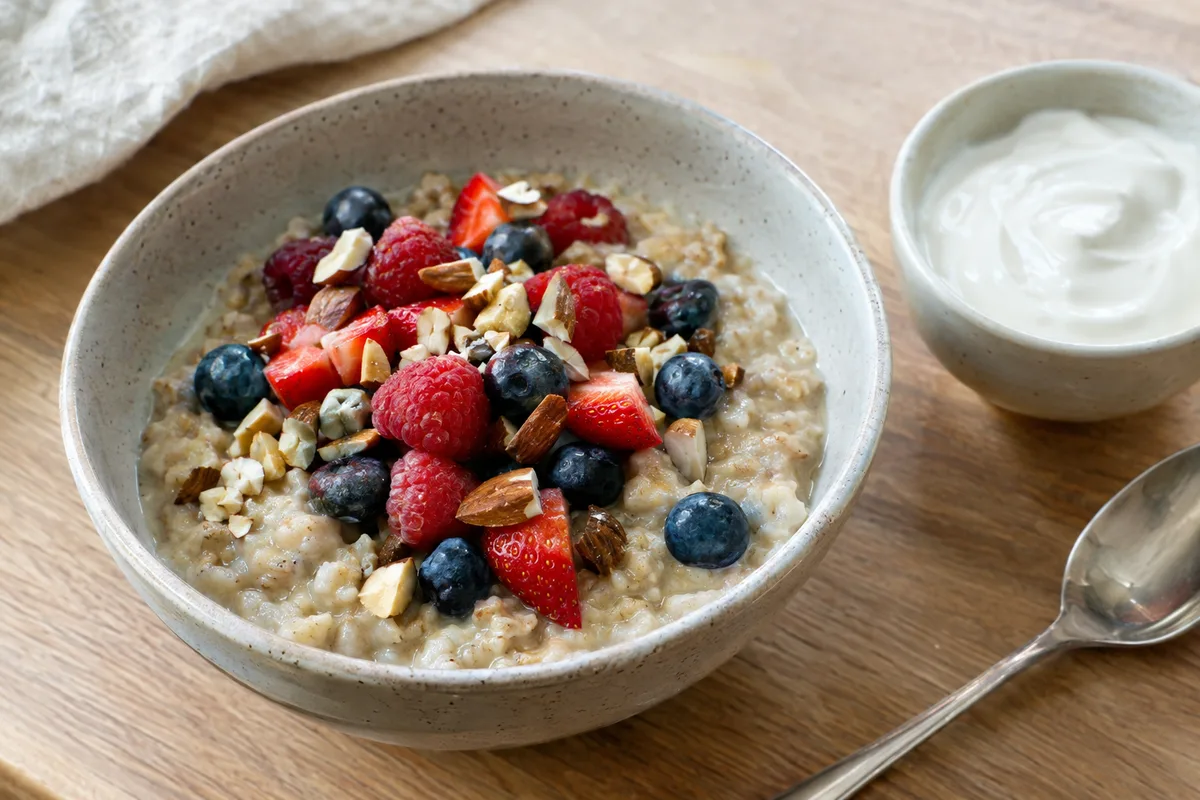
Sugary foods are not automatically high in calories, and sugar-free foods are not automatically low in calories. Fat, starch and portion size also affect the energy in a meal. Keep tracking the whole meal rather than judging it by sugar alone.
- Pair fruit with plain yoghurt or nuts
- Choose porridge or an unsweetened cereal and add your own fruit
- Build snacks around protein or fibre rather than sweetness alone
- Check calories, protein, fibre and fat alongside sugar
Possible benefits
A lower-sugar approach can simplify choices by drawing attention to foods that add sweetness without much nourishment. Replacing some of these foods with balanced meals may help you feel satisfied for longer. It can also make naturally sweet foods taste more noticeable over time.

Reducing frequent contact with sugary foods and drinks is also kinder to teeth. Choosing water or an unsweetened drink can reduce the number of sweet drinks consumed across the day. The size of any wider benefit depends on what replaces the sugar and on the rest of your eating pattern.
- More room for vegetables, whole grains and protein-rich foods
- Fewer calories when sugary foods are replaced rather than simply added elsewhere
- Less frequent exposure of teeth to sugar
- A clearer view of which sweet foods you value most
Possible drawbacks
A low-sugar plan can become unnecessarily restrictive if all fruit, milk and carbohydrate-rich foods are treated as problems. This may reduce variety and make meals less enjoyable. It can also make social eating awkward if the rules leave no room for flexibility.

Products described as having less sugar may contain more fat, refined starch or sweeteners, so the label claim does not tell the full story. Some sugar alternatives can also taste very sweet, which may not help if your aim is to become comfortable with less sweetness. A balanced approach is usually easier to maintain than chasing the lowest possible number.
- Cutting foods that contain useful fibre or protein
- Replacing sugar with foods that are just as energy dense
- Spending too much time trying to reach a perfect target
- Feeling that one sweet food has ruined the whole day
- Relying on label claims instead of checking the complete nutrition panel
How to use your food log
Start by reviewing several ordinary days rather than changing everything at once. Look for repeated sources of added or free sugar, especially drinks and snacks that do not keep you satisfied. Your log can show where one realistic change would have the greatest effect.
On UK food labels, the figure marked “of which sugars” includes both naturally occurring and added sugars. The ingredient list gives extra context because added sugars may appear under several names, including syrups, honey and fruit juice concentrates. Compare similar foods by serving size as well as by the amount shown per 100 grams.
- Mark sweet drinks, desserts, confectionery and sweetened snacks
- Notice when sugar appears in foods you eat every day
- Record the replacement as well as the food you removed
- Review hunger, satisfaction and enjoyment alongside the numbers
- Adjust gradually if the plan feels restrictive
Practical swaps that keep meals satisfying
A useful swap should still suit the role the original food played. If breakfast needs to be quick and filling, replacing a sweet cereal with a plain option plus fruit may work better than simply eating less. If a dessert is important to you, a smaller serving eaten deliberately may be more satisfying than an alternative you do not enjoy.
You do not need to remove sweetness completely. Reduce it in stages, taste as you go and keep the foods that matter to you. Consistency across your usual routine is more useful than trying to make every meal sugar-free.
- Swap a sugary drink for water, sparkling water or an unsweetened hot drink
- Choose plain yoghurt and add whole fruit or cinnamon
- Use fresh fruit instead of juice when you want a fruit snack
- Pick a less sweet sauce or use a smaller amount
- Keep a planned portion of a favourite sweet food rather than banning it