
How to Make Balanced Choices at Mexican Restaurants
Mexican restaurant menus offer plenty of ways to build a balanced, enjoyable meal. This guide explains how to compare dishes, choose useful sides and track your meal without chasing perfect numbers.
Start with the shape of the meal
Rather than judging a dish by its name, look at what it contains. A balanced meal can include a source of protein, vegetables, a carbohydrate such as rice or tortillas, and some fat for flavour and satisfaction. The exact balance depends on your appetite, preferences and daily targets.
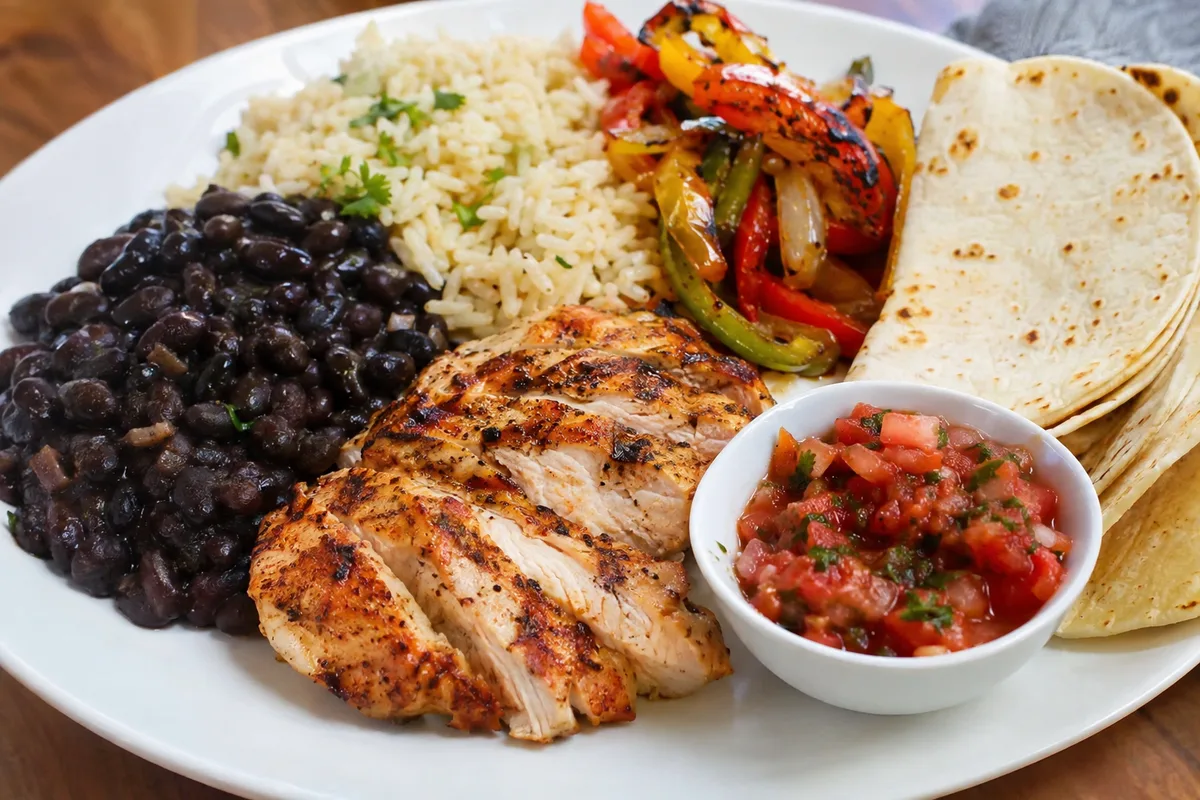
Menu descriptions often reveal how a dish is cooked and what comes with it. Grilled fillings, beans, vegetables, salsa and fresh toppings make the main parts easier to see, while fried shells and rich sauces can make portions harder to estimate. Neither style is forbidden, but knowing the difference helps you choose deliberately.
- Choose a main protein or a bean-based filling
- Look for vegetables in the filling or as a side
- Pick the rice, beans or tortillas you most want
- Add salsa, avocado, cheese or sour cream according to your targets
Compare tacos, burritos and fajitas
Tacos can be straightforward to track because the tortillas, filling and toppings are visible. Their total depends on the tortilla size, the number served and how generously they are filled. Soft corn or flour tortillas may also differ in size, so use the menu description rather than assuming they are all alike.
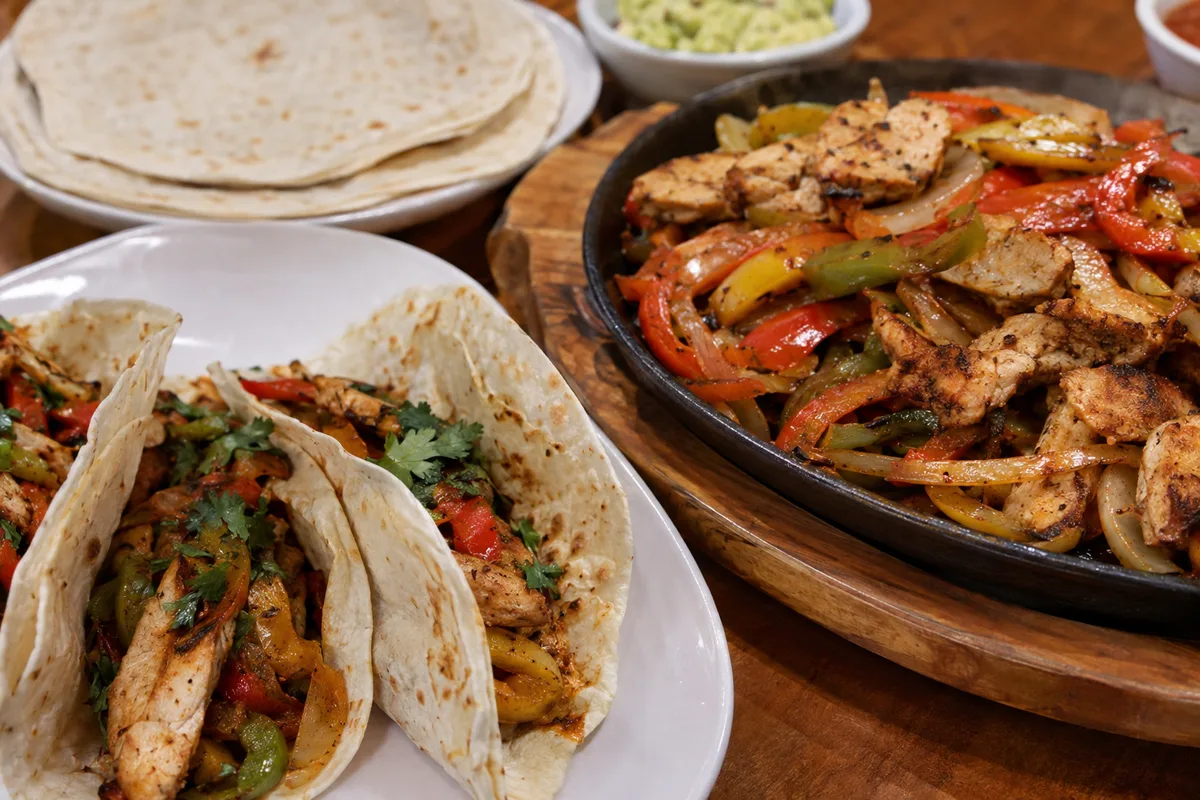
Burritos often combine a large tortilla with rice, beans, protein, cheese and sauces in one serving. Fajitas arrive as separate components, which lets you assemble each tortilla yourself and notice how much of each ingredient you use. If you want more control, ask for sauces or richer toppings on the side and add the amount that suits you.
- Tacos: check the number, tortilla type and toppings
- Burritos: note rice, beans, cheese and sauces inside
- Fajitas: build each tortilla from separate ingredients
- Bowls: check whether tortilla chips or tortillas are included
Use beans, vegetables and salsa well
Beans bring protein and fibre, making them a useful part of a filling meal. They may be served whole, mashed or cooked with added fat, so preparation matters when you log them. If the menu is unclear, ask how the beans are prepared or choose the closest sensible entry in your tracker.
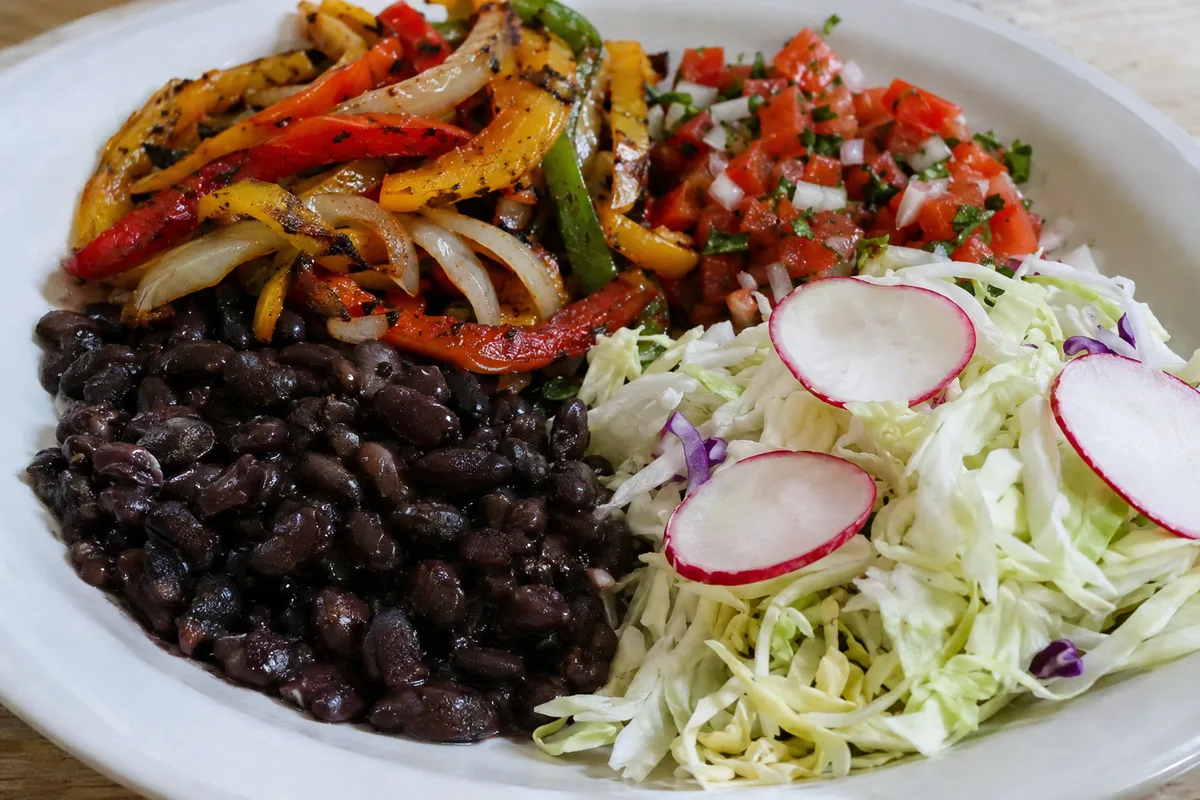
Vegetables can come in fajita mixes, salads, grilled sides, soups and fresh salsas. Salsa adds tomatoes, chillies, onions, herbs and sharp flavour, although recipes and salt levels vary between restaurants. Pico de gallo and vegetable salsas are often easier to estimate than creamy sauces because you can see their ingredients more clearly.
- Add whole beans to tacos, bowls or salads
- Choose grilled peppers and onions as a side or filling
- Use tomato salsa or pico de gallo for extra flavour
- Include lettuce, cabbage, radish or fresh herbs where offered
Choose toppings and sides on purpose
Cheese, avocado, guacamole and sour cream can all fit into a tracked meal. They are concentrated additions, so several generous toppings together may change the meal more than expected. Choose the ones you enjoy most instead of adding every option automatically.
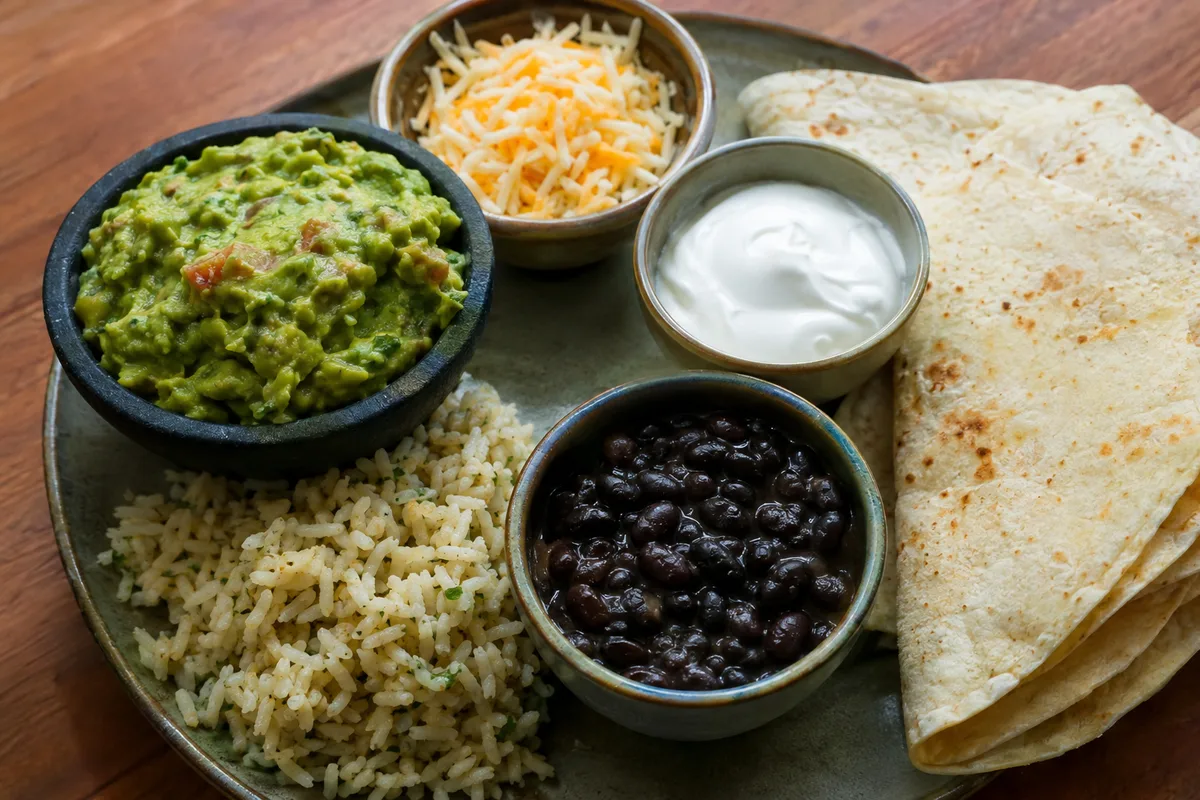
Rice, beans, chips and tortillas are all common accompaniments, but you do not have to treat them as a fixed set. Decide which carbohydrate or side matters most to you and adjust the others around it. Sharing a side, leaving some behind or asking for a different accompaniment are practical options, not rules.
- Pick guacamole or cheese when one is your main preference
- Ask for sour cream, queso or dressing on the side
- Choose between chips and extra tortillas if both feel unnecessary
- Swap one side for beans, salad or vegetables when available
Handle starters and drinks without losing track
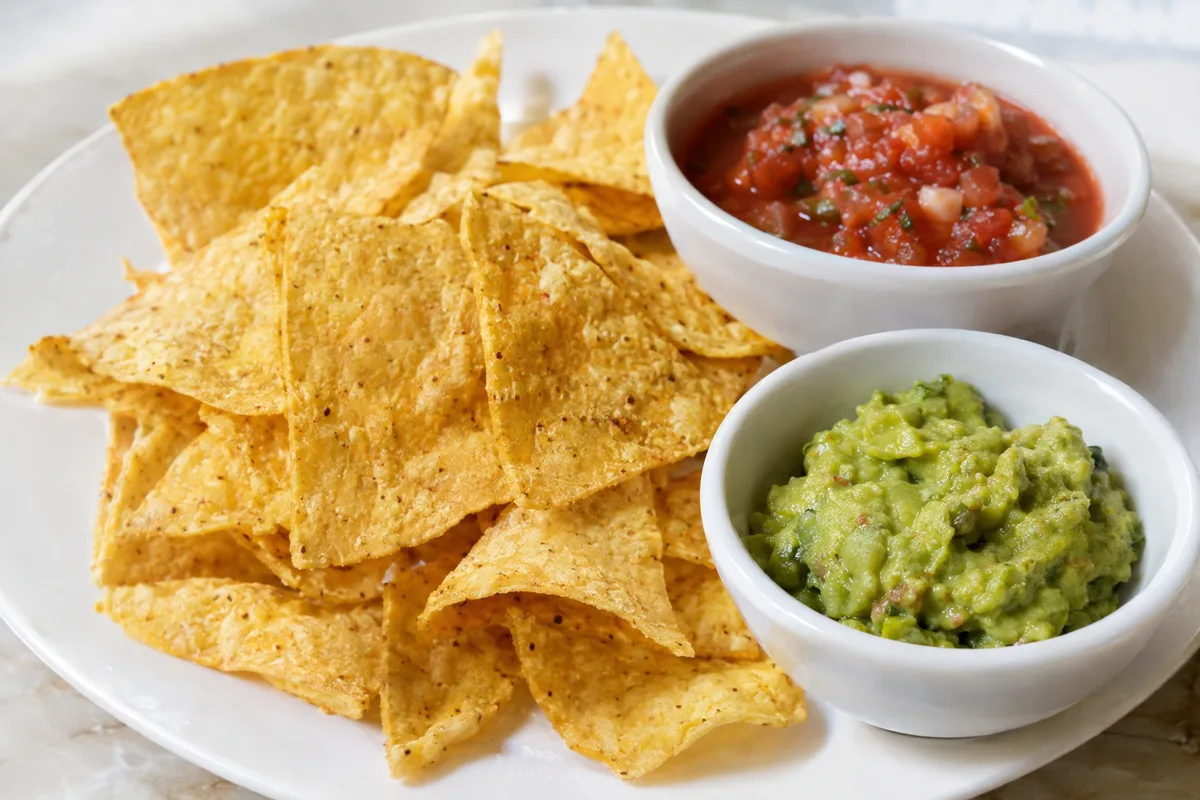
A shared basket of tortilla chips is easy to eat from without noticing the amount. Put a portion on your plate, enjoy it slowly and decide whether you want more before reaching back into the basket. Salsa, guacamole and cheese dips should be logged separately because each has a different mix of ingredients.
Drinks can also contribute energy, particularly when they contain fruit juice, syrups, cream or alcohol. Check the menu description and choose the drink you genuinely want rather than assuming every mixed drink is similar. Water or an unsweetened drink can sit alongside the meal if you would rather use your tracked allowance on food.
- Serve shared chips onto your plate
- Track dips separately from the chips
- Check mixed drinks for juices, syrups and creamy ingredients
- Alternate your chosen drink with water if that suits you
Log the meal with a sensible estimate
Restaurant recipes and serving sizes vary, so an exact number is rarely available. Start with the closest matching dish in your tracker, then adjust for visible ingredients such as tortillas, rice, beans, cheese and guacamole. A reasonable, consistent estimate is more useful than pretending the entry is exact.
You can also log the meal by components when the plate is easy to separate. Record the main filling, tortillas or rice, beans, toppings, sides and drinks, using your usual portion guides. If the serving is larger than expected, you can eat until comfortably satisfied and log what you actually ate rather than the full plate.
- Take a quick note of the visible components
- Use the restaurant's published information when it is available
- Choose a comparable entry when details are missing
- Adjust for toppings, sides and leftovers
- Keep the estimate consistent with how you log similar meals