
Matcha: What to Know Before You Add It to Your Food Diary
Matcha is powdered green tea, so you consume the tea leaf rather than removing it after brewing. Here is how to prepare it, track it and make sense of caffeine, added ingredients and storage.
What matcha actually is
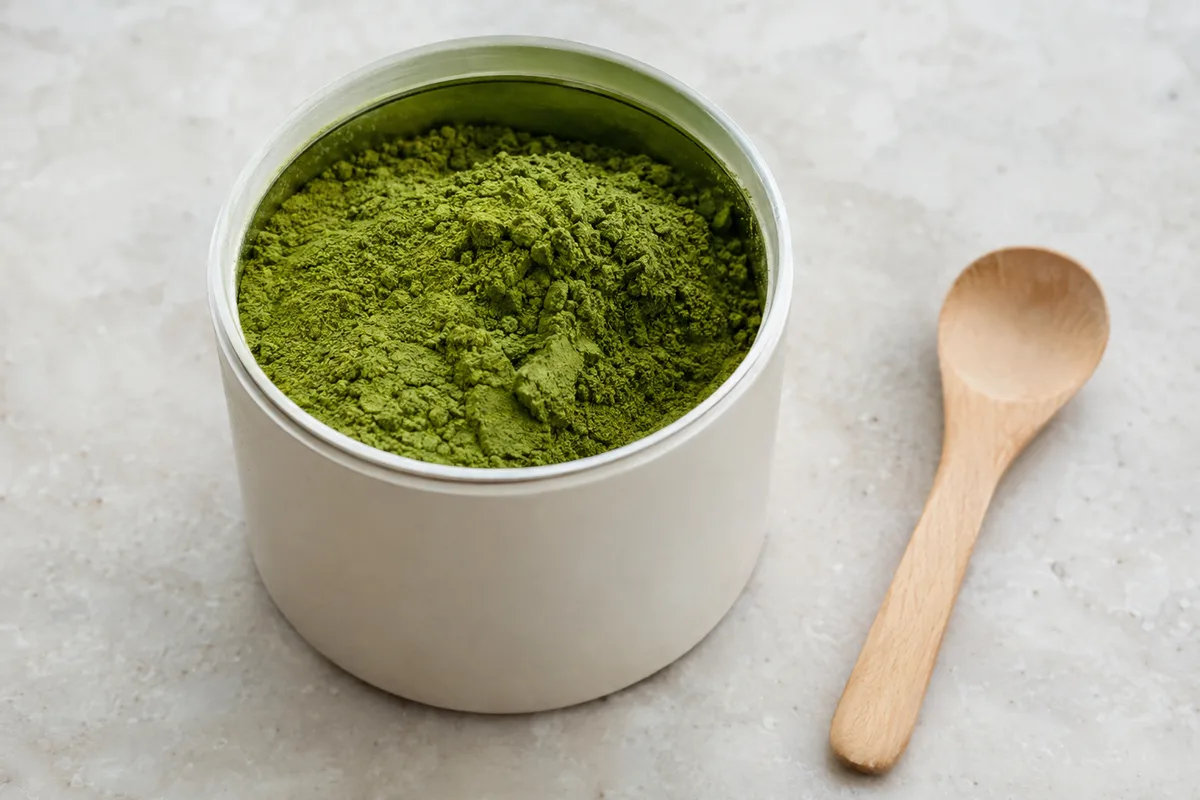
Matcha is made from tea leaves that are grown, picked, dried and ground into a fine powder. Instead of steeping leaves and taking them out, you mix the powder into water or another liquid. This gives matcha its strong green colour, grassy flavour and slightly bitter edge.
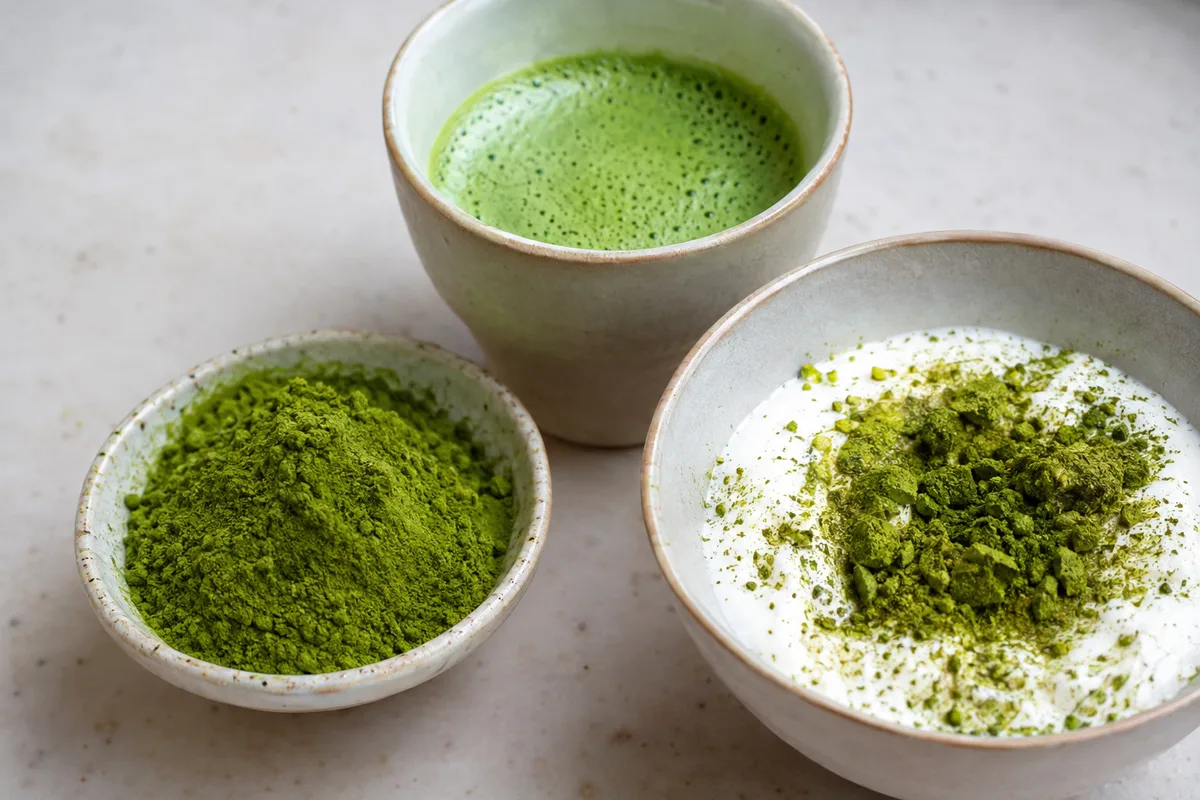
The taste can range from fresh and savoury to noticeably bitter, depending on the matcha and how it is prepared. Hot water that is not boiling usually produces a gentler flavour. The amount of powder and liquid can be adjusted to suit your preference.
- Matcha mixed with water
- Matcha added to milk
- Matcha blended into yoghurt or oats
- Matcha used in baking
What to record in your food diary
Plain matcha mixed with water generally contributes little energy, although the exact amount depends on how much powder you use. The additions often make a bigger difference to the diary entry than the tea itself. Milk, sweetened drinks, syrups, sugar, honey and flavoured powders should be logged separately unless your app has a complete recipe entry.
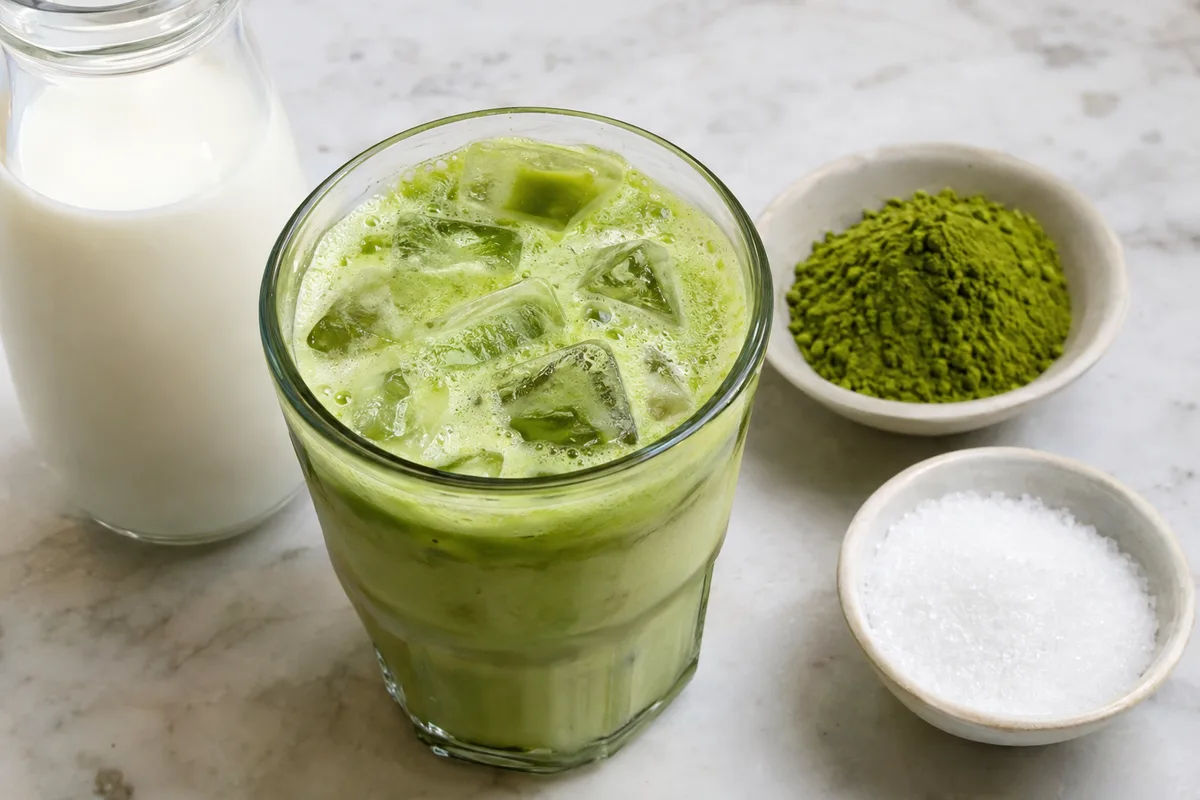
For a drink made at home, record each ingredient using the label or your usual diary method. For a prepared drink, check the available ingredient and nutrition information rather than choosing the first generic matcha entry. Recipes vary, even when the drinks have similar names.
If you use matcha in porridge, yoghurt or baking, include it in the full recipe. Divide the finished recipe by the number of portions you actually serve. This is more useful than treating matcha as the main source of energy in the dish.
- Log the matcha powder used
- Add the type and amount of milk
- Include sweeteners and flavoured syrups
- Record toppings, cream or sweetened foam
- Save repeated combinations as a recipe
Caffeine can vary
Matcha contains caffeine, but the amount is not identical in every serving. It changes with the quantity of powder, the product and the way the drink is made. A café drink may also contain other tea or coffee ingredients, so its total can differ from a homemade version.
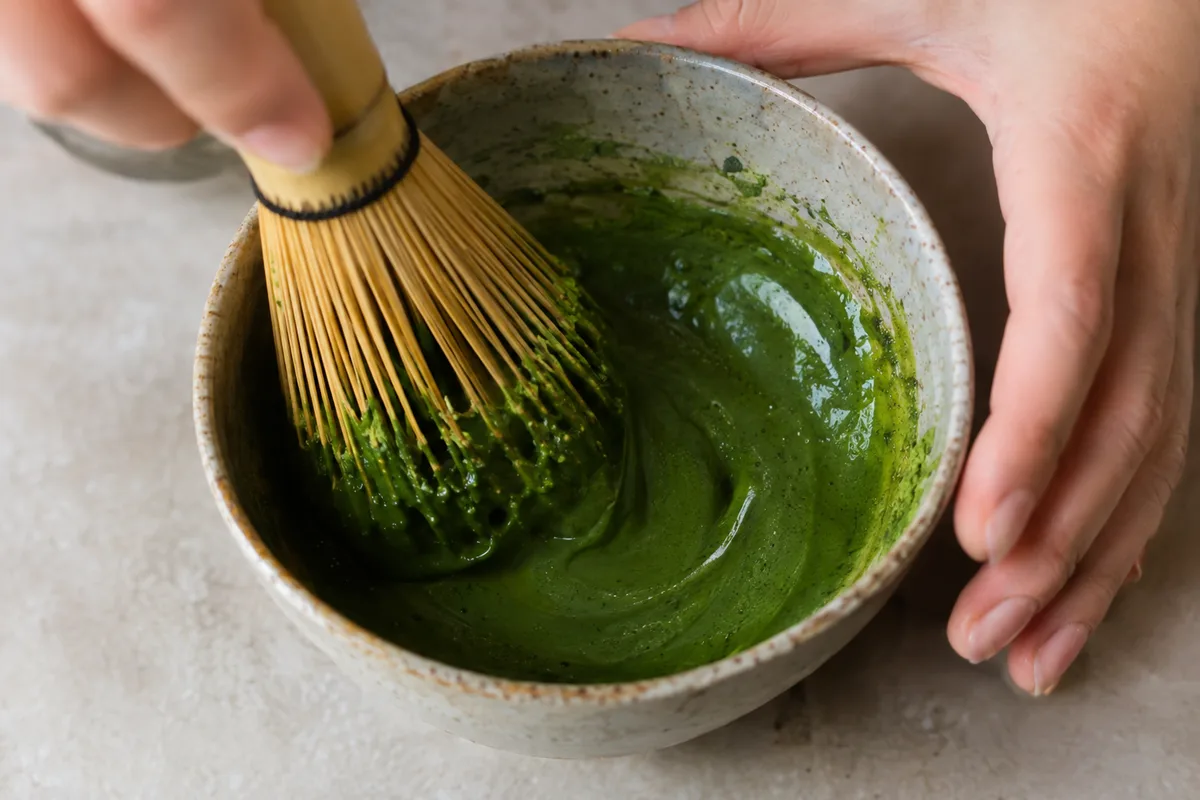
Your response to caffeine is personal. If you track it, use the product label or information from the maker when available, and record the serving you actually had. Notice how the timing fits with your sleep, appetite and general comfort rather than relying only on a generic database figure.
Matcha also contains an amino acid called L-theanine, which occurs naturally in tea. This does not remove the caffeine or make every serving feel the same. It is still sensible to count matcha among your caffeinated drinks.
- Check the serving size on the packet
- Note how much powder you used
- Include any other caffeinated ingredients
- Record the time if timing matters to you
How to make a smoother cup
Matcha can form lumps because the fine powder does not dissolve in the same way as sugar. Sifting it first and adding a small amount of water can help create a smooth paste. More water or milk can then be stirred in gradually.
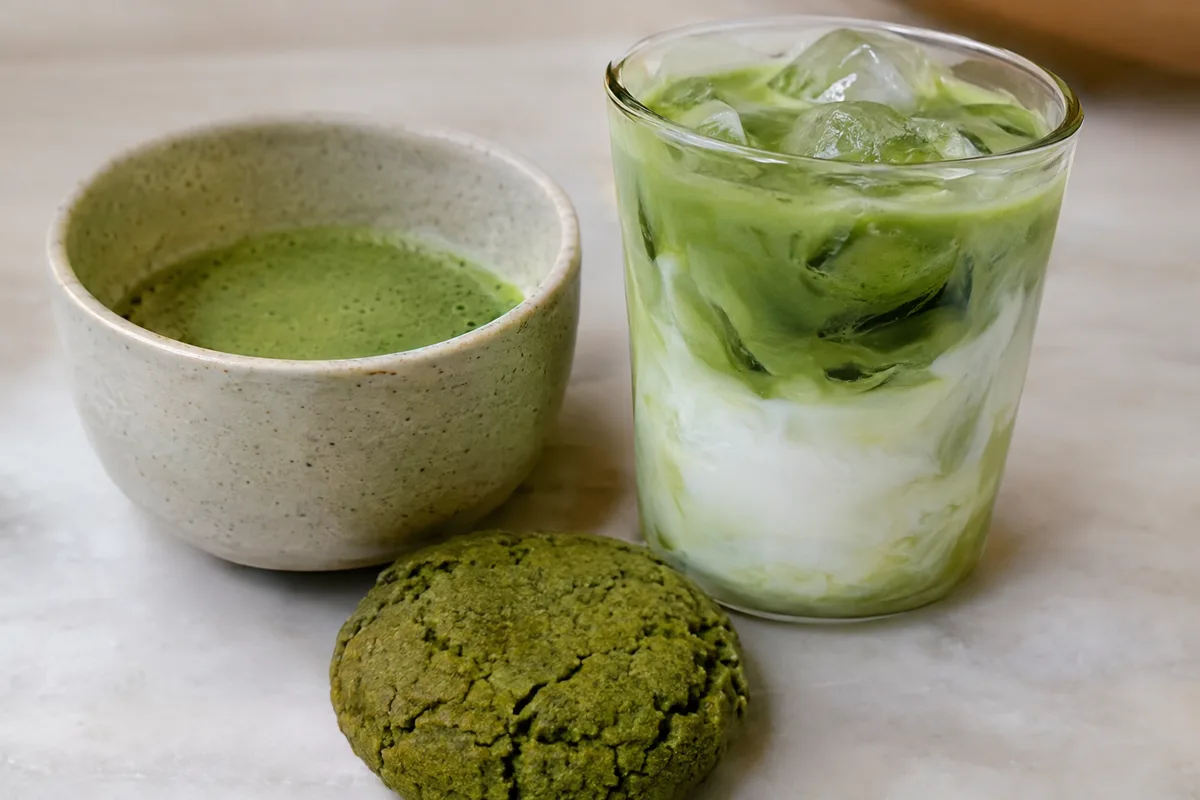
Very hot water can make the flavour seem harsher. Allow freshly boiled water to cool slightly before mixing, or follow the packet directions. If the drink tastes too strong, use more liquid before reaching for extra sweetener.
For a cold drink, mix the matcha with a small amount of water before adding chilled milk or water. This helps distribute the powder more evenly. Ice changes the strength as it melts, so taste the finished drink before adjusting it.
- Sift the powder to break up lumps
- Mix with a little water first
- Add the remaining liquid gradually
- Adjust strength with liquid rather than sweetness alone
Matcha is not automatically a light choice
The word matcha describes an ingredient, not the overall nutritional content of a drink or snack. A plain cup and a sweetened matcha drink can have very different diary entries. Matcha cakes, biscuits and desserts still need to be recorded as the complete food.
Green colour is not a reliable guide to how much matcha a product contains. Some foods use a small amount for flavour or colour alongside sugar, fat and flour. Check the ingredient list and nutrition label if accurate tracking matters to you.
There is no need to give matcha special status in your diary. Treat it as one part of the meal or drink, and focus on the ingredients and portion you consumed. Your wider eating pattern matters more than whether one item contains matcha.
- Compare the serving size with your portion
- Check for added sugar or syrup
- Look at the milk or base used
- Log the whole snack or drink, not only the matcha
Choosing and storing matcha
Matcha loses freshness when it is exposed to air, heat, moisture and strong light. Keep it tightly closed in a cool, dry place and follow the storage directions on the packet. Use a clean, dry spoon so moisture does not enter the container.
Colour and flavour can give useful clues about freshness, although they vary between products. Matcha that has been open for a long time may become duller and taste flatter or more bitter. This does not mean you need the brightest or most expensive option for every use.
A matcha you enjoy drinking with water may suit simple preparation, while a stronger-tasting one may work well with milk or in recipes. Labels such as ceremonial or culinary are not applied in exactly the same way by every seller. Choose according to flavour, intended use and the information provided on the packet.
- Close the container firmly after use
- Keep the powder away from steam and moisture
- Follow the packet's storage instructions
- Use aroma, colour and taste to notice loss of freshness