
Lower-saturated-fat meats and proteins for everyday meals
Protein foods vary widely in saturated fat, even when they come from the same animal. This guide explains which options tend to be leaner, how cooking changes the meal and what to record in your food diary.
What lower in saturated fat means
Saturated fat is one type of fat found in foods such as meat, dairy products and some plant ingredients. A lower-saturated-fat protein choice contains less of this fat than the option you would otherwise eat. The exact amount depends on the cut, product, portion and preparation method.
Total fat and saturated fat are related, but they are not identical. A food can contain unsaturated fats as well as saturated fat, so check the separate saturated fat line when a label is available. Protein also contains energy, at about 4 kcal per gram, while fat provides about 9 kcal per gram.
If you already track your food, compare entries using the same serving weight. This avoids making a small portion look leaner than a larger one simply because less food was logged. Use the label from your own pack when possible, as recipes and fat levels differ between products.
- Compare saturated fat for equal serving weights
- Check whether the entry is for raw or cooked food
- Match the database entry to the cut and fat percentage
- Include cooking oil, sauces and coatings separately
Leaner poultry choices
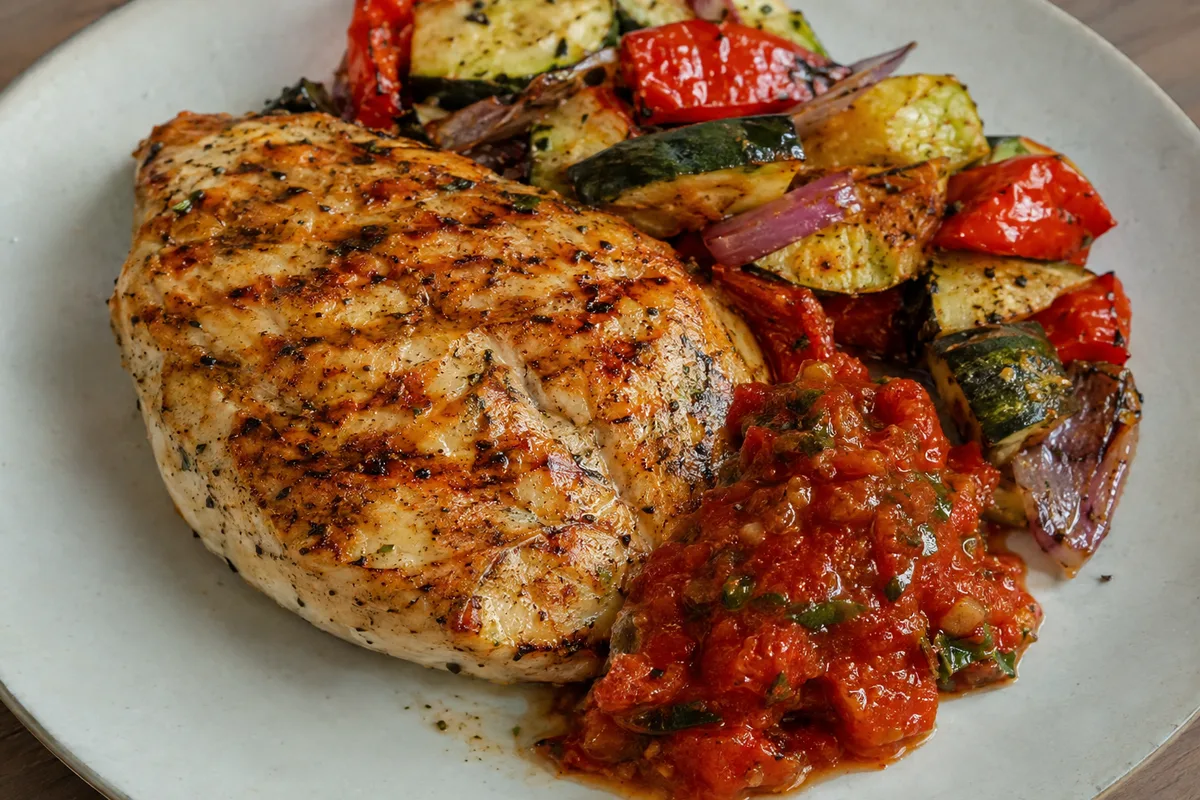
Skinless chicken and turkey are useful places to start when you want meat with less saturated fat. Breast meat is usually leaner than darker cuts, while removing the skin reduces the amount of fat eaten. The final meal still depends on whether the meat is grilled, roasted, fried or served in a rich sauce.
Minced poultry can vary considerably because some products include skin or fattier meat. Look at the nutrition label rather than assuming every turkey or chicken mince is lean. Plain pieces are often easier to track because added oil, crumbs and marinades can be recorded separately.
- Skinless chicken breast
- Skinless turkey breast
- Plain chicken or turkey strips
- Lean chicken or turkey mince, checked by its label
Leaner red meat and pork cuts
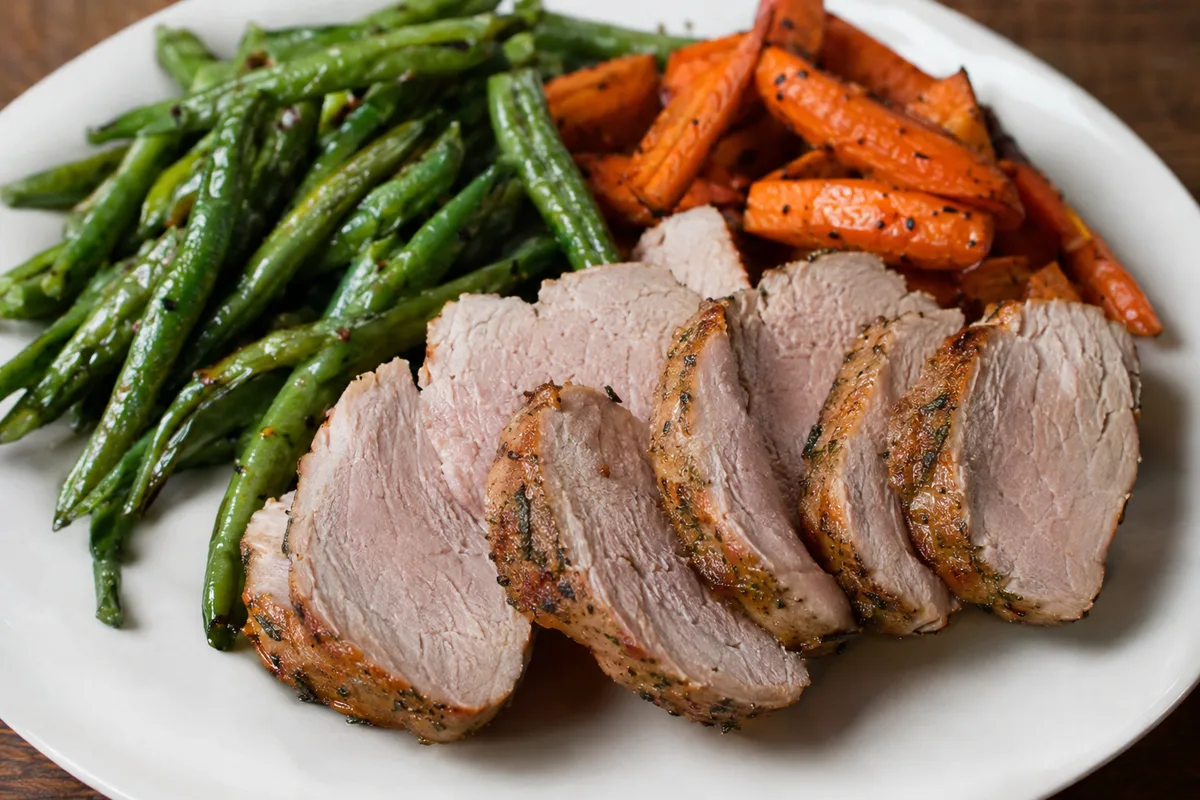
Red meat and pork can fit into a lower-saturated-fat meal when you choose a lean cut and trim visible fat. Words such as loin, fillet and lean steak often point towards a less fatty option, although the label remains the best guide. Marbling, a white pattern of fat within the meat, can raise the fat content even when the outside has been trimmed.
With minced meat, the stated fat level is more useful than the animal name alone. Two packs of beef or pork mince may have very different saturated fat values. Drain away released fat after cooking, but log the food consistently because nutrition entries may assume a particular preparation method.
Portion size affects the total amount recorded in your diary. Weighing the amount you eat can make comparisons more meaningful, especially when switching between steak, mince and mixed dishes. Remember to include pastry, cheese, creamy sauces or cooking fat when they are part of the meal.
- Pork tenderloin or trimmed pork loin
- Lean beef fillet or a trimmed lean steak
- Extra-lean beef mince, based on the pack label
- Lean diced meat with visible fat removed
Fish, seafood and non-meat alternatives
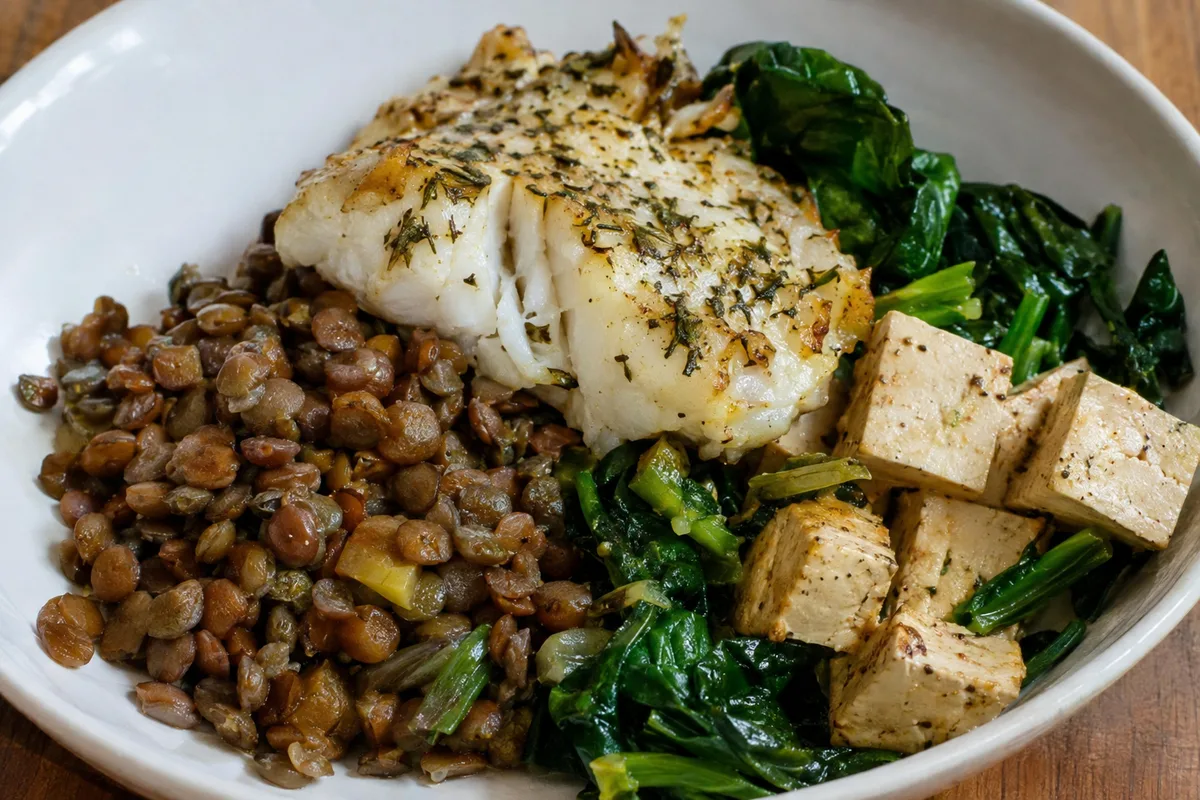
White fish and many types of seafood are naturally low in saturated fat while still providing protein. Oily fish contains more total fat, but much of it is unsaturated, so total fat alone does not give the full picture. Plain frozen or fresh fish is easier to compare than breaded, battered or pre-sauced products.

Protein does not have to come from meat at every meal. Beans, lentils, peas, tofu and other soya foods can replace some or all of the meat in familiar dishes. Their saturated fat content varies by product, particularly when coconut-based ingredients or rich sauces are added.
Eggs and lower-fat dairy foods can also contribute protein. Check labels on yoghurt, cottage cheese and other dairy products because versions differ in fat and added ingredients. When tracking a mixed meal, log each main ingredient rather than choosing a vague database entry.
- Cod, haddock, pollock or other plain white fish
- Prawns and other plain shellfish
- Beans, lentils and peas
- Plain tofu or other soya-based proteins
- Eggs and lower-fat dairy options
Cooking methods that keep added fat in view
A lean protein can become a higher-saturated-fat meal through frying, pastry, cheese or a creamy sauce. Grilling, baking, poaching, steaming and air frying can work with little added fat. If you use oil, measure and record the amount rather than relying on a guess.
Flavour does not need to come from butter or fatty meat. Herbs, spices, garlic, citrus, vinegar, mustard and tomato-based sauces can add interest with little or no saturated fat. Check ready-made marinades and sauces individually because their ingredients vary.
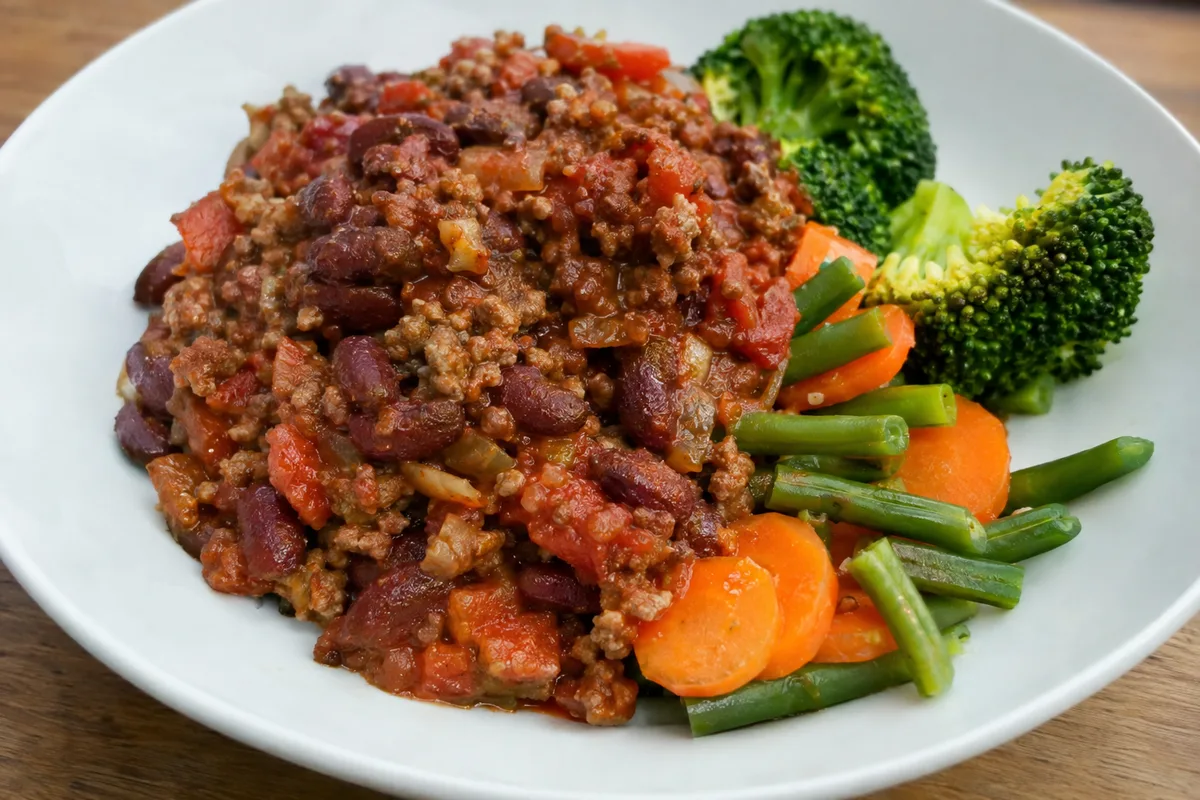
For dishes such as chilli, curry or pasta sauce, replace part of the mince with beans, lentils, mushrooms or chopped vegetables. This changes the saturated fat per serving while keeping the meal filling and familiar. Log the full recipe and divide it by the number of portions you actually serve.
- Grill or bake instead of shallow-frying
- Trim visible fat and remove poultry skin
- Measure cooking oil before adding it
- Choose tomato, herb or spice-based sauces
- Bulk out mince dishes with beans, lentils or vegetables
Building a useful low-fat protein list
Your own list should reflect foods you enjoy, can prepare and eat regularly. Start with a few lean meats, fish choices and meat-free proteins, then save the accurate diary entries for later use. There is no single best number of foods or portions because needs and eating patterns differ from person to person.
Review saturated fat across the whole day rather than judging one ingredient in isolation. A lean main protein may sit alongside higher-saturated-fat sides, while a fattier protein may be part of an otherwise lighter meal. Looking at the complete meal gives you a clearer picture.
Labels and recipes change, so check saved entries from time to time. Keep raw and cooked weights separate, and name homemade recipes clearly so that you can find the right version. A short, reliable list is more useful than a long list of uncertain database matches.
- Save exact product entries when you use packaged foods
- Create separate entries for raw and cooked portions
- Record sauces, oils and toppings as well as the protein
- Compare equal weights when testing alternatives
- Update recipes when ingredients or serving sizes change