
How to Make Weight Training Work for MMA
Weight training for MMA should support striking, grappling and repeated hard efforts without taking over the whole programme. This guide explains exercise choice, session structure, recovery and how to use your food log alongside training.
What weight training adds to MMA
MMA asks you to produce force while moving, changing level and working against another person. Weight training gives you a controlled way to practise producing that force. The aim is not simply to lift the heaviest load possible or make every muscle feel exhausted.

A useful strength programme supports the skills you practise on the mat or in the ring. It can develop stronger pushing, pulling, bracing, hinging and leg drive. It should leave enough energy and attention for striking, wrestling, grappling and technical learning.
More gym work is not automatically better. The right amount depends on your experience, MMA schedule, sleep, recovery and current priorities. Judge the programme by whether your movement and skill sessions remain sharp, not only by what you lift.
- Build force through the legs and hips
- Strengthen pushing and pulling patterns
- Practise staying firm through the trunk
- Support grip and upper-back strength
- Keep strength work secondary to MMA skill
Choose movements with a clear purpose
Base the programme on movement patterns rather than collecting exercises that look specific to fighting. Squats and split stances train leg force, while hinges train force from the hips. Presses, rows and pull-down movements cover the main upper-body actions.
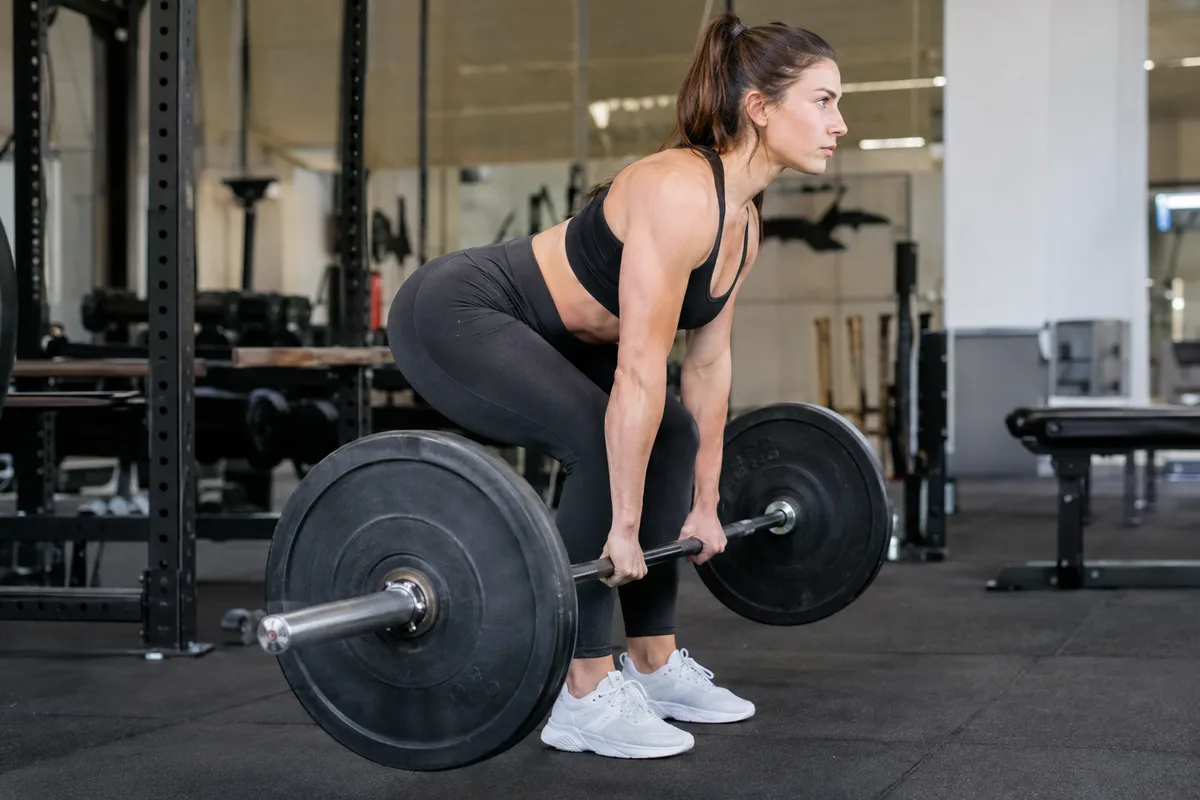
Single-leg work can be useful because MMA rarely keeps both feet in one fixed position. Carries and controlled trunk exercises can train you to resist unwanted bending or turning. Jumps and throws may also fit when they are performed with speed, control and suitable coaching.
An exercise does not need to copy a punch, kick or takedown to be useful. The gym builds physical qualities, while MMA practice teaches you how to apply them. Choose movements you can perform consistently with sound technique and without disrupting the rest of your training.
- Squat or split-squat pattern
- Hip-hinge pattern
- Upper-body push
- Upper-body pull
- Carry or controlled trunk movement
Build sessions around quality, not exhaustion
Start with movements that need the most speed, coordination or concentration. Follow them with the main strength exercises, then use simpler supporting work if it serves a clear need. A session can be effective without finishing with a punishing circuit.

Use loads that let you keep the intended posture and range of movement. Stop a set when the movement becomes noticeably slower or your technique starts to change. The appropriate number of exercises, sets and repetitions depends on your training background and the work surrounding that session.
Rest long enough to repeat good efforts rather than rushing because short rests feel harder. Hard breathing is not the main measure of a successful strength session. MMA practice already provides plenty of sport-specific fatigue, so lifting should add strength without needlessly copying that fatigue.
- Warm up the movements you plan to train
- Perform fast or highly technical work first
- Complete the main strength movements
- Add only relevant supporting exercises
- Finish while technique is still controlled
Fit lifting around MMA practice
Place the most important MMA sessions where you are most likely to feel fresh. Avoid putting demanding lower-body lifting immediately before practice that relies on quick footwork, shots or kicks when possible. Your exact weekly layout depends on when classes, sparring and coaching are available.
When two sessions share a day, decide which one has priority. Doing the priority session first usually makes it easier to give that work your best attention. If strength is completed first, allow enough time and food between sessions for the later MMA work to remain useful.
Watch how sessions affect one another across the week. Persistent heaviness, falling concentration or repeated drops in performance can mean the total workload needs adjusting. Reduce gym volume, simplify exercise selection or move demanding work before adding more training.
- Protect key skill and sparring sessions
- Separate demanding sessions when practical
- Set a clear priority on double-session days
- Adjust the week when performance keeps dropping
Use your food log to support the work
Because you already track what you eat, look for patterns between your intake and training quality. Compare similar training days rather than judging one isolated session. Note whether meals were well timed, whether you arrived hungry and how steady your energy felt.

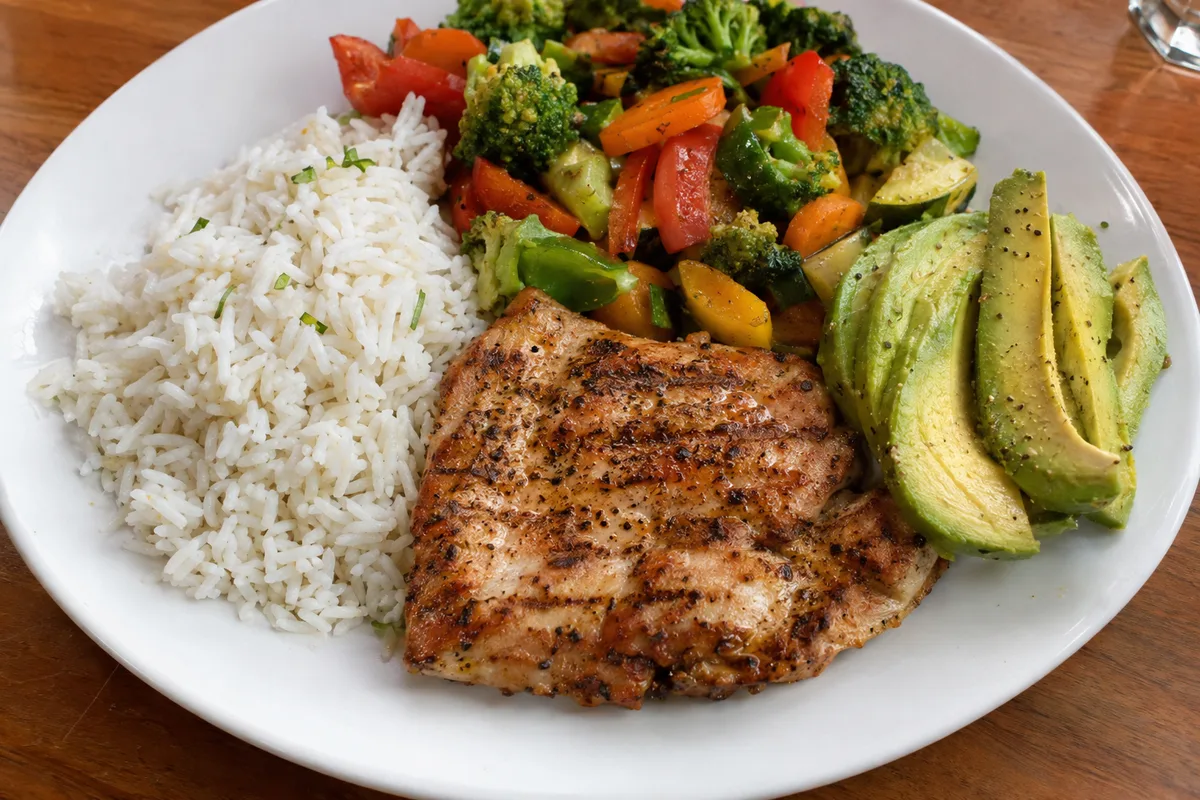
Carbohydrate-rich foods can help supply energy for demanding lifting and MMA practice. Protein-containing meals support the repair and rebuilding that follow training, while dietary fat remains part of an overall balanced intake. The amount needed depends on body size, training load, goals and personal preference.
Your log can also show whether busy training days regularly leave too little time to eat. Plan familiar meals and snacks around the timetable instead of relying on perfect choices made when tired. Keep fluids in mind as well, particularly when practice is long, warm or sweaty.
- Oats, rice, potatoes, bread or fruit for carbohydrate
- Eggs, yoghurt, fish, meat, tofu or beans for protein
- Nuts, seeds, olive oil or avocado for dietary fat
- Regular drinks before and after demanding sessions
Progress without losing sight of the sport
Progress can mean using a little more load, completing the same work with better control or moving a suitable load more quickly. It can also mean maintaining strength while MMA practice becomes more demanding. Not every training phase needs to chase a gym personal best.
Change one part of the programme at a time so you can understand what caused the result. Keep useful exercises long enough to learn them and monitor progress, but change an exercise when it no longer fits your schedule or purpose. Random variety makes it harder to tell whether the programme is working.
Record the exercise, load, effort and any effect on the next MMA session. Review these notes alongside your food and sleep records to find repeatable patterns. The best plan is one that develops strength while allowing consistent, high-quality MMA practice.
- Technique remains steady as load increases
- The same work feels more controlled
- Explosive movements stay quick and crisp
- MMA sessions remain sharp after lifting
- Recovery fits the rest of the weekly programme