
The 10 Best Gym Machines for Weight Training
Gym machines can make weight training simpler by guiding the path of each movement. This guide covers 10 useful options, how to choose between them and how to build them into your routine.
What makes a gym machine useful
The best machine is not simply the one that holds the most weight. It should suit your body, let you move without discomfort and make the target muscles work through a controlled range. A machine that feels awkward after you adjust it may not be the right choice for you.
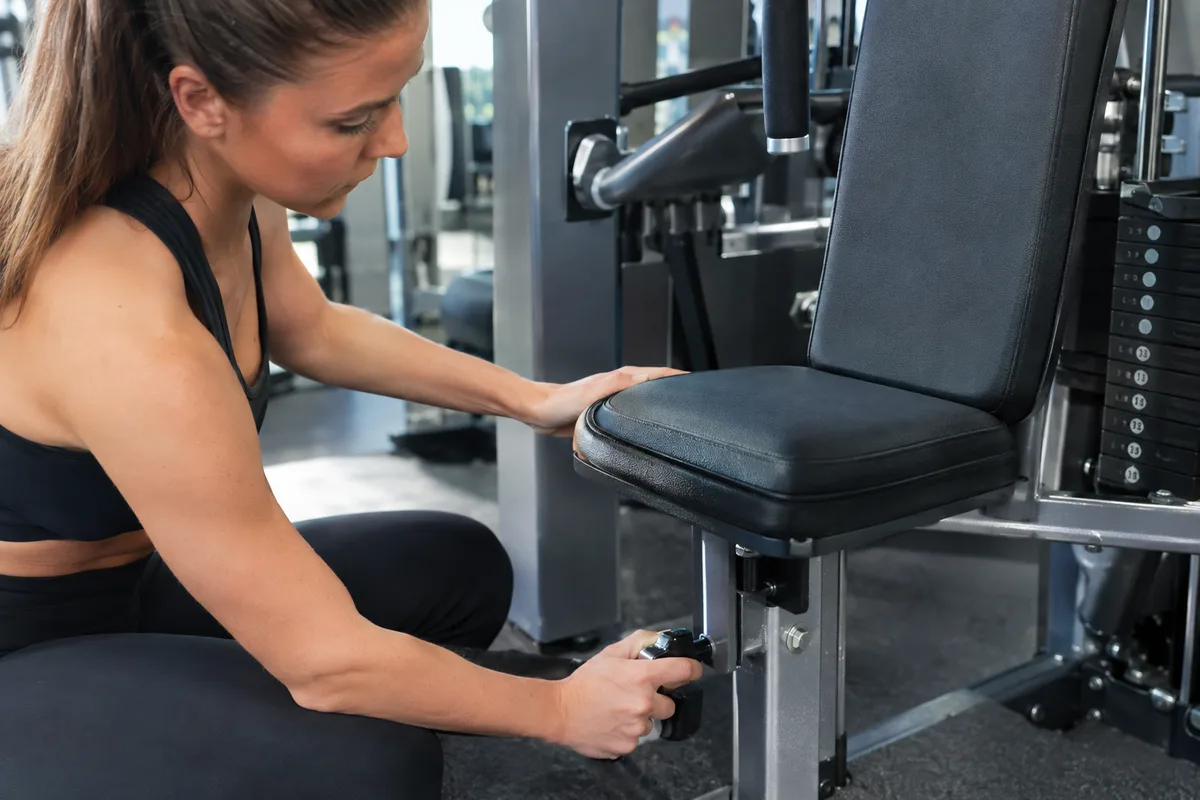
Machines can be helpful when you are learning a movement because the equipment controls part of the path. This leaves you free to concentrate on your position, breathing and effort. They are also convenient when you want to train a particular muscle group without balancing a free weight.
Before starting, adjust the seat, pad or handles while the machine is unloaded. Begin with a manageable resistance and move slowly enough to stay in control. Ask a member of gym staff to explain an unfamiliar machine rather than guessing how it works.
- Choose a machine that can be adjusted to fit your height and reach.
- Look for a smooth movement without pinching, sharp discomfort or forced joint positions.
- Use a load that allows steady repetitions without swinging or bouncing.
- Stop the set when your position changes or you can no longer control the movement.
Four machines for the lower body
Lower-body machines can train the thighs, hips and calves while giving your back and torso some support. Position matters, particularly around the knees and hips. Keep your movement smooth and avoid letting the weight stack crash between repetitions.
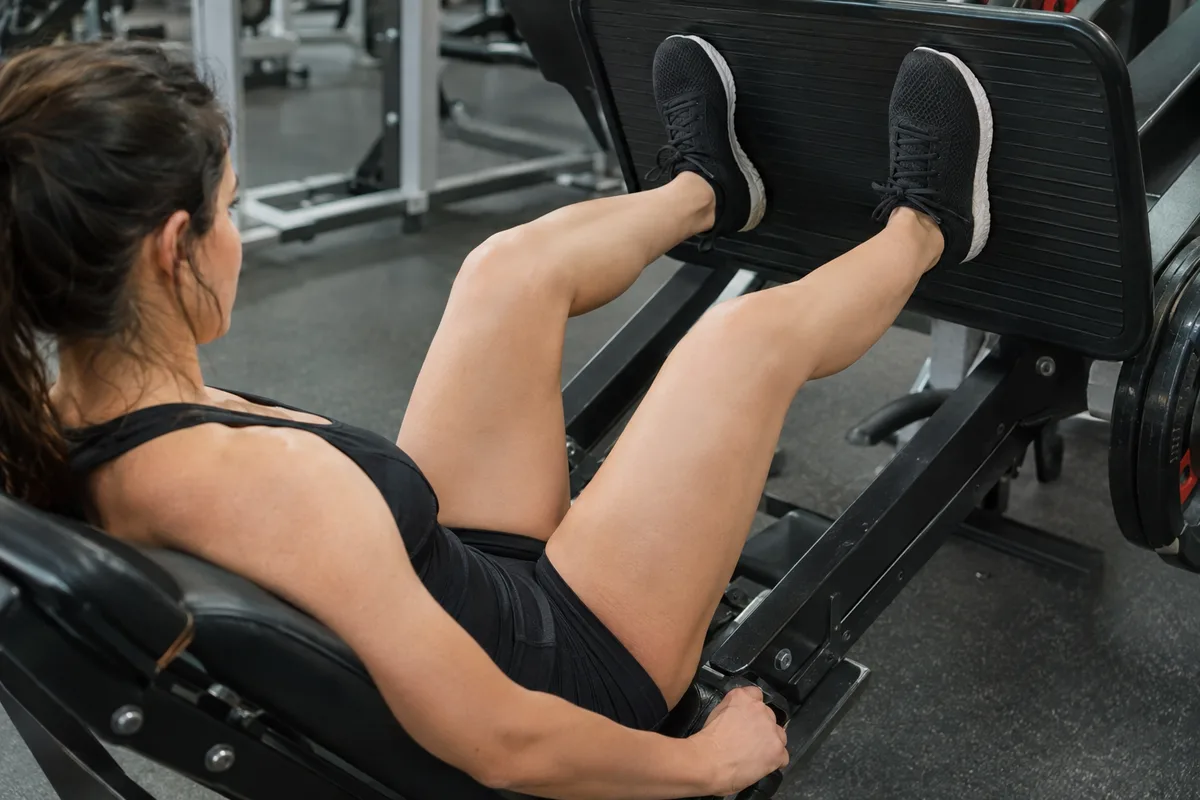
These four machines focus on different actions, so they do not need to appear in every session. A leg press covers several large muscle groups at once, while the other options place more emphasis on a particular area. Your choice can depend on your routine, comfort and available time.
Use the handles and pads for support rather than to create momentum. Keep your feet, knees and hips moving in a comfortable line. The range of movement should be one you can control without your hips lifting or your body twisting.
- Leg press: trains the thighs and hips as you push the platform away, with your feet kept flat and your lower back supported.
- Seated leg curl: works the backs of the thighs as you bend your knees and draw the lower pad down and back.
- Leg extension: focuses on the fronts of the thighs as you straighten your knees without kicking or locking them forcefully.
- Calf raise machine: trains the calves as you lift and lower your heels through a steady, comfortable range.
Two machines for pushing movements
Pushing machines mainly train muscles at the front of the upper body, along with the backs of the upper arms. The chest press moves the arms forwards, while the shoulder press moves them overhead. Both usually offer a supported seat and a fixed path.
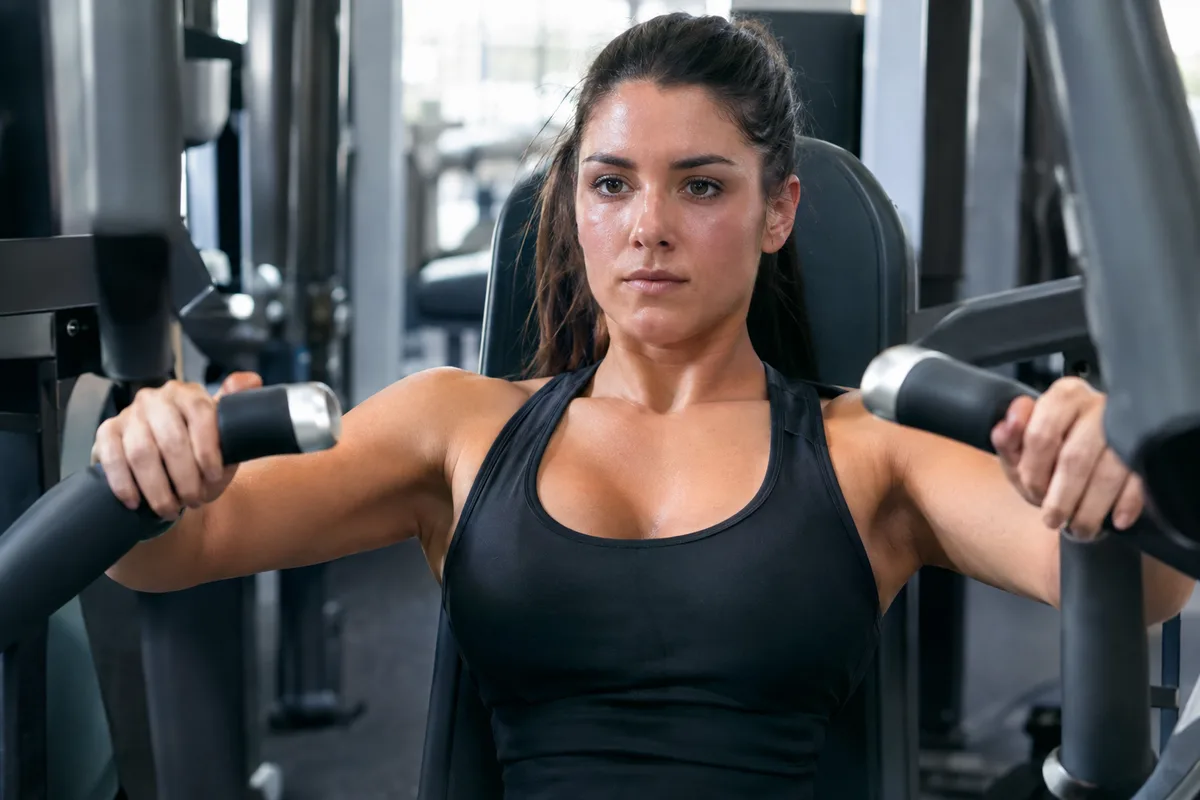
For the chest press, adjust the seat so the handles are around mid-chest level. Keep your shoulders down rather than shrugging towards your ears. Press forwards smoothly, then let the handles return under control.
For the shoulder press, choose a seat position that lets you reach the handles without leaning or over-arching your back. Press upwards without forcing your elbows into a rigid lock. If the machine's path feels cramped or uncomfortable, use another pressing option.
- Chest press machine: a supported way to train the chest, shoulders and backs of the upper arms.
- Shoulder press machine: an overhead push for the shoulders and backs of the upper arms.
- On both machines, use a neutral wrist position rather than letting the hands bend backwards.
Two machines for pulling movements
Pulling machines train the upper back and the fronts of the upper arms. They can balance the pushing work in a routine and help you practise moving the shoulder blades with control. Avoid turning each repetition into a full-body swing.
On a lat pulldown, sit securely under the thigh pad and bring the bar towards the upper chest. Keep your torso mostly still and do not pull the bar behind your neck. Let your arms lengthen again without allowing the weight to jerk you upwards.
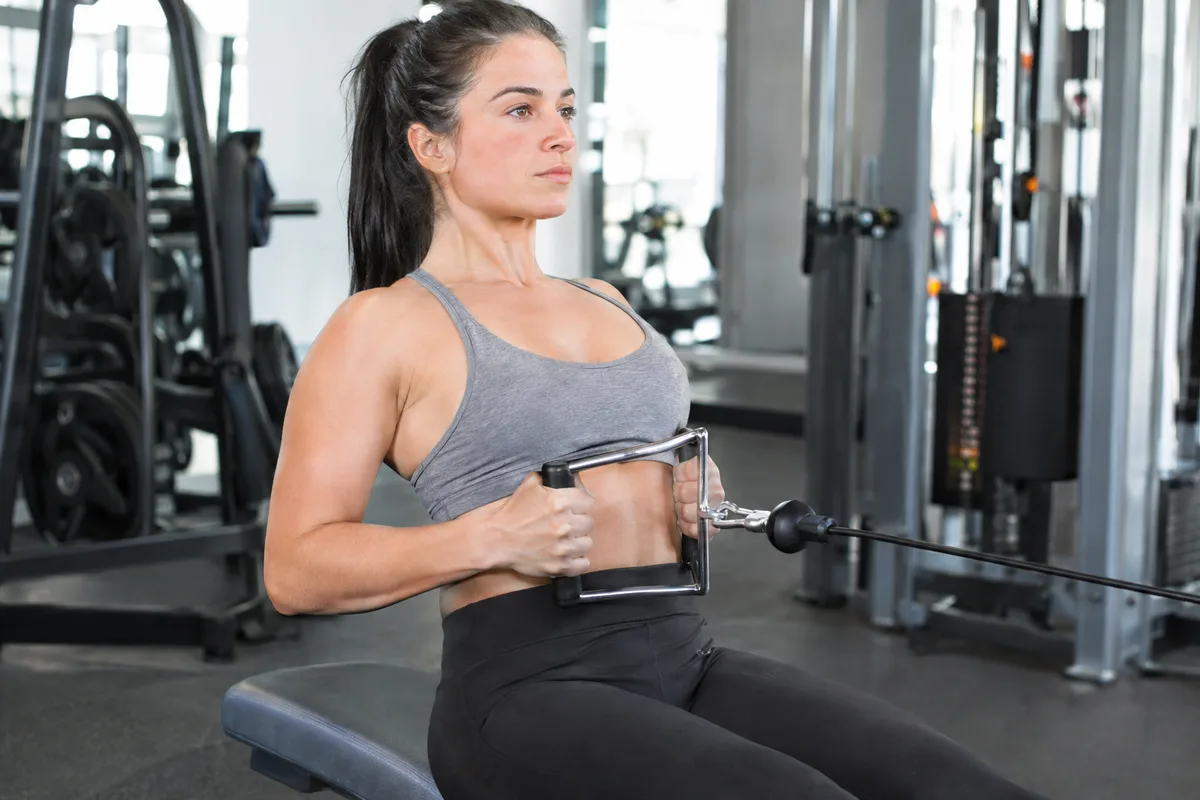
On a seated row, start tall with the handle in front of you. Pull it towards your torso while keeping your elbows on a natural path, then return slowly. Do not lean far backwards to move a heavier load.
- Lat pulldown machine: trains the upper back through a downward pulling movement.
- Seated row machine: trains the upper and middle back through a horizontal pull.
- For both movements, think about guiding the elbows rather than squeezing the handles as hard as possible.
Two versatile choices for varied training
A cable machine and a Smith machine allow more exercise choice than most fixed machines. That flexibility can be useful, but it also means you must set up each movement carefully. Start with simple exercises and learn where the safety catches, adjustment points and clear areas are.
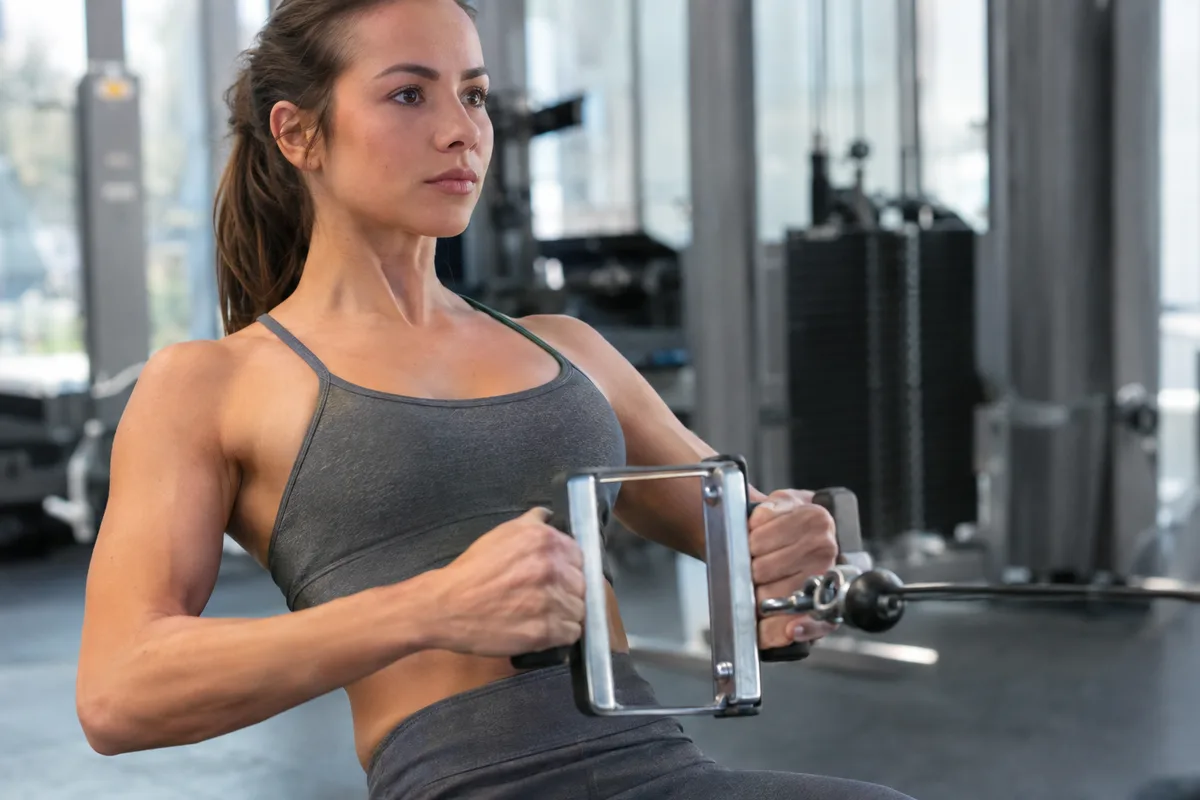
A cable machine keeps tension through a pulley and can be adjusted for rows, presses, arm work and some lower-body movements. Stand in a stable position and make sure the attachment is secure before beginning. Keep hands away from the moving weight stack and pulley.
A Smith machine guides a bar along rails and can be used for movements such as squats, split squats and presses. The fixed route does not suit every body or every exercise, so test the movement with the bar lightly loaded. Set the safety stops before a movement in which the bar could come down towards you.
- Cable machine: useful for movements from high, low or middle pulley positions.
- Smith machine: provides a guided bar path and adjustable safety stops.
- Keep the space around either machine clear before starting.
- Check that pins, clips and catches are fully in place.
How to build the machines into your routine
You do not need to use all 10 machines in one visit. Choose movements that together cover the main areas you want to train, then repeat them often enough to learn the set-up. A simple session might include a lower-body push, a lower-body curl, an upper-body push and an upper-body pull.
Record the machine, seat setting, resistance and repetitions alongside your usual food tracking if that helps you see your routine as a whole. Increase the challenge only when your repetitions remain controlled and your position stays consistent. The right increase depends on the machine and the person, so there is no single amount that suits everyone.
Training and food records answer different questions. Your gym notes show what work you completed, while your food log shows what you ate around it. Looking at both can help you notice whether your plan feels practical and repeatable.
- Pick a small group of machines that covers pushing, pulling and lower-body work.
- Write down the seat and pad settings so the machine is easier to set up next time.
- Keep the resistance steady until the full set feels controlled.
- Allow recovery time before training the same muscles hard again.
- Review your notes and change one part of the routine at a time.