
How to Choose the Right Acupressure Mat for You
The best acupressure mat is one that suits how you plan to use it and how much pressure feels comfortable. This guide explains the main differences, sensible ways to compare options and how to begin using a mat.
What an acupressure mat actually does
An acupressure mat is a padded surface covered with clusters of small, firm points. Lying, sitting or standing on it spreads pressure across the part of your body touching the mat. The sensation can range from gently prickly to very intense, depending on the points, your clothing and how much weight you place on it.
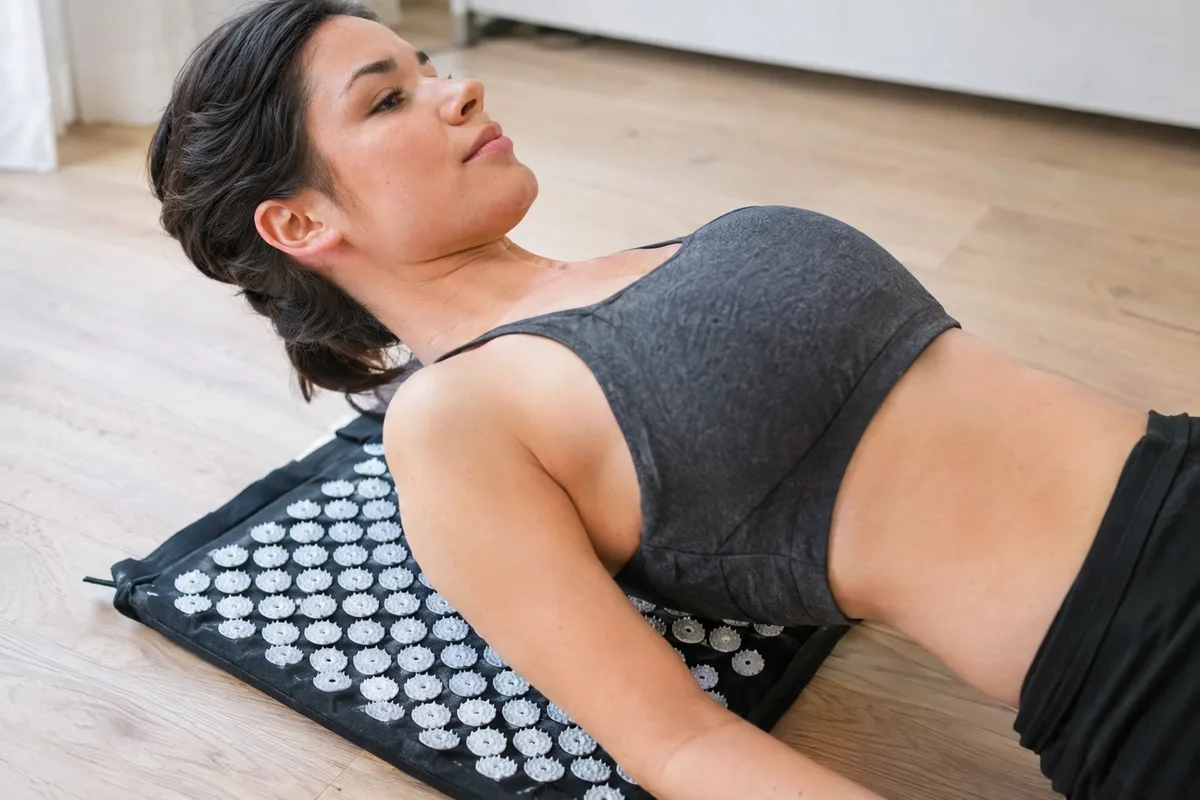
Some users find the steady pressure relaxing or enjoy using a mat as part of a quiet evening routine. Comfort varies greatly, so another person’s favourite mat may feel too mild or too sharp for you. Treat broad claims about rapid or guaranteed results with caution, as the experience is personal and a mat is not a substitute for professional support.
- Use it under your back while lying down
- Place it behind your shoulders while sitting
- Rest your feet on it while seated
- Use a matching cushion under your neck if that position feels comfortable
Choose the point intensity first
The shape, spacing and firmness of the points have more effect on the experience than colour or appearance. Closely packed points tend to spread pressure over a wider area, while fewer points may make each contact feel stronger. Point height and sharpness also differ between mats, but product descriptions do not always make those differences easy to compare.
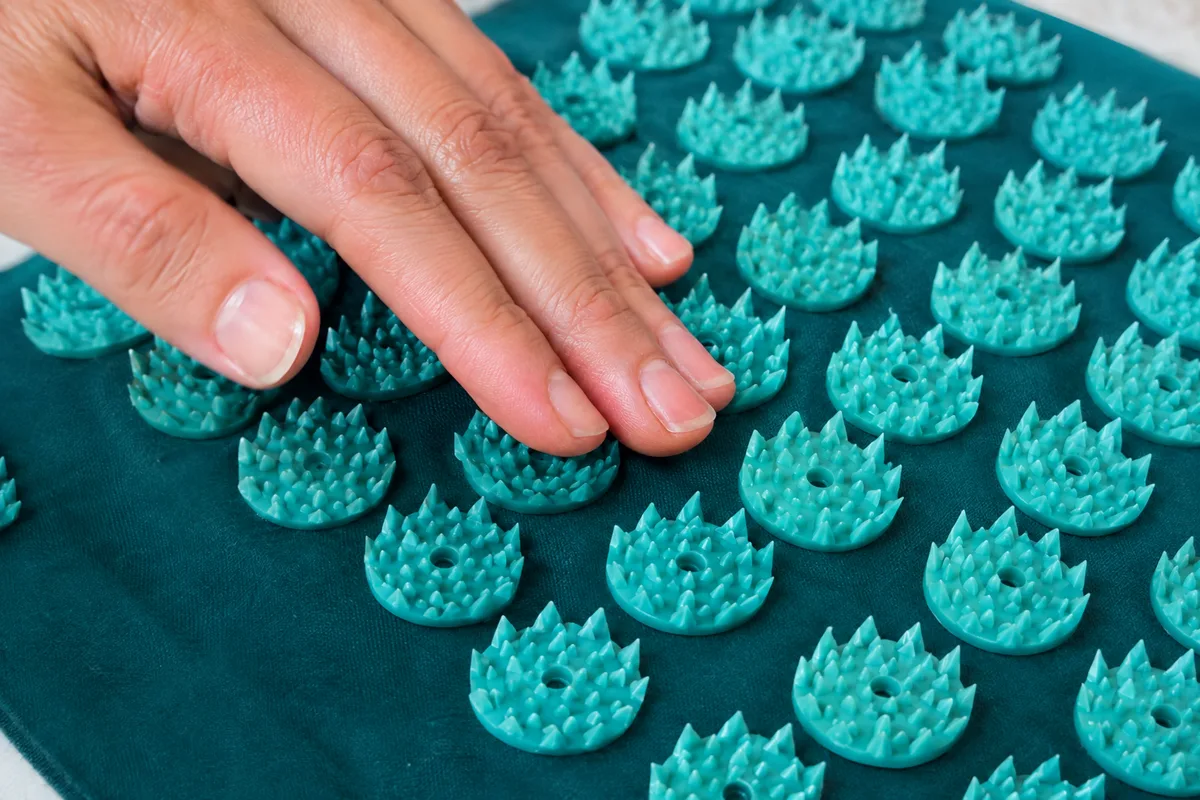
If you are new to this type of pressure, a less aggressive surface may be easier to use consistently. A thin top or a folded cloth can soften the feeling while you get used to it. More experienced users may prefer firmer points, but stronger pressure is not automatically more useful.
- Look for clear close-up images of the point clusters
- Check whether the points have rounded or narrow tips
- Notice how densely the clusters cover the fabric
- Avoid choosing solely because a mat is described as intense or advanced
Match the size and shape to your routine
A standard rectangular mat usually supports much of the back, while a longer version may also reach the hips or legs. Smaller mats are easier to store and may suit seated use or pressure under the feet. The right dimensions depend on your height, preferred position and available floor space.
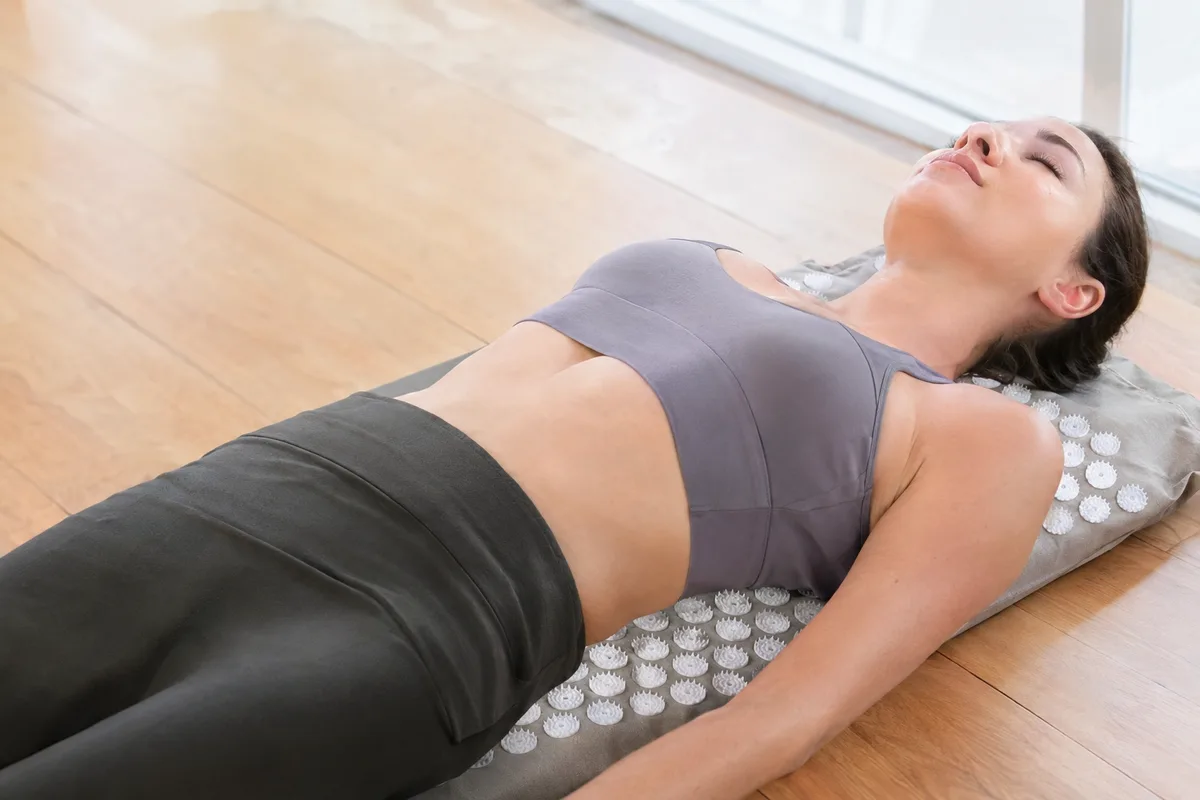
Some sets include a shaped cushion intended for the neck or lower back. This can be useful if you want targeted contact, but it also adds another item to store and clean. Check whether the cushion shape fits your intended position rather than assuming every matching set will be comfortable.
- A longer mat for lying with more of the body supported
- A compact mat for seated use or travel
- A separate cushion for focused neck or lower-back contact
- A flexible mat that rolls or folds into a storage bag
Check the materials and construction
Most mats combine a fabric cover, an inner layer and attached plastic point clusters. Natural and synthetic fabrics can both work well, so focus on texture, stitching and care instructions rather than a single material label. The cover should sit smoothly, and the point clusters should appear firmly and evenly attached.
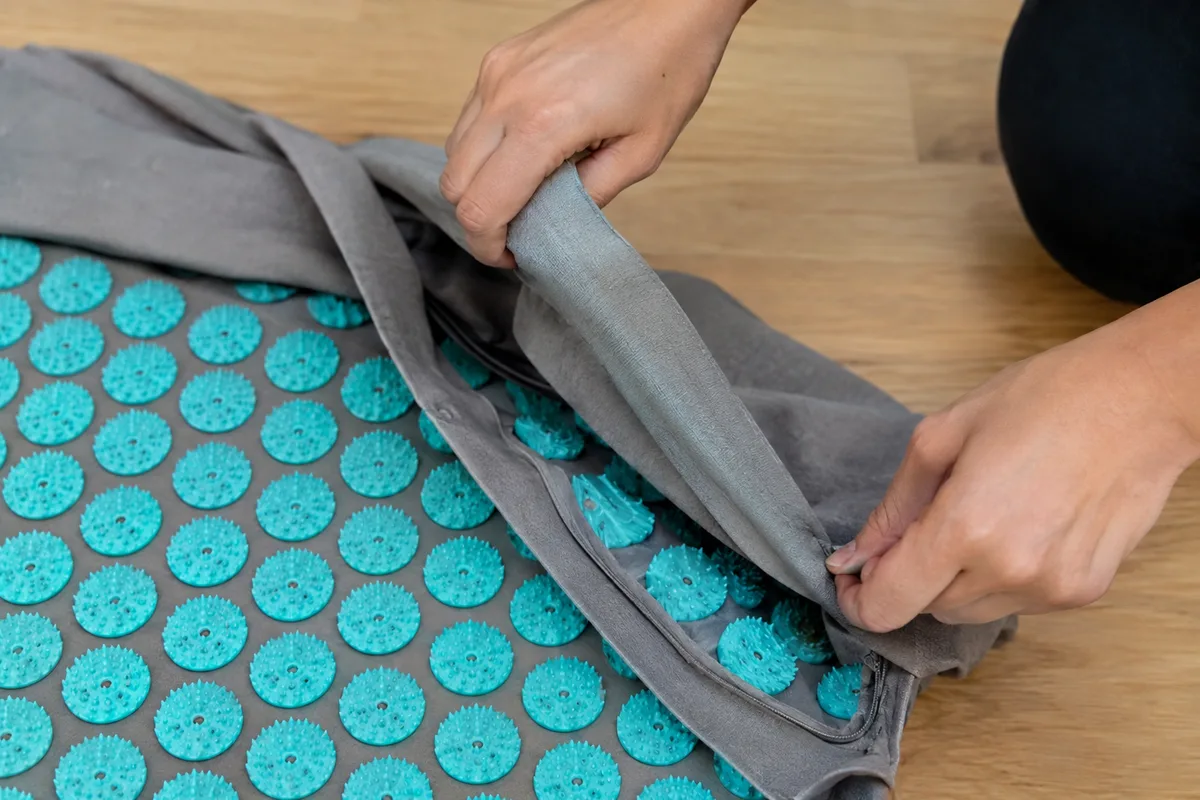
Inner layers vary in firmness and thickness. A thicker insert may soften contact with a hard floor, while a thinner mat can feel more direct and may be easier to roll. If material sourcing matters to you, look for specific, verifiable details instead of vague terms such as green, clean or premium.
Cleaning matters because the mat sits against skin and clothing. A removable cover can make care simpler, but only if it can be taken off without damaging the point clusters. Follow the stated washing method, as heat or rough handling may affect the fabric, filling or attached points.
- Even stitching around the edges
- Secure point clusters without obvious loose sections
- A removable cover with clear care instructions
- An inner layer that suits the firmness of your usual surface
- Material information that is specific rather than promotional
Start with gentle, controlled use
Place the mat on a supportive surface where you can change position easily. Lower yourself onto it gradually rather than dropping your full weight onto the points. Clothing, a thin cloth or a softer surface underneath can reduce the initial intensity.
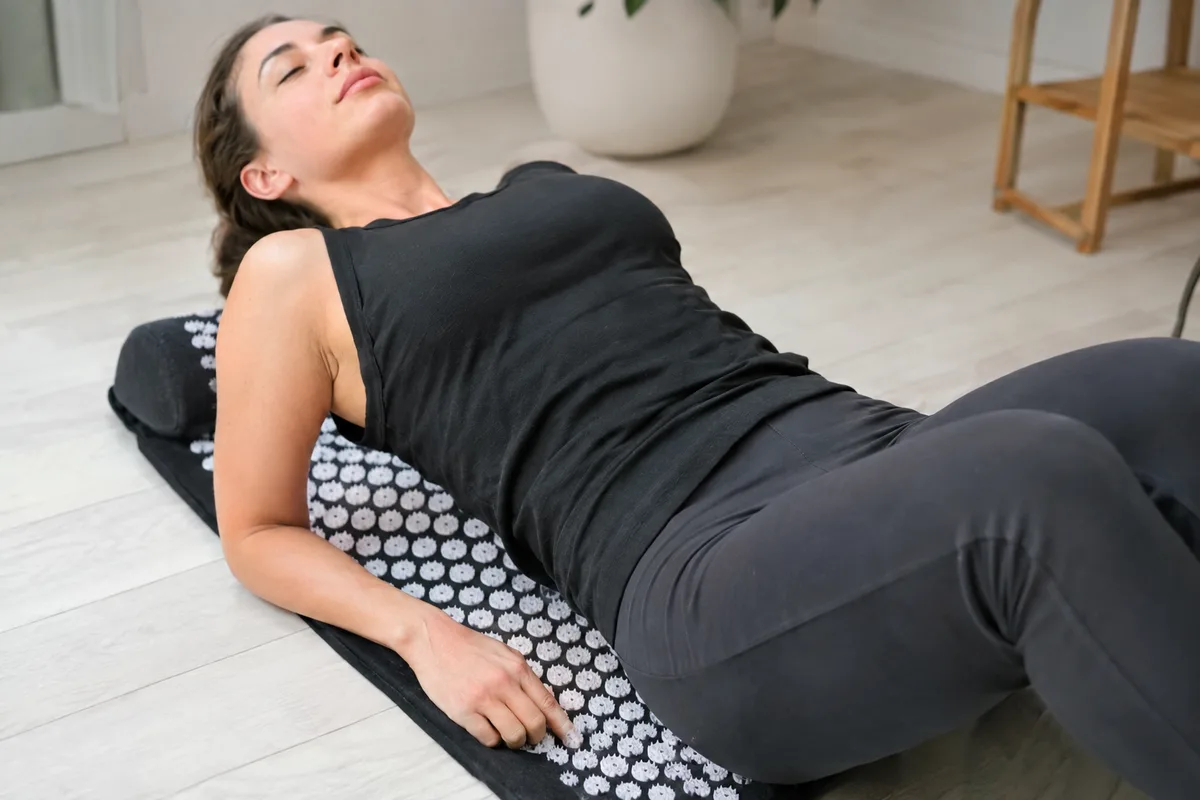
Begin with a brief session and judge the sensation as you go, because a suitable length cannot be set for everyone. Warmth, pressure and temporary marks can occur, but the mat should not create sharp pain or leave you feeling numb. Stop using it if the sensation feels wrong or your skin becomes damaged.
Do not place the points over broken, irritated or unusually sensitive skin. Take particular care if you cannot reliably feel pressure or temperature in the area being used. If you are unsure whether this kind of pressure is appropriate for you, seek individual guidance from a qualified health professional.
- Wear a light layer at first
- Lower your body onto the mat slowly
- Keep your position easy to change
- Check your skin after use
- Stop if pressure becomes painful or sensation changes
Decide what makes a mat best for you
A useful shortlist starts with comfort, dimensions, construction and cleaning. Carrying bags, matching cushions and decorative colours may be convenient, but they matter less if the point intensity does not suit you. Reviews can reveal recurring comments about durability or sharpness, although comfort ratings remain subjective.
Before comparing options, write down where you will use the mat and which body area you want it to contact. Then check point design, mat length, inner firmness and care instructions in that order. This keeps the decision focused on practical use rather than dramatic promises.
The best choice is not necessarily the largest, firmest or most elaborate mat. It is the one you can position safely, tolerate comfortably and keep clean without difficulty. If the available details do not explain the materials, measurements or care method, it may be harder to judge whether the mat fits your routine.
- Suitable point intensity
- Enough length for your preferred position
- Firmness that works on your usual surface
- Secure construction and straightforward cleaning
- Only the accessories you expect to use