
How to Choose the Best Apple Cider Vinegar for You
The best apple cider vinegar is one that suits your recipe, taste and food-tracking routine. This guide explains labels, filtered and unfiltered options, and sensible ways to use it.
What apple cider vinegar is
Apple cider vinegar is made from apples through fermentation, which creates its sharp acidity. It may taste fruity, sour and slightly woody, depending on how it was produced. Its main everyday role is as a cooking ingredient rather than a shortcut to a particular result.
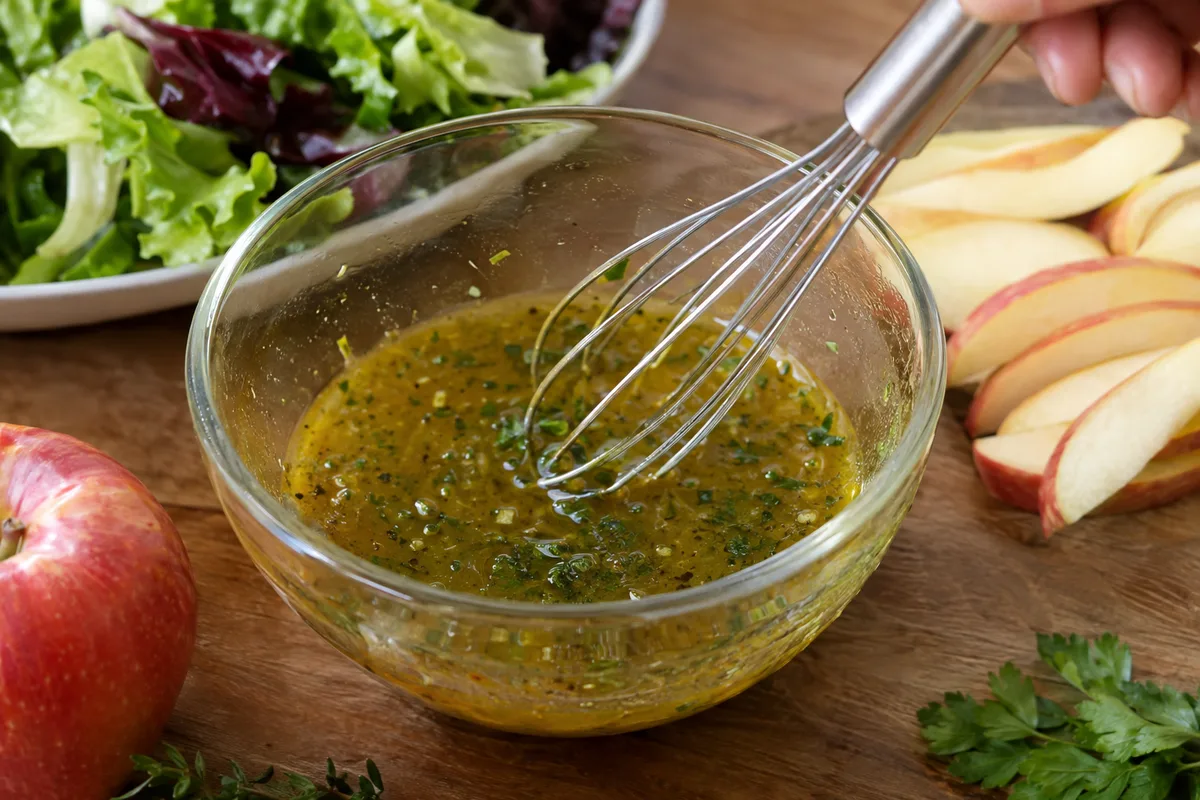
If you already track your food, log apple cider vinegar in the same way as any other ingredient. Check the serving information on the bottle because products and portions vary. Remember to include other ingredients mixed with it, especially oil, sweeteners and sauces.
- Use in salad dressings and slaws
- Stir into marinades
- Add a small amount to soups or stews
- Mix into sauces or relishes
Check the ingredients first
A straightforward bottle will usually have a short ingredient list based on apple cider vinegar and water. Flavoured versions may include fruit, herbs, sweeteners or other types of vinegar. These additions can change the taste and the information you enter in your food diary.
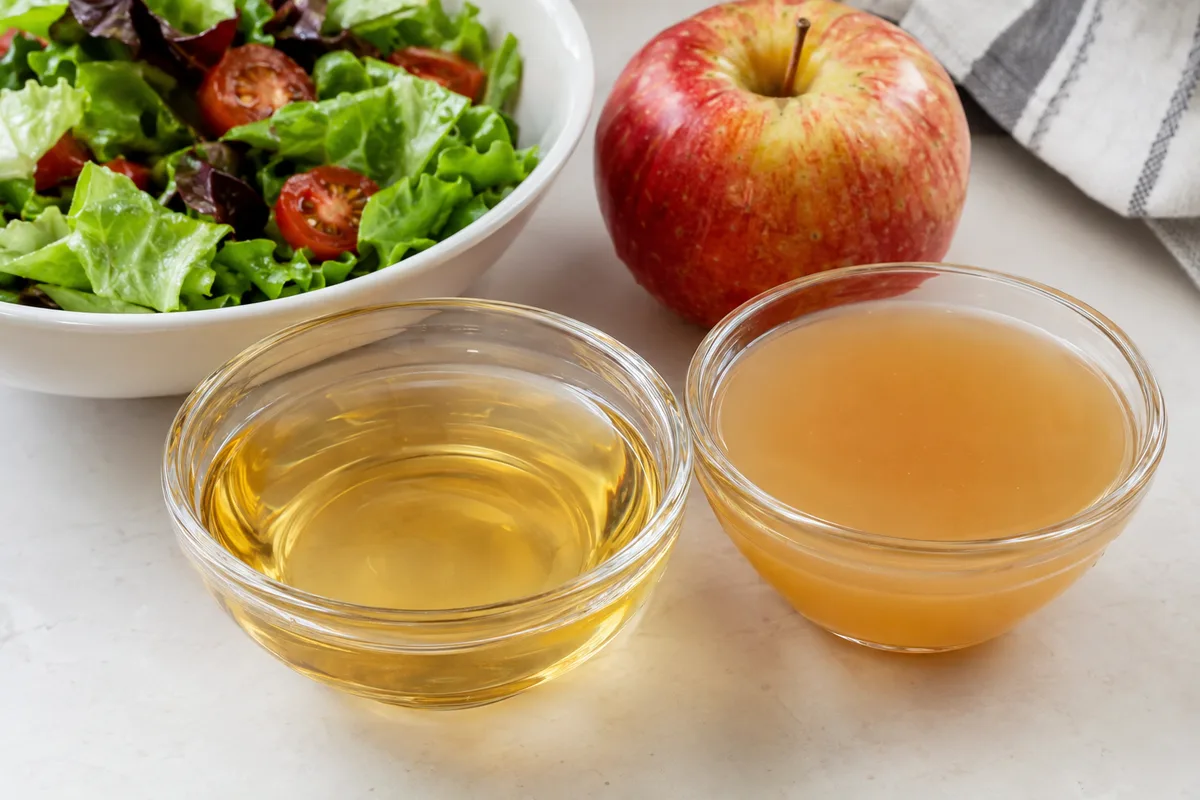
Choose according to what you want the vinegar to do. A plain option is flexible for cooking, while a flavoured one may work well in a particular dressing or marinade. If accurate tracking matters to you, use the nutrition label for that exact product rather than copying an entry for a different bottle.
- Read the full ingredient list
- Compare the stated serving with the amount you use
- Look for added sweeteners if you track carbohydrate
- Check whether flavourings suit the recipe
Filtered or unfiltered
Filtered apple cider vinegar is usually clear and has little or no sediment. Unfiltered vinegar may look cloudy and can contain strands or particles produced during fermentation. This cloudy material is often called the mother.
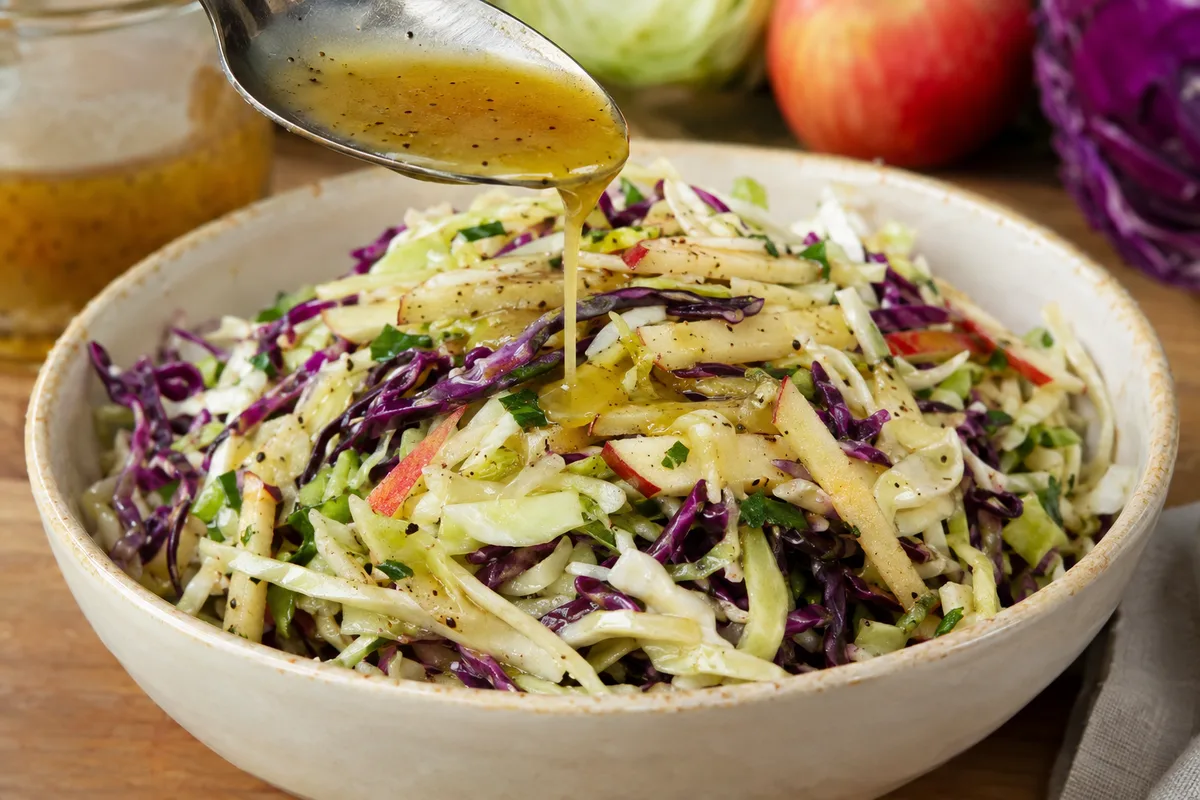
Neither style is automatically the best for every kitchen. Filtered vinegar can have a cleaner appearance in pale sauces, while unfiltered vinegar may offer a more rustic character. Taste and intended use are more useful guides than appearance alone.
Sediment in an unfiltered bottle can settle at the bottom. Gently turning the closed bottle can redistribute it if the label advises doing so. Always follow the storage instructions printed by the producer.
Choose by flavour and purpose
The most useful vinegar is one you enjoy in the foods you regularly make. Some bottles are strongly sour, while others have a softer apple note or a deeper fermented flavour. The word best therefore depends on your palate and the dish.
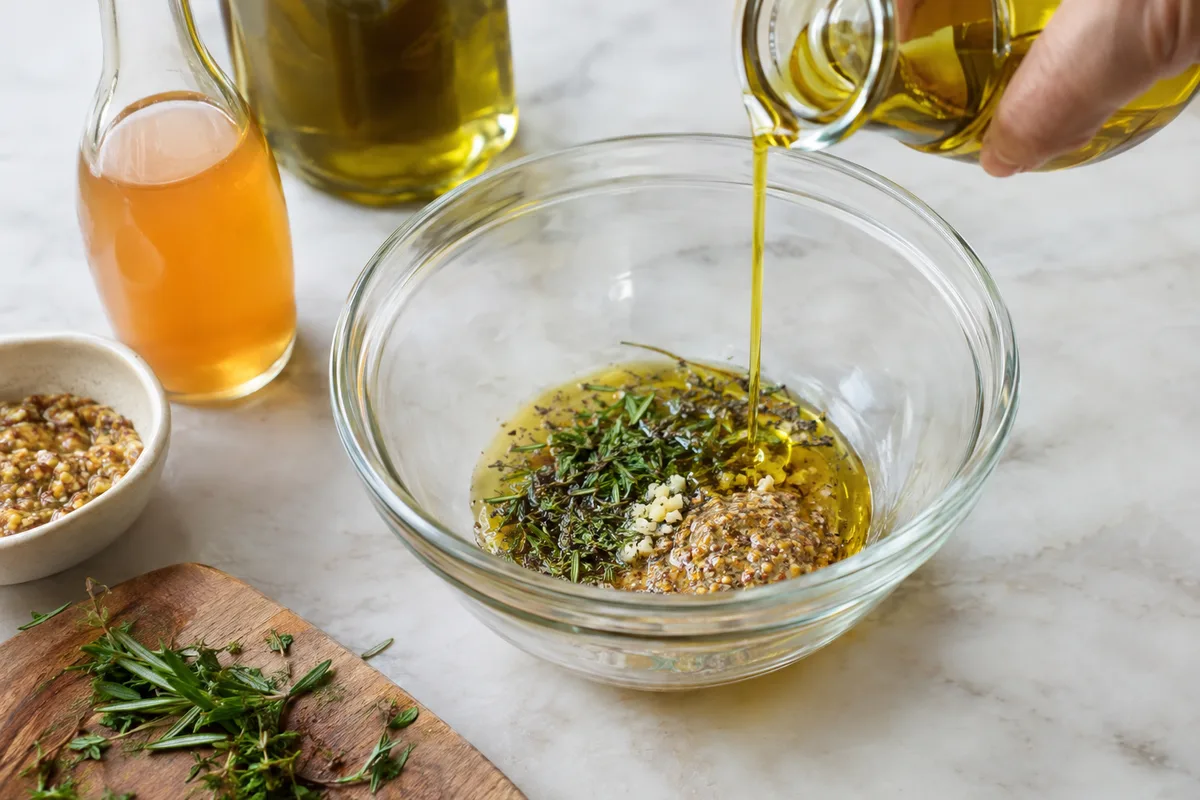
For a salad dressing, balance the acidity with oil and seasonings. For a marinade, combine it with ingredients that suit the food, such as herbs, garlic or spices. In soups and sauces, add a little at a time because acidity becomes difficult to remove once the vinegar is mixed in.
- Milder flavour for simple dressings
- Sharper flavour for rich sauces or marinades
- Clear vinegar where appearance matters
- Unfiltered vinegar for a more rustic dressing
How to track recipes made with it
Logging vinegar alone does not show the full impact of a dressing or marinade. Oil, honey, sugar and other additions may contribute more energy than the vinegar, depending on the quantities used. Enter each ingredient and divide the finished recipe by the number of portions you actually serve.
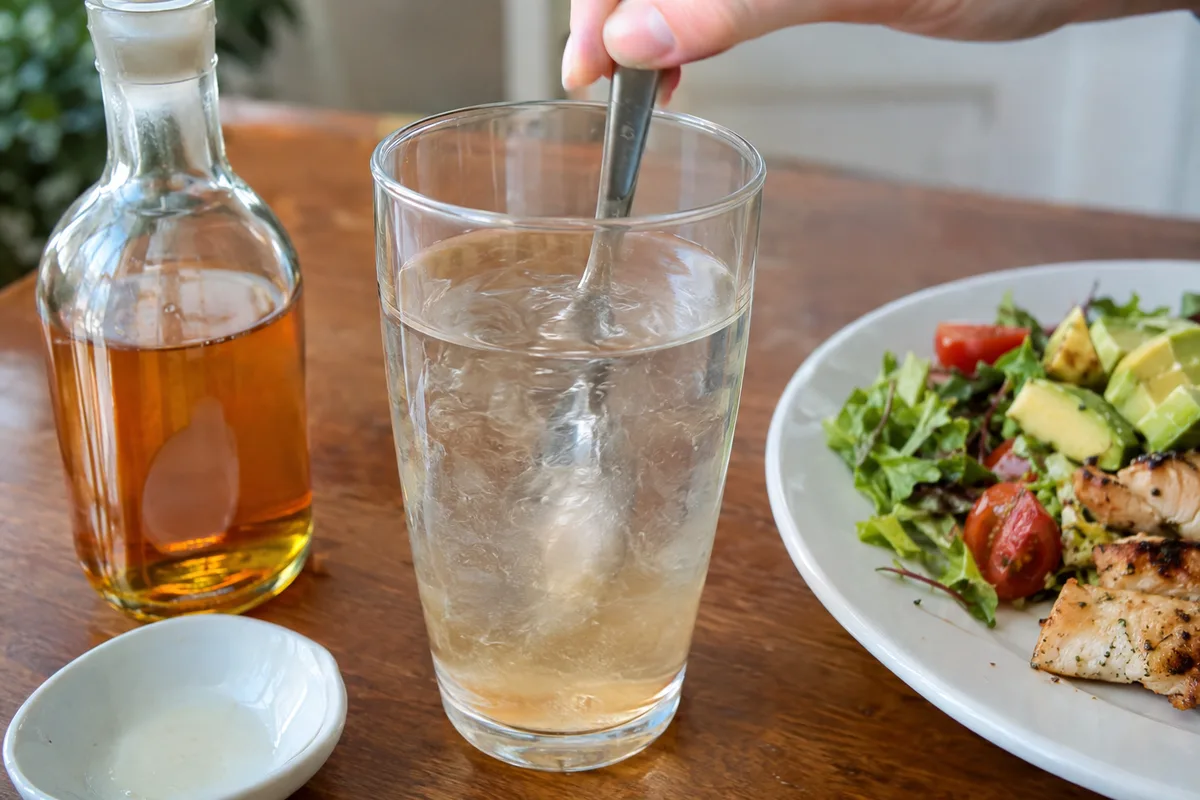
For repeat recipes, save the complete mixture in your tracking app or food diary. Update it whenever you change an ingredient or use a different amount. If some marinade is left behind, the exact amount eaten may be difficult to know, so record a reasonable estimate and use the same method consistently.
- Measure each ingredient separately
- Record the complete recipe
- Note the final number of portions
- Adjust the saved entry when the recipe changes
Use acidity with care
Apple cider vinegar is strongly acidic, so drinking it neat can feel harsh on the mouth and throat. If you choose to have it in a drink, dilute it well and follow the bottle's directions. Do not assume that more is better.
For most food uses, a modest amount is enough to bring brightness to a dish. Taste as you cook rather than pouring freely, particularly when preparing a single portion. If you are unsure whether it suits your personal circumstances, seek advice from an appropriate qualified professional.
- Use it as part of food or a well-diluted mixture
- Avoid sipping it undiluted
- Keep it away from the eyes
- Follow the label for use and storage