
Apple cider vinegar and green tea: where they fit in weight loss
Apple cider vinegar and green tea are often presented as shortcuts to weight loss, but the drink does not replace an energy deficit. This guide explains how to use it safely and judge whether it genuinely helps your routine.
What the drink can realistically do
Losing weight requires you to take in less energy than your body uses over time. Apple cider vinegar and green tea do not remove the need for that overall energy deficit. Since you already track your food, the useful question is whether this drink makes your daily target easier to follow.
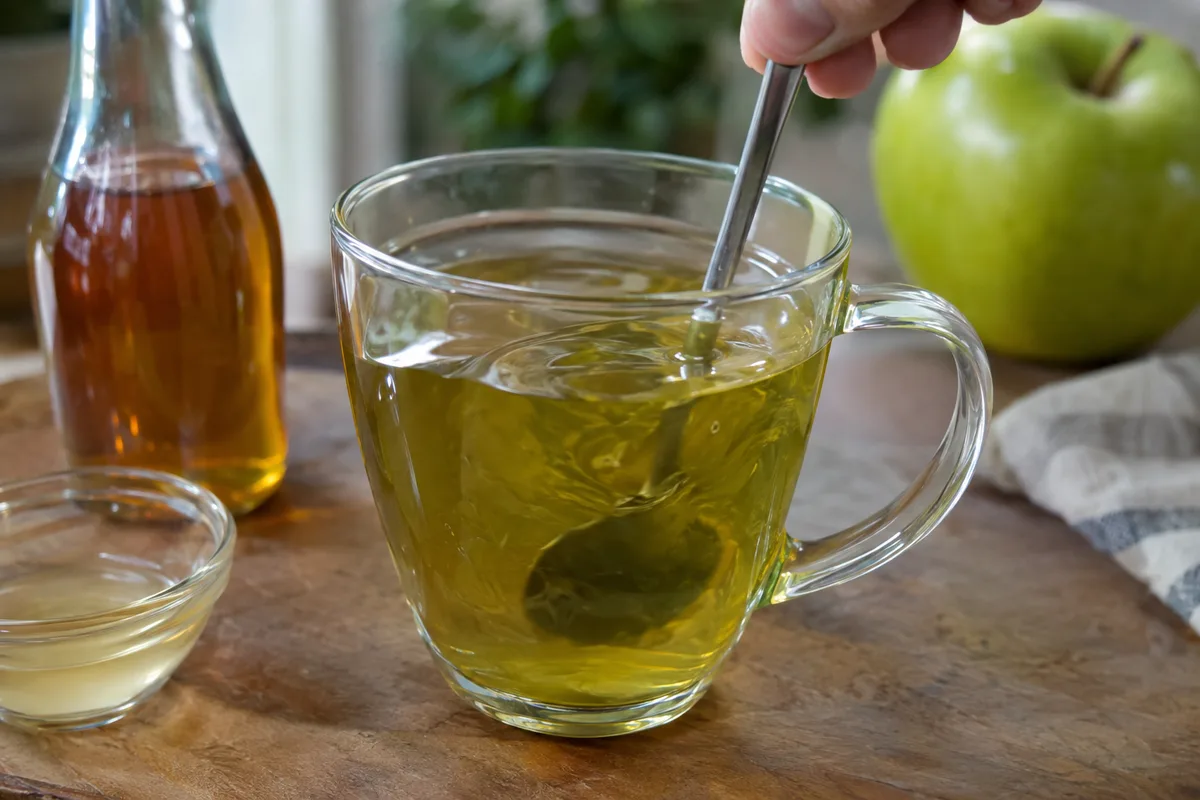
Unsweetened green tea contributes little energy, while a modest amount of vinegar adds sharpness without needing sugar. The drink may therefore be a useful replacement for a more energy-dense option. It is the swap, rather than a special fat-burning effect, that may support your plan.
- Count any honey, sugar, syrup or juice added to the drink.
- Compare the drink with what it replaces, not with plain water.
- Keep tracking meals, snacks and other drinks as usual.
- Judge it by whether it helps you stay consistent without discomfort.
How to prepare it safely
Brew plain green tea in hot water, then allow it to cool slightly before adding apple cider vinegar. Use only a small amount of vinegar and dilute it thoroughly. The suitable amount depends on the product, your tolerance and guidance from a qualified health professional.
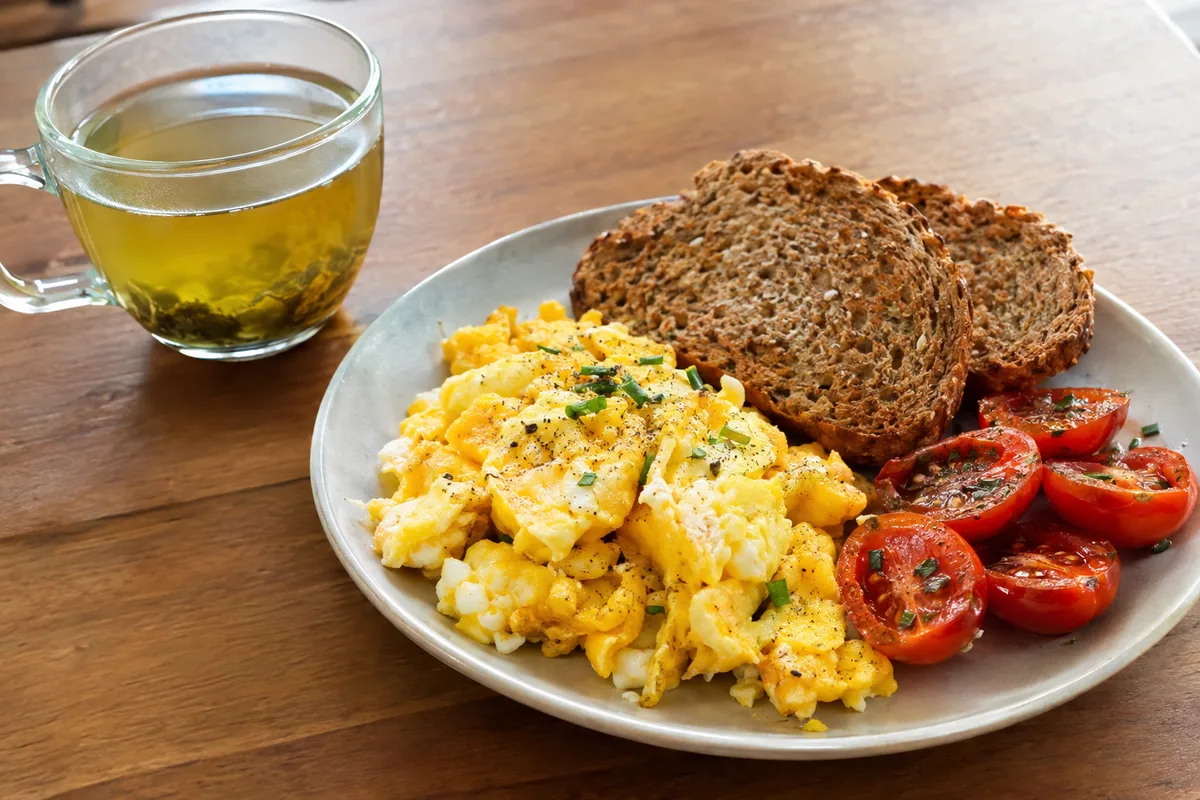
Never drink apple cider vinegar neat because its acidity can irritate the mouth and throat. Frequent contact with acidic drinks can also affect tooth enamel. Drinking it with a meal, rather than repeatedly sipping it for hours, limits the length of contact.
- Brew unflavoured green tea according to its packet directions.
- Let the tea cool to a comfortable drinking temperature.
- Stir in a small, well-diluted amount of apple cider vinegar.
- Leave out sweeteners unless you have room for them in your tracked intake.
- Rinse your mouth with plain water afterwards rather than brushing immediately.
Choose a time that suits your routine
There is no special time of day that makes this drink cause weight loss. A practical time is one when it replaces another drink or fits naturally beside a meal. You do not need to drink it before every meal or on an empty stomach.
Green tea contains caffeine, although the amount varies with the leaves, brewing time and serving size. If caffeine affects your sleep, have it earlier in the day or choose a caffeine-free drink later. Good sleep can make an eating routine easier to manage, so a late cup that keeps you awake is unlikely to be helpful.
- With breakfast if it replaces a sweetened morning drink.
- At lunch if you prefer acidic drinks alongside food.
- Earlier in the afternoon if caffeine does not disturb your sleep.
- Not at a fixed time simply because a strict plan says it is required.
Keep the rest of the day filling
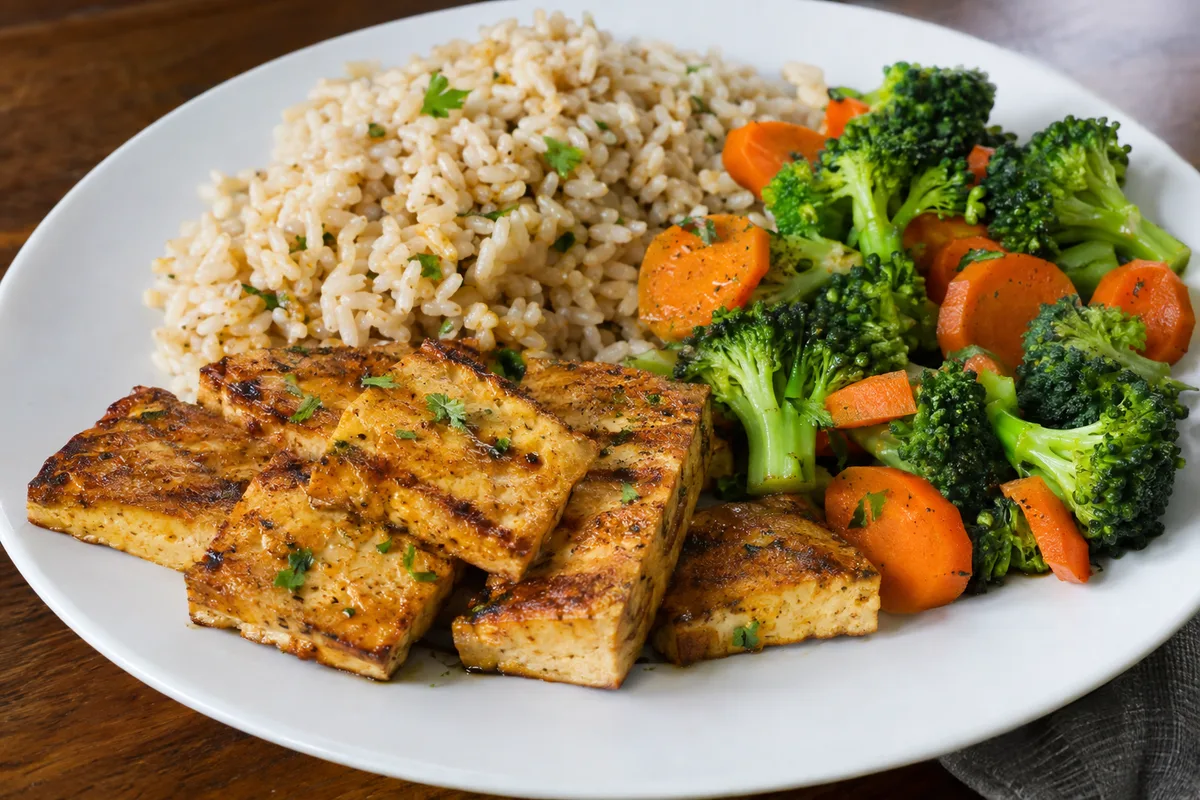
A sharp-tasting drink cannot make an unbalanced day satisfying. Build meals around foods that provide protein, fibre and volume, as these can make a tracked energy target feel more manageable. Your preferred portions will depend on your appetite, activity and overall target.
Include vegetables or fruit, a protein source and a suitable starchy food in your meals. Add fats deliberately rather than pouring or spreading them without tracking, because fat provides about 9 kcal per gram. Protein and carbohydrate provide about 4 kcal per gram, so the balance of a meal can change its energy content and how filling it feels.
- Eggs, yoghurt, beans, fish, tofu or lean meat for protein.
- Vegetables, fruit, oats, pulses or wholegrain foods for fibre.
- Potatoes, rice, pasta or bread in portions that suit your target.
- Nuts, seeds, oil or avocado measured and recorded as part of the meal.
Watch for ingredients that change the calculation
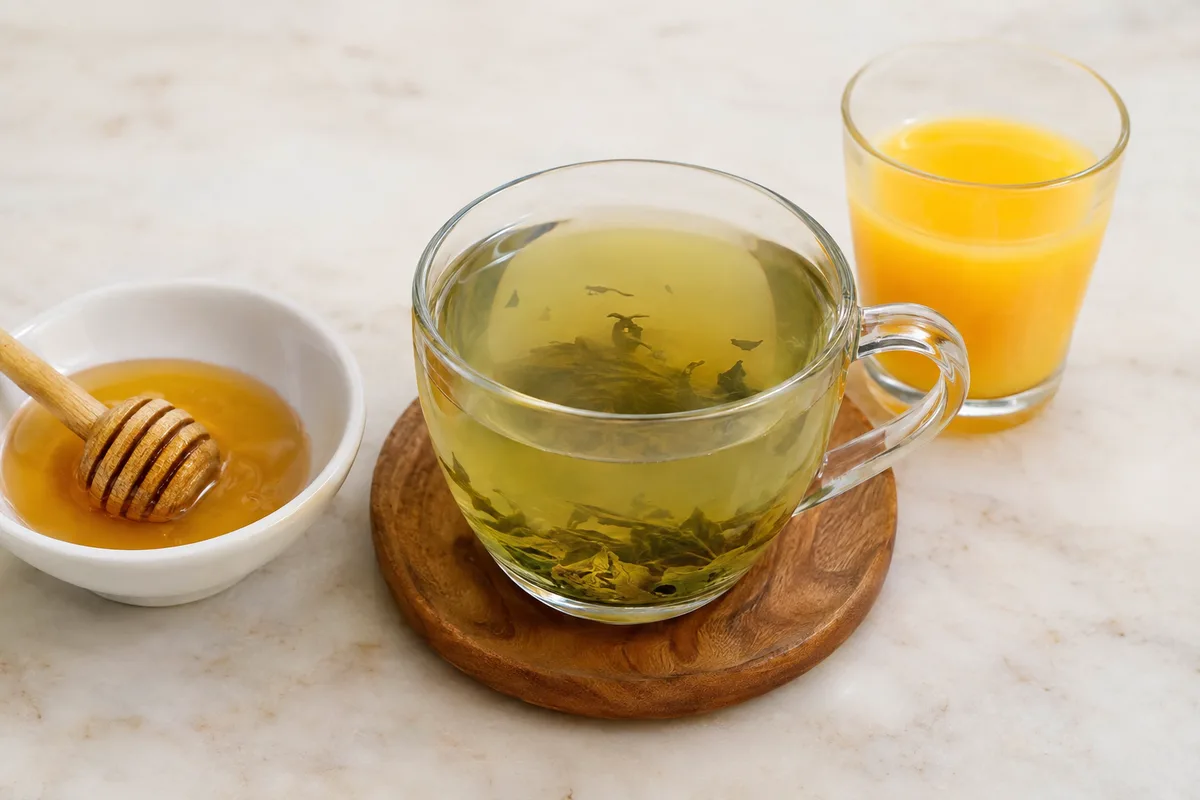
Green tea and vinegar can taste bitter or sour, which may tempt you to add honey, sugar or fruit juice. Those additions are not automatically a problem, but they need to be logged. A drink can gradually become closer to a sweetened beverage than the simple mixture you intended.
Ready-made versions may contain sweeteners, juice or other ingredients, so check the nutrition information rather than relying on the name. Serving sizes can also differ, making direct comparisons difficult. If you prepare the drink yourself, record each ingredient in the amount you actually use.
- Log honey, sugar and syrups separately.
- Check whether flavoured tea contains added ingredients.
- Measure juice rather than estimating a generous pour.
- Record milk or plant-based drinks if you add them.
- Compare drinks using the same serving size where possible.
Decide whether it is worth keeping
You do not need apple cider vinegar or green tea to lose weight. Keep the drink only if you enjoy it, tolerate it and find that it supports your tracked plan. Stop using it if it repeatedly causes discomfort or makes eating and drinking feel unnecessarily restrictive.
Review your food log over time and look at the wider pattern rather than crediting one ingredient. Consider whether the drink replaced something more energy-dense, reduced enjoyment, affected sleep or led to extra sweeteners. If you have concerns about whether acidic or caffeinated drinks are suitable for you, ask a qualified health professional for individual guidance.
- Is it replacing a drink that contained more energy?
- Do you enjoy it without needing several added ingredients?
- Does it fit your routine without disturbing sleep?
- Can you drink it without mouth, throat or stomach discomfort?