
How to Perform the Reverse Fly with Good Form
The reverse fly is a strength exercise that works the muscles around your upper back and the backs of your shoulders. Good form matters more than lifting a heavier weight.
Set up your position
Stand with your feet comfortably apart and hold a light dumbbell in each hand. Soften your knees, push your hips back and lean forwards while keeping your back long and your chest open.
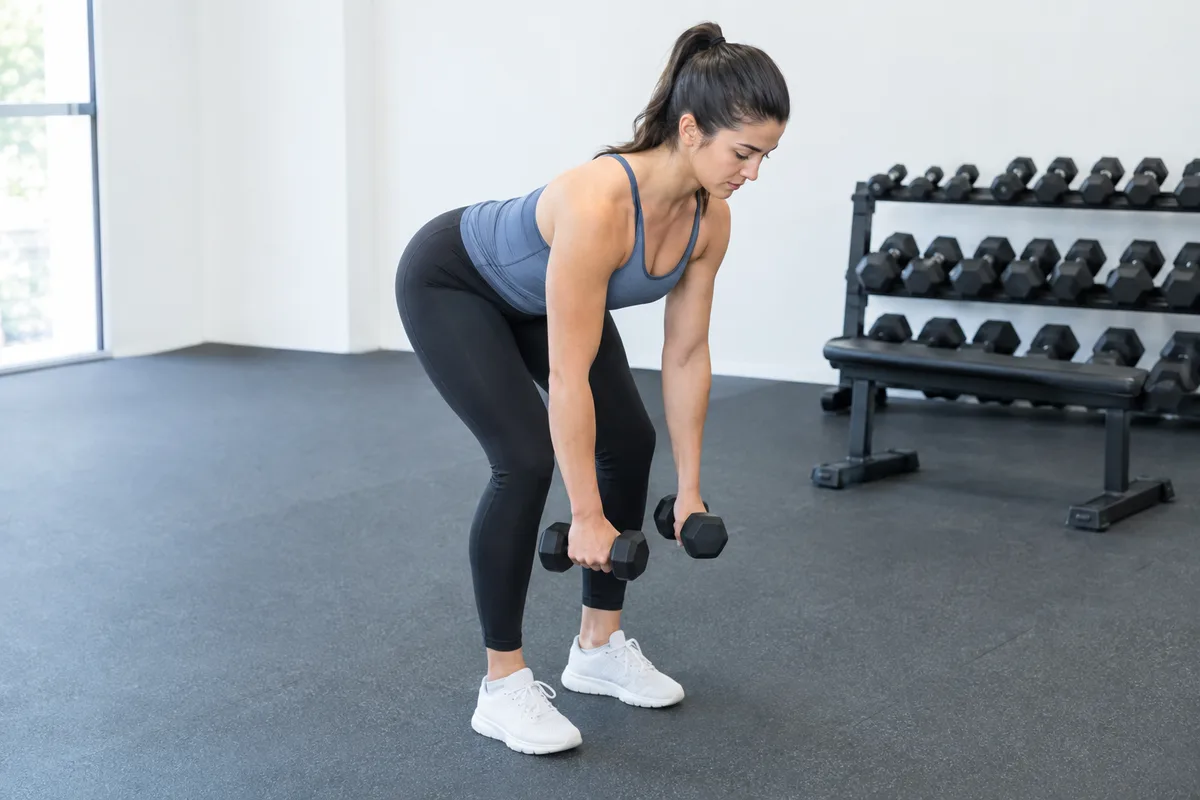
Let your arms hang below your shoulders with your palms facing each other. Keep a small bend in your elbows, brace your middle and look towards the floor so your neck stays in line with your back.
Perform the movement
Keeping the bend in your elbows unchanged, raise both arms out to the sides. Think about moving your upper arms apart and gently drawing your shoulder blades towards each other.
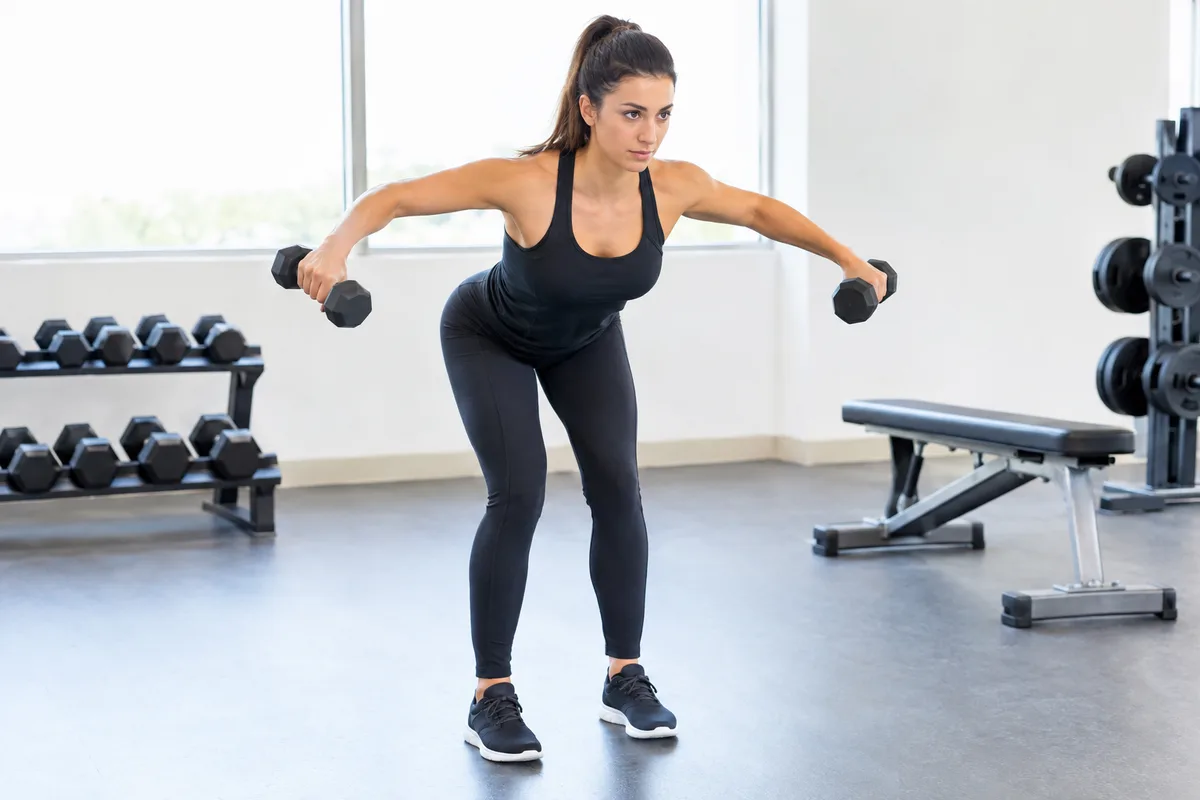
Stop when your arms are roughly level with your body, or earlier if that is where you can stay controlled. Lower the weights slowly to the starting position without letting them swing together.
Avoid common form errors
Do not use momentum from your legs or torso to throw the weights upwards. If you need to rock, shrug or sharply bend your elbows, choose lighter weights and slow the movement down.
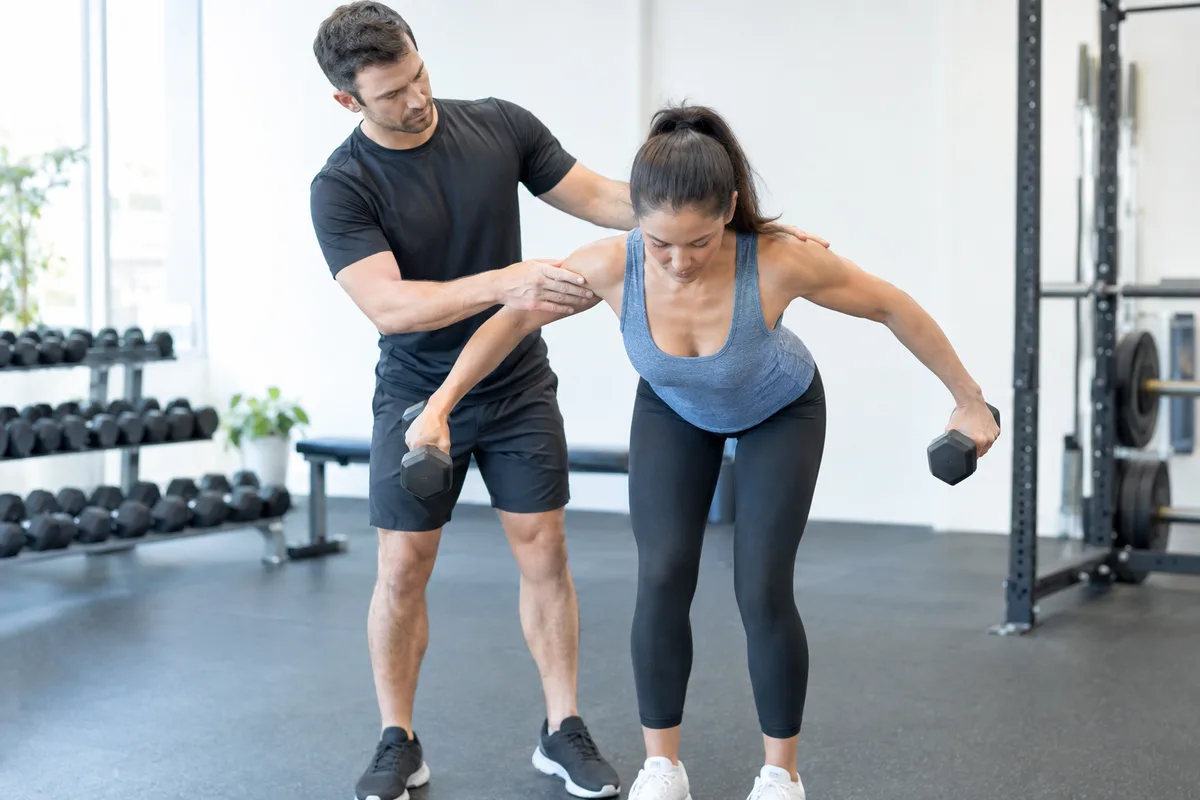
Keep your shoulders away from your ears and avoid lifting your chest as the weights rise. Work within a comfortable range, and stop if the exercise causes sharp or increasing discomfort.
Fit reverse flies into your routine
Reverse flies can sit alongside other upper-body pulling exercises in a strength session. The right number of repetitions and sets depends on your experience, the weight used and the rest of your programme.
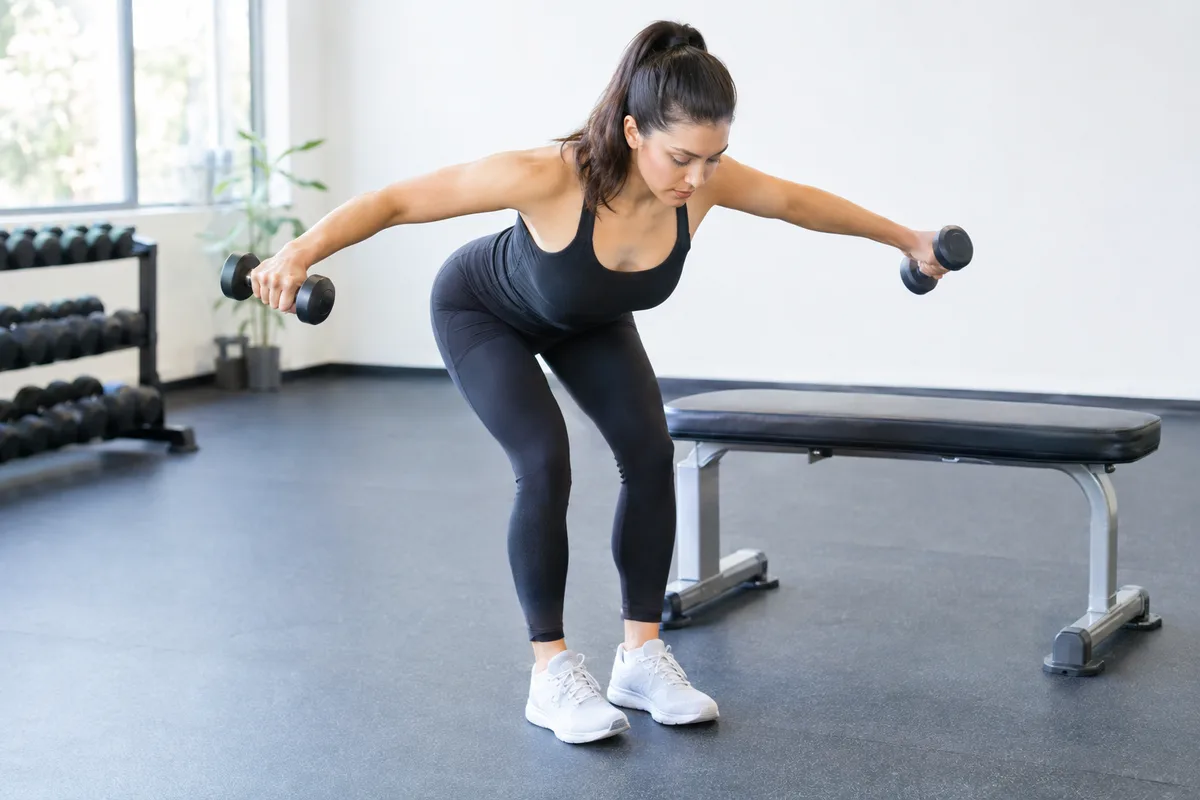
Choose a load that lets you complete each repetition with the same steady technique. You can also perform the movement seated and leaning forwards if that helps you keep your lower body still.