
How to Choose the Best Body Fat Monitor for Your Routine
The best body fat monitor is one you can use consistently while understanding what its readings can and cannot tell you. This guide explains the main options, the features that matter and how to track changes without overreacting to a single result.
What a body fat monitor actually measures
Most home body fat monitors do not measure body fat directly. They estimate it using details such as your weight, height, age and sex, along with an electrical signal or body measurements. The device then applies an equation to produce a body fat estimate.
The result can be useful for following a general direction over time, but it is not a precise inventory of the fat in your body. Hydration, recent food, exercise and skin temperature may affect a reading. Treat the number as one tracking measure rather than a final judgement on your body or progress.
- Look for trends across repeated readings
- Compare results taken under similar conditions
- Keep food, movement and body measurements in the wider picture
- Avoid changing your routine because of one unusual result
The main types of body fat monitor
Bioelectrical impedance monitors send a small electrical signal through part of the body and estimate body composition from the resistance it meets. Some are built into bathroom scales, while handheld versions pass the signal through the upper body. Models with hand and foot contact points use a longer path through the body, but their results are still estimates.
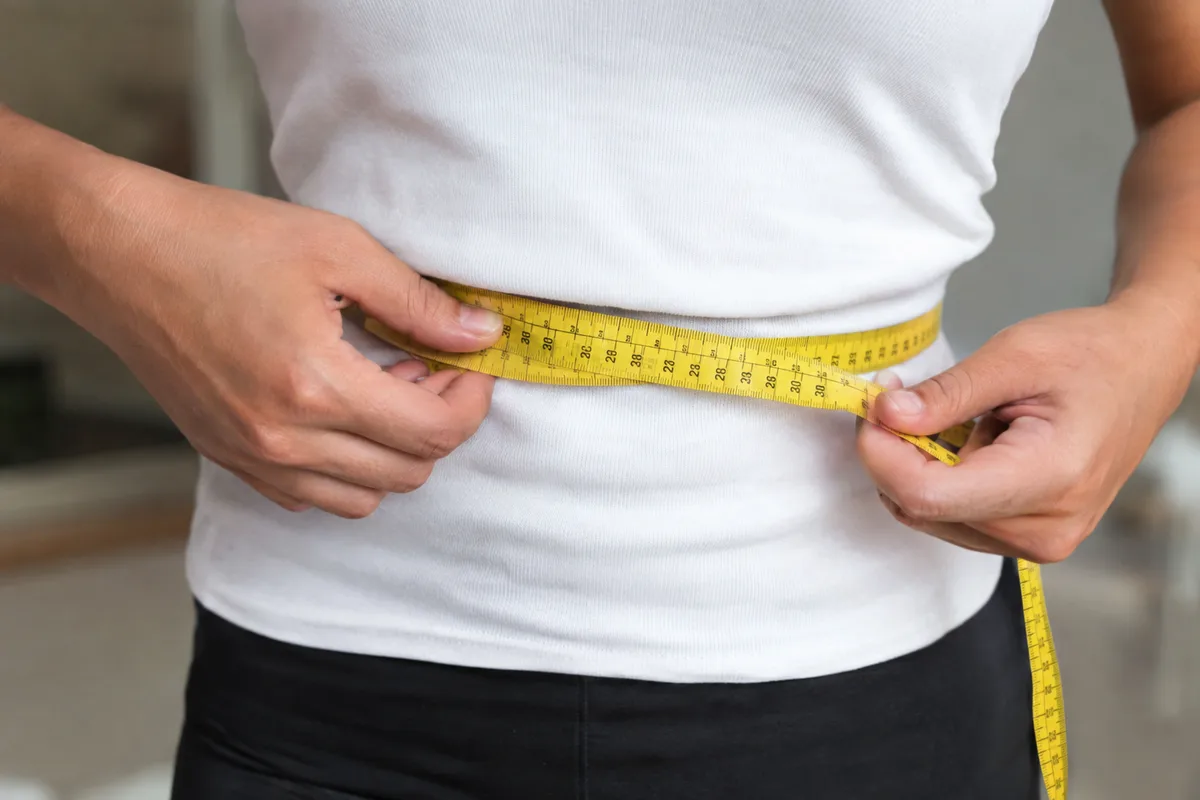
Skinfold callipers estimate body fat from the thickness of folds at selected sites. They rely heavily on placing the callipers correctly and repeating the same technique each time. Professional assessment methods may offer more detailed information, but they are less convenient for frequent personal tracking.
- Foot-to-foot impedance scales are simple to include in a weighing routine
- Handheld impedance monitors focus the signal through the upper body
- Hand-and-foot monitors use contact points at both ends of the body
- Skinfold callipers require careful and repeatable technique
- Professional assessments suit occasional reference checks rather than daily tracking
Which type is best for you
The best choice depends on what you want to learn and how much effort you are willing to put into each check. If you already record body weight, an impedance scale can add a body fat estimate without creating a separate routine. If you prefer measurements that are not linked to weighing, callipers or a tape measure may fit better.
Think about whether several members of your household will use the same monitor. User recognition and separate profiles can reduce mix-ups, while a clear display makes results easier to record. Connected features may be convenient, but they do not make the underlying estimate more accurate.
- Choose a method you can repeat in the same way
- Check that the monitor supports the profiles you need
- Prefer clear results over a long list of unexplained scores
- Consider how easily you can record or export your readings
- Review how stored personal information is handled
Features that are genuinely useful
Repeatability matters more than a crowded screen of body composition figures. A monitor should give reasonably stable readings when used several times under the same conditions. Large unexplained changes may indicate inconsistent contact, positioning or measurement conditions.

Some monitors estimate muscle mass, body water and other values from the same electrical reading. These extra figures are not separate direct measurements, so they can rise or fall together when hydration changes. Clear instructions, suitable contact points and dependable profile selection are often more useful than additional estimates.
- A display that is easy to read
- Simple switching between user profiles
- Clear foot or hand placement guidance
- A history view that shows trends over time
- Privacy controls for stored or shared data
How to get more consistent readings
Take readings under similar conditions whenever possible. Using the monitor at roughly the same point in your routine helps reduce variation caused by meals, drinks, movement and changing skin temperature. Follow the maker's placement instructions and use the same surface each time.
For an impedance scale, stand with clean, dry feet placed evenly on the contact points. For a handheld device, use the same grip and arm position at each check. For callipers, measure the same sites with the same technique, ideally with help from someone who can place them consistently.
- Measure at a consistent time in your routine
- Use the same monitor and measurement method
- Keep placement, posture and contact consistent
- Record unusual circumstances that may affect the result
- Focus on the longer pattern rather than day-to-day movement
Putting the number alongside your food log
Because you already track what you eat, you can compare your longer-term body fat trend with changes in meals, activity and body weight. Do not assume that a sudden shift in the estimate came from one food or one day of eating. Body composition readings are too variable for that kind of conclusion.
Review your records over a period that is long enough to show a pattern for you. Waist measurements, how clothes fit, progress in regular movement and general energy can add useful context. The right monitoring method is the one that supports calm, consistent decisions rather than making every reading feel urgent.
- Note sustained changes in your eating pattern
- Keep measurement conditions similar
- Compare several forms of progress
- Adjust one part of your routine at a time
- Allow enough time for a personal trend to emerge