
How to Choose the Best Bone Broth for Your Food Diary
The best bone broth is the one that suits your taste, eating pattern and tracking goals. A quick label check can help you compare options on equal terms.
Start with what “best” means for you
Bone broth is made by simmering animal bones and connective tissue in water, often with vegetables, herbs or seasoning. Recipes and preparation methods vary, so the flavour, texture and nutritional values can differ considerably.
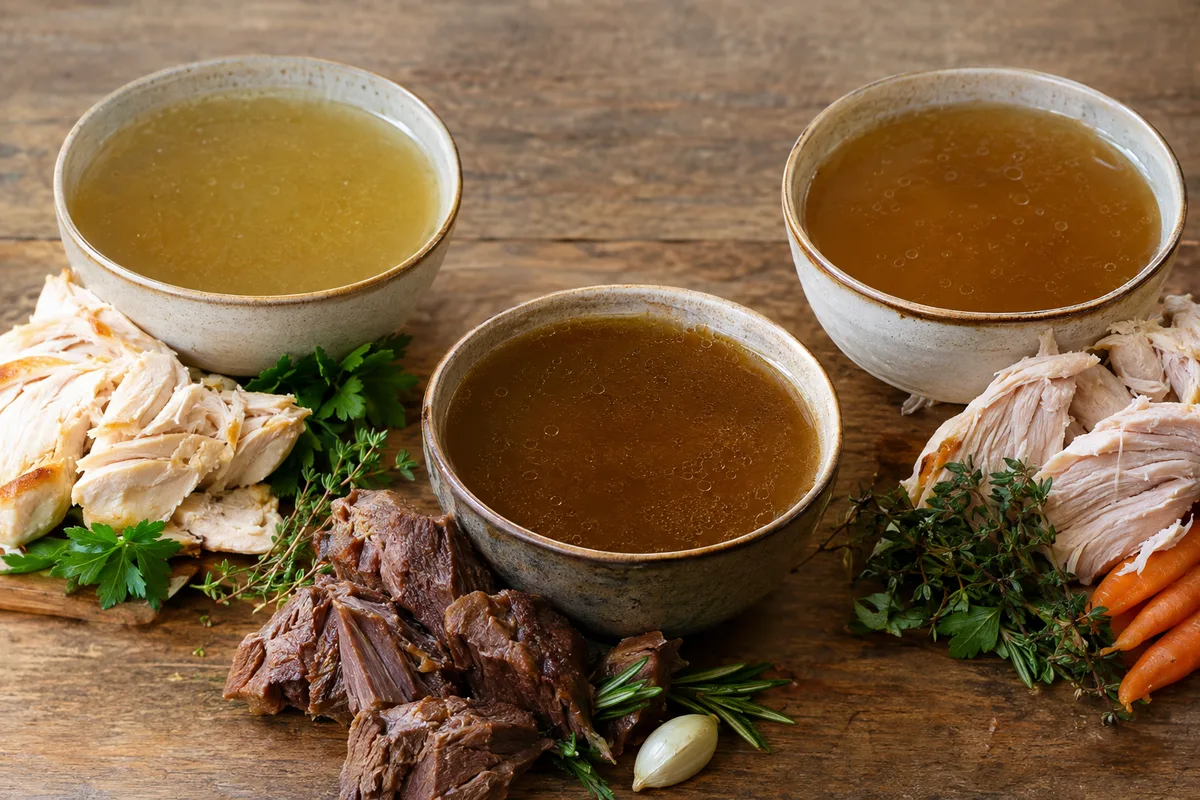
Decide whether you want something to sip, a base for cooking or an easy way to add protein to a meal. Your preferred choice may depend on flavour, ingredients, convenience or how neatly it fits into your daily food log.
Compare labels on the same basis
Check the serving size before comparing calories, protein or salt. One label may describe a small cup while another gives values per larger portion, so use the per-100ml figures where available or adjust each entry to the amount you actually consume.
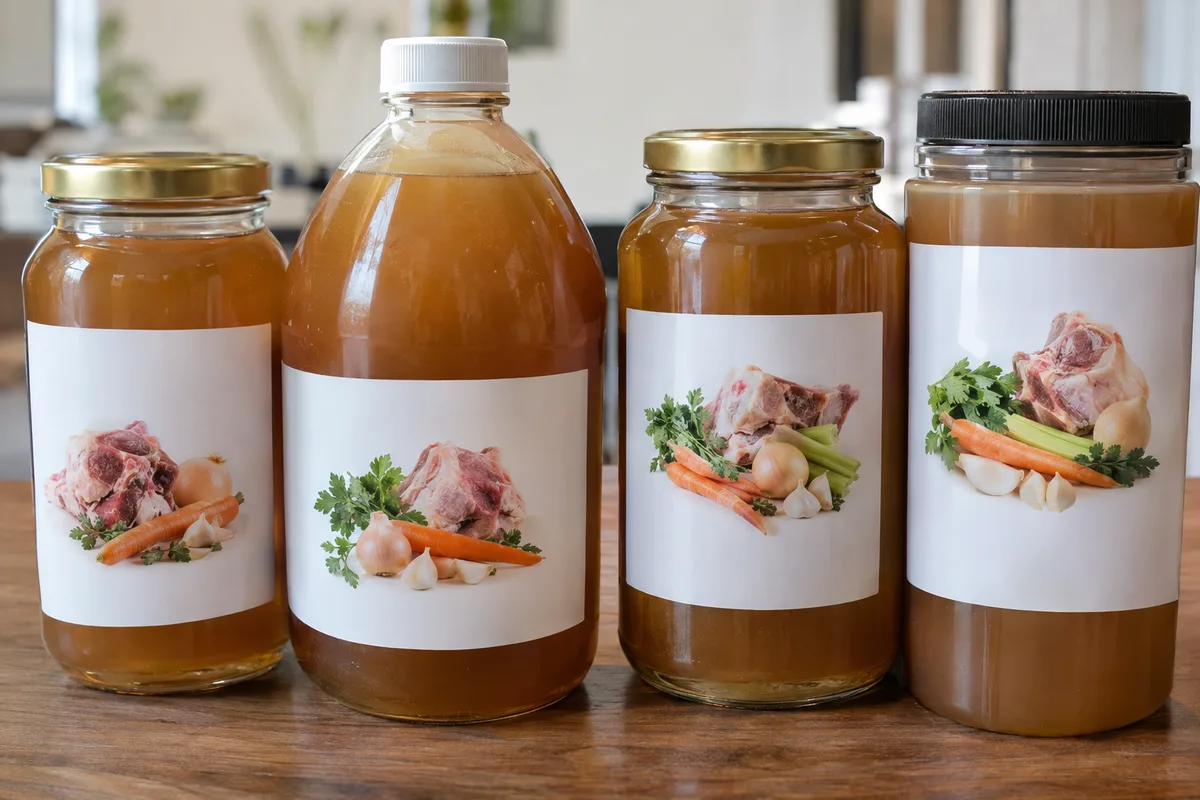
Protein content can vary because some broths are more concentrated or contain more dissolved gelatine. Fat and carbohydrate levels may also differ, and the exact calories depend on the recipe and portion rather than the words “bone broth” alone.
Look closely at ingredients and salt
A straightforward ingredient list might include stock, bones, vegetables, herbs, spices and salt. Extra flavourings are not automatically a problem, but reading the list helps you choose a broth that matches your preferences and makes the source of its flavour clearer.
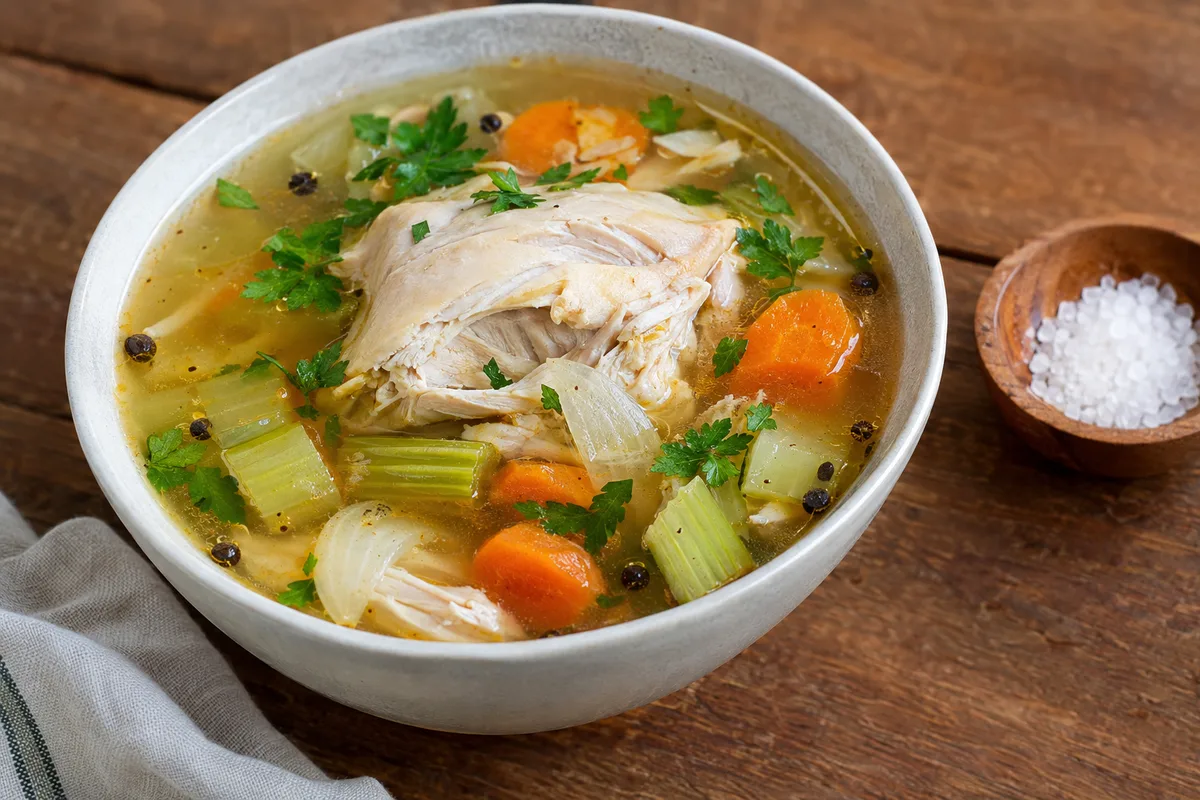
Salt can vary widely between recipes, particularly when broth is concentrated or seasoned for sipping. If you use it alongside other salty ingredients, log the full portion and consider how the complete dish fits into your day.
Track the amount you really use
For the most accurate diary entry, measure the broth after preparation and include any concentrate or powder according to the mixing instructions. If you reduce it during cooking, the liquid volume changes but the nutrients in the amount you started with remain in the pan unless some broth is discarded.
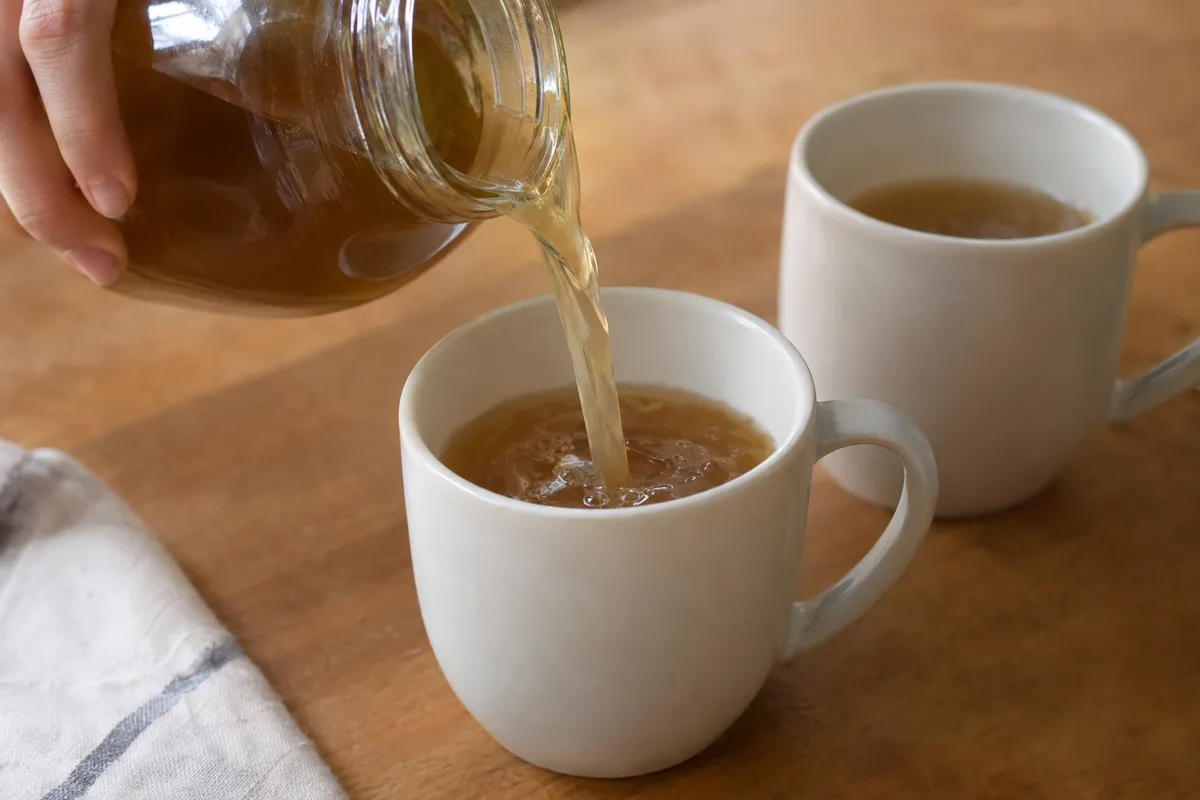
Homemade broth is harder to estimate because bones, simmering time, skimming and added ingredients all affect the result. Create a recipe entry from the ingredients you use, record the final yield and divide it by the portions served rather than relying on a generic listing.