
How to choose the best casein protein for your routine
The best casein protein is one that suits your food tracking, taste and daily routine. This guide explains the main types, what to check on a label and when casein may be useful.
What casein protein is
Casein is one of the main proteins naturally found in milk. It forms a thicker mixture than many other protein powders and is digested more slowly than whey. This makes it useful when you want a filling snack or a protein source that is not followed quickly by another meal.
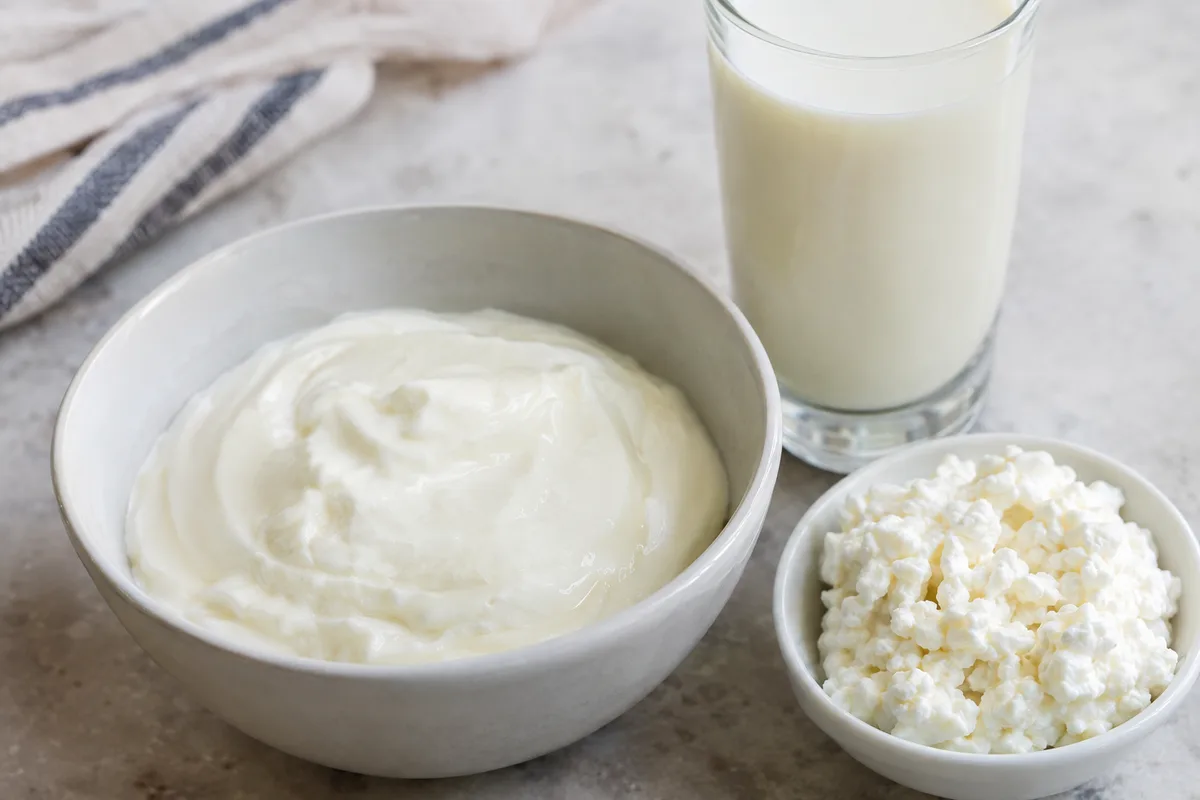
Casein provides the amino acids used to maintain and build body tissues. However, it is not automatically better than protein from yoghurt, eggs, fish, beans or other foods. Your overall protein intake, meal pattern and training matter more than relying on one particular powder.
- Naturally present in milk and foods made from milk
- Usually thicker when mixed than whey protein
- Suitable for shakes, bowls and simple puddings
- A convenient option rather than an essential food
Micellar casein, caseinate and blends
Micellar casein is processed in a way that keeps much of casein's natural structure. It generally makes a thick drink and is the type most closely associated with slower digestion. The exact texture varies by flavour, ingredients and the amount of liquid used.
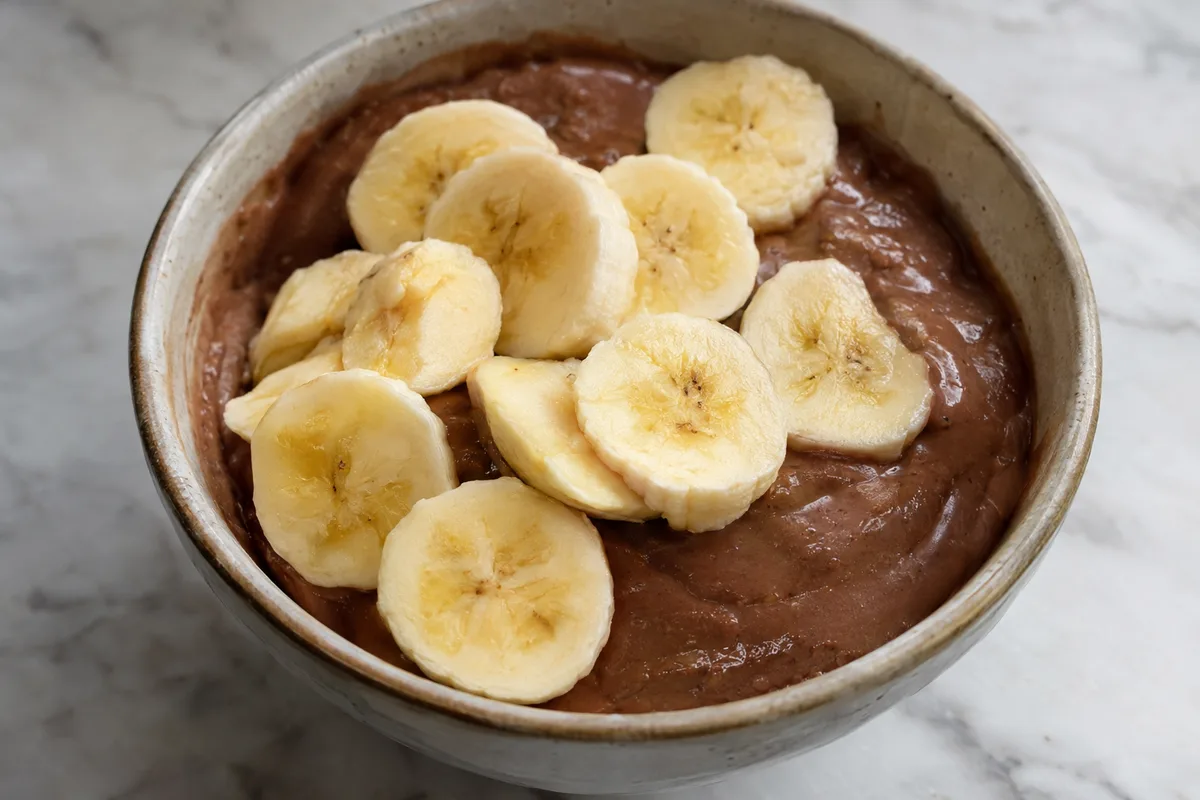
Caseinates are made by combining casein with a mineral such as calcium or sodium. They tend to mix more easily and are often used to improve texture in food products. A protein blend may combine casein with whey or other proteins, so its consistency and digestion will differ from a powder made mainly from micellar casein.
There is no single type that is best for everyone. Micellar casein may suit someone seeking a thick, slow-digesting option, while a blend may feel lighter and mix more smoothly. Check the ingredient list rather than relying only on the wording on the front of the pack.
- Micellar casein: thick and generally slower to digest
- Caseinate: often smoother and easier to mix
- Protein blend: combines casein with one or more other proteins
- Flavoured version: may include sweeteners, flavourings and thickeners
How to compare the nutrition label
Start with the serving size because scoops are not standard across products. Compare the amount of protein with the total energy and note how much carbohydrate and fat the serving adds to your log. The most suitable balance depends on the rest of your diet and why you are using it.
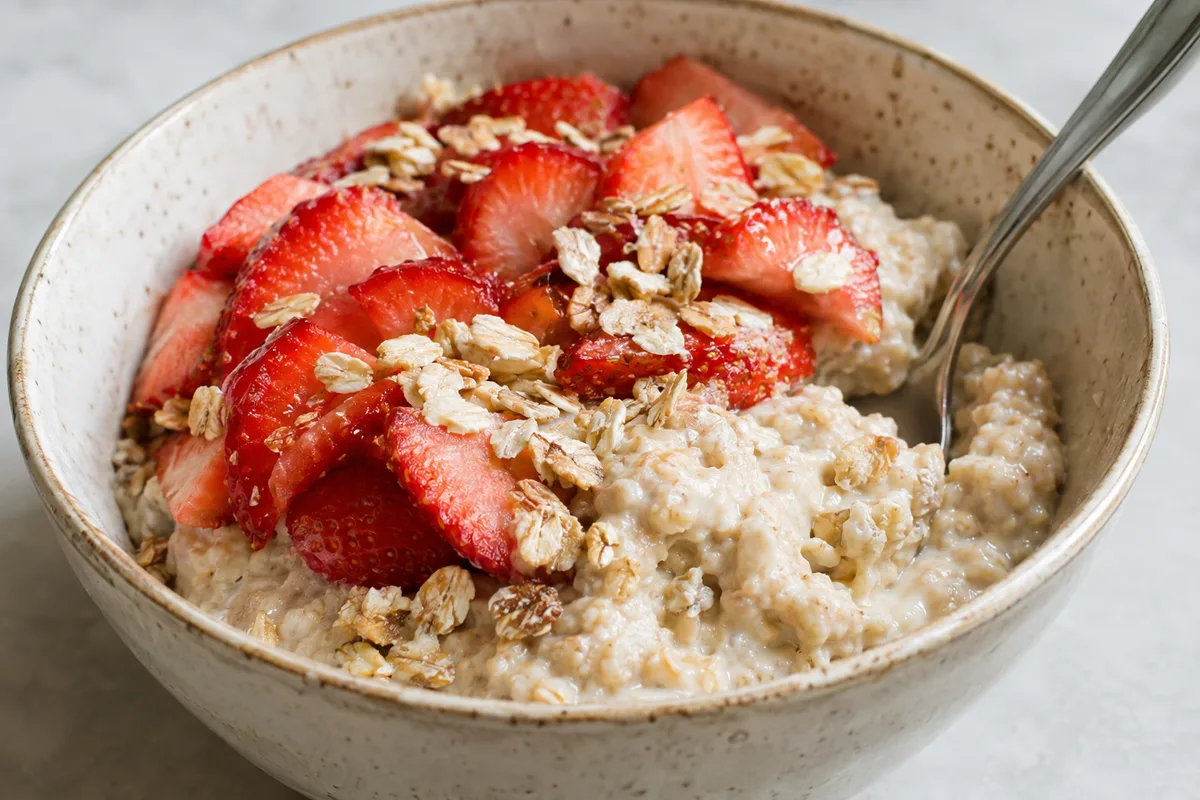
Look at the figures for the serving you will actually prepare, not only those shown per 100 grams. If you use more or less than the suggested amount, adjust the entry in your food tracker. Remember to log milk, yoghurt, fruit, nut butter or other ingredients added alongside the powder.
A longer ingredient list is not necessarily a problem, but each addition has a purpose. Thickeners change consistency, sweeteners affect taste and added fats or carbohydrates alter the nutrition totals. Choose according to your preferences and the numbers that fit your day.
- Check the stated serving size
- Compare protein per serving
- Review total energy, carbohydrate and fat
- Read the full ingredient list
- Include every added ingredient in your food log
Taste, texture and digestive comfort
Casein thickens as it absorbs liquid, so it can feel quite different from a light protein shake. Using less liquid creates a spoonable bowl, while more liquid produces a thinner drink. Letting the mixture stand usually makes it thicker still.
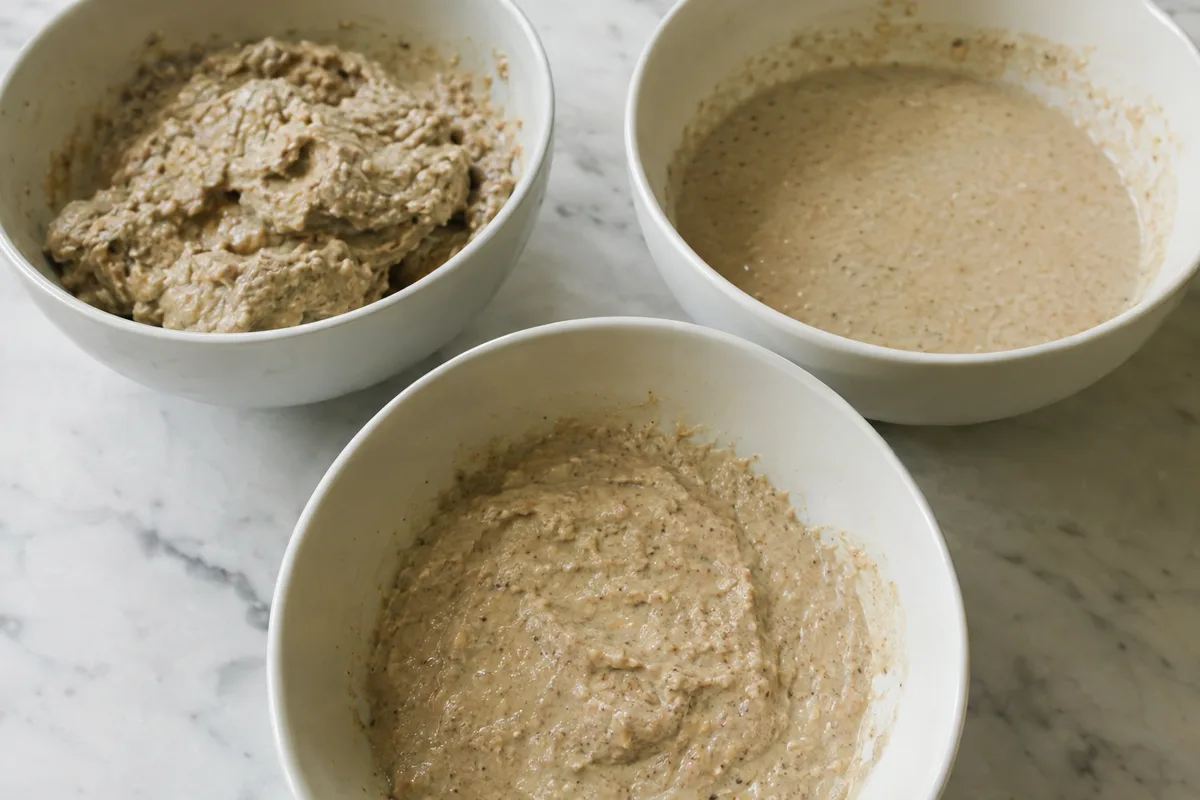
Flavour matters because a powder is only practical if you are comfortable using it regularly. Strong sweetness, a chalky finish or a very dense texture may not suit everyone. An unflavoured option can be easier to combine with fruit, cocoa or spices, though those additions still need to be tracked.
Milk-based proteins do not suit every person's digestion or dietary needs. Check the label carefully if particular milk ingredients are an issue for you, and pay attention to how a serving feels. A smaller portion or a food-based protein may fit more comfortably, depending on the person.
- Add more liquid for a lighter drink
- Use less liquid for a thick bowl
- Mix with yoghurt for a denser snack
- Add fruit or cocoa for flavour
- Log toppings and mix-ins separately
When casein can fit into the day
Casein is often used in the evening because its slower digestion can provide amino acids over a longer period. That does not make bedtime a required or uniquely effective time to have it. Daily protein intake and how it is spread across meals are more useful considerations.
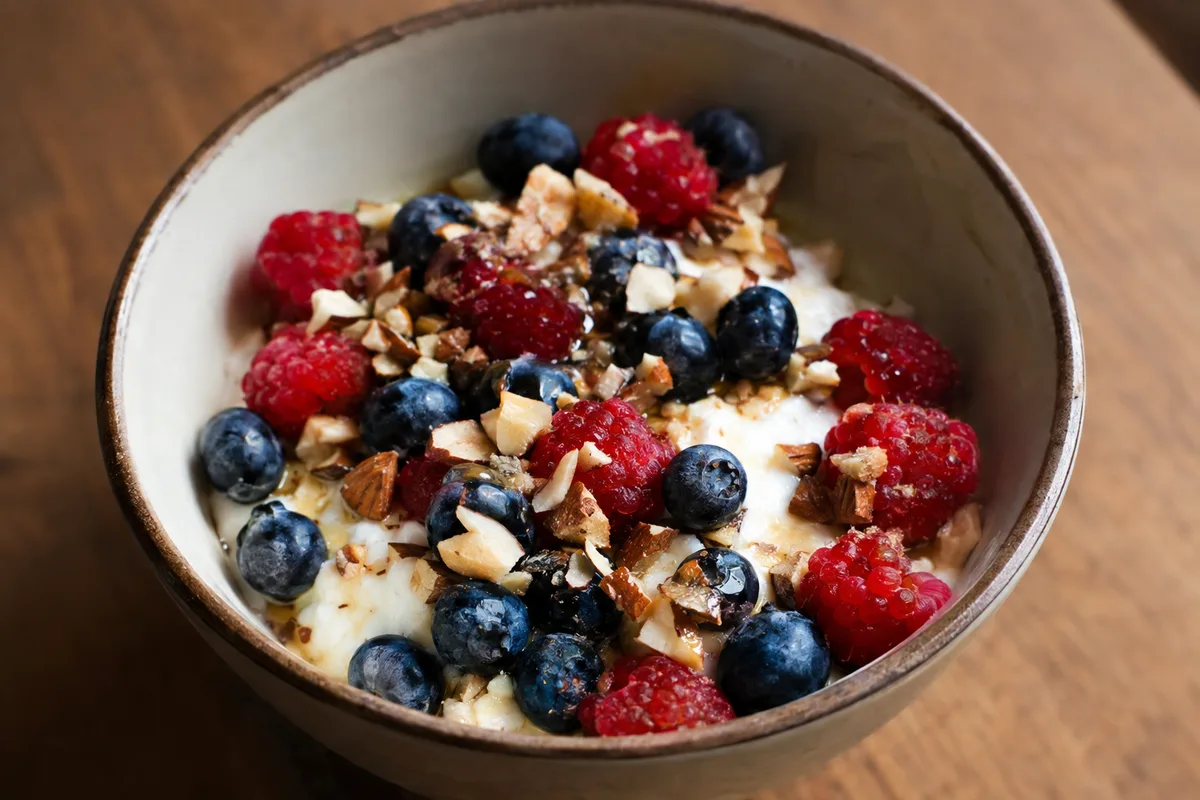
It can also work between meals when you want something more substantial than a thin drink. After exercise, casein can contribute protein just as other complete milk proteins can. The better choice is the one that fits your appetite, schedule and remaining food targets.
Before adding a serving, look at what your tracker already shows for the day. If meals already provide enough protein for your goal, extra powder may simply add more energy without filling a clear gap. If a meal is low in protein, casein can be one convenient way to increase it.
- Stirred into an evening yoghurt bowl
- Blended into a between-meal shake
- Mixed with oats as part of breakfast
- Used after exercise when a meal is not convenient
A practical definition of the best option
The best casein protein is not necessarily the one with the highest number on the front of the pack. It should provide a useful amount of protein for the serving you plan to log, with ingredients and a texture that suit you. It should also fit naturally into meals rather than forcing you to rearrange your entire day.
Compare products using the same basis, such as one prepared serving or the values per 100 grams. Decide whether you want pure micellar casein, an easier-mixing caseinate or a blend with a lighter consistency. Then consider flavour and digestive comfort alongside the nutrition information.
Treat casein as one possible protein source, not a shortcut. Regular meals can provide protein as well as fibre, colour and a wider range of nutrients. A simple choice that you can track accurately and use when it genuinely helps is usually the most practical one.
- Fits your preferred serving size
- Has nutrition values that work with your targets
- Uses ingredients you are comfortable with
- Mixes to a texture you enjoy
- Fills a genuine gap in your usual meals