
What’s the Best Carb, Protein and Fat Split for Weight Loss?
Carbohydrate, protein and fat targets should fit your appetite, food preferences and daily routine. Here is how to use your food log to choose a workable balance and adjust it without chasing a perfect ratio.
There is no universal best split
No single carbohydrate, protein and fat breakdown is best for everyone trying to lose weight. Weight change is influenced by overall energy intake, while your macro balance can affect fullness, meal enjoyment and how easy your plan is to maintain. The right numbers therefore depend on the person rather than a fixed formula.
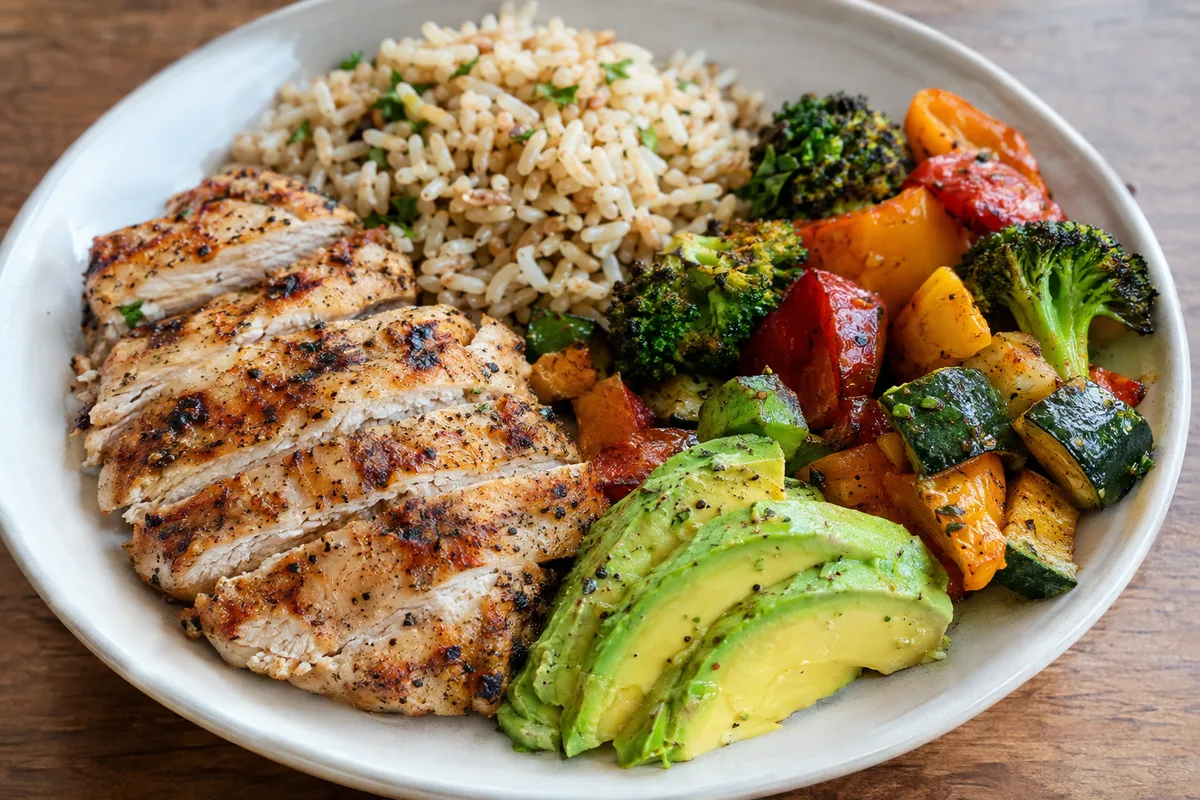
Your preferred foods, activity, appetite and routine all matter. A plan that looks balanced on paper is not useful if it leaves you hungry or excludes foods you enjoy. Treat your first macro targets as a starting point that can be reviewed using your food log.
- Choose targets that allow for regular, satisfying meals
- Keep foods you genuinely enjoy in the plan
- Consider how active, hungry and busy you tend to be
- Review the pattern over time rather than judging one day
Start with protein at each meal
Protein can help meals feel more substantial and supports the maintenance of muscle. Instead of forcing a large amount into one meal, spread protein sources across the day. The exact daily target depends on your body, activity and circumstances.

Your tracker can show whether breakfast or lunch regularly contains little protein. If so, add a familiar protein food rather than rebuilding the whole meal. Protein provides about 4 kcal per gram, so portions still contribute to total energy intake.
- Eggs with wholegrain toast and tomatoes
- Plain yoghurt with fruit and oats
- Beans or lentils added to soup, salad or rice
- Chicken, fish, tofu or tempeh with vegetables
- Cottage cheese or hummus as part of a snack
Use carbohydrates to support energy and enjoyment
Carbohydrates are not automatically an obstacle to weight loss. They provide energy and include foods such as bread, rice, pasta, potatoes, fruit, pulses and oats. Carbohydrate provides about 4 kcal per gram.
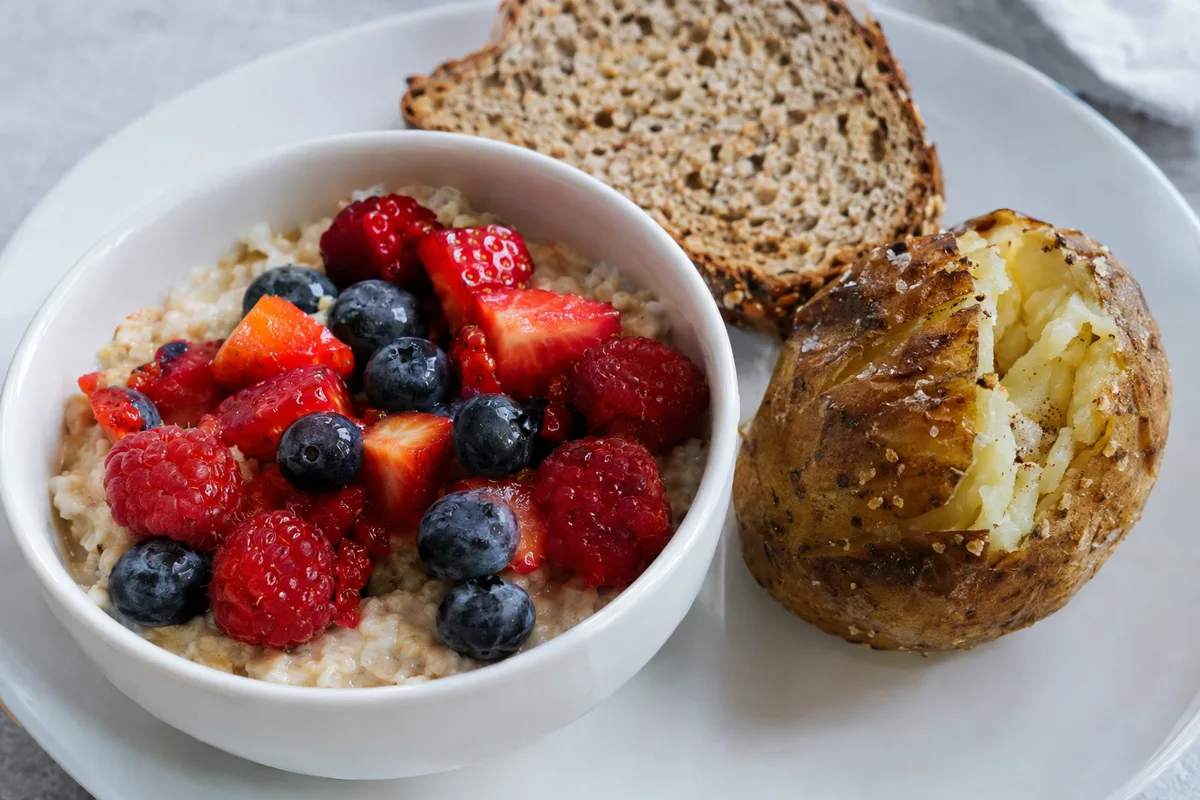
Higher-fibre choices often make meals more filling and support a varied eating pattern. Portion size still matters, but there is no need to remove every favourite carbohydrate food. Your activity and appetite can help you decide whether a little more or less works better for you.
- Choose wholegrain bread or wraps when you enjoy them
- Include potatoes with their skins where suitable
- Add beans or lentils to mixed dishes
- Pair fruit with yoghurt or another protein source
- Build meals around a sensible portion of rice, pasta or grains
Keep enough fat for flavour and satisfaction
Fat adds flavour, texture and satisfaction to meals. It also provides about 9 kcal per gram, so small portions can make a noticeable difference to the energy total in your tracker. That does not make fat bad or mean it should be avoided.
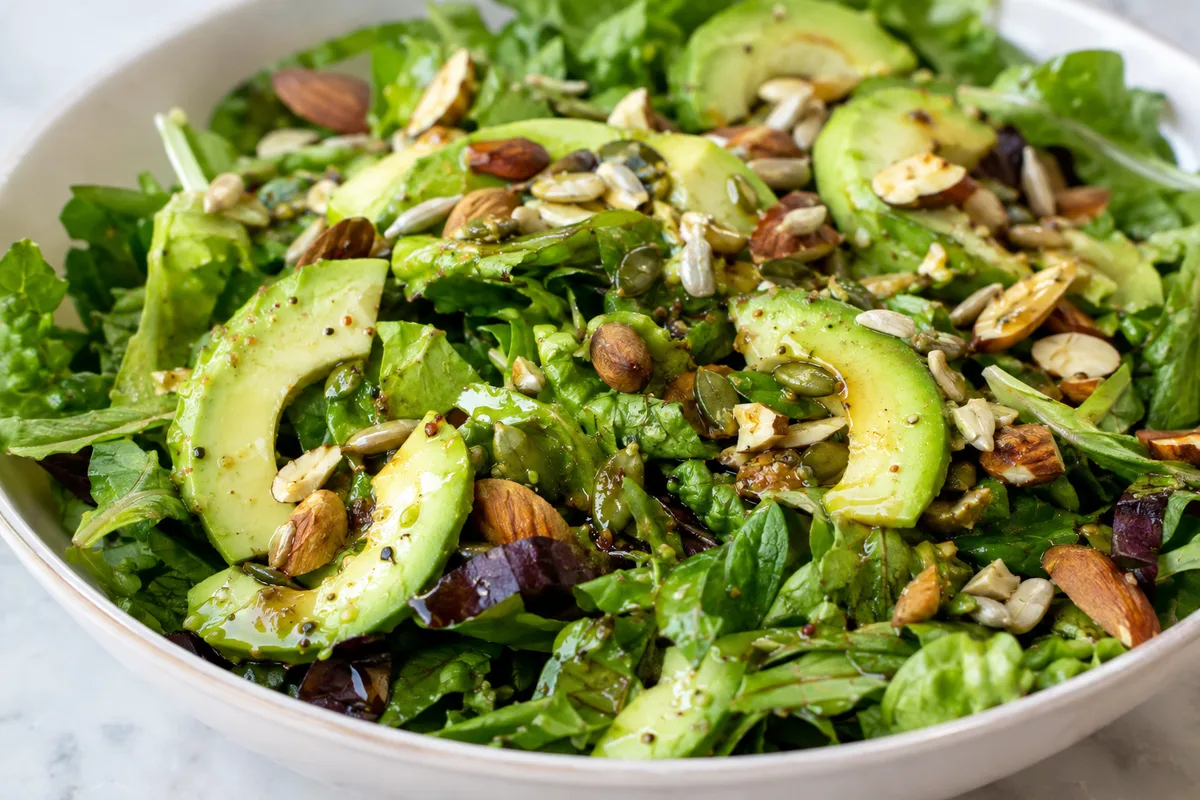
Look at fats that are easy to pour, spread or nibble without noticing, such as cooking oil, dressings, nut butter and handfuls of nuts. Measuring them for a short time can help you recognise your usual portion. The aim is awareness, not removing fat from every meal.
- Use a measured amount of oil for cooking
- Spoon dressing onto salad rather than pouring freely
- Add a modest portion of nuts or seeds
- Spread nut butter deliberately instead of estimating
- Choose avocado, olives or cheese as a planned part of the meal
Build meals before calculating percentages
A simple meal structure is often more useful than searching for the perfect macro ratio. Begin with a protein source, add vegetables or fruit, include a carbohydrate you enjoy and finish with an appropriate source of fat. Mixed dishes can follow the same idea without keeping each food in a separate section of the plate.
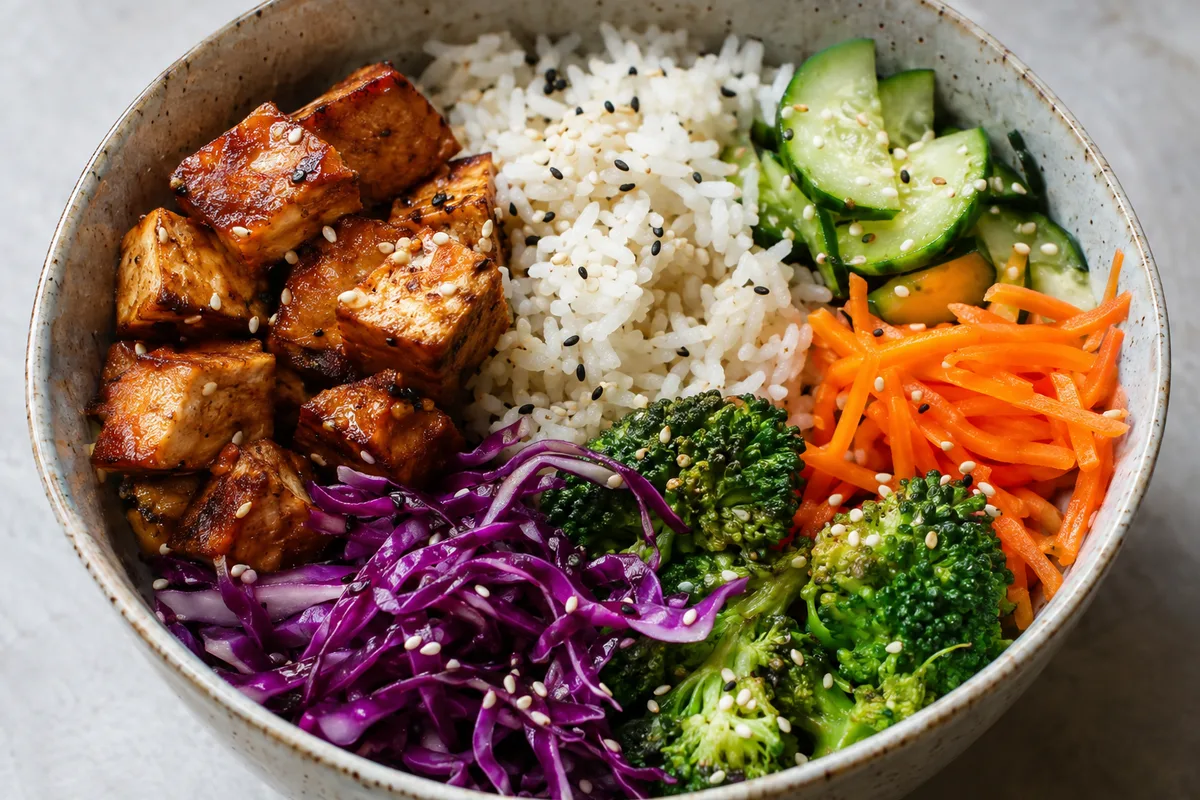
Once meals look balanced, check what your tracker shows across several typical days. A day with a celebration meal or an unusual schedule does not define the whole pattern. Look for repeated gaps, such as very little protein at breakfast or large amounts of added fat at dinner.
- Protein: eggs, yoghurt, beans, fish, poultry, tofu or tempeh
- Carbohydrate: oats, bread, rice, pasta, potatoes, fruit or pulses
- Vegetables and fruit: fresh, frozen, cooked or raw
- Fat: oil, nuts, seeds, avocado, olives or cheese
Adjust your targets using your food log
Keep your starting targets steady long enough to notice how the pattern fits your life. Review hunger between meals, energy during normal activities, meal satisfaction and whether tracking feels manageable. Body weight can vary from day to day, so focus on the broader direction rather than a single reading.
If you are often hungry, check whether meals contain enough protein, fibre and overall food before cutting carbohydrates or fat further. If your logged intake regularly exceeds your chosen energy target, look for small portions that can be adjusted without making meals feel sparse. A registered dietitian can help set individual targets when your needs, eating preferences or circumstances make general guidance difficult to apply.
- Change one part of the plan at a time
- Use several typical days rather than one unusual day
- Check meal satisfaction as well as macro totals
- Keep adjustments small and practical
- Revisit the targets when activity or routine changes