
What Does the Average Weight for a Woman Really Tell You?
There is no single average weight that represents every woman. The figure changes with age, height, location and the way the information is collected.
Why there is no universal average
An average weight for women is usually calculated from a particular group, such as adults in one country or within one age range. Change the group, and the result can change too, so a national figure should not be treated as a worldwide standard.
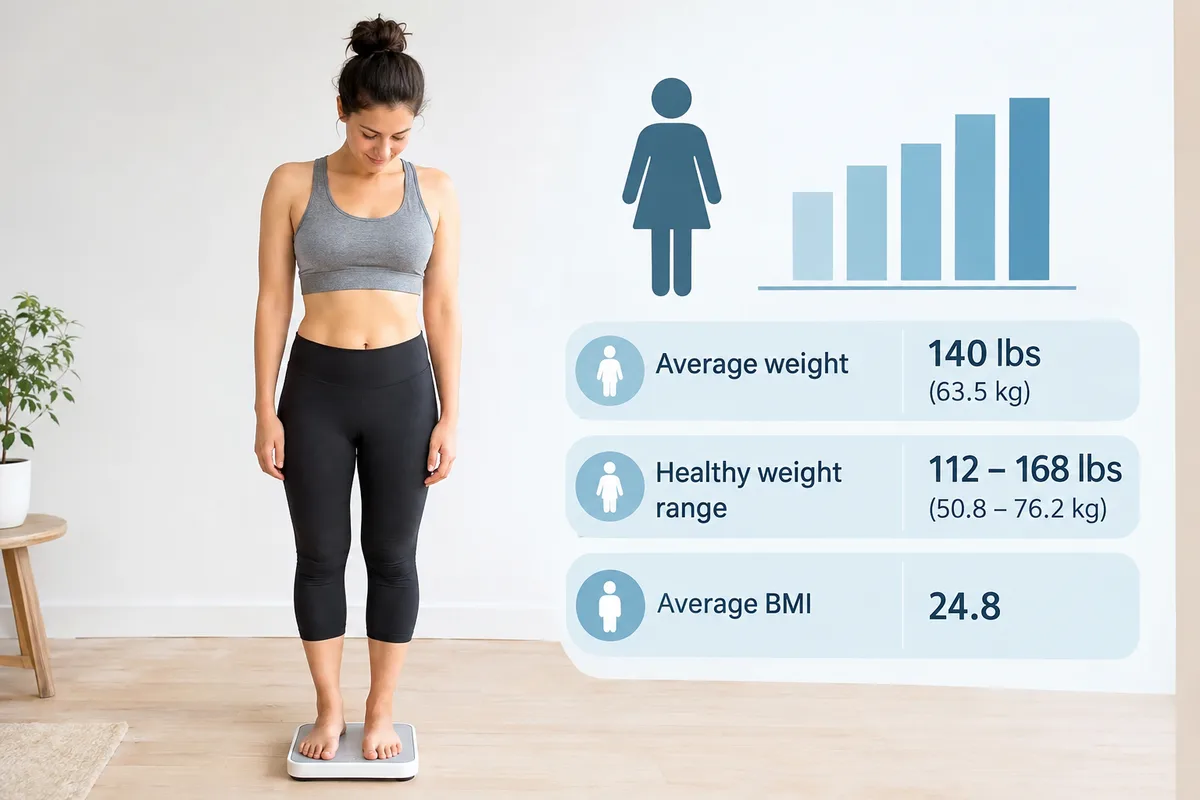
Height, age, body composition and life stage all influence body weight. A single headline number cannot show those differences or tell you what an individual woman ought to weigh.
How weight statistics are calculated
The word average often refers to the mean: all recorded weights are added together and divided by the number of women measured. A few particularly high or low values can pull that result away from the weight that is most common in the group.
The median can provide another view because it is the middle value when all measurements are placed in order. Reliable statistics should also explain who was included, when measurements were taken and whether weight was measured directly or reported by participants.
Comparing figures with care
Before comparing yourself with a published statistic, check whether its group resembles you in age, location and other relevant characteristics. Also check whether the source uses women, adult females or another clearly defined population, as these categories may not be interchangeable.
Figures from different years may reflect changes in the population, data collection or sample. Treat an average as a description of a group at a particular time, not as a personal target or a judgement about progress.
Using averages alongside food tracking
If you already track what you eat, an average weight statistic adds context but does not set your energy needs. The amount of energy a person uses depends on individual factors, including body size, daily movement and personal circumstances.
Look at your own weight trend under reasonably consistent conditions rather than reacting to one reading or chasing a population average. Your food log, routine and longer-term measurements can help you notice patterns that a broad statistic cannot show.