
Ballerina Tea: What It Does, Possible Benefits and Side Effects
Ballerina tea is promoted as a slimming drink, but its main effect is to stimulate bowel movements rather than reduce body fat. This guide explains its ingredients, possible short-term effects, side effects and how to record it honestly.
What ballerina tea actually is
Ballerina tea is usually a caffeine-free herbal blend containing senna, often alongside Chinese mallow. Recipes vary between brands, so the ingredient list matters more than the name on the front. Senna strongly stimulates the bowel, while Chinese mallow may also have a laxative effect.
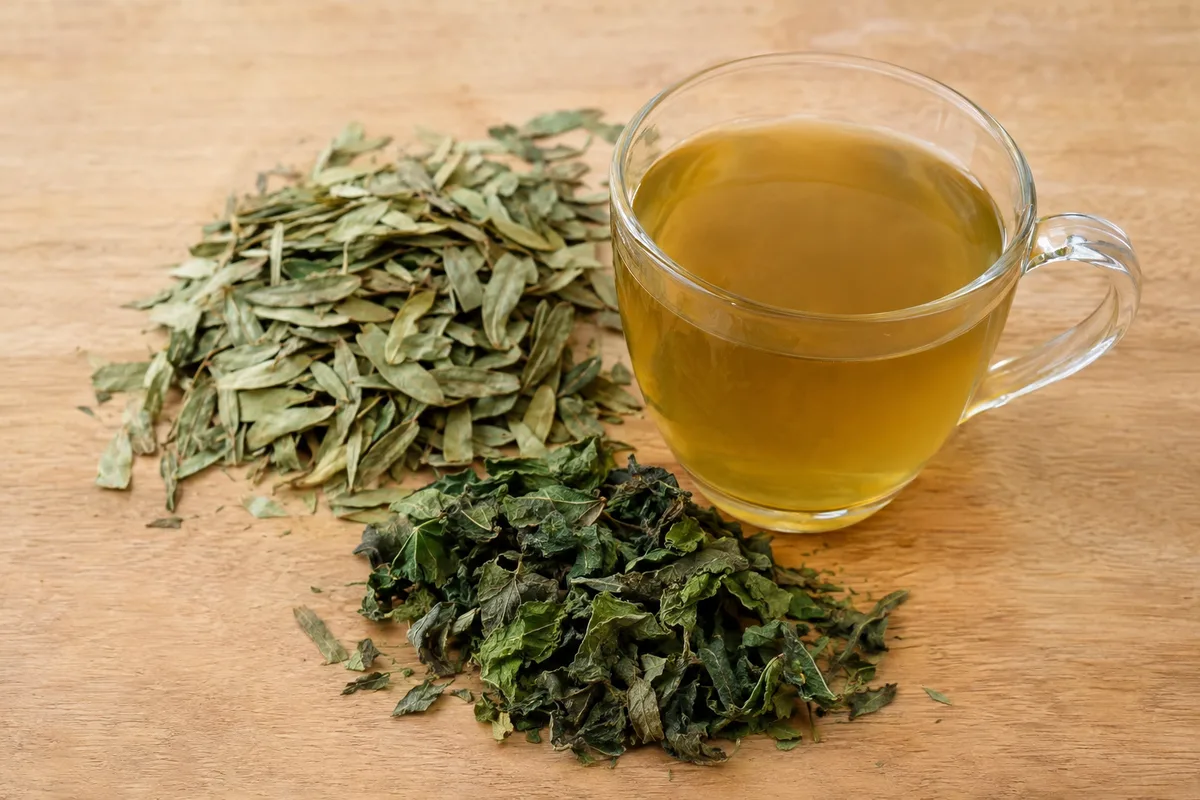
Although it is called tea, it is not the same as an ordinary cup of black, green or herbal tea. It is mainly used to trigger a bowel movement, sometimes within hours. How quickly and strongly it acts depends on the blend, serving size and the individual.
- Check whether senna is listed among the ingredients
- Read the preparation and serving directions carefully
- Do not assume two products called ballerina tea have the same formula
Possible benefits and their limits
The clearest short-term effect is easier or more frequent passage of stool. Someone may feel less full afterwards, particularly if they had not opened their bowels recently. This is a temporary digestive effect, not evidence that body fat has been lost.
Ballerina tea is generally caffeine-free, although the label should confirm this. It may therefore appeal to someone avoiding caffeinated drinks. That does not make it a routine wellness drink, because its active ingredients can have strong physical effects.
- It may stimulate a bowel movement
- It may temporarily reduce feelings of fullness
- Many versions contain no caffeine, but ingredients vary
Why the scales may change
A lower scale reading after drinking ballerina tea can come from passing stool and losing water. It does not mean the body has used a meaningful amount of stored fat. The reading may rise again once food and fluids are replaced.
Laxative ingredients work mainly in the bowel and do not stop the body absorbing most of the energy from food. Using the tea after eating therefore does not cancel the meal. Your food log should still include everything you ate, even if your digestion changed afterwards.
Daily body weight naturally moves up and down for several reasons. Fluid intake, salt, carbohydrate, digestion and the timing of a bowel movement can all affect one reading. Look at your usual tracking pattern rather than treating a sudden drop as progress on its own.
- Keep the meal in your log as normal
- Note the tea and any digestive effects separately
- Compare weight trends under similar conditions
- Avoid changing your calorie target because of one reading
Common side effects
The bowel stimulation can cause stomach cramps, urgency, loose stools and repeated trips to the toilet. These effects may be mild or disruptive, and their strength is difficult to predict. A stronger brew or larger serving may produce a stronger response, but individual reactions vary.
Frequent loose stools can lead to loss of fluid and important salts. Possible warning signs include unusual weakness, dizziness, a dry mouth or very dark urine. Severe pain, fainting, blood, persistent vomiting or effects that do not settle require prompt professional advice.
Regular use may also make normal bowel habits harder to maintain without stimulation. This is why ballerina tea should not be treated like an everyday drink or a dependable weight-management tool. Extra caution is sensible during pregnancy, breastfeeding or when other health considerations are present.
- Stomach cramps
- Urgent or loose bowel movements
- Nausea or digestive discomfort
- Fluid and salt loss
- Increasing reliance on bowel stimulation
How it fits with food tracking
Most plain versions contribute little energy, but that is not the most important part of the entry. Recording the drink can help you connect changes in digestion, thirst, appetite and scale weight with its use. Include added sugar, honey or milk separately if you use them.
A useful note might include the product ingredients, the time you drank it and any later effects. This gives more context than logging it simply as herbal tea. The aim is not to assign calories to a bowel movement or subtract food because the scales changed.
If you are trying to understand a weight trend, focus on consistent records over time. Meals, drinks, movement, sleep and normal digestive variation all add context. Ballerina tea does not replace a balanced eating pattern with enough fibre and fluid.
- Log the drink at the time you have it
- Record any additions to the cup
- Note digestive changes without altering previous meal entries
- Keep unusual scale readings in context
A more dependable approach
For everyday digestive regularity, gradual habits are usually easier to track than a strongly stimulating tea. Regular meals, enough fluid, fibre-rich foods and ordinary movement all support normal bowel function. Increase fibre gradually, because a sudden jump may cause discomfort.
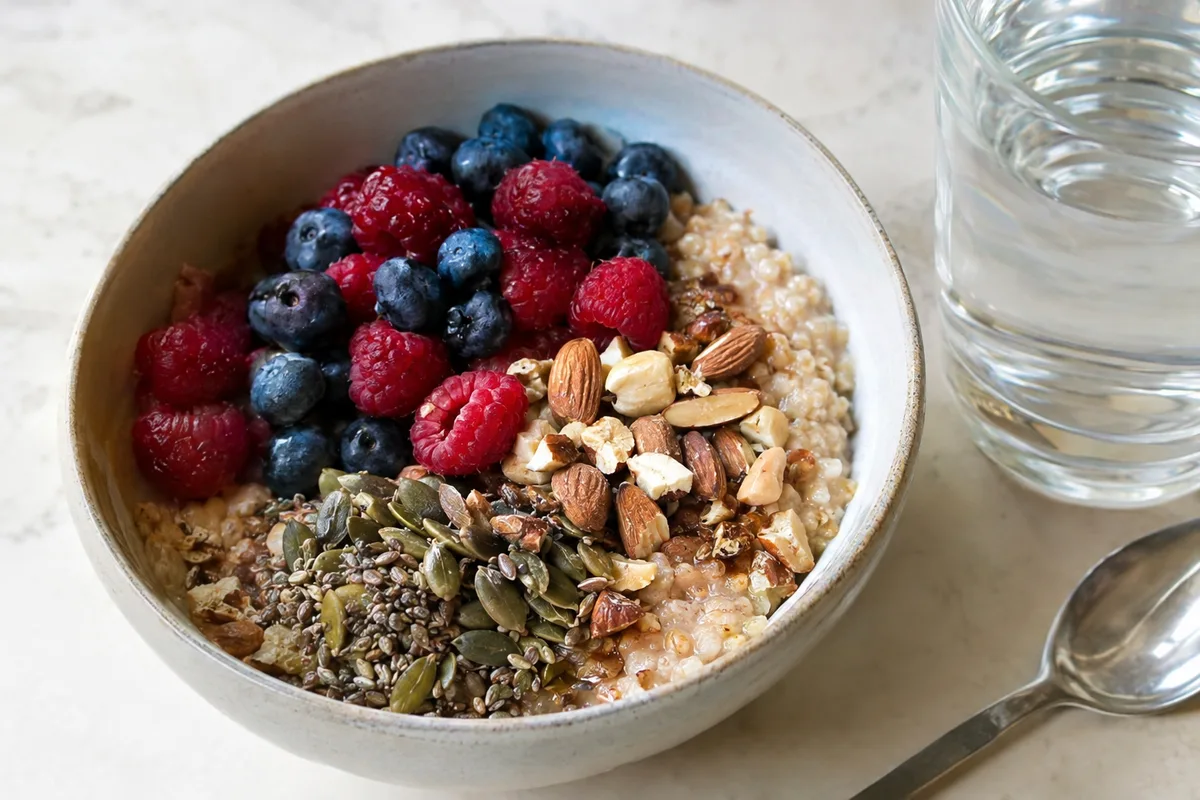
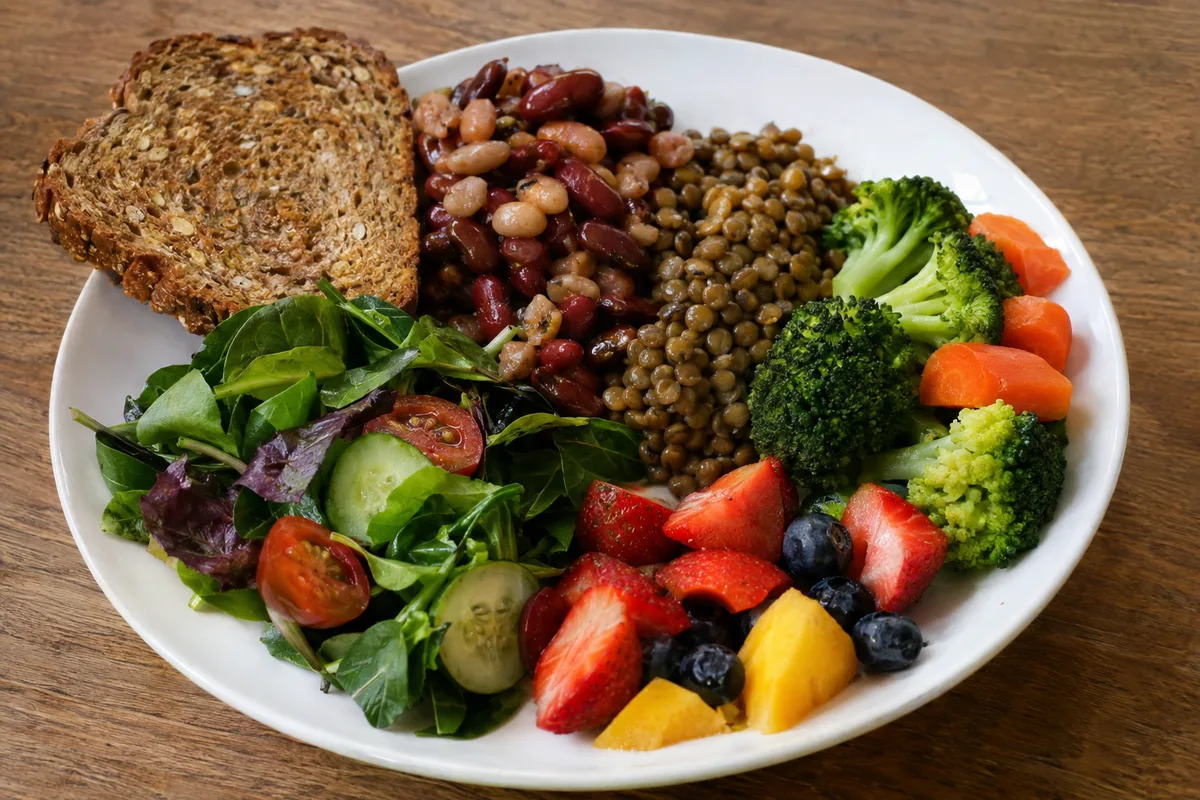
Useful fibre sources include oats, beans, lentils, vegetables, fruit, wholegrain foods, nuts and seeds. The right amount of fibre and fluid depends on the person and their usual diet. Your food log can show which choices fit comfortably and consistently.
If bowel changes continue, recur often or come with concerning symptoms, speak with a qualified health professional. Bring your food and drink notes if they help explain the pattern. Do not rely on ballerina tea to manage an ongoing problem or to create a lower number on the scales.
- Add beans or lentils to a familiar meal
- Choose wholegrain versions of foods you already eat
- Include fruit and vegetables across the day
- Drink regularly rather than waiting until very thirsty
- Build ordinary walking or other comfortable movement into your routine