
A Beginner’s Guide to Low-Carb, High-Fat Eating for Weight Loss
A low-carb, high-fat diet changes where much of your food energy comes from, but it does not remove the need to consider overall intake. This guide explains how to start, choose foods and use your food log to adjust the approach.
What low carb, high fat means
Low-carb, high-fat eating reduces foods that provide a lot of carbohydrate and replaces some of that energy with fat. It often includes meat, fish, eggs, dairy foods, nuts, seeds, oils and lower-carbohydrate vegetables. There is no single carbohydrate limit that suits every person or version of the diet.
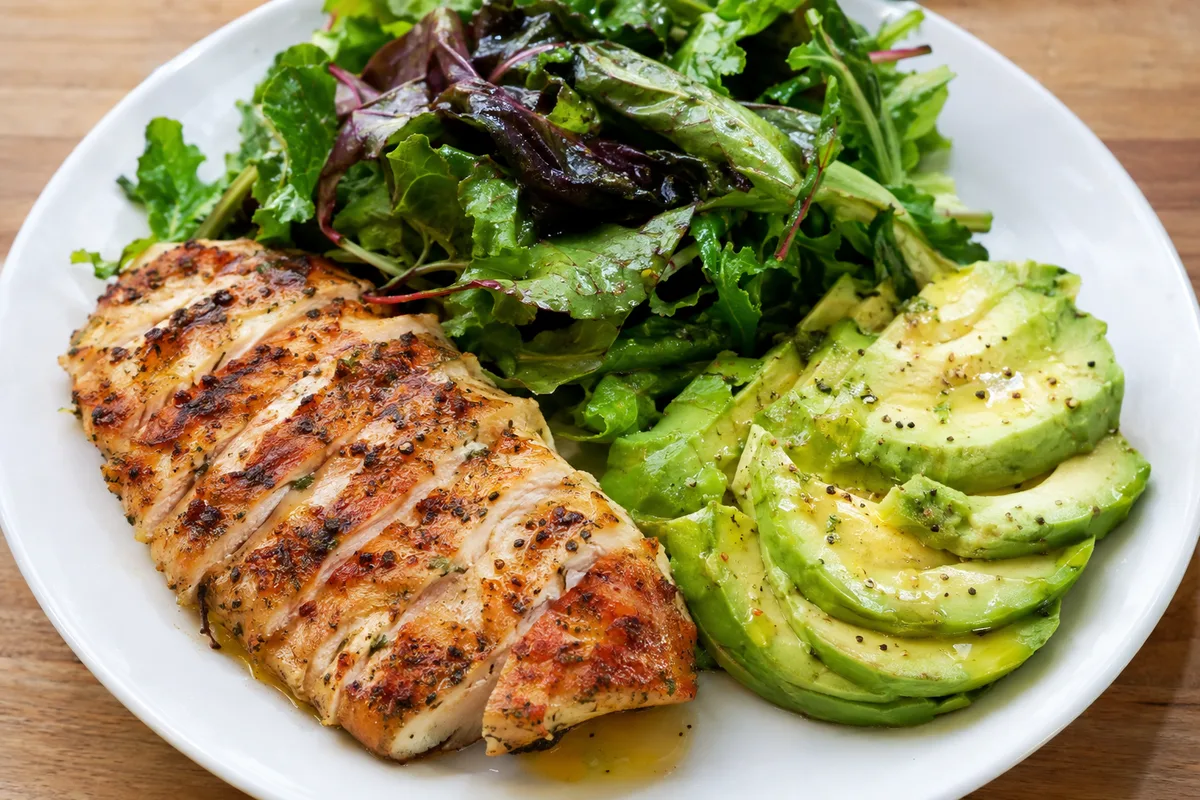
The approach is not the same as eating as much fat as you like. Fat provides about 9 kcal per gram, while carbohydrate and protein each provide about 4 kcal per gram. Because fat is energy-dense, portions still matter when weight loss is your aim.
- Reduce bread, rice, pasta, cereals and large portions of starchy vegetables
- Limit sweets, sugary drinks, cakes and biscuits
- Build meals around a protein source and vegetables
- Use oils, avocado, nuts, seeds or full-fat dairy foods in measured portions
Choose a starting point you can maintain
You do not need to remove every carbohydrate food on the first day. Start by looking at your food log and finding the main sources of carbohydrate in your usual meals. Choose one or two regular meals to change before rebuilding your whole menu.
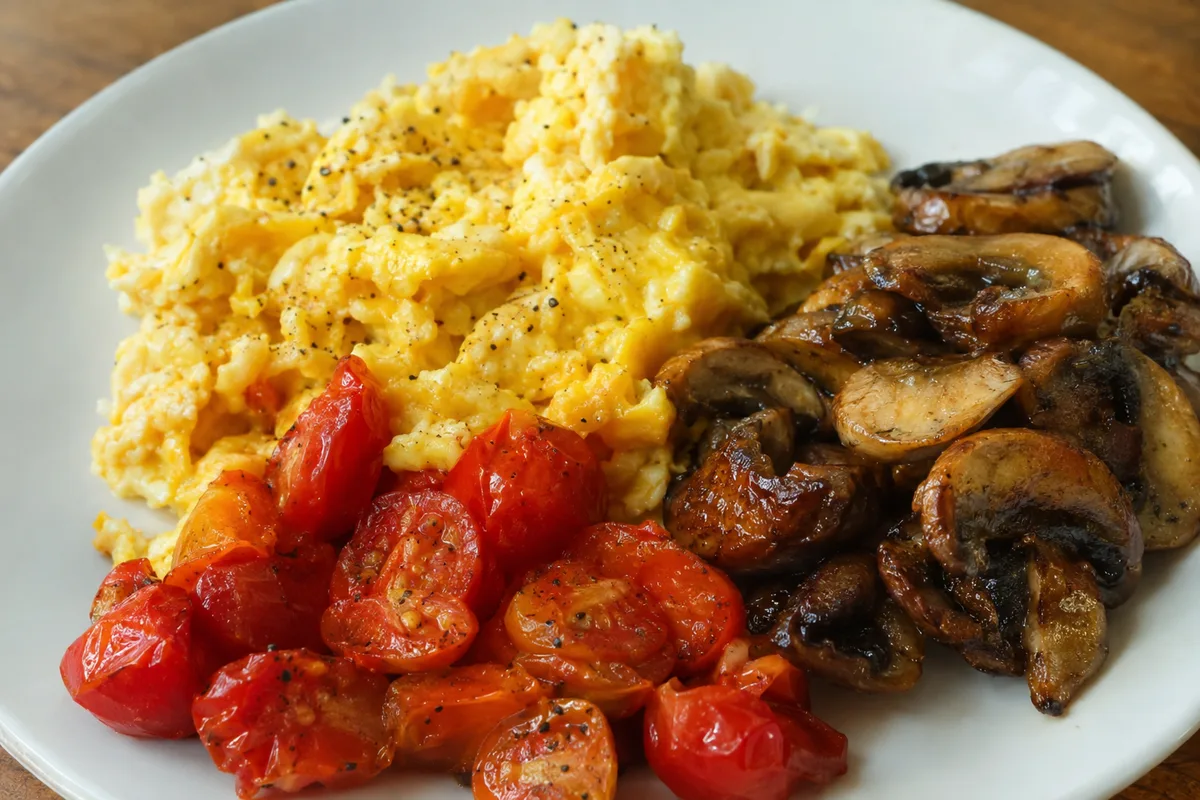
A moderate reduction may feel easier to maintain than a sudden strict limit. Your preferred amount will depend on your appetite, activity, food choices and personal requirements. Track what you actually eat rather than relying on labels such as low carb.
- Replace a large serving of pasta with extra vegetables and a smaller pasta portion
- Swap a sweet breakfast for eggs with mushrooms and tomatoes
- Choose plain yoghurt with nuts instead of a sweetened yoghurt and cereal
- Replace sugary drinks with water, sparkling water, tea or coffee without added sugar
Build a balanced low-carb plate
Begin with a clear protein source, then add a generous variety of non-starchy vegetables. Add a source of fat for flavour and satisfaction rather than pouring it on without measuring. If you include a carbohydrate-rich food, decide its portion before serving the meal.
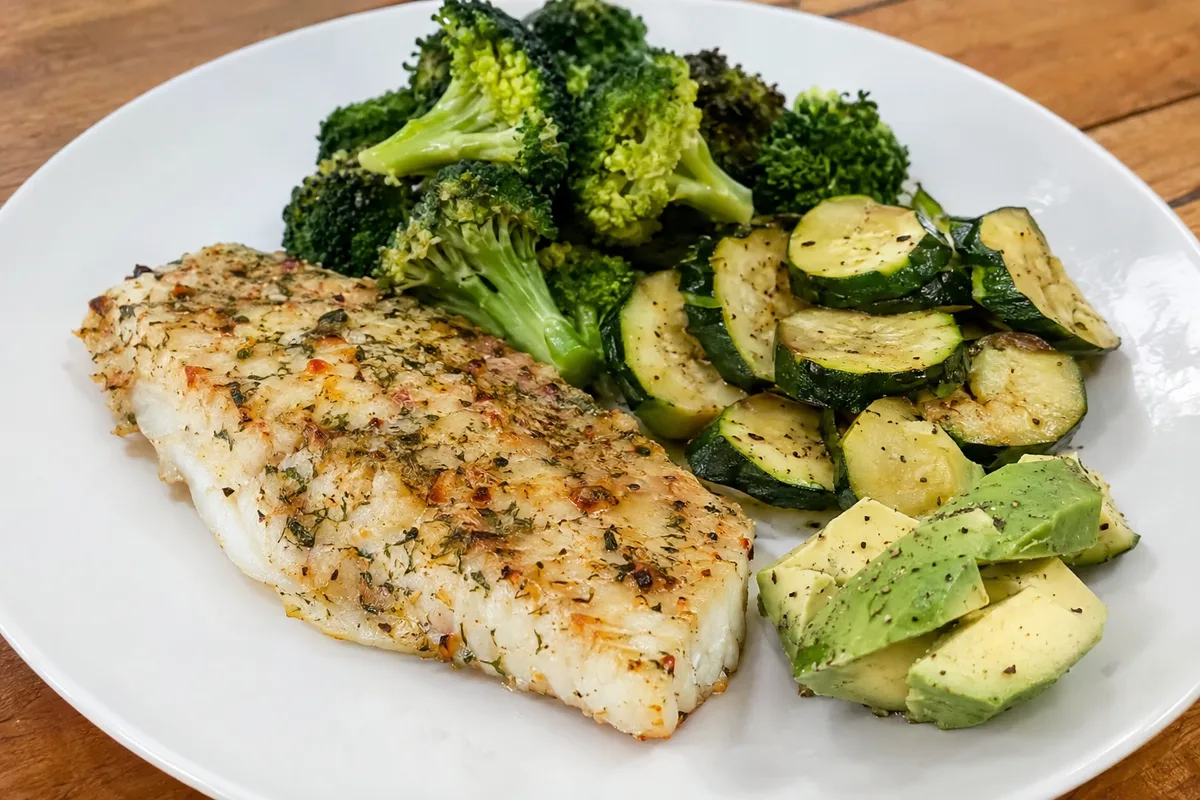
Protein can help make a meal feel substantial, while vegetables add fibre, colour and volume. Fat may come from the protein food, the cooking method or a dressing, so check whether you are adding it in several places. A meal containing fatty meat, cheese, oil and a creamy sauce can become energy-dense quickly.
- Protein: eggs, fish, chicken, tofu, plain yoghurt or cottage cheese
- Vegetables: leafy greens, broccoli, cauliflower, courgette, peppers or mushrooms
- Fats: olive oil, avocado, nuts, seeds, olives or cheese
- Optional carbohydrate: beans, lentils, fruit, whole grains or starchy vegetables in a portion that fits your plan
Keep fibre and food variety in view
Cutting bread, cereals, beans and fruit can reduce fibre if nothing replaces them. Include several types of lower-carbohydrate vegetables, along with suitable nuts and seeds. If your chosen carb level allows, berries, pulses or modest portions of whole grains can add further variety.
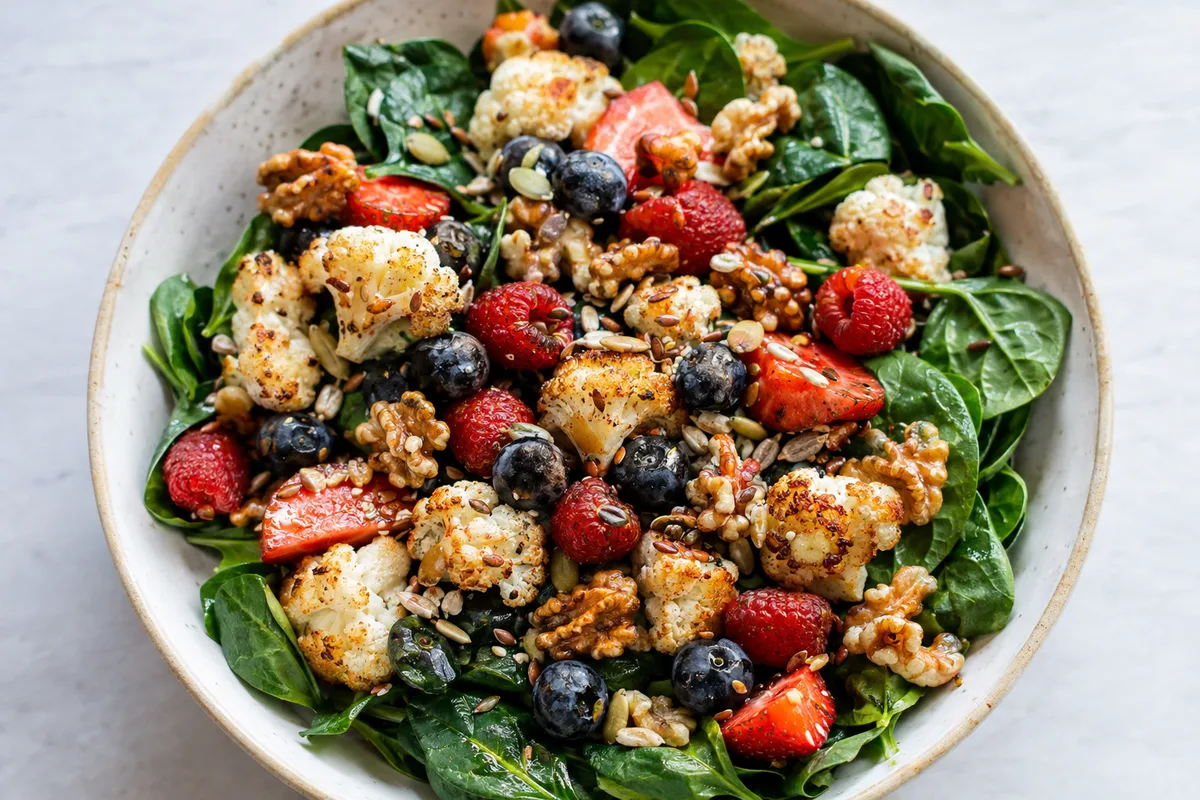
Your food log can show whether the same few foods appear every day. Look beyond the carbohydrate total and notice vegetable range, protein sources and added fats. A varied pattern is usually more practical and enjoyable than a menu built mostly around meat and cheese.
- Leafy vegetables such as spinach, lettuce and cabbage
- Cruciferous vegetables such as broccoli, cauliflower and Brussels sprouts
- Seeds such as chia, flax and pumpkin seeds
- Nuts such as almonds and walnuts
- Lower-sugar fruit such as berries, where it fits your chosen intake
Use your food log to support weight loss
Low carb does not guarantee weight loss on its own. Body weight tends to move down when average energy intake is lower than the energy used over time, although the amount needed differs between individuals. Your log can help you spot where large servings of oils, nuts, cheese, sauces and snacks are raising the total.

Review patterns across several days rather than judging one meal. Notice hunger, meal timing, portion sizes and foods that are easy to overeat. If progress does not match your aim, make one manageable adjustment and keep tracking long enough to see the wider pattern.
- Measure cooking oil and dressings instead of pouring freely
- Pre-portion nuts, cheese and creamy dips
- Record drinks, sauces, tastes and cooking fats
- Compare planned portions with what was actually served
- Adjust one regular meal or snack before changing everything
Make the approach fit everyday life
A workable eating pattern should fit shopping, cooking, social meals and activity. Plan simple meals you can repeat, but keep enough variety to prevent boredom. When eating away from home, focus on the main components rather than trying to make every meal perfect.
Pay attention to how you feel during daily tasks and exercise, especially after a large change in carbohydrate intake. Hunger, comfort, enjoyment and energy can help you decide whether the plan is sustainable. If you have individual nutritional needs or are unsure about making a major dietary change, seek guidance from a registered dietitian.
- Keep eggs, frozen vegetables and a simple protein option available
- Choose grilled protein with vegetables or salad when eating out
- Ask for dressings and rich sauces on the side
- Plan carbohydrate portions around meals where you most value them