
What to Know Before Trying a Low-Carb, High-Fat Diet
A low-carb, high-fat diet changes where much of your food energy comes from, but there is no single version of the approach. This guide explains what you may eat, how to track it and how to keep meals balanced.
Low carb high fat has no single definition
A low-carb, high-fat diet reduces carbohydrate-rich foods and replaces some of their energy with fat. There is no standard carbohydrate target that suits everyone, so the exact amount depends on the person and the version of the diet. Some approaches leave room for fruit, pulses and whole grains, while stricter ones may limit them more heavily.
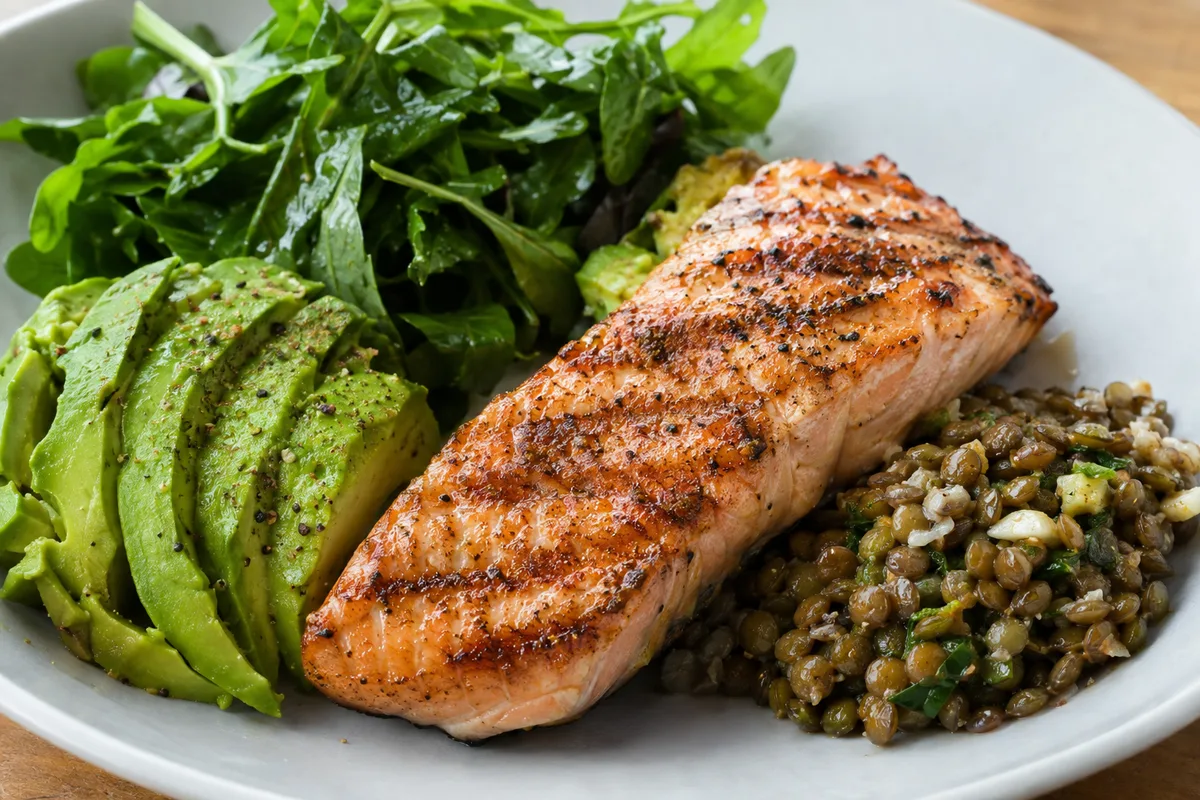
Low carb high fat is not automatically the same as a ketogenic diet. Ketogenic eating restricts carbohydrate enough to encourage the body to produce ketones as an alternative fuel, whereas a general low-carb plan may not do this. Decide which approach you mean before changing your targets or planning meals.
- Write down which carbohydrate foods you intend to reduce rather than removing everything at once.
- Choose whether your target applies to total carbohydrate or carbohydrate excluding fibre.
- Set a realistic range in your food tracker instead of treating one exact number as a pass or fail.
- Review how the change fits your routine, food preferences and usual meals.
Carbohydrates are found in more foods than bread and pasta
Bread, rice, pasta and potatoes are obvious carbohydrate sources, but they are not the only ones. Fruit, milk, yoghurt, pulses, sauces and many prepared foods can also contribute carbohydrate. Tracking your usual intake for a few days can show which foods matter most in your own meals.
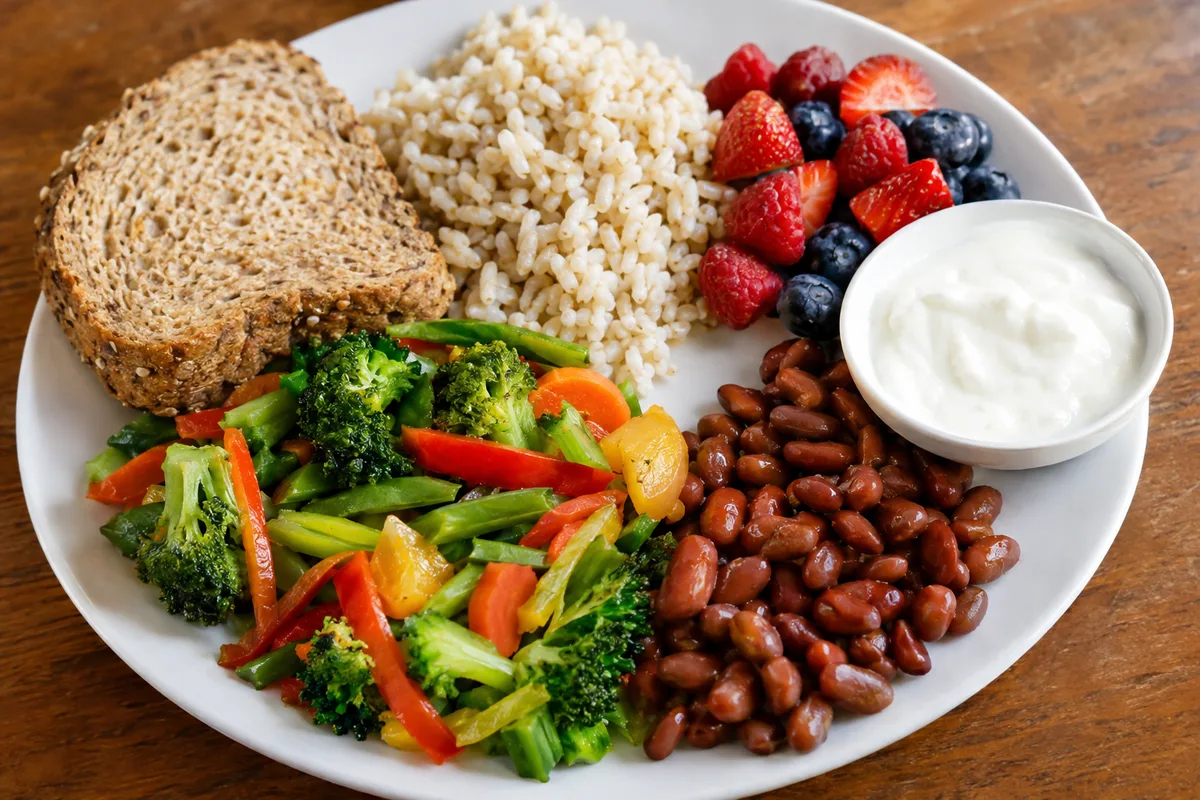
Reducing carbohydrate does not have to mean avoiding every food that contains it. Non-starchy vegetables can provide fibre, colour and variety while contributing less carbohydrate than many grain-based or starchy foods. The amount that fits depends on your chosen approach and the rest of your day.
- Base meals around vegetables such as leafy greens, mushrooms, courgettes, peppers and cauliflower.
- Check sauces, dressings and marinades because their carbohydrate content can vary.
- Count drinks, snacks and small extras rather than tracking only main meals.
- Keep portions consistent enough that your food log reflects what you actually ate.
More fat can raise energy intake quickly
Fat provides about 9 kcal per gram, while carbohydrate and protein each provide about 4 kcal per gram. This means a small amount of fat can contribute substantial energy even when the meal does not look large. Adding cheese, oils, nuts, cream and rich sauces without adjusting other foods may push your intake above the level you intended.
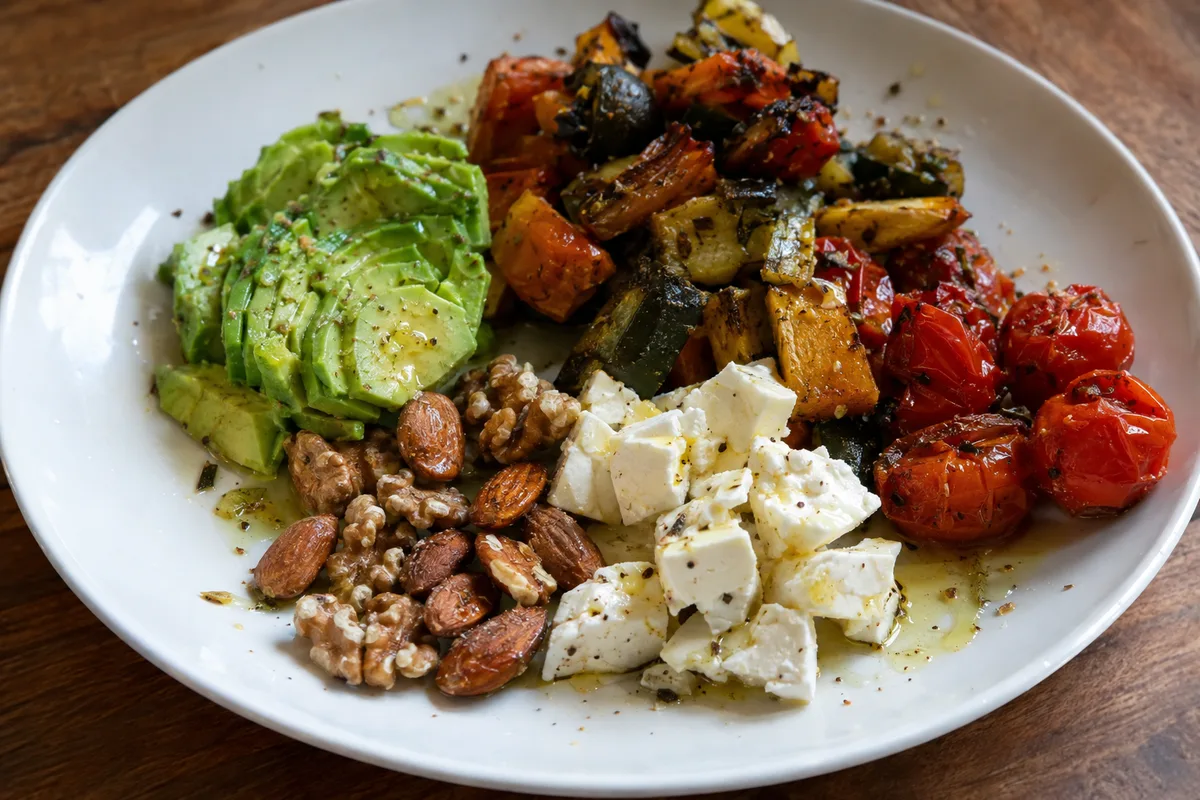
High fat does not mean adding as much fat as possible. It usually means fat supplies a greater share of your energy after carbohydrate is reduced. Continue tracking portions, especially for oils, nut butters, nuts, seeds, cheese and dressings, because these foods are easy to underestimate.
- Measure cooking oil rather than pouring it freely.
- Log dressings, spreads and toppings separately from the main meal.
- Choose one or two main fat sources at a meal instead of adding several by habit.
- Check whether hunger and satisfaction match the energy shown in your log.
Food quality still matters
A low carbohydrate total does not tell you whether a meal is varied or nourishing. Meals built mostly from processed meats, cheese and added fats may leave little room for vegetables, fibre and different protein sources. Your tracker can help you look beyond carbohydrate and check the overall pattern.

Include a clear protein source at each main meal, then add vegetables and a suitable source of fat. Fish, eggs, poultry, tofu, tempeh, plain yoghurt, nuts, seeds and some pulses may fit depending on your carbohydrate target. Oils, avocado, nuts and seeds can add fat without needing to dominate the plate.
- Vary protein sources across the week.
- Choose several colours of non-starchy vegetables.
- Include fibre-rich foods that fit your carbohydrate range.
- Use minimally processed foods for most meals while allowing practical prepared options.
- Notice whether repeated meals are narrowing the range of foods you eat.
Fibre and fluids need attention
Cutting cereals, fruit and pulses can reduce fibre if they are not replaced thoughtfully. Fibre supports regular digestion and can help meals feel substantial. Non-starchy vegetables, seeds, nuts, avocado and suitable portions of lower-carbohydrate fruit can help maintain variety.

A sudden change in fibre intake may feel uncomfortable, whether fibre goes up or down. Make changes gradually, drink according to thirst and watch how your digestion responds. Your ideal fluid and fibre intake depends on your body, activity and food choices, so avoid assuming one target works for everyone.
- Add leafy or crunchy vegetables to main meals.
- Use seeds or nuts where they suit the meal and your portion target.
- Keep some fruit if it fits your chosen carbohydrate range.
- Increase fibre-rich foods gradually rather than making an abrupt change.
Plan for the practical side before starting
This way of eating can affect shopping, cooking, eating out and shared meals. It may be harder to follow when your usual staples are bread, rice, pasta or potatoes, so decide what will replace them before you remove them. A plan based on foods you genuinely enjoy is more useful than a rigid list you cannot maintain.
Review your food log after you have enough ordinary days to spot a pattern. Check carbohydrate, fat, protein, fibre and total energy rather than focusing on one figure alone. If the approach leaves you persistently tired, preoccupied with food or unable to eat comfortably in everyday situations, pause and reconsider whether it suits you.
- Plan several breakfasts, lunches and dinners that fit your target.
- Prepare options for work, travel and busy evenings.
- Decide how you will handle meals shared with family or friends.
- Review your targets regularly rather than lowering carbohydrate automatically.
- Seek individual guidance from a suitably qualified professional if you are unsure whether a major dietary change is appropriate.