
Can Wheat Bread Fit Into a Low-Carb Diet?
Wheat bread contains carbohydrate, but that does not automatically put it off limits. This guide explains how to check the label, choose a portion and fit bread into the meals you already track.
Yes, but it depends on your carb target
A low-carb diet does not have one fixed carbohydrate limit. Your own target, appetite and usual meals determine whether wheat bread fits. A slice may be manageable for one person while taking up too much of another person's daily allowance.

Instead of asking whether bread is allowed, look at what it contributes to the whole day. Enter the amount you plan to eat in your tracker before making the meal. You can then decide whether the bread is worth that share of your carbohydrate target.
- Check the carbohydrate amount for the portion you will actually eat
- Consider the other carbohydrate foods planned for the meal
- Adjust the portion rather than automatically removing bread
- Judge the choice against your own daily target
Wheat bread is not always wholemeal bread
The words wheat bread only mean that wheat is an ingredient. A loaf can be made mainly with refined wheat flour and still have wheat in its name. Wholemeal bread uses flour made from the whole wheat grain and usually contains more fibre.
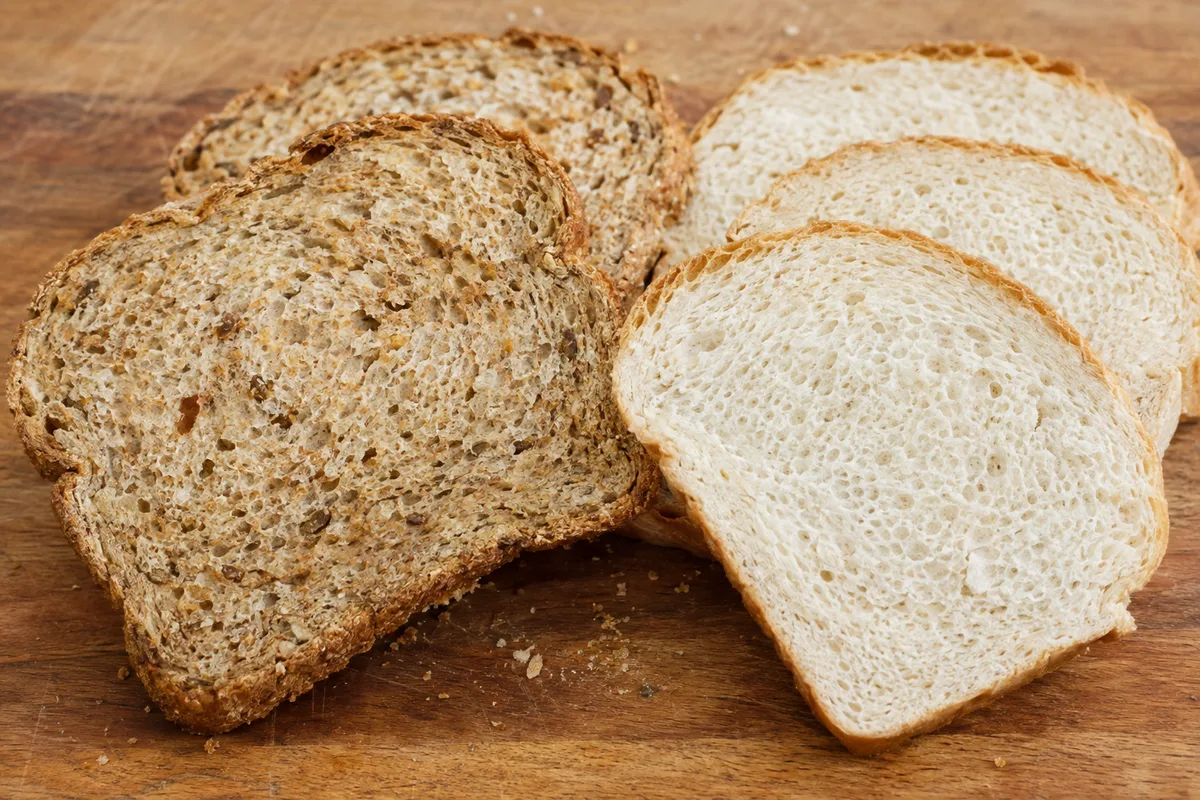
Colour is not a reliable guide because a darker loaf is not necessarily wholemeal. Grain-topped, seeded and rustic-looking breads can also contain mostly refined flour. The ingredients list gives a clearer picture than the appearance or name on the front.
- Look for wholemeal wheat flour near the start of the ingredients list
- Compare carbohydrate and fibre per slice or per stated serving
- Do not assume seeds make a loaf low in carbohydrate
- Check whether thick and thin slices have different serving sizes
Read the carbohydrate line carefully
Use the nutrition information for the exact loaf you eat because recipes and slice sizes vary. Compare products using the same basis, such as per slice or per 100 grams. For tracking, record the number of slices or the weight that matches your real portion.
On standard UK nutrition labels, the carbohydrate figure generally does not include fibre. This means you would not usually subtract the fibre again to create a lower figure. Labels used in other countries may follow different rules, so check how your tracking app handles fibre and carbohydrate.
Also check whether the serving shown on the pack matches how you eat the bread. A listed serving may not be the same as your sandwich, toast portion or thick hand-cut slice. The most useful number is the carbohydrate amount for the bread that reaches your plate.
- Choose the correct loaf in your tracker rather than a generic entry
- Match the listed slice size to the slice you are eating
- Avoid subtracting fibre twice from UK label values
- Save a regular bread entry if you eat the same loaf often
Make room for bread within the meal
Bread is easier to fit when it is the main carbohydrate food in the meal rather than one of several. A sandwich served with crisps, a sweet drink and a sugary snack can use far more of your carbohydrate allowance than the bread alone. Keeping the rest of the meal simple makes the total easier to track.

Build the meal around a measured bread portion, a protein-rich filling and plenty of salad or vegetables. Added fats such as butter, mayonnaise, cheese and oil may contain little carbohydrate, but they still add energy. Track them separately rather than treating a low-carb meal as automatically light.
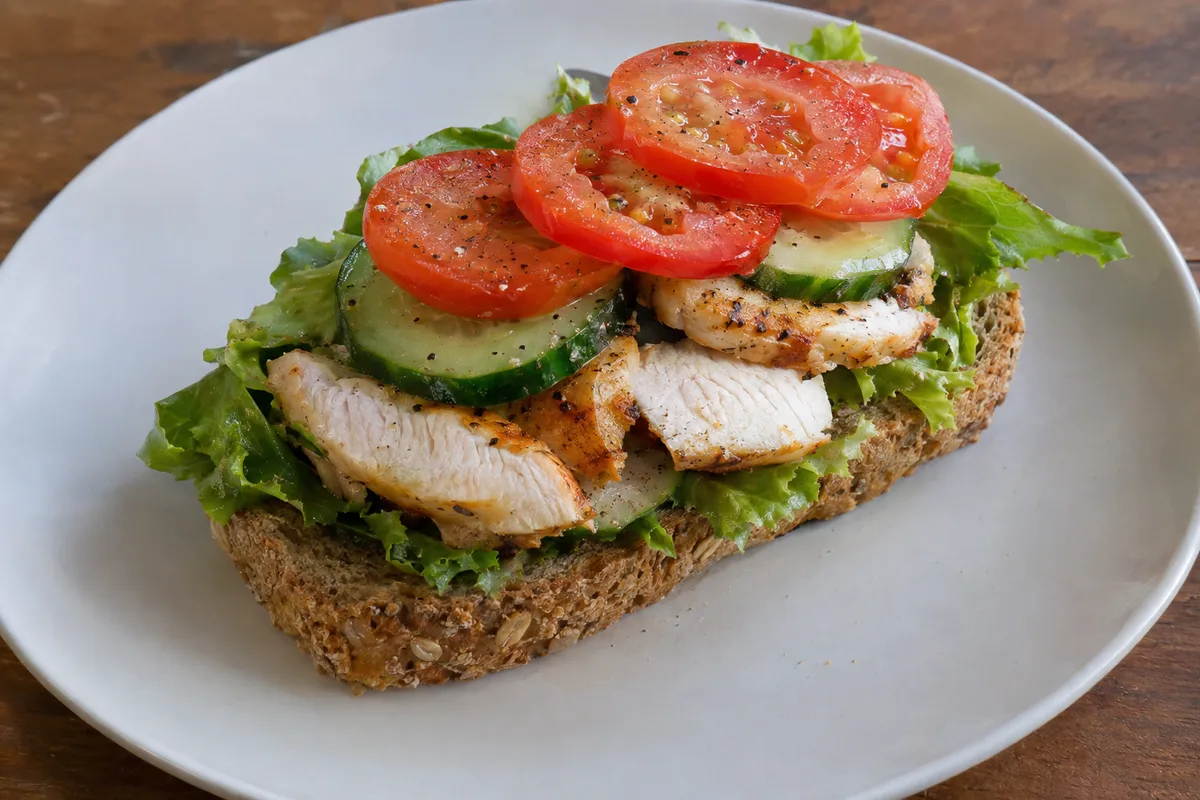
- Serve an open sandwich using one slice instead of two
- Pair toast with eggs, mushrooms or tomatoes rather than another starchy side
- Fill a sandwich generously with salad and a suitable protein source
- Choose water or an unsweetened drink alongside the meal
Try alternatives when bread takes up too much of your target
Sometimes even a small bread portion does not suit the rest of the day. In that case, keep the filling and change the base rather than abandoning the whole meal. The best alternative is one you enjoy and can record accurately.
A product described as lower in carbohydrate still needs a label check. Seed-heavy loaves and specialist breads can differ greatly in carbohydrate, fibre, fat and portion size. Compare them with your usual bread using the same serving basis.
- Put sandwich fillings into large lettuce leaves
- Serve the filling over a bowl of salad vegetables
- Use grilled aubergine slices as a base for an open-style topping
- Choose a smaller wholemeal roll and adjust the rest of the meal
- Have soup with a measured piece of bread rather than several slices
Use your food log to make the decision
Your existing food log can show whether wheat bread fits without turning the choice into a rule. Plan the portion, enter it honestly and look at the day's overall carbohydrate total. If the meal works within your target and feels satisfying, there may be no reason to exclude bread.
If it regularly pushes out foods you value more, reduce the portion or eat it less often. You could also reserve bread for meals where it matters most to you, such as toast at breakfast or a sandwich at lunch. A workable low-carb approach is based on repeated choices, not whether one food is labelled good or bad.
- Decide which bread-based meals are your favourites
- Pre-log bread before adding sides and drinks
- Review the whole day rather than one ingredient
- Change the portion when the total does not suit your target