
Can a Foot Peddler Help You Lose Weight?
A foot peddler, often called a pedal exerciser, can help you move while seated. Here is how that movement fits with food tracking, energy balance and a realistic routine.
What a foot peddler actually does
A foot peddler is a small set of pedals used while sitting in a chair. Turning the pedals makes the muscles in your legs work and raises your energy use above sitting still. The effort depends on your pace, the resistance and how long you continue.
This can be useful when you spend a large part of the day seated. It may also feel easier to fit into your routine than a separate workout. However, gentle pedalling usually adds less movement than activities that involve supporting and moving your whole body.
- Pedal during part of a television programme
- Use it during a suitable seated task
- Choose a steady pace you can maintain
- Add resistance only when your movement remains smooth
How it fits into weight loss
Body weight is influenced by the balance between energy eaten and energy used over time. A foot peddler increases the energy-use side of that balance, so it can contribute to weight loss. It cannot guarantee a result because the effect depends on your food intake, total activity and individual energy needs.
The energy used in one session varies from person to person. Body size, pace, resistance, fitness and session length all matter, so a single estimate may not match your experience. It is more useful to view pedalling as one repeatable part of your routine rather than a way to cancel out a particular food.
Keep tracking food as usual
Because you already track what you eat, continue looking at your overall pattern rather than changing your log to account for every pedalling session. Exercise estimates can be imprecise, especially for light seated movement. Automatically adding those estimated calories back into your food allowance can make your intake harder to judge.
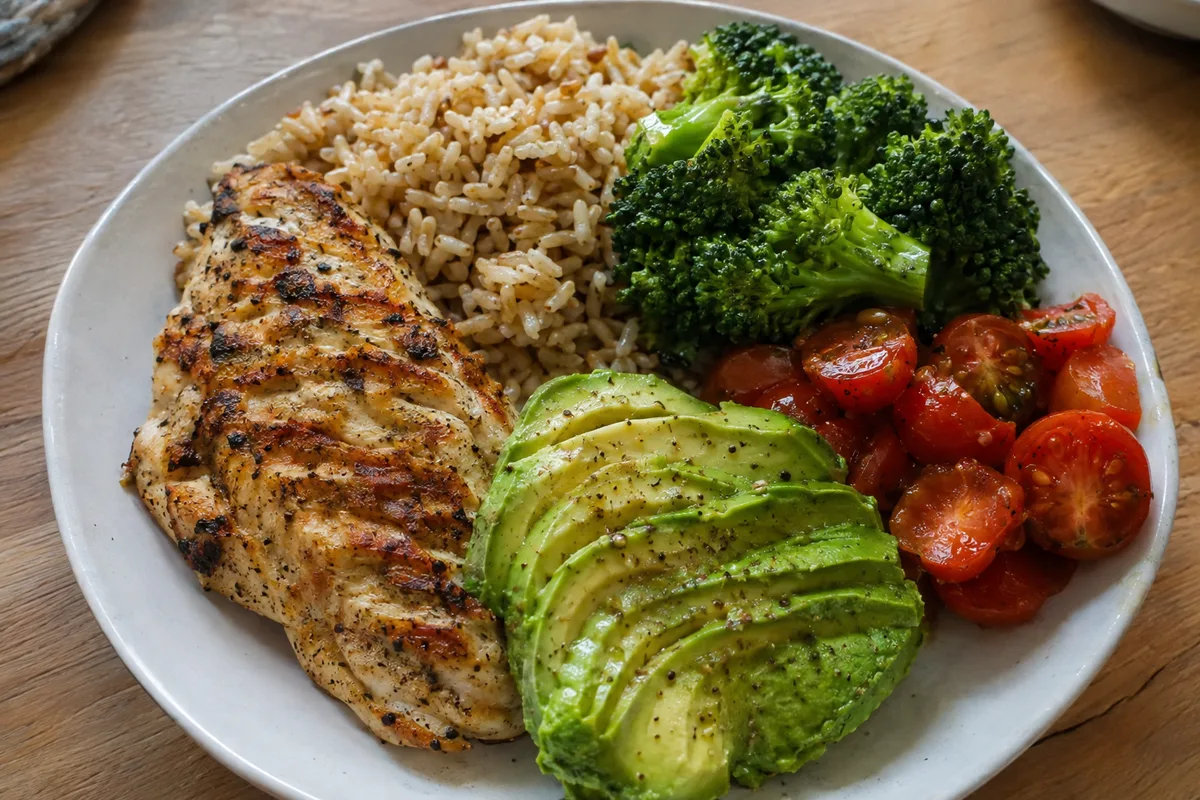
Pay attention to meals that keep you satisfied and are easy to record consistently. A useful plate might include a protein source, vegetables or fruit, a fibre-rich carbohydrate and some fat. Portions still matter, even when the foods are nutritious.
- Protein sources such as eggs, fish, chicken, tofu or beans
- Vegetables or fruit for volume, fibre and variety
- Carbohydrates such as potatoes, oats, rice or wholegrain bread
- Fats such as olive oil, nuts, seeds or avocado
Build a routine you can repeat
Start with a pace and duration that feel manageable, then adjust gradually. Your feet should stay settled on the pedals, and your chair should remain stable. Sit upright rather than reaching forwards or twisting to keep the peddler in place.
Consistency matters more than making one session unusually hard. You could connect pedalling with something already in your day, such as watching a programme or listening to a podcast. If your legs become very tired or the movement causes pain, stop and reassess your position, resistance and session length.
- Place the chair on a secure, level surface
- Keep knees moving in line with the feet
- Use smooth pedal strokes rather than pushing sharply
- Increase either time or resistance gradually, not everything at once
Do not rely on pedalling alone
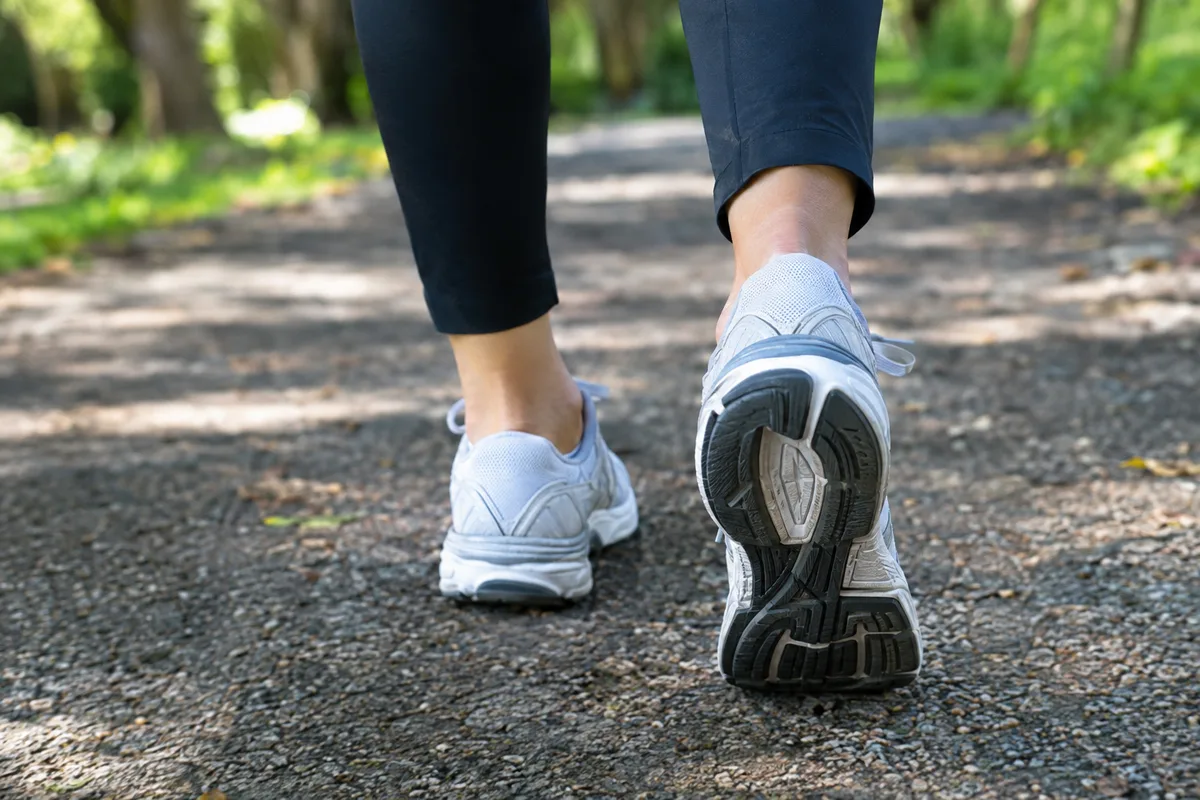
A foot peddler mainly provides seated leg movement. It does not fully replace walking, strength work or other activities that use more of the body. If your circumstances allow, combine it with different kinds of movement across the week.
Consider progress beyond a single reading or session estimate. Look at the trend in your recorded weight over time, how consistently you track food and whether your daily movement is becoming more regular. If the trend is not moving in the direction you want, review portions and routines rather than assuming the peddler should do all the work.
The best role for a foot peddler is often to make an inactive part of the day more active. Used regularly alongside an appropriate food intake, it may support weight loss. The amount and pace of change depend on the person.
- Walk when it is practical
- Include movements that work the upper body
- Add strength exercises suited to your ability
- Break up long periods of sitting