
How to Build a Diet Plan for Gradual Weight Loss
A useful weight-loss plan starts with what you already track, then turns that information into manageable choices. The aim is to build an eating pattern you can follow consistently, rather than chase a fixed number of pounds by a deadline.
Use your food log as a starting point
Review several typical days in your log and look for patterns in meals, snacks and portions. Notice when you feel satisfied, when hunger returns quickly and which choices add a lot of energy without feeling especially filling.

Your energy needs depend on your body, activity and routine, so there is no single calorie target that suits everyone. If you choose a lower target, keep the change manageable and review how it affects your hunger, energy and ability to stick with the plan.
Build meals that feel satisfying
Plan meals around a source of protein, fibre-rich carbohydrate and vegetables or fruit, with some fat for flavour and satisfaction. This simple structure can make meals easier to log and may help you stay comfortable between them.
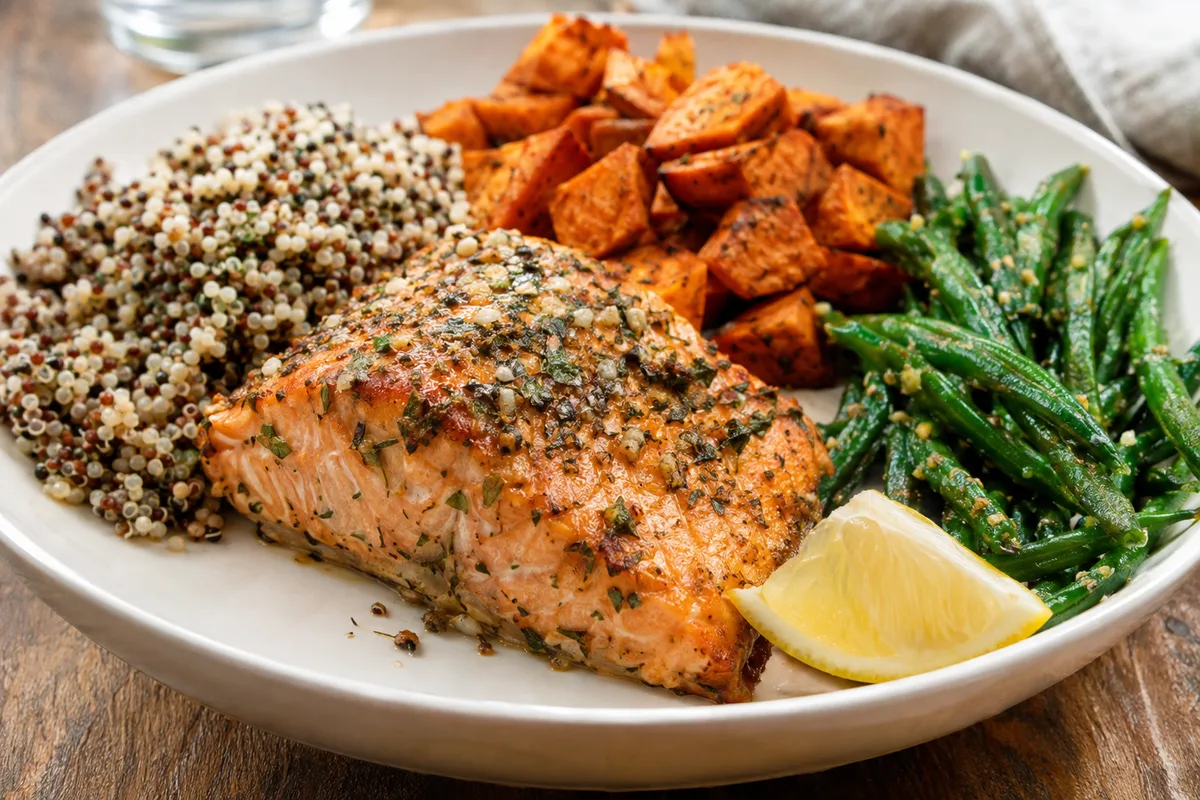
Portion size still matters, including for nutritious foods, but every item does not need to be weighed forever. Use your kitchen scale when accuracy is useful, then save regular meals and common portions in your tracker to reduce daily effort.
Make changes where they count
Your log may reveal easy adjustments, such as smaller portions of energy-dense extras or fewer unplanned snacks. Choose changes that preserve meals you enjoy, because an overly restrictive plan is harder to maintain.
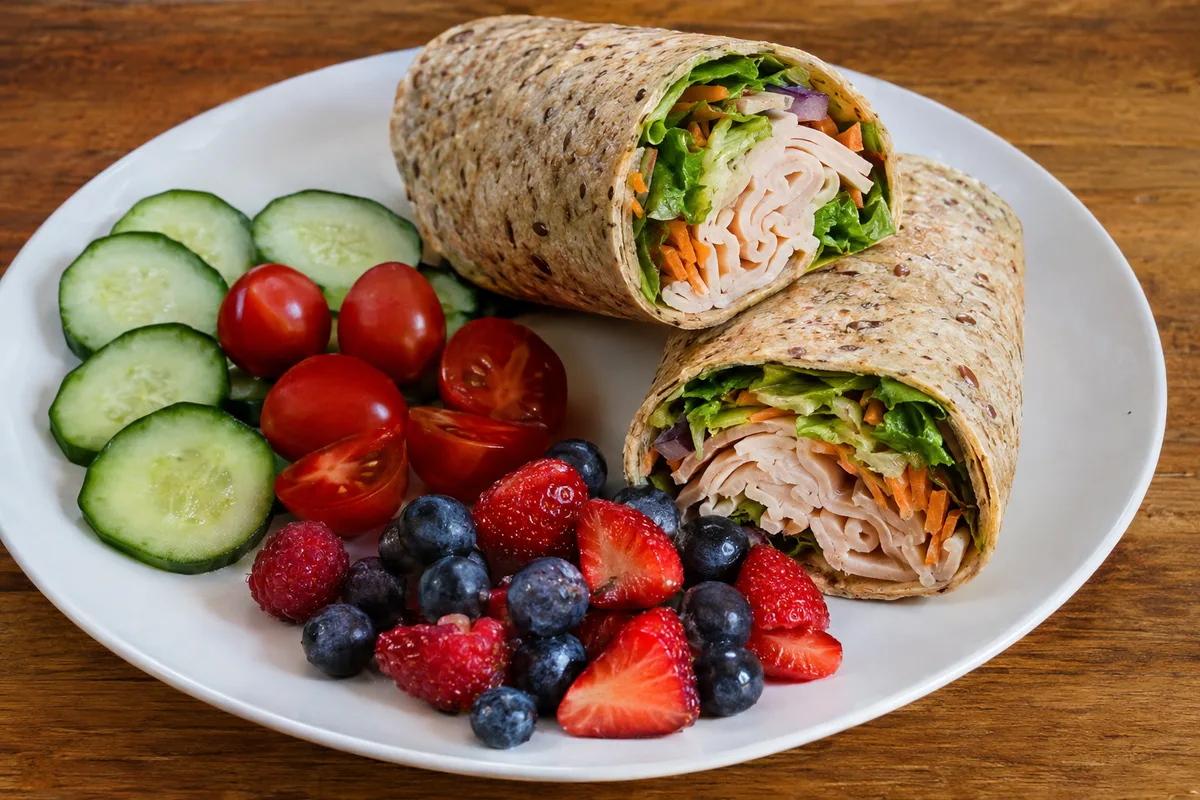
Avoid judging progress from one day of eating or one scale reading. Body weight can move up and down for reasons unrelated to body fat, so look at the longer pattern and consider how consistently you followed your plan.
Adjust the plan to real life
Include flexible options for busy days, social occasions and changes in appetite. A missed target does not require punishment or skipping the next meal; simply return to your usual plan at the next opportunity.
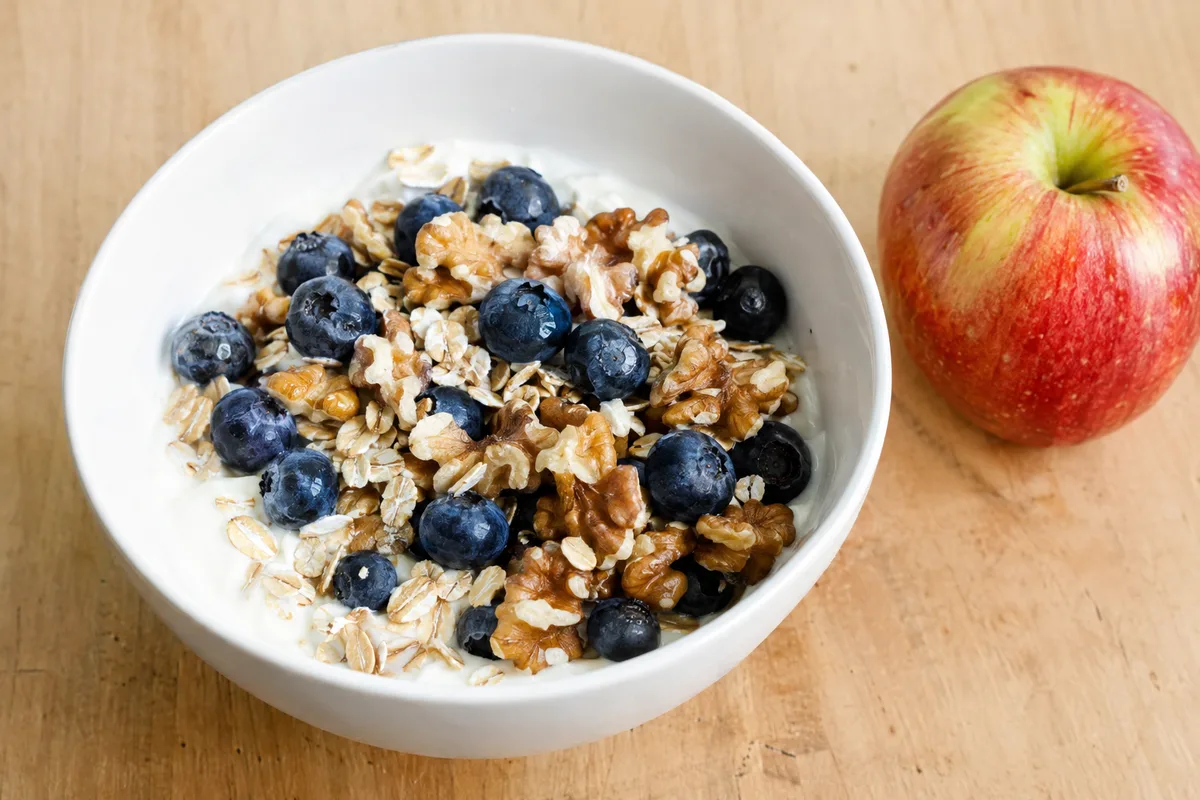
If progress differs from what you expected, check the accuracy of portions and overlooked extras before making a large cut. Adjust gradually, and remember that the suitable pace and number of pounds will depend on the person.