
Dietary fats: what they do and how to track them
Fat is an essential part of food, but its energy density can make tracking less straightforward. This guide explains the main types of fat, how portions affect your log and how to build balanced meals.
Why your body needs fat
Dietary fat is not simply extra energy to avoid. Your body uses it to build cells, make important substances and support normal body functions. It also helps you absorb vitamins A, D, E and K from food.
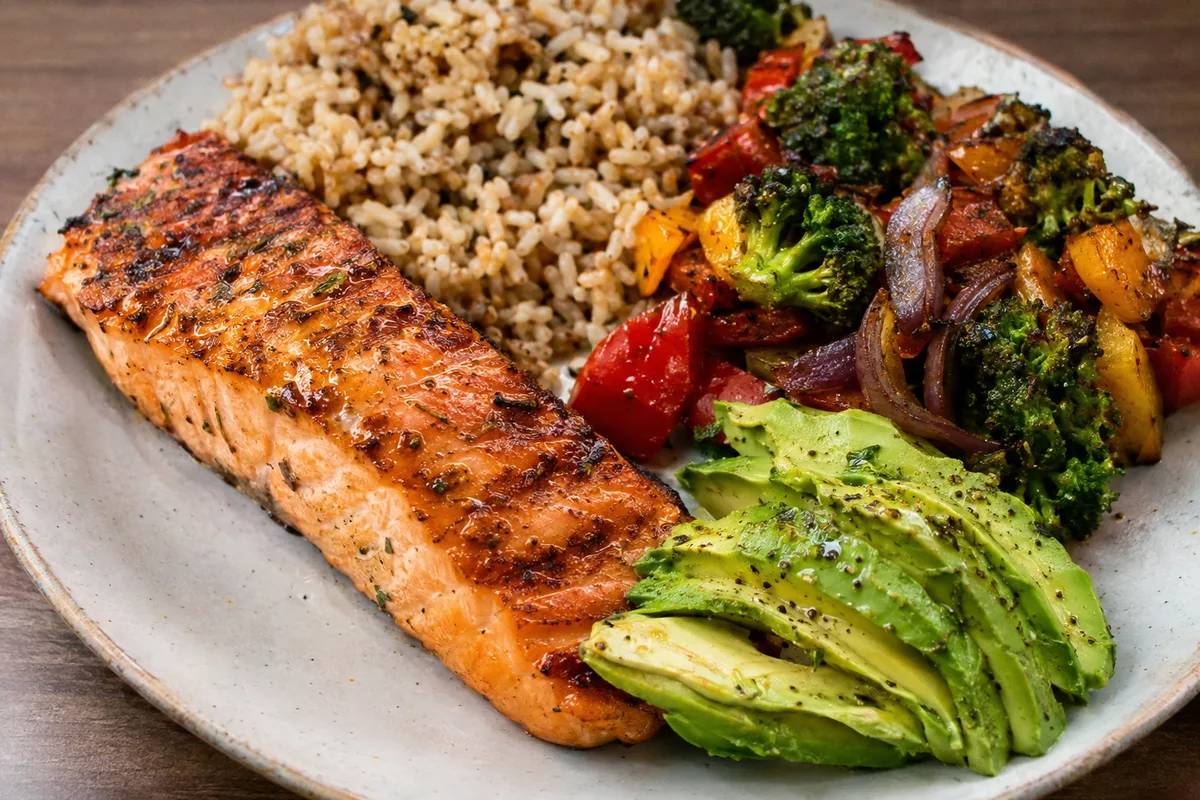
Fat affects flavour, texture and how satisfying a meal feels. It can make vegetables more enjoyable and help a meal keep you satisfied for longer. The amount that suits you depends on your overall diet, preferences and goals.
- Oils and spreads used in cooking
- Nuts, seeds and their pastes
- Avocado and olives
- Eggs, dairy foods, meat and oily fish
Understanding the different types
Foods usually contain a mixture of different fats rather than just one type. Unsaturated fats are common in plant oils, nuts, seeds, avocado and oily fish. Saturated fats are found in foods such as butter, cheese, fatty cuts of meat, pastries and coconut products.
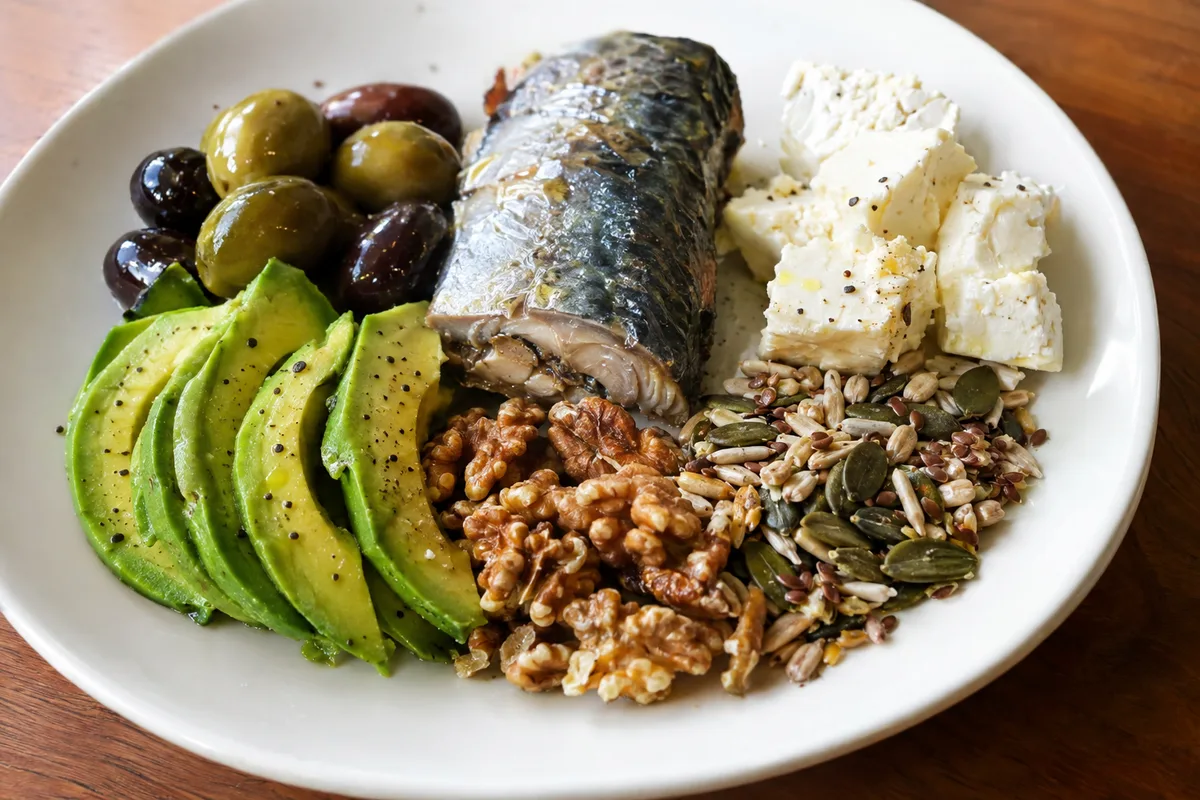
You do not need to label individual foods as good or bad. It is more useful to look at the overall pattern and choose unsaturated sources more often, while keeping richer sources in portions that fit your intake. Highly processed foods may also combine fat with salt, sugar or refined flour, which can make portions easy to underestimate.
- Use olive, rapeseed or another plant oil in place of butter for some meals
- Choose nuts or seeds as a topping instead of relying only on cheese
- Include oily fish or avocado when they suit the dish
- Check packaged food labels for the amount and type of fat
Why fat changes the calorie total quickly
Fat provides about 9 kcal per gram, while protein and carbohydrate each provide about 4 kcal per gram. This means a small amount of fat can contribute more energy than the same weight of protein or carbohydrate. It does not mean fat should be removed, only that portions matter when you track.
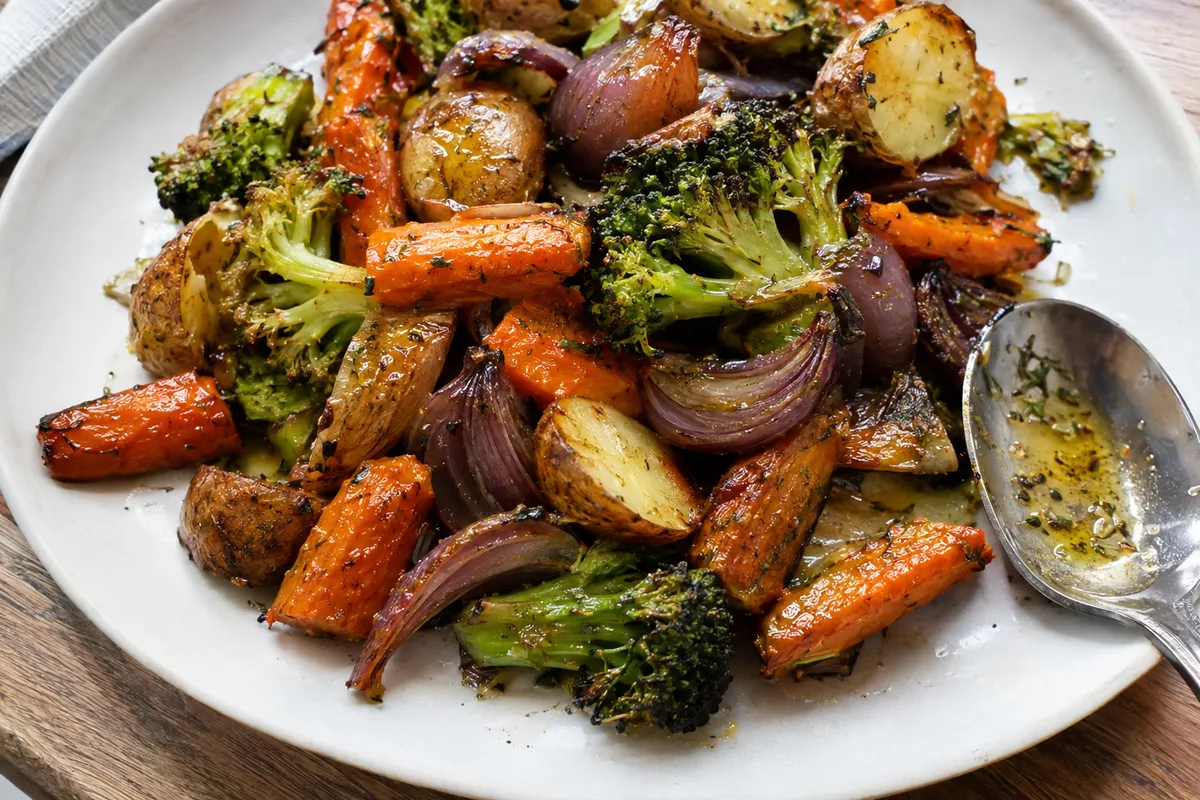
Cooking fats are among the easiest ingredients to miss. Oil poured into a pan, butter added at the table and creamy dressings can all change a meal's total. If a dish serves several people, log the full amount used and divide it between the portions as accurately as you can.
- Oil used for frying or roasting
- Butter or spread added after cooking
- Dressings, mayonnaise and creamy sauces
- Nuts, seeds and grated cheese used as toppings
- Fat left in a pan or shared between servings
How to log fats more accurately
Start with the package label or the entry supplied for the exact food where possible. Check whether the listed amount refers to a serving, a spoonful or a weight. Similar products can have different recipes, so a generic database entry may not match what you ate.
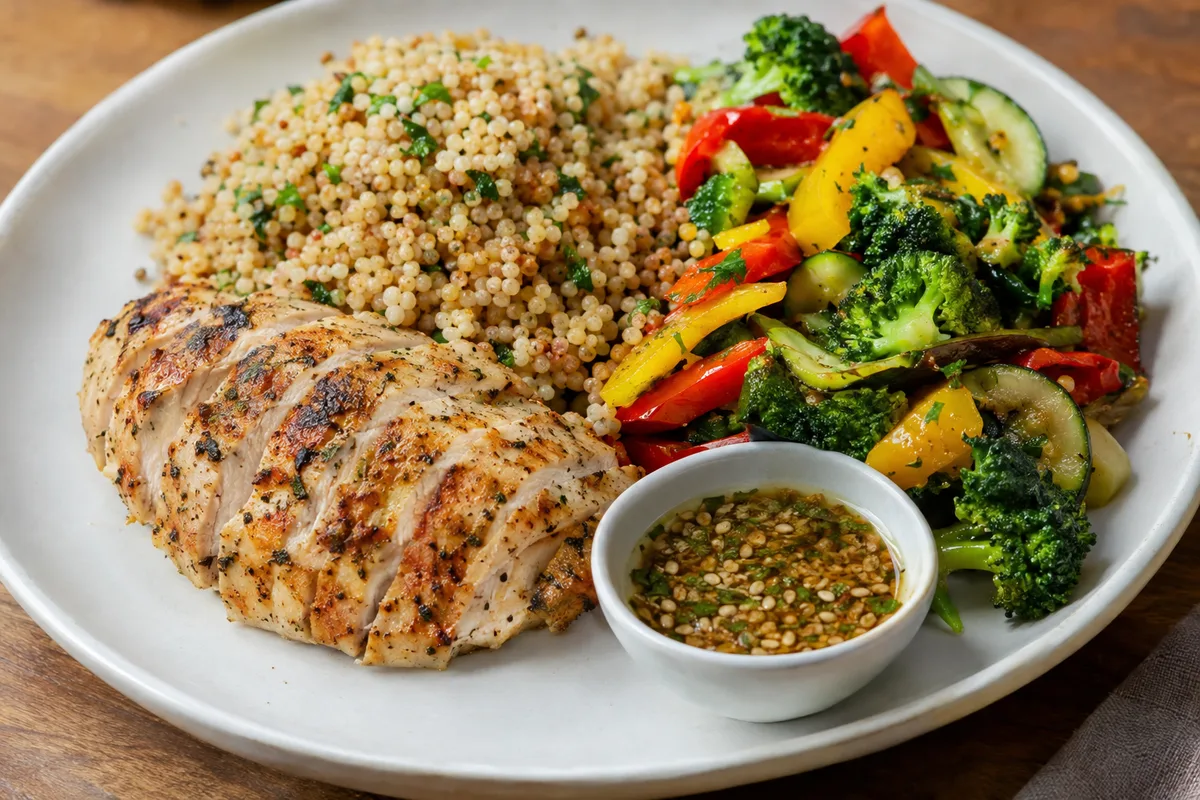
Consistency is more useful than chasing perfect precision. Use the same measuring approach for oils, spreads and toppings so your records are comparable from day to day. When eating food prepared by someone else, choose a reasonable entry and accept that the result is an estimate.
- Record cooking oil before it goes into the pan
- Log spreads and dressings rather than treating them as free additions
- Note whether meat is logged raw or cooked
- Divide shared sauces and cooking fats between servings
- Save regular recipes so repeated meals are logged in the same way
Building meals with fat in mind
A balanced meal can include a clear source of protein, a carbohydrate food, vegetables or fruit, and some fat. The fat may already be present in ingredients such as eggs, fish, cheese or meat. If it is not, a little oil, avocado, nuts, seeds or dressing can add flavour and texture.
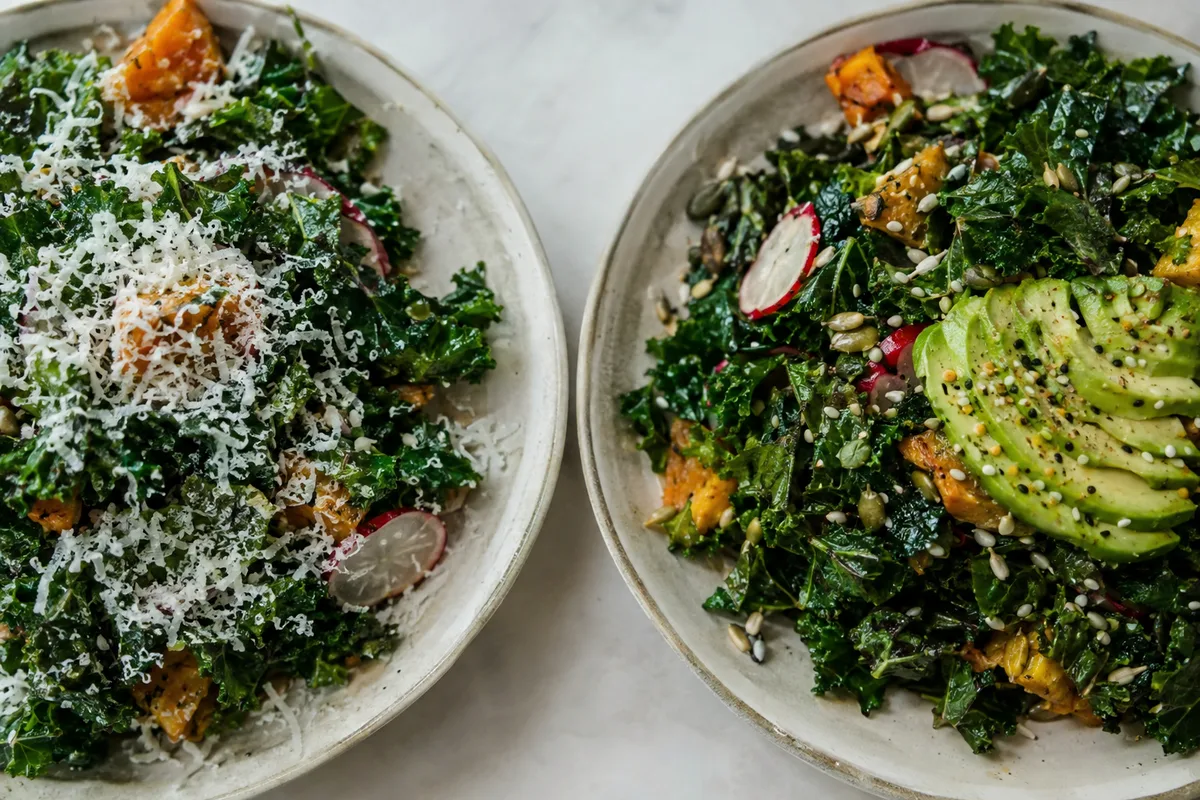
Some meals contain several fat sources without it being obvious. A dish might include oil for cooking, cheese in the recipe and a creamy sauce on top. When the total is higher than you intended, adjusting one addition is often easier than changing the whole meal.
- Use a measured dressing and add herbs, lemon or vinegar for extra flavour
- Choose either cheese or a creamy sauce when both are not needed
- Add seeds as a topping rather than pouring them freely
- Roast vegetables with a planned amount of oil
- Keep the fat source you enjoy most and simplify the others
Review the pattern, not one meal
A single rich meal does not define your diet. Look across several days to see which foods contribute most of the fat in your log and whether those foods are satisfying and enjoyable. This gives you a clearer picture than judging one entry on its own.
If your intake is different from your target, make small changes that you can repeat. You might measure cooking oil more consistently, change one regular topping or include more unsaturated fat sources. The right amount depends on your energy needs, eating pattern and personal goals.
- Check whether cooking fats are being logged
- Notice repeated extras such as sauces, spreads and toppings
- Compare weekday and weekend meal patterns
- Keep favourite foods and adjust portions where useful