
How to choose a protein shake when your appetite is lower
A protein shake can help when reduced appetite makes meals harder to finish. This guide explains what dietitians look for, how to compare labels and how to keep whole foods in your routine.
Why a protein shake may be useful
When your appetite falls, your usual portions may suddenly feel too large. That can make it harder to include a useful protein source at each meal. A shake offers protein in a smaller, drinkable serving, which some people find easier to manage.
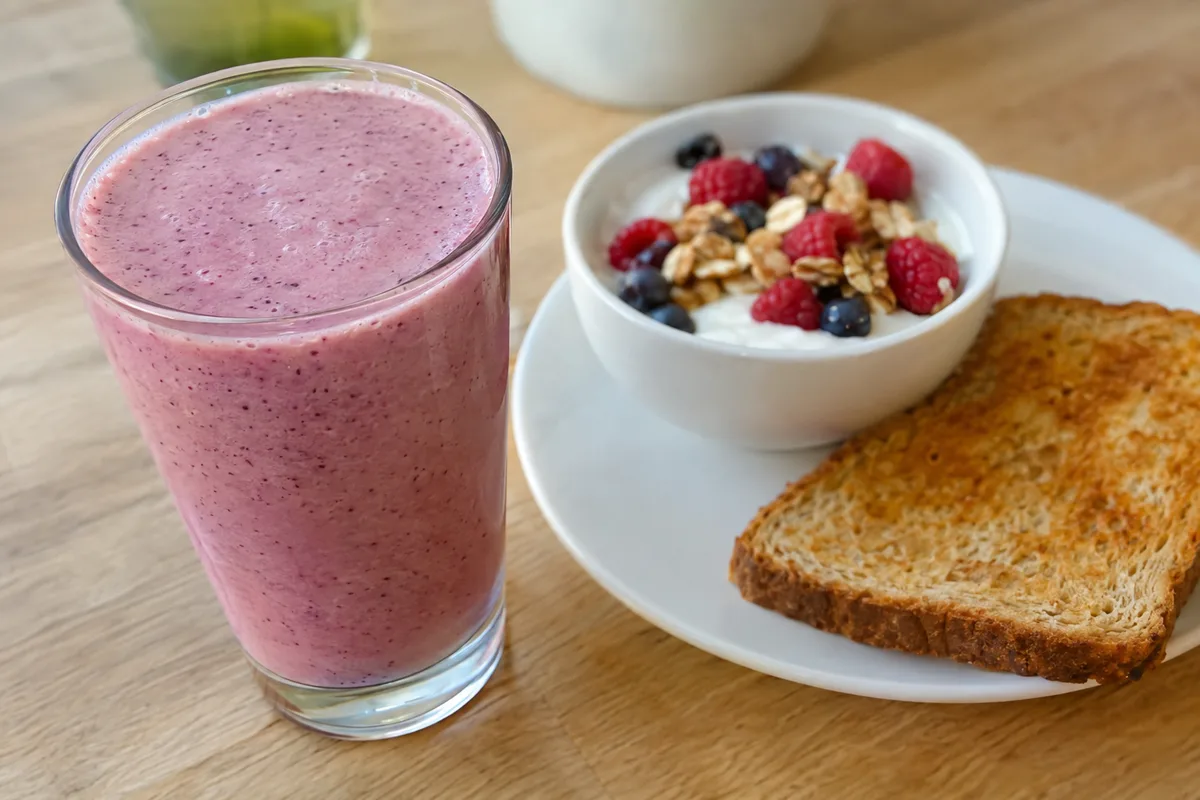
A shake is a practical option rather than a requirement or a complete answer. Your protein needs depend on factors such as body size, activity, age and the rest of your diet. A dietitian can help set an individual target if you are unsure what to aim for.
- Use a shake when a full meal feels difficult
- Add one to a light breakfast that contains little protein
- Keep one as a convenient option for busy periods
- Choose ordinary food instead when your appetite allows
Start with the protein source
Dietitians usually begin by checking what provides the protein. Milk, whey, casein, soya and pea protein can all contribute meaningful protein, although taste and texture vary. The best choice is one that suits your eating pattern and that you can tolerate comfortably.
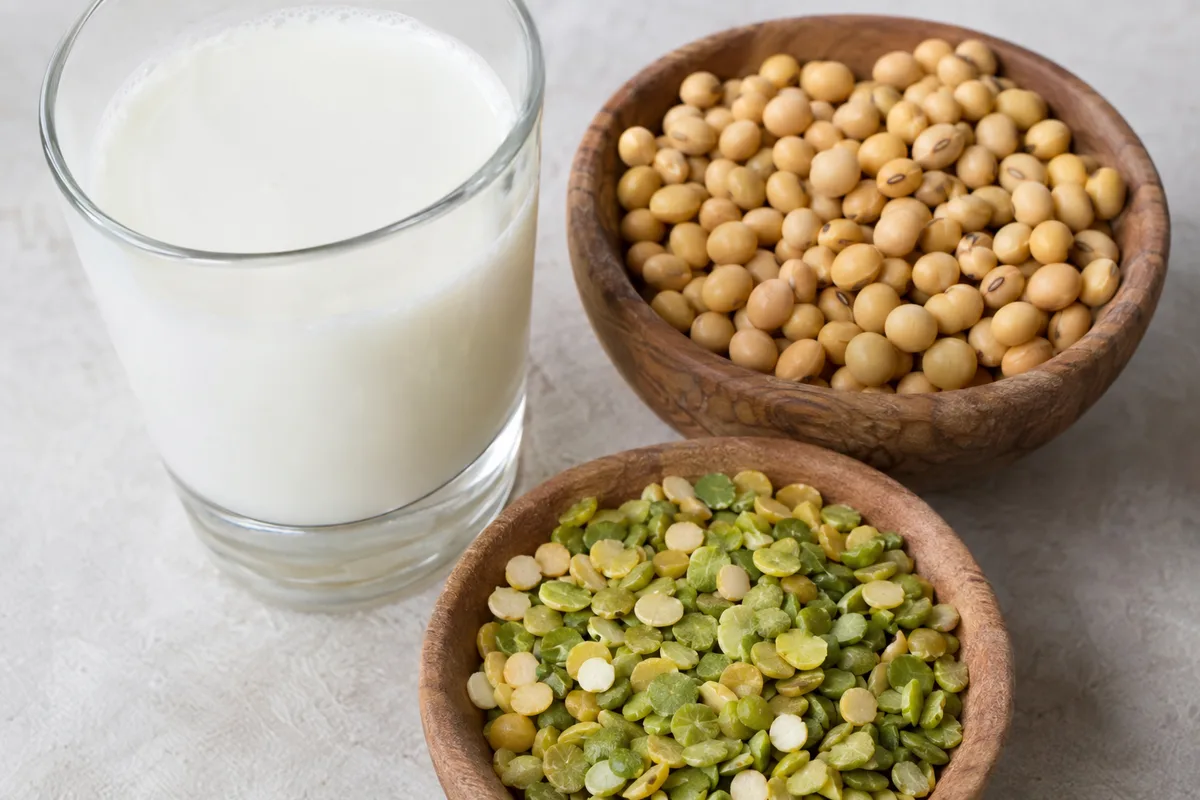
Read the ingredients list as well as the large claims on the front. Ingredients appear in order by weight, so the main protein source should be easy to identify. If several protein ingredients are blended together, the label should still make clear what they are.
- Milk or whey for a dairy-based shake
- Casein for a thicker dairy-based texture
- Soya for a plant-based complete protein source
- Pea or blended plant proteins for a dairy-free option
Compare the whole nutrition label
Protein matters, but it is not the only part of the label worth checking. Look at the serving size, energy, carbohydrate, sugars, fat, fibre and salt. Compare products using the serving you would actually drink, because bottles and powder portions may not match.
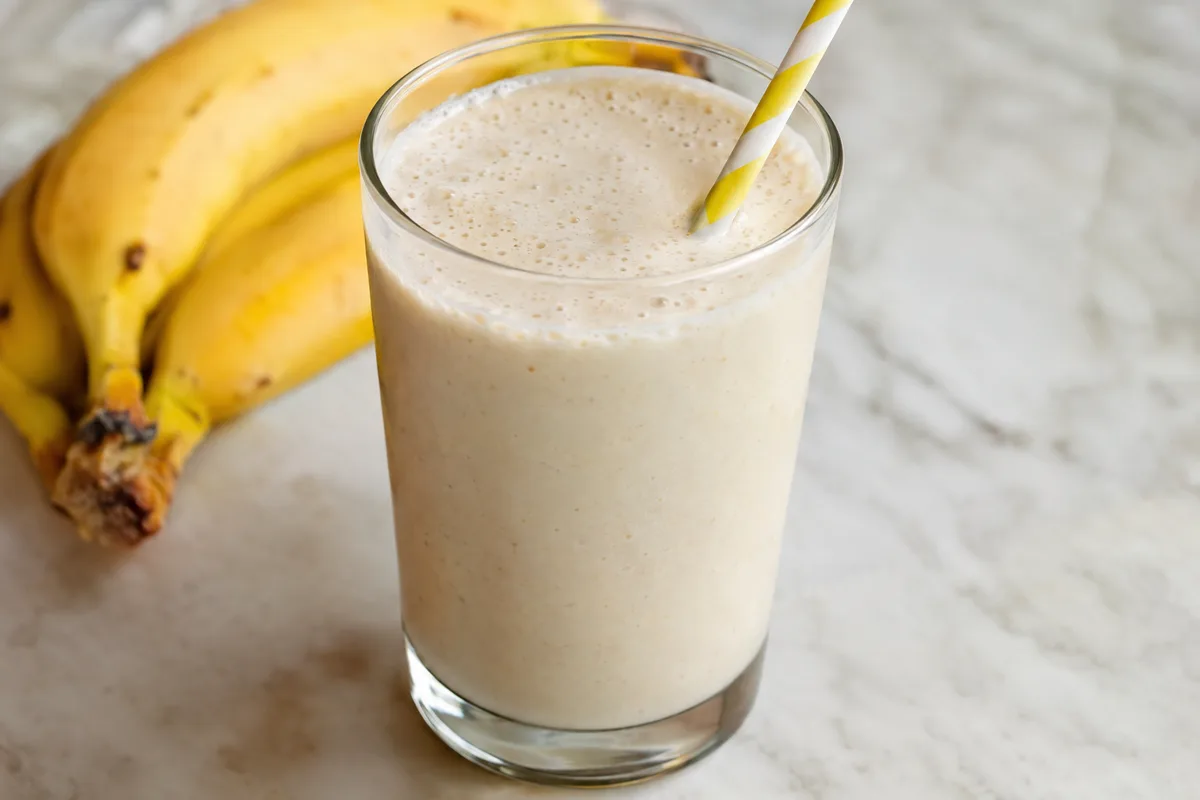
A higher-energy shake may be useful if you are struggling to eat enough overall, while a lighter one may fit better alongside a meal. There is no single correct energy or protein figure for everyone. Your food record can show whether the shake is filling a genuine gap or simply adding something you do not need.
- Check protein per serving, not only per 100 ml
- Notice whether the listed serving matches the full container
- Look for fibre if the rest of your day is low in fibre-rich foods
- Check added ingredients if you have sensitivities or avoid particular foods
Choose a shake that feels comfortable
A very sweet, thick or large shake can feel unappealing when appetite is low. Flavour, texture and volume may matter as much as the nutrition panel. A smaller serving that you finish comfortably can be more practical than a larger one that you regularly leave.
Drink slowly and notice how you feel rather than forcing the serving. Some people prefer a shake between meals so it does not replace food they would otherwise eat. Others find that a small shake alongside a light meal works better, so timing depends on the person.
- Choose a thinner texture if thick drinks feel heavy
- Try an unflavoured base if sweet flavours are difficult
- Serve it chilled if that makes it easier to drink
- Split the portion if a full serving feels too large
Make a simple shake from everyday foods
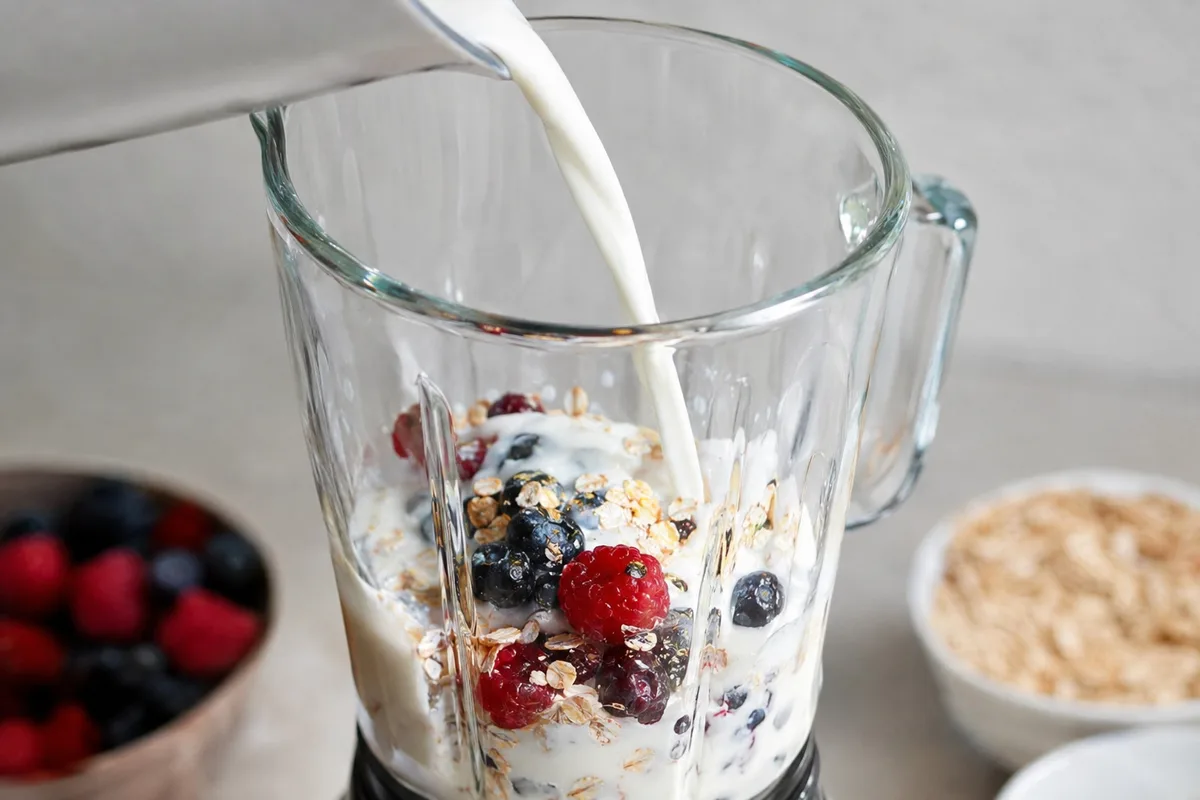
A homemade shake lets you control the flavour, thickness and ingredients. Start with a protein-rich base, then add fruit, oats or nut butter according to your appetite and overall energy needs. Extra ingredients can make the drink more filling, so keep the recipe simple when volume is difficult.

Milk or a fortified soya drink can form the liquid base. Yoghurt, milk powder, silken tofu or a plain protein powder can increase the protein content. Fruit and oats add carbohydrate and fibre, while nut or seed butter adds fat and makes the shake more energy dense.
- Milk, yoghurt and berries
- Fortified soya drink, silken tofu and banana
- Milk, oats and smooth peanut butter
- Plain protein powder, milk and soft fruit
Keep whole foods in the picture
Shakes are convenient, but they do not need to replace every meal. Whole foods provide different textures, fibre and a wider range of nutrients. When you can eat a meal, build it around a manageable protein food and add vegetables, fruit or a starchy food as appetite allows.
Keep tracking what you eat so you can see patterns across the week rather than judging one small meal. Pay attention to repeated gaps in protein, fibre or overall variety. If eating remains difficult or your intake changes sharply, discuss your food record with your prescribing team or a registered dietitian.
- Eggs with toast and tomatoes
- Yoghurt with fruit and oats
- Beans with rice and vegetables
- Fish or tofu with potatoes and greens