
Dietitian-approved ways to build a high-protein Taco Bell meal
A high-protein fast-food meal is not simply the menu item with the most meat or cheese. Here is how to use Taco Bell’s menu and nutrition information to build a meal that fits your personal targets.
What ‘dietitian approved’ means here
There is no single Taco Bell order that every dietitian would approve for every person. Your protein needs, appetite and wider eating pattern are personal, and menus differ between locations. Here, approval means using practical nutrition principles to create a filling, balanced order rather than giving a universal seal of approval.
Protein can support fullness and help maintain muscle, but it is only one part of the meal. Fibre-rich beans, vegetables and a suitable carbohydrate portion can make the order more balanced. Because you already track your food, compare each idea with your remaining targets for the day.
- Check the current nutrition information for your location
- Choose a clear protein base such as chicken, beef or beans
- Include beans or vegetables where the menu allows
- Adjust sauces, cheese and sides to suit your overall targets
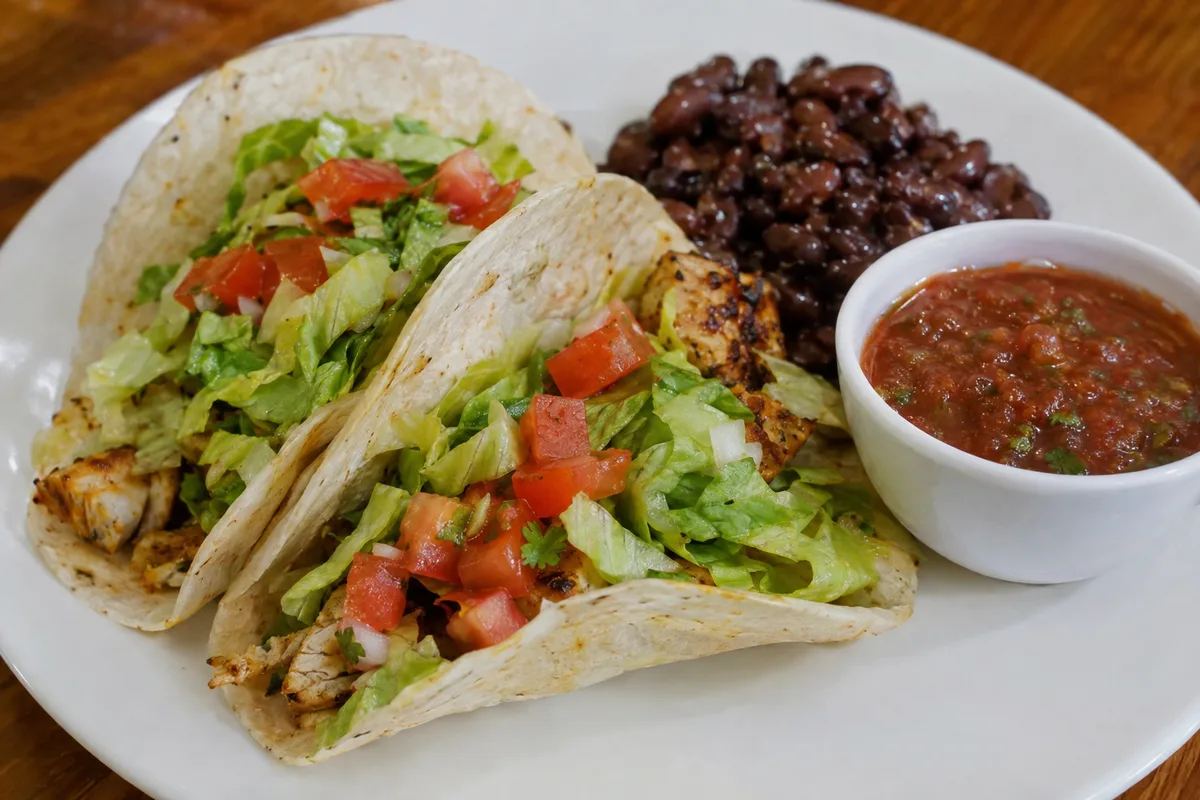
Chicken tacos with beans on the side
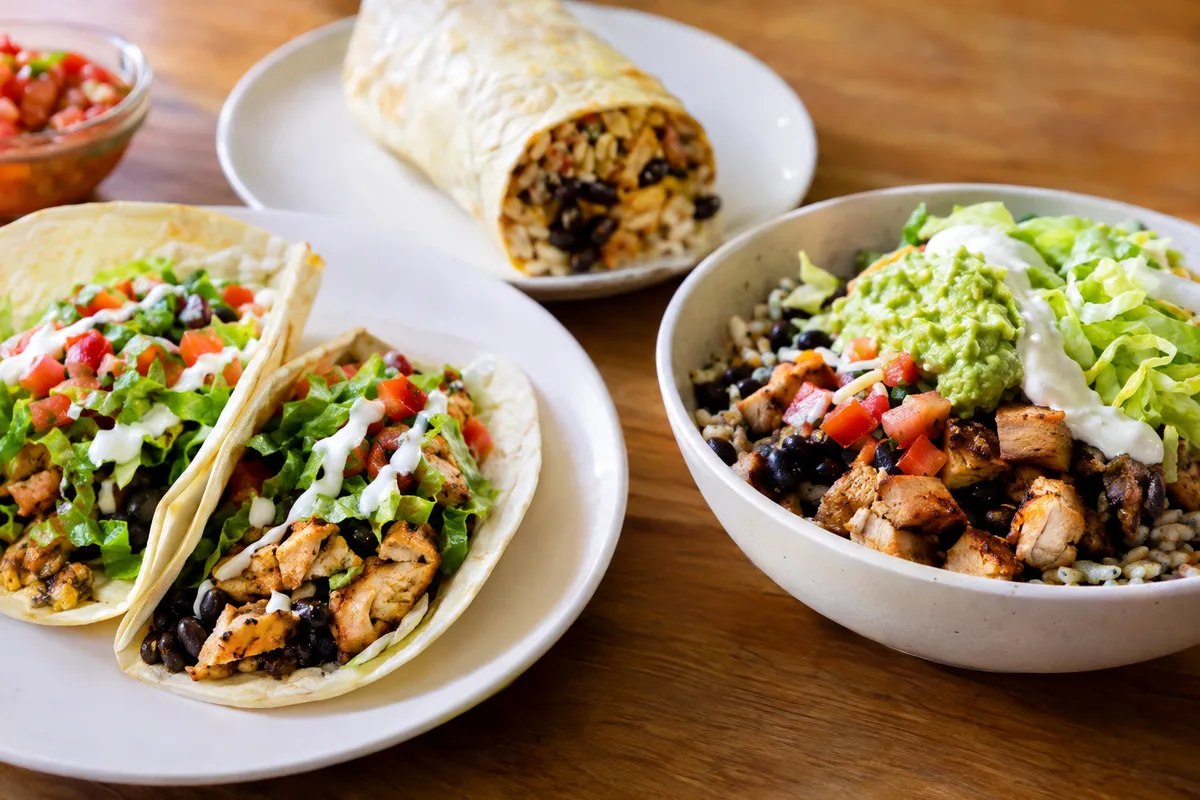
A pair of chicken tacos can provide a straightforward protein base without turning the meal into one oversized item. Soft tortillas, grilled chicken and salad vegetables make the components easy to identify and log. The exact nutrition depends on the recipe, portion and local menu.
A side of beans adds more protein as well as fibre, which can make the meal feel more complete. If the tacos already contain cheese or a creamy sauce, decide whether both match what you want to track. Salsa can add moisture and flavour without relying on several rich toppings.
- Chicken tacos with lettuce and tomato
- A side of beans
- Salsa or pico de gallo, where available
- Optional cheese or creamy sauce based on your targets
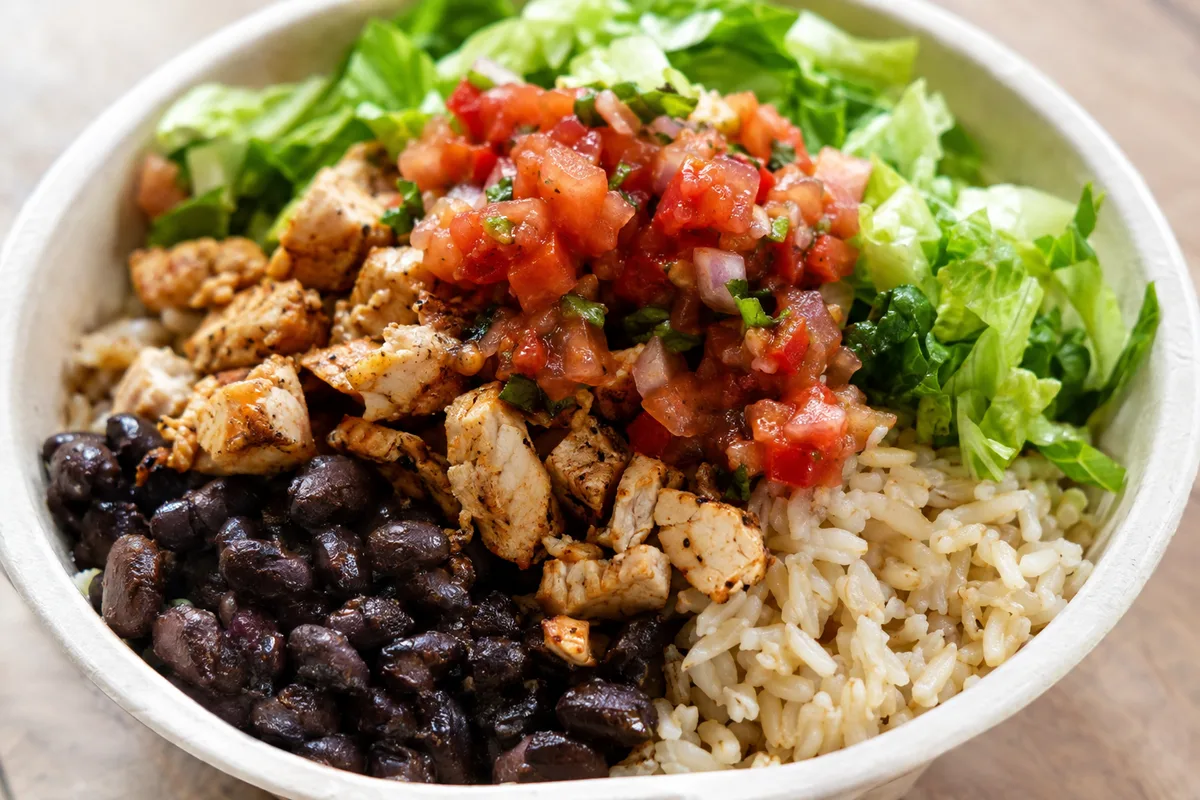
A chicken or beef burrito bowl
A bowl makes it easier to see how much space each part of the meal takes up. Start with chicken or beef, then add beans and salad vegetables before choosing rice, cheese and sauces. Keeping these components separate can also make tracking more accurate.
Rice is not something you automatically need to remove, especially if it suits your carbohydrate needs and appetite. The useful step is deciding the portion deliberately rather than treating every topping as essential. If the listed bowl is heavy on sauce or cheese, ask whether those can be reduced or served separately.
- Chicken or seasoned beef as the main protein
- Black beans or refried beans where available
- Lettuce, tomato and salsa
- A rice portion that fits your plan
- Cheese, guacamole or creamy sauce chosen deliberately
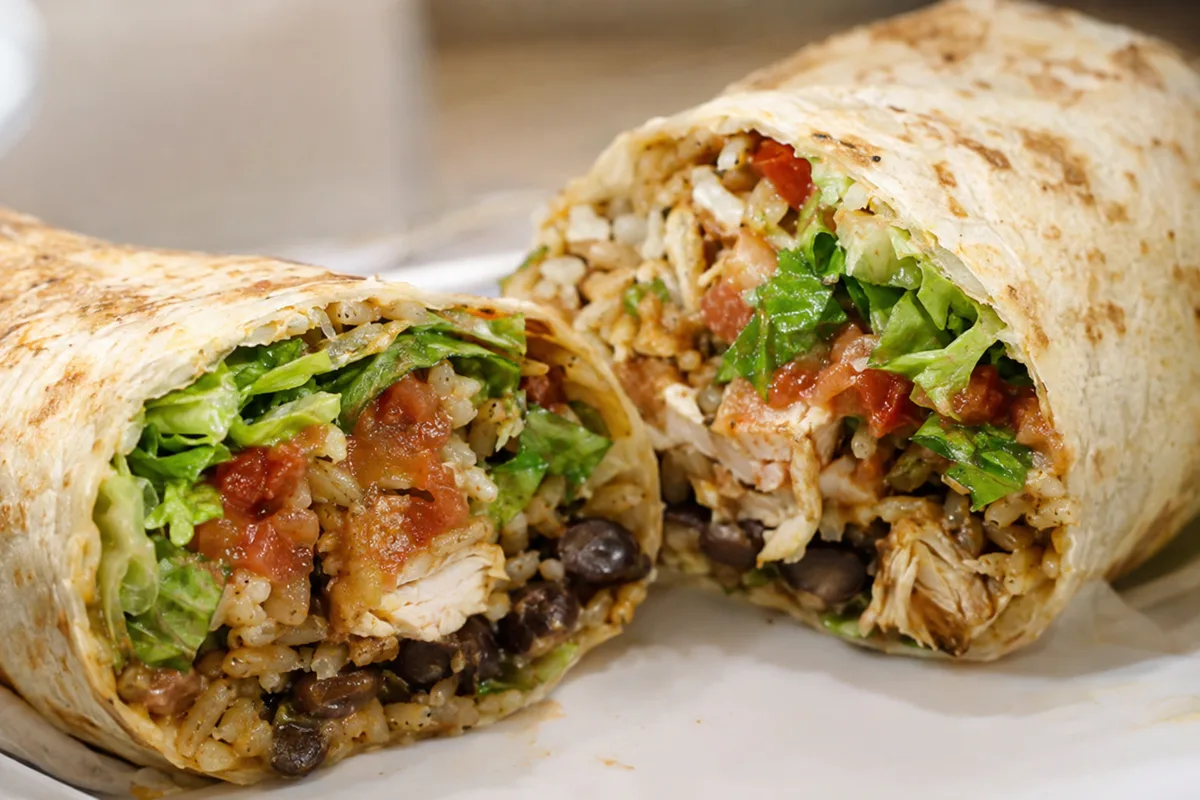
A bean and chicken burrito with simple fillings
Combining chicken and beans in one burrito gives you two useful protein sources. Beans also contribute fibre, while the tortilla and any rice provide carbohydrate. This can work well when you want one contained main item rather than several smaller dishes.
Extra cheese and creamy sauces can change the meal’s energy and fat content quickly, so check how they fit your log. Removing every topping is not necessary if you enjoy them and they suit your targets. A simpler combination often makes both portion awareness and nutrition tracking easier.
- Chicken and beans as the main fillings
- Lettuce, tomato or salsa for freshness
- Rice if it suits your carbohydrate target
- One preferred cheese or sauce rather than several
- Nutrition details checked against the exact local item
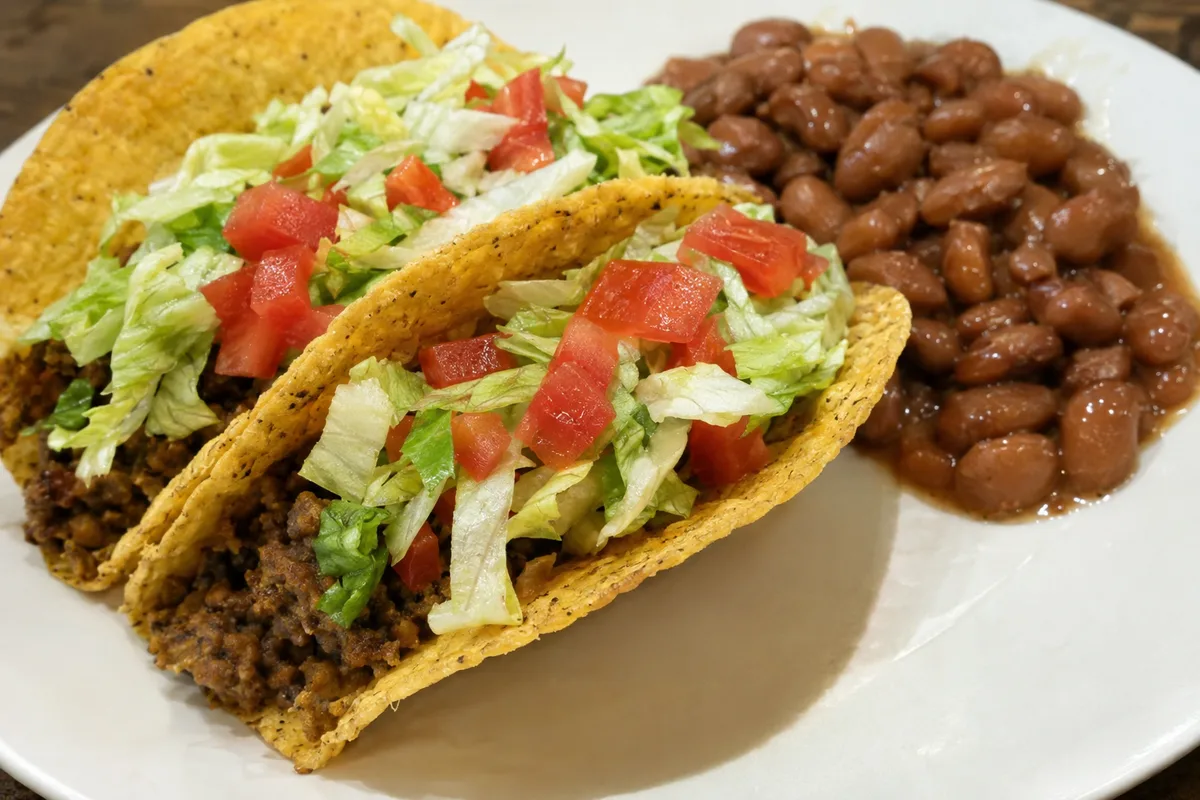
Crunchy beef tacos with an added protein side
Crunchy beef tacos can also form a higher-protein meal when the order is built thoughtfully. The shell adds texture, while seasoned beef supplies the main protein. Choosing a modest number of tacos leaves room for a side that adds nutrition rather than simply repeating more of the same.
Beans are a practical addition because they increase both protein and fibre. If vegetables are limited inside the tacos, add tomato, lettuce or salsa where customisation is available. Track each taco separately because small extras such as cheese and sauce can add up across the order.
- Crunchy beef tacos with salad vegetables
- Beans as the side
- Salsa for extra flavour
- Optional cheese adjusted to suit the rest of the day
How to choose between these meals
The best option is the one that matches your protein target without pushing the rest of your log far beyond what you planned. Compare the current menu information rather than assuming that chicken is always lighter or that beans are always lower in energy. Preparation methods, tortillas, toppings and portions all affect the final numbers.
Look at the meal as a whole, including drinks, sides and sauces. If your earlier meals were low in fibre, a bowl or burrito with beans and vegetables may fit particularly well. If you mainly need a protein-focused snack or smaller meal, tacos with a simple side may be easier to portion.
- Start with your remaining protein target
- Check energy, carbohydrate, fat and fibre as well
- Count sauces, cheese, drinks and sides
- Use the exact listing for your restaurant and customisations
- Choose the portion that matches your appetite