
High-Protein Vegetables: How to Make Them Count
Some vegetables provide more protein than others, but portion size and the rest of the meal still matter. This guide explains which choices stand out, how cooking affects tracking and how to build balanced meals around them.
What high-protein means for vegetables
Vegetables are not usually as concentrated in protein as eggs, dairy foods, meat, fish or many pulses. They contain plenty of water and fibre, so their protein is spread through a relatively large portion of food. Calling a vegetable high in protein is therefore a comparison with other vegetables, not with every protein source.
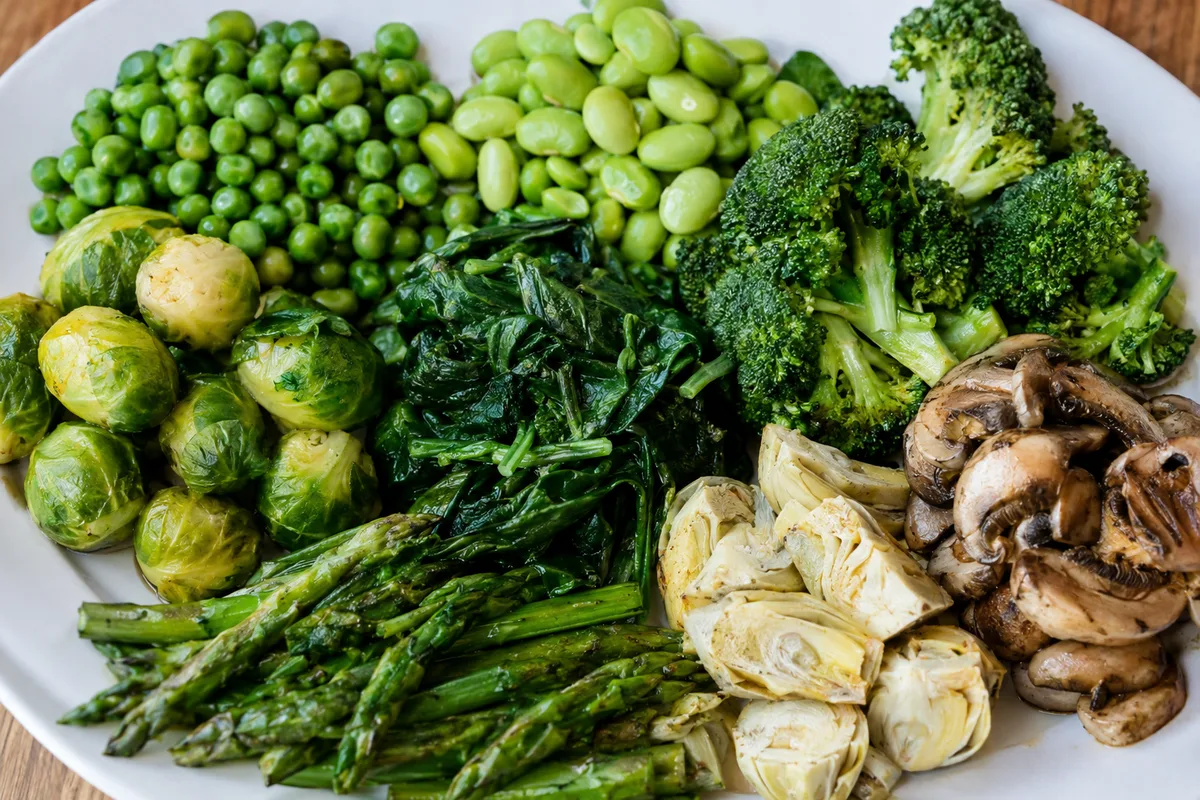
The protein from vegetables can still make a useful contribution across the day. A generous serving at lunch and dinner may add more than a small garnish, especially when several ingredients contribute. Your food log will show how much each portion adds within your usual eating pattern.
- Treat vegetables as protein contributors rather than the only protein source in a meal
- Compare foods using the same weight or serving basis
- Look at the whole plate instead of judging one ingredient alone
- Count sauces, toppings and cooking fats separately
Vegetables that contribute more protein
Green peas and edamame are among the more protein-rich choices commonly served as vegetables, although both come from the legume family. Brussels sprouts, broccoli, asparagus, spinach and artichokes can also make useful contributions. Mushrooms are not botanically vegetables, but they are often cooked and tracked in the same way.
A food does not need to top a ranking to be worthwhile. The portion you actually eat matters more than a tiny difference between similar vegetables. Choose a mixture that suits the meal, your appetite and the textures you enjoy.
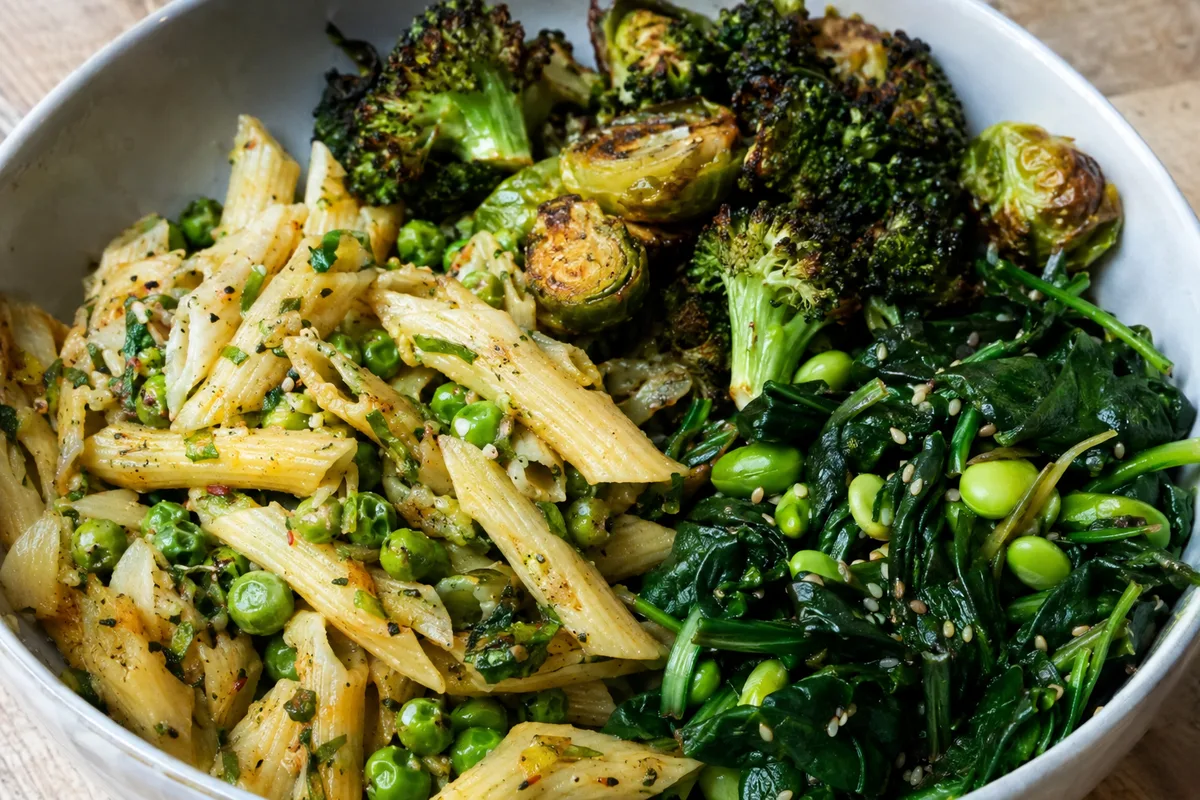
- Green peas stirred into rice, pasta or soup
- Edamame added to noodle bowls or salads
- Broccoli or Brussels sprouts served as a substantial side
- Spinach folded into curries, omelettes or grain dishes
- Asparagus, artichokes or mushrooms added to mixed meals
Portion size and cooking change the numbers
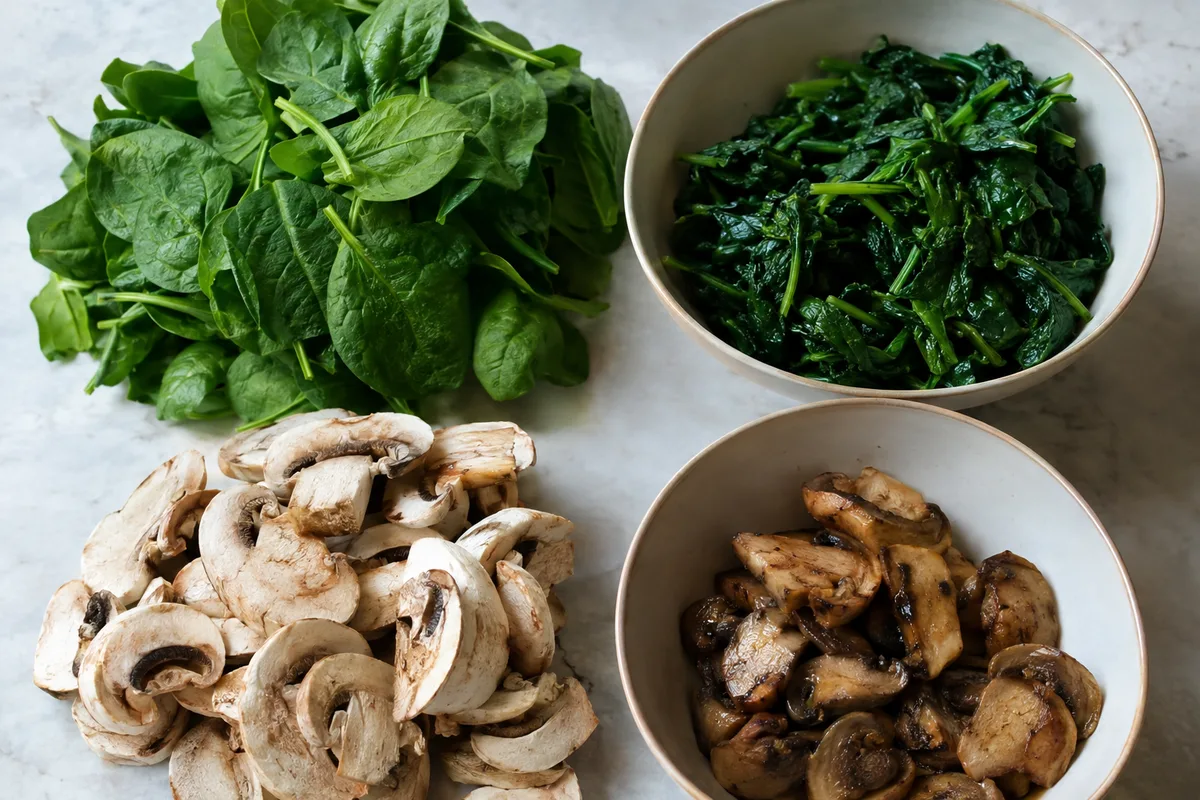
Raw and cooked entries in a food tracker are not always interchangeable. Cooking can reduce water and shrink a large pile of leaves or mushrooms into a smaller serving. The cooked food may appear to contain more protein per gram even though cooking has not created extra protein.
Match your log to the form and weight you used whenever possible. Frozen peas, drained canned vegetables and cooked spinach may each have different database entries because their water content and preparation differ. If a packet provides nutrition information, use the entry that most closely matches the food and serving described there.
- Log raw weight when the database entry says raw
- Use cooked weight for an entry clearly marked cooked
- Record drained weight for vegetables stored in liquid
- Add oil, butter, dressings and sauces as separate ingredients
- Save frequently repeated recipes with the same preparation method
Build a meal, not just a vegetable side
A vegetable becomes more useful in a protein-focused meal when it sits beside another clear source. Peas can join lentils in a soup, broccoli can accompany tofu, and spinach can be folded into eggs. Each ingredient adds something, rather than leaving the vegetable to do all the work.
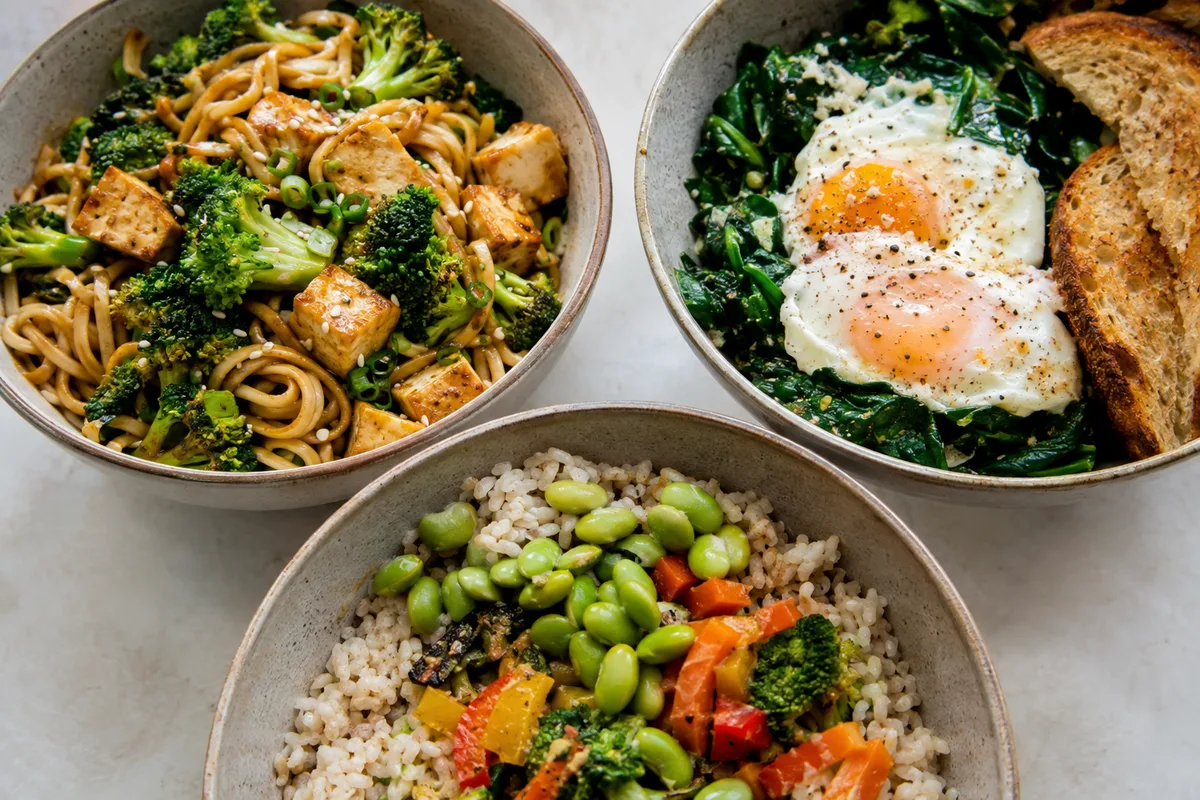
Mixed dishes can make this approach feel natural. A bowl containing vegetables, beans and grains gathers protein from several places while also providing different flavours and textures. If you track recipes, enter each ingredient and divide the finished dish by the number of portions you actually serve.
- Broccoli with tofu and noodles
- Spinach with eggs and wholegrain toast
- Pea and lentil soup
- Edamame with rice and mixed vegetables
- Mushrooms with beans in a tomato-based stew
Avoid common tracking mistakes
The phrase high protein can make a vegetable sound more concentrated than it is. Check the amount for your actual portion rather than relying on a headline, recipe name or front-of-pack description. A large serving of one vegetable may contribute more than a small serving of another that ranks higher per gram.
Prepared vegetable dishes can also include ingredients that supply much of the recorded protein. Cheese, yoghurt, beans, seeds and grains may be doing more of the work than the vegetables themselves. Log the parts separately when you want to understand where the total comes from.
- Check whether an entry is for raw, cooked, frozen or drained food
- Confirm that the serving unit matches the amount eaten
- Avoid copying a restaurant or recipe entry for a different dish
- Separate vegetables from toppings and sauces when accuracy matters
- Review saved meals after changing ingredients or portion sizes
Make higher-protein vegetables easy to repeat
A short rotation is often easier to track than a long list of unfamiliar foods. Keep a few versatile choices in regular meals, then vary their seasoning and cooking method. Frozen vegetables can be as practical for tracking as fresh ones when you use the matching nutrition entry.
Think of protein as a total built across the meal and the day. Vegetables can raise that total while also adding colour, fibre and volume, but they do not need to carry the full target alone. Your preferred intake and portion sizes depend on your body, routine and wider eating pattern.
- Add peas to a familiar pasta or rice dish
- Roast broccoli or Brussels sprouts for a substantial side
- Stir spinach into a meal shortly before serving
- Use edamame in salads, soups or noodle bowls
- Repeat saved recipes when the ingredients stay the same