
How Cheese Can Fit Into a Healthy Diet While Losing Weight
Cheese can be part of a balanced eating pattern when you are trying to lose weight. This guide explains how to track it, choose a useful portion and build satisfying meals around it.
Cheese does not need to be off the menu
Weight loss depends on your overall energy intake over time, rather than on removing one particular food. Cheese contains protein and provides nutrients such as calcium, but it can also add a concentrated amount of energy to a meal. The useful question is not whether cheese is good or bad, but how it fits into the rest of what you eat.
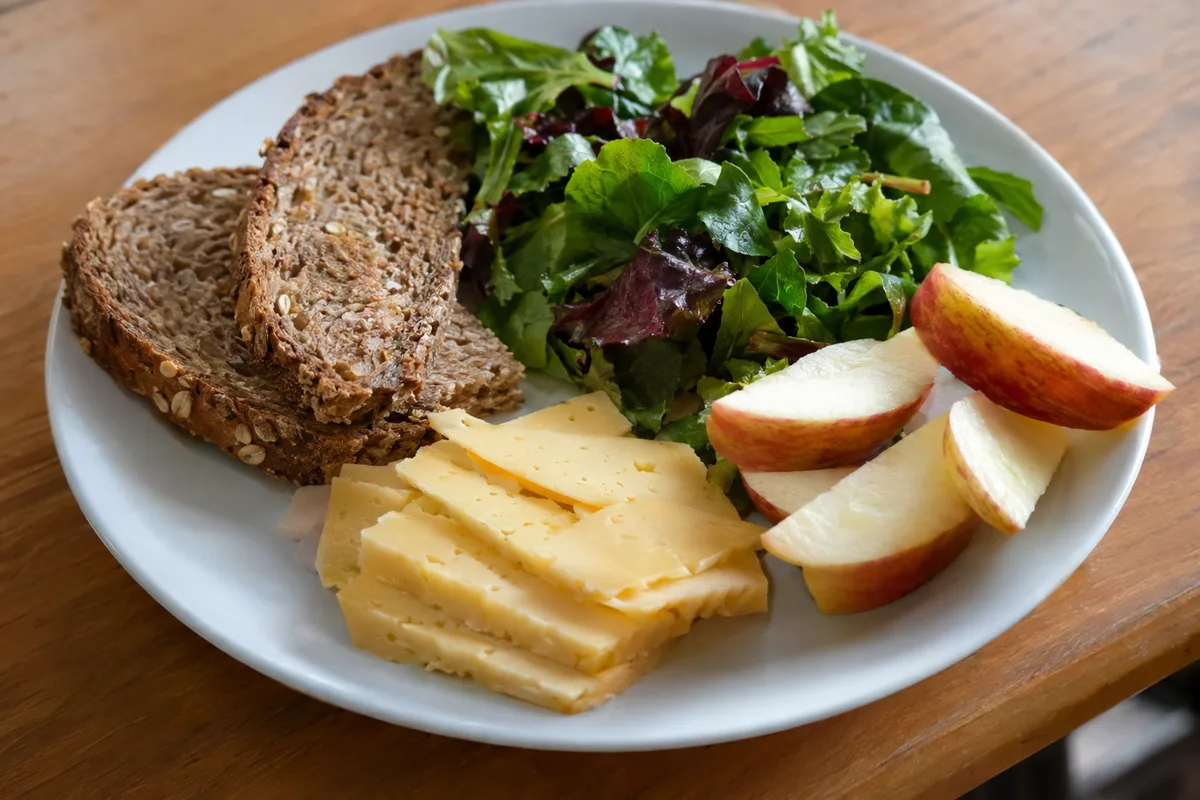
If you already track your food, log cheese in the same straightforward way as any other ingredient. Include cheese added during cooking, sprinkled over a meal or eaten while preparing food. Looking at the whole day will give you more useful information than judging one cheese-containing meal on its own.
A portion that fits comfortably will depend on the type of cheese, the meal and your personal food target. You may decide that a smaller amount of a strongly flavoured cheese is enough, or that a larger amount of a lighter option works better for you. Neither approach is automatically right for everyone.
- Keep cheese as part of the meal rather than treating it as a forbidden extra
- Log small additions and cooking ingredients as well as obvious portions
- Judge the portion in the context of your full day
- Choose an amount that leaves room for other foods you enjoy
Make the portion easy to notice
Cheese can be easy to underestimate when it is sliced directly from a block or added several times during cooking. Decide on the amount before eating, then record it using the information on the packet or in your tracking app. Once you know what your usual portion looks like, estimating it on familiar meals may become easier.

How the cheese is prepared can affect how generous the portion feels. Grating it finely helps spread flavour across a larger area, while thin slices can cover more of a sandwich than one thick piece. Crumbling cheese through a salad or bowl also creates small bites of flavour throughout the meal.
A measured portion is not a rule that must stay the same every day. You might use more cheese in a meal where it is the main protein source and less when the dish already contains eggs, beans, fish or meat. Adjusting the rest of the meal can be more practical than trying to keep every ingredient identical.
- Choose the portion before you start eating
- Grate, crumble or slice it thinly to spread the flavour
- Log the type of cheese you actually use
- Allow for cheese that is added during cooking
- Change the portion according to the rest of the meal
Build a balanced meal around it
Cheese is often more satisfying when it supports a full meal rather than appearing on its own. Pair it with vegetables or fruit for volume and fibre, then add a suitable source of carbohydrate if that fits the meal. This creates a more varied plate without requiring cheese to provide all the substance.
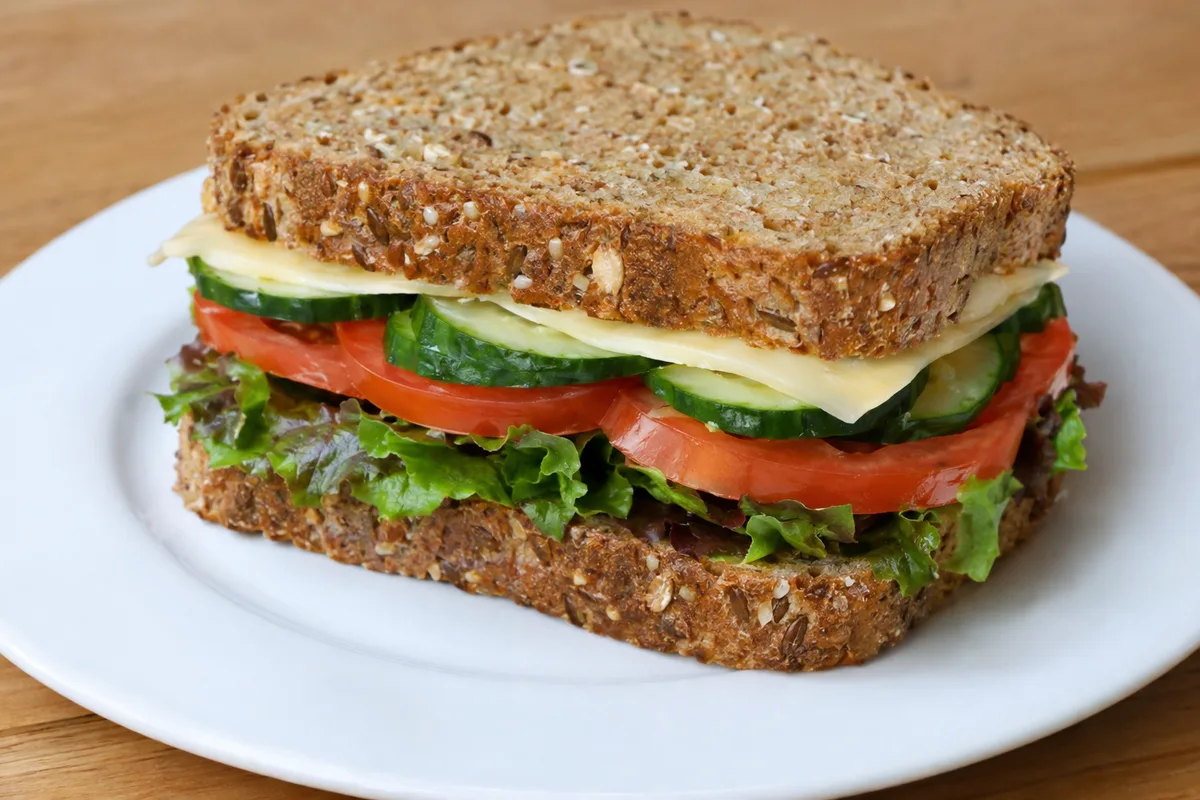
For example, a cheese sandwich can include plenty of salad and use bread that contributes fibre. A baked potato with cheese can be served with vegetables and beans, while a cheese omelette can sit alongside mushrooms, tomatoes and greens. The exact combination should reflect your appetite and what you have available.
Pay attention to what comes with the cheese. Pastry, creamy sauces and large amounts of oil can make the overall meal more energy-dense, even when the cheese portion looks modest. Tracking the full recipe helps you see which ingredients matter most for your own target.
- Cheese, tomato and leafy salad in a wholegrain sandwich
- Baked potato with cheese, beans and mixed vegetables
- Vegetable omelette finished with a little grated cheese
- Grain bowl with roasted vegetables and crumbled cheese
- Apple or pear slices with cheese as part of a planned snack
Choose cheese for the job
Different cheeses vary in flavour, texture, protein, fat and salt. A reduced-fat option may suit some meals, but it is not automatically the best choice if you dislike it or need much more to feel satisfied. Compare the nutrition information and portion size rather than relying only on the wording on the front of the packet.
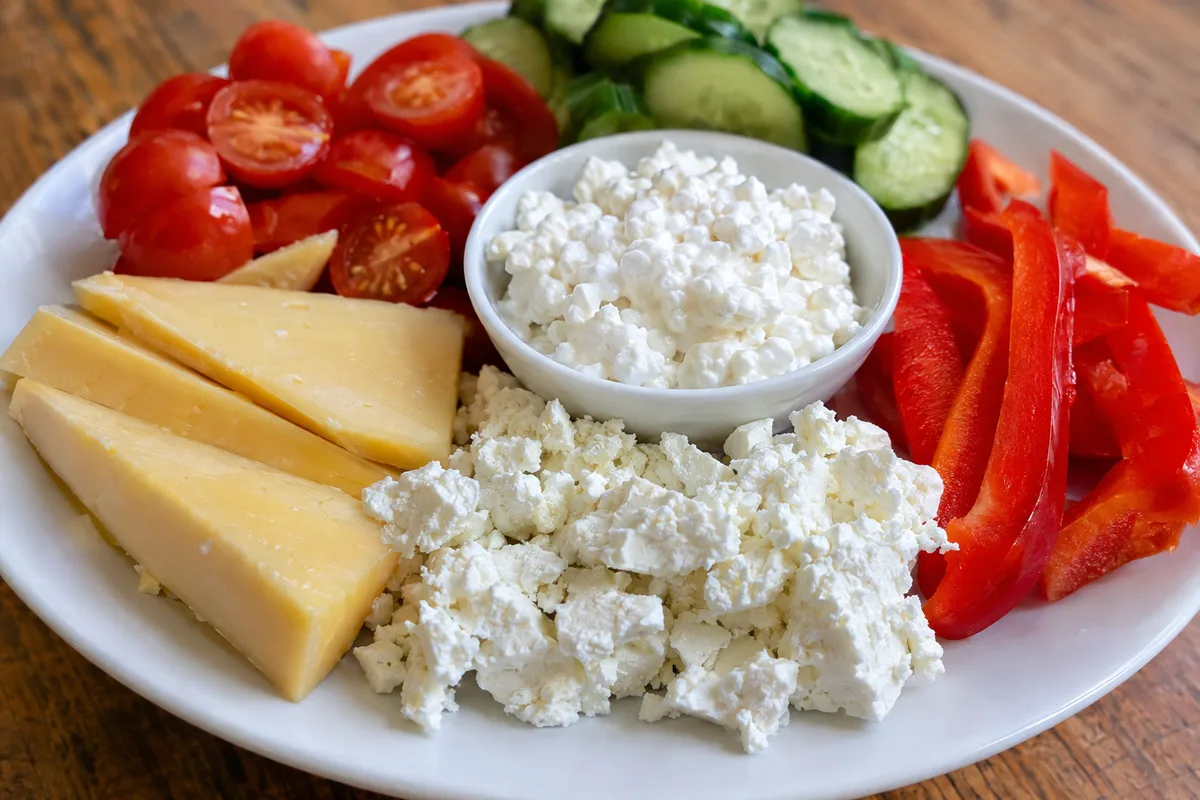
Strong cheeses can provide plenty of flavour in a smaller amount, especially when grated or crumbled. Softer cheeses may work well as a spread, and cottage cheese can add protein and moisture to a meal. The best choice is one that tastes good, works in the recipe and fits your day.
It is also worth noticing how you use each variety. Cheese melted into a sauce can be less noticeable than cheese added on top, even if the amount is similar. Keeping some of it visible may make the meal feel cheesier without needing to add more.
- Use mature cheese when you want a strong flavour
- Try cottage cheese in a baked potato or savoury bowl
- Spread soft cheese thinly with crunchy vegetables
- Crumble a punchy cheese over salad or roasted vegetables
- Add some cheese at the end so its flavour stays noticeable
Use flavour and texture to make less feel satisfying
Cheese is only one way to make food enjoyable. Herbs, spices, mustard, lemon juice, vinegar, garlic and chilli can add contrast without asking the cheese to do all the work. Crisp vegetables or toasted seeds can also make a meal feel more interesting through texture.

Temperature matters too. A little cheese melted over hot vegetables may feel different from the same cheese mixed into a large dish where its flavour becomes lost. Adding it near the end of cooking can preserve its aroma and make each bite more noticeable.
These ideas are not about disguising an unsatisfying portion. They help you decide what you value most in the meal, whether that is creaminess, saltiness, richness or a melted topping. You can then use cheese where it has the greatest effect and track the amount as usual.
- Add fresh herbs to a cheese-filled sandwich or omelette
- Use mustard or pickle for sharpness
- Add lemon juice or vinegar to balance richness
- Include crisp peppers, cucumber or radishes for crunch
- Finish a hot dish with cheese rather than stirring it in early
Review your tracking without making rigid rules
Your food record can show how cheese fits into your usual week. Look for patterns such as unplanned bites while cooking, portions that are difficult to estimate or meals where cheese does not add much enjoyment. These details can guide small changes without requiring you to remove it completely.
If your progress is not matching your intention, review the whole pattern rather than blaming one food. Portion sizes, drinks, cooking fats, snacks and eating out may all affect total energy intake. The most useful adjustment is usually one you can repeat without feeling that every meal has become restricted.
Hunger, preferences and suitable portions differ from person to person. Keep meals varied, include fibre-rich foods and use your tracking target as a guide rather than a judgement. Cheese can remain a regular or occasional choice according to what works for your eating pattern.
- Check whether every cheese portion was recorded
- Notice meals where the cheese was especially enjoyable
- Identify additions that were easy to overlook
- Change one repeatable habit at a time
- Review the overall day rather than one ingredient