
How to Swap Peppermint Oil for Peppermint Extract
Peppermint oil is usually much more concentrated than peppermint extract, so it is not a straight one-for-one swap. This guide explains how to add it carefully, adjust a recipe and record the change in your food log.
First, check which peppermint oil you have
Use only peppermint oil that is clearly labelled as suitable for use in food. Oils sold for fragrance, diffusers, cosmetics or other non-food purposes do not belong in a recipe. If the label does not give directions for adding the oil to food, choose a culinary peppermint product instead.
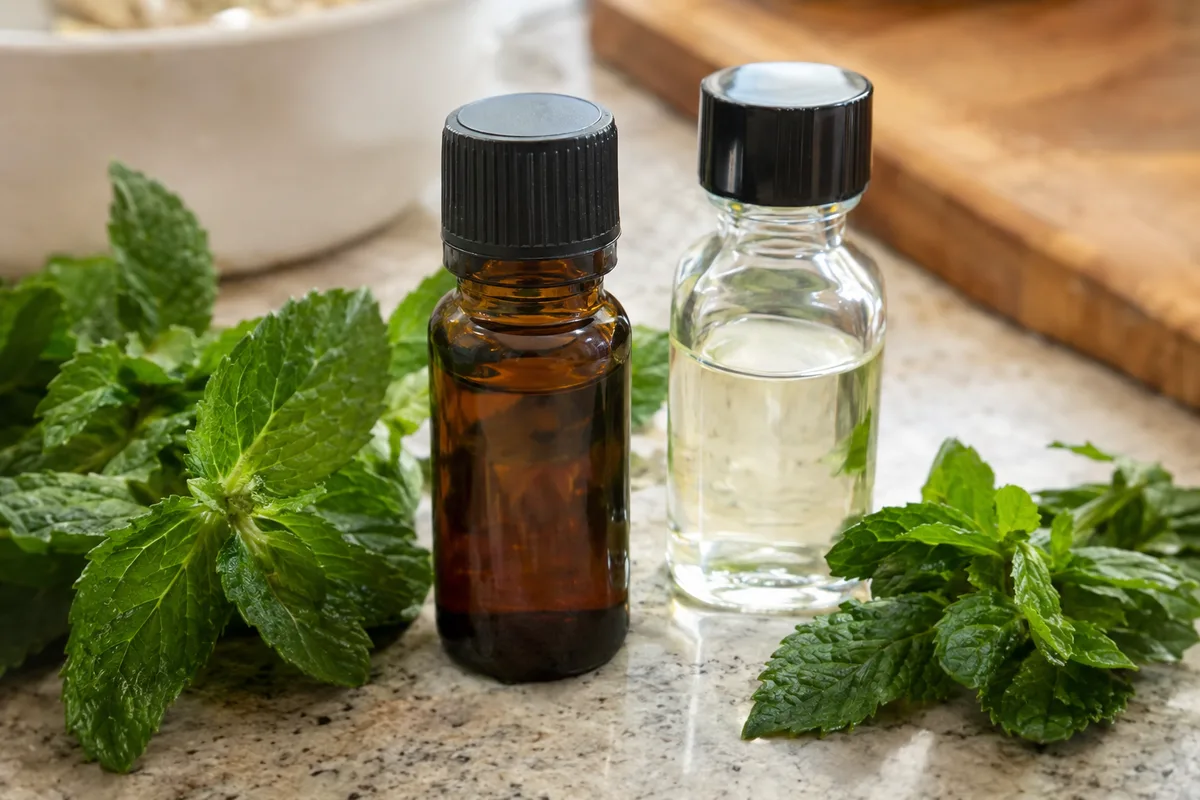
Peppermint extract usually contains peppermint flavour diluted in alcohol and water. Food-grade peppermint oil is more concentrated and does not bring the same amount of liquid to a recipe. That difference affects both how much you add and when you add it.
- Look for wording that confirms the oil is intended for food or culinary use.
- Read the manufacturer's serving or recipe directions.
- Check whether the product is pure oil or a diluted peppermint flavouring.
- Do not assume every bottle labelled peppermint oil is edible.
Do not substitute it in equal amounts
A spoonful of peppermint oil can taste far stronger than the same spoonful of extract. There is no single reliable conversion because products vary in concentration. Start with less than the label's suggested amount for your batch, then add more only if needed.
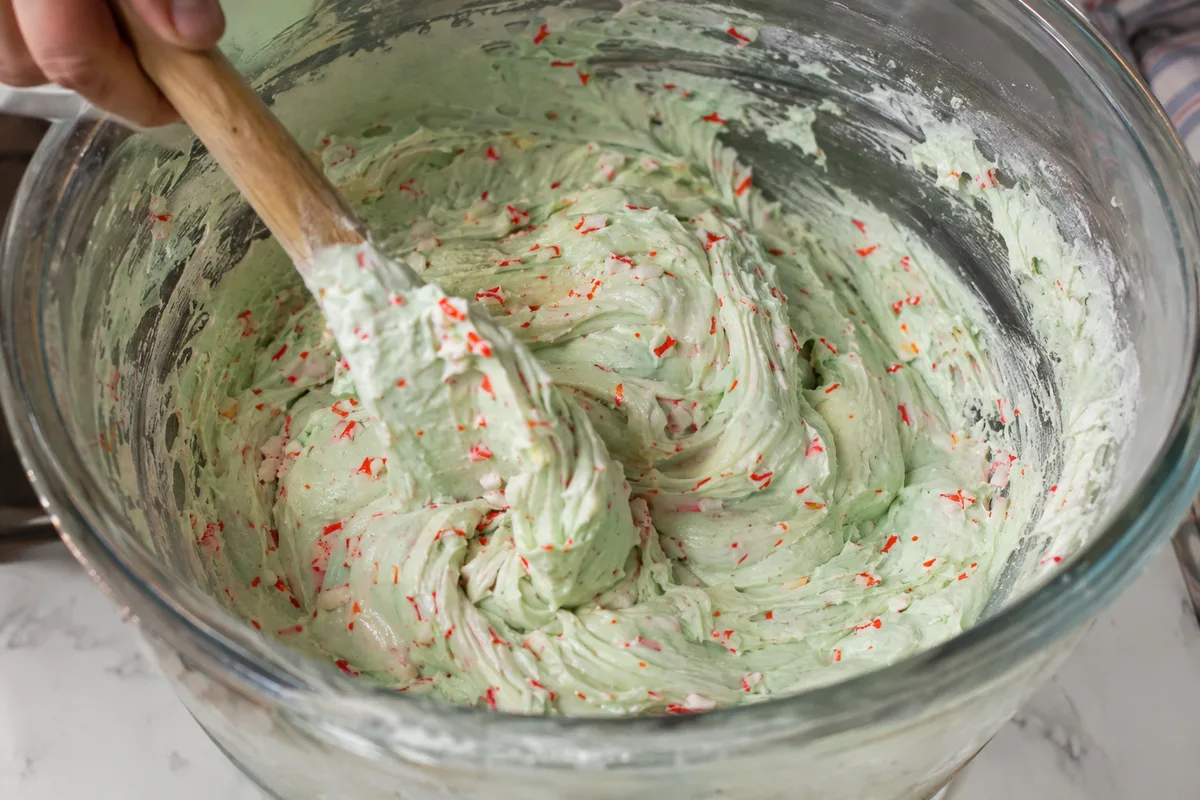
For very concentrated oil, the required amount may be difficult to measure with ordinary kitchen spoons. Follow the bottle's directions rather than guessing a universal ratio. If the label gives no usable guidance, it is better not to improvise with that product.
- Check the quantity of extract in the original recipe.
- Use the oil label to work out a cautious starting amount for that batch size.
- Mix thoroughly before assessing the flavour.
- Increase only in the smallest amount you can measure consistently.
Add the oil evenly
Peppermint oil can form intensely flavoured spots if it is dropped into a finished mixture and barely stirred. Add it to an ingredient that will spread through the recipe, such as melted chocolate, a liquid mixture or the fat used in a filling. Stir thoroughly before combining it with the remaining ingredients.
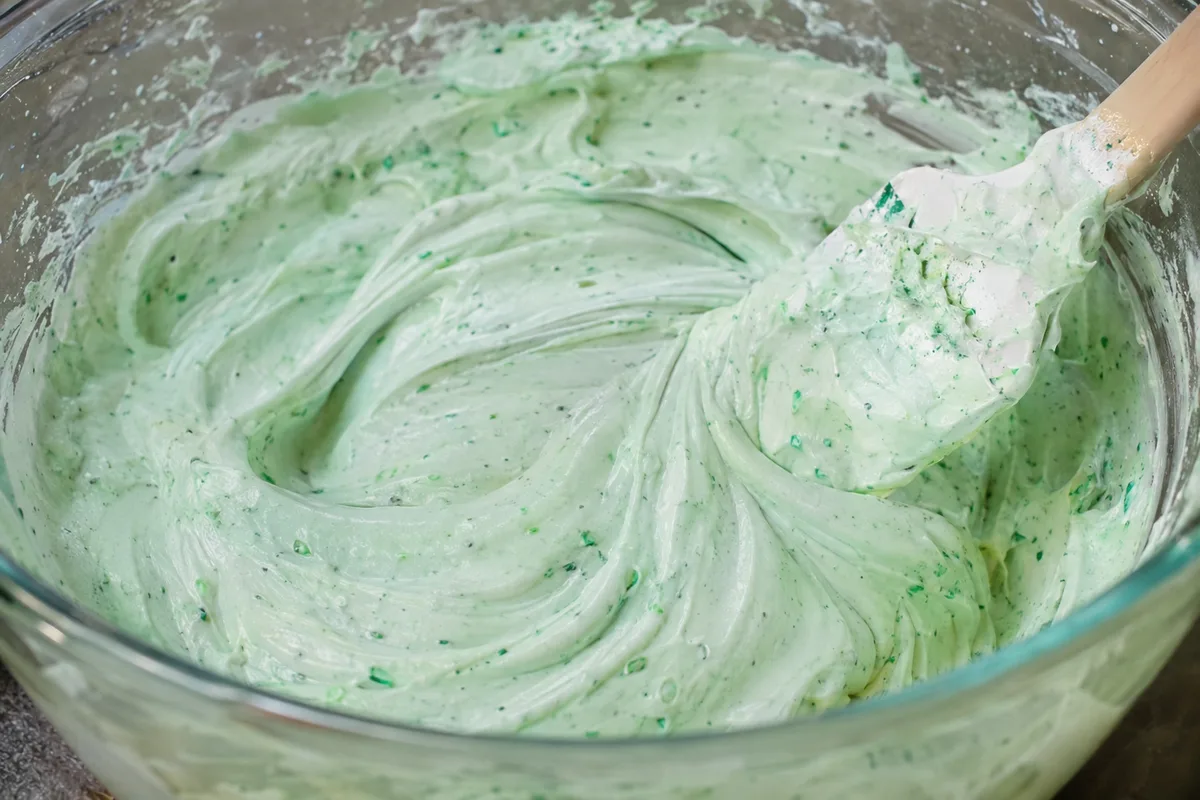
In cold recipes, mix the oil into a small portion first and then blend that portion through the full batch. In baked recipes, add it with the wet ingredients unless the recipe or product label says otherwise. Avoid tasting pure peppermint oil directly, as its concentrated flavour is intended to be dispersed through food.
- For brownies or cakes, blend it into the wet mixture.
- For icing, stir it into a small portion before mixing through the bowl.
- For melted chocolate, add it only if the oil's directions confirm that use.
- For a chilled filling, mix well before the filling sets.
Taste carefully and allow the flavour to settle
Peppermint can become more noticeable after it has been mixed through a recipe. Taste only when the food is safe to sample, and wait briefly before deciding whether to add more. A strong mint flavour is easier to build than to reduce.
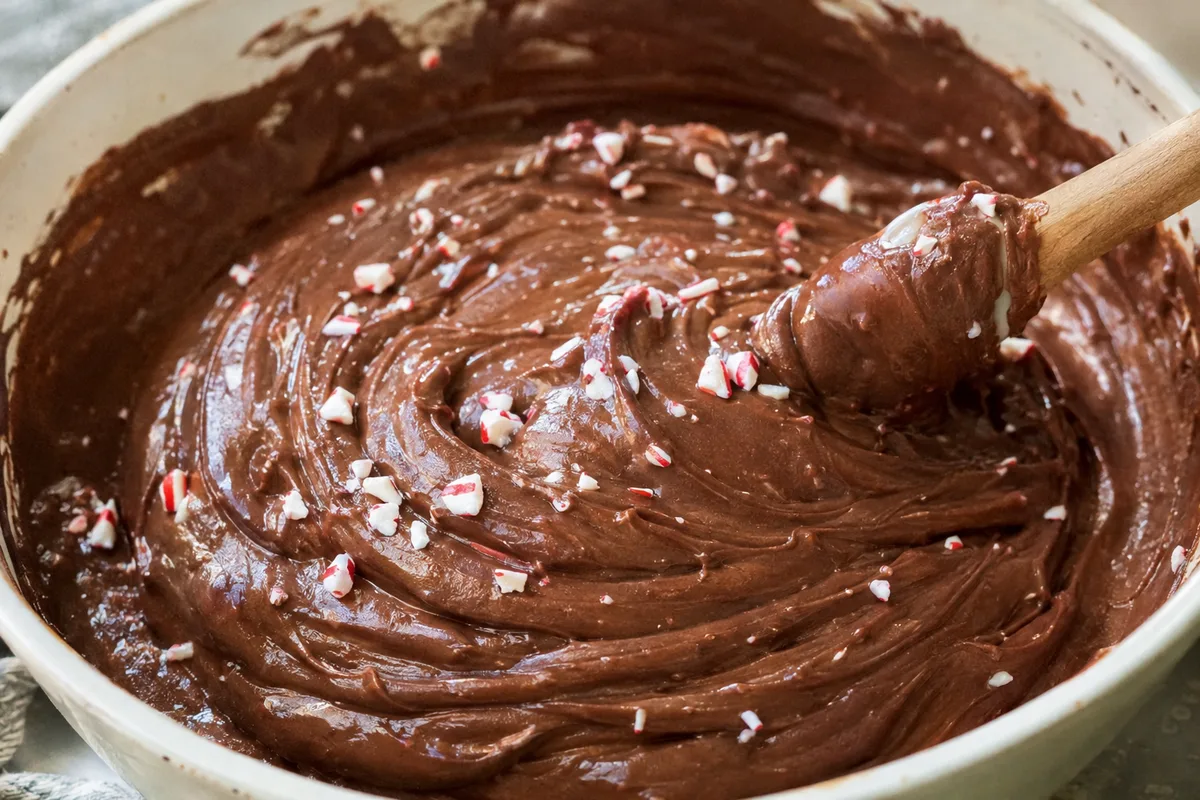
Consider the other ingredients before making another addition. Chocolate, sugar, cream and vanilla can soften how peppermint seems at first, while a plain mixture may show it more clearly. The right level depends on the recipe and your preferred flavour.
- Mix completely before tasting.
- Pause before adding another amount.
- Taste the whole mixture rather than a concentrated streak.
- Stop while the peppermint still complements the other flavours.
Account for the missing liquid when necessary
Replacing extract with a very small amount of oil removes some alcohol and water from the recipe. In many cakes, biscuits, fillings and icings, that difference may be too small to affect the texture noticeably. Recipes that rely on a larger amount of extract may need a small adjustment.
If the mixture looks drier or thicker than intended, add a suitable recipe liquid gradually. Water, milk or another liquid already used in the recipe may work, depending on what you are making. Judge the texture against the original recipe rather than automatically replacing the full volume of extract.
- For cake batter, use a liquid already present in the recipe.
- For icing, add liquid gradually to avoid making it runny.
- For chocolate mixtures, do not add water unless the recipe specifically allows it.
- For fillings, check the final texture before making an adjustment.
Record the swap in your food log and recipe notes
When tracking what you eat, log the finished recipe using the peppermint oil you actually added. The energy difference from replacing extract may be small in a whole batch, but the exact value depends on the products and amounts used. Use the nutrition information on your own labels rather than relying on a generic estimate.
Also note how much oil worked and how many portions the recipe made. That gives you a repeatable version for the next batch and makes future logging easier. Record any extra liquid or other ingredient added while adjusting the texture.
- Save the brand or product name in your recipe notes.
- Record the measured amount used.
- Update any liquid added to replace the extract.
- Divide the completed recipe by the number of portions you actually serve.