
How Fat Actually Leaves the Body
Body fat does not simply melt away or turn directly into energy. This guide explains how stored fat is broken down, how most of its material leaves the body and how eating and movement affect the process.
Stored fat is a form of saved energy
Body fat is stored mainly in fat cells as molecules called triglycerides. They are made from carbon, hydrogen and oxygen, and the body can draw on them when it needs more energy than recent food provides. Fat cells can release their contents, but the cells themselves do not normally disappear during ordinary fat loss.
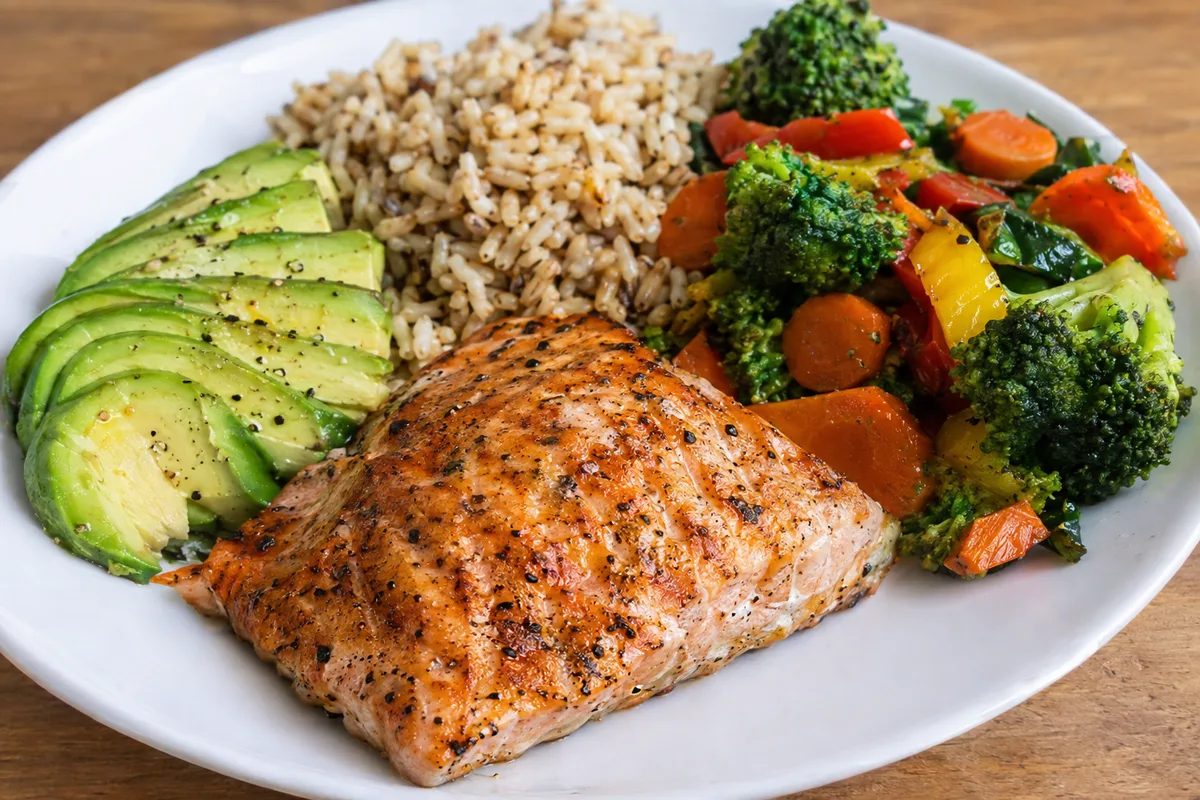
Before stored fat can be used, triglycerides are split into fatty acids and glycerol. These smaller parts enter pathways that supply working cells with energy. The process happens throughout the day, alongside the storage of some incoming fuel.
Eating fat does not mean that the same fat is immediately fixed in storage. The body is always handling carbohydrate, protein and fat according to its current needs. Your longer-term pattern of energy intake and use matters more than a single food or meal.
- Triglycerides are the main form of stored body fat.
- Fatty acids and glycerol are released when stored fat is broken down.
- Working cells can use these materials as fuel.
- Storage and release can both happen during the same day.
Fat leaves mainly as carbon dioxide
When the body uses fatty acids, their atoms do not vanish. They combine with oxygen through a series of chemical reactions. This releases usable energy and produces carbon dioxide and water.
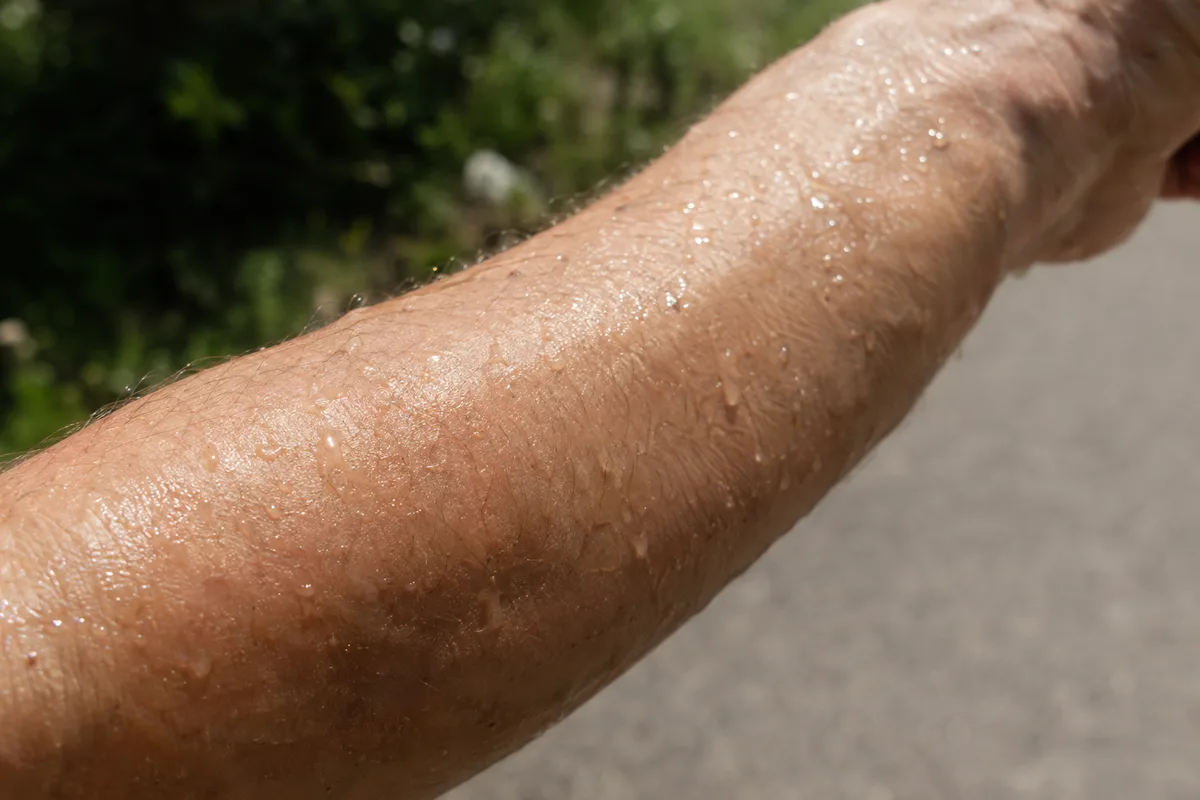
The carbon dioxide travels in the blood to the lungs and leaves when you breathe out. This is how most of the physical material from used body fat exits the body. Breathing is therefore part of the route out, but simply breathing faster does not make the body select more stored fat.
The water produced can leave in urine, sweat, breath and other normal fluid losses. These routes account for the remaining material from broken-down fat. Heat is also released, but fat itself does not turn into heat.
- Carbon dioxide leaves through the lungs.
- Water leaves through urine, sweat and breath.
- Energy is transferred for the body to use.
- Some energy is released as heat.
Why sweating is not the same as losing fat
Sweat is mostly water, so heavy sweating can cause a short-term change in body weight. That change mainly reflects fluid loss rather than a matching reduction in stored fat. Drinking replaces much of the lost water.
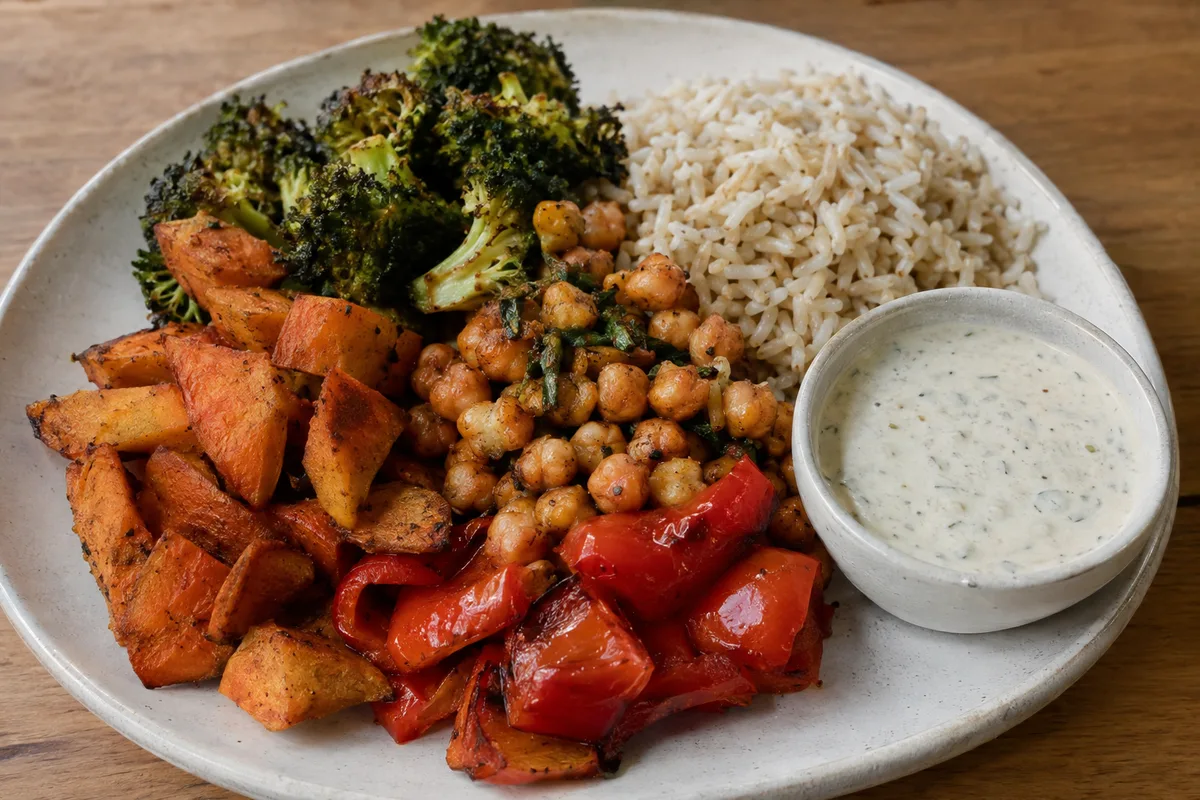
Warm rooms, heavy clothing and hot weather can all increase sweating without greatly changing how much energy an activity requires. They do not provide a shortcut for using stored fat. Sweat is primarily the body's way of managing temperature.
Fat use happens inside cells, whether or not an activity produces obvious sweat. A gentle walk in cool weather may involve little sweating while still requiring energy. How hard and how long you move are more relevant than how wet your clothes become.
- Replace fluids after sweating.
- Do not use sweat as a measure of fat use.
- Notice the duration and effort of movement instead.
- Expect body weight to shift when fluid intake and loss change.
Food intake affects whether stored fat is needed
The body uses energy continuously for basic functions, digestion and movement. Food supplies that energy, and stored fuel helps cover the difference when intake is lower than use over time. If intake regularly supplies more energy than is needed, some of the excess can be stored.
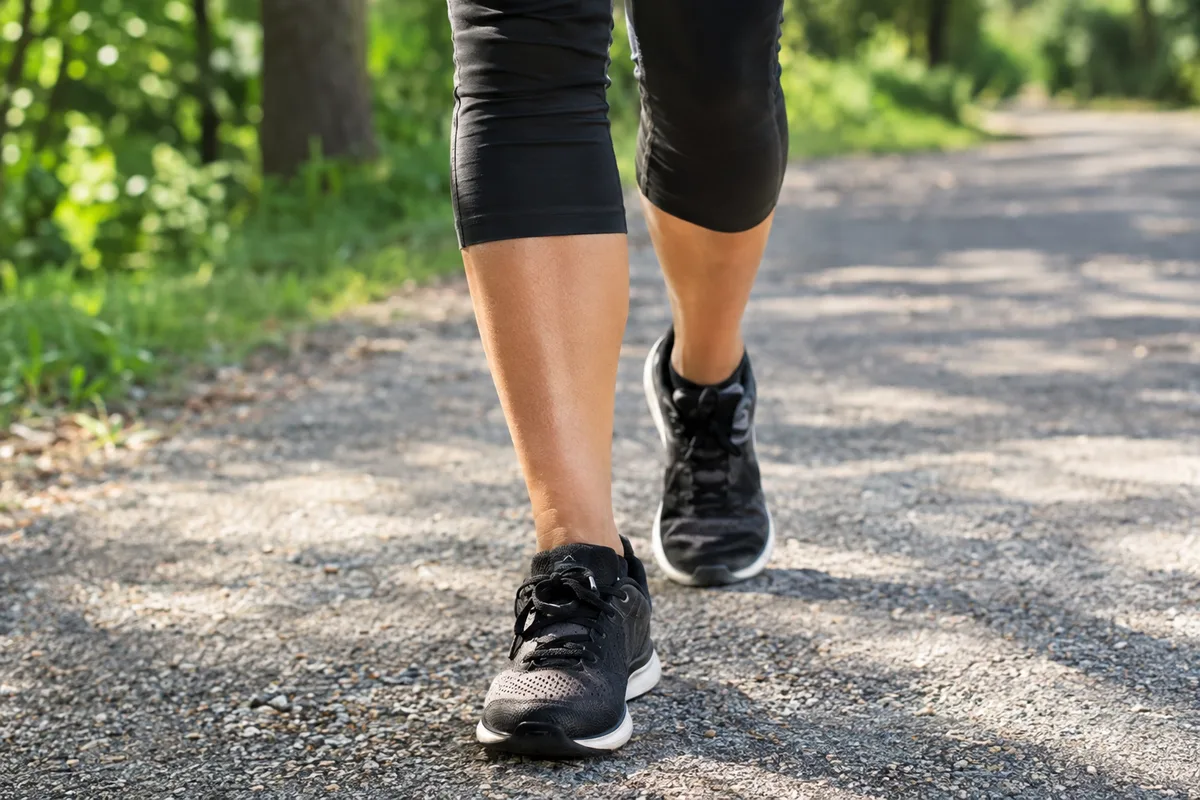
Because you already track your food, look beyond whether an item contains fat. Dietary fat provides about 9 kcal per gram, while protein and carbohydrate each provide about 4 kcal per gram. Portions, cooking methods, drinks and small additions can therefore change the energy total.
Daily figures naturally vary, so one entry rarely explains a longer-term change. Looking across a consistent run of entries gives a clearer view of your usual pattern. The suitable intake depends on the person, their routine and their aims.
- Log oils, spreads, dressings and sauces.
- Record drinks that contain energy.
- Use portion details that match what you ate.
- Check recurring patterns rather than judging one day.
- Update entries when recipes or serving sizes change.
Movement raises the demand for energy
Muscles need energy whenever they work. During movement, that energy can come from a mixture of carbohydrate and fat, with the balance changing according to effort, duration, recent meals and the individual. The body does not rely on only one fuel at a time.
Lower-intensity movement may obtain a larger share of its immediate energy from fat, but that does not automatically mean it produces greater fat loss. Total energy use and the wider eating pattern still matter. A harder session may use more carbohydrate while continuing to contribute to overall energy demand.
Movement does not have to feel extreme to count. Walking, cycling, swimming, household tasks and structured exercise can all add to daily energy use. Choose forms of movement that suit your ability and can fit into your routine.
- Add regular walking where it fits naturally.
- Break up long periods of sitting with brief movement.
- Include muscle-working activity in your routine.
- Record activity consistently if you use it in your tracking.
What tracking can and cannot tell you
A food log can help you see patterns in meals, snacks, drinks and portions. It cannot show the exact amount of stored fat being used at a particular moment. Food labels, recipes, serving estimates and activity records all contain some uncertainty.
Body weight can also move because of water, stored carbohydrate, food in the digestive system and ordinary day-to-day variation. A single reading cannot tell you how much fat has left through the lungs and water losses. Trends observed under similar conditions are more informative than isolated changes.
The useful question is whether your recorded habits support your intended direction over time. Keep entries honest and reasonably consistent rather than trying to make every number perfect. The rate and amount of change depend on the person, so tracking is best used as a guide to patterns rather than a promise of a particular result.
- Compare entries made with similar methods.
- Review trends over time rather than single readings.
- Note changes in routine that may explain unusual days.
- Treat calculated energy use as an estimate.
- Adjust your log when you find a repeated omission.