
How Long Does It Take to Lose 60 Pounds?
Losing 60 pounds, or about 27 kilograms, usually calls for a long-term approach rather than a short push. This guide explains what affects the pace, how to use your food log and when to adjust your plan.
There is no single answer
You cannot predict a reliable timeline from the 60-pound target alone. The pace depends on your starting point, eating pattern, activity, sleep, daily routine and how consistently you can follow your plan. Progress may also be quicker during some periods and slower during others.
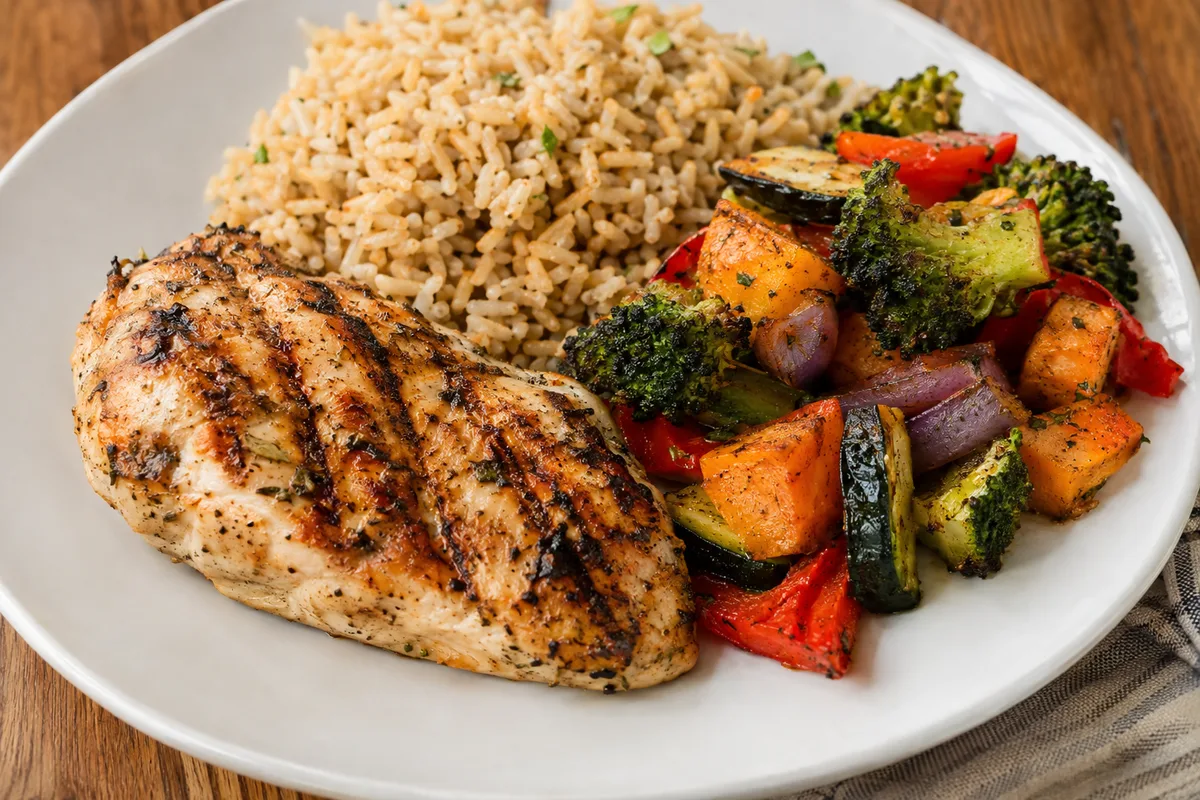
A faster approach is not automatically a better one. A very restrictive plan can be difficult to maintain and may leave little room for satisfying meals, social occasions and adequate nutrition. A steadier plan gives you time to build habits that can continue after you reach your target.
- Treat 60 pounds as a long-term direction, not a deadline.
- Use smaller milestones to make progress easier to review.
- Expect the rate to change rather than remain perfectly even.
- Judge the plan by how manageable it feels as well as by the result.
What determines the pace
Weight falls when your body uses more energy than it receives from food and drink over time. The size of that gap affects the pace, but your food log cannot show the whole picture with perfect accuracy. Portion estimates, cooking methods and changing activity can all affect the result.
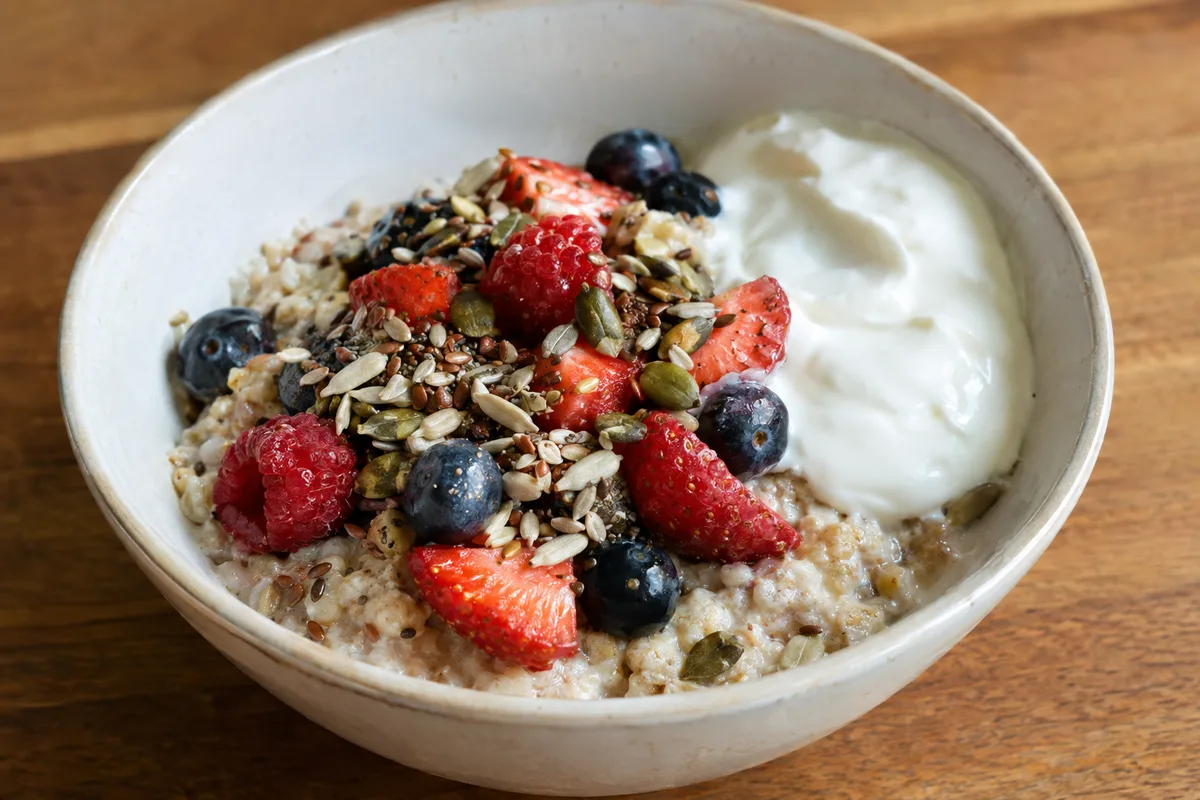
Your energy needs can also change as your body becomes lighter. A food intake that produced progress earlier may later maintain your weight instead. This is one reason a straight-line forecast often turns out to be wrong.
- Your starting weight and body size
- Your usual portions and choice of foods
- How much movement fits into your week
- Sleep, stress and changes in routine
- How accurately and consistently you track
Use your food log to find workable changes
Because you already track what you eat, start by looking for repeated patterns rather than trying to create a perfect day. Check which meals keep you satisfied, where extras tend to appear and whether drinks or cooking fats are easy to overlook. Several modest changes may be easier to sustain than cutting out whole groups of food.
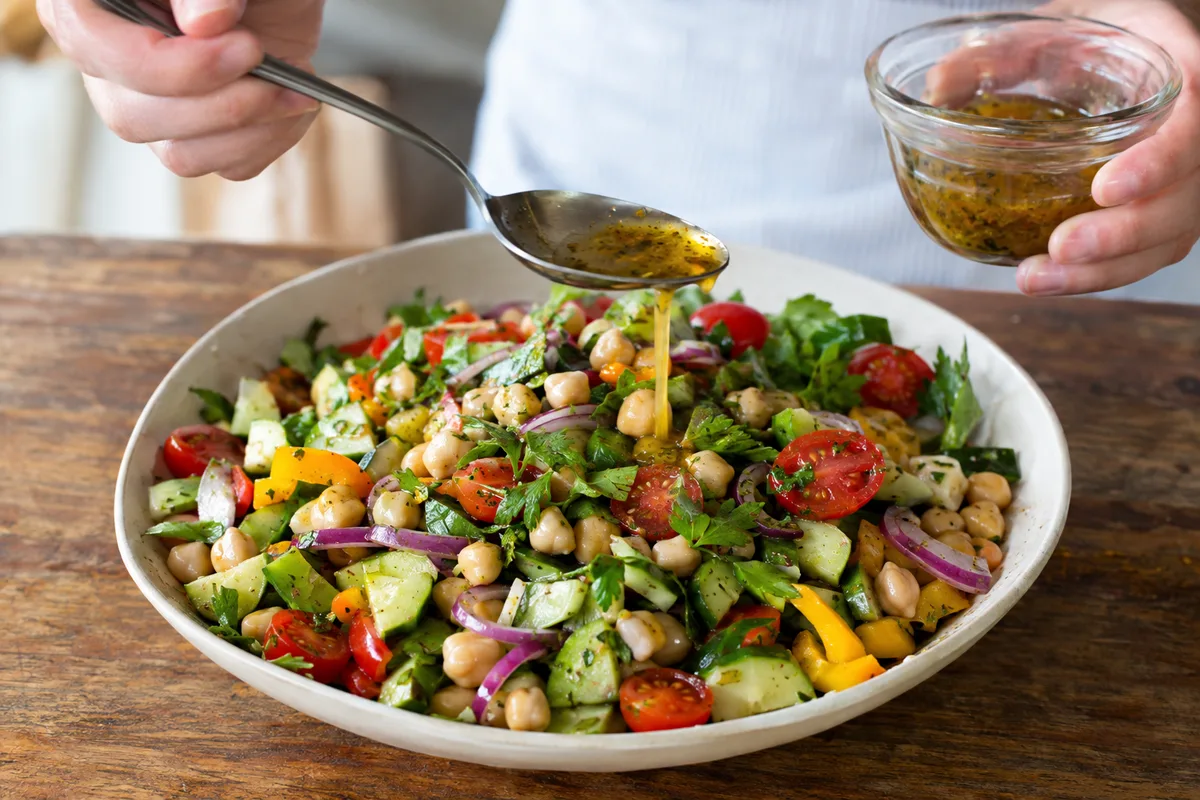
Keep meals recognisable and filling. Protein-rich foods, vegetables, fruit and higher-fibre carbohydrates can help make a lower-energy pattern feel more substantial. Fat can still be included, but it is energy dense, so portions of oils, spreads, dressings and similar foods are worth recording carefully.
- Add vegetables to meals that currently have little colour or volume.
- Choose a clear protein source for each main meal.
- Measure cooking oil until you can estimate it more reliably.
- Record drinks, sauces, dressings and small bites.
- Compare similar days to identify changes you can repeat.
Measure progress without reacting to every change
Body weight can move up and down even when your eating pattern has not changed much. Meals, hydration, digestion and normal daily variation can temporarily affect the reading. A single result therefore says less than the direction over a longer period.

Review progress at consistent intervals and under similar conditions. Also notice practical signs such as how clothes fit, whether planned meals are becoming routine and whether your energy feels steady. These checks can show useful progress when body weight is temporarily unchanged.
- Look for the longer-term direction rather than one reading.
- Keep the timing and conditions of check-ins consistent.
- Add context from your food and activity records.
- Avoid making a large change after one unexpected result.
Adjust the plan in small steps
If the overall direction has not changed for a sustained period, review your records before tightening the plan. Check for larger portions, missed entries, more frequent extras or less movement than usual. The aim is to find a specific pattern, not to assume that the whole approach has failed.

Change one or two things that you can repeat, then allow time to see what happens. You might slightly reduce an energy-dense extra, add more vegetables to dinner or build regular walking into your week. Repeated drastic cuts make it harder to tell which changes are useful and whether the plan remains manageable.
- Choose one meal or habit to review first.
- Make a small change that fits ordinary weekdays and weekends.
- Keep tracking in the same way after the adjustment.
- Review the trend before making another change.
Build a plan you can maintain
A 60-pound goal is large enough for motivation to change along the way. It helps to plan for meals out, busy weeks, travel and days when your usual routine is not possible. A flexible approach lets you return to your normal pattern at the next meal rather than treating one change of plan as failure.
There is no responsible way to promise exactly how fast you will reach the target. Focus on a pace that supports adequate food, everyday movement and routines you can live with for the time required. If your intake becomes highly restricted or you feel persistently unwell, seek individual guidance from an appropriately qualified health professional.
- Set short review points instead of one final deadline.
- Keep a few simple meals available for busy days.
- Plan how you will handle social meals without skipping other meals.
- Update your approach when your routine or needs change.