
A realistic approach to losing 15 pounds in 6 weeks
Losing 15 pounds in 6 weeks is an ambitious target, and no plan can guarantee that result. A structured routine can still help you make meaningful progress without turning every day into a test of willpower.
Put the deadline in perspective
Body weight does not fall in a neat, predictable line. Water, digestion, activity and other personal factors can change the number on the scale, so the amount you lose in six weeks depends on your circumstances.

Treat 15 pounds as a direction rather than a pass-or-fail result. Focus on habits you can repeat after the six weeks, and seek guidance from a qualified health professional if you are unsure whether the target is appropriate for you.
Make your food log more useful
Since you already track your food, check whether the log reflects what you actually eat. Include cooking oils, sauces, toppings, snacks and weekend meals, and record portions consistently rather than relying on memory later.
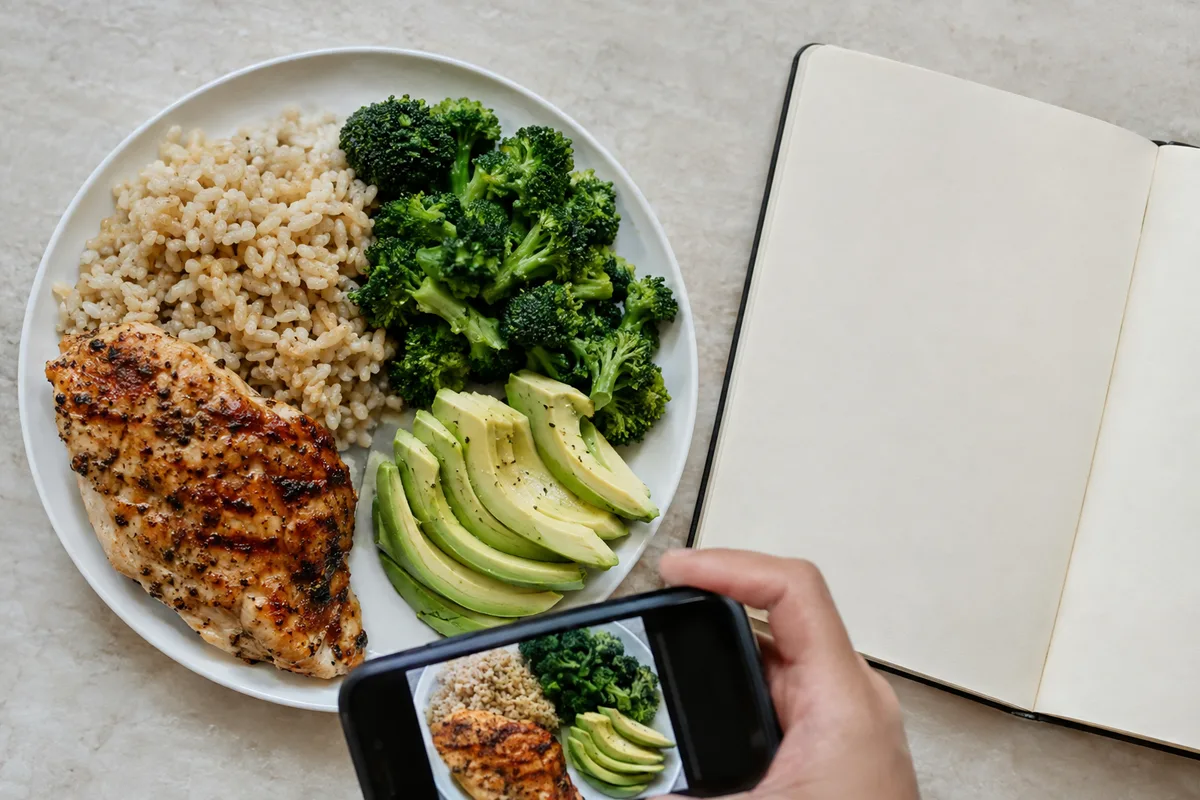
Review several days together and look for easy changes that do not leave you constantly hungry. You might reduce frequent extras, adjust large portions or plan ahead for times when unplanned eating tends to happen.
Build meals that keep you satisfied
Base meals around a source of protein, fibre-rich foods and a sensible portion of carbohydrate or fat. This gives meals more structure and can make a reduced intake easier to maintain.
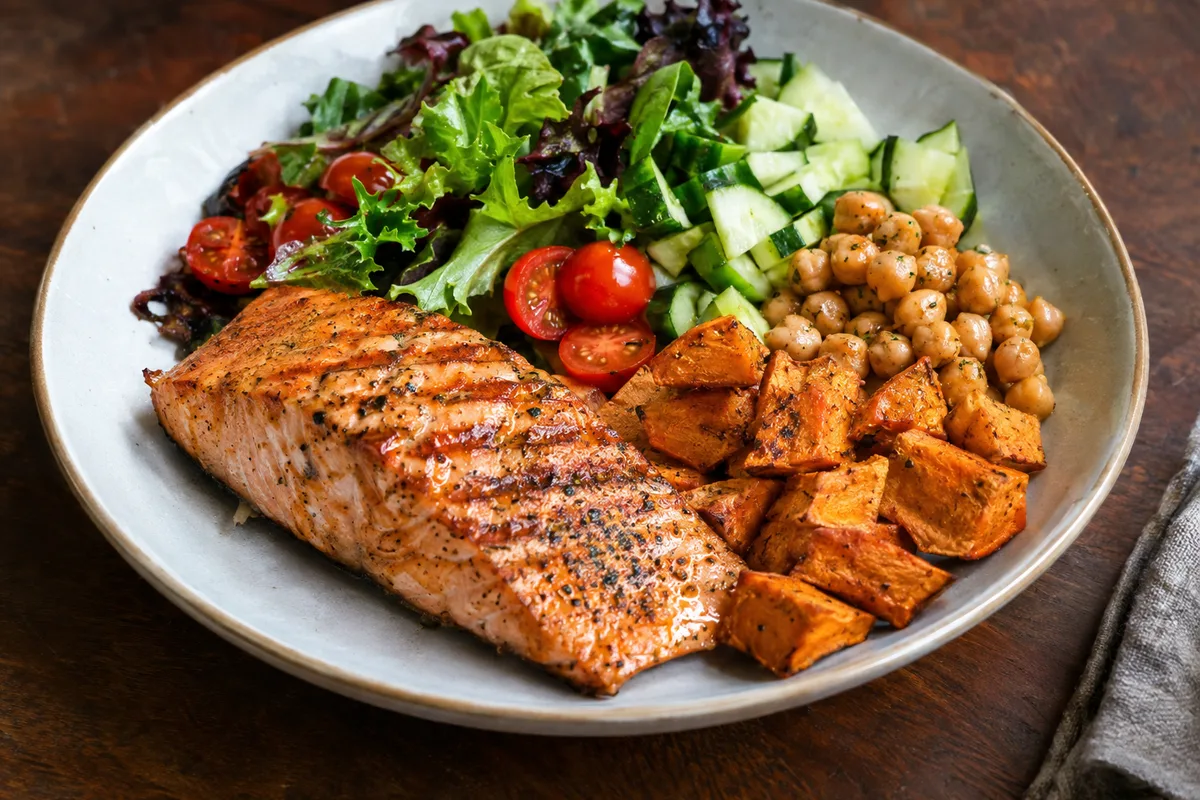
You do not need to ban favourite foods or label meals as good or bad. Choose portions that fit your overall log, eat without rushing when possible, and notice whether your plan leaves you satisfied enough to continue.
Use movement and regular reviews
Combine everyday movement with exercise that suits your current ability, such as walking, cycling or strength work. Increase gradually, because a demanding routine that disrupts sleep or leaves you exhausted is unlikely to be useful.

Check progress under similar conditions and pay attention to the wider trend rather than a single weigh-in. If the trend is not changing, revisit portions, overlooked extras and activity levels, then make one manageable adjustment instead of cutting food sharply.