
What the Tom Brady Diet Means for Your Food Log
The Tom Brady diet is a structured eating style associated with the former American football player. Its exact rules have changed over time, but the broad idea is to favour minimally processed foods and limit selected ingredients.
What the diet involves
Public versions of the Tom Brady diet generally centre on vegetables, fruit, whole grains, pulses, nuts and seeds, alongside selected sources of animal protein. They also place emphasis on hydration, home cooking and foods with short ingredient lists.
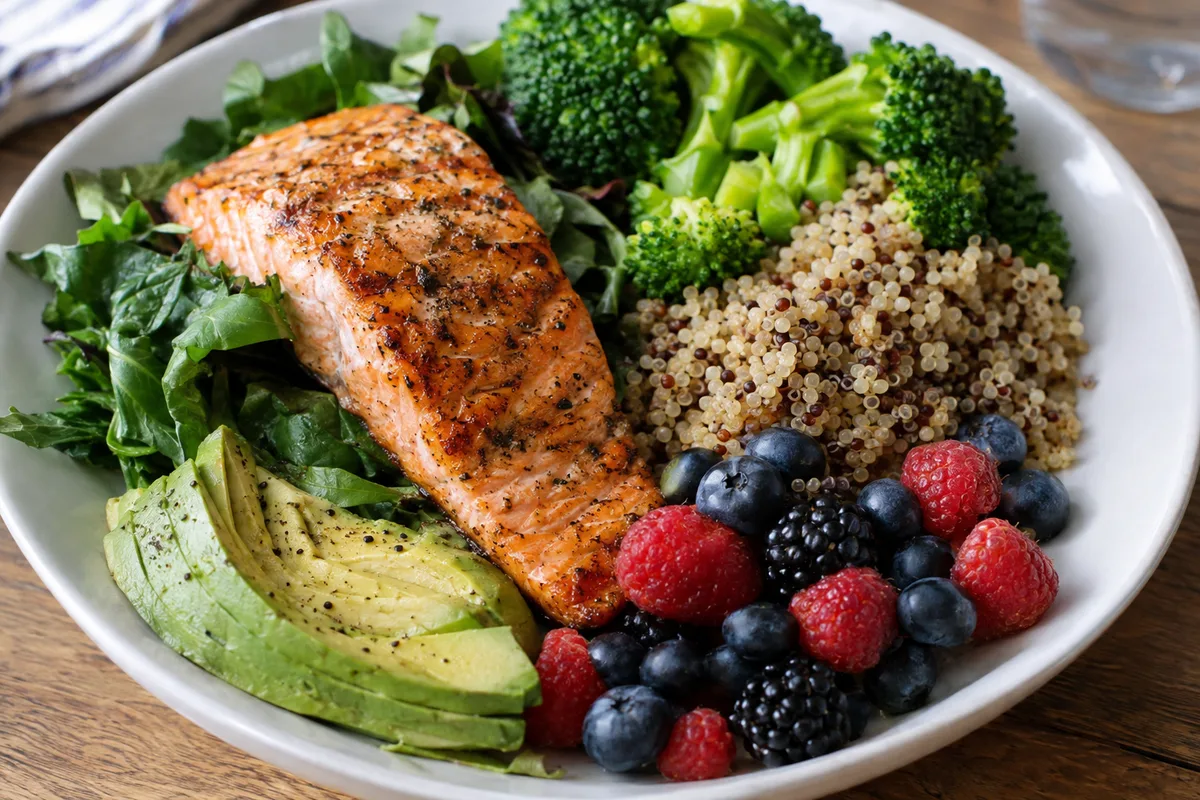
Some versions set detailed rules about food combinations, meal timing and ingredients to avoid. These details are not essential for understanding the basic pattern, and published descriptions have varied, so there is no single fixed version to follow.
The restrictions need context
The diet has been linked with avoiding or limiting highly processed foods, added sugar, alcohol and certain cooking oils. It may also exclude foods such as tomatoes, peppers, aubergines and potatoes, although removing these nutritious vegetables is not automatically useful for everyone.
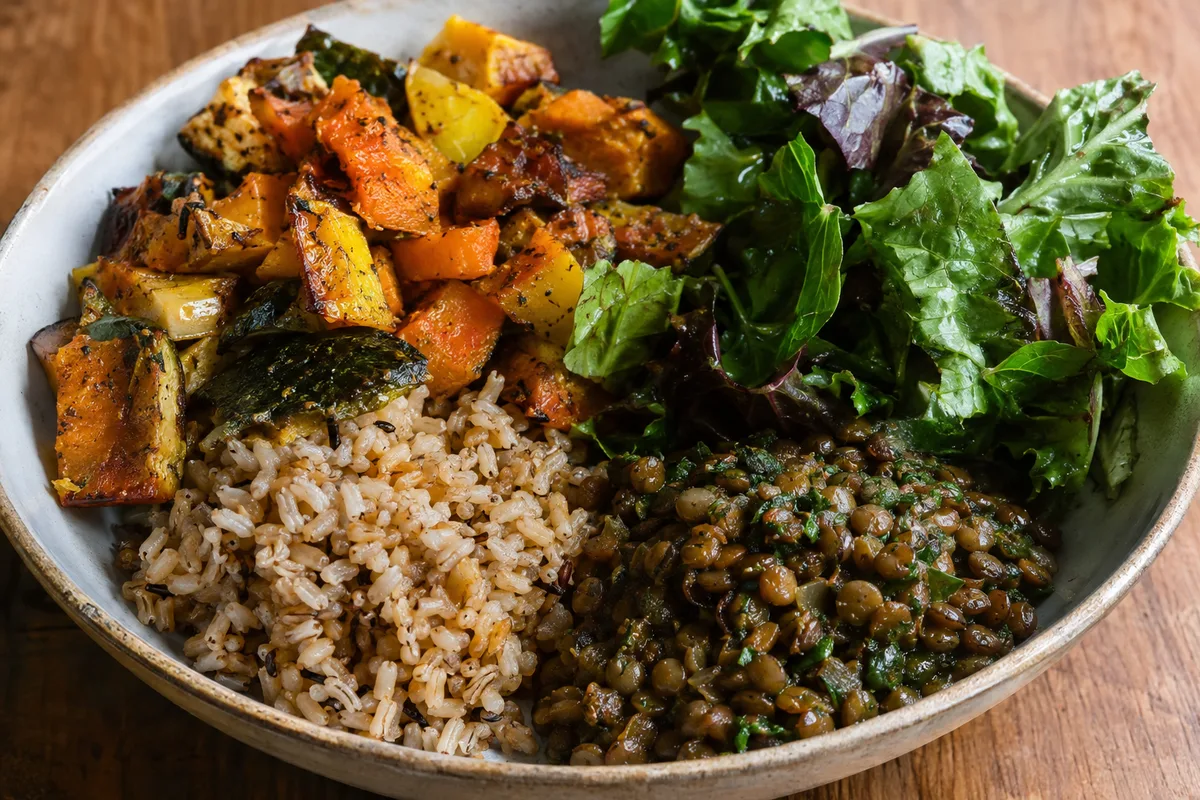
A rule can make a plan feel organised without making it necessary. If a food fits your preferences, agrees with you and helps you meet your nutritional needs, a celebrity's exclusion list is not by itself a reason to remove it.
How it may appear in your tracker
A plant-heavy pattern can add fibre and a wider range of micronutrients, but your log may reveal gaps if whole food groups disappear. Check whether your usual entries provide enough protein, carbohydrate, fat and overall energy for your daily routine and activity.
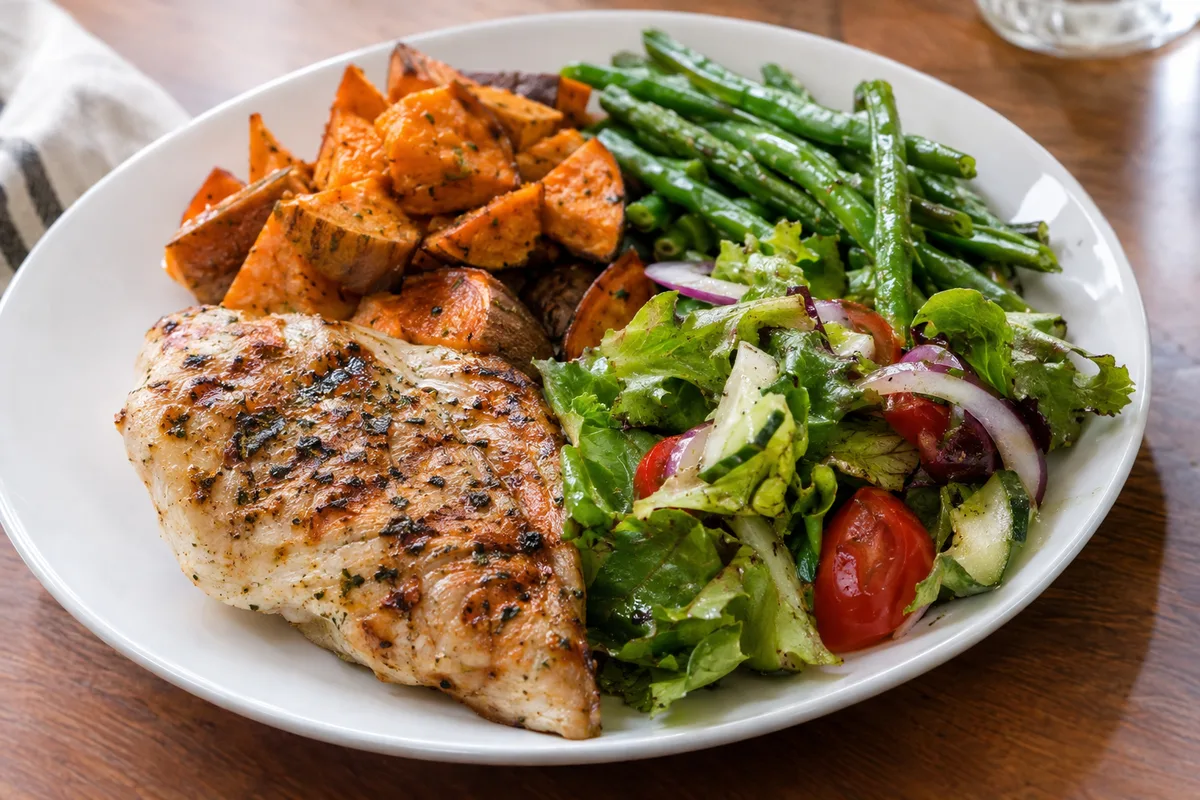
Look beyond a single day's totals and notice repeat patterns across your log. The right amounts depend on your body, schedule, training and goals, so avoid treating the athlete's routine as a personal target.
Build a version that suits real life
You can borrow the practical parts without adopting every rule: base more meals on minimally processed ingredients, include several plant foods and plan protein sources you enjoy. Keep favourite foods in the picture where they support a pattern you can maintain.
Use your tracker as feedback rather than a pass-or-fail score. If the plan leaves you hungry, makes social meals difficult or narrows your food choices too far, adjust it rather than assuming stricter is better.