
Using Protein Powder Every Day: What to Track and What to Consider
Protein powder can be a convenient part of a daily routine, but it is still food that belongs in your log. This guide explains how to track it accurately, use it sensibly and keep whole foods at the centre of your diet.
What protein powder adds to your day
Protein powder is a concentrated source of protein made from ingredients such as milk, peas, soya, rice or eggs. It can make it easier to add protein when preparing a full meal is not practical. Using it every day is not automatically better or worse than using it occasionally.
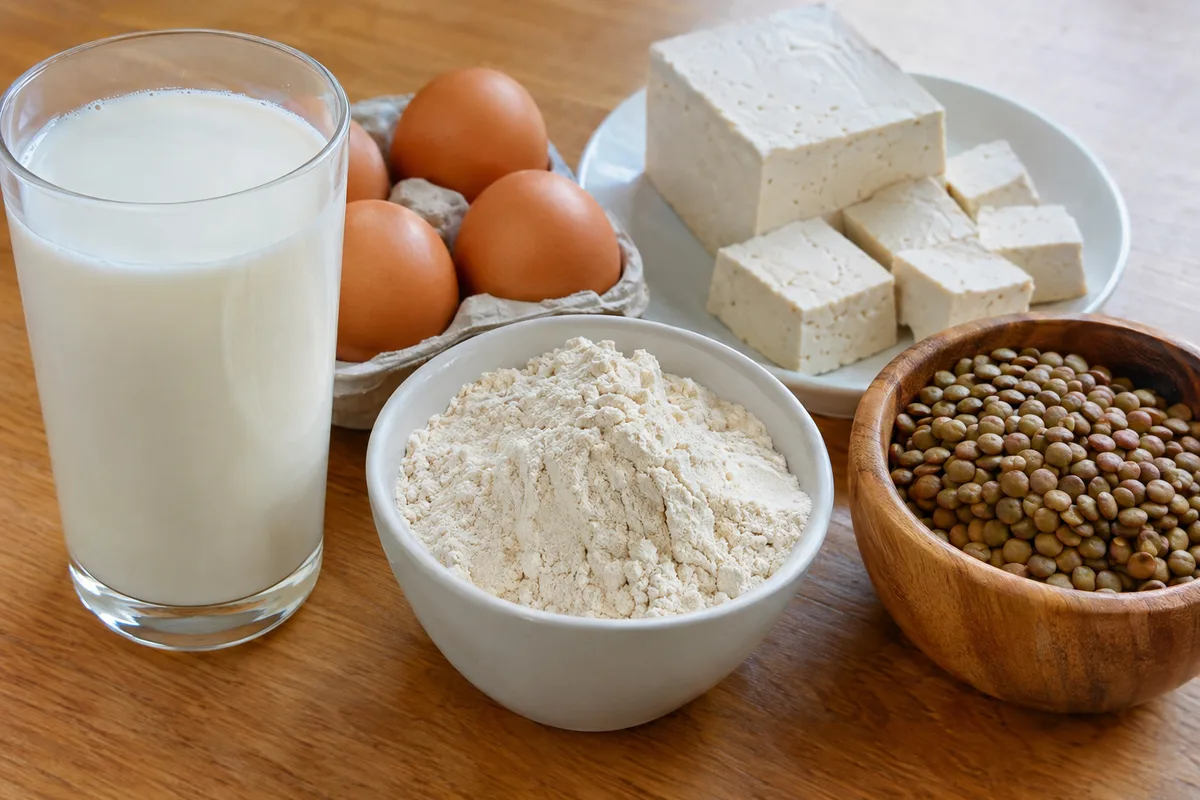
Your total intake matters more than the fact that the protein came from a powder. A serving can contribute protein and energy, while some products also contain carbohydrate, fat, fibre or added ingredients. The exact amounts vary, so use the information on your product rather than assuming every powder is alike.
Protein has several roles in the body, including maintaining muscle and supporting normal repair. Your daily needs depend on factors such as body size, activity, age and goals. Protein powder can help meet those needs, but it does not have to provide most of your protein.
- Milk-based protein powders
- Pea, soya or rice protein powders
- Egg-based protein powders
- Blends containing more than one protein source
Log the powder and everything mixed with it
When you track a shake, record the amount of powder you actually used. A scoop is not always identical to the serving shown on the label, and scoops can differ between products. If your portion changes from day to day, update the entry rather than reusing the same logged amount.
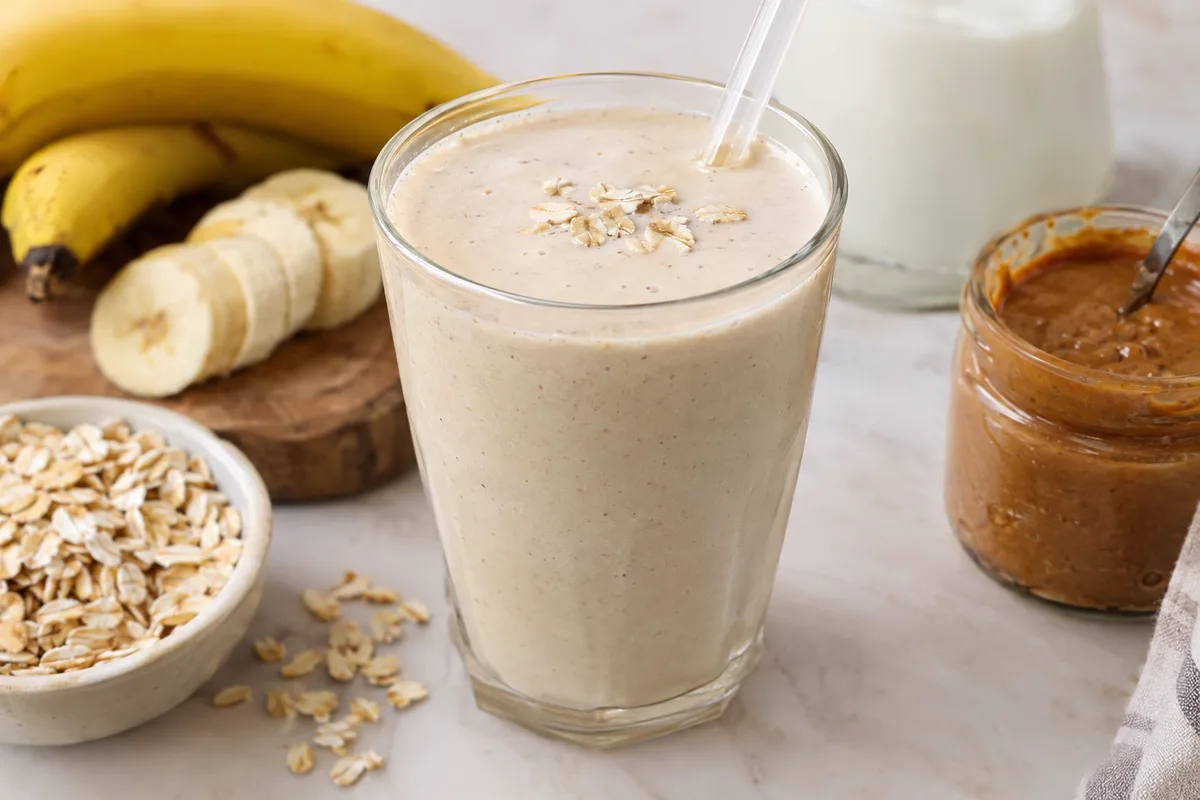
Remember that the finished drink may contain much more than powder. Milk, yoghurt, fruit, nut butter, oats and sweeteners all contribute to the total. Water adds no energy, but using water does not make the powder itself disappear from your log.
Check that the entry in your tracker matches the product label. Similar product names can have different ingredients and nutrition information. If you create a saved meal or recipe, revise it when you change the powder or the ingredients around it.
- Record the amount of powder used
- Add the liquid separately
- Log fruit, oats, yoghurt and spreads
- Check saved entries against the current label
- Update the recipe when ingredients change
Read the label beyond the protein line
The protein figure is only one part of the label. Look at the serving size, energy, carbohydrate, fat, fibre and any added sugars or sweeteners. This gives you a clearer picture of how the powder fits into the rest of your day.
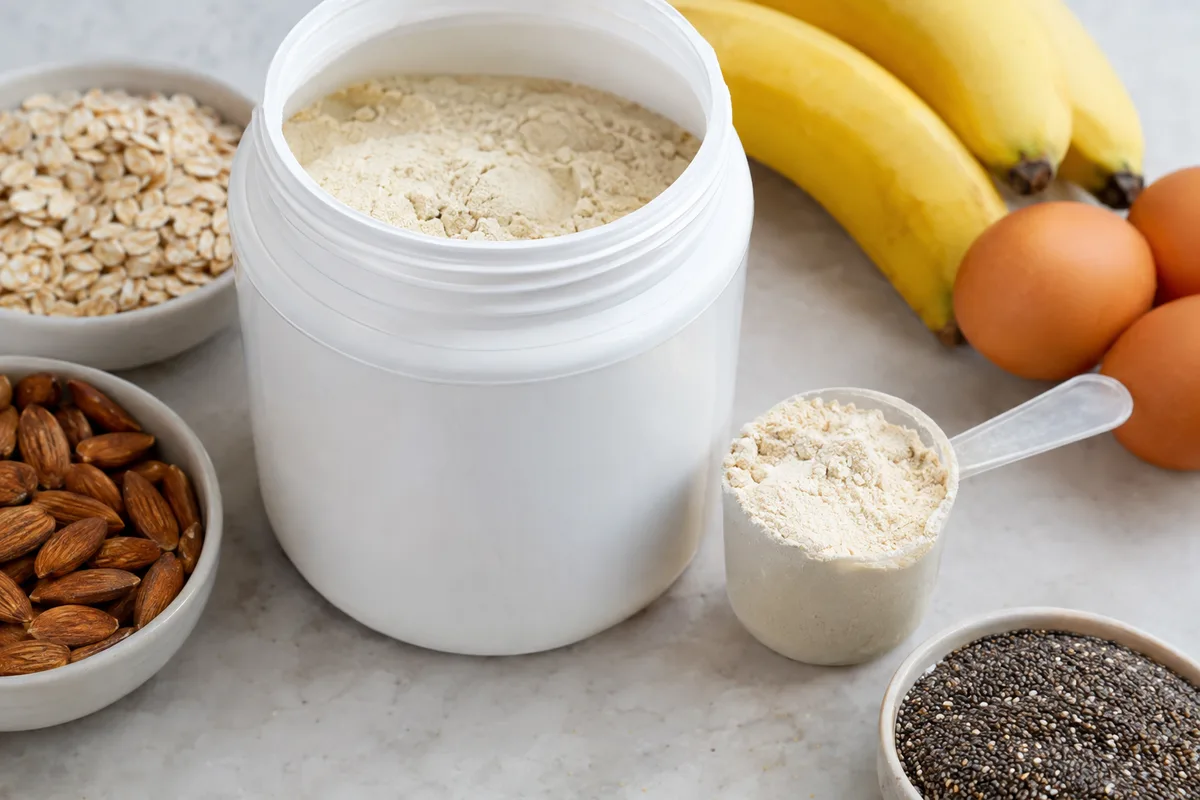
The ingredient list can also explain differences in taste, texture and how filling a product feels. Some powders are mostly a protein source, while others include flavourings, thickeners, added vitamins or plant ingredients. A longer list is not automatically a problem, but it is useful to know what you are consuming daily.
Check any allergen information and preparation instructions carefully. If an ingredient does not suit you, choose meals and snacks made from foods you already tolerate instead. Anyone who has been advised to limit or monitor a nutrient should follow guidance from a suitably qualified professional.
- Serving size and number of servings
- Protein, carbohydrate and fat
- Fibre and added sugars
- Full ingredient list
- Allergen and storage information
Choose a time that solves a real problem
There is no single best time to use protein powder. It may be useful at breakfast, after activity or as part of a snack, depending on where your usual meals fall short. The right time is the one that fits your routine and helps you eat consistently.
Try not to let a shake become an automatic extra if you are already satisfied and meeting your needs. In that case, it may simply add more food and energy than you intended. Your food log can help you notice whether it is filling a gap or sitting on top of an already complete day.
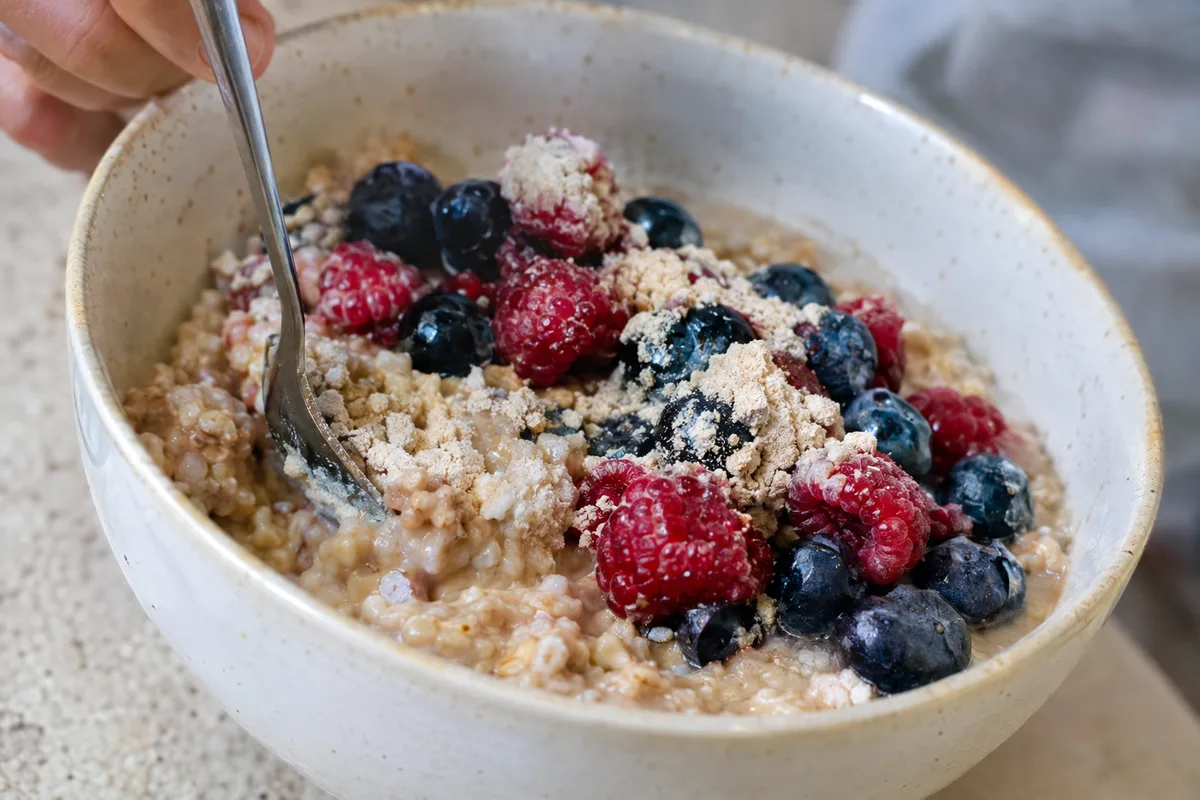
You can also use powder as an ingredient rather than drinking it. It can be stirred into porridge or yoghurt, or blended with fruit and milk. Follow the product's preparation guidance, as powders behave differently when heated or mixed.
- Stir it into porridge
- Mix it with plain yoghurt
- Blend it with fruit and milk
- Shake it with water when convenience matters
Keep whole foods in the picture
Protein powder does not provide everything found in a varied meal. Whole foods can bring fibre, colour, texture and a wider mixture of nutrients. They also make it easier to build meals that feel satisfying rather than relying mainly on drinks.
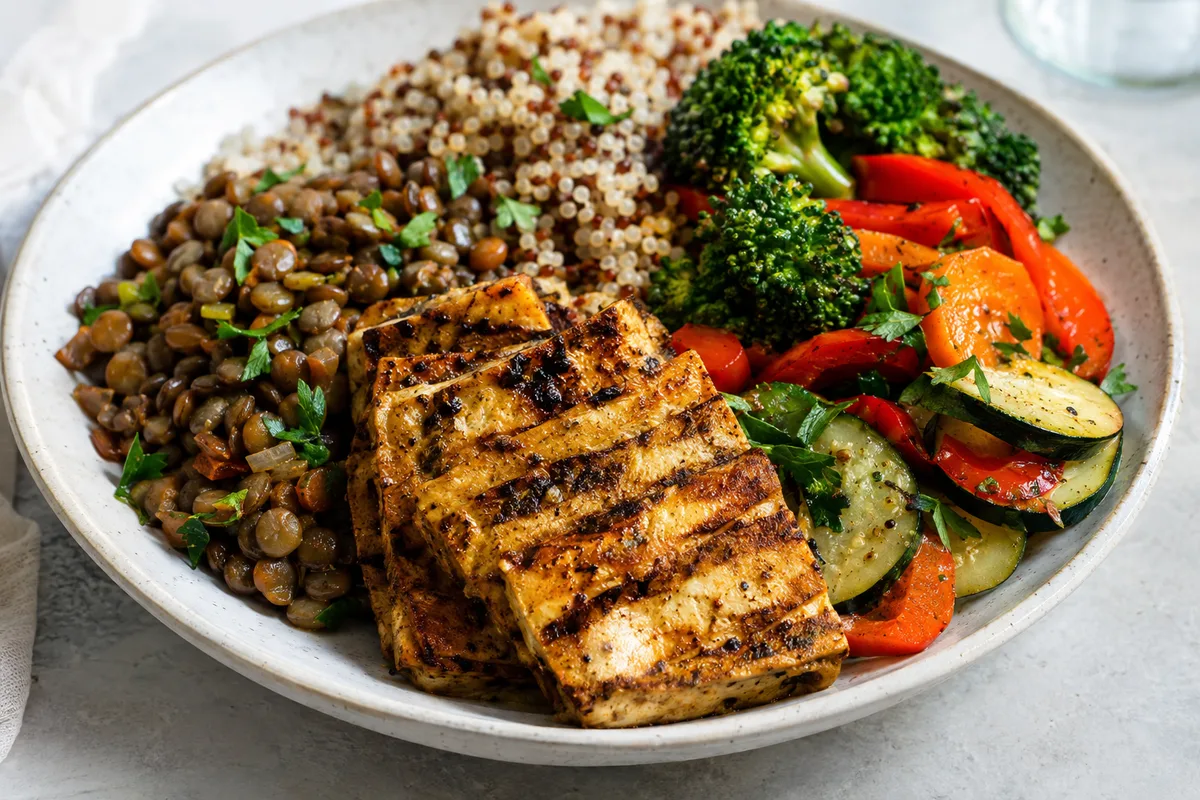
Spread protein foods across meals in a way that suits your appetite. Eggs, fish, meat, dairy foods, beans, lentils, tofu, nuts and seeds can all contribute. The most suitable mix depends on your preferences, eating pattern and any foods you avoid.
A shake can sit alongside a balanced diet, but it should not crowd out fruit, vegetables, grains and other useful foods. Look at your log over several days rather than judging one meal in isolation. Variety across the week matters more than making every plate look identical.
- Add beans or lentils to soups and salads
- Include eggs, tofu, fish or meat in main meals
- Use yoghurt, milk, nuts or seeds in snacks
- Keep fruit, vegetables and grains alongside protein foods
Review whether daily use is still useful
A daily habit is worth reviewing from time to time. Check whether the powder still helps with convenience, appetite and your overall protein intake. If it no longer serves a clear purpose, you can use it less often or replace it with an ordinary meal or snack.
Notice how you feel after taking it and whether you enjoy the routine. Digestive discomfort, dislike of the taste or repeatedly skipping meals are reasons to reconsider how it fits into your day. Changing the portion, ingredients or timing may be enough, but the answer depends on the person.
Store the powder as directed, keep the container dry and use it within the stated date. Do not use a damaged product or one that smells, tastes or looks unusual. Seek individual advice from a qualified professional if your nutrition needs have been restricted or you are unsure whether daily use suits you.
- Does it fill a genuine gap in your day
- Does the logged portion match what you use
- Are whole meals still varied and satisfying
- Does the routine feel comfortable and sustainable