
A Practical List of Gluten-Free Protein Powders
Protein powder can be made from milk, eggs, plants or other ingredients, and many plain varieties contain no gluten ingredients. This guide explains the main options, possible sources of gluten and what to check before adding a powder to your food log.
What gluten-free means for protein powder
Gluten is found naturally in wheat, barley and rye. A protein source such as milk, peas or eggs may be naturally free from gluten, but the finished powder can contain added ingredients. Flavourings, biscuit pieces, cereal ingredients and processing methods all need to be considered.
The clearest starting point is a gluten-free statement on the packaging. Check the full label each time rather than relying on the name of the protein source or a previous version of the product. Recipes and manufacturing arrangements can change, even when the front of the pack looks familiar.
- Look for a clear gluten-free statement
- Read the complete ingredients list
- Check any allergen or cross-contact wording
- Recheck the label when the recipe or packaging changes
Protein powder types that may be gluten-free
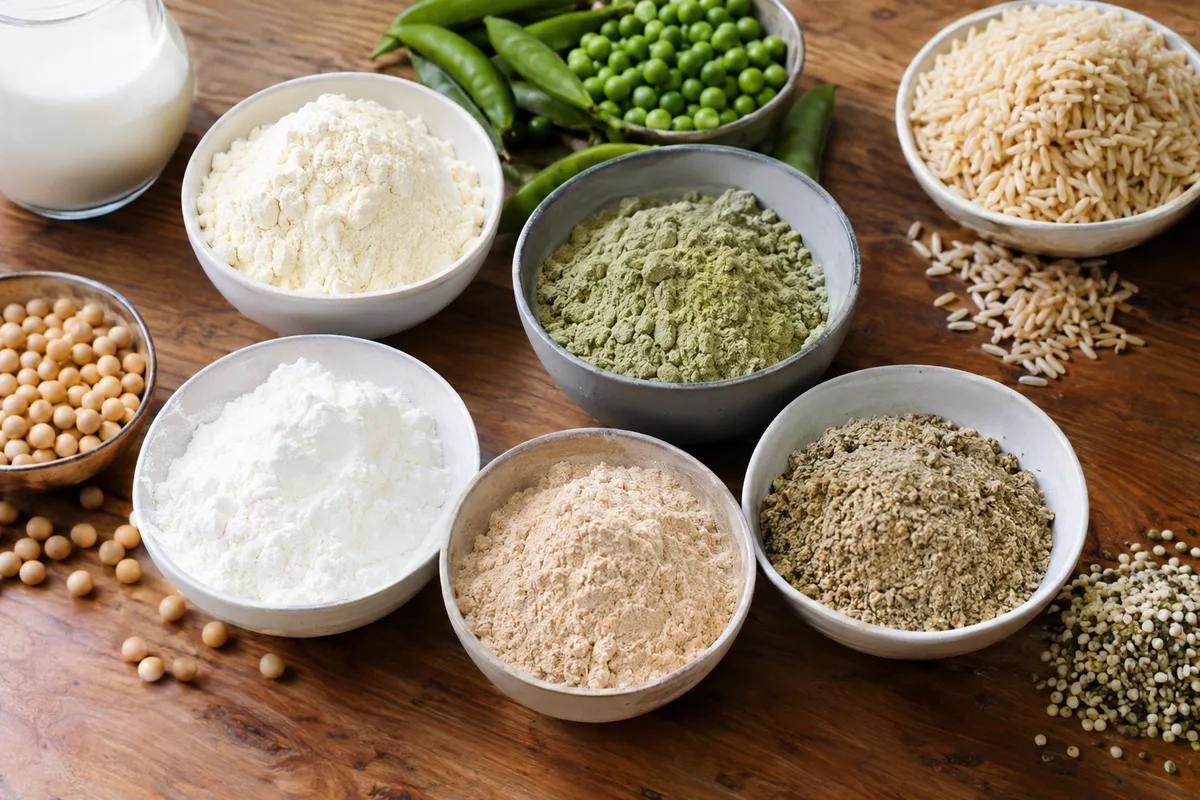
Several common protein sources do not naturally contain gluten. This does not mean that every powder made from them is suitable, because other ingredients may be added during production. Treat the following as a list of types to investigate rather than a guarantee about every product.
Single-source, unflavoured powders often have shorter ingredients lists, which can make them easier to assess. Blended and flavoured powders require closer reading because they may include thickeners, sweeteners, grains, flavour carriers or crunchy additions. A clear gluten-free label remains more useful than assumptions based on the main ingredient.
- Whey protein, including concentrate and isolate
- Casein protein
- Egg white protein
- Pea protein
- Rice, soya, hemp or mixed plant protein
Ingredients and wording to check
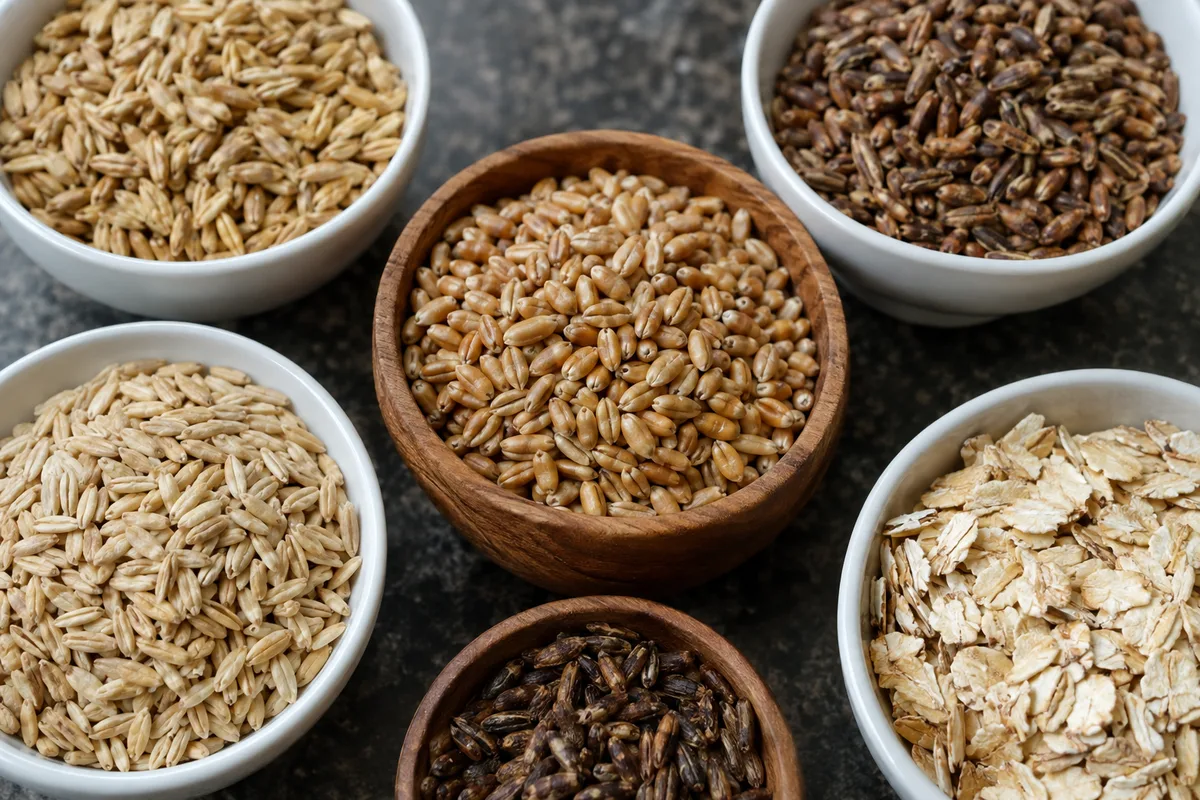
Wheat, barley and rye are direct sources of gluten and should be easy to spot when clearly named. Malt is commonly made from barley, so malt extract, malt flavouring and malted ingredients need attention. Ingredients such as biscuit, cookie, cereal or brownie pieces may also introduce gluten.
Oats need a separate check because they can come into contact with gluten-containing grains during growing or processing. If a powder contains oats, look for oats specifically identified as gluten-free. Do not assume that a flavour such as vanilla, chocolate or salted caramel is suitable without reading its individual label.
Cross-contact wording describes the possibility that small amounts could enter a product through shared handling or equipment. Decide whether that wording fits the level of avoidance you follow. If the packaging is unclear, leave the product unconfirmed in your personal list until reliable information is available.
- Wheat, including spelt and related wheat ingredients
- Barley, rye and malt ingredients
- Biscuit, cereal or baked-piece additions
- Oats without clear gluten-free identification
- Warnings about shared handling or equipment
How to record protein powder accurately
Log the exact powder and flavour shown on its label, since different versions can have different ingredients and nutrition values. Use the serving amount you actually added rather than the suggested serving if those amounts differ. A scoop is not always a dependable unit because scoop sizes and how tightly powder is packed vary.
Protein provides about 4 kcal per gram, but the total energy in a powder can also come from carbohydrate and fat. Carbohydrate provides about 4 kcal per gram and fat provides about 9 kcal per gram. Added cocoa, sweeteners, oils or other ingredients can therefore change the nutrition values between powders.
When you mix the powder with other foods, record those separately unless your tracker already has the full recipe saved. Include milk, plant drinks, yoghurt, fruit, nut butter or oats where relevant. The final total depends on the powder, the amount used and everything mixed with it.
- Select the exact flavour and version
- Enter the amount actually used
- Use the label values rather than a generic entry
- Record mixers and toppings separately
- Save a repeat recipe if you prepare it the same way
Ways to use gluten-free protein powder
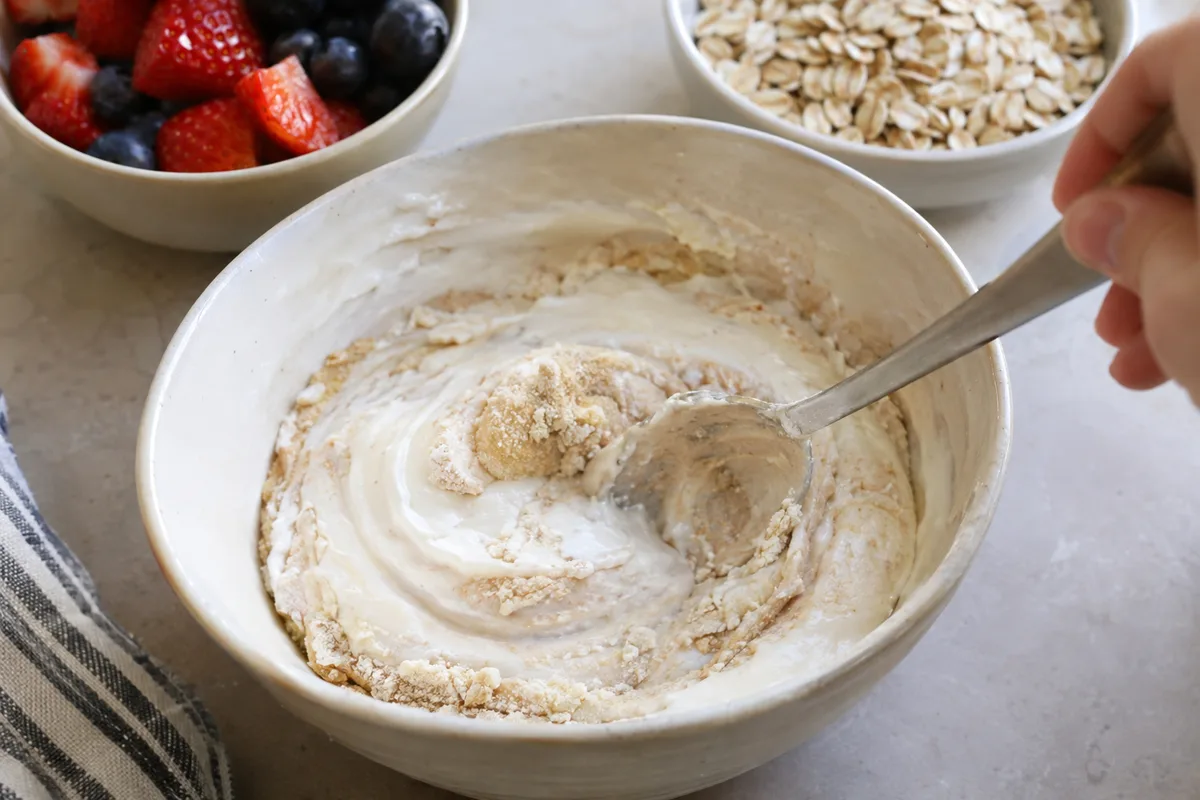
Protein powder does not have to be mixed only with water. It can be stirred into foods that already form part of your usual eating pattern, provided every ingredient meets your gluten-free requirements. Mixing it into food may also change the texture, so adding a little at a time can help.
Powder can thicken yoghurt, porridge and blended drinks. It can also be included in homemade mixtures, but heating may make some powders dry, firm or lumpy. The amount that works best depends on the recipe and the type of protein.
Keep the whole meal in view when tracking. A powder may contribute protein, while fruit, grains, dairy foods, plant drinks, seeds or nut butter contribute other nutrients and energy. Recording the complete combination gives a more useful picture than logging the powder alone.
- Stir into yoghurt with fruit
- Mix into porridge made with gluten-free oats
- Blend with milk or a plant drink and fruit
- Add to a homemade gluten-free pancake mixture
- Stir a small amount into a thick pudding or bowl
Building your own reliable list
A useful gluten-free protein powder list is personal and specific. Record the full product name, flavour and the label wording you checked rather than listing only broad categories such as whey or pea. This reduces confusion when similar-looking versions use different ingredients.
Separate confirmed options from powders that still need checking. You can also note whether a product contains milk, soya, egg, oats or other ingredients that matter to your food choices. Review the entry when you open a newly designed pack or notice a recipe change.
Protein powder is optional, and the right amount depends on the rest of your diet, appetite, activity and preferences. Your food diary can show whether it is simply replacing protein you already eat or filling a practical gap. Use the label and your actual portion to keep that comparison consistent.
- Write down the exact name and flavour
- Note the gluten-free statement and date checked
- Record other ingredients relevant to you
- Mark unclear products as needing confirmation
- Recheck new packaging before using an old saved entry